The aim of the research was to explain the general characteristics of a successful aquatic invasive plant. I also express my gratitude for allowing me to finish and meet the requirements of the program.
INTRODUCTION
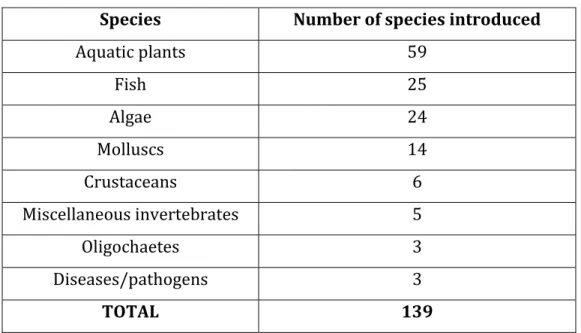
Invasive alien species
The Problems with prevention, control and mitigation of IAS
The importance of knowing the pathways of IAS invasions was described by Leung et al. invasions will occur and to identify areas that serve as major sources for further invasions to focus management efforts and to reduce the likelihood of invasion or the rate of spread." It is important to note that Mack et al. 2000) highlighted the fact that the identification of future invaders proved difficult despite earlier research studies (e.g.
Aquatic plant species
Aquatic plants and the aquarium and ornamental pond industries
Despite the lack of statistics relating to the aquarium and ornamental pond industries, these industries have resulted in the introduction of aquatic plants such as Cabomba, Eurasian water leaf, water chestnut and European frogsbite (Mills et al., 1993). It is important to note that no information was found on the economic costs of aquatic plants entered specifically by aquarists and ornamental ponds.
Rationale for study
Provincially, Ontario has minimal statistics available on the aquarium and ornamental pond industries; however, the impression is that the sector is growing rapidly (Kerr et al., 2005). There are several stakeholders associated with the aquarium and ornamental pond industries who are involved in the dissemination of information regarding the trade in Ontario.
Purpose and objectives
Are aquatic plant morphological strategies (eg, life form) marketed by the aquarium and ornamental pond industries related to the likelihood of success as invaders? Are aquatic plant physiological strategies (eg, physiological tolerance) marketed by the aquarium and ornamental pond industries related to the likelihood of success as invaders?
LITERATURE REVIEW
General Introduction
In the Kawartha Lakes, Ontario, Eurasian water milfoil covered ca. 80% of the water surface (Aiken et al., 1979). Infestations of Eurasian waterleaf affected human use of waterways, particularly for recreation, water transportation, and clogged drinking water systems (Aiken et al., 1979; White et al., 1993).
Pathways of introduction for aquatic plants
Aquarium industry
2009a) concluded that the aquarium trade may serve as an avenue for the introduction of aquatic invaders. The invasion risk of macrophytes, fish and molluscs sold by the aquarium industry on the Great Lakes was assessed by Rixon et al.
Internet, mail parcels/order catalogues
From the survey, Kay and Hoyle (2001, p. 88) noted that “with the advent of consumer access to the Internet and the development of e‐commerce, the spread of invasive aquatic plants has been exacerbated worldwide. Thus, the Internet and mail order/order catalogs may not play as important a role in the spread of invasive aquatic plants as other authors perceive.
Ornamental ponds
Invasion success of aquatic plants
Plant invasions
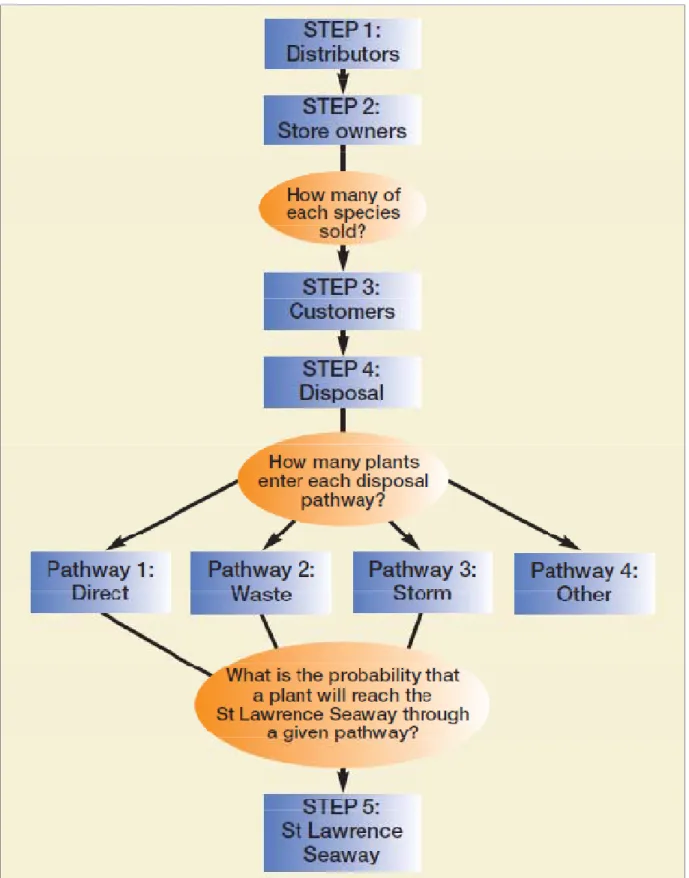
The four steps represent the problems that a plant would have to overcome in the course of the invasion (Heger, 2001). Moreover, all the stages of the invasion were repeated until the invader was considered naturalized and the dispersal stage served as the precursor to the initial stage of introduction into the new environment (Mitchell and Gopal, 1991).

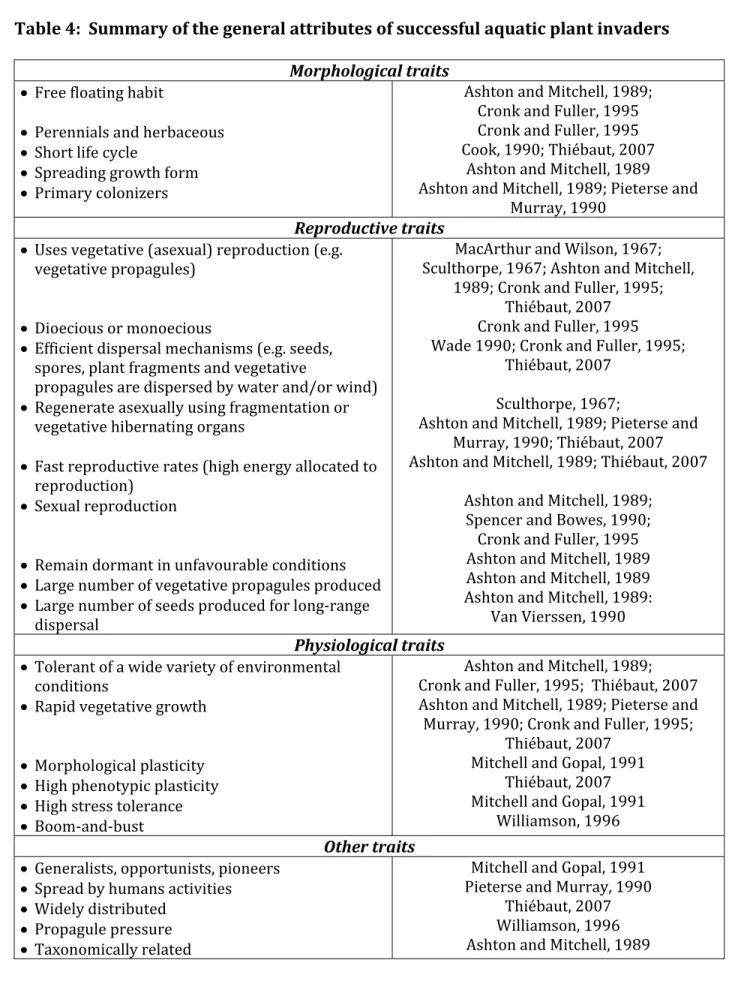
Traits of successful aquatic plant invaders
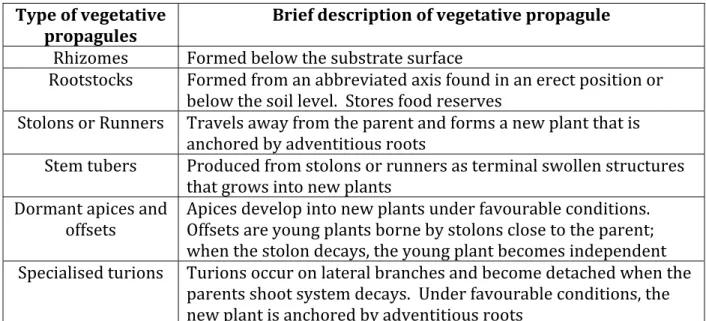
- Reproduction and perennation
- Life form and growth characteristics
- Morphological plasticity
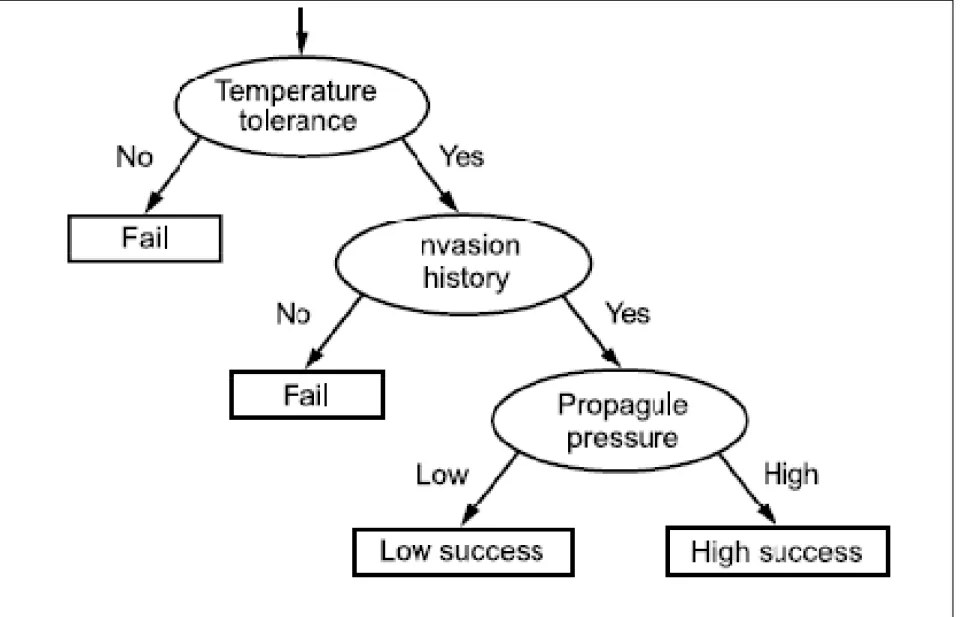
- Boom‐and‐bust and propagule pressure
In addition, it has been found that aquatic plant invaders can exclude other underwater plants due to their superior ability to secure light, space and nutrients (Lacoul and Freedman, 2006). Regeneration is another strategy used by aquatic plants to increase their numbers in the new environment.
Legislative framework for the introduction of aquatic plants into Ontario
Canadian Food Inspection Agency
- CFIA and invasive plants
- Administration and enforcement of the CFIA
The Plant Protection Regulations, 2009 (PPR), like the PPA, aimed to prevent the "import, export and spread of pests injurious to plants and measures for their control and eradication and for the certification of plants" (PPR, 2009, p. 1). The purpose of the order is to deal with weed seeds, i.e. "seeds of the plant species that are considered to be weed seeds for the purpose of determining qualities according to the Seed Act".
Risk assessment
CFIA and risk assessment
After this step is completed, if the pest is assessed as a quarantine pest, the next step, assessment of the probability of introduction and spread, is carried out. Of the 14 listed species, only two risk assessments have been written: for the water chestnut in 2001 and the yellow swimming heart in 2008.
Link between literature review and methodology
However, there is an interim agreement that CFIA will conduct risk assessments for aquatic plants pursuant to a request from the Department of Fisheries and Oceans (DFO) (C. Wilson O'Driscoll, pers. comm., 2011). Risk assessments have also been completed for Cabomba (2001) and didymo or snot rock (Didymosphenia geminata) (2009).
METHODOLOGY
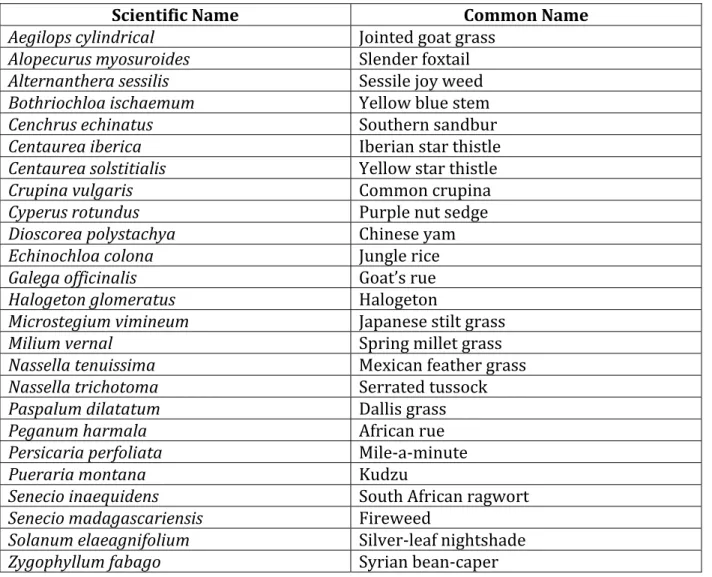
Selection of potential aquatic plant invaders
Determining likelihood of introduction
These stores were contacted by telephone to confirm whether they sell aquatic plants. Responses were received from 35 stores regarding the volume of sales and/or use of aquatic plants (response rate of 56.4%).
Survey of aquarium and ornamental pond customers
Upon verification that a shop sold aquatic plants, the name of the manager and/or owner was ascertained and recorded. The managers and/or owners of the 62 stores identified as selling aquatic plants were sent letters of introduction detailing the nature of the research and how the stores could participate (e.g. provide a list of aquatic plants sold, volume of sales, or a customer survey).
Determining characteristics of selected aquatic plants
Data analysis
These variables were: number of dispersal mechanisms used, stem length, stem width, leaf length, leaf width, flower length, flower width, fruit length, fruit width, seed length and seed width. The three remaining traits: number of reproductive strategies used, number of phenotypic forms produced, and number of vegetative reproduction produced per biomass were excluded at the outset as they did not provide enough information to allow a clear differentiation between the species have not and therefore, will limit the number of cases that can be included in the analysis.
Grouping of aquatic plants
Statistical analysis
Multinomial logistic regression modeling (MLRM) was performed iteratively, with an initial iteration including all predictor variables and subsequent iterations removing the predictor variable with the smallest contribution to the model's predictive power (α = 0.15) in at least one pairwise group. identity comparison (multinomial logistic regression model). The total predictive value of the BLRM was determined from the prediction success table generated with the final model.
RESULTS AND DISCUSSION
Store data
- Aquatic plants sold
- Volume of sales of aquatic plants sold
- Use of aquatic plants
- Source and disposal of aquatic plants
- Status of aquatic plants sold in GTA
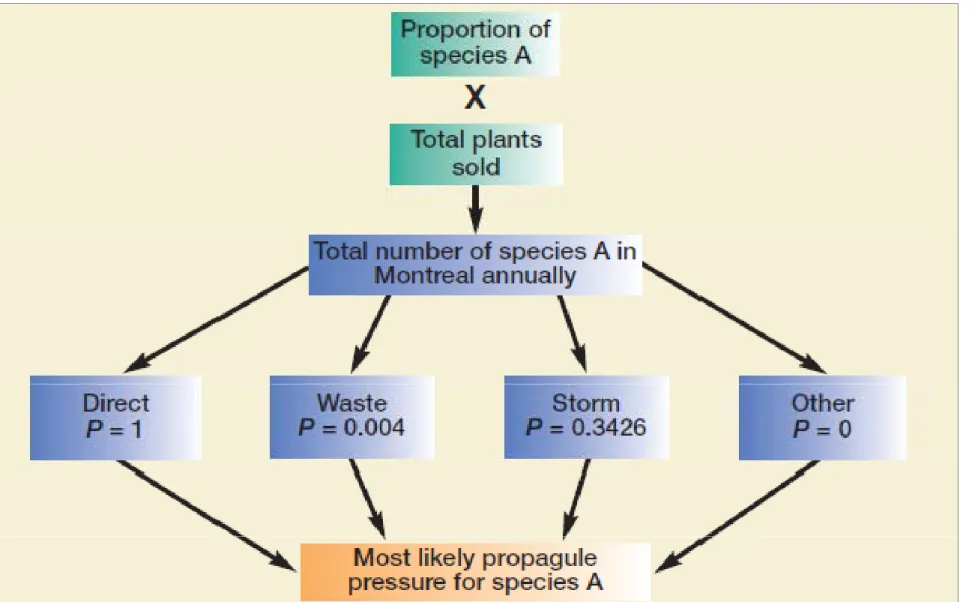
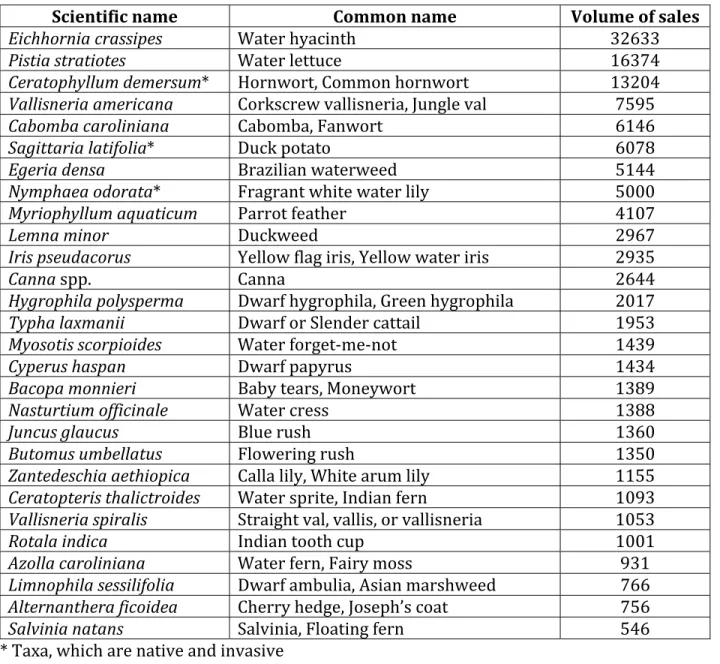
Three invasive species were identified, which had the highest volume of sales plants per year) and the highest potential for release into the environment (Figure 9). Higher sales volume not only increases the likelihood of taxa being released into a new environment, but also means greater use of taxa in aquariums and ornamental ponds.
Multinomial logistic regression model
NNI versus AI
These were types of propagation strategies used, number of propagation strategies used, growth rate and minimum temperature (Table 9). AI species generally had several reproductive strategies per taxa, with 39/62 taxa able to reproduce by three or more different strategies.
NI versus AI
Although both AI taxa and NNI taxa were most commonly found in moderately acidic waters, 27/62 alien taxa can grow in neutral to moderately alkaline conditions, while only 7/46 of native taxa in the aquarium trade grow under neutral conditions, and none grow under moderately alkaline conditions. AI taxa usually had more reproductive strategies per taxa, with 39/62 taxa able to reproduce with three or more different strategies.
Binary logistic regression model
AI species generally had more propagation strategies per taxon, with 61/62 taxa able to reproduce by two or more different strategies. Further, AI taxa used three or more distribution methods (43/62) more often than ANI taxa (49/225) used similar distribution methods.
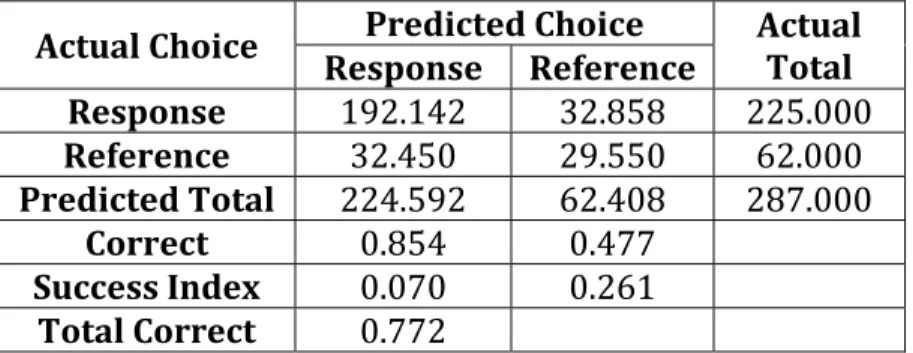
Traits of a successful invader
Opportunity for introduction
In addition to reproductive and physiological strategies, the extent of taxon sales as introduction opportunities differed between AI and ANI taxa. The observed higher abundances of AI taxa suggest that using aquatic plant sales volume as a proxy for introduction opportunity is a factor that clearly distinguishes AI taxa from ANI taxa.
The aquarium and ornamental pond industries
The use and disposal of taxa for aquariums and ornamental ponds also contributes to the potential spread of AI and ANI taxa (Section 4.1.4). No risk assessment has been performed for ANI taxa introduced into the aquarium and ornamental pond industry.
RECOMMENDATIONS
Another strategy that could be undertaken by the government is to conduct both expected costs and cost-benefit analyzes of the AI and ANI taxa distributed by the aquarium and ornamental pond industries in Ontario and more broadly in Canada. Knowledge of the barriers indicates which areas the campaign should focus on; For example, why are AI and ANI taxa widely used in aquarium and ornamental ponds?
CONCLUSION
Answer to research questions context
According to these results, reproductive strategies are related to the probability of success of aquatic invaders. Are the physiological strategies of aquatic plants sold by the aquarium and ornamental pond industry related to the likelihood of success as invaders?
Pest risk analysis for quarantine pests (FAO, 2006)
S2 In the case of LMOs, the economic impact (including environmental impact) should relate to the pest nature of the LMO (harmful to plants and plant products). These estimates, with associated uncertainties, are used in the pest risk management phase of the PRA.
Weed initiated pest risk assessment guidelines for qualitative assessments
The results of introduction risk rating are an indication of the weed's potential to become established and spread, and its potential to cause economic and environmental impacts. Estimate the pest risk potential by considering the consequences of introduction and the probability of introduction using the following table as a guide.
Advisory from CFIA regarding importation of aquatic plants
Pest risk assessment summaries for Cabomba, Trapa natans, and
The overall risk associated with water chestnut is calculated as "HIGH", which means that special phytosanitary measures are strongly recommended. As a result of this evaluation, it is recommended that water chestnut remain on the list of aquatic weeds currently prohibited in Canada.
Questionnaire for aquarium and water garden stores survey
How much of each type of aquatic plant did you get during the past year? How many aquatic plants have you disposed of (live or dead) in the past year.
Coding of categorical variables used in logistic regression analysis
List of taxa sold by aquarium and ornamental pond stores in the GTA
Cardamine lyrata Chinese ivy, Japanese cress, Cardamine Carex albula (syn. Carex comans) Carex matte curls. Hemianthus callitrichoides (syn. Micranthemum umbrosum) Helzine, giant baby tears, shade mudflower Hemianthus callitrichoides 'Cuba'.
Biological information for aquatic plants sold by the aquarium and
E] lot 2 people, water floating fast &. perennial emerging 2 unknown rhiz 2 seed [Cat. emerging 2 unknown rhiz 2 seed [Cat. Flwr May to August, fruit mid to. perennial emerging 2 unknown rhiz frag 2 seed [Cat. animal slowly 1 stem apart.
Volume of sales of taxa sold/year by 20 aquarium and ornamental pond
Invasive species sold by aquarium and ornamental pond stores
Other invasive taxa sold by aquarium and ornamental stores
Weed risk assessment model (Pheloung et al., 1999)