BIOREGENERATIVE
ENGINEERING:
PRINCIPLES AND
APPLICATIONS
SHU Q. LIU
WILEY-INTERSCIENCE
Published by John Wiley & Sons, Inc., Hoboken, New Jersey Published simultaneously in Canada
No part of this publication may be reproduced, stored in a retrieval system, or transmitted in any form or by any means, electronic, mechanical, photocopying, recording, scanning, or otherwise, except as permitted under Section 107 or 108 of the 1976 United States Copyright Act, without either the prior written permission of the Publisher, or authorization through payment of the appropriate per-copy fee to the Copyright Clearance Center, Inc., 222 Rosewood Drive, Danvers, MA 01923, (978) 750-8400, fax (978) 750-4470, or on the web at www.copyright.com. Requests to the Publisher for permission should be addressed to the Permissions Department, John Wiley & Sons, Inc., 111 River Street, Hoboken, NJ 07030, (201) 748-6011, fax (201) 748-6008, or online at http://www.wiley.com/go/permission.
Limit of Liability/Disclaimer of Warranty: While the publisher and author have used their best efforts in preparing this book, they make no representations or warranties with respect to the accuracy or completeness of the contents of this book and specifi cally disclaim any implied warranties of merchantability or fi tness for a particular purpose. No warranty may be created or extended by sales representatives or written sales materials. The advice and strategies contained herein may not be suitable for your situation. You should consult with a professional where appropriate. Neither the publisher nor author shall be liable for any loss of profi t or any other commercial damages, including but not limited to special, incidental, consequential, or other damages.
For general information on our other products and services or for technical support, please contact our Customer Care Department within the United States at (800) 762-2974, outside the United States at (317) 572-3993 or fax (317) 572-4002.
Wiley also publishes its books in a variety of electronic formats. Some content that appears in print may not be available in electronic formats. For more information about Wiley products, visit our web site at www.wiley.com.
Wiley Bicentennial Logo: Richard J. Pacifi co
Library of Congress Cataloging-in-Publication Data
Liu, Shu Q.
Bioregenerative engineering : principles and applications / Shu Q. Liu. p. ; cm.
Includes bibliographical references and index. ISBN 978-0-471-70907-7 (alk. paper)
1. Biomedical engineering. 2. Regeneration (Biology) I. Title.
[DNLM: 1. Biomedical Engineering. 2. Regenerative Medicine. QT 36 L783f 2007] R856.L57 2007
610.28—dc22
2006027165 Printed in the United States of America
CHAPTER SUMMARIES
PART I. FOUNDATIONS OF BIOREGENERATIVE ENGINEERING 1
Section 1. Molecular Basis for Bioregenerative Engineering 3
Chapter 1. Structure and Function of Macromolecules 4
Introduction to the composition, structure, synthesis, assembly, organiza-tion, funcorganiza-tion, and metabolism of DNA, RNA, proteins, and lipids with a focus on the contributions of these molecules to the constitution and func-tion of cells and tissues.
Chapter 2. Regulation of Gene Expression 36
Structural basis for gene expression; regulation of gene expression at the transcriptional and posttranscriptional levels; and signifi cance of regulated gene expression in the control of cell functions and adaptation to environ-mental alterations.
Chapter 3. Structure and Function of Cellular Components 52 Structure, organization, function, and interaction of cellular components, including the cell membrane, cytoskeleton, endoplasmic reticulum, Golgi apparatus, endosomes, mitochondria, and nucleus.
Chapter 4. Extracellular Matrix 102
Composition, structure, function, synthesis, and degradation of extracellular matrix components, including the collagen matrix, elastic fi bers and laminae, and proteoglycans; and roles of extracellular matrix in the formation of tissues and organs as well as in the regulation of cell organization and functions.
Section 2. Regulatory Mechanisms of Regeneration 146
Chapter 5. Cell Signaling Pathways and Mechanisms 147
Types, mechanisms, and signifi cance of cell signaling; factors serving as signals; and descriptions of common cell signaling pathways, including the protein tyrosine kinase-mediated signaling pathways, nonreceptor tyrosine
kinase-mediated signaling pathways, serine/threonine kinase-mediated sig-naling pathways, protein phosphatase-mediated sigsig-naling pathways, cyto-kine-JAK-STAT-mediated signaling pathways, G-protein receptor-mediated signaling pathways, NFκB-mediated signaling pathways, ubiquitin and pro-teasome-mediated signaling pathways, nuclear receptor-mediated signaling pathways, and p53-mediated signaling pathways.
Chapter 6. Fundamental Cellular Functions 256
Structural basis, processes, regulation, and signifi cance of cellular func-tions, including cell division (mitosis and meiosis), migration, adhesion, and apoptosis; and contributions of these cellular functions to the morphogene-sis and pathogenemorphogene-sis of tissues and organs.
Section 3. Developmental Aspects of Bioregenerative Engineering 328
Chapter 7. Fertilization and Early Embryonic Development 329 Structure and function of sex cells, including the sperm and egg; and pro-cesses, regulation, and mechanisms of fertilization, cleavage, blastocyst formation, and gastrulation.
Chapter 8. Embryonic Organ Development 346
Processes, regulation, and mechanisms of embryonic development and mor-phogenesis of ectodermal organs (nervous system and epidermis), mesoder-mal organs (skeleton, skeletal muscle system, heart, blood, blood vessels, and kidneys), and endodermal organs (digestive tract, liver, pancreas, and lungs).
Chapter 9. Regeneration of Adult Cells, Tissues, and Organs 380 Types, structure, and functional characteristics of stem cells; application of stem cells to regenerative engineering and medicine; and processes and mechanisms of the regeneration of salamander limbs and mammalian liver.
PART II. PRINCIPLES AND APPLICATIONS OF BIOREGENERATIVE
ENGINEERING TO ORGAN SYSTEMS 417
Section 4. Principles of Bioregenerative Engineering 419
Chapter 10. Molecular Aspects of Bioregenerative Engineering 420 Types and mechanisms of gene mutation; disorders due to gene mutation; genetic basis and principles of molecular regenerative engineering or gene manipulation; and application of molecular regenerative engineering to the treatment of gene mutation-induced disorders.
Chapter 12. Biomaterial Aspects of Bioregenerative Engineering 468 Identifi cation, construction, and characterization of biomaterials, including synthetic polymers, extracellular matrix, metals, and ceramics; and applica-tion of biomaterials to regenerative engineering.
Section 5. Application of Bioregenerative Engineering to Organ Systems 499
Chapter 13. Nerve Regenerative Engineering 500
Structure and function of the central and peripheral nervous systems; patho-genesis, pathology, clinical features, and conventional treatment of nerve disorders, including nerve injury, Alzheimer’s disease, Parkinson’s disease, Huntington’s disease, and multiple sclerosis; and application of regenerative engineering approaches to the treatment of nerve disorders.
Chapter 14. Cardiac Regenerative Engineering 584
Structure and function of the heart; pathogenesis, pathology, clinical fea-tures, and conventional treatment of cardiac disorders, including heart failure, cardiomyopathy, ischemic heart disease, and valvular diseases; and application of regenerative engineering approaches to the treatment of cardiac disorders.
Chapter 15. Vascular Regenerative Engineering 659
Structure and function of the vascular system; structure and function of vascular endothelial cells, smooth muscle cells, and fi broblasts; pathogene-sis, pathology, clinical features, and conventional treatment of vascular disorders, including atherosclerosis and hypertension; and application of regenerative engineering approaches to the treatment of vascular disorders.
Chapter 16. Pulmonary Regenerative Engineering 736
Structure and function of the pulmonary system; pathogenesis, pathology, clinical features, and conventional treatment of pulmonary disorders, includ-ing asthma, cystic fi brosis, and pulmonary hypertension; and application of regenerative engineering approaches to the treatment of pulmonary disorders.
Chapter 17. Liver Regenerative Engineering 768
Structure and function of the liver; regenerative characteristics of liver cells, including hepatocytes, epithelial cells, endothelial cells, Ito cells, and Küpffer cells; pathogenesis, pathology, clinical features, and conventional treatment of liver disorders, including acute and chronic hepatitis, cirrhosis, liver failure, and cancers; and application of regenerative engineering approaches to the treatment of liver disorders.
Chapter 18. Gastrointestinal Regenerative Engineering 798 Structure and function of the gastrointestinal system; pathogenesis, pathol-ogy, clinical features, and conventional treatment of gastrointestinal disor-ders, including peptic ulcer, gastrointestinal cancers, infl ammatory bowel
disease, intestinal ischemia and infarction, and short bowel syndrome; and application of regenerative engineering approaches to the treatment of gastrointestinal disorders.
Chapter 19. Pancreatic Regenerative Engineering 819
Structure and function of the pancreas; pathogenesis, pathology, clinical features, and conventional treatment of pancreatic disorders, including dia-betes and pancreatic cancers; and application of regenerative engineering approaches to the treatment of pancreatic disorders.
Chapter 20. Urinary Regenerative Engineering 845
Structure and function of the kidney and urinary tract; pathogenesis, pathol-ogy, clinical features, and conventional treatment of renal and urinary tract disorders, including acute and chronic glomerulonephritis, acute and chronic renal failure, and urinary tract obstruction; and application of regenerative engineering approaches to the treatment of urinary disorders.
Chapter 21. Skeletal Muscle Regenerative Engineering 873 Structure and function of the skeletal muscle system; pathogenesis, pathol-ogy, clinical features, and conventional treatment of muscular dystrophies; and application of regenerative engineering approaches to the treatment of muscular dystrophies.
Chapter 22. Bone and Cartilage Regenerative Engineering 906 Structure and function of the bones and cartilage; pathogenesis, pathology, clinical features, and conventional treatment of skeletal disorders, including osteoporosis, Paget’s disease, bone tumors, and rheumatoid arthritis; and application of regenerative engineering approaches to the treatment of skeletal disorders.
Chapter 23. Ocular Regenerative Engineering 964
Structure and function of the eye; pathogenesis, pathology, clinical features, and conventional treatment of ocular disorders, including corneal injury, glaucoma, cataracts, and retinopathy; and application of regenerative engineering approaches to the treatment of ocular disorders.
Chapter 24. Skin Regenerative Engineering 1007
Structure and function of the skin; pathogenesis, pathology, clinical fea-tures, and conventional treatment of skin disorders, including skin injury and cancers; and application of regenerative engineering approaches to the treatment of skin disorders.
Chapter 25. Regenerative Engineering for Cancer 1026
PREFACE xxviii
INTRODUCTION TO BIOREGENERATIVE ENGINEERING xxx
PART I FOUNDATIONS OF BIOREGENERATIVE ENGINEERING 1
Section 1. Molecular Basis for Bioregenerative Engineering 3
Chapter 1. Structure and Function of Macromolecules 4
Deoxyribonucleic Acids (DNA) 5
Composition and Structure of DNA 5
Organization of Chromosomes 9
Functional Units of DNA 10
DNA Replication 12
Initiation 12
DNA Extension 13
Proofreading 14
DNA Replication in Prokaryotic and Eukaryotic Cells 14
Ribonucleic Acid (RNA) 14
RNA Composition and Structure 14
RNA Transcription 15
Initiation 16
Elongation 16
Termination 16
RNA Transcription and Processing in Eukaryotes 16
Proteins 17
Protein Composition and Structure 17
Protein Translation 20
CONTENTS
Initiation 21
Elongation 22
Termination 22
Protein Folding and Architecture 23
Changes in Protein Conformation 24
Lipids 25
Phospholipids 25
Phosphoglycerides 25
Shingolipids 25
Glycolipids 27
Steroids 28
Chapter 2. Regulation of Gene Expression 36
Basic DNA Elements for Regulating Gene Expression 37
Trans-Acting Regulatory Factors 38
Regulation of Gene Transcription 38
Control of the Activity of Trans-Acting Factors 39
Chromatin Modifi cation 41
DNA Modifi cation 42
Regulation of Pre-mRNA Conversion to Mature mRNA 42 5′-Terminal Capping and Decapping of Pre-mRNA 43
Polyadenylation 44
Pre-mRNA Splicing 45
mRNA Transport 45
Regulation of Protein Translation 46
Chapter 3. Structure and Function of Cellular Components 52
Cell Membrane 53
Cytoskeleton 55
Actin Filaments 55
Structure and Organization of Actin Filaments 55
Actin-Binding Proteins 55
Actin Monomer-Binding Proteins 57
Actin Filament-Capping Proteins 59
Actin Filament-Severing Proteins 59
Actin Filament Crosslinking Proteins 59 Regulation of Actin Assembly and Disassembly 59
Function of Actin Filaments 62
Microtubules 76
Structure and Organization of Microtubules 76
Microtubule Assembly and Disassembly 78
Regulation of Microtubule Dynamics 80
Function of Microtubules 80
Intermediate Filaments 83
Structure and Organization of Intermediate Filaments 83
Function of Intermediate Filaments 87
Endoplasmic Reticulum 87
CONTENTS xi
Endosomes and Lysosomes 89
Mitochondria 90
Structure and Organization 90
ATP Generation 90
Cell Nuclei 91
Chapter 4. Extracellular Matrix 102
Collagen Matrix 103
Composition and Formation of Collagen Matrix 103
Function of Collagen Matrix 107
Elastic Fibers and Laminae 109
Composition and Structure of Elastic Laminae 109
Function of Elastic Fibers and Laminae 112
Proteoglycans 113
Composition and Structure of Proteoglycans 113
Function of Proteoglycans 116
Matrix Metalloproteinases 119
Structural Features of MMPs 120
Activation of MMPs 121
Section 2. Regulatory Mechanisms of Regeneration 146
Chapter 5. Cell Signaling Pathways and Mechanisms 147
Principles of Cell Signaling 148
Factors Serving as Signals 148
Types of Cell Signaling 149
General Mechanisms of Cell Signaling 150
Protein Tyrosine Kinase-Mediated Cell Signaling 151
Structure and Function 152
Signaling Mechanisms 154
Nonreceptor Tyrosine Kinase-Mediated Cell Signaling 180
Structure and Function 180
Signaling Mechanisms 180
Serine/Threonine Kinase-Mediated Cell Signaling 183
Serine/Threonine Kinase Receptors 184
Protein Kinase A 185
Protein Kinase C 185
Protein Phosphatase-Mediated Cell Signaling 199 Protein Serine/Threonine Phosphatase-Mediated Cell
Signaling 199
Structure and Function 199
Signaling Mechanisms 201
Protein Tyrosine Phosphatase-Mediated Cell Signaling 201
Structure and Function 201
Signaling Mechanisms 205
Cytokine-JAK-STAT-Mediated Cell Signaling 207
Structure and Function 207
G-Protein Receptor-Mediated Cell Signaling 217
Structure and Function 217
Signaling Mechanisms 221
NFκB-Mediated Cell Signaling 222
Structure and Function 222
Signaling Mechanisms 226
Ubiquitin and Proteasome-Mediated Cell Signaling 226
Structure and Function 226
Signaling Mechanisms 229
Stimulation of Ubiquitination by Substrate
Phosphorylation 229 Inhibition of Ubiquitination by Substrate Phosphorylation 229 Stimulation of Ubiquitination by Substrate Hydroxylation 229
Nuclear Receptor-Mediated Cell Signaling 231
Structure and Function 231
Signaling Mechanisms 232
p53-Mediated Cell Signaling 236
Structure and Function 236
Signaling Mechanisms 237
Chapter 6. Fundamental Cellular Functions 256
Cell Division 257
Mitosis 257
Cycle of Mitotic Cell Division 258
G1 Phase 258
S Phase 258
G2 Phase 258
M Phase 258
Cytokinesis 260
Control of Cell Division 260
Constitutive Control of Cell Division 261 Extracellular Control of Cell Division 262 Signaling Events of Cell Cycle Control 262
Inhibition of Cell Division Cycle 265
Meiosis 265
Experimental Assessment of Cell Division 269
Cell Migration 270
Mechanics of Cell Migration 270
Protrusion of Cell Membrane 270
Attachment of Cell Membrane to Substrate Matrix
at the Leading Edge 271
Cell Traction and Movement 271
Retraction of Cell membrane at the Trailing edge 272
Replenishment of Integrins 272
Regulation of Cell Migration 273
Role of the Rho family of GTPases 273
CONTENTS xiii
Cell Adhesion 274
Immunoglobulin-Like Domain-Containing Cell
Adhesion molecules 275
Classifi cation and Structure 275
Functions 277
Role in Mediating Cell–Cell Adhesion 277 Role in Mediating Cell–Matrix Adhesion 277
Role in Cell Signaling 277
Selectins 289
Classifi cation and Structure 289
Function 289
Cadherins 292
Classifi cation and Structure 292
Function 296
Cell Surface Heparin Sulfate Proteoglycans 296
Classifi cation and Structure 296
Function 298
Integrins 298
Classifi cation and Structure 298
Function 302
Mechanisms of Integrin-Related Activities 303
Apoptosis 304
Morphological Characteristics of Apoptosis 304
Apoptosis-Inducing Factors 304
Regulation of Apoptosis 304
Assessment of Cell Apoptosis 307
Assessing Changes in Cell Membrane Structure 307
Assessing Changes in Cell Morphology 307
Assessing DNA Fragmentation 310
Assessing the Translocation of Cytochrome c 310
Assessing the Activity of Caspases 310
Section 3. Developmental Aspects of Bioregenerative Engineering 328
Chapter 7. Fertilization and Early Embryonic Development 329
The Sperm 330
The Egg 333
Fertilization 334
Attraction of Sperm Cells to the Oocyte 334
Sperm–Oocyte Interaction 335
Sperm–Oocyte Fusion 336
Activation of Embryonic Development 339
Integration of Gamete Genomes 339
Cleavage 340
Formation of the Blastocyst 340
Chapter 8. Embryonic Organ Development 346
Development of Ectoderm-Derived Organs 347
Epidermal Development 347
Development of Neural Crest-Derived Systems 348
The Neural Crest 348
Neurulation and Formation of Neural Crest Cells 348
Migration of Neural Crest Cells 350
Differentiation of Neural Crest Cells 351 Development of Neural Tube-Derived Systems 351
Fate of the Neural Tube 351
Formation of Neurons and Glial Cells 353
Development of Mesoderm-Derived Organs 355
The Notochord 356
The Paraxial Mesoderm 356
Formation of the Somites 356
Formation of the Skeletal Muscle System 357
Formation of the Skeleton 358
The Intermediate Mesoderm: Formation of the
Kidney 359
The Lateral Plate Mesoderm 359
Formation of the Heart 361
Formation of the Vascular System 363
Formation of Blood Cells 364
Development of Endoderm-Derived Organs 366
Formation of the Digestive Tract 366
Formation of the Liver 367
Formation of the Pancreas 368
Formation of the Lung 368
Chapter 9. Regeneration of Adult Cells, Tissues, and Organs 380
The Stem Cell Concept 381
Embryonic Stem Cells 381
Fetal Stem and Progenitor Cells 383
Adult Stem Cells 385
Bone Marrow-Derived Stem Cells 388
Neural Stem Cells 395
Other Adult Stem Cells 396
Regeneration of Adult Tissues and Organs 396
Regeneration of Salamander Limbs 397
Regeneration of the Mammalian Liver 399
Biological Processes of Liver Regeneration 400
Features of Liver Regeneration 401
Experimental Models of Liver Regeneration 402
CONTENTS xv PART II PRINCIPLES AND APPLICATIONS OF BIOREGENERATIVE
ENGINEERING TO ORGAN SYSTEMS 417
Section 4. Principles of Bioregenerative Engineering 419
Chapter 10. Molecular Aspects of Bioregenerative Engineering 420
DNA Engineering 421
Gene Mutation 421
Disorders Due to Gene Mutation 423
Principles of DNA Engineering 425
Identifi cation of Cell Types Involved in a Disorder 425
Identifi cation of Mutant Genes 425
Assessing mRNA Transcription 426
Extracting and Digesting DNA 428
Constructing Recombinant DNA 429
Establishing a DNA Library 430
Selecting a Gene of Interest from a DNA Library 431
Amplifi cation of the Selected Gene 432
DNA Sequencing and Analysis 433
Testing the Function of the Selected Gene 434 Constructing a Recombinant Therapeutic Gene 436 Transfection of Target Cells with a Therapeutic Gene 436
Virus-Mediated Gene Transfer 438
Receptor-Mediated Gene Transfer 442
Liposome-Mediated Gene Transfer 443
Calcium Phosphate-Mediated Gene Transfer 443 Electroporation-Mediated Gene Transfer 444
Gene Gun-Mediated Gene Transfer 444
Assessing the Expression of the Transferred Gene 445 Assessing the Effectiveness of Gene Transfer 447 Potential Negative Effects of Gene Transfer 447
Homologous Recombination 447
Antisense Oligonucleotide-Based Therapy 448
Small Interfering RNA-Based Therapy 449
Chapter 11. Cell and Tissue Regenerative Engineering 456
Cell Regenerative Engineering 457
Candidate Cell Types for Cell Regenerative Engineering 458
Cell Expansion 459
Genetic Modulation of Cells 459
Cell Transplantation 460
Identifi cation of Transplanted Cells 460
Functional Tests 461
Tissue Regenerative Engineering 461
Tissue Construction 462
Functional Tests of Tissue Replacement 462
Morphological Tests of Implanted Tissue Constructs 463
Test of Cell Viability and Growth 464
Functional Tests for Implanted Tissue Constructs 464
Chapter 12. Biomaterial Aspects of Bioregenerative Engineering 468
Synthetic Polymers as Biomaterials 469
Classifi cation 469
General Properties 470
Nonbiodegradable Polymers 471
Polytetrafl uoroethylene 471
Poly(ethylene terephthalate) 471
Polyethylene 472
Biodegradable Polymers 472
Linear Aliphatic Polyesters 473
Polyglycolides and Polylactides 473
Polycaprolactones 474
Poly(β-hydroxybutyrate) 474
Polycarbonates 475
Polyamides 475
Polyphosphazenes 476
Polyanhydrides 478
Biological Materials 479
Collagen Matrix 479
Elastic Fibers and Laminae 480
Polysaccharides 481
Cellulose 481
Alginates 482
Chitosan 483
Starch 485
Glycosaminoglycans 486
Metallic Materials as Biomaterials 487
Stainless Steels as Biomaterials 487
Co–Cr Alloys as Biomaterials 487
Titanium and Titanium Alloys as Biomaterials 488 Potential Problems with Metallic Materials 488
Ceramics as Biomaterials 489
Bioactive Ceramics 489
Bioinert Ceramics 490
Biodegradable Ceramics 490
Section 5. Application of Bioregenerative Engineering to Organ Systems 499
Chapter 13. Nervous Regenerative Engineering 500
Anatomy and Physiology of the Central and Peripheral
Nervous Systems 501
Neural Cells 501
Neurons 501
CONTENTS xvii
Organization of the Nervous System 503
Brain 503
Cerebrum 503
Diencephalon 504
Cerebellum 504
Brainstem 505
Cranial Nerves 506
Cerebral Circulation 507
Meninges and Cerebral Ventricles 507
Spinal Cord 508
The Peripheral Nervous System 508
Functional Integration of the Nervous System 509
Sensory Input 509
Motor Control 510
Autonomic Control of Vital Activities 511
Sympathetic Nervous System 511
Parasympathetic Nervous System 513
Autonomic Regulation of Cardiovascular
Functions 514
Nervous Disorders 514
Nerve Injury 514
Etiology, Pathology, and Clinical Features 514
Brain Injury 514
Cranial Nerve Injury 515
Spinal Cord Injury 515
Peripheral Nerve Injury 517
Conventional Treatment of Nerve Injury 519 Molecular Nerve Regenerative Engineering 519 Strategies of Molecular Nerve Regenerative
Engineering 519
Enhancement of Neuron Survival 521
Prevention of Cell Death 528
Prevention of Secondary Nerve Injury 528 Stimulation of Stem Cell Differentiation 530 Enhancement of Axonal Extension, Adhesion,
and Reconnection 531
Prevention of Fibrous Scar Formation 532
Enhancement of Synaptic Formation 533
Nerve Cell Regenerative Engineering 533
Embryonic and Fetal Stem Cells 533
Adult Neural Stem Cells 533
Bone Marrow Cells 534
Neuronal Supporting Cells 535
Transgenic Cell Lines 535
Tissue Regenerative Engineering for Nerve Injury 536 Stimulation of Neuronal Regeneration and Guidance
of Axonal Outgrowth by Graft-Based
Degenerative Neural Diseases 554
Alzheimer’s Disease 554
Etiology, Pathology, and Clinical Manifestations 554 Conventional Treatment of Alzheimer’s Disease 559 Molecular Regenerative Engineering for Alzheimer’s
Disease 560 Cell Regenerative Engineering for Alzheimer’s Disease 561
Huntington’s Disease 562
Etiology, Pathology, and Clinical Features 562 Conventional Treatment of Huntington’s Disease 563 Molecular Regenerative Engineering for Huntington’s
Disease 564
Parkinson’s Disease 565
Etiology, Pathology, and Clinical Manifestation 565
Conventional Treatment 567
Molecular Regenerative Engineering for Parkinson’s
Disease 567 Cell Regenerative Engineering for Parkinson’s Disease 570
Multiple Sclerosis 572
Etiology, Pathogenesis, and Clinical Manifestations 572
Conventional Treatment 573
Molecular Regenerative Engineering for Multiple Sclerosis 573
Cell Regenerative Engineering 574
Chapter 14. Cardiac Regenerative Engineering 584
Anatomy and Physiology of the Heart 585
Cardiac Structure 585
Cardiac Cells 586
Cardiac Performance and Cycle 587
Regulation of Cardiac Performance 589
Cardiac Disorders 589
Heart Failure and Cardiomyopathy 589
Pathogenesis, Pathology, and Clinical Features of
Heart Failure 589
Experimental Models of Heart Failure 593
Pathogenesis, Pathology, and Clinical Features of
Cardiomyopathy 594
Experimental Model of Cardiomyopathy 595
Conventional Treatment of Cardiac Failure and
Cardiomyopathy 595 Molecular Therapy for Cardiac Failure and
Cardiomyopathy 595 Tissue Regenerative Engineering for Cardiac Failure
and Cardiomyopathy 596
Ischemic Heart Disease 598
CONTENTS xix
Molecular Regenerative Engineering for Ischemic
Heart Disease 600
Growth Factors as Therapeutic Agents for Cardiac
Regenerative Engineering 600
Prevention of Cardiac Injury 624
Antioxidant Molecules as Therapeutic Agents 625
Enhancement of Angiogenesis 630
Cell Regenerative Engineering for Ischemic Heart Disease 630 Replacement of Malfunctioned Cardiomyocytes 635
Enhancement of Angiogenesis 636
Tissue Regenerative Engineering for Ischemic Heart
Disease 636
Valvular Diseases 637
Pathogenesis, Pathological Changes, and Clinical Features 637
Treatment 639
Artifi cial Cardiac Valves 639
Tissue-Engineered Cardiac Valves 640
Chapter 15. Vascular Regenerative Engineering 659
Anatomy and Physiology of the Vascular System 660 Structure and Organization of Blood Vessels 660
Types and Functions of Vascular Cells 660
Endothelial Cells 661
Endothelial Barrier Function 661
Regulation of Anti- and Procoagulation Activities 663 Regulation of Vascular Contractility 663 Regulation of Leukocyte and Platelet Adhesion 663 Regulation of Cell Proliferation and Migration 667
Production of Extracellular Matrix 668
Smooth Muscle Cells 668
Contractility 668
Regulation of Cell Proliferation and Migration 670 Regulation of Extracellular Matrix Production 670
Fibroblasts 670
Extracellular Matrix of Blood Vessels 670
Regulation of Blood fl ow 671
Regulation of Blood Pressure 672
Regulation by Baroreceptors 672
Regulation by Chemoreceptors 672
Regulation by Central Nerve Control Centers 673 Regulation by the Renin–Angiotensin–Aldosterone System 673
Regulation by the Vasopressin System 673
Vascular Disorders 674
Atherosclerosis 674
Pathogenesis, Pathology, and Clinical Features 674
Animal Models of Atherosclerosis 682
Conventional Treatment of Atherosclerosis 684
Antihyperlipidemia Agents 684
Antiproliferative Agents 684
Treatment of Angina Due to Ischemia 685
Reduction in Cardiac Workload 685
Treatment of Malfunctioned Arteries with Angioplasty 685 Treatment of Malfunctioned Arteries with Stents 685
Arterial Reconstruction 686
Molecular Treatment of Atherosclerosis 687 Antisense Oligonucleotides for Mitogenic Factors 687
Cell Cycle Inhibiting Genes 688
Nitric Oxide Synthase Gene 688
Herpes Virus Thymidine Kinase Gene 690
Dominant Negative Mutant Mitogenic Genes 690 Vascular Tissue Regenerative Engineering 693 Construction of Polymeric Arterial Substitutes with
Endothelial Cell Seeding 693
Construction of Cell-Integrated Arterial Substitutes
with Biodegradable Polymers 693
Construction of Arterial Substitutes with Decellularized
Collagen Matrix 693
Construction of Arterial Substitutes in vivo 694 Construction of Arterial Substitutes with Vascular
Cells and Matrix Components in vitro 696 Modulation of the Structure and Function of Arterial
Substitutes 696
Hypertension 699
Pathogenesis, Pathology, and Clinical Features 699
Essential Hypertension 700
Renovascular Hypertension 700
Endocrine Hypertension 701
Animal Models of Renovascular Hypertension 703 Conventional Treatment of Hypertension 706
Molecular Engineering 706
Nitric Oxide Synthase Gene 707
Atrial Natriuretic Peptide Gene 707
Kallikrein Genes 707
Antisense Oligonucleotides for Angiotensinogen mRNA 710 Antisense Oligonucleotides for Angiotensin II
Type 1 (AT1) Receptor mRNA 710
Antisense Oligonucleotides for Adrenergic Receptor mRNA 710
Chapter 16. Pulmonary Regenerative Engineering 736
Anatomy and Physiology of the Respiratory System 737
Pulmonary Structure 737
The Airway and Alveolar Systems 737
The Vascular System 738
CONTENTS xxi
Pulmonary Function 739
Gas Ventilation and Exchange 739
Ratio of Air Ventilation to Blood Perfusion 739
Control of Gas Ventilation 740
Pulmonary Disorders 741
Asthma 741
Pathogenesis, Pathology, and Clinical Features 741
Experimental Models of Asthma 744
Conventional Treatment of Asthma 745
Molecular Therapies for Asthma 745
Suppression of Asthmatic Changes by Administration of Antiinfl ammatory Cytokine Genes, Antibodies,
and Inhibitors 745
Suppression of Infl ammatory Reactions by Transferring
the Glucocorticoid Receptor Gene 748
Inducing Bronchodilation by Transferring
Bronchodilator Genes and Proteins 748
Cystic Fibrosis 750
Pathogenesis, Pathology, and Clinical Features 750 Experimental Models of Cystic Fibrosis 750 Conventional Treatment of Cystic Fibrosis 752
Molecular Engineering 753
Pulmonary Hypertension 753
Pathogenesis, Pathology, and Clinical Features 753
Primary Pulmonary Hypertension 753
Hypoxic Pulmonary Hypertension 754
Conventional Treatment of Pulmonary Hypertension 755 Molecular Therapies for Pulmonary Hypertension 755
Nitric Oxide Synthase Gene 757
Prostaglandin I2 Synthase Gene 758
Preprocalcitonin-Related Peptide Gene 758
Chapter 17. Liver Regenerative Engineering 768
Anatomy and Physiology of the Liver 769
Structure 769
Functions 769
Metabolism 769
Detoxifi cation 770
Blood Filtration and Storage 770
Bile Excretion 771
Liver Regeneration 771
Hepatic Disorders 771
Acute Viral Hepatitis and Liver Failure 771 Pathogenesis, Pathology, and Clinical Features 771
Conventional Treatment 772
Molecular Regenerative Therapies 773
Suppression of Viral Activities 773
Suppression of Infl ammatory Reactions 777
Inhibition of Fibrosis 777
Enhancing the Activity of Telomerase 777 Cell and Tissue Regenerative Engineering 778 Selection, Culture, and Manipulation of Liver Cells 779 Fabrication of Liver Scaffolds and Maintenance of
Cell Viability and Function 780
Implantation of Liver Constructs 784
Testing Liver Function 784
Chronic Hepatitis and Cirrhosis 785
Pathogenesis, Pathology, and Clinical Features 785 Treatment of Chronic Hepatitis and Cirrhosis 787
Liver Cancers 788
Pathogenesis, Pathology, and Clinical Features 788
Treatment of Liver Cancers 788
Chapter 18. Gastrointestinal Regenerative Engineering 798
Anatomy and Physiology of the Gastrointestinal System 799
Structure 799
Nutrient Digestion and Absorption 800
Gastrointestinal Disorders 801
Peptic Ulcer 801
Pathogenesis, Pathology, and Clinical Features 801 Experimental Models of Gastrointestinal Ulcers 802
Conventional Treatment 802
Molecular Regenerative Engineering 802
Serum Response Factor (SRF) 804
Platelet-Derived Growth Factor (PDGF) 804 Vascular Endothelial Growth Factor (VEGF) 805
Angiopoietin-1 805
Gastrointestinal Cancers 805
Pathogenesis, Pathology, and Clinical Features 805
Conventional Treatment 805
Molecular Therapy 805
Tissue Regenerative Engineering 806
Gastrointestinal Transplantation 806
Gastrointestinal Reconstruction Based on
Autogenous Pedicles 807
Expansion of Intestines 807
Regeneration with Peritoneum 807
Gastrointestinal Reconstruction Based on Polymeric
Materials 807 Extracellular Matrix-Based Gastrointestinal
Reconstruction 808 Experimental Models of Gastrointestinal Reconstruction 809
Infl ammatory Bowel Disease 809
Pathogenesis, Pathology, and Clinical Features 809
CONTENTS xxiii
Molecular Therapy 810
Interleukin-10 810
Interleukin-18 810
Tissue Regenerative Engineering 810
Intestinal Ischemia and Infarction [19.20] 811 Pathogenesis, Pathology, and Clinical Features 811 Treatment of Intestinal Ischemia and Infarction 812
Short Bowel Syndrome 812
Pathogenesis, Pathology, and Clinical Features 812
Treatment of Short Bowel Syndrome 812
Chapter 19. Pancreatic Regenerative Engineering 819
Anatomy and Physiology of the Pancreas 820
Structure 820
Functions of the Pancreatic Endocrine System 820 Functions of the Pancreatic Exocrine System 821
Pancreatic Disorders 822
Diabetes Mellitus 822
Pathogenesis, Pathology, and Clinical Features 822 Experimental Models of Diabetes Mellitus 825
Conventional Treatment of Diabetes 825
Molecular Regenerative Engineering 825
Enhancement of Glucose Uptake and Storage and
Inhibition of Glucose Production 826
Facilitation of Insulin Synthesis and Activation 826 Promotion of the Survival and Prevention of β-Cell
Apoptosis 827 Suppression of Autoimmune Processes 830 Cell and Tissue Regenerative Engineering 832
Candidate Cell Types 833
Prevention of Immune Reactions and β-Cell Injury 835 Transplantation of β-Cell-Protecting Devices 835
Pancreatic Cancer 836
Pathogenesis, Pathology, and Clinical Features 836
Treatment of Pancreatic Cancer 836
Chapter 20. Urinary Regenerative Engineering 845
Anatomy and Physiology of the Urinary System 846
Structure and Function of the Kidneys 846
Structure and Function of the Urinary Tract 848
Disorders of the Urinary System 848
Acute Renal Failure 848
Pathogenesis, Pathology, and Clinical Features 848 Experimental Models of Acute Renal Failure 849
Molecular Regenerative Engineering 850
Growth Factor Genes 851
Genes Encoding Mitogenic Signaling Proteins 851 Genes Encoding Cell Death Inhibitors 851 Cell and Tissue Regenerative Engineering 851 Stem Cell-Based Kidney Regeneration 851 Embryonic Tissue-Based Kidney Regeneration 853 Nuclear Transfer-Based Kidney Regeneration 855 Adult Tubular Cell-Based Kidney Regeneration 855
Chronic Renal Failure 855
Pathogenesis, Pathology, and Clinical Features 855
Treatment of Chronic Renal Failure 859
Acute Glomerulonephritis 859
Pathogenesis, Pathology, and Clinical Features 859 Treatment of Acute Glomerulonephritis 860
Chronic Glomerulonephritis 860
Pathogenesis, Pathology, and Clinical Features 860 Treatment of Chronic Glomerulonephritis 861
Urinary Tract Obstruction 861
Pathogenesis, Pathology, and Clinical Features 861 Conventional Treatment of Urinary Tract Obstruction 861
Cellular and Tissue Engineering 861
Polymeric Biomaterials for Urinary Tract Reconstruction 862 Metallic Materials for Urinary Tract Reconstruction 862 Biological Materials for Urinary Tract Reconstruction 862
Chapter 21. Skeletal Muscle Regenerative Engineering 873
Anatomy and Physiology of the Skeletal Muscle System 874
Structure 874
Mechanisms of Muscle Contraction 876
Disorders of the Skeletal Muscle System 878
Muscular Dystrophies 878
Pathogenesis, Pathology, and Clinical Features 878 Transgenic Models of Dystrophin Defi ciency 881 Molecular Treatment of Muscular Dystrophy 882 Transfer of Wildtype Dystrophin Gene 882 Delivery of Truncated Dystrophin Genes or
Microdystrophin Gene Constructs 883
Mutant Gene Correction by Small Fragment
Homologous Replacement (SFHR) 883
Correction of Mutant Genes by Chimeraplasty 884 Removal of Mutant Gene Fragments by Exon Skipping 885 Compensation for Lost Function of Dystrophin 885 Transfer of Dystrophin “Booster” Genes 885 Cellular Regenerative Engineering for Muscular Dystrophy 891
Muscular Progenitor Cells 891
Stem Cells 891
CONTENTS xxv Chapter 22. Bone and Cartilage Regenerative Engineering 906
Anatomy and Physiology of the Bone 907
Structure 907
Functions of the Bone 908
Structural and Mechanical Support 908
Generation of Stem Cells 908
Bone Formation and Resorption 909
Bone Metabolism 911
Regulation of Bone Metabolism 913
Role of Parathyroid Hormone 913
Role of Vitamin D 915
Anatomy and Physiology of the Cartilage 917
Bone and Cartilage Disorders 918
Osteoporosis 918
Pathogenesis, Pathology, and Clinical Features 918
Conventional Treatment 919
Molecular Engineering Therapy 919
Vitamin D Receptor (VDR) 919
Type I Collagen Gene 920
Estrogen Receptor 921
Calcitonin 921
Osteoprotegerin (OPG) and Osteoprotegerin
Ligand (OPL) 921
Integrin-Binding Proteins 923
Growth Factors 923
Cell Therapy for Bone Regeneration 923
Paget’s Disease 929
Pathogenesis, Pathology, and Clinical Features 929
Conventional Therapy 929
Molecular and Cellular Therapies 930
Bone Tumors 930
Pathogenesis, Pathology, and Clinical Features 930
Therapies for Bone Tumors 930
Rheumatoid Arthritis 930
Pathogenesis, Pathology, and Clinical Features 930
Conventional Therapy 931
Molecular Therapy 932
Interleukin-1 932
Tumor Necrosis Factors (TNFs) 934
Antiinfl ammatory Cytokines 936
Dominant-Negative Mutant Ras Gene 937
Osteoprotegerin 937
Viral Thymidine Kinase 938
Bone and Cartilage Injury 939
Pathogenesis, Pathology, and Clinical Features 939
Infl ammatory Responses 939
Modeling Process 940
Complications of Bone Injury 940
Conventional Therapy 940
Molecular Regenerative Engineering 940
Cell Regenerative Engineering 942
Tissue Regenerative Engineering 942
Chapter 23. Ocular Regenerative Engineering 964
Anatomy and Physiology of the Ocular System 965
Ocular Disorders 967
Corneal Injury 967
Pathogenesis, Pathology, and Clinical Features 967 Conventional Treatment of Cornea Injury 968
Molecular Regenerative Engineering 968
Molecular Therapies for Corneal Immune Rejection 969 Molecular Therapies for Corneal Infl ammation and
Fibrosis 969 Molecular Therapies for Corneal Complications Due
to Mucopolysaccharidosis Type VII (MPSVII) 971
Cellular and Tissue Engineering 971
Corneal Surface Reconstruction 973
Corneal Reconstruction 977
Glaucoma 979
Pathogenesis, Pathology, and Clinical Features 979
Conventional Treatment of Glaucoma 980
Molecular Regenerative Engineering 980
Facilitation of Aqueous Humor Outfl ow Through the
Trabecular Meshwork 980
Prevention of the Occlusion of Surgically Created
Aqueous Humor Fistula 981
Protection of Retinal Neurons from Glaucoma-Induced
Injury and Death 982
Cataract 983
Pathogenesis, Pathology, and Clinical Features 983
Conventional Treatment of Cataract 983
Molecular Regenerative Engineering 983
Retinopathy 985
Pathogenesis, Pathology, and Clinical Features 985 Conventional Treatment of Retinopathy 986
Molecular Regenerative Engineering 986
Molecular Therapy for Diabetic Retinopathy 986 Molecular Therapy for Retinal Degeneration 986
Chapter 24. Skin Regenerative Engineering 1007
Anatomy and Physiology of the Skin 1008
Skin Disorders 1009
Skin Injury 1009
CONTENTS xxvii
Skin Regenerative Engineering 1010
Cell Types for Constructing Skin Substitutes 1011 Matrix Scaffolds for Constructing Skin Substitutes 1014 Growth Factors for Stimulating the Growth of
Epidermal Cells 1014
Construction of Skin Substitutes 1017
Skin Cancer 1017
Pathogenesis, Pathology, and Clinical Features 1017
Treatment of Skin Cancers 1019
Chapter 25. Regenerative Engineering for Cancer 1026
Classifi cation of Cancers 1027
Pathogenesis of Cancers 1027
Pathological Characteristics of Cancers 1028
Treatment of Cancers 1029
Conventional Treatment 1029
Molecular Engineering Therapies 1029
Overexpression of Tumor Suppressor Genes and
Correction of Mutant Tumor Suppressor Genes 1029 Enhancement of Anticancer Immune Responses 1030 Activation of Tumorsuppressing Prodrugs 1032
Application of Oncolytic Viruses 1033
Application of Antisense Oligonucleotides and siRNA 1033 Application of Combined Therapeutic Approaches 1034
Nature has created numerous elegant living systems, including the human, based on the hierarchical functional units—molecule, cell, tissue, and organ. A living system develops through a long evolutionary process, during which the system undergoes genotypic and phenotypic changes in response to environmental simuli. Whereas the environmental and genetic factors play critical roles in evolutionary development, they may induce disorders and injuries of the cell, tissue, or organ, resulting in impairment or destruction of the functional units and preventing the living system from functioning and survival. Since these disorders and injuries are inevitable events during the evolutionary process, Nature has designed various mechanisms for the repair or replacement of injured and disordered cells, tissues, or organs, leading to partial or complete restoration of the structure and function of the living system. Among these mechanisms is cell, tissue, and organ regeneration.
Regeneration is a natural process by which a mature living system repairs or replaces
its lost cells, tissues, and organs by activating specifi c renewal mechanisms, resulting in the restoration of the structure and function of the system. The application of regeneration principles to the treatment of human disease is known as regenerative medicine. During the past decade (since the mid-1990s), extensive investigations have been conducted to elucidate the mechanisms of regeneration, leading to the development of regenerative technologies such as stem cell identifi cation, expansion, and transplantation. It is hoped that the transplanted stem cells can engraft to target tissues or organs, differentiate to specifi ed cell types, replace malfunctioned or lost cells, and thus restore the natural struc-ture and function of involved tissues and organs. Preliminary investigations have demon-strated the potential of stem cell transplantation for the treatment of degenerative disorders and cell injury in experimental tests and clinical trials. However, a simple transplantation of stem cells may not solve all the problems in regenerative medicine, since the selected stem cells may not be designed for the therapy of a specifi ed target tissue or may not be able to differentiate into the desired cell types in an environment that is not established for the stem cells. Thus, fundamental issues in regenerative medicine are how to induce
PREFACE xxix
stem cells to differentiate into specifi ed functional cell types under given environmental conditions and how to integrate the stem cell-derived cells into the natural system.
Nature has established numerous barriers that prevent the transformation of stem and progenitor cells to specifi ed cell types in developed adult systems, especially in the vital organs such as the brain, heart, and kidney, and thus hinder the regeneration of disordered or lost cells. To resolve such a problem, it is necessary to establish engineering strategies and technologies that alter the expression of specifi ed genes and modulate the phenotypes of target cells, including stem and progenitor cells, and thus to break Nature’s barriers and induce appropriate regeneration of disordered or lost cells. Bioregenerative engineer-ing is a discipline established for addressengineer-ing these issues.
In defi nition, bioregenerative engineering is to induce, modulate, enhance, and/or control regenerative processes by using engineering approaches and thus to improve the restoration of the structure and function of disordered or lost cells, tissues, and organs. Although the term bioregenerative engineering has seldom been used, the concept of bioregenerative engineering has long been applied to regenerative medicine. Typical exam-ples include the enhancement of stem cell proliferation and differentiation by transfecting cells with selected mitogenic genes, the elimination of an undesired function by knocking down or knocking out a selected gene, and the improvement of stem cell engraftment, migration, and differentiation by modulating the content, distribution, and pattern of extracellular matrix in a tissue or organ substitute. Given the nature of the discipline, bioregenerative engineering can be considered the engineering aspect of regenerative medicine.
For the past decade, extensive studies have been conducted and a large amount of information has been accumulated in the area of bioregenerative engineering. A reference that systematically summarizes the bioregenerative engineering literature may assist the readers to understand the principles of and design therapeutic strategies in bioregenerative engineering. It was the hope of the author that this book would serve as such a reference.
The author would like to dedicate this book to his mother Jing-zhen Li, father Ding-an Liu, in-laws Tong Wu and Pei-lan Hou, wife Yu-hua Wu, daughter Diana Liu, and son Charley Liu for their sincere support for the work.
S. Q. Liu
Bioregenerative engineering is to induce, modulate, and/or control regenerative processes by using molecular, cellular, and tissue engineering approaches and thus improving the restoration of the structure and function of disordered or lost cells, tissues, and/or organs. Bioregenerative engineering is an emerging discipline established by integrating engineering principles and technologies into regenerative medicine. Although the term
bioregenerative engineering is rarely used, bioregenerative engineering research
has been conducted extensively for the past several decades. As we will see throughout the book, this research has elicited signifi cant impacts in essentially all biomedical fi elds.
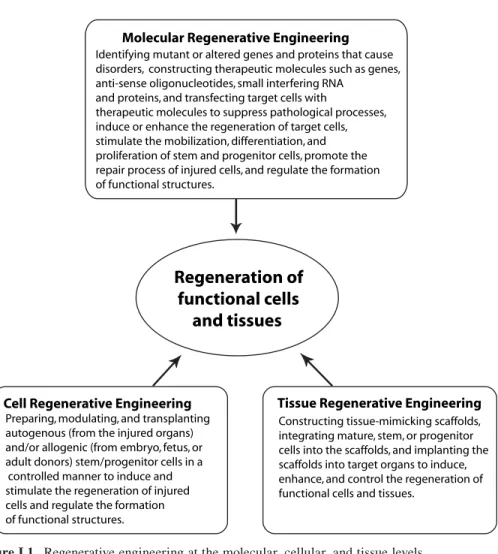
Bioregenerative engineering stems from several scientifi c disciplines, including molec-ular engineering, cellmolec-ular engineering, and tissue engineering and may be considered the engineering aspect of regenerative medicine. Regenerative medicine is an emerging dis-cipline that addresses restoration of the structure and function of disordered or lost cells, tissues, and organs on the basis of stem cell biology. Strategies for regenerative medicine are to identify and prepare stem and/or progenitor cells and transplant and/or stimulate the identifi ed cells to or in a target tissue, where the stem and/or progenitor cells can dif-ferentiate into specifi ed cell types in an appropriate regional environment and thus restore the structure and function of the injured or lost cells. Compared to regenerative medicine, bioregenerative engineering emphasizes the engineering modulation of the regenerative processes at the molecular, cellular, and tissue levels (Fig. I.1).
Regenerative engineering at the molecular level, which may be referred to as molecular
regenerative engineering, addresses the promotion and control of molecular and cellular
activities (e.g., cell signaling, gene expression, cell division, differentiation, migration, adhesion, secretion, and contraction/relaxation); the activation and control of residential stem and progenitor cells; the mobilization and recruitment of remote stem and progenitor cells; and the formation of functional structures by controlled administration of proteins, genes, antisense oligonucleotides, siRNA, and pharmacological substances. Examples of molecular regenerative engineering include the control of a target signaling pathway, the regulation of specifi c gene expression, and the enhancement or reduction in the
prolifera-ENGINEERING
INTRODUCTION TO BIOREGENERATIVE ENGINEERING xxxi
tion and differentiation of a specifi ed cell type by transfecting target cells with growth regulator genes.
Regenerative engineering at the cellular level, which may be referred to as cellular
regenerative engineering, addresses the preparation, modulation, and transplantation of
autogenous and/or allogenic stem/progenitor cells in a controlled manner, resulting in enhanced regeneration of functional cells and structures. Examples of cellular regenerative engineering include the transplantation of hematopoietic stem and progenitor cells to repopulate impaired leukocytes due to leukemia, the transplantation of embryonic and bone marrow-derived stem cells to the heart to differentiate into cardiomyocytes in cardiac infarction, and the transplantation of neuronal stem cells to the brain to alleviate the symptoms of Alzheimer’s and Parkinson’s diseases.
Regenerative engineering at the tissue level, which may be referred to as tissue
regen-erative engineering, addresses the construction of tissue-mimicking scaffolds integrated
with mature, stem, or progenitor cells, and the implantation of the tissue scaffolds into target organs, thus inducing, enhancing, and/or controlling the regeneration of functional cells and tissues. An artifi cial scaffold may either function as a tissue substitute or serve as a framework for the regeneration of lost tissues. Examples of tissue regenerative engi-neering include the construction and implantation of artifi cial tissues and organs, such as joints, heart valves, and blood vessels. Other approaches, such as reduction of stretch-induced vascular bypass graft injury by structural reinforcement and stimulation of intes-tinal expansion by mechanical stretching, can also be used to engineer the regeneration at the tissue level. The overall goal of the three regenerative engineering approaches is to improve the therapeutic effects of regenerative medicine (Fig. I.1).
An important basis for bioregenerative engineering is that the cell is capable of conduct-ing natural regenerative processes in response to cell injury and death. Examples of cell regeneration include the renewal of blood cells, epithelial cells in the gastrointestinal system and the skin, endothelial and smooth muscle cells in the vascular system, and hepatocytes. While certain cell types, such as the blood cell and epithelial cell, conduct rapid and inten-sive regeneration even under physiological conditions, other cell types, such as the neuron and cardiomyocyte, experience very limited regeneration even in response to cell injury and death. These cell-specifi c characteristics are evolved based on the intrinsic regenerative mechanisms unique to distinct cell types. The clarifi cation of the control mechanisms of cell regeneration is an important task for regenerative engineering research.
During the past decade, regenerative medicine has become a popular research topic. However, current work relies primarily on simple engineering approaches, such as cell collection, expansion, and transplantation. These approaches may not change the funda-mental course of natural processes and thus may not be suffi cient to achieve optimal therapeutic effects. For certain types of vital organ, such as the brain and heart, Nature does not develop sophisticated regenerative mechanisms, presumably because these organs are well protected from environmental hazards and are not subject to frequent injury. However, injury and disorder do occur in these vital organs, often with deadly conse-quences. Thus, simple engineering approaches that do not alter the natural process may not be effective in inducing and enhancing the regeneration of these organs. A sophisti-cated engineering strategy and technology may be necessary to overcome Nature’s barriers and to achieve the goal of regenerative therapies for these vital organs. Although it is a challenging task, regenerative therapies can be signifi cantly improved by incorporating engineering principles and technologies into regenerative medicine.
The primary goal of this book is to introduce to the principles and technologies of bioregenerative engineering. Since bioregenerative engineering is built on the basis of various biomedical disciplines, including molecular biology, cell biology, developmental
Regeneration of
functional cells
and tissues
Molecular Regenerative Engineering
Cell Regenerative Engineering Tissue Regenerative Engineering
Identifying mutant or altered genes and proteins that cause disorders, constructing therapeutic molecules such as genes, anti-sense oligonucleotides, small interfering RNA
and proteins, and transfecting target cells with
therapeutic molecules to suppress pathological processes, induce or enhance the regeneration of target cells, stimulate the mobilization, differentiation, and proliferation of stem and progenitor cells, promote the repair process of injured cells, and regulate the formation of functional structures.
Preparing, modulating, and transplanting autogenous (from the injured organs) and/or allogenic (from embryo, fetus, or adult donors) stem/progenitor cells in a controlled manner to induce and stimulate the regeneration of injured cells and regulate the formation of functional structures.
Constructing tissue-mimicking scaffolds, integrating mature, stem, or progenitor cells into the scaffolds, and implanting the scaffolds into target organs to induce, enhance, and control the regeneration of functional cells and tissues.
INTRODUCTION TO BIOREGENERATIVE ENGINEERING xxxiii
biology, physiology, pathology and bioengineering, the book will also address these fun-damental disciplines. The book consists of two parts: the foundations of bioregenerative engineering, and the principles and applications of bioregenerative engineering. The fi rst part covers the molecular, cellular, and developmental foundations of bioregenerative engineering. The second part covers general mechanisms and technologies of bioregenera-tive engineering, as well as the application of bioregenerabioregenera-tive engineering to selected organ systems. For each organ system, the engineering tests and therapies are discussed at the molecular, cellular, and tissue levels, if applicable.
PART I
SECTION 1
MOLECULAR BASIS FOR
1
STRUCTURE AND FUNCTION
OF MACROMOLECULES
4
Bioregenerative Engineering: Principles and Applications, by Shu Q. Liu Copyright © 2007 John Wiley & Sons, Inc.
A living organism is composed of several basic elements: water, electrolytes, nucleotides, amino acids, sugars, and lipids. Water is the most abundant substance in a living system, occupying about 70–85% of the total volume in most cells. All living organisms were originally developed in water, and all biochemical and enzymatic reactions in a cell take place in an aqueous environment. Thus, water is the most important element in a living organism.
A cell consists of a number of electrolytes, including sodium, potassium, calcium, magnesium, chloride, phosphate, sulfate, and bicarbonate. These electrolytes participate in fundamental processes, such as the establishment and maintenance of cell membrane and action potentials, regulation of biochemical and enzymatic reactions, control of mus-cular contraction and relaxation, formation of mechanical supporting and protection systems, and maintenance of the internal environment. The functions of these electrolytes will be discussed throughout the book where applicable.
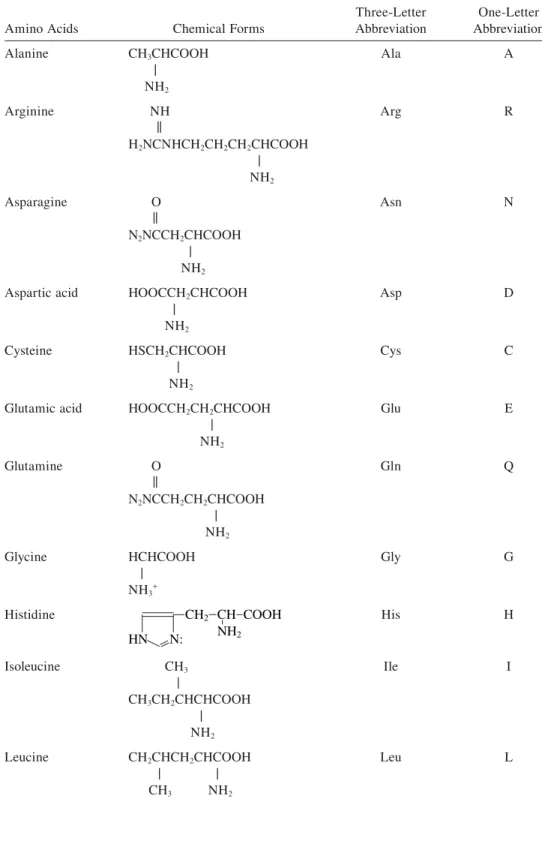
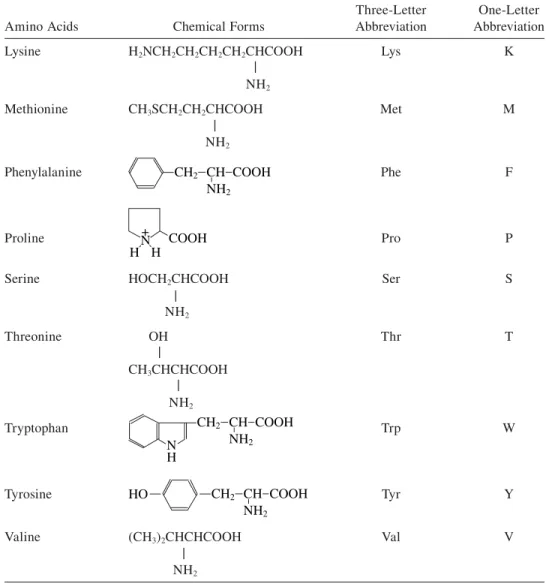
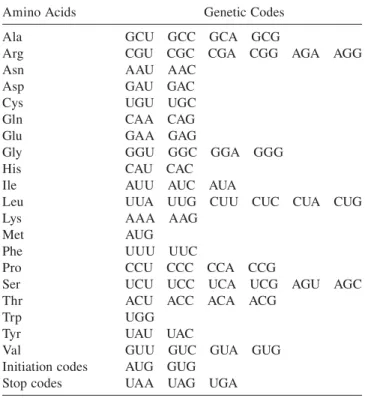
Other elements, including nucleotides, sugars, amino acids, and lipids, participate in the formation of macromolecules, including deoxyribose and ribose nucleic acids (nucleo-tides and sugars), proteins (amino acids), phospholipids (lipids), and polysaccharides (sugars). These macromolecules are essential to the formation, survival, function, and regeneration of living organisms. This chapter focuses on the structure and function of these macromolecules.
DEOXYRIBONUCLEIC ACIDS (DNA)
DNA is the molecule for the transmission, processing, and storage of hereditary informa-tion. A DNA molecule is capable of replicating itself, a fundamental mechanism for the transmission of hereditary information from the mother to the daughter generation. A DNA molecule can be transcribed into various types of RNA, including messenger RNA (mRNA), ribosomal RNA (rRNA), and transfer RNA (tRNA). These RNA molecules participate in the translation of proteins. The translated proteins are transported to various compartments of a cell, serving as not only structural constituents, which provide the cell with shape and strength, but also enzymes and signaling molecules, which regulate cel-lular activities and functions.
Composition and Structure of DNA [1.1]
A DNA molecule is constituted by joining together a large number of nucleotides. A
nucleotide is composed of three elements, including a base, a β-d-2-deoxyribose, and
a phosphate group. There exist four types of base, which are nitrogen-containing ring compounds, including two pyrimidines—cytosine and thymine, denoted as C and T, respectively—and two purines—adenine and guanine, denoted as A and G, respectively (Fig. 1.1). A base is capable of forming a complex with a deoxyribose (Fig. 1.2), giving rise to a molecule known as nucleoside. Collectively, there are four types of nucleoside based on the four bases, including cytidine, thymidine, adenosine, and guanosine. With the addi-tion of 1, 2, or 3 phosphate groups, a nucleoside is converted to a nucleotide, known as
nucleoside monophosphate, diphosphate, or triphosphate, respectively (Fig. 1.3). The
nomenclature for various individual nucleosides and nucleotides are listed in Table 1.1. A complete DNA molecule is a double-stranded helical polymer of nucleotides. Each stand is composed of a pentose–phosphate backbone and bases positioned on the side of
HO
OH O H H
HO H H
H
HO
OH O H H
HO HO H
H
Deoxyribose Ribose
NH2
N
H O
N
Pyrimidines
O
N
H O
NH CH3
Thymidine Cytosine
O
N
H O
NH
Uracil
NH2
N H
N N
N
Adenine
N NH N
N O
H NH2
Guanine Purines
Figure 1.1. Chemical structure of pyrimidines (cytosine, thymine, and uracil) and purines (adenine and guanine) that constitute DNA and RNA.
Figure 1.2. Chemical structure of deoxyribose and ribose.
TABLE 1.1. Nomenclature of Nucleosides and Nucleotides for DNA
Types of Base Cytosine (C) Thymine (T) Adenine (A) Guanine (G) Nucleosides Deoxycytidine Deoxythymidine Deoxyadenosine Deoxyguanosine
(dC) (dT) (dA) (dG)
Nucleotides Deoxycytidine 5′ Deoxythymidine 5′ Deoxyadenosine 5′ Deoxyguanosine 5′ monophosphate monophosphate monophosphate monophosphate
(dCMP) (dTMP) (dAMP) (dGMP)
Deoxycytidine 5′ Deoxythymidine 5′ Deoxyadenosine 5′ Deoxyguanosine 5′ diphosphate diphosphate diphosphate diphosphate
(dCDP) (dTDP) (dADP) (dGDP)
Deoxycytidine 5′ Deoxythymidine 5′ Deoxyadenosine 5′ Deoxyguanosine 5′ triphosphate triphosphate triphosphate triphosphate
the backbone. The backbone is formed by joining the pentose molecules via covalent phosphodiester bonds. A phosphate group joins one pentose at the 5′ carbon and to the next pentose at the 3′ carbon (Fig. 1.4). The four bases are attached to the pentose– phosphate backbone and aligned on the same side of each DNA chain. The two strands of DNA are attached to each other via hydrogen bonds between the base pairs on the basis of the complementary principle, specifi ca, A with T and C with G. Note that a double-ringed purine base (A or G) is always paired with a single-double-ringed pyrimidine (T or C) (Fig. 1.5). A hydrogen bond is established between a positively charged H and a negatively
NH2
N O N O OH
Deoxycytidine monophosphate and triphosphate
NH2 N O N O OH P O O O -P O O O -P O O HO
-Deoxyadenosine monophosphate and triphosphate Deoxythymidine monophosphate and triphosphate
Deoxyguanosine monophosphate and triphosphate
O N O NH O OH O OH O N O NH O OH O OH NH2 N H N N N NH2 N H N N N O OH O OH N NH N N O
NH2 N
NH N N O NH2 1 2 34 5
6 1 2 3 1 2 34 5
6 1 2 3 4 5 1 2 3 4 56 7 8 9 1 2 3 1 2 3 1 2 3 4 5 6 7 8 9 CH2 4 5 CH2 P O O HO - 4 5 CH2 4 5 CH2 CH2 CH2 CH2 CH2
H C3 H C3
O O P O O HO -O P O O HO -O P O O HO -O P O O O -P O O O -P O O HO -O P O O O -P O O O -P O O HO -O P O O O -P O O O -P O O HO -O
Figure 1.3. Chemical structure of the nucleotides that constitute DNA.
NH2
N O N O
O N O
NH O P
O HO
O
NH N H
N N
N
O N NH N
N O
NH2 1
2 3
1
2 3 4
5
1
2 3
1
2 3
CH2
4 5
CH2 4
5
CH2
4 5
CH2
H C3
O
Cytosine
Thymine O
O
P O HO
O O
Adenine
P O HO
O O
O
Guanine
Figure 1.4. Formation of phosphodiester bonds between pentose molecules, constituting the back-bone of DNA (based on bibliography 1.1).
charged acceptor, such as an O and N. A hydrogen bond is relatively weak, about 3% of the strength of a covalent bond. However, an array of hydrogen bonds, as found in the double-stranded helical DNA molecule, can be very strong if all hydrogen bonds are aligned on the same side of a DNA strand. For a double-stranded DNA molecule, the two sugar-phosphate backbones run in opposite directions, defi ned as an antiparallel arrange-ment. One strand is defi ned as the 5′ → 3′ strand; the other, the 3′ → 5′ strand.
A gene carries genetic information in a particular form that can be stored, processed, copied, transcribed to generate messenger RNA (mRNA), and transmitted from the mother cells to the progeny. The double-stranded helical structure is ideal for such pur-poses. Since both nucleotide strands of a DNA molecule are complementary to each other, both strands carry identical genetic information. Such an organization ensures precise information transfer during DNA replication. When a DNA molecule is ready for replica-tion, the two strands separate. Each strand can serve as a template for the synthesis of a new strand. A newly synthesized strand is identical to the complementary counterpart of the template strand. Thus, each daughter DNA is a pair of an original template and a newly synthesized strand. The daughter DNA molecules can in turn serve as templates for further DNA replication. In such a way, the genetic information can be stored, copied, and transmitted from generation to generation endlessly.
Organization of Chromosomes [1.2]
Each DNA molecule is packaged in a nuclear structure, known as chromosome. In humans, each cell contains 46 chromosomes, including a pair of sex chromosomes (XX
N O
N
O
O
N O
NH P
HO
O
N H N
N N
N N
N
O
1 2 3
5
CH2
H 4
5
H C3
O Cytosine
Thymine
O O
P HO O
Adenine
O
Guanine
N
C
1
2 4
5 2
O H O
C
3 4
5 2
1
2
NH H H
N H
H -+
+ +
-H HN
3
5'
3'
3'
5'
CH2
O 1
2 3
4
O
P HO
O
O
O
P HO O
O +
+ -Hydrogen bond
Figure 1.5. Formation of hydrogen bonds that link two single DNA strands into a double DNA helical structure (based on bibliography 1.1).