Participation of the insula in language revisited:
A meta-analytic connectivity study
Alfredo Ardila
a,*, Byron Bernal
b, Monica Rosselli
caDepartment of Communication Sciences and Disorders, 11200 SW 8th Street, AHC3-431B, Florida International University, Miami, FL 33199, USA
bRadiology Department/Research Institute, Miami Children’s Hospital, Miami, FL, USA cDepartment of Psychology, Florida Atlantic University, Davie, FL, USA
a r t i c l e i n f o
Article history:
Received 1 November 2013
Received in revised form 3 February 2014 Accepted 4 February 2014
Keywords:
Insula Language Meta-analysis BrainMap fMRI
a b s t r a c t
Despite the insula’s location in the epicenter of the human lan-guage area, its specific role in language is not sufficiently under-stood. The left insula has been related to a diversity of speech/ language functions, including articulatory planning, language repetition ability, and phonological recognition. To further our understanding of the role of the insula in language, a meta-analytic connectivity study using the Activation Likelihood Estimation (ALE) technique was developed. By means of the BrainMap func-tional database, 26 papers corresponding to 39 paradigms, and including 522 participants were selected. Thirteen different acti-vation clusters were found; insula connections included not only areas involved in language production (such as the Broca’s area) and language understanding (such as the Wernicke’s area), but also areas involved in language repetition (such as the supra-marginal gyrus) and other linguistic functions, such as BA9 in the left prefrontal lobe (involved in complex language processes) and BA37 (involved in lexico-semantic associations). In conclusion, the insula represents a core area in language processing, as it was suggested during the 19th century.
Ó2014 Elsevier Ltd. All rights reserved.
*Corresponding author. Tel.:þ1 305 348 2750; fax:þ1 305 348 2710.
E-mail address:ardilaa@fiu.edu(A. Ardila).
Contents lists available atScienceDirect
Journal of Neurolinguistics
j o u r n a l h o m e p a g e : w w w . e l s e v i e r . c o m / l o c a t e /j ne u r ol i n g
0911-6044/$–see front matterÓ2014 Elsevier Ltd. All rights reserved.
1. Introduction
The insula (or Island of Reil) is a complex and not completely understood brain area. Its potential
participation in language has been a topic of controversy since the 19th century (Freud, 1891;
Wernicke, 1874/1970), even though currently it seems evident that it plays a crucial role in language
processing (Price, 2010). The anterior segment of the insula extends to and interfaces with Broca’s area
while its posterior elements adjoin Wernicke’s area (Flynn, Benson, & Ardila, 1999). The left insula is
notably larger than the right in most humans (Greve et al., 2013; Mesulam & Mufson, 1985). Both the
asymmetry and the location in the epicenter of the human language area (Benson & Ardila, 1996; Dejerine, 1914; Luria, 1976) suggest that the insula may be active in language processes. However, few
papers have been specifically devoted to the analysis of the role of the insula in language (e.g.,
Ackermann & Riecker, 2004; Ardila, 1999; Ardila, Benson, & Flynn, 1997).
SinceWernicke (1874), the insula has frequently been implicated in the“major aphasic syndromes”:
Broca’s aphasia, conduction aphasia, and Wernicke’s aphasia. In fact,Wernicke (1874)directly related
insula damage with conduction aphasia. Involvement of the anterior part of the insula in Broca’s
aphasia was noted byBernheim (1900)and Dejerine (1914)at the beginning of the 20th century.
Furthermore,Liepmann and Storck (1902)associated the word-deafness component of Wernicke’s
aphasia with posterior insula pathology.
Pathology involving only the insular cortex and immediate sub-cortical structures, has been rarely
reported however.Alexander, Benson, and Stuss (1989)presented two cases of pathology limited to the
left insula and subjacent extreme-external capsules. Aphasia with mildly paraphasic production and
agraphia was noted in both cases.Nielsen and Friedman (1942) reported several autopsyfindings
illustrating the association between left insula damage and aphasia. They noted, however, from their own cases and others in the literature, that a similar language syndrome followed isolated extreme capsule damage and postulated that insular damage without extreme capsule involvement would not
produce aphasia.Habib et al. (1995)reported a case of bilateral insular damage, extending to a small
part of the striatum on the left side, and to the temporal pole on the right. The patient presented mutism for about one month, did not respond to any auditory stimuli, and made no effort to communicate.
It is noteworthy that mutism has been frequently observed in individuals who suffered from insular damage. Transient mutism is found in cases of left inferior motor cortex damage extending to the insula (Alexander et al., 1989; Schiff, Alexander, Naeser, & Galaburda, 1983), whereas lasting mutism appears
to be associated with bilateral lesions of the frontal operculum and anterior insula (Cappa, Guidotti,
Papagno, & Vignolo, 1987; Groswaser, Korn, Groswaser-Reider, & Solzi, 1988; Pineda & Ardila, 1992; Sussman, Gur, Gur, & O’Connor, 1983).Alexander et al. (1989)suggested that left cortical and sub-cortical opercular lesions frequently result in a total speech loss associated with a right hemiparesis. Shuren (1993) described a patient who developed impaired speech initiation as a result of a left anterior insular infarct and suggested that anterior insular lesions in the left hemisphere could impair speech initiation. A possible interactive role of the left insula in speech initiation and language
motivation could thus be conjectured (Ardila et al., 1997).
Dronkers (1996)showed that the left precentral gyrus of the insula is involved in motor planning of
speech. Twenty-five stroke patients with a disorder in planning of articulatory movements (apraxia of
speech), were compared with 19 individuals without such deficits. It was found that all patients with
articulatory planning impairments presented lesions including the anterior insula. This area was completely spared in all patients without these articulatory defects. It was concluded that anterior insula represents a crucial brain area in motor planning and organization of speech. Verbal articulatory
disruptions in some cases may be so severe as to result in mutism (Alexander et al., 1989; Pineda &
Ardila, 1992).
Contemporary neuroimaging technique studies have supported the hypothesis regarding an active involvement of the insula in linguistic processes. Activation of the insula has been demonstrated in a
diversity of verbal tests, including word generation (Baker, Frith, & Dolan, 1997; Bohland & Guenther,
phonological discrimination (Booth et al., 2002; Rumsey et al. 1997; Tyler, Stamatakis, Post, Randall, & Marslen-Wilson, 2005) (seeTable 1). The insula has also been related to auditory processing (Bamiou, Musiek, & Luxon, 2003).Bates et al. (2003)analyzed the speechfluency and language comprehension of 101 patients with a left hemisphere stroke using voxel-based lesion symptom mapping the authors
identified the insula as a crucial area in language; they observed that lesions involving the insula had a
significant impact in verbalfluency.
These findings support the conclusion that the insula significantly participates in language.
Furthermore, they suggest that the insula is not be involved in a single linguistic process, but simul-taneously in several verbal processes. The anterior portion of the insula appears to be involved in the organization and planning of language articulation, and language initiation; while the middle and posterior portions appear to be involved with lexical knowledge, word retrieval, language under-standing, and phonological discrimination.
Other studies have also suggested that the insula is involved in second language learning in
bi-linguals (e.g., Archila-Suerte, Zevin, Ramos, & Hernandez, 2013; Buchweitz, Shinkareva, Mason,
Mitchell, & Just, 2012; Chan et al., 2008; Hernandez, 2009; Saur et al., 2009; Veroude, Norris, Shumskaya, Gullberg, & Indefrey, 2010).Chee, Soon, Lee, and Pallier (2004)analyzed the brain activ-ity English/Chinese bilinguals. They observed that the left insula showed greater activation in equal
Table 1
Primary studies of language-related paradigms included in the meta-analysis (26 studies; 39 paradigms; 522 subjects).
Publication Paradigm n Foci
Booth et al., 2002 Semantic monitor/discrimination 13 15 Phonological discrimination 13 7
Simon, Mangin, Cohen, Le Bihan, & Dehaene, 2002 Phonological discrimination 10 7
Michael, Keller, Carpenter, & Just, 2001 Semantic monitor/discrimination 9 18
Palmer et al., 2001 Word stem completion 10 26
Shaywitz et al., 1995 Word generation 9 15
Word generation 9 11
Dapretto & Bookheimer, 1999 Semantic monitor/discrimination 8 8
Schlosser et al., 1998 Word generation 6 11
Binder et al., 2003 Semantic monitor/discrimination 24 9
Poldrack et al., 2001 Semantic monitor/discrimination 8 5 Semantic monitor/discrimination 8 5
Riecker, Ackermann, Wildgruber, Dogil, & Grodd, 2000 Recitation/repetition 18 6
Rowan et al., 2004 Word generation 10 13
Pihlajamaki et al., 2000 Word generation 14 9
Gurd et al., 2002 Word generation 11 8
Kemeny et al., 2005 Word generation 6 12
Voets et al., 2006 Word generation 12 14
Bohland & Guenther, 2006 Recitation/repetition 13 18 Recitation/repetition 13 54
Seghier, Lazeyras, Pegna, Annoni, & Khateb, 2008 Semantic monitor/discrimination 50 10
Thompson et al., 2007 Semantic monitor/discrimination 17 25 Semantic monitor/discrimination 17 28 Semantic monitor/discrimination 17 31
Haller, Radue, Erb, Grodd, & Kircher, 2005 Word generation 15 9 Word generation 15 7
Damasio et al., 2001 Naming 20 5
Naming 20 4
Simmons, Hamann, Harenski, Hu, & Barsalou, 2008 Word generation 10 32 Word generation 10 23
Sharp et al., 2010 Semantic monitor/discrimination 12 13
Davis, Meunier, & Marslen-Wilson, 2008 Complex noun vs. simple noun 12 2
Longe, Randall, Stamatakis, & Tyler, 2007 Semantic monitor/discrimination 12 14 Semantic monitor/discrimination 12 13 Semantic monitor/discrimination 12 4 Semantic monitor/discrimination 12 2
Berlingeri et al., 2008 Naming 12 14
bilinguals. Unequal bilinguals showed greater task-related deactivation in the anterior medial frontal region and greater anterior cingulate activation. These authors suggested that left insula activation can
be regarded a marker for language attainment in bilinguals. Similar results were reported byGandour
et al. (2007).
The insula has also been related to the learning of grammar.Yang and Li (2012)analyzed the neural
correlates of explicit and implicit learning of artificial grammar sequences. Using effective connectivity
analyses of functional magnetic resonance imaging (fMRI) they found that different brain systems
support these two types of learning: both activate some specific cortical and subcortical brain areas,
but explicit learning is based in a circuit that includes the insula as a key mediator; implicit learning on the other hand activates a frontal-striatal circuit. There is no question that the insula plays a crucial role in grammar learning.
It is noteworthy that the insula possesses not only contralateral motor and sensory representation
but also ipsilateral motor and sensory connections (Flynn et al., 1999). Connections have been
described between the insula and the orbital cortex, frontal operculum, lateral premotor cortex, ventral granular cortex, and medial area 6 in the frontal lobe. The insula has been found to also connect with
the temporal pole and the superior temporal sulcus. Significant projections to the cingulate gyrus,
amygdaloid nucleus, perirhinal cortex, entorhinal and periamygdaloid cortex have been observed (Augustine, 1996;Flynn et al., 1999). The insula in consequence maintains a complex system of in-terconnections not only with classical cortical language regions in the temporal and frontal lobe, but with a variety of limbic structures as well, including the cingulate gyrus and the perirhinal and en-torhinal cortex.
Bressler and Menon (2010) have emphasized that cognition results from the dynamic
in-teractions of distributed brain areas operating in large-scale networks. They specifically refer to a
“salience network”involved in monitoring the salience of external inputs and internal brain events.
This salience network is proposed to be anchored in anterior insular and dorsal anterior cingulate cortices.
The analysis of the functional connectivity of the insula becomes most important in under-standing its real contribution to the language brain system. Currently, there are several techniques that can potentially demonstrate brain networks. These techniques are grouped under the term
“brain connectivity”. Recently, a new alternative to study brain connectivity has been proposed by
Robinson, Laird, Glahn, Lovallo, and Fox (2010)known as meta-analytic connectivity modelingor MACM. MACM is based in automatic meta-analysis done by pooling co-activation patterns. The
technique takes advantage of theBrainmap.org’s repository of functional MRI studies, and of a
special software (Sleuth) provided by the same group, tofind,filter, organize, plot, and export the
peaks coordinates for further statistical analysis of its results. Sleuth provides a list of foci, in Talairach or MNI coordinates, each one representing the center of mass of a cluster of activation. The method takes the region of interest (for instance, the insula), makes it the independent vari-able, and interrogates the database for studies showing activation of the chosen target. The query is
easilyfiltered with different conditions (such as age, normal vs. patients, type of paradigm, domain
of cognition, etc). By pooling the data with these conditions the tool provides a universe of
co-activations that can be statistically analyzed for significant commonality. As afinal step,
Activa-tion Likelihood EstimaActiva-tion (ALE) (Laird et al., 2005; Turkeltaub, Eden, Jones, & Zeffiro, 2002) that
can be performed utilizing GingerALE, another software also provided by BrainMap, generating the probability of an event to occur at voxel level across the studies. Areas of coactivation will show a
network related to the function and domains selected asfilter criteria.
Considering the complex role of insula in language a meta-analytic connectivity utilizing MACM on the participation of the insula in language was developed. It was hypothesized that the left insula participated in different brain language circuits associated with different language functions.
2. Materials and methods
The DataBase of Brainmap (brainMap.org) was accessed utilizing Sleuth 2.2 on October 10, 2013.
The search conditions were: (1) studies reporting insula activation; (2) studies using fMRI; (3) context: normal subjects; (4) activations: activation only; (5) handedness: right-handed subjects; (6)
age 20–60 years; (7) domain: cognition, subtype: language.
(ALE) meta-analysis was then performed utilizing GingerALE. ALE maps were thresholded at
p<0.01 corrected for multiple comparisons and false discovery rate. Only clusters of 200 or more cubic
mm where accepted as valid clusters. ALE results were overlaid onto an anatomical template suitable
for MNI coordinates, also provided byBrainMap.org. For this purpose we utilized the Multi-Image
Analysis GUI (Mango) (http://ric.uthscsa.edu/mango/), Mosaics of 5 7 insets of transversal
fusioned images were generated utilizing a plugin of the same tool, selecting every other image, starting on image No. 10, and exported to a 2D-jpg image.
3. Results
Twenty-six papers corresponding to 39 experimental conditions with a total of 522 subjects were selected (subjects participating in two different experiments were counted as two subjects) (Table 1).
Table 2
Main loci of brain connectivity of insula in language tasks by Meta-analytic Connectivity Modeling (MACM).
Region (BA) x y z ALE Volume (mm3)
Cluster #1
L claustrum 34 16 2 0.037919 15,504 L insula (13) 32 18 8 0.037371
L inferior frontal gyrus (9) 44 14 26 0.036325 L inferior frontal gyrus (9) 44 8 20 0.03527 L inferior frontal gyrus (9) 42 4 26 0.034871 L inferior frontal gyrus (44) 54 8 20 0.021423
Cluster #2
L cingulate gyrus (24) 2 10 46 0.047008 6672 L medial frontal gyrus (6) 6 0 56 0.03508
R cingulated gyrus (32) 4 16 40 0.031888
Cluster #3
R claustrum 34 20 0 0.045935 3672
R insula (13) 44 18 2 0.030737
Cluster #4
L parietal lobe precuneus (7) 24 66 42 0.029916 2720 L superior parietal (7) 28 58 46 0.028488
Cluster #5
L anterior culmen 38 44 22 0.025062 2024 L anterior culmen 34 42 23 0.023365
L fusiform gyrus (37) 42 56 18 0.022605
Cluster #6
L middle temporal gyrus (22) 54 48 4 0.026263 1872 L superior temporal gyrus (22) 48 40 4 0.024667
Cluster #7
L supramarginal gyrus (40) 44 40 42 0.022375 1336 L inferior parietal lobe (40) 38 48 48 0.015987
L inferior parietal lobe (40) 38 30 40 0.015765
Cluster #8
L frontal precentral (4) 50 10 44 0.024215 800
Cluster #9
R thalamus medial dorsal nucleus. 10 16 6 0.022084 488
Cluster #10
L inferior parietal lobe (40) 54 24 36 0.021431 400
Cluster #11
R superior temporal gyrus (41) 46 32 6 0.020212 320
Cluster #12
L fusiform occipital (19) 24 88 8 0.020601 304
Cluster #13
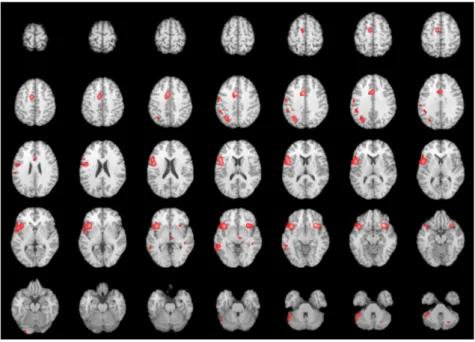
Table 2 presents the main loci of brain connectivity of insula by Meta-analytic Connectivity Modeling (MACM). Thirteen different clusters of activation were found, mostly related to the left
hemisphere (Fig. 1).
Thefirst cluster includes the claustrum (that is the insular subcortical gray matter); but this focus
extends not only subcortically, but also anteriorly toward the BA9 (middle frontal gyrus in the pre-frontal cortex, involved in complex language processes, including the use of verbal strategies in
ex-ecutive functions; see:Brodmann’s Interactive Atlas) and BA44 (Broca’s area, involved in language
production, grammar, and languagefluency and sequencing; Ardila, 2012; Grodzinsky & Amunts,
2006).
The second cluster includes both anterior cingulate gyrus (involved in motor organization–motor
preparation/planning, cognitive/motor inhibition–and language initiative), and BA6 (medial frontal
gyrus); BA6 includes the supplementary motor area (SMA), clearly involved in language initiation and
maintenance of voluntary speech production (Ardila, 2012). Thus, this second cluster suggests an
involvement of the insula in a brain circuit controlling verbal initiative and maintenance of speech production.
Cluster #3 includes the right insula and the insular subcortical gray matter (claustrum) and in-dicates an integrated activity of both, the left and right insula. Cluster #4 refers to left BA7 (superior
parietal lobe); this brain area is involved in ideomotor praxis (Tonkonogy & Puente, 2009), motor
imagery (Solodkin, Hlustik, Chen, & Small, 2004; Stephan et al., 1995), motor learning (Tonkonogy &
Puente, 2009), language processing (Seghier et al., 2004) and, temporal context recognition (Zorrilla, Aguirre, Zarahn, Cannon, & D’Esposito, 1996); thus, seemingly, the insula is also involved in the lan-guage system related to some contextual and motor learning aspects of speech.
The following cluster (#5) involves BA37 (posterior inferior temporal gyrus, middle temporal gyrus, and fusiform gyrus) and the cerebellar culmen; however, considering that BA37 is exactly above the culmen, most likely this activation refers to BA37, and so cluster #5 simply includes the left BA37. It is
Fig. 1.Brain network of the insula. ALE results were overlaid on a T1 MRI template. Left hemisphere appears in the left side of the
well known that BA37 is involved in lexico-semantic associations (i.e., associating words with visual
percepts) (seeBrodmann’s Interactive Atlas); clinical observations have demonstrated that damage in
the left BA37 is associated with significant word-finding difficulties (anomia) (e.g.,Antonucci, Beeson,
Labiner, & Rapcsak, 2008; Luria, 1976; Raymer et al., 1997), impaired naming of pictures, significant
amount of semantic paraphasias, and relatively preserved word comprehension (Foundas, Daniels, &
Vasterling, 1998; Raymer et al., 1997).
The following two clusters (#6 and #7) refer to two areas traditionally involved in language: left BA22
(superior temporal gyrus–part of Wernicke’s area), and left BA40 (supramarginal gyrus). Thefirst one is
considered to be a crucial area in language understanding, whereas the second one has been related to
language repetition (Tonkonogy & Puente, 2009), and semantic processing (Chou et al., 2006).
The next activation clusters (#8 and 9) include the left BA4 (Primary motor cortex–precentral
gyrus) and the medial dorsal nucleus of the thalamus, which receives inputs from the hypothalamus and projects to the pre-frontal cortex; it has been related to attention and memory. Although a direct relation with language is not evident, clusters #8 and cluster #9 may be contributing to the motor aspects of speech and to the attention control of language. Cluster #10 on the other hand, is similar to cluster #7 and includes BA #40 (inferior parietal lobe).
The last three clusters (particularly smaller, with 300 mm3or less) includes the BA41 (primary
auditory cortex–Heschl’s gyrus), BA19 (secondary visual cortex–Inferior occipital or fusiform gyrus)
and the posterior lobe of the cerebellum, that indeed could be an extension of the fusiform gyrus activation; the activation of these clusters may suggest some participation of the insula in language recognition and visual associations.
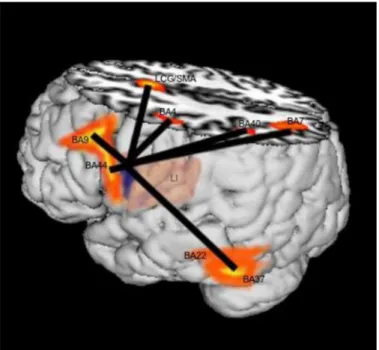
Fig. 2illustrates the insula connections in the left hemisphere.
4. Discussion
The current meta-analytic connectivity study reveals the participation of the left insula in a complex
brain network involved in different aspects of language. Significant connections with left Broca’s area
Fig. 2.Artist’s rendition of the insula connections (left hemisphere). The position of the insula (deep in the brain) is shown. The
(BA44) and the left middle frontal gyrus (area 9) clearly support attributing involvement of the insula in language production and complex language organization. This observation is congruent with the
report that the anterior insula participates in motor planning of speech (Dronkers, 1996); it is well
known that speech apraxia (that is precisely a defect in motor planning of speech) represents one of the
two fundamental deficits in Broca’s aphasia (Benson & Ardila, 1996; Luria, 1976); the other one is
agrammatism, more specifically related to Broca’s area, which is clearly connected with the left insula.
The significant connections between the insula on one hand, and the cingulate gyrus and the SMA
on the other, represents further support for the observation that the insula damage can be associated with impairments in the ability to initiate and maintain voluntary speech production and mutism (Alexander et al., 1989; Habib et al., 1995; Schiff et al., 1983). It has been well established that mesial
frontal damage can be associated with mutism, and in severe cases, with the akinetic mutism (Ross &
Stewart, 1981). Moreover, the insula also appears to be involved in some contextual and motor learning aspects of speech.
The association of the insula with BA37 (posterior inferior temporal gyrus, middle temporal gyrus, and fusiform gyrus) refers to a different level of language: naming and language understanding. This
assumption is further supported by the observation that the insula is also significantly connected with
Wernicke’s area (BA22; superior temporal gyrus). The association with left BA40 (supramarginal gyrus)
suggests that the insula may be involved in circuits related to language repetition, taking into consideration that language repetition defects associated with conduction aphasia are observed in
BA40 lesions (Damasio & Damasio, 1980). It is noteworthy that insula damage can result in conduction
aphasia (Damasio & Damasio, 1980); and historically, thefirst case of conduction aphasia was reported
in a patient with insular pathology (Wernicke, 1874).
Clinical/anatomical correlations have suggested that the insula may be involved in multiple lan-guage functions, including lanlan-guage production, lanlan-guage understanding and lanlan-guage repetition (for
a review of these clinical/anatomical correlations see:Ardila, 1999). In fact, left insula pathology has
been related to Broca’s aphasia (e.g., speech apraxia), conduction aphasia (e.g., language repetition
defects), and also Wernicke’s aphasia (e.g., impairments in language understanding). This observation
makes the insula a most central area in language processing, as was suggested during the 19th (for a
review of this question, seeFreud, 1891). Unfortunately, the interest in the potential involvement of the
insula in language disappeared for almost one century. This lack of interest in the potential role of the
insula in language may be related to the concept of“language zone”in the brain suggested byDejerine
(1914); According to Dejerine, this language zone (or language area) includes the left frontal (posterior part of the foot of F3, the frontal operculum, and the immediate surrounding zone, including the foot of
F2, andprobablyextending to the anterior insula), temporal (encompassing the posteriorfirst and
second temporal gyri), and parietal (the angular gyrus) areas. The concept of language area was accepted by most researchers in the area, and the insula was neglected during most of the 20th century. Contemporary neuroimagining techniques, however, support the conclusion that the insula rep-resents a core area in language processing, involved in a diversity of language functions including both comprehension and production; and in lexical and grammatical learning; and even in second language acquisition.
Acknowledgments
Our most sincere gratitude to Dr. Erika Hoff for her editorial support and valuable suggestions.
References
Ackermann, H., & Riecker, A. (2004). The contribution(s) of the insula to speech production: a review of the clinical and functional imaging literature.Brain and Language, 89(2), 320–328.
Alexander, M. P., Benson, D. F., & Stuss, D. T. (1989). Frontal lobes and language.Brain and Language, 37, 656–691.
Antonucci, S. M., Beeson, P. M., Labiner, D. M., & Rapcsak, S. Z. (2008). Lexical retrieval and semantic knowledge in patients with left inferior temporal lobe lesions.Aphasiology, 22(3), 281–304.
Archila-Suerte, P., Zevin, J., Ramos, A. I., & Hernandez, A. E. (2013). The neural basis of non-native speech perception in bilingual children.Neuroimage, 67, 51–63.
Ardila, A. (1999). The role of insula in language: an unsettled question.Aphasiology, 13, 77–87.
Ardila, A., Benson, D. F., & Flynn, F. G. (1997). Participation of the insula in language.Aphasiology, 11, 159–170.
Augustine, J. R. (1996). Circuitry and functional aspects of the insular lobe in primates including humans.Brain Research Reviews, 22(3), 229–244.
Baker, S. C., Frith, C. D., & Dolan, R. J. (1997). The interaction between mood and cognitive function studied with PET. Psy-chological Medicine, 27, 565–578.
Bamiou, D. E., Musiek, F. E., & Luxon, L. M. (2003). The insula (Island of Reil) and its role in auditory processing: literature review. Brain Research Reviews, 42(2), 143–154.
Bates, E., Wilson, S. M., Saygin, A. P., Dick, F., Sereno, M. I., Knight, R. T., et al. (2003). Voxel-based lesion-symptom mapping. Nature Neurosciences, 6(5), 448–450.
Benson, D. F., & Ardila, A. (Eds.). (1996).A clinical perspective. New York: Oxford University Press.
Berlingeri, M., Crepaldi, D., Roberti, R., Scialfa, G., Luzzatti, C., & Paulesu, E. (2008). Nouns and verbs in the brain: grammatical class and task specific effects as revealed by fMRI.Cognitive Neuropsychology, 25, 528–558.
Bernheim, F. (1900).De l’Aphasie Motrice. Paris: These de Paris.
Binder, J. R., McKiernan, K. A., Parsons, M. E., Westbury, C. F., Possing, E. T., Kaufman, J. N., et al. (2003). Neural correlates of lexical access during visual word recognition.Journal of Cognitive Neuroscience, 15, 372–393.
Bohland, J. W., & Guenther, F. H. (2006). An fMRI investigation of syllable sequence production.NeuroImage, 32, 821–841.
Booth, J. R., Burman, D. D., Meyer, J. R., Gitelman, D. R., Parrish, T. B., & Mesulam, M. M. (2002). Modality independence of word comprehension.Human Brain Mapping, 16, 251–261.
Brainmap.org Accessed 10.10.13.
Bressler, S. L., & Menon, V. (2010). Large-scale brain networks in cognition: emerging methods and principles.Trends in Cognitive Sciences, 14(6), 277–290.
Brodmann’s Interactive Atlas.http://www.fmriconsulting.com/brodmann/BA5.htmlAccessed 10.12.13.
Buchweitz, A., Shinkareva, S. V., Mason, R. A., Mitchell, T. M., & Just, M. A. (2012). Identifying bilingual semantic neural rep-resentations across languages.Brain & Language, 120(3), 282–289.
Cappa, S. F., Guidotti, M., Papagno, C., & Vignolo, L. A. (1987). Speechlessness with occasional vocalization after bilateral opercular lesions: a case study.Aphasiology, 1, 35–39.
Chan, A. H., Luke, K. K., Li, P., Yip, V., Li, G., Weekes, B., et al. (2008). Neural correlates of nouns and verbs in early bilinguals. Annals of the New York Academy of Sciences, 1145, 30–40.
Chee, M. W., Soon, C. S., Lee, H. L., & Pallier, C. (2004). Left insula activation: a marker for language attainment in bilinguals. Proceedings of the National Academy of Sciences of the United States, 101(42), 15265–15270.
Chou, T. L., Booth, J. R., Bitan, T., Burman, D. D., Bigio, J. D., Cone, N. E., et al. (2006). Developmental and skill effects on the neural correlates of semantic processing to visually presented words.Human Brain Mapping, 27(11), 915–924.
Damasio, H., & Damasio, A. (1980). The anatomical basis of conduction aphasia.Brain, 103, 337–350.
Damasio, H., Grabowski, T. J., Tranel, D., Boles, Ponto, L. L., Hichwa, R. D., et al. (2001). Neural correlates of naming actions and of naming spatial relations.NeuroImage, 13, 1053–1064.
Dapretto, M., & Bookheimer, S. Y. (1999). Form and content: dissociating syntax and semantics in sentence comprehension. Neuron, 24, 427–432.
Davis, M. H., Meunier, F., & Marslen-Wilson, W. D. (2008). Neural responses to morphological, syntactic, and semantic properties of single words: an fMRI study.Brain and Language, 89, 439–449.
Dejerine, J. (1914).Semiologie des affections du Systeme Nerveux. Paris: Masson.
Dronkers, N. N. (1996). A new brain region for coordinating speech articulation.Nature, 384, 159–161.
Flynn, F. G., Benson, D. F., & Ardila, A. (1999). Anatomy of the insula.Aphasiology, 13, 55–77.
Foundas, A., Daniels, S. K., & Vasterling, J. J. (1998). Anomia: case studies with lesion localization.Neurocase, 4, 35–43.
Freud, S. (1891).Zur Auffassung der Aphasien: Eine Kritische Studie. Leipzig: F. Deuticke.
Gandour, J., Tong, Y., Talavage, T., Wong, D., Dzemidzic, M., Xu, Y., et al. (2007). Neural basis offirst and second language processing of sentence-level linguistic prosody.Human Brain Mapping, 28(2), 94–108.
Greve, D. N., Van der Haegen, L., Cain, Q., Stufflebeam, S., Sabuncu, M. R., Fischl, B., et al. (2013). A surface-based analysis of language lateralization and cortical asymmetry.Journal of Cognitive Neurosciences, 25(9), 1477–1492.
Grodzinsky, Y., & Amunts, K. (Eds.). (2006).Broca’s region. Oxford: Oxford University Press.
Groswaser, Z., Korn, C., Groswaser-Reider, I., & Solzi, P. (1988). Mutism associated with buccofacial apraxia and bihemispheric lesions.Brain and Language, 34, 157–168.
Gurd, J. M., Amunts, K., Weiss, P. H., Zafiris, O., Zilles, K., Marshall, J. C., et al. (2002). Posterior parietal cortex is implicated in continuous switching between verbalfluency tasks: an fMRI study with clinical implications.Brain, 125, 1024–1038.
Habib, M., Daquin, G., Milandre, L., Royere, M. L., Rey, M., Lanteri, A., et al. (1995). Mutism and auditory agnosia due to bilateral insular damage–role of the insula in human communication.Neuropsychologia, 33, 327–339.
Haller, S., Radue, E. W., Erb, M., Grodd, W., & Kircher, T. (2005). Overt sentence production in event-related fMRI. Neuro-psychologia, 43, 807–814.
Hernandez, A. E. (2009). Language switching in the bilingual brain: what’s next?Brain & Language, 109(2–3), 133–140.
Kemeny, S., Ye, F. Q., Birn, R. M., & Braun, A. R. (2005). Comparison of continuous overt speech fMRI using BOLD and arterial spin labeling.Human Brain Mapping, 24, 173–183.
Laird, A. R., Fox, P. M., Price, C. J., Glahn, D. C., Uecker, A. M., Lancaster, J. L., et al. (2005). ALE meta-analysis: controlling the false discovery rate and performing statistical contrasts.Human Brain Mapping, 25, 155–164.
Liepmann, H., & Storck, E. (1902). Ein Fall von reiner Sprachtaubheit.Manuschfrift Psychiatrie und Neurologie, 17, 289–311.
Longe, O. A., Randall, B., Stamatakis, E. A., & Tyler, L. K. (2007). Grammatical categories in the brain: the role of morphological structure.Cerebral Cortex, 17, 1812–1820.
Luria, A. R. (1976).Basic problems of neurolinguistics. New York: Mouton.
Mesulam, M. M., & Mufson, E. J. (1985).The insula of Reil in man and monkey. Architectonics, connectivity and function. In A. Peters, & E. G. Jones (Eds.),Cerebral cortex(Vol. 4); (pp. 179–226). New York: Plenum Press.
Michael, E. B., Keller, T. A., Carpenter, P. A., & Just, M. A. (2001). fMRI investigation of sentence comprehension by eye and by ear: modalityfingerprints on cognitive processes.Human Brain Mapping, 13, 239–252.
Nielsen, J. M., & Friedman, A. P. (1942). The quadrilateral space of Marie.Bulletin of Los Angeles Neurological Society, 8, 131–136.
Palmer, E. D., Rosen, H. J., Ojemann, J. G., Buckner, R. L., Kelley, W. M., & Petersen, S. E. (2001). An event-related fMRI study of overt and covert word stem completion.NeuroImage, 14, 182–193.
Pihlajamaki, M., Tanila, H., Hanninen, T., Kononen, M., Laakso, M., Partanen, K., et al. (2000). Verbalfluency activates the left medial temporal lobe: a functional magnetic resonance imaging study.Annals of Neurology, 47, 470–476.
Pineda, D., & Ardila, A. (1992). Lasting mutism associated with buccofacial apraxia.Aphasiology, 6, 285–292.
Poldrack, R. A., Temple, E., Protopapas, A., Nagarajan, S., Tallal, P., Merzenich, M. M., et al. (2001). Relations between the neural bases of dynamic auditory processing and phonological processing: evidence from fMRI.Journal of Cognitive Neuroscience, 13, 687–697.
Price, C. J. (2010). The anatomy of language: a review of 100 fMRI studies published in 2009.Annals of the New York Academy of Sciences, 1191, 62–88.
Price, C. J., Moore, C. J., Humphreys, G. W., Frackowiak, R. S., & Friston, K. J. (1996). The neural regions sustaining object recognition and naming.Proceedings Royal Society of London, 263, 1501–1507.
Raymer, A., Foundas, A. L., Maher, L. M., Greenwald, M. L., Morris, M., Rothi, L. G., et al. (1997). Cognitive neuropsychological analysis and neuroanatomical correlates in a case of acute anomia.Brain and Language, 58, 137–156.
Riecker, A., Ackermann, H., Wildgruber, D., Dogil, G., & Grodd, W. (2000). Opposite hemispheric lateralization effects during speaking and singing at motor cortex, insula and cerebellum.Neuroreport, 11, 1997–2000.
Robinson, J. L., Laird, A. R., Glahn, D. C., Lovallo, W. R., & Fox, P. T. (2010). Metaanalytic connectivity modeling: delineating the functional connectivity of the human amygdala.Human Brain Mapping, 31(2), 173–184.
Ross, E. D., & Stewart, R. M. (1981). Akinetic mutism from hypothalamic damage: successful treatment with dopamine agonists. Neurology, 31, 1435–1439.
Rowan, A., Liegeois, F., Vargha-Khadem, F., Gadian, D., Connelly, A., & Baldeweg, T. (2004). Cortical lateralization during verb generation: a combined ERP and fMRI study.NeuroImage, 22, 665–675.
Rumsey, J. M., Horwitz, B., Donohue, B. C., Nace, K., Maisog, J. M., & Andreason, P. (1997). Phonological and orthographic components of word recognition. A PET-rCBF study.Brain, 120, 739–759.
Saur, D., Baumgaertner, A., Moehring, A., Büchel, C., Bonnesen, M., Rose, M., et al. (2009). Word order processing in the bilingual brain.Neuropsychologia, 47(1), 158–168.
Schiff, H. B., Alexander, M. P., Naeser, M. A., & Galaburda, A. M. (1983). Aphemia: clinicalanatomical correlations.Archives of Neurology, 40, 720–727.
Schlosser, R., Hutchinson, M., Joseffer, S., Rusinek, H., Saarimaki, A., Stevenson, J., et al. (1998). Functional magnetic resonance imaging of human brain activity in a verbalfluency task.Journal of Neurology, Neurosurgery, and Psychiatry, 64, 492–498.
Seghier, M. L., Lazeyras, F., Pegna, A. J., Annoni, J. M., & Khateb, A. (2008). Group analysis and the subject factor in the functional magnetic resonance imaging: analysis offifty right-handed healthy subjects in a semantic language task.Human Brain Mapping, 29, 461–477.
Seghier, M. L., Lazeyras, F., Pegna, A. J., Annoni, J. M., Zimine, I., Mayer, E., et al. (2004). Variability of fMRI activation during a phonological and semantic language task in healthy subjects.Human Brain Mapping, 23(3), 140–155.
Sharp, D. J., Awad, M., Warren, J. E., Wise, R. J. S., Vigliocco, G., & Scott, S. K. (2010). The neural response to changing semantic and perceptual complexity during language processing.Human Brain Mapping, 31, 365–377.
Shaywitz, B. A., Pugh, K. R., Constable, R. T., Shaywitz, S. E., Bronen, R. A., Fulbright, R. K., et al. (1995). Localization of semantic processing using functional magnetic resonance imaging.Human Brain Mapping, 2, 149–158.
Shuren, J. (1993). Insula and aphasia.Journal of Neurology, 240, 216–218.
Simmons, W. K., Hamann, S. B., Harenski, C. L., Hu, X., & Barsalou, L. W. (2008). fMRI evidence for word association and situated simulation in conceptual processing.Journal of Physiology, 102, 106–119.
Simon, O., Mangin, J. F., Cohen, L. G., Le Bihan, D., & Dehaene, S. (2002). Topographical layout of hand, eye, calculation, and language-related areas in the human parietal lobe.Neuron, 33, 475–487.
Solodkin, A., Hlustik, P., Chen, E. E., & Small, S. L. (2004). Fine modulation in network activation during motor execution and motor imagery.Cerebral Cortex, 14(11), 1246–1255.
Stephan, K. M., Fink, G. R., Passingham, R. E., Silbersweig, D., Ceballos-Baumann, A. O., Frith, C. D., et al. (1995). Functional anatomy of the mental representation of upper extremity movements in healthy subjects.Journal of Neurophysiology, 73(1), 373–386.
Sussman, N. M., Gur, R. C., Gur, R. F., & O’Connor, M. J. (1983). Mutism as a consequence of callosotomy.Journal of Neurosurgery, 59, 514–519.
Thompson, C. K., Bonakdarpour, B., Fix, S. C., Blumenfeld, H. K., Parrish, T. B., Gitelman, D. R., et al. (2007). Neural correlates of verb argument structure processing.Journal of Cognitive Neuroscience, 19, 1753–1767.
Tonkonogy, J., & Puente, A. (2009).Localization of clinical syndromes in neuropsychology and neuroscience. New York: Springer Publishing Company.
Turkeltaub, P. E., Eden, G. F., Jones, K. M., & Zeffiro, T. A. (2002). Meta-analysis of the functional neuroanatomy of single-word reading: method and validation.NeuroImage, 16(3, Part 1), 765.
Tyler, L. K., Stamatakis, E. A., Post, B., Randall, B., & Marslen-Wilson, W. (2005). Temporal and frontal systems in speech comprehension: an fMRI study of past tense processing.Neuropsychologia, 43, 1963–1974.
Veroude, K., Norris, D. G., Shumskaya, E., Gullberg, M., & Indefrey, P. (2010). Functional connectivity between brain regions involved in learning words of a new language.Brain and Language, 113(1), 21–27.
Voets, N. L., Adcock, J. E., Flitney, D. E., Behrens, T. E. J., Hart, Y., Stacey, R., et al. (2006). Distinct right frontal lobe activation in language processing following left hemisphere injury.Brain, 129, 754–766.
Wernicke, C. (1874).Der Aphasische Symtomenkomplex. Breslau: Cohn and Weigert.
Yang, J., & Li, P. (2012). Brain networks of explicit and implicit learning.PLoS One, 7(8), e42993.