Treatment of chronic hepatitis C genotype 1 early responders
with 36 week pegylated interferon and ribavirin therapy
Ajit Sood, Vandana Midha, Omesh Goyal
Dayanand Medical College and Hospital, Punjab, India.
ABSTRACT
Introduction. Standard treatment for patients with chronic hepatitis C genotype 1 (CHC G-1) infection in-cludes pegylated interferon plus ribavirin (PEG-RBV) for 48 weeks. Shorter treatment regimen would be more acceptable due to lower cost and fewer side-effects. We aimed to compare the efficacy of 36 week PEG-RBV therapy with standard 48 week therapy in CHC G-1 patients who achieve complete early virologi-cal response (cEVR). Material and methods. Consecutive treatment-naïve patients with CHC G-1 were trea-ted with pegylatrea-ted interferon a2b (1.5 μg/kg/week) or α2a (180 μg/week) and weight based ribavirin. Patients who achieved cEVR at 12 weeks [undetectable HCV RNA irrespective of RVR (rapid virological response)] were randomized into- group A (48 weeks therapy) and group B (36 weeks therapy). Primary end-point was achievement of sustained virological response (SVR) at 24 weeks of follow up. Results. Out of the total 166 patients started on treatment, 112 (69.3%) achieved cEVR, and were randomized into group A (n = 59) and group B (n = 53). Fifty-five (93.2%) patients in group A and 50 (94.3%) in group B completed therapy. The overall SVR rate in group A was 79.6% (47/59) and group B was 84.9% (45/53) (p = 0.622). SVR rates in the two groups were comparable in all patient sub-groups according to factors like viral load (≤ or > 400,000 IU/mL), RVR (achieved/not achieved), age (≤ or > 40 years), body mass index (≤ or > 27) and cirrhosis (present/absent). Conclusion. In CHC G-1 patients who achieve cEVR, 36 weeks PEG-RBV therapy is as effective as standard 48 weeks therapy, irrespective of other host or virological factors.
Key words. Early virological response. Shorter therapy. Sustained virological response. Thirty-six weeks.
Correspondence and reprint request: Ajit Sood, M.D., D.M. 6-E, Tagore Nagar, Ludhiana-141001, Punjab, India. Tel.: 919815400718. Fax: 911612302620 E-mail: [email protected]
Manuscript received: March 06, 2014. Manuscript accepted: April 22, 2014.
INTRODUCTION
Standard treatment regimen for patients with chronic hepatitis C (CHC) genotype 1 (G-1) infec-tion includes pegylated interferon plus ribavirin (PEG-RBV) for 48 weeks.1 Although newer
thera-peutic options have been recently approved for the treatment of CHC,2 their use is limited due to high
cost, side-effects and availability. Even the PEG-RBV therapy is associated with significant cost and side effects. Therefore, efforts have been made to keep the total drug dosage to the minimal but with-out compromising the treatment efficacy. This can be achieved by either using a lower dose or by reducing the total duration of therapy. In a large
randomized trial, Hadziyannis, et al.3 reported that
the sustained virological response (SVR) rate in CHC G-1 patients was significantly higher in pa-tients treated for 48 weeks as compared to 24 weeks. However, a retrospective analysis of this trial showed that among patients who achieve rapid viro-logical response (RVR) at week 4, the SVR rate was 89-90% after 24 or 48 weeks of treatment.4 Later,
few groups prospectively tested the efficacy of an ab-breviated 24 weeks PEG-RBV therapy in CHC G-1 patients but found it to be effective in a selected sub-group of patients who have low viral load (LVL) and who achieve RVR at 4 weeks.4-7 In all other
knowledge, no study till date has evaluated the effi-cacy of 36 weeks therapy for genotype 1 patients.
MATERIAL AND METHODS
This prospective study included consecutive treatment naïve CHC genotype 1 patients who were treated with PEG-RBV therapy in the gastroenter-ology out-patient department in our institute be-tween January 2006 and December 2013. Inclusion criteria were- age 18-65 years, hepatitis C virus (HCV) ribo-nucleic acid (RNA) positivity, genotype 1 and treatment naïve patients. Patients with com-pensated cirrhosis (Child-Pugh class A) were eligi-ble for the study. Exclusion criteria were-co-infections with HBV or HIV viruses, history of previous antiviral or immuno-modulatory therapy, decompensated liver disease, active alcohol or drug abuse, major neuro-psychiatric illness, uncon-trolled thyroid disorder or unconuncon-trolled diabetes, autoimmune diseases, advanced cardio-pulmonary disease, renal failure, hemoglobin < 12 g/dL (fe-males) or < 13 g/dL ((fe-males), platelet count < 90,000/mm3 or neutrophil count < 1,500/mm3 were
not offered anti-viral treatment. Written informed consent was taken from the patients and the study was approved by Institutional Ethics Committee. The study was conducted according to the guide-lines of the Declaration of Helsinki.
A detailed history and clinical examination was undertaken. Baseline laboratory work-up included haemogram, liver and renal function tests, thyroid function tests, prothrombin time index (PTI), fast-ing blood sugar, α-feto protein and ultrasound ab-domen. Increased alanine aminotransferase (ALT) was defined as ALT levels > 40 IU/L. Cirrhosis was diagnosed on the basis of clinical, laboratory, radiological, endoscopic and/or histological (Meta-vir grade F4) or transient elastography (TE) crite-ria. In the initial phase of the study, liver biopsy was performed in all patients, but later, it was re-placed by TE after its availability beyond the year 2010 at our institute. TE was performed using Fi-broscan (Echosens, Paris, France) and results were expressed as Kilo Pascals. TE measurement was considered valid if 10 measurements were ob-tained with a success rate of > 60% and an inter-quartile range < 30% of the median. TE value > 11.7 was taken as the cut-off for cirrhosis (≥ F4).8
IL28B genotype testing (SNPs rs12979860 and rs8099917) was performed in all patients beyond the year 2011. The CC genotype was taken as the favorable genotype for rs12979860, while CT and
TT were taken as unfavorable. For rs8099917, TT was favorable while the TG and GG were unfavora-ble genotypes.
All the patients were tested for HBV and HIV co-infections. Work-up for autoimmune and metabolic diseases was done, where indicated. Anti-HCV anti-body positivity was confirmed by ELISA (ELISCAN HCV; RFCL limited, Dehradun, India). HCV RNA was quantified by real time polymerase chain reac-tion technology (COBAS Taqman HCV TEST 2.0; Roche Diagnostics Corporation, Indiapolis, IN, USA). Low viral load was defined as HCV RNA < 400,000 IU/mL. HCV genotype was also deter-mined in all patients.
Patients were treated with pegylated interferon
α2b (PEG-Intron, Schering Corp, Kenilworth, NJ, USA) (1.5 μg/kg per week) or pegylated interferon
α2a (Pegasys, Hoffmann–LaRoche) (180 μg per week) subcutaneously plus ribavirin 800-1,200 mg/ day orally, according to body weight (< 65 kg, 800 mg/day; 65-85 kg, 1,000 mg/day; > 85 kg, 1,200 mg/ day).
After 12 weeks of treatment, patients were as-sessed for the presence of EVR. Patients who achieved cEVR (defined as undetectable HCV RNA in serum at 12 weeks, regardless of the 4 week RNA level1,9 were randomized into 2 groups- group
A (48 weeks therapy) and group B (36 weeks thera-py). Randomization was performed using sealed opaque envelopes. Patients who did not achieve cEVR were not included in this study. However, treatment was continued in these patients accord-ing to standard guidelines.1 Treatment was
with-drawn if viral load did not decrease by at least 2 log10 IU/mL after 12 weeks of therapy.
All patients were then followed for additional 24 weeks after the end of treatment to assess SVR. Treatment was considered to be ‘complete’ if the patient received > 80% dose of both the treatment drugs for > 80% of the recommended duration. Dose adjustments for adverse effects were made ac-cording to standard protocols. Antidepressants and growth factors (erythropoietin or granulocyte colo-ny stimulating factor) were used based on clinical condition of the patient or laboratory abnormali-ties.10
Treatment efficacy was assessed by HCV RNA monitoring at weeks 12, 24, 36 and 48 of treat-ment, and 24 weeks after the end of treatment. In addition, HCV RNA at 4 weeks for assessment of RVR was performed after the year 2007.
laboratory evaluation (hematology at 2 and 4 weeks, then every 4 weeks and whenever required; liver bi-ochemistry every 4 weeks and thyroid-stimulating hormone levels every 12 weeks during treatment).
Study outcome measures and endpoints
The primary outcome measure was an undetecta-ble HCV RNA at 24 weeks of follow-up (SVR) after end of treatment. The secondary outcome measures were the proportion of patients who achieved end-of-treatment response (ETR).
The primary endpoint of the study was comple-tion of 24 weeks of follow up after complecomple-tion of full recommended therapy (36 or 48 weeks). Secondary end-points were- premature withdrawal of treatment due to severe side effects, or patient being lost to fol-low up.
Statistical analysis
All data were analyzed using SPSS v. 14.0 soft-ware package. Continuous data were expressed as median (range) and compared using student’s t-test. Categorical data were expressed as number/propor-tion of subjects with a specific feature, and com-pared using χ2 test. Analysis was performed on an
‘intention-to-treat’ basis. Univariate analysis was performed to compare various host and viral factors predicting SVR in the two groups. A two-tailed p value of < 0.05 was required for statistical signifi-cance.
RESULTS
A total of 166 patients with chronic hepatitis C genotype 1 infection were started on PEG-RBV com-bination treatment. After 12 weeks of treatment, all patients were assessed for the achievement of EVR. One hundred and twelve patients (67.5%) achieved cEVR, 42 (25.3%) achieved partial EVR, 8 (4.8%) did not achieve EVR, and 4 (2.4%) were lost to follow up. Of the 112 patients who achieved cEVR, 59 patients were randomized to group A (standard 48 weeks therapy), and 53 patients to group B (36 weeks thera-py). Flow of patients in the study is shown in figure 1.
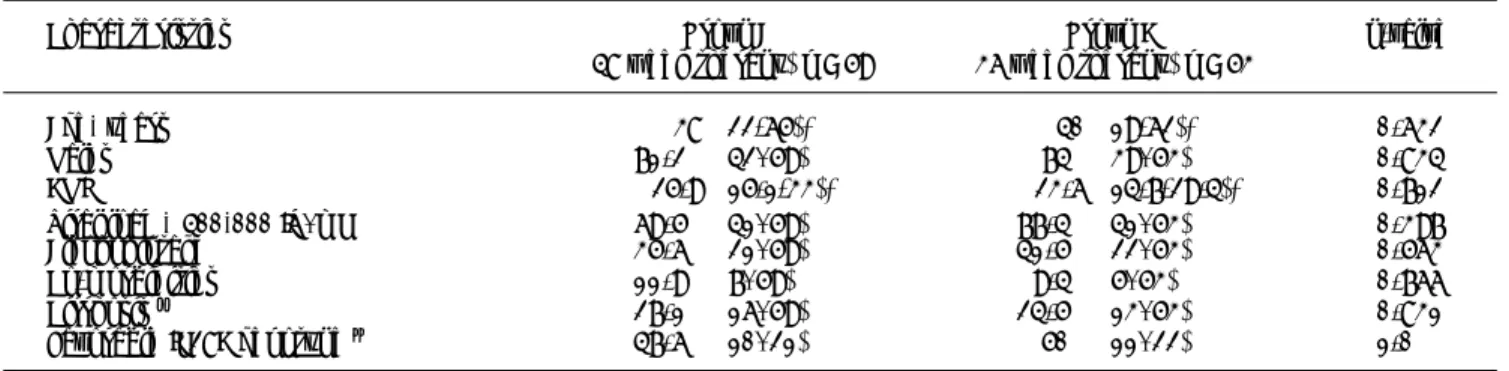
Baseline characteristics of the two groups were comparable (Table 1). Majority of the patients were males, with a median age of 38-40 years, and a median BMI of 23.6-25.9 kg/m2. Almost
three-quar-ter of the patients had viral load ≥ 400,000 IU/mL. About 25% of the patients had presence of advanced fibrosis/cirrhosis. Of the patients tested for IL28B phenotype, about half had favorable phenotype.
In group A, 55 out of 59 patients (93.2%) complet-ed 48 weeks of therapy, 2 (3.4%) were lost to follow-up and treatment had to be stopped in 2 (3.4%) patients due to severe adverse events. In group B, 50 out of 53 patients (94.3%) completed 36 weeks of therapy, 2 (3.8%) were lost to follow-up and treat-ment had to be stopped in 1 (1.9%) patient due to se-vere adverse events.
According to the intention-to-treat analysis, the end-of-treatment response was 93.2% (55/59) in group A and 94.3% (50/53) in group B (p = 1.0).
Figure 1. Flow of patients in the study. cEVR: complete early virological response. SVR: sustained virological response. 166 patients with chronic hepatitis C
genotype-1 started on anti-viral treatment
112 achieved cEVR and randomised into 2 groups
59 randomized to 53 randomized to receive 48 weeks therapy receive 36 weeks therapy
Lost to follow up (n = 2) Lost to follow up (n = 2)
Discontinued treatment (n = 2) Discontinued treatment (n = 1)
55 (93.2%) completed 50 (94.3%) completed therapy and 24 week follow-up therapy and 24 week follow-up
The relapse rates in group A and B were 13.6% (8/ 59) and 9.4% (5/53) respectively. The SVR rate in group A was similar to than in group B [79.6% (47/ 59) and 84.9% (45/53) respectively; p = 0.622]. Ac-cording to the per-protocol analysis, the SVR rate in group A and B were 85.5% (47/55) and 90% (45/50) respectively (p = 0.562)
Post hoc analysis of patients was performed to as-sess the effect of RVR on SVR. In group A, HCV vi-ral load estimation at 4 weeks was performed in 45 patients. Out of these 27 (60%) patients achieved RVR while 18 did not. Of the RVR positive patients, 92.5% (25/27) achieved SVR, while of the RVR
nega-tive patients, 72.2% (13/18) achieved SVR (p = 0.097). In group B, HCV viral load estimation at 4 weeks was performed in 39 patients. Out of these 22 (56.4%) patients had achieved RVR while 17 did not. Of the RVR positive patients, 100% (22/22) achieved SVR, while of the RVR negative patients, 70.6% (12/ 17) achieved SVR (p = 0.011). Only 13.1% (8/61) pa-tients in group A and 7.3% (4/55) in group B had both low viral load and also achieved RVR.
Univariate analysis including various factors like viral load (≤ or > 400,000 IU/mL), RVR (achieved/ not achieved), age (≤ or > 40 years), body mass in-dex (≤ or > 27) and advanced fibrosis
(present/ab-Table 2. Univariate analysis of various host and viral factors predicting sustained virological response.
Factors Group A Group B p-value
(48 week therapy) n = 59 (36 week therapy) n = 53
Age
≤ 40 years 83.8 (31/37) 86.2 (25/29) 1.0
> 40 years 72.7 (16/22) 83.3 (20/24) 0.484
Sex
Male 80.9 (34/42) 82.1 (32/39) 1.0
Female 76.5 (13/17) 92.9 (13/14) 0.345
BMI
≤ 27 87.5 (28/32) 82.6 (24/29) 0.724
> 27 70.4 (19/27) 87.5 (21/24) 0.182
Advanced fibrosis/cirrhosis
Yes 68.8 (11/16) 76.9 (10/13) 0.697
No 83.7 (36/43) 87.5 (35/40) 0.724
HCV viral load
≤ 400,000 IU/mL 88.9 (16/18) 83.3 (10/12) 1.0
> 400,000 IU/mL 75.6 (31/41) 85.4 (35/41) 0.404
RVR*
Achieved 92.5 (25/27) 100 (22/22) 0.495
Not-achieved 72.2 (13/18) 70.6 (12/17) 1.0
Data are expressed as percentage (number). * RVR data was available in 45 and 39 patients in group A and B patients respectively. BMI: body mass index. HCV: hepatitis C virus. RVR: rapid virological response.
Table 1. Baseline characteristics of patients.
Characteristics Group A Group B p-value
(48 week therapy) n = 59 (36 week therapy) n = 53
Age, years 38 (22-65)* 40 (19-62)* 0.632
Males 71.2% (42/59) 74% (39/53) 0.834
BMI 25.9 (15.1-33)* 23.6 (14.7-29.4)* 0.712
Viral load ≥ 400,000 IU/mL 69.5% (41/59) 77.4% (41/53) 0.397
Alcohol intake 35.6% (21/59) 41.5% (22/53) 0.563
Co-morbidities 11.9% (7/59) 9.4% (5/53) 0.766
Cirrhosis † 27.1% (16/59) 24.5% (13/53) 0.831
Favorable IL28B genotype ‡ 47.6% (10/21) 50% (11/22) 1.0
* Data are expressed as median (range) or percentage (number). † Based on radiology/liver biopsy/elastography. ‡ Data available in 21 and 22 patients in
sent) was performed to assess the influence of these factors on SVR in the two groups (Table 2). Howev-er, the SVR rates in the two groups were found to be comparable in all patient sub-groups.
Adverse event profile was similar to that reported with PEG-RBV treatment.10,16 A vast majority of
patients [93.2% (55/59) in group A and 88.7% (47/ 53) in group B; p = 0.513] reported adverse events during the study period. Important adverse events were:
• Fatigue: 88.1% (52/59) vs. 84.9% (45/53). • Weight loss: 64.4% (38/59) vs. 60.1% (32/53). • Anemia: 35.5% (21/59) vs. 35.8% (19/53). • Depression: 25.4% (15/59) vs. 20.7% (11/53). • Breathlessness: 22% (13/59) vs. 18.8% (10/53). • Thyroid dysfunction: 13.6% (8/59) vs. 9.4% (5/
53).
• Neutropenia: 11.8% (7/59) vs. 9.4% (5/53) and • Thrombocytopenia: 8.5% (5/59) vs. 9.4% (5/53) in
groups A and B respectively.
Therapy had to be discontinued due to severe ad-verse events in 3.4% patients in group A and 1.9% patient in group B (p = 1.0). Ribavirin dose modifi-cation was required in 37.3% (22/59) and 35.8% (19/53) patients (p = 1.0); and PEG-IFN dose modi-fication in 11.8% (7/59) and 11.3% (6/53) patients (p = 1.0) in group A and B respectively.
DISCUSSION
Patients with chronic hepatitis C genotype 1 vi-rus infection have been traditionally treated with 48 weeks of PEG-RBV combination therapy, because of the ‘difficult to cure’ nature of this genotype. SVR rate with the standard 48 week therapy has varied from 37-52% in studies from western world,4,11-15
while we recently reported 57% SVR rate among CHC G-1 patients treated in ‘real-life’ setting in northern India.16 Nowadays, the focus has been
shifted to response guided therapy depending on on-treatment virological response rather than fixed du-ration treatment. Ours is the first study which compared the efficacy of a shorter 36 weeks PEG-RBV combination therapy with the standard 48 weeks therapy in genotype 1 patients who achieve cEVR, and found it to have equal efficacy irrespec-tive of other host or virological factors like age, BMI, advanced fibrosis, viral load and RVR.
Pegylated IFN and ribavirin therapy for CHC is associated with significant side-effects and high cost. Because of both of these factors, a large
number of patients with CHC are either not able to initiate the therapy or have to stop the treatment prematurely. As a result, the goal for clinicians is to find the most effective therapy with the shortest treatment duration. The shorter regimen would def-initely be more acceptable to the patients, with fewer side-effects and fewer withdrawals from therapy. Ini-tial studies by Jensen, et al.4 and Zeuzem, et al.17
re-ported that abbreviated therapy for 24 weeks is a reasonable option for CHC G-1 patients who have LVL (< 600,000 IU/mL) and achieve RVR. Later, in a study by Ferenci, et al.,5 all patients with CHC
G-1 who achieved RVR were treated for 24 weeks and a SVR rate of 78.8% was observed. However, the SVR rate was significantly lower in patients with HCV RNA > 800,000 IU/mL (66.7%) compared to those with < 400,000 IU/mL (81.3%). A limitation of this study was the lack of a control arm receiving stand-ard treatment. In another multicenter randomized trial in Asian patients, Liu, et al.6 reported that the
SVR rates with 24 week therapy in G-1 patients were similar to that with 48 week therapy only in patients with HCV RNA level < 800,000 IU/mL and those achieving RVR. In a recent study, Lin, et al.7
reported baseline HVL as an important predictor of relapse in G-1 patients receiving abbreviated thera-py even if they achieved RVR. Thus, 24 weeks therathera-py in genotype 1 patients appears to be a good option but only in patients who have LVL and who achieve RVR. However, in real life practice, only a small fraction of patients will be fulfilling these criteria to qualify for 24 weeks therapy. In the study by Feren-ci, et al.,5 only 9.4% (52/552) of the patients had
both LVL and achieved RVR. Similarly, in the present study, if we had followed these criteria, only 10% of our patients would have qualified for 24 weeks therapy. On the other hand, a greater per-centage of CHC G-1 patients would benefit from ab-breviated therapy of 36 weeks using our novel criteria (which is independent of the baseline viral load and RVR), as 34-64% patients are known to achieve cEVR in various trials.18
Ours is the first study which has evaluated the usefulness of HCV RNA level after 12 weeks of PEG-RBV therapy as a criterion for abbreviated (36 weeks) therapy in CHC G-1 patients. Earlier data suggests the use of HCV RNA level after 12 weeks as a criterion for stoppage of treatment in CHC G-1 patients because of its high negative predictive val-ue.1 In patients with less than 2 log
10 IU/mL
less than 2%. In patients with delayed virological re-sponse (DVR) (defined as a more than 2 log10 decline in HCV RNA concentration but a detectable HCV RNA level at week 12 and an undetectable HCV RNA level at week 24),2 treatment may be
pro-longed for 72 weeks.
In the present study, we did not consider RVR as a criterion for offering a shorter duration (36 weeks) therapy to the patients. In post-hoc analysis, we found that although the SVR rates were lower in patients who did not achieve RVR compared to pa-tients who did, these were not significantly different among the 2 treatment groups. Thus, the shorter duration therapy was as effective as the standard 48 weeks therapy in patients who achieve cEVR, irre-spective of the RVR status.
On the basis of RVR and EVR, we propose to clas-sify the patient into 3 sub-groups. First sub-group of patients who achieve RVR and cEVR can be called ‘quick responders’. These patients had exceptionally good SVR rates (93-100%) regardless of the treat-ment duration (36 weeks or 48 weeks). Therefore, they should be treated for 36 weeks only, while a further sub-group of these patients having LVL should be treated for 24 weeks only, as supported by recent literature.2,4-7 The second sub-group of
pa-tients who do not achieve RVR but achieve cEVR can be called as ‘average responders’. The SVR rate in these patients was about 70%, regardless of the treatment duration (36 weeks or 48 weeks). There-fore, they are also eligible for abbreviated therapy, as prolongation of therapy beyond 36 weeks did not increase the SVR rate. Both these sub-groups have 25% reduction in treatment cost and duration, and also suffer from fewer adverse events. The third sub-group of patients who do not achieve RVR or cEVR but have DVR can be labeled as ‘slow responders’ and should be considered for prolonged therapy. However, we did not address this issue in our study. Our study has few limitations. First, the pattern of IL28B polymorphisms was determined only in about half of the patients, as its importance as a pre-dictor of response to treatment emerged only recent-ly, when this trial was already underway. So the effect of IL28B on SVR could not be determined. Whether the pattern of IL28B polymorphism would affect the response rate of shorter duration therapy needs to be explored in future studies. Second, the total sample size in our study was relatively small.
To conclude, our study suggests that HCV geno-type 1 patients who achieve cEVR can be successful-ly treated with PEG-RBV therapy of 36 weeks duration without compromising the efficacy.
Impor-tant observation is that factors like viral load, RVR, age, BMI and advanced fibrosis do not influence the SVR rates as is the case with 24 weeks therapy. Therefore, a larger proportion of patients would be eligible for abbreviated therapy using our criterion. However, our results need to be confirmed in larger controlled trials.
ABBREVIATIONS
• ALT: alanine aminotransferase.
• cEVR: complete early virological response.
• CHC: chronic hepatitis C. • ETR: end-of-treatment response. • G-1: genotype 1.
• HCV: hepatitis C virus. • LVL: low viral load.
• PEG-RBV: pegylated interferon plus ribavirin.
• PTI: prothrombin time index. • RNA: ribo-nucleic acid.
• RVR: rapid virological response. • SVR: sustained virological response. • TE: transient elastography.
ACKNOWLEDGEMENTS
We acknowledge the help from Dr. Jaskaran Sethi in data collection, and Dr. Suresh K. Sharma in statistical analysis.
FINANCIAL SUPPORT
Department of Gastroenterology, D.M.C. and Hospital, Ludhiana.
REFERENCES
1. Ghany MG, Strader DB, Thomas DL, Seeff LB, American As-sociation for the Study of Liver Diseases. Diagnosis, ma-nagement, and treatment of hepatitis C: an update. Hepatology 2009; 49: 1335-74.
2. European Association for the Study of the Liver. EASL Cli-nical Practice Guidelines: Management of hepatitis C virus infection. J Hepatol 2014; 60: 392-420.
3. Hadziyannis SJ, Sette H Jr, Morgan TR, Balan V, Diago M, Marcellin P, Ramadori G, et al. Peginterferon alpha2a and ribavirin combination therapy in chronic hepatitis C: a randomized study of treatment duration and ribavirin dose. Ann Intern Med 2004; 140: 346-55.
4. Jensen DM, Morgan TR, Marcellin P, Pockros PJ, Reddy KR, Hadziyannis SJ, Ferenci P, et al. Early identification of HCV genotype 1 patients responding to 24 weeks pegin-terferon alpha-2a (40 kd)/ribavirin therapy. Hepatology 2006; 43: 954-60.
hepatitis C type 1 and 4 patients with rapid virological response. Gastroenterology 2008; 135: 451-8.
6. Liu CH, Liu CJ, Lin CL, Liang CC, Hsu SJ, Yang SS, Hsu CS, et al. Pegylated interferon-alpha-2a plus ribavirin for treatment-naive Asian patients with hepatitis C virus ge-notype 1 infection: a multicenter, randomized controlled trial. Clin Infect Dis 2008; 47: 1260-9.
7. Lin KH, Yu HC, Hsu PI, Tsai WL, Chen WC, Lin CK, Chan HH, et al. Baseline high viral load and unfavorable patterns of alanine aminotransferase change predict virological re-lapse in patients with chronic hepatitis C genotype 1 or 2 obtaining rapid virological response during antiviral thera-py. Hepat Mon 2013; 13: e11892.
8. Ganne-Carrié N, Ziol M, de Ledinghen V, Douvin C, Marcellin P, Castera L, Dhumeaux D, et al. Accuracy of liver stiffness measurement for the diagnosis of cirrhosis in patients with chronic liver disease. Hepatology 2006; 44: 1511-7. 9. Ferenci P. Predicting the therapeutic response in patients
with chronic hepatitis C: the role of viral kinetic studies. J Antimicrob Chemother 2004; 53: 15-8.
10. Aspinall RJ, Pockros PJ. Review article: the management of side effects during therapy for hepatitis C. Aliment Phar-macol Ther 2004; 20: 917-29.
11. Manns M, McHutchinson J, Gordon SC, Rustgi VK, Shiffman M, Reindollar R, Goodman ZD, et al. Peg-interferon alfa -2b plus ribavirin for initial treatment of chronic hepatitis C: a randomised trial. Lancet 2001; 358: 958-65.
12. Fried MW, Shiffman ML, Reddy KR, Smith C, Marinos G, Gonçales FL Jr, Häussinger D, et al. Peginterferon alfa-2a
plus ribavirin for chronic hepatitis virus infection. N Eng J Med 2002; 347: 975-82.
13. Ridruejo E, Adrover R, Cocozzella D, Fernández N, Reggiar-do MV. Efficacy, tolerability and safety in the treatment of chronic hepatitis C with combination of PEG-Interferon-Ri-bavirin in daily practice. Ann Hepatol 2010; 9: 46-51. 14. Gidding HF, Law MG, Amin J, Ostapowicz G, Weltman M,
Macdonald GA, Sasadeusz JJ, et al. Hepatitis C treatment outcomes in Australian clinics. Med J Aust 2012; 196: 633-7. 15. Pariente A, Lahmek P, Duprat C, Denis J, Faroux R, Renou
C, Nalet B, et al. Treatment of chronic hepatitis C with pegylated interferon and ribavirin in treatment-naive pa-tients in ‘true life’: a plea in favor of independent post marketing evaluations. Eur J Gastroenterol Hepatol 2010; 22: 1297-302.
16. Sood A, Midha V, Goyal O, Hissar S, Sharma SK, Khanna P. Treatment of Chronic Hepatitis C with Pegylated Interferon plus Ribavirin in treatment-naive ‘real-life’ patients in India. Indian J Gastroenterol 2014 Mar 12 [Epub a head of print]. 17. Zeuzem S, Buti M, Ferenci P, Sperl J, Horsmans Y,
Ciancia-ra J, IbCiancia-ranyi E, et al. Efficacy of 24 weeks treatment with peginterferon alfa-2b plus ribavirin in patients with chro-nic hepatitis C infected with genotype 1 and low pre-treatment viremia. J Hepatol 2006; 44: 97-103.