
Epidemiology, vaccination and infection in wild ruminants with bluetongue virus
169
0
0
Texto completo
(2) PhD studies presented by Cristina Lorca Oró were financially supported by a predoctoral grant (FI-DGR) from the Catalan Government (Agència de Gestió d’Ajuts Universitaris i de Recerca – AGAUR). This work was partially supported by the FAU2008-00019-C03-01 project, funded by the Spanish National Institute of Research and Food Technology (Instituto Nacional de Investigación y Tecnología Agroalimentaria - INIA)..
(3) El Dr. Ignacio García Bocanegra, professor del Departament de Sanitat Animal de la Universitat de Córdoba, el Dr. Jorge Ramón López Olvera, professor titular del Departament de Medicina i Cirurgia Animals de la Universitat Autònoma de Barcelona i el Dr. Mariano Domingo Álvarez, catedràtic del Departament de Sanitat i Anatomia Animals de la Universitat Autònoma de Barcelona,. CERTIFIQUEN:. Que la tesi titulada: “Epidemilogy, vaccination and infection in wild ruminants with bluetongue virus” presentada per Cristina Lorca Oró s’ha realitzat sota la seva direcció en el Centre de Recerca en Sanitat Animal (CReSA), per l’obtenció del grau de Doctora en Medicina i Sanitat Animals per la Universitat Autònoma de Barcelona. I per tal que consti als efectes oportuns, signen el present certificat a Bellaterra (Barcelona), a 3 de setembre de 2012.. Ignacio García Bocanegra. Jorge Ramón López Olvera. Director. Director. Mariano Domingo Álvarez. Cristina Lorca Oró. Director. Doctoranda.
(4)
(5) Queda prohibido llorar sin aprender, levantarte un día sin saber qué hacer, tener miedo a tus recuerdos... Queda prohibido no sonreír a los problemas, no luchar por lo que quieres, abandonarlo todo por miedo, no convertir en realidad tus sueños.... (Queda prohibido – Alfredo Cuervo Barrero).
(6)
(7) TABLE OF CONTENTS. FIGURE AND TABLE INDEX ........................................................................... i LIST OF ABBREVIATIONS ............................................................................ iv RESUM ........................................................................................................... ix RESUMEN ...................................................................................................... xi SUMMARY ....................................................................................................xiii 1.. 2.. GENERAL INTRODUCTION .............................................................................. 1 1.1.. BLUETONGUE ................................................................................................ 3. 1.2.. EPIDEMIOLOGY .............................................................................................. 5. 1.3.. TRANSMISSION AND PATHOGENESIS................................................................ 8. 1.4.. BLUETONGUE IN WILDLIFE ............................................................................ 10. 1.5.. LABORATORIAL DIAGNOSTIC ......................................................................... 13. 1.6.. IMMUNE RESPONSE TO BTV INFECTION .......................................................... 15. 1.7.. BLUETONGUE CONTROL ............................................................................... 17. OBJECTIVES .................................................................................................... 21 2.1.. GENERAL OBJECTIVE ................................................................................... 23. 2.2.. SPECIFIC OBJECTIVES .................................................................................. 23. I.. EPIDEMIOLOGY ............................................................................................... 25. 3.. CHAPTER 1:. EPIDEMIOLOGICAL SURVEILLANCE OF BLUETONGUE VIRUS IN WILD RUMINANTS FROM 2006 TO 2011 IN THE IBERIAN PENINSULA ..................................................... 27. 3.1.. ABSTRACT ................................................................................................... 29. 3.2.. INTRODUCTION ............................................................................................ 30. 3.3.. MATERIALS AND METHODS ........................................................................... 31. 3.3.1.. SAMPLES................................................................................................. 31.
(8) 4.. 3.3.2.. STUDY AREA ........................................................................................... 31. 3.3.3.. SEROLOGICAL ANALYSES ......................................................................... 32. 3.3.4.. BTV RNA DETECTION ............................................................................... 32. 3.3.5.. STATISTICAL ANALYSIS ............................................................................ 33. 3.4.. RESULTS .................................................................................................... 33. 3.5.. DISCUSSION ............................................................................................... 36. 3.6.. ACKNOWLEDGEMENTS................................................................................. 37. CHAPTER 2:. EPIDEMIOLOGICAL SURVEILLANCE OF BLUETONGUE VIRUS SEROTYPES 1, 4 AND 8 IN SPANISH IBEX (Capra pyrenaica) IN SOUTHERN SPAIN ........................ 39. 4.1.. ABSTRACT .................................................................................................. 41. 4.2.. INTRODUCTION............................................................................................ 42. 4.3.. MATERIALS AND METHODS ........................................................................... 44. 4.3.1.. SAMPLING............................................................................................... 44. 4.3.2.. SEROLOGICAL ANALYSES ......................................................................... 45. 4.3.3.. VIROLOGICAL ANALYSES .......................................................................... 45. 4.3.4.. STATISTICAL ANALYSES ........................................................................... 46. 4.4.. RESULTS AND DISCUSSION .......................................................................... 46. 4.5.. CONCLUSIONS ............................................................................................ 50. 4.6.. ACKNOWLEDGEMENTS................................................................................. 50. II.. VACCINATION AND EXPERIMENTAL INFECTION ....................................... 53. 5.. CHAPTER 3:. EVALUATION OF THE EFFICACY OF COMMERCIAL VACCINES AGAINST BLUETONGUE VIRUS SEROTYPES 1 AND 8 IN EXPERIMENTALLY INFECTED RED DEER (Cervus elaphus)............................................................................................... 55. 5.1.. ABSTRACT .................................................................................................. 57. 5.2.. INTRODUCTION............................................................................................ 58. 5.3.. MATERIALS AND METHODS ........................................................................... 59. 5.3.1.. DEER VACCINATION ................................................................................. 59.
(9) 5.3.2.. EXPERIMENTAL INFECTION ....................................................................... 60. 5.3.3.. SEROLOGICAL ANALYSES ......................................................................... 60. 5.3.4.. VIROLOGICAL ANALYSES........................................................................... 61. 5.3.5.. HAEMATOLOGICAL VALUES ....................................................................... 62. 5.3.6.. STATISTICAL ANALYSES ............................................................................ 62. 5.4.. 6.. RESULTS ..................................................................................................... 63. 5.4.1.. SEROLOGY .............................................................................................. 63. 5.4.2.. VIRAEMIA ................................................................................................ 66. 5.4.3.. CLINICAL SIGNS AND LESIONS ................................................................... 67. 5.4.4.. HAEMATOLOGICAL VALUES ....................................................................... 67. 5.5.. DISCUSSION ................................................................................................ 69. 5.6.. CONCLUSIONS ............................................................................................. 70. 5.7.. ACKNOWLEDGEMENTS ................................................................................. 70. CHAPTER 4:. PROTECTION OF SPANISH IBEX (Capra pyrenaica) AGAINST BLUETONGUE VIRUS SEROTYPES 1 AND 8 IN A SUBCLINICAL EXPERIMENTAL INFECTION ...................... 73. 6.1.. ABSTRACT ................................................................................................... 75. 6.2.. INTRODUCTION ............................................................................................ 76. 6.3.. MATERIALS AND METHODS ........................................................................... 78. 6.3.1.. ETHICS STATEMENT ................................................................................. 78. 6.3.2.. VACCINATION .......................................................................................... 78. 6.3.3.. EXPERIMENTAL INFECTION ....................................................................... 78. 6.3.4.. SEROLOGY .............................................................................................. 79. 6.3.5.. BTV DETECTION AND ISOLATION ............................................................... 80. 6.3.6.. INTERFERON-GAMMA RESPONSE IN PBMCS ................................................ 81. 6.3.7.. HAEMATOLOGY ........................................................................................ 82. 6.3.8.. STATISTICAL ANALYSES ............................................................................ 82. 6.4.. RESULTS ..................................................................................................... 82. 6.4.1.. ANTIBODY RESPONSE TO VACCINATION AND INFECTION .............................. 82. 6.4.2.. BTV RNA DETECTION AND ISOLATION ......................................................... 85. 6.4.3.. IFN-G RESPONSE IN PBMCS ...................................................................... 86. 6.4.4.. HAEMATOLOGY ........................................................................................ 86.
(10) 6.4.5.. 7.. CLINICAL SIGNS AND HISTOPATHOLOGICAL EXAMINATION ........................... 90. 6.5.. DISCUSSION ............................................................................................... 90. 6.6.. ACKNOWLEDGMENTS .................................................................................. 92. CHAPTER 5:. LONGITUDINAL SEROLOGICAL ANALYSIS IN SPANISH IBEX (Capra pyrenaica) VACCINATED AGAINST BLUETONGUE VIRUS SEROTYPES 1 AND 8 ........................ 95. 7.1.. ABSTRACT .................................................................................................. 97. 7.2.. INTRODUCTION............................................................................................ 98. 7.3.. MATERIALS AND METHODS ........................................................................... 99. 7.3.1.. ETHICS STATEMENT................................................................................. 99. 7.3.2.. VACCINATION .......................................................................................... 99. 7.3.3.. SEROLOGY AND BTV DETECTION ............................................................ 100. 7.3.4.. STATISTICAL ANALYSIS .......................................................................... 101. 7.4.. RESULTS .................................................................................................. 101. 7.5.. DISCUSSION ............................................................................................. 103. 7.6.. ACKNOWLEDGEMENTS............................................................................... 104. 8.. GENERAL DISCUSSION ................................................................................ 107. 9.. CONCLUSIONS .............................................................................................. 115. 10. REFERENCES ................................................................................................ 119 11. AGRAÏMENTS ................................................................................................. 137.
(11) FIGURE AND TABLE INDEX FIGURES Introduction Figure 1. Bluetongue virus morphology....................................................................................4 Figure 2. Distribution of bluetongue and competent vectors in Europe before and after 1998 (Southern Europe) and in 2006-2007 (Northern Europe) .................................................6 Figure 3. Epidemiology of bluetongue virus in Europe. Incursions of outbreaks that affected Europe with distinct origin routes .....................................................................................7 Figure 4. Classification of the wild ruminant species studied in the present thesis ................12 Chapter 1 Figure 5. Distribution of the bio-regions in the Iberian Peninsula. (1) Atlantic, (2) Northern Plateau, (3) South-Central, (4) Interior Mountains, (5) South and East coast and (6) Portugal ..........................................................................................................................31 Figure 6. BTV seropositive samples by SNT and BTV RNA positive samples detected by RTqPCR (A) Spatial distribution by bio-region and (B) Temporal distribution by sampling period .............................................................................................................................35 Chapter 2 Figure 7. Estimated distribution of the Spanish ibex in Andalusia ..........................................43 Figure 8. Sampling locations in Andalusia .............................................................................44 Chapter 3 Figure 9. Mean and standard deviation of specific BTV-antibody response measured by ELISA test in vaccinated and non vaccinated deer challenged with BTV-1 (A) and BTV-8 (B) .......................................................................................................................64 Figure 10. BTV-neutralising antibodies measured by serum neutralisation test (SNT) in vaccinated and non vaccinated deer challenged with BTV-1 (A) and BTV-8 (B)............65. i.
(12) Figure 11. Threshold cycle (Ct) values of real-time RT-PCR in vaccinated and non vaccinated deer challenged with BTV-1 and BTV-8 ........................................................................ 66 9. Figure 12. Mean lymphocyte count (x 10 /L) of BTV-1 (A) and BTV-8 (B) challenged red deer ............................................................................................................................... 68 Chapter 4 Figure 13. ELISA antibody response after BTV vaccination and experimental infection. Evolution of mean percentages with standard deviation of VP7 antibodies for each group of vaccinated and non vaccinated ibexes challenged with BTV-1 (A) and BTV-8 serotypes (B) ................................................................................................................. 83 Figure 14. Neutralising antibody response after BTV vaccination and experimental infection. Evolution of mean BTV-1 (A) and BTV-8 (B) neutralising antibody titres (with standard deviation) for vaccinated and non vaccinated ibexes. ................................................... 84 Figure 15. Detection of viraemia after BTV inoculation. Threshold cycle (Ct) values of realtime RT-PCR from blood samples of vaccinated and non vaccinated ibexes challenged with BTV-1 and BTV-8 ................................................................................................... 85 Figure 16. Interferon-gamma spot numbers produced by PBMCs after stimulation with the homologous strains. Mean with standard deviation of IFN-γ expression in 10 PBMCs 6. stimulated after challenge with BTV-1 (A) and BTV-8 (B).............................................. 89 Chapter 5 Figure 17. ELISA antibody response after BTV-1 and BTV-8 vaccination. Evolution of mean percentages (O.D. sample/O.D. positive control x100) with standard deviation of VP7 antibodies for each group of vaccinated and non vaccinated ibexes ........................... 102 Figure 18. Neutralising antibody response after BTV vaccination. Evolution of mean (with standard deviation) of BTV-1 and BTV-8 neutralising antibody titres for vaccinated and non vaccinated ibexes. ................................................................................................ 102. ii.
(13) TABLES Introduction Table 1. Prevalence of BTV specific antibodies and BTV RNA detection in European wild ruminants .......................................................................................................................13 Table 2. Procedures for BTV identification and antibody detection ........................................15 Chapter 1 Table 3. Number of BTV positive samples (ELISA) by species and sampling period .............34 Chapter 2 Table 4. Frequency of antibodies against BTV in Spanish ibex ..............................................47 Table 5. Distribution of BTV serotypes found in Spanish ibex by years and locations in Andalusia .......................................................................................................................49 Chapter 4 Table 6. Threshold cycle (Ct) values and estimated titres (TCID50/mL) of specific real-time RT-PCR results on tissue samples at 8 dpi. ...................................................................86 Table 7. Threshold cycle (Ct) values and estimated titres (TCID50/mL) of specific real-time RT-PCR results on tissue samples at necropsy at the end of the study (28 dpi)............88 Chapter 5 Table 8. Number of ibexes per group in each sampling period ............................................100. iii.
(14) LIST OF ABBREVIATIONS. AHS. African horse sickness. ANOVA. analysis of variance. BSL3. biosafety level 3. BT. bluetongue. BTV. bluetongue virus. CI. confidence interval. CPE. cytopathic effect. Ct. threshold cycle. dpi. days post-inoculation/infection. DIVA. differentiation/discrimination of infected from vaccinated animals. dpv. days post-vaccination. dsRNA. double-stranded RNA. EDTA. ethylenediaminetetraacetic acid. EHD. epizootic haemorrhagic disease. ELISA. enzyme linked immunosorbent assay. ELISPOT. enzyme linked immunosorbent spot assay. HGB. haemoglobin. HTC. haematocrit. IFN-γ. gamma interferon. IM. intramuscular. IUCN. International Union for Conservation of Nature. MCH. mean corpuscular haemoglobin. MCHC. mean corpuscular haemoglobin concentration. MCV. mean corpuscular volume. MEM. minimal essential medium. mpv. months post-vaccination. iv.
(15) NS. non-structural (protein). OD. optical density. OIE. World Organisation for Animal Health (Office International des Epizooties). PBMCs. peripheral blood mononuclear cells. PBS. phosphate-buffered saline. PCR. polymerase chain reaction. PLT. platelets. R. coefficient of regression. RASVE. Veterinary Sanitary Alert Network (Red de Alerta Sanitaria Veterinaria). RBC. red blood cells. RNA. ribonucleic acid. RT-qPCR. real time reverse transcriptase polymerase chain reaction. SC. secreting cells. SPSS. Statistical package for social sciences. SNT. serum neutralisation test. TCID50. median tissue culture infectious dose. TMB. 3,3’,5,5’-tetramethylbenzidine. VERO. African green monkey kidney cells. WBC. white blood cells. v.
(16)
(17) Cridem qui som i que tothom ho escolti. I en acabat, que cadascú es vesteixi com bonament li plagui, i via fora!, que tot està per fer i tot és possible. (Ara mateix – Miquel Martí i Pol).
(18)
(19) RESUM. La llengua blava (LB) és una malaltia transmesa per vectors Culicoides de declaració obligatòria causada pel virus de la llengua blava (VLB) i considerada emergent i re-emergent a Europa. Aquesta malaltia afecta principalment a remugants domèstics i salvatges i també camèlids, causant importants pèrdues econòmiques en el sector ramader. La implicació de diferents hostes i vectors en el cicle de transmissió del VLB dificulta el control de la malaltia. El cicle de transmissió del virus està condicionat per factors externs, com són el canvi climàtic i l’alteració dels ecosistemes, els quals han afavorit l’expansió dels vectors en les últimes dècades. Entre les mesures de control, destaquen la vacunació, la restricció de moviment d’animals susceptibles en zones de risc i els programes de vigilància epidemiològica, tant d’animals domèstics com de vectors. Tot i que les vacunes comercials actuals han demostrat ser efectives en remugants domèstics, l’elevat nombre de serotipus del VLB presents (fins a 26 descrits actualment), fa que sigui complicat desenvolupar una vacuna universal que ofereixi protecció creuada. Totes aquestes variables han fet impossible fins al moment l’eradicació d’aquesta malaltia. La majoria d’espècies de remugants salvatges presents a Europa, si no tots, són susceptibles a la infecció pel VLB, que és majoritàriament asimptomàtica. Aquest fet fa que tinguin importància com a possibles reservoris i transmissors del virus, tant entre animals salvatges com de salvatges a domèstics. La informació relativa a la seva implicació en el cicle de transmissió del virus entre animals salvatges i domèstics és encara escassa. Això, juntament amb el fet que els programes de vacunacions massives s’apliquin exclusivament a remugants domèstics, posa de manifest la necessitat de portar a terme estudis addicionals a fi de determinar el paper dels remugants salvatges en l’epidemiologia de la LB. La present tesi s’ha centrat en l’estudi de la LB en els remugants salvatges presents a la Península Ibèrica. El seu contingut segueix l’estructura típica d’un treball científic. Comença amb una Introducció, en la qual es realitza una breu revisió actual sobre la LB i el VLB, seguit d’un apartat amb els Objectius que seran tractats en cada capítol. A continuació es presenten dues Seccions estructurades en cinc. ix.
(20) Capítols, que corresponen a articles científics en diferent estat de publicació (tres publicats i dos enviats). A l’apartat de Discussió general es pretén donar una breu visió del conjunt de capítols i, finalment, s’ennumeren totes les Conclusions obtingudes d’aquesta tesi doctoral. En la primera secció de la tesi (Epidemiologia) s’han realitzat estudis serològics i virològics retrospectius per tal d’aportar més informació de l’evolució de la LB en les espècies de remugants salvatges presents a la Península Ibèrica. Aquests estudis indiquen que aquestes espècies estan implicades en el manteniment del VLB i que poden actuar com a reservoris del virus a la Península Ibèrica. En la segona secció (Vacunació i infecció experimental) s’ha demostrat la susceptibilitat a la infecció amb els serotipus 1 i 8 del VLB del cérvol (Cervus elaphus) i la cabra salvatge (Capra pyrenaica). A més, s’ha avaluat la protecció induïda per una dosi (en cabra salvatge) o dues dosis (en cérvol) vacunals enfront la inoculació experimental amb soques homòlogues del virus. Finalment, s’ha realitzat un estudi longitudinal del desenvolupament d’anticossos neutralitzants fins a 18 mesos després de la immunització a la cabra salvatge.. x.
(21) RESUMEN. La Lengua azul (LA) es una enfermedad de declaración obligatoria causada por el virus de la lengua azul (VLA) y considerada emergente y reemergente en Europa. Esta enfermedad afecta especialmente a rumiantes domésticos y salvajes y también camélidos, causando importantes pérdidas económicas en el sector ganadero. La implicación de diferentes hospedadores y vectores en el ciclo de transmisión del VLA dificulta el control de la enfermedad. Dicho ciclo está condicionado por factores externos como son el cambio climático y la alteración de ecosistemas, los cuales han favorecido la expansión de los vectores en las últimas décadas. Entre las estrategias de control destacan la vacunación, la restricción del movimiento de animales susceptibles en zonas de riesgo y los programas de vigilancia epidemiológica tanto de animales domésticos como de vectores. Aunque las vacunas comerciales actuales han demostrado ser efectivas en rumiantes domésticos, el elevado número de serotipos del VLA presentes (hasta 26 descritos actualmente), hace que sea complicado desarrollar una vacuna universal que ofrezca protección cruzada. Todas estas variables han hecho imposible hasta el momento la erradicación de la enfermedad. La mayoría de especies de rumiantes salvajes presentes en Europa, si no todos, son susceptibles a la infección por el VLA, que es mayoritariamente asintomática. Esto los hace importantes como posibles reservorios y transmisores del virus, tanto entre animales salvajes como de salvajes a domésticos. La información relativa al estudio de su implicación en el ciclo de transmisión entre salvajes y domésticos es todavía escasa. Ésto, unido al hecho de que los programas de vacunaciones masivas se apliquen exclusivamente a rumiantes domésticos, pone de manifiesto la necesidad de llevar a cabo estudios adicionales con el fin de determinar el papel de los rumiantes salvajes en la epidemiología de la LA. La presente tesis se ha centrado en el estudio de la LA en rumiantes salvajes presentes en la Península Ibérica. Su contenido se organiza siguiendo el orden habitual de un trabajo científico. Comienza con un apartado de Introducción, en el que se realiza una breve revisión actual sobre la LA y el VLA, seguido de un. xi.
(22) apartado de los Objetivos que se abordarán en cada capítulo. A continuación se presentan dos Secciones estructuradas en cinco Capítulos, que corresponden a artículos científicos en diferente estado de publicación (tres aceptados y dos enviados). En el apartado de Discusión general se pretende dar una breve visión del conjunto de capítulos y, para finalizar, se enumeran todas las Conclusiones obtenidas en la tesis doctoral. En la primera sección de la tesis (Epidemiología) se han realizado dos estudios serológicos y virológicos retrospectivos con el fin de aportar más información sobre la evolución de la LA en las especies de rumiantes salvajes presentes en la Península Ibérica. Estos estudios indican que estas especies están implicadas en el mantenimiento del VLA y que pueden actuar como reservorios del virus en la Península Ibérica. En la segunda sección (Vacunación e infección experimental) se ha demostrado la susceptibilidad a la infección con los serotipos 1 y 8 del VLA en el ciervo (Cervus elaphus) y la cabra montés (Capra pyrenaica). En estos experimentos, se ha evaluado la protección inducida por una dosis (en cabra montés) o dos dosis (en ciervo) vacunales frente a la inoculación experimental con cepas homólogas del virus. Finalmente, se ha realizado un estudio longitudinal del desarrollo de anticuerpos neutralizantes hasta 18 meses después de la inmunización en la cabra montés.. xii.
(23) SUMMARY. Bluetongue (BT) is a reportable disease caused by bluetongue virus (BTV) considered emerging and re-emerging in Europe. BT affects especially domestic and wild ruminants and also camelids, causing important economic losses in the animal industry. The implication of different hosts and vectors in the transmission cycle of BTV makes difficult to control the disease. The transmission cycle is affected by external factors, as climate change and ecosystems’ alteration, which have favored vector expansion in the last decades. Among the control measures, vaccination, restricted movement of susceptible hosts during risk periods and epidemiologic surveillance programs including livestock and vectors are the most implemented. Although available commercial vaccines have proven to be effective in domestic ruminants, the high number of BTV serotypes (up to now, 26 described) makes difficult the development of a universal vaccine able to confer crossprotection. All these factors have made impossible the eradication of this disease. Most, if not all, wild ruminant species present in Europe are susceptible to BTV infection, although it is mainly asymptomatic. This fact makes wild species important as potential reservoirs and transmitters among wildlife or from wild to domestic ruminants. Data related to the implication of wild ruminants in the BTV transmission cycle between domestics and wildlife is still limited. This point, and also the fact that mass vaccination campaigns are applied exclusively to domestic ruminants highlights the need to carry out additional studies with the aim of determining the role of wild ruminants in the epidemiology of BT. The present thesis is focused in the study of BT in wild ruminants present in the Iberian Peninsula. The structure is the typical of a scientific paper. It starts with an Introduction, which contains a brief review of BT and BTV, followed by the Objectives that will be developed in each chapter. Afterwards, there are two Sections structured in five Chapters. All the studies are published or submitted to publish in international peer-reviewed journals. In the General discussion section is given a summary of the main findings and, finally, all the Conclusions obtained are listed at the end of the thesis.. xiii.
(24) In the first section of the thesis (Epidemiology) two retrospective serological and virological studies have been carried out in order to provide new information regarding the evolution of BT in wild ruminant species present in the Iberian Peninsula. These studies indicate that wild ruminants are implicated in maintaining BTV, and they may play a relevant role as BTV reservoirs in the Iberian Peninsula. In the second section (Vaccination and experimental infection), the susceptibility to BTV-1 and BTV-8 infection has been demonstrated in red deer (Cervus elaphus) and Spanish ibex (Capra pyrenaica). Moreover, the efficacy of two commercial vaccines has been evaluated by means of specific neutralising antibodies and absence of viraemia in both species, vaccinated and experimentally inoculated with homologous strains. Finally, it has been carried out a longitudinal study of the development of neutralising antibodies until 18 months post-immunization in Spanish ibex.. xiv.
(25)
(26)
(27) 1. GENERAL INTRODUCTION.
(28)
(29) Introduction. 1.1. Bluetongue Importance Bluetongue (BT) is an arthropod-transmitted viral disease of ruminants, caused by bluetongue virus (BTV). Due to its economic impact, BT is an Office International des Epizooties (OIE)-listed disease. Economic losses associated with BTV infection are caused directly through reductions in productivity and death and, more importantly, indirectly through trade losses due to animal movement and cattle semen export restrictions, and the costs of implementing control measures, including diagnostic tests [Schwartz-Cornil et al., 2008]. History BT was described for the first time in Cape Colony, South Africa, as “fever” or th. “malarial catarrhal fever”, after the introduction of Merino sheep at the end of the 18. century. The term of “bluetongue” was introduced from the English translation of the Afrikaans name “Blaauwtong” [Henning, 1956; Spreull, 1905]. Local farmers used this word to describe the cyanotic tongue of heavily affected sheep. In 1905, the aetiological agent was identified. In 1944, it was discovered that members of the Orbivirus genus, including both BTV and African horse sickness virus (AHSV), were transmitted by Culicoides midges [Du Toit, 1944; Verwoerd, 2009]. Later on, the disease spread rapidly throughout Africa and subsequently to many countries beyond the African continent. BT was described in other breeds of sheep and in Europe, America and Asia, probably due to transport of infected animals and vector expansion. Currently, it seems that cattle have replaced antelope as a maintenance host of the virus [Gerdes, 2004]. Aetiology BTV is the prototype of the genus Orbivirus within the family Reoviridae [Mertens et al., 2004], which includes other viruses responsible of important animal diseases as African horse sickness (AHS), epizootic haemorrhagic disease (EHD) or equine encephalosis. BTV is a non enveloped virus with a genome of approximately 19.200 base pairs composed by ten linear segments of double-stranded RNA (dsRNA). The. 3.
(30) Introduction. ten dsRNA segments are packaged within a triple layered icosahedral protein capsid (Figure 1). There are at least eleven proteins (seven structural and four nonstructural) in BTV. The outer shell is composed of two structural proteins, VP2 and VP5, where VP2 is the major determinant of BTV serotype, with a minor role for VP5 [Mertens et al., 1989]. The intermediate layer consists of the major immunodominant VP7 structural protein. The subcore is composed by the VP3 protein, which houses the viral genome segments and three minor proteins involved in transcription and replication which are VP1, VP4 and VP6. The four non-structural proteins (NS1, NS2, NS3/NS3A and NS4) are probably implicated in the control of replication, maturation and export from the infected cell [Ratinier et al., 2011; Roy et al., 2009; Schwartz-Cornil et al., 2008].. Figure 1. Bluetongue virus morphology [adapted from Roy et al., 2009]. 4.
(31) Introduction. 1.2. Epidemiology Since BTV transmission between its vertebrate hosts depends almost exclusively on the bites of haematophagous midges of the genus Culicoides, its world distribution is limited to geographical areas where competent vector species are present (Figure 2). Transmission also depends on those periods of the year when climatic conditions are favourable for adult vector activity, and temperatures are warm enough to allow first the virus replication within the vector and then transmission to a susceptible host [Mertens et al., 2008]. Therefore, the disease was traditionally considered to be confined to tropical and subtropical areas between latitudes 35ºS and 40ºN [Purse et al., 2005].. Bluetongue distribution in Europe Before 1998 Before 1998, BT was considered an exotic disease in Europe. Its distribution coincided with the known distribution of the Afro-Asiatic species C. imicola, and punctual outbreaks were reported in Cyprus, Spain, Portugal, Greece, and Turkey [Mellor & Boorman, 1995]. The limited number of epidemics led European countries to believe that the risk of BT was low [Carpenter et al., 2009]. Between 1998 and 2006 From 1998 to 2005, five serotypes (1, 2, 4, 11 and 16) appeared frequently in twelve Mediterranean countries as Italy, Greece, Turkey, France, Spain and in Northern Africa, spreading through 800 kilometres [Purse et al., 2008] (Figure 3). Infected livestock movement, wind and expansion of the main vector (C. imicola) were the most frequent causes of the outbreaks. From 2005, several serotypes (1, 2, 4, 6, 8, 9, 11 and 16) have been circulating in Europe, some far from the original distribution of C. imicola, pointing to the existence of new vector species. Climate change (rising temperature) contributed to the increase and presence of other competent vector populations as C. obsoletus and C. pulicaris groups [Purse et al., 2008; Wilson &. 5.
(32) Introduction. Mellor, 2008; Wilson & Mellor, 2009], which together with the movement of infected animals were considered the main hypothesis.. Figure 2. Distribution of bluetongue and competent vectors in Europe before and after 1998 (Southern Europe) and in 2006-2007 (Northern Europe) [adapted from Purse et al., 2008].. 6.
(33) Introduction. In 2000, BTV-2 appeared in the Balearic Islands, probably originating from Corsica, and in 2003 BTV-4 was detected in Menorca. In 2004, this serotype was found in Portugal. BTV-4 also reached the south of Spain from Morocco in 2004 [Purse et al., 2005] and expanded to the north of the Iberian Peninsula through 2005 and 2006.. Figure 3. Epidemiology of bluetongue virus in Europe. Incursions of outbreaks that affected Europe with distinct origin routes [adapted from Purse et al., 2008].. From 2006 to 2012 In 2006, BTV-8 was detected in the Netherlands before spreading to Germany, Belgium and France. In 2007, BTV-8 infection dramatically extended its European distribution and reached Luxemburg, Denmark, Switzerland, Czech Republic, the United Kingdom and Italy (this last country through import of infected animals). At the beginning of 2008, BTV-8 arrived to Northern Spain. The origin of this outbreak is still unknown and many hypotheses were considered. Simultaneously, during 2007, BTV-1 appeared in Southern Spain and reached the northern regions by the end of the year, most likely through the arrival of BTV-infected Culicoides from warm. 7.
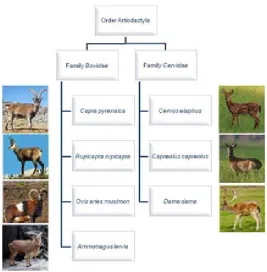
(34) Introduction. air masses [García-Lastra et al., 2012]. Currently, mostly Mediterranean countries are restricted zones for serotypes such as BTV-1, 2, 4, 8, 9 and 16.. Bluetongue in the Iberian Peninsula In Spain, the last BTV-4 outbreak was detected in October 2004, and the country was declared officially free of BTV-4 in March 2009 [RASVE, 2009]. However, in October 2010 a new BTV-4 outbreak was detected in Southern Spain (Cádiz), and until December 2010 eight further outbreaks were reported reaching a total of thirteen BTV-4 outrbreaks. In the case of BTV-1, 3520 outbreaks have been detected from 2007 to 2012 [RASVE]. Furthermore, BTV-8 was detected in Northern Spain in January 2008 and also in Southern Spain (Andalusia) in October 2008. A total of 35 BTV-8 outbreaks were reported until March 2009, followed by a period without apparent cases until November 2010, when a new BTV-8 outbreak was confirmed in Andalusia.. 1.3. Transmission and pathogenesis The introduction of BT into an area can stem from four ways. Firstly, through the movement of infected vertebrate hosts (domestic or wild ruminants) or animal germplasm (semen or embryos). Secondly, by the movement of infected vectors carried by living (plants, animals) or inanimate (airplanes, ships) means. The third way is through the active flight of infected vector Culicoides and the fourth is through passive transport of infected vectors by the wind [Saegerman et al., 2008]. Once introduced, an infection cycle must be established between the ruminant host and the vector [Noad & Roy, 2009]. The virus is transmitted by haematophagous females of approximately thirty species of Culicoides midges (Diptera: Ceratopogonidae). Vector species differ between regions, as do BTV serotypes and strains [Maclachlan & Osburn, 2006; Tabacknick, 2004]. There are 24 th. BTV serotypes described, a putative 25 named Toggenburg Orbivirus [Chaignat et th. al., 2009; Hoffmann et al., 2008] and a 26 detected in Kuwait [Maan et al., 2011].. 8.
(35) Introduction. The historical distribution of BTV and its vectors covered a broad band, approximately, between latitudes 35ºS and 40ºN [Mellor, 2000], although in the last years it has extended over 50ºN. Thus, asymptomatic species, and those showing less severe disease, may act as an amplifying host for the subsequent infection of more susceptible species [Noad & Roy, 2009]. After blood feeding from an infected host, BTV passes into the lumen of the Culicoides mid-gut. Then, the virus reaches the salivary glands, with or without amplification in other susceptible tissues. Once in salivary glands, the virus multiplies and is released into the saliva, where it is available to infect a second vertebrate host [Mellor, 2004]. When the competent vector bites a susceptible host, the virus reaches lymph nodes, where replication occurs [Barratt-Boyes et al., 1995; Pini, 1976]. Afterwards, BTV disseminates to other target tissues such as lung and spleen, where replication takes place again, mainly in phagocytic mononuclear cells, endothelial cells, lymphocytes and other cell types [Barratt-Boyes & Maclachlan, 1994; Darpel et al., 2009; Ellis et al., 1993; Mahrt & Osburn, 1986; Maclachlan et al., 1990]. Finally, BTV associates to platelets and erythrocytes during viraemia and, because of the short lifespan of platelets, virus is largely or exclusively associated with erythrocytes late in the course of BTV infection of ruminants [Maclachlan et al., 2009]. BTV association to erythrocytes facilitates both prolonged infection of ruminants and infection of haematophagous insect vectors that feed on viraemic ruminants, and infectious virus can co-circulate for several weeks with high titres of neutralising antibody [Barratt-Boyes & Maclachlan, 1995; Bonneau et al., 2002; Brewer & Maclachlan, 1992; Brewer & Maclachlan 1994]. BTV infection is often subclinical or unapparent, but can lead to severe disease with high mortality rates in certain domestic and wild species. Pathogenesis is similar in sheep and cattle and probably in all ruminants [Barratt-Boyes & Maclachlan, 1995; Darpel et al., 2007; Maclachlan, 1994; Mahrt & Osburn, 1986; Pini, 1976]. However, there are differences in the severity of the disease between species and breeds after infection and in the infection of the same species with different serotypes [Gard, 1984; Verwoerd & Erasmus, 2004]. Sheep is considered the more susceptible species, with mortality rates between 50-70% in susceptible flocks, but. 9.
(36) Introduction. many factors like breed, serotype, individual differences, nutritional and immunologic status, age or environmental stress (such as high temperatures) can influence the susceptibility [Gard, 1984; Verwoerd & Erasmus, 2004]. Bovine, caprine and other wild ruminants are mostly asymptomatic or have subclinical infections, although BTV serotype 8 (BTV-8) has been reported to cause disease in cattle and camelids [Backx et al., 2007; Conraths et al., 2009; Darpel et al., 2007; Henrich et al., 2007]. The onset of the disease in BTV-infected ruminants is typically marked by fever lasting approximately 5-7 days, which correlates with a peak of viraemia. Afterwards, lesions reflect virus-mediated injury to small blood vessels, causing cell injury and necrosis and leading to vascular thrombosis, tissue infraction and haemorrhages. In sheep, principal lesions are congestion, oedema and haemorrhages as a consequence of the vascular injury [Darpel et al., 2009; Erasmus, 1975; Maclachlan, 2008; Maclachlan et al., 2009; Mahrt & Osburn, 1986; Pini, 1976; Verwoerd & Erasmus, 2004], together with fever, serous to bloody nasal discharge, respiratory difficulty in animals with severe pulmonary oedema, oral erosions and ulcers, lameness with hyperemia of the coronary band and weakness secondary to muscle necrosis. In cattle, BTV-8 can cause severe and extensive ulceration of the muzzle, oral mucosa and teats; rhinitis and muco-haemorrhagic nasal discharge; epiphora and periocular inflammation; and limb oedema [Darpel et al., 2007; Elbers et al., 2008a; Thirty et al., 2006]. In contrast to sheep, infected cattle experience prolonged viraemia [Maclachlan et al., 2009].. 1.4. Bluetongue in wildlife Animals, and particularly wild animals, are thought to be the source of more than 70% of all emerging infections [Taylor et al., 2001]. Wildlife diseases are relevant for their effect on animal health and wildlife conservation, as well as the possibility to be zoonoses. The interaction between wild and domestic animals allows the transmission of pathogens that may compromise livestock production. Direct mortality of animals from emerging infections and depopulation policies to protect the safety of international trade and to control the spread of pathogens affect negatively both wild and domestic species [Kuiken et al., 2005]. Susceptible game. 10.
(37) Introduction. species are in general the most important for animal health for their abundance and their phylogenetic proximity to domestic ruminants. In addition, these species are the most accessible for sampling during hunting seasons, and management of wild ruminants with the aim of rearing hunting species is similar to extensive livestock farming. Thus, most wildlife species are susceptible to the same diseases than domestic animals. In the case of ruminants, bluetongue, transmissible spongiform encephalopathy, foot-and-mouth disease, rinderpest, rift valley fever, brucellosis, and tuberculosis, among other infections, are shared between wild and domestic species [Gavier-Widén et al., 2012]. Wild ruminants include cervids (family Cervidae) and bovids (family Bovidae). In the Iberian Peninsula, there are three species of cervids: red deer, fallow deer (Dama dama) and roe deer (Capreolus capreolus). Especially red deer and roe deer are widely distributed and can reach a density of 10 individuals per km. 2. [Lovari et al., 2008]. The Iberian bovids include two autochthonous species, the southern chamois (Rupicapra pyrenaica) and the Spanish ibex (Capra pyrenaica); a feral domestic goat species (Capra hircus); and two exotic species introduced for hunting purposes, the European mouflon and the aoudoad or Barbary sheep (Ammotragus lervia) [Spanish Wildlife Disease Surveillance Scheme, Plan Nacional de Vigilancia Sanitaria en Fauna Silvestre, 2011]. In this thesis, wild ruminant species have been selected for its abundance and wide distribution, as well as for being endemic species, as it is the case of Spanish ibex (Figure 4). Although the term Iberian ibex would be more appropriate and reflects the real distribution (not only in Spain but also in Portugal), the species has been named as Spanish ibex according to the IUCN criteria [IUCN, 2012].. 11.
(38) Introduction. Figure 4. Classification of the wild ruminant species studied in the present thesis.. BT has also been described in wild ruminant species [Verwoerd & Erasmus, 2004]. White-tailed deer (Odocoileus virginianus) can develop depression, weakness, fever, loss of fear, anorexia, hyperemic oral mucosa, muco-purulent nasal discharge, crusts in the nares, severe respiratory distress, submandibular oedema, reddening of the muzzle and ears, oedema around the eyes, swollen and cyanotic tongue, excessive salivation, oral ulceration, multifocal haemorrhage in the skin and mucosa, severe bloody diarrhoea, laminitis and consumption coagulopathy, as a consequence. of. BTV-induced. endothelial. damage.. The. only. appreciable. haematological change described is leucopenia and neutropenia [Howerth & Tyler, 1988; Johnson et al., 2006; Vosdingh et al., 1968]. Clinical signs reported in the European mouflon (Ovis aries musimon), considered a subspecies of domestic sheep, include inflammation of mucous membranes, congestion, swelling and haemorrhages [Fernández-Pacheco et al., 2008]. The disease has been described also in free-ranging and captive (zoo) wild ruminants including musk (Moschus moschiferus), ox (Ovibos moschatus), bison (Bison bison), mouflon and yak (Bos. 12.
(39) Introduction. grunniens) [Falconi et al., 2011; Linden et al., 2008; Maclachlan et al., 2009; Rodríguez-Sánchez et al., 2010b]. Conversely, BTV-infection of less susceptible wild ruminants is asymptomatic or causes only mild clinical signs. In European red deer (Cervus elaphus), no clinical signs have been reported, both after natural and experimental BTV-infection [García et al., 2009; López-Olvera et al., 2010; Rodríguez-Sánchez et al., 2010a; Rossi et al., 2009; Ruiz-Fons et al., 2008]. Moreover, although South American camelids have been considered to be resistant to BT, lethal BTV infection of captive llamas (Lama glama) and alpacas (Vicugna pacos) has been described in Europe [Henrich et al., 2007; Meyer et al., 2009], with acute or severe respiratory distress.. As mentioned above, red deer and Spanish ibex are susceptible to BTV infection, and antibodies against BTV and BTV RNA have been detected in naturally [Fernández-Pacheco et al., 2008; García et al., 2009; Linden et al., 2008; Linden et al., 2010; Rodríguez-Sánchez et al., 2010a; Rodríguez-Sánchez et al., 2010b; RuizFons et al., 2008] and experimentally infected animals of both species [LópezOlvera et al., 2010]. As susceptible hosts, they may have a potential role in the transmission and maintenance of BTV [Falconi et al., 2011; Falconi et al., 2012; García-Bocanegra et al., 2011]. A summary of published data regarding BTV in wild ruminants is shown in Table 1.. 1.5. Laboratorial diagnostic The orbiviral species are differentiated by immunological tests detecting conserved viral proteins, and hence are distinguishable by serogrouping tests. Serotypes are identified by neutralisation tests and different strains within a serotype are identified by sequence analysis [OIE, 2009]. Virus identification traditionally requires isolation and amplification of the virus in embryonated hens’ eggs, tissue culture or inoculations of susceptible ruminants and the subsequent application of serogroupand serotype-specific tests [Clavijo et al., 2000]. Reverse-transcription polymerase chain reaction (RT-PCR) technology has permitted rapid amplification of BTV RNA in clinical samples, and RT-PCR-based procedures are available [Katz et al., 1993; OIE, 2009; Toussaint et al., 2007].. 13.
(40) Introduction. Table 1. Prevalence of BTV specific antibodies and BTV RNA detection in European wild ruminants [modified from Falconi et al., 2011]. Nd = non determined Host species. Country. Spain. Red deer (Cervus elaphus). Belgium. Fallow deer (Dama dama). Year. Seroprevalence. BTV RNA. Serotype. Reference. 2005-2007. 21.9%. Nd. 1. (1). 2007. 57.6%. 16.3-25%. 1,4. (2). 2006-2007. 66.3%. Nd. 1. (3). 2006-2010. 42.3. 2.1% (19). 1,4,8. (4). 2005-2010. 12.9%. Not found. 4. (5). 2006. 0.9%. Nd. 8. (6). 2006. 1.5%. Not found. 8. (7). 2007. 40.4%. Nd. 8. (6). 2007. 52.3%. Not found. 8. (7). 2008. 34.0%. Not found. 8. (7). France. 2008. 37.7%. Unknown %. 1,8. (8). Italy. 2004-2005. 0.5%. Not found. -. (9). 2005-2007. 35.4%. Nd. 1. (1). 2006-2007. 50.0%. Nd. 1. (3). 2006-2010. 32.4%. Not found. 1,4,8. (4). 2005-2007. 5.1%. Nd. 1. (1). 2006-2010. 2.0%. Not found. 1,4,8. (4). 2006. 2.6%. Not found. 8. (7). Spain. Spain Roe deer (Capreolus capreolus). Belgium. France Spanish ibex (Capra pyrenaica). Spain. Ibex (Capra ibex). France. European mouflon (Ovis aries musimon). Spain. 2007. 2.8%. Not found. 8. (7). 2008. 1.7%. Not found. 8. (7). 2008. 1.2%. Nd. 1,8. (8). 2006-2007. 10.8%. Nd. 1. (3). 2009. 5.8%. Nd. -. (10). 2008. 1.6%. Nd. 1,8. (8). 2005-2007. 13.2%. Nd. 1. (1). 2006-2010. 27.7%. 1 positive. 1,4,8. (4). 2007. -. 2/2. 4. (11). Northern chamois (Rupicapra rupicapra). France. 2008. 1.1%. Nd. 1,8. (8). Aoudad (Ammotragus lervia). Spain. 2005-2007. 25%. Nd. 1. (1). Goitered gazelle (Gazella subgutturosa). Turkey. 2005. 40.2%. Nd. -. (12). (1) Ruiz-Fons et al., 2008; (2) Rodríguez-Sánchez et al., 2010a; (3) García et al., 2009; (4) García-Bocanegra et al., 2011; (5) Falconi et al., 2012; (6) Linden et al., 2008; (7) Linden et al., 2010; (8) Rossi et al., 2009; (9) De Curtis et al., 2007; (10) Santiago-Moreno et al., 2011; (11) Rodríguez-Sánchez et al., 2010b; (12) Gür, 2008.. 14.
(41) Introduction. Ruminants infected with BTV develop a high titre antibody response to several viral proteins. This serological response appears some 7–14 days after BTV infection and is generally long-lasting. Antibodies directed against the core protein VP7 may be detected with serogroup-reactive assays such as agar gel immunodiffusion and competitive enzyme-linked immunosorbent assay (c-ELISA). On the other hand, serotype-specific neutralising antibodies directed against VP2 can be detected by serum neutralisation test (SNT). Procedures to determine the serotype-specificity of antibodies in sera are more complex and time-consuming, because they assess whether the sera inhibit the infectivity of panels of known virus serotypes in neutralisation tests [OIE, 2009]. The same procedures are used both for domestic or wild ruminants (Table 2). Samples commonly used for diagnostic tests are blood (from living animals) or spleen, liver, red bone marrow, heart blood or lymph nodes (from freshly dead animals) [OIE, 2009].. 1.6. Immune response to BTV infection In domestic ruminants, viraemia is usually detected at 2-4 days post-infection (dpi) and peaks around 7-9 dpi, decreasing afterwards, and seroconversion occurs around 7 dpi coinciding with the viraemia peak. Both humoral and cellular immune effectors mechanisms react against BTV infection and disease [Schwartz-Cornil et al., 2008]. BTV specific antibodies can confer protection in a serotype specific manner, suggesting an in vivo role for antibody-mediated viral neutralisation [Jeggo et al., 1984]. VP2 and VP5 are the only BTV proteins shown to induce neutralising antibodies [Lobato et al., 1997, Roy et al., 1990], VP2 being the major protein involved in serotype specificity. Neutralising antibodies generally protect only against homologous virus, although serial infections of sheep with two serotypes can protect the animals against challenge with a third serotype [Jeggo et al., 1984]. Depending on the serotypes, the antibodies can protect against the infection by a limited number of other serotypes, associated to similarities of sequences in VP2 [Maan et al., 2007; Umeshappa et al., 2010]. However, the level of neutralising antibodies does not always correlate with the degree of protection [Jeggo et al.,. 15.
(42) Introduction. 1984], and protection in the absence of detectable levels of neutralising antibodies has also been reported [Stott et al., 1979].. Table 2. Procedures for BTV identification and antibody detection [adapted from OIE, 2009]. Identification of the agent. a. Virus isolation. •. In embryonated hens’ eggs. •. In cell culture. •. In sheep. Serogrouping of viruses. b. Immunological methods Serotyping by virus neutralisation. •. Immunofluorescence. •. Antigen capture ELISA. •. Immunospot tests. •. Plaque reduction. •. Plaque inhibition. •. Microtitre neutralisation. •. Fluorescence inhibition test. c. Reverse-transcription. •. Extraction of viral RNA. polymerase chain reaction. •. RT-PCR. (RT-PCR). •. Electrophoretic analysis of RT-PCR product. d. Real-time RT-PCR tests Serological tests a. Complement fixation b. Agar gel immunodiffusion c. Competitive ELISA d. Indirect ELISA. 16.
(43) Introduction. 1.7. Bluetongue control Both sanitary and medical prophylaxes are used to control BT. Sanitary prophylaxis includes animal movement and vector control, while medical prophylaxis is based on vaccination. Pathogen surveillance varies greatly among countries, and it is less intensive in wildlife (when it exists) than in domestic animals [Kuiken et al., 2005]. Vaccines may be used for different purposes or strategies, depending on the epidemiological situation of the affected area and the strategy desired. The main purposes of BT vaccination strategies are to prevent clinical disease, to limit the regional extension of BTV infection by reducing the spread of the virus, to allow regional or country eradication of the disease based on the reduction of BTV circulation, and to authorize the safe movement of susceptible animals between affected and free zones [Savini et al., 2008]. Currently, both attenuated and inactivated vaccines are available, which confer serotype-specific protection, probably due to the key role of the outer protein VP2 in the B and T cell mediated protective immunity [Schwartz-Cornil et al., 2008]. Attenuated vaccines are not used currently in Europe, due to the possibility to infect unvaccinated animals and reassortment with field strains. Several monovalent or bivalent commercial inactivated vaccines are available, and probably are the most effective tool to control BT. However, in endemic areas where multiple BTV serotypes may be present, efficient vaccines against several serotypes may be necessary. Furthermore, vaccines against BTV need to be safe and should allow differentiating between vaccinated and infected animals (DIVA vaccines). Due to these three requirements (multi-serotypes, safety and DIVA properties), vaccination against BTV is a complex and controversial issue [Schwartz-Cornil et al., 2008]. There is a need to develop vaccines and strategies that allow rapid protection for emerging BTV strains, and to identify animals vaccinated against one serotype but infected and viraemic for another serotype. To reduce direct losses due to disease and indirect losses due to trade restriction caused by BTV circulation, European authorities have undertaken vaccination campaigns according to their individual national policies, the geographic distribution of the incurring BTV serotype(s), and the availability of appropriate vaccines [Savini et al., 2010]. Therefore, in areas like Europe where only limited. 17.
(44) Introduction. numbers of BTV serotypes are currently present, biosecurity will remain of paramount importance in preventing future outbreaks [Noad & Roy, 2009]. To effectively control BTV, vaccination campaigns in Europe should achieve at least 80% coverage of susceptible ruminants using inactivated vaccines, a threshold that suggested would all but halt spread of the disease [Enserink, 2008]. Wild ruminants are known to be susceptible hosts but they are not included in the control strategies, which would make vaccination fail to reach this target. Further studies are needed in order to understand their role in the vector-host cycle among wild and domestic ruminants and their potential as a source for BTV re-emerging, as well as their response to BTV vaccination.. 18.
(45)
(46)
(47) 2. OBJECTIVES.
(48)
(49) 2.1. General objective BTV-1 and BTV-8 outbreaks have affected Spain and other European countries from 2006 to 2008, and Spain is currently considered a restricted zone for BTV-1, BTV-4 and BTV-8. However, the role of wild ruminants as potential reservoirs of BTV in the Iberian Peninsula remains to be determined. The general objective of the present thesis is to evaluate the implication of wild ruminants in the epidemiology of BT in the Iberian Peninsula and to determine the protection conferred by vaccination in these species.. 2.2. Specific objectives. 1.. To study the epidemiology of BTV-1, BTV-4 and BTV-8 in the wild ruminants of the Iberian Peninsula [Chapters 1 and 2]. 2.. To evaluate the susceptibility to BTV-1 and BTV-8 infection in red deer (Cervus elaphus) and Spanish ibex (Capra pyrenaica) [Chapters 3 and 4]. 3.. To evaluate the protection conferred by two commercial inactivated vaccines against BTV-1 and BTV-8 in red deer and Spanish ibex [Chapters 3 and 4]. 4.. To determine the duration of specific BTV-1 and BTV-8 antibodies after vaccination in Spanish ibex [Chapter 5]. 23.
(50)
(51) I.. EPIDEMIOLOGY.
(52)
(53) 3. Chapter 1 Epidemiological surveillance of bluetongue virus in wild ruminants from 2006 to 2011 in the Iberian Peninsula Submitted.
(54)
(55) Epidemiology in the Iberian Peninsula. 3.1. Abstract Wild and domestic ruminants are susceptible to Bluetongue virus (BTV) infection, which is transmitted by biting midges of the genus Culicoides and is the causal agent of Bluetongue (BT). Three BTV serotypes (BTV-1, BTV-4 and BTV-8) have been detected in Spain since 2004. Control strategies have been applied to livestock, but BTV still persists in wild ruminant populations [García et al., 2009; García-Bocanegra et al., 2011; Ruiz-Fons et al., 2008]. The aim of the present study is to describe the epidemiology of BTV in free-ranging wild ruminants in the Iberian Peninsula. A total of 2011 sera samples from red deer (Cervus elaphus), roe deer (Capreolus capreolus), fallow deer (Dama dama), southern chamois (Rupicapra pyrenaica), Spanish ibex (Capra pyrenaica), European mouflon (Ovis aries musimon) and aoudad (Ammotragus lervia) collected between 2006 and 2011 were tested by ELISA. All positive ELISA samples were analysed by serum neutralisation test (SNT) in order to detect specific antibodies against BTV-1, BTV-4 and BTV-8. Spleen samples from 320 seropositive animals were additionally analysed by real time RT-PCR (RT-qPCR) to detect the presence of BTV RNA. Nine hundred and ninety-one (49.3%; CI95%: 47.1-51.4) sera were positive by ELISA, while 292 out of 698 (41.8%; CI95%: 38.2-45.5) were also positive by means of SNT. The remaining ELISA positive samples could not be analysed due to cytotoxicity of sera. Seropositivity to BTV-1 was found in 182 (26.3%; CI95%: 23.229.7) sera samples, 168 (24.7%; CI95%: 21.6-28.1) were positive to BTV-4 and 4 (0.6%; CI95%: 0.2-1.5) to BTV-8. BTV RNA was detected in 32 out of 320 spleen samples. All positive samples were from red deer (28) and fallow deer (4). Although BT outbreaks in livestock have decreased substantially in the last years after vaccination campaigns, our results indicate that wild ruminants have been exposed to BTV. The detection of BTV RNA is consistent with the hypothesis of virus circulation and BTV maintenance within Iberian free-ranging wild ruminant populations.. 29.
(56) Chapter 1. 3.2. Introduction Bluetongue (BT) is a vector-borne infectious disease that has expanded its geographical range in Europe [Enserink, 2008; Eschbaumer et al., 2009; European Commission, 2009; Purse et al., 2005; Rodríguez-Sánchez et al., 2008]. The causal agent, bluetongue virus (BTV) is transmitted by the bites of Culicoides midges. Vector and host density, as well as environmental factors are implicated in the distribution of BT. The disease is considered endemic in wild ruminants in large parts of Africa and North America [Gerdes, 2004; Stallknecht et al., 1996]. European wild ruminants are susceptible to BTV infection and able to participate in the maintenance and transmission of the virus [García-Bocanegra et al., 2011; Linden et al., 2010; Ruiz-Fons et al., 2008]. However, the role of European wild ruminants in BTV transmission and maintenance is still under debate [Durand et al., 2010; Falconi et al., 2011]. BTV serotype 1 (BTV-1) appeared in Southern Spain in 2007, probably from infected Culicoides carried by the wind from North Africa. BTV-8 was present in Europe since 2006 and reached Northern Spain in 2008. Moreover, BTV-4 was present from 2004 in the south and was detected in livestock until the end of 2007. Spain was declared free from BTV-4 in 2009, but currently the country is considered a restricted zone for BTV-1, BTV-4 and BTV-8 [RASVE]. Several species of wild ruminants have been previously investigated to elucidate their potential influence on BTV control, as well as the occurrence of clinical disease. BTV specific antibodies have been detected both in free-ranging and farmed wild ruminants in several European countries [Conraths et al., 2009; De Curtis et al., 2007; Fernández-Pacheco et al., 2008; García et al., 2009; RodríguezSánchez et al., 2010a, 2010b; Rossi et al., 2009; Ruiz-Fons et al., 2008] and BTV RNA has been detected in wild free-ranging ruminants [García-Bocanegra et al., 2011; Linden et al., 2010], suggesting BTV circulation in these species. In order to understand the role of wildlife, the aim of this study is to determine the prevalence of BT in wild ruminants in the Iberian Peninsula.. 30.
(57) Epidemiology in the Iberian Peninsula. 3.3. Materials and Methods 3.3.1. Samples A total of 2011 sera samples and 320 spleen samples from 1398 red deer (Cervus elaphus), 230 fallow deer (Dama dama), 129 roe deer (Capreolus capreolus), 166 southern chamois (Rupicapra pyrenaica), 55 Spanish ibex (Capra pyrenaica), 30 European mouflon (Ovis aries musimon) and 3 aoudad (Ammotragus lervia) were collected from 2006 to 2011. Blood samples were collected into sterile tubes without anticoagulant either by jugular venipuncture from live animals or from the heart or thoracic cavity of legally harvested animals during the hunting season. Sera were obtained after centrifugation at 300 x G for 15 min and stored at -20ºC until analysis. Spleen samples were kept at -80ºC until analysis. 3.3.2. Study area Samples were collected in the Iberian Peninsula from fourteen different sampling areas (Asturias, Cantabria, Galicia, País Vasco, Valle del Ebro, Meseta Norte Oriental, Meseta Norte Occidental, Sistema Ibérico, Sistema Central, Montes de Toledo, Valle del Guadiana, Sierra Morena Occidental, Sierra Morena Oriental, and Portugal) from bio-regions 1 to 4, according to the Spanish Wildlife Disease Surveillance Scheme, and Portugal (Figure 5). [Spanish Wildlife Disease. Surveillance Scheme (Plan Nacional de Vigilancia Sanitaria en Fauna Silvestre), 2011].. Figure 5. Distribution of the bio-regions in the Iberian Peninsula. (1) Atlantic, (2) Northern Plateau, (3) South-Central, (4) Interior Mountains, (5) South and East coast, and (6) Portugal. [Adapted from the Spanish Wildlife Disease Surveillance Scheme, (Plan Nacional de Vigilancia Sanitaria en Fauna Silvestre), 2011]. Km. 31.
(58) Chapter 1. 3.3.3. Serological analyses All sera samples were tested for the presence of BTV-specific antibodies against the major core protein VP7 using a commercial double-antigen ELISA assay (Ingezim BTV DR12.BTV.KO Ingenasa, Spain), according to maunfacturer’s instructions. ELISA positive sera (698 out of 991) were further analysed by serum neutralisation test (SNT) to detect BTV-1, BTV-4 and BTV-8 specific neutralising antibodies, as previously reported [OIE, 2009]. The remaining sera (31.3%) could not be analysed by SNT due to cytotoxicity. Briefly, heat inactivated sera (56ºC for 30 minutes) were diluted from 1:2 to 1:4096 in microplates (Costar® Cat. Nº 3915, Cultek, Madrid, Spain) using MEM Earle (Eagle’s minimum essential medium with Earle salts) and mixed with 100 TCID50% of each reference strain (BTV-1, BTV-4 and BTV-8). Mixtures were incubated for one hour at 37ºC, and 100 µL of a VERO E6 cell suspension in MEM supplemented with 15% foetal bovine serum (FBS; PAA Laboratories GmbH, Austria), 300 µg/l-glutamine/mL, 300 U penicillin/mL and 300 4. µg streptomycin/mL, were added to a final concentration of 1.5x10 /well. The mixture was further incubated for six days at 37ºC, plate readings for cytopathic effect (CPE) were done at four and six days. Developing CPE was compared with control wells containing 100 TCID50% of virus and negative control wells (without virus). Only samples that showed neutralisation (absence of CPE) at dilutions ≥1:4 were considered positive. 3.3.4. BTV RNA detection Two hundred and fifty-five spleen samples from ELISA positive red deer and 65 spleen samples for the remaining species were analysed to detect BTV RNA. All spleen samples were analysed by RT-qPCR and confirmed by RT-PCR. Previously, total RNA was extracted using the Biosprint 96® kit (Qiagen). RT-qPCR was performed using the primers and the specific probe for segment 5 of BTV as previously described [Toussaint et al., 2007]. Amplification of BTV was carried out using an AgPath-IDTM One-Step RT-PCR kit (Applied Biosystems) in 7500 Fast equipment using 2 µL of eluted RNA in a total volume of 20 µL. according to the National BTV Reference Laboratory in Algete (Madrid), reactions were carried out using an amplification program consisting of an initial denaturing step at 95°C for 5. 32.
(59) Epidemiology in the Iberian Peninsula. minutes and the following cycling conditions: 48ºC for 10 minutes, 95ºC for 10 minutes and 40 cycles at 97°C for 3 seconds and 61°C for 30 seconds. RT-PCR was performed according a procedure previously described [Agüero et al., 2002; OIE, 2009]. Primers amplified a region of segment 5 (NS1) [Katz et al., 1993]. 3.3.5. Statistical analysis Associations between serological results and independent variables such as species, year and sampling area were analysed by means of a Pearson’s chi-square test. When observations per category were less than six, Fisher’s exact test was used. Differences between variables were analysed by Tukey tests. Differences were considered statistically significant when P-value<0.05. Statistical analyses were performed using SPSS 15.0 (Statistical Package for Social Sciences (SPSS) Inc., Chicago, IL, USA).. 3.4. Results A total of 991 (49.3%) out of the 2011 samples analysed by ELISA were positive to BTV. Seropositivity was detected in all periods, in all the species and in all sampled areas (Table 3). Statistically significant differences were observed among species. Red deer, roe deer, European mouflon and southern chamois showed significantly higher seroprevalence by ELISA than fallow deer and Spanish ibex (P<0.05). BTV seroprevalence by SNT in the Iberian Peninsula was 41.8% (CI95%: 38.2-45.5). BTV-1 was present in bio-regions 1 to 4 and Portugal (182 out of 692, 26.3%, CI95%: 23.2-29.7). BTV-4 was present in regions 3, 4 and Portugal (168 out of 680, 24.7%, CI95%: 21.6-28.1). BTV-8 was detected only in four red deer from bioregion 3 and Portugal (4 out of 699, 0.6%, CI95%: 0.2-1.5) (Figure 6A).. 33.
(60) Chapter 1. Table 3. Number of BTV positive sera (ELISA) by species and sampling period. Dashes (-) indicate no samples available. 2006. 2007. 2008. 2009. 2010. 2011. Total. Species. Red deer Roe deer. N. %. N. %. N. %. N. %. N. %. N. %. N. %. 43. 32.3. 186. 48.9. 160. 56.2. 526. 55.3. 381. 58.3. 102. 53.9. 1398. 54.6. -. -. 22. 36.4. 33. 48.5. 43. 51.2. 6. 83.3. 25. 48.0. 129. 48.8. 39. 0. 39. 43.6. 34. 20.6. 45. 40.0. 73. 12.3. -. -. 230. 22.2. Spanish ibex. -. -. 13. 23.1. 19. 0. 3. 33.3. 20. 0. -. -. 55. 7.3. European mouflon. -. -. -. -. -. -. 11. 72.7. 8. 87.5. 11. 18.2. 30. 56.7. Southern chamois. 36. 75.0. 40. 42.5. 53. 54.7. 19. 36.8. 17. 64.7. 1. 0. 166. 54.8. -. -. -. -. -. -. 3. 66.7. -. -. -. -. 3. 66.7. 118. 34.7. 300. 45.3. 299. 47.5. 650. 53.7. 505. 50.3. 139. 49.6. 2011. 49.3. Fallow deer. Aoudad Total. BTV RNA was detected in 32 (10%) out of the 320 spleen samples analysed. Red deer resulted positive for 28 out of 257 samples and fallow deer for 4 out of 40 samples, whereas all the samples from other species were negative (Ct > 40) to RT-qPCR. Atlantic was the bio-region with a higher detection of BTV RNA (P<0.05), all positive samples belonging to the Cantabria area (18 out of 32) (Figure 6A). Five out of the 18 positive samples showed positivity to BTV-1 by SNT. The serotype of the remaining thirteen positive samples from Cantabria could not be determined by SNT due to cytotoxicity of the sera. In South-Central bio-region, all positive samples (13 out of 100) were detected in southern areas (Sierra Morena). Nine out of the 13 samples were positive to BTV-1 by SNT, one was positive both to BTV-1 and BTV-4 and the remaining three positive samples could not be determined by SNT. The BTV RNA positive sample found in Portugal could not be correlated to SNT results due also to cytotoxicity of the serum. Once BTV-1 and BTV-4 were detected in 2007, these two serotypes have been detected in wild ruminants until the end of the study (2011) (Figure 6B).. 34.
(61) Epidemiology in the Iberian Peninsula. A.. B. 20 18 % Seroprevalence. 16 14. *. *. 12 10. *. 8. *. BTV-1 BTV-4. *. 6. BTV-8. 4 2 0 2006 (N=118). 2007 (N=300). 2008 (N=280). 2009 (N=650). 2010 (N=505). 2011 (N=139). Figure 6. BTV seropositive samples by SNT and BTV RNA positive samples detected by RT-qPCR (A) Spatial distribution by bio-region. Light grey = presence of BTV-1; medium grey = presence of BTV-1 and BTV-4; dark grey = presence of BTV-1, BTV-4 and BTV-8. (B) Temporal distrution by sampling period. Asterisks (*) indicate the presence of positive BTV RNA samples by sampling period.. 35.
(62) Chapter 1. 3.5. Discussion The results indicate that in spite of vaccination campaigns applied to livestock, BTV1, BTV-4 and BTV-8 continued to be present in wild ruminant populations in the Iberian Peninsula, as demonstrated by seroprevalence and BTV RNA detection until 2011. Although BTV antibodies in cattle can last until three years after vaccination [Oura et al., 2012], the decrease of protection after vaccination programs and BTV RNA circulation in non vaccinated ruminants can lead to reinfection of non protected livestock. Overall, distribution of BTV in wild ruminants corresponded with serotype detection in domestic ruminants. BTV-1 was detected mainly in Atlantic (1) and South-Central (3) bio-regions and in Portugal, which are areas where the same serotype was detected in livestock [RASVE, 2012]. As well, BTV-4 was found in Interior mountains (4) and South-Central (3) bio-regions and Portugal too, correlating with data reported in domestic ruminants since BTV-4 outbreaks where firstly detected in the southern regions of the Iberian Peninsula [RASVE, 2012]. However, BTV-8 was less frequently detected and with lower antibody titres than BTV-1 and BTV-4, which is also in accordance with limited circulation of BTV-8 reported in livestock in these areas. The possibility to correlate samples from the same animal, comparing the results of BTV RNA detection with the results of SNT, suggests that most of the positive samples detected by RT-qPCR are from BTV-1 infected animals. Although no statistically significant differences were found between red deer, roe deer, mouflon and southern chamois, red deer is the most abundant and widely distributed species, which probably suggest tahat is the one more implicated in the transmission and maintenance of BTV and could be used as sentinel species for BT in the Iberian Peninsula. This hypothesis has been also suggested in previous publications [Falconi et al., 2012; García et al., 2009; Linden et al., 2008; Linden et al., 2010; Rodríguez-Sánchez et al., 2010a; Rossi et al., 2009; Ruiz-Fons et al., 2008].. 36.
Figure

![Figure 1. Bluetongue virus morphology [adapted from Roy et al., 2009]](https://thumb-us.123doks.com/thumbv2/123dok_es/5269632.96888/30.516.65.413.297.565/figure-bluetongue-virus-morphology-adapted-roy-et-al.webp)

![Figure 3. Epidemiology of bluetongue virus in Europe. Incursions of outbreaks that affected Europe with distinct origin routes [adapted from Purse et al., 2008]](https://thumb-us.123doks.com/thumbv2/123dok_es/5269632.96888/33.516.97.448.151.413/figure-epidemiology-bluetongue-incursions-outbreaks-affected-distinct-adapted.webp)
+7
![Table 1. Prevalence of BTV specific antibodies and BTV RNA detection in European wild ruminants [modified from Falconi et al., 2011]](https://thumb-us.123doks.com/thumbv2/123dok_es/5269632.96888/40.516.58.429.102.599/prevalence-specific-antibodies-detection-european-ruminants-modified-falconi.webp)
![Table 2. Procedures for BTV identification and antibody detection [adapted from OIE, 2009]](https://thumb-us.123doks.com/thumbv2/123dok_es/5269632.96888/42.516.47.449.187.523/table-procedures-btv-identification-antibody-detection-adapted-oie.webp)



Documento similar
monocytogenes in two fish products and describe inter-species competition was based on (i) the determination of the kinetic parameters of the two microbial pop- ulations
These data clearly reveal a complex structure for Spanish CP both in root and embedded clauses: They involve sentences with more than one instance of a complementizer heading
The seeds of both species are morphologically similar and generally slightly larger and wider in the Iberian populations ((0.9) 1.1 (1.25) mm long and Figure 3.
MD simulations in this and previous work has allowed us to propose a relation between the nature of the interactions at the interface and the observed properties of nanofluids:
The expansionary monetary policy measures have had a negative impact on net interest margins both via the reduction in interest rates and –less powerfully- the flattening of the
Jointly estimate this entry game with several outcome equations (fees/rates, credit limits) for bank accounts, credit cards and lines of credit. Use simulation methods to
In our sample, 2890 deals were issued by less reputable underwriters (i.e. a weighted syndication underwriting reputation share below the share of the 7 th largest underwriter
We explored the feeding preferences of two middle- Miocene extinct species of squirrels from two fossil sites of the Iberian Peninsula (nine specimens Atlantoxerus
