The Brookings Institution
Early Child Development and Experience-based Brain Development - The Scientific Underpinnings of the Importance of Early Child Development
in a Globalized World *
J. F. Mustard Founding President of
The Canadian Institute for Advanced Research
February 2006
J.F. Mustard **
The Founders’ Network
The Canadian Institute for Advanced Research 401 Richmond Street West, Suite 281
Toronto, Ontario M5V 3A3 Canada
* This paper was prepared for The World Bank International Symposium on Early Child Development – A Priority for Sustained Economic Growth & Equity, September 27-29, 2005. Excerpts from this paper are under preparation for publication by The World Bank in the proceedings of the meeting.
** Much of the work used in this paper comes from The Canadian Institute for
Abstract for Brookings Institution
Early Child Development and Experience-based Brain Development - The Scientific Underpinnings of the Importance of Early Child Development in a
Globalized World
By J. Fraser Mustard February 2006
There is good evidence that humans have been engaged since the Agricultural Revolution in what some have described as experiments in civilization. Many of these civilizations have collapsed in part because of inability to adapt to economic, environment and population changes and provide the resources and governance to sustain their societies. The challenge today for humans to adapt to change is as great, if not greater, than any time in the history of the human species. To cope with the changes globally we will need to have competent, healthy, high quality populations in all regions of the world. There will have to be a substantial investment in early child development (ECD) to establish high quality competent populations to sustain and build democratic, prosperous, pluralistic sustainable communities.
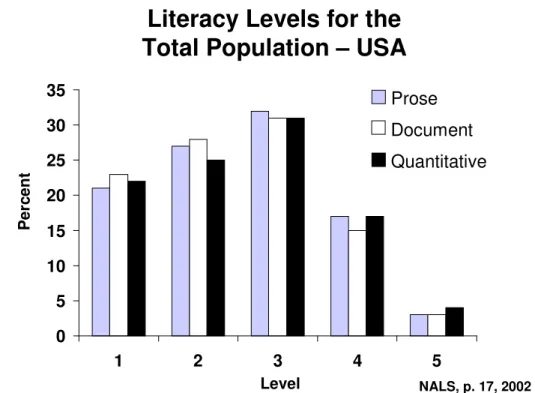
To achieve reasonable equity in competence, coping skills and health will require applications of the new understanding of how the early years of child development, particularly brain development, set trajectories that affect health (physical and mental), learning, and behaviour throughout the life cycle. In developed countries such as Canada and the United States, there is considerable inequity in literacy. Nearly 50% of the adult population in these two countries is at Levels 1 and 2 in assessments of literacy (prose, document and quantitative). This level of competence is not satisfactory for adequate functioning in today’s globalized world with exponential growth in new knowledge and technologies. In other countries such as those in Latin America, close to 80% of the population is at Levels 1 and 2. In African countries, competence in literacy is even lower. Experience-based brain development in the early years (conception to age 6) sets pathways in brain development that affect learning, health, and behaviour throughout the life cycle. Basic literacy skills and understanding are set during this period of
development. Throughout most of the world, there is a substantial gap between what we know and what we do. Recognition of how brain development affects the competence, health, and well-being of populations gives us an opportunity to improve the quality of populations and enhance our attempts to establish prosperous, healthy, tolerant,
TABLE OF CONTENTS
Introduction ………. 5
Early Child Development and the Health and
Well-being of Populations in Developed Countries…………11
Experience-based Brain and Biological Development …….. 15
The Nature Nurture Debate ……… 25
Early Child and Brain Development and Health ……… 27
Early Child and Brain Development and Behaviour ……….. 31
Early Child and Brain Development and Literacy …………. 35
Programs to Enhance Early Child Development ……… 41
Communities and Measures of Early Child Development …. 51
Economic and Political Considerations ……….. 55
References ……….. 59
Brookings Institution
Early Child Development and Experience-based Brain Development - The Scientific Underpinnings of the Importance of Early Child
Development in a Globalized World
By J. Fraser Mustard
INTRODUCTION
This paper begins with a brief overview of the evolution of the human species from the beginning of the hunter-gatherer groups 200,000 years ago through to the civilizations we started to create 10,000 years ago. The competence and quality of populations is an increasingly important issue in a world with exponential growths in knowledge and technologies, population growth and changes in the age of populations and globalization. There is considerable evidence that the human brain has evolved in this period with effects on health, learning, innovation and behaviour.
We now have a good understanding of how experience-based brain and biological development in the early years differentiates neuron functions, influences the
development of the sensing pathways, the neuron connections (synapses) and pathways in the brain that influence health, learning, literacy, and behaviour throughout the life cycle. The section on brain development and health, behaviour and literacy is followed by an outline of initiatives that enhance early child and brain development and some of the implications for societies in terms of the competence and qualities of populations and our continuing evolution. The paper will conclude with considerations of the importance of a good early start for children, its implications for the competence and quality of
Until about 10,000 years ago, we lived as hunters and gatherers in relatively small groups in which the females largely controlled the social group involved with raising the young while the males were engaged in hunting to bring back the animal protein from their kills to help feed the group (Boserup, 1981; Tattersall, 1998; Ehrlich, 2000; Olson, 2002; Wright, 2004). These hunter-gatherer groups could get into conflict with other groups leading to the killing of members of both groups. Conflict and violence has been part of our history. Part of this conflict has been driven by the need to access resources (water and food) necessary to sustain life. Another powerful factor affecting the evolution of the human primate were changes in climate. Humans appear to have been more adaptable to climate change than the Neanderthals who were a significant primate species until about 30,000 years ago. The periodic ice ages forced most humans to migrate into warmer climates since they had until recently only limited capability to survive in very cold climates. When it became warmer, they of course could move back into the areas that were freed up from the freezing temperatures (Calvin, 2002). Humans, among mammals, became more adaptable to changes in their environment. Some, such as the Eskimos and Inuit, developed strategies to survive in a cold climate. The population of humans on the planet gradually increased during this period of evolution as hunters and gatherers
eventually reaching a point where it was hard to sustain many groups or communities through hunting and gathering because of the limitation of the food supply (Boserup, 1981; Ehrlich, 2000). This led to what is described as the Agricultural Revolution about 10,000 years ago and what some consider as the beginning of our experiments in what we often refer to as civilizations (Wright, 2004).
The new agricultural communities could produce enough foodstuffs to sustain non agriculture members of a community leading to different kinds of social organization and power that gave rise to towns and cities, laws, religions, technological innovations, rulers and institutions to govern societies (Boserup, 1981; Tattersall, 1998; Olson, 2002). These urban centres were dependent on the farming community being able to produce the
foodstuffs needed and transport them to be sold in the towns and cities. This led to the need for property rights, financial institutions, laws, regulations and institutions for governance. These new communities established socioeconomic hierarchies with
religious leaders, priests and kings, and leaders of business enterprises and workers. The new institutional and socioeconomic circumstances of these new communities put
pressures on humans to be able to better communicate with each other, establish laws and record transactions.
Languages of human primates have evolved during our continuing evolution over the last 200,000 years making it increasingly possible for communication within and among groups (Tattersall, 1998; Ehrlich, 2000; Hauser et al, 2002; Olson, 2002; Holden, 2004;). At the time of the Agricultural Revolution, we did not have symbols that we could use in communication with each other and in recording transactions and events. During the last 10,000 years of human evolution, we developed symbol systems and alphabets
religions and their beliefs. These often became a major factor in the social organization, culture and governance of the emerging civilizations.
The early civilizations that developed such as the Sumerian civilization became remarkably proficient in building new institutions and structures, developing forms of governance, laws, and systems for feeding and supporting the urban populations. However, since they had to irrigate the land to produce the food needed by the new farming individuals in their civilization, they ran into the problem that irrigation with water in hot climates causes the soil to become salinated, which decreases food
production. If they understood the problem, they were unable to solve it. They could not think about and discuss their future. This led to an inability to produce the food
necessary to sustain the urban populations contributing to the collapse of civilization (Wright, 2004; Diamond, 2005). This can be considered as an example of the rise and fall of a civilization in part due to the inability to understand and discuss the future and take steps to sustain the ecosystem necessary for food production.
After the Agricultural Revolution, humans in different parts of the world started to create civilizations (Kenoyer, 2003; DiChristina 2005; Wright, 2004). These civilizations or empires have included the Chinese, the Incas, the Maya in Central America, the Romans, the Egyptians, the Greeks, Native Americans (e.g. Floridians) and most recently, the British. The history for the last 10,000 years shows that there was a delicate balance between the understanding and interests of the rulers, social political organizations, and other elites and their ability to plan for the future and secure and sustain the resources necessary to support and govern and sustain all parts of their civilization. This failure has been a factor in the rise and fall of civilizations.
Our ability to communicate and develop new knowledge and technologies has continued to evolve over the last 10,000 years. For example, when some civilizations acquired the capability to build sailing vessels capable of long journeys along with the development of techniques for navigation, these societies began to explore various parts of the planet and engage in a form of globalization and empire building. Spain and Portugal’s innovations in this field made them wealthy; trading with and controlling the East Indies [Spice Islands] and the Incas and Aztecs in The Americas. In all of these civilizations, there were conflicts between different groups concerned with power and access to resources. This period in our history also showed the effect of what could be best described as a form of biological warfare. The Europeans introduced viruses and bacteria that the populations in The Americas had not been exposed to. This decimated the populations making it easy for the Spaniards with small armies to conquer the civilizations in The Americas (Wright, 2004). This was also true for the effects on North American Indians of the English and French migration to North America.
Gradually, as our knowledge and capacity to innovate increased, societies became more prosperous. In Western countries during the last 250 years, we established more
Victorians were pessimistic about the future and wondered if all the increased economic output and change made sense if for many populations it meant deracination, misery, poor health and filth. Some of these gloomy Victorians felt that this exponential growth in new technologies would eventually destroy the human race. The conflicts and
destructive behaviours in the 20th century among civilizations to some extent supported
the concerns of the gloomy Victorians. Early in the 20th century we started World War I, which killed about 12 million people. We then went through the Communist Revolution in Russia, the Depression, and the emergence of the Nazi power base in Germany. This led to the Second World War, leading to more than 50 million dead. It has been
calculated that in the 20th century we slaughtered more than 100 million humans in conflicts. We have, in effect, managed in the 20th century through conflicts to kill twice the entire population of the Roman Empire.
To prevent continuing conflict, the ability of human beings to communicate with and understand each other, plan for the future, and control their behaviour in the diverse regions of our planet will be an important factor in the continuing evolution of
civilizations and our attempts to reduce the risk of conflicts, violence, and destructive behaviours (Wright, 2004).
The advent of the printing press 600 years ago made it possible to communicate with and educate more and more members of the population in the different regions. The printing press has proven historically to be a factor in education influencing the evolution of democracy, the diffusion of ideas such as liberty, human rights, and equality (Erhlich, 2000). However, today many individuals in different parts of the world do poorly in assessments of literacy and understanding including nearly half the population in
developed countries such as Canada and the United States (OECD/Stats Canada, 2000). These individuals do not have a good understanding of what the universe is, the nature of evolution, the nature of the geosphere biosphere interaction on the planet. How do we build and sustain diverse, democratic, tolerant, competent, sustainable non violent societies in an increasingly globalized world with significant variation in the understanding, competence and quality of populations?
Today, with the degree of globalization that has resulted in part from the exponential growth in knowledge and new technologies, can we continue in our experiments in civilization with minimal damage to our biosphere and better control of violence and conflict among the different population groups within societies and between societies? Can humans create global institutions of governance to allow us to continue our
experiments in civilization and build and sustain stable, tolerant, prosperous, democratic societies without improving the competence and quality of all populations?
income, literacy, and the social instability and violence in different parts of the world are a serious problem for our continuing experiments in civilizations.
To achieve the goal of enhancing the competence and quality of our populations, and establish sustainable, stable, equitable, tolerant, pluralistic, democratic societies, we have to find ways to optimize human development, health, and well-being in all regions of the world. The continuing evolution and improved function of our brain will influence how well we cope with the challenges and opportunities we face today (Keating and
Hertzman, 1999; Balter, 2005; Evans et al, 2005; Mekel-Bobrov et al, 2005). To do this we have to understand the development of the brain and its continuing evolution and how experience in early life affects its development.
In this paper an outline is given about how child development and experience-based brain development in the very early years of life sets biological pathways that affect cognition, behaviour (violence), capacity to learn, memory, and physical and mental health
EARLY CHILD DEVELOPMENT AND THE HEALTH AND WELL-BEING OF POPULATIONS IN DEVELOPED COUNTRIES
In Western countries, historical analysis of the last 250 years has shown that in association with the Industrial Revolution, countries like Great Britain became more prosperous and that this was associated with improved standards of living, social
changes, and a more democratic society. These changes were associated with a reduction in the population mortality rates. McKeown (1976) by exclusion attributed the improved health during this period mainly to better nutrition of the British population. Better sanitation and clean water, he concluded, contributed to about 25% of the decline in mortality while the effect of medicine was negligible. McKeown found that death from infectious diseases such as tuberculosis and other conditions, declined in the British population long before there was any effective medical treatment or public health
measures. He, however, could not, with his retrospective historical analysis, assess what the key factor or factors in society leading to improved health were. Fogel (1994, 2000), a University of Chicago Nobel Prize winner in Economics, also examined the effect on health of the socioeconomic environment that developed in association with the Industrial Revolution in Western countries. Using data from several Western countries over the last 250 years, he was able to show that as the prosperity in Western nations improved, the mean height of the population increased and the mortality rates declined. Since height is a product of genetics and nourishment when young, Fogel came to the conclusion that the improved health of Western populations during these socioeconomic changes was due in part to improved conditions for early child development. Data from Holland during this period, 1850-1910, (Drukker and Tassenaar, 1997) shows a similar pattern. As Holland became more prosperous, the mean height of the population increased along with a decline in mortality. The improved health during this period could not be attributed to health care and only partially to public health measures. This evidence from historical records indicates in Western countries that improvement in the socioeconomic
environment (including better nutrition) in association with the Industrial Revolution, had beneficial effects on child development leading to improved health and well-being in adult life (Fogel, 2000; Steckel and Floud, Eds. 1997; Drukker and Tassenaar, 1997). The factors that improved early child development in this period included better nutrition, improvements in quality of water and sanitation. Reves (1985) pointed out that the increased prosperity during this period was associated with a decline in fertility rates, an increase in child spacing and decrease in the number of children in families. All of these changes decreased the risks of infection and poor growth and development for young children.
As our databases concerning the relationship between health and the socioeconomic environments have become more established, it has been demonstrated that in developed countries in the 20th century there is a relationship between the socioeconomic position of individuals in society and their health and well-being (Adler and Ostrove, 1999;
studies in developed countries, socioeconomic gradients in behaviour, literacy, mathematics, and language skills (Keating and Hertzman, Eds., 1999; Heymann et al, Eds., 2005) have been found. It is important to appreciate when considering gradients in developed countries that they tend to be linear; that is, each step up in the socioeconomic scale of a developed society, the better the health, language, literacy competence and well-being of the population. Thus, the socioeconomic determinants of health are not simply a question of poverty but a question of where you are in the socioeconomic hierarchy and how this influences your development and vulnerability to illness over the life cycle. What factors in the social environment contribute to the vulnerability of individuals in all social classes and why is it greater for the population in the lower socioeconomic sector?
In the detailed study of the health and well-being of the civil servants in Whitehall in the United Kingdom, Marmot and his colleagues (Marmot and Davey Smith, 1991; Marmot, 1996, 1997, 2004; van Rossum et al., 2000) have shown a clear gradient in health as measured by death in relation to position in the job hierarchy of the British civil service (Figure 2). Those in the top positions in the civil services have the lowest mortality rates, while those at the bottom have higher mortality rates (all the data in these studies were adjusted for age and sex). Another striking feature of this study is that the causes of death range from cardiovascular disease and strokes to suicides. In these studies, they found that psychological factors around the nature and control of work were as important as the conventional risk factors for coronary artery disease. Marmot, in reviewing the risk factors for cardiovascular mortality in the U.K. civil service, concluded that plasma cholesterol levels could not account for the social gradient in coronary heart disease. It was a predictor of coronary heart disease mortality within each employment grade but did not explain the gradient. Smoking in this study showed a clear social gradient but the gradient for coronary heart disease was similar in non-smokers as in smokers. They concluded that the conventional risk factors accounted for only about one third of the deaths in the employment grade gradient for coronary heart disease (Marmot, 2000). Other population-based studies have shown similar socioeconomic and job related patterns of health (Lynch, 1981; Adler and Ostrove, 1999). It is important to remember that all the members of the civil service in Marmot’s studies are paid (no poverty), educated to varying levels and live in a culture with a national healthcare system. The individuals in the civil service study are members of the British middle class. These gradients in health as measured by death are obviously not caused by a population living in poverty or a population with poor access to healthcare.
Marmot chairs the new WHO Commission on Social Determinants of Health. In his article in relation to the role of the Commission, he states,
“Treating existing disease is urgent and will always receive high priority but should not be to the exclusion of taking action on the social
than in Sierra Leone or 20 years shorter in Australia Aboriginal people than in other Australians.” (Marmot, 2005).
A significant factor in the improvement in health in the developing world has been improvements in nutrition, water and sanitation and medical interventions such as oral re-hydration therapy that has decreased the complications of diarrheal diseases (Brainard, 2005). Obviously, vaccination programs such as the smallpox vaccine have been a significant factor in improving outcomes for young children. It is interesting that these initiatives have reduced maternal and infant mortality and have lowered the life expectancy gap between the rich and poor nations (Brainard, 2005). With these gains in health and well-being, there is still a gap between rich and poor nations. This is probably related to conditions other than health factors that affect development (particularly the brain) in the very early years.
In looking at the determinants of inequalities in health in the United Kingdom, Donald Acheson and his committee in their report to the British government in 1998, (Acheson, 1998) concluded that, on the basis of the available evidence, there is no doubt that early child development has a long reach that affects physical and mental health and well-being in the later stages of life. This conclusion is in agreement with the conclusions from the historical analyses of Fogel (1994) and Drukker and Tassenaar (1997).
In a recent study on literacy in the United States (US Dept. of Education, 2002), the population with the lowest performance level in literacy had the poorest physical and mental health while those with the highest literacy competence had the fewest health problems. Again, each step up the gradient in literacy performance was associated with better health. Why is there a socioeconomic gradient and relationship between literacy performance and health status? There are many possible explanations but the
development of the brain in the early years affects both literacy competence and health. We now know that some regions of the developed world have fairly high performance on measures of health and literacy with fairly flat socioeconomic gradients (Marmot et al, 1995; Cavelaars, 1998; OECD, 2000). The evolution of new knowledge in the
neurosciences and biological sciences has started to provide evidence about how the social environment gets under the skin to affect health, learning, behaviour and the competence of populations. It appears that the principle organ in the body that produces these gradients in health and well-being, behaviour, and literacy is the brain.
EXPERIENCE-BASED BRAIN AND BIOLOGICAL DEVELOPMENT
The brain is the master organ that controls the main functions of all mammals
(metabolism, reproduction, respiration, the cardiovascular system, the immune system, emotions, behaviour, response to stress and threats, learning and other functions)
(Hyman, 1999; LeDoux, 2002a, 2002b; Sternberg, 2000; McEwen, 2002). Experience in the early period of life (in utero and the early years) has a major effect on the
differentiation of nerve cells (neurons) in the brain for their different functions in the brain and the formation of connections (synapses) between neurons and biological pathways that affect health such as the immune system.
Experience through the sensing pathways in early life sets how the different parts of the brain and the biological pathways develop and function. This influences intelligence, literacy, behaviour, and physical and mental health (Cynader and Frost, 1999; Kandel et al, 1991, 2001; Nelson, 1999; Keating and Hertzman, 1999; Barr, 2003; Gluckman and Hanson, 2004).
The brain is composed of billions of neurons that have the same genetic coding, but as the brain develops through experience in early life, neurons in different parts of the brain through specific gene activation acquire functions that relate to specific sensing pathways such as vision, hearing, and touch (Hubel and Weisel, 1965; Rauschecker, 1999; Hensch, 2004; Klinke, 1999). It is the stimuli (experience) that these sensing neurons are exposed to in the critical, sensitive early periods of development (including in utero) that sets many of the brain’s functions (Hyman, 1999; Knudsen, 2004; Seckl and Meaney, 2004; Gluckman and Hanson, 2004). The second biological point that is relevant to experience and brain development is how experience affects the formation of the connections
(synapses) among neurons to establish pathways for the different hierarchies of the brain that govern or control our intellectual, emotional, psychological and physical responses to stimuli (Hebb, 1949; Sternberg, 2000; Nelson, 1999; Kandel, 2001; McEwen, 2002; LeDoux, 2002a; Knudsen, 2004; Fields, 2005).
In terms of the development of the brain, it is as important to understand how the various genes (DNA) are turned on and off. Genes can be deactivated more or less permanently by chemical processes that affect gene (DNA) function or the histone proteins around which the genes are coiled. This process is referred to as epigenetics. We now know that when a cell whose genes have been affected by epigenetics replicates, the epigenetic effect is often replicated with them. Epigenetics has languished in the shadow of the work of the human genome project but the importance of this field in brain development is leading to advocacy for a human epigenome project. All the neurons have the same gene information but through epigenetic processes, the function of genes in neurons in different parts of the brain is influenced.
Occasionally children are born with lens cataracts (preventing light stimulating the retina in the eye) with no stimulation of the optic nerve and the vision neurons in the occipital cortex following birth (Hubel and Wiesel, 1965). Surgeons felt that it was not wise to operate to remove such cataracts until the child was older because of the risk of surgery on small children. In contrast to adults with cataracts, late removal of the cataracts in these children did not lead to normal vision later in development (Cynader and Frost, 1999). It was simply too late for the visual neurons in the occipital cortex to respond appropriately and differentiate for the vision function. In adults who develop cataracts, the neurons in the occipital cortex have already become differentiated to function as vision neurons so removal of the cataracts leads to normal vision. David Hubel and Torstein Wiesel (1965) established in animal experiments that if signals did not pass from the retina to the brain during a critical period in early life, it was difficult for the neurons in the visual cortex to develop normal functions for vision later in development.
Extensive experiments since then have shown that there appears to be a sensitive period for the development and wiring of the brain for vision that can be triggered once but only once (Hensch, 2004). This has led to the concept of critical periods for the development of at least some of the sensing systems, such as vision, sound and possibly touch. One of the important points is that the neurons that interpret the signals from the retina in the visual cortex and neurons associated with other sensing systems, such as sound,
communicate with the rest of the brain, whose neuronal pathways and functions require inputs from the primary sensing pathways. This includes neuronal pathways and brain centres such as the amygdala, hypothalamus and hippocampus, involved in emotion, fear, behaviour, physical activity, literacy, memory, stress, and the body’s host defense
pathways.
The understanding of the development of the visual system has led to a considerable interest in the plasticity of the neurons and the neuron pathways throughout life and the concept of critical and sensitive periods during development in respect to the brain and the development of neural pathways (Rosenzweig and Bennett, 1996; Cynader and Frost, 1999; Hensch, 2004; Knudsen, 2004).
Hensch recently summarized the plasticity of neurons in the visual system in studies of the development of vision neurons in animals at different stages of development.
In rodents and cats, plasticity is low at eye opening, peaks around four weeks of age, and declines over several weeks to months. In humans, amblyopia [a condition related to poor development of the visual system] is set by the age of eight. Notably, the critical period is not a simple, age-dependent maturational process but is rather a series of events itself controlled in a use-dependent manner. Animals reared in complete darkness from birth express a delayed onset [of the vision system] profile with plasticity persisting into adulthood. (Hensch, 2004)
implantation of cochlear devices. If they are too late in doing this corrective surgery, the hearing restoration is poor (Rauschecker, 1999; O’Donoghue, 2000).
In reviewing the subject of critical and sensitive periods for the development of brain functions, such as birdsong and human speech, Doupe and Kuhl (1999) concluded:
A critical period for any behaviour is defined as a specific phase of the life cycle of an organism in which there is enhanced sensitivity to experience, or to the absence of a particular experience. One of the most universally known and cited critical periods is that for human language acquisition. Songbirds also do not learn their vocalizations equally well at all phases of life.
The term critical was initially coined in the context of imprinting on visual objects early in life, in which sensitivity to experience is short-lived and ends relatively abruptly. Many critical periods, however, including those for vocal learning, begin and end less abruptly and can be modulated by a variety of factors, so the term now preferred by many investigators is sensitive or impressionable period. Because critical period is such a commonly recognized term, we use these terms interchangeably, but with the caveat that this does not necessarily imply a rigidly regulated and complete loss of sensitivity to experience.
Another sensing pathway which may have a critical or very sensitive period which appears to affect a number of different neurological and biological pathways is touch. Touch (Tessier et al, 1998; Meaney, 2001a; Field, 2001; Charpak et al, 2005) has a very significant effect on the development of what is sometimes referred to as the stress, or the limbic-hypothalamus-pituitary-adrenal gland (LHPA) pathway. This pathway is
connected to a number of pathways in the brain since it responds to emotion, fear, and threats, and influences diverse pathways, for example, the function of the cardiovascular system, behaviour, cognition, and the immune system (Sternberg, 2000; McEwen, 2002; LeDoux, 2002a).
Synapses: The formation of connections (synapses) between neurons allows them to form pathways to communicate with each other in different parts of the brain and body (eg, neuromuscular control, immune system) (Kouichi et al, 1995; Kandel, 1991, 2001; LeDoux, 2002a; Sternberg, 2002; Fields, 2005). This is important for the function of the brain and other parts of the body. Hebb (1949) pointed out that understanding factors that influence synapse formation is key in understanding the plasticity and development of brain pathways and functions. In discussing this subject Rosenzweig and Bennett (1996) concluded:
It should be noted that although the capacity for these plastic changes of the nervous system, and for learning, remain in older subjects, the cerebral effects of differential environmental experience develop somewhat more rapidly in younger than in older animals, and the magnitude of the effects is often larger in the younger animals. (Rosenzweig and Bennett, 1996) Learning how to play golf, swim, play tennis or ski when you are young will lead to better performance than if you try to learn these sports in adult life. These skills are all dependent upon stimulation of the brain’s sensing pathways and coordinated responses involving neuromuscular pathways. This, of course, is also true for language and understanding and behaviour. Knudsen (2004) has
proposed that experience during a sensitive period modifies the brain circuits in fundamental ways causing neural pathways to become highly stable and therefore difficult to change.
Kandel and colleagues (Kandel, 1991, 2001) studying memory and learning in the snail Aplysia found that synapse formations for long-term memory differs from short-term memory in needing gene activation in the recipient neuron and the synthesis of new proteins by this neuron to enhance the synapse connection (Fields, 2005). Gene
activation in the recipient neuron requires spaced but repeated stimulus at the synapse. The nature of this conditioning process is now fairly well understood but its application to the development of the pathways in the different parts of the brain is only now beginning to emerge. Fields (2005) has concluded:
This transition from the present mental experience to an enduring memory has long fascinated neuroscientists. A person’s name when you are first introduced is stored in short-term memory and may be gone within a few minutes. But some information, like your best friend’s name, is converted into long-term memory and can persist a lifetime. The mechanism by which the brain preserves certain moments and allows others to fade has recently become clearer, but first neuroscientists had to resolve a central paradox.
dozens of signal-receiving fingers, called dendrites. When a short-term memory is created, stimulation of the synapse is enough to temporarily “strengthen,” or sensitize, it to subsequent signals. For a long-term memory, the synapse strengthening becomes permanent. Scientists have been aware since the 1960s, however, that this requires genes in the [recipient] neuron’s nucleus to activate, initiating the production of proteins. (Fields, 2005)
The signaling neuron’s axon interacts with the dendrite of the target cell. This stimulus causes, through the electrical pathways associated with stimulation, the target cells membranes to open up the calcium pores leading to an influx of calcium into the neuron, which activates CREB in the nucleus that activates the gene to produce what is called a synapse strengthening protein. (Fields, 2005) This diffuses to the site where the axon and dendrite are interacting, strengthening the connection. To get a strong connection, this stimulation has to be done repeatedly or else the strength of the connection will weaken and be lost. In terms of the function of the brain, this strengthening of synapses is dependent on the frequency of stimulation (a dose effect) in the brain.
Pavlov’s experiments in dogs demonstrated the effects of repeated stimulation on brain function (Pavlov, 1927). He conditioned dogs to salivate on the signal of a bell by repeatedly giving the dogs meat and ringing the bell at the same time. After repeated exposure, the animals began to salivate with the ringing of the bell alone. To achieve this conditioning, the animals had to have repeated exposure to the bell ringing when the meat was given in order for the brain to develop pathways to respond with salivation to the bell alone. This can now be related to memory and the process of connecting and strengthening of synapses.
In careful analysis of the development of neurons and their connections, it was found that at birth, the synapses in the brain are not extensive but by the age of six they have
become extensive reflecting the dynamic development of the brain in the early years (Huttenlocher and Dabholkar, 1997; Chugani, 1997, 1998). By the age of 14, the synapse connections are less intensive (Figure 3). If not used, the synapses are lost. Hebb
referred to this process of the wiring and sculpting of the brain as “neurons that fire together wire together” (use it or lose it) (Hebb, 1949).
Gene Function: Gene activation, differentiation of neuron function, and synapse formation in the early years provides an explanation for some of the major behavioural problems we face in the mental health field. It has been recognized in monkeys that if they are heterozygous for the short serotonin transporter gene linked polymorphic region, they are at risk for decreased serotonergic function (serotonin is an important monoamine that influences, among other functions, the frontal brain and behaviour). If the infant animals with the short gene structure are separated from their mothers when they are young (lack of touch and other stimuli), they can develop poorly with abnormal limbic, hypothalamus pituitary gland adrenal gland (LHPA) pathways and poor serotonin function in respect to the prefrontal cortex and the risk of abnormal behaviour
The animals homozygous for the long gene structure for the serotonin transporter gene are resistant to adverse experience in early infant development (these are resilient animals).
The gene for the serotonin transporter comes in two lengths, a long and short. Each version is called an allele. The difference between the two lies not in the information for making the transporter itself (the “translation region”) but in the portion of the gene that controls how well the translation of the gene coding is read, namely the “promoter region”. In the studies in monkeys, it has been found that dysfunction in the serotonin pathway and the frontal brain is associated with hyperactivity of the LHPA pathway (Barr et al, 2004b).
Recent studies of the 1970 Dunedin birth cohort (Caspi et al, 2003) have shown that children who were raised in an adverse abusive environment with one or two copies of the short allele of the serotonin gene promoter polymorphism were at risk for depression in adult life. Those with the short gene structure brought up in a good early child
development environment were not at risk. The subjects in adverse environments most at risk were those with the two short alleles. Subjects homozygous for the long allele serotonin transporter gene structure were resistant to the adverse effects of poor early child development (resilient children). The evidence about gene environment
interactions involving the function of the serotonin transporter gene in relation to depression, and other behaviour problems such as behavioural inhibition has been recently confirmed by Kaufman et al (2004) and Fox et al (2005). Normally gene
abnormalities are thought to be caused by genes producing a defective protein. However, since the DNA of both the short and long genes is normal in terms of mRNA coding for the transporter protein, some other mechanism related to gene activation or inhibition is involved. As discussed earlier, one biological pathway that affects gene function is epigenetics (Weaver et al, 2004; Harper, 2005; Reik et al, 2001). This is an example of how the social environment can get under the skin through the sensing pathways and influence biological pathways that can influence gene expression.
Another gene environment interaction which is relevant for complex psychiatric and behaviour disorders is the gene for monoamine oxidase A (MAOA) (Caspi, 2002; Yung-yu et al, 2004). This enzyme oxidases the monoamine neurotransmitters serotonin, dopamine, and norepinephrine. Humans with low MAOA activity tend to be associated with impulsive behaviour and conduct disorders. The MAOA gene, like the serotonin transporter gene, has a functional length polymorphism in the transcriptional control region for the gene. Caspi et al (2003) found a significant interaction between childhood maltreatment and low MAOA activity alleles. This was associated with increased risk for antisocial behaviour and violence. Individuals with high levels of MAOA expression did not show the same increase in conduct disorders as those with the low MAOA activity in relation to maltreatment in early childhood.
promoter gene structure who has suffered from poor early infant development will have behaviour problems such as depression as a consequence of poor early development. She will then be at risk to poorly bring up her offspring, who could have a similar gene
structure. These offspring will likely suffer from the same behavioural problems as the mother. (Barr et al, 2004b; Suomi, 2003)
The LHPA Pathway (Stress): This pathway has major effects on physical and mental health. In discussing the stress response, two terms are often used – the limbic system and the hypothalamus pituitary adrenal (HPA pathway or axis). The term limbic system was originally used to relate to the center for emotions. Since the concept was
introduced, there is evidence that two structures in the limbic system of the brain (hippocampus and amygdala) play important roles in emotion, behaviour and memory and are inseparable from the stress response. The stress pathway is considered by many to involve the limbic system and includes the amygdala, the hypothalamus, the pituitary gland, the adrenal gland and the hippocampus (Gunnar and Vasquez, 2006; McEwen, 2002; LeDoux, 2002a). It also involves the autonomic nervous system (ANS) (McEwen, 2002; Sapolsky, 2003).
The hormones released by stressful stimuli work at different speeds. Epinephrine (adrenaline) works quickly while cortisol’s (a glucocorticoid) action is slower. The amygdala plays a major role in the response to stress through the autonomic nervous system (epinephrine) and the cortico releasing hormone pathways. The hypothalamus stimulates the pituitary gland to produce ACTH which stimulates the adrenal gland to produce cortisol. One set of nerves projecting from the amygdala reaches parts of the mid-brain and brainstem which control the autonomic nervous system. It is this pathway that stimulates the autonomic nervous system to release epinephrine, which has a quick action and, among other actions, increases your heart rate, affects your breathing, and enhances your senses (Sapolsky, 2003). The activity reflects a form of implicit memory that does not require a conscious awareness. The slower acting stress pathway
(hypothalamus, pituitary gland, adrenal gland) leads to the release of cortisol, which affects the function of cells in different parts of the body including the brain and has a longer lasting effect than epinephrine.
low levels at the end of the day if it has not been too stressful and the LHPA pathway functions normally. McEwen (2002) refers to this process as allostasis.
McEwen (2002) describes this dynamic regulation as the maintenance of stability through change (allostasis). The capacity of animals to make allostatic adjustments through change is necessary for survival. The biological processes set in motion are meant for short-term adaptations. If they persist too long, they can be damaging to the biological pathways influencing brain function and physical and mental health. The cost of allostasis is referred to as the allostatic load.
In studies of stress and development in rats, investigators have concluded that mothers’ care during infancy programs stress responses in the offspring by modifying the neural systems in the LHPA axis (Caldji and Meaney, 1998; Caldji et al, 2000). The findings from research in animals indicate that early rearing conditions can permanently alter the set point for the control of the LHPA system (Meaney, 2001a, 2001b; Parent et al, 2005). This influences the expression of endocrine and biological responses to stress throughout life. This work has provided evidence about how early life events can affect the function of the LHPA system and subsequent behavioural and mood disorders in animals. (Plotsky et al, 2005; Caldji et al, 2000; Meaney, 2001a) In their work, they and others have
concluded that conditions in early life can permanently alter gene expression (epigenetic effect). In this work investigators have found that adverse maternal behaviour can lead to poor protein synthesis from DNA because of epigenetic effects on the gene promoter functions (Weaver et al, 2004; Parent et al, 2005). Since methylation (an epigenetic pathway) of gene structures is difficult to reverse, this is a possible mechanism for the long-term environmental effects of maternal interaction with newborns on gene expression that can last throughout life. They and others have concluded that an epigenomic state of a gene can be established in early life as the consequence of the quality of maternal care (Weaver et al, 2004; Harper, 2005).
Although we do not know the precise pathways that are involved, touch in the early period of life seems to influence how the LHPA pathway functions in later life. In rats, it has been shown that if the mother neglects the pups by not intensely licking and
grooming them at birth, they have a poorly regulated LHPA pathway, which can have major effects on brain function including cognition and behaviour in adult life. (Francis et al, 1999; Brake and Meaney, 2004; Caldji et al, 2003) In detailed studies of parts of the rat brain LHPA system, there is now evidence that neglect after birth (lack of touch) may lead to increased methylation of genes (epigenetics) in the LHPA system (Weaver et al, 2004). In this work, they have found that the offspring of mothers who show low licking of their pups will have a poorly regulated LHPA pathway. However, if these pups from a poorly nurturing mother are placed with a mother who has the high licking
characteristics, the pups develop normally. Conversely, pups of high licking mothers raised by mothers that are low licking will tend to have the same defect as pups of low licking mothers.
the gene environment interactions. Fortunately, in comparison to other laboratory animals, non-human primates have complex behaviours and social structures that
approximate those present in human groups. In studies of rhesus monkeys growing up in the wild, approximately 10% show impulsive or inappropriate aggressive behaviour to stressful situations. They have found that these behaviour patterns emerge in early life and are remarkably stable from infancy to adulthood. Although these characteristics are clearly heritable, they are subject to major modifications by early experiences involving attachment relationships with their mothers. In these animals, there is a polymorphism in the serotonin transporter gene promoter (long and short alleles), which because of poor experience in early life, can affect gene function leading to extreme aggression and excessive alcohol consumption (Barr et al, 2004a) in the animals with the short allele. Animals homozygous for the long allele are resistant to the effects of poor infant
development. Genetically vulnerable females who have poor early development will tend to poorly nurture their offspring (Barr et al, 2004a). Genetically vulnerable animals brought up in a good early environment for early monkey development do not show these behavioural problems (Suomi, 2003).
Animals with reduced activity of the genes controlling monoamines tend to have impaired LHPA axis to stress (Suomi, 2003). Maintaining a proper balance of this pathway is essential because both hyperactivity and hypoactivity affect what McEwen calls the allostatic state of humans and animals (McEwen, 2002). Changes in the allostatic state of load can accelerate brain aging and predispose individuals to stress related immunological, cardiovascular, behaviour and neuropsychiatric disorders.
The timing of the development of the LHPA system in rodents and primates appears to be different (Gunnar and Vazquez, 2006). Much of the development in rodents occurs in utero. In primates, much of the development is in the post-natal period. However, exposure to elevated levels of cortical releasing hormone (CRH) or cortisol prenatally influences the behaviour and physiological reactivity of the infant after birth. Thus, in humans, conditions in the prenatal period may affect the development of the LHPA pathway (Gunnar and Vazquez, 2006). The human studies show that poor maternal care of infants and toddlers is associated with increased cortisol levels. Offspring of
depressed mothers tend to have higher blood cortisol levels.
The relationship between the LHPA system and the monoamine system in respect to behaviour has become an increasingly important area of study (Meijer and De Kloet, 1998; Meaney and Szyf, 2005; Manuck et al, 2005a). Monoamines function is influenced by the activity of the LHPA system. One aspect of this relationship is that serotonin has a direct effect on the hippocampus type II glucocorticoid receptors (cortisol) which are involved in the regulation of the LHPA axis activity.
New molecular and pharmacological tools have made it possible for us to identify the intricate network that exists between the immune system and the brain, [particularly the stress pathway] a network that allows the two systems to signal each other continuously and rapidly. Chemicals produced by immune cells signal the brain, and the brain in turn sends chemical signals to restrain the immune system…Disruption of this communication network in any way, whether inherited or through drugs, toxic substances or surgery, exacerbates the diseases that these systems guard against: infectious, inflammatory, autoimmune, and associated mood disorders.
Cortisol has [from the stress pathway] a double-edged effect on the immune system. Too much of it suppresses immune function and makes us more vulnerable to infections. Yet in the short term, a burst of cortisol helps the immune system respond to an infection or injury. It sends the white blood cells, the body’s main line of defense against injury and infection, to their battle stations…Cortisol also signals when the level of immune activity is adequate. It sends this message via the brain, which relays the information through the hypothalamus to the pituitary gland; the stress response is then adjusted accordingly. Cortisol’s
checks-and-balances effect is what makes it such a successful treatment for problems resulting from a hyperactive immune system, such as rashes or allergies, and for autoimmune conditions in which the immune system attacks the body’s own healthy tissue. When we put cortisone cream on a rash or take steroids orally to fight inflammation, we are only supplementing what our own cortisol normally does.
Cytokines from the body’s immune system can send signals to the brain in several ways. Ordinarily, a “blood-brain barrier” shields the central nervous system from potentially dangerous molecules in the bloodstream. During inflammation or illness, however, this barrier becomes more permeable, and cytokines may be carried across into the brain with nutrients from the blood. Some cytokines, on the other hand, readily pass through leaky areas in the blood-brain barrier at any time. But cytokines do not have to cross the blood-brain barrier to exert their effects. Cytokines can attach to their receptors in the lining of blood vessels in the brain and stimulate the release of secondary chemical signals in the brain tissue around the blood vessels (Sternberg, 2000).
THE NATURE NURTURE DEBATE
Genetics: The nature nurture debate has until recently led to a strong view that the major factor in human brain development was primarily genetically driven regardless of
experience (Herrnstein and Murray, 1994; Ridley, 2004). As discussed in an earlier section of this paper, today we know that although genetics are important, experience and the environment in which individuals exist from the in utero period through to adult life has a significant effect on gene activation and expression (Suomi, 2003; Ridley, 2004; Meaney and Szyf, 2005; Jaffee et al, 2005). It is clear that in the early period of development when the biological systems for vision, sound, touch and other sensing pathways are developing, there has to be activation of genes in neurons to establish differentiation of neuron function. In terms of connections between neurons, there has to be repeated gene activation to form more permanent synaptic connections. Kandel has described this gene story for memory as “the molecular biology of memory storage: a dialogue between genes and synapses” (Kandel, 2001). It is clear that the formation of long-term memory involves experiences and gene expression.
EARLY CHILD AND BRAIN DEVELOPMENT AND HEALTH
In the section examining the population gradients in health and inequalities in health, the concept was introduced that the development of the brain and biological pathways in the early years can affect physical and mental health in adult life. The health of populations as measured by death or sickness and socioeconomic status in developed countries is a gradient (Evans et al, 1994; Adler and Ostrove, 1999). In Western countries the largest number of individuals affected by the social determinants of health and well-being are in the middle class.
As discussed, conditions during pregnancy and early life influence the development of the brain and biological pathways that set risks for coronary heart disease, hypertension, type II diabetes, mental health problems and other conditions in adult life such as disorders of the immune system. The findings from a Swedish longitudinal study (Lundberg, 1993) show that children brought up in poor environments (neglect and abuse) during early child development have an increased risk in adult life for poor health. In the Swedish study, the risk for cardiovascular problems for adults who had been in very adverse early child circumstances in comparison to those who were in good environments for child development was 7 to 1. The risk for mental health problems, such as depression was 10 to 1. The data concerning depression in this study is compatible with what we are beginning to understand of how poor early child development can alter gene expression in relation to serotonin transport which con influence depression. The odds ratio for mortality for those brought up in the poorest environments was 1.9 compared to children brought up in good circumstances. These observations are compatible with our increased understanding of how social experience and brain development in the early years can affect pathways that affect emotions, behaviour, and vulnerability to depression as well as coronary artery disease.
Case et al (2002) using data from the United States from the National Health Interview Survey, the Panel Study of Income Dynamics, the Child Development Supplement, and the Third National Health and Nutrition Examination Survey, examined when the population socioeconomic gradients in health could be detected. They found that the socioeconomic gradients in health could be detected by age three and the steepness of the gradients increased as the population became older. This evidence is important since it shows that the gradient in health status in adults has its antecedent in early childhood. These findings are remarkably consistent with what we now know about the development of the brain in the early years and its effect on physical and mental health in later life. A key conclusion is that if we wish to improve equity in health, investment from a public health perspective in the early years of life (ages 0-3 years) is important. Also it is
possible to spot signs and symptoms of poor early development and take steps to improve outcomes.
concluded from their studies that men who grow slowly in utero remain biologically different to other men in adult life. They are more vulnerable to the effects of low socioeconomic status on the risk for coronary heart disease. In a recent analysis looking at early development and health, studies were carried out on individuals in South
Australia born between 1975 and 1976 and men and women born in Preston, UK, from 1935 to 1943 and women born in East Hertfordshire, UK, between 1923 to 1930 (Phillips, 2000). They concluded that low birthweight is associated with raised cortisol concentrations (contributes to poor physical and mental health). Increased activity of the LHPA axis may be a factor in contributing to raised blood pressure in adult life. They also concluded from this study that this effect was not caused by confounding variables such as body weight, body fat distribution, smoking, or social class. Because the association was observed in young men and women in Adelaide, as well as older populations in the UK, it could mean that the factors that lead to low birthweight and adult hypercortisolemia affect men and women in young adult life as well as older life. In their review of the fetal origin of health problems, Gluckman and Hanson (2004) provide substantial evidence that confirms the hypothesis put forward by Barker in his retrospective study of the British population. As well as their confirmation that the in utero environment can set risk for cardiovascular disease (coronary artery disease), they also provided evidence that the in utero environment can influence risk for type II diabetes as well as behaviour problems such as schizophrenia and possibly autism. In their work, they have concluded that the alteration in gene function by epigenetic processing will tend to stay with the individual throughout the life cycle.
Seckl (2004), in reviewing prenatal cortisol (glucocorticoids) and the long-term programming of biological pathways that influence disease, concluded, in respect to perinatal circumstances and bithweight, that this stage of development could program the function of LHPA pathway for later stages of life, with effects on blood pressure, type II diabetes, and hyperlipidemia.
In the case of atherosclerosis, the experiments in rabbits and monkeys (Kaplan et al, 1985; Kaplan et al, 1991; Nerem et al, 1980; Shively, 2000) show that when the stress pathway is overreactive, high cholesterol diets can produce extensive atherosclerosis in rabbits and monkeys and arterial thrombosis in monkeys. In these studies, animals that were not stressed, although they had the same cholesterol level as the stressed animals, did not develop severe atherosclerosis and arterial thrombosis. There appears to be an effect of the stress related biological pathways on the endothelial lining of the arteries leading to alteration or vessel injury in major arteries. Arterial vessel injury plus high cholesterol levels can lead to extensive atherosclerosis (Moore, 1989).
related to individuals having the short alleles but not for individuals with the long alleles for the serotonin transporter gene. In this work, they found that disregulated serotonergic function correlated with cardiovascular risk factors such as smoking, blood pressure, type II diabetes. These relationships raised the question as to whether some of the
cardiovascular risk factors are, in effect, markers of behaviour related to brain development and that the stress pathways may be a factor in causing endothelial alteration or injury in major arteries.
A behavioural disorder that is of some significance in societies is attention-deficit hyperactivity disorder (ADHD), which affects 8-12% of children worldwide. Studies have shown that this condition in children can be associated with psychiatric and substance abuse disorders (Cantwell, 1996; 1997; Teicher, 2002; Nadder et al. 2002; Biederman and Faraone, 2005). This appears to be a condition caused by the interaction between the environment and genetic vulnerability. Pregnancy and delivery
complications, such as toxemia or eclampsia, prematurity and exposure to alcohol and cigarettes during pregnancy, appear to be environmental factors that can alter the brain development in early life leading to this behavioural disorder (Biederman and Faraone, 2005).
Dysfunction of the LHPA axis with lower levels of cortico releasing hormone secretion, can, in part because of low plasma cortisol levels, result in a hyperactive immune system. Patients with a mood disorder called atypical depression also have a blunted stress
response and impaired CRH secretion, which leads to lethargy, fatigue, and increased eating that often results in weight gain. Patients with other illnesses characterized with lethargy and fatigue such as the chronic fatigue syndrome, fibromyalgia, and seasonal affective disorder (SAD), exhibit features of both depression and a hyperactive immune system (Sternberg, 2000; McEwen, 2002) associated with low cortisol levels.
There is also evidence from animal and human studies that poor development in the early years can lead to increased risk for alcohol or drug addiction. As discussed in the section on brain development, studies with rhesus macaque monkeys or rats show that inadequate touch stimulation in the early period of development influences the risk for both
behaviour and alcohol addiction problems in later life (Barr et al, 2004a; Weaver et al, 2004). In studies of the Kaiser Permanente program in California (Felitti et al, 1998), it was found that individuals who had been exposed to child neglect and abuse when young were at high risk for drug and alcohol addiction in adult life.
As discussed in the section on the stress pathway, experiments with monkeys have provided further evidence about the gene environment interactions and health problems (Suomi, 2003). Rhesus macaque monkeys were grouped into genetically vulnerable and resistant strains. The vulnerable strain, if not raised by a nurturing mother, are at risk of an over stimulated stress system with exaggerated cortisol response and poor return to resting levels. As adults they show increased anxiety and depressive behaviour,
cortisol. When offspring from the genetically vulnerable poor mothers were taken and reared by highly nurturant mothers, the high risk infants showed normal development and became secure in their exploratory patterns (Suomi, 1999). In a recent study,
Maestripieri (2005) has reported how early experience affects the intergenerational transmission of infant abuse in rhesus monkeys. He has concluded, in keeping with the work of Suomi et al (2002, 2003), that the intergenerational transmission of infant abuse in rhesus monkeys is largely the result of infant experience in early life affecting gene function.
The evidence that comes from studies of the social determinants of health and well-being in humans, monkeys, rats and other mammals show that the effect of the social
environment on brain development and function in early life is a factor contributing to health problems, (physical and mental), throughout life.
In reviewing all of the available evidence about early childhood and health, Sir Donald Acheson’s Commission on Inequalities in Health in Great Britain (Acheson, 1998) concluded,
EARLY CHILD AND BRAIN DEVELOPMENT AND BEHAVIOUR
As discussed in the health section, how the brain develops in the early stages of life affects behaviour later in life. In humans we tend to have two categories of behaviour. One is medical such as schizophrenia and depression (psychiatry). The other is a
psychological classification such as antisocial behaviour (conduct disorders), anxiety etc. They are all manifestations of brain function involving many shared components of the brain pathways and monoamines such as serotonin, dopamine and norepinephrine. Attention-deficit hyperactivity disorder (ADHD) is a product of interaction between the environment and genetic vulnerability (Biederman and Faraone, 2005). Environmental factors that contribute to ADHD in vulnerable individuals include pregnancy and delivery complications, prematurity, and a dysfunctional family environment (Offord et al, 1992; Biederman et al, 2002, Biederman and Faraone, 2005). It is perhaps not surprising since the brain pathways involved in ADHD are also involved in other forms of behaviour, that this condition is associated with other behavioural problems (comorbidity) (Nadder et al. 2002; Biederman and Faraone, 2005). It is interesting that amongst the comorbidity problems associated with ADHD are psychiatric disorders and substance abuse
(Biederman and Faraone, 2005). Although the reasons for this linkage are not clear, it is probably related to the various brain pathways that influence behaviour which are part of common biological pathways and the frontal brain. Nadder et al (2002) concluded that the co-morbidity was governed by environmental influences that affect a shared genetic liability through gene environment correlations or interactions. It is interesting that ADHD can put adults at risk for personality disorders at all ages. This behaviour is associated with functional disorders such as school dysfunction, family conflict, poor occupational performance and antisocial behaviour (Biederman and Faraone, 2005). Among the genetic factors considered to contribute to ADHD are the dopamine transporter gene, the monoamine oxidase gene, serotonin receptor genes and the serotonin transporter gene (Faraone et al, 2005). Further understanding of factors
contributing to ADHD will need a better understanding of gene environment interactions in respect to the various nerve pathways and the effect of environmental stimulation on gene function.
Tremblay (1999, 2004, 2005) has shown that at two years of age most children show antisocial behaviour (“the terrible twos”) that usually comes under control before the children reach school age if the children are in good early child development
environments. Children brought up in neglectful abusive early child development conditions will show significant antisocial behaviour at the time of entering the school system. In a study of antisocial behaviour (aggression) in children entering the Montreal school system, Tremblay found about 14% of children show little physical aggression and about 53% show moderate aggression that gradually comes under control. About 32% showed high levels of aggression at the time of school entry with some
with animals (rats and monkeys) show that poor environments for early development can lead to poor regulation of the LHPA system with negative effects of cortisol and other hormones and neurotransmitters on brain function and behaviour. In Tremblay’s studies, only about 30% of children entering the school system with high or chronic antisocial behaviour get a high school diploma. There is clearly an effect of the pathways affecting behaviour and learning.
Martin Teicher (2002, 2003) in his studies of brain development and function in relation to neglect, physical or sexual abuse, and family violence, found using today’s imaging methods(fMRI) to study brain function, that adverse early child development
environments led to changes in brain structure. He concluded that severe stress (the LHPA pathway) leaves an indelible effect on brain structure and function. He found the aftermath in adult life could appear as depression, anxiety, post-traumatic stress,
aggression, impulsiveness, delinquency, hyperactivity or substance abuse. As discussed, a Kaiser Permanente health care program study found a strong correlation with child neglect and abuse and addiction to alcohol and drugs in adult life (Felitti et al, 1998; Dube and Felitti, 2003). Teicher has suggested that the effects of early stress that alter the neurological pathways in development may prepare the adult brain to help individuals survive and reproduce in a dangerous world. Parent and colleagues (2005) have also concluded that transmission of individual differences in stress and behaviour to offspring could be adaptive with respect to survival in adult life in a chaotic environment.
An interesting longitudinal study of the relationship between early child development for language and intelligence in males was carried out in Sweden by Stattin and
Klackenberg-Larsson (1993). They found significant correlations with registered teenage criminality and language and intelligence development at 6, 18, and 24 months of age. Although there are many explanations for this relationship, it is difficult to ignore the evidence that the degree of verbal exposure by reading and talking in early development (infants, toddlers and young children) has a significant effect on their verbal skills and language at later stages of development (Hart and Risley, 1995). Also it is difficult to talk to or read to an infant or toddler without holding it (touch). As described in the section on brain development, touch is a critical factor influencing the development of the LHPA pathway, which, if it is dysfunctional, can influence behaviour, including
antisocial behaviour, in later life. The experience of multiple sensing pathways in early life can affect multiple functions such as language, intelligence and behaviour in later stages of life.
In the Canadian National Longitudinal Survey of Children and Youth (NLSCY), Willms (1999, 2002b; McCain and Mustard, 1999) found that in Canada about 35% of the age 4 to 6 children in the poorest socioeconomic class had poor early child development and were vulnerable to cognition and behaviour problems. About 12% of the children in the upper socioeconomic class were vulnerable at the time of school entry. In this study, the relationship to social and economic factors and vulnerability in early childhood was a gradient. From this work it was concluded that the largest number of vulnerable children at school entry are in the middle class. In Willms’ studies, they examined the
was found that if the parents read to the children when they were young and if there was good local support for the families, there was no socioeconomic gradient for cognition or behaviour in the age 4 to 6 group (Willms, 2002b).