Departamento de Química Analítica. Facultad
de Ciencias
TESIS DOCTORAL:
ASSESMENT OF CHEMICAL AND MORPHOLOGICAL
VARIATION OF SPANISH MARJORAM, SPANISH SAGE
Departamento de Química Analítica. Facultad
de Ciencias
TESIS DOCTORAL:
ASSESMENT OF CHEMICAL AND MORPHOLOGICAL
VARIATION OF SPANISH MARJORAM, SPANISH SAGE
AND SPIKE LAVENDER
Presentada por Inés Méndez Tovar para optar al grado de
doctora por la Universidad de Valladolid
Co-dirigida por:
Dr. Carmen Asensio Sánchez-Manzanera
Prof. Dr. Johannes Novak
TABLE OF CONTENTS
INDEX OF TABLES...1
INDEX OF FIGURES...2
ABSTRACT...3
RESUMEN...4
1. GENERAL INTRODUCTION...5
1.1. AROMATIC AND MEDICINAL PLANTS OVERVIEW
1.2. SECONDARY METABOLITES...9
1.3. LAMIACEAE FAMILY: Lavandula latifolia medik., Salvia
lavandulifolia vahl., Thymus mastichina L...12
2. SCOPE OF THE THESIS...29
2.1. MOTIVATION AND PURPOSE...30
2.2. OBJECTIVES...30
2.3. THESIS OUTLINE...31
3.
CHARPTER 1: Volatile fraction differences for Lamiaceae species using
different extraction methodologies……….………...32
3.1. INTRODUCTION...32
3.2. METHODS...33
3.3. RESULTS AND DISCUSSION...35
3.4. CONCLUSIONS...39
4. CHAPTER 2:
Variability in essential oil composition of wild
populations of Lamiaceae species collected in Spain...45
4.1. INTRODUCTION...46
4.2. METHODS...47
4.3. RESULTS...49
4.4. DISCUSSION...52
4.5. CONCLUSIONS...55
5. CHAPTER 3:
By-product of Lavandula latifolia Medik. essential oil
distillation as source of natural antioxidants…...………....64
5.1. INTRODUCTION...65
5.2. METHODS...66
5.3. RESULTS...70
5.4. DISCUSSION...73
5.5. CONCLUSIONS...75
6. CHAPTER 4: Contribution of the main polyphenols of Thymus
mastichina to its antioxidant properties L...83
6.1. INTRODUCTION...84
6.2. METHODS...85
6.3. RESULTS AND DISCUSSION...88
7. CHAPTER 5: Polyphenol variability of Salvia lavandulifolia Vahl.
Spanish populations………...103
7.1. INTRODUCTION...104
7.2. METHODS...104
7.3. RESULTS AND DISCUSSION...106
7.4. CONCLUSIONS...111
8. CHAPTER 6: Morphological variability of T. mastichina
populations...121
8.1. INTRODUCTION...122
8.2. METHODS...123
8.3. RESULTS AND DISCUSSION...124
9. GENERAL CONCLUSIONS...139
10.RESUMEN EN ESPAÑOL...141
APPENDIX 1: Lamiaceae Photography’s...164
APPENDIX 2: Structural formulas...165
INDEX OF TABLES
Table 1: PhD thesis organizational chart.
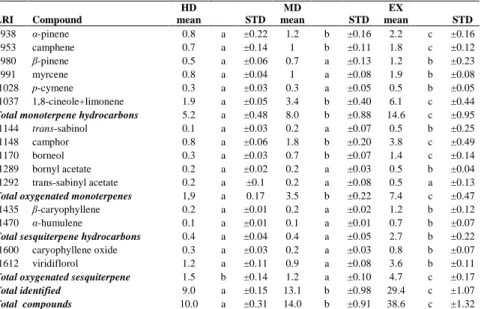
Table 2: Relative percentage of total peak area of the volatiles obtained with Hydrodistillation (HD), Microdistillation (MD) and Solvent Extraction (EX).
Table 3: Main volatile compounds quantification expressed in milligrams of terpenoids per gram of plant material (content > 0.5 mg/g in any of the three methods) and statistical significance of Lavandula latifolia.
Table 4: Main volatile compounds quantification expressed in milligrams of terpenoids per gram of plant material (content > 0.5 mg/g in any of the three methods) and statistical significance of Salvia lavandulifolia.
Table 5: Main volatile compounds quantification expressed in milligrams of terpenoids per gram of plant material (content > 0.5 mg/g in any of the three methods) and statistical significance of Thymus mastichina.
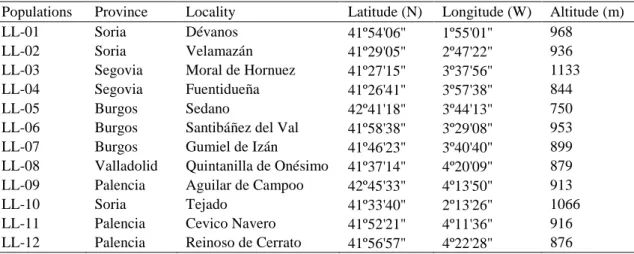
Table 6: Geographical coordinates of the studied populations.
Table 7: Minimum, maximum and average of the compounds found in the essential oil of 11 populations of Thymus mastichina L. collected in 2009, 2010 and 2011 expressed in peak area percentage (%). Statistical significance for year and population variables.
Table 8: Average, maximum and minimum amount of the compounds found in the essential oil of 12 populations of Salvia lavandulifolia from 2009, 2010 and 2011 expressed in peak area percentage (%).Statistical significance for year and population variables.
Table 9: Average, maximum and minimum amount of the compounds found in the essential oil of 12 populations of Lavandula latifolia collected in 2009, 2010 and 2011 expressed in peak area percentage (%).Statistical significance for year and population variables.
Table 10: Quality ranges from the International Standard Organization for Thymus mastichina, Salvia lavandulifolia and Lavandula latifolia.
Table 11: Geographical coordinates of collected populations of Lavandula latifolia.
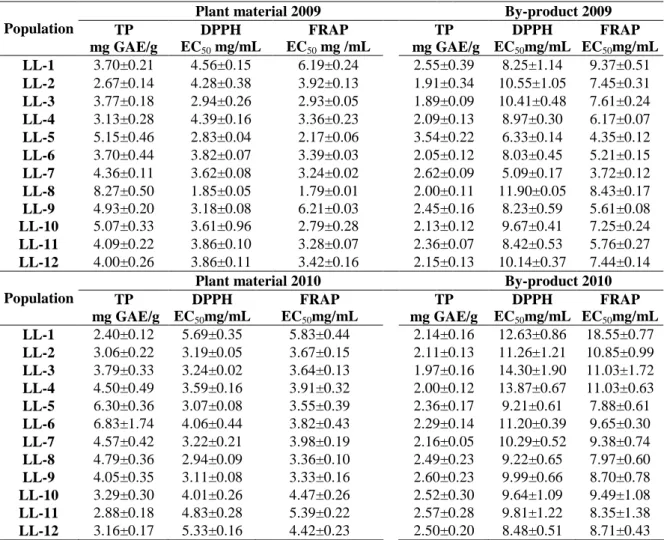
Table 12: Total phenol content, EC50 of scavenging activity, and EC50 of ferric reduction
antioxidant power, of the plant and the by-product of the 12 population of Lavandula latifolia.
Table 13: Percentages of the sum of squares obtained in the analysis of variance by type of plant material using population, year and year by population interaction as sources of variation.
Table 14: Coefficients of Pearson correlation among total phenols, free radical scavenging activity and ferric reducing antioxidant power.
Table 15: Phenolic compounds identified in by-product of 12 Lavandula latifolia populations (results expressed in mg/100 g of dry extract).
2
Table 17. Data of the origins of the analyzed Thymus mastichina populations.
Table 18. Pearson correlation coefficients between the antioxidative test and the identified polyphenols.
Table 19: Stepwise regression analysis taking scavenging activity (DPPH), ferric reduction antioxidant power (FRAP) and total phenols (TP) as dependent variables and the polyphenol contents as independent variables.
Table 20: Data of the origins of the Salvia lavandulifolia populations.
Table 21: Amounts of detected compounds in the 7 populations of Salvia lavandulifolia.
Table 22: Maximum, minimum, average and deviation for the antioxidant activity colorimetric methodologies.
Table 23.Significative correlations between methods, original coordinates and peaks.
Table 24: Data of the origins of the studied populations of Thymus mastichina.
Table 25: Qualitative and quantitative traits studied in Thymus mastichina.
Table 26: Mean, range, coefficients of variation (CVs) and main components for 20 morphological traits in 14 populations of Thymus mastichina collected in 2011.
Table 27: Pearson correlation coefficients among the 20 studied traits of Thymus mastichina.
Table 28: Percentages of the sum of squares obtained in the analysis of variance using population, year and year x population interaction as sources of variation.
3
INDEX OF FIGURES
Figure 1: Leading European importers of MAPs 2008-2012 in 1.000 tones.
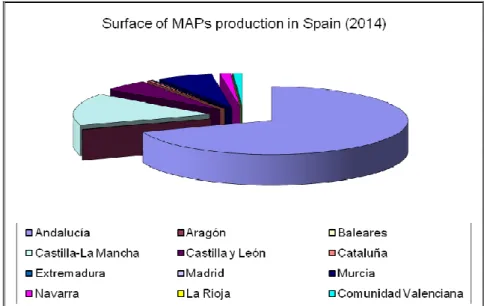
Figure 2: Surface of MAPs production in Spain 2014.
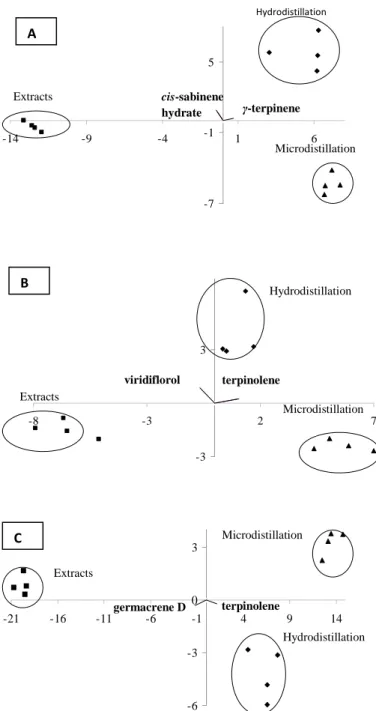
Figure 3: Canonical Discrimination Function for the two most predictive variables for L. latifolia, S. lavandulifolia and T. mastichina.
Figure 4: Box-plot graphs of DPPH (A), FRAP (B), total phenols (C), rosmarinic acid (D), chlorogenic acid (E), caffeic acid (F), luteolin (G), peak 3 (H) and luteolin glucoside (I) of the Thymus mastichina populations.
Figure 5: Chromatogram of Saldaña 1-c (A) and Riaza 1-c (B). 1: Chlorogenic acid, 2: Caffeic acid, 3: Unknown 1 “peak 3”, 4: Luteolin glucoside, 5: Rosmarinic acid, 6: Luteolin at 330 nm.
Figure 6: Canonical discrimination function for the polyphenol profile of the different S. lavandulifolia populations.
Figure 7: Examples of chromatograms of each population of S. lavandulifolia. Left chromatograms measurements at λ=330, right chromatograms measurements at λ=280.
Figure 8: A, representation of axes 1 and 2 of ACP. B, representation of axes 1 and 3 of ACP. 1: Leaf length, 2: Leaf width, 3: Leaf Length/Width, 4: Corolla length, 5: Calyx length, 6: Flower head length, 7: Flower head width, 8: Bract length, 9: Bract width, and 10: Bract Length/Width.
4
ABSTRACT
Traditionally aromatic and medicinal plants have been collected from the wild. However, wild
collection does not allow high quality plant material to be collected and produces deforestation
thus threatening the species harvested. It should be added that strict rules are published to
regulate the quality of the volatiles. Additionally, when the plant material is intended for
medicinal use, the effectiveness of the different active substances such as polyphenols and the
concentration thereof, might varies hugely from one individual to another. The need to find high
quality specimens and to cultivate the selected individuals not only increases the yield and the
quality of collected plant material but also enables sustainable development and conservation of
the species. In addition to that, some of the parameters for cultivating these species are
unknown. In order to overcome such problems, the chemical variability of the secondary
metabolites and morphological variation of Lavandula latifolia Medik., Salvia lavandulifolia
Vahl. L. and Thymus mastichina L. has been evaluated to find high quality individuals.
In view of the great chemical variability that occurs both in the composition of essential oils and
polyphenols for the different studied species, as well as its morphology, and given that these
features are primarily ruled by genetic characters being the environmental factors a weaker and
less influential factor, the ability to select organisms with characteristics and qualities desired by
the market is a real possibility for these species. The establishment of plot assays demonstrated
that these species can be easily cultivated avoiding wild collection, allowing traceability and
offering the possibility to control agronomic parameters such as irrigation doses or treatments
that maximize the yield. Moreover the selection of organisms with outstanding features led to an
increase of crop productivity and gets better the economical profit, which could be very
5
RESUMEN
El presente estudio se llevó a cabo para apoyar al sector agronómico y para superar los
problemas actuales que el mercado de las plantas aromáticas y medicinales (PAM) tiene hoy en
día. El problema principal se debe a que las PAM se han recolectado tradicionalmente de forma
silvestre. La recolección silvestre no permite la recogida de material vegetal de alta calidad y
produce la deforestación, amenazando las especies recolectadas. Hay que añadir que existen
estrictas regulaciones en materia de calidad para la comercialización de los aceites esenciales.
Además, en el caso de que el material vegetal sea para uso medicinal, la eficacia de las
diferentes sustancias activas, tales como polifenoles, y la concentración de los mismos, puede
variar de un individuo a otro. La selección de ejemplares de alta calidad y el cultivo de
especímenes seleccionados, no sólo aumenta el rendimiento y la calidad del material vegetal
recolectado, sino que también permite el desarrollo sostenible y la conservación de la especie.
También cabe añadir que algunos de los parámetros para cultivar estas especies son
desconocidos. Para superar estos problemas, la variabilidad química de los metabolitos
secundarios y la variación morfológica de Lavandula latifolia Medik., Salvia lavandulifolia
Vahl. L. y Thymus mastichina L. se ha evaluado con el fin de encontrar individuos de alta
calidad. En vista de la gran variabilidad química que se produce tanto en la composición de los
aceites esenciales y los polifenoles para las diferentes especies estudiadas, así como en su
morfología, y dado que estas características dependen principalmente de factores genéticos,
siendo los factores ambientales un factor menos influyente, la capacidad de seleccionar
organismos con características y cualidades deseadas por el mercado es una posibilidad real
para estas especies. El establecimiento de ensayos demostró que estas especies pueden
cultivarse fácilmente evitando la recolección silvestre y permitiendo la trazabilidad del
producto. Del mismo modo, ofreciendo la posibilidad de controlar los parámetros agronómicas
tales como dosis de riego o tratamientos que maximicen el rendimiento. Además, la selección
de organismos con características deseadas por el mercado conduce a una mejora de la
productividad de los cultivos y a un aumento del beneficio económico, que podría ser muy
General Introduction
5
1.1 Aromatic and medicinal plants overview
The medicinal and aromatic plants (MAPs) sales are a large worldwide market, as can be seen
through the following figures. The volume of MAPs traded globally for the period between
1991 and 2003 was quantified by Lange, D. (2006) as 467.000 t and for a value of US$ 1.2
billion. Another conclusion that can be drawn from the available data is that the world traded
volume of MAPs has shown a steady increase in the last year as reflected in the increase in
exports and imports in the last decades. The 12 leading MAPs importing countries, imported a
total of 320.650 t for a value of 930.520.000 US$ for the period between 1991 and 2003 while
the amount of MAPs imported for the period between 2004 to 2008 was 338.173 for a value of
1.004.692.000 US$ (Lubbe and Verpoorte 2011). The same tendency is shown in export figures
for recent years. The exports of the 12 top leading exporters accounted for 368.200 t for a value
of 807.977.000 US$ for the period 1991-2003 while the exports for 2004-2008 increased to
416.807 t for a value of 923.728.000 US$ (Lubbe and Verpoorte 2011). With respect to the
leading exporters of MAPs in the world between 1991 and 2003, China, Hong Kong, India,
Mexico and Germany were the countries that exported larger volumes while China, India,
Mexico and Egypt were the top exporters from 2004 to 2008. On the other hand China,
Morocco, India and Egypt were the leading suppliers for European countries between 2008 and
2012 (CBI 2013). This steady increase in the consumption of plants is something that has also
taken place in Spain. Increased consumption of aromatic plants in Spain has been reflected in
increased imports and increased national cultivation in recent years. In last decades Spain has
been in the top 10 world leading importing countries of MAPs positioning itself in tenth and
ninth place. The volume of imported MAPs in Spain between 1991 and 2003 was 9.850 t for the
value of 2.7648.000 US$ while the volume of imported plants between 2004 and 2008 was
15.670 t for the value of 44.337.000 US$ (Lubbe and Verpoorte 2011). This upward trend
continues today as shown in the following figure.
Figure 1: Leading European importers of MAPs 2008-2012 in 1.000 t
General Introduction
6
Spain has not only increased imports of MAPs but has also increased the national land dedicated to growing this kind of crops and in recent years the production of aromatic plants has increased
from 2.180 ha in 2004 to 9.810 ha in 2014 (MAGRAMA 2014).
The main markets where MAPs are sold in the world are medicinal, food, cosmetic and perfume
industry. The most commonly used herbal medicines from plants in the world are: Echinacea
purpurea, Panax ginseng, Serenoa repens, Ginkgo biloba, Hypericum perforatum, Valeriana officinalis, Allium sativum, Tanacetum parthenium, Ephedra sinica, Cimicifuga racemosa and Piper methysticum. Other examples of most commonly traded species used to isolate target compounds are Papaver somniferum, Digitalis lanata, Atropa belladonna, Taxus spp.,
Cinchona spp., Catharanthus roseus and Artemisia annua amongst others. Some examples of the most frequently used natural colorants for food and cosmetics are Tagetes spatula, Juglans
regia, Lawsonia inermis, Isatis tinctoria, Curcuma longa, Capsicum annuum, Vitis vinifera or Spinacia oleracea. Finally some examples of the most used species for the extraction of essential oils in the world with a production above 100 tons (in decreasing quantity): Citrus
sinensis, Mentha arvensis, Citrus limon, Eucalyptus globulus, Mentha x piperita, Cymbopogon winterianus, Syzygium aromaticum, Cinnamomum micranthum, Citrus aurantifolia, Lavandula x intermedia, Pogostemon cablin, Mentha spicata, E. citriodora, Chamaecyparis funebris,
Litsea cubeba, Juniperus virginiana, Illicium verum, Citrus reticulate and Vetiveria zizanoides. Essential oil crops with a production from 100 to 50 tons are Lavandula latifolia, Salvia sclarea,
S. officinalis, S. lavandulifolia, Pimenta dioica, Thymus zygis, T. vulgaris, Origanum majorana and Ocimum basilicum (Lubbe and Verpoorte 2011).
In Spain the demand for plants for extraction of essential oils is higher than the demand for
medicinal plants; however, the number of companies interested in medicinal plants is also
substantial (CBI 2013) . Some of the most used and consumed species of MAPs in the Spanish
industry are Mentha x piperita, Melissa officinalis, Papaver somniferum, Chamaemelum nobile,
Equisetum arvense, Thymus spp., Rosmarinus officinalis, Salvia officinalis, S. lavandulifolia, Pimpinella anisum, Lavandula latifolia, Matricaria chamomila, Ginkgo biloba, Tilia spp, Juniperus communis, Passiflora incarnata, Eucalyptus globulus and Crocus sativus which are mainly wild harvested or imported. Some of them are also cultivated in small amounts with the
exception of L. angustifolia and lavandin which are widely farmed (Arraiza Bermúdez-Cañete
2006; Palos and Gorgues 2002). The MAPs production of the different Spanish regions can be
General Introduction
7
Figure 2: Surface of MAPs production in Spain 2014.
Source ANIPAM
Many of the MAPs sold in the world market are collected from their natural habitat. In the
world between 60 and 90% of the raw material used by companies selling products obtained
from aromatic and medicinal plants come from wild collection (Laird et al. 2002).
In Spain Thymus mastichina is one of the plants most collected from the wild of Spain and 95%
of the annual production of this species comes from wild collection, while only 5% of the
production is under culture. For Lavandula latifolia 30% of the production comes from wild
collection and 70% is under culture and for Salvia lavandulifolia 20% comes from wild
collection while 80% is harvested from crops.
Lavandula latifolia, Salvia lavandulifolia and Thymus mastichina, were selected for this study because they are all characteristic plants growing in Spain and they are important for the world
and for the Spanish MAPs industry. Regarding annual production of these species, in Spain in
2014 the production was of 20.11 ha for Thymus mastichina, Andalusia being the main
producer, 136.42 ha for Salvia lavandulifolia and Salvia officinalis and 595.51 ha for Lavandula
angustifolia and Lavandula latifolia (ANIPAM, 2014).
L. latifolia and S. lavandulifolia are among the 20 most traded plants for essential oil extraction worldwide, with an annual production of 50 to 100 tons per year (Lubbe and Verpoorte 2011).
Taking into consideration that an important part of these three species are collected from the
wild in Spain, and considering that the surface cultivated nowadays is really small and the
General Introduction
8
the world market with an increasing demand for them, Spain is the perfect place to increase the
surface of cultivation and the yield of production per hectare and thus decrease the wild
collection and at the same time increase the quality of the products.
The wild collection of MAPs has a series of associated problems that are enumerated below:
• Misunderstanding characterisation of species and mixing of similar species.
• Lack of knowledge about the kind of active ingredients and their quality.
• Lack of homogeneity of the product.
• Lack of traceability.
• Sometimes the amount of plant material collected from the wild cannot fulfill the market’s needs.
• Wild collection can threaten species. Some plants are scarce in nature and human pressure reduces their numbers.
• Different methods to increase productivity and maximize yield, such as irrigation
techniques or changes in cultivation parameters, cannot be applied to wild plants.
In view of these problems caused by wild collection all of which lead to a loss of biodiversity
and in view of the net balance between imports and exports, there is an increasing need to study
the growing of MAPs of industrial interest to enhance their cultivation and to promote their
sustainable development and biodiversity. The increase of the value of MAPs has led to the
need to strengthen the sector. In recent years the consumption of MAPs has increased in Spain.
Imports are greater than exports; however a large number of plant species are naturally growing
in Spain (it being the country with the highest biodiversity in Europe), hence this country has
the suitable weather and environmental conditions for the sustainable production of MAPs.
Besides the lack of farmed medicinal and aromatic plant species and the lack of a proper plant
material selection, it implies a loss of productivity and biodiversity.
The search for individuals with enhanced properties is the key to increase the production per ha
and to improve the quality of the plant material through breeding programmes.
The benefits that can be achieved through cultivation and breeding include the followings:
• Avoiding the threat to the species and encouraging the protection of nature.
• Estimating the production volumes enabling planning of production.
General Introduction
9 • The use of the appropriate irrigation dose or satisfactory agronomic techniques can be
applied to improve production.
There is great variability (inter and intra-population) in wild species, different populations have
different selection pressures and therefore can manifest morphological and chemical
differences. Moreover, different individuals within each population show differences due to the
different genetic combinations that each has accumulated. The diversity is crucial for carrying
out breeding programmes. Therefore, it is important to study the biodiversity through its
characterization, evaluation, and conservation and make this available for breeders, in order to
better use these genetic resources. In this way new genotypes of wild species, with key genes
will be found allowing development of new cultivars for agricultural production.
1.2. Secondary metabolites
Plants are able to synthesize many kinds of compounds such as carbohydrates, lipids, proteins
and vitamins. Some of these compounds are synthesized for the survival, growth and
reproduction of plants, that is, they are part of the primary metabolism of plants and are present
in all of them. Besides these compounds, plants are also capable of synthesizing secondary
metabolites which are often derived from primary metabolites.
Secondary metabolites are natural compounds produced by certain organisms. They are called
“secondary” because they are not directly involved in the survival of the living beings.
However, they play an indispensable role for living organisms and plants. Unlike primary
metabolites, which are common to all plants, secondary metabolites are characteristic and
change from species to species. These compounds are commonly stored in particular parts of the
plant as vacuoles or secretory structures such as thorns, spikes, trichomes, glandular or stinging
hairs, laticifers, ducts etc.
Although nowadays the exact functions of some secondary metabolites are still unknown, these
compounds can be toxic or beneficial for the rest of living beings. They are mainly involved in
defence mechanisms working as allelochemical products acting against herbivores,
microorganisms, pests, pathogens or competitive plants. They can act as internal messengers
and also confer on plants characteristics such as a colour or an odour; and thus frequently attract
General Introduction
10
A simple classification of these compounds based on their biosynthetic origin includes
alkaloids, terpenoids and phenols.
1.2.1 Alkaloids
Alkaloids are nitrogenous organic molecules. Many of them are toxic or have pharmacological
activity. Examples of these groups of compounds are morphine synthesized by the opium poppy
(Papaver somniferum), cocaine isolated from the coca plant (Erythroxylum coca and
Erythroxylum novogranatense) or caffeine synthesised by Coffea arabica. The species studied here do not contain alkaloids.
1.2.2 Terpenoids
These are also known as isoprenoids and are derivatives from isoprene which is a small
molecule of five carbon atoms. They are hydrocarbons with additional functional groups and the
name terpene comes from turpentine, one of the main plant raw materials used in former times
consisting mainly of terpenes. Depending on the number of isoprenes forming a terpenoid they
can be classified as follow:
- Hemiterpenoids: 1 isoprene unit (C5)
- Monoterpenoids: 2 isoprene units (C10)
- Sesquiterpenoids: 3 isoprene units (C15)
- Diterpenoids: 4 isoprene units (C20)
- Sesterterpenoids: 5 isoprene units (C25)
- Triterpenoids: 6 isoprene units (C30)
- Tetraterpenoids: 8 isoprene units (C40)
- Polyterpenoid: with a larger number of isoprene units
The cyclic ether 1,8-cineol, also known as eucalyptol, is the most important terpenoid for the
species of interest being the main compound for L. latifolia, S. lavandulifolia and T. mastichina
essential oils and it is a characteristic compound for many species of the Lamiaceae family, also
being the main compound for eucalyptus genera and thus also known as eucaliptol. Other
important terpenoids very abundant in the species under study are camphor, linalool, borneol
General Introduction
11
1.2.3 Phenols
Phenols are compounds formed by a hydroxyl group (-OH) bonded to an aromatic hydrocarbon
group (C6H5OH). They can be synthesised through two main synthetic pathways: the shikimate
pathway and the acetate pathway (Harborne 1993). When this structure element occurs several
times in a molecule, the molecules may be called polyphenol. They can be classified taking into
consideration their chemical nature:
- Phenolic acids
Phenolic acids are organic compounds derivated from benzoic or cinnamic acid. In general they
include phenols that have a phenolic ring and carboxylic acid functionality. Depending on their
origin they can be classified as follow:
- Hydroxycinnamic acid
- Hydroxybenzoic acid
- Flavonoids
Flavonoids are molecules formed by 15 carbon atoms (C15H10O2) containing two phenyl rings
and one heterocyclic ring. They are synthesized through the phenyl-propanoid metabolic
pathway and in this process the amino acid phenylalanine produced 4-coumaroyl-CoA. It is a
very diverse family of compounds. The changes suffered after the biosynthetic pathway it can
lead to one type of compounds or another (Boros et al. 2010):
- Anthocyanins
- Flavonols
- Flavanones
- Chalcones
- Flavones
- Lignans
Lignans are a kind of polyphenols mainly found in seeds in small concentrations and built up of
General Introduction
12
- Stilbenoids
Stilbenoids are hydroxylated derivatives of stilbene with a C6-C2-C6 structure.
Rosmarinic acid is the main polyphenolic compound found in the 3 studied species and a
characteristic compound for the Lamiaceae species (Lamaison et al. 1990). Although there is a
huge variability in polyphenolic compounds in the species of interest some characteristic
compounds like caffeic acid and chlorogenic acid are common to the three species. Luteolin,
apigenin and their derivatives are also compounds frequently present in Salvia, Lavandula and
Thymus genera (Boros et al. 2010; Spiridon et al. 2011) and salvinolic acid derivatives, carnosol and carnosic acid are very characteristic phenols from Salvia genus (Johnson 2011;
Zimmermann et al. 2011).
1.3 Lamiaceae family
The Labiatae family, also known as Lamiaceae or Labiataceae comprises 186 genera and
around 5600 species (Morales 2010b). It is a cosmopolite family spread worldwide but with few
representations in the tropical rain forest. Species belonging to this family are commonly
aromatic, because these plants are able to synthesize volatile compounds and they are also an
important source of a large amount of polyphenols.
1.3.1 Botanical description
Plant habit and cycle: bushy or herbaceous. They can be perennial or annual. Root: often tuberous.
Stem: generally with quadrangular shape.
Leaves: mainly simple, opposite or whorled and without stipules. Inflorescence: formed by verticillasters.
Flowers: generally pentamer and hermaphrodite.
Calyx: five sepals soldiers, forming a bell-shaped calyx often bilabiate.
Corolla: formed by five petals welded grouped into two lips. The upper lip is formed
of two petals and the lower lip by three petals.
Androecium: It consists of four stamens, however Salvia genus has two. When it has
four stamens, it has two long ones and two short one fused to the corolla.
Gynoecium: bicarpelar, the ovary is divided into four lobes, owing to the presence of
false walls. The style is gynobasic and thready and the stigma is bifid.
General Introduction
13
Botanical formula: ↓ K(5) [C(5) A4+1º ] G2
1.3.2 Uses and Properties
The importance of MAPs is based on their uses and properties. Plants from the Lamiaceae
family are mainly used as ornamentals, for the extraction of essential oils, for the food industry,
as nutraceuticals or for phytotherapy. Essential oils are mainly used by industries of aromas and
flavours and their uses are mostly related to perfume and cosmetic production. Other uses are
aromatherapy, cleaning products or insect and moth repellents. Some examples of the most used
essential oils of the Lamiaceae with an annual production exceeding 100 tons are species of the
genus Mentha such as cornmint (M. arvensis, menthol production), peppermint (M. piperita),
scotch spearmint (M. spicata) and native spearmint (M. gracilis) as well as lavandin (Lavandula
x intermedia) among others. With a production of between 50-100 tons per year the outstanding
species would be: spike lavender (Lavandula latifolia), sage (Salvia sclarea, S. officinalis and S.
lavandulifolia), thyme (Thymus vulgaris and T. zygis) and marjoram (Origanum majorana) (Lubbe and Verpoorte 2011) among others.
In the food industry, MAPs are mainly used as dried herbs in order to enhance colour, taste,
smell and/or act as a preservative. The genus Mentha for example is often used in drinks; thyme
and rosemary are used in snacks, olives, dressings as oils or vinegars etc. As preservatives,
thyme and oregano are often used as a marinade for meats or cheeses to slow the appearance of
microorganisms and to increase the life of the product.
Many species of the Lamiaceae family are also marketed as phyto-pharmaceutical products. The
medicinal properties of this plant family are varied depending on the genus in particular. Several
species of the genera belonging to this family such as Mentha, Rosmarinus, Origanum, Thymus,
Lavandula for example, have multiple properties such as antibacterial (Okoh et al. 2010), antifungal (Adam et al. 1998), antiviral (Tada et al. 1994), anti-spasmodic (Babaei et al. 2008)
and anti-inflammatory (Conforti et al. 2008) etc.
1.4 Lavandula genus: Lavandula latifolia Medik.
General Introduction
14
Lavandula belongs to the subfamily Nepetoideae and it is formed by a total of 39 species. It is a group of typical Mediterranean plants, also which also spreads in the Macaronesian region and
is dispersed throughout northern Africa, southern Asia and Arabian Peninsula (Morales 2010a).
The plants of this genus are typical of limestone soils and are shrubby perennial or short-lived
herbaceous plants. Leaves can be entirely or deeply dissected and even absent in some species.
The species of this family are characterized by having an inflorescence composed of compact
terminal spikes of flowers that are held on a peduncle. The corolla is usually lilac, violet or blue.
The most important species of this genus are Lavandula angustifolia, L. latifolia and the hybrids
created from both (Lavandins).
1.4.2 Uses and properties
Lavandula species are mainly grown for the perfumery industry. Their essential oils are widely used in cosmetics and perfumes and in recent years its use for aromatherapy has increased. Its
medicinal use is less widespread but is also important, especially its sedative properties.
Infusions of lavender are a common product in the market and there are several scientific
studies on its efficacy to cause relaxation and sleepiness avoiding the side effects that some
medications can cause. Kasper et al (2010) proved that essential oils extracted from Lavandula
genus can improve the quality of sleep and reduce anxiety and stress without side effects.
Among other medicinal properties are its tonic and antispasmodic action (Vanaclocha and
Cañigueral 2003). In addition, anticancer properties are also attributed to this species due to the
content of perillyl alcohol (Gerhard 2002). Spike lavender also has traditional pharmacological
actions such as tonic, antiseptic, antispasmodic, organoleptic corrective properties (Vanaclocha
et al. 1992) and hypoglycemic effects (Gamez et al. 1988).
In general, Lavandula species also have antimicrobial effects. This property is variable within
the species and spike lavender, containing a high proportion of camphor, has the most powerful
effect (Lis-Balchin 2002b). Some species also have antifungal properties. Hanamanthagouda et
al. (2010) proved that L. pinnatata essential oils can inhibit the growth of several bacterial and
fungal strains. The effectiveness of Lavandula as an anti-moth product is also unquestionable,
since most of the manufactured products contain this species, López et al. (2007) analysed the
antifungal activity of spike lavender against Rhyzopus solanifer, although this species was not
the most effective species of the extracts tested, it showed inhibition. Rota et al. (2004) tested
Spike lavender essential oil against S. thypimurim, S. flexneri, L. monocytogenes, S. aureus
General Introduction
15
On the other hand, Lavandula genus species also have considerable antioxidant properties.
Gülçin et al. (2004) for example, found a very good antioxidant result for L. stoechas L. and
Spiridon et al. (2011)analysed L. angustifolia and although it was less active than Origanum
vulgare and Melissa officinalis, results were also significant.
1.4.3 Lavandula latifolia Medik.
L. latifolia grows naturally in Spain. It appears at very different altitudes, some plants are found high up in the mountains and others at low altitude (Lis-Balchin 2002a). This species is also
distributed throughout France, Italy and the former Yugoslavia(Morales 2010a).
As its name suggests (latifolia), this species is characterized by broader leaves than other plants
belonging to the genus Lavandula. It is a shrub with a woody base and a thick root that can have
a length of up to 40 cm. The stem is woody and also about 10 to 15 cm tall. Flowers have
different colorations within blue-violet range and are grouped into glomeruli. The corolla is
bilabiate and tubular and between 8-10 cm long. Flower spikes are formed by cymes that are
supported by bracteoles of about 3 or 4 mm. The fruit is a dark tetrachaenium with 4 seeds of
about 2 mm. The leaves are greenish and greyish and vary from lanceolate to spatulate. The
stem is often trident-shaped branched although in many cases there is no other branching. They
can reach a height of over 20 cm and the inflorescence has a variable size ranging from 4 to 10
cm. The bracts look different to the vegetative leaves. The flowering date varies with geography
and is mainly between the months of July and September.
1.4.4 Variability and chemical composition studies of L. latifolia
Although spike lavender is a plant of great commercial interest and the chemical composition of
the species is very important for the market, the number of studies related to its chemical
composition is not very abundant, unlike what happens with T. mastichina and S. lavandulifolia.
One of the oldest scientific studies which report the volatile composition of this species is from
De Pascual-T et al. (1983) who studied part of the compounds known at present, finding
1,8-cineol, linalool and camphor as main compounds (as is usual for this species). Muñoz-Bertomeu
et al. (2007) studied seven wild population of Spike lavender, finding 28 compounds and
classifying their essential oils as high, intermediate and low content of linalool. These essential
oil types were respectively correlated to the Supra-, Meso- and Thermo- Mediterranean
bioclimatic belts and 1,8-cineol, linalool and camphor were found to be the main compounds. In
General Introduction
16
identifying a total of 40 compounds and finding a certain relationship between the chemical
composition of the essential oils and their geographical origin.
On the other hand, Eikiani et al. (2008) compared different methods for the extraction of spike
lavender essential oil, using superheated water extraction, hydrodistillation and soxhlet
extraction, obtaining as a result that the superheated water extraction method was quicker and
more selective for oxygenated constituents. Last but not least, Barazandeh et al. (2002) studied
L. latifolia cultivated in a garden in Iran, in this study the plant was brought from Europe and cultivated for 30 years in the garden. Unlike other studies, Barazandeh et al. (2002) and Eikiani
et al. (2008) found borneol instead of camphor as one of the three main compounds.
Although there are many studies regarding the volatile compounds of essential oils of spike
lavender, Spanish sage and Spanish marjoram, there is very little literature concerning the
polyphenol content of these three species. Shimizu et al. (1990) studied the anti-inflammatory
effect of L. latifolia finding three polyphenols with this effect: coumarin, 7-methoxycoumarin and trans-phytol. Lamaison et al. (1990) studied rosmarinic acid content of several Apiaceae, Boraginaceae and Lamiaceae species finding an amount of 700 mg/100 g DW of rosmarinic acid in spike lavender. Although there are few polyphenols studies on L. latifolia and these are not up to date, the studies on lavandin are more complete and updated, like the work of Torres-Claveria et al. (2007) detecting a total of 32 polyphenols in lavandin waste using liquid chromatography coupled to ionspray mass spectrometry (LC/MS/MS).
1.5 Salvia genus: Salvia lavandulifolia Vahl.
1.5.1 Salvia genus
Salvia is a cosmopolitan and diverse genus which comprises about 900-1000 species. It is a genus distributed worldwide and more than half of the species are found in Central America and
South America(Sáez 2010; Walker and Sytsma 2007). Of all the species of the genus, the most
cultivated and most important in the world market is S. officinalis and is popularly known for its
use in food, as an ornamental and a medicinal plant. S. sclarea, S. officinalis, S. lavandulifolia
are widely used for essential oil extraction (Lubbe and Verpoorte 2011) and other commercial
General Introduction
17
It is a plant that can be multiplied by seeds, cuttings, layering and division rooted feet (Muñoz
1987) and is able to grow in diverse habitats. The colour of the corolla can be blue, red or white
and less commonly yellow. Unlike the rest of Labiatae, the androecium consists of two stamens.
1.5.2 Uses and properties
The genus Salvia is mainly used as an ornamental plant, for its medicinal properties or for
essential oil extraction. As regards its medical properties, it is noted by its memory enhancing
properties (Eidi et al. 2006; Tildesley et al. 2003) and anti-inflammatory action (Dweck 2005;
Kintzios 2004). Sage infusions are also traditionally used from dry or fresh plant parts as a
remedy for ailments such as abdominal pains, coughs, sore throat, stomatitis, gingivitis,
toothaches, diarrhoea, stomach ache, diabetes, hypertension, rheumatism, skin diseases,
perspiration, fever; as a carminative, spasmolytic; antiseptic/bactericidal; astringent; as a gargle
or mouthwash against the inflammation of the mouth, tongue and throat; a wound-healing
agent; in skin and hair care; and against rheumatism and sexual debility in treating mental and
nervous conditions (Kintzios 2004; Vanaclocha and Cañigueral 2003; Veličković et al. 2003).
Besides these medical uses, several species of the genus have also shown antioxidant activity
(Asensio-S-Manzanera et al. 2011; Lu and Foo 2001). Ramos et al. (2010) demonstrated that
due to the existence of polyphenols Salvia genus shoes a DNA protective effect.
As is common for the Lamiacea family, biocide properties inhibiting bacteria and fungi have
also been proved (Longaray Delamare et al. 2007; Pitarokili et al. 2003). Giner et al. (2012)
studied the effect of a mixture of plant extracts containing S. lavandulifolia, R. officinalis and T.
mastichina. The mixture was tested against microorganisms that usually appear in tomato soup, showing inhibition of the bacteria: E. coli, S. enterica, E. aerogenes, B. cereus, S. aureus. The
same mixture was also studied by Vegara et al. (2011) finding inhibition of E. coli and S.
aureus.
With regard to the essential oils, Santana et al. (2012) also proved the effectiveness of the
essential oils of Spanish sage against fungi demonstrating inhibition for Fusarium moniliforme,
F. oxysporum and F. solani and antifeedant activity for L. decemlineata, S. littoralis, M. persicae and R. padi. Usano-Alemany et al. (2012) tested the essential oil extracted from Spanish sage in the different seasons of the year against several bacteria (E. coli, B. subtilis, B.
polymyxa, E. aerogenes, P. fluorescens, S. marcescens, Salmonella sp) and fungi (C. albicans) finding inhibition for all the microorganisms tested, however, the essential oils coming from
General Introduction
18
Pierozan et al. (2009) found good results against B. subtilis, E. faecalis, M. luteus, S. aureus, S.
mutans, finding that essential oil of Spanish sage is more effective as a bacteriostatic agent against Gram-positive microorganisms.
On the other hand Salvia has also been used as a drug target for Alzheimer showing positive
effects in patients with healthy memory or dementia (Akhondzadeh et al. 2003; Perry et al.
2003). S. lavandulifolia has shown anticholinesterase activity and a protective effect against
Alzheimer (Perry et al. 2003; Savelev et al. 2003; Tildesley et al. 2003) demonstrating also
anti-inflammatory, oestrogenic and sedative effects all of which were relevant to the treatment
of Alzheimer's disease.
1.5.3 Salvia lavandulifolia Vahl.
This species can be found in the calcareous mountains from the western Mediterranean area or
in limestone, marl and gypsiferous soils at a height between 200 and 2000 meters, however it is
more common to find it between 600 and 1000 m of altitude (Burillo Alquézar 2003). It is
grows in Spain, southern France and north-west Africa(Sáez 2010). It is a shrub with woody
stems at the base that reaches a height of 20 to 65 cm. The leaves are simple petiolates and the
corolla is frequently pink, blue or violet with a height of around 15 to 40 mm. Androecium is
formed by two stamens. This plant can withstand shallow soils and inhospitable environmental
conditions; however it does not resist the excess of water.
The essential oil production is around 13.90 L/ha (Mossi et al. 2011). This species presents a
huge morphological and chemical variability and the blossom period extends from June to
September depending on the geographical location and in Spain it extends from late June to
early August.
Subspecies (Sáez 2010):
- Subsp. lavandulifolia. Usually a hairy calyx with teeth smaller than 3 mm. Widespread
in the centre and East of Spain.
- Subsp. vellerea. Usually persistent bracts, size of teeth of the calyx between 3 and 5
mm. It grows in the East and South of the Iberian Peninsula.
- Subsp. mariolensis. Bracts usually not persistent, size of teeth of the the calyx between
General Introduction
19
- Subsp. blancoana. Open and branched inflorescence, early deciduous bracts, calyx with
indumentum composed mainly by glanduliferum hairs; corolla size between 24 and 40
mm. Characteristic of Spain and Northern Africa.
- Subsp. oxyodon. Glabrescent calyx with teeth larger than 3 mm. Spread through the
East of Spain.
1.5.4 Variability and chemical composition studies
Although there is a huge chemical variability for S. lavandulifolia essential oil, there are no
chemotypes clearly accepted. However Jordan et al. (2009) classified several samples of S.
lavandulifolia subsp. vellerea in different chemotype groups because there was a great chemical variability regarding the main compounds.
With current methodologies and chromatographic techniques there is a large amount of
secondary plant metabolites that can be known, and Salvia presents a huge variability of these
compounds.
With respect to the chemical composition of S. lavandulifolia, what characterizes this species is
the absence of α and β-thujone which are chemical markers that distinguish S. lavandulifolia
from S. officinalis (Guillén et al. 1996; Herraiz-Penalver et al. 2010; Mathe et al. 2006; Perry et
al. 2003). However, some authors have found large amounts of these compounds in Spanish
sage. For example, Mossi et al. (2011) and Pierozan et al. (2009) found a content of these
compounds of 18.95%±7.7 for α-thujone and 19.96%±3.5 for β-thujone. On the other hand,
Guillen et al. (1996) found a content of α-thujone of 11.07%. This is not typical of this species;
however this could be due to hybridization with other species of Salvia, to particular
environmental conditions that favor the formation of thujone, or misidentification of specimens.
Usano-Alemany et al. (2012) studied the seasonal influence on the yield and in the chemical
composition obtaining an important variation both in the yield and in the chemical composition
during the different seasons, finding as main compounds: 1,8-cineol (21.4-33.8%); limonene
(5.6-10.4%); α-pinene (10.5-17.5%); β-pinene (6.0-17.3%); myrcene (t-10.0%); camphor
(6.1-9.4%); and trans-caryophyllene (4.0-8.5%), which varied according to the seasons. Contrary to
what happens with other species (e.g. T. mastichina or L. latifolia), where the main compounds
are stable and remain as principal for that species, for Spanish sage major compounds vary
widely depending on the collection site, the environmental conditions etc. Herraiz-Peñalver et
al. (2010) found a similar composition analysing 20 wild populations of this species, obtaining a
General Introduction
20
α-pinene 6.7-23.2%; β-pinene 3.8-19.2%; camphor 0-15.4%). The values mentioned values
represent the composition of essential oil extracted from the whole plant. However, Schmiderer
et al. (2008) in a more detailed study, described the composition of the different parts of this
species finding that leaves and calyces are characterized by the main compounds, 1,8-cineol,
camphor and β-pinene, and by the sesquiterpenes α-humulene and β-caryophyllene and the
corolla shows the highest proportion of borneol, but a low concentration of camphor.
As already mentioned, there are many studies on the composition of the essential oils of Spanish
Sage, but there is little and outdated literature on S. lavandulifolia polyphenols. Lu and Foo
(2002) made a complete review concerning the polyphenols dectected in several Salvia species
finding several publication from various authors on Spanish Sage polyphenols between 1974
and 1999 reporting several compounds such as rosmarinic acid, apigenin, genkwanin,
7,4´-dimethyl ether, luteolin, chrysoeriol, hispidulin, cirsimaritin, nepetin, eupatorin and
6,7,3´,4´-tetramethyl ether.
1.6 Thymus genus: Thymus mastichina L.
1.6.1 Thymus genus
Thymus belongs to the subfamily Nepetoideae. It comprises by a total of 220 species and it extends across Eurasia, the coast of Greenland, the Macaronesian region, North Africa and the
mountains of Abyssinia and Yemen (Morales 2010b). It is a genus characteristic of the Iberian
Peninsula and it includes several endemic species from there. The flowering phase begins
between March and June depending on the species in particular. Multiplication can be done by
seed, vegetative division or cuttings-feet. It grows in a warm temperate climate and mountain
climate and is resistant to frost and drought but not to excess humidity and mainly grows on
limestone or clay soils (Muñoz 1987). The calyx is bilabiate, reaches between 3 and 8 mm and
the colours range between green, red or whitish. The corolla is also bilabiate and ranges from 2
to 18 mm, the colour can be white, yellow, pink or purple.
1.6.2 Uses and properties
Thymus is known since ancient times and used for medicinal and culinary purposes. Currently the plants belonging to this genus have a remarkable importance in the pharmaceutical and
General Introduction
21 The most used and produced species for essential oil extraction are Thymus vulgaris and
Thymus zygis, mainly cultivated in Europe for its ornamental and medicinal properties and
with a worldwide annual production of between 50-100 t (Lubbe and Verpoorte 2011).
There is great variability in chemical composition and frequently different chemotypes are
found in some species of the genus. The characteristic compounds from genus Thymus,
are as in the Lamiacea family, secondary metabolites mainly classified in groups of terpene
derivatives and polyphenols which confer on this genus several properties:
Regarding its medicinal properties, Thymus L. is distinguished by its spasmolytic properties. As
well as its ability to act as an antiseptic, anti-inflammatory and antioxidant (Vanaclocha et al.
1992). Albano et al. (2011) showed that T. mastichina has a high ability to inhibit
5-lipoxygenase and thus demonstrate anti-inflammatory activity. Besides, Gordo et al. (2012)
found that extract of T. mastichina may have a protective effect against colon cancers.
The antiseptic properties coupled with their ability to act as an antioxidant have resulted in
several novel applications in the food industry as for example their use as livestock feed for the
transfer to cheese and milk for beneficial active substances (Boutoial et al. 2013) or its uses as
preservative incorporated to food packaging acting as active protecting film avoiding food
contamination by microorganisms (Mehdizadeh et al. 2012) and extending the life of the
product (Kykkidou et al. 2009). Another new use found for the aqueous extract of Thymus is the
ability to prevent alcohol toxicity. Tests were performed on mice proving that the use of
aqueous extracts of Thymus disinfect wounds liver and brain damage caused by alcohol abuse
(Shati and Elsaid 2009).
In recent decades there has also been a growing search for natural biocides to give them a
practical use such as the application thereof as pesticides, medicines, antiseptics etc. Among the
different biocide action is their use as antibacterial (Marino et al. 1999), antifungal (Reddy et al.
1998), insecticides (Mansour et al. 2000) or antiviral products (Nolkemper et al. 2006). The
biocide properties of T. mastichina have been amply demonstrated by several authors showing
its ability to act as bactericide, insecticide and fungicide.
With regard to the antibacterial activity of T. mastichina, Faleiro et al. (2003), demonstrated that
its essential oil inhibited C. albicans, E. coli, L. monocytogenes, P. mirabilis, Salmonella sp, S.
General Introduction
22
michiganensis using T. mastichina essential oils. Concerning its insecticidal properties, Pavela et al. (2005) found that essential oils of T. mastichina were highly toxic against larvae of S.
littoralis with LD50≤ 0.05 µl/larvae. Regarding the fungicide properties of this plant species,
Fraternale et al. (2003) found antifungal activity against eight pathogenic fungi of the genus
Fusarium (F. culmorum, F. graminearum, F. poae , F. avenaceum, F. equiseti, F. semitectum, F. sporotrichoides, F. nivale) and López-Escudero et al. (2007) proved that this plant is highly effective in reducing the viability of V. dahliae microsclerotia. Furthermore, Pina-Vaz et al.
(2004) found antifungal activity of essential oil of T. mastichina against several Candida
species and Leal et al. (2013) found that extracts of T. mastichina may be particularly useful
against A. fumigatus.
1.6.3 Thymus mastichina L.
Thymus mastichina L. is an endemic species from the Iberian Peninsula with simple and opposite leaves. Flowers are zygomorphic and bilabiate and are grouped in clusters of white
color. The androecium has four external stamens and the gynoecium has an ovary divided into
four parts. It has entomogamous pollination and seeds are dispersed by autochory. It grows in
sandy and siliceous soils and the flowering period extends from late May and early June to late
July, early August.
Subspecies (Morales 2010b)
- Subsp. mastichina when the calyx is larger than 5 mm; inflorescences are bigger than 10
mm in diameter and bracts are oblong-ovate or elliptic.
- Subspecies donyanae when the calyx has a size equal to or less than 5 mm.
inflorescences are smaller than 10 mm of diameter and bracts are widely ovate.
The subspecies donyanae is only present in the southwest of the Iberian Peninsula (Doñana and
Algarve) while the subspecies mastichina extends throughout the Iberian Peninsula but it is less
abundant on the northwest coast of Spain and the Mediterranean coastline.
1.6.4 Variability and chemical composition studies
Regarding its chemical composition, this species is classified into three chemotypes with two
compounds as major constituent (Adzet et al. 1977).
General Introduction
23
- The second chemotype contains linalool as main compound
- The third chemotype is the intermediate chemotype with both compounds as principles
(1,8-cineol-linalool).
There are many phytochemical studies conducted with T. mastichina regarding the composition
of its essential oil because of its great commercial interest. Most studies are focused on the
chemical characterization and variability of the species and some even characterized the
composition of the subspecies (Salgueiro et al. 1997). Miguel et al. (2004b) for example,
studied the effect of harvesting date and the chemical variability between wild and cultivated
individuals.The composition between different organs of plants was studied in T. mastichina by
Miguel et al. (2004a), who found different composition in flowers and leaves from different
populations. The essential oil yield was lower in leaves than in flowers and leaves had a higher
content of camphor.
The chemical composition of T. mastichina was in some studies correlated with the biological
activity of the essential oil (Faleiro et al. 2003). On the other hand the relative percentages of
volatiles in the essential oil of this species have shown correlation with environmental
parameters such us humidity (1997). The variability in the chemical composition produced by
using various extraction technique was studied by Jimenez et al. (1999) who studied the
difference between continuous subcritical water extraction and hydrodistillation.
The antioxidant activity of T. mastichina extracts was reported by Bentes et al. (2009) and
regarding the T. mastichina polyphenols, Gordo et al. (2012) identified 9 compounds
(sakuranetin, sterubin, oleanolic acid, usolic acid, luteolin, beta-sitosterol, rosmarinic acid,
6-hydroxyluteolin-7-O-beta-glucopyranoside and hydroxiapigenin-7-O-beta-glucopyranoside) and
proved their anti-cancer activity. On the other hand, Sánchez-Vioque et al. (2013) and Delgado
et al. (2014) studied the waste product obtained with T. mastichina after the distillation process.
The list of tentative major compounds identified by LC–MS in T. mastichina solid residues
from Soxhlet and ultrasound-assisted extractions by Sánchez-Vioque et al. (2013) were:
quercetin glucoside, luteolin glucoside, rosmarinic acid, apigenin-7-O-glucoside, quercetin,
luteolin derivative, luteolin, naringenin, carnosol, apigenin and kaempferol. On the other hand,
Delgado et al. (2014) found in the methanolic extracts of the waste product: rosmarinic acid as
the most abundant polyphenol, followed by methoxysalicylic acid, apigenin, kaempferol and
General Introduction
24
Adam K, Sivropoulou A, Kokkini S, Lanaras T, Arsenakis M (1998) Antifungal activities of Origanum vulgare subsp. hirtum, Mentha spicata, Lavandula angustifolia, and Salvia fruticosa essential oils against human pathogenic fungi. Journal of Agricultural and Food Chemistry 46: 1739-1745
Adzet T, San Martin R, Granger R, Passet J (1977) Chimiotypes of Thymus mastichina. Plantes Medicinales et Phytotherapie 11
Akhondzadeh S, Noroozian M, Mohammadi M, Ohadinia S, Jamshidi AH, Khani M (2003) Salvia officinalis extract in the treatment of patients with mild to moderate Alzheimer's disease: a double blind, randomized and placebo-controlled trial. Journal of Clinical Pharmacy and Therapeutics 28: 53-59
Albano SM, Miguel MG (2011) Biological activities of extracts of plants grown in Portugal. Industrial Crops and Products 33: 338-343
ANIPAM, 2014. Superfiecie de producción de Plantas Aromático Medicinales en España. Asociación Nacional Interprofesional de Plantas Aromáticas y Medicinales.
Arraiza Bermúdez-Cañete MP (2006) Uso Industrial de Plantas Aromáticas y Medicinales Universidad Politécnica de Madrid, Open Curse Ware. Ingeniería de Montes
Asensio-S-Manzanera MC, Martin H, Sanz MA, Herrero B (2011) Antioxidant Activity of Lavandula latifolia, Salvia lavandulifolia and Thymus mastichina collected in Spain. Acta Horticulturae 925: 281-290
Babaei M, Abarghoei ME, Ansari R, Vafaei AA, Taherian AA, Akhavan MM, Toussy G, Mousavi S (2008) Antispasmodic effect of hydroalcoholic extract of Thymus vulgaris on the guinea-pig ileum. Natural Product Research 22: 1143-1150
Barazandeh MM (2002) Essential oil composition of Lavandula latifolia Medik from Iran. Journal of Essential Oil Research 14: 103-104
Bentes J, Miguel M, Monteiro I, Costa M, Figueiredo A, Barroso J, Pedro L (2009) Antioxidant activities of the essential oils and extracts of Portuguese Thymbra capitata and Thymus mastichina. Italian Journal of Food Science 21: 183-196
Boros B, Jakabová S, Dörnyei Á, Horváth G, Pluhár Z, Kilár F, Felinger A (2010) Determination of polyphenolic compounds by liquid chromatography-mass spectrometry in Thymus species. Journal of Chromatography A 1217: 7972-7980
Boutoial K, García V, Rovira S, Ferrandini E, Abdelkhalek O, López MB (2013) Effect of feeding goats with distilled and non-distilled thyme leaves (Thymus zygis subp. gracilis) on milk and cheese properties. Journal of Dairy Research 80: 448-456
Burillo Alquézar J (2003) Investigación y experimentación de plantas aromáticas y medicinales en Aragón: cultivo, transformación y analítica
CBI (2013) MAPs for cosmetics in Spain. Ministry of Foreign Affairs of the Netherland
Conforti F, Sosa S, Marrelli M, Menichini F, Statti GA, Uzunov D, Tubaro A, Menichini F, Loggia RD (2008) In vivo anti-inflammatory and in vitro antioxidant activities of Mediterranean dietary plants. Journal of Ethnopharmacology 116: 144-151
De Pascual-T J, Caballero E, Caballero C, Machin G (1983) Constituents of the essential oil of Lavandula latifolia. Phytochemistry 22: 1033-1034
Delgado T, Marinero P, Asensio-S.-Manzanera MC, Asensio C, Herrero B, Pereira JA, Ramalhosa E (2014) Antioxidant activity of twenty wild Spanish Thymus mastichina L. populations and its relation with their chemical composition. LWT - Food Science and Technology 57: 412-418
Dweck AC (2005) The folklore and cosmetic use of various salvia species. In: E.Kintzios S (ed) Sage. The Genus Salvia. Taylor & Francis, p 289
Eidi M, Eidi A, Bahar M (2006) Effects of Salvia officinalis L. (sage) leaves on memory retention and its interaction with the cholinergic system in rats. Nutrition 22: 321-326 Eikani MH, Golmohammad F, Shokrollahzadeh S, Mirza M, Rowshanzamir S (2008)
Superheated water extraction of Lavandula latifolia medik volatiles: comparison with conventional techniques. Journal of Essential Oil Research 20: 482-487
General Introduction
25
Fraternale D, Giamperi L, Ricci D (2003) Chemical composition and antifungal activity of essential oil obtained from in vitro plants of Thymus mastichina L. Journal of Essential Oil Research 15: 278-281
Gamez MJ, Zarzuelo A, Risco S, Utrilla P, Jimenez J (1988) Hypoglycemic activity in various species of the genus Lavandula. II: Lavandula dentata and Lavandula latifolia. Pharmazie 43: 441-442
Gerhard B (2002) Lavender oil and its therapeutic properties. Lavender. CRC Press
Giner MJ, Vegara S, Funes L, Marti N, Saura D, Micol V, Valero M (2012) Antimicrobial activity of food-compatible plant extracts and chitosan against naturally occurring micro-organisms in tomato juice. Journal of the Science of Food and Agriculture 92: 1917-1923 Gordo J, Máximo P, Cabrita E, Lourenço A, Oliva A, Almeida J, Filipe M, Cruz P, Barcia R,
Santos M, Cruz H (2012) Thymus mastichina: Chemical constituents and their anti-cancer activity Nat. Prod. Commun. 7: 1491-1494
Guillén MD, Cabo N, Burillo aJ (1996) Characterisation of the essential oils of some cultivated aromatic plants of industrial interest. Journal of the Science of Food and Agriculture 70: 359-363
Gülçin Ì, Güngör Şat İ, Beydemir Ş, Elmastaş M, İrfan Küfrevioglu Ö (2004) Comparison of antioxidant activity of clove (Eugenia caryophylata Thunb) buds and lavender (Lavandula stoechas L.). Food Chemistry 87: 393-400
Hanamanthagouda MS, Kakkalameli SB, Naik PM, Nagella P, Seetharamareddy HR, Murthy HN (2010) Essential oils of Lavandula bipinnata and their antimicrobial activities. Food Chemistry 118: 836-839
Harborne JB (1993) Methods in plant biochemistry. Volume 1. Plant phenolics. Academic Press Ltd.
Herraiz-Penalver D, Usano-Alemany J, Cuadrado J, Jordan MJ, Lax V, Sotomayor JA, Pala-Paul J (2010) Essential oil composition of wild populations of Salvia lavandulifolia Vahl. from Castilla-La Mancha (Spain). Biochemical Systematics and Ecology 38: 1224-1230 Herraiz-Peñalver D, Cases MÁ, Varela F, Navarrete P, Sánchez-Vioque R, Usano-Alemany J
(2013) Chemical characterization of Lavandula latifolia Medik. essential oil from Spanish wild populations. Biochemical Systematics and Ecology 46: 59-68
Jimenez-Carmona M, Ubera J, Luque de Castro M (1999) Comparison of continuous subcritical water extraction and hydrodistillation of marjoram essential oil. Journal of Chromatography A 855: 625-632
Johnson JJ (2011) Carnosol: a promising anti-cancer and anti-inflammatory agent. Cancer letters 305: 1-7
Jordan MJ, Martinez C, Monino MI, Lax V, Quilez M, Sotomayor JA (2009) Chemical Characterization of Salvia lavandulifolia subsp vellerea in South-Eastern Spain. I International Medicinal and Aromatic Plants Conference on Culinary Herbs, pp 317-323 Kasper S, Gastpar M, Müller WE, Volz HP, Möller HJ, Dienel A, Schläfke S (2010) Silexan, an
orally administered Lavandula oil preparation, is effective in the treatment of subsyndromal anxiety disorder: a randomized, double blind, placebo controlled trial. International Clinical Psychopharmacology 25: 277-287
Kintzios SE (2004) Sage: the genus Salvia. CRC Press
Kykkidou S, Giatrakou V, Papavergou A, Kontominas MG, Savvaidis IN (2009) Effect of thyme essential oil and packaging treatments on fresh Mediterranean swordfish fillets during storage at 4 °C. Food Chemistry 115: 169-175
Laird SA, Pierce AR, Alliance R (2002) Promoting sustainable and ethical botanicals: strategies to improve commercial raw material sourcing: final report. Rainforest Alliance
Lamaison J L, Petitjen-Freytet C, Carnat A (1990) Teneurs en acide rosmarinique, en dérivés hydroxycinnamiques totaux et activité antioxydante chez les apiacées, les borraginacées et les laminacées médicinales. Annales pharmaceutiques françaises 48: 103-108