ESCUELA DE INGENIERÍAS INDUSTRIALES
DEPARTAMENTO DE INGENIERÍA QUÍMICA Y TECNOLOGÍA DEL MEDIO
AMBIENTE
TESIS DOCTORAL:
INNOVATIVE STRATEGIES TO ENHANCE PROPERTIES OF
SOLID HYDROGEN STORAGE MATERIALS BASED ON
HYDRIDES
Presentada por Miriam Rueda Noriega para optar al grado de
doctor por la Universidad de Valladolid
Dirigida por:
ESCUELA DE INGENIERÍAS INDUSTRIALES
DEPARTAMENTO DE INGENIERÍA QUÍMICA Y TECNOLOGÍA DEL MEDIO
AMBIENTE
TESIS DOCTORAL:
ESTRATEGIAS INNOVADORAS PARA MEJORAR PROPIEDADES
DE MATERIALES DE ALMACENAMIENTO DE HIDRÓGENO EN
ESTADO SÓLIDO BASADO EN HIDRUROS
Presentada por Miriam Rueda Noriega para optar al grado de
doctor por la Universidad de Valladolid
Dirigida por:
Memoria para optar al grado de Doctor,
con
Mención Doctor Internacional
,
presentada por la Ingeniera Química:
Miriam Rueda Noriega
Siendo el tutor en la
Universidad de Valladolid
:
Dr. D. Ángel Martín Martínez
Y en
Pavia Hydrogen Lab, University of Pavia
(Italia):
Prof. Amedeo Marini
UNIVERSIDAD DE VALLADOLID
ESCUELA DE INGENIERÍAS INDUSTRIALES
Secretaría
La presente tesis doctoral queda registrada en el folio
número _______ del correspondiente libro de registro
número _____________________
Valladolid, a ______ de_______________ de 2016
Ángel Martín Martínez
Profesor Contratado Doctor
Departamento de Ingeniería Química y Tecnología del Medio Ambiente
Universidad de Valladolid
Certifica que:
MIRIAM RUEDA NORIEGA ha realizado bajo su dirección el trabajo
“Innovative strategies to ehance properties of solid hydrogen storage
materials based on hydrides”
, en el Departamento de Ingeniería
Reunido el tribunal que ha juzgado la Tesis Doctoral titulada
“Innovative
strategies to ehance properties of solid hydrogen storage materials based
on hydrides”
presentada por el Ingeniero Químico Miriam Rueda Noriega y
en cumplimiento con lo establecido por el Real Decreto 99/2011 de 28 de
enero de 2011 acuerda conceder por_______________ la calificación de
________________________.
Valladolid, a ______ de_______________ de 2016
PRESIDENTE SECRETARIO
INDEX
A
BSTRACT
...
7
S
TATE OF
A
RT
...
13
O
BJECTIVES
...
73
C
HAPTER
1.
Micronization of Magnesium Acetate by Supercritical
Antisolvent (SAS) process as precursor for the production of
Magnesium Oxide and Magnesium Hydride
...
77
C
HAPTER
2.
Enhancement of hydrogen release kinetics from ethane 1,2
diamineborane (EDAB) by micronization using Supercritical Antisolvent
(SAS) Precipitation
...
101
C
HAPTER
3.
Production of silica aerogel microparticles loaded with
Ammonia Borane by batch and semicontinuous supercritical drying
technique
...
123
C
HAPTER
4.
Improvement of the kinetics of hydrogen release from
Ammonia Borane confined in silica aerogel
...
151
C
HAPTER
5.
Reversible hydrogen sorption in the composite made of
Magnesium Borohydride and silica aerogel
...
179
C
ONCLUSIONS
...
201
R
ESUMEN
...
207
A
CKNOWLEDGEMENTS
...
229
A
BOUT THE
A
UTHOR
...
231
ÍNDICE
DE
CONTENIDOS
R
ESUMEN
(
INGLÉS
) ...
7
E
STADO DEL
A
RTE
...
13
O
BJETIVOS
...
73
C
APÍTULO
1.
Micronización de Acetato de Magnesio mediante Proceso
SAS de Acetato de Magnesio como precursor de Óxido de Magnesio e
Hidruro de Magnesio
...
77
C
APÍTULO
2.
Mejora de las cinéticas de liberación de hidrógeno de etano
1, 2 diaminoborano (EDAB) micronizado utilizando precipitación por
SAS
...
101
C
APÍTULO
3.
Producción de micropartículas de aerogel de sílice cargadas
con Borano de Amonio mediante secado supercrítico en batch y proceso
semicontinuo
...
123
C
APÍTULO
4.
Mejora de las cinéticas de liberación de hidrógeno de
Borano de Amonio confinado en aerogel de sílice
...
151
C
APÍTULO
5.
Sorción de hidrógeno reversible en el composite formado
por Borohidruro de Magnesio y aerogel de sílice
...
179
C
ONCLUSIONES
...
201
R
ESUMEN
(
CASTELLANO
) ...
207
A
GRADECIMIENTOS
...
229
S
OBRE LA
A
UTORA
...
231
A
BSTRACT
Innovative strategies to enhance properties
of solid hydrogen storage materials based
Abstract Nowadays, the development of renewable energy resources is attracting much more attention in order to reduce economic and environmental problems associated to the use of fossil fuels. However, their production is variable during time and they cannot provide a constant supply of energy. The use of ‘hydrogen’ as a vector of energy could be a solution to this important limitation.
In the case of onboard applications, the simplest idea would be to use hydrogen as liquid or gas, but these methods have important disadvantages. In the former case, 30% of the energy would be used in order to maintain the cryogenic state of hydrogen. In the latter case, storage of pressurized hydrogen would require huge tanks at high conditions of pressure. For these reasons, the application of fuel cell using hydrogen as their energy source requires the development of new solid state hydrogen storage materials. Hydrides, which are some of the most promising solid compounds, are limited by thermodynamic and kinetic properties that must be overcome before they are used in a real application.
In state of the art, a literature review of different techniques that have been used to improve
kinetics and thermodynamic limitations of bulk hydrides is done, mainly focused in nanoconfinement of different (complex) hydrides in a host, technique which preserve the enhanced properties during cycling.
It could be concluded that till now there is not any work in which all the targets for onboard hydrogen storage systems set by the US Department of Energy (DoE) are accomplished. Thus, more investigation is needed and this PhD was defined in this context with the objective of developing a new solid state hydrogen storage material based on hydrides which, by the reduction of particle size (chapters 1 and 2), and by the incorporation and stabilization in a support material (chapters 3-5) can improve the kinetics and reversibility of the hydrogen storage and release processes.
In chapter 1, micronized Magnesium Acetate was used as a precursor of magnesium hydride
(MgH2) and magnesium oxide (MgO). This hydride has been widely studied due to its high
hydrogen storage capacity (7.8 wt%) and its low cost. However, high temperatures are required to decompose it (higher than 300 °C), and hydrogen release is slow which make it difficult to use. Thus, nanoengineering was proposed in order to overcome these limitations. In this work, the precursor of MgH2 was micronized by Supercritical Anti Solvent (SAS) process
comparing to conventional milling. The influence of concentration of precursor in the initial solution, the temperature of SAS process and CO2 fraction was studied on the particle size of
Abstract
the precursor. Unprocessed magnesium acetate particles of 200 µm were converted into sub-micrometric particles with particle sizes ranging from 300 nm to 700 nm after SAS processing with regular spherical morphology and amorphous crystalline structure. In contrast to this homogeneous product, mechanically milled particles showed similar mean particle sizes, but with irregular morphology, crystalline structure and bimodal particle distribution. After hydrogenation or calcination process, the acetate was converted into MgH2 and MgO,
respectively. As consequence of decrease of particle size, hydrogen release kinetics was enhanced due to the reduction of diffusion distances with a direct relationship between the particle size of the precursor and the kinetics of the hydride.
In chapter 2, Ethane 1,2 diamineborane (EDAB), a carbon derivative of Ammonia Borane (used
in chapters 3 and 4) was used as hydride. EDAB has a high content in hydrogen (10 wt%), which is released below 200 °C in a two-step reaction. Moreover, it is very stable under ambient conditions, which makes it easier and safer to manipulate it in air atmosphere than other candidate hydrides. EDAB was micronized from THF solutions using the same Supercritical Antisolvent (SAS) process. After micronization, prismatic bulk EDAB of about 400 µm with a crystallite size of 100 nm was converted into microspheres of less than 2 µm with a crystal size of 50 nm. In this case, the concentration of the inlet solution, the temperature of SAS process and the fraction of carbon dioxide did not cause an important change on the final properties of EDAB. As result of reduction of particle size, the kinetic of release of hydrogen by thermolysis at 100 °C was significantly enhanced due to the reduction in the diffusion length, reducing the time needed to release hydrogen by a factor of six. Moreover, a suppression of induction time was obtained due to destabilization of the hydride after treatment.
In chapter 3, Ammonia Borane (AB) was used as a promising chemical hydride due to its high
content in hydrogen (19.6 wt%), low molecular weight (30.7 g/mol), moderate decomposition temperature and stability and safety in handling. However, it has kinetic limitations due to long induction times to disrupt dihydrogen bond and slow release of hydrogen. Moreover, during the decomposition process, the emission of some volatile byproducts such as borazine, diborane or ammonia can be released which could be poisonous for hydrogen fuel cells. In this work, nanoconfinement of AB in a support was proposed as solution to enhance these limitations.
Silica aerogel microparticles were used as support to stabilize and encapsulate the hydride. The formation of aerogel microparticles was done combining sol-gel process and supercritical drying using batch and semicontinuous drying apparatus. Silica aerogel microparticles
Abstract produced by the two drying techniques had a surface area ranging from 400 to 800 m2/g with
more than 1 cm3/g of volume of pores and a mean particle diameter ranging from 12 to 30 μm.
The influence of shear rate, the amount of catalyst during sol-gel process, the amount of dispersant solvent and hydrophobic surface modification on particle size distribution (PSD) were studied. As result, irregular aerogel particles were obtained for hydrophilic gels, while regular, spherical particles with smooth surfaces were obtained for hydrophobic gels. AB was loaded into silica aerogel microparticles in low concentrations ranging from 1 wt% till 5% wt depending on the surface modification of the aerogel. Impregnation method followed by precipitation of AB using dicloromethane (DCM) was used and then, supercritical batch drying was used in order to obtain dried particles. This low encapsulation efficiency could be explained by the possibility of lost AB during washing with DCM and/or the decomposition of AB during supercritical drying process in presence of silica. By stabilization of AB into silica aerogel microparticles resulted in faster hydrogen release kinetics than unprocessed AB or using conventional mechanical milling.
In chapter 4, the concentration of AB homogeneously loaded in the pores of hydrophilic silica
aerogel was increased up to 60 wt% due to the innovative process used to produce it and the favorable textural properties of silica aerogels (up to 2 cm3/g). It is the first time that more
than 50 wt% of AB has been successfully stabilized in a support. It was done by a novel process, based on a simultaneous aerogel drying and ammonia borane gas antisolvent precipitation using pressurized carbon dioxide at subcritical conditions in order to avoid decomposition process from the previous chapter. The influence of the amount of Ammonia Borane loaded on the aerogel on the thermal and structural properties of the material was analyzed. The resulting material showed faster hydrogen release kinetics without induction time by thermolysis at 80 °C and suppression of volatile subproducts in contrast to bulk AB. This fact was due to a significant reduction in the mean size of the hydride after confinement and the presence of SiOH and SiOSi groups of silica aerogel. Furthermore, by nanoconfination of AB, the morphological properties of the material were preserved after isothermal release of hydrogen avoiding foaming process, which could be favorable properties for a subsequent material regeneration process.
In chapter 5, Magnesium Borohydride Mg(BH4)2 was used as a promising hydrogen storage
material because of its high hydrogen storage capacity (14,8 wt% H2, 0.112 Kg/L). However, it
is still limited by slow hydrogen release kinetics and by the harsh conditions required for reversible hydrogen sorption due to the formation of stable intermediates. Composites made
Abstract
of commercial Mg(BH4)2 and synthesized silica aerogel microparticles were prepared by
thermal treatment in hydrogen. As a result, the sorption properties of the prepared composite were improved due to the destabilization of the hydride by silica; not only reducing the decomposition temperature by 60 °C but also enhancing the kinetics of dehydrogenation at 300 °C, that was two times faster in silica composites than in bulk Mg(BH4)2. Additionally,
re-hydrogenation of the prepared composite at comparatively mild conditions of 390 °C and 110 bar H2 was done for the first time, achieving a hydrogen storage material with a reversible
release of hydrogen up to 6 wt% H2. Results indicate that silica aerogel chemically interacted
with Mg(BH4)2, acting as an additive, which could result in different routes with different
amounts and types of intermediates, influencing on the kinetics and cyclability of the hydrogen storage material. This research was done at Hydrogen Lab at Pavia (Italy).
S
TATE OF ART
Innovative strategies to enhance properties
of solid hydrogen storage materials based
State of art Nowadays, economy and society depend on the use of fossil fuels. It is clear that fossil fuels cannot continue being a primary resource due to their depletion and the economic and environmental problems concerning their use.
As figure 1 shows, more than 70 % of the world greenhouse emissions come from energy sources like electricity production, heating and transportation. For these reasons, the development of alternative and more sustainable energy sources is a priority in order to mitigate these problems. This concern was addressed in Paris at COP21 with the adoption of the first international climate agreement applicable to 195 countries, which has limited the temperature rise to less than 2 °C.
Figure 1. Greenhouse Gas Emissions (GHG) by Sector. (Source: World Resource Institute, 2015)
The International Energy Agency (IEA) indicated in its last study that electricity generation and emission of CO2 have different ratios of growth. It is predicted that emission of CO2 will remain
flat whereas electricity demand will grow by more than 40 %, indicating that low-carbon power will grow to almost 45 % in 2030 (figure 2). According to this trend, in the last years the use of renewable energies has significantly increased, which is estimated to generate nowadays more than 22% of global electricity.
Figure 2. Global electricity generation vs. CO2 emissions (Source: World Energy Outlook, 2015)
State of art Nevertheless, the generalized application of these cleaner energy sources still faces important
limitations, such as fluctuations in the production of energy due to weather changes or other random events, and difficulties in storing the excess energy produced in periods of low demand. The use of the energy generated from renewable sources in mobile applications such as vehicles or small electronic equipment is also hindered by the difficulties associated with the storage and transportation of this energy.
Some of these drawbacks can be solved using hydrogen as an energy vector which is known as ‘hydrogen economy’ or ‘hydrogen society’ (figure 3). Hydrogen is an excellent fuel because of its high specific heat of combustion (three times more of energy per unit of mass than gasoline) and its clean combustion in a fuel cell which only generates water (with zero CO2
emissions). Hydrogen can be produced from water (by electrolysis, thermal decomposition, thermochemical processes, photolysis etc.) using renewable energy sources whose process needs to be optimized in order to reach higher efficiencies. After combustion in a fuel cell, it can be used in a wide range of applications; from portable systems which needs low power to automotive or aerospace field including stationary and onboard power. In this way, the use of hydrogen as fuel contributes to mitigate air pollution in cities and economical and environmental sustainability.
Figure 3. Hydrogen economy
However, storing hydrogen in small mobile applications or in vehicles presents new challenges. In these applications, it is especially important to reduce the weight and space required by the hydrogen storage system as much as possible. The simplest and most obvious solutions could be to use hydrogen in the liquid or gas state. However, these methods have some disadvantages: with cryogenic liquid systems, 30 % of the energy would be wasted just in
State of art condensing the hydrogen and maintaining it in the liquid state (Tb= -252.8 °C at 1 bar), and
compressed deposits are huge at very high conditions of pressure (350-700 bar) (Züttel 2004). Therefore, a compact, safe, reliable, inexpensive and energy efficient method of storing hydrogen is needed which accomplish the targets set by the US Department of Energy for 2020 for automotive hydrogen systems: a hydrogen storage gravimetric capacity of 5.5 wt% H2 (1.8
kWh/kg) and a volumetric capacity of 0.040 kg/L (1.3 kWh/L), with a maximum cost of 333 $/kg H2 stored.
For these reasons, developing a new solid state hydrogen storage system is a challenge. Among the different hydrogen storage alternatives, chemical and complex hydrides, which are solid compounds that liberate H2 during their thermal decomposition, are some of the most
promising alternatives (Marrero-Alfonso et al. 2009). However, these compounds still present thermodynamic and kinetic limitations.
Thermodynamic limitations, because, in general, the proposed hydrides for hydrogen storage are very stable. They need high temperatures in order to be decomposed and release hydrogen. This limitation can be improved by the addition of compounds which destabilize the hydrides
Kinetic limitations because high times are required to release and uptake hydrogen.
This time can be reduced shortening diffusion distances with a reduction of particle size of the hydride.
Different techniques have been tested in order to address these limitations and enable the use of these hydrides in a real application (Liu & Zhang 2012).
1. Addition new chemical species
This approach is based on introducing new chemical species that reacts with the metal, forms an intermediate compound which reduce the heat of formation of the hydride and therefore destabilize it releasing hydrogen at lower temperature (Vajo & Olson 2007). However, the storage capacity usually decreases slightly (Bérubé et al 2007). The pioneer of this strategy was Reilly and Wiswall on hydrogen storage in Mg2Cu. This specie was reversibly hydrogenated into
0.75MgH2 + 0.5MgCu2 with a temperature of equilibrium at 1 bar 40 ᵒC lower than that of pure
MgH2 (J. J. Reilly 1967). Similar results have been demonstrated in other systems such as
LiBH4/MgX for X=H2, F, Cl, OH, O, S, Se, Ni, and Si among others; LiBH4 or LiH with hydrocarbons
(Vajo & Olson 2007).
State of art
2. Doping hydrides
It is another strategy in order to weaken metal-H and H-H bonds and thus reduce transition state barriers of hydrogen reactions (Bald et al. 2007)(Liu et al. 2009).
Several works have been done using this technique. In the case of complex metal hydrides such as NaAlH4, doping them with a few mol% of Ti lowered the decomposition temperature,
improved kinetics, and most importantly, allowed rehydrogenation of the decomposition products (Bogdanović et al. 2000) and reduced the heat of formation. Also in the hydride LiAlH4, thermodynamic and kinetic properties were improved after the addition of TiCl3 which
reduced the temperature of dehydrogenation (Langmi et al. 2010).
Doping Mg with carbon nanotubes or graphite also enhanced kinetics without losing storage capacity (Bérubé V; Radked G; Dresselhaus M; Chen G 2007). In the case that Sc, Ti, Cu and Zn were added, thermodynamic properties were improved (Andrievski 2011).
3. Cation substitution
Cation substitution to form dual-cation hydride is generally used as a technique to modify thermodynamic properties. Although this modification is effective to destabilize the reactant, the modified crystal structure is usually not maintained during repeated hydrogenation-dehydrogenation cycles.
4. Nanoengineering
Nanoengineering is a promising solution to reduce the crystallite size and increase the surface area of the hydride. These changes are associated to an increase of surface energy of the metal and hydride phases and reduction of diffusion lengths, properties which improve the decomposition rate [7]. Moreover, nanoscale synthesis reduce the heat of formation of metal hydrides, resulting in faster kinetics and better storage efficiencies (Bérubé et al 2007). More importantly, thermodynamics of hydrogen desorption/adsorption of complex metal hydrides usually can be adjusted by controlling particle size.
A summary of the benefits and drawbacks of nanoengineering on metal hydride properties are shown in table 1.
State of art
Storage
capacity Kinetics Enthalpy of formation transfer Heat Cyclability Release T
Increased surface
area physisorption Increased
Increased surface
dissociation Decreased Decreased Potentially decreased
Potentially decreased
Increased grain
boundaries Decreased Increased diffusion Potentially decreased Decreased Potentially decreased Potentially decreased
Increased porosity Potentially increased
physisorption
Faster gas
diffusion No effect Decreased No effect No effect
Formation of
nanocomposites Mean of the components Potentially decreased Potentially decreased Decreased
Potentially increased
or decreased
Decreased
Doping/alloying increased or Potentially
decreased Decreased Decreased
Potentially increased or decreased Potentially increased or decreased Decreased
Table 1. Summary of the benefits and drawbacks of nanoenginnering on selected metal hydride properties. Source: (Bérubé et al 2007)
Different methods can be used in order to reduce the size of the metal hydride particles such as laser ablation, vapour condensation (Hearley A; Redmont S. 2004), sputtering or ball milling of the metal hydride (Bérubé et al 2007) among others. Ball milling is the most frequently used method due to its scalability and ease of use. It can be classifed into three different types according to the function: mechanical grinding (without compositional change during milling), mechanical alloying (ball milling to synthesize alloys from metal elements) and reactive ball milling (milled under gas atmosphere) (Shao et al. 2012).
With this method, hydrogen release kinetics is enhanced due to the reduction of the diffusion lengths without any cost of a catalyst or a reduction of storage capacity. Milling can also induce other material changes, such as an increase in the number of defects, create more disorder and strain into the material and therefore improve surface properties (Andrievski 2011). A positive effect of high energy milling and decrease of nanoparticles size on absorpion and desorption processes has been confirmed in many studies, mainly with MgH2 (Andrievski
2011). (Shao et al. 2012) reviewed different nanoprocesing methods for Mg hydrides concluding that thermodynamics did not change with nanosize above 5nm. The effect of ball time on the structural phase transformations and dehydrogenation behaviour of NaAlH4-MgH2
was also studied by (Bendyna et al. 2015), obtaining the best results for the mixture milled for 120 min since longer milling times were not advantageous for the rates and consumed more
State of art electricity. Also the kinetics and microstructure properties were studied in the system Mg1-xTix
obtained by reactive ball milling using three different routes. Milling conditions (time, ball to powder ratios, rotation velocities and degrees of filling) were tested in the system LiH-MgB2
doped with TiCl3 by (Busch et al. 2015) reaching a crystal size of 5 nm, a surface area of 15
m2/g for an optimum energy transfer of 20 kJ/g.
The most effective method for simulataneosly sinthesize nanostructures of hydrides is mechanical milling/alloying (Varin et al. 2005). Another method to synthesize nanostructure hydrides is mechano-chemical activation synthesis (MCAS) which works with high energy ball milling of a (complex) hydride mixed with a metal (Varin et al. 2008).
Despite these advantages, the control and reproducibility of results obtained with milling is poor, because the product often shows severe agglomeration problems and the microcrystals are trapped in thick films over mill walls and balls that make it difficult to recover the product from inside the mill.
Apart from the inhomogeneity of the product after milling, the particle size of the milled hydride increases after hydrogen cycling due to sintering during hydrogen exchange, having a non desired effect on cycling capacity and reversibility (Vajo & Olson 2007). As shown in the following section, this limitation can be overcome using porous scaffold structures which avoid particle growth during cycling.
5. Confinement in a support
Encapsulation and confinement leads to high dispersion of the material within the support with the following three effects (Schuth 2006):
1. Kinetics are improved, since mass transfer distances are minimized (kinetics are enhanced for nanoparticles up to 30-50 nm (Nielsen et al. 2009)). Moreover, stabilizing the hydride in a support preserves the size of the hydride during hydrogen release and uptake cycles.
2. Thermodynamics are altered, since large surface effects of nanosized powders can lead to additional energetic contribution, which in favorable cases leads to destabilization. (Thermodynamic improvements occur for small nanoparticles 2-5nm (Nielsen et al. 2009)) 3. The incorporation leads to hindered access of air and moisture and thus to improve safety. Moreover, theoretically, a complex hydride embedded in the nanoscale void can display completely reversible decomposition because of enhanced diffusion in the void (Fichtner 2009).
State of art Confinement of different hydrides has been studied:
Mg(BH
4)
2Mg(BH4)2 is a promising complex hydride due to its high gravimetric capacity of 14.8 wt% and
146.5 Kg/m3, exceeding the ultimate targets from DoE. The limitations of the borohydrides are
the slow kinetics and the high H2 desorption temperatures. However, Mg(BH4)2 has the lowest
desorption temperature (starts at 270 ᵒC) compared to other borohydrides.
Some of the drawbacks of this complex hydride are the low reversibility due to the formation of stable intermediates during decomposition and the different routes proposed during its decomposition. (Soloveichik et al. 2009) reviewed different pathways proposed from different authors.
Figure 4. Pathways of decomposition proposed for Mg(BH4)2. Source: (Soloveichik et al. 2009)
Confinement is proposed in order to overcome the limitations (kinetics and thermodynamics) of this hydride and preserve the properties during cycling, recently reviewed in (Saldan 2016)(Zavorotynska et al. 2015). Table 2 shows the different works published till now which study the confinement of this hydride in a host.
State of art
Ref. Host
Surface properties
(m2
/g-cm3/g)
MBH
wt%
Method of
infiltration(1)
Ea system
1st step (2)
(KJ/mol)
Ea system
2nd step(2)
(KJ/mol)
(Fichtner et al. 2009)
(Wahab et al. 2013)
(Yan et al. 2013) Bulk hydride 311±20 45.9 40±11 161 (Fichtner et al. 2009) Carbon
aerogel 860/0.61
44.3 (63% in pores)
WI with diethyl
ether 176 189
(Wahab et al.
2013) CMK-3 1559/1.67 50 WI - -
(Wahab et al.
2013) 3+5%Ni CMK- 1499/1.63 50 WI 16.18 -
(Au et al.
2014) Carbon -/0.52
30% in pores
MI Mg+treatment
B2H6
- -
(Yan et al. 2013)
Carbon
aerogel 605/0.52 18
MI MgH2 +
treatment B2H2
by milling 102±6 -
(Ampoumogli
et al. 2011) CMK-3 1500/1.5 40 WI with NH3 - -
(1)WI: wet impregnation MI: melt infiltration
(2)In the first step, Mg(BH
4)2 is converted into MgH2, and in the second into Mg. H2 is released in both
steps.
Table 2. Review of Mg(BH4)2 confined in a support
As decomposition of Mg(BH4)2 occurs before melting, wet impregnation seems to be the most
promising infiltration method. In (Fichtner et al. 2009) and (Wahab et al. 2013), the presence of the hydride was checked by the reduction of surface properties. In (Fichtner et al. 2009), surface area and volume of the pores decreased to 159 m2/g and 0.03 cm3/g respectively,
whereas in (Wahab et al. 2013) decreased to 127 m2/g and 0.22 cm3/g. After confinement, DSC
analyses showed a change during the thermodecomposition, which was more significant in the second decomposition peak (Fichtner et al. 2009). Authors presumed that infiltration led to spatial restrictions which impeded material transformation and imposed additional activation
State of art barriers which could be thermally activated. Moreover, in (Wahab et al. 2013) a reduction of 155 ᵒC was observed with respect to the decomposition temperature of bulk hydride, a reduction which was improved to almost 200 ᵒC after the addition of Ni as catalyst, similar to (Ampoumogli et al. 2011) whose peak temperature was decreased to 200 ᵒC. As result of the synergic effect of the catalyst and nanoconfinement, not only thermodynamic was improved but also the kinetic rates were enhanced more than 10 times. In all the works, confinement caused a broadening in the peaks of calorimetric analyses due to the higher degree of disorder created by the intimate contact with the scaffold and a loss of crystallinity due to the formation of amorphous or nanocrystalline compounds.
As decomposition tends to occur before melting, in (Yan et al. 2013) and (Au et al. 2014) Mg/MgH2 was melted in the carbon host and then treated with B2H6. In both cases, a reduction
of surface properties was also observed after infiltration, and the pore structure in carbon aerogel in (Yan et al. 2013) was damaged due to ball milling. After this process, NMR indicated the presence of a peak related to MgB12H12 and a small amount of Mg(BH4)2 (Au et al. 2014)
improving the reactivity to B2H6 in the sample with Ni addition.
In (Yan et al. 2013), nanostructured samples started to release H2 150 ᵒC before than bulk
Mg(BH4)2, but B2H6 (possibly adsorbed from the treatment) was released apart from H2. Also
around 30% reversibility was successfully obtained by rehydrogenation at 150 bar H2 and 200 –
270 °C for 20 hours, whereas harsher conditions were necessary to rehydrogenate the bulk hydride. In this case, due to the destruction of the pores, nanoconfinement effect could not be related to this improvement, and the reduction of the H2 release temperature and the
possibility to rehydrogenate the compound at milder conditions were attributed to the formation of nanostructures reducing the particle size of the hydride to nanoscale, reducing also the diffusion distances and therefore the activation energy (see table 2).
LiBH
4This complex hydride has a high gravimetric (13.8 wt%) and volumetric (0.092 Kg/L) hydrogen storage capacity. However, it is necessary to overcome some thermodynamic and kinetic limitations to have a promising reversible hydrogen storage system.
LiBH4 is decomposed in a two steps-reaction, as indicates equations 1 and 2. Overall, this
compound releases 18.5 wt% H2, but LiH needs high temperature (above 600 ᵒC) to release its
content in hydrogen. Therefore, this last step is usually not considered in most applications, thus obtaining LiH as final decomposition product.
State of art LiBH4 LiH + B + 1.5H2 (ΔH=-67 KJ/mol H2) eq (1)
2LiH 2Li + H2 eq (2)
Regarding reversibility, bulk LiH and boron can be rehydrogenated above 600 ᵒC and 350 bar H2. To sum up, the high desorption temperature (∼500 °C) and the evolution of toxic diborane
(B2H6) on decomposition appear to limit its practical application as a hydrogen storage
medium. In this case, the micronization would not solve the problem because the surface energy of the hydride (0.12 J/m2) is lower than that of the subproducts (LiH=0.44 J/m2) and
therefore, nanosizing would imply more stabilization compared to the macrocrystal (Ngene et al. 2016). Therefore, the proposed alternative is to confine this hydride within a support. The most investigated, till now, is carbon, but also silica, TiO2, metal organic frameworks (MOF) or
polymers have been studied.
In the case that carbon was used as host, the method that has been more investigated is melt infiltration (Gross et al. 2008)(Vajo & Olson 2007)(Shane et al. 2010)(Liu et al. 2011)(Gao et al. 2014)(Gao et al. 2012)(Ngene et al. 2016)(Ngene, Verkuijlen, et al. 2011)(Ngene, van Zwienen, et al. 2010)(Liu et al. 2010), as decomposition occurs at higher temperature than melting of the hydride which avoid the decomposition of the hydride during infiltration.
For example, (Gross et al. 2008)(Vajo & Olson 2007) infiltrated this hydride into the pores of a carbon aerogel by capillary action using melt infiltration at 280-300 ᵒC. Different carbon aerogels with different surface properties were studied, filling up to 90% of the pores. As a result, the rate of dehydrogenation was significantly enhanced, being 50 times faster compared to LiBH4 milled with nonporous graphite. The decomposition temperature was
lower (by 100 ᵒC) and activation energy decreased with decreasing pore size, indicating that the dehydrogenation energy was lower after infiltration. Regarding reversibility, it was also enhanced after nanoconfinement because the pore size limited the size of the agglomerates and reduced diffusion distances, increasing the contact between LiH and B. Rehydrogenation at 100 bar H2 and 400 ᵒC for 2 h resulted in the formation of LiBH4, but also some residual LiH
was observed, obtaining better ciclability with carbon hosts with smaller pores. Therefore, the solution could be to use a carbon scaffold with the smallest pores and highest volume of pores, which might be obtained using supercritical drying conditions.
(Shane et al. 2010) applied Raman spectroscopy to study the influence of pore size in the defects of LiBH4-carbon system. (Liu et al. 2011) studied the thermodecomposition of this
State of art and 9 nm). Dehydrogenation temperature decreased, with a larger reduction when the pore size of the scaffold was lower, as it is shown in the figure 5. Also the cyclability, in terms of the amount of H2 reversibly stored, was improved in the carbon scaffold with higher
microporosity.
Figure 5.Pore-size dependence of dehydrogenation temperature of nanoconfined LiBH4 in different
carbon templates with a loading of 10 wt%. Source: (Liu et al. 2011)
The influence of surface groups in carbon obtained with different treatments (in Argon, with nitric acid or in hydrogen flux) was also studied by (Gao et al. 2014). This aspect had not an important influence on the decomposition of the hydride but played an important role on the rehydrogenation at 55 bar and 330 ᵒC for 12 h, as a lower reversible H2 capacity was obtained
using carbon with higher density of polar surface groups in contrast to carbon with almost no functional groups. Therefore, apart from surface properties (surface area, volume and size of pores), the surface groups in the support played an important role on the ciclability of nanoconfined samples.
Moreover, the reversibility could be improved adding Li species to LiBH4 infiltrated in carbon.
In this way, 72% of reversibility has been demonstrated (Gao et al. 2012) after addition of 8 wt% Li/LiH.
It has been shown that LiBH4 nanoconfined in carbon supports by melt infiltration presents
improved thermodynamic and kinetic properties with respect to the hydride. (Ngene et al. 2016), demonstrated that the graphitic scaffold not only destabilized the hydride (accomplishing decomposition at a temperature more than 150 ᵒC lower than with bulk hydride), but also changed the pathway of decomposition to a single step (equation 3). In contrast, (Gross et al. 2008) used the same support and proposed the same mechanism of decomposition as with bulk LiBH4 (equation 1 and 2) .
State of art 12LiBH4+60C 10LiC6+Li2B12H12+18H2 eq (3)
In this way, 18.1 wt% H2 was released at 400 °C, being the first time that complete
decomposition was attained at this temperature, as with bulk hydride generally complete decomposition is only achieved above 600 ᵒC, even in presence of non-porous graphite. Rehydrogenation was also feasible by treatment at 50 bar H2 and 325 ᵒC for 3 hours, in
contrast to the negligible reversibility of bulk LiBH4. The concentration of hydride
nanoconfined in HSAG-500 was also studied within the range 15-30 wt%, obtaining the best results with 15 wt% samples, as at higher concentration some hydride was deposited out of the pores. Moreover at the concentration of 15 wt%, LiCx was formed, whereas at higher
concentration it was decomposed into LiH (as bulk hydride) and LiC. In this work, it was demonstrated that nanoconfinement in a support resulted in better kinetics, increased the reversibility and the capacity of hydrogen (for the first time) which is usually reduced by the penalty of weight scaffold by reversible interactions between Li and graphitic carbon.
These properties can even be improved by addition of 3.75 wt% Ni as catalyst (Ngene, Verkuijlen, et al. 2011). As result of the synergic effect of nanoconfinement and addition of catalyst, hydrogen release started at lower temperature (below 200 ᵒC). Also rehydrogenation at 320 ᵒC, 40 bar H2 for 2 hours was improved, as it was faster and more amount of H2 was
regenerated, 9.2 wt% H2/g LiBH4 in the system with addition of Ni in contrast to 6 wt% H2/g
LiBH4 in C/LiBH4 system. This was explained by the formation of NixB (detected by Extended
X-ray Absorption Fine Structure spectroscopy, EXAFS) which acted as catalyst during hydrogenation and enhanced the stability of the microstructure in carbon support upon cycling, avoiding phase separation or acting as a center for nucleation of LiBH4. The formation
of this compound could also promote a change in the decomposition pathway (Ngene, van Zwienen, et al. 2010). Increasing Ni concentration from 3.75 to 7.5 wt% did not have a significant effect on the hydrogen release.
The same procedure was followed with
LiAlH
4(Ngene et al. 2016), using wet impregnation asinfiltration method and THF as solvent. After nanoconfinement, the decomposition pathway was changed. Also, it facilitated the full decomposition into LiCx (instead of LiH), Al, and H2 at a
relatively low temperature (300 ᵒC) due to Li intercalation into graphite, while the macrocrystalline LiAlH4 supported on non-porous graphite decomposed into Al, LiH and traces
of undecomposed Li3AlH6.
State of art In bulk LiBH4 or even in LiBH4 physically mixed with carbon, the release of H2 is accompanied by
formation of contaminants such as diborane, B2H6. The formation of this gas could be
suppressed by nanoconfinement in nanoporous carbon (Liu et al. 2010)(Liu et al. 2011). Authors indicated that the carbon framework may prevent the formation of diborane and the decomposition pathway could be altered by the presence of the framework through size confinement and/or surface interaction effects, as evidenced by the wetting behavior. Alternatively, this result may suggest that LiBH4 decomposing from a noncrystalline state (as
the compound is in amorphous state due to the nanoconfinement) cannot produce B2H6 , as in
(Liu et al. 2011) it was demonstrated that the release of this gas decreased with pore size. Similar results were obtained when wet impregnation was used as infiltration method, using MTBE (Cahen et al. 2009)(Brun et al. 2010) or THF (Fang et al. 2008)(Christian & Aguey-Zinsou 2010) as solvent. Lower decomposition temperature with only one decomposition step was obtained in confined samples (with a maximum load of 36 wt% LiBH4 in the pores of this
scaffold), avoiding formation of intermediate compounds (Cahen et al. 2009). However, in this work, reversibility was not accomplished (Cahen et al. 2009)(Brun et al. 2010) as the chemical inertness of boron could not be overcome and the pathway followed during decomposition was the same as that of bulk hydride, with some extra irreversible exothermic reaction with surface groups (-COOH, -OH) of the carbon support, confirmed by NMR analyses (Brun et al. 2010).
Nanoconfinement in the pores of carbon supports improved the decomposition of this hydride reducing the dimensions, which means reduction of diffusion length and therefore corresponding improvement of hydrogen exchange kinetics, accompanied by inhibition of agglomeration, which allowed maintaining the kinetic properties during cycling (Fang et al. 2008). (Christian & Aguey-Zinsou 2010) confined less than 2 wt% LiBH4 in carbon nanotubes
attributing the size as responsible of the destabilization, changing the mechanism of decomposition (three steps were converted into one) and lowering the activation energy (88±5 KJ/mol). It was the first time that LiBH4 was released at such low temperature (Tpeak=140 °C)
due to the synergistic effects of size, reduction in diffusion paths and confinement effects. (Y.Zhang, et al 2007) proposed milling as method of nanoconfinement, although some authors do not accept this method as infiltration technique because this method generally only allows to reduce the size of the hydride or to form a mixture of elements (hydride and support) reducing the distances between them but not to infiltrate a hydride in the pores of a support. Moreover, milling could destroy the pore structure of the scaffold. In this case, a mesoporous
State of art carbon material (CMK-3) was milled at 450 rpm for 5 h with LiBH4 in a weight ratio 1:1
obtaining nanodispersed particles of LiBH4 of about 5 nm which ‘seemed to be’ embedded in
the scaffold. As result, the nanocomposite was less stable with lower heat of dehydrogenation and lower decomposition temperature (see table 3). Rehydrogenation was feasible under 30 bar H2 for 100h, with 6 wt% H2 of reversible capacity. Also, they proposed a mechanism after
identification of the different phases.
LiBH4 LiH + B + H2 eq (4)
LiBH4 + C Li2C2 + B + H2 eq (5)
LiH + C Li2C2 + H2 eq (6)
The decomposition reflected two mechanisms: first, nanodispersion of LiBH4 in CMK-3
improved the thermal stability and the diffusion and recombination of the elements to rehydrogenate the borohydride. On the other hand, it served as reactive exerting synergic effects on the dehydrogenation in both cases.
Apart from carbon supports, other hosts have been explored. In (Ngene, Adelhelm, et al. 2010), 10-65 wt% LiBH4 was confined in silica support (SBA-15) by melt infiltration, successfully
obtaining nanoconfined hydride in the pores of the silica till a hydride concentration of 25 wt%. After nanoconfinement, the onset decomposition temperature was reduced by more than 100 ᵒC due to the following factors:
1) Nanoscale reduced the dehydrogenation properties obtaining the best results for the silica with highest surface area and volume of pores.
2) Catalytic effect of SiO2, enhanced due to the reduction of diffusion distances which also
increased the reaction rate.
3) Reaction with SiO2 during heating forming silicates, as it is shown in equation (7).
6LiBH4 + 3SiO2 2Li2SiO3 + Si + 4B + 2LiBH4 + 8H2 3/2Li4SiO4 + 1/2Si + 2B + 4H2 eq (7)
Moreover, rehydrogenation was possible at 450 ᵒC, 100 bar H2 for 2 h and milder conditions at
300 ᵒC, 170 bar for 3 h; although capacity decreased due to the amount boron lost through reactions with the silica scaffold.
Another possibility is to use TiO2 scaffolds and nanoconfine LiBH4 by wet impregnation using
THF as solvent (Guo et al. 2013). Excellent kinetics were measured in confined samples as porous TiO2 acted as a catalyst or destabilizing agent for hydrogen release and at the same
State of art time as support, whose amount played an important role. An excess of catalyst increased the total mass of the composite which goes against the demand of high gravimetric capacity of hydrogen storage; nevertheless too low level of TiO2 could not provide enough amount of
scaffolds to confine the hydride. Moreover, the composite was 5.5 wt% LiBH4 reversible at 400
ᵒC, 46 bar in less than 2 hours, although the regeneration mechanism was still not clear. Superior dehydrogenation properties could be obtained using Metal-Organic Frameworks, Cu-MOF (Sun et al. 2011). Decomposition in this confined system started at 60 ᵒC in contrast to 380 ᵒC in bulk hydride. On the other hand, LiBH4 could be destabilized by nanoconfinement in
poly (methyl methacrylate)–co–butyl methacrylate (PMMA-co-BM) using a solution of THF (Gosalawit-Utke et al. 2014). In this case, the decomposition temperature was also reduced
(Tonset=80 ᵒC vs 420 ᵒC in milled LiBH4). Partial dehydrogenation and reversibility by
rehydrogenation at 140 ᵒC, 50 bar H2 for 12 h was observed due to the interaction between
the hydride and PMMA (B and OCH3, and Li with CO). The mechanism during rehydrogenation
was also studied and the phases which were rehydrogenated were associated to LiBH4 and
H(4-x)B(OCH3)x.
State of art
Ref. Host Surface properties
(m2/g-cm3/g-nm) Method of infiltration
LiBH4
wt%
Tp
(°C)
Enthalpies
(KJ/mol H2)
-Ea
(KJ/mol H2)
(Gross et al. 2008)
(Y.Zhang, et al 2007)
(Cahen et al. 2009)
(Gosalawit-Utke et al. 2014)
(Liu et al. 2010)(Liu et al. 2011)
(Guo et al. 2013)
Bulk - 100
415 400 445/470 495 473 -67 146
(Gross et al. 2008)
(Vajo & Olson 2007)
CA1 CA2 AC graphite 770/0.80/13 810/1.38/25 1200/0.58/2 Non-porous
MI (280-300 ᵒC)
381 390 375 453 103±4 111±2 - 146±3
(Liu et al. 2011) templates Carbon 240-730/0.13-2.3/2-15 MI (300 ᵒC, 60 bar, 30 min) 10/20 338-363
(Gao et al. 2014) Carbon 500/0.56 MI 20 340
(Gao et al. 2012) Carbon 500/0.65/2-3 MI (300 ᵒC, 10 bar, 30 min) 20
(Ngene et al. 2016) HSAG-500 Graphite 500/0.66/2-3 MI (295 ᵒC, 100 bar, 30 min) 15-30 330
(Ngene, et al. 2011) Carbon HSAG-500+3-10%Ni 500/0.66/2-20 MI (295 ᵒC, 100 bar, 30 min) 5-25 350 Out of scope
State of art
(Ngene, et al. 2010) Carbon HSAG-500+3.75%Ni
vs graphite 500/0.66/2-20 MI (295 ᵒC, 150 bar,30 min) 25-31 350
(Liu et al. 2010) carbon (NPC) Nanoporous 598/0.35/2 MI (300 ᵒC, 60 bar, 30 min) 10 339
(Cahen et al. 2009) Carbon 1060/1.1/4 WI with MTBE as solvent 33-50 280 Not change
(Brun et al. 2010) Carbon_HIPE monolith 459-802/0.18-0.34/0.5 WI with MTBE 0.1M 30 270 -370 (MS analyses) modified Largely
(Christian & Aguey-Zinsou 2010) nanotubes Carbon
(CNT) Diameter=2nm WI with THF 1.5±0.2 140 88±5
(Y.Zhang, et al 2007) CMK-3 Milling (450 rpm, 5 h) 50 332 -40
(Ngene, et al. 2010)
SBA-15
370/0.35/4.7
492/0.51/5
667/0.83/6.5
MI (295ᵒC) 10-65 290 (10 wt%)-390 (65 wt%)
(Guo et al. 2013) TiO2 scaffolds 184/0.48/12 WI with THF 50 330-413
(Sun et al. 2011) (HKUST-1) Cu-MOF 738/2.38/0.9 WI with ether (good solubility LiBH in ether) 50 110 (MS) and Tonset=60 ᵒC
(Gosalawit-Utke et al. 2014) PMMA WI with THF vs milling 8.1 158
Table 3. Review of LiBH4 confined in a support
State of art
NaAlH
4NaAlH4 is one of the most investigated hydrides due to its high gravimetric content in
hydrogen, which is released in 3 different steps. In the first two steps, the amount released is 3.7+1.8 wt% H2, which is released at 180 and 240 ᵒC respectively. Step 3 (with an additional H2
release of 1.8 wt%) occurs at temperatures higher than 425 ᵒC, and for this reason this last step is usually not considered for hydrogen storage applications. The enthalpies for hydrogen release are 37, 47 and 56 KJ/mol H2 respectively. This compound releases hydrogen above its
melting point. Therefore melt infiltration is one of the most suitable methods to nanoconfine the hydride in the support.
3NaAlH4 (s) Na3AlH6(s) + 2Al(s) + 3H2(g) eq (8)
Na3AlH6(s) 3NaH(s) + Al(s) + 3/2H2(g) eq (9)
NaH(s) Na(l) + 1/2H2(g) eq (10)
However, high conditions of pressure and temperature or the use of a catalyst are necessary in order to rehydrogenate this compound. Nanoconfinement was also proposed with this complex hydride in order to enhance thermodynamics, kinetics and rehydrogenation conditions.
In general, nanoconfinement of NaAlH4 in a support, which in most of the works reported is a
carbon material, provided several advantages:
1) In most of the cases, the segregation of the phases was avoided in confinement and therefore the process was more reversible (Stephens et al. 2009)(Adelhelm et al. 2010)(Adelhelm et al. 2009)(Li et al. 2011). However, in (Paskevicius et al. 2016), nanoconfined samples had poor ciclability due to phase segregation or reaction between the hydride and the scaffold.
2) Reduction of the diffusion length and improvement of the contact between decomposed products made the rehydrogenation easier (Li et al. 2011). Stephens et al. successfully rehydrogenated the compound at 100 bar H2 and 160 ᵒC and in (Gao et al. 2010)(Adelhelm et
al. 2010) at 155 ᵒC and 55 bar H2 for at least 4 cycles avoiding the formation of the stable
intermediate Na3AlH6. Also the study of the influence of pressure and time during
rehydrogenation was performed. (Li et al. 2011), rehydrogenated successfully at 70 bar H2 and
State of art hydrogen was performed at 100 bar H2 and 160 ᵒC for 10 h and for 2 cycles, observing the
presence of the intermediate NaAlH6 during rehydrogenation using in-situ powder X-ray
diffraction (PXD) technique. Also, this intermediate was observed by (Nielsen et al. 2012), who rehydrogenated the compound for 4 cycles at 89-92 bar and 160 ᵒC for 10 h. The presence or absence of this intermediate indicated that the pathway followed in every case was different. Also, (Gao et al. 2014) studied the influence of different treatments in carbon scaffolds (thermal treatment under Ar (C_Ar), or H2 flow (C_H), or after surface oxidation by HNO3
(C_O)) on reversibility at 55 bar H2 and 155 ᵒC for 12 h due to the reaction of the hydride with
the different surface groups created (95% was reversible in C_H, 89% in C_Ar and only 66% in C_O). In (Verkuijlen et al. 2010) the partial reversibility was studied by NMR due to large metallic Al and a possible oxidation of Na after the dehydrogenation was observed in melt-infiltrated samples. The shift and broadening profiles of confined samples were associated to a close contact of Na and Al atoms with the support material promoting a higher disorder in the material and a possible charge transfer to carbon. Also partial reversibility was found in confined systems at 55 bar H2 and 150 ᵒC for 10 h in contrast to the negligible reversibility of
bulk NaAlH4 (Gao et al. 2012). Increasing the pressure during rehydrogenation till 170 bar H2
did not varied the amount of H2 rehydrogenated, but the temperature played an important
role. However, in (Pinkerton 2011) better kinetics of hydrogenation were obtained at higher pressure in the range 19.8-96 bar H2 at 140 ᵒC for 12 h. The biggest capacity loss occurred in
the first cycle, and it was associated to the reaction of NaH and impurities of carbon on the surface. Reversibility was improved (93% reversible) in the case that Na was added with a ratio Na/Al=1.3; it seemed that the addition of Na was an efficient strategy to maintain the full H2
cycling capacity (Gao et al. 2012). In (Pinkerton 2011) the weight loss after cycling was attributed to gradual oxidation by impurities in the gas flow due to long hydrogenation times. The lowest conditions reported to rehydrogenate NaAlH4 was observed in (Xiong et al. 2012)
confining the hydride in Ti_OMC (ordered mesosoporous carbons) and obtaining partial reversibiliby at 23 bar and room temperature due to the combined effects of nanoconfinement and a catalyst (TiO2). Different conditions of rehydrogenation were tested obtaining the
highest hydrogenation capactiy at 104 bar H2, 160 ᵒC for 18 h. The capacity decreased due to
agglomeration of Al and/or NaAlH4 during cycling, but the compound exhibited an acceptable
cycling stability (80% initial H2 was released in the 11th cycle). However, the capacity was 2.31
wt%, much lower than the theoretical capacity (5.6 wt%), a result which could be due to the decomposition during infiltration (more pressure would be necessary to avoid this
State of art phenomena) or incomplete reversibility due to the decomposition during melt infiltration
(crystals of Al were observed).
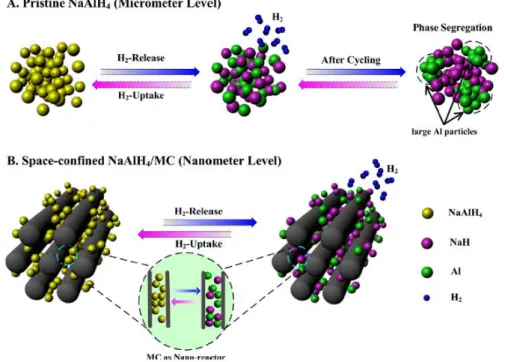
Figure 6. Phase distribution in pristine NaAlH4 and the space-confined NaAlH4/MC upon multiple cycling.
Source: (Li et al. 2011)
3) If kinetic is enhanced without any catalyst, this improvement is related to the reduction in particle size. In (Stephens et al. 2009) kinetics and reversibility was improved in NaAlH4. In (Li
et al. 2011), kinetic was also enhanced (induction time was suppressed) due to a synergetic effect of mesoporous carbon which acted not only as scaffold but also as catalyst, although the nanoconfinement effect was more pronounced than the effect of the catalyst. In this work, kinetic modeling studies suggested that one-dimensional nucleation and growth was the rate controlling step in the early stage, and the diffusion of the substance and the phase boundary migration were the rate-controlling steps in the late stage.
In (Paskevicius et al. 2016) rapid desorption kinetics were obtained in the first cycle but a slight degradation in further cycles was associated to reaction between scaffold and NaAlH4 or
nanoconfinement degradation. In (Pinkerton 2011) much better kinetics and higher desorbed H2 for infiltrated and milled samples was observed. Activated carbon gave very similar results
as ball milling with carbon aerogels, whereas in graphene and graphite samples only a small improvement in the dehydrogenation rate was obtained. Even a low concentration of activated carbon of 9.1 wt% resulted in an improvement on kinetics that could not be ascribed solely to nanoscale effect; also a catalyst effect should be taken into account. These authors
State of art also performed some experiments with addition of 3 %mol TiCl3 improving the kinetics in
contrast to bulk hydride. In the case of (Xiong et al. 2012), TiO2 showed a good catalytic effect,
improving the kinetic in this way: Ti-OMC (Tonset<60 ᵒC) < addition 3 %mol TiO2 (Tonset=100 ᵒC) <
OMC.
4) Decrease of decomposition temperature due to the reduction also of the particle size (Stephens et al. 2009)(Adelhelm et al. 2009)(Adelhelm et al. 2010), studying the influence of the concentration of the hydride in the surface on temperature decomposition (Adelhelm et al. 2009) and the influence of pore size, from 4 to 200 nm (Fan et al. 2013) (Nielsen et al. 2012). Differential Scanning Calorimetric (DSC) analyses showed a reduction in onset temperature as pore size decreased, more significantly when pore sizes were within 4 – 30 nm (Fan et al. 2013). The reduction in decomposition temperature in macropores was associated to a catalytic property of the carbon support (Fan et al. 2013). Also the influence of CO2
activation was studied in (Nielsen et al. 2014) with the same support and melt infiltration conditions than in (Fan et al. 2013).The activation resulted in higher surface area and higher volume of pores which meant higher amount of hydride confined. Moreover, increasing CO2
activation time promoted the decrease of reaction rate with higher stability during 4 cycles. 5) Pores smaller than 1-2 nm can change the thermodynamics of the process (Gao et al. 2010) (Lohstroh et al. 2010). The broad distribution of the thermodynamic properties (Lohstroh et al. 2010) may be due to the destabilization of the hydride by reduction of particle size since the free energy is influenced by size effects or due to the reaction in the voids of scaffolds forming new phases.
6) The presence of carbon changed the hydrogen release profile obtaining only one step of decomposition, independently of the size of the pores (Adelhelm et al. 2010), although obtaining better cyclic stability at lower pore size (Fan et al. 2013). In (Gao et al. 2010) the influence of surface properties was studied in the pathway of dehydrogenation of NaAlH4
obtaining only one step for nanoporous composite whereas in nonporous graphite two decomposition steps were observed as in the case of bulk NaAlH4, due to the difference in the
decomposition mechanism of NaH.
State of art
Figure 7. Influence of confinement of NaAlH4 in carbon on hydrogen release. Source: (Gao et al. 2010)
In (Adelhelm et al. 2010) the influence of the concentration of hydride was studied using the same support and conditions than (Gao et al. 2010). Till 20 wt% NaAlH4 could be infiltrated by
melting in the pores whereas at higher concentrations, the hydride started to crystallize outside of the carbon. TPD analyses showed the improvement in the dehydrogenation after nanoconfinement, starting the release of H2 at 110 ᵒC and releasing H2 in only 1 step.
In (Nielsen et al. 2011) the favorable synergic effect between nanoconfinement and catalytic Ti effect on dehydrogenation temperature was showed, which was drastically reduced. Rehydrogenation was also successful at 100 bar H2, 160 ᵒC for 10 h in contrast to bulk hydride.
Authors considered this a promising technique which improved the amount loaded and avoided aggregates of Al in the surface. They suggested to apply melt infiltration in several steps and higher pressure to avoid decomposition of the hydride and formation of Al aggregates (also obtained in (Li et al. 2011)), and aerogels as supports in order to optimize volume of the pores. Another approach to obtain better surface properties was the activation of carbon aerogel with CO2 (Paskevicius et al. 2016) resulting in higher surface area and
volume of pores.
In most of this works nanoconfinement was performed by melt infiltration, but also wet impregnation using THF as suitable solvent was proposed (Chumphongphan et al. 2014)(Baldø et al. 2006)(Balde et al. 2008)(Schuth 2006).
In (Chumphongphan et al. 2014) the effect of the infiltration technique was studied, comparing wet and melt infiltration. In the case of melt infiltration, some crystals of Al and NaAlH4 were
present due to partial decomposition (Al) or high loading ratio of hydride per scaffold which left the hydride excess outside of the pores. However, using wet impregnation, an amorphous spectra was obtained, and therefore more amount of NaAlH4 could be infiltrated in the pores
State of art avoiding the decomposition of the hydride. In both cases, confined samples decomposed at lower temperature than bulk hydride.
A small amount of hydride (2-9 wt% NaAlH4) was impregnated in carbon nanofibers (Baldø et
al. 2006)(Balde et al. 2008)(Christian & Aguey-Zinsou 2010) improving kinetics due to the nanosize effect and reabsorbing 26% (115 ᵒC, 90 bar H2) due to the limited phase segregation
(Baldø et al. 2006). Also, in (Balde et al. 2008) the influence of particle size of hydride varied (2-10 nm/19-30 nm/1-(2-10 µm) by changing drying conditions was studied. As result, lower H2
desorption temperature and lower Ea was obtained for smallest particles due to the synergistic
effects of size, reduction in diffusion paths and possible confinement effects. Even, in the case of the particles with size in the range 2-10 nm, the Ea was lower than that of the system NaAlH4
catalyzed with Ti. However, the limitation in this case was the slow concentration of hydride (only 2 wt%) which could be increased by encapsulating in nanocavities.
Other supports were tested to confine this complex hydride such as silica (Zheng et al. 2008) or MOFs (Bhakta et al. 2009)(Stavila et al. 2012)(Bhakta et al. 2012) using wet or melt infiltration as techniques to confine the hydride into the support. After confinement, similar results were observed. In (Zheng et al. 2008), 20 wt% of hydride was loaded via incipient impregnation in OMS (ordered mesoporous silica), as figure shows. The hydride was present in the scaffold as amorphous in contrast to crystalline peaks in milled samples. The decomposition of the impregnated sample occurred at a temperature 15 ᵒC lower than that of the bulk hydride due to the destabilization when the size was reduced to nanoscale and the reduction of interdiffusion length. Kinetics at 150 ᵒC and 180 ᵒC were also improved, as it was the reversibility due to phase segregation was suppressed.
In (Bhakta et al. 2009) the hydride was confined in the MOF KHUST-1 by wet impregnation using THF as solvent, resulting in an improved dehydrogenation. The nanoscale hydride (<1.5 nm) decomposed at 100 ᵒC less than the bulk compound. The decomposition started at 70 ᵒC and was followed by different steps at higher temperatures. The same support and method of infiltration was used in (Bhakta et al. 2012), obtaining small particles (<2 nm) uniformly dispersed throughout the Cu-BTC support. Kinetics of decomposition was much faster than bulk hydride with dehydrogenation at lower temperature. Also the thermodynamic was different (13 ᵒC lower in the melting temperature) which could be tuned by particle size. Regarding the pathway of decomposition was changed, 2 steps from bulk were converted into one producing nanoclusters of NaH+Al or NaAl, without the formation of the intermediate Na3AlH6.
State of art In another work (Stavila et al. 2012), NaAlH4 was infiltrated in MOF(Mg) by melt infiltration
which previously was impregnated with TiCl4. The MOF destabilized the hydride, starting
hydrogen release at 50 ᵒC in contrast the temperature of 150 ᵒC required with bulk hydride. At 200 ᵒC, the bulk hydride released 2.5 wt% H2, while confined samples released 4.5 wt% H2
which corresponded to almost full dehydrogenation to NaH. Similar results were obtained using Ti as catalyst in the first dehydrogenation. MOF doped without Ti had a limited reversibility (rehydrogenated at 105 bar H2 and 100 ᵒC for 2h), whereas with Ti the compound
was stable for 4 cycles desorbing 4.1, 3.9, 3.7 and 3.6 wt% H2 respectively. Also the pathway
was changed: in confined samples dehydrogenation took place in only one step without the formation of intermediate phases and most of the Al and NaH was converted into NaAlH4.
State of art
Ref. Host Surface properties
(m2/g-cm3/g-nm) Method of infiltration
NaAlH4
wt%
Tp
(°C)
Enthalpies
(KJ/mol H2)
-Ea
(KJ/mol H2)
(Grochala et al 2004)
(Zheng et al. 2008)
(Adelhelm et al. 2009)
(Nielsen et al. 2011)
(Li et al. 2011)
(Fan et al. 2013)
(Stavila et al. 2012)
(Bhakta et al. 2012)
Bulk 100
247
240/275 -60
-56 -37/-47/-56 -40 118-132 115-130/155 79.5
(Adelhelm et al. 2010) HSAG-500
KS-6
500/0.65/2-3
20/0.07/-
MI (200 ᵒC, 200 bar,
15min) 5-40 180
(Adelhelm et al. 2009) HSAG-500 500/0.66/- conditions) vs milling MI (not reveled 10-40 <200
(Li et al. 2011) Mesoporous carbon (MC) 801/1/4 MI (178 ᵒC, 30 bar,10 min) 26 46±5
(Paskevicius et al. 2016) COaerogels (3) with Ti 2 activated carbon
(7.5-8 wt%) 900-1800/1.2-2/-
MI( 189 ᵒC, 200 bar, 15
min) vs ball milling 40-50
State of art
(Gao et al. 2010) HSAG-500
KS-6
500/0.65/2-3
20/0.07 MI(180 ᵒC,180-190 bar) 5-80
<200 (till 20wt%)
(Nielsen et al. 2012) Carbon aerogel 584-718/0.26-1.39/10 MI (189 ᵒC, 210-230 bar,15 min) 13-42 146-162
(f pore size)
(Gao et al. 2014) Carbon with different surface modifications 450-500/0.5-0.6/- MI 20 ~180 -9-(-80)
(Gao et al. 2012) Carbon 500/0.65/2-3 MI(180 ᵒC, 170 bar, 15 min) 20
(Pinkerton 2011) Carbon aerogel vs AC vs graphene 746/0.84/13
942/0.71
MI (204 ᵒC, 278 bar, 4 h) vs
ball milling 1 h 53
(Xiong et al. 2012) Ti_OMC 427/0.34/4-5 MI(185 ᵒC,142 bar,1 h)
(Stephens et al. 2009) Carbon aerogel -/0.8/13 MI (189 ᵒC, 183 bar,8-10 h) vs milling 48.6
(Fan et al. 2013) Carbon -/-/4-200 MI (184 ᵒC, 140-150 bar, 15 min) 70-85 (depending on 150-200
pore size)
69.7 (4 nm)/84.9
(30 nm)
(Nielsen et al. 2014) Activated carbon aerogel 700-2040/0.9-2.2/8-10 MI (189 ᵒC, 210-230bar,15min) 34-57
147-184 (depending on
time CO2
activation)
(Lohstroh et al. 2010) Activated carbon nanofiber (ACF) 1815/0.66/<4 MI (190 ᵒC, 160 bar, 1 h) 30-50