HYDRODECHLORINATION OF CHLORINATED ORGANIC WASTES OVER PD SUPPORTED MIXED OXIDE CATALYSTS
Beteley Tekola Meshesha
Dipòsit Legal: T-207-2011
ADVERTIMENT. La consulta d’aquesta tesi queda condicionada a l’acceptació de les següents condicions d'ús: La difusió d’aquesta tesi per mitjà del servei TDX (www.tesisenxarxa.net) ha estat autoritzada pels titulars dels drets de propietat intel·lectual únicament per a usos privats emmarcats en activitats d’investigació i docència. No s’autoritza la seva reproducció amb finalitats de lucre ni la seva difusió i posada a disposició des d’un lloc aliè al servei TDX. No s’autoritza la presentació del seu contingut en una finestra o marc aliè a TDX (framing). Aquesta reserva de drets afecta tant al resum de presentació de la tesi com als seus continguts. En la utilització o cita de parts de la tesi és obligat indicar el nom de la persona autora.
ADVERTENCIA. La consulta de esta tesis queda condicionada a la aceptación de las siguientes condiciones de uso: La difusión de esta tesis por medio del servicio TDR (www.tesisenred.net) ha sido autorizada por los titulares de los derechos de propiedad intelectual únicamente para usos privados enmarcados en actividades de investigación y docencia. No se autoriza su reproducción con finalidades de lucro ni su difusión y puesta a disposición desde un sitio ajeno al servicio TDR. No se autoriza la presentación de su contenido en una ventana o marco ajeno a TDR (framing). Esta reserva de derechos afecta tanto al resumen de presentación de la tesis como a sus contenidos. En la utilización o cita de partes de la tesis es obligado indicar el nombre de la persona autora.
Doctoral thesis
Beteley Tekola Meshesha
Hydrodechlorination of chlorinated
organic wastes over Pd supported
mixed oxide catalysts
Universitat Rovira i Virgili
Departament d’Enginyería Química
Escola Técnica Superior d’Enginyería Química
Hydrodechlorination of chlorinated
organic wastes over Pd supported
mixed oxide catalysts
Presented by
Beteley Tekola Meshesha
To acquire the grade for
the European degree of Doctor
from
Universitat Rovira I Virgili
Supervised by
Dr. Francisco Medina
and co-supervised by
Prof. Francesc Medina Cabello,
Prof. Jesús E. Sueiras
Dr. Ricardo J. Chimenton
Professors and researchers of the department of Chemical Engineering at
the Universitat Rovira i Virgili, certify that the doctoral thesis entitled “Hydrodechlorination of chlorinated organic wastes over Pd supported
mixed oxide catalysts” by Beteley Tekola Meshesha for the award of the
European degree doctor has been carried out under our supervision in the
Department of Chemical Engineering, Universitat Rovira i Virgili.
Tarragona, Spain, April 2011
Supervisor
F. Medina
Co-Supervisor
Jesús.E.Sueiras
THESIS TRIBUNAL
Prof. Bernard Coq
Institut Charles Gerhardt Montpellier UMR 5253 CNRS/ENSCM/UM2/UM1, 8, rue de l'Ecole Normale, 34296 Montpellier cedex 5, France
Prof. Francisco López Bonilla
Departament Enginyería Química, Universidad Rovira i Virgili, Spain
Dr. Jordi Llorca
Institut de Tècniques Energètiques, Universitat Politècnica de Catalunya, Barcelona,
Spain
Dr. Karin Föttinger
Institute of Materials Chemistry, Vienna University of Technology, Vienna, Austria
Dr. Anton Dafinov
Department Enginyería Química, Universidad Rovira i Virgili, Tarragona, Spain
RESERVE
Dr. Sònia Abelló
L’Institut de Recerca en Energia de Catalunya, Bioenergy and Biofuels, Tarragona, Spain
Dr. Sandra Contreras
Department Enginyería Química, Universidad Rovira i Virgili, Spain
EXTERNAL REFEREES
Dr. Didier Tichet
Laboratoire de Materiaux Catalytiques et Catalysi en Chimie Organique, CNRS Montpelier
(Francia)
Dr. Noelia Barrabés
Acknowledgement
I am heartily thankful to my supervisor, Professor Francisco Medina, whose encouragement, guidance and support from the initial to the final level enabled me to develop an understanding. I would like to extend my gratitude to Professor Jesus E. Sueiras. I am grateful to my co-advisor, Dr. Ricardo J. Chimenton, whom I started to work with and received an endless help and support. Throughout my thesis-writing period, they provided encouragement, sound advice, good company, and lots of good ideas.
I would like to thank Professor G. Rupprechter and Dr. Karin Föttinger for making possible my research stay in the institute of material chemistry, Technical university of Vienna. Especial thank goes to Dr. Noelia Barrabes for her ideas and concepts that have had a remarkable influence on our joint research.
I am also indebted to many of my colleagues. I will never forget the good times, coffee breaks, conferences especially with Noe, Anton, Abel, Vero, Mayra, Sandra R., Biniam, and Kike which are my invaluable memories. Special thank goes to all my Ethiopian colleagues especially to Berhane, Nigus, Ashu, Belay, Asfaw, Fiteha, Messi and all the others. I also wish to express my special thank for Vienna’s group, Karin, Katy, Christians, Andy, Andreas and Nikki. The time I spent together initiated and nurtured my maturity both as a researcher and person. Thank you for priceless experiences. My appreciation will also go to Urko and all my fortuny friends for the good times we have passed together. My humble gratitude also goes to my group mates Anna, Sandra C., Iuliana, Kaveh, Adriana and Alex for the time we had together in laboratories.
I would like to thank also Universitat Rovira I Virgili, Spanish ministry of education and AMIC for financial and material support throughout the thesis.
Table of contents
Acknowledgement
Table of content
Figure caption
Resumn
Summary
Background and Motivation
1.
General introduction
………..….…………..……11.1.Chlorinated organic compounds (COCs)………...3
1.2.Catalytic Hydrodechlorination of COCs.……..……….10
2.
Aim and Objectives
………..……….…...313.
Experimental
………..………..………353.1.Catalyst preparation…………..………...37
3.2.Characterization techniques..………...40
3.3.Catalytic test……...………..………..……….64
4.
Results and Discussion..
..………..694.1.Catalytic HDC of 1,2,4-trichlorobenzene over Pd/Mg(Al)O catalyst……….71
4.2.Performance of Alkali modified Pd/Mg(Al)O catalysts for HDC of 1,2,4-trichlorobenzene …………...………..…...93
4.3.Catalytic HDC of 1,2,4-Trichlorobenzene over Pd/Mg(Al)O catalyst: effect of calcination temperature...………..…123
4.4.Gas-phase HDC of trichloroethylene over Pd/NiMgAlO catalysts………..…135
4.5.N a n o p a r t i c l e s y n t h e s i s a n d a p p l i c a t i o n i n H D C o f trichloroethylene………....169
5.
Conclusion.
..………..………..………..…….…201References
………..………207Figure caption
1. General introduction
Fig. 1. Structure of some chlorinated organic compounds.
Fig. 2. Structure of some of toxic species produces after incineration of COCs.
Fig. 3. Schematic representation for HDC of 1,2,4-trichlorobenzene
Fig. 4. Idealized structure of a Mg(OH)2 brucite structure.
Fig. 5. Structure of a layered double hydroxide with interlayer water and carbonate anions.
Fig. 6. Possible reaction pathway for hydrodechlorination of TCE.
2. Aim and objectives
3. Experimental
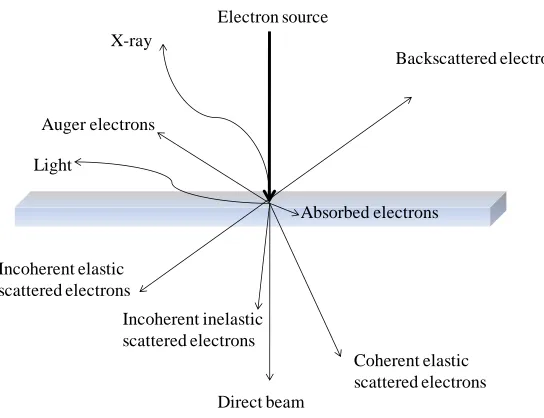
Fig. 1. The different radiation emitted during excitation of a solid surface.
Fig. 2. The five types of van der Waals adsorption isotherms.
Fig. 3. Typical hydrogen chemisorption at 373 K temperature on a Pd/HT catalyst containing 1 wt% palladium.
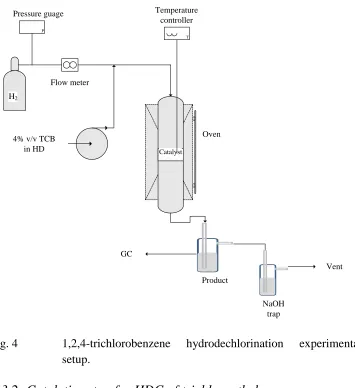
Fig. 4. 1,2,4-trichlorobenzene hydrodechlorination experimental setup.
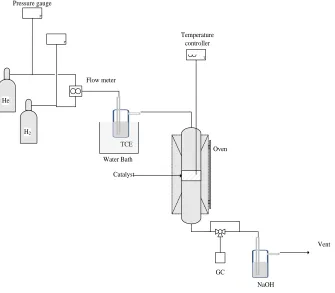
Fig. 5. TCE Hydrodechlorination experimental setup.
4. Results and Discussion
4.1.Catalytic HDC of 1,2,4-trichlorobenzene over Pd/Mg(Al)Ox catalyst
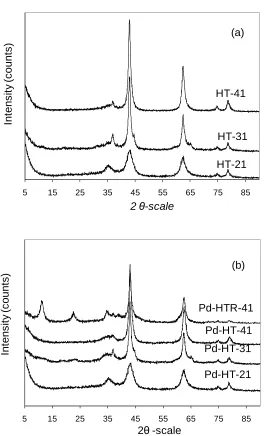
Fig. 1. X-ray diffraction of the calcined hydrotalcite materials. (a) Different HT supports, (b) Pd-HT catalysts.
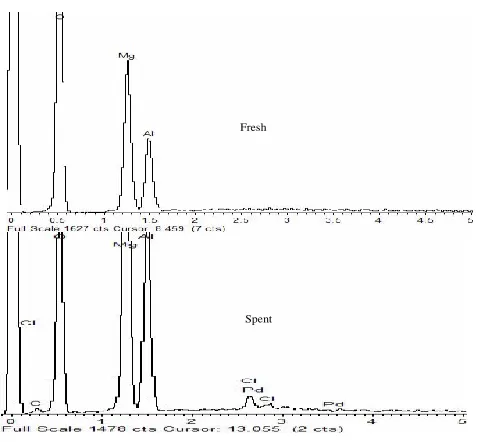
Fig. 3. Energy-dispersive spectroscopy (EDS) analysis on the surface of the spent and fresh Pd-HT-21 catalyst.
Fig. 4. H2-temperature-programmed reduction profile of the palladium catalysts. (a) Pd-HT-41, (b) Pd-HT-31 and (c) Pd-HT-21.
Fig. 5. TPO-MS profiles of the spent sample Pd-HT-21 showing: (a) Species evolved during the He-TPD and (b) Sequential analysis of TPO.
Fig. 6. Temperature programmed oxidation (TPO) of the spent Pd hydrotalcite catalysts. (a) Pd-HT-41, (b) Pd-HT-31 and (c) Pd-HT-21.
Fig. 7. Thermogravimetric analysis of the spent Pd-HT catalysts. (a), (b), (c), (d). Inset: Carbon content in the spent samples versus Mg/Al molar ratios.
Fig. 8. CO2-TPD profiles of the Pd-HT-41 and Pd-HTR-41 samples. Fig. 9. Selectivity of catalysts at 50% conversion versus Mg/Al molar ratio in the Mg(Al)O support. The reaction temperature was 433K
Fig.10. Conversion versus time of stream of the Pd hydrotalcite catalysts with a space velocity of 10 ml.min-1.g-1 at 473 K. (a) Pd-HT-41, (b) Pd-HT-31 and (c) Pd-HT-21.
Fig.11. Comparison in the catalytic performance between Pd-HT-41 and Pd-HTR-41 catalysts versus time of reaction using a space velocity of 40 ml.min-1.g-1.
4.2. Performance of alkali modified Pd/MgAlO catalysts for HDC of 1,2,4-trichlorobenzene
Fig. 1. SEM image of HT(a), Pd/HT(b) and representative of modified catalysts Pd/HT(NaNO3) (c) and, Pd/HT(NaOH) (d).
Fig. 2. XRD diffraction of freshly prepared catalysts a) Pd/HT(AOH), b) Pd/HT(ANO3), Inset: Pd/HT(CsNO3) calcined at 723 K and 873 K respectively.
Fig. 3. TEM and HRTEM images of freshly prepared alkali hydroxide modified catalysts (a & d)-Pd/HT(NaOH), (b & c)-Pd/HT(LiOH), (e)-Pd/HT(CsOH) and (f)-Pd/HT(CsNO3).
Fig. 5. Comparative HDC conversion through time of reaction at 373K of Pd/HT(AOH) (a), Pd/HT(ANO3) (b) with the unmodified catalyst Pd/HT. (■) Pd/HT, (□) Li, (○) Na and (∆) Cs.
Fig. 6. Comparative HDC study of Pd/HT(LiOH) (a) Pd/HT(CsOH) (b) catalysts prepared with different amount of basic additives at 373K.
Fig. 7. TCB reaction rate expressed by TCB consumed (mmol.min-1) per exposed Pd surface (m2/g) (a) vs. different alkaline metals and precursors (b) vs. number of basic sites in terms of μmol of CO2/m2 of the catalyst (c) vs. number of basic sites in terms of mmol of CO2/g of the catalyst.
Fig. 8. Selectivity to benzene for Pd/HT, Pd/HT(AOH) and Pd/HT(ANO3) catalysts Vs Pd dispersion (H/Pd) as obtained by H2 chemisorption.
Fig. 9. TCB conversion (%) vs time on stream for fresh and regenerated Pd/HT(NaNO3) catalysts.
Fig. 10. ESEM image of used Pd/HT coupled with EDX spectra.
Fig.11. HRTEM images of (a & b) used Pd/HT catalyst (c) used Pd/HT(NaNO3) catalyst.
Fig.12. EDX spectra for used and reductively regenerated Pd/HT(NaNO3) catalyst.
4.3. Catalytic HDC of 1,2,4-trichlorobenzene over Pd/Mg(Al)O catalysts: Effect of the calcination temperature of the support
Fig. 1. Isotherm plots obtained from the N2 physisorption analysis at 77K.
Fig. 2. X-ray diffraction patterns for hydrotalcite calcined at different temperatures, Spinel and MgO materials.
Fig. 3. SEM profiles of the mixed oxides calcined at different temperatures, Spinel and MgO.
Fig. 4. TPD-CO2 profile for the prepared catalysts.
4.4. Gas-phase hydrodechlorination of trichloroethylene over Pd/NiMgAl catalyst
Fig. 1. X-ray diffraction patterns for the different Pd/NiHT catalysts.
Fig. 2. HRTEM images of Pd/NiHT catalysts; a) TEM-Pd/NiHT3 b) Pd/NiHT1 c) Pd/NiHT2 d) Pd/NiHT3.
Fig. 3. TPR profiles for NiHT and Pd/NiHT catalysts.
Fig. 4. CO-FTIR profile for Pd/NiHT1 catalysts.
Fig. 5. UV-Vis diffuse reflectance spectroscopy of NiO and NiHT mixed oxide (a) and Ni and NiHT reduced (b).
Fig. 6. (a) Catalytic activity of Pd/NiHT catalysts (with different NiMgAl molar ratios reduced at 623K), (b) product distribution at end of reaction (c) selectivity at lower conversion level.
Fig.7. Effect of reduction temperature on the catalytic behavior of NiHT1 catalysts (a) conversion, (b) product distribution at steady state.
Fig.8. Effect of reduction temperature on the catalytic behaviour of Pd/NiHT1 catalysts reduced at 623 K and 723 K and product distribution.
Fig.9. X-ray diffraction patterns for the different rNiHT1-823 and Pd(x)/rNiHT1 catalysts where x represents Pd wt %.
Fig. 10. Low and high magnification of HRTEM images for Pd/rNiHT1 catalysts.
Fig. 11. Catalytic conversion Vs time of reaction for Pd/rNiHT1 and Pd/NiHT1-723 catalysts (a), product distribution at beginning o reaction (b), and product distribution at the end(c).
Fig. 12. Mechanism of ethylene conversion over Pd-Ni surfaces (dashed arrow represent less favoured pathway).
Fig. 13. Comparison of catalytic activities at the beginning of the reaction.
4.5. Nanoparticle synthesis and application in HDC of trichloroethylene
Fig. 2. Different configurations of nanoparticles.
Fig. 3. XRD profile of copper nanoparticles synthesized using HDA and PVP (Stabilizer/Cu molar ratio of 3).
Fig. 4. UV-Vis spectra of HDA capped copper nanoparticles (HDA/Cu=3).
Fig. 5. FTIR spectra of HDA capped copper with HDA/Cu molar ratio 3.
Fig.6. Proton NMR spectra of HDA capped copper (Inset-pure HDA molecule with free NH2 groups).
Fig. 7. TEM images of the alkylamine capped copper nanoparticles. The particle size distributions are shown in the form of histograms alongside the TEM images. (a) PVP/Cu molar ratio of 3. (b) HDA/Cu molar ratio of 3. (c) HDA/Cu molar ratio of 2.
Fig. 8a. TEM pictures of HDA stabilized palladium (a,b,c) and gold (d,e) nanoparticles, (HDA/Metal molar ratio of 3.
Fig. 8b. TEM pictures of HDA stabilized palladium Pd1Au1 (a and b), Pd5Au1(c and d) nanoparticles, (HDA/Metal molar ratio of 3.
Fig. 9. XRD profiles of γ-alumina supported Pd and PdCu
nanoparticles (a) complete diffractogram (b) magnified (25-60o), ■ PdO, ○-metallic Pd.
Fig. 10. H2-TPR profiles for monometallic Pd and bimetallic PdCu/Al2O3 catalysts.
Fig. 11. TEM pictures of Pd/Al2O3 catalysts.
Fig. 12. HRTEM profile for Pd1.6Cu1/Al2O3 (a-d) and Pd1Cu/Al2O3 (e-h)samples.
Fig. 13. HDC activity of monometallic Pd and PdCu monometallic catalysts against time on stream.
Resumn
La contaminación ambiental mediante compuestos policlorados aromáticos y alifáticos es de gran preocupación. Este tipo de compuestos están presentes en todo el mundo debido a su diversidad de uso. No obstante, a pesar de dicha amplia aplicación, este tipo de productos son clasificados como productos químicos cancerígenos y mutagénicos que se someten a la bioacumulación en los tejidos grasos, presentando por ello graves problemas en la salud de los seres vivos. Debido a sus propiedades químicas y su utilización, estos compuestos pueden estar presentes en el agua, en el suelo y en el aire, principalmente de las instalaciones domésticas o industriales. Es por ello que se necesitan tecnologías que permitan la eliminación de este tipo de compuestos. Entre las tecnologías convencionales cabe destacar las relacionadas con la incineración, la pirólisis, el tratamiento biológico y la oxidación catalítica. No obstante todas ellas presentan una serie de inconvenientes asociados a altas emisiones de compuestos tóxicos como las dioxinas, o una baja tasa de eliminación, o un elevado coste energético. Es por todo ello que se necesitan nuevas tecnologías emergentes que permitan el tratamiento de este tipo de contaminantes.
En este sentido, la reacción de hidrodecloración catalítica selectiva (HDC) se presenta como una nueva tecnología eficaz para una eliminación segura de estos tipos de compuestos orgánicos clorados. La tecnología HDC está basada en la hidrogenación selectiva de los enlaces C-Cl, substituyendo el Cl por hidrógeno y obteniéndose de esta forma ácido clorhídrico y el compuesto orgánico declorado que puede ser aprovechado para otros fines.
tiene por objeto la obtención de catalizadores que permitan una gran selectividad a etileno y no hacia etano (hidrogenación profunda del tricloroetileno) durante la HDC de tricloroetileno. Por otra parte se ha realizado un estudio profundo en la síntesis de estos nuevos catalizadores, así como en la caracterización de los centros activos de dichos catalizadores, para su correlación con la actividad, selectividad y estabilidad de dichos catalizadores.
a 473 K reveló que la desactivación se debe principalmente a la deposición de coque en la superficie y no del producto HCl. La estabilidad de los catalizadores dependen en gran medida la relación molar Mg/Al. Además la activación de la muestra Pd/Mg(Al)O (relación Mg/Al de 4) con rehidratación, mejora tanto la actividad catalítica como la estabilidad. Finalmente, estos resultados indican que los precursores catalíticos del tipo hidrotalcita y derivados son excelentes catalizadores en la reacción de hidrodecloración de 1,2,4-TCB.
También se estudió el efecto de la calcinación de la estructura hidrotalcitas sobre la actividad catalítica de los catalizadores. Con este punto de vista, se estudiaron varios catalizadores de Pd soportado Mg/Al óxido mixto (HT31), donde fue calcinado el soporte a 623K, 723K, 923k y 1123K. Los catalizadores obtenidos se caracterizaron y fueron probados en la reacción HDC de 1,2,4-triclorobenceno. Observaciones interesantes se han obtenido en este estudio. La segregación de fases obtenidas durante el proceso de calcinación de la hidrotalcitas permite modular y obtener catalizadores altamente activos y estables en este tipo de reacciones.
La segunda parte de la tesis, trata sobre la hidrodecloración de TCE. Aunque los catalizadores a base de metal noble presentan una buena actividad y estabilidad catalítica durante la reacción de HDC de TCE en condiciones suaves, el producto más importante obtenido es etano, que es un producto mucho menos deseado que el etileno. Para inducir una mejor selectividad hacia etileno en vez de etano, se ha estudiado la incorporación de un segundo metal no noble en los catalizadores. El metal elegido ha sido el níquel y para ello se han preparado diferentes hidrotalcitas de níquel en las que posteriormente a su proceso de calcinación se ha incorporado Pd. La promoción de los catalizadores de Ni con pequeñas cantidades de metales nobles como el paladio, aumenta su actividad catalítica para la reacción de HDC. Con este punto de vista, diferentes catalizadores a base de Pd/NiMgAl han sido preparados y estudiados en la reacción de hidrodecloración de TCE en fase gas. Los catalizadores fueron activados con diferentes temperaturas de reducción del catalizador. Nuestro trabajo demuestra que los catalizadores de NiMg(Al)O que incorporan paladio, son eficaces para la hidrodecloración en fase gaseosa del tricloroetileno. El rendimiento de los catalizadores para la hidrodecloración se ve afectada significativamente por la composición química del catalizador (relación molar entre Ni/Mg/Al), la temperatura de reducción y el método o protocolo de deposición del Pd en el catalizador final. Un ajuste fino entre las cantidades de Ni y Mg, así como la deposición de Pd, permiten obtener catalizadores altamente activos y totalmente selectivos hacia la obtención de etileno.
morfología, así como la interacción del Pd con dichas nanopartículas de cobre en diferentes reacciones. En esta tesis se presenta un nuevo protocolo de síntesis de dichas nanopartículas. Para ello, se utiliza el proceso polyol al que se incorpora diferentes tipos de aminas y polivinilpirrolidona, permitiendo de esta forma controlar el tamaño y la morfología de dichas nanopartículas. También se han preparado nanopartículas de Pd y Au mediante dicho protocolo de síntesis. De nuevo se puede obtener un buen control del tamaño y de la morfología de estas nanopartículas. Estas nanopartículas han sido depositadas en alúmina y se han estudiado también en la reacción de hidrodecloración del tricloroetileno. La selectividad hacia el etileno depende de gran manera de la presencia de metal no noble. Estas nanopartículas han resultado ser más activas y selectivas en esta reacción que los mismos catalizadores pero preparados mediante técnicas más convencionales.
Summary
Environmental pollution by chlorinated organic compounds, COCS, (polychlorinated aromatic (PCA) and aliphatic (PCAl)) is of great concern. They are distributed widely throughout the world due to their diverse application. Despite their wide application they are classified as carcinogenic and mutagenic chemicals that undergo bioaccumulation in fatty tissues. They can be released into water, soil and air from household or industrial facilities. The mounting evidence of adverse ecological and public health impacts has resulted in increasingly stricter legislation to limit such emissions, which leads to the necessity of developing cleaner disposing methodologies. A considerable effort is being directed at providing safe disposal methods for chemical wastes like COCs. Technologies should present high yield in contaminant removal and high selectivity to clean and useful products. The conventional treatment technologies include incineration, pyrolysis, biological treatment, and catalytic oxidation. However they all are associated with number of drawbacks associated like; high emissions of toxic compounds such as dioxins, or a low rate of elimination, or a high energy cost. As a result new and emerging technologies that enable the sound treatment of such contaminants are necessary. The search for an efficient and clean methodology to eliminate COCs gave birth to hydrodechlorination (HDC) reactions. Together with ecological safety, it often ensures complete regeneration of the initial raw material, which may open new avenues for the development of low-waste technologies. HDC technology is based on the selective hydrogenation of the C-Cl bond, H replacing chloride, and thereby obtaining hydrochloric acid and dechlorinated organic compound that can be used for other purposes. The hydrodechlorination can be promoted by metal catalysts and Pd is considered the best for this reaction. The selective removal of chlorine from organic compounds has been considered as a clean method and this interest is being experienced a rapid increase for environmental issues. The dechlorinated products are mostly non toxic hydrocarbons which can be recycled or easily destroyed with non-toxic emissions.
families of COCs: 1,2,4-trichlorobenzene and trichloroethylene. The first part of the work, related to the HDC of 1,2,4-TCB, is to obtain active and stable catalyst for the hydrodechlorination of C-Cl bond of aromatic compounds to dechlorinated organic aromatic compound (benzene). The second part of the thesis involves the HDC of trichloroethylene. This section has focused on the synthesis of active catalysts that allow high selectivity (yield) to ethylene (olefinic compounds) instead of ethane (product of TCE deep hydrogenation). On the other hand deep characterization of the active centers of the newly synthesized catalysts by different techniques was achieved in order to correlate the physical and chemical properties of the catalysts with the catalytic behavior for hydrodechlorination reaction.
The second part of the thesis involves the HDC of trichloroethylene. This section has focused on the synthesis of active catalysts that allow high selectivity (yield) to ethylene (olefinic compounds) instead of ethane (product of TCE deep hydrogenation). Although catalysts based on noble metal exhibit good catalytic activity and stability during HDC reaction of TCE under mild conditions, the most important product obtained is ethane, which is a much less desirable than ethylene. To induce a better selectivity to ethylene instead of ethane, we have studied the incorporation of non-noble metal catalysts like Ni and Cu. In the first section, the metal that has been chosen was nickel. Different NiMgAl hydrotalcites have been prepared in which after its calcination process the noble metal, Pd, has been incorporated. Our findings demonstrate that NiMg(Al)O supported palladium catalysts are effective for the gas phase hydrodechlorination of trichloroethylene. The catalysts performance for the hydrodechlorination was significantly affected by the Ni/Mg/Al molar ratio, temperature of reduction, and method of noble metal deposition protocol in the support. It is found that, the higher Ni amount inside the mixed oxide, the higher catalytic activity and selectivity to ethylene in HDC of TCE. These materials are stable throughout the reaction. In general, a fine tuning between the composition of NiMgAl and prior treatment and Pd deposition protocol produce highly active catalysts and with higher selectivity to obtain ethylene.
Another type of metal introduced to induce a better selectivity to ethylene, contains copper nanoparticles together with Pd nanoparticles. The objective is to study the effect of the morphology as well as the interaction of Pd with the nanoparticles of copper. A novel method to synthesize bimetallic and monometallic Pd, PdCu and PdAu nanoparticles were designed. After deposition of the nanoparticles over alumina, the catalysts were studied for selective hydrodechlorination trichloroethylene to more valuable commercial product like ethylene. Comparison of the nanoparticle catalysts with the bulk ones showed that the former favors more ethylene formation while the later is associated with higher TCE conversion provided that the nanoparticle catalytsts exhibit lower metal loading.
Background and motivation
Organic chemicals, chemicals in general, are an integral part of everyday life. Industries producing and using these substances have an enormous impact economic growth worldwide. There is hardly any industry where chemical substances are not implicated and there is no single economic sector where chemicals do not play an important role. Unfortunately besides their benefits it is increasingly recognized that they also have the potential to adversely impact human health and the environment if not managed properly. The health related effects range from acute poisoning to long term effects, such as cancers, birth defects, neurological disorders, and hormone-disruption. Environmental effects range from effects on sensitive species ecosystems, to large scale issues such as eutrophication of water bodies and stratospheric ozone depletion. Chemicals contamination is wide spread on air, land and in water. As a result, with the increased growth of industry, the disposable of wastes has become a problem. Of the hazardous chemicals, chlorinated organic wastes are one of the earliest environmental pollutants used widely during the industrial revolution as insecticides, refrigerants, solvents and anesthetic. They have been associated to adverse impact on human health and environment.
Therefore, if their application and production are a growing fact, in addition to formulation of policies and regulations, a development of a technology for proper segregation, treatment and disposal these hazardous wastes are necessary. Technologies should present high yield in contaminant removal and high selectivity to clean and useful products [2]. The abatement of traces of pollutants from the industrial effluents (as gas or liquid) using „environmental passive catalysis‟ is a new and exciting way to improve the quality of life [3]. Environmental catalysis is a promising technology which enables the development of catalysts to either safely decompose environmentally hazardous pollutants or transform it to non-toxic and recyclable products. Using catalysts, chlorinated organic wastes can selectively be transformed to hydrocarbon and HCl in hydrodechlorination reaction. However, the reactivity of the C-Cl bond decreases as the number of chloride species increases like in polychlorinated organic wastes. As a result the challenges in advancing catalytic hydrodechlorination (HDC) of polychlorinated organic wastes in real plants need new improvements due to the poor catalyst reactivity and rapid catalyst deactivation. Due to these challenges, HDC until now is limited only in laboratory scale when concerned about pollution abatement. Therefore, further efforts in the field of catalysis are needed to provide a new technology for the removal of chlorinated contaminants.
1
1.
3
1.1.
Chlorinated organic compounds (COCs)
1.1.1Description, uses, classification and examples of Chlorinated organic compounds
Chlorinated organic compounds (COCs) are a large class of synthetic and natural organic molecules that contain one or more chlorine atoms. They are one of the most versatile and widely used classes of compounds in the industrial world. For instance, COCs are used in the composition of synthetic rubbers and shoes. They also create polymers used in packaging, and products like fluid pipes, furniture, fences, and so on. COCs can also be used as anesthetics, industrial solvents, and as precursors in the production of non-stick coatings like Teflon. COCs like DDT are some of the most potent and environmentally persistent insecticides. Its use in the control of insect-born disease has saved many millions of lives over the first half of the past century, chiefly through the dissemination of the Anopheles mosquito, the main carrier of the parasite that causes malaria. Furthermore, chlorfluorocarbons, composed of chlorine and fluorine molecules, have been used as refrigerants.
4
dielectric fluid, lubricants and solvents. The most common examples of chlorinated aromatic hydrocarbons include various chlorobenzenes, polychlorobisphenol (PCB), DDT.
The number of chlorine atoms or carbon atoms bonded to and how they are arranged strongly determines the chemical and physical properties of these molecules. Some of COCs are displayed below:
Cl Cl Cl Cl Cl Cl Cl Cl Cl OH Cl Cl Cl Cl H Cl Cl Cl Cl Cl PCB Trichloroethlyne Trichlorobenzene Hexachlorobenzene Chlorophenol DDT Cl Cl F Cl CFC (Cl)m (Cl)n
Fig. 1 Structures of some chlorinated organic compounds.
In particular of COCs groups, chlorinated ethylene and chlorinated benzenes will be discussed here due to their site of interest for in this dissertation.
Chlorinated benzene consist molecules like monochlorobenzene, 1,2-dichlorobenzene (1,2-DCB), 1,3-dichlorobenzene (1,3-DCB), 1,4-dichlorobenzene (1,4-DCB), 1,2,3-trichlorobenzene, 1,2,4-trichlorobenzene, 1,2,3,4,5,6-hexachlorobenzene. It is insoluble in water, slightly soluble in alcohol, and very soluble in benzene and solvents like petroleum ether, carbon disulfide, chlorinated aliphatic and aromatic hydrocarbons [4]. Trichlorobenzenes are produced by direct chlorination of benzene.
Trichlorobenzenes were also produced in the lindane
5
1,2,3-trichlorobenzene [5]. 1,2,4-TCB is used as a chemical intermediate, specifically for the production of herbicides, pigments, dye carries, heat transfer medium, dielectric fluid in transformers, degreaser, lubricant and solvent in chemical manufacturing [1, 4].
Chlorinated ethylene consist molecules like perchloroethylene (PCE), trichloroethylene (TCE), cis-1,2-dichloroethlyene (cis-DCE), trans -1,2-dichloroethylene (trans-DCE), 1,1-dichloroethylene (1,1-DCE), and vinyl chloride. In particular, trichloroethylene (TCE) is one of the most commonly used chlorinated ethylenes. TCE is a light, colorless liquid with a sweetish smell. It is miscible with most organic solvents and has a high solvency for natural and synthetic rubbers and various other polymers. E. Fischer first obtained trichloroethylene in 1864 from hexachloroethane by reductive dehalogenation with hydrogen. It was first commercially produced in Germany at the beginning 1900s. TCE is applied in vapor degreasing and cold cleaning. They are used in many industrial processes such as the manufacture of automobiles, electronics, paper, furniture, appliances, jewelry, and plumbing fixtures. They are also applied as a chain length modifier in the production of polyvinyl chloride (PVC). Other applications include solvent in adhesive formulations, in paints and coatings; and in miscellaneous chemical synthesis [1, 5]. Today 80% of TCE supply is mainly used as feedstock material to produce fluorinated hydrocarbons (for instance for use in refrigeration and air-conditioning systems) and fluorinated polymers, and the rest as an industrial solvent in various applications, among which the cleaning of storage tanks for liquid oxygen and hydrogen [1].
1.1.2Environmental and Health implications
6
They are suspected to cause a number of health problems due to their toxicity and persistent nature. COCs are also potent carcinogen. The toxicity/persistency of COCs depends on the amount of chloride species they contain in which the removal of the chlorine atoms leads to their detoxification [6, 7]. Historically, one of the earliest examples of this problem was the pesticide DDT. It is an organic compound of chlorine, which imitates the action of certain hormones like estrogen. In 1950‟s populations of several bird species, dropped drastically [8]. The polychlorinated biphenyls (PCBs), has had similar effects in birds and fish. These compounds have been widely used as dielectric fluids at the industrial level due to their physical and chemical properties: low vapor pressure, low water solubility, high dielectric constant, and thermal stability [9]. However their persistency in environment led to concentrate in food chains undergoing bioaccumulation in animal tissues as detected in fish, foodstuffs, human blood, and mother milk [10]. Aliphatic chloro-carbons in the stratosphere tend to photo-dissociate and release chlorine atom into the atmosphere. Eventually the chlorine is responsible for destruction of ozone layer.
Chlorinated benzenes are also an important health risks. Derivatives of chlorobenzene are toxic (chloroanilines, chloronitrobenzenes), tratogenic (like chlorobenzene), lachrymatoric (like alpha-dichlorotolune), caricinogenic (like chlorbenzenes, 2-chloronitrobenzene, 4-chloronitrobenzene). Trichloroethylene is mainly emitted by industrial plants in the form of a vapour from degreasing and rubber industries. It is believed to cause photochemical smog and contribute to ozone depletion if oxidized photo-chemically. When inhaled trichloroethylene can cause headaches, dizziness, poor coordination, and potentially unconsciousness (similar effects as intoxication) [4].
1.1.3European Union legislations and policies on regulation of COCs
7
Trichloroethylene use is regulated under the Solvent Emissions Directive (1999/13/EC). ECSA (European Community Ship owners' Associations) welcomes the implementation of this directive, with its goals of reducing workplace exposures and environmental emissions. In July 2002, trichloroethylene has been classified in the EU as a category 2 carcinogen (R45). All products containing this solvent must carry the R45 hazard-warning label: “may cause cancer”.
According to EU Directive 90/415, emission of trichlorobenzenes to water is limited to 0.5 g/t capacity of chlorobenzene production from direct chlorination of benzene and 10 g/t production of trichlorobenzene from hexachlorocyclohexane pyrolysis. A surface water quality objective of 0.4 μg/l has been set by this Directive. A water quality objective of 0.1 μg/l has been proposed by EU scientific experts (CSTE, 1994). Trichlorobenzene according to Annex I of Directive 67/548/EEC and its 28 ATP, should be labeled harmful (Xn) by oral route (R22) and irritant for the skin (R38). The environmental classification is dangerous to the environment (N), very toxic to aquatic organisms and may cause long-term adverse effects on the aquatic environment (R50/53).
1.1.4Remediation techniques
The mounting evidence of adverse ecological and public health impacts has resulted in increasingly stricter legislation to limit such emissions, which leads to the necessity of developing cleaner disposing methodologies. A considerable effort is being directed at providing safe disposal methods for chemical wastes like COCs. Technologies should present high yield in contaminant removal and high selectivity to clean and useful products.
1.1.4.1. Incineration
8
waste at elevated temperature (>800oC). Ideal products during incineration of COCs are CO2, H2O and HCl products.
Although incineration is the primary method used to destroy hazardous chemical wastes, its application for COCs destruction has serious technical difficulties [11]. The three main problems include: (1) Expensive, COCs are thermally stable and their destruction requires high temperatures. (2) Many side reactions can take place, which produce by-products that are of much concern. Carcinogenic and mutagenic compounds are being formed during the incineration of COCs (i.e. polychlorinated dioxins, furans, biphenyls, and phosgene) [12-15]. Extracts from soot aerosols exhibited dioxin like response during incomplete combustion of trichloroethylene and pyrolisis of plastics [16]. Dioxins are probably the environmental contaminants with the worst reputation. In fact, 2,3,7,8-tetrachlorodibenzo-p -dioxin (2,3,7,8-TCDD) is considered as “the most toxic man-made chemical”, 500 times more toxic than strichnine and 100,000 times more toxic than sodium cyanide [17-19].
O
O
Dioxine
O
Dibenzofuran (Cl)m
(Cl)n
(Cl)n (Cl)m
Cl O
Cl Phosgen
Fig. 2 Structures of some of toxic species produced after incineration of COCs
The problems associated with COCs waste incineration have prompted extensive research in developing new disposal methods. Biological degradation, critical water oxidation, Plasma technologies, catalytic oxidation and catalytic hydrodechlorination are some of the new technologies that have been and are extensively studied for COCs removal [20]
9
1.1.4.2. Biodegradation/ Biocatalysis
Bioremediation is a passive remedial approach that depends upon natural processes to degrade and dissipate contaminants in soil and groundwater. Bioremediation relies on bacteria, fungi, and plants to alter contaminants as these organisms carry out their normal life functions. Metabolic processes of these organisms are capable of using chemical contaminants as an energy source, rendering the contaminants harmless or less toxic products in most cases. The majority of chlorinated aromatic and aliphatic compounds can be readily degraded, either aerobically or anaerobically. Bioremediation can be used as a cleanup method for COCs contaminated soil and water. However, to achieve a successful bioremediation of chlorinated solvents, a sufficient population of microorganisms capable of degrading the compounds of interest should be established and maintained for prolonged periods. To create the “biological reactor” for destroying the chlorinated compounds, requires that an appropriate environment to be created or enhanced that sustains a viable population of the desired microorganisms. Creating an environment conducive to biodegradation of chlorinated solvents typically entails creation of an anaerobic environment, suppression of the redox potential, provision of a carbon (food) source, and even the provision of nutrients (minerals). They generally works well only at physiological pH values in very dilute solutions of the substrate. In general, this process is associated with numerous limitations to be applied for real samples.
1.1.4.3. Hydrodechlorination of COCs
The search for an efficient and clean methodology to eliminate CoCs gave birth to hydrodechlorination reactions. Together with ecological safety, it often ensures complete regeneration of the initial raw material, which may open new avenues for the development of low-waste technologies. The selective removal of chlorine from organic compounds has been considered as a clean method and this interest is being experienced a rapid increase for environmental issues. Occasionally, it yields products of industrial interest.
10
other environmentally undesirable compounds (e.g. polychlorinated biphenyls, PCB). Experimental studies show that chlorines can in general be catalytically replaced by hydrogen to any desired extent [21]. It can operate in liquid or gas phase using different catalytic systems yielding none or partially chlorinated hydrocarbons and HCl as products. Some major advantages of HDC includes (1) non-destructive technology,(2) produce environmentally benign hydrocarbon compounds that can be recycled or easily eliminated, (3) ability to operate at mild conditions, (4) high rate of reaction, (5) No harmful side-products like dioxins, furans, phosgene (6) less sensitivity to pollutant concentrations and (7) allows selective removal of Chlorine from variety of chlorinated organic compounds or mixtures. HDC can be represented by the following chemical equation. It involves substitution of the chloride species by hydrogen molecule.
R-Cl + H-H R-H + H-Cl
Fig. 3 Scheme of hydrodechlorination reaction
An example of HDC reaction is a Dow Chemical process in which waste 1, 2-dichloropropane is converted to reactant propylene [22]. Another example is the conversion of CCl4, a by-product in many industrial chlorination processes and a potential ozone depletion agent, into valuable CH2Cl2, CHCl3 that can be used as intermediates or solvents in organic synthesis. HDC processes can be performed in batch reactors for small and medium-scale processes (producing specialty chemicals, fine chemicals and pharmaceuticals), and/or continuous-flow reactors for large-scale processes (treating bulk hazardous chemicals).
11
in aqueous phase [23]. The next topic mainly reports on the catalytic HDC of COCs using molecular hydrogen as they attain a significant practical importance towards waste elimination. The hydrodechlorination can be promoted by thermal, catalytic, and reactive procedures (NaBH4). Thermal (non-catalytic) dehalogenation has been successfully applied to a range of halogenated organic compounds but elevated temperatures (up to 1173K) are required to achieve near-complete conversion [26]. The final product is HCl as determined by thermodynamic analysis of gas-phase HDC reaction. Introduction of catalysts greatly lowers the reaction temperature providing a lower energy pathway for the reaction to occur [27].
1.2.
Catalytic HDC of chlorinated organic wastes
Catalysis is an integral component in any green processing technology serving as an important tool to support sustainable development. The emergence of environmental catalysis as a discipline has focused in the development of catalysts as either decompose environmentally unacceptable compounds or provide alternative catalytic synthesis of important compounds without formation of environmentally unacceptable by products. Catalysis play a key role in the production of clean fuel, conversion of waste and green raw materials into energy, green combustion in terms of controlling NOx and soot production and reducing green house gas emission
[2]
. Catalysis also plays an important role in hydrodechlorination reaction both for the purpose of synthesis of raw materials or waste treatment. Catalytic hydrodechlorination (HDC) is an attractive method for the treatment of chlorinated organic wastes [28-30]. HDC operates at low temperature and pressure, forms no harmful side-products and could eventually be selective towards chloride removal [31]. Unlike techniques such as pyrolysis and incineration, catalytic hydrodechlorination (HDC) enables hazardous chlorinated wastes to be transformed into null toxic commercial products or easily destructible compounds with non-toxic emissions [11, 18, 32, 33]
. Moreover, HDC is simple and efficient. The HDC reaction can be catalyzed using homogeneous or heterogeneous catalysts.
12
chemical compounds or coordination complexes, which together with the reactant, are molecularly dispersed in the reaction medium. Most advances in industrial homogeneous catalysis are based on the development of organo-metallic catalysts. Thousands of organo-organo-metallic complexes (i.e. compounds with metal–carbon bonds) have become known in the last few decades, and the rapid development of the organic chemistry of the transition metals has been driven by their potential applications as industrial catalysts. The chemistry of organo transition metal catalysis is explained in terms of the reactivity of organic ligands bound to the metal center. The d-orbitals of the transition metals allow ligands such as H (hydride), CO, and alkenes to be bound in such a way that they are activated towards further reaction. Catalytic hydrodechlorination is first established for homogeneous systems making it important in organic synthesis [6, 34]. Coenzymes like Vitamin B12 (Co), F430(Ni) and hematin (Fe) have been used to promote homogeneous hydrodechlorination reactions. Polychlorinated benzenes were dechlorinated (90% conversion) with NaBH4, using PdCl2(dppf) (dppf=1,1-bis (diphenyl phospheno)-ferrocene) as catalyst. They showed that the catalytic activity was strongly dependent on the type of solvent. The addition of a base like TMEDA( N, N, N , N-tetramethyl-1,2-ethylenediammine) improved the yield in all cases [35, 36]. NiCl2 promoted NaBH4 and NaBH2(OCH2CH2OCH3)2 dechlorinations were carried out on pentachlorophenol and 1,2,4-trichlorobenzene [37]. Zang et.al. also reported that the dechlorination of 1,2,4-C2H3Cl3 in EtOH leading to 70% 1,2-C6H4Cl2, 20% 1,3-C6H4Cl2 and 10% 1,4-C6H4Cl2 [38]. Others observed that 1,2,3,4-C6H2Cl4 leads to 90% 1,2,4-C6H3Cl3 and 10% 1,2,3-C6H3Cl3 in ethanol/acetonitrile (6:1) and 1,2,4-C6H3Cl3 gives (5%) 1,2-dichlorobenzene (20%) 1,3-dichlorobenzene and (75%) 1,4-dichlorobenzene in ethanol/acetonitrile by using Ni complex catalysts (4:1) [39].
13
Catalytic hydrodechlorination by heterogeneous catalysts is the most common method used now days especially in environmental processes. In this sense, heterogeneous catalysis (solids catalyst used to promote the conversion of reactants in the liquid or gas phase reaction) is of great interest for the development of new catalytic technologies able to work at mild operating conditions [2]. It usually takes place between several phases, where the catalyst is solid and the reactants are liquid or gases. Heterogeneously catalyzed reactions are composed of purely chemical and purely physical reaction steps. For the catalytic process to take place, the starting materials must be transported to the catalyst. Thus, apart from the actual chemical reaction, diffusion, adsorption, and desorption processes are of importance for the progress of the overall reaction. Heterogeneous catalysts are either automatically removed in the process (e. g., gas-phase reactions in fixed-bed reactors), or they can be separated by simple methods such as filtration or centrifugation. Even though heterogeneous catalysts are prefered in many industrial catalysis and particularly for environmental processes (also are the main site of interest from in this thesis), it can be stated that homogeneous and heterogeneous catalysts should be used to complement one another and not regarded as competitors, since each group has its special characteristics and properties [40]. Different metal catalysts like Ni [41-45][46], Ru [46, 47], noble metals are active for HDC reaction. Of this group, HDC is efficiently catalyzed by using noble metal catalysts on various supports under mild conditions. Palladium is considered the best catalyst to selectively replace chlorine atoms with hydrogen and is the least affected by the catalyst-poisoning properties of the halide ions released [30, 33, 47-49]. The common supports employed for HDC reaction are activated carbon, γ-Al2O3, MgO, SiO2, and TiO2.
14
hydrodehalogenation depends on the understanding of the reaction mechanism. The knowledge, then addresses a problem that are associated with the poor reactivity and selectivity of HDC catalysts. The mechanism aspect of the HDC reaction conditions widely vary depending on the aliphatic versus aromatic halides, gas-phase versus liquid-phase reaction, and hydrogen gas versus hydrogen donors as reducing agent so on. Furthermore the ease of C–Cl bond hydrogenolytic cleavage is dependent on the type and number of halogen involved the presence of other functional groups, the catalysts and conditions used for the reaction. Taking these into account one can modify the physico-chemical properties of a catalyst during selection, preparation and application, in order to modify the activity, selectivity and stability of the catalyst during hydrodechlorination reaction.
1.2.1. Catalyst deactivation during HDC reaction by heterogeneous catalyst
Catalysts active sites can lose or gain activity as the reaction progresses, because catalysts are often sensitive to changes in acidity/basicity, temperature, pressure, phase composition. Moreover, as the conversion increases, products and by-products can bind to the catalyst thereby changing the preferred reaction pathway. Such processes are known as deactivation. Some of the most important causes of catalysts deactivation in general are crystallite growth (particle sintering and agglomeration), carbon deposition, changes in physical properties (loss of porosity and surface area, active sites blockage), poisoning and leaching. The existence of fast deactivation of catalysts can be a considerable financial burden in the industrial implementation of the process. Batch process suffer more from deactivation than flow systems because of the local excess of poisons on the catalyst, which otherwise avoided through flow of the reactants in flow process [50, 51]. Therefore, a description of catalyst stability is recognized as integral part of catalytic studies.
15
formed in the reaction [49, 52-54] particle sintering [55], and coke deposition [56, 57]
. Active metal leaching is also responsible during aqueous phase HDC reaction. Particle sintering and coke formation are expected to be affected by the choice of the support. Moreover, an "electron-rich" metal site will be less prone to be deactivated by chlorine interaction. Catalyst deactivation, by chloride poisoning, can be minimized through the addition of a base compound to the reaction medium. The base compound can serve as a proton scavenger for hydrogen halide liberated in the reaction [38, 48]. Aramendia
et.al.[58]reported that the added base does not influence the catalytic activity in a direct manner, but it clearly helps the reaction to complete by avoiding passivation of the catalysts. Coke deposition during the initial stages of the hydrogenolysis of CCl2F2 was reported by several researchers working with Pd/Al2O3 [59]. These carbonaceous species are responsible for the loss of activity detected with time on stream. Coke formation is cited to be promoted in acidic environment as a result basic systems can inhibit its formation to certain by indirectly neutralizing the acidic environment [60]. Active metal sintering and leaching during HDC reaction can be inhibited by employing thermal and chemically stable supports respectively.
1.2.2. HDC of polychlorobenzene (1,2,4-trichlorobenzene) over heterogeneous catalysts
16
1,2,4-TCB over Niobia (Nb2O5) [70, 71] and ceria [72] supported Ni catalysts, Niobia supported Ru catalysts [46]. Cesteros et.al. have investigated in detail the HDC of 1,2,4-TCB by Ni supported catalysts which both observed similar product distribution [45, 73-75]. The hydrodechlorination of chlorobenzene over Pd surface is displayed below.
Fig. 3 Schematic representation for HDC of 1,2,4-trichlorobenzene
The mechanism of chlorination/dechlorination process for gas-phase hydrodechlorination of chlorobenzene over Pd catalysts was proposed by Coq et. al. [61]. It is based on a hypothesis that the hydrogen reacts in a dissociated form and the chlorobenzene and HCl competes for adsorption over the active sites. The surface reaction is displayed below:
Pd-H + C6H5Cl(g) Pd-Cl + C6H6(g) (1)
Pd-H +HCl Pd-Cl + HCl (2)
Pd-Cl + H2 Pd-H + HCl (3)
Step 1 and 2 describes the oxidation of Pd either by the chlorobenzene or HCl, which are adsorbed, on the Pd surface. Step 2 is considered as a self poisoning process by the HCl produced. Step 3 involves the self regeneration of the Pd surface by hydrogen. The global process
Cl Cl
Cl
+
H2Cl
Cl Cl
Cl
Cl
Cl
Cl
H2 H2
HCl HCl
17
indicates that hydrodechlorination and deactivation occur simultaneously. Deactivation of the metal surface depends on the equilibrium between poisoning and regeneration of the Pd surface [51]. HDC reaction can also be activated by the spillover hydrogen from the support [76]. The mechanism of the HDC of chloroaromatic compounds has been associated with an electrophilic process for the gas-phase HDC over Ni and Pd catalysts [43, 44, 49, 75-77]
. The electrophilic attack to the adsorbed aromatic substrate by surface dissociated hydrogen (probably involving “spillover hydrogen ”) was proposed by Urbano [55] and Keane [44, 78] as the most possible mechanism for the supported Pd catalyzed liquid-phase HDC of p-substituted chloroarenes. As discussed by Keane et.al. an electrophilic mechanism presumes the involvement of a hydronium ion as the reactive species and spillover hydrogen has been variously characterized as H atoms [79] or H+ ions [80]. There is however persuasive evidence [81, 82] for the co-existence of charged (H+) and uncharged (H atoms) species. Once the molecular hydrogen has undergone homolytic dissociation on the supported nickel metal, the hydrogen radicals that are produced spill over onto the support where electron transfer yields a reservoir of surface hydronium ions and the probability of recombination to molecular hydrogen is reduced [81]. In addition to this behavior of the spillover hydrogen, it has been found that the electron-releasing p-substituent, like alkyl groups, activates the aromatic ring for the HDC reaction. This implies electron-withdrawing substituent‟s on the aromatic ring, eg. in polychlorinated arenes, can decrease the reactivity of the C-Cl bond. Generally, substituent like chlorine atom decreases the electron density in the aromatic ring by induction. Consequently, the higher number of chloride substituent in the ring, the more difficult the substitution to proceed [51]. Hence, electron donating agent is influential in stabilizing the active hydrogen and activating the aromatic ring for the HDC reaction to continue.
18
and the metal atoms, the electronic properties and hence the reactivity of the metal is affected. There are several ways of inducing basicity in the catalytic system [47-49, 83, 84].
i. Direct utilization of basic catalyst supports and
ii. Promotion of support by basic species (alkaline oxides) [50, 85-87]
In conclusion, the low reactivity of polychlorinated arenes can be partially circumvented by the addition of electron donating species to the reaction medium. On his account, HDC activity may be promoted owing to the electron donor character of additives, promoters and supports that activate the aromatic compound, thus providing an electron-rich environment for hydrogen scission of the C-Cl bond.
Basic support and HDC reaction
The basic character of the support can influence on the catalytic behavior of the metal. Indeed a clear effect of basic supports has been reported on the catalytic properties for reactions involving arylchlorides, such as Heck reactions, in which the reactivity increases when hydrotalcites [88]
or MgLa [89] mixed oxides are used as supports. Due to these characteristics, the basic supports and derived materials are widely applied in base catalyzed reaction as catalysts [90]. It is used in condensation reaction (such as cross-aldol condensation of aldehydes and ketones [91], Knoevenagel [92]
, Claisen–Schmidt [93]), Michael addition [94], transesterification and alkylation reactions [95]. Hashimoto et.al reported that a higher selectivity towards cyclohexane for Pd supported on chlorinated alumina and on silica-alumina was obtained showing the influence of the support in HDC reaction [96]
.
19
hydrotalcite derived mixed oxides (HT) have been investigated as a catalysts and catalyst support for base catalyzed reaction. Hydrotalcite, a layered double hydroxide (LDH) with formula rhombohedral structure and formula of Mg6Al2(OH)16CO3·4H2O, is a natural anionic clay having interesting basic properties. The HT structure closely resembles that of brucite, Mg(OH)2. In brucite, magnesium cations are octahedrally coordinated by hydroxyl ions, giving rise to edge-shared layers of octahedral (fig 4). The structure of an LDH may be derived by substitution of a fraction of the divalent cations (Mg2+) in a brucite lattice by trivalent cations (Al3+) such that the layers acquire positively charged cation, which is balanced by intercalation of anions and water between the layers [97]. Charge-balancing anions and water molecules are situated in the interlayer between the stacked brucite-like cation layers (fig 5).
Fig. 4 Idealized structure of a Mg(OH)2 brucite structure.
20
Fig.5 Structure of a layered double hydroxide with interlayer water and carbonate anions [99].
[image:47.516.103.420.67.391.2]21
Tunable basic properties
High surface area
Memory effect that allows reconstruction of the original structure.
Preparation of several reducible divalent (Ni, Cu, Co) and trivalent (Fe, Cr) cations in the structure together with the classical ones (Mg, Zn, Al)
Good thermal and chemical stability
A relevant feature regarding catalytic applications is that the mixed oxides posses acid and basic sites whose nature, strength and relative amounts depend on the nature and molar ratio of cations, and of the calcination temperature. The acid character arises due to the presence of Mg2+ and Al3+ cations which generates acid sites of medium-high strength. On pure MgO, strong basic sites consisted predominantly of O2− anions. However, the basic character of the mixed oxide arises due to three types of basic sites found in the mixed oxide: strong Lewis basic sites linked to isolated O2- ions, medium basic sites belonging to Mn+- O2- pairs, and weak Brønsted basic OH- sites. The relative abundance of low and medium strength basic sites increased with the Al content. The addition of small amounts of Al to MgO diminished drastically the density of surface basic sites because of a significant Al surface enrichment [100]. As a result, increasing the divalent cation in the HT structure can be one way to enhance the basic property of the hydrotalcite. Formation of surface amorphous AlOy structures in samples with low Al content (Mg/Al > 5) partially covered the Mg-O pairs and decreased the concentration of surface O2−anions. At higher Al contents (5 > Mg/Al > 1), the basic site density increased because the Al3+ cations within the MgO lattice created a defect in order to compensate the positive charge generated, and the adjacent oxygen anions became coordinately unsaturated. In samples with Mg/Al < 1, segregation of bulk MgAl2O4 spinels occurred and caused the basic site density to diminish [100]. The basicity in layered double hydroxides can be also tuned by using specific divalent metal cations (Mg, Ca, Ba) or trivalent cation (La+3) that have strong basic property.
22
mixed metal oxide back to LDHs has been variously referred to as regeneration, reconstruction, restoration, rehydration or the “calcination-rehydration process”, “structural memory effect” or simply “memory effect”. The reconstructed hydrotalcite like material is called “meixenerite”. This process makes it possible to intercalate different interlayer anions in the laminar structure depending once desire. The reconstruction of the meixenerite phase in water permits OH- anions in the interlayer space with Brønsted basic property.
Moreover, hydrotalcite serve as precursors for the preparation of different reducible mixed oxides apart from Mg that are active for oxidation and hydrogenation/dehydrogenation reactions. Metal particles obtained in this way present homogeneous metal oxide particles, with very small crystallite size, stable to thermal and chemical treatments and good mechanical strength. Ni based catalysts prepared by using LDH precursors are widely used as catalysts for high temperature reactions like steam reforming.
Studies on the use of hydrotalcite mixed oxides as support have been reviewed by Tichit and Coq. It was explained that properties of supported catalysts could be fine-tuned by use of the metal-support interaction and cooperation; however interaction and cooperation between metals-basic supports have been scarcely investigated [101]. Metal-support interaction (“electron transfer [102]
”) and metal-support cooperation (metal-base bi-functional catalysis) were put forward to interpret the highest selectivity in the hydrogenation of phenol to cyclohexanone on Pd/Mg(Al)O [103], or acetylene to ethylene on layered double hydroxides (LDH) [104], or acetonitrile to ethylamine [105]. Hence hydrotalcite derived mixed oxides could be very interesting to study as a support for HDC of chlorinated aromatic compounds due to their numerous advantages.
Alkali promotion and HDC reaction
23
effects of the modification of Pd/C by basic additives have been linked to chloroarene dissociation and surface charge effects [108]. A different charge at the Pd surface has been evidenced by the shift of the infrared band of CO in the case of Pd and Pt supported on hydrotalcites [102, 109, 110]. Aramendia et.al.
reported that modification of aluminum ortho-phosphate support with NaOH not only modifies the initial activity but also resists the poisoning effect of HCl formed during the reaction [86]. Furthermore, it was also reported that the modification of the ZrO2 with alkali metal carbonates improved the catalytic activity of the final palladium catalyst in the HDC reaction of 3-chloropyridine. This improvement depended on the ionic radii of the alkali metal added, i.e. the larger the ionic radii (Li+ < Na+ < K+), the greater the catalytic activity of the palladium catalyst [50, 77].
1.2.3. HDC reactions of polychloroaliphatic (trichloroethylene) over heterogeneous catalysts
Hydrodechlorination of chloroaliphatic compounds has evolved from their destruction to production of valuable products that can be applied in other processes, by tailoring the catalysts property. Hydrodechlorination of polychlorinated ethylene unlike chloroaromatic compounds proceeds through multiple removals of chlorines. In gas-phase hydrodechlorination of TCE, wide variety products can be detected.
24
suggested by Screier for tetrachloroethylene (TTCE) and TCE hydrodehalogenation in aqueous solution [112]. The hydrogenation of double bonds is favored as the number of substituent of the double bonds decreases, especially when the atoms are very electronegative (such as chlorine atoms) because it absorbs electron density from the π bond. Ethylene formed would be quickly hydrogenated on the surface of a very active hydrogenation catalyst such as Pd [113] forming less desired saturated hydrocarbon such as ethane. The hydrodechlorination of olefinic chlorinated compounds would take place by means of a mechanism involving the chemisorption of both hydrogen and the chlorinated compound, the addition of two hydrogen atoms to the double bond, and the elimination of hydrogen chloride [111, 112, 114] as is shown in fig. 6.
Fig. 6 Possible reaction pathway for hydrodechlorination of TCE [111].
The reaction pathway can be affected by the type of catalysts used, the state of the active phase (monometallic or bimetallic, particle size etc), operating conditions (temperature, pressure or H2/TCE molar ratio etc), and type of metal-support interaction. One of the challenges faced during HDC of TCE is to design a catalyst that favors the formation of ethylene than
[image:51.516.83.433.273.546.2]![Fig.5 Structure of a layered double hydroxide with interlayer water and carbonate anions [99]](https://thumb-us.123doks.com/thumbv2/123dok_es/5334842.99194/47.516.103.420.67.391/structure-layered-double-hydroxide-interlayer-water-carbonate-anions.webp)
![Fig. 6 Possible reaction pathway for hydrodechlorination of TCE [111].](https://thumb-us.123doks.com/thumbv2/123dok_es/5334842.99194/51.516.83.433.273.546/fig-possible-reaction-pathway-hydrodechlorination-tce.webp)
![Fig. 2 The five types of Van der Waals adsorption isotherms [152].](https://thumb-us.123doks.com/thumbv2/123dok_es/5334842.99194/80.516.105.410.294.540/fig-types-van-der-waals-adsorption-isotherms.webp)