
I International Congress on Biorefineries and Renewable Energies Supported by ICT: Business Opportunities based on Technologies and Innovation
143
0
0
Texto completo
(2) I International Congress on Biorefineries and Renewable Energies Supported by ict: Business opportunities based on technologies and innovation Date: 17 - 20 September 2018 Place: Universidad Cooperativa de Colombia Headquarters Medellín, Colombia doi: https://doi.org/10.16925/greylit.2048. EDITORIAL BOARD. Ramón Fernando Colmenares Quintero, Professor Dr. PhD in Aerospace Engineering. Universidad Cooperativa de Colombia. Gina Paola Maestre, PhD PhD in Systems Engineering. Universidad Cooperativa de Colombia. ORGANISING COMMITTEE Colombia. Ramón Fernando Colmenares Quintero, Professor Dr. Gina Paola Maestre, PhD Diana Caicedo, PhD Daniel Delgado, PhD Flavio Augusto Pinto Siabatto, PhD Laura Castillo, Miss Universidad Cooperativa de Colombia. Carlos Eduardo Gil de Los Ríos, Frigate Captain Jymmy Saravia Arenas, Mr. Karen Patricia Domínguez, Miss. Mónica Ruiz Pianeta, Miss. Gabriela Guadalupe Salas Berrocal, Miss. Science and Technology Corporation for Naval, Maritime and Riverine Industry Development - Cotecmar Edgar Fernando Castillo Monroy, PhD Instituto Colombiano del Petróleo – Ecopetrol Argiro Ramírez, Mr. Colciencias. United Kingdom. Natalia Rojas, Miss. Aquatera Ltd.. EDITORIAL GROUP Daniel Urquijo Molina, Editorial coordinator Melisa Restrepo Molina, Copy editor Martha Echeverry, Design and layout. Sandy Kerr, PhD Heriot-Watt University.
(3) SCIENTIFIC COMMITTEE. Rajender (Raj) Varma, Professor Dr. United States of America us Environmental Protection Agency Janka Dibdiakova, PhD Norway Norwegian Institute of Bioeconomy Research (nibio) Rafael Luque Álvarez de Sotomayor, Professor Dr. Spain Universidad de Córdoba Juan Carlos Colmenares Quintero, Professor Dr. Poland Institute of Physical Chemistry of the Polish Academy of Sciences Alberto Coz Fernández, Professor Dr. Spain Universidad de Cantabria Klaus Johannes Niemelä, PhD Finland vtt Technical Research Centre of Finland Ltd. Ondřej Mašek, PhD United Kingdom University of Edinburgh, uk Biochar Research Centre (ukbrc) Ramón Fernando Colmenares Quintero, Professor Dr. Colombia Universidad Cooperativa de Colombia Konstantinos Triantafyllidis, Professor Dr. Greece Aristotle University of Thessaloniki Kim Stansfield, Professor Dr. United Kingdom Warwick University, Warwick Manufacturing Group (wmg) Christophe Len, Professor Dr. France Chimie ParisTech Damian Kasperczyk, Mr. Poland Ekoinwentyka sp. Z o.o.. Edgar Fernando Castillo Monroy, PhD Colombia Instituto Colombiano del Petróleo – Ecopetrol Fernando Macho Hernantes, Mr. Spain Servicios Empresariales Comunitarios, S. L. (sec) Daniel Portnoy, PhD Israel Consultech Colombia sas il / Consultech Israel Natalia Rojas, Miss United Kingdom Aquatera Ltd. Argiro de J. Ramírez A., Mr. Colombia Colciencias Gina Paola Maestre, PhD Colombia Universidad Cooperativa de Colombia Diana Caicedo, PhD Colombia Universidad Cooperativa de Colombia Daniel Delgado, PhD Colombia Universidad Cooperativa de Colombia Flavio Augusto Pinto Siabatto, PhD Colombia Universidad Cooperativa de Colombia Adriana Villegas, PhD Colombia Universidad Cooperativa de Colombia Carol Lin, Professor Dr. China City University of Hong Kong Rafael Popper, Professor Dr. Finland vtt Technical Research Centre of Finland Ltd.. Awards The best summaries will be considered for a special issue in: Cogent Engineering Journal (indexed in isi-Scopus). Publisher: Taylor and Francis, United Kingdom. These articles must follow the journal’s editorial guidelines.. ct&f Journal - Ciencia, Tecnología y Futuro (indexed in isi-Scopus), Journal of Technology, Science and Future. Ecopetrol S.A. Edited by the Instituto Colombiano del Petróleo (icp)..
(4) Content Introduction Agenda. Keynote Speaker Abstracts. Biomass Boon: Carbonaceous Magnetic Materials in Sustainable Chemical Syntheses. 14. Textile Waste Recycling by Biological Methods. 16. Clean processes – Biodegradation of waste gases in a Compact Trickle Bed Bioreactor as an Economically Attractive way of Waste Gas Treatment in Paint Industry. 17. Examples of Recent Global Trends in Wood-Based Biorefining. 20. Selective Fractionation and Conversion of Biomass via Thermochemical and (Bio)Catalytic Processes. 22. Benign By-Design Processes for Sustainable Biomass/Waste Valorisation. 24. Biochar from Sustainable Resources and its Environmental Applications. 26. Aligning Sustainable Energy Policy and Bioenergy System Innovation Using Modern qfd System´s Thinking Methods. 29. Microbial Biogas Production from Hydrolysis Lignin: Insight into Lignin Structural Changes. 32. Glycerol, a By-product of Biodiesel Production for Value-Added Chemicals. 35. Valorisation of Biomass through Low-Temperature Hydrothermal Transformations assisted by Photocatalysis. 37. Integration of Biomass Products in a Traditional Oil and Gas Industry. The case of Ecopetrol. 39. Unlocking the Bioeconomy Potential of Latin America. Common Framework for the Assessment and Management of Sustainable Innovations (casi-f): Methodology for Future Research on Sustainability. 40. Case Study of R&D&I in a Pulp Mill to be integrated as a Forest Biorefinery. 42. Chatbots, Artificial Intelligence, Natural Language processing and Deep Learning in the Energy Field. 44. Rajender S. Varma. Carol S. K. Lin, Xiaotong Li, Chenyu Du, Shao-Yuan Leu, Nattha Pensupa. Damian Kasperczyk, Ramón F. Colmenares-Quintero, K. Urbaniec, K. Barbusiński Klaus Niemelä. Konstantinos S. Triantafyllidis Rafael Luque. Ondrej Mašek, W. Buss, Julian Pietrzyk, Mingyu Hu, Jan Mumme, Andrew Free. Kim E. Stansfield, Mike Colechin, Glenn H. Mazur, Ramón F. Colmenares-Quintero. Daniel G. Mulat, Janka Dibdiakova, Svein J. Horn. Christophe Len. Juan C. Colmenares, Vaishakh Nair. Edgar F. Castillo. Rafael Popper, Monika Popper, Guillermo Velasco. Alberto Coz, Tamara Llano, Cristina Rueda, Carlos Arce, Gema Ruiz. Fernando Macho Hernantes.
(5) Aquatic Renewable Energy Potential in Colombia. 46. Renewable Energy Solutions for Off-grid Zones. 48. Strategic Plan Advances of the National Marine Sciences and Hydrobiological Resources Program. 51. Natalia Rojas, Ramón F. Colmenares-Quintero. Ramón F. Colmenares-Quintero, Luis F. Latorre-Noguera, Natalia Rojas, Karl Kolmsee, Gina Maestre-Góngora. Argiro de J. Ramírez. Short Presentations’ Abstracts. Use of Autonomous Drones for Monitoring, Surveillance and Security. 53. Valuation of Coffee Pulp applying the Biorefinery concept to produce High Value-Added Phytochemicals, Syngas and Methanol. 57. Pyrolytic Kinetic Studies, Energetic Potential and Gasification Simulation Process of the Green Microalga Botryococcus Braunii. 61. Fique as Thermal Insulator. Thermal Characterisation of Fique Fibres. 65. The Potential of Methane Production using Aged Landfill Waste in Developing Countries: A Case Study in Colombia. 68. Public Policies on Renewable Energies at an International Level: A Study of Systematic Mapping. 71. Identification of Methodologies in the Teaching-Learning of Renewable Energies. 74. Review of the Technological Solutions for the Implementation of Clean Energies in Ships and their Prospective Integration to a New Generation of Colombian Vessels. 77. Methodology for Characterisation of the Vitoyó Village Community -Indigenous Reservation of Jambaló -Cauca. 79. Software Development of Carbon and Water Footprint in Coffee Production. 82. Life Cycle Assessment of msw Landfill Management Strategies in Colombia: Case Study. 85. Daniel Portnoy. Carlos E. Aristizábal, Andrés F. Vargas, Pedro N. Alvarado. Andrés A. Arbeláez, Néstor D. Giraldo, Juan F. Bayer, Lucía Atehortúa Gabriel F. García Sánchez, Rolando E. Guzmán, Adriana M. Restrepo, Emil Hernández. Diana M. Caicedo-Concha; John J. Sandoval-Cobo, Ramón F. Colmenares-Quintero, Luis T. Marmolejo-Rebellón, Patricia Lozada, Sonia Heaven. Jimena Cardona-Cuervo, Ramón F. Colmenares-Quintero, Gina Maestre-Góngora. A. Orozco, K. Benítez, J. Montes, Diana M. Caicedo-Concha, Dario Quiroga-Parra, Ramón F. Colmenares-Quintero. Mónica Ruiz-Pianeta, Gabriela Salas-Berrocal, Karen Domínguez-Martínez. Juliana Benavides, Ramón F. Colmenares-Quintero, Sergio Barbosa, Gina Maestre-Góngora. Ferley Medina, Irlesa I. Sánchez, Jaime M. Cabrera, Jhon F. Ortiz, Andrés F. Ortigoza. Paola A. Ramírez-Rodríguez, John J. Sandoval-Cobo, Ramón F. Colmenares-Quintero, Diana M. Caicedo-Concha.
(6) Incidence of Photovoltaic Cell Temperature in Energy Conversion for Silicon Panels. 87. A Comprehensive Solution Approach to the Sustainability Problem of Photovoltaic Systems: The Bolivian Case. 90. cfd Analysis of a Subsonic Air-to-Air Ejector: Influence of the Mixing Tube’s Length on its Performance. 93. Long-Term Energy Storage Challenges for Solar Lighting Applications in Desert Environments. 96. Bold Incidence of the Geometry in Air Demand of Free Surface Discharge Conduits using cdf. 99. Leiny Ordoñez, Lisbeth Martínez, Ángela Aguirre, Diego Hernández. Arturo Dávalos Yoshida, Richard Gil Herrera. Diana I. González-Arango, Jorge A. Sierra, Diego A. Hincapié-Zuluaga. Thomas Samuel, Raphael Baillot. Mateo Del Gallego, Jorge Sierra, Diego A. Hincapié. Design of a Wind Rotor for a Wind Pump. 101. Design of a Photovoltaic System for the Coffee Drying Process. 104. cfd Validation for the Design Methodology of a Cross-Flow Michell Banki Turbine. 109. Aerodynamic Performance Evaluation of a naca 4415 Profile by means of Computational Fluid Dynamics. 111. Study in Thermal Photovoltaic Panels Cooled by Heat Sinks modelled by Computational Fluid Dynamics. 114. Central Location Optimal Distributed Generation to Minimize Effects of Harmonics in Power Distribution Networks: Dominican Republic Case Study. 116. Optimal Equalization of Distributed Energy Storage Systems in a Microgrid. 118. Reference Model for Smart Technologies Management based on National Science and Innovation Policy for Sustainable Development – Colombia, Agenda 2030. 121. Termohaline Characterization of the Gulf of Urabá Central Region, from the Atrato River Discharge. 124. ict and its Incidence in the Productive Innovation of Renewable Energies. 127. Trends of Microgrid as an Architecture for the Modernisation of Energy Use. 130. Fabián Solano, Sandra Cuervo-Andrade. Irlesa S Sánchez, Carlos Castro, Jaime Cabrera, Ferley Medina, Cristian Sterling, Santiago Yunda. Steven Galvis-Holguín, Mateo Del Gallego-Rico, Daniel Giraldo-Taborda, Jorge Andrés Sierra-Del Rio, Daniel Sanín-Villa. Juan Diego Betancur, Juan Gonzalo Ardila. Yustin Roman, Jorge Sierra, Diego Hincapié. Manuel A. Landron, Richard Gil Herrera. Nelson L. Díaz, Adriana C. Luna. Gina Maestre-Góngora, Ramón F. Colmenares-Quintero. Juan C. Guevara Aguirre, Luis A. Velásquez Ortega, Vladimir G. Toro, Reginaldo Durazo Arvizu. Dario J. Quiroga-Parra, Ramón F. Colmenares-Quintero, Gina Maestre-Góngora. Julián A. Mera Paz, Ramón F. Colmenares-Quintero, Gina Maestre-Góngora.
(7) Technological Strategy for the Installation of an Energy Solution for the Catatumbo Region. 133. Renewable Energy Actions in the Coffee Region of Caicedonia – Valle del Cauca Department. 136. Alfredo Bohórquez, Torcoroma Velázques, Hugo F.Castro. Jhon E. Cerón. Training course. Training Course on Aerospace Propulsion, Power, and Energy Invited: Daniel Portnoy. 139.
(8) Introduction. E. urope has set a solid path in the quest for an environmentally friendly development, and as of today, provides a great example and model for the rest of the world in terms of policymaking and responsible use of natural resources. In Colombia, the government recognizes that there are resources in its territory with potential to supply clean energy to the communities most in need, particularly to the rural and Non-Interconnected Zones (niz). As mentioned in the Law 1715 of 2014: “the State will develop strategies for the use of renewable resources for sustainable economic development, reduction of greenhouse gas emissions and energy supply security”. Colombia has a rich endowment of resources for alternative energies. Its location provides the country with high solar radiation, winds of medium to high speeds (80 m high in La Guajira) and energy potentials in the order of 450,000 tj per year in biomass waste. Altogether these represent a varied compendium of alternatives that other countries at different latitudes may not benefit from. Colombia needs to benefit from these aforementioned unexploited resources due to cost reduction trends brought by alternative energies, validated technologies for the adequate use of resources; and because of the stress caused by climate change on the country´s electricity supply, and its dependence on water bodies with relatively high end-user rates.. The Universidad Cooperativa de Colombia (ucc) has offices in 18 cities, a considerable portion of the country’s territory and is thus a key player in the transfer of knowledge and technology. International cooperation with the cost network (European Cooperation in Science and Technology) has helped financially to carry out research and innovation projects in various. topics. Currently, the ucc is part of the fp1306 Action under the project entitled “Valorisation of Lignocellulosic Biomass Side Streams for Sustainable Production of Chemicals, Materials and Fuels using Technologies with Low Environmental Impact”. This action aims to develop a solid European multidisciplinary network able to provide a range of innovative alternatives for the transformation and valorisation of lignocellulosic residues into chemicals, fuels and materials by making use of environmentally sound protocols consisting of pre-treatment/fractionation and conversion to valuable end products. The alliance between ucc, cost Network, uk Researcher Links and elan (European and Latin American Technology based Business Network), targets the formulation and execution of energy projects supported by smart grids, research and academic capacity building. However, despite the strength of the alliance, a gap persists regarding the use and appropriation of these technologies in national business, government and academic sectors in terms of knowledge generation and transfer on biorefineries, and alternative and renewable energies based on icts. For this reason, the first International Congress on Biorefineries and Renewable Energies Supported by icts (bresict) seeks to identify and create alliance opportunities and collaborative work between the different stakeholders of the technological innovation sector. Keywords: biorefineries, renewable energy, alternative energy, sustainable development goals, ict, bioenergy, smart systems.
(9) Introduction Agenda. Target audiences. 10:45. Academic researchers, industry and government offices related to renewable energy, biorefineries and icts.. Objective Identify solutions based on the capabilities and technologies developed by universities, industry or national and international governments, for the country’s and the global energy challenges, with special attention to those framed in the United Nations’ sustainable development goals (sdgs).. Agenda Monday, September 17 Meeting: Science, Technology and Innovation 7:00. Registration. 8:30. Welcoming: Dr. Maritza Rondón Rangel, Rector of the Universidad Cooperativa de Colombia, Professor Dr. Rafael Luque, Professor Dr. Kostantinos Triantafyllidis, President/ Vice-president of the fp1306 cost Action, European Cooperation in Science & Technology kns-1 Rajender S. Varma, “Biomass Boon: Carbonaceous Magnetic Materials in Sustainable Chemical Syntheses” Valuation of Coffee Pulp applying the Biorefinery concept to Produce High Value-Added Phytochemicals, Syngas and Methanol”, Carlos E. Aristizábal, Andrés F. Vargas, Pedro N. Alvarado. 9:00. 9:30. 9:45. Coffee Break. 10:15. kns- 2 Carol Lin, “Transforming Food and Textile Wastes to High Value-Added Products”. 11:00. 11:30. 11:45. 12:00. “Pyrolytic Kinetic Studies, Energetic Potential and Gasification Simulation Process of the Green Microalga Botryococcus Braunii”, Andrés A. Arbeláez, Néstor D. Giraldo, Juan F. Bayer, Lucía Atehortúa kns-3 Damian Kasperczyk, “Clean Processes – Biodegradation of Waste Gases in a Compact Trickle Bed Bioreactor (ctbb) as an Economically Attractive Alternative for Waste Treatment” “Fique as Thermal Insulator. Thermal Characterization of Fique Fibres”, Gabriel F. García-Sánchez, Rolando E. Guzmán, Adriana M. Restrepo, Emil Hernández “The Planet Needs a Green Revolution: Solar Energy, an Overview from a Global to a Local Perspective”, Faber Díaz, Ambiente Soluciones – led Solar Energy Conclusions. 12:15 Lunch 13:30 14:00. 14:15. 14:30. 15:00. 15:15. kns-4 Klaus Niemelä, “Examples of Recent Trends in Wood-Based Bio Refining R&D in Europe” “The Potential of Methane Production using Aged Landfill Waste in Developing Countries: A Case Study in Colombia”, Diana M. Caicedo-Concha “Public Policies on Renewable Energies at an International Level: A Study of Systematic Mapping”, Jimena Cardona kns-5 Konstantinos Triantafyllidis, “Selective Fractionation and Conversion of Biomass via Thermochemical and (Bio)Catalytic Processes” “Identification of Methodologies in the Teaching-Learning of Renewable Energies”, Alexander Orozco, Kevin Benítez, Juan Carlos Montes, Diana M. Caicedo-Concha “Review of the Technological Solutions for the Implementation.
(10) Introducción Agenda. of Clean Energies in Ships and their Prospective Integration to a New Generation of Colombian Vessels”, Mónica Ruiz-Pianeta, Gabriela SalasBerrocal, Karen Domínguez Martínez. 12:00. 15:30. Coffee Break. 13:30. 16:00. kns-6 Rafael Luque, “Benign-ByDesign Processes for Sustainable Biomass/Waste Valorisation” “Methodology for Characterisation of the Vitoyó Village Community -Indigenous Reservation of Jambaló -Cauca”, Juliana Benavides “Software Development of Carbon and Water Footprint in Coffee Production”, Ferley Medina, Irlesa I. Sánchez, Jaime M. Cabrera, Jhon F. Ortiz, Andrés Ortigoza Conclusions. 16:30. 16:45. 17:00. Tuesday, September 18 Meeting: Science, Technology and Innovation 9:00 9:30. kns-7 Ondřej Mašek, “Biochar from Sustainable Resources and its Environmental Applications” kns-8 Kim Stansfield, “Soft Systems Method Integration with Sustainable Energy Systems Development using iso16355 for qfd”. 10:00 Coffee Break 10:30. 11:00. 11:15 11:45. kns-9 Janka Dibdiakova, “Microbial Biogas Production from Hydrolysis Lignin: Insight for Lignin Structural Changes” “Life Cycle Assessment of mws Landfill Management Strategies in Colombia: Case Study”, Diana M. Caicedo-Concha kns-10 Christophe Len, “Glycerol, a By-product of Biodiesel Production for Value-Added Chemicals” “Incidence of Photovoltaic Cell Temperature in Energy Conversion for Silicon Panels”, Leiny Ordóñez,. Lisbeth Martínez, Ángela Aguirre, Diego Hernández Conclusions. 12:15 Lunch. 14:00. 14:15. 14:30. 15:00. 15:15. kns-11 Juan Carlos Colmenares Quintero, “Valorisation Of Biomass Through Low-Temperature Hydrothermal Transformations Assisted By Photocatalysis” “A Comprehensive Solution Approach to the Sustainability Problem of Photovoltaic Systems: The Bolivian Case”, Adolfo Arturo, Richard Gil-Herrera “cfd Analysis of a Subsonic Air-to-Air Ejector: Influence of the Mixing Tube’s Length on its Performance”, Diana I. González-Arango, Jorge A. Sierra, Diego A. Hincapié-Zuluaga kns-12 Edgar Castillo, “Integration of Biomass Products in a Traditional Oil and Gas Industry. The case of Ecopetrol” “Long-Term Energy Storage Challenges for Solar Lighting Applications in Desert Environments”, Thomas Samuel, Raphael Baillot “Bold Incidence of the Geometry in Air Demand of Free Surface Discharge Conduits using cdf”, Mateo Del Gallego Rico, Jorge Sierra Del Rio, Diego A. Hincapié. 15:30. Coffee Break. 16:00. “Design of a Wind Rotor for a Wind Pump” Fabián Solano, Sandra Cuervo-Andrade “Design of a Photovoltaic System for the Coffee Drying Process”, Irlesa Sánchez, Carlos Castro, Jaime Cabrera, Ferley Medina, Cristian Sterling, Santiago Yunda. kns-13 Rafael Popper, “Unlocking the Bioeconomy Potential of Latin America: vtt’s Foresight Experience in Uruguay” Conclusions. 16:15. 16:30. 17:00.
(11) Introduction Agenda. Wednesday, September 19 Meeting: Science, Technology and Innovation 9:00 9:30. 9:45. kns-14 Alberto Coz, “Case Study of R&D&I in a Pulp Mill to be Integrated as a Forest Biorefinery” “cfd Validation for the Design Methodology of a Cross-Flow Michell Banki Turbine”, Steven Galvis-Holguin, Mateo Del GallegoRico, Daniel Giraldo-Taborda, Jorge Andrés Sierra-Del Rio, Daniel Sanín-Villa “Aerodynamic Performance Evaluation of a naca 4415 Profile by means of Computational Fluid Dynamics”, Juan Diego Bentancur, Juan Gonzalo Ardila. 14:15. 14:30. 15:00. 15:15. “Reference Model for Smart Technologies Management based on National Science and Innovation Policy for Sustainable Development – Colombia, Agenda 2030”, Gina Maestre-Góngora kns-18 Argiro Ramírez, “Strategic Plan for Marine Sciences and Hydrological Resources in Colombia 2018-2028 National Program” “Termohaline Characterization of the Gulf of Urabá Central Region, from the Atrato River Discharge”, Juan Carlos Guevara-Aguirre, Luis Alfredo Velásquez-Ortega, Vladimir G. Toro, Reginaldo Durazo-Arvizu “ict and its Incidence in the Productive Innovation of Renewable Energies”, Darío Quiroga. 10:00. Coffee Break. 15:30. Coffee Break. 10:30. kns-15 Fernando Macho Hernantes, “Chatbots, Artificial Intelligence, Natural Language Processing and Deep Learning in the Energy Field” “Study in Thermal Photovoltaic Panels Cooled by Heat Sinks modelled by Computational Fluid Dynamics”, Yustin Roman, Jorge Sierra kns-16 Natalia Rojas, “Aquatic Renewable Energy Potential in Colombia” “Central Location Optimal Distributed Generation to Minimize Effects of Harmonics in Power Distribution Networks: Dominican Republic Case Study” Manuel A. Landron-Jeréz, Richard Gil-Herrera Conclusions. 16:00. kns-19 Daniel Portnoy, “Use of Autonomous Drones for Monitoring, Surveillance and Security” “Trends of Microgrid as an Architecture for the Modernization of Eenergy Use”, Julián Andrés Mera-Paz “Technological Strategy for the Installation of an Energy Solution for the Catatumbo Region”, Alfredo Bohórquez, Torcoroma Velásquez, Hugo Castro “Renewable Energy Actions in the Coffee Region of Caicedonia – Valle del Cauca Department”, Jhon Edwin Cerón Conclusions. 11:00. 11:15 11:45. 12:00. 12:15 Lunch 13:30 14:00. kns-17 Fernando Colmenares, “Renewable Energy Solutions for Off-grid Zones” “Optimal Equalization of Distributed Energy Storage Systems in a Microgrid”, Nelson L. Díaz, Adriana C. Luna. 16:30. 16:45. 17:00. 17:10. Thursday, September 20 Meeting: Industry, Academy and Government 08:00 -13:00. Workshop. •. About vtt Technical Research Centre of Finland. •. About ucc & ruta-n.
(12) Introducción Agenda. •. Co-creating research and innovation cooperation between Colombia and Finland –– Promotion of large companies’ investments for manufacturing various specialty papers and cardboard grades, using locally produced pulps. –– Encouragement for large companies to consider investments in the exploitation of aquatic renewable energy and different types of pulp mills, including the production of market pulp. –– Support for local sme’s (including university spin-offs) to develop novel fractionation and processing systems for advanced biorefining of local wood,. aquatic biomass and other raw materials to generate optimal product mixes. –– Investments in the separation of lignin and hemicellulose-based byproducts from aquatic biomass and forest industry operations, and their further conversions to marketable (domestic, international) intermediate or end-products. –– Encouragement for network creation that combines the use of different residues and wastes from forest industry and other sectors to form aquatic biomass to produce biochemicals, materials and renewable energy. –– With the help of r&d resources, find value-added materials and chemical applications for aquatic biomass and wood barks available from saw mills..
(13) Keynote Speaker Abstracts.
(14) Keynote Speaker Abstracts. Biomass Boon: Carbonaceous Magnetic Materials in Sustainable Chemical Syntheses Rajender S. Varma*, **. *. Regional Centre of Advanced Technologies and Materials, Palacky University, Olomouc, Czech Republic ** National Risk Management Research Laboratory, us epa, Cincinnati, Ohio, usa E-mail: [email protected]. Introduction Sustainable endeavours for the greener synthesis of assorted nanoparticles [1-2] and their diverse applications as reusable nano-catalysts in eco-friendly mediums are of vital importance for synthesis. Cu, Ni, Pd, Ru, Ce, etc., immobilized on biodegradable and recyclable earth-abundant supports —namely cellulose, chitosan or magnetic ferrites via ligands such as dopamine or glutathione— have been quite popular [3-5]. The value of heterogenized bimetallic Ag-Pd nanoparticles on graphitic carbon nitride (AgPd@g-C3N4) may be accentuated by upgrading biofuel via hydrodeoxygenation of vanillin under visible light conditions, using formic acid as a hydrogen source [4]. Photocatalytic C-H activation [5a] using VO@g-C3N4 catalyst for direct oxidative esterification of alcohols [5b], oxygen insertion reaction in hydrocarbons [5c], selective oxidation of alcohols [5d] and hydrogenation of alkenes and alkynes [5e] using visible light as the source of energy will be described. These strategies exploit the utilization of waste that can sustainably generate N-enriched carbonaceous catalytic materials valuable for obtaining greener transformations with trifling environmental impact. Sustainable route to nanoparticles using waste from winery [6a], or biodiesel by-products, glycerol [6b-c] and its applications in catalysis (magnetic nano-catalysts or organocatalysts), [7] and environmental remediation [8] will be highlighted. The utility of magnetic zsm-5 zeolite for the appraisal of furfuryl alcohol [9] and the ability of metal-exchanged magnetic b-zeolites for the conversion of lignocellulosic biomass-derived compounds to platform chemicals [10] will be explained..
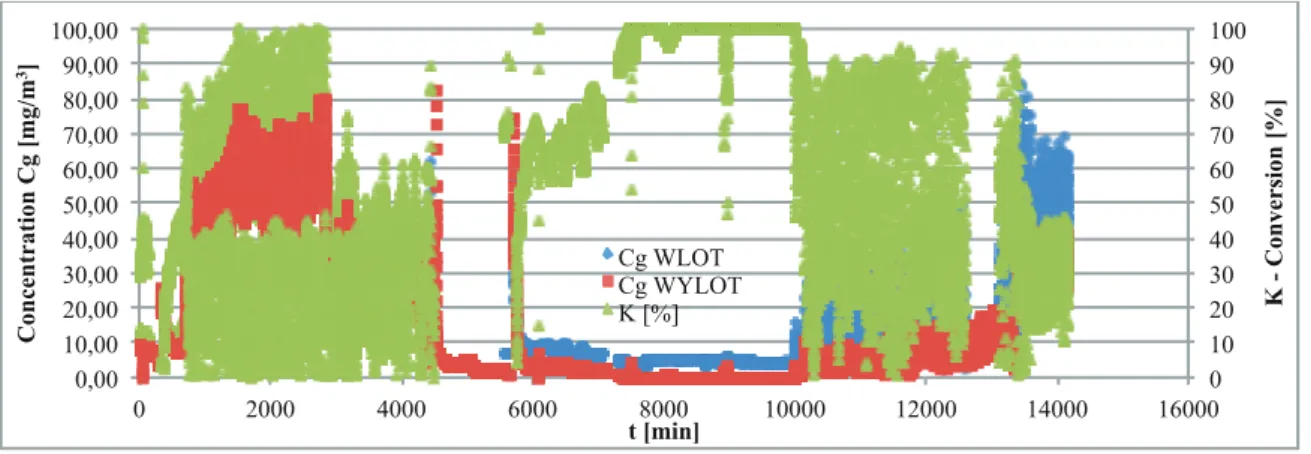
(15) Keynote Speaker Abstracts. References 1. 2. 3. 4.. 5a. 5b. 5c. 5d. 6a. 6b.. R.S. Varma, Green Chem., 16 2027, 2014; R.S. Varma, acs Sustain. Chem. Eng., 4 5866. 2016. R.S. Varma, Curr. Opin. Chem. Eng., 1 123. 2012. R.B.N. Baig, M.N. Nadagouda, R.S. Varma, Coord. Chem. Rev., 287 137. 2015. S. Verma, R.B. Nasir Baig, M.N. Nadagouda, R.S. Varma, Green Chem., 18 1327. 2016; S. Verma, R.B. Nasir Baig, M.N. Nadagouda, R.S. Varma, Green Chem., 18 1019. 2016. S. Verma, R.B.N. Baig, C. Han, M.N. Nadagouda, R.S. Varma, Chem. Commun., 51 15554. 2015. S. Verma, R.B.N. Baig, C. Han, M.N. Nadagouda, R.S. Varma, Green Chem., 18 251. 2106. S. Verma, R.B.N. Baig, M.N. Nadagouda, R.S. Varma, ACS Sustain. Chem. & Eng., 4 2333. 2016. S. Verma, R.B.N. Baig, M.N. Nadagouda, R.S. Varma, ACS Sustain. Chem. & Eng., 4 1094. 2016. R.B.N. Baig, S. Verma, M.N. Nadagouda, R.S. Varma, acs Sustain. Chem. & Eng., 4 1661. 2016. B. Baruwati, R.S. Varma, ChemSusChem, 2 1041. 2006. 6c. J. Kou, R.S. Varma, Chem. Commun., 49 692. 2013. 7. J. Kou, R.S. Varma, ACS Sustain. Chem. Eng.,1 810. 2013. 8. R.B.N. Baig, R.S. Varma, Chem. Commun., 49 752. 2013; Gawande, M.; Branco, P.; Varma, R.S. Chem. Soc. Rev., 42 3317. 2013; R.B.N. Baig, R.S. Varma, Green Chem., 15 398. 2013; R. Hudson, Y. Feng, R.S. Varma, A. Moores, Green Chem., 16, 4493. 2014; R.B.N. Baig, M.N. Nadagouda, R. S. Varma, Green Chem., 16 2122. 2014. 9. J. Virkutyte, B. Baruwati, R.S. Varma, Nanoscale, 2 1109. 2010; J. Virkutyte, V. Jegatheesan, R.S. Varma, Bioresource Tech., 113 288. 2012; M. Pelaez, B. Baruwati, R. S. Varma, R. Luque, D. D. Dionysiou, Chem. Commun., 49 10118. 2013; A.D. Dwivedi, S.P. Dubey, M. Sillanpää, Y.-N. Kwon, C. Lee, R.S. Varma, Coord. Chem. Rev., 287 64. 2015. 10. T.M. Lima, C.G.S. Lima, A.K. Rathi, M.B. Gawande, J. Tuček, E.A. Urquieta-González, R. Zbořil, M.W. Paixão, R.S. Varma, Green Chem., 18 5586. 2016 11. E.Y.C. Jorge, T. de M. Lima, C.G.S. Lima, L. Marchini, W.N. Castelblanco, D.G. Rivera, E.A. Urquieta-González, R.S. Varma, M. W. Paixão, Green Chem., 19 385. 2017.. 15.
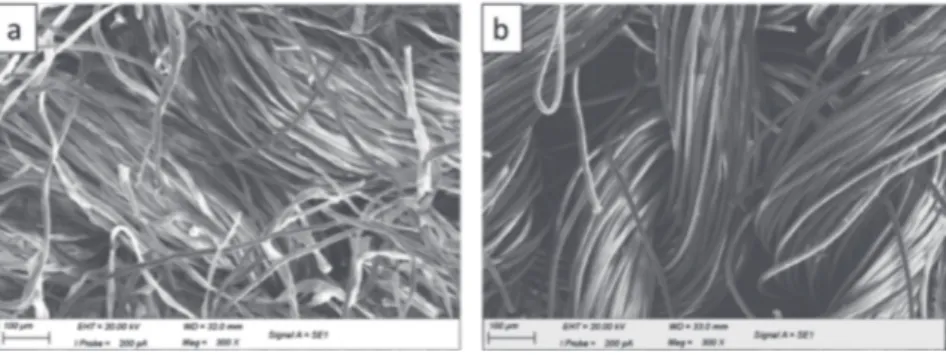
(16) Keynote Speaker Abstracts. Textile Waste Recycling by Biological Methods Carol S. K. Lin*, Xiaotong Li*, Chenyu Du**, Shao-Yuan Leu***, Nattha Pensupa****. *. School of Energy and Environment, City University of Hong Kong, Tat Chee Avenue, Kowloon, Hong Kong E-mail: [email protected] ** School of Applied Sciences, University of Huddersfield, Huddersfield, hd1 3dh, United Kingdom *** Department of Civil & Environmental Engineering, Hong Kong Polytechnic University, Hong Kong ****Department of Agro-Industry, Faculty of Agriculture, Natural Resources and Environment, Naresuan University, Phitsanulok, Thailand. Introduction In order to recover glucose and polyester from textile waste, enzymatic hydrolysis of textile waste pre-treated by different modification methods was investigated. The effects of key factors related to the hydrolysis process were evaluated, including substrate loading, temperature, pH, cellulase dosage, and supplementation of β-glucosidase. Results showed that freezing NaOH/urea could contribute to a significant increase of the hydrolysis yield compared with untreated textile waste, from 57.7 % to 98.3 %. Increasing substrate loading from 1 % to 7 % (w/v) had a negative effect on glucose recovery yield and a significant inhibitory effect was observed over 3 % substrate loading. Substrate loading at 3 % was selected based on glucose yield. The optimal temperature for enzymatic hydrolysis was 50 °C and significant reduction was observed over 60 °C. There was no significant increase of glucose recovery yield when cellulase loading was over 20 fpu/g and β-glucosidase loading was over 10 U/g. Therefore, the optimum enzymatic hydrolysis condition was using 20 fpu/g cellulase and 10 U/g β-glucosidase at 50 °C and pH 5, based on the criterion for minimizing enzyme dosage and maximizing glucose recovery. The maximum glucose recovery yield of 98.3 % was achieved after 96 h hydrolysis.. Figure 1. SEM pictures of textile substrate (pretreated 60/40) before and after enzymatic hydrolysis, (a) pretreated textile fibres before hydrolysis at ×300 magnification; (b) pretreated textile fibres after hydrolysis at ×300 magnification..
(17) Keynote Speaker Abstracts. Clean processes – Biodegradation of waste gases in a Compact Trickle Bed Bioreactor as an Economically Attractive way of Waste Gas Treatment in Paint Industry Damian Kasperczyk*, Ramón F. Colmenares-Quintero**, K. Urbaniec***, K. Barbusiński****. *. Ekoinwentyka Ltd, Ruda Śląska, Poland ** Universidad Cooperativa de Colombia, Colombia *** Warsaw University of Technology, Plock, Poland ****Silesian University of Technology, Gliwice, Poland E-mail: [email protected]. Introduction Volatile organic compounds (vocs) and odours are the key atmospheric pollutants characterized by significant ozone depletion and global warming potential, toxicity and carcinogenicity [1-2]. Industrial vocs and odour emissions coming mainly from chemical and petrochemical plants, deep and open-pit mines, wastewater treatment plants, paint industry etc. —are subject to increasingly stringent environmental regulations [1-3]. Among a number of voc removal technologies available for treating the polluted air streams, the biological treatment method is particularly interesting as it is based on the natural ability of microorganisms to degrade pollutants, and it does not shift the pollution problem from air to other environmental compartments, that is, to water or soil. Although applications of bioprocess engineering to waste management are relatively new, the industries have recognized important advantages of biodegradation of vocs such as mild process conditions including low pressure and temperature, absence of explosion risk, and safety for people and the environment. It has also been reported that investment and operating costs of biodegradation are lower than those of the chemical voc abatement methods [1]. The present study concerns experimental preliminary results of an on-going eu project (poir.01.01.01-00-0664/17) that seeks to develop and adapt biopurification technologies from vocs in Compact Trickle Bed Bioreactor (ctbb) to new branches of industries, such as the paint industry.. Experimental The experiments were performed using a semi-industrial scale stainless steel ctbb, diameter d = 0.315 m and bed high h = 0.65 m, in which the gas and liquid phases flowed co-currently in downward direction through a bed made of polyethylene rings. The bioreactor was inoculated with a co-culture of microorganisms including bacterial strains commonly present in the paint industry; these microorganisms were adapted to the respective pollutants. At gas-flow rates varying between 1.0 and 5.0 m3/h and for voc concentration on inlet to ctbb Cgin = 5-125 mg/.
(18) Keynote Speaker Abstracts. m3, the liquid-flow rates were changed between 1.2 and 1.4 m3/h. In a ctbb the gas was carried through a packed bed continuously irrigated with an aqueous solution containing essential nutrients needed for the microorganisms that grow as biofilm on the packing material of the reactor bed. The pollutant to be treated is initially absorbed by the aqueous film that surrounds the biofilm and then biodegradation takes place within the biofilm [2]. A schematic presentation of the biotrickling filter is given in Figure 1. Polluted air. Fresh water. Immobilised microflora. Results and Discussion Selected results of an on-going eu project (poir.01. 01.01-00-0664/17) conducted by Ekoinwentyka Ltd are presented. The project’s aim is to design, test and apply a compact trickle-bed bioreactor operated in a biofiltration system with circulating salt solution for the biodegradation of vocs in the paint industry. The start-up conditions were chosen as T= 302±3 K and pH= 7.0 ± 0.3. The immobilization of microflora onto the packing material took about 11-12 days on average. After that period, the conversion factor of biodegradation –determined at the gas-phase flowrate Vg = 2,5 m3/h and inlet voc concentration Cgin0 = 8.0 mg/m3– typically reached K= 89-95 % proving that the adaptation of microflora to the pollutant mixture was very good. The overall results of laboratory capacity tests of ctbb bioreactor carried out at the industrial research stage are presented in Figure 2.. Conclusions Recycle. Concentration Cg [mg/m3]. Figure 1. Schematic of a biotrickling filter [4,5]. 100,00 90,00 80,00 70,00 60,00 50,00 40,00 30,00 20,00 10,00 0,00. The experiments proved satisfactory activity of the chosen bacterial co-culture applied to the biodegradation of vocs from the paint industry. The results of the presented research constitute a base for the second part of the project poir.01.01.01-00-0664/17 that is currently being implemented. The current part of the project includes the installation, commissioning and testing of ctbb in industrial conditions for the. Cg WLOT Cg WYLOT K [%]. 0. 2000. 4000. 6000. 8000 t [min]. 10000. 12000. 14000. Figure 2. Overall results of laboratory capacity tests of ctbb bioreactor carried out at the industrial research stage. 18. 100 90 80 70 60 50 40 30 20 10 0 16000. K - Conversion [%]. Depolluted air.
(19) Keynote Speaker Abstracts. gas phase flow of 5,000 - 10,000 m3 / h. The experimental program is continued to optimize key process parameters such as gas and liquid flow rates, temperature, pH of the liquid, and physiological parameters of biomass growth.. Acknowledgements The author gratefully acknowledges the financial support from the European cost Action fp1306 promoting networking and collaboration. Research was carried out thanks to the financing of eu Project: poir.01.01.01-00-0664/17. References D. Kasperczyk, K. Urbaniec, J Clean Prod., 87 971. 2015. K. Barbusinski, K. Kalemba, D. Kasperczyk, K. Urbaniec, V. Kozik, J Clean Prod., 152 223.2017. J. A. Nicell, Atmos Environ., 43 196. 2009. M. C. Delhomenie, M. Heitz, Crit Rev Biotechnol., 25 53. 2005. D. Kasperczyk, K. Urbaniec, K. Barbusinski, R. R. Eldon, R. F. Colmenares-Quintero, Proceedings of the 1st Latin American Conference on Sustainable Development of Energy, Water, and Environment Systems, LA. SDEWES2018.0151, 1-9.. 19.
(20) Keynote Speaker Abstracts. Examples of Recent Global Trends in Wood-Based Biorefining Klaus Niemelä*. *. vtt Technical Research Centre of Finland Ltd, Finland E-mail: [email protected]. Introduction The current pulp and paper industry uses annually more than 300 million tons of wood raw material for chemical and mechanical pulping processes. For more than 100 years, chemical pulping processes have provided fascinating examples of biorefinery operations due to the production of various by-products: chemicals, materials, biofuels, and electricity. Currently, there is a clear tendency to convert the pulp mills into even more advanced biorefineries (bioproduct mills), by increasing the volume and number of products, other than pulp and paper. This presentation will give a global overview of selected pulp mill biorefining trends, together with some remarks on other types of wood-based biorefineries. Selected innovative historical processes will also be briefly discussed.. Pulp Mill Biorefineries In the chemical pulping processes, approximately 50 % of wood raw material is recovered as cellulosic fibre for paper and paperboard production, the rest is dissolved in the cooking liquor. Depending on the pulping process (pH), these liquors provide different opportunities for advanced biorefining. The dominating pulping process, alkaline kraft process, has traditionally been an important source of turpentine and tall oil (for fatty and resin acids and phytosterols), although some lignin has also been recovered for chemical uses for several decades. Recently, there has been a lot of interest in increasing the recovery of lignin, hemicellulosic sugars or polymers, methanol, and other potential products such as aliphatic hydroxy acids (from glycolic acid to saccharinic acids). As a result, several new demo or mill scale installations have been set up in different countries. The less common acidic sulphite pulping process provides exciting opportunities for advanced biorefining operations. The current by-products include lignosulphonates (more than 1 million tons), acetic acid, furfural, xylose for xylitol, and other sugars for ethanol, yeast products, and ribonucleic acids. There are several advanced multi-product sulphite pulp mills currently in operation, and new lignosulphonate recovery systems have also been set up. There is also one plant where some vanillin is produced by oxidation of lignosulphonates. Novel.
(21) Keynote Speaker Abstracts. pulping processes are represented by those based on the use of organic solvents, ionic liquids, or deep eutectic solvents. Of them, only some organosolv processes have been demonstrated in higher scales. All pulping processes also yield high volumes of bark and other residues; specific biorefineries based on them are under development.. Other Wood Biorefineries The stand-alone wood-based biorefineries, not integrated to pulp and paper production, include different pretreatment hydrolysis fermentation systems for biofuels and biochemicals, direct chemical (degradative) processes, and thermal processes, such as pyrolysis under different conditions. In all these areas there have been various pilot-demonstration (or almost mill-scale) activities showing promising potential for further development. The isolation of chemicals from bio-oil or from charcoal production streams is also attracting a lot of interest. It is noteworthy that in the past many important industrial. chemicals (e.g. methanol, acetone, acetic acid, oxalic acid) were available almost exclusively from different thermal wood-based processes.. Nordic Wood Biorefinery Conferences The recent rapid progress in many areas of woodbased biorefineries prompted Innventia (now part of rise) and vtt to initiate in 2008 a series of International Nordic Wood Biorefinery Conferences, to be held every 18 months in Sweden and Finland in turn. The last (8th) event took place in Helsinki, Finland, in October 2018. The proceedings´ books of the nwbc 2012 and nwbc 2015 events are freely available for download.. Acknowledgements The author wishes to acknowledge the contribution of cost Action fp1306 via promoting networking and collaboration.. 21.
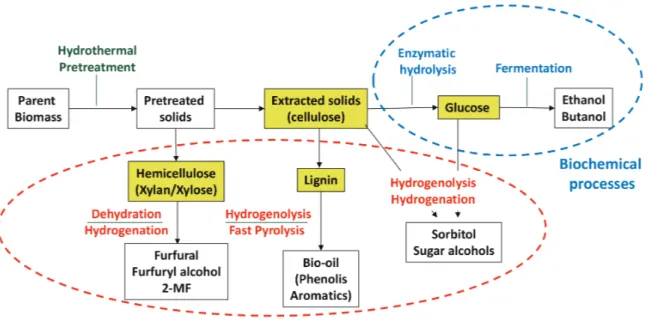
(22) Keynote Speaker Abstracts. Selective Fractionation and Conversion of Biomass via Thermochemical and (Bio)Catalytic Processes Konstantinos S. Triantafyllidis*, **. *. Department of Chemistry, Aristotle University of Thessaloniki, Greece ** Chemical Process & Energy Resources Institute, cperi/certh, Thessaloniki, Greece E-mail: [email protected]. Introduction The valorisation of waste biomass, lipid or lignocellulosic, has been proposed as an alternative to first-generation biofuels as well as for producing high-value chemicals and related products. In the case of agricultural or forestry lignocellulosic biomass wastes and residues, the “whole biomass” refining concept should be applied in order to develop sustainable valorisation schemes. The pretreatment/fractionation of biomass to its basic structural components, i.e., cellulose, hemicellulose and lignin, is a prerequisite for maximizing their selective conversion towards high added value platform chemicals, fuels and polymers. In this presentation, specific case studies of individual processes that comprise an integrated biorefinery scheme for converting agricultural and forest biomass wastes to valuable chemicals and fuels is described. Fractionation of biomass is based on “green” hydrothermal processes, leading to selective isolation of hemicellulose stream for downstream conversion to ethanol or furanic chemicals. The cellulose fraction is being hydrolysed to glucose by applying well-known enzymatic hydrolysis reactions. Alternatively, lignin is extracted from the pretreated biomass under mild conditions using friendly/recoverable solvents, providing with a high purity cellulose pulp for easier enzymatic hydrolysis or catalytic hydrogenolysis to sorbitol/glycols. To close the cycle, the recovered lignin, is being converted to high value phenolics via fast pyrolysis or hydrogenolysis. Using catalytic fast pyrolysis, btx mono-aromatics can be selectivity produced. Alternatively, lignin is being utilized as a compatible bio-additive in polymers (resins) with a minimum downstream conversion cost..
(23) Keynote Speaker Abstracts. Figure 1. “Whole biomass” integrated biorefinery scheme. Acknowledgements This work has been partially supported by the project “invalor: Research Infrastructure for Waste Valorisation and Sustainable Management” (mis 5002495) which is implemented under the Action “Reinforcement of the Research and Innovation Infrastructure”, funded by the Operational Program. “Competitiveness, Entrepreneurship and Innovation” (nsrf 2014-2020) and co-financed by Greece and the European Union (European Regional Development Fund). The support of cost Action fp1306 promoting networking and collaboration, and the Short Term Scientific Missions (stsm’s) funding of young researchers are also gratefully acknowledged.. 23.
(24) Keynote Speaker Abstracts. Benign By-Design Processes for Sustainable Biomass/Waste Valorisation Rafael Luque*, **. *. Departamento de Química Orgánica, Universidad de Córdoba, Córdoba, Spain ** Peoples Friendship University of Russia (rudn University), Moscow, Russia E-mail: [email protected]. Introduction The design of benign and environmentally sound methodologies has been the driving force of scientists in recent years towards more sustainable methodologies. In recent years, attractive and innovative protocols that nowadays are even part of industrial ventures including biomass-derived porous carbonaceous materials, designer nanomaterials for catalytic applications, and catalytic strategies for biomass/waste conversion into useful materials, chemicals and fuels have been developed in our group. These topics have extensively covered the preparation and design of nanomaterials, biocatalysts and photocatalysts and their utilization in heterogeneously bio-, photo- and electro-catalysed processes, flow chemistry, as well as in biomass/waste valorisation practices [1-5]. In this lecture, we aim to provide an overview of recent efforts of the scientific community for leading the future of global scientists, chemical engineers, biochemists, environmentalists and material scientists in benign by-design methodologies for various types of catalyst systems and key applications in bio-, photo- and electrocatalysis.. Acknowledgements The contribution of cost Action fp1306 is gratefully acknowledged for promoting networking and collaborations..
(25) Keynote Speaker Abstracts. References K. Shen, L. Zhang, X. Chen, L. Liu, D. Zhang, Y. Han, J. Chen, J. Long, R. Luque, Y. Li, B. Chen, Science, 359 206. 2018. D. Rodríguez-Padron, A. Jodlowski, G. de Miguel, A. Puente-Santiago, A.M. Balu, R. Luque, Green Chem. 20 225. 2018.. L. Filiciotto, A.M. Balu, A.A. Romero, E. RodríguezCastellón, J.C. Van der Waal, R. Luque, Green Chem. 19 4423. 2017. J. Lai, S. Li, F. Wu, M. Saqib, R. Luque, G. Xu, Energy Environ. Sci. 9 1210. 2016. A.D. Jodlowski, A. Yepez, R. Luque, L. Camacho, G. de Miguel, Angew. Chem. Int. Ed. 55 14972. 2016.. 25.
(26) Keynote Speaker Abstracts. Biochar from Sustainable Resources and its Environmental Applications Ondrej Mašek*, W. Buss*, Julian Pietrzyk*, Mingyu Hu*, Jan Mumme*, Andrew Free*. *. uk Biochar Research Centre, School of GeoSciences, University of Edinburgh, Edinburgh, uk E-mail: [email protected]. Introduction Biochar’s potential to store atmospheric carbon has been estimated to be 0.71.8 Gt CO2-C(eq) yr−1. This presentation focuses on ways to achieve or increase such potential, while maximizing positive and minimizing potential negative environmental and economic impacts. The first part discusses the potential to integrate biomass pyrolysis into bioenergy systems and negative emission technologies to boost their performance for reducing greenhouse gas emissions and thus generating profit. While pyrolysis as a standalone technology has been under development and use for a number of decades, the focus on bio-oil production and waste management, as well as its integration in biorefineries is much more recent. This presentation examines different options and provides specific examples of ways to integrate pyrolysis with other thermochemical or biological systems into a zero-waste biorefinery, examples of which are schematically shown in Figure 1. Specific examples of benefits from such integration include: 1. Increased yield of methane and improved stability of ad reactors. Our results show that certain types of biochar can be used to control ammonia inhibition in ad reactors and to increase methane yield. 2. Upgrading of low-value aqueous fractions of pyrolysis liquids into methane or volatile fatty acids in ad reactors. While the organic fraction of bio-oil contained too many inhibitors to allow ad decomposition, the aqueous fraction could be successfully converted. 3. Beneficial use of mineral-rich residues from marine biomass utilization, offering controlled release of nutrients into soil or growing media, such as K and P. Our results show that most of the minerals are available, and their release dynamics can be controlled by adjusting pyrolysis conditions..
(27) Keynote Speaker Abstracts. Figure 1. Possible ways for the integration of pyrolysis to other bioenergy technologies, both thermochemical and biological. The second part exposes the potential to use lowcost mineral additives to boost the yield of biochar by more than 50 %, and consequently increase its global carbon sequestration potential to over 2.6 Gt CO2-C(eq) yr−1. This approach allows decoupling of economically viable biochar deployment for carbon sequestration purposes relying on biochar’s abilities to improve soil properties. The potential to improve quality of soil and consequently improve crop productivity is an important added benefit of this technology, and one that in certain circumstances can make its deployment viable, even in the absence, or at a very low carbon price. The first approach involves loading small percentages (1-2 wt %) of potassium onto biomass feedstock prior to pyrolysis. The ability of alkaline metals (ams) to catalyse biochar formation, together with the fact that potassium is a valuable macronutrient makes the use of ams as additives in biochar production a potentially attractive proposition. This is especially true, if the am catalysed biochar has at least similar or better properties in terms of carbon stability compared to biochar produced without am doping.. Potassium doping showed a good performance, increasing both biochar and stable carbon (represented by fixed carbon) yields. The increase in biochar yield is a result of catalysis of the charring process by am catalysts in the pyrolysis of lignocellulosic materials. In the presence of these metals the reaction process favours charring and dehydrating reactions, versus fragmentation and depolymerization pathways, in the primary decomposition of the holocellulosic fraction. In addition, ams also enhance dehydration, demethoxylation, decarboxylation, and biochar formation in lignin pyrolysis. All K+ treatments considerably increased the stable carbon yield compared to the untreated controls. The relative change in biochar yield was between +9.5 % (1 % K+ 650 °C) and +45.0 % (2 % K+ 450°C). The second approach employed ash from biomass (wood) combustion as an additive mixed with woody biomass (spruce) prior to pyrolysis. To achieve an intimate and effective contact between the organic and mineral phases, the blended product was compressed into the shape of a pellet prior to pyrolysis. The combination of wood ash from a biomass boiler 27.
(28) Keynote Speaker Abstracts. with milled spruce wood in different ratios (0-50 %) and subsequent pyrolysis at 450 °C created novel biochar-ash composites. The biochar yield (after compensation for the increased ash content) increased by 40 % with the addition of 20 % and 50 % wood ash, relative to pure pine due to catalysis of char formation. Besides the significant increase in biochar yield, the composite material also showed a strong buffering of mineral. 28. release into solution, evidenced by a low electric conductivity (ec) and available K (factor of 2.5-4.4 lower than the one in wood ash). This decreases the risk of salinity stress and leaching of K in soil applications. The use of ash-biochar composites has many benefits over the application of the individual materials and creates a product with greatly unexplored potentials for use in forestry and agriculture..
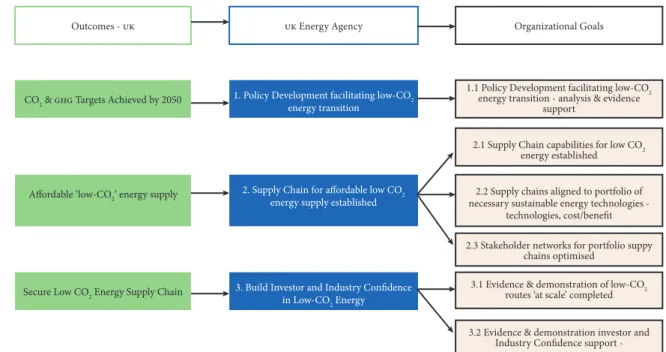
(29) Keynote Speaker Abstracts. Aligning Sustainable Energy Policy and Bioenergy System Innovation Using Modern qfd System´s Thinking Methods Kim E. Stansfield*, Mike Colechin**, Glenn H. Mazur***, Ramón F. Colmenares-Quintero****. *. University of Warwick, wmg, University of Warwick, Coventry, uk. ** http://www.cultivateinnovation. co.uk *** qfd Institute, Michigan, usa, ****Universidad Cooperativa de Colombia, Colombia E-mail: [email protected]. Introduction To increase the likelihood of technological innovation sustainability viz. long-term economic, market, social and environmental innovation in the renewable-energy sector, there is a need, not only to develop enhanced technologies, but to improve the coordination and collaboration between government policy developers, business model innovators, innovators within operational energy delivery systems and supply chains, and consumer behaviour innovations. This requires that more systematic ways of linking ‘mission outcomes’ and goals and the needs that drive business, social and technological innovations are deployed to achieve the desired transformations. This paper introduces methods that have been used in businesses to integrate: 1. Policy deployment and management (Hoshin Kanri) 2. Stakeholder needs, structuring, prioritization and integration with systems design viz. Quality Function Deployment (qfd) The authors describe how these approaches provide a framework that helps structure the analysis of the ‘soft-systems problem space’, with ‘whole-system design’ methods that address key stakeholder needs. This is proposed as an enhanced approach for sustainable innovation in the renewable-energy sector. In the process, these and supporting system methods naturally help facilitate ‘whole system thinking’ for the renewable energy sector. This paper illustrates such approach using some developments carried out in Energy Technologies Institute for uk’s sustainable bioenergy systems transition planning programme.. Experimental The methods described were used to support identification, prioritization and structured discussions between key stakeholders in the development of bioenergy systems programme focused on the uk, and in support of a national renewable energy systems transition programme planning initiative. The chart illustrated in Figure 1 shows the deployment of national outcomes for ‘Sustainable Energy Policy’ to Government Departmental outcomes..
(30) Keynote Speaker Abstracts. Outcomes - uk. uk Energy Agency. Organizational Goals. CO2 & ghg Targets Achieved by 2050. 1. Policy Development facilitating low-CO2 energy transition. 1.1 Policy Development facilitating low-CO2 energy transition - analysis & evidence support 2.1 Supply Chain capabilities for low CO2 energy established. Affordable ‘low-CO2’ energy supply. 2. Supply Chain for affordable low CO2 energy supply established. 2.2 Supply chains aligned to portfolio of necessary sustainable energy technologies technologies, cost/benefit 2.3 Stakeholder networks for portfolio suppy chains optimised. Secure Low CO2 Energy Supply Chain. 3. Build Investor and Industry Confidence in Low-CO2 Energy. 3.1 Evidence & demonstration of low-CO2 routes ‘at scale’ completed 3.2 Evidence & demonstration investor and Industry Confidence support -. Figure 1. Illustration of national outcomes being deployed to support agency and organizational goals. Results and Discussion Table 1. Illustration of a Maximum-value-table (mvt) for sustainable energy development. 30.
(31) Keynote Speaker Abstracts. The paper illustrates the framework of system thinking approaches and methods that enable design and delivery of high-value, sustainable energy system solutions. The illustration of these methods shown in Table 1 includes a simplified extract from a maximum value table linking prioritized stakeholder needs and prioritized solution characteristics and capabilities with the requirements for bioenergy systems in the uk. This type of matrix provides key characteristics for analysing solution concepts for renewable energy systems, including bioenergy systems and will be further explained.. design of the whole system solution, but also provides systematic approaches for developing appropriate low carbon solutions.. Conclusions. International Standards Organization, “Applications of statistical and related methods to new technology and product development process - Part 1: General principles and perspectives of Quality Function Deployment (qfd)”. iso 16355-1:2015, Geneva, Switzerland: International Standards Organization. 2015. K. Stansfield, C. M. Colechin and G. Mazur, 22nd International Symposium on qfd., Boise, usa, 2016.. The authors have found that these approaches provide a useful framework supporting integration of policy development with stakeholder needs analysis for innovative, renewable energy system design. Not only does it provide a framework for improving the. Acknowledgements The authors would like to acknowledge the support of the cost Action fp1306 in supporting the promotion and networking communications for this work.. References. 31.
(32) Keynote Speaker Abstracts. Microbial Biogas Production from Hydrolysis Lignin: Insight into Lignin Structural Changes Daniel G. Mulat*, Janka Dibdiakova**, Svein J. Horn*. *. Faculty of Chemistry, Biotechnology and Food Science, Norwegian University of Life Sciences, Norway. ** Norwegian Institute of Bioeconomy Research, Norway E-mail: [email protected]. Introduction The emerging cellulosic bioethanol industry will generate huge amounts of lignin-rich residues that may be converted into biogas by anaerobic digestion (ad) to increase the output of energy carriers from biorefinery plants [1]. The carbohydrate fraction of lignocellulosic biomass is degradable, whereas the lignin fraction is generally considered difficult to degrade by anaerobic digestion (ad). The objective of this study was to investigate the feasibility of biogas production by ad from hydrolysis-lignin (hl), prepared by steam explosion (se) and enzymatic saccharification of birch. hl was characterized before and after ad by nmr, Py-GC/MS and ftir to identify recalcitrant and degradable structures in the lignin.. Experimental Birch (Betula pubescens) wood chips milled to pass a sieve of 6 mm were used in this study. Steam explosion of birch for biogas production was used applying the optimal conditions at 210 °C and 10 min residence time. The pretreated birch was subjected to enzymatic hydrolysis using Cellic® CTec2 (Novozymes, Bagsvaerd, Denmark; total protein concentration 63.9 mg/ml). The biogas production of untreated, steam-exploded and hl birch was studied in 500 mL batch bottles. The degradation of hl in ad was investigated by enclosing the substrates in nylon bags. The chemical structure, morphology and thermal properties of hl and the remaining undigested material after ad was characterized using a combination of advanced analytical techniques, including nmr, ftir, sta, sem and Py-gc/ms..
(33) Keynote Speaker Abstracts. Results and Discussion Biogas potential of hydrolysis lignin The initial rate of methane production of pretreated and hl birch was higher than that of untreated birch, indicating an increased accessibility of the birch material to anaerobic bacteria after se pretreatment. While the steam-exploded birch reached maximum methane yield after 16 days, the untreated material needed 39 days to reach similar yields. Thus, the main effect of steam explosion treatment centres on the rate of methane production, not on the final yield. The final methane yield of hl birch was 125 mL CH4/ g volatile solid, reached after 16 days of incubation.. Insight into lignin structural changes after pretreatment and ad The change in lignin structure after se pretreatment was investigated by comparing the hsqc spectra between untreated birch and birch hl (Figure 1). The β–O–4’ linkage was substantially reduced from 67 % in untreated birch to 18 % in hl, showing the. susceptibility of this major lignin linkage to se pretreatment. The s/g ratio of hl increased from 2.8 in untreated birch to 5.8, and the cross-peak of S [2-3] at δC/δH 105/6.6 ppm became broad, indicating formation of pseudo-/condensed-lignin. The ftir analysis further demonstrated the removal of carbohydrates and enrichment of the lignin fraction in the hl after enzymatic hydrolysis of the pretreated birch. The hl birch after ad showed similar profiles as the original hl material, but lower intensities were observed for the bands at 1735-1710, 1325, 1214 and 1114 cm–1 in the former. The reduction in intensity of these bands is consistent with the degradation of condensed-/ pseudo-lignin and removal of hemicelluloses shown by the hsqc nmr analysis. In comparison to nmr analysis, the s/g ratio was slightly underestimated by Py-gc/ms. The proportion of H type units reached less than 6 % of all lignin derived pyrolysis products and was not detected by the nmr analysis. This difference is expected due to the higher sensitivity of mass spectrometry and the possibility of the H type unit fragments reduction originating from non-lignin components like aromatic amino acids during pyrolysis.. Figure 1. The 2D hsqc nmr spectral regions of interest (aromatic region) of untreated birch (mwl), hl before and after ad and the structures of main lignin units and lignin inter-unit linkages.. 33.
(34) Keynote Speaker Abstracts. sem and sta measurements demonstrated changes in morphology and thermal properties following se pretreatment and ad. Our results showed that carbohydrate and pseudo-/condensed-lignin degradation had contributed to methane production.. Conclusions The lignin-rich material (hl) obtained after enzymatic extraction of carbohydrates has potential to be used for methane production. hl birch contained up to 80 % lignin with a highly condensed structure due to competing lignin depolymerization (mainly through cleavage of the abundant β–O–4’ inter-unit linkages) and re-condensation reactions. The results from biogas potential tests, nmr, Py-gc/ms and ftir analysis indicate that the carbohydrate fraction and part of the lignin fraction in hl birch were degraded during ad. Pseudo-/condensed-lignin, benzyl ether and phenylcoumaran were susceptible to ad whereas β–O–4’ and resinol were resistant to anaerobic microbial degradation. Further optimization of se pretreatment to increase the accessibility of lignin to ad is needed in future studies. On the other hand, the remaining. 34. undigested lignin-rich residues after ad that has less condensed-lignin structure and low carbohydrate impurity bears greater potential for further valorisation. Further research is needed to isolate the lignin-rich residues from the ad liquid. This study shows the benefits of using a combination of nylon bag techniques and advanced analytical techniques to study the degradation mechanisms of lignin during ad.. Acknowledgements This study was financially supported by the Norwegian Research Council (Grant no. 243950, BioLiGas).. References M. Langholtz, M. Downing, R. Graham, F. Baker, A. Compere, W. Griffith, R. Boeman, M. Keller. sae International Journal of Materials & Manufacturing, 7 115. 2014. D. Stewart, Industrial crops and products, 27 202. 2008. M. J. Taherzadeh, K. Karimi. International journal of molecular sciences, 9 1621. 2008..
(35) Keynote Speaker Abstracts. Glycerol, a By-product of Biodiesel Production for Value-Added Chemicals Christophe Len*, **. *. psl Research University, Chimie ParisTech, cnrs, France ** Sorbonne Universités, Université de Technologie de Compiegne, France E-mail: [email protected]. eu. Introduction The design of environmentally friendly methodologies has been scientist’s driving force in recent years. In particular, the use of biomass-derived materials, green solvents and alternative techniques have been investigated. In this regard, glycerol has the potential to be both an excellent renewable solvent in modern chemical processes and a versatile building block in biorefineries [1].. Experimental Oligomerization of glycerol in cyclic continuous flow stirred-tank reactor A mixture of glycerol (PG1, 240 g; 2.61 mol) and potassium carbonate (10.0 g, 72.4 mmol) were magnetically stirred and heated until complete dissolution of the base in a 250 mL glass beaker. The homogeneous mixture was pumped at a 1.0 mL·min-1 flow, using a peristaltic pump. After 300 min, the reactor output was collected and yields of glycerol oligomers were determined by gc analysis with calibration curve.. Gas chromatography analysis Gas chromatography analysis was performed on a PerkinElmer gas chromatography (Autosystem xl gc), using an Altech at ht column, with a detector at 300 °C, an injector at 340 °C, and a constant flow of nitrogen of mL·min-1. The column was heated at 150 °C for 2 min, and then warmed to 350 °C with a temperature gradient of 15 °C·min-1 before being hold at that temperature for 4.67 min. Each sample was derivatized before injection, according to the following protocol. Bis(trimethylsilyl)acetamide (bsa) (0.5 mL) was added to a sample (40 mg) and the mixture was heated at 50 °C for 30 min. The solution was then diluted with 1 mL of ethyl acetate, and 1 mL was injected in the gas chromatography column..
(36) Keynote Speaker Abstracts. Conclusions. Several green chemistry approaches that target-advanced synthesis and processes using glycerol will be presented. Among the different examples, those that focus on the continuous oligomerization of glycerol in presence of potassium carbonate as homogeneous catalyst will be detailed (Figure 1) [2-3]. The different regioisomers of glycerol dimers and glycerol trimmers have been characterized and the distribution of the different oligomers has been quantified. Further investigations in a cyclic mode, combined with short path distillation, afforded a mixture of predefined glycerol oligomers with a distribution: glycerol dimer (20 wt%), glycerol trimer (21 wt%), glycerol tetramer (16 wt%) and glycerol pentamer (11 wt%).. A continuous flow stirred-tank reactor for the direct oligomerization of glycerol on a hundred-gram scale, using stainless steel (100 mL) and a peristaltic pump was successfully developed.. n. Results and Discussion. OH. 1 mL/min. OH K 2CO3. OH 250 °C, 300 min. O OH OH. at t0, glycerol (96 g) K 2CO3 (4 g). Figure 1. Cyclic continuous flow stirred-tank reactor applied to glycerol direct polymerization on a hundred-gram scale of glycerol. 36. The author gratefully acknowledges the financial support of the European cost Action fp1306 promoting networking and collaboration.. References C. Len, F. Delbecq, C.C. Corpas, E.R. Ramos, Synthesis, 50 723. 2018. N. Galy, R. Nguyen, P. Blach, S. Sambou, D. Luart, C. Len, J. Ind. Eng. Chem., 51 312. 2017. R. Nguyen, N. Galy, A. Singh, F. Paulus, D. Stoebener, C. Schlesser, S.K. Sharma, R. Haag, C. Len, Catalysts, 7 123. 2017.. OH OH. Acknowledgements.
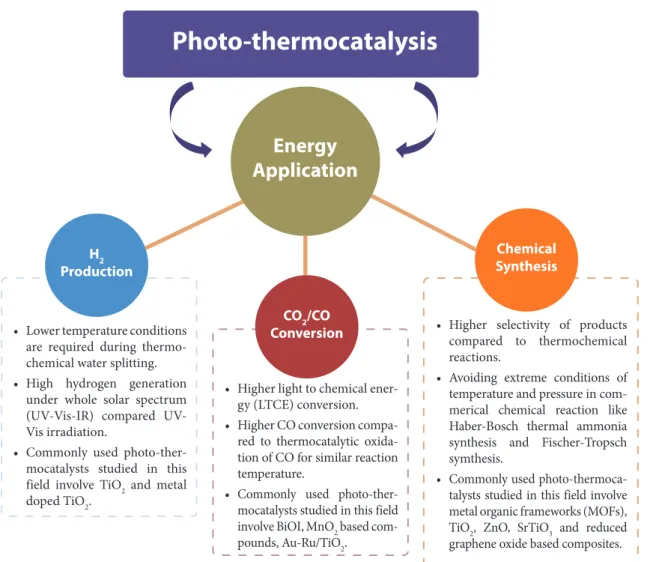
(37) Keynote Speaker Abstracts. Valorisation of Biomass through LowTemperature Hydrothermal Transformations assisted by Photocatalysis Juan C. Colmenares*, Vaishakh Nair*. *. Institute of Physical Chemistry, Polish Academy of Sciences, Warsaw, Poland E-mail: [email protected]. Introduction The aim of this lecture is to present the most recent state of the art on the development of novel methods for the transformation of lignocellulosic biomass sources into biofuels and valuable chemical precursors. The principal focus will be to discuss the pros and cons of a new approach, which consists of a hydrothermal process for biomass valorisation with new catalytic materials (e.g. based on supported semiconductor materials), which have excellent acid-base and photocatalytic properties. The objective is to decrease the reaction temperature and related energy expenditure limiting the unfavourable side products. This study will be performed thanks to the combination of heterogeneous photocatalysis, catalytic biomass valorisation and photocatalytic materials’ synthesis [1-2]. The exploration of all resulting products formed in the gas and liquid phase –along with their selectivity according to the physicochemical, optical and acid-base properties of the involved materials– will give way to detailed knowledge needed to fully understand the new concept of biomass treatment’s parameters and mechanisms..
(38) Keynote Speaker Abstracts. Photo-thermocatalysis. Energy Application. Chemical Synthesis. H2 Production. • Lower temperature conditions are required during thermochemical water splitting. • High hydrogen generation under whole solar spectrum (UV-Vis-IR) compared UVVis irradiation. • Commonly used photo-thermocatalysts studied in this field involve TiO2 and metal doped TiO2.. CO2/CO Conversion. • Higher light to chemical energy (LTCE) conversion. • Higher CO conversion compared to thermocatalytic oxidation of CO for similar reaction temperature. • Commonly used photo-thermocatalysts studied in this field involve BiOI, MnO2 based compounds, Au-Ru/TiO2.. • Higher selectivity of products compared to thermochemical reactions. • Avoiding extreme conditions of temperature and pressure in commerical chemical reaction like Haber-Bosch thermal ammonia synthesis and Fischer-Tropsch symthesis. • Commonly used photo-thermocatalysts studied in this field involve metal organic frameworks (MOFs), TiO2, ZnO, SrTiO3 and reduced graphene oxide based composites.. Figure 1. Photo-thermal catalysis for energy related applications. Acknowledgements. References. The authors acknowledge the partial support from the National Science Centre in Poland within Sonata Bis project no. 2015/18/E/ST5/00306 and opus-13 project nr 2017/25/B/ST8/01592. The authors are also grateful for the Universidad Cooperativa de Colombia’s invitation and for the support from cost Action fp1306 promoting networking and collaboration.. J. Colmenares and R. Luque, Chem. Soc. Rev., 43 765. 2014. S.-H. Li, S. Liu, J. Colmenares and Y.-J. Xu, Green Chem., 18 594. 2016.. 38.
(39) Keynote Speaker Abstracts. Integration of Biomass Products in a Traditional Oil and Gas Industry. The case of Ecopetrol Edgar F. Castillo*. *. Instituto Colombiano del Petróleo, Empresa Colombiana de Petróleos, Colombia E-mail: [email protected]. Introduction Ecopetrol is a National Oil Company –noc- focused on the reliable supply of fuels for the Colombian economy. Besides its traditional and conventional fossil-based products (gasoline and diesel), Ecopetrol has supported and promoted the National Biofuels program since 2005. Nowadays, the company produces bioethanol and biodiesel in two separated plants located in the Llanos Orientales region and in the company’s main national oil refinery. In economic terms, currently the gasoline market share for bioethanol reaches about 10 % and the biodiesel market share about 8 %. In addition, Ecopetrol follows the present global trends in energy, focused in achieving a global warming-motivated energetic transition. For this reason, the company has been carrying out a set of researches that aim to reduce the carbon footprint of its final products and promote the introduction of new biofuels to the market. The following graph illustrates the main results of this research program.. Figure 1. Biofuels research program at Ecopetrol. Main results.
(40) Keynote Speaker Abstracts. Unlocking the Bioeconomy Potential of Latin America. Common Framework for the Assessment and Management of Sustainable Innovations (casi-f): Methodology for Future Research on Sustainability Rafael Popper *, **, ***, Monika Popper**, Guillermo Velasco**, ***, **** *. vtt Technical Research Centre of Finland, Espoo, Finland. ** Futures Diamond, Manchester, United Kingdom. *** University of Manchester, Manchester, United Kingdom. ****Universidad Politécnica de Madrid, Madrid, Spain. E-mail: [email protected]. Introduction The aim of this paper is to introduce a methodology for future research on sustainability, which resulted from the development of the Common Framework for the Assessment and Management of Sustainable Innovations (casi-f) [1], and its prospective use to unlock Latin America’s bio-economy potential. With this in mind, the paper introduces the concept of bio-economy and highlights the growing need for sustainable pathways of production and consumption. What follows is the explanation of why casi-f was developed and how can it be used to provide sound policy advice using a multi-level, multi-stakeholder and multi-systemic approach. Following a thorough literature review on existing sustainability frameworks [2-5], a need for a complementary approach that is more forward-looking and action-oriented, focusing specifically on increasing the sustainability of innovation and innovation-related processes was made evident. The casi-f –a five-step approach to assessment and management of sustainable innovation (si) – is then introduced and supported with an example of its application to a product innovation. The objective of the paper is to promote a more effective and holistic assessment of si. To do so, the paper shows the importance of the seven types of si researched, mapped and analysed (product, service, social, organizational, governance, system and marketing) in the eu funded casi project. In addition, the paper discusses five systems (economic, social, environmental, government and infrastructure) that should be taken into account when assessing sustainable transformations and four types of critical issues or shapers of si, namely: barriers, drivers, opportunities and threats. casi-f is a good example of a collective mobilisation and mutual learning process. casi partners in 12 eu countries (at, be, bg, cz, de, dk, fi, it, pl, pt, si, uk), together with country correspondents in the other 16 member States and a network of 40+ innovators were engaged in the co-creation and crowdsourcing of solutions to critical issues raised by the Societal Challenge on Climate Action, Environment, Resource Efficiency and Raw Materials. The casi-f methodology helped to promote the incorporation of science in society by integrating multiple knowledge sources and multi-stakeholder perspectives (including those of citizens and sustainability experts) for the assessment of critical issues and a better management of si that embraces societal concerns and needs..
(41) Keynote Speaker Abstracts. Finally, the paper presents the case of a forest-based bioeconomy (fba) in Uruguay and demonstrates that the elements of the casi-f framework supported: (1) the assessments of fbas by mapping critical issues, needs, gaps, hopes and fears; (2) the mobilization of key players (government, business, research/education, civil society) to co-create a shared vision; and (3) the development of a roadmap for effective management of identified critical issues.. References A. López, L. Mabe, B. Sanchez, C. Tapia and A. Alonso, “Best practice solutions: methods for sustainability assess-. ment within the process industries.” samt project report. Deliverable 2.1. (2015). H. Pihkola, T. Pajula, C. Tapia, M. Ritthoff and R. Saurat, “Sustainability assessment methods and tools for cross-sectorial assessment.” samt project report. Deliverable 3.1. (2016a). H. Pihkola, T. Pajula and C. Tapia, “Future research needs and input for standardization.” samt project report. Deliverable 3.2. (2016b). R. Popper, G. Velasco and M. Popper, “casi-f: Common Framework for the Assessment and Management of Sustainable Innovation.” casi project report. Deliverable 6.2. (2017). M. Saurat, M. Ritthoff and L. Smith, “Overview of existing sustainability assessment methods and tools, and of relevant standards.” samt project report. Deliverable 1.1. (2015).. 41.
Figure
+7
Documento similar
This work consists of a formal definition to classify all the different exoskeletons by doing a catego- rization of all the general sub-sections that the exoskeletons have, done
It consists of the following steps: (a) to extend the software models used for development with annotations describing dependability properties; (b) to transform automatically
c) C5/C6 carbohydrates platform: Valorization of five-carbon (C5) and six-carbon (C6) sugars from several sources is probably the best-developed branch in current biorefineries. These
Based on literature on national innovation capacity, economics of technological change and national competitiveness, the objective of this paper is to study the
Our results supported our expectations, by showing a positive moderating effect of Balanced Scorecard and benchmarking controls (i.e., contemporary MACS). These findings
Enlightening ICT skills for youth employability in the European Union”, “Smart Cities for wellbeing: Youth employment and their skills on computers”, “Sustainable
Continuous improvement does not mean that the changes made are the sole responsibility of employees, management need to be fully involved in facilitating process improvements
- El problema ABP lo obtenían en Moodle (bajándose el correspondiente archivo pdf depositado en el foro del grupo) y sabían cómo tenían que trabajar en las fechas
