
Integration and usage of mobile photo applications in virtual learning environments
43
0
0
Texto completo
(2) ii.
(3) Contents List of Figures. v. 1 Part1. 1. 1.1. Introduction. . . . . . . . . . . . . . . . . . . . . . . . . . . . . . . . . .. 1. 1.2. Proposal. . . . . . . . . . . . . . . . . . . . . . . . . . . . . . . . . . . .. 2. 1.2.1. Justification of topic interest. . . . . . . . . . . . . . . . . . . . .. 2. 1.2.2. State of the art. . . . . . . . . . . . . . . . . . . . . . . . . . . .. 4. 1.2.3. Working hypothesis, research questions and objectives. . . . . . .. 13. 1.2.3.1. Working hypothesis. . . . . . . . . . . . . . . . . . . . .. 13. 1.2.3.2. Research questions. . . . . . . . . . . . . . . . . . . . .. 14. 1.2.3.3. Objectives. . . . . . . . . . . . . . . . . . . . . . . . . .. 14. 1.2.4. Research methodology. . . . . . . . . . . . . . . . . . . . . . . . .. 15. 1.2.5. Scheduling. . . . . . . . . . . . . . . . . . . . . . . . . . . . . . .. 17. 1.2.6. Thesis director. . . . . . . . . . . . . . . . . . . . . . . . . . . . .. 18. 1.2.6.1. Director(s) proposal. . . . . . . . . . . . . . . . . . . . .. 18. 1.2.6.2. Relation to UOC. . . . . . . . . . . . . . . . . . . . . .. 25. Bibliography. 27. 2 Part 2.. 29. 2.1. First activity of the research plan. . . . . . . . . . . . . . . . . . . . . .. iii. 29.
(4) CONTENTS. iv.
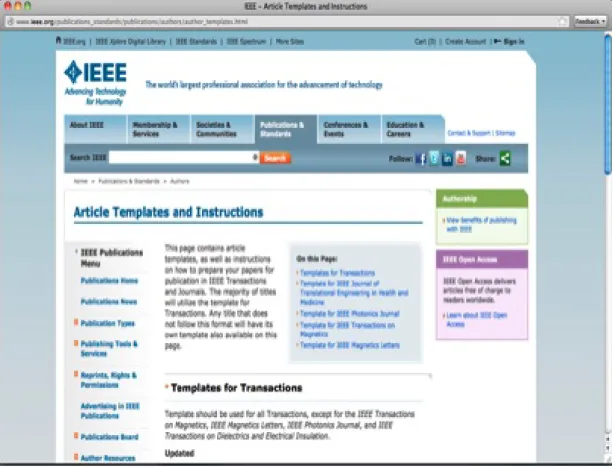
(5) List of Figures 1.1. Stages of a Workflow model e-learning by doing. . . . . . . . . .. 8. 1.2. Research methodology. . . . . . . . . . . . . . . . . . . . . . . . . . .. 16. 1.3. Scheduling. . . . . . . . . . . . . . . . . . . . . . . . . . . . . . . . . .. 18. 2.1. impact factor, Journal citation report. . . . . . . . . . . . . . . . . . .. 30. 2.2. The Quartile, Journal citation report. . . . . . . . . . . . . . . . . . . .. 30. 2.3. SJR (SCImago Journal Rank) Journal citation report. . . . . . . .. 31. 2.4. Article Templates and Instructions. IEEE Multimedia. . . . . . . .. 32. v.
(6) LIST OF FIGURES. vi.
(7) 1. Part1 1.1. Introduction.. The use of mobile devices in everyday life has become commonplace, thanks to the wide range of posibilities they offer. One of the aspects that attract users are the large number of features that such devices have. Using specific applications one can perform many tasks that before had to be done using different devices. Moreover, also workflows have changed due to devices features and their hability to perform many processes in them. Another fundamental aspect is the ability to stay connected to Internet. This aspect has become essential because communication habits have changed with the emergence of mobile devices. They have also radically changed habits and usages of digital photography, especially since the advent of cameras in smartphones. Incorporation of a good camera in the mobile device has become an essential aspect when deciding to purchase it. Currently, the use of mobile photo applications have become usual, offering a variety of possibilities. Taking into consideration that devices have high technical performance they became essential for the vast majority of smartphone users. These applications have changed all the processes of recruitment, development and distribution of photography, so that all processes previously performed in analogue, they are currently performed digitally. All these changes in customs and practices of digital photography, photographers that have been born in the digital age are unaware of the possibilities offered by analog. 1.
(8) 1. PART1. photographic processes. Digital processes that mobile applications do, simulate analog processes that were previously done. All analog processes are the precursors of all digital media that now allow us to capture movies or photos using specific filters, and then reveal them digitally. Mobile photo applications cover all production stages of photography. It is logical to think then, that they may be helpful to teach specific photographic aspects within a virtual learning environment. As one can consider these applications to be widely available, we can think of them as having a high pedagogic potential. A goal, then, is to study the potential added value of applications used in teaching. Integrating mobile photo applications within a virtual classroom environment allow us to obtain a very important feature of mobile photography, Ubiquity. We can say that mobile photography has the ability to generate images anytime, anywhere. Also edition and distribution can be done anywhere and anytime. All these reasons point to the idea that the needs of users of mobile devices have changed, and it is for this reason that we can use all resources that mobile devices offer for teaching. We have to think that resources are adapted to the specific needs of each student. In this sense we can say that mobile photography applications can help us to achieve this interaction. Improving the interaction between students and teachers can help students assimilate concepts in a very flexible and dynamic way. To generate such interaction we must analyze which is the most appropriate methodology. In this sense, an e-learning methodology type will allow us to work concepts in a practical way and then analyze their theoretical foundations. Moreover, we should note that mobile photo applications would help us to make consistent work processes. All points exposed above lead us to present this thesis proposal, thinking about how we could use mobile applications within an environment of e-learning virtual campus.. 1.2 1.2.1. Proposal. Justification of topic interest.. The topic presented in this research process stems from the increasing use of mobile devices and applications that facilitate their own use. In particular I will discuss the use of photo applications for mobile devices in online learning environments (e-learning).. 2.
(9) 1.2 Proposal.. The main idea is to check the features and functionalities that mobile devices and their incorporated mobile photo applications have, with the intention of incorporating them in a virtual educational environment. Photography is living for years a process of intense transformation, with constant changes regarding its usages and practices. Currently, there are plenty of mobile devices that capture images of high quality. Thanks to the technical features that have such devices, photography has undergone a process of democratization, being accessible to all users. Today it has become an art affordable for everyone, so much so that is an important factor when choosing a particular mobile device. Mobile photo applications have changed the process of capturing, processing and distributing images. This has been a technological revolution in the world of photography changing usages and practices of this art. Currently you can perform all the processes of image development digitally, either in the time of enrollment or during post-processing. One of the great advantages of these devices is that they can perform all the processes discussed above in a single device. Technological change experienced by digital photography has led to a change in habits, in which the device is no longer, the center of the image creation. Now the center of the creative process is the post-processing step of the image, focusing on the treatment we give to it or what effect did we use at the time of capturing the image. Changes that digital photography has lived through converted mobile photo applications in new development laboratories. These mobile photo applications allow us to perform all processes that were previously done in analog laboratories. They also allow us to control the process from the beginning, from the time of image capture. This has made the use of mobile photo applications to grow more and more, offering great amenities, and both technical and creative results are excellent. In the same way the great technological advances that mobile devices are constantly living through help them to be more interesting to users of mobile photography. These advances have become the choice of mobile devices cameras a key element of the device. Another aspect where we have to pay attention are the trends in mobile devices, since now everything points to a growing use of such applications. For all the reasons stated above, we analyze the possible incorporation of mobile photo applications to an e-learning environment. The study will focus on checking. 3.
(10) 1. PART1. whether mobile photo applications add value to the educational process and if they facilitate the learning process of digital photography. Within this research process we will make an analysis of the specific technical needs to include mobile photo applications in a virtual classroom. The ability to create tools that would allow us to work with those applications within a virtual learning environment is also analyzed. As a result of this investigation we will obtain the possible integration of mobile applications in a virtual learning environment and the technical requirements that the classroom must have to incorporate them as tools.. 1.2.2. State of the art.. To analyse and understand the current state of mobile photography applications and possible integration and subsequent use in a learning environment such as e-learning, we must first study the status of photography. After analysing the state of photography we focus on seeing what is the state of e-learning. Today we attended a debate in which photography is presented as an element that has undergone a major conceptual change, because new uses and practices emerged with the advent of digital photography. Photography, as we understood it in the pre-digital era, no longer exists, some authors like William Mitchell (1992)(1), Nicholas Mirzoeff (2003)(2), Hans Belting (2007)(3) or Fred Ritchin (2009)(4) suggest that photography has lost its nature that allowed it to be a representation of reality into something that goes beyond reality. For these reasons, many authors argue that photography has died to make way for other digital processes that have little to do with the practices of digital photography. Thus, photographer Joan Fontcuberta (2010)(5) argues that digital photography is part of the age in which he lives, so we have to share space with the media used today as part of the flow of information circulating on the net. Photochemical processes have gone digital processes. This has dramatically changed the processes of capturing, processing and distribution of the images. Digital photography has become something immaterial that no longer represent reality as we observe it, getting to break the link with the memory. The pictures are no longer a certification of the real as posed Benjamin (1973)(6) and Barthes (1990)(7), to become a manipulation of reality. Today we tend to capture all the events we live without selecting the memories that interest us, leaving aside the idea of storing the memories that interest us as stated Fontcuberta (2010)(8).. 4.
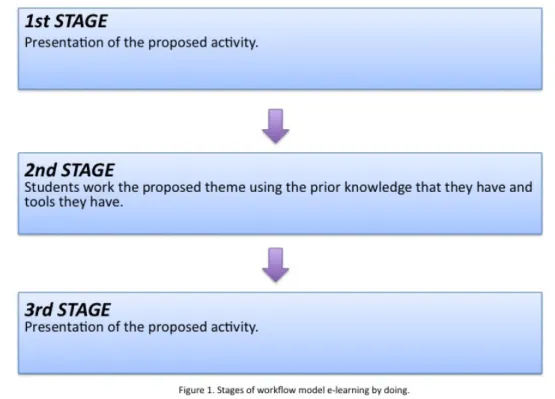
(11) 1.2 Proposal.. The ubiquity of digital photography has invaded our lives, taking our personal spaces, as Susan Sontag (1981)(9) suggests, it has colonized our personal universe. This has been possible due to the changes experienced in the process of creating and distributing images. Currently working processes have changed substantially, so analogue media are not necessary to create and distribute images. It is clear that some of the concepts have also changed, as the idea that sharing is better than owning the images, without stopping to think of the image as such, just thinking about the production of images. This leads us to be exposed to excessive production of images, which does not allow us to differentiate between what is really important and what is superfluous. Also say that the conception of what is really important has changed, the artist is no longer the center of the creative process; it has become a tool that produces images. This is because the programs capture and post-process images, which present us with a preconceived aesthetic as Manovich(10) raises, where the creator becomes a tool of the creative process poses. These programs have many features and aesthetic options that have been previously created by the program designers. This has made these programmers to become creators. The photographers used filters and templates they have created for them. Of all these changes mobile photography is the clearest paradigm. The addition of cameras on mobile devices has once again changed the conception of photography. The channels of capture, production and distribution have changed, now we only use a single mobile device with camera to do all these processes. It may seem, because of the great evolution and acceptance of Mobile photography, that the technical evolution has been simple. The evolution of mobile photography has evolved in parallel to the development of technical devices. This evolution has been similar to that of analogue photography, as it has been experiencing the same problems when capturing and fixing the image. Having overcome these initial problems Mobile camera phones has been improving the quality substantially. Currently the quality of these devices is excellent, and has become one of the main reasons for choosing a mobile device. From this great technical evolution Mobile photography has emerged as photographic discipline. This discipline has been able to attract the attention of a lot of users. Smartphones are now considered first class photographic devices. The technical development of mobile devices and mobile applications, have managed to emulate. 5.
(12) 1. PART1. analogue processes all from a single device, without having to go through a lab. This has been one of the keys to the acceptance of these devices and all its features. They managed to deliver excellent results in all areas of photography. Another important idea, as discussed in the article Cellular Photo: settings for a new visual paradigm(11) has been the ease in using them. Another important feature is that we always carry these Mobile devices with us. They also allow us to capture high quality images and perform post-production processes. This last feature has become essential in the habits and customs of the society in which we live. Currently we dont take pictures to remember, we do it to share and socialize. So Nicholas Mirzoeff in 1999 and predicted that modern life is displayed on the screen, hence the great importance of these devices in todays society. Another fundamental aspect is the ability to incorporate different elements or media in one device. In this sense, mobile devices have become transmedia, capable of integrating various media devices in one device. Henry Jenkins(12) calls this integration of elements Convergence Culture. Jenkins argues that there is a convergence of media elements or devices, which give the ability to have multiple formats. On transmedia content, Scott J. Warren(13) argues that the integration of these new media manage to increase the interactivity between teachers and students. It also indicates that helps get students other skills, such as the critical thinking, problem solving, creativity, contemplation, and critical discourses. All of these capabilities are the result of the interactive multimedia content generated. The characteristics of these resources generate a positive synergy between students and teachers, getting to present the content in the virtual classroom. This convergence of formats have emerged favored mobile photo applications. These applications have managed to offer users a wide range of services that previously could only be done in the analogue laboratories. Therefore, it is not presumptuous to think that mobile photo applications have become the new images laboratories. These applications allow us to capture images also allow us to capture images with the specifications that offered the analog film camera. Moreover, once captured image, provide the ability to reveal the same way you could do in a darkroom analog. All these features have to add the aspect that we discussed earlier, all these processes performed from a single device, which allows us to present our creation after almost instantaneously.. 6.
(13) 1.2 Proposal.. All these features have gotten increasingly more popular. Currently have become common tools among users of smartphones. For this reason it is important to analyze the possibility of integrating mobile photo applications on a virtual learning environment. Integrating mobile photo applications within the virtual classroom environment allow us a very important feature of mobile photography, Ubiquity. Mobile photography has the ability to generate images at any time, you can also edit and distribute them from anywhere and anytime. This idea by Taraghi, B(14) indicates that the needs of mobile users have changed. For this reason we believe that is possible to use all the mobile resources in a on-line education enviroment. In this sense we can say that mobile photography applications can help us achieve this interaction. On the issue of interaction that can arise between students and teacher, Nemsio Duarte Freitas Filho and Ellen Francine Barbosa(15) indicate that with the right motivation, you can get the students assimilate the concepts in a very flexible manner. They also emphasize that teaching scenarios are increasingly used because they offer excellent academic results. To achieve a high level of interaction we first design a cognitive strategy that allows us to carry out the pedagogical model that we intend to use. In that sense we are clear that we are interested in the pedagogical model used to carry out this project is called ”e-learning by doing”. This pedagogical model is based on own experimental work and concepts to further assimilate the practical theory. To start working concepts of the subject with this pedagogical model, first we present a working script for a specific topic. Once worked the subject the students are asked to explain what they have done or wanted to do. After analysinglll the process students must study the theoretical content of the course. This will get the students familiar with photographic processes to assimilate after the theoretical content in a natural way. The main idea is to start from a specific activity to generate reflection and analysis, and then the students have the conceptual tools necessary to address the theoretical part. This pedagogical method gets the student account that they possess previous knowledge. Using this methodology we help them to use during the process of studying the theoretical part. This would be the social constructive theory of splitting the model e-learning by doing, and that is the pedagogical model of the UOC.. 7.
(14) 1. PART1. The use of this cognitive strategy used by the pedagogical model e-learning by doing, allow us to offer a learning structure based on the establishment of preparatory steps to provide us with the assimilation of the theoretical content of the course. Also allow us to meet the previously defined steps in cognitive strategy, especially when the practical sections are more complex. Another aspect to consider is improving in efficiency. A good description of the contents will take students to get better academic results and greater assimilation of the content. In the graph below we can see the workflow by using a pedagogical model based on e-learning by doing.. Figure 1.1: Stages of a Workflow model e-learning by doing.. One of the reasons that drive us to do this research is the proliferation of mobile enabled devices in the virtual campus. According to data presented in the article ”M-learning patterns in the virtual classroom,”(16) we can see that 25 The main idea supports our hypothesis: students can use mobile enabled devices,. 8.
(15) 1.2 Proposal.. which that are totally familiar to them. Another aspect that facilitates the use of mobile enabled devices is educational platforms, which are more and more optimized for the use of mobile devices. Good examples of platforms designed and optimized to work with mobile devices are Sakai(17), Blackboard(18) and Moodle(19). These three platforms, created to work aspects of different subjects or agendas, allow working efficiently and ubiquitously. Also different university campuses are optimized so that students can work on specific course content, especially that of the UOC, the university that was born digital. The possible use of the LMS (Learning Management System) tools would facilitate the integration and use of tools to work on photographic concepts from course contents. We believe they could be one of the main features to take into account to use in the virtual campus. Nowadays there are already some. Understanding that ubiquity is the axis on which the picture turns, we can see how the m-learning works in the same direction. We can see how students can follow the classroom: they can work from wherever and whenever they want as Naismith, L. raises in his article ”Literature review in mobile technologies and learning”(20). This point becomes critical when the defined objective is evaluated. We believe that the use of mobile photo applications within LMS (Learning Management System) platforms will facilitate learning for all students regardless of their level of prior knowledge. The workspace will be equal for all, with the same features and the same resources. Using this system students only have to focus on course content. Once we know that there are platforms, which can be used to integrate mobile photo applications, we must think about whether it would be feasible to use them and which kind of applications could be of interest. The creation of a platform is ruled out for several reasons, first would be very expensive to implement a technological platform to fit mobile photo applications that are useful to us. Another reason is price. It would be too costly to maintain and implement improvements necessaries for proper operation of the created platform. That is why, as presented in the article ”Student projects empowering mobile learning in higher education”(21), it would be very useful that students undertake analysis and testing of the different existing tools. This will allow us to choose the tool we need to solve the problem.. 9.
(16) 1. PART1. In this way we would choose between an existing supplier, knowing that we can perform the integration of the application and can also work seamlessly with the tool. We may also choose the application to allow a higher level of interactivity, creating a space within the platform that allows interaction between students of the same virtual classroom. Now it is the moment to analyse the mobile photography applications that allow us to work the different technical concepts of the subject. Mobile photo applications cover most of the needs of mobile photography users. There are a lot of applications that allow us to control the main technical parameters of the camera. We can also find applications that allow us to work the main aesthetic aspects. Such applications have distinct characteristics and cover specific aspects of photography. Among the applications that are used to capture snapshots, either by using native apps or mobile camera applications, we can find: Camera FV-5, Camera +, VSCO cam, ProCamera, 645Pro i, PureShot, Camera ZOOM FX. These applications allow you to work as if they were reflex cameras. We can control the technical aspects such as exposure, focus, the sensitivity, flash, etc. Some of them offer features like filters or frames, but they really stand out for its functionality when capturing images. Another kind of applications are the ones that would allow retouching images and sharing them using social networks. Such applications are currently the most widely used because we can share our creations in specific communities. Among the most used we find Instagram and EyeEm, which are social networks created to share pictures taken with Smartphone. The main feature of these applications is that they allow us to make aesthetic touches to images. They also highlight because of their particular aesthetic that provide the filters. These filters enhance images in a very creative way. Another specific group of photo mobile applications are those that allow capturing and editing images. These mobile photo applications are an excellent option if you want to post-process the images taken. In this section we find two different types of applications. On one hand, we find mobile photo applications that make possible to select and control the main parameters of the camera. They also offer creative effects that we can use during the process of capturing snapshots. Among this first group. 10.
(17) 1.2 Proposal.. of applications we can find: Snapseed, PixrlExpress, FilterStorm, Photo Editor Little Photo Plugin. The number of applications offered in the market is very large, but these are some of the most used. On the other hand we find applications that allow capturing images with creative effects, but without the ability to control the technical parameters of the camera. Some of the most well known for their high performance are: Vignette, Hipstamatic, Squaready, PhotoStudio, Lomo Camara, Camara 2 Apps that do retouching and image creation by using specific processes enable us to work the main creative aspects of the subject. This kind of Apps also helps you to understand and work technical issues that have been previously worked in an analogue form. In another section we find applications that allow the use of specific photographic techniques. a) Double and multiexposure photography: SlowShutter, LongExpo. b) Black and white photography: MPRO, Hueless. c) HDR Photography: TrueHDR, ProHDR, HDR Camera+. d) Transform your photos into drawings and paintings: Cartoon Camera, Camara de Papel. e) Perspective correction: FrontView, Perspective Correct. f) Picture Collage: Pic Collage. g) Incorporate text and frames to photos: Pics Arts. There are also applications that allow you to work in layers. Such applications make the job easier when we want to apply changes and corrections to specific areas of the image. With them we can work concepts of retouching, but with the possibility of doing it from your mobile device. Here are some examples of applications that work in layers: Photoshop Touch, Blender, Phothoshop Express. Another interesting aspect mobile photo applications provide is the ability to work with experimental applications. These applications allow us to develop our creativity. 11.
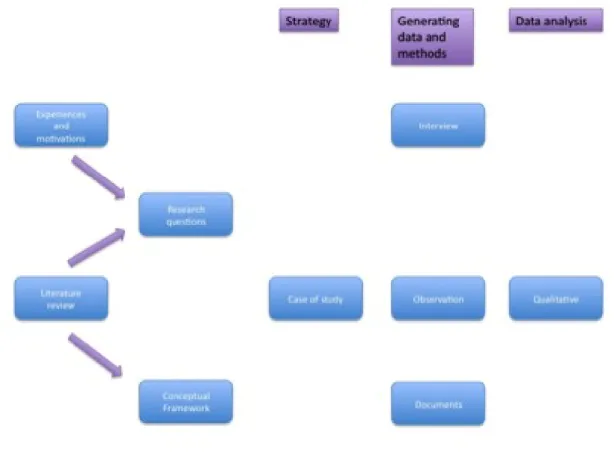
(18) 1. PART1. by blending different artistic aesthetic concepts. Some of these experimental Apps are: Decim8, Pxl, Symmetry, Percolator, Rays, Photo fixer, Sunsetter, Picture Pieces HD, Tiny planet fx PRO, Camera illusion Pro, Another group within mobile applications that can be interesting to us are applications that are used as specific tools to correct or modify images. Such applications only allow specific parameters as we vary the size or focus. Some examples of these useful tools are: PhotoSize, Reduce Photo Size, PhotoSync, AfterFocus. Once different mobile photo applications have been introduced we shall mention the accessories. They can be used to improve the functionality of the cameras and especially to get workflows similar to those made with SLR cameras. Examples of accessories for mobile photography are: Magnetics lenses, Clip-on lenses, Attached lenses, Rubber lenses, Elastic lenses, Tripods, Stabilizers, Baseplates, Light boxes, Cases, Objetives. All these applications are part of a wide range of mobile photographic applications that facilitate all the processes of capturing, producing and distributing of images created using different mobile devices. We believe that many of the concepts currently working with SLR cameras could work using mobile photo applications. The main idea is to complement work processes of SLR cameras by using specific applications for specific aspects of the work in a flexible and ubiquitous way. Mobile photo applications will also allow us to generate an interaction between peers and teachers. This would be possible by the creation of communities where it is possible to submit proposals and facilitate such interaction. All these applications are part of a wide range of mobile photographic applications that facilitate all the processes of capturing, producing and distributing of images created using different mobile devices. We believe that many of the concepts currently working with SLR cameras could work using mobile photo applications. The main idea is to complement work processes of SLR cameras by using specific applications for specific aspects of the work in a flexible and ubiquitous way. Mobile photo applications will also allow us to generate an interaction between peers and teachers. This would be possible by the creation of communities where it is possible to submit proposals and facilitate such interaction. For all reasons above, it would be important to consider the contribution that mobile photo applications could made within a virtual learning environment. We believe that the use of mobile photo applications could improve the interaction between students. 12.
(19) 1.2 Proposal.. and teachers. It would also help students to assimilate the theoretical content of the course. Another interesting aspect is that it would help to understand and analyse the creative processes, familiarizing students with photographic visual culture.. 1.2.3. Working hypothesis, research questions and objectives.. 1.2.3.1. Working hypothesis.. Mobile photo applications can be useful in a virtual learning environment. We believe that would help us to present course contents in a personalized way for each student. This has to be done in a way that students could work the contents of the subject anywhere and anytime. This is possible because photography is endowed with the gift of ubiquity. With the emergence of mobile photography applications ubiquity concept is more relevant, as we can do all photographic processes from a single device, whenever we want. Moreover we can see how mobile applications are currently able to capture, edit and distribute images at high quality. All these aspects, linked to the widespread use of mobile photo applications, have managed to capture the attention of photographers born in analogue times and those born in the digital stage. All technical aspects of mobile photo applications allow us to see that if we use an appropriate methodology we can work specific photographic aspects within the environment of a virtual campus. To do this, we estimate its possible integration and subsequent use of mobile photo applications, having a clear pedagogical foundation that will enable the content. For all these reasons, it is important to consider the contribution that mobile photography applications could make in a virtual learning environment. We thought it might substantially improve the interaction between students and teachers, as the subject would have a high practical content, which will be subsequently analyzed theoretically. We believe that a practical part could be done using mobile photography applications. We also believe that technical resources that mobile photography applications offer facilitate the work of students who can work course contents anytime, anywhere. Another interesting aspect to take into account is that it would help to understand and analyze the creative processes of photography. By working the creative aspects of photography students will get familiar with the photographic visual culture.. 13.
(20) 1. PART1. 1.2.3.2. Research questions.. The questions proposed in this research project are: 1) Are the tools available in the virtual learning environment for integrating current and future use of mobile applications sufficient? 2) If these tools are not sufficient, what kind of tools would be needed to incorporate mobile photography applications into the virtual campus? 3) What level of improvement will we have on the learning process of digital photography by using mobile photo applications? 4) How does the process of interaction between teachers and students change will change? 5) Could we ease the learning process of students? 1.2.3.3. Objectives.. From the main objective of determining the potential use and implementation of mobile photo applications in an educational environment such as e-learning, the following partial objectives can be proposed: 1) Analyze the current state of photography within the so-called ”fifth moment of photography” or Post photography. 2) Analyze the state of mobile applications, their performance and functionality associated to mobile photo applications. 3) Analyze the functions of creating, processing and distribution of photographic applications and compared them with their equivalent analog processes. 4) Analyze the possible integration and use of mobile applications and digital processing and imaging labs in an environment of on-line education. 5) vAnalyze if tools available in the present virtual learning environtments are sufficient to integrate and use photographic applications.. 14.
(21) 1.2 Proposal.. 6) Evaluate a possible improvement in the level of interaction between teachers and students. 7) Analyze whether incorporating mobile photo applications add value to the teaching of the photography in a virtual learning environment. The first six points shown avobe will provide us with the resources to meet objective seven, which is the focus of this study.. 1.2.4. Research methodology.. The working methodology will contain the next steps or stages to perform the proposed thesis project: 1) Experiences and motivations: at this early stage I will raise the reasons that lead us to undertake this research process. We will consider all the personal background and previous experiences that, after a thorough analysis, will help us in focusing the topic that will be explored throughout the dissertation process. 2) Literature review: once analyzed all aspects to be taken to raise the subject of study, we will conduct a review of the literature. This revision will make for information that will help us to know what is state of the research focuon on which we intend to investigate and to see how we can guide the work process. 3) Formulation of research questions: the analysis of the two issues discussed above will lead us to formulate research questions. The correct formulation of these questions will be essential to carry out the project, since they will accompany us throughout the thesis research. 4) Research strategy: once defined the research questions, we will decide what research strategy to follow. Due to the nature of the item investigated we believe that the most coherent strategy is to follow a case study. This methodology allows us to analyze all aspects of mobile photo applications and their successful integration within a virtual learning environment. The type of case study we intend to do is an Explanatory Study, allowing us to compare previously analyzed cases present in the literature and our own case study.. 15.
(22) 1. PART1. 5) Methods to generate information: to generate the information we need to perform the study presented here, we use three methods. First one is Observation of users of mobile photo applications. The second is the analysis of existing documents related to the research process we started. And third one is conducting interviews to photographers born in the analog age and born in the digital era. These methods will help me to carry out the research process. 6) Analysis of generated data: the analysis of generated data during the research process will be Qualitative. Data must be analyzed thoroughly to understand the specific characteristics of mobile photo applications and the needs of virtual environments in which we intend to introduce them for thir later correct use. In the next picture we see the methodology that I will continue to carry out the thesis project:. Figure 1.2: Research methodology.. 16.
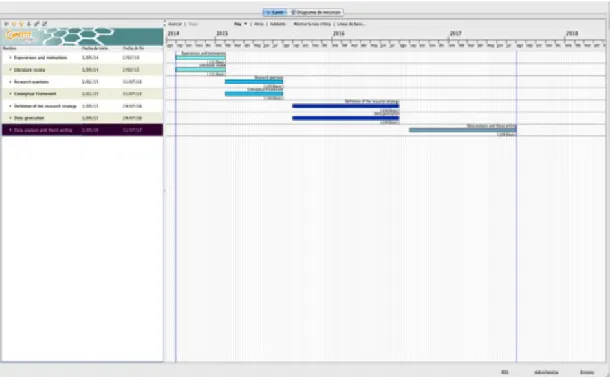
(23) 1.2 Proposal.. 1.2.5. Scheduling.. Work planning and realization process of the thesis shall achieve with the steps described above in the methodological part. First step is to analyze the reasons that lead us to begin the research project. In parallel we will begin to review the existing literature in the field of the research work. This process would cover the first semester of 2014-15. The review process can take us at least six months because we surely will find a lot of documentation that must reviewed comprehensively. Then, as a result of the work processes performed above, we will raise the research questions that will allow us to focus research to achieve the objectives. At the same time of we the development of the research questions we will make an analysis of the conceptual framework. This analysis will allow us to analyze the specificities of the subject on which we intend to conduct the research. These two processes will be done during the second semester of 2014-15. At the begin of 2015-16 course we will define the research strategy and we will generate information needed for our research. At this time we will do all fieldwork, in order to generate the data necessary to demonstrate the thesis objective. This data generating process will last a whole school year because it can be a costly to produce data. There are many aspects to be analyzed and several methods to use during data generation. The analysis of generated data will begin in the course 2016-17. This process will take a full academic year and will include analysis of data and writing of the thesis. We have raised all the working process for the thesis in three academic years, otherwise the research could loose all interest. Technological issues should be discussed at the appropriate time and in a most expeditious manner. We understand that working stages can suffer setbacks due to changes or modifications made during the research process. These potential changes should always be taken into account when analyzing technological issues, as these are constantly evolving. The following Gantt chart we can see the evolution in time of the whole process of dissertation research.. 17.
(24) 1. PART1. Figure 1.3: Scheduling.. 1.2.6 1.2.6.1. Thesis director. Director(s) proposal.. Enric Guaus (Barcelona, 1974) is a researcher in sound and music computing at the Music Technology Group, Universitat Pompeu Fabra (UPF), and professor at the Sonology Department, at the Escola Superior de Msica de Catalunya (ESMUC). He obtained a PhD in Computer Science and Digital Communications (UPF), in 2009, with a dissertation on automatic music genre classification. His research interests cover music information retrieval and human interfaces for musical instruments. He is assistant professor in acoustic engineering at the Universitat Pompeu Fabra (UPF) and lecturer in maths, electronics and computer science at the Escola Superior de Msica de Catalunya (ESMUC). He is also a consultant professor at Universitat Oberta de Catalunya (UOC) and collaborator at different master programs. He is member of the Observatori de de prevenci auditiva per als msics (OPAM) i de la Barcelona Laptop Orchestra (BLO). PhD thesis. 18.
(25) 1.2 Proposal.. A dissertation to be submitted to the Department of Information and Communication Technologies at the Universitat Pompeu Fabra for the program in Computer Science and Digital Communication in partial fulfilment of the requirements for the degree of Doctor per la Universitat Pompeu Fabra. Title: Audio content processing for automatic music genre classification: descriptors, databases, and classifiers. Direction: Dr. Xavier Serra, Department of Information and Communication Technologies, Universitat Pompeu Fabra, Barcelona. Abstract: This dissertation presents, discusses, and sheds some light on the problems that appear when computers try to automatically classify musical genres from audio signals. In particular, a method is proposed for the automatic music genre classification by using a computational approach that is inspired in music cognition and musicology in addition to Music Information Retrieval techniques. In this context, we design a set of experiments by combining the different elements that may affect the accuracy in the classification (audio descriptors, machine learning algorithms, etc.). We evaluate, compare and analyze the obtained results in order to explain the existing glass-ceiling in genre classification, and propose new strategies to overcome it. Moreover, starting from the polyphonic audio content processing we include musical and cultural aspects of musical genre that have usually been neglected in the current state of the art approaches. This work studies different families of audio descriptors related to timbre, rhythm, tonality and other facets of music, which have not been frequently addressed in the literature. Some of these descriptors are proposed by the author and others come from previous existing studies. We also compare machine learning techniques commonly used for classification and analyze how they can deal with the genre classification problem. We also present a discussion on their ability to represent the different classification models proposed in cognitive science. Moreover, the classification results using the machine learning techniques are contrasted with the results of some listening experiments proposed. This comparison drive us to think of a specific architecture of classifiers that will be justified and described in detail. It is also one of the objectives of this dissertation to compare results under different data configurations, that is, using different datasets, mixing them and reproducing some real scenarios in which genre classifiers. 19.
(26) 1. PART1. could be used (huge datasets). As a conclusion, we discuss how the classification architecture here proposed can break the existing glass-ceiling effect in automatic genre classification. To sum up, this dissertation contributes to the field of automatic genre classification: a) It provides a multidisciplinary review of musical genres and its classification; b) It provides a qualitative and quantitative evaluation of families of audio descriptors used for automatic classification; c) It evaluates different machine learning techniques and their pros and cons in the context of genre classification; d) It proposes a new architecture of classifiers after analyzing music genre classification from different disciplines; e) It analyzes the behavior of this proposed architecture in different environments consisting of huge or mixed datasets. Publications List of publications also in MTG and IIIA-CSIC. 2013: - J.L. Arcos E. Guaus; T. H. Ozaslan. Analyzing musical expressivity with a soft computing approach. Fuzzy Sets and Systems, Elsevier, Volume 2014, p.65-74 (2013) - E. Guaus, O. Saa, Q. Llimona. Observed differences in rhythm between performances of classical and jazz violin students. Sound and Music Computing Conference (SMC2013), Stockholm, Sweden. - E. Guaus, J. Ayats. The churches tuning. International Workshop on Folk Music Analysis (FMA13), Amsterdam, Netherlands, 2013. 2012: - A. Perez, J. Bonada, E. Maestre, E. Guaus, M. Blaauw. Performance Control Driven Violin Timbre Model Based on Neural Networks. IEEE Transactions on Audio, Speech, and Language Processing. Vol. 20, Num. 3, pp 1007-1021, March 2012. 2011:. 20.
(27) 1.2 Proposal.. - T. H. Ozaslan. E. Guaus, E. Palacios, J. L. Arcos. Identifying Attack Articulations in Classical Guitar. Computer Music Modeling and Retrieval. Exploring Music Contents. Lecture Notes in Computer Science, vol. 6684: Spriger-Verlag, pp. 219-241, 2011. - E. Guaus, J. Ayats. Does acoustics contribute to polyphonic chants in Corsica?. Proc. of 7th. International conference on Interdisciplinary Musicology (CIM11). Glasgow, Scotland (slides). - J. M. Comajuncosas, E. Guaus, A. Barrachina and J. OConnell. Nuvolet : 3D gesture-driven collaborative audio mosaicing. Proc. of NIME 2011, Oslo, Norway. 2010: - E. Guaus, J.Ll. Arcos. Analyzing left hand fingering in guitar playing. Proc. of Sound and Music Computing, 2010, Barcelona, Spain (pdf). - T. Ozaslan, E. Guaus, E. Palacios, and J.Ll. Arcos. Attack based articulation analysis of nylon string guitar. Proc. of CMMR, 2010, Malaga, Spain (pdf). - E. Guaus, T. Ozaslan, E. Palacios, and J.Ll. Arcos. A left hand gesture caption system for guitar based on capacitive sensors. Proc. of NIME, 2010, Sydney, Australia (pdf). - Maestre, E., Blaauw, M., Bonada, J., Guaus, E., Prez, A, Statistical Modeling of Bowing Control applied to Violin Sound Synthesis. IEEE Transactions on Audio, Speech, and Language Processing, Vol. 18, Num. 4, pp 855-871. 2009: - N. Wack, E. Guaus, C. Laurier, O.Meyers, R. Marxer, D. Bogdanov, J. Serr, P. Herrera, Music type groupers (MTG): generic music classification algorithms. Music Information Retrieval Evaluation eXchange (MIREX), 2009 (pdf). - P. Herrera, J. Serr, C. Laurier, E. Guaus, E. Gmez, X. Serra, The Discipline formerly known as MIR. 10th International Conference on Music Information Retrieval, Kobe, Japan, 2009 (pdf).. 21.
(28) 1. PART1. - E. Guaus, Audio content processing for automatic music genre classification: descriptors, databases, and classifiers. PhD thesis, 2009. (+info) - E. Guaus, J. Bonada, E. Maestre, A. Perez, M. Blaauw, Calibration method to measure accurate bow force for real violin performances. International Computer Music Conference, Montreal, Canada, pp. 251-254, 2009 (pdf). 2008: - M. Sordo, O. Celma, M. Blech, E. Guaus, The Quest for Musical Genres: Do the Experts and the Wisdom of Crowds Agree?. 9th International Conference on Music Information Retrieval, Philadelphia, USA, 2008 (pdf ). - A. Perez, J. Bonada, E. Maestre, E. Guaus, M. Blaauw, Measuring Violin Sound Radiation for Sound Equalization. Acoustics 08, Paris, France, 2008 (pdf). - A. Perez, J. Bonada, E. Maestre, E. Guaus, M. Blaauw, Score Level Timbre Transformations of Violin Sounds. International Conference on Digital Audio Effects, Espoo, Finland, 2008 (pdf ). 2007: - E. Maestre, J. Bonada, M. Blaauw, A. Prez, E. Guaus, Acquisition of violin instrumental gestures using commercial EMF device. International Computer Music Conference, Copenhagen, Denmark, 2007 (pdf). - E. Guaus, P. Herrera, A basic system for music genre classification. 8th International Conference on Music Information Retrieval, Vienna, Austria, 2007 (pdf). - A. Prez, J. Bonada, E. Maestre, E. Guaus, M. Blaauw, Combining performance actions with spectral models for violin sound transformation. 19th. International Conference on Acoustics, Madrid, Spain, 2007 (pdf). - E. Guaus, J. Bonada, A. Prez, E. Maestre, M. Blaauw, Measuring the bow pressing force in a real violin performance. International Symposium on musical acoustics, Barcelona, Spain, 2007 (pdf). 2006:. 22.
(29) 1.2 Proposal.. - E. Guaus, P. Herrera, Towards better automatic genre classifiers by means of understanding human decisions on genre discrimination. 9th International conference on music perception and cognition, pp. 326.327, Bologna, Italy, 2006. - E. Guaus, P. Herrera, Music genre categorization in humans and machines. 121th AES convention, San Francisco, USA, 2006 (pdf). 2005: - P. Cano et Al., An Industrial-Strength Content-based Music Recommendation System. 28th Annual International ACM SIGIR Conference, 2005 (pdf). - E. Guaus, E. Gmez, Storage and retrieval of relevant information for music master classes. 36th conference of the International Association of Sound and Audiovisual Archives (IASA), 2005. - P. Cano et Al., Content-based music audio recommendation. 13th annual ACM international conference on Multimedia, pp. 211-212, 2005 (pdf). - E. Guaus, P. Herrera, The rhythm transform: towards a generic rhythm transcription. International Computer Music Conference, 2005 (pdf). 2004: - E. Batlle, J. Masip, E. Guaus, P. Cano, Scalability issues in HMM-based Audio Fingerprinting. International Conference on Multimedia and Expo, vol. 1, pp. 735-738, 2004. - E. Batlle, J. Masip, E. Guaus, Amadeus, A Scalable HMM-based Audio Information Retrieval System. First International Symposium on Control, Communications and Signal Processing, pp. 731-734, 2004 (pdf). - J.G. Mahedero, V. Tarasov, E. Batlle, E. Guaus, J. Masip, Industrial audio fingerprinting distributed system with CORBA and Web Services. 5th International Conference on Music Information Retrieval, pp. 337-340, 2004 (pdf). - E. Guaus, Batlle, E, A non-linear rhythm-based style classifcation for Broadcast Speech-Music Discrimination. 116th AES Convention, 2004 (pdf).. 23.
(30) 1. PART1. - E. Guaus, New approaches for rhythmic description of audio signals. Master thesis, 2004. (+ info) 2003: - E. Batlle, E. Guaus, J. Masip, Open Position Multilingual Orchestra Conductor. Lifetime Opportunity. 26th. annual international ACM SIGIR conference, 2003 (pdf). - E. Guaus, E. Batlle, Visualization of metre and other rhythm features. International Symposium on Signal Processing and Information Technology (ISSPIT), 2003 (pdf). 2002: - E. Batlle, J. Masip, E. Guaus, Automatic Song Identification in Noisy Broadcast Audio. Proc. of Signal and Image Processing (SIP), 2002 (pdf). 2000: - E. Guaus, Array de micrfonos con directividad variable para auditorios. Proc of Tecniacstica00, 2000. - E. Guaus, J. Ricart, F. Escudero, Armonizador de melodias. Proc. of Tecniacstica00, 2000. 1999: - E. Guaus, I. Rossell, L.A. Vallejos, Implementacin de efectos para seales de audio. Proc. of Tecniacstica99, 1999. - E. Guaus, F. Ordoyo, Reduccin de ruido mediante la transformada wavelet. Proc. of Tecniacstica99, 1999. - R. Barti, E. Guaus, Desniveles de sonido entre publicidad y programas en TV. Proc. of Tecniacstica99, 1999. 1998: - E. Guaus, J.J. Garcia, J.M Garcia, Uso de la transformada wavelet en aplicaciones de acstica musical. Proc. of Tecniacstica98, pp. 621-624, 1998. - E. Guaus, M. Tor and C. Sivill, Sntesis musical de una guitarra mediante modelizacin fsica. Proc. of Tecniacstica98, pp. 225-228, 1998.. 24.
(31) 1.2 Proposal.. 1.2.6.2. Relation to UOC.. Consultant professor at Universitat Oberta de Catalunya (UOC).. 25.
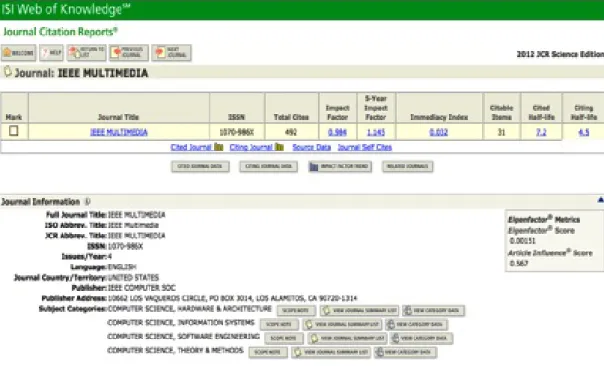
(32) 1. PART1. 26.
(33) Bibliography [1] Mitchell, W.J. (1992). The Reconfigured Eye. Visual Thruth in the PostPhotographic Era. Cambridge, Massachussets: MIT Press. 4 [2] Mirzoeff, N. (2003). Una introduccin a la cultura visual. Barcelona: Paids. 4 [3] Belting, H. (2007). Antropologa de la imagen. Buenos Aires: Katz Ediciones. 4 [4] Ritchin, F. (2009). After Photography. Nueva York: W. W. Norton Company,Inc. 4 [5] Fontcuberta, Joan (1997). El beso de Judas: fotografa y verdad. Barcelona: Gustavo Gili. 4 [6] Benjamin, Walter (1973). La obra de arte en la era de su reproductibilidad tcnica. En: Discursos Interrumpidos I. Madrid: Taurus (1 Edicin: 1936). 4 [7] Barthes, Roland (1990). La cmara lcida. Nota sobre la fotografa. Barcelona: Paids (edicin original: 1980). 4 [8] Fontcuberta, Joan (1997). El beso de Judas: fotografa y verdad. Barcelona: Gustavo Gili. 4 [9] Sontag, Susan (1981). Sobre la fotografa. Barcelona: Edhasa (edicin original: 1973). 5 [10] Lev Manovich, ’The Paradoxes of Digital Photography’ in V. Amelunxen, Stefan lglhaut, Florian Rotzer (eds) Photography After Photography, (Munich, Verlag der Kunst, 1995). Reprinted by permission of the author. 5. 27.
(34) BIBLIOGRAPHY. [11] Zygmunt Bauman (2012), ”Cellular Photo: settings for a new visual paradigm”. International Communication Association. 6 [12] Jenkins, H (2008), Convergence Culture: La cultura de la convergencia de los medios de comunicain, Barcelona, Paids, 2006,14. 6 [13] Scott J. Warren (2013) . Learning and Teaching as Communicative Actions: Transmedia Storytelling. Emerald Books . 6 [14] Taraghi, B (2012). Ubiquitous Personal Learning Environment (UPLE) . Interactive Collaborative Learning (ICL), 2012 15th International Conference on IEEE Xplore . 7 [15] Nemsio Freitas Duarte Filho y Ellen Francine Barbosa, (2013). A requirements catalog for mobile learning environments . SAC ’13: Proceedings of the 28th Annual ACM Symposium on Applied Computing. 7 [16] Lpez, F.A. y Silva, M.M. (2014). Patrones de m-learning en el aula virtual. Aplicaciones para el aprendizaje mvil en educacin superior [monogrfico]. Revista de Universidad y Sociedad del Conocimiento (RUSC). Vol. 11, n. 1. pgs. 208-221. doi http://doi.dx.org/10.7238/rusc.v11i1.1902 8 [17] http://sakaiproject.org/ 9 [18] Blackboard, http://www.blackboard.com. 9 [19] Moodle http://moodle.org. 9 [20] Naismith, L., Lonsdale, P., Vavoula, G., Sharples, M. (2006). Literature Review in Mobile Technologies and Learning. Report 11, Futurelab. 9 [21] Rius, , Masip, D. y Claris, R. (2014). Proyectos de los estudiantes para potenciar el aprendizaje mvil en la educacin superior. Aplicaciones para el aprendizaje mvil en educacin superior [monogrfico]. Revista de Universidad y Sociedad del Conocimiento (RUSC). Vol. 11, n. 1. pgs. 192-207. doi http://doi.dx.org/10.7238/rusc.v11i1.1901 9. 28.
(35) 2. Part 2. 2.1. First activity of the research plan.. The first activities that I will perform in this research plan is to write and try to publish an article that substantiates our research. To publish my article I have selected the following ISI-JCR Journal: - IEEE Multimedia Information JCR (Journal Citation Reports): - The impact factor1 of the journal according to the JCR is 0.984. - The 5-Year Impact Factor2 is 1.145. - The quartile3 of the journal according to the JCR is Q3. - The SJR (SCImago Journal Rank)4 of the journal is 0,639.. 1. The journal Impact Factor is the average number of times articles from the journal published in the past two years have been cited in the JCR year. 2 The 5-year journal Impact Factor is the average number of times articles from the journal published in the past five years have been cited in the JCR year. It is caclulated by dividing the number of citations in the JCR year by the total number of articles published in the five previous years. 3 Quartile: if a list of magazine ranked from highest to lowest impact factor is divided into four equal parts, each part is a quartile. The journals with the highest impact factor in the top quartile. 4 SJR (SCImago Journal Rank): is a measure of scientific influence of scholarly journals that accounts for both the number of citations received by a journal and the importance or prestige of the journals where such citations come from.. 29.
(36) 2. PART 2.. Figure 2.1: impact factor, Journal citation report.. Figure 2.2: The Quartile, Journal citation report.. 30.
(37) 2.1 First activity of the research plan.. Figure 2.3: SJR (SCImago Journal Rank) Journal citation report.. I decided to choose this magazine because it presents issues related to the field of multimedia. This magazine reports on the state of the art in multimedia, including technical trends and research lines. Also I have seen that is a magazine with a good impact factor, which is also part of all publications of IEEE journal. The research topic I present can fit into the next release, as I refer to the multimedia devices and applications needed to use them. These are the main reasons that have led me to alegir this publication. To publish the article in the Journal that I have selected I used the following Latex document: bare jrnl transmag This way I follow the guidelines of the journal selected in the fist task. The following URL can be found the conditions of publication and templates that can be used for the work of the presenter. In the next picture we can see the magazine page from which you can download all the information.. 31.
(38) 2. PART 2.. Figure 2.4: Article Templates and Instructions. IEEE Multimedia.. 32.
(39) TRABAJO FINAL DE MASTER - ITINERARIO DE INVESTIGACIN.. 1. Integration and usage of mobile photo applications in virtual learning environments. David Cordero Llera. IT, Multimedia and Telecommunications (IMT). UNIVERSITAT OBERTA DE CATALUNYA. Abstract-The paper explores the possibility of integrating mobile photo applications within a virtual learning environment. So we have analyzed the current state of photography, with the intention to understand the changes experienced in that discipline. In parallel we performed an analysis of mobile photo applications, with the intention to assess their possible integration into the virtual classroom. This analysis has led us to think about the possibility of creating a tool that allows the use of mobile applications within the virtual classroom. The possible creation of this cognitive tool will help us to present content in a more interactive manner, encouraging students to become familiar with the process of photographic creation. This tool will use familiar methods for students, mobile photo applications that are currently widely used. Moreover the creation of a tool of this type, we also offer the possibility to work all analog photographic processes that were used before the advent of digital photography. The ability to understand the processes of analog development, help students understand and assimilate all current digital processes. In conclusion we get the idea that it is possible to integrate mobile photo applications. To do this we consider the possibility of creating a tool that allows us to use the full functionality of mobile photo applications. The main purpose of this study is to check whether the mobile photo applications get add value to the learning process. To do this we analyze their specific characteristics and the results they offer. This will lead us to think of a possible scenario in which to use these tools within the virtual campus. Index Terms—Digital Photography, Mobile Phothographic Apps, E-leraning, Visual culture, Digital darkrooms,Cultural studies, Mobile learning, ”fifth moment of photography”, Post-photography.. I. I NTRODUCTION. P. hotography is living for years a process of intense transformation. The customs and practices of photography are undergoing constant change. Currently there are plenty of devices that capture images with great quality. Technical characteristics of mobile devices have made photography a phenomenon for the general public. For these reasons, it has become an important factor in choosing a mobile device. Within this proliferation of devices, mobile devices have captured the attention of photographers. The quality of mobile devices and the large number of existing applications of mobile photography market, have become the mobile photography in another discipline more. With these new mobile devices have been the changes in the processes of creation, development and distribution of photography. Currently from a single mobile device we can perform all the processes described above. For this reason, new uses of digital photography have transformed all photographic processes that were previously performed in analog photography, getting the same results digitally. For all these reasons, it is interesting to analyze the idea of integration and use of mobile photography applications in a virtual learning environment. With the integration of these elements in the virtual environment, we can teach analog processes digitally. Therefore in this paper we propose an analysis of the current state of mobile photography applications and the possibility of integrating them within a virtual learning environment. To do this we propose the creation of a cognitive tool to help. us integrate the functionalities of mobile photo applications within an environment of e-learning. The rest of the article is organised as follows. In Section 2, We analyze the Background and the related work. We present a conclusin in Section 3. This is the structure of this article. II. BACKGROUND AND RELATED WORK To analyse and understand the current state of mobile photography applications and possible integration and subsequent use in a learning environment such as e-learning, we must first study the status of photography. After analysing the state of photography we focus on seeing what is the state of e-learning. Today we attended a debate in which photography is presented as an element that has undergone a major conceptual change, because new uses and practices emerged with the advent of digital photography. Photography, as we understood it in the pre-digital era, no longer exists, some authors like William Mitchell (1992)[1], Nicholas Mirzoeff (2003)[2], Hans Belting (2007)[3] or Fred Ritchin (2009)[4] suggest that photography has lost its nature that allowed it to be a representation of reality into something that goes beyond reality. For these reasons, many authors argue that photography has died to make way for other digital processes that have little to do with the practices of digital photography. Thus, photographer Joan Fontcuberta (2010)[5] argues that digital photography is part of the age in which he lives, so we have to share space with the media used today as part of the flow of information circulating on the net. Photochemical processes have gone digital processes. This has dramatically changed.
(40) TRABAJO FINAL DE MASTER - ITINERARIO DE INVESTIGACIN.. the processes of capturing, processing and distribution of the images. Digital photography has become something immaterial that no longer represent reality as we observe it, getting to break the link with the memory. The pictures are no longer a certification of the real as posed Benjamin (1973)[6] and Barthes (1990)[7], to become a manipulation of reality. Today we tend to capture all the events we live without selecting the memories that interest us, leaving aside the idea of storing the memories that interest us as stated Fontcuberta (2010)[8]. The ubiquity of digital photography has invaded our lives, taking our personal spaces, as Susan Sontag (1981)[9] suggests, it has colonized our personal universe. This has been possible due to the changes experienced in the process of creating and distributing images. Currently working processes have changed substantially, so analogue media are not necessary to create and distribute images. It is clear that some of the concepts have also changed, as the idea that sharing is better than owning the images, without stopping to think of the image as such, just thinking about the production of images. This leads us to be exposed to excessive production of images, which does not allow us to differentiate between what is really important and what is superfluous. Also say that the conception of what is really important has changed, the artist is no longer the center of the creative process; it has become a tool that produces images. This is because the programs capture and post-process images, which present us with a preconceived aesthetic as Manovich[10] raises, where the creator becomes a tool of the creative process poses. These programs have many features and aesthetic options that have been previously created by the program designers. This has made these programmers to become creators. The photographers used filters and templates they have created for them. Of all these changes mobile photography is the clearest paradigm. The addition of cameras on mobile devices has once again changed the conception of photography. The channels of capture, production and distribution have changed, now we only use a single mobile device with camera to do all these processes. It may seem, because of the great evolution and acceptance of Mobile photography, that the technical evolution has been simple. The evolution of mobile photography has evolved in parallel to the development of technical devices. This evolution has been similar to that of analogue photography, as it has been experiencing the same problems when capturing and fixing the image. Having overcome these initial problems Mobile camera phones has been improving the quality substantially. Currently the quality of these devices is excellent, and has become one of the main reasons for choosing a mobile device. From this great technical evolution Mobile photography has emerged as photographic discipline. This discipline has been able to attract the attention of a lot of users. Smartphones are now considered first class photographic devices. The technical development of mobile devices and mobile applications, have managed to emulate analogue processes all from a single device, without having to go through a lab. This has been one of the keys to the acceptance of these devices and all its. 2. features. They managed to deliver excellent results in all areas of photography. Another important idea, as discussed in the article Cellular Photo: settings for a new visual paradigm[11] has been the ease in using them. Another important feature is that we always carry these Mobile devices with us. They also allow us to capture high quality images and perform post-production processes. This last feature has become essential in the habits and customs of the society in which we live. Currently we dont take pictures to remember, we do it to share and socialize. So Nicholas Mirzoeff in 1999 and predicted that modern life is displayed on the screen, hence the great importance of these devices in todays society. Another fundamental aspect is the ability to incorporate different elements or media in one device. In this sense, mobile devices have become transmedia, capable of integrating various media devices in one device. Henry Jenkins[12] calls this integration of elements Convergence Culture. Jenkins argues that there is a convergence of media elements or devices, which give the ability to have multiple formats. On transmedia content, Scott J. Warren[13] argues that the integration of these new media manage to increase the interactivity between teachers and students. It also indicates that helps get students other skills, such as the critical thinking, problem solving, creativity, contemplation, and critical discourses. All of these capabilities are the result of the interactive multimedia content generated. The characteristics of these resources generate a positive synergy between students and teachers, getting to present the content in the virtual classroom. This convergence of formats have emerged favored mobile photo applications. These applications have managed to offer users a wide range of services that previously could only be done in the analogue laboratories. Therefore, it is not presumptuous to think that mobile photo applications have become the new images laboratories. These applications allow us to capture images also allow us to capture images with the specifications that offered the analog film camera. Moreover, once captured image, provide the ability to reveal the same way you could do in a darkroom analog. All these features have to add the aspect that we discussed earlier, all these processes performed from a single device, which allows us to present our creation after almost instantaneously. All these features have gotten increasingly more popular. Currently have become common tools among users of smartphones. For this reason it is important to analyze the possibility of integrating mobile photo applications on a virtual learning environment. Integrating mobile photo applications within the virtual classroom environment allow us a very important feature of mobile photography, Ubiquity. Mobile photography has the ability to generate images at any time, you can also edit and distribute them from anywhere and anytime. This idea by Taraghi, B[14] indicates that the needs of mobile users have changed. For this reason we believe that is possible to use all the mobile resources in a on-line education enviroment. In this sense we can say that mobile photography applications can help us achieve this interaction. On the issue of interaction that can arise between students.
(41) TRABAJO FINAL DE MASTER - ITINERARIO DE INVESTIGACIN.. and teacher, Nemsio Duarte Freitas Filho and Ellen Francine Barbosa[15] indicate that with the right motivation, you can get the students assimilate the concepts in a very flexible manner. They also emphasize that teaching scenarios are increasingly used because they offer excellent academic results. To achieve a high level of interaction we first design a cognitive strategy that allows us to carry out the pedagogical model that we intend to use. In that sense we are clear that we are interested in the pedagogical model used to carry out this project is called ”e-learning by doing”. This pedagogical model is based on own experimental work and concepts to further assimilate the practical theory. To start working concepts of the subject with this pedagogical model, first we present a working script for a specific topic. Once worked the subject the students are asked to explain what they have done or wanted to do. After analysinglll the process students must study the theoretical content of the course. This will get the students familiar with photographic processes to assimilate after the theoretical content in a natural way. The main idea is to start from a specific activity to generate reflection and analysis, and then the students have the conceptual tools necessary to address the theoretical part. This pedagogical method gets the student account that they possess previous knowledge. Using this methodology we help them to use during the process of studying the theoretical part. This would be the social constructive theory of splitting the model e-learning by doing, and that is the pedagogical model of the UOC. The use of this cognitive strategy used by the pedagogical model e-learning by doing, allow us to offer a learning structure based on the establishment of preparatory steps to provide us with the assimilation of the theoretical content of the course. Also allow us to meet the previously defined steps in cognitive strategy, especially when the practical sections are more complex. Another aspect to consider is improving in efficiency. A good description of the contents will take students to get better academic results and greater assimilation of the content. In the graph below we can see the workflow by using a pedagogical model based on e-learning by doing. One of the reasons that drive us to do this research is the proliferation of mobile enabled devices in the virtual campus. According to data presented in the article ”M-learning patterns in the virtual classroom,”[16] we can see that 25 The main idea supports our hypothesis: students can use mobile enabled devices, which that are totally familiar to them. Another aspect that facilitates the use of mobile enabled devices is educational platforms, which are more and more optimized for the use of mobile devices. Good examples of platforms designed and optimized to work with mobile devices are Sakai[17], Blackboard[18] and Moodle[19]. These three platforms, created to work aspects of different subjects or agendas, allow working efficiently and ubiquitously. Also different university campuses are optimized so that students can work on specific course content, especially that of the UOC, the university that was born digital. The possible use of the LMS (Learning Management System) tools would facilitate the integration and use of tools. 3. Fig. 1. Stages of a Workflow model e-learning by doing.. to work on photographic concepts from course contents. We believe they could be one of the main features to take into account to use in the virtual campus. Nowadays there are already some. Understanding that ubiquity is the axis on which the picture turns, we can see how the m-learning works in the same direction. We can see how students can follow the classroom: they can work from wherever and whenever they want as Naismith, L. raises in his article ”Literature review in mobile technologies and learning”[20]. This point becomes critical when the defined objective is evaluated. We believe that the use of mobile photo applications within LMS (Learning Management System) platforms will facilitate learning for all students regardless of their level of prior knowledge. The workspace will be equal for all, with the same features and the same resources. Using this system students only have to focus on course content. Once we know that there are platforms, which can be used to integrate mobile photo applications, we must think about whether it would be feasible to use them and which kind of applications could be of interest. The creation of a platform is ruled out for several reasons, first would be very expensive to implement a technological platform to fit mobile photo applications that are useful to us. Another reason is price. It would be too costly to maintain and implement improvements necessaries for proper operation of the created platform. That is why, as presented in the article ”Student projects empowering mobile learning in higher education”[21], it would be very useful that students undertake analysis and testing of the different existing tools. This will allow us to choose the tool we need to solve the problem. In this way we would choose between an existing supplier, knowing that we can perform the integration of the application and can also work seamlessly with the tool. We may also choose the application to allow a higher level of interactivity, creating a space within the platform that allows interaction between students of the same virtual classroom. Now it is the moment to analyse the mobile photography.
Figure
+4


Documento similar
Simulation allows us to observe a student’s behavior in situations close to reality, where decision making and the variability of applications substantially improves learning of
With the aim to check the impact and usefulness of these mobile learning environments in education (focusing on helping students with time management by recommending them
In the current study, we explore di fferent aspects that a ffect DNN performance, with a special focus on very short utterances and real-time applications. We believe the
The structure of this paper is as follows. In Section 2, we introduce basic aspects of mobile agent technology, which is important for this work. In Section 3, we describe and model
The main contributions of the thesis are divided on four aspects: (1) long-term experiments of mobile robot 2D and 3D position tracking in real urban pedestrian scenarios within a
utilized in practice [11], in the mobile network domain, the vast majority of AI/ML applications (e.g., routing, load balancing, and resource allocation) use much more complex AI
All in all, the case studies we have briefly sketched have tried to illustrate how a few newspaper articles, if carefully selected, may throw light on the various aspects of
Therefore, the main objective of this work is to analyze the use of the mobile phone in VET students. For this purpose, the following specific objectives were
