
Comparison of lifestyles among mediterranean populations: eastern vs western
248
0
0
Texto completo
(2)
(3) DOCTORAL THESIS 2019 Doctoral Degree in Nutrition and Food Science COMPARISON OF LIFESTYLES AMONG MEDITERRANEAN POPULATIONS: EASTERN VS WESTERN. Joanne Maroun Karam. Supervisor: Dr. Josep Antoni TUR MARI Co-Supervisor: Dr. Mireille SERHAN Doctor by the Universitat de les Illes Balears.
(4)
(5) The person. Joanne Maroun KARAM. with the approval of the supervisor. Dr. Josep Antoni TUR MARI. University Professor. and the co-supervisor University associate professor. Dr. Mireille SERHAN.
(6)
(7) “If we could give every individual the right amount of nourishment and exercise, not too little and not too much, we would have the safest way to health” Hippocrates.
(8)
(9) ACKNOWLEDGMENTS I take this opportunity to express my honest gratitude and acknowledge all those who guided, supported and motivated me to complete this dissertation study. I would like and above all start by thanking the Omnipresent God, my heavenly Father, for without the strength He constantly provided me with; I wouldn’t be able to achieve this thesis; My ultimate gratitude to my thesis supervisor, Dr. Josep Antoni Tur Marí, and thesis co-supervisor, Dr Mireille Serhan Mouawad for their professional and personal advice, assistance, continuous encouragement, support, patience and their trust throughout the work; A very big appreciation to Dr. Maria del Mar Bibiloni Esteva for the constant support, help and availability; Special thanks to the research group on Community Nutrition and Oxidative Stress who welcomed me as a family member and supported me during my two years stay in Spain; For all those who voluntarily filled the questionnaires in Lebanon and for the investigators who allowed me to analyze the data they collected in Mallorca in 20132014; I extend my gratitude to my father who taught me the values of persevering when faced with obstacles, my mother and my siblings for supporting me, helping me and motivating me throughout this three years journey. I would like to give thanks to my friends who believed in me and all those who lifted me in prayers. Last but not least I would like to acknowledge the European Union for granting me the Erasmus Mundus Hermes Scholarship which made pursuing my PhD in a cotutelle program between the University of Balearic Islands (Spain) and University of Balamand (Lebanon) possible.. Joanne Maroun KARAM January 2019.
(10)
(11) TABLE OF CONTENTS. Table of contents. I. Abbreviations. V. Abstract. Vii. Resumen. Xii. Resum. XV. List of papers. XiX. I.. Introduction. 1. The Mediterranean Area 1.1 Spain. 1 3 4. 1.1.1 Location. 4. 1.1.2 Historical overview. 5. 1.1.3 Climate and crops. 5. 1.1.4. Cuisine. 6. 1.1.5. Mallorca. 7. 1.2 Lebanon. 7. 1.2.1 Location. 7. 1.2.2 Historical overview. 7. 1.2.3 Climate and crops. 8. 1.2.4 Cuisine. 9. 2. Elderlies. 10. 2.1 Elderlies Health. 10. 2.2 Importance of Early Awareness about Health. 14. 2.3 Physical Activity. 16. 2.4 Diet. 17. 3. Mediterranean Diet. 18 i.
(12) 3.1 Benefits. 22. 3.2 Adherence to Mediterranean Diet Scoring. 23. II.. 25. Objectives. 1. Overall Aim. 27. 2. Sub-aims. 27. III.. Material and methods. 31. 1. Study Design. 33. 2. Study Population. 33. 2.1 Older adults. 33. 2.2 Younger adults. 33. 3. Global questionnaire. 34. 4. Diet assessment. 34. 5. Anthropometric measurements. 35. 6. Physical activity assessment. 36. 7. Biochemical measurements. 38. IV.. Results and Discussion. 37. Manuscript I Polyphenol estimated intake and dietary sources among older adults 39 from Mallorca Island Manuscript II Fatty acids estimated intake and dietary sources among 51 Mediterranean older adults ManuscriptIII Association between Physical Condition and Body Composition, 77 Nutrient Intake, Sociodemographic Characteristics and Lifestyle Habits in Older Spanish Adults Manuscript IV Estimation of minerals intake in older adults in a Mediterranean 95 region. Manuscript V Association between cardiovascular risk predictors and physical 117 fitness measurements in older adults living in a Mediterranean region..
(13) Manuscript VI Adherence Adherence to Mediterranean diet in a Lebanese 135. University population: case of University of Balamand. Manuscript VII Adherence to Mediterranean diet and its association with age: 157. comparison between Lebanese younger and older adults. V.. Communications. 175. 1. Intake estimation and dietary sources of polyphenols in adults living in a Mediterranean region. 179. 2. Estimation of dietary fatty acids intake in Mediterranean old adults. 181. Recapitulation. 185. VII.. Conclusion. 195. VIII.. References. 201. VI.. iii.
(14)
(15) ABBREVIATIONS. HDL. High density lipoprotein. LDL. Low density lipoprotein. MONICA. multinational monitoring of trends and determinants in cardiovascular disease. UNESCO. United Nations Educational, Scientific and Cultural Organization. Predimed. Prevention with Mediterranean Diet study. MUFA. Monounsaturated fatty acids. SFA. Saturated fatty acids. WHI. The women’s health initiative study. SUN. The Seguimiento Universidad de Navarra study. MEDAS. Mediterranean diet adherence screener. SD. Standrard deviation. USDA. United States Department of Agriculture. BMI. Body mass index. HPLC. High performance liquid chromatography. IQR. Interquartile range. mg. Milligrams. Kcal. Kilocalorie. mg/d. Milligrams per day. ALA. Alpha linoleic acid. EPA. Eicosapentaenoic acid. DHA. Docosahexaenoic acid. EFSA. European food safety authority. WHO. World health organization. LA. Linoleic acid. TE. Total energy. g. Grams. DRI. Dietary reference intake. v.
(16) IOM. Institute of Medicine. WC. Waist circumference. WHtR. Waist-to-height ratio. µg/d. Micrograms per day. RDA. Recommended daily intake. F. Female. M. Male. TG. Total glycerides. TChol. Total cholesterol. FMI. Fat mass index. HGS. Handgrip strength test. AC. Arm curl test. BS. Back scratch test. 8-f TUG. 8 foot timed up and go. FRS. Framingham risk score. PA. Physical activity. SPSS. Statistical Package for the Social Sciences. LTPA. Leisure-time physical activity. KNHANES. Korean National Health and Nutrition Examination Survey. EWGSOP. European Working Group on Sarcopenia in Older People. Health ABC. Health, Aging and Body Composition. ASM. Appendicular skeletal muscle mass. ISAK. International. Society. for. the. Kinanthropometry ASMI. Appendicular skeletal muscle mass index. Advancement. of.
(17) ASSESSMENT OF MEDITERRANEAN DIET IN A WESTERN AND EASTERN REGION OF THE MEDITERRANEAN SEA. PhD thesis. Joanne Maroun Karam. Department of Fundamental Biology and Health Sciences, Research Group on Community Nutrition and Oxidative Stress, University of Balearic Islands (UIB) & CIBEROBN, Palma de Mallorca, Spain.. ABSTRACT Introduction: The Mediterranean diet was proved to be beneficial in the prevention and prognosis of chronic diseases. Older adults are the age group with the highest incidence of chronic disease. The study was conducted in Spain and Lebanon, two Mediterranean countries. Research content: In Mallorca, the nutritional content of the food consumed by 211 older adults was researched using two non-consecutive recall diets. The mean daily intake of polyphenols was 332.7 mg/d. Polyphenol intake was highest among alcohol drinkers, high educational level, high income, and physically active people. Flavonoids were the highest ingested polyphenols. Alcoholic beverages were the major contributors to the total polyphenol intake, mainly red wine.The mean daily intake of lipids was 68.6 g/day. Sex, age and educational level influenced fat intake. MUFA was the highest ingested fatty acid, and ―oils & seeds‖ was the food group with highest contribution to lipid intake; both were in accordance with the Mediterranean diet pattern. However, the fatty acid intake did not abide by the recommendations in Mediterranean older adults. Calcium, copper, magnesium and iron were consumed in quantities lower than DRI. Female sex and an income ≥900euros were associated respectively with an increased and decreased probability of compliance with the DRI on a 5points scale. The intake of minerals should be adjusted to abide by the recommendations. Along with the vii.
(18) nutritional content of food, the correlation between age, body composition and biomarker variables on one hand and the physical fitness variables on the other hand were researched. Many physical fitness measurement variables correlated negatively with predictors of cardiovascular disease. Physical fitness might be essential in healthy aging. Physical condition and its association with sociodemographic, body composition and lifestyle habits were assessed. Overall, 36.8%, 24.5% and 0.3% of participants had low maximum 8-f TUG score, low maximum HGS and sarcopenia, respectively. Prevalence of these low values varies according to sociodemographic and body composition variables. In Lebanon, adherence to Mediterranean diet was assessed in 525 university students and 125 older adults using MEDAS. Among university students, the mean Mediterranean score estimated was 7.96. Men (7.99) had a slightly higher adherence to the Mediterranean diet than women (7.92). Nonsmokers had higher score than those who smoke. 59.05% of the sample had a score lower than adequate adherence but this did not affect their will to participate in research to ameliorate their health. 0.7% of the willingness to change diet depended on the score of adherence to Mediterranean diet and 28.58% of the participants were primarily worried about their health. Stratification of the questionnaire revealed a relatively high spread of olive oil usage in cooking (86.3%) although only 50.3% consume more than 4 teaspoons per day. The percentage of participants consuming food according to the Mediterranean diet standards was higher than 50% except for wine and fish. Positive correlations were found between the different components of MEDAS, in addition the percentage of participants who had an adequate score (≥9) was higher in non-smokers. Among older adults, mean Mediterranean score estimated was 8.48. Men (9) had a slightly higher adherence to the Mediterranean diet than women (8.3). Those who work had a higher adherence to Mediterranean diet than those who don’t. 52% of the sample had a higher.
(19) score than adequate adherence and the highest percentage of participants who had adequate score were primarily worried about their health and were willing to engage in physical activity, diet and research for a better health. The percentage of participants consuming food according to the Mediterranean diet standards was higher than 50% except for wine and fish. Positive correlations were found between the different components of MEDAS in older adults. Conclusion: More studies must be conducted in the future to compare between Lebanon and Spain and develop strategies to increase adherence to Mediterranean diet in Lebanon for a better health. Key words: Mediterranean diet, polyphenol, lipids, minerals, physical activity, physical fitness, adherence to Mediterranean diet, older adults, cardiovascular disease.. ix.
(20)
(21) EVALUACIÓN DE LA DIETA MEDITERRÁNEA DE UNA REGIÓN OCCIDENTAL Y UNA ORIENTAL DEL MAR MEDITERRÁNEO. Tesis doctoral. Joanne Maroun Karam. Departamento de Biología Fundamental y Ciencias de la Salud, Grupo de Investigación en Nutrición Comunitaria y Estrés Oxidativo, Universidad de las Islas Baleares (UIB) & CIBEROBN, Palma de Mallorca, España. RESUMEN Introducción: Se ha demostrado que la dieta mediterránea es beneficiosa para la prevención y el pronóstico de las enfermedades crónicas. Los adultos mayores son el grupo de edad con mayor incidencia de enfermedades crónicas. Este estudio se realizó en España y Líbano, dos países mediterráneos. Contenido de la investigación: En Mallorca, la composición nutricional de los alimentos consumidos por 211 adultos mayores se investigó utilizando dos recordatorios de 24h en días no consecutivos. La ingesta diaria media de polifenoles fué de 332.7 mg/d. La ingesta de polifenoles fué más alta entre los bebedores de alcohol, alto nivel educativo, altos ingresos y personas físicamente activas. Los flavonoides fueron los polifenoles que se ingirieron en más cantidad. Las bebidas alcohólicas fueron las principales contribuyentes a la ingesta total de polifenoles, principalmente el vino tinto. La ingesta diaria media de lípidos fué de 68.6 g/día. El sexo, la edad y el nivel educativo influyeron en la ingesta de grasas. Los Ácidos Grasos Monoinsaturados (MUFA) fueron el tipo de ácido graso más altamente ingerido, y "aceites y semillas" fué el grupo de alimentos con mayor contribución a la ingesta de lípidos; ambos forman parte del patrón de dieta mediterránea. Sin embargo, la ingesta de ácidos grasos no cumplió con las recomendaciones en adultos mayores mediterráneos. El calcio, el cobre, el magnesio y el hierro se consumieron en cantidades inferiores a las IDR. Sexo xi.
(22) femenino e ingresos de ≥900 euros se asociaron respectivamente con una probabilidad mayor y menor de cumplimiento con los IDR en una escala de 5 puntos. La ingesta de minerales debe ajustarse para cumplir con las recomendaciones. Junto con la composición nutricional de los alimentos se investigó, por un lado, la correlación entre la edad, la composición corporal y las variables de biomarcadores y, por el otro, las variables de aptitud física. Muchas variables de medición de la aptitud física se correlacionaron negativamente con los predictores de enfermedad cardiovascular. La aptitud física podría ser esencial para un envejecimiento saludable. Se evaluó la condición física y su asociación con los hábitos sociodemográficos, la composición corporal y el estilo de vida. En general, el 36.8%, el 24.5% y el 0.3% de los participantes tenían una puntuación TUG máxima inferior a 8-f, un HGS máximo bajo y sarcopenia, respectivamente. La prevalencia de estos valores bajos variaba según las variables sociodemográficas y de composición corporal. En Líbano, se evaluó la adherencia a la dieta mediterránea en 525 estudiantes universitarios y en 125 adultos mayores usando el MEDAS. Entre los estudiantes universitarios, la puntuación media estimada de adherencia a la dieta mediterránea fué 7.96. Los hombres (7.99) tuvieron una adherencia ligeramente mayor a la dieta mediterránea que las mujeres (7.92). Los no fumadores tenían una puntuación más alta que aquellos que fuman. El 59,05% de la muestra tenía una puntuación inferior a la adecuada, pero esto no afectaba a su voluntad de participar en investigaciones para mejorar su salud. El 0.7% de la voluntad de cambiar la dieta dependía del grado de adherencia a la dieta mediterránea y el 28.58% de los participantes estaban preocupados principalmente por su salud. La estratificación del cuestionario reveló una difusión relativamente alta del uso de aceite de oliva en la cocina (86.3%), aunque solo el 50.3% consumía más de 4 cucharaditas por día. El porcentaje de participantes que consumían alimentos de acuerdo con los estándares de la.
(23) dieta mediterránea era superior al 50% a excepción del vino y el pescado. Se encontraron correlaciones positivas entre los diferentes componentes de MEDAS, además el porcentaje de participantes que tenían una puntuación adecuada (≥9) era mayor en los no fumadores. Entre los adultos mayores, la puntuación promedio estimada de adherencia a una dieta mediterránea fué de 8.48. Los hombres (9) tenían una adherencia ligeramente mayor a la dieta mediterránea que las mujeres (8.3). Aquellos que trabajaban tenían una mayor adherencia a la dieta mediterránea que aquellos que no lo hacían. El 52% de la muestra tenía una puntuación en adherencia superior a la adecuada y la mayor parte de participantes que tenían una puntuación adecuada estaban preocupados principalmente por su salud y estaban dispuestos a participar en programas de actividad física, dieta e investigación para mejorar su salud. El porcentaje de participantes que consumían alimentos de acuerdo con los estándares de la dieta mediterránea fué superior al 50% a excepción del vino y el pescado. Se encontraron correlaciones positivas entre los diferentes componentes de MEDAS en adultos mayores. Conclusión: Se deben realizar más estudios en el futuro para comparar Líbano y España, así como desarrollar estrategias para aumentar la adherencia a un patrón de dieta mediterránea en Líbano, con el fin de mejorar la salud de la población. Palabras clave: Dieta mediterránea, polifenoles, lípidos, minerales, actividad física, estado físico, adherencia a la dieta mediterránea, adultos mayores, enfermedad cardiovascular.. xiii.
(24)
(25) AVALUACIÓ DE LA DIETA MEDITERRÀNIA EN UNA REGIÓ OCCIDENTAL I UNA REGIÓ ORIENTAL DE LA MAR MEDITERRÀNIA. Tesi doctoral. Joanne Maroun Karam. Departament de Biologia Fonamental i Ciències de la Salut, Grup d'Investigació en Nutrició Comunitària i Estrès Oxidatiu, Universitat de les Illes Balears (UIB) & CIBEROBN, Palma de Mallorca, Espanya. RESUM Introducció: S'ha demostrat que la dieta mediterrània és beneficiosa en la prevenció i prognòstic de malalties cròniques. Els adults majors són el grup d'edat amb major incidència de malalties cròniques. L'estudi s’ha portat a terme a Espanya i el Líban, dos països mediterranis. Continguts de recerca: A Mallorca, s’ha investigat la composició nutricional dels aliments consumits per 211 adults majors utilitzant dos recordatoris de 24h de dies no consecutius. La ingesta mitjana diària de polifenols va ser de 332.7 mg/d. La ingesta de polifenols va ser més elevada entre els bevedors d'alcohol, nivell educatiu elevat, ingressos elevats i persones físicament actives. Els flavonoides van ser els polifenols més ingerits. Les begudes alcohòliques van ser els principals contribuents a la ingesta total de polifenols, principalment el vi negre. La mitjana de consum diari de lípids va ser de 68.6 g/dia. El sexe, l'edat i el nivell educatiu van influir en la ingesta de lípids. Els Àcids Grassos Mono Insaturats (MUFA) van ser el tipus d’àcid gras més consumit, i "olis i llavors" va ser el grup alimentari amb major contribució a la ingesta de lípids; tots dos formen part d’un patró de dieta mediterrània. No obstant això, la ingesta d'àcids grassos no va complir amb les recomanacions per adults majors mediterranis. El calci, el coure, el magnesi i el ferro es van consumir en quantitats inferiors a les IDR. El sexe. xv.
(26) femení i un ingrés ≥900 euros es van associar, respectivament, amb una probabilitat creixent i disminuïda del compliment de les IDR en una escala de 5 punts. La ingesta de minerals s'hauria d'ajustar per complir amb les recomanacions. Juntament amb la composició nutricional dels aliments, es va investigar la correlació entre les variables: edat, composició corporal i biomarcadors d'una banda i les variables d’aptitud física, de l’altra. Moltes variables de mesura d'aptitud física es van correlacionar negativament amb els predictors de malaltia cardiovascular. L'aptitud física pot ser essencial en l'envelliment saludable. Es va avaluar la condició física i la seva associació amb les variables sociodemogràfiques, la composició corporal i els hàbits de vida saludable. En total, el 36.8%, el 24.5% i el 0.3% dels participants tenien una puntuació màxima de TUG inferior a 8-f, HGS màxim baix i sarcopenia, respectivament. La prevalença d'aquests valors baixos varia segons les variables sociodemogràfiques i de composició corporal. Al Líban, l'adhesió a la dieta mediterrània es va avaluar en 525 estudiants universitaris i 125 adults majors utilitzant MEDAS. Entre els estudiants universitaris, la mitjana de la puntuació d’adherència a un patró de dieta mediterrània va ser de 7.96. Els homes (7.99) tenien un grau d’adherència a la dieta mediterrània lleugerament superior a les dones (7.92). Els no fumadors tenien una puntuació més alta que els fumadors. El 59.05% de la mostra tenia una puntuació inferior a l'adherència adequada, però això no afectava la seva voluntat de participar en investigacions d'investigació per millorar la seva salut. El 0.7% de la voluntat de canviar de dieta depenia de la puntuació d'adhesió a la dieta mediterrània i el 28.58% dels participants es preocupaven principalment per la seva salut. L'estratificació del qüestionari va revelar una distribució relativament alta de l'ús de l'oli d'oliva en la cuina (86.3%) tot i que només el 50.3% consumia més de 4 culleradetes diàries. El percentatge de participants que consumien aliments d’acord amb un patró de dieta mediterrània era superior al 50%, excepte pel vi i el peix. Es van trobar.
(27) correlacions positives entre els diferents components de MEDAS. A més, el percentatge de participants que tenien una puntuació adequada (≥9) era major en els no fumadors. Entre els adults majors, la puntuació d’adhesió mitjana a un patró de dieta mediterrània va ser de 8.48. Els homes (9) tenien una adherència lleugerament superior a la dieta mediterrània que les dones (8.3). Els que treballaven tenien una major adhesió a la dieta mediterrània que els que no treballaven. El 52% de la mostra tenia una puntuació per sobre de l'adherència adequada i la major part dels participants que tenien una puntuació adequada estaven preocupats principalment per la seva salut i disposats a participar en programes d’activitat física, dieta i recerca per tal de millorar la seva salut i la de la població. El percentatge de participants que consumien aliments d’acord amb un patró de dieta mediterrània era superior al 50%, excepte pel vi i el peix. Es van trobar correlacions positives entre els diferents components de MEDAS en adults majors. Conclusió: Cal fer més estudis en el futur per comparar el Líban amb Espanya i desenvolupar estratègies per augmentar l'adhesió a la dieta mediterrània al Líban per a una millor salut. Paraules clau: Dieta mediterrània, polifenol, lípids, minerals, activitat física, condicionament físic, adherència a la dieta mediterrània, adults majors, malaltia cardiovascular.. xvii.
(28)
(29) LIST OF PAPERS: I.. Karam J, Bibiloni MDM, Tur JA. Polyphenol estimated intake and dietary sources. among. older. adults. from. Mallorca. Island.. PLoS. One. 2018;13(1):e0191573. II.. Karam J, Bibiloni MDM, Pons A, Tur JA. Fatty acid estimated intake and dietary sources among Mediterranean older adults. (Submitted). III.. Bibiloni MDM, Karam J, Bouzas C, Aparicio-Ugarriza, R, Pedrero-Chamizo R, Sureda A, González-Gross M, Tur J. Association between Physical Condition and Body Composition, Nutrient Intake, Sociodemographic Characteristics and Lifestyle Habits in Older Spanish Adults. Nutrients. 2018;10(11):pii: E1608.. IV.. Karam J, Bibiloni MDM, Tur JA. Estimation of minerals intake in older adults in a Mediterranean region. (Submitted). V.. Karam J, Bibiloni MDM, Tur JA. Association between cardiovascular risk predictors and physical fitness measurements in older adults living in a Mediterranean region. (Submitted). VI.. Karam J, Serhan M, Tur JA. Adherence to Mediterranean diet in a Lebanese University population: case of University of Balamand. (Submitted). VII.. Karam J, Serhan M, Tur JA. Adherence to Mediterranean diet and its association with age: comparison between Lebanese younger and older adults. (Submitted). xix.
(30)
(31) -Joanne Karam PhD thesis-. Introduction. 1.
(32) -Introduction-.
(33) -Joanne Karam PhD thesis-. 1. The Mediterranean Area The Mediterranean. Sea,. lies. between. the. continents. of. Eurasia. and Africa enclosed practically by land (1). Historically, the warm and temperate climate of the Mediterranean Sea region allowed numerous ancient people to establish themselves and develop traditions of philosophy, art, literature, and medicine which lie at the roots of modern Western and Middle Eastern culture. For the entire region, the Sea itself was the most important route for merchants and travelers of ancient times, allowing for trade and cultural exchange between emergent peoples of the region (Egyptians, Persians, Phoenicians, Greeks, Semitics, Mesopotamians) (2). The term Mediterranean derives from the Latin mediterraneus which means the middle land; to the ancient Romans, the Mediterranean was the center of the earth. In the Old Testament, several names are found, it is called the "Hinder Sea," sometimes translated as "Western Sea," (Deuteronomy 6:24), and also the "Sea of the Philistines" (Exodus 12:81). However, the most common name found is "Great Sea" (Numbers 34:6, 7; Joshua 1:4, 9:1, 15:47). In Hebrew, it is called HaYam “the middle sea". In Turkish, it is Akdeniz, "the white sea." In Arabic, it is Al-Baħr Al-Abyad AlMuttawasit, "the middle white sea" (2). Twenty-one modern states have a coastline on the Mediterranean Sea. In Europe: Spain, France, Monaco, Italy, the island state of Malta, Slovenia, Croatia, BosniaHerzegovina, Montenegro, Albania, Greece. In Asia: Turkey, Syria, the island Republic of Cyprus, Lebanon and Palestine. In Africa: Egypt, Libya, Tunisia, Algeria and Morocco. Macedonia, Portugal, San Marino, Serbia, and the Vatican, althoughthey do not border the sea, are often considered Mediterranean countries in a wider sense due to their Mediterranean climate and their cultural affinity with other Mediterranean countries (1).. 3.
(34) -IntroductionThe eastern Mediterranean sea includes large islands of which Cyprus, Crete, Euboea, Rhodes, Lesbos, Chios, …; Sardinia, Corsica, Sicily, and Malta are located in the central Mediterranean; and Ibiza, Majorca and Minorca (the Balearic Islands) in the western Mediterranean (1). The Mediterranean climate is generally one of wet winters and hot, dry summers. Crops of the region include olives, grapes, oranges, tangerines, and cork (2). This thesis will be focusing on two Mediterranean countries; Spain, specifically Mallorca one of the Balearic islands from the west and Lebanon from the east.. 1.1 Spain 1.1.1 Location According to the encyclopedia Britannica, Spain is located in extreme southwestern Europe. It occupies about 85 percent of the Iberian Peninsula. The country is geographically and culturally diverse. In the northeast are the huge valley of the Ebro River, the mountainous region of Catalonia, and the coastal plain of Valencia. The Cantabrian Mountains are in the northwest. To the south is the citrus-rich of the valley of the Guadalquivir River. The southern region of the country is desert. The southeastern Mediterranean coast and the Balearic Islands enjoy a gentle climate lined with palm trees, rosemary bushes, and other vegetation. Spain’s countryside is marked with castles and ancient ruins, but its cities are modern. The Catalonian capital of Barcelona is famed for its secular architecture and maritime industry; the Andalusian capital of Seville for its musical culture and traditional folkways; and the national capital of Madrid for its winding streets and its around-the-clock lifestyle (3). Spain is bordered to the west by Portugal; to the northeast it borders France, from which it is separated by the small principality of Andorra and by the great wall of the Pyrenees Mountains. Elsewhere the country is bounded by water: by the Mediterranean.
(35) -Joanne Karam PhD thesisSea to the east and southeast, by the Atlantic Ocean to the northwest and southwest, and by the Bay of Biscay to the north (3). 1.1.2 Historical overview The many and varied cultures that were involved the making of Spain—those of the Castilians, Catalonians, Lusitanians, Galicians, Basques, Romans, Arabs, Jews, and Gypsies, are renowned for their varied cuisines, customs, and prolific contributions to the world’s artistic heritage. The country’s Roman conquerors left their language, roads, and monuments, while many of the Roman Empire’s greatest rulers were Spanish, among them Trajan, Hadrian, and Marcus Aurelius. The Moors, who ruled over regions of Spain for nearly 800 years, left a legacy of fine architecture, science, and lyric poetry; Roma contributed in the haunting music called the Cante Jondo. For generations Spain was possibly the richest country in the world (3). 1.1.3 Climate and crops The large territory of Spain is close to the Atlantic Ocean and North Africa. This location expose it to both maritime and Saharan influences; and its mountainous relief, which not only produces its own climatic zones but also exaggerates local aridity through the creation of rain shadows on the mountains’ sheltered sides. The climate is hence characterized by the overlap of one fundamental climatic division between humid and semiarid and arid in some parts and a threefold division of the peninsula into maritime, continental, and mountain climates (3). Vegetables, fruits, and cereals are the principal crops, accounting for about threefourths of Spain’s agricultural production, with cereals the principal crops. Barley and wheat, the major crops in Spain, predominate on the plains of Castile-León, Castile–La Mancha, and Andalusia, while rice is grown in coastal Valencia and southern Catalonia. Corn grown in the north, is a major feed product. Other crops include cotton, tobacco,. 5.
(36) -Introductionsugar beets, olives and legumes (beans, lentils, and chickpeas). Fruit growing is also significant, with citrus fruits, especially oranges being of greatest importance. Other fruit crops include apples, apricots, bananas, pears, peaches, and plums. Spain also produces tomatoes, onions, potatoes and almonds. Because Spain is one of the world’s largest producers of wine, grape growing is of considerable importance. The raising of livestock accounts for only under half the value of Spain’s total agricultural output. Pork leads meat production in Spain, followed by poultry, beef, and lamb. With about 8,000 km of coastline, Spain has an important fishing industry. The main fishing ports are in the northwest (3). 1.1.4 Cuisine Spanish cooking varies greatly from a region to another, linked to local products and traditions. Galicia, for example, is famed for its seafood, including dishes of baby eels and Vizcayan-style codfish; Catalonia is renowned for meat and vegetable casseroles; and Valencia is the homeland of paella, a rice dish made with seafood, meats, and vegetables. From Andalusia comes gazpacho, a delicious cold soup made of tomatoes, garlic, and cucumber, while the cattle-producing region of Castile boasts succulent roasts and air-dried hams. Spanish food is often considered to be very spicy, but, apart from a few dishes that contain small amounts of a mild chili pepper, the most piquant ingredient in general used is paprika. Otherwise, dishes are likely to be flavored with such spices as tarragon and saffron. The most broadly eaten meats are pork, chicken, and beef, but in much of the country lamb is eaten on special occasions. Spaniards are among the world’s largest consumers of seafood. Legumes, especially lentils and chickpeas, also form an important part of the Spanish diet. The most wellknown bar food, known as tapas, usually consists of prepared dishes, many of which are quite elaborate and are often smaller versions of main-course dishes. There are hundreds.
(37) -Joanne Karam PhD thesisof different tapas, but classic ones are mushrooms in garlic sauce, marinated seafood, Spanish omelets (tortilla), lamb brochettes, and octopus in paprika sauce. Spaniards frequently drink wine and beer with their meals. They also commonly drink bottled mineral water, even though in most parts of the country the tap water is perfectly safe. At breakfast and after meals, strong coffee is the almost universal drink. Few people drink tea, but herbal infusions such as chamomile are popular. Soft drinks, both domestic and imported, are widely available (3). 1.1.5 Mallorca Mallorca, the largest Balearic Island, is known as the ―wooded Isle‖, ―Tranquil Isle‖ and ―Golden Isle‖ despite its dependence on mass tourism. This Mediterranean island is known for its beautiful climate all over the year, the coasts and sandy beaches, the many areas of natural beauty, the castles, caves and churches. Many cultural events and festivals are held in Mallorca of which Revetlla de Sant Antoni Abat, Festes de Sant Sebastià, Festa de Sant Bartomeu, Festa de Sant Jaume, Festa de L’Àngel… Mallorquin cuisine has several highlights typical for the island as the Pa amb Oli, frit Mallorquí and Llom amd Col, Tumbet, Sopes Mallorquines, Ensaimadës (4) etc…. 1.2 Lebanon 1.2.1 Location Lebanon is located on the eastern shore of the Mediterranean and is one of the world’s smallest sovereign states. It is bounded to the east and north by Syria, to the west by the Mediterranean Sea and to the south by Palestine (5). 1.2.2 Historical overview Historically, Lebanon is heir to a long succession of Mediterranean cultures (Phoenician, Greek, and Arab). The Phoenicians arrived in the land that 7.
(38) -Introductionbecame Phoenicia about 3000 BCE. In 64 BCE, Phoenicia was incorporated into the Roman province of Syria, though Aradus, Sidon, and Tyre retained self-government. During the period of the Roman Empire, the native Phoenician language disappeared and was replaced by Aramaic. The ottoman ruled then Lebanon for 400 years and was replaced by French mandate. In 1946, Lebanon became wholly independent. The cultural milieu continues to show manifestations of a rich and diverse heritage. The cultural awakening after the civil war encouraged the revival of national folk arts, particularly song, ―dabkah” (the national dance), and ―zajal” (folk poetry), and the refinement of traditional crafts. Beirut, the capital, has several museums and a number of private libraries, and research institutions. The National Museum houses a collection of artifacts from Phoenician, Hellenistic, Roman, and Byzantine eras (5). The largest festivals that take place yearly in Lebanon are The Baalbek International Festival, the Byblos International Festival, Beiteddine Art Festival, Beirut Holidays Festival, Al-Bustan Festival, Ehdeniyat International Festival, Batroun International Festival, Zouk Mikael International Festival. 1.2.3 Climate and crops Climate, soils, and vegetation undergo some sharp and striking changes within short distances due to the mountainous region complexity and variety. Four different geographic regions may be distinguished in Lebanon; a narrow coastal plain along the Mediterranean Sea, the Lebanon Mountains, its maximum elevation is at Qurnat al Sawda 3088 m above sea level in the north of Lebanon, Al-Bikaa valley, and the AntiLebanon and Hermon ranges running parallel to the Lebanese Mountains (5). There are sharp local contrasts in the country’s climatic conditions. Lebanon is included in the Mediterranean climatic region. The climate of Lebanon is generally subtropical and is characterized by hot, dry summers and mild, humid winters. All.
(39) -Joanne Karam PhD thesisprecipitation falls in winter, averaging 750 to 1,000 mm on the coast and rising to more than 1,270 mm in higher altitudes. Al-Bikaa is drier and receives 380 to 640 mm. On the higher mountaintops, this precipitation falls as heavy snow (5). The climate and the relatively abundant water supply from springs favor the intensive cultivation of a variety of crops on mountain slopes and in the coastal region. On the coastal plain, market vegetables, bananas, and citrus crops are grown. In the foothills the major crops are olives, grapes, tobacco, figs, and almonds. At higher elevations peaches, cherries, plums, apricots, apples and pears are planted. Sugar beets, cereals, and vegetables are the main crops cultivated in Al-Bikaa. Poultry is a major source of agricultural income, and goats, sheep, and cattle are also raised. The production of hemp, the source of weed, has flourished in Al-Bikaa valley and is exported illegally through ports along the coast (5).. 1.2.4. Cuisine. Lebanon is much appreciated for its cuisine which is among the most savory and varied in the world. Lebanese food is associated with the mezze a spread of uncountable small dishes that form the traditional opener to a meal, among which are hummus, moutabal (eggplant and sesame paste dip), warak arish (stuffed vine leaves), tabbouleh (a salad of parsley, tomatoes and crushed wheat), sambousek (hot cheese or meat pastries), labneh (strained yogurt seasoned with olive oil and garlic), fattoush (green salad with dried bread), kebbi (ground meat with crushed wheat and flavorings) and many more. Next comes the seafood or grills lamb, kabab, chicken brochettes or kafta. Other typical dishes include kebbi bi laban, moujaddara, sayyadiyeh. The meal is generally accompanied by arak, the national drink of distilled grape juice flavored with anis or local wine. White coffee is popular in Lebanon (infusion of orange flower water). 9.
(40) -Introductionas well the turkish coffee. Typical fast food in Lebanon includes mankoushe, lahem bi ajin, falafel, shawarma (6).. 2. Elderlies Traditionally the term "elderly" has referred to those 65 years of age and older because of the definition used to target public programs such as the Older Americans Act and Titles XVIII (Medicare), XIX (Medicaid), and XX (Social Services) of the Social Security Act (7). As the number of elderly has grown, many differences among them have become apparent. It is increasingly clear that there are at least two major subgroups of the elderly: those aged 65-74, known as the "young old" and are generally very fit and active, and those 75 and older, the "old old", who have a much higher prevalence of illness and disability (7). Improved standards of living brought social changes of which is population aging. In the near future, the number of children younger than 14 years will be less than older people (8). Life expectancy has increased dramatically from 47.3 years in 1900 to 72.5 years in 1975 (9). There is more than a 50% probability that by 2030, national female life expectancy will break the 90 year barrier, a level that was deemed unattainable by some at the turn of the 21st century (10). The continuous increase in longevity requires careful planning for health and social services and pensions (10). The per capita expenditure of older people for all types of health services exceeds that of all other segments of the population. Several demographic factors have important influences on the health of the elderly population, their utilization of health services, and their contribution to health care expenditures (7). 2.1. Elderlies Health With age, physiologic reserve decreases making the body more susceptible to chronic illnesses and disabilities. Psychological crises as retirement, loss of income,.
(41) -Joanne Karam PhD thesiswidowhood affect health as well (7). When assessing health in the elderlies, the term illness is more common than disease, for it includes not only the disease but as well the perception and behavioural reaction of the individual towards the disease (7). There is tendency to judge the elderlies to have relatively a poorer health (11), but when judging themself despite the presence of multiple chronic conditions and disabilities, elderlies consider themselves in good or excellent health (9). It is hard to recognize which changes are age-related and occur in everyone and which ones are pathologic and indicate the development of disease (7). Malnutrition, depression, senility are not normal concomitants of aging and they should be carefully evaluated and appropriately treated. Elderlies living alone have a higher risk of under nutrition (12). Old people report their symptoms differently than younger population; they often delay in seeking health care due to a fear from doctors, health cares, nursing homes and death or due to a repressing of emotions (7). Clinical signs are complicated in elderlies; myocardial infarction or a perforated ulcer may occur without pain, pneumonia and other infections may be present without fever (7). Several features of the prevalence of disease and disability distinguish the elderly from younger people. Disease and death increase with age especially after the age of 75 are mostly due to chronic diseases (9). They do not suffer from one isolated condition as young people but from multiple coexistent chronic conditions upon which illnesses are superimposed (7). The diseases elderlies suffer from are mainly diseases of the heart and the circulatory system, malignant neoplasms, cerebrovascular disease, influenza and pneumonia, arteriosclerosis, diabetes mellitus, cirrhosis of the liver, cataract, diseases of the nervous system, arthritis, ulcer, renal problems, mental disorders and sarcopenia (13).. 11.
(42) -IntroductionFrailty and heart disease are the two most typical types of diseases elderlies suffer from. Frailty is a state, independent from the normal aging process, with impaired homeostatic reserve and low ability of the organism to withstand stress. It is characterised by physical weakness, reduced physical activity and performance, and thus increased vulnerability to adverse health outcomes including falls, hospitalisation, institutionalisation and mortality (14, 15). The general concept of frailty goes, however, beyond physical factors to encompass psychological and social dimensions as well, including cognitive status, social support and other environmental factors (16). A key component of frailty is sarcopenia, a progressive loss of skeletal muscle mass and low muscle strength or performance that occurs with advancing age (15, 16). It represents an impaired state of health with a high personal toll (i.e. mobility disorders, increased risk of falls and fractures, impaired ability to perform daily life activities, disabilities, loss of independence and increased risk of death) (15). Under normal circumstances, muscle homeostasis is maintained in a delicate balance between new muscle cell formation, hypertrophy and protein loss (16). This balance is influenced by nutritional factors and physical activity level (16), but also by the chronic diseases and certain drug treatments (15). Early identification of a decline in the physical condition and appropriate interventions could help in preventing functional impairments, such as impairments in walking and stairs climbing that often result in falls and physical frailty (17). Sarcopenia is defined as a low muscle mass accompanied by either low muscle strength or low physical performance, whereas severe sarcopenia is defined as a low muscle mass, a low muscle strength and low physical performance (15). The leading cause of death in older adults is heart disease, presenting challenges in diagnosis and treatment (18). Normal aging is associated with a decreased compliance of the central arteries due to a number of age-related changes in the.
(43) -Joanne Karam PhD thesisstructure of the artery (19). The amount of collagen in the arterial wall increases with age causing cross linkages with other collagen products making it more resistant to breakdown and turnover (20). In addition, the matrix metalloproteinase increases transforming growth factor-beta 1 and angiotensin II and leads to endothelial dysfunction (20). Decreased vascular compliance and elasticity is commonly encountered in clinical practice as isolated systolic hypertension. The syndrome is characterized by increased systolic pressure, decreased diastolic pressure, and thereby a widened pulse pressure (21). Elderlies suffer from different types of heart diseases of which: first, valvular heart disease that includes aortic valve stenosis its symptoms include heart failure, angina or syncope, these patients need surgical valve replacement if their state allows (18), and includes as well mitral valve disease that needs surgical intervention too (18). Second, the coronary heart disease which is the leading cause of death in elderly men and women. Risk factors include diabetes, hypertension, tobacco smoking, dyslipidaemia, obesity, family history, and physical inactivity (22). Coronary heart disease includes the asymptomatic diseases: hypertension and dyslipidaemia. Hypertension was once considered a necessary physiologic compensation for agerelated vascular changes; trials on hypertension treatment in the elderly demonstrate that blood pressure control leads to significant reductions in clinical end points of myocardial infarction, stroke, and cardiovascular death (18). Dyslipidaemia is common in elderlies and is associated with other conditions as stroke and peripheral artery disease, statin is used for treatment of this condition (18). Symptomatic coronary heart diseases include chronic stable angina which has become a debated topic in recent years, its treatment consists of antiplatelet therapy, lipid-lowering drugs, and antihypertensive and anti-anginal medications, and unstable angina or non ST (ST. 13.
(44) -Introductionsegment of the electrocardiogram) elevation myocardial infarction. Third, arrhythmia, two types exist the atrial fibrillation and the ventricular arrhythmias. Atrial fibrillation is the most common clinically significant arrhythmia in the elderly and the incidence of atrial fibrillation increases with age. In treating atrial fibrillation the two most important issues are rate-control versus rhythm-control strategies and anti-coagulation. The symptoms of ventricular arrhythmias include sudden cardiac death. Another disease is systolic heart failure; treatment includes angiotensin-converting enzyme inhibitors, angiotensin II receptor blockers, beta-blockers, aldosterone antagonists, vasodilator therapy (nitrates and hydralazine), digoxin and diuretics. Finally, heart failure with normal ejection fraction or diastolic heart failure; its most common risk factor is systolic hypertension, despite the prevalence of this problem, no pharmaceutical trials have shown a mortality benefit (18).. 2.2 Importance of Early Awareness about Health Chronic diseases are preventable diseases; their prevention must take place throughout one’s life. Prevention includes health promotion activities and early detection efforts as screening, management of existing diseases and related complications (23). Quitting smoking for example drops the risk of heart attack by half and cause an improvement in lung function after only two weeks of quitting, more improvements are observed later throughout the life (24). Lifestyle changes in diet and exercise can prevent the onset of type two diabetes mellitus for people at high risk (25). Regular screening for colorectal cancer can reduce the number of death caused by this disease, and yearly mammograms in women older than 40 reduce the mortality from breast cancer (26). Among diabetic patients, foot and eye exams reduce vision loss and.
(45) -Joanne Karam PhD thesisamputations (27). Self-management activities and early diagnosis of arthritis help in decreasing pain, improving function and staying productive (23). Health in old age is related to health in earlier years of life; obese children have the risk to develop in the future chronic diseases as diabetes, circulatory disease, cancer, respiratory and musculoskeletal disorders (28). As Hippocrates states ―the function of protecting and developing health must rank even above that of restoring it when it is impaired‖. Prevention as mentioned earlier has to start at early ages. Several policies are adopted. School health programs that promote healthy behaviour are the most efficient and cost effective ways to reduce the risk of chronic diseases in students and their family member. This program requires a strong coordination and planning among school personnel, health workers, community leaders, parents and students. Second, civil society organizations; these organizations play an important role in preventing chronic diseases by influencing decision makers in the government and the private sector. The civil society includes many groups as consumer groups, registered charities, intergovernmental organizations, professional associations, and advocacy groups. Third, the workplace health programs offer also opportunities for early detection, management and prevention of chronic diseases for both employers and workers. These programs reduce sickness and absenteeism, protect earning capacity, and prevent disability, increase productivity and results in lower expenditures on chronic disease acute care. Prevention and control of chronic diseases are important for maintaining a healthy population and achieving economic growth. Various strategies can be implemented as mentioned earlier and would protect people from financial hardship caused by chronic disease (29).. 15.
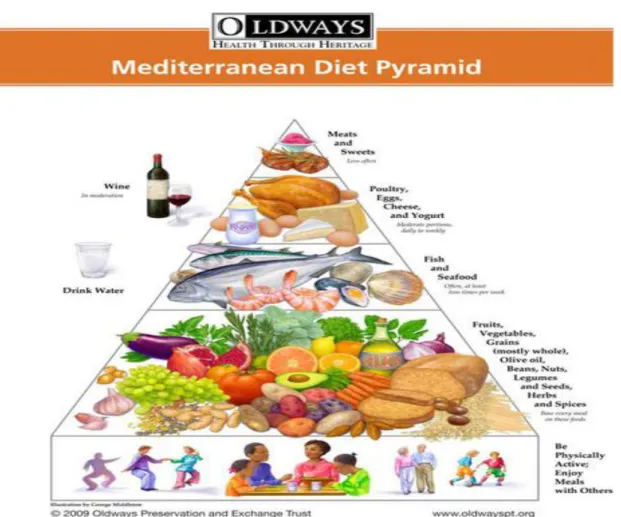
(46) -Introduction2.3 Physical Activity Regular exercise and physical activity were proven to have many benefits for the health of older adults. The American college of sports medicine developed practice guidelines including behavioral recommendations, exercise program structure and risk management strategies for exercise in older adults (30). Regular exercise reduces the risk of many adverse health outcomes, additional benefits occur as the amount of physical activity increases (longer duration, greater frequency, higher intensity) (31). With age, functional and structural deterioration take place in physiological systems even in the absence of disease (32). This affects a broad range of tissues and organs which affects daily living in older adults (33). In addition, the body composition changes with age as for example the gradual accumulation of body fat and its redistribution to visceral and central depots, the loss of muscle known as sarcopenia (34). Aging includes primary aging, secondary aging and the genetic factors (32). The impact of physical activity on aging is difficult to observe or assess, but it was shown that regular exercise increases life expectancy in those suffering from chronic diseases (secondary aging) (33). Physical activity affects the quality of life. Quality of life is defined as a ―conscious cognitive judgment of satisfaction with one’s life‖ (35). In aging research, quality of life has been used as an umbrella term to describe a number of outcomes that clinicians believe is important in the lives of older adults (36). Quality of life includes functioning (physical abilities, dexterity, cognition, ability to perform activities of daily living) and well-being (symptoms and bodily states, emotional wellbeing, self-concept, global perception related to health and overall life satisfaction) (36). Evidence proves the effectiveness of regular physical activity in the primary and secondary prevention of chronic diseases. The benefits of physical activity are.
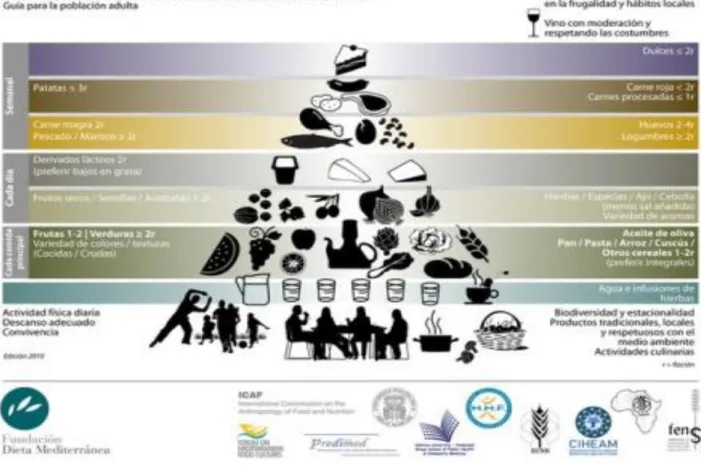
(47) -Joanne Karam PhD thesisespecially obvious in previously sedentary individuals (37). Fit people with risk of cardiovascular diseases are at lower risk of premature death than those who are sedentary and have no risk factors of cardiovascular disease (38-39). Aerobic and resistance types of exercise are associated with decreased risk of type 2 diabetes mellitus and are effective in the management of diabetes (37). In addition, there is compelling evidence that routine physical activity is associated with reductions in colon and breast cancers (37). Resistance exercise including weight lifting appears to have the greatest effects on bone mineral density and in the prevention of osteoporosis especially in postmenopausal women. All these changes are achieved by improving body composition (reduced abdominal adiposity, improved weight control), better lipid lipoprotein profiles (decreased triglycerides, increased high density lipoprotein (HDL) cholesterol levels and decreased low density lipoprotein (LDL) to HDL ratios, improved glucose homeostasis and insulin sensitivity, reduced blood pressure, decreased blood coagulation). Physical activity is also associated with improved psychological wellbeing by decreasing stress, anxiety and depression (37). Physical activity is hence very important in achieving a healthy status in elderlies.. 2.4 Diet The relationship between coronary heart disease and dietary factors has been an important focus of research in the past decades. Studies have shown that some foods protect from cardiovascular diseases as the vegetables, nuts, monounsaturated fatty acids. On the other hand, other foods are considered harmful or represent a risk factor including those with a high glycemic index and trans fatty acids. A causal relationship between coronary heart disease and the intake of fish, folate, whole grains, vitamins E and C, beta carotene, alcohol, fruits, fiber, meat, eggs and milk and was found as well. 17.
(48) -Introduction(40). The dietary Guidelines for Americans from the United States departments of health and human services and agriculture recommend a reduced consumption of saturated and Trans fatty acids and an increased intake of fruits, vegetables and whole grains (41). Not only specific foods affect the health status specifically coronary heart disease but the holistic approach is gaining more and more attention. A strong evidence of a causal link between coronary heart disease and dietary patterns was shown in many studies. The dietary patterns take in account the complex interactions and cumulative effects of different nutrients within the entire diet, making it easier to observe effects than one single nutrient (42). The Mediterranean diet reduces cause specific and allcause mortality in patients with coronary heart disease (43). High quality dietary patterns protect from cardiovascular diseases (40). A prudent pattern reduces the risk of cardiovascular and total mortality, and a western pattern increases these risks in healthy women (40-44).. 3. The Mediterranean Diet The Mediterranean diet was first illustrated in the time of the ancient Egyptian civilization on a sculpture on the tomb of Ramses the second showing the association of cereals, vine and olive trees. In 1634, Castelvetro an Italian living in England complained about people eating too much meat and not eating enough fruits and vegetables and praised the diet adopted in his country of origin and its effect on health (45). In the 1960s a study on seven countries in the Mediterranean region showed a relation between lower mortality rates for cardiovascular disease and a particular dietary pattern in these countries differently from other European countries. Observational studies have highlighted the probable health benefits gained by adhering to the Mediterranean diet through reduction of risk factors for many diseases including.
(49) -Joanne Karam PhD thesismetabolic syndrome, type 2 diabetes mellitus, cardiovascular disease, cancer, depression and mental disorder (46). In the 1970s, the multinational monitoring of trends and determinants in cardiovascular disease (MONICA study) observed lower mortality rate in the south of Spain and France compared to the north of these countries (45). The Mediterranean diet was inscribed in 2010 by the United Nations Educational, Scientific and Cultural Organization (UNESCO) in the representative list of intangible cultural heritage of humanity (46). The Mediterranean diet does not consist on the consumption of one single nutrient; rather it’s a holistic approach including a whole pattern that is reflected positively on the health. According to the Predimed (Prevention with Mediterranean Diet) website (www.predimed-es.weekly.com) the old pyramid of the Mediterranean diet consists from bottom to top on: a. Consumption of olive oil as the main source of fat preferably extra virgin olive oil b. Consumption of fruits and vegetables rich in vitamins, minerals, antioxidants. These should constitute the main part of every meal. c. Consumption of nuts, legumes and seeds rich in proteins, healthy fats and fibers. d. Herbs and spices consumption as a way to flavor food and reduce salt intake. e. Fish and seafood consumption rich in proteins, it is recommended not to fry them. Blue fish is the most recommended due to its high content in omega 3. f. Cheese and yogurt should be consumed moderately. g. Eggs should be consumed moderately as well. h. Meat should be consumed occasionally. i. Wine can be beneficial if it is consumed moderately.. 19.
(50) -Introductionj. Water and exercise to maintain a healthy lifestyle. k. Good company while eating.. Figure 3.1.Old pyramid of the Mediterranean diet (Retrieved from http://predimedes.weebly.com/piraacutemides.html) The Mediterranean diet foundation (Fundacion Dieta Mediterranea) updated the pyramid as following: a. Olive oil consumption should exceed 4 tablespoons per day. b. Vegetables consumption should exceed two portions a day. c. Fruits consumption should exceed three portions per day..
(51) -Joanne Karam PhD thesisd. Red meat should not exceed one portion per day. e. Butter should be consumed less than one portion a day. f. Sweetened drinks consumption should be less than one portion a day. g. Seven or more glasses of wine should be consumed weekly. h. Legumes consumption should exceed 3 portions per week. i. Fish and seafood consumption should exceed 3 portions per week. j. Processed deserts and sweets consumption should be less than 3 portions per week. k. Dried fruits and nuts consumption should be more than 3 portions per week. l. White meat should be consumed more than red meat. m. Sofrito should be consumed.. Figure 3.2.Mediterranean diet pyramid updated byMediterranean diet foundation (Retrieved from http://predimed-es.weebly.com/piraacutemides.html) 21.
(52) -Introduction3.1 Benefits The benefits of the Mediterranean diet may be due to the synergistic combination of a balanced ratio of n-6 and n-3 essential fatty acids, high amounts of dietary fibers, high oleic acid, and polyphenols consumption. All this results in an antithrombotic and anti-inflammatory properties and improved lipid profile in people adopting this pattern (46). The ratio of monounsaturated fatty acids MUFA and saturated fatty acids SFA was observed to be the main reason behind the health benefit of the Mediterranean diet (47), in addition alpha linoleic acid was observed to prevent post myocardial infarct death (48). Due to the rich diversity of plant foods in the Mediterranean diet, many phenolic compounds are found including phenolic acids, stillbenes, lignans and flavonoids. The polyphenols in olive oil were found to protect low density lipoprotein LDL particles from oxidative damage (45). Non- nutritional aspects, linked in one way or another to food consumption have been suggested to contribute to the beneficial effect of the Mediterranean diet. These include physical activity, consumption of fresh and local products, eating in groups. The socio-cultural aspect differentiate the Mediterranean diet from other diets, the food is not only consumed for fulfillment but also for the identity created by its symbolic value related to heritage (46). In the meta-analysis of Sofi et al (49), results showing the effect of Mediterranean diet on all-cause mortality were illustrated. The women’s health initiative WHI study (50) and the Seguimiento Universidad de Navarra SUN study (51) support these findings as well. Many more observational and interventional studies published supporting evidence on the benefit of the Mediterranean diet on cardiovascular disease prognosis, diabetes, mortality, cancer, favorable health status, better biochemical profile and quality of life (52-60). The PREDIMED (Prevencion con Dieta Mediterranea).
(53) -Joanne Karam PhD thesisintervention study was designed to assess the long term effects of the Mediterranean diet (61).. 3.2 Adherence to the Mediterranean Diet Scoring. It is important to assess the degree of adherence to the Mediterranean diet through accurate measurement tools such as dietary scores (62). 28 adherence scores were found internationally (63). The most important was created in 1995 and developed in its final form in 2003 by Trichopoulou et al (64). A significant protection against mortality (8% reduction of death from any cause), occurrence of cardiovascular diseases (10% reduction of incidence or death caused by cardiovascular disease) and major chronic degenerative diseases was conferred when adherence to the Mediterranean diet increased by two points (64). In Spain, a 14points Mediterranean diet adherence screener (MEDAS) was developed by Prevención con Dieta Mediterránea (PREDIMED) study in elderlies and was shown to correlate with validated food frequency questionnaire in 7146 participants. The estimated coronary artery disease risk decreased as the PREDIMED score increased (65).. 23.
(54) -Introduction-.
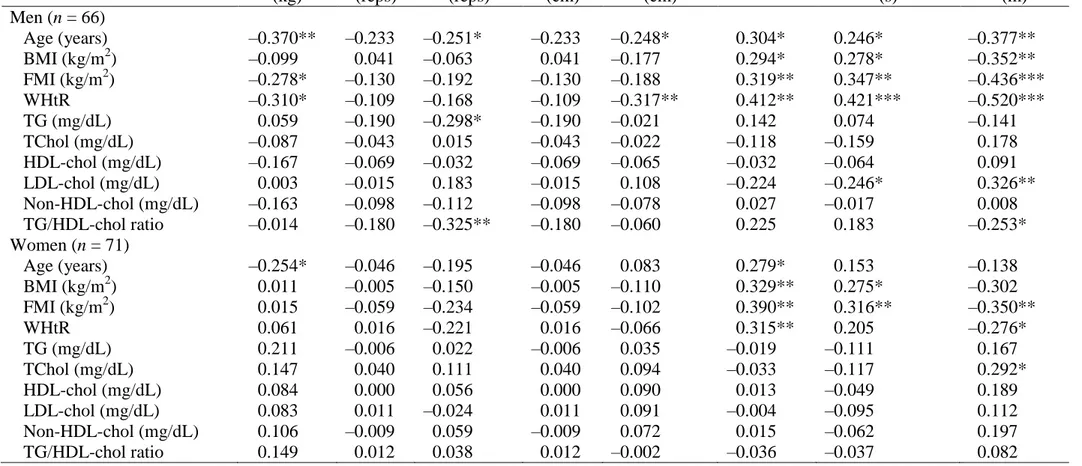
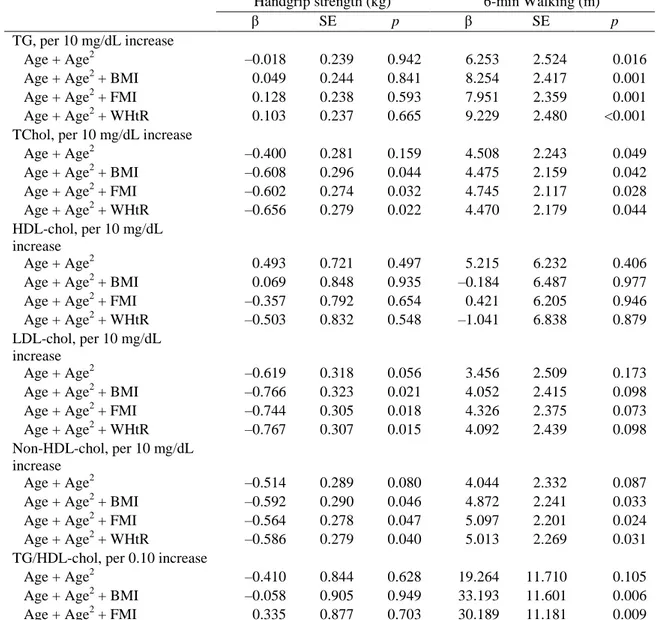
(55) Objectives. 25.
(56)
(57) -Joanne Karam PhD thesisThe current prevalence and the expected increase of elderly population is an important health challenge in our society. In 2050, almost 30% of the European population will be over 65 years (66); this requires careful planning for health. Older adults suffer from several diseases of which cardiovascular disease, diabetes, sarcopenia, arthritis. Chronic diseases are preventable diseases; their prevention must take place throughout one’s life. The Mediterranean diet consists on a holistic approach where a combination of food and healthy habits were proven, in several studies, to improve health specifically chronic diseases. Spain and Lebanon are two Mediterranean countries in which the Mediterranean diet pattern is being replaced by westernized patterns negatively affecting health. For further clarification, studies were conducted to assess the food intake, physical condition in older adults in Spain (Mallorca) and assess the adherence to the Mediterranean diet in Lebanon (Beirut). 1. Overall Aim The aim of this study is to assess the micronutrient and macronutrient intake in a western region of the Mediterranean Sea (Mallorca) and assess the physical condition of older adults there. This study aims as well to set a base for future studies in Lebanon to be able to compare healthy behaviors in western and eastern regions of the Mediterranean Sea by assessing the adherence to Mediterranean diet among older adults and younger ones in the capital Beirut. 2. Sub-aims The specific aim for each study was: a.. Due to the great abundance of polyphenols in the diet and their proven. benefits, their total intake and energy adjusted intake was assessed according to 27.
(58) -Objectivessociodemographic and lifestyle characteristics in the diet of older adults in Mallorca. In addition, the distribution of polyphenols among food groups (oils and seeds, nonalcoholic beverages, alcoholic beverages, cereals, sweets, fruits, nuts, legumes and vegetables) and the main food contributors to their intake were assessed. b.. The intake of total lipids in older men and women in Mallorca was. assessed according to the physical activity status, the body mass index, the educational level and the age group. Then the intake of different fatty acids (saturated fatty acids SFA, monounsaturated fatty acids MUFA, polyunsaturated fatty acids PUFA, alpha linoleic acid ALA, eicosapentaenoic acid EPA, docosahexaenoic acid DHA) and their contribution to total energy intake was assessed in the total sample and according to the sex. The daily contribution of oils and seeds, dairy products, fish and fish products, eggs and meat, nuts, sweets, commercial foods and other fats to the intake of total lipids, ALA, EPA, DHA, cholesterol, MUFA and PUFA was described. Finally, the intake of fatty acids was compared to the Spanish recommendations and those set by the world health organization WHO and the European food safety authority EFSA. c.. The intake of minerals and the percentage of their intake relatively to the. dietary recommended intake were assessed in Mallorca among older men and women. The intake of different minerals in compliance with dietary recommended intake was ranked on a 5points scale and was assessed depending on socioeconomic and body composition variables. d.. The correlation between the body composition and biochemical. parameters in one hand and the physical fitness variables on the other hand were assessed in Mallorca in older adults. Spearman correlation coefficients among age body composition biochemical parameters and physical fitness variables in men and women.
(59) -Joanne Karam PhD thesiswere calculated and Multiple linear regression model was also done to assess correlation after adjusting for cofounders. e.. Physical condition and its association between sociodemographic, body. composition and lifestyle habits in older Spanish adults were studied. Occurrence of presarcopenia, high 8f TUG and/or low HGS, sarcopenia and severe sarcopenia were assessed in the sample. In addition, maximum HGS and maximum 8-f TUG score were assessed among the participants according to sociodemographic (marital status, educational level, income), body composition (body mass index, overfat, abdominal obesity) and lifestyle variables (smoking habit and physical activity status) stratified by sex. Finally, prevalence of normal/low maximum HGS and normal/high 8-f TUG score according to sociodemographic, body composition and lifestyle variables were studied. f. Adherence to the Mediterranean diet among Lebanese younger adults and older adults in Beirut was assessedusing a 14-item Mediterranean Diet Adherence Screener according to sociodemographic variables. Correlations among the components of the Mediterranean diet were investigated.. 29.
(60) -Objectives-.
(61) Material and Methods.
(62) -Joanne Karam PhD thesis-.
(63) -Material and methods1. Study Design The study was split into two parts. In Spain, the study carried out was part of a broader cross sectional study investigating the effect of lifestyle factors on the health of older adults living in Mallorca; it was conducted between the years of 2013 and 2014. In Lebanon, the study was a preliminary one, investigating broadly the adherence to Mediterranean diet to set a base for future studies. 2. Study Population 2.1.Older adults In Spain, the sample consisted of 211 participants living in Mallorca. Men aged between 55 and 80 and women aged between 60 and 80 were recruited in social and municipal clubs, health centers and sport clubs in 2013-2014. Exclusion criteria included previously documented cardiovascular disease, being institutionalized, suffering from a physical or mental illness which would have limited their participation in physical fitness or their ability to respond by themselves to questionnaires, chronic alcoholism or drug addiction and intake of drugs for clinical research over the past year. In Lebanon, 125 adults (32 men and 93 women) aged 45 years and above living in Beirut, the capital of Lebanon were asked to answer by themselves a short questionnaire in the presence of the main investigator to help in any clarification needed in February 2018. 2.2.Younger adults 525students from three different campuses of the University of Balamand in Lebanon (faculty of Health Sciences, Beirut; ALBA, Sin el Fil and main campus,. 33.
(64) -Joanne Karam PhD thesisKoura) were asked to answer by themselves a short questionnaire in the presence of the main investigator to help in any clarification needed during the spring semester 2018. 3. Global questionnaire In Spain, a specific questionnaire developed by the EXERNET network (67) including the following questions was used: age, marital status, educational level, income, and smoking habits. The respondents were grouped as follow: (a) marital status: single (single, unmarried, divorced or widowed), and in a relationship (i.e. including married and unmarried, divorced or widowed living actually with a partner); (b) educational level: illiterate, primary (≤6 years), and secondary or college-level education (>6 years); (c) participants’ income: <900 €/month, and ≥900 €/month; and (d) smoking habits: smoker (≥1 cigarette/day) and non-smoker. In Lebanon, the questionnaire was divided into three parts: (a) general information (sex, marital status, age class, working status, smoking status and major for younger adults), (b) assessment of the adherence to the Mediterranean diet using a 14-item Mediterranean Diet Adherence Screener (MEDAS) developed by PREvencion con DietaMEDiterranea (PREDIMED) for immediate feedback (68) and extra information (number one worrying issue, willingness to change diet, increase physical activity and participate in future studies).. 4. Diet assessment Dietary intake was assessed by two non-consecutive 24 h recalls. Licensed dietitians administered the recalls and verified and quantified the food records. Volumes and portion sizes were reported in natural units, household measures, or with the aid of.
(65) -Material and methodsa book of photographs (69). Conversion of food into energy intakes, total fat and fatty acids and minerals content was made using a self-made computerized program based on Spanish food composition table (70). Conversion of food to polyphenol content was done using the polyphenol explorer (http://phenol-explorer.eu/).. 5. Anthropometric measurements Anthropometric measurements (i.e. height, waist circumference (WC), body weight, body fat and appendicular skeletal muscle mass (ASM)) were performed by licensed observers. Height and WC were performed according to the International Standards for Anthropometric Assessment of the International Society for the Advancement of Kinanthropometry (ISAK) (71). Height was determined using a mobile anthropometer (Seca 213, SECA Deutschland, Hamburg, Germany) to the nearest millimetre, with the subject’s head in the Frankfurt plane. WC was measured as the smallest horizontal girth between the costal margins and the iliac crests at minimal respiration using a flexible, non-extensible plastic tape with 0.1 cm precision (Kawe 43972, Kirchner & Wilhelm GmbH + Co. KG, Asperg, Germany). Body weight, body fat and ASM were determined using a Segmental Body Composition Analyzer (Tanita BC-418, Tanita, Tokyo, Japan). The participants were weighed in bare feet and light clothes, and subtracting 0.6 kg for their clothes. Weight and height measures were used to calculate body mass index (BMI, kg/m2). According to the anthropometric reference parameters for the Spanish elderly (72,73), the prevalence of overweight and obesity was defined as BMI ≥27.0 kg/m2. WC and height measures were used to calculate waist-to-height ratio (WHtR). Abdominal-obesity was defined as a WHtR≥0.5 (74). ASM and height measures were used to calculate appendicular skeletal muscle mass. 35.
(66) -Joanne Karam PhD thesisindex (ASMI, kg/m2) and low ASMI was defined as <7.26 kg/m2 in men and <5.5 kg/m2 in women (75).. 6. Physical activity assessment Physical activity data was analyzed using the validated Spanish version of the Minnesota Leisure Time Physical Activity Questionnaire (76,77), and the participants were classified according to their leisure-time physical activity (LTPA) in the past 5 years. Individuals with ≤1.5 hours/week of physical activity were categorised as ―inactive‖. Individuals who practice ≥4 hours/week of physical activity were categorised as ―active‖. People who could not be included into the ―inactive‖ and ―active‖ groups were categorised as ―slightly active‖. Physical condition assessment included the following tests: Handgrip strength test (HGS): Grip muscular strength was measured using a digital handheld dynamometer (TKK 5401 Grip-D; Takey, Tokyo, Japan). Participants were instructed to stand up-right with the dynamometer beside, but not against their body. Measurements were performed two times for each hand. The best of all attempts was used to perform the analysis (78). Arm curl test (AC): used to define the upper body strength. After the signal, participants were instructed to flex and stand the holding hand weight (men: 4 kg; women: 2.5 kg) through the complete range of motion, as many times as possible in 30 seconds. Measurements were performed one time in their dominant arm (79). 30-s chair stand test: used to assess lower body strength. This test consists of standing up and sitting down from a chair as many times as possible within 30 seconds. The test starts with participants sitting on the chair with their back in an upright position.
(67) -Material and methodsand looking forward, after the signal, they start rising with their arms folded across their chest (79). Back scratch test (BS): used to assess general shoulder range of motion. Test was completed for both the right and left sides where one hand reached over the shoulder with the other up the middle of the back. Distance (cm) between extended middle fingers was assessed and the average of right and left sides was taken as an overall measure (80). Chair sit and reach test: used to test lower body flexibility. Test was completed from a sitting position at the front of a chair with one leg extended and hands reaching towards toes with the distance (cm) between extended fingers and tip of toe being assessed. The average of right and left sides was taken as an overall measure of flexibility (80). 8-f TUG test: used to assess agility/ dynamic balance. Participants were instructed to rise from a chair without the use of arms, walk around the cone placed 2.45 m from the chair, and return to the original sitting position. Further instructions were to complete the test as quickly as possible but without running.Measurements were performed two times and the best of all attempts was used to perform the analysis (79).. 30-m walking speed: walking speed was performed over 30 m at the participants’ usual place. Participants were instructed to complete the test as quickly as possible, while taking care not to run. Measurements were performed two times and the best of all attempts was used for performance analysis (81).. 6-min walking:Aerobic ability was measured as the total distances that participants were able to walk in 6-min. Participants were instructed to walk as far as possible for 6 min (79).. 37.
Figure
Documento similar
Our aim was to use a panel of plasma and urine biomarkers to assess the validity of self-reported dietary intake using a modified Mediterranean Diet Scale (mMDS) among
According to a recent study on 14738 suicides committed in 15 European countries among youths aged 15–24 years, men had a 3.7-fold higher risk of completed suicide than women [3]..
In the present study, whilst controlling for socio-economic status and lifestyle factors (physical activity and screen time), we assess the relationships between nutrient intake or
When comparing the thiamin data obtained in the present study with the data obtained in ENALIA (The National Dietary Survey on the Child and Adolescent Population in Spain) [35]
To assess the independent associations of dietary exposure to polychlorinated biphenyls (PCBs) and long-chain omega-3 fish fatty acids intake with cardiovascular and cancer
This doctoral thesis aims to clarify the effect of habitual coffee consumption on the development of functional limitations, frailty and disability, as well as its effect on the
This manuscript undertakes a review of the effects resulting from the intake of proteins and/or amino acids administered in carbohydrate drinks as well as whey protein and
Obviously, the substitution process among different energy sources is not just a matter of technological change, and not infrequently this process is driven by relative prices
