
Integrated risk management process improvement framework in it settings based on ISO standards
174
0
0
Texto completo
(2)
(3) !" # (. $. %. &. $. % ). +. ,. * -. ' & %. % %. +. *. .. !" # (. $. %. &. $. % ). +. , .. * -. ' & %. % %. +. *.
(4)
(5)
(6)
(7) '. & .. *. /. % 0,. ,. &. /. '. & /(. ,. & % , , &. / , , , ,. 0 (. %. , 1 *. #. / ,. * ,. 3. 0 , % ', , ,. . , &. (. /% % , &. , ,. /. , 0 9 &. , 1 ',. & * %/ 41 5 ',. ,. %. % , ' &.. % / , %/ 41 5 ', 3 /" ) , 7 8 ) , & , % '. /. 1 2. , !. ! ( / ' /.. (. ,. % , 1 * ( , % , 0, , .. /'. , /. %,. /. 0. ( % ' & , 0, 6 %% ' & %' ,. ,. , ,. ', .. .. %. ', (. ' ,. / (. /. , ',. /..
(8) %. , ' &, ( (/ , ;<=>?@>AB>? C?C?!.. ,. /. ,. %/ ' , :!.
(9) (. , ? ?, ? 4 , ; C ( '5 ', ,. , 4. =.. =. , ;5. , , ,. ' % ,4 , C5 ( 4 ,. ', , , D5". .E. 0. .1. F . " C ( ;<=@ 0 % =@>?=GB. " =<.=<=>H3. .;<=>.==.<=<. , , ! , !. " =.D>BE I;E D@H=<D 4 J ! <.C@G I; 4 % J ! & 4 J!5. • • ;.. .E !. .1. F %. & 0. " =<.=<=>H3.. • • C.. # .. ! BD. 6. '. : %. %5. ;<=@ ' 5. . ! '())) 0 ;<=G.. $ !. +.. *. .;<=G.<D.<=<. 4 ;<=@5" =.D>BE I;E D@H=<D 4 J ! <.C@G I; 4 % J ! & 4 J!5 .E. .1. F !. '. : %. %5. ;<=@ ' 5. .. ! '()))*& .. %. $ .. (. ( , ;<=G. " =<.=<<;H .=AGD. • • D.. 4 ;<=@5" =.=>@E ICE BGH=<D 4 J ! <.;CC IC 4 % J ! & 4 J!5 .E. .1. F ". -. '. : %. %5. ;<=@ ' 5. .,. $ #. ! !. ;BD?;>A. % , 4;<=>5 " =<.=<<@HA@G?C?C=A?CGAG<?>K=A ! & % ;<=>". ". . ..
(10) B.. .. >.. . .0 .! . !/ 0 1))))*( 2 !/ 0 (33)4*5 ' 0 4 . GC?AC5. % " =<.=<<@HA@G?C?C=A?DDG=@?>K@ ! & % ;<=>" . 0 . ! . . " ' 0 4 . =<>?==>5. " =<.=<<@HA@G?C?C=A?DDG=@?>KA ! & % ;<=>". @.. .. . 1. F. .,. G.. 4 . DC?B@5. " =<.=<<@HA@G?C?C=A?>D;=G?BKD ! & % ;<=@". 1 , 6 #. !.. !.. / 4 " =<.=<<@HA@G?C?C=A?>BAC<?BKCA ! & % ;<=@" A.. .. 0. =<.. . 1. F ! * ( / " =<.=<<@HA@G?C?C=A?>@CGC?@K;D ! & % ;<=@" . 6. %%. 0. !. 0. . (. /. .F (. 4;<=>5. $. 2. %. ,. .. . 0. 6. : %. ,. 4;<=>5. 0. $ 0. :. ,. !*7. 0. F. . : . DA;?B<B5.. $ '. :. 4;<=@5. .. 0 :. %. ,. .8 #. 4;<=@5. $ +. 4 . C;;?CC>5.. .0. ' %. ,. 4;<=@5. ! &. ( ,. % '. %. ,. 4;<=G5. 0.
(11) & =.. .................................................................................................................................... = =.= 9. /. =.=.=. ( &%. .............................................................................................................. =. 0 L. ' & .................................................................................................... =. ,. =.=.;. -. =.; , (3. =.D !. ,. ;.=.=. .................................................................................................................... > (. ? ?, ? ;.=. ........................................................................................... C. ' & ..................................................................................................................... D. =.C !. ;.. ( &%. ............................................................................................................... @. ............................................................................................................................. ==. %. ........................................................................................................... == 9. -. ;.=.;. %. ;.=.C. %. ' %. : %. %. %. '. /. &. 0. ............... ==. .................................................................. =;. %. ..................................................................... =C. ;.=.D. ! &. ;.=.B. 0. ................................... =B. '. ........................................................................................................ =>. ;.;. %. '. %. * .............................................................. =D. ;.;.=. C=<<<";<=G ! &. ;.;.; 1" 0. H:. ;.;.C. A<<=";<=B I. ;.;.D. ;=B<<";<=; 8. ;.;.B. H : ;<<<<?=";<=G 0. ;.;.>. H : ;@<<=";<=C. ;.;.@ !. ;;C<=";<=C / ? / % / M ................................................................................................................................ =A. 0 %. M0. %. ..................................... => M ;<=G 4A ,. = / /. M %. * ;" 9 %,. /. ?!. 3. %. =". *. ...................................... =G ...................................................... =G. % /. 5? * ..................... =@. / %. .................... =A /. ?!. .......... =A.
(12) ;.;.G. H:. A<<<>";<=C 8 % ' ,. % ;.;.A. H : H ::: =;;<@";<=@. , A<<=";<<G H : ;<<<<?=";<== ......................................................... ;< /. '. %. % M. '. /. ;< ;.;.=<. H : H ::: =B;GG";<=B /. '. %. %M /. /. ;< ;.C. /. ' ,! &. ;.D C.. !. %/ ,. ,. %. C.= 0 ( ,. .................................. ;=. ....................................................................... ;D ............................................................................ ;A. ................................................................................. C<. .......................................................................................................................... C; ................................................................................................................................. C;. C.>. D.= !. %. 0. .......................................................................................................... C=. C.B :. !. (3. %. C.D. D.. %. 4 5. ...................................................................................... C<. C.; C.C. &. %. ........................................................................................................................ CD ,. ( ,. .................................................................................................................. C@ (. =.......................................................................................................... CG. D.=.=. (. ....................................................................................................................... CG. D.=.;. =0. ....................................................................................................................... CG. D.; !. ,. (. ;.......................................................................................................... DA. D.;.=. (. ....................................................................................................................... DA. D.;.;. ;0. ....................................................................................................................... DA. D.C !. ,. (. C.......................................................................................................... ><. D.C.=. (. ....................................................................................................................... ><. D.C.;. C0. ....................................................................................................................... ><. B.. .............................................................................................................. @@ B.=. ................................................................................................................................. @@. *.
(13) B.=.=. % %. % B.=.; ( B.=.C. %. & % , %, ..................................................................................... @@. /. , ' % , %. -. % ?. &. 0. &. B.;. / %. %. , ( ...................................... @G % ...................... G<. ' & ..................................................................................................... G;. B.;.=. .................................................................................................................... G;. B.;.;. ' & ................................................................................................................ G;. >.. *?. %/. @.. *M:. /. G.. *?!. (. ............................................................................................................ GB C=<<<";<=G................................................................... AC %. &. %. ...................... =<A. G.= !. %. ! &. ......................................... =<A. G.; !. %. ! &. ............................................... ==<. G.C !. %. ! &. G.D !. %. ! &. .................................................... ==D. G.B !. %. ! &. .................................................... ==>. A.. *? !. 0. A.=. ............................................................................................................................ ==A 0. A.=.;. '. .................................................................. ==A. ................................................................................................................... ==A. A.; 0. ................................................................................................................... =;<. A.C. ......................................................................................................... =;=. A.C.=. %. A.C.;. 0. A.D 0. ........................................................ ==;. ...................................................................................................................... ==A. A.=.=. A.C.C. /. ! &. % (. /. 0. .......................................................................................... =;= .................................................................................................... =;C. 0. ....................................................................................... =CB =. B ............................................................................ =DD. *.
(14) =<.. !. .............................................................................................................................. =DB. *.
(15) & '. /. & %. /. %. / /. / 3 -. %. % ' %. % &. %. /. %. % / H : ;<<<<?= % / . 7 , & 3 % % (/ , & % , &( ' . % ' , 3 ? 3. 5. 4 % ?(. ?. ,. (. .. %. &. %. % ,. %. /. % ' , , % %. % ,. ' & ' , , % 5 . %. &. ' ' ,. -. ' %. (O. 0. ' , ( ' & 4 /. ?( %. & '. ' &. & / , % " A<<= H : ;@<<= &?( , & % , , %, / % , ' , & % , %( ,. , ' , / ,. , 5 ' , , / ,. . , %. % $. , % ,. &. , ' %. ,.. *. , ". ;@<<B % %. ( / / , * C=<<< , A<<= ;=B<< / & % .. &. ' &. , %. %. %. % %. , %. ,. /. .. ,. %. %. ,. %. 4 F %. C=<<< ( % % % 4 & & ( ,. &. 5 ' ,. ( /. ( (. % %. %. H : ;<<<<?= (. . , ' ,. ,. %. & /. ' & , ,. , /. *. , . % , * 1 4, %, H: ' , & &. ,. H : ;@<<= 4 ' 5. ! , / , & % ( ' ,. /. %. 5.. ,. &. % , /%. ,. /. ' %. '. ,. &. ,. ' /.. 5. %. ,. &. ,. , ( " N#. , /. %. %. %. &. ,. , % . ' , , % % , / ;=B<<. %. -. / ' &. / /. * / &. 4. / %. & (. /. &. , %. /. E.
(16) & (. , ' &. '. ,. %/ , '. , '. 5. , / / ' , ,. % % , 0,. %. 40. % %. '. ,. %. ,. % 40! 5 % 4! 5( ,. % &. % % ,. &. %.. %. &. &. %. ,. , 0. '. (. (. ? % , %. ( *. &. '. %. &. % E , (/ ,. %. , / ,. /. / , ,. / ' , ,. ! ,. .. ( %.. * ,. *. * ' ,. ( % (3 0!. ,. ,. .. (. %. ,. ' , % , 0!. .. % /. ( 0 , ( ', , * ( ' , ( , ! 0!. / % ,. % %. % % , ,. 3 ' ,. ' , % *. % '.. 0. . ,. , . , ' , / % & %, % % % / . , % C=<<< ' , , ' % " * 1 A<<= ;=B<< H : ;<<<<?= H : ;@<<= H : ;@<<B. , , ' , % % & % % ' , , % / & % . %/ ( , ' , , ,. : / C=<<<. / ( , . , , , ' , % & % , %, , ! 0! 0 ( % . , % , , C=<<< / , ! 0! 0 ' , , , % . , ! 0! 0 , % & % ' & % ( . %. ,. (. ,. *.
(17) $ :. % %. +. + + .. % +. %. / /. %. +. / %. /. %2. + 4 5. 4. 5. + : P. . :. / 8. /. : P %. / /. (. 3 %. /. ( P %. % P (. 2 +. + ,. %. /. + % + - + ,. % . :*. + %. .: P % % * 14 H : ;@<<= 4 2 % %. + ,. 4. .0. (. P. % 2. + .. & /. 3. Q. -. 4 ) %. /. % (. +. / /. /. %. '. R. %. .: % %. +. .. , H/. () + 5. , +. %. '().. ' . :* % + + ,. %. (3. %. % P. %. * %. /. % % -. 3. 2 %). %. 2. , ,. /. ;=B<< ( % ) % +. %. % 5. :. + '. /. P ( (. +. (. %. -. %. +. .. , %. (. A<<= /. (. % + " )* + %. P. %. P. + .. P. +. -. %. ( %. ,. /. -. 1 % + + 4: 85 H : ;<<<<?= % + ( %. ( 5. % % 3. + -. H : ;@<<= / P ( 3. ( /. %. +. + +. ( .:. / %. -. % %. %. +. P. ". H : ;@<<B -. P /. * % C=<<< : 85 A<<=. +. ( %. ;=B<< %. P +. *. % + H : ;<<<<?= + % % +.
(18) % % /. +. % .:. %. +. %. .9 / % % % .. , % + . / *. %. +. 4 0. %. ,. +. +. +. +. %. !. %. + +. ). %2. ". % &. 3. !. (. / +. (3 R. .0 %. P. /. 2. 1 !. %. /. C=<<<. S 2 0. P 2. +. %. *. % 0. P (. , % .1. /. +. ) . 2. / 2. ) ). A<<= ( ( + % .1 ( % + .1 N NT ( + ( +. .1. (. P C=<<< % H : ;<<<<?= H : ;@<<= + % +. ;=B<< -. /. .. 2 %. 0! P. ( +. +. -. *. + .. %. P. +. % * 1 % +. %. *. ). % + +. / $. Q. +. / !. 0. +. %. .:. + /. +. *. +. 2. 4. 5. 0 ,. (. %. P. +. (. % ". 4. -. /. + ( '. + 0!. * ,. 0!. %. %. /. + + ! /. P. + %. +. % .0. 3 ( 3 P % +. +. ( 3. .0 /. Q. ( 3 0! 5 /. %. (. + E. ( 3. + .. %. 1. + / P (. ,. ,. / (. -. P. %. +. C=<<<. %. -. 5. /0. ( % % P. %. %. , /. % " ( 3. %. : .. +. ( (. ) %. / + +. % %. % %2. P H : ;@<<B. 1 % + + / ,. O, + O, 3 .0. *. % -. + %. + ,. . 0! 0.
(19) + 0! / 0. 0. ! !. /. C=<<< / NT (. P (3. / (. O. . : 0! %. P. .. *. 3. %. +. / %.
(20) *.
(21) $ : U. % %. + +. 3. %. * %. %. -. +. %. *. Q + + *. % U:. -. ). +4. %. 5 X. +. %. ( +. ( 3. (. .. ( (. 5. (. %. + (. U (. 3. (. (. %. +. -. % %. U +. + +. % 1. -. +. +. &. W ,. U %. % .: U % %Y * 14 U () H : ;@<<B +5. U, + 3 + U ( % +. % ,. Q. 4 U. V %. .: U. % '. % /. % +. %. (. (. U. 2 , *. U % *. : 85. % + ) * C=<<< V A<<= ;=B<<. ) + C=<<< ). **. % # #. H ". 5.. +. . :* % + % ' ). U % / .. W. +. (. ,. ,. 0. %. '().. V 2 U (. %. -. ' . 9 , % +. (. %Y. U U. ,. ( U (3. 3. +" ). + %. U,. ( %. %. .0. .. 0. U. ( H : ;@<<=. ( 4. (. W. 8 + H:. (. +. U,. +. : U. +. +. V. A<<=. V. %. % +.. %. %. ;=B<< ( %. %. +4 5 .:. * * % 1U % - + 4: 85 ) ;<<<<?= % + % +. + U %. ( %. +. H : ;<<<<?= % + ( % + % + % .9 , %. %. + H : ;@<<= 4 *2 % .: V. ) ).
(22) %. +. ( +. + ( U. %. (. +E. ) (. V +. %. +. %. &. +. + U,. (. ". (. U (. +. / $. (. U Q. U,. % 0. 0!. +. Q. .. ( 0! %. %. +. * * 1 A<<= % + ( ( U ( + %. $. + % ;=B<< -. % U,. ( - +. U. U *. 0. (. 0. +. ). +. ( ! 2. %. + V V. *. 2. .. .1. C=<<< ( %Y H : ;<<<<?= H : ;@<<= + % + % + , +. +. 0! ). .1 !. 0! . : 0! +. .0 % +. ( *. $, V. +$ ,. U, 3 W W U. + ( *. +. ( +. + U. + U. %. % 3. 0!. / +. 3. (3 +. U 2. ( (. U .0. !. V (. 1. + ). 0 ). (. +. .0. *. . 1U U. %. . :. ( *. 5 +. U. *. X. %. *. *2. 4. (. (. +. +. + (. 0 4. 5. '. U,. %. ( UQ ). 4. +. 3. -. %. +. +. 0. ( %. U. V. ( %. ". .. % % 3 0! 5 % % % ! !. /. +. (. (. +. *. . U,. % *. . U,. %. % . U, #. 0. 0 + !. 0 ! (. *. **. H : ;@<<B. 1 % 2 % + 2 % + .1 % +. 1 C=<<<. $ ( 2 ( U + .0 C=<<< ( U 3 X$ ( U (3 $ U % .. ".
(23) ". F. (. /. /. (. /. /. (. /. % /. (3 !. !. %. !. 8 0!. 8. 8 !:. 8. 91. 9 %, 1. ! %. !. :. : %. :. 1. 1 *. (. %. % %. %. , X. /. !. ! &. %. /. -. %. , 1. 1(. %. %/ /. % J. =. J. 1. ,. 1 *. (. = %. ,. % 0. 0. 0. 0. 0 0!. Z. ?. /. ? , &?. 0 3 0. %. %/. ,. 0 ?. ,. /. Z. '. ! &. **. %. %/. ). ). ). ).
(24) 0!. 0. !. !. !. , (3. !I. !. ,I (?. :. '. : %. % %. 0. '. 0. 0 :. '. 0. 78. /. (. 7 & %8. **. / :.
(25) &. ( =.. ( ;. 1. 0,. ! & 0!. ( C. :*. ........................................................................................................... G. * %0 % H : =BB<D?CC<** [[[[[[[[[[[[[[[[[[[[[[[[[[[[[[[[[[[[[[[[[[;=. H : CC<@C" , ! &. ( D.. ( B" !. % F0. ,. %. 0. ( '. %. %. C=<<<";<<A. .................................... ;;. C=<<<";<=G .......................................... ;C. [[[[[[[[[[[[[[[[[[[[[[[[[[[[[[[[[[[[[[[.CC. **.
(26) %. =" !. 0. ..................................................................................... C;. **.
(27) (9 ,. ,. (. , N. %. , (3. % ( , ! & %. ' & ( &% / ,. ,. ,. 0 . ,. / , (. % % ( 0 ( ,. . , ' & , /& ' , % ( (. % (. O.. . , ,. /. ( &%. * , '. , 0, , ' &. ' , ,. , 0,. ,. %. " ' (/ ,. , ,. .. 5 !. , % , 0, , " ( % 5 1 * ( %E , , % , &5. , ( % % % , ( & ;<<; ' , / $ % 3 ' 455678\;]E '. %( ,. ' ,. %/ 4 5. % ,. = =. % B. / \C]. ,. < O \=]. ,. , ' % ' 3 ' 45567 > % 9 ( O \=]. 0 ! 40! 5 0 % H : =BB<D % % , ( % ,, ' ( ' ;<<C ;<<A * % & ! % $ ? A ! % & O !. &. 1( ;. ! ," N" !. ,. , , 1 * 9 , ( % \=]. !. % & :8 4 5 1(. %. %. !. ,. 2. . . , %. //. , ' & 0 L4 0 ;<<;. , '. , 1'. 5( ( % ' ' ,. @. (. (. ,. \D]" N& % @ <. ' &. %/.. :. ,. (. ,. .. , %/ 41 , 0, , , ( ;<<C. , ' &, ' , ( ' , N % 9 % 4 ! ! % (3. 40. / ,. ,. (9(9( , 0,. , 0 % 0 ,. &: <!. 1.
(28) , /. % '3. %. % , % 45567. %. , \D] , ! %. . ?. A %. $. !. &. % ! % / !. !. * ' %. B. !. N. ' & ' % $ > C; %. %. % <. %. 9. C < & ! & : DE '3 E6666=4 \B] ! $ A & ! $ % & 0 $ ! / # & % % \D] , ' , ' ' * ' , ? / ,. , , % ', , % ' &" ' , % % / , /. % % 40! ! : % % 48 !:5 , ' . & ;<<G , / 0! 0 4 5' ' , 0! H0 % \>]. , ' & /% , .6 , , ( , ' & % % ( / , ( * / % \=< ==]. , 3 ' & , 0 % , 0 3 % 0 : 0! 0 \=;] '. % % ! 9. ' ,?. , , 0 1. , '. , 1. 0. % % % 0 5 8 ? ' / % , H : ;<<<<?= 0 ' &" , ( , \@ G A]E , % 3 % ' , , .. , 1. ,. , & ' , , ,. . , , . , 0 0 ' & . , ( *. (/. . :*. 0,. % ,. % 1 % ,. , 0 ' & ( , , ( & \=C]. , % 0 0 ' &, ( % %. $ O ,. % ( /. 9. ' & ,. , , % ,. (. (. , \=D =B]. ' &, (. * ,. 0 /. ,. % ' , ,. , 8 \=>]. ( 1. , . ,. *. , 0 ' &%. 0 % /. ,. , 0 ' &' , H : =BB<D . , ' % % ? ' , 2 =! , 0 ' & , ( ' , , %. 2. ' &. , /' ,. , ( ,. , (. ,. / % 1L. \=>]. ' , ,. !, ',. ! /".
(29) 0 0. •. "0. !. 0. ,. \>] % , 0! 5. 4. •. , 0. /. " , 0 , ( , 0 , ( , & , E %. F1. •. % ,. (. /. ,. % A % 8 \=>]. ' &, ( , ( , 0. ! 0. ' (. 0 , %, % & ' &. %. , ( /. (. ( *. 0 ,. ,. % ,. ... ', ,. * /. , ,. ,. , 0. ' & \=>] , , ' , , ' , N A & :=! % % & /' . ' . ' ? , 0 ' &4 ( 0. (/ , /( ' %. ! & '. .. 0 & . , ,. / , ? ? (. %. 48! 5. ,. & \=C]E. 5.. /. . ,. % (/ 1 (. ' &. ,. 1. * , / 4', ,. , 0. ,. ,. ' & / . &:. /E. , (. 5. ,. ( *" , 0. /. ( ' ,. 4 ' & ' &. 5E. , •. ' ,. %( (. 0!. ,. 4( ...5. %. , 4 0. . ,. /. / ,. 5. ,. (. .. %. ' %. &. 3. . %. /. %. .. (9(91 1 : % ,. ,. % ,. ,. % 4 :5 , / , ( %. &. ( ' ,. / % % , 0 , H : CC<** 5 , ? , . , , , 1 * , , , E , / 3 % , / ;<<< ,H & % % . , /'. 3. 4. , *. H : =BB<D % ' (. % ,.
(30) / % , % ' & % ( % 4 ! 5 Z 'S ,. H. =B /. ,. : %. ,. (? %5. H: J (/. %. ?. ,. -. " Z /1. =. D< 4. \=@]. % %. H: J. 0, 4 5 %. , '. / , %. .. , ( H: J 8. $. A %. %. & % !. % %. % %. % @ =@ ' & % % 478 5 . / , 78=<.. ,. 8. ,. (. .. % ! < % 43 JK 8 ? ;@ ,. \=G] & % !,. H: J N &I. D< % $. =. !. 9. 78. , D<. 8. ! & % ' / ,. % , % %. H. (. /. ' , $ ! %. %. ?. '. D< ', ,. % &. % <. /. /. % / , ,. CG , , , H : ;<<<< ?. , , , ( % 1 * ( 1 * ( % % 1 X ' & ' 0 ? ' &. , ( % % ;<=D , , , , / . , , ' , H : ;<<<<?D ! . ;<=D , , , 1 * ( / 1 4 1 * ( ) ) ) 5.. H. '. % BO. ,. /. GCH. & *. =. / @4 5.. =“ F. F. A %. , ! &. %. , ,. :. %. %. $. (. % % / %/ ?. ,. % , , % 0 , ( 0 , H: J = %( , @1 * ( %0 4 ( , ;<=<5 0 ( % % ' % X ). & / , % ' ,. %. (. ' , %. -. %. % ' , % ' % %. % D<. ,. .7 , , / .. ( ' , %. 4. & 43 EF & ( 5. 78; %' , % .. (.
(31) / %. % . , & / , % / , ,. , .. % / O. !, %. 9. ,. =. , . %. ( &. % % 9 = ,. (/ C. !. ( &. %. ". .! & , N'!, % B8. %. \=A]. .! & ?. 3. %. N ?. B. ?. %. (. & .. ( ( N C. \;<] !, %. ,. /(. %/. &. / C. ,. % (. %. /. 4. % C. !,. 8@. %. 8. % 4 . , / A<<= \;;] %. , 5. % % ,. ,. / /. % (. . , %. %. /. / H : ;@<<= \;=] % , / 4I 5. , / / & % &?( , & %.. 0. /' / .. .. ,. 0 ,. 0. /. ,. , (. '. . % 9 ! , -. %. /. % ' " N". % ,. %. % ', ,. / %. 5. % 40! 5 /. ( ! % %. ! ,. ( , X. \C<]. : / / , A<<= , % /. 5. ' ,. , 4 F. ( 0 ! \;C ;D ;B ;>]E , \; ;@]E , / / .. !. / , / ' , ( ( ( \;A] . , ;<=@ , ' % . , / / ;;C<= 4 /. -. /. '. ,. % / H : ;<<<<?= \B] , ,. * /. ' , ( / . , /. ( , &. % %. , ,. &. ' ,. . ' , . , , & 40 5. ,. /. %. /. (. % (. X !. % / , ' % , ( \;G]. ,. ,. % 5.. ;<=B. < .O /. / \C=] / H : ;@<<= N 'O.
(32) %. /. ". H:. ;<<<<?= 4. %. / 5 , /. , , 1 \C] , H : ;<<<<?= % % / ( % / 1 , & \C;]. ! % %0 3 % ' , ;=B<< 48 0 3 % \CC]5 % ( / % 0 3 % . % 3 % . : , / % / % % % ;=B<< ( , 0 ? ? , &? 40 5 / . , * % % % . ' , ? ( , ;=B<< H : ;@<<= H : ;<<<<?= / , A<<= I . , , %, / % (/ , % ?( % , & % , & ( ' ? , % ' , & % , % . / % , , %( , ' , 3 ? 3 ( . , ? ? % / ' ( & , , (/ . % & % & ? % % % & / , % . , , , , % & % , % ' ( % (/ ( % ( ', , . , (/ & A<<= H : ;@<<= ;<<<<?= % / (/ ;=B<< ( 3 % ' / % . C=<<< \CD] , ! & % , % X , , ,' & * , ? ?, ? 4 , <5. , , % , ,. , 0, , % * % & / , % %, ' , (3 4 * % ,5 ( ' , , ( 4 * % , =.D5. *. 7 , ,. /. %. (. * ( &% & %. ( ,. *. ,. -. ". %. &. %. %. %. ( %. , ' , .. ' / ( ,. '. (3 %. (. $. (?. ,. ' , ,. , (3. 6. ". ,.
(33) /L4 # % % /'4. o. $. /LE #. %. /LJ #. & / %. %. % , ' , ( %. $. ! ;". o. %. % %. o. % (. %. $. %. ,. ! &. (/ % %/ 0! : !. , ,. % ' , ' /4, %. % 4! ,. 50. !. 40! 5 F 0. /. ,. %. ,. C=<<< ' , ( , ' % ,. '. , 0,. " , %. % , !. C=<<<. (. ,. *. , , ,. %. ,.. , 0,. ,. ' , ,. (. , 0, ,. , E % % ,. ,. , 0, / ,. /. % ,. , ? ?, ? , ! , , 3 (. A =<. %. 5. 8. ( ; C D E , B , > / ,. %. ,". 0 / ,. *. ? ? ?. &. C=<<<. o o. ? ? ?. , (. (/ ' ,. / o o o. ,. % 40. %(. % (. ( ,5. ,. , ', ,. %,. ( ! &. ,. & /. % ?. %. %. ,. %. %. o. %. -. /'J. ,. '. 3. .. 7. ,. %. ". E , ,. (. E * E. ,.
(34) 0,. & (9. , 2. ! ". $. &*. /L4 # % %. $. * * ;. *. #. /LJ. %. # %. $. $ (. % '. %. /LE %. " #$. % ( '. 1<. &. %(. 9. : % % ' 0 4^ ;.;.=5. %. % 4^ ;.C5. '. 0 4^ ;.;.B5 /. % % / 4^;.;.;5 %. %. ' ,. &. % 0. 4^ ;.D5. & % 4^ ;.;.C5. ! &. % '. * 4^. ;.;.D5. %/ % % # &. /. C=<<< ' , 4. %/ , ' % ,. =5. & 4^ ;.B5 ( C=<<< ,. 0,. ,. :. 8 / $. C=<<< !. ' ,. 8. $. =.
(35) $ &. 0. =. 0. ;F C. 0. ;F C. 0. >. 2. >; 4< ! *. >2. 0. D. BF G. 0. @. & 8. * 8. _". ' ,. N. O. , N1. O. 9. %. .. A F =<.
(36) 10.
(37) 19. * *. *. 6. % % , %. ? ? ? ?. &. ( ,. %. , % ,. % '. % , ' / %. , (. % & %. % .! &. %. %. ,. ;.CE. & *. , (. -. # , '" , ' "N. !. %. %. /. % /. / , @ & %,. %. %. -. $ % $ % .O. H: J =. %. , '. (. % % ', ,. ' '. / , ' 0 A<<=. , / , ' , ' &.. ,. ( / \D<]. 0 , %/ \D=]. ,. , 4 05. &. ( % , '. ., % , (. 11. , %/ %. / & - %. : ' 3. / , ,. * , %. ,. ' & ,' & ' , 4 ? :65 , * / % , ' , ' ( % , ' , ' , ,. ( '. /. E'. /. ,. O.. % \C>]. 9. % ( ' % \C@]. , (/. H : ;A==< ' , , \CA].. - %. %. % ,. (. /' & . ,. .. " \CG]. .. / (%. , ,. 0. % '. ' .. -. %. &. : / %. (. ,. % , ( ? ' &. 0. 0. / ,. / \CB].. . ,. ;.D.. / %. "N. '. 4 5. %. %. %. % ,. *. %. & ,. / ,. ". %. 19(9( , %. % %. ;.=E ;.;E ' ,! & %/ &. /. , &. % * ' %. (. ' %.
(38) ', , H : =;;<@ (3 ,. (. %" 1 0 3 ,. H : A<<<C !. A<<= % %/ 4. (. / / / Z ' H : ;@<<=. 5. %. % 40. ,(. 19(91. 4 5 Z5 H : ;<<<<?=. , \D; DC].. ". , ,. %. % /. % % ' \DD DB]. , ,. / / %. % /. %. ,. / , ,. ,. (. ( /. / , (. \C=].. /. /. /. &. %. ,. % /' & '. H : ;@<<= /. ,. % /. -. \D>] , %. N. %. ; , '3 EF664 H : ;<<<<?= ;<<<<?= % , ;<<<<?=.. % H: '3. % ,. /. A<<= , ( . ' , , ( ;<<B , H : ;<<<<?= , / / \C=] , ' , H : ;<<<<?= H : ;@<<= , %, . 9 . % ', ( % / \D>] ' &( * % & H : ;@<<< 1. , = G % H % % C % O. ;@<=C \D@] NI % E6666=4O , % H : ;@<<= ', / ( , H : ;@<<= H: % * % % / ( H : ;@<<= H:. % % (. %. ,. , %. /. \B<]. ,. (. /. & (/ ,. %. . ( ,. ,/ ,. /. ,. . , 91 ;<=C \;=]. , , H : ;<<<<?=";<== \B] ' ;<=G \B=]. 7 ,. * \;<]. , % ,. O. < % ,. \DG DA] ' , A<<= I. ,. %. /. H : ;@<<= A<<= , ( / %. %. % %. 12. ?#: B %. '. !F ' & , , 91 0. ,. N# % = ' %. , / ' , , ;<=B \;;]. ( ,. % %.
(39) ( ,. (. A<<= J = @ 78=< =BB<D?G \;B]5 ( % ,. 8 '. ?. % % , ' , 0! 0 / H : ;<<<<?=. , ;<=G / , , , 0! 4 H : ;<<<<?D \BC]5 H : ;<<<<?=.. \> A]. ,. ' & / \B;] H: 4 H:. % , 0. % / & % % % . ,' & * % % & % ' , / . , ! & % / % / . , , C=<<< ! & % \BD] , ' , , ' & % . , / , & % " . . / ' , H : ;@<<B 4 / & % 5 \BB]. , % , % % & % E' \B>] ! & % H : ;@<<=E ' & , % \B@]. 7, , % , , % , N9 ' O , N7, O ', , (/ , ( % ', % . 1. %. (. %. / % - (/ ;=B<< \CC] & % 0! 0 ' (/ , , , %,. , ,. ( %. 3. ,. ,. -. (. 3. % ,. 3 & \BG =;] ',. &. ". % . , ?. .. 19(9' ,. * , ', , , / ,. % ,. (. %. %. ( ?( %. /. /. -. %. &. ,. %. . % %/. &. %. &. %. % %( ,. '' , & / /. \BA]. ' &. (. ,. .. ' & '. 1// * \>;]. . \>=] / ,. ,. % (/ &. -. ,. 9 %. *. ,. % ,. % %. % & \><]. ,. / % , " & (/ Z. ' &' , 3 & %. ! & , , (/ % . % , ' , , , Z. 13. , '. ' , , , . , ' & % % ' &. , / ,/ / . & / & % \>C] , & / & , %, % , & %.
(40) ' & , / , & % . ! / \>D] , 0 ! & % ' & ', , ( , & / & % % , ' . , ' & , ( ', , , 3 , ', , 3 / . , ! & % ' & : \>B] , & % , %/ ( , , % X & % . ( , % / & , ' & % & & / &. \>>] , , / % , , , %, % / ( / . , ,, ( ! & % / ' , % '. , ' \>@] , ! & % , 0 H : =BB<D?B \>@]. ! / / & % , ( \>G] ( , C=<<< ;<<A. , , / * % / & % E , / 4. . 5 % , / ( C=<<<";<<A. , / / , C=<<< ( % ' ' &E % H : CC<** ( / / , 0, , X ,.. 19(94 $ ,. /. +. ( & ' , % , & , /. ! & ,. ,. , '. ,' , %. / :. " /. ( . , (. 4 % / %. /. 0. ,. %. %. % \@;] N% , % 5 , / 0 & / ". -. , & .. ' & ',. %/ ,' & ( %( ;=B<< (. &. 0. , '. , % . * . \@=]. (. .. % 0. ,. < = = = $ ( % 3 0 & ( % % ( . , H : H ::: =><GB \@C]" N&. 14. % .. Z \@<] , (/ 3 , , ( * . `( , ' , ' & *. ,. 3. (. '. , \>A]. , , /. %. ,. &. % %, %. ,. %. % ,. -. , & ( &. &. *. % H. /. , - .. ,. ,. %. /. %. ,. %. 3 %. % '. %. % &. ' H O' , , % .! & / 3 . %.
(41) $. % $. % %O. % ' , C=<<< ( ' , , I A<<= , / H : ;@<<=. % / , . , % %/. , % & %. %. /. 19(93 ,. , ' \@B] /. F / ' '. ,. 1 *. % %. (. , /. ;<<< \G=] % ! &. %. %. / / /. . !. %. /. 4' , , ' & ,. 0! / % , / /. % ( ,. ' & . 0!. 0. % ,. , , ' ,. % /. , '. '. /. C=<<<.. % ,. %,. ( ,. % ,. : % 0!. , % ,. \G;].. . ( / , .0 , / ( , (/ ( / , \GD]E * .. / \@D]. & / / , 0 0 \@@] ' & %. , ? ' & , ' & \=B] ' , 0!. 0. H : =BB<D. %. %. %. /. /. ;@<<=. /. %. /. ,. , %. % / H : ;<<<<?=. #. , % 0a ( b 4 5' \;@] ' , , . ' \@G]. \@A]. !F & \G<].. , ,. <. ?. F. (. %. , 0 \B;] % ( (. ,. ,. .. . * \@>].. ,. %. ( 0. ' & ' / / % , %' , , , / \GC] ( H : =BB<D?G \;B] , H: ' , % , % / % /. , , F , , ( H : =BB<D?CC<<< 5. 0 ( . / , 4 H : CC<@; \B;]5 4 H : =BB<D?G \;B]5 ( A<<= 4 H : CC<@C \GB]5. , , % % , , 91 % / . , , ' & , ( ( ( % & % .9 ,. 15. 1.
(42) / % : G<<<<?= ', , , / ( & , ( % , ( * 1 % 91 % / , , D5. 9 9. &. % %. . , / % , ' /. -. ' , ' ,. / , %. ,. , ' & ,. $. ? ,. %. %. % / /. % %. % ,. %. % & &. %. ( / % , ' & \=<<]. , & , ' , , % ' , (/ ,. ,. -. ' , ( ;.D /. / % , % , , 4 =. , ,. / , %/ \D=]. , ,. /. ,. .. (. , %. %. ,. . % %. / %/ ,. , ,. (. (. ,. .. #$. % , % & %. , , 0, , * % , ' % " C=<<< , * 1 H : ;<<<<?= H : ;@<<= ' % . , , / % ( , , ;;C<= /? / % / M! \G>] A<<<> 8 , A<<=";<<G % % ' , H : ;<<<<?=";<== \G@] H : =;;<@ ' / \GGG>] H : =B;GG / / \GA] , / / % % 0 , % / ,. H : ;@<<B , H : ;@<<= ' .. ,. ,. (. =<c. %. (/ , , % , A<<= ;=B<<. / =.<BG.B<D ;<=>5 B.B<<B ;<=>5.. 1919( ,. *. // / ;<=@ CA.B<= H : ;<<<<?= ', , '. ! '()))21)(5 $. C=<<< . , O5.. C=<<< ,. ( , ( /. ', , /. %. % % -. '. /4. % & 4,. ?. (. & %. . , N 9 11 % .. .. . . ,. A<<= =Ac. @. & %. (. \C=]. H : ;@<<= 4 ;<=B ,. ' %/. (. 16. % ,. %. , ! &. / /.
(43) \A<]. % 4. 8. & . 8 (/ , , /. & , E% (. ,. % ,. C=<<< , ( 3 . % . C=<<< , ( ( , , !F ' & % , , % , % & % , , , ! % ' , , ( 8 @C \=A].. ' /. ,. , & , / (/ J. ,. /. % , % . ! &. E , /. / ,. 19191. 12 ,. ,. % ' & %% /. ,. H. % , 0, X &. / /. !4 %. ,. C=<<<. ,. ;>;. &. %. ,. % %. , (3. C=<<<. %. % A. % %. ? %. B. ! %. ,. &. %. ! ". ' /. / , 8. .. 17. %. %. (. ,. MMM N A (. % (. %. ' J4666 / $. X ,. # + 2 ,. /. %. $. 8 <* #. , 91 %. %. \A=].. O ! % % , ( % ,. !/ 0. ,. . ,. % !. /. %. %. !. %. % ,. ,. ,. ,. ,. % / (. %,. . % , 91. ' , ,. ,. %. ' " N&. 9 9. % ' &. &. %. C=<<< , %, 5. ,. . ,. %. /5. % , %. ;<=G , 0, , ' , % , % (? . , & % (. ,. . (. (. % %. & ' ( A<<=. . / -. ( % ( * ',. % %. %. C=<<< %. ' ,. / % C=<<< , ( %. /. , (. / C=<<< C=<<<. /. , /. .. %. ' , , * 1" N & ' , 91. .. @ 1)(5 ;A @ + . < /. %.
(44) % !. /. 4. %. % , % / % , .. (. , / % H : ;@<<=. 1919'. .. % &. % H : ;<<<<?=. %, ( ;<=B. , % , 0 ? ? , &? , % ( ," N&. ,. 91. /. %. ". ". ,. ,. &. , A<<= ' &.. % , , 0, ,. *$. , 0,. ! 1(3))21)(1 6. ;=B<< / /. ". , 91 ' %. ...5.. %. %. / , ' /. ' , , 91 . , 91. %. / (/. % I , ( ( , A<<= % ' , , , % , % , ( % , , ' , &?( , & % % , % . , , ( % & % % / 4 % ' , 91 5. & &? $=! $ % ! % < % $ % & A % 9 $ $ ! ! % % % % O.. %!. 19194. % (. A<<=. %. A. ,. %. ! A))(21)(3 B. / ,. %. 3 * / , ,. ( ,. .. % , 3. ( . ,. , '. / /. %. , *. %. ( \A;] , % % ,. % ( /. %. , 0 0. %. ( & . 7,. (/. %. / %. ' , 91 .. , %,? 3 3. %. ,. ,. ;=B<<. .. C. 3. % . ', , ;=B<< * % (3 % / .. ,. Z8 &. Z. ( ;=B<< '. A<<=. L. % % , ,. 3. .. ,. ' , C=<<< '. . ,. , 0, ' , 0. ,.. 18. ,. .. (. ' , 91.
(45) 19193 ,. !/ 0 1))))*(21)(5. H : ;<<<<?=. (2. #. %. ". /. 4. 5. . '. ( , ,. ,. %. , .. /. %. . , 91 ' ' , , 91 ' , %. %. ;<=; (/ &. ,. ( , &. %. H : ;<<<<?= 4;<=G5 / % , 91 . C=<<<. %. .. ,. , 0,. 1919D. !/ 0. ,. 1E))(21)('. .. ' , 91 .. ". ". *. $ ,. H : ;@<<=. ,. &. . % % % (. /. %. / %. .. , * %. % % -. ,. ', , ?& ' 4 5. .. , ( /. & C=<<< H : ;@<<B \BB] H : ;@<<=.. .. ,. ' (. %. % /. % ,. ( (/. H : ;@<<= ( , % , *. '. / %. %. &. ' , ,. %. , 0,. ! 11')(21)(' @$. , , /. /. ,. 1919E. %. . ' , , 91 .. / %. ;@<<< / H : ;@<<= / % ,. /. ,. .. ' , 91 .. "*7. ". N ' EEJ64 E64E. ". A. ! %. %. $ O , ,. %. / ,. %. ;;C<= U. % ,. %. -. ( . ,. (. %. *. %. * /.. ;;C<=. , %. ' , , 91 . , 91 ( '. /. (/ ,. &. 19. , 0, , %.. .. ' ,. &.
(46) 19195. !/ 0 A)))D21)(' 6 # ,. O664 E66K %. ' (. " N '3. &/ O666P E64J & <. %. %. &/ O666P E64J. %. % !. %. *. %. % <. % , %. ' ,. 1919A. %. %,. A<<= ' , H : ;<<<<?=.. '. , 0, , ' , %. ,. ,. ' (. " N '3 %. %. &. 3. 4EE6F E64F. ! % ! '3. ,. , , 0, %. %. 9. ,. % A 45EKK E645. 3. .O. %= / , /. 3. , : % &. %. /. %. .. 1919() !/ 0 / 000 (315521)(3 " " ,. ' ( ! % % 0. N '3. 3. @ ". 45EKK E645. !. $. ! %. %. &. !. N. , &. %% H : ;<<<<?. @. $ %. '. 3 A<<=. !/ 0 / 000 (11)E21)(E " ". %. L & =&. % &. , ,. %. % !. !. , %. ( =.. '. & '3 % 9 ! % A O. %. ! A))(21))5 !/ 0 1))))*(21)((. , 0, %. %. 20. , /. 3 ,.. %. %.
(47) #. ". & '. ' &, , %. =BB<DHCC<** ,. , , * ( , &. 19 1. (). % ! & % . F % , % , 1:8 , 41 % : 8 % " , ? ! & % % % F ', , , , ' , , \AC]. . % / % ' , & , 0, X , 0! 0 0 % % / ( , / \AD] , , " A<<=. ,. * (. %. /. ( 0! F0 H : =BB<DHCC<**. ( ;. (. ! & ! &. ,. . 5 / ! & , / ' %. H: .. ' ,. % %. F. . ! & % 0! F 0. *. %0. %. H : =BB<D?CC<**. F. $ ; <. H : =BB<D?B";<=; M 0 \>@]. B". H : =BB<D?>";<=C M 0 \AB]. >". H : =BB<D?G";<=; M 0 % \;B] :. 0 :4 :. G". *. '. *. /. H : CC<@=";<=> M 5 \A>] (. /. H : CC<@C";<=@ M 0 \GB]. (. /. H : C<=<B?;" ;<=> M % 4 : ? 0 5 40 5 \A@]. /. (. /. /. ,. %/ M. : M 0. ( ;" 0. %. 86 .A ! &. %. .== ! & %. %. ?. 5". %. /. .== ! &. :. =! &. %. %. .B ! &. \AG] 40. %. .> ! &. /. /. %. 0!J.B ! &. %. 0 :0 0. .B ! &. *. H : CC<@;";<=> M 0 % \B;]. 0. /. :. B \AA]. 21. <C : 0 =;. % & %. &.
(48) %. , . , /. /% , ,. ,. , H : CC<@C 0. , (. % % , &. , .. 0 (. % & '9 :*. &. C. 0. /. /. %. ! &. %. /. /. ,. % ' , %. ". . &. /. .. %. . .. &. .. ( ; / ' & , ( ' & ' , 0! 0 % & % / % , ( / , & % : G<<<<?= 4 & % ? ' & \=<<]. , =D , / & , , & % " ! & / F: ! & ! ! &. , ' , (3 ( G<<<<?= ( ' , ' & % & % . , , / %. ( ,. , !. , %, %, , , / ', / ' % !. /. ' (. %. . , ' &! & % % , %. , , -. . ". / N. . /. '. %. ' O.. % , 0, , , , E ' & , ( , % % , 0, ' &. , ( % . ' , , C=<<< , , 0, X ' & . , , , & , % ( ' C=<<<";<<A ( D" , / / % ' , ' 3 (/ , ', , ( % 4 . . N7 E O '. ,. ,. & , ,. , ' ,. % %. % . , / .. = = , &. %. %. =. ! & ;. C. ! & D. ! & B.. 5. . , ( , \GB] , ! &. ". , &.. ,. *. & ,. ! 9(( ! &. 9. C=<<<. & /. (. H : CC<@C" , ! & 8. (/ , ',. ' ' C=<<<";<=G %/. 22.
(49) (. N5 E : % $ %. N N7 J E ! % O N7 J J ! ! ( N5 5 O % %O.. %. 9 O O(. % %. ' NP F /. %. & 49. ( '. C=<<<";<<A. $. % ! O ( O N7 J 5 /. C=<<<";<=G. ! '()))21))A. ! '()))21)(5. D.;. B.;. D.C.=. %. ,. %. -. 1. ,. B.C.=. %. * D.C.;. :. (. D.C.D. &. !. D.C.>. :. %. /. /. %. D.C.B. B.C.;. %. B.C.C. %. -. %. B.;.;. %. B.C.D. :. ( , % % , ( , % * %. D.D.= % %. %. -. &. % % ( %. % -. , (. &. %. %. B.C.B :. D.C.@. ,. *. ( , %. D.C.C. O( N5 J J O( 25 F / %. ( , %. B.C.B ,. % , &. ' &. B.D. B.B D.>. ,. :. 4 :75. B.>. ' & B.=. 8. >.=. B.;. 8. >.;. B.C.;. :. ( , % ,. B.C.C. :. ( , % ,. B.C.D. :. ( , % , %. *. *. ,. *. >.C.=. :. ( , % ,. * M8. *. >.C.;. :. ( , % ,. * ?. >.C.C. :. ( , % ,. * M. &. 23. % ,. *. N5 J E % % N5 J 7 $.
(50) ! '()))21))A B.C.B. %. B.D.;. ! &. B.D.C. ! &. B.D.D. ! &. B.B.=. 8. &. ?! & &. 0. %. % !. % ,. %. >.D.;. ! &. >.D.C. ! &. >.D.D. ! &. >.B. ! &. &. /. >.B.;. %. B.> B.@. >.C.D. /. B.B.; B.B.C. ! '()))21)(5. &. >.B.C. ' &. & 0. %. >.> %. #$. %. >.@. !. &. '. %. %. ". ,. & / / (/ ;=B<< H : ;<<<<?= H : ;@<<=. , %/" , ;@<<< H : ;@<<B. , , / % C=<<< , , & % , 1 A<<< ;=B<< H : ;<<<<?=< , >" , * , ' , , .. , 0, , , 8 @C. ". C=<<<. A<<= ', , H : ;<<<<?=< H: (/ , 8 @C * / ( , ' ,. A<<< ,. ;@<<<.. , ,. ' , , !,. , , ! & O4 (3 ( % ( , N O. A<<< \=<=] ! & , N H : ;<<<<?=< \=<;] H : ;@<<< \=<C] , , (/ ;=B<< % % ! & N! $ % / . , , , ! &. ! , ! & % @C";<<A \=A]. $ % $O. , ! & 4', , * 5 !, O. ,. %. C=<<<. * 1. % , N * 1 ! & < C=<<<. , $O %. 5.. C=<<< "N % C=<<< *. 24. , %. (. C=<<<. , N. % %. /. 9 ,. O. / % ,. 8 9 + $ A<<=.
(51) H : ;<<<<?= H : ;@<<= (/ , 9 O. A<<< / , ! < ;=B<< N , % 9 ! , , % , + ', , , ( ' C=<<< C=<<< (. O. % % % ( /5 , *. % O. $ / ,. N %. % .. ,. $ %. ! ( , % "N. % A. H : ;@<<< % "N. @C. ! %. ". $. $ OE. ". ". $ ! * 1. A<<< A<<<. %. , , ;=B<<". !. H : ;<<<<?=<. ! O. , !. ,. %. , ;=B<<. & / ' % (?. @C. ,. , N @C. ', , &. $ , N. ,. '(. , '.. $. % /. &. % 9 % N %. , $. % "N. !,. $ •. ,. C=<<<.. C=<<<.. 8 8 ;=B<<. ". $. ' /5 '". (. A '. 8. $. ! H : ;@<<< 4. $O.. $ #. (. %. & @C C=<<<. C=<<< @C ". 8. O.. ,. ! %. % O !,. <. 8 !. ,. •. !. A , %. & 5(. % H : ;<<<<?=< , , 8 @C.. O. ,. %. •. ,. 9. %. "N. % , , 8 ( ,. % A<<< 4. % !,. %. ,. ,. 4. %. , 0, X ' &. 9. ,. !. 9. ! %. , (. @ > O.. .. %. . ,. ,. N ,. 9. %. "N O.. % , O. , :. *. (. ! ' !,. <. N!. % % %. O. -. ,. N. !,. , N %. ,. N. %. * 1 ,. *. %. !, 8. 8. @C $OE OE. , N. 25. $.
(52) •. $. # ! OE $. •. " 8 $ ;=B<<. , N. ,. 8. @C. %/. N ,. $. %. !. N. 9. 4 % (. (. , C=<<< I. 8. @C. C=<<< O , % ( C=<<< & / / . N ! ! O(. N. ;=B<< ' , & & % , N (. O. % ' &. .. ;=B<<. 8.. /. /. $O. OE. !,. % ( ' , N O N O , C=<<< . , , ( / ', , ( / ! &. % / / & , $O 'N % $O C=<<<E N $ O : % ,E N A O , , N. %. 3. , N. &. ,. %. $ &. 8. ". $ ,. @C. /. %. %. 5 , ! & %. %. ( , N: * 1 , A<<= H : ;<<<<?= H: N , '% 9 8 ;=B<<. , , ( , /, . , ( & N % 9 ! ! ! O. * / , * 1 % ;=B<< , & , 3 (3 " N % % 9 ! ! ! ! , O. , $ " % C=<<< ( 8 @C , & % ' "N % 9 $ % O * 1" N % 9 < ! % 84 % 5. / C=<<< ( , % / / & * 1 N % % 9 O4 % ' , , , %, % H : ;<<<<?= % * / N O5. 0 / % ;=B<<. /. 8 / N. A. !. !. O. , / ' &. ,. % /. #. , C=<<<. 26. . , % 9 . / ,. ,. 8. C=<<< ! .. *. , E % ,. C=<<< ( * 1. , ,. O ;@<<=. & @C (. ". %.
(53) & / /. %. & ,. ! & % % , 0, ,. ( * 1 .. ,. &. " O. %. %. /. . ,. '. .. 27. %. C=<<<. O. ,. / ,. '. (.
(54) 28.
(55) '9 $ ,. 8 ,. (. %. %. %. .. %. %. %. N. $ %. % O \=<D].. %. N O \=<B]. ,. .: ,. ,. %. 0. .. , ,. % %. ,. =. %. !. , ' /. ! !. & %. . / ,. ( % , \=<>]. ,. %. % / % , % !. ,4. %. , % ,. %. , .. !5 /. ,. ' , .. *. =?0 ( ;?. ,. C?. (3. %. D? B?: >? ,. *. ,. , 0, %. ( , !. 0!. ( 0 , ,. (. , (. ,. ,. % % " 0!. ' , . , ' , , ( %. *. . \=<>] (3 ? H *. (? ,. , / C ', , , , / /; / D. ,. 0. *. ,. 0. % ,. ,. !. %. &. %. / B" :. , 0! , 0, , ( ?. , , 0,. ,. ,. . % % / ;". %. / D" .. E ',. 0 .. %. 29. (. ,. %,. (. *. , &. % % , ' & ,. % ,. , (. ,. .. ! , , 0, , ( !I= 49 ' / & % , % / d5 / =" 0 ( , (3 E !I; 49 ' % d5 / C" % & % 5 ,. ,. ,. /. !IC 49 '. ' , 0 /= /C ( ?.
(56) , ,. *. %. (. (. ". # "2 , . , ( ,. 8 $. /=0 (. ,.. /. % , ' ( ,. , /. &. '. ( ,. 3. / % , .. %. ,. ,. (. ,. . $. $. = ', , ' &. %. C. % % E! &. # "2 .. /. ,. ,. * (. . ,. ,. &. ', , /. /. %. ( ,. * "N. /. / ,. , ( .. *. , %. %. $. %. / % / % % %. '. *. &. ,. ,. %. (. % % . ,. &. 3. % , &. , %. %. (O.. ". 8 $ & '. # "2 , % ',. /. $. $ %. C. (. = &. %. %. % , ( . # "2 ' ,. (. (3. ,. , 0, X ?( . , (3. ,. , %. %. C=<<< ,. ' , ,. , ,. / 0!. %. 0!. 0. ',. ( ( ' ( & ' ,. , ,. 91 ;=B<< ( ,. CC<<D 4! ,. H:. ( , %.. ;D@@D 48. % ( '. E ,. 30. A<<= (. ( N % ,. % * 1 / (. % % %. F0. & %. &. , %. , ". %. ,. , ' /. , ,. (. ( O / ? ?, ?. (/ H 0 ,. & % H : ;<<<<?= H : ;@<<= ? ' 0 . % ' , , H: / 5 \@@] ' 5 \=<@]. 7, , ..
(57) *. ". 8 $ ,. # "2 ,. $ ( 0! % , ( ,. $. /. % , O. N. = C 8 !: , 0 ', , . ,. % 0!. F0 H : CC<<D /. / % . , %. (. O.. ' , % .. . ,. \>]E , \> @ A =; =<G]. ,. H:. (/ * ,. ! ;D@@D % % , (. , /. (. .. ". =.. /. /. %. . ,. C.. /. D.. /. . ,. %. ,. ,. B. 8. ,. ,. (. @. 0,. '. %. , ,. % ,. >.. /. ,. ,. . %. .. .. .. .. G. 0,. ,. A. , ,. H. % , 0! , '. % ' , ,. F0. ,. ( N. ,. # "2. (. ;.. '. ', , , /. *. 4 5. ,. 0 7 &0. ,. ,. .. % ,. ,. / , 0, , ' , , , ( , 0! 0 % \ ; C]. , , , C=<<<" , % , N, O ( N, O ' % , ? " % ( / ( /. , / % ( , <4 *M ! 0 5.. . , %. %. .. <. 31. , , ' & / .: , ( / = ,. ',. , ' , ,.
(58) (" !. 0. * 8 $ ,. # "2 , ( . ,. / (. % , ,. ,. *. ,. X. .. $ = C # "2 , /, ( ' , , ' , ' * ' , ( &% 4' , H : =BB<D?CC<** * 5 % / % 3 % % & % . ( , ' , ' , * ' ' , & % * , & % . * ! * * * , 0 X , 0, , ' , % , / & . * ( 1 % , 0 ' & \=C] , ! 0 ' , ' / & " ? 3 /4 % , 0 ' &' , , 0 , ' % 5. % % 3 , /? ? / , , ( , H : ;@<<= / %( / . , % ( % A<<= H : ;<<<<?= H : ;@<<= ' ( , ( , % / % % , 0, , . % , % % , ' ' , ( % , 3 /" % % H / % ( & % & % . / , 0! 0 , , /, ( , * % & % .. $. +, 8 $ , ,. ". # "2 , ( . , , .. / /. ( ,. %. %, '' % , .. (3. ( &. 32. ,. '. %. /.
(59) $. $. # "2 , , , , ( ', ' , 0! 0 ' , ' , * , %, (/ " ' ( &% ( % , ' , * ( ', , , % , , ( ' 5 =. C. *. (. '. * '. ', , / % & 32 !. 0. , , 0 E '. ". . , .. , ,. '. , 0! , . ,. , 0! , C=<<<";<=G B , ' % . ,. >.. (. /. , .. , 1. ,. , %. /. , ,. . &. % .. ,. ' , 0 %. 3. /, , 0 *. -. ( , ' / &. ". (. %. %. ( '. E , 0! 4 , , , , % ,. E '. %. ( &. ,. /. &.. 33. ". ,. ( ' ! 0 , * * ' ( , ' %% .. % 8. ,. ' ' &.. , '. F. ,. (/ ( (. , ' %.
(60) 8. ". ". ". F. ' , , ! , %. 0 & .. ,. & ,. (. & ! / 5E =B ( &. ,. '. 4 &. (/ , ' ' *. % ,. ( & &. ,. , ,. 41 , ' & \A] . , 0 ' / ( ( (/ ,. , 4. % , !. 7 0!. % ,. *. '. % / ( , ( H : CC<@C \GB] 0 ' (/ , 78=< * ' ' , ( , . , , ' , & % . %. %. 5 /D />. 4 , 0 .. , 0! % %. % 5 / H : CC<@; \B;] ( , ( / % , H : J = @ \=@] ' , . , ( , ( ( ' * /> , ! / 5 ,. / 0. %. %, % /.. (. 7 &. -. # "2 , / , % %. 8 $. $. $. ( *. ,. /. % ,. (. %. , ,. ',. .. C # "2 , 0, , , , ' & \ = ; C D @ A]. , ( , , ' & * % % , 0! 0 . , (/ , , , / , 1 * ( % " , ', ' , ( , / , ' , , , 0, ' & .. '. = % ,. ( % , , ( ( * 4 '. / ,. ,. * ' , , , 0,. , % , ,. !. ,. , 0, X , , " , ! 0 5". 34. % , 0! ( / \ D @. % ' , 0 '' & A]. ,' &. * , 4! 0! / ,. 0. 5 (.
(61) ,. •. ,. • 4. ' ,. • % •. ,. >" ' , <" ' &5. %/ C=<<< / > 40. ( . ,. E , C=<<<";<=G. / (. 5 ( ' ,. <" 4 % 5. <" ! 0 . , E ' & .. , ' .. (3 %. B 4 , /5. ,. ,. %. ,. ( & &. /. % ' , %. ( '. 35. ( &. %.
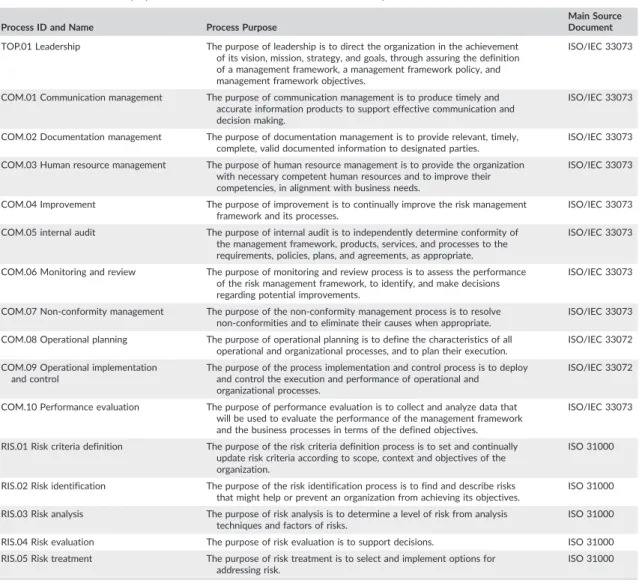
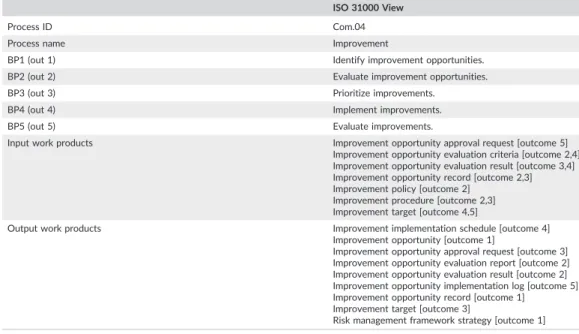
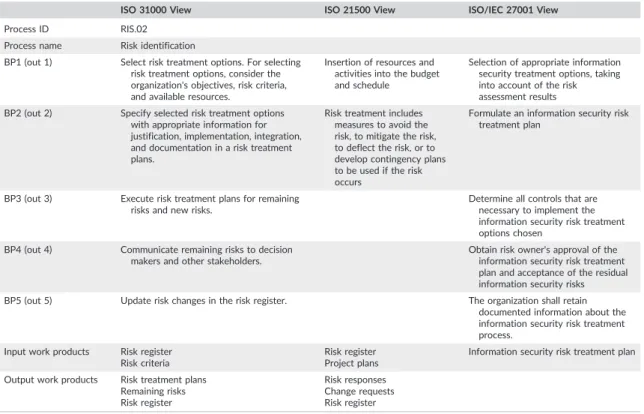
(62) 36.
(63) 49 $ ,. &. ,. , ,. ,. % %. !I= N9 ' % /. %. ( %. %. /. 0! •. •. 0. ,. 3. ', ,. , %, C=<<< ' , ' , , 0 ,' , &?( , & %.. ,. %. %. % dO ,. & , !. ,. <". ! 0! % \ C]. , !. %/. '. ( 4. , C=<<<";<=G5. (3 % / , , , .. ,. * 0. 4. ' , ,. %. 37. <4. <". 0! %. % 0! ( % ( '. " , & / *? !. %,. % % & \ ;]. *. 0. ,. /. ' % \ C].. '. *M. '. O 0. '. /. %. 8 .. ,. \ ;]. % 0!. % >' , ,. C=<<< , " % ,. % *' ,. 5. ,. ' , ,. 5". , 4. ,. &. %/ , ( \ C] % , %/ ( 5E / , ( *M: / % % ' ! .0 ' , % , ! , \ ;] 0 , <. , \ C] (/ , %/ / % ,/ ,. '. •. % %. %. !IC N9 ' ' , 3 •. , 0,. / & dO \ =]. , ?(. !I; N9 ' ,. / 4!. ( ' &.. 0. 5..
(64) . =.. .E 0. C. 49(9( %. (. .1. F . " ;<=@ 0 % =@>?=GB.. # .. 6. &. %. ( %. & ,. % & % ' , , %. ' ,. %. ( . ,. ,(. %,. % % C=<<< / % &. /. (. %. *. % &?(. , . , & %. / &. % A<<=. %. ,. %. %. ;=B<<. , %, %. &. , ( 3 ,. (. (/ /. %, &. & % % ,. .. 49(91. ! BD. (. 38. %. / .. % , ;<<<<?= %. H: % ( ? , ,. , %, , ,. H : ;@<<=. , % ? % ' , & % , % , 0.
(65) Computer Standards & Interfaces 54 (2017) 176–185. Contents lists available at ScienceDirect. Computer Standards & Interfaces journal homepage: www.elsevier.com/locate/csi. Integrating risk management in IT settings from ISO standards and management systems perspectives Béatrix Baraforta, Antoni-Lluís Mesquidab, , Antonia Masb ⁎. a b. Luxembourg Institute of Science and Technology, 5 Avenue des Hauts-Fourneaux, L-4362 Esch-sur-Alzette, Luxembourg Department of Mathematics and Computer Science, University of the Balearic Islands, Ctra. de Valldemossa, km. 7.5, E07122 Palma de Mallorca, Spain. A R T I C L E I N F O. A BS T RAC T. Keywords: Risk management Risk management process Integrated risk management Management system Integrated management system IT settings ISO standards. Organizational capabilities in companies, within IT settings, can be strengthened by a centralized and integrated risk management approach based on ISO standards. This paper analyses risk management activities throughout various selected ISO standards in order to provide the basis to improve, coordinate and interoperate risk management activities in IT settings for various purposes related to quality management, project management, IT service management and information security management. Taking as a basis the ISO 31000 international standard for risk management, a comparison is performed with the aim of identifying risk management related activities in the ISO high level structure for management system standards, ISO 9001, ISO 21500, ISO/IEC 20000-1 and ISO/IEC 27001. These standards are of high interest for practitioners in IT settings, benefitting from the integration of process-based activities, implementing mechanisms for linking IT and non-IT entities of their organization with risk management challenges to address. Integration vectors such as the understanding of the organisation and its context, risk-based thinking, leadership and commitment, process approach and PDCA structure are elicited.. Depending on their strategic goals, competitive advantage on the market, regulation and compliance constraints, IT companies or IT departments may need to be certified regarding management system standards such as the ISO/IEC 27001 [3] for information security or the ISO/IEC 20000-1 [4] for ITSM. They may also need to integrate these IT related standards with more general ones such as the ISO 9001 [5] for quality management system (QMS). This situation is more and more frequent and require integration and interoperability attentions for cost saving, complexity reduction, efficiency and effectiveness. This is particularly true for risk management which is central in IT organizations with integrated management systems and risk-based thinking. In order to satisfy market constraints that many companies face today and to provide a broad and neutral perspective, the authors make the assumption that an integrated risk management approach for IT settings will benefit them by being based on ISO (International Organization for Standardization) standards. International standards represent international consensus, provide an open access to structured technical domains as well as voluntary positioning towards certifications, and contribute to companies’ benefits. AFNOR, the French National Body for Standardization, has recently published a survey showing the benefits of standardization for the economy, with. 1. Introduction Information Technology is more than ever present, for business matters within companies, between interconnected companies and/or private individuals, for cloud computing solutions, Internet of Things, connected and mobile devices and many more Internet usages. IT has then become omnipresent and essential for any business. Because of its indispensable nature, risk management has also become vital. In all domains, risk management activities must be under control. It can be for dedicated risk management purposes or from a broader perspective in management systems (a management system is defined by ISO [1] as a “set of interrelated or interacting elements of an organization … to establish policies … and objectives … and processes … to achieve those objectives”; Note 1 to this definition mentions that “A management system can address a single discipline or several disciplines”. In IT settings, many activities are strongly related to risk management: project management, information security and IT service management (ITSM) to quote the main domains. Risk is defined in [2] as “effect of uncertainty on objectives” and a Note to this definition mentions that “Objectives can have different aspects (such as financial, health and safety, and environmental goals) and can apply at different levels (such as strategic, organization-wide, project, product and process)”.. ⁎. Corresponding author. E-mail addresses: [email protected] (B. Barafort), [email protected] (A.-L. Mesquida), [email protected] (A. Mas).. http://dx.doi.org/10.1016/j.csi.2016.11.010 Received 23 September 2016; Received in revised form 21 November 2016; Accepted 24 November 2016 Available online 30 November 2016 0920-5489/ © 2016 Elsevier B.V. All rights reserved.. 39.
(66) Computer Standards & Interfaces 54 (2017) 176–185. B. Barafort et al.. 2. Related work. visible benefits on companies’ results [6]. The ISO continuously promotes standardization benefits [7] and management system standards [8]. Every year, ISO performs a survey [9] of certifications to MSSs. The 2015 results show again that ISO 9001 (which gives the requirements for quality management systems) is the leader of management system certification standards. This survey also indicates an increase of the certifications related to ISO/IEC 27001, and more recently ISO 22301 (Business continuity management systems). In 2015, ISO added a “new” management system standard: ISO/IEC 20000-1:2011 (Service management system requirements), after recommendations from international accreditation and certification experts that are consulted annually. Despite the fact that ITIL (IT Infrastructure Library) [10] remains the de facto standard in ITSM, ISO/IEC 20000-1 remains of interest for its alignment in intent and structure as a management system, for being closely related to ITIL processes, and a relative impact on the market [11]. Regarding Project management, we can quote that ISO 21500 (Guidance on Project management [12]) provides a globally accepted guideline in Project management. It identifies recommended generic project management processes. Even if they do not depict a management system targeting certification, process groups of ISO 21500 are based on the Plan-DoCheck-Act cycle for continuous improvement. The next evolutions could lead to an update transforming guidance into requirements and succeeding in a certification standard. So in intent and with a process-based approach, ISO 21500, ISO/IEC 27001 and ISO/IEC 20000-1 are closely related to the famous ISO 9001 standard for Quality management systems. These four ISO standards are of high interest for many practitioners in IT settings, interested by the integration of process-based activities, implementing mechanisms for making the link between IT and non-IT entities of their organization with Risk management challenges to address. The objective of this research is to investigate and compare risk management activities throughout various selected ISO standards and to show that a centralized and integrated process-based risk management approach can provide the basis to improve, coordinate and interoperate risk management activities in IT settings for various purposes such as project management, quality management, ITSM, and information security management. By IT settings, we mean IT companies and IT departments, covering both development and operations sides, with projects and non-projects based activities. For the IT projects perspectives, we mean all kinds of IT projects including software engineering projects, IT infrastructure deployments… Considering the previous developments of this introduction, the following standards have been selected: ISO 9001, ISO 21500, ISO/ IEC 27001 and ISO/IEC 20000-1. Finally, the structured input for these works is the international recognised normative reference in terms of Risk management: the ISO 31000 standard [13].Hence, the research question studied in this paper is: how to integrate risk management in IT settings with a process-based approach within a management system context and benefit from selected ISO standards? It is important to quote that this is a first stage of a bigger research aiming at looking for synergies in Risk management processes from these ISO standards point of view and at proposing artefacts such as Risk management process models. This is considered from a generic perspective enabling process-based Risk management integration, interoperability and improvement in IT settings with a management system environment. The results could be useful for the main varieties of IT organizations. Some specialisations to particular domains are not considered for now. The paper is organized as follows: Section 2 describes related work; Section 3 is an overview of the studied standards; Section 4 proposes the comparison approach and the comparison itself; Section 5 discusses and analyses the findings; Section 6 tackles comparison extensions and Section 7 concludes the paper.. Integrating risk management has been studied from various perspectives in the literature. Many works have tackled the topic from close concepts points of view: harmonization and integration. In the Cambridge dictionary, harmonization is defined as follows: “the act of making systems or laws the same or similar in different companies, countries, etc. so that they can work together more easily”. And integration is defined as: “the process of combining two or more things into one.” In the standardisation community, harmonization issues are a very big concern. An initiative in the Software and Systems sub-committee 7 in ISO/IEC JTC1 is aiming at proposing ontology to unify ISO software engineering standards [14]. Many concepts are tackled, and a metamodel for the management of goals, risks, and evidences provides an interesting insight on how concepts can be connected [15]. Harmonizing software development processes is also an important concern and mappings between processes and project settings have been investigated from the situational factors angle [16]. For the last years, more and more multi-frameworks analysis have been needed and performed by practitioners and researchers, for improvement or compliance purposes: optimisation of assessments in an industrial context have been tackled [17] as well as for the ISO/IEC 29110 with the ITMark certification schema assessing software processes of software companies [18]. More generally, harmonizing approaches have been proposed for quality frameworks and standards addressing Software Process Improvement practices; we can quote research works with case studies where ISO 9001 and CMMI-DEV have been harmonized and supported [19]. Pardo et al. have shown the complexity of using multiple standards and models and they propose a harmonization environment to address the issues with a process and a set of methods with an ontology [20, 21] supporting the conceptual elements, and a web tool supporting the overall framework. A set of standards and models have been considered with case studies with the following models which can be relevant in IT settings: ISO 9001, CMMI, ISO/IEC 12207 and ISO/ IEC 90003, ITIL, PMBOK and COBIT, ISO/IEC 27001, ISO/IEC 20000-1. This research team also proposes a process improvement approach based on multiple models [22]. From the integration perspective, integrating management systems has been a topic of interest in research and industry for many years now [23,24]. This has been particularly true for quality management, environmental management and health and safety domains [9]. It has been more and more necessary to integrate these systems for cost reductions, efficiency, effectiveness, and market positioning. In the IT domain, with the first publication in 2005 of the ISO/IEC 20000-1 and ISO/IEC 27001, new management system standards appeared on the international scene, respectively for ITSM and Information Security. Some integration models and approaches have been tackled [25,26] with a model proposition for integrating management systems [27], mainly driven by the ISO 9001 QMS implementation in a large number of companies. In the meantime, maturity models, process assessment and improvement frameworks were very popular, such as CMMI [28] and ISO/IEC 15504 standards [29]. From a complementary perspective compared to a management system certification, performance management approaches dealing with process assessment and process improvement raised. An initiative in the medical device domain has also proposed a Risk Management Capability Model for the Medical Device Industry [30], based on Medical Device regulatory requirements and CMMI. Process Assessment Models (PAM), such as the PAM ISO/IEC 15504-8 [31], and the ISO/IEC 27001 Information Security one recently published by ISO [32], provide new methodological approaches for measurement and continual improvement, contributing to certification preparation and monitoring of the management system. Recently, a research contribution proposed a maturity model for an. 40.
(67) Computer Standards & Interfaces 54 (2017) 176–185. B. Barafort et al.. section is presenting each of the selected standards for the study, starting with the ISO 31000 on Risk management, then the High level structure for management system standards, followed by ISO 9001. The Guidance on Project Management ISO 21500 is then presented before ending with both ISO/IEC 27001 and ISO-IEC 20000-1.. integrated management systems assessment [33]; it enables the comparison of integrated systems implemented in different companies or contexts. As management system standards (MSS) interest increased, ISO published in its Directives in 2012 (revised in 2014) an annex named “High-level structure (HLS), identical core text, common terms and core definitions” for MSS [1]. The goal was to standardize the core content of management systems and to impose the adoption of this structure to all management systems to the rhythm of their respective revision. The ISO/IEC 27001 standard is from now on aligned with the HLS since its second revision in 2013 [3]. The ISO 9001 has been upgraded in its last revision of 2015 [5]. The ISO/IEC 20000-1:2011 [4] standard is partially aligned and still needs to be fully aligned with the HLS. With a management system integration mindset, some R & D works have defined different generic processes related to the core content requirements of the HLS in a Process Assessment Model, using a Transformation Process based on Goal-oriented requirements engineering techniques [34,35]. These works have been proposed to ISO and were incorporated within PRMs and PAMs for Information Security [32] and potentially for ISO/IEC 20000-1 and ISO 9001. Among the integrative aspects of management systems, risk management is a particular topic of great importance and interest for organizations. A lot of research works exist, targeting risk management with applications in many domains. Thus Risk management plays an important part and is omnipresent in management systems. From the ISO standards perspective, the ISO 31000 standard on Risk management [6] is the main reference, with a holistic view on risk management. Furthermore, in many domains there are dedicated risk management standards: i.e. for Information security, we can quote the ISO/ IEC 27005 (Information security risk management) [36]. Several approaches target methodologies for implementing risk management; we can cite [37] for Risk management in ISO/IEC 27001; we can also mention specific risks such as cloud computing ones [38]. When related to methodologies, these researches target the “How to”, and do not concentrate on the “What” which is addressed by processes and then not being prescriptive when seen from a generic perspective. Last but not least, IT settings are commonly organized by projects, and have to face projects risks. From the ISO perspective, the ISO 21500 [12] standard provides guidance for project management: processes, continual improvement and risk management are important tackled concerns. This standard has been considered from a PRM and PAM point of view by the authors [39,40] where a process-oriented organization can benefit from this high value structure for process assessment and process improvement purposes. In the context of the problematic of integrated management systems, risk management is a critical cornerstone which has not been addressed specifically from the IT organizations point of view with a management system and process-based perspective. Considering the gained experience by the authors from the various domains, this paper intends to explore risk management in IT settings from the angle of the following selected more relevant ISO standards: ISO 31000 as main theme, ISO Annex SL, ISO 9001, ISO 21500, ISO/IEC 20000-1, and ISO/IEC 27001. Other standards such as the ISO/IEC 12207 Software lifecycle processes [41] and ISO/IEC 15288 System lifecycle processes [42] are not considered as they are not directly targeting a PDCA neither a management system approach.. 3.1. ISO 31000:2009 Risk management – principles and guidelines The ISO 31000 standard on risk management provides principles and generic guidelines on risk management. It has become a generic and recognized reference in terms of risk management. This standard is not for the purpose of certification and does not provide requirements (there are no “SHALL statements”). It can be used whether for IT or non-IT applications, in public, private, associations or group. It is not specific to any industry or sector. As quoted by ISO, “ISO 31000:2009 can be applied throughout the life of an organization, and to a wide range of activities, including strategies and decisions, operations, processes, functions, projects, products, services and assets. It can be applied to any type of risk, whatever its nature, whether having positive or negative consequences… It is intended that ISO 31000:2009 be utilized to harmonize risk management processes in existing and future standards. It provides a common approach in support of standards dealing with specific risks and/or sectors, and does not replace those standards”. ISO 31000 is currently being revised. Several discussions are going on in the international community involved in its revision. There is a debate on terminology as the definition of Risk is not perceived equally in all countries [43]. In Great Britain, risk is more oriented towards opportunities. In France, it is very oriented on danger and prevention. In Germany, national regulations prevail on the ISO 31000 application (stakeholders are more concerned by prevention and security of products and believe there are enough constraints; general guidelines such as the ones in ISO 31000 do not bring them enough value). There is another debate on the opportunity to transform ISO 31000 in a management system standard. As previously mentioned, ISO 31000 is not a certifying standard. The proposal for introducing the HLS, common to all MSS, has been rejected. ISO 31000 will remain a principles standard, without certification as a target. Nevertheless, ISO 31000 represents a generic standard for risk management. The international community involved in its revision acknowledges its importance and its positioning regarding its guidelines and federating purpose. It appears to be complementary compared to various standards applicable to any sector and company size, such as ISO 9001 and can enable easily the setting up of a management system, without being prescriptive. It is also interesting to quote that in France, a working group in AFNOR (French standardization body) is developing an operational guide for intermediary, small and medium sized enterprises because of the need to help companies in understanding and deriving ISO 31000 to their context, whatever risk they encounter [44]. In this context, regarding our research objectives, ISO 31000 is the appropriate standard candidate for driving the comparison of risk management from a generic perspective, in various ISO standards. 3.2. ISO Annex SL: high level structure for management system standards As previously mentioned, the HLS goal is to standardize the core content of management systems with the same structure. So it can address any discipline on the same way as appearing in the ISO Annex SL: “In the Identical text proposals, XXX=an MSS discipline specific qualifier (e.g. energy, road traffic safety, IT security, food safety, societal security, environment, quality) that needs to be inserted”. To follow the HLS ensures consistency among various MSS and enable easier integration. A lot of companies are constrained to put in place several management systems for different domains (information. 3. Overview of targeted ISO standards for comparing risk management As mentioned in the introduction, ISO performs every year a survey of certifications to MSSs [9]. For ISO 9001, there has been more than one million certificates in 2015, 27,536 certificates for ISO/IEC 27001 (increase of 20% compared to 2014) and 2778 for ISO/IEC 20000-1 which is the very “new” last standard included in this survey. This. 41.
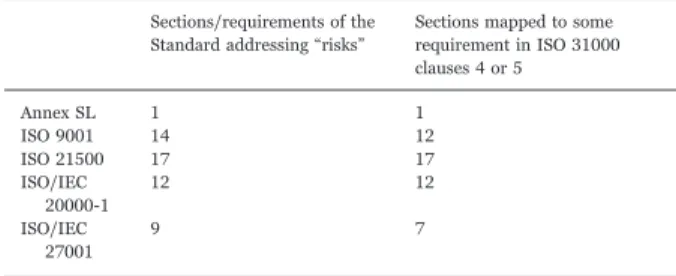
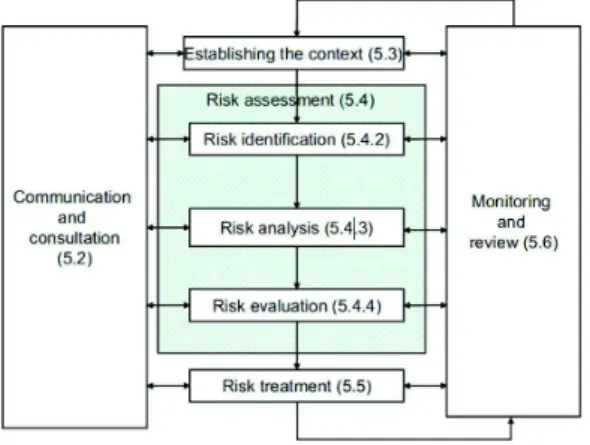
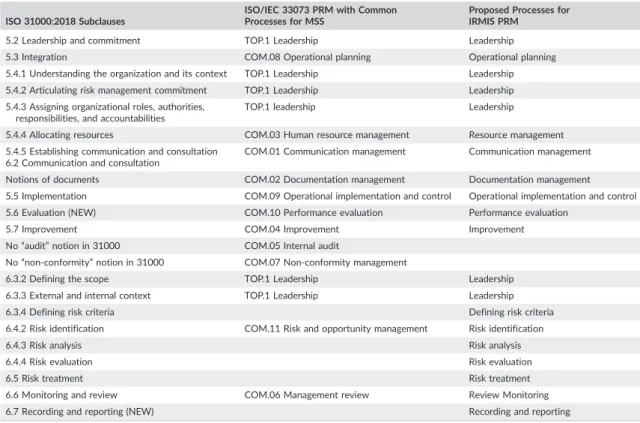
(68) Computer Standards & Interfaces 54 (2017) 176–185. B. Barafort et al.. cited as a reference for generic risk management.. security, service management, quality, etc…). Reducing costs and providing the transversal approach via processes can be fulfilled by integrated and interoperable management systems. The HLS provides generic requirements to fulfil: risks and opportunities are among them. ISO Technical Management Board progressively enforces the use of this High Level Structure to all management system standards, and then naturally targets risk management on a consistent way. As quoted in the following paragraphs, ISO 9001 and ISO/IEC 27001 are already aligned with the HLS whereas ISO/IEC 20000-1 is currently under revision, notably for this objective.. 3.6. ISO 27001:2013 Information security management The ISO/IEC 27001 is part of the ISO 27000 family of standards which is aiming at helping organizations keep information assets secure. ISO/IEC 27001 is the best-known standard in the family providing requirements for an information security management system (ISMS). An ISMS is a systematic approach to managing sensitive company information so that it remains secure. It can be applied to small, medium and large businesses in any sector. It includes people, processes and IT systems by applying a risk management process. It is aligned with the HLS. The information security risk assessment and treatment process in ISO/IEC 27001 aligns with the principles and generic guidelines provided in ISO 31000, as well as establishing the external and internal context of the organization.. 3.3. ISO 9001:2015 Quality management systems – requirements The flagship standard ISO 9001 providing requirements for quality management systems (QMS) has been revised and published in September 2015. This new version of ISO 9001 is aligned with the changes that organizations have to face, focusing more on performance, combining the process approach with risk-based thinking and activating the Plan-Do-Check-Act cycle at all levels of the organization. This new version has been designed for making easier the integration of several management systems (alignment with HLS). Moreover, it tackles a risk-based approach: “The concept of risk-based thinking has been implicit in previous editions of this International Standard including, for example, carrying out preventive action to eliminate potential nonconformities, analysing any nonconformities that do occur, and taking action to prevent recurrence that is appropriate for the effects of the nonconformity. To conform to the requirements of this International Standard, an organization needs to plan and implement actions to address risks and opportunities. Addressing both risks and opportunities establishes a basis for increasing the effectiveness of the quality management system, achieving improved results and preventing negative effects.”. 4. Comparison of risk management in targeted ISO standards In order to compare risk management approaches in the various selected ISO standards previously mentioned, after studying and screening all targeted ISO standards, the following systematic method has been followed:. • • •. 3.4. ISO 21500:2012 Guidance on project management. Step 1: Identification of risk-based activities in all compared standards (search on the keyword “Risk”). Step 2: Mapping of the sections/requirements to some sections in Clause 4 (Framework) or 5 (Process) of ISO 31000. Step 3: Description of relations or connection points among riskbased activities and the related requirements.. Table 1 summarizes the results of steps 1 and 2. The following subsections present each step on a detailed way.. ISO 21500 provides guidance for project management and can be used by any type of organization, for any type of project, irrespective of complexity, size or duration. This international standard provides highlevel description of concepts and processes that are considered to form good practice in project management. It identifies the recommended project management processes to be used during a project as a whole, for individual phases or both. It is admitted than the PMBOK Guide® [45] had a great influence on the ISO 21500 standard development. In this context, as in PMBOK, risk management in one of the ten existing subject groups and has processes in planning, implementing and controlling phases of the project life cycle. ISO 21500 is currently an informative standard, based on globally accepted good practices. In the future, according to potential market demands, it could become a normative standard with requirements and a certification thrown in. When ISO 21500 was developed, ISO 9001 and ISO 31000 were used as references.. 4.1. . Step 1 – Identification of risk-based activities in all standards. The keyword “Risk” has been searched in all standards and appears in all standards in more intensity in some parts than others:. 4.2. Step 2 – mapping of the sections/requirements to some sections in clause 4 (framework) and 5 (process) of ISO 31000 Table 2 presents the performed mapping as detailed below. The comparison shows that many similarities exist for risk management in the selected standards. The context of risk management is displayed via the policies, leadership and commitment, and the risk management itself is shown throughout the PDCA cycle with a dedicated process or set of processes for risk management in all standards.. 3.5. ISO 20000-1:2011 IT service management – service management system requirements. Table 1 Summary of the comparison process.. The ISO/IEC 20000-1 is a service management system (SMS) standard. It specifies requirements for the service provider to plan, establish, implement, operate, monitor, review, maintain and improve an SMS. The requirements include the design, transition, delivery and improvement of services to fulfil agreed service requirements. As the HLS was released in 2012 by ISO, the current version of ISO/IEC 20000-1 is not fully aligned with the HLS but has many requirements related to risk management with a close mind-set. The ISO/IEC 20000-1 is currently being revised in particular for aligning with the HLS. In the draft revised document, ISO 31000 is. Annex SL ISO 9001 ISO 21500 ISO/IEC 20000-1 ISO/IEC 27001. 42. Sections/requirements of the Standard addressing “risks”. Sections mapped to some requirement in ISO 31000 clauses 4 or 5. 1 14 17 12. 1 12 17 12. 9. 7.
Figure


+7

Documento similar
Business Process Re-engineering, Total Quality Management, Continuous
The purpose of a data quality management maturity assessment is to understand and assess how well the organizational processes address the requirements identi fied by the data
Based on the ISO/IEC 33000 family of standards for process assessment, we have built a new maturity model called MMIS V2.0.. This new model has been applied in more than
MPS.BR proposes 23 processes (based on ISO 12207 and CMMI): Organizational innovation and deployment, Causal analysis and resolution, Organizational
Based on these values, the controller can then be tuned based on the Ziegler–Nichols recommended settings for process controllers shown in Table 2.1: Note that the
In our PIORT (Probabilistic Integrated Object Recognition and Tracking) framework, the static recognition module is based on the use of a classifier that is trained from examples
The Management of Port Logistics Governance is based on the existence of a Port Community that provides a platform for coordination and continuous improvement of
1 As we will see further in this article, we mean for a modern perspective of Risk Management, a comprehensive, integrated and coordinated process within the organization to
