
Influence of concrete chemical admixtures on self healing based on microbial and not microbial calcium carbonate precipitation
75
0
0
Texto completo
(2) PONTIFICIA UNIVERSIDAD CATOLICA DE CHILE ESCUELA DE INGENIERIA. INFLUENCE OF CONCRETE CHEMICAL ADMIXTURES ON SELF-HEALING BASED ON MICROBIAL AND NOT MICROBIAL CALCIUM CARBONATE PRECIPITATION. CLAUDIA TAMARA STUCKRATH ALVARADO. Members of the Committee: LORETO VALENZUELA MAURICIO LOPEZ DANIEL HURTADO ANGEL LEIVA JORGE RAMOS. Thesis submitted to the Office of Research and Graduate Studies in partial fulfillment of the requirements for the Degree of Master of Science in Engineering Santiago de Chile, May, 2013. (REPRESENTANTE DE POSTGRADO).
(3) To my family, for their continuous support and company.. ii.
(4) ACKNOLEDGMENTS First of all, I want to thank my parents, sister, boyfriend, aunt, and grandparents for their important support all these years. It would not have been possible to finish my research without their patience and comprehension. I also want to thank to my two advisors, Loreto Valenzuela and Mauricio López, for their collaborative guidance and inspiration during my master’s research.. I appreciate the useful commentaries and assistance of the research group of each Professor. In research group of Loreto Valenzuela, I want to thank for the support in “all the chemical” knowledge to Daniela Soto, Phammela Abarzua, Benjamin Sanchez, Francisco Palma, Patricia Velásquez, Javiera Bustos, Paula Bao, Javier Cueto, Maximiliano Felis, Raimundo Gillet, Bag Kim Min, Alison Scheuch, Trinidad Schlotterbeck, Sebastian Arentsen, Maximiliano Ibaceta, Isadora Nun and Tamara Rabi. In the research group of Mauricio Lopez (ETC), I want to thank for the support in “the concrete “knowledge Ricardo Serpell, Melissa Soto, Franco Zunino, Ivan Navarrete, Felipe Rivera, Jose Carlos Remesar, Alvaro Paul, Daniel Moreno, Fernando Bustos, Ariela Astorga, Gastón Espinoza, and Juan Pablo Cancino. They were in they were in the day to day throughout the research.. I specially thank to Professor Eduardo Agosin that offered his laboratory to develop this research, and also he helped me in all themes about “bacteria”. Also I want to thank Jorge Torres to teach me all the necessary to growth bacteria. I appreciate the help of all the iii.
(5) group of the laboratory, Marcelo Orellana, Martin Carcámo, Felipe Aceituno, Javiera López, and Karen Essus.. I want to thank Mauricio Guerra, Patricio Pinilla, and Fernando Palma for their help in the laboratory of materials.. I want to thank Oscar Parada to provide the chemical admixtures used in this research.. Thanks to Professors Jorge Ramos, Daniel Hurtado and Angel Leiva for their advice as members of the committee.. iv.
(6) INDICE GENERAL Pág. DEDICATORIA........................................................................................................... ii ACKNOLEDGMENTS .............................................................................................. iii INDICE DE TABLAS ............................................................................................... vii INDICE DE FIGURAS ............................................................................................. viii RESUMEN ................................................................................................................... x ABSTRACT ................................................................................................................ xi 1. Introduction ....................................................................................................... 13 1.1 Concrete: components and cracks ............................................................ 14 1.1.1 Concrete components ..................................................................... 14 1.1.2 Formation of cracks ....................................................................... 15 1.2 Repair of cracks: a self-healing approach ................................................ 16 1.3 Calcium carbonate precipitation: modify parameters .............................. 20 1.3.1 Bacteria .......................................................................................... 24 1.3.2 Organic molecules ......................................................................... 25. 2. Hypothesis ........................................................................................................ 27. 3. Quantification of chemical and microbial calcium carbonate precipitation: performance of self-healing in reinforced mortar containing chemical admixtures 29 ABSTRACT...................................................................................................... 29 3.1 Introduction .............................................................................................. 30 3.2 Experimental studies ................................................................................ 33 3.2.1 Bacteria selection and grow ........................................................... 34 3.2.2 Preparation of self-healing agent ................................................... 35 3.2.3 Preparation of reinforced mortar specimens .................................. 36 3.2.4 Image analysis ................................................................................ 37 3.2.5 Thermal analysis and Scanning Electron Microscopy ................... 38 3.3 Results and discussion .............................................................................. 39.
(7) 3.4 Conclusions and future perspectives ........................................................ 45 Acknowledgments ............................................................................................ 46 References ......................................................................................................... 46 4. Further discussion ............................................................................................. 51. BIBLIOGRAPHY ...................................................................................................... 53 A p p e n d i x ............................................................................................................... 59 5. Appendix: Image OF CRACKS ....................................................................... 60 5.1 5.2 5.3 5.4 5.5 5.6 5.7. Sample H for 0 and 100 days ................................................................... 60 Sample HP for 0 and 100 days ................................................................. 61 Sample HAE for 0 and 100 days .............................................................. 62 Sample HC for 0 and 100 days................................................................. 63 Sample HCP for 0 and 100 days .............................................................. 64 Sample HCAE for 0 and 100 days ........................................................... 65 Sample HCB for 0 and 100 days .............................................................. 66. 5.8 5.9 5.10 5.11 5.12. Sample HCBP for 0 and 100 days ............................................................ 67 Sample HCBAE for 0 and 100 days ......................................................... 68 Sample HB for 0 and 100 days ................................................................. 69 Sample HBP for 0 and 100 days .............................................................. 70 Sample HBAE for 0 and 100 days ........................................................... 71. 6. Appendix: Image OF PH .................................................................................. 72. 7. Appendix: Estadistics ....................................................................................... 74 7.1 Analysis of Variance for MEAN .............................................................. 74.
(8) INDICE DE TABLAS Pág. Table 1-1 Parameters for the unit cell of calcium carbonate polymorphs ...........................23 Table 3-1 Nomenclature of mortar specimens used in this study. .......................................34 Table 3-2 Mixing proportions of mortar specimens. ...........................................................36. vii.
(9) INDICE DE FIGURAS Pág. Figure 1-1 Stresses in an infinitesimal point ........................................................................16 Figure 1-2 Performance (a) and cost (b) ..............................................................................18 Figure 1-3 Scheme of suggested mechanisms of autogenous healing in concrete ..............19 Figure 1-4 Scanning electron microscope ............................................................................22 Figure 1-5 Parameters of a unit cell .....................................................................................22 Figure 1-6 Mechanism of crystal growth .............................................................................23 Figure 1-7 Domain structure in a single crystal with intercalated organic molecules .........26 Figure 2-1 Schematic representation of the hypothesis .......................................................28 Figure 3-1 Frecuency of crack width in each sample: .........................................................40 Figure 3-2 Boxplot of healing after 100 days .....................................................................41 Figure 3-3 Standardized Pareto chart. ..................................................................................42 Figure 3-4 Temperature at which begins the decomposition of CaCO3 ..............................43 Figure 3-5 SEM micrographs of different healing materials ...............................................44 Figure 5-1 H1, H2, and H3...................................................................................................60 Figure 5-2 HP1, HP2, and HP3 ............................................................................................61 Figure 5-3 HAE1, HAE2, and HAE3...................................................................................62 Figure 5-4 HC1, HC2, and HC3 ..........................................................................................63 Figure 5-5 HCP1, HCP2, and HCP3 ....................................................................................64 Figure 5-6 HCAE1, HCAE2, and HCAE3 ..........................................................................65 viii.
(10) Figure 5-7 HCB1, HCB2, and HCB3 ..................................................................................66 Figure 5-8 HCBP1, HCB2, and HCBP3 ..............................................................................67 Figure 5-9 HCBAE1, HCB2, and HCBAE3 ........................................................................68 Figure 5-10 HCB1, HCB2, and HCB3 ................................................................................69 Figure 5-11 HCBP1, HCBP2, and HCBP3 ..........................................................................70 Figure 5-12 HCBAE1, HCBAE2, and HCBAE3 ................................................................71 Figure 6-1 pH image of 0ne sample of the H triplicate........................................................72 Figure 6-2 pH image of 0ne sample of the HC triplicate .....................................................72 Figure 6-3 pH image of 0ne sample of the HCB triplicate ..................................................73 Figure 6-4 pH image of 0ne sample of the HB triplicate .....................................................73. ix.
(11) RESUMEN Las grietas aumentan la permeabilidad afectando la durabilidad del hormigón. Se desarrollan gradualmente, por lo tanto es difícil determinar el momento para repararlas. Materiales auto-reparables pueden repararse gradualmente a medida que se forman grietas. En esta investigación se estudió el efecto aislado y combinado de dos agentes de auto-curación para hormigón, ambos basados en la precipitación de carbonato de calcio. Agregados livianos fueron tratadas con lactato de calcio y / o bacterias alcalófilas para la adicionarlos durante la mezcla de hormigón. Además se estudió la influencia de dos aditivos químicos comunes en el rendimiento de los agentes de auto-curación. Todos los agentes de auto-curación fueron capaces de sellar las grietas entre 0.08 y 0.22 mm de ancho. El efecto estimado de calcio sobre el porcentaje medio de sanación fue mayor que para las bacterias, sin embargo, los precipitados no son idénticos. Los aditivos no tuvieron influencia significativa en el rendimiento de los agentes de auto-sanación.. Palabras Claves: Bacteria, aditivo químico, carbonato de calcio, auto-sanación, hormigón, grietas. x.
(12) ABSTRACT Cracks increase permeability affecting the durability of concrete. As they develop gradually, it is difficult to determine when to repair them. Self-healing materials can repair themselves gradually as cracks form. In this study, the isolated and combined effect of two self-healing agents for concrete, both based on calcium carbonate precipitation, was studied. Lightweight aggregates were tampered with calcium lactate and/or alkaliphilic bacteria for addition during concrete mixing. The influence of two common chemical admixtures on the performance of the self-healing agents was also studied. All self-healing agents were able to seal cracks between 0.08 and 0.22 mm in width. The estimated effect of calcium over the mean healing percentage was higher than that of bacteria; however, the precipitates are not identical. Admixtures had no significant influence on the performance of self-healing agents.. xi.
(13) Keywords: Bacteria, chemical admixture, calcium carbonate, self-healing, concrete, cracks.. xii.
(14) 13 1. INTRODUCTION. One of the main problems of concrete is the presence of cracks. There is no clear definition of which crack width range represents a problem. It will depend on the type of structure, environment, and nature of cracking. ACI 224R recommends that cracks over 0.41 mm, 0.30 mm, and 0.18 mm be repaired in low humidity, high humidity, and saline environment, respectively. Cracks under these limits are not a concern in a short term, but in long term they may become a problem due to concrete decreasing permeability and durability.. Materials with the ability to heal themself seem to be a reasonable solution for cracks that will be a problem in the long term. These cracks develop gradually and they are very difficult to detect, therefore the repair should be gradually as well.. In this research, the isolated and combined effect of two factors that enhance self-healing in concrete, and the influence of two commonly used concrete components on the crack healing capacity were studied. The mechanism selected to enhance self-healing was the precipitation of CaCO3 by the addition of calcium lactate and/or bacteria to the concrete mixture.. This section of the thesis ("Introduction") includes the definition of the problem, state of the art and the hypothesis for this research. The following section corresponds to a manuscript sent to the Journal Cement and Concrete Composites, which includes the.
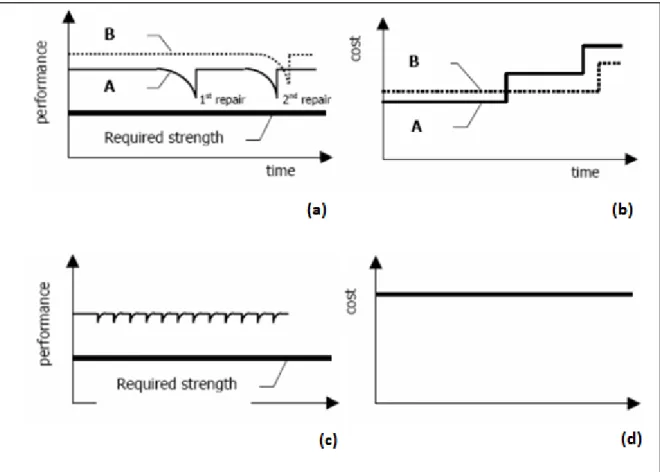
(15) 14 methods and main results. Finally, the last section ("Conclusions") includes further results not included in the manuscript, conclusions and proposed future work.. 1.1. Concrete: components and cracks. Concrete is a worldwide construction material that suffers from deterioration as other construction materials. One of the main problems of concrete deterioration is the formation of cracks.. 1.1.1 Concrete components Concrete is made from cement, water, aggregates and, in some cases, several admixtures. Concrete strength comes from the hydration of cement, which is composed of hydrated calcium silicates C-S-H (50-60%), calcium hydroxide (2025%), and calcium sulfoaluminate hydrates (15-20%) (Mehta & Monteiro, 2006).. Admixtures are defined by ASTM C125, as materials other than water, aggregates, hydraulic cements, and fiber reinforcement, which are used as ingredients of concrete or mortar, and added to the fresh mixture. They are added to improve some particular characteristic of fresh or hardened concrete. For example, an admixture could increase plasticity, incorporate air for preventing damage under frozen water, retard or accelerate the time of set, reduce shrinkage, and inhibit corrosion, among others..
(16) 15 One important type of admixture are the surfactants they have a long-chain of organic nature with a hydrophilic end. The long-chain could be a nonpolar chain that serves for air-entrainer or a chain containing some polar groups that serves as plasticizer. The hydrophilic end contains one or more polar functional groups, such as –COO-, – SO3- or –NH3+.. 1.1.2 Formation of cracks Formation of cracks in concrete is a very common phenomenon due to its ioniccovalent like bonds (Van der Zwaag, Van Dijk, Jonkers, Mookhoek, & Sloof, 2009). This type of bond has low mobility among its atoms, causing brittle fractures that take place with little plastic deformation (Haydem, Moffatt, & Wulff, 1965).. Ceramic materials, such as concrete, have low resistant to tension stresses. Thus cracks in concrete are formed perpendicular to the tension stress direction. To study the stresses in an element, it is common to consider one infinitesimal point that has perpendicular (σ) and tangential (τ) stresses (figure 1-1). Rotating the coordinates system in a particular angle, it is possible to obtain only perpendicular stresses, and with that, the direction of tension stress and cracks formation..
(17) 16. Figure 1-1 Stresses in an infinitesimal point. To compensate concrete's low strength to tension, steel reinforcement is used, due to its ductility. Adding this reinforcement does not eliminate cracks in concrete, but it restricts them to a small size (<0.5mm). These cracks are normal and present in every reinforced concrete structures with no significant strength loss. However, they increase concrete permeability, allowing entering the structure harmful substances such as water, salts and carbon dioxide. These substances deteriorate the structure causing pathologies that reduce its original mechanical properties. If the deterioration is too aggressive, it may even produce the failure of the structure.. 1.2. Repair of cracks: a self-healing approach. There are several products that seal cracks decreasing concrete's permeability; some of them are acrylates, silanes, siloxanes, silicones, polyurethanes, epoxies, and urethanes. These products have different properties from concrete such as stiffness, thermal coefficient expansion and strength. Additionally, the use of certain solvents.
(18) 17 contributes to environmental pollution (Siddique & Chahal, 2011). Because of those reasons, there is a growing interest in new and better techniques to solve this problem.. A promising technique for crack healing is the use of bacteria to precipitate CaCO3 a pollution free and natural alternative. It has been demonstrated that bacteria decreases water permeability as good as some commercial products, and it does not change the color of the treated surface (De Muynck, Cox, De Belie, & Verstraete, 2008). This treatment incorporates a material that is already present in some components of concrete, therefore no strange material is added any materials compatibility issue.. In general, treatments for crack healing must be applied after concrete mixture, later when deterioration becomes important; so the cost of reparation must be included in the overall budget of the structure. A better quality material is in general more expensive, but the overall budget could in the short term be smaller because it would need less reparation. A material that is able to repair itself would have a cost of reparation that tend to zero, therefore its initial cost will be the total cost (Figure 1-2) (Van Breugel, 2007)..
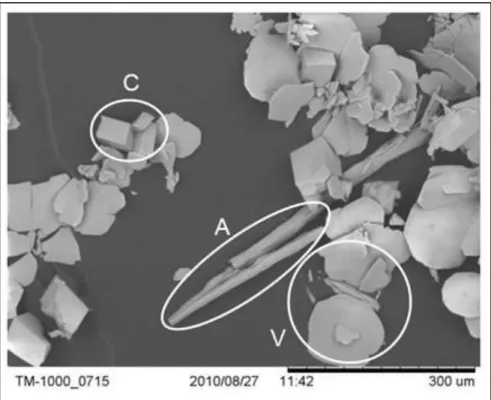
(19) 18. Figure 1-2 Performance (a) and cost (b) of a material of poor quality that needs more repair A with a material with better quality that needs fewer repairs B. Performance (c) and cost (d) of a material with selfhealing capacity (Van Breugel, 2007).. Self-healing is the ability of a material to recover its mechanical and transport original properties after been damaged. Natural materials such as skin and bone in general have this property. They are living materials and the self-healing process is very complex and involves different steps depending on the self-healing mechanism. These properties of natural materials are an inspiration for incorporating in engineered materials..
(20) 19. Concrete is an engineered material that has the particularity of repair itself in a process called autogenous healing. This capacity is limited to cracks of 50 μm for full recovery (Li & Yang, 2007). The mechanism for this behavior could include one or more of these processes swelling of the cement paste, hydration of remaining unhydrated cement, precipitation of CaCO3 crystals, blocking of flow path by water impurities, and blocking of the flow path by concrete fragments broken from the crack surface (Edvardsen, 1999), (Figure 1-3).. Figure 1-3 Scheme of suggested mechanisms of autogenous healing in concrete. Autogenous healing has a very limited capacity; therefore it is necessary to enhance this capacity when designing the concrete mixture. To enhance this capacity the.
(21) 20 amount of particles unhydrated and/or the precipitation of CaCO3 crystals can be increased.. The incorporation of coarse cement to ensure the presence of unhydrate cement has the advantage that no strange material is incorporated, therefore it would be easy for future recycling processes. But the use of coarse cement does not guarantee the selfhealing in all circumstances and also it affects negatively the fluidity of cement paste (Van Breugel, 2007).. Calcium carbonate precipitation can be enhanced by modification of key parameters of the mixture (see section 1.3). Several authors used bacteria to enhance this capacity, it is necessary to protect the bacteria from the concrete's alkalinity and to provide enough space because the porosity of concrete is smaller than bacteria critical size. Other authors have successfully immobilized bacteria in porous glass beads (Bang, Lippert, Yerra, Mulukutla, & Ramakrishnan, 2010), diatomaceous earth (J. Y. Wang, De Belie, & Verstraete, 2012), silica gel and polyurethane (J. Wang, Van Tittelboom, De Belie, & Verstraete, 2011), and lightweight aggregate (Wiktor & Jonkers, 2011).. 1.3. Calcium carbonate precipitation: modify parameters. Calcium carbonate precipitation (CCP) is a chemical process with four key factors: (1) Ca2+ concentration, (2) dissolved inorganic carbon (DIC) concentration, (3) pH.
(22) 21 (pK2 (CO) = 10.3 at 25 °C), and (4) availability of nucleation sites (Hammes & Verstraete, 2002). The overall equilibrium reaction of CCP is:. The concentration of CO32- is given by the equilibrium of. The concentration of each compound in equilibrium depends on the pH of the solution, at pH below 6.4 the equilibrium moves towards H2CO3, at pH between 6.4 and 10.3 the equilibrium moves towards HCO3-, and at pH over 10.3 the equilibrium moves towards CO32- (Alley, 1993).. CaCO3 precipitate forms a mineral with five different crystalline polymorphs: three anhydrous phases: calcite, aragonite and vaterite (Figure 1-4), two hydrate phases: monohydrocalcite and ikaite, and an amorphous phase (Radha, Forbes, Killian, Gilbert, & Navrotsky, 2010). Crystals are described using a unit cell of six parameters: a, b, c, α, β, and γ, as explained in figure 1-5..
(23) 22. Figure 1-4 Scanning electron microscope of calcite (C), aragonite (A) and vaterite (V) polymorphs. (Chiu Tang 2013). Figure 1-5 Parameters of a unit cell.
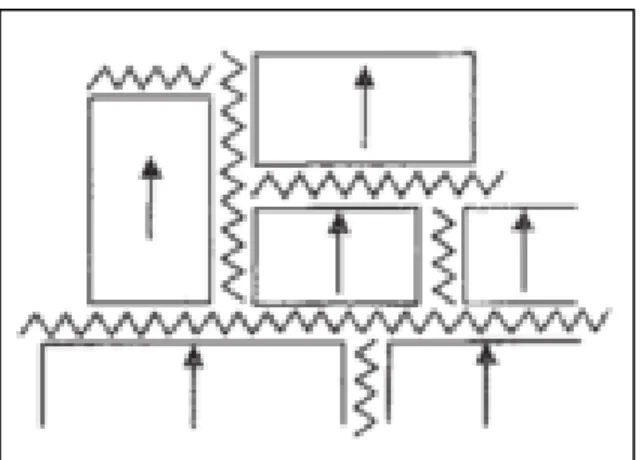
(24) 23 Table 1-1 Parameters for the unit cell of calcium carbonate polymorphs (De Leeuw & Parker, 1998).. Calcite Aragonite Vaterite. Space a group (Å) R3c 5.0 Pmcn 4.96 P63 4.13. b (Å) 5.0 7.96 4.13. c (Å) 17.06 5.74 8.48. α 90° 90° 90°. β 90° 90° 90°. γ 120° 90° 120°. The theory of crystal growth suggests that it occurs when there are active sites of higher binding energy on the surface of the growing crystal, which promote the incorporation of new molecules into the solid phase. These active sites are called kinks and they have three faces in contact with the crystal surface. The classical model of layer by layer growth is described in figure 1-6. It is mediated by five steps: bulk diffusion of ions to the crystal surface (A), surface adsorption and dehydration of ions (B), two dimensional diffusion across the crystal surface (C), one-dimension diffusion across the crystal surface (D), and incorporation into the kink site (E) (Mann, 2002).. Figure 1-6 Mechanism of crystal growth (Mann, 2002)..
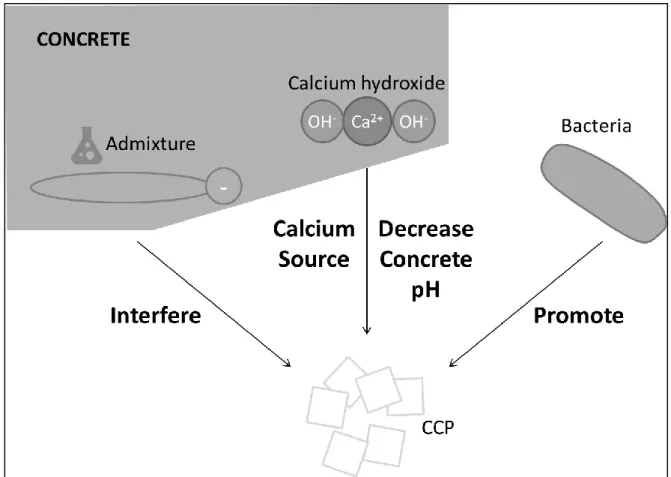
(25) 24. 1.3.1 Bacteria Some bacteria are able to precipitate CaCO3 by modifying the equilibrium of the reaction (1.1), creating an alkaline environment through certain physiological activities (Hammes & Verstraete, 2002). Bacteria also is considered to provide nucleation site on its negatively charged bacterial cell, which that favors Ca2+ binding (Park, Park, & Chun, 2010). Cell wall of alkaliphilic bacteria is constituted by peptidoglycan, teichuronic acid and teichuronopeptide (Aono, Ito, & Machida, 1999). These molecules are negatively charged; therefore serve as nucleation site for CCP.. Calcareous materials, such as limestone, marble, and concrete used bacteria with heterotrophic pathway that involves the nitrogen cycle, specifically the urea degradation to precipitate CaCO3. Ureolytic bacteria from genus bacillus go through this cycle. The first time that an ureolytic bacteria was used to repair a structure, was in 1993 on an area of 50 m2 in the tower of the Church of Saint Médard in Thouars, France, which is made of Tuffeau limestone (De Muynck, De Belie, & Verstraete, 2010).. Concrete has the particularity that has a very high pH between 12 and 13, therefore only alkaliphilic bacteria will be suitable for an application like this. This research uses Bacillus pseudofirmus, a facultative aerobic alkaliphile that grows nonfermentatively in a pH range from 7.5 to above 11.4 (Janto et al., 2011). This.
(26) 25 specie also forms endospores in presence of manganese that makes bacteria resistant to heat and mechanical forces (Jonkers, Thijssen, Muyzer, Copuroglu, & Schlangen, 2010). Bacteria endospores are formed mainly by calcium dipicolinic acid that provides the resistance to extreme environmental conditions, Ca2+ corresponds to the 10% of total endospore dry weight (Hintze & Nicholson, 2010). During bacteria reactivation, the endospores excrete the calcium dipicolinic acid increasing the concentration of Ca2+ in their surroundings, which may enhance CCP.. As bacteria grows aerobically, its respiration releases CO2 increasing the concentration of DIC in the surroundings. Wiktor & Jonkers (2011) found that the concentration of O2 decreases when approaching to the surface of mortar specimen treated with bacteria. They suggested that CCP occurs due to bacterial metabolic conversion of calcium lactate, as follows:. 1.3.2 Organic molecules Soluble organic molecules could inhibit, promote, or modify crystal composition, structure and shape (Mann, 2002). These molecules can occupied the space between the domains of a single crystal (figure 1-7)..
(27) 26. Figure 1-7 Domain structure in a single crystal with intercalated organic molecules in the coherent interfaces (Mann, 2002).. Functional groups that are negatively charged such as carboxylic acids (R–COOH), hydroxyl groups (R–OH), amino groups (R–NH2), sulfate (R–O–SO3H), sulfonate (R–SO3H) and sulfhydryl groups (–SH) (Dupraz et al., 2009) can sequestrate Ca2+. These functional groups can also act as nucleation sites, if Ca2+ quantity exceeds that of the functional group (Decho, 2010).. In the preparation of concrete, chemical admixtures are often added. As mentioned in section 1.1.1 the most common admixtures are surfactants. Surfactants can control the formation of crystals by influencing nucleation, crystal growth and aggregation (Wei, 2004).. In this research, two admixtures were evaluated in combination with calcium lactate and/or bacteria as self-healing agent in concrete..
(28) 27 2. HYPOTHESIS. For the present research, the hypotheses are (Figure 2.1): Hip1 Chemical admixtures interfere with calcium carbonate precipitation, decreasing concrete's capacity of self-healing. Hip2 Calcium hydroxide present in concrete acts as a source of Ca2+ in calcium carbonate precipitation decreasing concrete's pH, eliminating the corrosion protection of concrete reinforcement. Hip3 Bacteria promotes the precipitation of calcium carbonate without requiring an external source of calcium (i.e. Calcium lactate).
(29) 28. Figure 2-1 Schematic representation of the hypothesis.
(30) 29 3. QUANTIFICATION OF CHEMICAL AND MICROBIAL CALCIUM CARBONATE. PRECIPITATION:. PERFORMANCE. OF. SELF-. HEALING IN REINFORCED MORTAR CONTAINING CHEMICAL ADMIXTURES. Claudia Stuckrath, Ricardo Serpell, Loreto M. Valenzuela, Mauricio Lopez. ABSTRACT Cracks increase permeability affecting the durability of concrete. As they develop gradually, it is difficult to determine when to repair them. Self-healing materials can repair themselves gradually as cracks form. In this study, the isolated and combined effect of two self-healing agents for concrete, both based on calcium carbonate precipitation, was studied. Lightweight aggregates were impregnated with calcium lactate and/or alkaliphilic bacteria to be added as healing agents in concrete mixtures. The influence of two common chemical admixtures on the performance of the selfhealing agents was also studied. All self-healing agents were able to seal cracks between 0.08 and 0.22 mm in width. The estimated effect of calcium lactate on the mean healing was higher than that of bacteria. In addition, thermogravimetric analysis suggests the precipitates are different. Admixtures had no significant influence on the performance of self-healing agents..
(31) 30 3.1. Introduction. Concrete is a ceramic material susceptible to developing cracks when it is under tensile stress. Ceramic materials are generally characterized by ionic-covalent like bonds. The limited atomic mobility of this kind of bond imparts intrinsic brittleness to ceramics [1]. Moreover, these bonds make the material very strong to compressive stresses, but weak to tensile stresses. To compensate for this weakness, steel reinforcement is used in concrete due to its tensile strength and ductility. It should be noted that the role of steel in reinforced concrete is not to prevent concrete to deform or crack, but to take tensile stresses and control crack width.. Cracks below 0.05 mm in width are not usually a problem since concrete has the ability to seal them in a process called autogenous healing, fully recovering its mechanical and transport properties [2]. Autogenous healing is believed to be produced by swelling of the cement paste, hydration of the remaining unhydrated cement, precipitation of calcium carbonate (CaCO3) crystals, and crack filling by impurities in water or by debris from the crack surface [3]. Of all these mechanisms, calcium carbonate precipitation (CCP) is the only one that can be intentioned and engineered to improve the self-healing capacity of concrete and is the primary focus of this research. In this research, the effects of three different modifiers on CCP were studied: bacteria, calcium lactate, and two organic molecules (chemical admixtures).. CCP has 4 key factors that could be managed to increase or decrease its effectiveness: (1) calcium ion (Ca2+) concentration, (2) dissolved inorganic carbon.
(32) 31 (DIC) concentration, (3) pH (pK2 (CO) = 10.3 at 25 °C), and (4) the availability of nucleation sites [4]. In addition, some organic molecules and bacteria can modify these factors increasing or decreasing CCP and can create different CaCO3 polymorphs, such as calcite, vaterita, and aragonite [5].. Organic molecules can affect CCP by inhibition through Ca2+ sequestration, by acting as nucleation sites, or by modifying CaCO3 precipitate to form other crystalline phases or amorphous phases. Negatively charged acidic functional groups that can sequester Ca2+ are carboxylic acids (R–COOH), hydroxyl groups (R–OH), amino groups (R–NH2), sulfate (R–O–SO3H), sulfonate (R–SO3H), and sulfhydryl groups (–SH) [6]. These functional groups can also act as nucleation sites if the Ca2+ concentration is high [7]. Surfactants can also control the formation of the crystal phase by influencing the nucleation, crystal growth, and aggregation [8]. Likewise, amorphous phases are formed when the concentration of organic molecules is high and it can be stabilized against compaction and recrystallization [7].. The fact that some chemical admixtures for concrete have functional groups similar to those mentioned above might indicate that they can affect CCP and the healing process itself. For this reason, the effect of two chemical admixtures on CCP was studied: a common air-entrainer (surfactant) based on sodium naphthalene sulfonate formaldehyde lignosulfonate.. condensate,. and. a. common. plasticizer. based. on. calcium.
(33) 32 Dupraz et. al. [6] found that one of the fundamental controls of CCP is the “Alkalinity Engine” that can rely on an intrinsic (bacterial metabolism) and/or extrinsic (the environment) component. Since concrete has a pH above 9, due to the presence of calcium hydroxide, an intrinsic approach to increase pH with bacteria metabolism is not necessary. However, bacteria were also included in this study because they have been proven to increase the amount of precipitate [9].. CCP requires free calcium (Ca2+), which can be externally provided in the form of calcium salts like calcium chloride or calcium lactate. Nevertheless, an internal source of calcium might be available in the hydrated cement paste in the form of calcium hydroxide, calcium silicate hydrates, or calcium aluminate hydrates, among others. In fact, calcium hydroxide naturally becomes calcium carbonate in a process known as carbonation. Carbonation is a form of concrete deterioration since it can reduce pH below the threshold needed to maintain the passivation of steel thus potentially speeding up the onset of corrosion. Besides, bacteria’s spores have calcium in its protective membrane. When bacteria germinate spores, they secrete calcium which could also be a source for CCP.. The relative size of bacteria with respect to cement paste pores suggests that it cannot be directly embedded in the concrete matrix because there would not be enough space for bacteria to live. An attempt to overcome this problem was proposed through the immobilization of bacteria in porous glass beads (Siran TM) [10]. Another attempt to protect bacteria was proposed by Wang et al. [11] encapsulating.
(34) 33 silica gel or polyurethane with bacteria in glass tubes. Yet another approach used diatomaceous earth to host bacteria [11] and observed that cracks in the range from 0.15 to 0.17 mm in width were completely healed. Recently, porous lightweight aggregates were used to immobilize bacteria and calcium lactate [12]. After 100 days of immersion in water, it was obtained full crack healing for cracks up to 0.46 mm in width, which compared favorably to the 0.18 mm in width sealed in control specimens.. This research focuses on the performance of alternative self-healing agents that improve CCP and how such performance is influenced by common components present in concrete. The self-healing agents were based on calcium lactate, representing chemical CCP, and bacteria, representing microbial CCP. The concrete’s admixtures were calcium lignosulfonate (plasticizer) and naphthalene sulfonate formaldehyde condensate (air-entrainer).. 3.2. Experimental studies. Reinforced mortar flexural specimens, each with different self-healing agents and chemical admixtures, were prepared, cured, cracked, and left to self-heal immersed in water at room temperature for 100 days. Three types of self-healing agents were prepared (Table 1): bacteria and calcium lactate-yeast extract solution (CB), bacteria and yeast-extract solution without calcium lactate solution (B), and calcium lactate.
(35) 34 solution with neither bacteria nor yeast-extract solution (C).. The agents were. embedded in lightweight aggregate (LWA) according to Wiktor and Jonkers [12].. Table 3-1 Nomenclature of mortar specimens used in this study. Self-healing Agent No Agent Calcium Bacteria Calcium Lactate Lactate. Chemical Admixture. + Bacteria. No Admixture. H. HC. HB. HCB. Plasticizer. HP. HCP. HBP. HCBP. Air-entrainer. HAE. HCAE. HBAE. HCBAE. 3.2.1 Bacteria selection and grow Bacillus. pseudofirmus. LMG. 17944. (Belgian. coordinated. collections. of. microorganisms, Ghent), a spore-forming facultative alkaliphilic bacteria, was used for this study. This bacteria grows in a pH range from 7.5 to 11.4 and can withstand large sudden increases in external pH [13].. Bacterial stocks were stored at -80°C in glycerol. Bacteria were cultured for 4 hours in liquid nutrient media according to the supplier’s recommendations. The medium was comprised of 5 g peptone, 3 g meat extract, 10 mg MnSO4 x H2O, 0.5% NaCl in 1 L MilliQ ultra-pure water. pH was adjusted to 9.7 with a solution of 0.42 g NaHCO3 and 0.53 g Na2CO3 in 100 mL MilliQ ultra-pure water. This culture (batch.
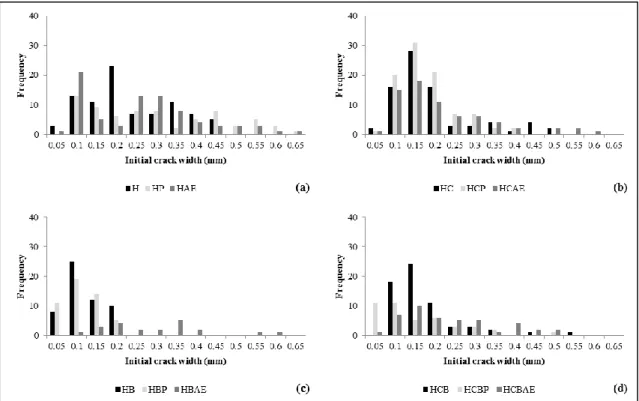
(36) 35 1) was used to inoculate a second culture (batch 2) to enhance spore formation according to [14]. Cultures were aerobically incubated in Erlenmeyer flasks on a shaker table at 250 rpm and 37°C. The growth of bacteria was monitored using Optical Density set at 600 nm. Bacterial concentration was estimated with the most probable number method cultivation-dilution technique.. Bacteria were centrifuged for 20 minutes at 6000 rpm and re-suspended twice in sterile MilliQ ultra-pure water. The final concentration of bacteria was 1.5x10⁹ cells/mL and it was stored at 4°C (batch 3) until the preparation of the self-healing agent.. 3.2.2 Preparation of self-healing agent LWA used was expanded clay. It was sieved between ASTM standards n°4 and 16 (4.75 mm and 1.18 mm). For the CB agent, the LWA particles were vacuumimpregnated with a solution of 50 g/L calcium lactate and 1 g/L yeast extract, followed by a final impregnation step with bacteria at 4°C from batch 3. After each impregnation treatment, LWA was oven-dried for 5 days at 37°C. Impregnated LWA containing 2% by weight calcium lactate and 1.3x10⁸ cells/g particles was obtained. The preparation of agents B and C followed the same procedures as above, but only bacteria and yeast-extract were impregnated in agent B, and only calcium lactate was impregnated in agent C..
(37) 36 3.2.3 Preparation of reinforced mortar specimens Mortar specimens were prepared according to the factorial experimental design using chemical admixtures and self-healing agents as experimental factors. Two chemical admixtures were used: calcium lignosulfonate 23.5%, a common plasticizer, and sodium lauryl ether sulfate 4%, a common air-entraining agent. Self-healing agents BC, B, and C were used. Twelve mixtures were prepared in triplicate. Table 1 shows the combination and nomenclature used to prepare these mortar specimens. Each specimen consisted of 4x4x16 cm prisms with shear and flexural reinforcement to allow controlled crack formation upon loading. They were prepared with Type I Ordinary Portland Cement, water, siliceous sand, LWA and chemical admixtures (Table. 2).. Chemical. admixtures. were. dosed. according. to. supplier’s. recommendations: 0.5% of cement weight for the plasticizer and 120 mL per 100 kg cement for the air-entraining agent.. Table 3-2 Mixing proportions of mortar specimens. kg/m3 Type I Ordinary Portland Cement 400 Tap Water. 261. Siliceous Sand. 968. Impregnated LWA. 304. w/c. 0.65.
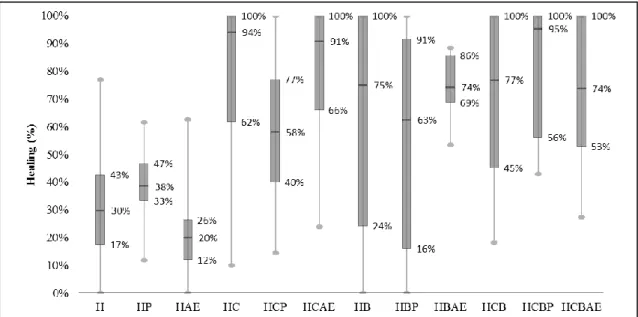
(38) 37 Specimens were heat cured for 21 days to simulate a concrete of approximately 56 days of age by Saul-Nurse maturity method. Specimens were then loaded to induce flexural cracking using a universal testing machine setup for 3-point bending. The maximum load was such that the yield stress of the steel was exceeded, so cracks remained open after unloading. Each cracked-specimen was immersed separately in tap water to begin the self-healing process. Containers with the cracked-specimen were maintained open to allow free diffusion of gases, specifically CO2, with the environment. Each specimen was removed periodically from water for crack-healing quantification by image analysis as explained in section 3.2.4.. After 100 days of immersion, each cracked-specimen was longitudinally split, and a sample from inside the cracks (“healing material”) was removed with a scalpel from inside the cracks. The longitudinal split was made to measure the calcium hydroxide consumption through change in pH. The pH was measured spraying the surfaces with a pH solution indicator within a range of 9 to 13 (Fluka). Images of the colored surface were obtained for image analysis. The healing material was analyzed using thermal analysis (thermogravimetric analysis (TGA) and differential scanning calorimetry (DSC)) and scanning electron microscopy (SEM) (sections 3.2.5).. 3.2.4 Image analysis Crack-healing quantification was performed by image analysis. A Matlab code was developed to calculate the average crack width and healing for a given crack.
(39) 38 segment. The specimens were periodically photographed at 20, 40, 50, 70, and 100 days. The images were taken using an SLR camera at a fixed distance. Each specimen face was photographed twice to cover the complete region of interest for a total of eight photos per specimen. Images of 4928x3264 pixels were acquired with one pixel representing 0.018 mm. Images of the same region of interest at different times were aligned to quantify changes in crack width over time. The segment length was set constant at 1.6 mm. For any given crack, the number of crack segments was chosen as required. The healing at time t can be calculated as follows:. where wi is the initial crack width, and wt the width at time t.. 3.2.5 Thermal analysis and Scanning Electron Microscopy TGA and DSC were used to detect the presence of CaCO3 in the healing material [15]. Samples of crack healing material ranging from 2.5 to 42 mg were heated up to 1000°C at a rate of 10 °C/min. The weight loss and heat flow of the samples during the process of heating were recorded and shown in a weight-heat flow-temperature graph. SEM was used to study the morphology of the healing material. Samples were supercritically dried and gold coated. Magnifications between 300x and 5000x with an accelerating voltage of 15 kV were used..
(40) 39 3.3. Results and discussion. All specimens, regardless of the self-healing agent used, showed a pH above 12 on the entire surface exposed by the splitting; however, the control case, without any self-healing agent, showed areas near the borders with pH of 9 or less. This suggests that calcium hydroxide is not being depleted by CCP. Moreover, the self-healing agents could decrease gas permeability thus decreasing the natural process of carbonation.. Since the initial crack width cannot be controlled during the loading process, the distribution of crack widths varied widely among samples (Figure 1). Consequently, only cracks between 0.08 and 0.22 mm in width were considered in the analysis. This range of width was present in all samples..
(41) 40. Figure 3-1 Frecuency of crack width in each sample: (a) for samples without agents (H, HP, and HAE); (b) for samples with calcium lactate as self-healing agent (HC, HCP, and HCAE); (c) for samples with bacteria as self-healing agent (HB, HBP, and HBAE); and (d) for samples with calcium lactate and bacteria as self-healing agents (HCB, HCBP, and HCBAE).. The median of crack healing at 100 days is over 50% for all self-healing agents, whereas for control samples without self-healing agents such median is under 40% (Figure 2). HC, HCAE, and HCBP show the best healing performance with a median of over 90% healing. According to this, the best self-healing treatment for a concrete with or without air-entrainer is calcium lactate agent (C), and for concrete with plasticizer it is calcium lactate and bacteria agent combined (CB)..
(42) 41. Figure 3-2 Boxplot of healing after 100 days for the different samples with an initial crack width between 0.08 and 0.22 mm.. The effect of each factor on the mean and variance of healing was analyzed using regression analysis. The regression model considered 4 factors (C, B, P and AE). Figure 3 shows a standardized Pareto chart in which the length of each bar is proportional to the value of the t-statistic calculated for the corresponding effect. C was the only factor that has a significant effect, but B also shows that it has an important influence on the mean of the healing. Conversely, none of the chemical admixtures factors has a significant effect on self-healing. A negative interaction is estimated for C and B, however, the influences of C and B are significant by themselves. This happens because the expected combined effect of C and B would be the sum of both factors, which is not possible due to saturation in the response (maximum healing of 100%). On the other hand, when analyzing the variance in the.
(43) 42 healing response, no factor has a significant importance in explaining it. Nevertheless, the air-entraining seems to lower the variance in healing and the B agent seems to increase it.. Figure 3-3 Standardized Pareto chart. The length of each bar is proportional to the value of a t-statistic calculated for the corresponding effect. The vertical line corresponds to the value that the effect is statistically significant with considering a significance level of 5%. (a) Effects of each factor over the mean of healing. (b) Effects of each factor over the variance of healing.. Results from the TGA show an important decrease in weight between 500 and 800 °C, which correspond to the decomposition of CaCO3. The reaction does not occur at the same temperature for all three self-healing agents. CaCO3 obtained from agent C seems to decompose at lower temperatures than agents B and CB (Figure 4). This can be explained by differences in the degree of crystallinity or in crystal size between.
(44) 43 precipitates from samples with different self-healing agents. DSC analysis shows an important endothermic peak between 700 and 800°C, which also corresponds to CaCO3 decomposition. For samples with agent C, this reaction occurs at lower temperatures confirming the results obtained by TGA.. Figure 3-4 Temperature at which begins the decomposition of CaCO3 for each sample, as measured by TGA.. The morphology of the healing material was assessed by SEM (Figure 5). In samples without chemical admixtures (Figures 5a and 5b), rhombohedra precipitates are identified, which can be calcite, the more stable polymorphism of CaCO3 [16–19]. According to Mann [20] crystal growth occurs in steps, in certain specific conditions (supersaturated with additives). These steps propagate and bunch up on themselves causing the crystal to become irregular and ultimately grind to a halt. This process can be seen in Figure 5 (b) with x5000 magnification. In samples with plasticizer (Figure 5c and 5d), there are some irregular precipitates that look like an agglomeration of rhombohedra precipitates that were bound together. In samples with bacteria and air entraining agent (Figure 5e), a needle precipitation can be observed, which might be aragonite, a polymorphism of CaCO3, as identified by Kitamura et al..
(45) 44 and Jiang et al. [5], [21]. Nevertheless, a needle precipitation is also described as ettringite by Komatsu et al. [22].. Figure 3-5 SEM micrographs of different healing materials.
(46) 45 removed from inside the cracks: (a), (c), and (e) with only bacteria as a selfhealing agent and (b), (d) and (f) with calcium lactate and bacteria as self-healing agents. (c) and (d) has plasticizer as chemical admixture and (e) and (f) has airentrainer as chemical admixture.. 3.4. Conclusions and future perspectives. All of the self-healing agents studied herein increased the autogenous healing capacity of concrete. Among them, the combined self-healing agents calcium lactate and bacteria was the one showing the highest healing. It is noteworthy from the regression analysis that calcium lactate agent proved to be more effective in explaining the healing of cracks than the bacteria agent. Since both self-healing agents promoted nearly a 100% of healing, it was not possible to prove if the combination of calcium lactate and bacteria self-healing had the added effect of the separate agents. The findings of this study should be corroborated in the future, including wider cracks to avoid the saturation of the response and to better assess the effect of the combined self-healing agent.. Thermal analysis of the healing material proved the presence of CaCO3. Precipitate promoted by calcium lactate agent was degraded at a lower temperature than those promoted by bacteria and the combination of bacteria and calcium lactate. This could indicate that bacteria promote the formation of larger crystals and/or a more stable crystal compared to those promoted with calcium only. It is not possible, however, to.
(47) 46 ensure that one self-healing agent is better than the other. Such a response can only be obtained by quantifying other properties of the precipitates such as its impact on permeability and strength of concrete.. As a final conclusion, the chemical admixtures studied herein have no influence over the performance of the self-healing agents; therefore, they could be used without affecting self-healing of concrete.. Acknowledgments Authors greatly appreciate Dr. Ángel Leiva for the use or thermal analysis instruments, and Dr. Eduardo Agosin for the use of laboratory facilities for bacteria cultivation. The help of Mauricio Guerra in the materials laboratory and of Jorge Torres in the bacteria cultivation are also appreciated.. References. [1]. S. van der Zwaag, N. H. van Dijk, H. M. Jonkers, S. D. Mookhoek, and W. G. Sloof, “Self-healing behaviour in man-made engineering materials: bioinspired but taking into account their intrinsic character.,” Philosophical transactions. Series A, Mathematical, physical, and engineering sciences, vol. 367, no. 1894, pp. 1689– 704, May 2009..
(48) 47 [2]. V. C. Li and E. Yang, Self Healing in Concrete Materials. Springer Netherlands, 2007, pp. 161–193.. [3]. C. Edvardsen, “Water Permeability and Autogenous Healing of Cracks in Concrete,” ACI Materials Journal, vol. 96, no. 4, pp. 448–454, 1999.. [4]. F. Hammes and W. Verstraete, “Key roles of pH and calcium metabolism in microbial carbonate precipitation,” Reviews in Environmental Science and Biotechnology, vol. 1, no. 1, pp. 3–7, 2002.. [5]. J. Jiang, S.-F. Chen, L. Liu, H.-B. Yao, Y.-H. Qiu, M.-R. Gao, and S.-H. Yu, “Template-free polymorph discrimination and synthesis of calcium carbonate minerals.,” Chemical communications, no. 39, pp. 5853–5855, Oct. 2009.. [6]. C. Dupraz, R. P. Reid, O. Braissant, A. W. Decho, R. S. Norman, and P. T. Visscher, “Processes of carbonate precipitation in modern microbial mats,” EarthScience Reviews, vol. 96, no. 3, pp. 141–162, Oct. 2009.. [7]. A. W. Decho, “Overview of biopolymer-induced mineralization: What goes on in biofilms?,” Ecological Engineering, vol. 36, no. 2, pp. 137–144, Feb. 2010.. [8]. H. Wei, “Crystallization habit of calcium carbonate in presence of sodium dodecyl sulfate and/or polypyrrolidone,” Journal of Crystal Growth, vol. 260, no. 3–4, pp. 545–550, Jan. 2004..
(49) 48 [9]. H. M. Jonkers and E. Schlangen, “Development of a bacteria-based self healing concrete,” in Tailor Made Concrete Structures: New Solutions for our Society, 2008, pp. 425–430.. [10] S. S. Bang, J. J. Lippert, U. Yerra, S. Mulukutla, and V. Ramakrishnan, “Microbial calcite, a bio-based smart nanomaterial in concrete remediation,” International Journal of Smart and Nano Materials, vol. 1, no. 1, pp. 28–39, Mar. 2010. [11] J. Y. Wang, N. De Belie, and W. Verstraete, “Diatomaceous earth as a protective vehicle for bacteria applied for self-healing concrete,” Journal of industrial microbiology & biotechnology, vol. 39, no. 4, pp. 567–77, Apr. 2012. [12] V. Wiktor and H. M. Jonkers, “Quantification of crack-healing in novel bacteriabased self-healing concrete,” Cement and Concrete Composites, vol. 33, no. 7, pp. 763–770, Aug. 2011.. [13] B. Janto, A. Ahmed, M. Ito, J. Liu, D. B. Hicks, S. Pagni, O. J. Fackelmayer, T.-A. Smith, J. Earl, L. D. H. Elbourne, K. Hassan, I. T. Paulsen, A.-B. Kolstø, N. J. Tourasse, G. D. Ehrlich, R. Boissy, D. M. Ivey, G. Li, Y. Xue, Y. Ma, F. Z. Hu, and T. a Krulwich, “Genome of alkaliphilic Bacillus pseudofirmus OF4 reveals adaptations that support the ability to grow in an external pH range from 7.5 to 11.4,” Environmental microbiology, vol. 13, no. 12, pp. 3289–309, Dec. 2011..
(50) 49 [14] H. M. Jonkers, A. Thijssen, G. Muyzer, O. Copuroglu, and E. Schlangen, “Application of bacteria as self-healing agent for the development of sustainable concrete,” Ecological Engineering, vol. 36, no. 2, pp. 230–235, 2010. [15] K. Van Tittelboom, N. De Belie, W. De Muynck, and W. Verstraete, “Use of bacteria to repair cracks in concrete,” Cement and Concrete Research, vol. 40, no. 1, pp. 157–166, Jan. 2010.. [16] J. Dick, W. De Windt, B. De Graef, H. Saveyn, P. Van der Meeren, N. De Belie, and W. Verstraete, “Bio-deposition of a calcium carbonate layer on degraded limestone by Bacillus species,” Biodegradation, vol. 17, no. 4, pp. 357–67, Aug. 2006. [17] H. K. Kim, S. J. Park, J. I. Han, and H. K. Lee, “Microbially mediated calcium carbonate precipitation on normal and lightweight concrete,” Construction and Building Materials, vol. 38, pp. 1073–1082, Jan. 2013. [18] W. De Muynck, K. Cox, N. De Belie, and W. Verstraete, “Bacterial carbonate precipitation as an alternative surface treatment for concrete,” Construction and Building Materials, vol. 22, no. 5, pp. 875–885, May 2008.. [19] M. O. Cuthbert, M. S. Riley, S. Handley-Sidhu, J. C. Renshaw, D. J. Tobler, V. R. Phoenix, and R. Mackay, “Controls on the rate of ureolysis and the morphology of carbonate precipitated by S . Pasteurii biofilms and limits due to bacterial encapsulation,” Ecological Engineering, vol. 41, pp. 32–40, 2012..
(51) 50 [20] S. Mann, “Biomineralization,” 1 edition., USA: Oxford University Press, 2002, pp. 38–67. [21] M. Kitamura, H. Konno, A. Yasui, and H. Masuoka, “Controlling factors and mechanism of reactive crystallization of calcium carbonate polymorphs from calcium hydroxide suspensions,” Journal of Crystal Growth, vol. 236, no. 1–3, pp. 323–332, Mar. 2002. [22] R. Komatsu, N. Mizukoshi, K. Makida, and K. Tsukamoto, “In-situ observation of ettringite crystals,” Journal of Crystal Growth, vol. 311, no. 3, pp. 1005–1008, Jan. 2009..
(52) 51 4. FURTHER DISCUSSION. All three self-healing agents used in this study (bacteria, calcium and their mixture) demonstrate to have a positive effect over crack healing. The addition of calcium lactate increases the concentration of Ca2+ and with that, the equilibrium of calcium moves to the solid phase increasing CCP. Further research should be performed with different concentrations of calcium lactate and other calcium salts. At the same time, the effect of calcium salts on concrete properties, such as workability, strength, and durability, should be addressed.. The addition of bacteria also increases CCP. This could be explained by: (1) cell wall acts as nucleation site, (2) bacteria respiration increases DIC concentration, and/or (3) germination of endospores excretes calcium dipicolinic acid. Further research is necessary to determine the role of bacteria on CCP of concrete. CO2 could originate from respiration of bacteria and/or atmosphere, to prove (2), one of the two sources of calcium should be removed and its effect on crack healing should be evaluated. For example, samples can be stored in a free CO2 atmosphere to ensure that CaCO3 forms from the respiration of bacteria. To prove (3) calcium originated from endospores could be tagged and tracked throughout the healing process.. Chemical admixtures do not affect the healing percentage in all cases studied, but SEM analysis shows different crystal morphology depending on the chemical admixture used. When concrete includes plasticizer, large crystal structure without a known morphology is observed, which could be a conglomerate of other crystals. For air-entrainer and B as self-.
(53) 52 healing agent, it is observed a structure of needlelike morphology. Some authors described similar formations as aragonite or ettringite. In my opinion, it is more likely that these crystals are aragonite, because ettringite exists only at early ages in concrete and these samples were over 100 days old.. In samples with calcium and bacteria self-healing agent and without chemical admixtures crystals with incomplete layers were observed. This is typical in degradation of crystal process due the presence of organic molecules.. Thermal analysis shows that calcium self-healing agent decomposes at lower temperatures, therefore crystals are less stable that with bacteria and both combined self-healing agents. This could imply that the reparation made with calcium self-healing agent is less durable or effective than the one containing bacteria. Further research should include in situ assays of permeability and strength should be in all these cases.. Finally, the development of new materials with the property of self-healing may be of industrial interest due to repair savings. Costs of repair are not only monetary, but also are costs associated with time and environmental pollution..
(54) 53 BIBLIOGRAPHY. Alley, W. M. (Ed.). (1993). Regional Ground-Water Quality (1 edition., p. 634). Wiley.. Aono, R., Ito, M., & Machida, T. (1999). Contribution of the Cell Wall Component Teichuronopeptide to pH Homeostasis and Alkaliphily in the Alkaliphile Bacillus lentus C125. Society, 181(21), 6600–6606.. Bang, S. S., Lippert, J. J., Yerra, U., Mulukutla, S., & Ramakrishnan, V. (2010). Microbial calcite, a bio-based smart nanomaterial in concrete remediation. International Journal of Smart and Nano Materials, 1(1), 28–39. doi:10.1080/19475411003593451. Cuthbert, M. O., Riley, M. S., Handley-Sidhu, S., Renshaw, J. C., Tobler, D. J., Phoenix, V. R., & Mackay, R. (2012). Controls on the rate of ureolysis and the morphology of carbonate precipitated by S . Pasteurii biofilms and limits due to bacterial encapsulation. Ecological Engineering, 41, 32–40. doi:10.1016/j.ecoleng.2012.01.008. De Leeuw, N. H., & Parker, S. C. (1998). Surface Structure and Morphology of Calcium Carbonate Polymorphs Calcite, Aragonite, and Vaterite: An Atomistic Approach. The Journal of Physical Chemistry B, 102(16), 2914–2922. doi:10.1021/jp973210f. De Muynck, W., Cox, K., De Belie, N., & Verstraete, W. (2008). Bacterial carbonate precipitation as an alternative surface treatment for concrete. Construction and Building Materials, 22(5), 875–885. doi:10.1016/j.conbuildmat.2006.12.011.
(55) 54 Decho, A. W. (2010). Overview of biopolymer-induced mineralization: What goes on in biofilms? Ecological Engineering, 36(2), 137–144. doi:10.1016/j.ecoleng.2009.01.003. Dick, J., De Windt, W., De Graef, B., Saveyn, H., Van der Meeren, P., De Belie, N., & Verstraete, W. (2006). Bio-deposition of a calcium carbonate layer on degraded limestone by Bacillus species. Biodegradation, 17(4), 357–67. doi:10.1007/s10532-005-9006-x. Dupraz, C., Reid, R. P., Braissant, O., Decho, A. W., Norman, R. S., & Visscher, P. T. (2009). Processes of carbonate precipitation in modern microbial mats. Earth-Science Reviews, 96(3), 141–162. doi:10.1016/j.earscirev.2008.10.005. Edvardsen, C. (1999). Water Permeability and Autogenous Healing of Cracks in Concrete. ACI Materials Journal, 96(4), 448–454.. Hammes, F., & Verstraete, W. (2002). Key roles of pH and calcium metabolism in microbial carbonate precipitation. Reviews in Environmental Science and …, 1(1), 3–7. doi:10.1023/A:1015135629155. Haydem, H. W., Moffatt, W. G., & Wulff, J. (1965). The Structure and Properties of Materials, Volume III, Mechanical Behavior (p. 247). New York: John Wiley & Sons.. Hintze, P. E., & Nicholson, W. L. (2010). Single-spore elemental analyses indicate that dipicolinic acid-deficient Bacillus subtilis spores fail to accumulate calcium. Archives of microbiology, 192(6), 493–7. doi:10.1007/s00203-010-0569-5.
(56) 55 Janto, B., Ahmed, A., Ito, M., Liu, J., Hicks, D. B., Pagni, S., Fackelmayer, O. J., et al. (2011). Genome of alkaliphilic Bacillus pseudofirmus OF4 reveals adaptations that support the ability to grow in an external pH range from 7.5 to 11.4. Environmental microbiology, 13(12), 3289–309. doi:10.1111/j.1462-2920.2011.02591.x. Jiang, J., Chen, S.-F., Liu, L., Yao, H.-B., Qiu, Y.-H., Gao, M.-R., & Yu, S.-H. (2009). Template-free polymorph discrimination and synthesis of calcium carbonate minerals. Chemical communications, (39), 5853–5855. doi:10.1039/b911219g. Jonkers, H. M., & Schlangen, E. (2008). Development of a bacteria-based self healing concrete. Tailor Made Concrete Structures: New Solutions for our Society (pp. 425–430). Retrieved from http://www.abece.com.br/web/restrito/restrito/Pdf/CH062.pdf. Jonkers, H. M., Thijssen, A., Muyzer, G., Copuroglu, O., & Schlangen, E. (2010). Application of bacteria as self-healing agent for the development of sustainable concrete. Ecological Engineering, 36(2), 230–235. doi:10.1016/j.ecoleng.2008.12.036. Kim, H. K., Park, S. J., Han, J. I., & Lee, H. K. (2013). Microbially mediated calcium carbonate precipitation on normal and lightweight concrete. Construction and Building Materials, 38, 1073–1082. doi:10.1016/j.conbuildmat.2012.07.040. Kitamura, M., Konno, H., Yasui, A., & Masuoka, H. (2002). Controlling factors and mechanism of reactive crystallization of calcium carbonate polymorphs from calcium hydroxide. suspensions.. Journal. doi:10.1016/S0022-0248(01)02082-6. of. Crystal. Growth,. 236(1-3),. 323–332..
(57) 56 Komatsu, R., Mizukoshi, N., Makida, K., & Tsukamoto, K. (2009). In-situ observation of ettringite. crystals.. Journal. of. Crystal. Growth,. 311(3),. 1005–1008.. doi:10.1016/j.jcrysgro.2008.09.124. Li, V. C., & Herbert, E. (2012). Robust Self-Healing Concrete for Sustainable Infrastructure.. Journal. of. Advanced. Concrete. Technology,. 10(6),. 207–218.. doi:10.3151/jact.10.207. Li, V. C., & Yang, E. (2007). Self Healing in Concrete Materials. (S. van der Zwaag, Ed.)Self Healing Materials An Alternative Approach to 20 Centuries of Materials Science (pp. 161–193). Springer Netherlands. doi:10.1007/978-1-4020-6250-6_8. Mann, S. (2002). Biomineralization (1 edition., pp. 38–67). USA: Oxford University Press.. Mehta, P. K., & Monteiro, P. J. M. (2006). Concrete: microstructure, properties, and materials. (P. C. Association, Ed.)Construction (Vol. 3, p. 358). McGraw-Hill. Retrieved from http://www.cement.org/bookstore/supporting/cd100/EB001Frt.pdf. Park, S. J., Park, Y. M., & Chun, W. Y. (2010). Calcite-forming bacteria for compressive strength improvement in mortar. Journal of Microbiology and Biotechnology, 20(4), 782– 788. doi:10.4014/jmb.0911.11015. Radha, a V, Forbes, T. Z., Killian, C. E., Gilbert, P. U. P. a, & Navrotsky, A. (2010). Transformation and crystallization energetics of synthetic and biogenic amorphous calcium carbonate. Proceedings of the National Academy of Sciences of the United States of America, 107(38), 16438–43. doi:10.1073/pnas.1009959107.
(58) 57 Siddique, R., & Chahal, N. K. (2011). Effect of ureolytic bacteria on concrete properties. Construction. and. Building. Materials,. 25(10),. 3791–3801.. doi:10.1016/j.conbuildmat.2011.04.010. Van Breugel, K. (2007). Is There a Market for Self-heling Cement-based materials? Proceedings of the First International Conference on Self Healing Materials (pp. 1–9).. Van der Zwaag, S., Van Dijk, N. H., Jonkers, H. M., Mookhoek, S. D., & Sloof, W. G. (2009). Self-healing behaviour in man-made engineering materials: bioinspired but taking into account their intrinsic character. Philosophical transactions. Series A, Mathematical, physical, and engineering sciences, 367(1894), 1689–704. doi:10.1098/rsta.2009.0020. Van Tittelboom, K., De Belie, N., De Muynck, W., & Verstraete, W. (2010). Use of bacteria to repair cracks in concrete. Cement and Concrete Research, 40(1), 157–166. doi:10.1016/j.cemconres.2009.08.025. Wang, J., Van Tittelboom, K., De Belie, N., & Verstraete, W. (2011). Use of silica gel or polyurethane immobilized bacteria for self-healing concrete. Construction and Building Materials. doi:10.1016/j.conbuildmat.2011.06.054. Wang, J. Y., De Belie, N., & Verstraete, W. (2012). Diatomaceous earth as a protective vehicle for bacteria applied for self-healing concrete. Journal of industrial microbiology & biotechnology, 39(4), 567–77. doi:10.1007/s10295-011-1037-1.
(59) 58 Wei, H. (2004). Crystallization habit of calcium carbonate in presence of sodium dodecyl sulfate and/or polypyrrolidone. Journal of Crystal Growth, 260(3-4), 545–550. doi:10.1016/j.jcrysgro.2003.09.019. Wiktor, V., & Jonkers, H. M. (2011). Quantification of crack-healing in novel bacteriabased self-healing concrete. Cement and Concrete Composites, 33(7), 763–770. doi:10.1016/j.cemconcomp.2011.03.012.
(60) 59. APPENDIX.
(61) 60 5. APPENDIX: IMAGE OF CRACKS 5.1. Sample H for 0 and 100 days. Figure 5-1 H1, H2, and H3 samples (top to bottom) at o and 100 days (Left to right).
(62) 61 5.2. Sample HP for 0 and 100 days. Figure 5-2 HP1, HP2, and HP3 samples (top to bottom) at o and 100 days (Left to right).
(63) 62 5.3. Sample HAE for 0 and 100 days. 5 Figure 5-3 HAE1, HAE2, and HAE3 samples (top to bottom) at o and 100 days (Left to right).
(64) 63 5.4. Sample HC for 0 and 100 days. Figure 5-4 HC1, HC2, and HC3 samples (top to bottom) at o and 100 days (Left to right).
(65) 64 5.5. Sample HCP for 0 and 100 days. Figure 5-5 HCP1, HCP2, and HCP3 samples (top to bottom) at o and 100 days (Left to right).
(66) 65 5.6. Sample HCAE for 0 and 100 days. Figure 5-6 HCAE1, HCAE2, and HCAE3 samples (top to bottom) at o and 100 days (Left to right).
(67) 66 5.7. Sample HCB for 0 and 100 days. Figure 5-7 HCB1, HCB2, and HCB3 samples (top to bottom) at o and 100 days (Left to right).
(68) 67 5.8. Sample HCBP for 0 and 100 days. Figure 5-8 HCBP1, HCB2, and HCBP3 samples (top to bottom) at o and 100 days (Left to right).
(69) 68 5.9. Sample HCBAE for 0 and 100 days. Figure 5-9 HCBAE1, HCB2, and HCBAE3 samples (top to bottom) at o and 100 days (Left to right).
(70) 69 5.10 Sample HB for 0 and 100 days. Figure 5-10 HCB1, HCB2, and HCB3 samples (top to bottom) at o and 100 days (Left to right).
(71) 70 5.11 Sample HBP for 0 and 100 days. Figure 5-11 HCBP1, HCBP2, and HCBP3 samples (top to bottom) at o and 100 days (Left to right).
(72) 71 5.12 Sample HBAE for 0 and 100 days. Figure 5-12 HCBAE1, HCBAE2, and HCBAE3 samples (top to bottom) at o and 100 days (Left to right).
(73) 72 6. APPENDIX: IMAGE OF PH. It is shown only a representative sample without chemical admixture for each self-healing agent.. Figure 6-1 pH image of 0ne sample of the H triplicate. Figure 6-2 pH image of 0ne sample of the HC triplicate.
(74) 73. Figure 6-3 pH image of 0ne sample of the HCB triplicate. Figure 6-4 pH image of 0ne sample of the HB triplicate.
(75) 74 7. APPENDIX: ESTADISTICS 7.1. Source A:C B:YB C:P D:AE Total error Total (corr.). Analysis of Variance for MEAN Sum of Squares 0.227026 0.0955213 0.00206081 0.000122058 0.15084 0.476966. Df 1 1 1 1 7 11. Mean Square 0.227026 0.0955213 0.00206081 0.000122058 0.0215486. F-Ratio 10.54 4.43 0.10 0.01. P-Value 0.0141 0.0733 0.7661 0.9421. R-squared = 68.3751 percent R-squared (adjusted for d.f.) = 50.3037 percent Standard Error of Est. = 0.146794 Mean absolute error = 0.0936008 Durbin-Watson statistic = 2.56264 (P=0.7320) Lag 1 residual autocorrelation = -0.354739 The StatAdvisor The ANOVA table partitions the variability in MEAN into separate pieces for each of the effects. It then tests the statistical significance of each effect by comparing the mean square against an estimate of the experimental error. In this case, 1 effects have P-values less than 0.05, indicating that they are significantly different from zero at the 95.0% confidence level. The R-Squared statistic indicates that the model as fitted explains 68.3751% of the variability in MEAN. The adjusted Rsquared statistic, which is more suitable for comparing models with different numbers of independent variables, is 50.3037%. The standard error of the estimate shows the standard deviation of the residuals to be 0.146794. The mean absolute error (MAE) of 0.0936008 is the average value of the residuals. The Durbin-Watson (DW) statistic tests the residuals to determine if there is any significant correlation based on the order in which they occur in your data file. Since the P-value is greater than 5.0%, there is no indication of serial autocorrelation in the residuals at the 5.0% significance level..
(76)
Figure


+7


Documento similar
a) Study and exploit the possibilities of non-covalent interactions for the construction of supramolecular architectures based on SubPcs. b) Explore the host-guest
In my analysis I have taken into account two classes of Quintessence models, coupled (cDE) and uncoupled (uDE) DE, both based on a Ratra-Peebles self interaction potential (Ratra
The presence of a 12 wt.% IL increases the self-healing effect, but the composite blend is not stable, as some IL exhudation was observed at room temperature. Effect of
Effect of freeze-thaw cycles on the mechanical behavior of geopolymer concrete and Portland cement concrete containing micro-encapsulated phase change materials.. Shima Pilehvar a,b
The aim of this study was to examine the effect of the use of the flipped classroom on the level of self-efficacy and the assessment of clinical competencies in nursing
An ad hoc electronic self-administered questionnaire con- taining 17 questions was developed for both patients and physicians, respectively, based on the information obtained
Two different functional assays were performed to evaluate the etamsylate effect on endothelial cell angiogenesis: the wound healing assay and the tubulogenesis on Matrigel..
As seen in Figure 6, more color fading values were obtained in the samples using sepiolite compared to other industrial waste samples, just like Rhodamine readings,
