
The Role Of Mindfulness In Consumer's Food Choices
116
0
0
Texto completo
(2) Copyright © By Daniela Rachel Rodríguez Delgado 2019.
(3) THE ROLE OF MINDFULNESS IN CONSUMER’S FOOD CHOICES. by Daniela Rachel Rodríguez Delgado. Dissertation Presented to the Faculty of EGADE Business School, Monterrey in Partial Fulfillment of the Requirements for the degree of. Doctor of Management Science. EGADE Business School. May 2019.
(4)
(5) DEDICATION This thesis is wholeheartedly dedicated to my beloved parents, who have been my source of inspiration and gave me strength when I thought of giving up, who continually provide their moral, spiritual, and emotional support.. To my sisters, Martha and Priscila, and brothers in law, Eustolio and Rodrigo, for all the support and patience they had during these four and a half years. To Julia and the baby that is on the way because as little as you are, you were also part of my motivations.. To all the important people that were there since the beginning… Alberto, Ana, Caty, Elda, Gerardo, Itzel, Jesus, Javier, Miriam, I don’t know what I would have done without you. And those who joined along the way… Julian, thank you for your love, sacrifices, support and advices.. To my closest friends who witnessed my decision to start the PhD and who continued supporting me to finish it.. To my advisors that were very helpful and encouraged me to give my best so this thesis would become what it is.. To all of you, thank you for trusting me and believing in me..
(6) Index. CHAPTER I: INTRODUCTION. 1. 1.1 INTRODUCTION AND STATEMENT OF THE PROBLEM. 2. 1.2 RESEARCH OBJECTIVES. 5. 1.3 STRUCTURE OF THE RESEARCH. 6. CHAPTER II: AN EXPLORATORY STUDY OF FACTORS MOTIVATING MEXICAN WOMEN TO UNDERTAKE AND CONTINUE WITH NUTRITIONAL PROGRAMS 9 2.1 INTRODUCTION. 10. 2.2 LITERATURE REVIEW. 11. 2.3 METHODOLOGY. 14. 2.4 FINDINGS. 18. 2.5 DISCUSSION. 26. CHAPTER III: FOOD CHOICE MINDFULNESS SCALE (FCMS): DEVELOPMENT AND VALIDATION. 30. 3.1 INTRODUCTION. 31. 3.2 LITERATURE REVIEW. 32. 3.3 METHODOLOGY. 35. 3.5 DISCUSSION. 44. CHAPTER IV: MINDFUL CLAIMS: THE RELATIONSHIP BETWEEN NUTRITIONAL CLAIMS AND CONSUMER’S MINDFULNESS STATE 46 4.1 INTRODUCTION. 47. 4.2 LITERATURE REVIEW. 48. 4.3 HYPOTHESES. 50. 4.4 METHODOLOGY 4.4.1 Study 1 4.4.2 Study 2. 51 51 54. i.
(7) 4.5 DISCUSSION. 56. CHAPTER V: THE EFFECTS OF A SHORT MINDFULNESS INTERVENTION ON NUTRITIONAL INFORMATION ATTENTION: AN EYE-TRACKING STUDY 59 5.1 INTRODUCTION. 60. 5.2 LITERATURE REVIEW. 62. 5.3 HYPOTHESES. 64. 5.4 METHODOLOGY. 67. 5.5 RESULTS. 74. 5.6 DISCUSSION. 78. CHAPTER VI: FINAL REMARKS. 82. 5.1 CONCLUSIONS. 83. 5.2 MANAGERIAL IMPLICATIONS. 86. 5.3 LIMITATIONS AND FUTURE RESEARCH. 89. REFERENCES. 92. ii.
(8) CHAPTER I: INTRODUCTION. 1.
(9) 1.1 INTRODUCTION AND STATEMENT OF THE PROBLEM In the last few decades, mindfulness has been studied as a way of helping consumers make better decisions. A state of awareness leads people to pay more attention to what they are doing (Brown and Ryan, 2003) and therefore to make better choices. This state of awareness is called mindfulness, the act of being aware of the present moment (Williams & Kabat-Zinn, 2011). In marketing research, mindfulness has been classified as part of transformative consumer research, which seeks to empower consumers to make conscious decisions to preserve their well-being (Bahl et al., 2016). Sheth, Sethia, and Srinivas (2011) present the concept of mindful consumption, where they take into consideration the consumer’s temperament in showing care toward the self, the community, and nature. Furthermore, Ndubisi (2014) mentions the marketing implications of consumer mindfulness, indicating that highly mindful consumers have greater satisfaction with a service and greater loyalty, but not greater switching restraint. In this same line of research, Brown, Ryan, and Creswell (2007) describe the salutary effects that mindfulness has, specifically in mental health, physical health, behavioral regulation, and interpersonal relationships. An example of physical health is the consequences of poor eating habits (Willmott and Parkinson, 2017), making mindfulness an important activity in which all humans should engage in order to live well. The combination of activities of eating and mindfulness activities create an interesting concept called “mindful eating.” Mindful eating can be defined as the activity of being present for everything involved in eating and making conscious food choices (Warren, Smith, and Ashwell, 2017). Framson et al. (2009) describe it as “a nonjudgmental awareness of physical and emotional sensations while eating or in a food-related environment.” This has been studied in different research areas. For instance, psychological and nutritional fields have been concerned with developing new research. 2.
(10) involving mindful eating; marketing, being interested in consumer well-being, also has incorporated this topic into field research. Several researchers have been helping the field grow and explain this concept in broader terms. Bahl and colleagues (2013) do not study mindful eating as a concept but rather incorporate mindfulness into the mindless eating habits of students, finding that such mindlessness is correlated to overeating and skipping meals, which contributes to obesity. In addition, Van de veer, Van Herpen, and Van Trijp (2016) study mindfulness as related to food intake but do not specify their topic as mindful eating. The authors find that consumers in a mindful state compensate more for previous food intake when consuming later. Egan and Mantzios (2016) apply the concept of mindful eating in a clinical context of cystic fibrosis, suggesting that being mindful may help to improve the nutritional well-being of individuals with this condition. The concepts of mindfulness and mindful eating can be included as a way to help consumers make better food choices. For instance, all over the world, people are experiencing obesity and overweight (WHO, 2014). Some statistics indicate that the average body mass index has been increasing in the past years (OECD, 2017). Health authorities even consider this as a social problem, and ameliorating the problem is one of nine global targets to be attained by 2025, as proposed by the World Health Organization (WHO, 2014). However, even as medical authorities have been developing different programs to reduce weight and improve people’s health (Tseng at al., 2018), obesity and overweight remain a problem for many. These two diseases have a great impact on health because they are linked to more serious conditions, such as diabetes and hypertension (Rtveladze, et al., 2013). To help with these issues that consumers are experiencing today, one way that obesity and overweight can be decreased is by changing people’s diet. Some experts have linked the problem of obesity to lifestyle factors such as the amount of food consumed and the level of sedentary behavior (George and Tanner, 2014). Therefore, the 3.
(11) focus on overcoming the obesity problem has shifted to the adoption of better nutritional habits (Briz Hidalgo, Cos Blanco and Amate Garrido, 2007). As mentioned, one important aspect of food consumption is the state of mind consumers have when making a decision about eating. Mindfulness is a great option that can help consumers pay attention to what they are choosing to eat and help them to make healthier choices. Mindful eating has been used to refer to the process of actually eating the food, but not to the process of choosing what to eat. We argue that this step of food consumption is important because decisions influence the actual consumption of food. This new context has not been explored; therefore, it is important to start by developing a proper measurement. Because this concept is a beneficial one for people, it is important to study the effect that it can have on food choice as part of looking for a way to help decrease food consumption and consequently decrease obesity and overweight. Authors have identified “global food” as the main cause of the increase in the obesity problem (Swinburn, et al., 2011). The way that pre-packaged food is portrayed to consumers is a particular problem. Many products now include on their packaging nutritional claims that specify food content information that cannot be seen on other parts of the packaging, such as the nutritional label (van Trijp & van der Lans, 2007). The main objective of these claims is to benefit consumers (van Buul & Brouns, 2013), but it has been found that such claims can also encourage consumers to consume more (Leathwood, Richardson, Sträter, Todd, & van Trijp, 2007). In the same way, nutrition labels are included on pre-packaged foods by regulation but are not helping consumers make informed decisions. Mindfulness, being a beneficial aspect of paying attention, could reverse this effect by making consumers choose while being fully aware of the food product’s characteristics.. 4.
(12) 1.2 RESEARCH OBJECTIVES Based on the aforementioned information, the aim of this thesis is to contribute to showing how mindfulness acts as a way to help consumers choose a healthier food option, with the effect of decreasing obesity and overweight in the world. To address this main aim, we propose the following specific objectives: •. Dive into the main motivations of female consumers to get involved in and stay engaged with a nutritional program that helps them eat better and lose weight.. •. Develop and validate a scale that measures consumers’ mindfulness at the stage of choosing the amount of food they will eat.. •. Evaluate the effect that a nutritional claim has on consumers’ food choices and how mindfulness can help to improve these choices.. •. Explore the relationship between mindfulness and nutritional information attention and how this affects purchase intention of healthy and non-healthy products.. To address these objectives, four essays are presented in this thesis. The first is a qualitative study exploring the motivations of female consumers to start and continue a specific nutritional program. We develop a framework showing the internal and external motivations that were found. The second essay discusses internal characteristics of consumers, such as their state of mind; this section of the thesis shows the development and validation of a scale that is intended to measure mindfulness while choosing food. The third essay integrates these internal characteristics with an external cue that is included on pre-packaged food. Specifically, using a quantitative approach, this section studies the effect that mindfulness has on food choice when a nutritional claim is present. Lastly, the fourth section focuses on nutritional information, such as nutrition labels and nutritional. 5.
(13) claims, and how the attention they receive from consumers is related to mindfulness. By conducting an eye-tracking study, we analyze the relationship between mindfulness, attention, and purchase intention. Through these qualitative and quantitative essays, this doctoral thesis seeks to generate knowledge about how mindfulness helps to improve consumers’ food choices.. 1.3 STRUCTURE OF THE RESEARCH This thesis is structured as follows. After this first chapter of introduction, Chapter 2 presents an exploratory study of factors motivating Mexican women to undertake and continue with nutritional programs. This section describes a qualitative study that explores the motivations of female consumers to start and continue with a nutritional program. The specific characteristics of this nutritional program, described in the chapter, make it an interesting context to explore. We found several internal and external motivations, along with some barriers that can keep female consumers from continuing with a weekly nutritional plan. This chapter helped us explore consumer characteristics that can help them make healthy food decisions. It is important to mention that this chapter has been accepted for publication in the Health Marketing Quarterly journal. Chapter 3 includes the development and validation of the Food Choice Mindfulness Scale (FCMS). The paper presented in this chapter takes into consideration the consumer characteristics mentioned in the chapter preceding it. Specifically, we focus on the consumers’ state of mind. Because it is known that being aware can help consumers make conscious decisions to preserve their well-being (Bahl et al., 2016) and health status, we bring the mindfulness concept into consideration. We found that mindfulness scales did not take into consideration the food choice decision process, only focusing on the process of ingesting the food and not on choosing it. Hence, we decided to develop a scale that will give us a sense of the consumer’s mental state in the moment. 6.
(14) of making the food choice. We present the final scale, integrates two dimensions: rational and emotional response. Using a robust scale development process, the final scale is presented here. We conclude that this scale is fully prepared for use to measure mindfulness when consumers are in the food selection decision process. Chapter 4 present a quantitative study that focuses on an external cue from prepackaged food that we can find on supermarket shelves. Nutritional claims are studied as a way to help consumers make healthier decisions (van Buul & Brouns, 2013), but as mentioned, these claims have been described as misleading, not helping consumers but rather making them choose to eat a greater quantity than they would eat without the claim (Wansink and Chandon, 2006). Based on this finding, we argue mindfulness (an internal cue) can reduce this effect of nutritional claims (an external cue) on food choice. We conduct two experiments. In the first, we used cookies and the FCMS to measure mindfulness, finding that when a nutritional claim, such as Low Sugar, is present on a package, the mindful characteristic of the consumer affects the result, specifically the emotional response. Then, using chocolates and an actual mindfulness intervention, we found that a relationship exists between a state of mindfulness induced by a mindful eating audio prompt and fewer chocolates being chosen by consumers. Chapter 5 introduces a quantitative study that uses neuro-research to measure attention to different nutritional information. We argue that the inclusion of a short mindfulness audio prompt serves as a way to improve attention to nutrition labels and nutritional claims; therefore, purchase intention will be affected. Using three product categories (cereal, yogurt, and chips) and two product types (healthy or non-healthy), we conducted an experiment with students. We found that mindfulness positively affects the attention to nutritional information. Interestingly, we also found that the attention to monochrome nutrition labels and mindfulness have an effect on purchase intention. 7.
(15) Finally, Chapter 6 includes the main conclusions of these three papers, as well as the managerial implications. We conclude this chapter with limitations and future research that can be developed after this work.. 8.
(16) CHAPTER II: AN EXPLORATORY STUDY OF FACTORS MOTIVATING MEXICAN WOMEN TO UNDERTAKE AND CONTINUE WITH NUTRITIONAL PROGRAMS. 9.
(17) 2.1 INTRODUCTION “The anxiety to always be eating, and at the same time wanting to look great, get me to make the decision to lose weight” Olga Bañuelos, Success Stories in Weight Watchers Mexico. As the world grows in number, people grow in size (Philipson, 2001). For example, in Mexico, more than 70% of the adults are overweight, a proportion that is higher than that in any other OECD country (OECD, 2014). The percentage of overweight and obese individuals is slightly higher among women than among men, with the trend being higher among adults aged 40– 49 years (Barquera et al., 2013; OECD, 2014). In literature, the problem of obesity has been attributed to lifestyle factors such as the amount of food consumed and the level of sedentary behavior (George and Tanner, 2014). Given the above characteristics, special activities that can help overcome the problem of obesity would be of interest to investigate, e.g., nutritional programs. Authors have associated these plans with weight loss (Cox et al., 2011), thereby making them relevant for reducing obesity. Just as the OECD (2014, p. 2) estimates, programs “of counseling of obese people by their family doctors would also lead to an annual gain of over 150,000 years of life in good health.”. Studying how these programs work and how consumers adopt them is relevant when considering that obesity is on the rise along with an increase in the health expenditure on related chronic diseases (Finkelstein et al., 2012). Specifically, women tend to have a disadvantage in terms of morbidity in contrast to men (George and Tanner, 2014), making it interesting to focus on this segment of consumers. Therefore, our main question is, aside from weight loss itself (Gould, 1989), what are the main motivations for women to continue with a nutritional program? This objective is different from other research that has included women in their contexts but on other topics such as the effects of weight-loss. 10.
(18) advertising on mothers (Basch, Roberts, Samayoa-Kozlowsky and Glaser, 2015), and the results of a particular weight-loss program on lactating mothers (Bertz, Winkvist and Brekke, 2015). In this paper, we aim to answer this question with a qualitative approach based on previously studied theories. In agreement with some psychological theories, it is suggested that two types of motivation exist: intrinsic and extrinsic. While in literature we can look at research conducted in this area focusing on weight loss, self-determination theory-based interventions are used to promote physical activity, healthy eating and weight control (Silva et al., 2010; Fortier et al., 2012; Girelli et al., 2016). Furthermore, using the consumers’ health behavior model, Moorman and Matulich (1993) suggest that specific themes related to perception, environment (e.g., family), and one’s self could be used to construct a motivation model for a physician–dietician counseling nutrition program. This paper focuses on literature about the self-determination theory. We add to literature by focusing on women participating in a nutritional program in order to lose weight and inquire about their motivations to do it. We develop a model based on self-determination theory to understand the main intrinsic and extrinsic motivations driving these women to undertake and continue with nutritional programs.. 2.2 LITERATURE REVIEW 2.2.1 Goal-setting and achievement When we want to achieve something, we focus on what we want to do and set a goal. To achieve a goal, you have to start and be persistent until it is attained (De la Peña and Quintanilla, 2015). A goal refers “to future valued outcomes” (Locke and Latham, 2006, p. 265) and is what. 11.
(19) we expect to accomplish and have in the future. The goal-setting theory posits that the level of goal difficulty has a relationship with performance (Locke and Latham, 2006); however, even though it has been empirically tested (Locke, 1996), it does not focus on what makes consumers achieve these goals. Different categories of studies on goal theory can be found in the literature. Goal choice is influenced by self-efficacy, past performance and other social influences (Locke and Latham, 2006). It has been found that goals do not need to be consciously activated in order to be pursued; on the contrary, it can be unconscious and still make a person work towards it (Bargh et al., 2001; Latham, Brcic and Steinhauer, 2017). Apart from this, an important factor when studying goals is how individuals are motivated to achieve the goals they set when trying to accomplish a mission. For instance, motivation is an important force when a goal is set and we are determined to achieve it. Psychological theories have presented different perspectives about this. One of these is the self-determination theory, which explains personal behavior in terms of fulfilling basic psychological needs by separating motivations as intrinsic, extrinsic and amotivational (Deci and Ryan, 1985). What self-determination proposes is that motivations exist when individuals feel free to behave any way they want, and that reflects their values (Lee et al., 2003). The self-determination theory focuses on deciding which kind of motivation arises in certain situations. Ryan and Deci (2000, p. 70) define intrinsic motivation as an "inherent tendency to seek out novelty and challenges, to extend and exercise one's capacities to explore, and to learn." They mention that humans are born with this innate desire to explore new things, but the selfdetermination theory is more concerned with how to induce and maintain this motivation. Some findings have shown that autonomy, competence and relatedness are the three main factors affecting internal motivations, but it is important to remember that humans have an innate interest. 12.
(20) for specific activities, which gives way to the extrinsic motivation (Ryan and Deci, 2000; Deci and Ryan, 2000). Extrinsic motivations are present from childhood; consider when society pressures a child to adopt certain actions or behaviors. Defined by Ryan and Deci (2000, p. 71), this kind of motivation indicates "the performance of an activity in order to attain some separable outcome and, thus, contrasts with intrinsic motivation." In this definition, the self-determination theory explains internalization and integration, the former being the process whereby people internalize social norms as their own values and self-regulations, thus causing them to feel more integrated (Deci and Ryan, 2000). Other theories have studied how to facilitate the internalization and integration of extrinsic motivations in order for them to make people feel committed to achieving their goal (Ryan and Deci, 2000). This theory helps to understand motivational outcomes in different settings. Wide-ranging literature can be found regarding educational context (Köseoglu, 2013; Gonzalez and Wolters, 2006), work (Vansteenkiste et al., 2005; Gagné and Deci, 2005), and health activities such as those for weight loss and those involving engagement in physical activities (Fortier et al., 2012; Teixeira et al., 2012a; Teixeira et al., 2012b). Related to the goal-achievement process, the selfdetermination theory has been connected with the goal-orientation theory to examine how personality characteristics influence performance and satisfaction toward achieving goals (Lee et al., 2003).. 2.2.2 What is the relationship with the health background? For many years, marketing researchers have been focusing on topics related to the wellbeing of consumers (Pancer and Handelman, 2012). Researchers as well as consumers are concerned about this issue and are now paying more attention to their behaviors in order to increase 13.
(21) their level of well-being so that they feel better (The Nielsen Company, 2015). Setting healthy goals is a way of paying attention to their health, and achieving those goals is how they make sure they are, in fact, doing something positive regarding their health. The self-determination theory explains how they do it. In a health context, other models and theories have been developed within wellness programs to help consumers attain a healthy goal (Moorman and Matulich, 1993; Goh and Agarwal, 2008; George and Tanner, 2014; De la Peña and Quintanilla, 2015). Wellness programs can be specifically nutritional programs based on physician–dietician counseling about nutrition that has been cataloged as being of great importance to increase years of good health (OECD, 2014). These nutritional or slimming programs (The Nielsen Company, 2015) involve the difficult task of changing the way consumers eat in order for them to attain more nutritional value from their food. For Cox et al. (2011, p. 622), changing behavior related to losing weight "requires considerable effort to alter established habits." As this is a difficult, although very important decision, personal motivations to achieve the goal are crucial. Webber et al. (2010) study motivations and how they help consumers adhere to their goals in a 16-week, Internet-based weight-loss program; in this case, they measure autonomous and controlled motivation, and find that autonomous motivation is a more functional intervention for adherence and weight loss. We attempt to look for the motivations that the self-determination theory proposes in the particular health area of a nutritional program.. 2.3 METHODOLOGY This study was conducted in Monterrey, Mexico, a city with a high prevalence of obesity, with over 70% of its adult population having been identified as obese or overweight (ENSANUT,. 14.
(22) 2012). In 2015, INEGI estimated the city’s population to be more than 5 million, approximately half of whom were females. Research has been conducted in a Mexican context regarding social marketing that encourage prevention of obesity (Carrete and Arroyo, 2014), therefore, making it an interesting context to explore. With these characteristics, and as mentioned before, the study will be focusing on adult women, who have a higher prevalence and risk of being overweight. More recently, consumers have started to make some changes related to their alimentation (The Nielsen Company, 2015). One of the nutritional programs that can be found throughout the city, is the physician–dietician counseling program where a medical doctor and a nutritionist have a single consulting room where they provide a weekly nutrition plan. While previous studies have focused on more established programs that have more recognition online or in the media, we focus on this kind of program due to the importance given to it as it has been stated that general physicians are in a position to best help their patients as they can identify those who are at greater risk (Nicholas, Pond, and Roberts, 2005). According to the physician in charge of the physician–dietician program in this study, 80% of the program’s participants are women. This is interesting, as women in the family are perceived as the ones most interested in providing healthy food for the family compared to fathers (FieldingSingh, 2017). There is also a tendency for older women to become involved in this type of activity due to health issues such as knee pain or elevated glucose, likewise, some patients attend the program for a specific event, and after it, they do not go back. This physician–dietician program consists of a weekly appointment any day from Monday through Friday. Patients arrive and mark their presence by submitting their card of records, where they write down their weight each week. On the first visit, the doctor calculates the optimal weight of the patient based on height, age and current weight. The goal is then set, and the process begins.. 15.
(23) As the number of patients involved in this particular program is large, they work in groups of approximately 18 or 20 people. When a group is formed on the waiting room, a nurse calls the patients’ names, and they form a queue so the nurse can wipe their ears to prepare them for acupuncture. This practice is used in this program, to reduce eating anxiety as patients are trying to change their eating habits. This is a common method used for weight loss programs in alternative medicine. In a study conducted in the northwestern region of Mexico, Robles-Zepeda et al. (2011) found that 73% of individuals accepted the use of complementary or alternative medicine such as acupuncture. Also, users of acupuncture perceive it as an effective treatment for different diseases (Chan, Siu and Fung, 2016) Patients are weighed privately by the nurse; the patients do not get information about others’ weight unless they comment about it. Then, they get a sheet that includes the nutritional plan for the week and enter a room where the doctor and dietician explain each of the options presented on the plan. If patients have doubts or are not used to eating a particular kind of food, they can ask the doctor to suggest alternatives. After the explanation, the doctor places acupuncture, and they are dismissed, with the session lasting approximately 20 min. The cost of each session is $50.00 mxn. As mentioned by the doctor, patients arrive with different motivations to engage in the program, but the real motivation that women have to continue with the nutritional program has to be explored in order to help them achieve the desired results. Owing to the exploratory nature of this research, the data collection method was in-depth interviews. We conducted 10 interviews with female consumers aged 30–60 years. Each in-depth interview was audio-taped and lasted between 30 and 40 min. Participants were selected from the patients that arrived more than 30 min prior to their scheduled group sessions because the interviews were conducted in the waiting room. The participants gave consent to an interview after. 16.
(24) explaining to them that the information gathered was going to be for research purposes only and would be anonymous as the findings were used in an aggregated way. The in-depth interviews were initiated by talking about the program in general, then focusing on their lives apart from the program, and finally, talking about the problem of obesity among Mexican women. Also, a projective technique of finishing four sentences regarding Mexican women who were overweight was incorporated in order to get in-depth information from the participants. This technique was used with the purpose of encouraging more personal, rich and profuse responses from the participants (Lindzey, 1961; Sutton, 2011) into what they actually think of their persona, even though we were not talking about them specifically. Demographic data were collected at the end with the objective to classify the respondents; only their first names were requested in order to maintain anonymity. A table with participants’ data is presented in Table 2.1. At the end of the interview, they received a payment equivalent to one consultation as an expression of gratitude for their time and information. All interviews were transcribed verbatim including the information gathered from the projective techniques. The document containing the transcripts contained 84 pages which served as the data source when analyzing. The analysis followed the analytical operations described in Spiggle (1994). For instance, the data was categorized according to the self-determination theory, namely, into reasons for undergoing a nutritional plan. The data was sectioned several times until new categories stopped emerging. At the end, relationships were taken into account to link the constructs that could be connected and separate the ones that could not. This was the integration process that needed to be carried out to join every category into a model.. 17.
(25) Table 2.1 Profile of Participants Name Martha Ana Maria del Socorro Francisca Lucia Magda Maricela Rita Maria de la Luz Imelda. Age 55 47 47 57 32 52 39 54 59 34. Civil Status Married Married Married Married Single Married Married Married Married Married. Family Members. Level of Study. 5 5 5 4 6 6 6 5 2 5. Secretary Half of Law School High school Specialization in Psychology High school Bachelor’s in Nutrition High school Elementary Nursing High school. 2.4 FINDINGS As the self-determination theory posits, two main themes, intrinsic and extrinsic motivations, emerged in relation to the motivations of women to continue with a nutritional plan. Amotivation was not encountered as the research was only directed toward women already undertaking nutritional plans; thus, they are considered motivated. Each one of these themes is developed by more specific sub-categories that describe how the different motivations function to help women achieve their goals.. 2.4.1 Intrinsic motivations 2.4.1.1 Outcome-related There are different motives for engaging and maintaining a nutritional program; even for one person, there can be multiple reasons. Women who are overweight or obese tend to start a program because they want to lose weight. As nutrition programs have the objective of giving people healthier options, it seems understandable that this is the main reason behind their engagement with a program like this. In other cases, looking good was mentioned as one motive 18.
(26) for undertaking the diet plans each week. They want to not only look good, but also feel good about and be satisfied with themselves. Women in these programs have a goal to achieve, and they know that by following the doctor’s recommendations, they will be satisfied. “I seek to be satisfied with myself, I mean, feel good with myself […] to be proud of me, love myself and that if I look in the mirror, I feel good, as right now, I do not look like myself.” (Magda, 52 years). For some women, sickness and pain are big reasons to undertake and continue with nutritional plans. Excessive weight can sometimes cause pain in the knees, as the legs bear more weight than what they are capable of carrying. This pain can sometimes be so excruciating that it interferes with daily activities like taking the kids to school. However, there are other kinds of discomforts associated with being overweight or obese: diabetes and hypertension. These ailments are well-known by women and are a sign that the future may hold bigger health problems, which is why women know that weight loss and healthy nutrition can reduce the probability of becoming ill. “I have a brother, my mom, who died from diabetes, so I don’t want to have the surprise that I get diabetes for not taking care of myself, and as I know, more than anything it is the alimentation (Francisca, 57 years). Women know that by following these diets, they will see results. That is what they want. They tend to think about the benefits, and they want to lose weight, feel good and look good; sometimes, however, they begin to see unexpected benefits. Usually, eating the recommended combinations of food and the correct amount of calories can increase a person’s energy levels and happiness in general, apart from losing excess weight. If they somehow, for any reason, eat 19.
(27) something that is not related to the plan, then they feel bloated, dizzy and without energy. With these programs, women learn what to eat so that when they start feeling as desired, they go back home and start following what the doctor and dietician recommend. “It motivates you that you see changes because, like I tell you, you wake up without sleepiness, you have more energy, and you even sleep better.” (Lucia, 32 years) “When I follow the nutrition plan I’m fine, but then I cheat so I constipate. I think that the body itself (tells me) I loaded it with more.” (Ana, 47 years). 2.4.1.2 Self-efficacy and independence Women tend to make the decision of engaging in a nutritional program themselves. Even when other people sometimes mention that they look different or that they have gained weight since the last time they saw each other, they decide to get involved in a nutritional program for themselves. They consider it their job to take care of themselves and lose weight, and not someone else’s. Their will to maintain their new diet and achieve their goal is one of the reasons motivating them to continue to keep on track. Women feel that they can engage in nutrition programs because it is their responsibility alone to achieve what they want. “A lot of will, that is what I do have, and then I say, I have to do it because I want to lose weight and only me, I am the one that has to do this.” (Imelda, 34 years). Even when women socialize and their life is centered on their families, when they know they can succeed, they do it no matter what obstacles are presented. Sometimes support is not even necessary because women know they alone can achieve their goals of having a controlled alimentation. When negative comments are made by other people, they tend to ignore them and. 20.
(28) follow what they think is best. They have the autonomy to make their own decisions, and not even their family gets in the way of accomplishing their goals. “I cook my food apart from theirs [her family is not following the program]. I make them their food.” (Ana, 47 years) “My husband […] is the one who makes me battle my diets […], he’s eating tortas, tacos in front of me, it is a really big problem but I have to say: first me, and me.” (Magda, 52 years). 2.4.1.3 Barriers Barriers can also be identified when examining the elements that help women achieve a state of motivation. These barriers can be described as intrinsic as they come from within the person. For example, each person has cravings. Women tend to have desires for churros, pizza and other types of food that are known for their high caloric content when they are participating in a nutritional program, as they are changing the way they eat. It’s a common feeling, the desire for something that you used to have that is now prohibited. One craves sweet food, and it depends on each person whether they break the diet or ignore the cravings and overcome the barrier. “Sometimes you feel guilty because you say, oh, just for a little craving and that’s it, everything is gone, I think it is a lot my will to want to lose [weight].” (Maricela, 39 years). 2.4.2 Extrinsic motivations 2.4.2.1 Context characteristics The consumer's external motivations are derived from the characteristics of their environment. Women pay attention to the program description when they decide they want to engage with a particular physician–dietician counseling program. For example, for this type of 21.
(29) platform, the physician is a very important motivator to engage and behave as expected. The doctors’ attitudes toward patients, the way they act, and their experience are some of the determinants for women participating in the nutrition program. “The doctor also has a lot of charisma and motivates you a lot. And what’s important is that he is a doctor who knows what he is doing.” (Magda, 52 years). Women also tend to think that a natural lifestyle is better. The majority of them mention medicines and other kinds of pills as one thing they do not like in other programs. This program includes acupuncture, but never recommends using pills to lose weight; the core of the program is better nutrition. Why do women think it is a bad thing to use supplements in the form of tablets? Because they associate bad experiences, either personal or second-hand, with these medications. If a program does not include medicines, then women are motivated as they know they are doing an activity that will not harm them. "There are more programs, of course, with other doctors, but you know they give you tablets and all of that and well, it hurts you for what I've heard from my parents." (Maria del Socorro, 47 years). Similarly, the way that the program is organized is an important motivation for the participating women. Women do not want to feel they are doing something they do not like; they want to feel they are learning something. Basically, nutritional education is what they are seeking so they can later teach their children or partners. Weekly plans are not looked at by women as something that they need to follow, but as something they are learning to do as if it was another common activity.. 22.
(30) “You are being educated in things like quantity, combinations, all of that stuff is very important.” (Magda, 52 years). An interesting practice that women like about this program specifically is the weekly group sessions instead of the common one-on-one meetings with the doctor or dietician. It acts as a motivator as you can feel that you are not the only person in the world trying to lose weight. For women, this characteristic imparts social support, wherein their friends and family can keep them from feeling demotivated or disappointed if they are not losing weight or if they end up gaining some weight. In addition, it also serves as a motivation because when you are part of a group for a session, you become committed to other people. "Well, it is okay like that in groups, because as I tell you, sometimes we do it [the diet] as it is and then we don't see results and you do feel a little sad, and between ourselves we encourage each other, you can, or this diet is like that, or you'll see next week you'll lose weight." (Imelda, 34 years). Price can be mentioned as another motivation, as these programs are not governmentfunded or subsidized. Patients have to pay a consultation fee, and sometimes another program can be similar but more expensive, and consumers end up choosing the cheapest one. However, this fee is not the only expense; the plans presented each week involve buying food that may not be affordable for all socioeconomic levels. “Sometimes diets are a little bit heavy to buy.” (Imelda, 34 years). 2.4.2.2 Overweight perception. 23.
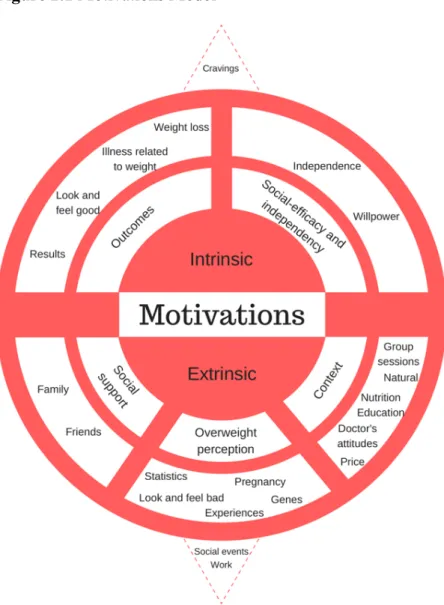
(31) All women know about the problems of obesity in Mexico. They can mention some statistics about it and even discuss how significant it is, but the main outcome when asked about overweight women is related to the perception of how they feel and who they are. What is interesting is that a reason for their participation in a nutritional program is to lose weight; however, most women referred to "overweightness" as a problem suffered by others and not them. A Mexican woman tends to be looked at as intelligent, independent and pretty by other women; however, this perception significantly changes when a woman is “overweight.” All women think an overweight Mexican woman looks bad and feels sad and depressed; such as stigmatization posits. Some of them tell about their life experiences, whereas others just talk about what they see and think. Also, the perception of overweight is the total opposite of what a non-overweight person looks like. “[Talking about overweight Mexican women] she doesn’t love herself and, therefore, she looks like when a person is abandoned, I mean that I dress bad, I don’t dress up, why? I’m fat, I don’t look good, nothing fits me, so she looks abandoned.” (Francisca, 57-years-old). Similar to how women talk about being overweight and not referring to themselves but to others, the personal perceptions of obesity shaped by society are evident in the interviews. When an event wherein their excess weight becomes salient occurs, women tend to make the decision to undertake programs of nutrition. Friends and family have the most effect when they make comments related to the women’s weight. However, other experiences include not finding their sizes for clothes. These experiences and conversations make them think that being overweight is not a good thing, and they become motivated to engage in nutritional programs. “Here, it’s more difficult to buy clothes for an obese person […] you look bad because they don’t fit you and sizes reach a certain limit, and you don’t find anything.” (Magda, 52 years) 24.
(32) "You do feel like depressed, that you see your friends and we go in group, we go to buy clothes, and nothing fits you and you don't want to go inside the stores." (Lucia, 32 years). Other perceptions related to being overweight or obese are related to their causes. Women argue about some causes of being overweight that are not 100% their responsibility. An important issue arises around pregnancy and the difficulty to lose the weight gained during those nine months. Genes are also seen as causes or, at least, for them, some people’s genes are related to their overweight and that is why they suffer this condition. Even though these two constructs are not total responsibility of them as women, they act as motivators to get involved in nutritional programs in order to overcome the connection they have with being overweight via these constructs. “She [her daughter] is going to look fat because from my husband side, he comes from a packed family, so yeah, she disciplined herself and is skinny.” (Ana, 47-years-old) “For heritage, that’s how they are, fat. That even though they put on diets and more diets, they can’t lose weight. Especially women, we are more prone because of pregnancies […] it’s more difficult to lose what was gained.” (Maria de la Luz, 59 years). 2.4.2.3 Social support Just like intrinsic motivations explain the way women act alone to achieve their goal of weight loss, social support is also important for them to feel motivated to maintain the nutritional plans. Family and friends, as mentioned above, have more impact than anyone else in a women’s motivation when they decide to change their nutrition to lose weight. This support can manifest in different ways; for example, not letting them eat what is not permitted, telling them they look good, or accompanying them to buy the food they need or to the weekly appointments with the doctor and dietician. Women mention they look at this as motivation to continue doing the plans. 25.
(33) “I mean, supporting me, just by listening to me, that they know, look in what the diet consists, that my husband, comes and keeps me company, that for me, is support.” (Maricela, 39 years). 2.4.2.4 Barriers Extrinsic barriers also exist when women are engaged in trying to achieve their goal of weight loss. These barriers are related to the socialization level of women compared to men. Women do not accept non-attendance to an event such as parties, little reunions with friends, family visits and so on. However, another, barrier is the working life. The majority of women in this program were housewives dedicated to the attendance of their family and house chores. But women that worked described the dynamics of their job as an impediment to follow the nutrition plan. These two barriers are extrinsic as they emerge from their social life and depend on each person to overcome or not. “Suddenly I don’t (follow the plan) because of x, work, whatever you want, that something else comes in the way, that I have to go to different towns (while working) and it gets hard.” (Ana, 47 years) “We go to parties and well, you desire it, or family arrives, and you have to offer other things, or you visit someone else and well, they don’t have the diet there.” (Francisca, 57 years). 2.5 DISCUSSION Overall, this study contributes to a better understanding of the motivators for women’s engagement in and maintenance of a nutritional program focused on weight loss. The results. 26.
(34) propose the separation of the main factors in two categories, intrinsic and extrinsic, in line with the findings of Ryan and Deci (2000). But, as this theory posits that in order to get results, extrinsic motivations should become so important that they internalize into intrinsic motivations, the findings express that these extrinsic motivations can still be outer motivations and get the expected results. This is useful for marketing practitioners to make their weight loss campaigns attract more consumers concerned about their health. Findings are arranged in a model (Figure 2.1) that shows the relation between the different kinds of motivations.. Figure 2.1 Motivations Model. 27.
(35) This study demonstrates that beyond the categories of intrinsic or extrinsic, the motivational sub-categories are more important as they are the real motivations behind women’s engagement in a nutritional program. For example, it seems that family and friends are important motivators because what they do and say have an impact on what women decide regarding their weight. Similar to what Cronin et al. (2015) posit in their article about consumer discipline, members of the family are aware of what mothers eat, and even if they can act as barriers, they also can act as motivators by watching if they are sticking to the diet plan. But there is also an interesting exploration of the personal willpower that women have, which they mention is a very important aspect in order to achieve their weight loss. In this case, an advertisement for these nutritional programs can invite participation from family or friends, without setting aside the inclusion and importance of will-power. A relevant characteristic identified in this nutritional program versus other nutritional dynamic programs, was the presence of an expert: a physician in the group. These types of activities may resemble the well-known programs of WeightWatchers as they interact in groups of people that are interested in the same thing: losing weight. The difference between these two programs is the type of leadership that is shown here. For instance, in the WeightWatchers program, the meetings are arranged by the community and people who have experienced the program and have lost weight (Weightwatchers, 2018); on the other hand, the nutritional program discussed here has a physician as the leader of the program. Participants looked at this feature as an important factor to continue because the doctor has the knowledge, he is an expert and "knows what he is doing" (Magda, 52 years). Opposed to what has been done in this type of community program such as WeightWatchers, Mexican women prefer to have a physician as a leader because they trust they are going to get the desired results. 28.
(36) Also, an interesting finding is the perception of obesity that Mexican women have about overweight Mexican women. It is evident that a stigmatization exists as they all generalize the image of an overweight woman as a bad thing. This is consistent with Crandall’s (1994) finding that people believe that fat individuals are perceived as “unattractive, aesthetically displeasing, morally and emotionally impaired, alienated from their sexuality, and discontent with themselves” (p. 883). He also mentions that they even denigrate themselves, just like participants in this study who mention that they felt bad and looked bad. This conclusion results in having a perception that may work as another motivator, opposed to what Drury and Louis (2002, p.558) stated about “societal and medical stigmas of obesity act as barriers to the utilization of healthcare”. This finding proposes women cope with this thought by going to a nutritional program, as Puhl and Heuer (2010) suggest. At the same time, some barriers were discovered. These were also separated into intrinsic barriers (related to their cravings) and extrinsic barriers that emerged from their environment. It is interesting how participants overcome these barriers with the help of a very important force within themselves: willpower. This force can be translated to consumer discipline (Cronin et al., 2015) as women are aware of the barriers, but they know what their goal is, and they have strategies to overcome them and actually achieve their goals. The intrinsic motivation of willpower serves as a way of motivating women to continue their nutritional plan, but it also acts as a way to eliminate barriers and follow the diet. Similar to Carrigan and Szmigin's (2006) findings that “mothers still carry out numerous chores, their time is fragmented, complex and they experience disrupted flows of activity,” in this work we found that women in a nutritional program have cravings, and their work gets in their way, but they decide to not pay attention to it or go to a party where there are a lot of temptations and still not get affected by them, thanks to their willpower.. 29.
(37) CHAPTER III: FOOD CHOICE MINDFULNESS SCALE (FCMS): DEVELOPMENT AND VALIDATION. 30.
(38) 3.1 INTRODUCTION Due to increasing obesity in the world (OECD, 2017), consumer researchers and public health professionals need to understand how consumers make food choices and how to encourage them to choose better options regarding their well-being (Willmott and Parkinson, 2017). Mindfulness, which has been helping consumers in the last few decades, is being aware of the present moment. The term “mindful eating” refers to the way people eat and how they relate to their food and everything that involves food intake. As more consumers worldwide are becoming obese and have more incidents of obesity-related diseases (Ma, Ailawadi, & Grewal, 2013), it is beneficial to discuss mindfulness practices in order to encourage consumers to start eating healthy. For this reason, broader and more robust research should take place in the academic field. Mindful eating can have benefits for not only the obese but to help cure eating disorders such as anorexia or bulimia (Albers, 2010). However, as it is a relatively new concept and has not been researched enough, it is important to develop a scale to measure and understand how mindful eating interacts with consumers. Even though some existing scales measure the concept itself of mindful eating, they tend to focus on the process of intake and not on the decision of food choice. The aim of this research is to develop and show validation of a new mindful eating scale that focuses on the food choice process, which includes dimensions that have not been included before in a mindful eating questionnaire. We contribute to the extant literature of mindfulness and mindful eating. Using a robust statistical approach of scale development, and by using previous existing scales, we provide a scale that measures mindfulness at the food choice process which has never been explored before. We simplify the measure of mindful eating by including two dimensions.. 31.
(39) 3.2 LITERATURE REVIEW 3.2.1 Mindfulness Mindfulness as a construct has received broad acceptance in the academic environment (Williams & Kabat-Zinn, 2011). For instance, it has been studied several times and in different contexts. With this in mind, it is logical to understand a wide variety of definitions, depending on the nature of the research that is being conducted. Langer (1989) describes mindfulness as a cognitive state of alertness and proactive awareness. It has also been described as a state of “enhanced attention to and open awareness of current experience or present reality,” like an attribute that varies between and within persons (Brown & Ryan, 2003). Meanwhile, Ndubisi (2014) refers to it as a mode of consciousness that commonly signifies presence of mind. In a more medical and psychological context, Bahl et al. (2013) define it as a practice (which refers to the repeated act of paying attention to an object or present experience in a nonjudgmental manner), a state (which is a transitory condition following the practice of mindfulness), and as a trait or disposition (which is a more permanent way of being that involves a reflective—rather than reflexive—response to stimuli). However, Kabat-Zinn (as cited on Bahl et al., 2016) offers a more general definition of mindfulness: “an awareness that arises by paying attention, on purpose, in the present moment, and nonjudgmentally.” With this definition in mind, it is interesting to look for the work that academics have been doing in order to understand it better and explain its benefits. Authors have developed different scales in order to measure mindfulness; some well-known scales are the Mindful Attention Awareness Scale (MAAS; Brown & Ryan, 2003), the Kentucky Inventory of Mindfulness Skills (KIMS; Baer, Smith, & Allen, 2004), the Philadelphia Mindfulness Scale (PHMS; Cardaciotto et al., 2008), the Toronto Mindfulness Scale (TMS; Lau et al., 2006), Five-Factor Mindfulness Questionnaire (FFMQ; Baer et al., 2006), Cognitive and. 32.
(40) Affective Mindfulness Scale (CAMS; Feldman et al., 2007). Also, in the psychological field, Brown and Ryan (2003) explore the role of mindfulness in psychological well-being, finding that mindfulness predicts self-regulated behavior and positive emotional states. Also, literature has explored mindfulness in a food context, which develops an interesting concept called “mindful eating.”. 3.2.2. Mindful eating When mindfulness activities take place, different ranges of exercises are taught such as paying attention to your breathing, paying attention to a candle and everything that is happening in the candle burning, paying attention to the texture of a raisin, and others. These activities can be specifically shortened to emphasize eating in order to pay better attention to the whole experience. This is also referred as mindful eating (Framson et al., 2009; Hulbert-Williams et al., 2013) As we have mentioned, mindful eating can be defined as the activity of being present for everything that involves eating and making conscious food choices (Warren, Smith and Ashwell, 2017). But all the research that has presented mindful eating, has focused on the experience of consuming the food and assessing if they are full along the characteristics of the food. For our knowledge, mindful eating has not included the beginning of the process of eating. As the definition of mindful eating propose, it consists of making conscious food choices (Warren, Smith and Ashwell, 2017), therefore, the consumers decision about food starts when they decide to buy it, that is to say, when they have different options of an article and decide to purchase certain products. Then, they will continue with the decision of eating it and the process of mindful eating, as has been researched, starts. As this food choice process happens when taking the decision of acquiring certain food product, and is an important step referring to consumers’ health (Fisher, Erasmus and Viljoen, 33.
(41) 2016; Mc Keown and Nelson, 2018), we propose that this decision can be also researched and measured. Other authors have developed scales that specify mindful eating based on already existing mindfulness scales (Framson et al., 2009; Hulbert-Williams et al., 2013). But, even though these scales or questionnaires are already present in the literature, some limitations make it worthy to develop a new mindful eating scale. For instance, the inclusion of the food choice process at the acquisition stage. The necessity to measure this stage of mindful eating, relies on helping health professionals to understand how mindful eating is associated with healthful eating behaviors; thus, more academics use the concept when referring to mindful eating in their research. As Hulbert-Williams et al. (2013) note, the existing mindfulness scales are based on different activities and cannot properly measure a specific domain, such as eating or deciding what to eat. Today, two mindful eating scales are in existence. The Mindful Eating Questionnaire (MEQ; Framson et al., 2009) measures five dimensions, which are broad to all food intake experiences: disinhibition, awareness, external cues, emotional control, and distraction. Some of these dimensions are similar to those of the mindfulness scales, but others are based on the eating activity. For this reason, the mindful eating scale (MES; Hulbert-Williams et al., 2013) was created. It measures six dimensions that, even though based on the MEQ, have more similarities with the mindfulness scales: acceptance, awareness, non-reactivity, routine, act with awareness, and unstructured eating. However, both MES and MEQ have limitations that deserve attention. MEQ was recently developed and received acceptance because it was an initial evaluation, but it was not revised later for more robust validations. On the other hand, MES is also at an early development stage, so it did not receive more validation analysis. These two scales refer to the process of eating per se but without taking in consideration the initial stage that we call acquisition of food.. 34.
(42) After expert analysis, an important dimension was discovered, which is not included in existing scales: well-being or rational response. The aim of this paper is to develop a food choice mindfulness scale, based on the mindful eating and mindfulness scales, that focuses not on the actual process of eating but on the initial food choice that is made by consumers. This, with a more robust validation analysis in order to make it clear that it is measuring a proper and complete construct.. 3.3 METHODOLOGY 3.3.1 Procedures The food choice mindfulness scale is based on the two previously introduced mindful eating scales, MEQ and MES; and questions from the mindfulness scales were adapted to fit the eating context and to make it more understandable and parsimonious. The original pool of items (DeVellis, 2012) was developed after several interviews with five mindfulness experts. They are mindfulness coaches who give courses about mindfulness, trained to do so since approximately 5 to 10 years ago. In-depth interviews took place in order to obtain deeper insights about the topic of mindfulness in general. Mindful eating also was reviewed by experts who contributed with examples that later were taken into consideration for the development of items. After analyzing the interviews, a wide range of dimensions were gathered, which are similar to those already existing on the mindfulness scales. The dimensions that were exactly the same with those of mindful eating stayed as dimensions for the new scale. Then, items were developed based on examples and existing questions. Five tentative dimensions and 44 items made up the initial pool of items. According to Peterson (2000) a pretest took place with two. 35.
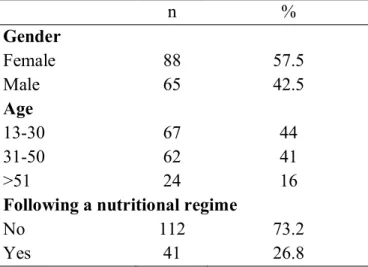
(43) English experts in order to know if the questions were understandable for the average population. Two native English speakers reviewed the wording of the questions. The scale chosen was a semantic differential scale with a bipolar rating in seven points. In addition, demographic variables measured, age, weight, and height were used as control variables. The scale was distributed via Amazon Mechanical Turk, “a new and fast-growing method of Internet recruitment available today—marketplace crowdsourcing” (Casler, Bickel, & Hackett, 2013, p.2156), to US-located participants. An introduction section was included in order to establish rapport. It briefly described the survey and requested for complete and candid answers; also, it assured confidentiality and anonymity (Peterson, 2000). Participation in the survey was voluntary, and a participation agreement was presented to all individuals at the beginning of the questionnaire. Information was collected through a web-based survey program (Qualtrics). This way of distribution was chosen in order to gather a fast, diverse, and reliable sample for this measure (Buhrmester, Kwang, & Gosling, 2011).. 3.3.2 Participants A final sample of 153 participants presented the profile described in Table 3.1. Table 3.1 Characteristics of study sample (n=153) n % Gender Female 88 57.5 Male 65 42.5 Age 13-30 67 44 31-50 62 41 >51 24 16 Following a nutritional regime No 112 73.2 Yes 41 26.8. 36.
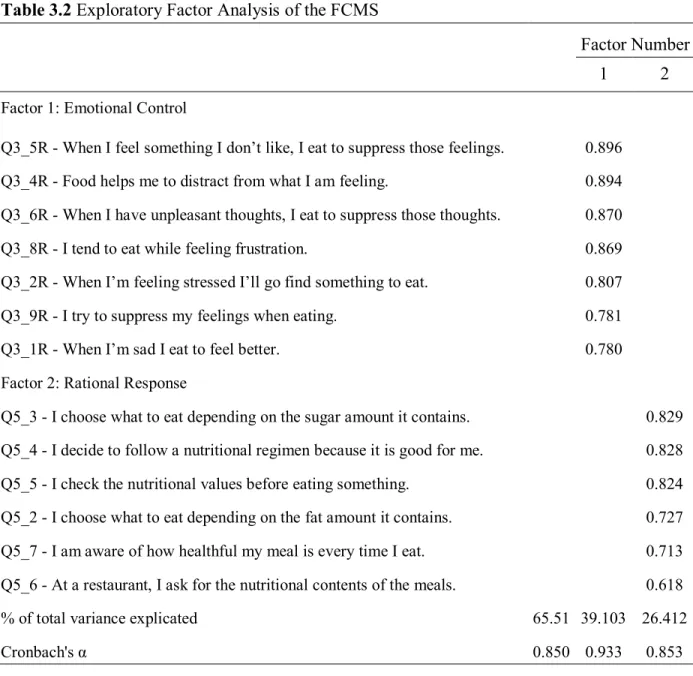
(44) 3.3.3 Data analysis After a descriptive analysis of the variables, an exploratory factor analysis in SPSS 24 was developed (DeVellis, 2012). Internal reliability (Cronbach’s α) of each factor and for the complete pool of questions was assessed (See Table 3.2). The measurement model was developed and tested using AMOS in SPSS. Convergent and discriminant validity of the scale was also assessed and results of the iterations to get a good fit and parsimonious model are presented below. Table 3.2 Exploratory Factor Analysis of the FCMS Factor Number 1. 2. Factor 1: Emotional Control Q3_5R - When I feel something I don’t like, I eat to suppress those feelings.. 0.896. Q3_4R - Food helps me to distract from what I am feeling.. 0.894. Q3_6R - When I have unpleasant thoughts, I eat to suppress those thoughts.. 0.870. Q3_8R - I tend to eat while feeling frustration.. 0.869. Q3_2R - When I’m feeling stressed I’ll go find something to eat.. 0.807. Q3_9R - I try to suppress my feelings when eating.. 0.781. Q3_1R - When I’m sad I eat to feel better.. 0.780. Factor 2: Rational Response Q5_3 - I choose what to eat depending on the sugar amount it contains.. 0.829. Q5_4 - I decide to follow a nutritional regimen because it is good for me.. 0.828. Q5_5 - I check the nutritional values before eating something.. 0.824. Q5_2 - I choose what to eat depending on the fat amount it contains.. 0.727. Q5_7 - I am aware of how healthful my meal is every time I eat.. 0.713. Q5_6 - At a restaurant, I ask for the nutritional contents of the meals.. 0.618. % of total variance explicated. 65.51 39.103 26.412. Cronbach's α. 0.850 0.933. 0.853. Extraction method: Principal components analysis. Rotation method: Varimax. 37.
(45) A confirmatory factor analysis was performed, and the measurement model was tested using AMOS by drawing the two dimensions of the FCMS, with the corresponding items. In the final model 13 items had path loadings (above 0.5). Good fit indexes, internal reliability, and parsimony were achieved after the four initial intended factors (Figure 3.1).. Figure 3.1 Final Measurement Model with Standardized Estimates of the FCMS. 38.
(46) The models’ fit measures are presented on Table 3.3. For the CMIN, values should be 5 or less in order to be reasonable (Marsh & Hocevar, 1985). For the comparative fit index (CFI) and the incremental fit index (IFI), values over 0.90 are satisfactory, over .95 indicate a good fit (Kaplan, 2000), and a value of 1 indicates perfect data fit of the model (Byrne, 2001). Root mean square error of approximation (RMSEA) values below 0.08 are acceptable and it is not recommended to have a model greater than 0.1 (Browne & Cudeck, 1993), which is met by this model. Table 3.3 Models' Fit of the FCMS χ2 (df). 163.8. CMIN/df. 2.559. IFI. 0.921. CFI. 0.919. RMSEA. 0.100. 3.4.2 Convergent and Discriminant Validity Convergent and discriminant validity was examined by establishing correlations between the dimensions and items. Convergent validity was obtained by analyzing the factor loadings, the average of variance extracted (AVE), and the construct reliability (CR). The AVE measures the mean of the variance extracted for the items loading on a dimension and is a summary indicator of convergence. The CR measure also was obtained by dividing the squared sum of factor loadings for each dimension and the sum of the error variance terms for a dimension. For each loading, all of them indicated 0.5 or higher. Regarding the AVE, values above 0.5 are desirable; for CR, values should be 0.7 or higher (Fornell & Larcker, 1981). Results for the convergent validity are shown in the Table 3.4. All results are accepted, suggesting a convergent validity exists for the model presented previously.. 39.
(47) Table 3.4 Convergent Validity of the FCMS 1)FACTOR 3) 2) AVE LOADING CONSTRUCT CRITERIA CRITERIA RELIABILITY Q3_5R Q3_4R Q3_8R Q3_6R Q3_9R Q3_2R Q3_1R Q5_4 Q5_5 Q5_3 Q5_7 Q5_2 Q5_6. <--<--<--<--<--<--<--<--<--<--<--<--<---. EmotionalC EmotionalC EmotionalC EmotionalC EmotionalC EmotionalC EmotionalC RationalR RationalR RationalR RationalR RationalR RationalR. Li 0.908 0.886 0.827 0.869 0.738 0.745 0.717 0.808 0.78 0.818 0.628 0.642 0.517. AVE 0.666044. CR 0.93265812. 0.50070417. 0.854411649. In Table 3.5, discriminant validity values are presented for the two analyses that were used. Construct correlation (Anderson & Gerbing, 1988) compares the models chi-squared making the better model, the one with the chi-squared nearer to zero. For the conservative criteria, the squared correlation of the dimensions is compared with the minimum AVE value of the relationship; it is expected to have a lower squared correlation than the minimum AVE. All values are accepted, meaning the model has discriminant validity because the found dimensions are not the same. Table 3.5 Discriminant Validity of the FCMS Construct Correlation. EmotionalC <--> Conservative Criteria EmotionalC * p<0.05. <-->. Default Model RationalR. RationalR. Difference of χ2. χ2. DF. 163.8 173.3. 64 63. 9.5*. Estimate2 0.003249. Min AVE 0.500704167. 40.
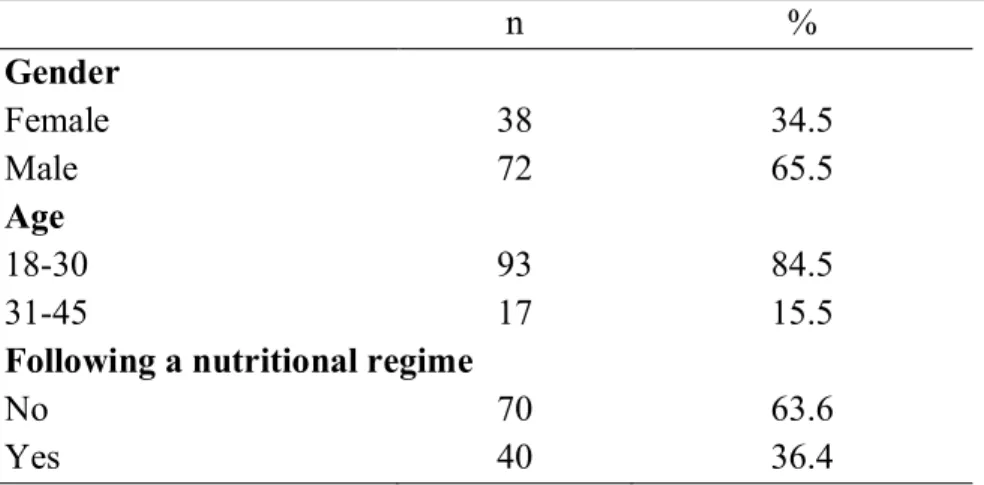
(48) We wanted to further examine into the validity of the FCMS. A total of 110 Mexican university students participated in the second application of the scale for additional validation (DeVellis, 2012). Demographics of the sample are described in Table 3.6. We conducted a confirmatory factor analysis in order to replicate the results from the first sample.. Table 3.6 Characteristics of the second application sample (n=110) n % Gender Female 38 34.5 Male 72 65.5 Age 18-30 93 84.5 31-45 17 15.5 Following a nutritional regime No 70 63.6 Yes 40 36.4. After conducting a confirmatory factor analysis with the data of this new sample, the measurement model (Figure 3.2) Model’s fit (Table 3.7), Convergent (Table 3.8) and Discriminant (Table 3.9) validity were obtained. With these results, we can see that for this sample, the criteria of the analyses was also met.. 41.
(49) Figure 3.2 Final Measurement Model with Standardized Estimates of the FCMS. Table 3.7 Models' Fit of the FCMS 161.03 χ2 (df) CMIN/df 2.516 IFI 0.908 CFI 0.906 RMSEA 0.118. 42.
(50) Table 3.8 Convergent Validity of the FCMS 1)FACTOR LOADING CRITERIA. Q3_2R Q3_4R Q3_5R Q3_1R Q3_6R Q3_8R Q3_9R Q5_2 Q5_3 Q5_4 Q5_5 Q5_7 Q5_6. <--<--<--<--<--<--<--<--<--<--<--<--<---. EmotionalC EmotionalC EmotionalC EmotionalC EmotionalC EmotionalC EmotionalC RationalR RationalR RationalR RationalR RationalR RationalR. 3) 2) AVE CONSTRUCT CRITERIA RELIABILITY. Li 0.630 0.784 0.931 0.777 0.910 0.722 0.909 0.860 0.889 0.748 0.824 0.645 0.474. AVE 0.665387. CR 0.931934. 0.568184. 0.883840. Table 3.9 Discriminant Validity of the FCMS Construct Correlation. EmotionalR <--> Conservative Criteria EmotionalR * p<0.01. <-->. Default Model RationalR. RationalR. Difference of χ2. χ2. DF. 161 496.4. 64 65. 335.4*. Estimate2 0.015876. Min AVE 0.568183667. We also conducted an independent-samples t-test to compare scale results in Mexican and American-nationality samples. There was not a significant difference in the scores for a Mexican sample (M= 4.26, SD= 1.03) and an American sample (M= 4.3, SD= 1.05); t(261) = -0.31, p=0.753.. 43.
(51) 3.5 DISCUSSION The goal for this paper is to present the development of a food choice mindfulness scale, that includes the initial stage of the eating process, the food choice and acquisition. The final scale was explained by a confirmatory factor analysis of two dimensions with 13 items. The Cronbach’s α showed adequate reliability of the two factors. The model presented high convergent validity and discriminant validity, thus making the Food Choice Mindfulness Scale a useful tool for subsequent research. Also, results from a second sample, validates the results of this scale which makes it suitable for implementation in different samples. Although this paper represents only a preliminary validation of the food choice mindfulness scale, it is one important step toward the growth of the mindful eating topic and mindfulness in general. In some context, mindfulness is not well studied, which makes it difficult to generalize findings that are already published. In the eating context, the concept of mindful eating has been developed at the food intake stage, letting the initial stage of food acquisition out of the analysis. The food choice mindfulness scale can help to develop more research and lead to further understanding of how mindful eating can help consumers’ food acquisition processes. This scale reveals two important dimensions: emotional control and rational response. Although other scales exist, they do not focus on one of these dimensions, which is important in the food choice process. Emotional control includes questions about how consumers react to feeling an emotion that is so strong it makes them want to do something—in this case, choose something to eat. Questions involve emotions such as sadness, stress, frustration, and happiness. More negative emotions were included due to the relation of mindfulness and the decrease of these emotions. On the other hand, rational response included questions regarding if consumers are. 44.
(52) preoccupied with their food and how it affects their health. It was added as a new dimension not previously studied, as it is an important part of the eating process. As mindful eating has only focused on the experience of eating the chosen food. We wanted to focus on the previous step, choosing what and how much to eat. One of the dimensions found in this paper is Rational. This dimension is important as it has never been taken into consideration for mindful eating. For instance, Framson et al. (2009) proposes five dimensions and none of them mention a rational part of choosing food. Similar, Hulbert-Williams et al. (2013) propose six dimensions that focus only the feelings and other tasks that people are experiencing while eating. None of these scales on the eating context, add on the rational part of deciding what to eat. On the other hand, mindfulness scales that mention other daily activities, never include the process of food choice. Therefore, we add on the literature of mindfulness as we develop a scale that is specific for the food choice process and suggest two dimensions measure this construct. Furthermore, these findings can help researchers to look at the obesity problem from other perspectives. As previously mentioned, it is important to give consumers options that will lead them to take better decisions regarding their well-being (Willmott and Parkinson, 2017). With the food choice mindfulness scale, we are obtaining insights into how consumers pay attention to their food choices. As the factors of emotions and rationality are present in food choices, we can assume that people have at least two ways of thinking when making a decision. Mindful eating will consist of more rational responding, but, as we can further explore, consumers may be more inclined to think of eating when feeling emotions, they may not be aware of. Knowing if consumers are mindful while choosing what to eat can help researchers and practitioners to persuade consumers to make better decisions for their health with the usage of either emotional or rational communications.. 45.
(53) CHAPTER IV: MINDFUL CLAIMS: THE RELATIONSHIP BETWEEN NUTRITIONAL CLAIMS AND CONSUMER’S MINDFULNESS STATE. 46.
Figure

+7





Documento similar
In order to address eating behavior, HAES has enhanced intuitive eating as a core component of the paradigm, which refers to the reliance on biological mechanisms to regulate food
CG20- know and participate in the design, implementation and validation of nutritional epidemiological studies and participate in the planning, analysis and evaluation of
In addition, we show that under collective strong coupling involving more than one molecule, the nuclear dynamics of the molecules in electronic “dark states” that are only
The first option is having an audio recording, e.g. an MP3, and we used a MIDI converter to obtain the file. Even though there is a wide range in MIDI converter qualities
H2: hypotheses on the impact of economic growth on inequality in conditional expectations Empirical implications: Regardless of shifts in the constant, the slope of
The following figures show the evolution along more than half a solar cycle of the AR faculae and network contrast dependence on both µ and the measured magnetic signal, B/µ,
The main aim of this project was to discover which categories of CMs are more effective and abundant in their association with emotions inside the context of mindfulness in
In Figure 18 we present the ratio of the dust luminosity (L dust ) derived from the UV/optical SED fitting to the observed IR luminosity against the current specific SFR.. Objects
