1
Social capital in University Business Incubators: dimensions, antecedents
and outcomes
María Redondo (corresponding author) Assistant Professor Department of Business and Marketing, University of Valladolid
Faculty of Commerce Plaza del Campus Universitario, 1 47011 Valladolid, Spain e-mail: [email protected] Telephone: +34 983 423604 Fax: +34 983 423056
Carmen Camarero Associate Professor Department of Business and Marketing, University of Valladolid Faculty of Economics and Business Avenida del Valle Esgueva, 6 47011 Valladolid, Spain e-mail: [email protected] Telephone: +34 983 423332 Fax: +34 983 423899
This is the accepted version of the manuscript: Redondo, M. & Camarero, C. (2019). Social capital in university business incubators: dimensions, antecedents and outcomes.
International Entrepreneurship and Management Journal, 15(2), 599-624.
https://doi.org/10.1007/s11365-018-0494-7
Acknowledgements
2 SOCIAL CAPITAL IN UNIVERSITY BUSINESS INCUBATORS:
DIMENSIONS, ANTECEDENTS AND OUTCOMES
Abstract
While many universities around the world have devoted resources to create University Business Incubators (UBIs), the literature has neglected the study of the social capital acquired by the entrepreneurs located in university incubators. The current work analyses how incubator managers can contribute to the development of both incubator and incubatee social capital as well as the influence of social capital to the success of incubatee businesses. The empirical study is based on survey data collected from incubatees on Spanish and Dutch UBIs. The findings reveal that the entrepreneurial profile of the university and the incubator manager proactivity are critical to build a collective social capital amongst the entrepreneurs. Results indicate that the collective social capital foster the individual social capital. However, only entrepreneurs’ relationships with external agents (bridging social capital) are relevant to their businesses whereas internal relationships (bonding social capital) have not a significant effect. Keywords:
3 SOCIAL CAPITAL IN UNIVERSITY BUSINESS INCUBATORS:
DIMENSIONS, ANTECEDENTS AND OUTCOMES
1. INTRODUCTION
Research, teaching, and entrepreneurial activities of universities contribute to economic development. In particular, research and knowledge transfer have a major impact on this growth (Guerrero, Cunningham, and Urbano 2015). Universities have set up incubators, known as University Business Incubators (UBIs), since they encourage transfer of technology and scientific knowledge, foster entrepreneurship, and the marketing of cutting edge research (Zucker, Darby, and Armstrong 2002; Lockett and Wright 2005; Nouira, Klofsten, and Dahlstrand 2005). In this regard, the European Commission (2003, 2004) has stressed the role played by universities as agents of transfer and dissemination of knowledge to society, with a view to furthering and shaping the construction of the “Europe of Knowledge 2020”.
4 Networking, namely the series of contacts which may emerge at both a collective (incubator) as well as an individual (incubatee) scale, is a common service in incubators. In spite of the potential benefits of UBIs to build the entrepreneurs’ social capital, several obstacles may be found. Firstly, incubatees are in the incubator for a period of time too limited to establish relationships. Additionally, they can be reluctant to establish relationships with other entrepreneurs. Therefore, they need a driver to develop social capital. Finally, it should be taken into account that the incubatees in UBIs share similar resources and capabilities (all of them have academic knowledge, but lack of business experience). Therefore, the social capital built inside the UBIs could be scarcely useful to achieve the incubatees’ business objectives.
In this context, we attempt to address the following research questions: Is the social capital built into the UBIs valuable to the incubatees’ business objectives? What is the impact of the incubator manager in the promotion of relationships between incubatees and relationships with external agents? To address these questions, the current study aims to provide insights into the influence of incubators’ internal social capital in developing incubatees’ individual social capital and in the efficiency of their businesses, as well as the role of the incubator manager and the university in building incubator and incubatee social capital.
5 Studies exploring the role of the incubator manager as a driving force behind relations both inside and outside the incubator remain few and far between (Hansen et al. 2000; Rice 2002; Hannon and Chaplin 2003; Tötterman and Sten 2005; Scillitoe and Chakrabarti 2010; Cooper, Hamel, and Connaughton 2012; Vedel and Gabarret 2014). With regard to literature exploring incubators and social capital, despite studies which highlight how incubators contribute to developing social capital (Bøllingtoft and Ulhøi 2005; Tötterman and Sten 2005; Honig and Karlsson 2010), there are no studies empirically examining the cause-effect relationships between the work of the manager and the development of social capital, or the influence of collective social capital on individual social capital and the success of incubatees’ businesses. Therefore, both in the business as well as in the academic sphere, there is a need to examine the issue of the relations which emerge in incubators.
6 encourage internal and external ties), but only the external relationships have a direct impact on the business project success.
This paper is structured as follows. In Section 2, we provide the theoretical background and a literature review of prior research on ecosystems entrepreneurial, incubators and social capital. We put forward the hypotheses that explain the relationship between the incubator’s social capital, the incubatee’s social capital, and the management efficiency. Also, Section 2 reviews the role of the university and the incubator’s manager fostering the development of internal and external social capital. In Section 3 the method and data collection are introduced and in Section 4 we explain the results of the empirical analysis. Finally, Section 5 concludes the paper with managerial implications and suggestions for future research.
2. ENTREPRENEURIAL ECOSYSTEM, INCUBATOR AND
INCUBATEE SOCIAL CAPITAL
2.1. Entrepreneurial ecosystem and incubator
According to Cohen (2006, p.3) sustainable entrepreneurial ecosystems are defined as “… interconnected groups of actors in a local geographic community committed to sustainable development through the support and facilitation of new sustainable ventures”. Thus, entrepreneurial ecosystems can be considered as networks in which to identify measures to prove their sustainability (Stangler and Bell-Masterson 2015). This concept has been recently introduced to the field of entrepreneurial support, specifically in the context of academic spin-offs (Clarysse, Wright, Bruneel, and Mahajan 2014; Rice, Fetters, and Greene 2014; Hayter 2016).
7 professional and support services, capital services and talent group (Cohen 2006); (2) ecosystem domains: politics, finance, culture, supports, human capital and markets (Isenberg 2011); (3) ecosystem measurements: density, fluidity, connectivity and diversity (Stangler and Bell-Masterson 2015); and (4) ecosystem attributes categories: cultural, social and material (Spigel 2017). However, the causes and effects of entrepreneurial ecosystems have not been analysed, nor its evolution over time (Alvedalen and Boschma 2017).
Incubator is a tool for entrepreneurial support, as well as a key element of sustainable entrepreneurial ecosystems (Cohen 2006; Spigel 2017). More specifically, UBI is an essential component of university-based entrepreneurial ecosystems (Rice et al. 2014; Lasrado, Sivo, Ford, O’Neal, and Garibay 2016). In the context of entrepreneurial ecosystems, UBI has the aim of promoting the interests of academic entrepreneurs, through the elimination of barriers, both inside and outside the university (Hayter 2016). Exploring how a UBI works at a relational level, between internal agents (incubator manager and incubatees) and with external agents under the social capital approach can improve both theoretical understanding and practice of university-based entrepreneurial ecosystem.
2.2. The social capital approach
8 Social capital helps to foster entrepreneurship. The establishment of social relations that contains the necessary trust and knowledge about each other facilitate communication and enhance cooperation in a context of entrepreneurship (Greve, Benassi, and Sti 2010). Certain scholars frame the contributions of entrepreneurship networks in terms of social capital. High levels of trust mediate barriers to collaboration and access to resources (Coleman 1988; Shane and Cable 2002). This usually leads to improve business performance (Aarstad, Haugland, and Greve 2010). In the field of academic entrepreneurship, the networks of spin off companies are also linked to social capital theory (Scholten 2006). Moreover, the growth of social capital within academic networks can have a positive effect on academic entrepreneurship (Petrakis 2012).
As regards the levels of analysis, social capital can be individual or collective (Payne, Moore, Griffis, and Autry 2011). Individual social capital is a private resource of each individual as a consequence of the relationships they have built to their own benefit. By contrast, collective social capital refers to a public resource, based on the existence of communities or social networks from which all the members benefit.
9 The literature exploring social capital in the context of incubators remains scarce and varied. It has focused on how relationships in the incubator function (Lyons 2002; Hughes, Ireland, and Morgan 2007), comparing incubatees’ and non-incubatees’ social capital (Honig and Karlsson 2010), or the role of the manager as a coach (Studdard 2006; Scillitoe and Chakrabarti 2010; Ahmad 2014) as well as support in building ties between incubatees and external agents (Bøllingtoft and Ulhøi 2005; Tötterman and Sten 2005). As shown in Table 1, most works are case studies, with data from a small number of incubators (Lyons 2002; Bøllingtoft and Ulhøi 2005; Tötterman and Sten 2005; Ahmad 2014), focusing on technological businesses (Studdard 2006; Hughes Ireland, and Morgan 2007; Scillitoe and Chakrabarti 2010) located in Nordic countries and the United States (Lyons 2002; Bøllingtoft and Ulhøi 2005; Tötterman and Sten 2005; Studdard 2006; Scillitoe and Chakrabarti 2010). Only Tötterman and Sten (2005) consider different dimensions of incubator’s social capital, yet no work draws a distinction between incubatee and incubator social capital.
In the following sections, we explain the interrelations between the different dimensions of incubatee and incubator social capital, and their influence on management efficiency of incubatee. We also propose that UBI’s managers can act as a structural hole or bridging tie and intermediate (brokerage) between incubatees and external agents so that the former can access to different networks and improve their social capital.
Insert here Table 1
2.3. Incubatee social capital
10 that enables exchange and collective action (Putnam 1995), whereas bridging social capital refers to the relationships that individuals establish with other external groups, usually characterized by weak ties, yet which allow them to access new ideas, opportunities, or information (Putnam 1995).
This framework is useful to analyse the relationships the incubatees initiate during their stay in the UBIs. In fact, the incubatees create a network of relationships that can be characterized by the number of close ties they maintain with other incubatees (incubatees’ bonding social capital) and by access to external networks (incubatees’ bridging social capital). In this context, the term bonding social capital embraces the existence of close relationships and strength ties between UBIs’ incubatees, and which allow easy exchange of resources between them. By contrast, bridging social capital refers to weak ties and contacts with other groups of people, external to the incubator, with different backgrounds, being the “bridge” to new resources and new knowledge.
11 Bonding social capital is also positively related with innovation (Powell, Koput, and Smith-Doerr 1996; Ahuja 2000; Sundbo 2009; Alpkan, Bulut, Gunday, Ulusoy, and Kilic 2010; Un and Montoro-Sánchez 2010). In the current case, since university incubator firms are knowledge-based businesses which are innovative in nature, the relationships with other incubatees will expand individuals’ ability to innovate.
Secondly, as for bridging social capital, entrepreneurs are more likely to be successful if they are connected to other entrepreneurs and other institutions, such as consultants, information centres, etc. (Smilor and Gill 1986). A firm’s network of relationships, and, by extension, an incubatee’s, may comprise relationships with a range of organizations and professionals from a variety of fields, even with people outside the business sphere, but who can help the firm to get started (Hansen 1995). In emerging businesses, these networks allow entrepreneurs to access privileged business opportunities (knowledge, financing, new markets, etc.). To sum up, access to bridging social capital may allow entrepreneurs to be more efficient and to access privileged business opportunities (Batjargal 2003; Baregheh, Rowley, and Sambrook 2009; Toivonen and Tuominen 2009; Abreu, Grinevich, Kitson, and Savona 2010; Rubalcaba, Gallego, and Hertog 2010). In addition, they can increase their efficiency in management as a result of applying the knowledge and good business practices transferred by external agents with experience in the market. Therefore,
H1: Incubatees’ bonding social capital–H1a– and bridging social capital –H1b– have a
positive influence on management efficiency.
12 touch with them. Other entrepreneurs with a brokerage position can act as a bridge (Burt 1992) which connects the incubatee to other groups. Amongst the contacts and relations the incubatees maintain in the incubator, they can find “brokers” which relate them to other networks and provide their emerging businesses with competitive advantage (Baron and Markman 2000). Specifically, these interactions could involve potential clients or partners (Bøllingtoft and Ulhøi 2005). Thus, the greater the incubatee’s number of ties with other incubatees, the greater the likelihood of developing external relationships. Therefore,
H2: Incubatees’ bonding social capital has a positive influence on bridging social
capital.
2.4. Incubator social capital
Since an incubator is a network of incubatees, the incubator can be a source of collective social capital. This social capital could be defined by the network’s dimensions (Nahapiet and Ghoshal 1998), i.e., cognitive, relational and structural social capital.
Structural social capital refers to the network settings or the pattern of connections among the network agents, characterized by the density, connectivity and hierarchy of relationships among members (Hatzakis et al. 2005; Lee 2009). In the context of university incubatees, at a structural level, there are few differences between them: scant differences in the density of relationships because the number of incubatees is similar in incubators and scant differences in connectivity because incubatees share work spaces, and all have the chance to connect with one another.
13 cognitive social capital because of the specific characteristics of the tenants: common origin (the university), lack of experience in the business world, and a common objective, namely starting up a new business at the same time.
Therefore, in the current work, we will consider structural and cognitive social capital as mostly homogeneous characteristics of the incubators and we will only focus on relational social capital.
14 and collectivism facilitates incubatees’ will to help one another, that is, an implicit norm of reciprocity.
An expected consequence of the incubator’s relational social capital is the incubatees’ management efficiency. Firstly, relational social capital (trust, identity, and reciprocity between incubatees) makes the UBI a friendly and pleasant environment for conducting business. Relational social capital can create a working context that allows incubatees to be more efficient when managing and implementing their business projects. Secondly, and according to the theory, relational social capital contributes to the exchange of knowledge (Tsai and Ghoshal 1998; Levin and Cross 2004). In a trusting environment, incubatees are particularly willing to help each other because the risk of opportunistic behaviour is low. Academic incubatees will share knowledge with other members of the incubators when they trust each other, with such knowledge benefiting the development of their businesses. Thus, all the above will allow incubatees to be become more efficient, during the incubation process, in aspects of management such as planning, strategy and implementation of activities in their businesses. Therefore,
H3: The incubator’s relational social capital has a positive influence on incubatees’
management efficiency.
15 each incubatee to develop their own close ties with other incubatees. Moreover, in this relational context, incubatees do not hesitate to make their own external networks of relationships, should they have any, available to other incubatees, so that the latter may develop bridging social capital. Furthermore, when the relationships in the incubator are between equals and when they share a feeling of belonging and identity as a group (tenants of the same UBI), it is easier for incubatees to feel self-confident as entrepreneurs and to develop social skills. Self-confidence and social skills are needed to create links with external agents and initiate commercial relationships in the market, in short, to create their own bridging social capital. Likewise, reciprocity and group identity also favour incubatee willingness to offer their relational resources to their colleagues in order to foster external relationships. Thus,
H4: The incubator’s relational social capital has a positive influence on the incubatee’s
bonding (H4a) and bridging (H4b) social capital.
2.5. The role of the university and the manager in building social capital
Structural holes theory (Burt 1992) complements the social capital approach (Walker, Kogut, and Shan 1997). A structural hole is a sparse region between different groups, or in other words, an absence of links between two separate groups. Burt (1992) proposes that individuals who occupy the position of a structural hole is able to link two groups that would not otherwise be connected. Said individual can control the flow of resources between these groups and can also benefit from such intermediation (Burt 2000). This is the brokerage mechanism of social capital. In the context of UBIs, the role of crossing a structural hole can be played mainly by the manager and by the university.
16 development of social capital among incubatees as well as links between incubatees and other external agents. However, the effectivity of the manager as a promoter of each incubatee’s individual social capital as well as the incubator’s collective social capital depends on the managers’ proactivity.
In the literature of human resources proactivity has been defined as an individual’s personal initiative to engage in behaviours that are self-starting, proactive, and persistent in overcoming barriers (Frese and Fay 2001; Glaser, Stam, and Takeuchi 2016). Proactivity or personal initiative refers to a behavioural orientation to go beyond assigned tasks (Frese and Fay 2001). In the context of incubator’ managers, we consider that proactive managers are those that go beyond what is formally required and are actively involved in transmitting a relational orientation to the incubatees. In fact, some managers are confined to acting as gatekeepers, are not very relation-oriented and their role in developing relationships is passive. In contrast, other managers are proactive and play an active role as intermediaries, facilitating contacts between incubatees and other agents such as consultants, advisors, coaches, or investors (Lewis, Harper-Anderson, and Molnar 2011; UKBI 2012).
17 fostering a relational climate that eventually will influence the incubator’s and the incubatees’ business success. On this basis, we propose the following hypothesis:
H5: Manager’s proactivity has a positive influence on the incubator’s relational social
capital.
On the other hand, managers’ proactivity may also stimulate the incubatee’s individual social capital. Managers may foster the frequency of contacts and cooperation between incubatees by organising interactive activities such as courses, conferences and networking events for incubatees (Chan and Lau 2005) and by striving to forge a positive working environment (Tamásy 2002). This aspect is vital since incubatees are afraid of their business ideas being stolen or copied by other tenants (McAdam and Marlow 2007; Vanderstraeten and Matthyssens 2012). All of these efforts not only contribute to improve the incubator’s relational social capital as explained before, but also to increase the chances for an incubatee to develop, individually, close and long-lasting ties with other incubatees, i.e., bonding social capital.
18
H6: Manager’s proactivity has a positive influence on the incubatee’s bonding (H6a) and
bridging (H6b) social capital.
19
H7: Entrepreneurial universities have a positive influence on the incubator’s relational
social capital.
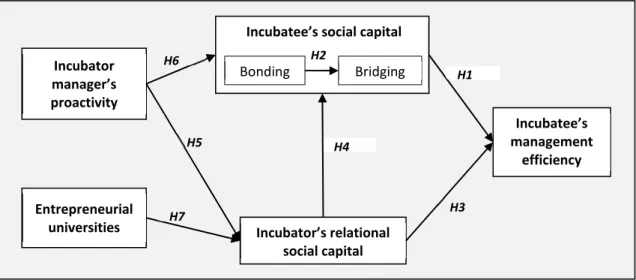
Figure 1 summarizes the proposed hypotheses.
Insert here Figure 1
3. METHODOLOGY AND DATA COLLECTION 3.1. Method and sample selection
Data were collected through an online questionnaire. When drawing up the questionnaire, we reviewed the academic literature on incubators and entrepreneurship and took into account UBI information by reviewing documents and communication with managers and incubatees located in Spain and the Netherlands. These steps allowed us to adapt the items to the specific research domain and to propose some ad hoc items.
Once the initial version of the questionnaire was drawn up, we performed a pre-test to ensure content validity. The pre-test was personal and in situ with six incubatees of the Amsterdam Center for Entrepreneurship (ACE) Venture Lab, set up by the University of Amsterdam, VU University Amsterdam, and the Amsterdam University of Applied Sciences, in November 2013. As a result, we modified certain items so as to draft them in a clearer and more accurate manner and to avoid possible misinterpretation.
20 placed 60th and the Netherlands in 33rd place in the ranking of 64 countries. Also because of the possibility of obtaining information concerning UBIs in both countries.
Firstly, we determined the total number of UBIs in Spain and the Netherlands. The global population of university incubators in Spain is 53 and in the Netherlands 16. We contacted all the managers, explained the objectives of the study to them, and requested their collaboration to answer a brief questionnaire about the incubator’s programs and to deliver an online questionnaire to their incubatees. After two months and a second reminder, we received 101 questionnaires from the incubatees, 66 from Spanish incubatees and 35 from Dutch incubatees. By gender, the sample of incubates includes 72 males and 29 females, and by age, 15 less than 25 years old, 58 between 25 and 35 years old, and 28 more than 35 years old. These incubatees belong to 36 UBIs (27 from Spain and 9 from the Netherlands), that is, we have over half of the UBIs of each country represented in the sample. Nevertheless, we only received the answer of the managers for 28 incubation programs, so that we only could match incubatees and managers answers for 80 cases.
3.2. Measurement variables
Incubatees’ bonding social capital was measured as the number of incubatees with which the incubatee maintains frequent and close contacts. The remaining items were measured with five-point Likert scales.
21 proposals of Chiu, Hsu, and Wang (2006) in the case of communities, and reciprocity scales was adapted from the proposal of Wasko and Faraj (2005). A second-order confirmatory factor analysis was performed to validate the multidimensional nature of the relational social capital. Then, each dimension was reduced to an index and the three dimensions were considered reflective indicators of relational social capital.
Because of its specificity and the lack of other empirical studies on this subject, we created scales to measure the manager’s proactivity and entrepreneurial universities. Manager’s proactivity was measured by the managers (manager’s proactivity) and by the incubatees (perceived manager’s proactivity). Manager’s proactivity included three items that referred to the networking activities offered by the incubator (meetings, access to external networks and access to university services). Perceived manager’s proactivity was measured with a reflective scale of four items that indicate the incubatees’ perception about manager’s involvement and interest in promoting contacts and relationships in the incubator and with external agents. Entrepreneurial universities were measured with a three-item scale reflecting the university’s tradition in creating spin-offs. Neither did we find empirical works measuring the results of entrepreneurs in incubators, so we created a three-item scale to measure management efficiency, indicating whether the entrepreneur had become more efficient in different aspects (planning, management, and implementation).
We included several control variables that can affect management efficiency: academic experience, months spent in the incubator, number of partners, and the existence of a coach.
22 and only found differences in items measuring entrepreneurial universities, with significantly higher values in the case of Dutch universities.
The model was estimated using the SmartPLS 3.2.1 program (Ringle, Wende, and Becker 2015). To calculate the significance of the parameters, we used bootstrap re-sampling by substitution with replacement (1000 subsamples). Table 2 shows the factor loading and weights and reliability indicators.
Insert here Table 2
As for the reliability and convergent validity of the reflective scales, average variance extracted (AVE) and composite reliability values are acceptable, and the loadings are significant and above 0.7, except for the control variable “proactive university”, where reliability values and loadings are lower. For the only formative scale (bridging social capital), we calculated the variance inflation factor (VIF) so as to discard multicollinearity.
Following the Fornell-Larcker criterion, discriminant validity was assessed by the square root of the AVE being greater than the correlation with the other constructs. In the correlation matrix of latent constructs (Table 3) we observe that this condition is met in all cases. In addition, we calculated the heterotrait-monotrait (HTMT) ratio of correlations for each pair of constructs (Henseler, Ringle, and Sarstedt 2015). These values are shown above the main diagonal of the correlation matrix. The highest value is 0.681, below the critical value of 0.85.
Insert here Table 3
23 over 1 (total variance explained=79.7%), with a first factor explaining only 18.4% of variance. Since there is no single factor accounting for the majority of the covariance among the measures, the possible impact of common method bias is not critical in this research.
4. RESULTS
Firstly, we estimated the model considering the incubatees sample. It means that manager’s proactivity was measured as it is perceived by the incubatees. The results of estimating the overall structural model are shown in Table 4. PLS-SEM considers SRMR (standardized root mean square residual) as a goodness of fit criterion. In this case, the SRMR value was 0.08. A value less than 0.10 is considered a good fit (Hair, Hult, Ringle, and Sarstedt 2017). Additionally, we conducted a path analysis using the AMOS v20.0 statistical program to check the robustness of our results and to offer a global goodness-of-fit measure. We previously reduced each variable to a measurement index, specifically the latent variable scores provided by PLS in order to use similar measures. The goodness of fit for the estimated model is adequate: 2(16)=22.753 (p=0.121); RMR=0.049; RMSEA=0.065; GFI=0.958; AGFI=0.856; CFI=0.965; NFI=0.904. Although the sample is too small to analyse independently data for each country, we performed a multigroup analysis to prove the inexistence of significant differences between them (Table 4). Although there is a significant difference for the path between bonding social capital and management efficiency, the coefficients are not significant.
24 we added the effect of manager’s proactivity on perceived manager’s proactivity. Results are shown in the last column of Table 4. In order to facilitate interpretation, significant relationships of this second estimation are displayed in Figure 2.
Insert here Table 4
Insert here Figure 2
Results show there is no empirical support for hypothesis H1 which proposed that contacts inside the incubator help improve management efficiency (H1a is rejected), although bridging social capital does have a positive impact on management efficiency, thereby allowing us to accept hypothesis H1b. Nor is there any evidence to support the idea of the potential influence of the number of an entrepreneur’s incubator contacts (bonding social capital) on an increased number of incubatees’ business networks and their relational skills in the business world (bridging social capital). Therefore, the number of contacts within the incubator is irrelevant in terms of accessing external networks (bridging social capital) and in terms of business success. This result may indicate that the number of contacts is not the valuable resource for the incubatee, but the resources these contacts could provide.
25 The effect of manager’s proactivity, as it is perceived by the manager, on relational, bonding, and bridging social capital is not significant. However, we observe that incubatees’ perception of manager’s proactivity is positively related to actual manager’s proactivity. Moreover, perceived manager’s proactivity has a positive influence on relational social capital (H5). Likewise, the perceived manager’s proactivity has a positive influence on the incubatees’ creation of bridging social capital (H6b), although the effect on bonding social capital (H6a) is not supported. As for the entrepreneurial universities, it also affects the development of relational social capital inside the UBIs (H7).
Finally, we discard the influence of the control variables (time in the incubator, academic experience, and partners) on management efficiency.
Table 5 shows the indirect and total effects. These results indicate that incubatees’ bonding social capital, i.e., their number of contacts in the incubator depends on the existence of relational social capital between incubatees, and, also, indirectly, of the manager’s proactivity. Incubatees’ bridging social capital, i.e., the external relationships they develop while in the incubator, also depends on the relational social capital and on the university and the perceived manager’s proactivity. Finally, the entrepreneur’s management efficiency improves when bridging social capital increases, and, indirectly, through the entrepreneurial universities, manager’s proactivity and the incubatees’ relational social capital.
Insert here Table 5
5. CONCLUSIONS
26 beneficial links to be forged between incubatees and other external networks, all of which proves advantageous for entrepreneurs’ management efficiency. Reinforcing this idea, we posit that the entrepreneurial universities, with a tradition and proactivity towards entrepreneurship, and the proactivity of UBI managers and their endeavour to foster contacts between entrepreneurs and other agents, encourages the creation of social capital, both at a collective level (incubator social capital) and at an individual level (incubatee social capital).
First, the results confirm the key role played by the universities and the incubator’s manager as drivers of relational social capital. While universities are responsible of fostering a tradition of entrepreneurship that helps networking, managers can establish networks and social interactions based on trust among incubator members (Tötterman and Sten 2005). Managers contribute directly to building trust between incubatees, to creating an atmosphere of reciprocity, and to engendering a feeling of identity with the other tenants.
Second, the incubator’s relational social capital helps to shape incubatees’ social capital. When individuals identify with other incubatees, a feeling of trust and reciprocity emerges which gives academic incubatees the self-confidence to face up to the challenge of business, prevents incubatees from engaging in opportunism and allows social abilities, interactions and relationships to be built. These interactions occur at two levels: at an internal level, with other incubatees, and at an external level, with other external business agents (such as other external entrepreneurs, potential clients or suppliers, finance institutions or consultants). Internal relationships can be considered the incubatee’s social capital and external relationships the bridging social capital.
27 contacts and the incubatees’ networking abilities, they are influencing the incubatees’ bridging social capital. When managers provide incubatees access to external networks (companies, associations, and other agents) as well as access to other resources (such as transfer and training programs), they are encouraging networking and contacts outside the incubator. The manager can act as a connector between the incubatees and other external agents that are useful and necessary for business. And it is this bridging social capital that has a significant influence on the efficiency of incubatees’ business in terms of business planning, implementation and management. Although some authors consider that the manager’s task is not necessary to build relationships because incubatees naturally and instinctively collaborate with one another (Bøllingtoft 2012), the current study demonstrates that the incubator manager does act as a bridge in a structural hole (Burt 1992) linking incubatees with other external agents so as to favour their businesses. Likewise, and in line with the Granovetter social network theory, weak ties or bridging social capital are more relevant for innovation and for developing new businesses than are strong ties or closure in the incubator.
28 5.1. Theoretical and managerial implications
The main theoretical contribution of our study to future research derives from gaining to better conceptual understanding of UBIs through social capital theory. More specifically, we contribute to the literature by (1) linking UBIs (a part of the entrepreneurial ecosystem where entrepreneurs stay for a limited period of time) to social capital theory, (2) enabling a better understanding of the antecedents and results of relationships between academic incubatees, and (3) measuring the impact of the incubator manager as broker that allows crossing the structural hole between incubatees and external agents.
From these results, certain managerial implications emerge. As regards generating social capital, managers should be aware that one of the main skills to be developed by incubatees must be the social ability to build a network of relationships both inside and outside the incubator. Hence, incubator manager takes the role of bridge in order to promote external relationships as well as internal relationships and changes.
29 meetings for sharing experiences, or proposing shared objectives, the feeling of community and collective social capital can be built.
Other implication is that the resources some universities employ in infrastructure for entrepreneurs and the investment in workplaces and other equipment in order to put all the entrepreneurs together may be questionable. Virtual incubators could be feasible and equally efficient if the aim is to foster business networking with external agents. Nevertheless, in other contexts where diversity among entrepreneurs is greater, the value of relationships inside the incubator should not be underestimated.
Finally, the findings underline the role of the incubator’s manager. It has consequences to the recruitment of UBIs’ managers. It would be advisable to recruit experienced independent managers from the private sector, preferably external to the university and able to bridge the gap between academic incubatees and the business world. Moreover, the programmes developed by the universities or by other entities to promote UBIs (for instance, the European Union, through the Horizon 2020 programme, is co-financing incubators as well as promoting European networks of incubators, in particular in knowledge-intensive and innovative business) should be demanding about the managers’ profile and the main challenges the managers should pursue.
5.2. Limitations and further research
30 greater previous business experience, or incubators devoted to a common industry (culture, high-technology, etc.).
A further limitation is that the study analyses the point of view of the incubatees. Future research should consider the manager’s perspective as well as the view of other agents that influence the incubator’s activities and results (sponsors, university, local government, etc.). It is also worth analysing the manager’s role in an objective manner, that is, evaluating the kind of activities and initiatives which prove most successful in fostering the development of social capital inside the incubator and considering the short time incubatees stay in the incubator.
Finally, a future line of research should involve longitudinal studies which analyse the process of developing and maintaining relationships and networks inside the incubator, and, particularly, how these relationships evolve once incubatees leave the incubator.
REFERENCES
Aarstad, J., Haugland, S. A., & Greve, A. (2010). Performance spillover effects in entrepreneurial networks: assessing a dyadic theory of social capital.
Entrepreneurship Theory and Practice, 34(5), 1003-1019
Abreu, M., Grinevich, V., Kitson, M., & Savona, M. (2010). Policies to enhance the ‘hidden innovation’ in services: Evidence and lessons from the UK. The Service
Industries Journal, 30(1), 99-118.
Ahmad, A. J. (2014). A mechanisms-driven theory of business incubation. International
31 Ahmad, A. J., & Ingle, S. (2011). Relationships matter: Case study of a university campus incubator. International Journal of Entrepreneurial Behavior & Research, 17(6), 626-644.
Ahuja, G. (2000). Collaboration networks, structural holes, and innovation: A longitudinal study. Administrative Science Quarterly, 45(3), 425-455.
Alpkan, L., Bulut, C., Gunday, G., Ulusoy, G., & Kilic, K. (2010). Organizational support for intrapreneurship and its interaction with human capital to enhance innovative performance. Management Decision, 48(5), 732-755.
Alvedalen, J., & Boschma, R. (2017). A critical review of entrepreneurial ecosystems research: towards a future research agenda. European Planning Studies, 25(6), 887-903.
Audretsch, D. B. (2014). From the entrepreneurial university to the university for the entrepreneurial society. Journal of Technology Transfer, 39(3), 313-321.
Baregheh, A., Rowley, J., & Sambrook, S. (2009). Towards a multidisciplinary definition of innovation. Management Decision, 47(8), 1323-1339.
Baron, R. A., & Markman, G. D. (2000). Beyond social capital: How social skills can enhance entrepreneurs' success. The Academy of Management Executive, 14(1), 106-116.
Batjargal, B. (2003). Social capital and entrepreneurial performance in Russia: A longitudinal study. Organization Studies, 24(4), 535-556.
Birley, S. (2002). Universities, academics, and spinout companies: Lessons from imperial. International Journal of Entrepreneurship Education, 1(1), 1-21.
Bøllingtoft, A. (2012). The bottom-up business incubator: Leverage to networking and cooperation practices in a self-generated, entrepreneurial-enabled environment.
32 Bøllingtoft, A., & Ulhøi, J. P. (2005). The networked business incubator—leveraging
entrepreneurial agency? Journal of Business Venturing, 20(2), 265-290.
Buche, M. W., & Scillitoe, J. L. (2007). Influence of gender and social networks on organizational learning within technology incubators. American Journal of Business,
22(1), 59-68.
Burritt, R. L., & Saka, C. (2006). Environmental management accounting applications and eco-efficiency: case studies from Japan. Journal of Cleaner Production, 14(14), 1262-1275.
Burt, R. S. (1992). Structural holes: The social structure of competition. Cambridge (MA): Harvard University Press.
Burt, R.S. (2000). The network structure of social capital. Research in Organizational
Behaviour, 22, 345-423.
Chan, K., & Lau, T. (2005). Assessing technology incubator programs in the science park: The good, the bad and the ugly. Technovation, 25(10), 1215-1228.
Chiu, C., Hsu, M., & Wang, E. T. (2006). Understanding knowledge sharing in virtual communities: An integration of social capital and social cognitive theories. Decision
Support Systems, 42(3), 1872-1888.
Clark, B. R. (2004). Delineating the character of the entrepreneurial university. Higher
Education Policy, 17(4), 355-370.
Clarysse, B., Wright, M., Bruneel, J., & Mahajan, A. (2014). Creating value in ecosystems: Crossing the chasm between knowledge and business ecosystems.
Research Policy, 43(7), 1164-1176.
Cohen, B. (2006). Sustainable valley entrepreneurial ecosystems. Business Strategy and
33 Coleman, J. S. (1988). Social capital in the creation of human capital. American Journal
of Sociology, 94(S1), 95-120.
Cooper, C. E., Hamel, S. A., & Connaughton, S. L. (2012). Motivations and obstacles to networking in a university business incubator. The Journal of Technology Transfer,
37(4), 433-453.
Ebbers, J. J. (2014). Networking behavior and contracting relationships among entrepreneurs in business incubators. Entrepreneurship Theory and Practice, 38(5), 1159-1181.
Eriksson, P., Vilhunen, J., & Voutilainen, K. (2014). Incubation as co-creation: Case study of proactive technology business development. International Journal of
Entrepreneurship and Innovation Management, 18(5-6), 382-396.
Etzkowitz, H. (1998). The norms of entrepreneurial science: Cognitive effects of the new university–industry linkages. Research Policy, 27(8), 823-833.
Etzkowitz, H. (2003). Research groups as ‘quasi firms’: the invention of the entrepreneurial university. Research Policy, 32(1), 109-121.
European Commission. (2003). The role of universities in the Europe of knowledge. (No. 58). Brussels, Belgium.
European Commission (2004). The Europe of Knowledge 2020: A vision for
university-based research and innovation. Leige: DG for Science & Society.
Frese, M., & Fay, D. (2001). Personal initiative: An active performance concept for work in the 21st century. Research in Organizational Behavior, 23, 133–187.
Glaser, L.,Stam, W., & Takeuchi, R. (2016). Managing the risks of proactivity: A multilevel study of initiative and performance in the middle management context.
34 Global Entrepreneurship Research Association (GERA) (2017). Global Entrepreneurship
Monitor 2016/2017 Report. Available at: http://www.gemconsortium.org/report/49812 Accessed 17 January 2018.
Granovetter, M. S. (1973). The strength of weak ties. American Journal of Sociology,
78(6), 1360-1380.
Greve, A., Benassi, M., & Sti, A. D. (2010). Exploring the contributions of human and social capital to productivity. International Review of Sociology, 20(1), 35-58. Guerrero, M., Cunningham, J. A., & Urbano, D. (2015). Economic impact of
entrepreneurial universities’ activities: An exploratory study of the United Kingdom.
Research Policy, 44(3), 748-764.
Hair, J. F., Hult, G. T. M., Ringle, C. M., & Sarstedt, M. (2017). A Primer on Partial Least Squares Structural Equation Modeling. 2nd Ed. Thousand Oaks: Sage.
Hannon, P. D. (2005). Incubation policy and practice: Building practitioner and professional capability. Journal of Small Business and Enterprise Development,
12(1), 57-75.
Hannon, P. D., & Chaplin, P. (2003). Are incubators good for business? Understanding incubation practice - the challenges for policy. Environment and Planning C:
Government and Policy, 21(6), 861-881.
Hansen, E. L. (1995). Entrepreneurial networks and new organization growth.
Entrepreneurship Theory and Practice, 19(4), 7-19.
35 Hayter, C. S. (2016). A trajectory of early-stage spinoff success: the role of knowledge intermediaries within an entrepreneurial university ecosystem. Small Business
Economics, 47(3), 633-656.
Henseler, J., Ringle, C. M., & Sarstedt, M. (2015). A new criterion for assessing discriminant validity in variance-based structural equation modeling. Journal of the
Academy of Marketing Science, 43(1), 115-135.
Honig, B., & Karlsson, T. (2010). Social capital and the modern incubator: A comparison of in-group and out-group social networks. Journal of Small Business &
Entrepreneurship, 23(sup 1), 719-731.
Hughes, M., Ireland, R. D., & Morgan, R. E. (2007). Stimulating dynamic value: Social capital and business incubation as a pathway to competitive success. Long Range
Planning, 40(2), 154-177.
Isenberg, D. (2011). The entrepreneurship ecosystem strategy as a new paradigm for economic policy: Principles for cultivating entrepreneurship. Babson
Entrepreneurship Ecosystem Project. Babson College, Babson Park: MA
Lasrado, V., Sivo, S., Ford, C., O’Neal, T., & Garibay, I. (2016). Do graduated university incubator firms benefit from their relationship with university incubators?. The
Journal of Technology Transfer, 41(2), 205-219.
Lee, R. (2009). Social capital and business and management: Setting a research agenda.
International Journal of Management Reviews, 11(3), 247-273.
36 Lewis, D., Harper-Anderson, E., & Molnar, L. (2011). Incubating success. incubation
best practices that lead to successful new ventures. Institute for Research on Labor Employment, and the Economy. Ann Arbor, Michigan: University of Michigan. Liao, J., & Welsch, H. (2005). Roles of social capital in venture creation: Key dimensions
and research implications. Journal of Small Business Management, 43(4), 345-362. Lockett, A., & Wright, M. (2005). Resources, capabilities, risk capital and the creation of
university spin-out companies. Research Policy, 34(7), 1043-1057.
Lyons, T. S. (2000). Building social capital for sustainable enterprise development in country towns and regions: Successful practices from the United States. First
National Conference on the Future of Australia’s Country Towns, La Trobe
University, Center for Sustainable Regional Communities, Australia. June.
Lyons, T. S. (2002). Building social capital for rural enterprise development: Three case studies in the United States. Journal of Developmental Entrepreneurship, 7(2), 193-216.
McAdam, M., & Marlow, S. (2007). Building futures or stealing secrets? entrepreneurial cooperation and conflict within business incubators. International Small Business
Journal, 25(4), 361-382.
McAdam, M., & Marlow, S. (2008). A preliminary investigation into networking activities within the university incubator. International Journal of Entrepreneurial
Behaviour & Research, 14(4), 219-241.
McAdam, M., & McAdam, R. (2008). High tech start-ups in university science park incubators: The relationship between the start-up's lifecycle progression and use of the incubator's resources. Technovation, 28(5), 277-290.
37 Nouira, S., Klofsten, M., & Dahlstrand, Å. L. (2005). The logic of the entrepreneur:
Implications of the entrepreneur's perception of early-stage financing. The
International Journal of Entrepreneurship and Innovation, 6(2), 85-96.
Payne, G. T., Moore, C. B., Griffis, S. E., & Autry, C. W. (2011). Multilevel challenges and opportunities in social capital research. Journal of Management, 37(2), 491-520. Petrakis, P. E. (2012). Entrepreneurship, University Research, and Growth: European North vs. South. In T. Burger-Helmchen (Ed.), Entrepreneurship-Born, Made and
Educated (pp.127-158). Rijeka, Croatia: InTech.
Podsakoff, P. M., MacKenzie, S. B., Lee, J., & Podsakoff, N. P. (2003). Common method biases in behavioral research: A critical review of the literature and recommended remedies. Journal of Applied Psychology, 88(5), 879-903.
Powell, W. W., Koput, K. W., & Smith-Doerr, L. (1996). Interorganizational collaboration and the locus of innovation: Networks of learning in biotechnology.
Administrative Science Quarterly, 41(1), 116-145.
Putnam, R. (2000). Bowling alone, the collapse and revival of civic America. New York: Simon and Schuster.
Putnam, R. D. (1995). Bowling alone: America's declining social capital. Journal of
Democracy, 6(1), 65-78.
Redondo, M., David, F., & van der Sijde, P. (2014). Development of “business logics” in novice entrepreneurs in an academic incubator. Academic Proceedings of the 2014
University-Industry Interaction Conference: Challenges and Solutions for Fostering
Entrepreneurial Universities and Collaborative Innovation, Barcelona. 117-128. Rice, M. P. (2002). Co-production of business assistance in business incubators: An
38 Rice, M. P., Fetters, M. L., & Greene, P. G. (2014). University-based entrepreneurship ecosystems: a global study of six educational institutions. International Journal of
Entrepreneurship and Innovation Management, 18(5-6), 481-501.
Ringle, C. M., Wende, S., & Becker, J. M. (2015). Smart PLS 3 (computer software). available at: www.smartpls.com Accessed 22 August 2017.
Rubalcaba, L., Gallego, J., & Hertog, P. D. (2010). The case of market and system failures in services innovation. The Service Industries Journal, 30(4), 549-566.
Scholten, V. (2006). The early growth of academic spin offs: factors influencing the early
growth of Dutch spin-offs in life sciences, ICT and consulting. Unpublished doctoral dissertation. Wageningen University: The Netherlands.
Scillitoe, J. L., & Chakrabarti, A. K. (2010). The role of incubator interactions in assisting new ventures. Technovation, 30(3), 155-167.
Shane, S., & Cable, D. (2002). Network ties, reputation, and the financing of new ventures. Management Science, 48(3), 364-381.
Smilor, R. W., & Gill, M. D. J. (1986). The new business incubator: Linking talent,
technology, capital, and know-how. Toronto: Lexington Books.
Spigel, B. (2017). The relational organization of entrepreneurial ecosystems.
Entrepreneurship Theory and Practice, 41(1), 49–72.
Stangler, D., & Bell-Masterson, J. (2015). Measuring an entrepreneurial ecosystem. Kansas City: Kauffman Foundation Research Series on City, Metro, and Regional Entrepreneurship.
Studdard, N. L. (2006). The effectiveness of entrepreneurial firm’s knowledge acquisition from a business incubator. International Entrepreneurship and Management
39 Sundbo, J. (2009). Innovation in the experience economy: a taxonomy of innovation
organisations. The Service Industries Journal, 29(4), 431-455.
Tamásy, C. (2002). Are there too many innovation centres in Germany?. In L. Schätzl, J.R. Diez (Eds.), Technological Change and Regional Development in Europe (pp. 112-131). Heidelberg, Germany: Physica
Toivonen, M., & Tuominen, T. (2009). Emergence of innovations in services. The Service
Industries Journal, 29(7), 887-902.
Tötterman, H., & Sten, J. (2005). Start-ups business incubation and social capital.
International Small Business Journal, 23(5), 487-511.
Tsai, W., & Ghoshal, S. (1998). Social capital and value creation: The role of intrafirm networks. Academy of Management Journal, 41(4), 464-476.
UKBI (UK Business Incubation). (2012). Best practice in business incubation. Birmingham.
Un, C. A., & Montoro-Sánchez, A. (2010). Public funding for product, process and organisational innovation in service industries. The Service Industries Journal,
30(1), 133-147.
Vanderstraeten, J., & Matthyssens, P. (2012). Service-based differentiation strategies for business incubators: Exploring external and internal alignment. Technovation,
32(12), 656-670.
Vedel, B., & Gabarret, I. (2014). The role of trust as mediator between contract, information and knowledge within business incubators. International Journal of
Entrepreneurship and Small Business, 23(4), 509-527.
40 Wasko, M. M., & Faraj, S. (2005). Why should I share? Examining social capital and knowledge contribution in electronic networks of practice. MIS Quarterly, 29(1), 35-57.
Yli‐Renko, H., Autio, E., & Sapienza, H. J. (2001). Social capital, knowledge acquisition, and knowledge exploitation in young technology‐based firms. Strategic
Management Journal, 22(6‐7), 587-613.
Zucker, L. G., Darby, M. R., & Armstrong, J. S. (2002). Commercializing knowledge: University science, knowledge capture, and firm performance in biotechnology.
41 Figure 1. Proposed hypotheses
Figure 2. Estimated model (significant relationships)
Incubator manager’s proactivity
Entrepreneurial
universities Incubator’s relational
social capital
Incubatee’s management
efficiency H4
Incubatee’s social capital H2
Bonding Bridging H1
H3 H5
H6
H7
Perceived manager’s proactivity
R2=0.072 Entrepreneurial
universities
Relational social capital R2=0.327
Bonding social capital R2=0.111
Management efficiency
R2=0.282 Bridging social
capital R2=0.334 0.282** 0.376*** 0.260** 0.399** 0.333** 0.531***
(*) p<0.05; (**) p<0.01; (***) p<0.001 Manager’s proactivity
42 Table 1. Summary of literature on social capital in incubators
Author/s Purpose Unit of
analysis Methodology Context Role of the manager
Lyons (2002)
Approach to rural social capital building that is based on the specific needs of the entrepreneurs defined by the context.
Incubator In-depth telephone and electronic
interviews and secondary sources.
Two business incubation programmes and a community-based economic development programme in the United States.
Not considered.
Bøllingtoft and Ulhøi (2005)
Examining why the networked incubator model has emerged and what distinguishes it from the more traditional incubator model.
Network activities
Ethnographic data: written field notes, observations of and participation in meetings and various events, access to mailing lists, and other archival documents.
A networked incubator in Denmark. Incubator managers can control and arrange formal networks better than informal ones.
Tötterman and Sten (2005)
Explaining how business incubators can support entrepreneurs in their efforts to build up networks for the benefit of their own company.
Incubator
Questionnaire and in-depth interviews with 21 participants (incubator managers, incubatees, and post-incubated entrepreneurs).
Three not-for-profit business incubators in Finland.
Central figure in supporting trust
that enables networking and social interaction among members of the incubator network.
Studdard (2006)
Exploring how the entrepreneurial firm´s acquisition of business process knowledge from interaction with incubator manager impacts on new product development.
Incubatee Online questionnaire to 48 incubatees. Technology oriented incubators in Finland and the United States.
Incubator managers should focus on assisting new technology-based firms (NTBFs) to develop their products more than on the firms’ growth in the marketplace.
Hughes et al. (2007)
Identifying how incubated firms choose to behave in
order to pursue network opportunities. Incubator
Online questionnaire to 211 managers of incubated firms.
143 high-technology incubators in the United Kingdom.
Incubator managers need to take care when selecting who should be part of the incubator network.
Honig and Karlsson (2010)
Studying the characteristics of the firm owner’s networks, distinguishing between incubated and non-incubated firms.
Firm Questionnaire to 87 firms (51 incubated and 36 non-incubated).
Two groups of matched Canadian firms: incubated and non-incubated.
Incubator managers play a community role. Their significance goes beyond their own particular incubator jurisdiction to promoting the small business sector in general.
Scillitoe and Chakrabarti (2010)
Analysing the role of advising and networking interactions with incubator management on both beneficial business and technical assistance for NTBFs.
Incubation process
Online questionnaire to 42 incubatees (28 US NTBFs and 14 Finnish NTBFs).
Incubators that had contractual relationships with NTBFs in Finland and the United States.
Interactions among incubatees and incubator management influence business and technical assistance.
Ahmad (2014)
Considering incubation as a social process, based on dyadic theory, social capital theory and social network theory.
Incubation process
Ethnographic methodology: semi-structured interviews (with 57 incubatees and 11 members of incubator organizations) and non-participant observation.
Two business incubators: a university campus incubator and a community enterprise centre in Dublin (Ireland)
Significant role of a positive relational bond between the incubator manager and incubatees during the incubation process.
Ebbers (2014) Studying networking behaviour as an antecedent of
tie formation among incubates. Incubatee Online questionnaire to 101 incubatees
Business incubators specializing in
43 Table 2. Measurement of variables and descriptive statistics
Mean S.D. Outer
loadings
Outer Weights (VIF)
Bridging social capital. Since I joined incubation, I have achieved …
To develop social skills for the business world 3.69 1.01 0.927*** 0.511** (2.223)
To increase my network of business contacts 3.81 1.05 0.939*** 0.560** (2.223)
Bonding social capital
Number of incubatees with whom you are in frequent contact 5.99 5.91 1.000
Relational social capital (α=.764; CR=.861; AVE=.675)
The entrepreneurs who are in incubation, in the same incubator as me …
Trust 0.786***
Would not take advantage of others even when the opportunity arises 3.26 0.91
Always keep their promises 3.41 0.76
Behave in a consistent and honest manner 3.65 0.75
Are truthful in dealing with one another 3.74 0.82
Group identity 0.837***
There is a sense of group belonging within us, the incubatees 3.36 1.02
I have the feeling of group togetherness or closeness 3.27 1.04
Reciprocity 0.840***
When I ask for help, I feel that other incubatees will provide it 3.43 0.97
Even if an incubatee I have helped cannot help me in the future, others will be able to 3.34 0.93
Perceived manager’s proactivity (α=.953; CR=.966; AVE=.876)
The incubator manager…
I think he/she encourages contacts between entrepreneurs 3.81 1.09 0.938***
Tries to establish links between entrepreneurs who can get to collaborate 3.63 1.16 0.943***
Facilitates networking between all entrepreneurs 3.77 1.09 0.949***
Facilitates contacts outside the incubator 3.60 1.19 0.914***
Manager’s proactivity (α=.682; CR=.930; AVE=.874)
In the incubator, we offer…
Meetings and events between incubatees 5.14 1.09 (a)
Access to incubator networks (with companies, associations, professional agents
such as consultants, lawyers, etc.) 5.33 0.95 0.637*
Services related to the university (access to academic mentors, students, graduates,
technology transfer and training programs, access to facilities, etc.) 5.60 1.01 0.989***
Entrepreneurial universities (α=.580; CR=.782; AVE=.546)
Rate the following aspects of your university:
There is a tradition of creating spin-offs 2.78 1.25 0.814***
There is a specific regulation for the creation of spin-offs at my university/research
centre 2.95 1.19 0.714***
There is a positive attitude within my university/research centre towards
entrepreneurship 3.78 1.04 0.683***
Management efficiency (α=.934; CR=.958; AVE=.884)
Since I joined incubation, I have achieved …
To be more efficient in planning and strategy for my business 3.56 0.98 0.937***
To be more efficient in managing my business 3.53 0.97 0.955***
To be more efficient in implementing of the specific activities for my business 3.60 0.97 0.928***
Partners
Number of business partners 1.86 2.15 1.000
Time in incubation
Months in the incubator 16.51 17.07 1.000
Scientific experience
Number of years of scientific experience in a university/research centre 6.17 7.07 1.000
Coach
Coach assigned in incubation (0=No; 1=Yes) 0.44 0.50 1.000
(a) Item deleted (non-significant)
44 Table 3. Correlation matrix
(1) (2) (3) (4) (5) (6) (7) (1) Bonding social capital n.a. n.a. 0.356 0.185 0.193 0.098 0.262 (2) Bridging social capital 0.202 n.a. n.a. n.a. n.a. n.a. n.a. (3) Relational social capital 0.330 0.532 0.821 0.432 0.595 0.253 0.681 (4) Management efficiency 0.179 0.530 0.375 0.940 0.439 0.096 0.397 (5) Perceived manager’s proactivity 0.189 0.466 0.517 0.416 0.936 0.270 0.667 (6) Manager’s proactivity -0.014 0.117 0.141 0.053 0.268 0.934 0.209 (7) Entrepreneurial universities 0.204 0.419 0.469 0.296 0.500 0.105 0.739
45 Table 4. Model estimation (N=101)
Incubatees sample (n=101)
Incubatees + Managers
(n=80)
Proposed hypotheses Total
sample
The Netherlands
(35)
Spain (66)
Non-parametric test (p-value)a
H1a Bonding social capital Business efficiency 0.032 0.171 -0.011 0.047 0.032
H1b Bridging social capital Business efficiency 0.462*** 0.320 0.471** 0.219 0.462***
H2 Bonding social capital Bridging social capital 0.025 -0.029 0.061 0.164 0.024
H3 Relational social capital Business efficiency 0.114 0.130 0.173 0.576 0.115
H4a Relational social capital Bonding social capital 0.318** 0.114 0.407** 0.723 0.317**
H4b Relational social capital Bridging social capital 0.389*** 0.486*** 0.333** 0.665 0.390***
Manager’s proactivity Perceived manager’s proactivity 0.301*
H5 Perceived manager’s proactivity Relational social capital 0.376*** 0.459** 0.332* 0.166 0.373***
Manager’s proactivity Relational social capital 0.013
H6a Perceived manager’s proactivity Bonding social capital 0.025 0.078 -0.016 0.428 0.045
Manager’s proactivity Bonding social capital -0.079
H6b Perceived manager’s proactivity Bridging social capital 0.261** 0.330* 0.253+ 0.816 0.262**
Manager’s proactivity Bridging social capital -0.009
H7 Entrepreneurial universities Relational social capital 0.281** 0.118 0.350** 0.316 0.281*
Control effects
Partners Management efficiency -0.121 -0.359** -0.045 0.801 -0.121
Time in incubation Management efficiency 0.072 -0.082 0.104 0.307 0.072
Scientific experience Management efficiency -0.036 0.077 -0.097 0.933 -0.036
Coach Management efficiency 0.103 0.319+ 0.011 0.790 0.103
(+) p<0.10= (*) p < 0.05; (**) p< 0.01: (***) p < 0.001
46 Table 5. Indirect and total effects (N=80)
Indirect effect Total effect
Determinants of bonding social capital
Relational social capital Bonding social capital - 0.317**
Manager’s proactivity Bonding social capital 0.053 -0.026
Perceived manager’s proactivity Bonding social capital 0.118* 0.163
Entrepreneurial universities Bonding social capital 0.089 0.089
Determinants of bridging social capital
Bonding social capital Bridging social capital - 0.025
Relational social capital Bridging social capital 0.008 0.397***
Manager’s proactivity Bridging social capital 0.127 0.118
Perceived manager’s proactivity Bridging social capital 0.149** 0.411***
Entrepreneurial universities Bridging social capital 0.112* 0.112*
Determinants of management efficiency
Bonding social capital Management efficiency 0.011 0.043
Bridging social capital Management efficiency - 0.462***
Relational social capital Management efficiency 0.194** 0.308**
Manager’s proactivity Management efficiency 0.068 0.068
Perceived manager’s proactivity Management efficiency 0.238** 0.238***