PERFORMANCE OF UNAB’S EFL NOVICE TEACHERS IN THE CLASSROOM
UNIVERSIDAD ANDRÉS BELLO
Facultad de Educación Pedagogía en Inglés
PERFORMANCE OF UNAB’S EFL NOVICE TEACHERS IN THE CLASSROOM: OBSERVATION OF SOME COMPETENCIES
Tesis de pregrado para optar al título de Profesor de Inglés para la Enseñanza Básica y Media y al grado académico de Licenciado en Educación
Autores:
Daniela Conejeros Zúñiga y Natalia Gutiérrez Silva Profesor Guía: Patricia Sánchez
7
TABLE OF CONTENTS
Abstract ... iii
1. Introduction ... 11
1.1 Chilean Context ... 11
1.2 Competency-based curriculum ... 12
1.3 The new UNAB’s English Pedagogy Program ... 13
2. Literature review ... 17
2.1 Competency ... 17
2.2 Competency- based education ... 20
2.3 UNAB’s English Pedagogy Program ... 23
3. Methodology ... 30
3.1 Research Design ... 30
3.2 Participants ... 31
3.3 Context of the schools ... 34
3.4 Instruments, Methods and Procedures ... 35
3.4.1 Observation ... 36
3.4.2 Observation Guideline ... 36
3.4.3 Field notes ... 40
3.4.4 Interviews ... 40
3.4.5 Consent ... 42
3.5 Data Analysis ... 42
4. Results ... 43
4.1 Participants’ observations ... 43
4.1.1 Participant A’s Results ... 43
4.1.2 Participant B’s Results ... 45
4.1.3 Participant C’s Results ... 46
8
4.2.1 Participant A’s Interview ... 47
4.2.2 Participant B’s Interview ... 48
4.2.3 Participant C’s Interview ... 49
5. Discussion... 52
6. Conclusion ... 60
6.1 Limitations ... 61
6.2 Further research ... 62
7. References... 64
8. Appendices ... 67
Appendix A: Field notes Participant A ... 67
Appendix B: Field notes Participant B ... 73
Appendix C: Field notes Participant C ... 77
Appendix D: Interview Participant A ... 82
Appendix E: Interview Participant B ... 85
Appendix F: Interview Participant C ... 87
Appendix G Observation Scales Participant A ... 94
Appendix H: Observation Scales Participant B ... 102
Appendix I: Observation Scale Participant C ... 110
9
LIST OF TABLES
Table 1. Modules curriculum ... 25
Table 2. Participant A’s dates ... 32
Table 3. Participant B’s dates ... 33
Table 4. Participant C’s dates ... 33
Table 5. Observation Guideline... 38
Table 6. 1st Observation Participant A ... 44
Table 7. 2nd Observation Participant A ... 44
Table 8. 1st Observation Participant B ... 45
Table 9. 2nd Observation Participant B ... 45
Table 10. 1st Observation Participant C ... 46
10
LIST OF FIGURES
Figure 1. UNAB’s Pedagogy Program ... 24
Figure 2. Subjects of the Unab’s Pedagogy Program associated to C1 ... 26
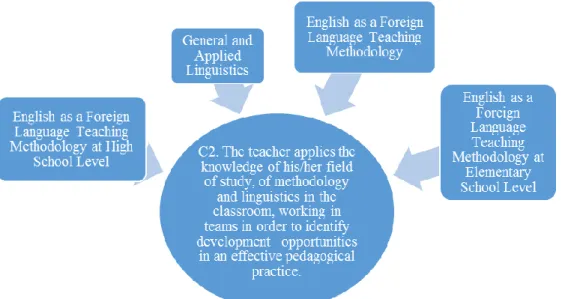
Figure 3. Subjects of the Unab’s Pedagogy Program associated to C2 ... 27
Figure 4. Subjects of the English Pedagogy Program associated to C3 ... 27
Figure 5. Subjects of the Unab’s Pedagogy Program associated to C4 ... 28
Figure 6. Subjects of the Unab’s Pedagogy Program associated to C5 ... 28
11
1. INTRODUCTION
This chapter will refer to the general current state of the Chilean education, how the new English Pedagogy Program of Universidad Andrés Bello was adjusted to the needs that society demands into a competency-based education approach, the purpose, the research questions, and reasons that justify the present study.
1.1 Chilean Context
Over the last years, Chile has experienced structural changes in the different areas that sustain the country as a result of the development of society. In this aspect, the educational system has not been neglected, since in current times still exists the need to improve the equity and quality not only in schools, but in higher education as well. The need to improve education at the school level implies the necessity to improve the quality of teaching programs offered by different universities too. English has not been an exception and SIMCE results evidence that Chilean students are not meeting the expected standards.
According to a report published by Agencia de Calidad de la Educación (2014) about SIMCE results, during the year 2014 only 24.5% of students of 10th grade received a certificate that evidenced their command of the language in A2 and B1 level of English according to the Common European Framework of
12
1.2 Competency-based Curriculum
Owing to the scarce number of students with a satisfactory command of English as a Foreign Language, as it was proved by SIMCE results, there was an urgency to revise and adapt the curriculum of English Pedagogy programs in the country and it was within this context that the original English Pedagogy program of Universidad Andrés Bello (UNAB) was redesigned. This was the result of a grant assigned by a MECESUP Project1 with the purpose of starting the design of a new curriculum that would adjust to this new reality in which education plays a crucial role in the development of human beings inserted in a globalized world.
As a result of this MECESUP Project, the new English Pedagogy curriculum was first implemented in 2012 and the first cohort graduated in 2015. The distinguishing characteristic of this new curriculum was a competency-based approach, which meant a change of the paradigm in the way EFL teachers had been prepared until that moment in this institution and in most universities in Chile.
This new competency-based curriculum has its roots in the term competency, which according to Winterton et al. It is not an easy term to define. They state that, "There is such confusion and debate concerning the concept of
“competence” that it is impossible to identify or impute a coherent theory or to arrive at a definition capable of accommodating and reconciling all the different ways that the term is used’’ (p. 2.)
According to Neary 2002:
A competence includes a broad range of knowledge, attitudes and observable patterns of behavior which together account for the ability to deliver a specified professional service. The competent individual can correctly perform numerous (but not necessarily all)
13
tasks, many of which require knowledge, theories, principles of social sciences or comprehension of the social and cultural factors that influence the climate. Competence in this sense also involves adoption of a professional role that values human life (p.5).
In relation to the same term, Harvard Competency Dictionary indicates that: Competencies, in the most general terms, are “things” that an individual must demonstrate to be effective in a job, role, function, task, or duty. These “things” include job-relevant behavior (what a person says or does that results in good or poor performance), motivation (how a person feels about a job, organization, or geographic location), and technical knowledge/skills (what a person knows/demonstrates regarding facts, technologies, a profession, procedures, a job, an organization, etc.) (p.4).
According to the definitions previously presented, when defining competency, many aspects can be taken into consideration, but most importantly the fact that apparently a job or simply a duty cannot be developed properly without the contribution of competencies learned before. In the Literature Review Chapter, other definitions of the term competency will be presented altogether with its operationalization.
1.3The new UNAB’s English Pedagogy Program
14
According to the official Decree 1871/2011, which describes the new curriculum, the professional who graduates from the English Pedagogy Program, possesses the following profile:
● Advanced command of English as a Foreign Language (EFL) with a strong foundation in linguistics, which includes analytical and strategic management of the rules of the language.
● The teacher assumes an active commitment with the quality of education, applying pedagogical, methodological, cultural and linguistic knowledge in a practical form in the classroom in elementary and high school levels, in addition to other activities that require teacher’s knowledge and command of the language. Teacher’s pedagogical, didactic and evaluative actions are contextualized to the current needs of the country.
● The teacher masters theoretical-conceptual foundations of education, and is able to make critical reflections about his/her own pedagogical practice. The teacher can diagnose, analyze critically, and comprehend the
complexity of the educational phenomenon.
● The teacher permanently learns and updates his/her knowledge. He/she comprehends national and international educational policies of a
globalized world and manages effectively ICTs in terms of her/his students’ learning.
● The teacher is able to communicate and establish adequate interpersonal relationships to work in teams, assuming professional collaborative
attitudes for the identification, approach and solution of problems. Decree 1871/2011 also establishes the competencies that should be acquired by the graduate. These are the following:
15
C2. The teacher applies the knowledge of his/her field of study, of methodology and linguistics in the classroom, working in teams in order to identify
development opportunities in an effective pedagogical practice.
C3. The teacher’s planning is clear and motivational, formulating learning goals that afterwards he/she implements and assesses.
C4. The teacher designs and selects didactic materials, incorporating new
technologies, creativity, knowledge about students’ interests and coherence with the objectives raised.
C5. The teacher possesses cultural knowledge of the English speaking countries that allows him/her to perform in international contexts valuing diversity.
C6. The teacher reflects critically about his/her pedagogical practice generating new understanding for his/her professional development, and contributing to educational innovation.
Considering the context described, the topic addressed in this research is teacher’s preparation in a competency-based curricular approach and the
research problem is the need to know to what extent the in-service performance of UNAB’s English Pedagogy graduates are displaying the competencies
specified in the program in the classroom Since there are not previous studies conducted in this matter at UNAB’s English Pedagogy Program it may be difficult to know whether the graduates are contributing to the proper
development of their students through the competencies learned during their years of study at the Program in order to make their students reach a
16
The specific objectives are the following:
● To identify which competencies are the most displayed and the least displayed in the EFL novice teachers’ performance in the classroom ● To identify the reasons why certain competencies are less displayed in
the classroom.
Having presented the objectives of this research, the following research questions arise:
1. - Which are the competencies most frequently displayed by EFL novice teachers in the classroom?
2. - Which are the competencies least displayed by EFL novice teachers in the classroom?
3. - What reasons justify that certain competencies are less displayed in the classroom?
17
2. LITERATURE REVIEW
The present chapter will refer to the term competency, its multiple definitions and its interpretation in the present study. Besides, it will be explained the process in which competency was used to measure novice teachers when displaying the competencies established in the description of the program. Subsequently, it will be explained in detail one of the main characteristics of the new program which is based on a competency- based education and examples of other institutions that have based their programs on a competency-based education type. At the end, the UNAB’s English Pedagogy Program will be examined among the different areas in which is divided and the subjects present in the program that are associated to the six different competencies.
2.1 Competency
As it was first stated in the Introduction, competency is not an easy term to define due to its multiple interpretations. However, many authors have
discussed its real meaning agreeing in some similar aspects. According to Neary (2002), practitioners and teachers argue that competency is more than knowledge and skills. Values, critical thinking, professional judgment,
18
Fenstermacher (2015) suggests that in general terms, the word refers to the ability to do something in a proper way, which requires certain knowledge and skills to reach an adequate standard of excellence in a performance. However, according to the same author when we refer to competency in education, it often refers to a “proficient, perhaps even worthy performance” (p.6). Consequently, defined in this way, competency is “frequently accepted as the proper objective of teacher education” (Fenstermacher, 2015, p.6), which is to educate
candidates for satisfactory performances as teachers. Another source, which specifies the skills and knowledge required to perform effectively in the
workplace, defines competency as “the consistent application of knowledge and skill to the standard of performance required in the workplace which requires the ability to transfer and apply skills and knowledge to new circumstances” (p.14). However, according to the same source of information, competency is a broader term since it also comprises the use of specific skills and knowledge
necessaries to accomplish a task. For example, at higher education levels, competency may require a combination of specific knowledge and skills, in addition to meta-cognitive processes such as reflection, analysis, generation of ideas, decision making, problem solving, among others.
Over the last decade, educational research has contributed to the reconceptualization and operationalization of educational objectives in
19
competency is related to learning outcomes (Kennedy, 2007). In relation to this, Adam (2004) mentions “the relationship between learning outcomes and
competencies is a complex and contested area; the subject of some debate and no little confusion” (p.8). The same author claims that the term competency can refer to “aptitude, proficiency, capability, skills and understanding’’ (p.8).
Consequently, a competent person is someone with ‘’sufficient skills, knowledge and capability’’ (p.8). According to Adam, the confusion and the disagreement existing toward the term competency also relies on the similar terms used for translating the same term such as learning outcomes, skills, among others. Because of that, Adam (2004) suggests the implementation of a common terminological understanding of the term competency. However, there is still no common understanding in relation to the word competency and the difference it has with similar terms.
Despite the multiple definitions stated by different authors in relation to the term competency, in this study the term competency will refer to the knowledge, skills and attitudes required to reach a proficient performance in teaching. When it is referred to knowledge, it is expected that the novice teachers would be able to internalize the theoretical understanding acquired during the program inside and outside the classroom. When referring to skills, novice teachers are
20
In the literature revised, it has been found that human beings can acquire competencies at any point throughout their lives regarding different fields.
However, competencies would mean nothing if we do not apply them in what we are intended to. Then, here arises the need to observe a competency, since they have to be observable in order to verify them. In addition to this, the literature suggests in The Institute for Working Futures Pty Ltda (2006):
Using different methods to guarantee people’s display of
competencies such as questionnaires, interviews, interviews by peer or couch with those doing the work, unstructured interviews with those doing the job, observation of those doing the job, records of performance, expert data collection sessions, audits of teamwork for specific outcome over time
In the Methodology Chapter, the steps executed to verify participants’ competencies of the present study will be explained.
2.2. Competency-based education
Having already a notion about the term competency, the concept of competency- based education can be addressed.
21
to the same source of information, if competency-based systems are used adequately “they can have lots of benefits such as improvement in quality and consistency, and most importantly they can provide professors worth knowledge in relation to students’ learning” (Mendenhall, 2012).
Competency- based education aims to be a system in which students need to demonstrate that they are competent in their area. Competency-based education (CBE) has recently become an approach that many colleges and universities have used to guide their programs in order to align them with the current needs of society. CBE often stresses work performance, and the outcomes of that which are observable, measurable and assessable (Guthrie, 2009, p.18).
In comparison with traditional approaches, the emphasis in CBE assessment is more heavily on performance than pencil and paper test of knowledge; this is not to claim that knowledge is unimportant, but rather that it is to be seen as underpinning performance (Harris, Guthrie, Hobart & Lundberg, 1995). It seems that the traditional approaches are more based on the teacher rather than the performance of the student which is the aim of CBE; students need to
demonstrate their competencies in real or fictional scenarios.
Over the last years, many educational institutions have changed their old traditional approaches to the CBE approach. In Chile, Universidad del Bío-Bío, a public university in the Bio-Bio Region is one of the examples of institutions that have adjusted their curricula. An article published by this university, written by the professors Salgado, Corrales, Muñoz and Delgado, establishes that the university has mainly based its programs in the implementation of a
22
students needed to make in order to become competent. In the conclusion of the article, professors Salgado et al. refer to the fact that they consider that the changes in these programs would constitute the basis to the implementation of the competency-based curriculums in other programs so in that way, the graduates could have better employment opportunities.
Another example of the shift in the paradigm of higher education in Chile is Universidad de Talca. In 2005, this university decided to base all its
undergraduate programs on a competency-based education approach. The important change in the undergraduate programs emerged due to the fact that Universidad de Talca found that most of their students enrolled in the
undergraduate programs did not have individual resources that allowed them to cope successfully with their higher education studies. Based on that issue, the university assumed a compromise focused on training students who could meet the standards of a permanent changing society (Schmal, 2015). Modifying all the undergraduate programs in Universidad de Talca was not a simple process, but academics and students from some programs were able to answer a survey regarding the contribution that every module did to the students’ development. Answering a survey had as main purpose the continued improvements of the programs having into consideration the opinion of the academics and the students as well, which could have an impact in the final product as a new curriculum with a contemporary approach.
23
webpage (http://www.wgu.edu/) in where it is said you earn your degree through demonstration of skills and knowledge in required subject areas through a series of carefully designed assessments. You will take tests, write papers, and
complete assignments. But rather than focus on seat time or credit hours, we make sure you graduate as a highly competent professional.
2.3. UNAB’s English Pedagogy Program
In 2008, UNAB’s English Pedagogy Program was re-designed with the purpose of meeting the demands that the educational system required in terms of having more professionals with better competencies. Thus, Andrés Bello University engaged in the implementation of a new curriculum for the English Pedagogy Program based on competencies (Decree 1871/2011, Título Primero, Artículo Primero).
In current times, the professionalization of educators is necessary and this implies the modification of traditional approaches in teaching programs. Due to this reason, the new UNAB’s English Pedagogy Program is characterized by a modern curriculum focused on competencies, a developing strong link between theoretical and practical knowledge since the beginning of the program,
consistent with the graduate profile in relation to the actual needs of the labor market. The curriculum also possesses a constant support in assessment and correction of processes provided by a quality assurance system, the
24
outcomes and contact hours (Pop, 2016). The UNAB’s English Pedagogy Program has thirty credits per semester and it is divided as follows:
Figure 1
UNAB’s Pedagogy Program
Figure1: UNAB’s Pedagogy Program. Copyright 2016 by Universidad Andres Bello. Reprinted with permission.
25
Table 1
Modules of the curriculum
________________________________________________________________
Training areas Modules associated to the areas ________________________________________________________________
General Training Electivo de Formación General I, Electivo de Formación General II, Formación General en Educación, Procesos Cognitivos y Aprendizajes,
Psicología del Ciclo Vital. _______________________________________________________________
Disciplinary Training English Language I to VII, British Culture and Civilization and Literature, North American Culture, Civilization and Literature,
Civilization and Literature of English Speaking Countries,
General Linguistics and Applied Linguistics
_______________________________________________________________ Professional Training English as a Foreign Language Teaching Methodology,
English as a Foreign Language Teaching Methodology at
Elementary School Level,English as a Foreign Language Teaching Methodology at High School Level, Educational
26
The following figures display the six competencies that graduates achieve by the time they complete the program and the corresponding modules that
contribute to their development.
27
Figure 3. Subjects of the UNAB’s English Pedagogy Program associated to C2
28
Figure 5. Subjects of the UNAB’s English Pedagogy Program associated to C4
29
Figure 7. Subjects of the UNAB’s English Pedagogy Program associated to C6
30
3. METHODOLOGY
In the present chapter, the research design of the study will be presented, and the three EFL novice teachers that participated in this study will be
described as well as the context in which the observations took place. Finally, the instruments implemented in this research will be described as well as the way in which these were used in this research.
3.1 Research Design
The research employed a Mixed-method Design as quantitative and
qualitative techniques are considered in the collection of data of the study. First of all, it was agreed that due to the absence of previous studies on the area of research, researchers were not going to be able to generate numerical data because of the limited number of participants. Apart from this, the purpose of this study is not only to examine the competencies that UNAB’s novice teachers display the least and the most, but to understand why some competencies are least displayed, not displayed or more displayed than other competencies as well. Consequently, according to Dr. Caroline Bulsara (2015), when one
methodology does not provide all the information required, the unavoidable need to make use of both methods raises, “which involves collecting, analyzing, and integrating (or mixing) quantitative and qualitative research”
31
Finally, Mixed-method Design could deliver more accurate information of what researchers intend to investigate in terms of numbers and percentages (e.g. quantitative) in addition with thoughts and beliefs from the participants (e.g. qualitative) which is also explained by Creswell (2012) when he states that the basic assumption is that the uses of both, quantitative and qualitative methods, in combination, provide a better understanding of the research problem and question than either method by itself (p. 535).
3.2. Participants
In this research study, the participants are three EFL UNAB’s English novice teachers who are currently working in different schools in Santiago, Chile. The participants' performance in the schools helped researchers to explore how novice teachers who graduated from UNAB’s English Pedagogy Program adapt and put into practice the competencies established in the graduate profile in different contexts. At the beginning of this research, it was intended to choose the participants on purpose, but because of a diversity of difficulties that will be explained on the following pages, participants were finally chosen due to the availability they had at the moment of the research.
The first participant observed graduated in 2016; therefore, he belonged to the new curriculum of the UNAB’s English Pedagogy Program. The other two participants, B and C, were transferred from the old curriculum to the new curriculum in 2011, and graduated in 2015. In a first instance, the participants were chosen according to the year they enrolled in the program, it meant that all participants should have enrolled in the year that the new curriculum started, so they were part of the first cohort of students who graduated from the new
32
It is worth mentioning that the participants transferred from the old curriculum to the new one are able to perform the same competencies in comparison with the student enrolled in the new curriculum from the beginning. The students from the old curriculum and who were part of this study were transferred during their second year of the UNAB’s English Pedagogy Program which means they had subjects from the new and old curriculum.
Table 2
Participant A’s Dates
_______________________________________________________________
Stages Date
_______________________________________________________________
1st Observation Wednesday 31, September 2016
2nd Observation Tuesday 11. October, 2016 Interview Monday 24, October 216
_______________________________________________________________ Table 2. Dates in which Participant A was observed and interviewed.
The second participant observed corresponds to Participant B, who finished the UNAB’s English Pedagogy Program in 2014 and graduated in 2015, and currently works in a subsidized school in Santiago Centro, Santiago, Chile. In the following table the dates in which Participant B was observed and
33
Table 3
Participant B’s Dates
_______________________________________________________________ Stages Date
_______________________________________________________________ 1st Observation Friday 28, October 2016
2nd Observation Friday 4, November 2016 Interview Thursday 24, November 2016 ______________________________________________________________ Table 3: Dates in which Participant B was observed and interviewed.
The third participant observed and interviewed corresponds to Participant C. Participant C graduated from the UNAB’s English Pedagogy Program in 2015 and currently works in a subsidized school in Puente Alto, Santiago, Chile. In the following table it is presented the dates in which Participant C was observed and interviewed.
Table 4
Participant C’s Dates
________________________________________________________________
Stages Date
________________________________________________________________ 1st Observation Thursday 3. November. 2016
34
3.3. Context of the schools
The schools where the observations took place in the study are located in three different areas of Santiago. The schools share similar contexts since two of them are subsidized schools and one is private. The schools were not chosen by their context on purpose, but by the availability of participants.
As it was mentioned before, the first novice teacher observed works in a private school located in Ñuñoa, Santiago. The establishment offers education from pre-kinder to 6th grade with one class per level. The number of students per class varies but the average is 7 to 10 students in each class. The fact that the school is private means that parents need to pay enrollment fee, but also monthly payment to the school for their pupils to study there. The background of the students is similar since most students live near the school and most have a high socioeconomic status.
The school’s mission is to provide “all-rounded education fostering the development of different competencies (intellectual, physical, emotional and social) that may insert students in the society they correspond to live in a positive way”. The school also aims to “educate competent students in the English language use”, and finally create in students “an environmental awareness to defeat, conserve and improve the environment for future generations”.
According to the official website of the school, there are certain values that are considered the mark that distinguishes them from other institutions which are the following:” Responsibility, honesty, perseverance, and happiness to live”. The second participant observed is a novice teacher who works in a
subsidized school in Santiago Centro, Chile. The school belongs to Sociedad de Instrucción Primaria or SIP school network and educates 891 students and provides secular education to children. The school has an average of 42
35
objective is to provide support to impoverished children through education with the objective of improving students’ quality of life, and as result generating new and better opportunities to children in life.
The school distinguishes three main actors in the learning process at school: students, students’ parents and teachers, the first ones are the center of the learning process and have the responsibility to take advantage of the tools they are given at school. The second actors are the students’ parents who are the main educators of their children. The school discriminates parents as the most influential agents in the children’s personal development, especially in terms of values, moral and religious formation. Finally, the third actors are teachers who fulfill the educational task at school by reflecting the educational model of the school through her or his own example.
The third school visited by researchers correspond to a subsidized school located in Puente Alto, Santiago. The institution offers career technical
education (CTE) in which students are offered technical Drawing Studies and Collective Food Services studies. The educational project of the school is mainly focused on students’ integral development, academic excellence, and students’ graduation from career technical education as well.
3.4. Instruments, Methods and Procedures.
The method and instrument used in this study were observations and interviews respectively. During the first stage of the research, researchers visited participants at their schools and observed them performing their lessons in two occasions. During the observations, the researchers took the role of non-participant observers since they were not involved in the lesson performed by the participants. The observations were instances for the researchers to observe the participants’ performance in the classroom. The observations were
36
3.4.1 Observations
Observation is a natural phenomenon in human beings and can be defined as systematic viewing, coupled with consideration of the seen phenomena, in which main consideration must be given to the larger unit of activity by which the
specific observed phenomena occurred (Importance of Observation, 2010). Observations allow participants to study behaviors that occur in a natural setting without interfering in them. In this study, observations were structured, which means that observers visited participants with a clear purpose and specific focus in mind. In this study, researchers’ aim is to observe which competencies of the new curriculum of UNAB’s English Pedagogy Program are the most and least displayed by novice teachers. Considering this, observations seemed the most appropriate choice to achieve the objective of this study and in order to carry them out, an observation guideline was employed.
3.4.2 Observation Guideline.
The Observation Guideline employed a Likert Scale and assessed the competencies that participants displayed in the observed lesson. The
Observation Guideline is divided into five categories which correspond to the five competencies chosen to be assessed in this research.
37
of the English Pedagogy Program at UNAB who are in charge of Integración Laboral courses in order to consider their suggestions as experts.
The Observation Guideline considers the competencies that are most observable and the Likert Scale ranges them as not present at all, partially present, mostly present and totally present. Competencies C5 and C6 were not included in the observation as they were difficult to observe. The first
competency mentioned, C5 “The teacher possesses cultural knowledge of the English speaking countries that allows him/her to perform in international contexts valuing diversity” was not considered due to the limited possibilities to observe in a real classroom. Most Chilean schools do not offer among their program education about English speaking countries unless, they are bilingual schools. Consequently, participants had scarce possibilities to demonstrate their knowledge about the topic presented in competency C5. In relation to competency C6 “The teacher reflects critically about his/her pedagogical practice generating new understanding for his/her professional development, and contributing to educational innovation”, was similarly not taken into consideration in the observation since researchers had little possibilities to observe and conclude whether participants reflected about their pedagogical practice in the classroom. However, the competency was considered for the interviews conducted after the two observations.
38
Table 5 Observation Guideline
0.- Not present at all 1.- Partially present 2.- Mostly present 3.- Totally present
Competency 0 1 2 3 _________________________________________________________________________________
C1 The teacher communicates clearly and effectively in his/her mother tongue and the language he/she teaches presenting a high level of communicative proficiency and linguistics.
_________________________________________________________________________________ 1.Teacher’s spoken and written language is adequate to the context level.
_________________________________________________________________________________ 2. Teacher explains concepts and core content in a clear and efficient manner.
_________________________________________________________________________________ 3. Instructions and commands are given clearly and students’ response is
appropriate.
_________________________________________________________________________________ 4. Teacher’s management language (instructions, explanations) is
appropriate to level of the students.
_________________________________________________________________________________ 5. The teacher communicates in his/her mother tongue using a
formal register.
_________________________________________________________________________________
C2 The teacher applies the knowledge of his/her field of study, of methodology and linguistics in the classroom, working in teams in order to identify development opportunities in an effective pedagogical practice.
_________________________________________________________________________________ 6. There is an opportunity for active student participation and a
bridge between new and old learning.
_________________________________________________________________________________ 7. Teacher actively and systematically elicits diagnostic
information from individual students and monitors the progress of individual students.
_________________________________________________________________________________ 8. Teacher’s feedback to students is timely.
_________________________________________________________________________________ 9. Teacher uses strategies to start the lesson and maintain
a good learning atmosphere during the whole class.
_________________________________________________________________________________ 10. Teacher shows clear command of the topic.
_________________________________________________________________________________ 11. All students are given equal opportunities and encouragement to participate and therefore are treated equally and fairly.
_________________________________________________________________________________ 12. Teacher shows confidence in what he or she is doing.
_________________________________________________________________________________ 13. Teacher is able to respond properly to unexpected situations.
_________________________________________________________________________________ 14. Teacher’s relationship with students is based on mutual
respect and rapport.
39 regarding students’ behavior.
_________________________________________________________________________________ 16. Praise and encouragement are given appropriately
to promote and motivate
_________________________________________________________________________________ 17. Teacher’s and learner’s talk is balanced according
to the stages of the lesson
_________________________________________________________________________________ 18. The lesson encourages students to be involved in it.
_________________________________________________________________________________ 19. Class atmosphere is pleasant and appropriate for learning.
_________________________________________________________________________________ 20. The teacher displays a kind, dynamic and enthusiastic
manner that promotes learning.
_________________________________________________________________________________
C3 The teacher’s planning is clear and motivational, formulating learning goals that afterwards he/she implements and assesses.
_________________________________________________________________________________ 21. The teacher plans activities taking into account the
different learning styles of her/his students
_________________________________________________________________________________ 22. Objectives are clearly stated for the learners to have a
clear understanding of what is expected of them.
_________________________________________________________________________________ 23. Opening activities are relevant to the objective
_________________________________________________________________________________ 24. Opening activities provide a creative and motivating
background in which to begin the lesson.
_________________________________________________________________________________ 25. A variety of appropriate learning activities are used
to foster student learning.
_________________________________________________________________________________ 26. Students are actively involved in the lesson and are given
opportunities to organize their own work.
_________________________________________________________________________________ 27. The lesson is well structured with clear stages
of opening, sequencing and closure.
_________________________________________________________________________________ 28. Teacher makes good use of linking activities
to connect previous knowledge of students.
_________________________________________________________________________________ 29. Teacher provides enough and significant practice
to enable students to carry out the production stage.
_________________________________________________________________________________ 30. Activities are coherent with the stated objectives
_________________________________________________________________________________
C4 The teacher designs and selects didactic materials, incorporating new technologies, creativity, knowledge
about students’ interests and coherence with the objectives raised.
_________________________________________________________________________________ 31. Lesson includes appropriate materials/resources
to enhance learning.
_________________________________________________________________________________ 32. The whiteboard and/or visual resources are/is used
to promote learning.
_________________________________________________________________________________ 33. The lesson fosters the students’ interest for the topic.
_________________________________________________________________________________ 34. The teacher incorporates at least one ICT in her/his lessons
40 to promote learning
_________________________________________________________________________________
Table 5: Observation Scale
After observing participants’ classes, researchers completed observations guidelines of each participant. Subsequently, participants’ scores were calculated by competency and translated in percentages.
3.4.3 Field notes.
In this research, field notes were used as a technique to support data collection during the observations in the way that it could be easier for the researchers to complete an observation guideline not only by observing a class, but by consulting the field notes. When observing a culture, setting, or social situation, field notes are created by the researcher to remember and record the behaviors, activities, events and other features of the setting being observed. (Retrieved from http://www.qualres.org/HomeFiel-3650.html). In this case, the field notes were written by the two observers in a descriptive type. It means that the researchers made a register of the facts that were occurring during the lesson as Creswell (2012) defines: to record a description of the events, activities, and people (e.g., what happened). Finally, the field notes were
compared between the researchers in order to reach a common understanding of the facts and situations that needed to be discussed.
3.4.4. Interview
The observations allowed the researchers to observe the participants displaying the competencies in their natural setting. Since five of the
41
critically about his/her pedagogical practice generating new understanding for his/her professional development and contributing to educational innovation". Based on this competency, it was agreed that observing pedagogical reflections from the teachers was difficult to see inside the classroom. It is because of that reason that an interview was conducted after the observations. Apart from the reason stated above, an interview would be an instance for the researchers and for the participants to discuss certain aspects that were evidenced inside the classroom and to reflect about it. Finally, the interview is a semi-structured type, since the questions were created based on what had been observed in the lessons of the participants, and at the same time there is a space in which the interviewer could make new questions related to the topic that the interviewee was referring about. The fact that interviews are semi-structured type implies that at the moment of the interview, the interviewer uses a guide, with questions and topics that must be covered (Harrell & Bradley, 2009). Semi-structured interviews also have the quality of the interviewer asking “standardized
42
3.4.5 Consent
Prior to the observations, participants were contacted to explain them the objectives and procedures of the research and how the observations and interview would be conducted and then, participants were asked to sign a consent letter. Participants were also contacted to organize dates in which the observations were going to take place. During this part of the study, researchers encountered many difficulties since few novice teachers who had graduated in 2016 and who had been trained under the new curriculum are working as teachers, and the rest of the novice teachers that matched with the participants’ profile worked in private schools where the access was limited for outsiders, which meant that it was not possible to conduct a study there. Even though it took a long time finding participants for the present research, researchers finally could find the three participants needed for the study.
3.5. Data Analysis
During the process of data analysis, researchers analyzed the two main instruments used in the present study: Observations, interviews and field notes. In addition, it is worth mentioning that in this study quantitative and qualitative data was released separately in the different stages as a result of the Mixed- method Design chosen for this study. First of all, quantitative data analysis was gathered from participants’ observations which was made based on an
43
4. Results
In this section, the results from the data collection are revealed in
chronological order in which participants were observed. As it was mentioned before in the Methodology Chapter, this research follows a Mixed-method Approach since quantitative and qualitative techniques were implemented in the data collection. It is because of that, in this chapter the results of the techniques implemented are acknowledged. First of all, each participant’s performance is analyzed with the objective of generating a general result. Secondly,
participants’ interviews are analyzed and followed by a general discussion in which researchers debate about the results obtained.
4.1. Participants’ Observations
Participants A, B and C were observed in two occasions each. During
participants’ observations, researchers observed participants’ performance and assessed them using an Observation Guideline. Afterwards, all observations were analyzed by competency and results were converted in scores and percentages.
4.1.1. Participant A’s Results.
44
Table 6
1st Observation Participant A
________________________________________________________________ Competency Score Obtained Percentage ________________________________________________________________ C1 14/15 93,3% C2 39/42 92,8% C3 12/30 40% C4 14/15 93,3% ________________________________________________________________ 1st Observation Participant A’s scores
Table 7
2nd Observation Participant A
________________________________________________________________
Competency Score Obtained Percentage ________________________________________________________________ C1 10/15 66,6%
C2 31/42 73,8% C3 12/30 40% C4 9/15 60%
________________________________________________________________ 2nd Observation Participant A’s scores
45
4.1.2. Participant B’s Results.
Participant B was observed in two occasions. In the following table, it is presented the score that the participant obtained in each competency and its corresponding percentage.
Table 8
1st Observation Participant B
________________________________________________________________
Competency Score Obtained Percentage _______________________________________________________________ C1 15/15 100%
C2 41/42 97,6% C3 19/30 63,3%
C4 14/15 93,3%
_______________________________________________________________ 1st Observation Participant B’s scores
Table 9
2nd Observation Participant B
________________________________________________________________
Competency Score Obtained Percentage ________________________________________________________________ C1 15/15 100% C2 37/42 88%
C3 21/30 63,3% C4 14/ 15 93,3%
46
4.1.3. Participant C’s Results.
Participant C was observed in two occasions. In the following table, it is presented the score that the participant obtained in each competency and its corresponding percentage.
Table 10
1st Observation Participant C
________________________________________________________________
Competency Score Obtained Percentage ________________________________________________________________ C1 10/15 66,6% C2 35/42 83,3% C3 19/30 63,3% C4 10/15 66,6%
________________________________________________________________ 1st Observation Participant C’s scores
Table 11
2nd Observation Participant C
________________________________________________________________
Competency Score Obtained Percentage ________________________________________________________________ C1 10/15 66,6% C2 33/42 78,5%
47
4.2. Participants’ Interviews
As it was previously stated, after observations, researchers interviewed participants with the objective of generating deeper understanding about their performances and the competencies that resulted as the least and the most displayed in the classroom. Additionally, researchers also asked participants about Competency 6 which talks about whether teachers reflect about their performances in the classroom. After participants’ interviews, researchers analyzed participants’ responses, coded the interviews and grouped them in themes to generate a hypothesis.
4.2.1. Participant A’s Interview.
After Participant A’s interview, researchers transcribed the interview and read several times and took notes of the most relevant aspects for our study. During this stage, observers also labeled relevant words and phrases that were relevant for the study. This process is known as coding. The codes were selected
because they were repeated in several places, and grouped into categories or themes. The codes found are the following:
1) Classroom 2) Strong bonds 3) Opening activities 4) Book
5) Material 6) Little time
The most important codes were selected in themes as it follows: 1) Good classroom environment
2) Course book as the most important material
48
After Participant A’s performance and interview, researchers concluded that Participant A is highly interested in maintaining a good classroom environment in order to keep students interested in the lesson and have a good relationship with them. Researchers also realized the importance of the course book as a solid base in the students’ learning process, and also as a facilitator for teachers since the book contains lesson plans and activities which make unnecessary the creation of new material and lesson plans for every class. Finally, it was
understood that according to participant A, teachers’ lack of time unables teachers to reflect about their performance in the classroom. However, when difficult situations are present in the class it becomes necessary to think about in a situation and reflect on the issue.
4.2.2. Participant B’s Interview.
As it was previously stated, after participants’ observations, researchers interviewed participants with the objective to know participants’ thoughts and feelings in relation to their performance at school. Participant B’s interview took place on Thursday 24, November 2016 at the school she works. After the
interview was released, researchers transcribed the interview and analyzed it by taking notes of the most relevant aspects for our study. Then, the interview was coded in which researchers highlighted the aspects in which Participant B gave especial emphasis and the words or phrases more repeated during the
interview. The codes were the following: 1) Student
2) Material 3) Activities
Afterwards, the codes were grouped in themes as it is presented below: 1) Student-centered classes
49
After analyzing Participant B’s interview, researchers concluded that
Participant B is highly interested in preparing her classes according to students’ interests, age, needs and learning styles with the objective to ensure students learning through meaningful activities even when the topics to teach are given by the school. Participant B also expressed to be aware of the importance of planning student-centered lessons and not teacher-centered. In order to accomplish this, she constantly balances the time when she speaks in class in order to ensure students’ participation during the lesson. Finally, as it was previously mentioned, Participant B manifested to be very careful when choosing material for her students since she wants them to learn through fun activities and take advantage of their learning styles.
4.2.3. Participant C’s Interview.
Similarly, as it was made with the rest of the participants, after the interview with Participant C, researchers read, analyzed and highlighted the aspects that called their attention about Participant C’ responses. Then, the most important codes were selected according the times that Participant C mentioned them and the emphasis she made in her responses. The codes were the following:
1) English 2) Kinesthetic 3) Relationship 4) Activities 5) Planning
Afterwards, researchers grouped the codes they considered as the most important and formed themes as it follows:
1) Lack of use of English in the classroom
50
3) Good relationship with students
4) Activities according to students’ interests and needs 5) Being flexible when planning
After Participant C’s observations and interview, researchers realized that Participant C justifies the lack of use of English in the classroom due to the poor level of English students had before her arrival at the school and the large amount of time she would spend trying to make students understand her
commands and instructions in L2. She manifested that students have improved significantly since she started teaching them this year. However, she agreed on the fact that she needs to improve the amount of English she uses in the
classroom. Researchers also understood through Participant C’ responses that Participant C plan activities according to students’ interests such as kinesthetic activities to motivate and catch students’ attention. She also made use of kinesthetic activities in a way to teach students based on their interests and the activities that have resulted in positive experiences for her students.
Researchers also realized that Participant C does not have a close relationship with her students since she only goes to the school three times per week. However, she feels satisfied being respected by students and the time she dedicates in class to have fun and teach students. Finally, Participant C manifested the importance of being flexible when planning and teaching since in some occasions there are unexpected events that can change the course of the class.
51
52
5. DISCUSSION
In this section, the research questions are discussed in relation the results obtained in the previous chapter.
1. Which are the competencies most frequently displayed by EFL novice teachers in the classroom?
In order to understand the competencies most frequently displayed in the classroom, the results obtained in the data collected via observations and interviews were considered.
In relation to the first observation of Participant A, the competency that was most frequently displayed was C1 “The teacher communicates clearly and effectively in his/her mother tongue and the language he/she teaches presenting a high level of communicative proficiency and linguistics”, and C4“The teacher designs and selects didactic materials, incorporating new technologies,
creativity, knowledge about students’ interests and coherence with the objectives raised” , in which Participant A scored 14 out of 15 points in both competencies that resulted in a 93.3% of the competencies displayed. Also C2 “The teacher applies the knowledge of his/her field of study, of methodology and linguistics in the classroom, working in teams in order to identify development opportunities in an effective pedagogical practice” was one of the competencies most frequently displayed by Participant A in which he scored 39 out 42 points which resulted in 92.8% of the competency displayed. During the second observation, researchers observed that the competency most frequently
53
Based on Participant A’s scores, it is possible to say that Participant A is able to give commands and instructions effectively in L1 and L2, while at the same time students are able to respond and develop the activities properly which at the end results in an efficient lesson. Moreover. Participant A is also able to select and implement material according to students’ interests and age, having in mind the objective of the lesson. Finally, Participant A demonstrated
preparation when giving the lesson, mutual respect in the classroom and appropriate response to unexpected situations.
In relation to the first observation of Participant B, the competency that was most frequently displayed in the classroom was C1, obtaining a score of 15 out 15 points of the observation guideline which resulted in 100% of the
competency. Similarly, in C2, Participant B obtained a score of 41 out 42 of the Observation Guideline which resulted in a 97.6% of the competency. Finally, Participant B obtained 14 out 15 in C4, resulting in 93.3% of the competency displayed.
In relation to the second observation of Participant B, the competency that was most frequently displayed in the classroom was likewise C1, obtaining a score of 15 out 15 which resulted in 100% of the competency displayed. During the same observation, Participant B also scored 14 of 15 points in competency C4 which corresponds to 93.3% of the competency. Similarly, to the first
observation, during the second observation, the competency most frequently displayed by Participant C was C2 in which she scored 37 out 42 which resulted in 88% of the competency displayed.
According to Participant B’ results, it is possible to state that the Participant is able to explain concepts related to the lesson, give instructions and commands in an efficient manner. In addition to it, Participant B is also able to communicate using a formal register in L1 and L2. Regarding C2, Participant B always
54
Finally, in relation to C4 Participant B made use of different resources (conventional and nonconventional) in order to enhance learning.
During the first observation of Participant C, the competency most displayed in the classroom was C2 in which Participant C obtained 35 out 42 points resulting 83.3% of the competency displayed. Then, during the second
observation the competency most frequently displayed in the classroom was C2 scoring 33 out 42 points resulting 78.5% of the competency displayed.
After analyzing Participant C’ results, it is possible to say that the Participant C was confident and showed preparation when performing the lesson.
Moreover, Participant C was always capable of giving equal opportunities to students to participate in the lesson encouraging them to participate actively in the activities she planned.
Based on the results obtained by participants, it has been found that the competency most displayed by participants was C2 which is associated to five subjects of the UNAB’s English Pedagogy Program. This issue represents a contradiction since according to the curriculum of the program students are expected to attend classes to five subjects associated to C2. Since the number of subjects that support this competency do not correlate to the fact that it is the most displayed. In regard to the second competency most displayed by
participants in the classroom which corresponds to C4 which is associated to six subjects of the program. In this case, there is a correlation between the
competency and the subjects associated to the competency which means that the subjects related to C2 have helped graduates to display the competency satisfactorily in the classroom. The third competency most displayed in the classroom was C1 which is the competency with most subjects associated in the program. However, in this case there was no correlation between the
55
As it was stated in Mendenhall (2012), if a competency-based education system is used adequately it can have lots of benefits for teachers such as worth
knowledge in relation to students’ learning. This statement can be reflected in C4 in which teachers are expected to select and design material according to students’ interests and needs. Since the C4 was the second competency most displayed in the classroom, it is possible to conclude that the current UNAB’s English Pedagogy Program has been used adequately in this aspect.
2. Which are the competencies least displayed by EFL novice teachers in the classroom?
As it was stated before, in order to answer the questions presented in this chapter researchers took into account the results gathered in the data collection chapter and the analysis made through it.
During the first observation of Participant A, researchers observed that the competency least displayed in the classroom by Participant A was C3 “The teacher’s planning is clear and motivational, formulating learning goals that afterwards he/she implements and assesses” obtaining 12 out 30 points
resulting in 40% of the competency displayed. After observing Participant A for the second time, researchers realized that the competency least displayed in the classroom were C3, C4 and C1. In C3 Participant A scored 12 out 30 points resulting in a 40% of the competency displayed. In relation to C4, Participant A obtained 9 out 15 points resulting 60% of the competency displayed. Finally, in C1, Participant A scored 10 out 15 points obtaining 66.6% of the competency displayed.
In relation to Participant B, during the first observation the competency least displayed in the classroom was C3 obtaining 19 points out 30 resulting in 63.3% of the competency displayed. Similarly, during the second observation of
56
C3 obtaining 19 out 30 points which resulted in 63.3% of the competency displayed.
In relation to the first observation of Participant C, the competencies that resulted as the least displayed in the classroom were C3, C4 and C1. In C3, Participant C obtained 19 out 30 points which resulted in 63.3% of the
competency displayed. In C4 and C1, Participant C obtained 10 out 15 points which resulted in 66.6% of the competencies displayed. During the second observation of Participant C, the competencies least displayed were C3, C1 and C4. In competency C3 Participant C obtained 13 out 30 points which resulted in 43.3% of the competency displayed. In relation to C1 as well as C4, Participant C scored 10 out 15 point which resulted in 66.6% in both competencies
displayed.
3. What reasons justify that certain competencies are less displayed in the classroom?
After a detailed analysis made based on the results obtained during the observations and interviews, researchers identified the reasons that justify that certain competencies are less displayed in the classroom.
Despite the fact that Participant A scored a low percentage of approval in C1 through the second observation, he manifested to be satisfied with the way he gives instructions and commands to students in class. After analyzing
Participant A’s results, researchers concluded that the reason that explains the great discrepancy among the scored obtained by Participant A in observations 1 and 2 is the fact that Participant A during the first observation only gave
instructions to students about one single activity in which students had to
present about a certain topic. Consequently, the lesson was mainly controlled by students’ presentations and the main role of the teacher was to listen to
57
stated during the second observation Participant A scored less in C1.
Researchers concluded that this issue is explained by the fact that in this lesson Participant A performed a conventional class in which he presented a topic, students practiced and produced based on the content. Furthermore, Participant A made use of the book during the practice and production stage which resulted in discordance between the content taught and the activities students had to do and as students were not familiarized with the book’s activities they had lots of problems understanding the purpose of those and teacher’s instructions when introducing the activities of the book.
In relation to C3, when Participant A was asked about the way he planned his classes he mentioned that at the school it was not mandatory to plan classes since the book that teachers are given at the beginning of the year contained lesson plans and activities to do in class. However, he still considered that planning his own material was more motivating for students than following the course book activities even when the book represented a solid and reliable base for teaching students. Participant A also reflected that due to the fact that
teachers have to destine most of the time using the book there are scarce possibilities to perform engaging opening activities in class. Finally, when Participant A was asked about competency C4 in relation to the didactic materials he used in class, how he selected them and whether he considered that they were useful to enhance learning he responded that as he follows the course book and its comprises a variety of activities, it was already didactic itself.
58
she made sure that her students understood the main objective of the lesson when they were able to accomplish the production stage properly. However, Participant B also recognized that she does not establish the main objective of the lesson on the whiteboard every class which can cause confusion among students in terms of what they are expected to do during the lesson.
In relation to Participant C, the competency least displayed in the classroom in both observations was C3. After the two observations, Participant C was asked about C3 through the following questions: how do you plan your classes? which procedures do you follow? In response to these questions, Participant C manifested that at beginning she used to prepare her classes based on lesson plans as she was taught at the university, but then she realized that the way she was planning was not suitable for her students since the course of the class constantly changes depending on the students’ mood, her mood and the events that are affecting the class environment such as a football match. Consequently, the reason that justifies that C3 is the least displayed in Participant C’s classes is the fact that Participant C plans her classes according to what she thinks is better for her students which results in a constant change in the course of the class. During the observations, two other competencies resulted less displayed in comparison with the others which are C1 and C4. In relation to C1, when Participant C was asked about whether she thought that the way she communicated in L1 and L2 was clear and efficient she reflected that at the beginning she tried to use only L2. However, speaking only in L2 did not work and students did pay attention to her. Apart from it, she manifested that due to the poor English students had she used to take 20 minutes in L2 to give
59
C manifested that she tries to use ICT’s when she has extra time to prepare them which happens hardly ever.
After analyzing participants’ results, researchers concluded that Participants A and B displayed satisfactorily C1 in observations 1 and 2 which resulted in both teachers communicating clearly and efficiently in L1 and L2. Participant A and B also gave instructions and commands that students easily followed during the lesson and employed a formal register of L1 during class. Moreover,
researchers reached the conclusion that the most displayed competency among Participants A, B and C was C2 which means that all participants demonstrated to have a clear command of the topic of the lesson, participants’ relationship with students was based on mutual respect and rapport, and showed confidence in what they were doing. Consequently, when speaking about the modules of UNAB’s English Pedagogy Program that contributed to participants’