
Encouraging comprehensibility through multimodal patient information guides
19
0
0
Texto completo
(2) Encouraging comprehensibility through multimodal patient information guides. 197. topic); therefore, health literacy, which experts are assumed to own, is key to estimating the extent to which non-expert recipients understand medical texts. As a consequence, doctor–patient communication has attracted attention from a number of scholars and researchers (Hashim, 2017; Fritzsche et al., 2014; Silverman, Kurtz, & Draper, 2004). They point to the fact that texts written by experts to inform patients about a disease, a therapy or a surgical procedure are often composed regardless of their readers’ expectations, needs and profile; that is why, from a communicative standpoint, reformulation strategies are needed to clarify texts. For instance, García-Izquierdo and her colleagues from the Gentt research team have explored patients’ needs for information as well as the suitability and readability of written resources provided by hospitals in order to come up with several improved versions of the same texts (García-Izquierdo, 2016; García-Izquierdo & MontaltResurrecció, 2014; García-Izquierdo & Muñoz-Miquel, 2015). Tercedor-Sánchez, López-Rodríguez and their colleagues from the LexiCon research group have dealt with the depiction of medical concepts with a particular focus on synonyms for different possible target readerships (Jiménez-Crespo & Tercedor-Sánchez, 2016; Prieto-Velasco & Tercedor-Sánchez, 2014; Tercedor-Sánchez, 2017). With this background as research context, this article presents a pilot study that focuses on the role of graphic information in improving the comprehensibility of medical texts addressed to patients on the basis of the following objectives: to i) analyse empirically whether and to what extent graphic representations of medical concepts may enhance comprehensibility of a patient information guide; and ii) explore whether there are any drawbacks in the use of graphic information in texts addressed to patients. Accordingly, the following hypotheses were tested: . images encourage the comprehensibility of medical texts aimed at patients, for the former are the result of an intermodal translation of concepts from terms to images, and the images which best facilitate text reading and comprehension are those depicting the core characteristics of medical concepts.. 2. Multimodal text genres for doctor–patient communication: the translation of patient information guides In Montalt-Resurrecció and Shuttleworth’s (2012, p. 18) opinion, you can study medical knowledge mediation and, in particular, medical translation from various perspectives: patient-, text- and concept-centred. In this article, we focus on the role, behaviour and performance of patients by means of an illustrated document (stimulus) through which information is transmitted to patients. Such information usually flows unidirectionally in an asymmetrical communicative situation, where the source is a healthcare professional and the recipient is a member of a rather heterogeneous audience to which patients, their families and educated readers with interest in medical topics belong. Until recently, Translation Studies has not paid close attention to what lies outside translation proper, despite the fact that Jakobson coined this term in 1959. From our point of view, translation, which is normally seen as an interlingual mediation activity, can also be intercultural, heterofunctional, intergeneric and intermodal. This means that translators have to face not only the difficulties arising from the differences between languages, but also those brought about by the cultural context where the text belongs, by the purpose or social function that the target text (TT) needs to fulfil, the textual conventions imposed by the genre underlying the text, and those derived from the different semiotic modes which are capable of conveying meaning..
(3) 198. Juan Antonio Prieto-Velasco & Vicent Montalt-Resurrecció. Texts used in medical communication may be organised according to a series of conventions, their specific function and their purpose in text genres (García-Izquierdo, 2002). Montalt-Resurrecció (2005, pp. 72-74) establishes some communicative and formal factors, including the text’s social function, rhetorical purpose and conventions according to which it is possible to study text genres, including those used in medical communication. These would include original research articles, clinical trials, patient information guides and informed consent documents. Our patient-centred approach aims at studying the perception of visual elements present in translated patient information guides, which usually result from intralingual translation (Jakobson, 1959), intergeneric translation (García-Izquierdo & MontaltResurrecció, 2014), heterofunctional translation (García-Izquierdo & Muñoz-Miquel, 2015) and intermodal translation processes. The translation of patient information guides can be intralingual when they are translated from specialized texts written in the same national language and accommodated by means of determinologization, reformulation and recontextualization techniques to patients’ needs, which are rather different from those of experts. It can also be intergeneric, because they may be the result of the translation of original research articles or clinical guidelines by means of the adaptation of textual conventions. It can also be heterofunctional, because the purpose and social function of the TT genre—to disseminate scientific knowledge generated by healthcare providers and medical researchers among an audience lacking expert knowledge—is different from that of the source text (ST) genre. It can also be intermodal, since it can be, at least in part, the result of the translation of concepts, originally designated by medical terms in the ST, into images in the TT. From a pragmatic viewpoint, patient information guides are needed to overcome the communicative gap between healthcare professionals and patients, who usually require information about the disease they suffer from (Montalt-Resurrecció & González Davies, 2007, pp. 58–59). From a communicative viewpoint, they are mainly expositive or even persuasive text types, when they are part of consciousness-raising or diseaseprevention campaigns (Mayor Serrano, 2008, p. 8). The macrostructure is rhetorically arranged (Montalt-Resurrecció & González Davies, 2007, pp. 131–132) and generally consists of the following sections: research, treatment, complications, general information, prevalence, diagnosis, risk factors, prevention, causes, signs and symptoms. From an ethical viewpoint, TT comprehensibility is crucial (Pilegaard, 2016); therefore, translators should be well aware of how patients, as TT recipients, perceive images in order to consider the intermodal translation of some terms into images depicting specialized concepts that are otherwise designated exclusively by linguistic means. This research is merely a first approximation of a more complex translation competence which goes beyond equifunctional, interlingual translation processes. This is necessary because intermodal translation demands further knowledge about the emotional and cognitive responses of well-defined groups of patients. According to O’Sullivan (2013), translation is usually thought of as being about the printed word, but in today’s multimodal environment translators must take account of other signifying elements too [since] words may interact with still and moving images, diagrams, music, typography or page layout. (p. 2) Such interaction has favoured the configuration of new texts in which different semiotic modes are intertwined, as Snell-Hornby has suggested (as cited in O’Sullivan, 2013): . multimedial texts are conveyed by technical and/or electronic media involving both sight and sound (e.g., material for film or television, subtitling or surtitling); multimodal texts involve different modes of verbal and non-verbal expression, comprising both sight and sound, as in drama and opera;.
(4) Encouraging comprehensibility through multimodal patient information guides. . 199. multisemiotic texts use different graphic sign systems, verbal and non-verbal (e.g., comics or advertising brochures); audiomedial texts are those written to be spoken (e.g., political speeches).. Therefore, translators need to acquire new skills to deal with the translation of such texts into different languages, but also with the translation of concepts from one semiotic mode into another in a process of intermodal meaning-making. As such, translation should be redefined to move beyond mere interlingual mediation and broaden the current translation landscape: “Translation is the creation of target content that corresponds to source content according to agreed-upon specifications” (Melby, Fields, Hague, Koby, & Lommel, 2014, p. 395). Indeed, this definition aims at integrating all possible translation modalities, either overt or covert translation, including those referred to by Snell-Hornby (2009, p. 44). Torresi (as cited in Baker & Saldanha, 2009) offers a clear example of what intermodal translation would imply for the translation of advertisements: replacing a visual element in the source text with a new one which can compensate for an unavoidable loss of meaning in the verbal component of the text, or building an entirely new verbal text around the visual one to accommodate market differences (p. 8). Pérez-González (2014) also explores the field of multimodal textual communication to point out: As the kinds of texts featuring interdependent semiotic resources become the norm, new varieties of multimodal literacy will develop, as will the theoretical frameworks seeking to articulate and conceptualize their role in social life (p. 129). In accordance with these approaches to the translation of multimodal texts, it is our assertion that translators now need to develop strategies to be able to face the challenges of intermodal translation in order to translate not only between languages but also from and into different semiotic modes of concept representation, that is, from images into words and vice versa. This would, however, imply the close interaction of translators with new producing agents who may also take part in these kinds of translation activity. In the case of the multimodal translation of medical texts, medical illustrators should work hand-in-hand with medical translators to meet the recipients’ needs, whether they are patients lacking background knowledge or experts with a great amount of it. The representation of specialised concepts by means of images has been already explored from an intermodal translation perspective (Faber, León Araúz, Prieto-Velasco, & Reimerink, 2007; Prieto-Velasco & López-Rodríguez, 2009; Prieto-Velasco & TercedorSánchez, 2014) for the sake of managing visual information in terminological databases. Intermodal meaning-making is a task current translators are expected to perform, since textual meaning is increasingly being built upon the interaction between words and visuals. In this respect, Kress and van Leeuwen (1996, 2001) have long advocated a visual grammar providing guidelines on the construction of meaning through images in multimodal texts. Here, the notion of paratexts is useful too, for it “illustrates the semiotic contribution of non-linguistic meaning-making resources to the semiotics of written texts” (Pérez-González, 2014, p. 124). From a functionalist perspective, the intermodal translation processes underlying the visual representation of specialized concepts are a purposeful activity in which translators must take into account both the sender’s intentions and the recipient’s expectations and concerns to make the TT meaningful in the target context..
(5) 200. Juan Antonio Prieto-Velasco & Vicent Montalt-Resurrecció. Therefore, our study about the visual representation of specialised concepts in medical texts departs from these premises: most texts are multimodal in nature; translators must be skilled in the representation of concepts using different semiotic modes (albeit in collaboration with other professionals in communication, as they do when translating specialized texts in Medicine, Physics, Law, etc.). In order to do so proficiently, they need to be aware of how the text is expected to be received in the target context by recipients (considering their information needs and interests). 3. Linguistic and paralinguistic resources for enhancing comprehensibility in medical texts Whether a text is considered readable depends to a large extent on who is reading it. But, in a broader sense, it can be regarded as a series of linguistic and formal features aimed at facilitating the reading of the text, whereas comprehensibility, on which this piece of research focuses, has more to do with conceptual complexity and how easy or difficult to read and understand a text is for readers (Wolfer, 2015, p. 34). The text on which this case study is based is entitled Efectos secundarios del Taxol® (paclitaxel) (side-effects of Taxol® (paclitaxel)). It provides cancer patients with information about the possible side-effects of Taxol®, a drug used in chemotherapy. It has already been improved through an intralingual translation process in the framework of the project MedGentt, using techniques such as synonymy, exemplification, definitions, hypernymy and paraphrases. Except for what Mayor Serrano (2008) points out in relation to non-verbal elements, most techniques are linguistic in essence and little attention has been paid to the contribution of images to comprehensibility in patient-addressed texts. The representation of specialized knowledge also shares this premise and previous research in the field (Prieto-Velasco & Faber, 2012; Prieto-Velasco & López-Rodríguez, 2009) highlights the need for studying how images in medical texts are received and perceived. 4. Quantitative and qualitative study In this section we present the experimental part of the research, as well as the materials and methods used for the analysis. It should be noted that the methodology we have used in our research is based on the experimental design proposed in the framework of the MedGentt project, which combines corpus analysis techniques and methodological principles of the sociology of professions to carry out a needs analysis and propose information resources for oncology patients. However, this pilot study is somewhat constrained due to our small sample, which should be extended in order to make it more representative of our study population. Because of this limitation, our hypotheses, if confirmed, can only be regarded as preliminary and would require further research for a more accurate triangulation of data. Although more exploratory work should be done with a larger sample, we consider our pilot study useful inasmuch as it analyses the perception of images by a small but quite homogeneous group of subjects. In fact, we initially had a slightly larger sample, but cancer patients are rather unwilling to speak out about the disease, particularly when they are still under treatment; that is why two subjects finally decided to withdraw..
(6) Encouraging comprehensibility through multimodal patient information guides. 201. 4.1 Methodology We used a mixed method that allowed for the triangulation of results (García-Izquierdo, 2009, p. 25) and the combination of quantitative and qualitative data in order to display the findings of the research in a more effective way. In our study, quantitative data were collected through surveys, qualitative data by means of a focus group. This triangulation favours a holistic view of how the illustrations of a patient information guide are received and perceived, because the results of the quantitative and qualitative methods complement each other. For the triangulation of data, the principles and phases described by Borja Albi, García-Izquierdo and Montalt-Resurrecció (2009) have been taken into account. They describe an integrating methodological proposal for research in Translation Studies based on the concept of text genre which was further used in the MedGentt project, which this pilot study is a part of. They use the traditional phases of research currently accepted by the scientific community and comprising three fundamental stages: . conceptual: theoretical–notional foundations and bibliographical research leading to the choice of the concept of genre; empirical: distinguishing between the two fundamental types of research— quantitative and qualitative—for the analysis of formal, communicative and cognitive aspects, and interpretative: returning to the initial hypothesis for the sake of comparison with the data obtained and providing an account of the limitations of the study.. The methods used in this research are, first, a questionnaire for the quantitative analysis and, secondly, the focus group for the qualitative analysis. This research can be described as a reception pilot study of an improved version of a medical text belonging to the genre patient information guide, also referred to as the guideline for patients. Comprehensibility and the role of images are analysed. Quantitative methods, such as questionnaires, provide statistical information to predict future behaviours. They are useful even in descriptive studies such as this because they complement the data about the context in which the analysed events take place, as collected by qualitative techniques (Borja Albi, García-Izquierdo, & MontaltResurrecció, 2009). Here the sample is small (five responses), therefore putting these answers in context was absolutely necessary as an additional methodological strategy. The sample consists of the same five patients, who answered the questionnaire and took part in the focus group. The questionnaire comprises four large items in which patients were asked to assess the cognitive support provided by the images included in the improved version of the text in order to better understand the main concepts. For the questions whose reply is gradable, a Likert scale was used in which neutral answers were avoided, with the aim of forcing a positive or a negative positioning with respect to what is asked and avoiding the middle term of the scale. The proposed Likert scale included four possible degrees or answers— Nothing, Little, Quite and Much—and avoided the average term Somewhat. Morgan (1996) defines focus groups as “a research technique that collects data through group interaction on a topic determined by the researcher. We agree with this assertion and consider the focus group useful in our study because, first, it clearly states that focus groups are a research method devoted to data collection. Secondly, it locates the interaction in a group discussion as the source of the data. Thirdly, it acknowledges the researcher's active role in creating the group discussion for data collection purposes.” (p. 130).
(7) Juan Antonio Prieto-Velasco & Vicent Montalt-Resurrecció. 202. The focus group session took place at the Valencia headquarters of Carena, a registered charity offering psychological and social support to cancer patients and their relatives. This lasted for no more than 20 minutes to avoid tiring patients and to ensure that fatigue did not have a negative impact on them in any way. The focus group session began with an explanation of the purpose of the meeting and ethical issues were addressed to assure participants of absolute confidentiality and anonymity. It was followed by a series of questions—from those programmed in our script—about a series of five images on the concepts of SPIROMETRY, CHRONIC BRONCHITIS, ASTHMA, BRONCHODILATOR DRUGS and ANAPHYLAXIS. The group members were asked to look at different pictures from those included in the questionnaire because the focus group was proposed as a complementary method for studying pictures in medical texts from a broader perspective, not just those focused on cancer. The patients were asked several questions to encourage debate rather than to obtain specific responses at the time they were shown the pictures. Examples of questions are: . Do you think images help you to understand medical concepts? What type of images are you used to seeing in medical texts addressed to patients? Are they useful? Why/why not? In what way do you expect images might help you to read and understand a medical text? Do you think healthcare providers should use images to better communicate with patients? What is needed for a picture to represent a medical concept with clarity? Black and white vs coloured images; large or small images; realistic or schematic images? What images would be unacceptable for you?. Although we consider this method useful for our purposes, since it provides an overall view of the respondents’ opinions about the role of images in patient-addressed texts, it allows us only to analyse responses from our sample, which makes it difficult to discuss statistics and to generalize conclusions to our study population: patients reading patient information guides. However, the visual nature of the images and texts made possible the use of both the questionnaire and the focus group, which were easy to carry out and noninvasive for patients, despite these methods are not specific to multimodality. As a consequence, readability and comprehensibility were explored only through subjective self-reporting, so that our research can be regarded only as an exploratory pilot study, which will be extended and enhanced by means of other methods used in multimodality studies, such as comprehension tests. 4.2 Description of the sample text The sample text analysed in this case study is an improved version of a text originally produced by health professionals aimed at patients about the side-effects of the drug paclitaxel, marketed in Spain under the name of Taxol®. This improved version is the result of the comprehensibility analysis of the needs and expectations of patients performed in MedGentt. The text belongs to the genre patient information guide and deals with the sideeffects of this drug used in chemotherapy administered to oncological patients of the Day Hospital of the Hematology and Medical Oncology Service of the Hospital Clínic Universitario of Valencia. The original text contains a single cover image that shows a room in which patients receive treatment. However, it is not the purpose of this article analyse the original text in detail or to provide a contrastive analysis of the improved text described below. The improved version is illustrated by six images whose suitability is.
(8) Encouraging comprehensibility through multimodal patient information guides. 203. evaluated here. Images were chosen on the basis of their conceptual representativeness following criteria such as iconicity and abstraction. 4.3 Description of participants In the focus group, five patients took part, the same participants who responded to the questionnaire. Although more patients were asked to participate, some declined our invitation. This may have been due to the stage of the disease and the individual way each patient had to deal with it, since they did not wish to speak openly about their illness. They had all been treated or were in the process of receiving treatment for cancer. To guarantee the homogeneity of the profile, all of them belonged to Carena. All of the participants were women between the ages of 42 and 61, with an average age of 51 years. Most of them had been through secondary education and had completed their treatment between one and five months before the focus group session. 4.4 Results In this section the results of the two methods used—the questionnaire and the focus group—are analysed. 4.4.1 Questionnaire results. Figure 1. Ease of reading the text, thanks to the images. When asked whether the images included in the text either made it easier to read or improved text comprehension, 60% (3) of respondents thought that the images facilitated reading a text to a low degree, compared to 40% (2), who, on the contrary, believed images helped considerably to make reading easier. However, in the spontaneous annotations and comments made by the respondents on the answer sheet, we can see that they offer nuanced responses to this answer. In this regard, ease of reading is understood in terms of how the text is received by target readers—naturalness, fluency, attractiveness—whereas comprehension implies understanding the main medical concepts conveyed by the text..
(9) 204. Juan Antonio Prieto-Velasco & Vicent Montalt-Resurrecció. Figure 2. Improvement of text comprehension, thanks to images. As for the role played by images in improving the understanding of the text they accompany, there is a division of opinions: two respondents believed that they greatly improved the understanding of the text, whereas the other two believed that they contributed little to this end. One participant did not answer this question. Figures 3–7 show the clarity and patient-friendliness (referred to as ‘comfortableness’) of the images, in the opinion of the respondents, for the concepts of CHEMOTHERAPY, MUSCLE PAIN, PARESTHESIA, ALOPECIA and IRREGULAR HEARTBEAT. Patient-friendliness refers to how responsive images are to patients’ needs; that is, patientfriendly images provide a basic understanding of the clinical events in which patients are involved. For this reason, we look at how images are perceived by the patients, how comfortable they feel when looking at the picture, and whether the pictures are regarded as disgust-evoking or neutral. 1). 2). 3). Figure 3. Clarity and patient-friendliness: images of the concept CHEMOTHERAPY. Asked about the clarity and patient-friendliness of the representative images of the CHEMOTHERAPY concept, four of the them said image 2 was the clearest, that is, the one.
(10) Encouraging comprehensibility through multimodal patient information guides. 205. that described and represented the concept in a more unequivocal way, although three participants stated that they felt more comfortable with image 1. None found that image 3 is clear or patient-friendly. 1). 2). 3). Figure 4. Clarity and patient-friendliness of the images: images representing the concept MUSCLE PAIN. Concerning the concept MUSCLE PAIN, three respondents felt that image 3 was the clearest, and four felt it was the most patient-friendly. However, three participants indicated that image 1 was equally clear. Only one respondent thought that the clearest image was 2 and that the most patient-friendly was 1..
(11) 206. Juan Antonio Prieto-Velasco & Vicent Montalt-Resurrecció. 1). 2). 3). Figure 5. Clarity and patient-friendliness: images representing the concept PARESTHESIA. In relation to Figure 5, the participants were equally comfortable with images 1 and 2 depicting the concept PARESTHESIA, although the latter was clearer for three of them. Two thought that the clearest image was 1, and one thought that the clearest image was 3. 1). 2). 3). Figure 6. Clarity and patient-friendliness: images representing the concept ALOPECIA. Agreement was greatest for the images that described the concept ALOPECIA. Unanimously, image 1 was the clearest and most patient-friendly for four of the.
(12) Encouraging comprehensibility through multimodal patient information guides. 207. respondents, although two of them pointed to image 2 as a clear representation of this adverse effect. 1). 2). 3). Figure 7. Clarity and patient-friendliness: images representing the concept IRREGULAR HEARTBEAT. Of the images proposed for the concept IRREGULAR HEARTBEAT, four respondents felt that the most patient-friendly image was 2, an image which three respondents also felt was the clearest. Only one participant referred to images 1 and 3 as representing the concept more clearly. In addition to the concepts that have been graphically represented in the text, the respondents were asked to indicate other concepts that appear in the text that they would have liked to see in images.. Figure 8. Graphic representation of other medical concepts. The concepts for which participants claimed an image would be helpful were, in descending order: MUCITIS, MYELOSUPPRESSION, PARESTHESIA, DIZZINESS, ADVERSE.
(13) Juan Antonio Prieto-Velasco & Vicent Montalt-Resurrecció. 208. EFFECTS, HYPERSENSITIVITY, EXTRAVASATION and DIARRHOEA. The respondents felt that the concept of VOMITING was least in need of graphical representation. Although the text included an image for PARESTHESIA, the respondents would have preferred additional. images further illustrating this sensation.. Figure 9. Elements of the images that facilitated the reading of the texts. Finally, in answer to the question What is it about the images that helped you understand the text?, five respondents said colour, five said position, and four said size. However, there was a difference of opinion regarding the number of images: two respondents liked a number of images whereas two were not convinced that they helped very much. For four out of five respondents the images were a useful adjunct to the verbal information, although one respondent felt that the images added very little. There was agreement that the meaning of the images in the improved version was easy to interpret. 4.4.2 Focus group results The most relevant topics discussed in the focus group were concerned with the use of images in medical texts aimed at patients, the benefits of illustrating texts for patients and the most useful types of image to represent medical concepts clearly. The results relating to each one of them are presented below. The opinions expressed by the patients during the debate are quoted verbatim, but translated from Spanish into English. a. Use of images in medical texts aimed at patients. The participants preferred symbolic and schematic drawings which convey the message in a detailed and neutral way “whenever possible”, so that the message could be understood “at first glance”. This type of image could be useful in documents that show how a diagnostic test, such as a spirometry, is performed. However, comments in the focus group suggest that patients might not welcome graphic details about invasive and painful tests, such as a biopsy, or tests that they know are designed to diagnose cancer. In the case of spirometry, which is painless and non-invasive, a visual image would not raise any anxiety in the patient. In addition, many patients may be unaware that such a test could also be used to diagnose lung cancer. Patients’ understanding of and reaction to the image depend on their own previous experience and familiarity with the concept represented: “Or maybe it’s because I have done the test ... That can also count. If I am a person who has never experienced the test and I see this ... for the first time, the meaning of the image may change.”.
(14) Encouraging comprehensibility through multimodal patient information guides. 209. b Benefits of text illustration for patients Obviously images that confuse or mislead are unhelpful, even dangerous. However, clear images might be a good substitute for the written text: “I have understood it clearly only by looking at the drawing ... and I have not had to read the text; in fact, I didn't even bother to look at it.” “... there is no need to interpret or go to the text to interpret it.” In most cases, they are not so much a substitute as an excellent complement to the text: “A good drawing takes you to the text, that is, you see it and automatically you are already visualizing the explanation. That is, it takes you to see the explanation.” It even helps to remember the concepts of the text. According to the focus group participants, “the normal thing is that you read it the first time, but then when you go back to it again you don’t even have to read it again, just seeing the graphic part reminds you of the whole text”. The respondents were not in favour of including images simply to make a text more attractive: “... because it looks nice, no. If it doesn’t say anything like this. ... I had to read it twice”, because if the image does not represent a relevant concept in the text, it could raise questions such as what’s the point? Such distractions waste time and may delay the understanding of other concepts that are really important. c Most useful types of image to clearly represent medical concepts The type of images used will depend on the purpose to which they are put. In preventive medicine, the objective of using hard-hitting, explicit images—such as photographs showing the victims of accidents, or very explicit images of tumours in the lungs on cigarette packets, etc.—may be to raise a strong emotional response in the viewers so that they will reject certain behaviours such as alcohol and drug abuse, speeding, smoking, using mobile phones while driving, etc. However, in the focus group we were concerned with, in the case of medical concepts that may cause rejection or discomfort, the patients preferred symbolic images which allow them to keep their emotions at arm’s length rather than more realistic images, which may be useful for specialists, but might raise the level of anxiety of patients: “Well, the ideal thing would be that they were not alarming images” since “reality impacts and provokes rejection”. Symbolic and schematic images show the concept in a simple way, without the need to awaken in the patient a painful or unpleasant connotation or emotional response. MUSCLE PAIN can be conveyed by showing the areas affected by the different types of myalgia in a silhouette of the human body, without resorting to more realistic figures that show prone facial expressions or bodily postures of the painful experience: “You don’t need an image of the person bent double with pain. Why make it more painful?” All the respondents agreed that images must be designed by professionals (graphic designers and medical illustrators): “If you make a patient-friendly drawing ...”, because “there are people who are experts in these things and would know how to do it in a nice way.” Pictures must also be an adequate size and sufficiently descriptive for their content to be clearly seen and understood, especially in images that show a process through a sequence. Otherwise, “[you have to] read the text to understand what is going on ....” This is especially true when there is no familiarity with the subject-matter: “I’m not asthmatic and I don’t know anything about asthma, that’s why I’ve had to read”, otherwise the image “... could be anything”. Graphs and diagrams are widely used to provide statistical data by means of colour codes and percentages. Patients themselves acknowledge that they tend not to bother with them, especially if it means having to read about them. They prefer iconic images that show the same information by different means..
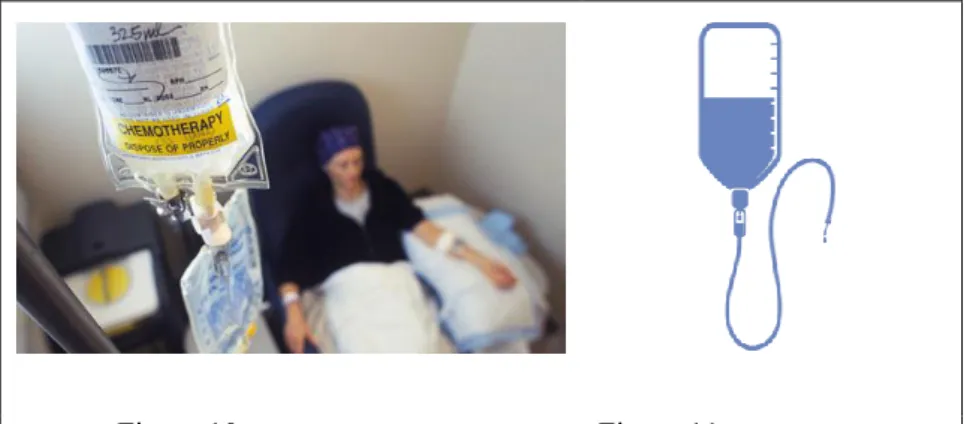
(15) Juan Antonio Prieto-Velasco & Vicent Montalt-Resurrecció. 210. 5. Discussion Most of the patients surveyed think images rarely make reading easier, and half of them feel their contribution to comprehensibility is limited, whereas the other half believe images enhance comprehensibility to a large extent. The participants were asked to think carefully about the role of images in relation to the text. They acknowledged that images do lead to a better understanding of the text, particularly when they are not familiar with the topic and the key concepts represented both verbally and graphically in the text are unknown. As a consequence, when the patients were asked about images again later in the survey, most of them turned to thinking that pictures are a good complement to linguistic information. Then, readability seems to depend mainly on the complexity of the linguistic elements, whereas comprehensibility is linked to the cognitive effort needed to understand a concept. It is important to note that the concepts depicted in the text refer, to a great extent, to the adverse effects of chemotherapy and that the patients surveyed are either suffering or have suffered from cancer. This means that the patients’ experience with the disease may have an influence on how images are perceived. Consequently, replicating the study with both patients suffering from other diseases and healthy individuals is more than necessary. 5.1 Conceptual clarity and patient-friendliness Cancer patients participating in this study seemed to consider an image as more clarifying when it depicts an individual receiving intravenous therapy (see Figure 10) rather than a schematic representation of a drip. As this might be somewhat contradictory of the general preference shown towards schematic images, it would be advisable to check whether, for other types of patient, Figure 11 is also clear and representative of the concept CHEMOTHERAPY, or ambiguous. The latter finding would suggest that pictures, like other modes of representation, may be polysemous and therefore refer to different concepts.. Figure 10: CHEMOTHERAPY. Figure 11: CHEMOTHERAPY. However, the patients acknowledged Figure 11 to be more patient-friendly, since it does not invoke, either explicitly or implicitly, the painful experiences the patients may have lived through. Something similar occurs with images depicting MUSCLE PAIN and PARESTHESIA. These images disturb patients when they evoke a sensation of pain explicitly by conventionally using red areas whose intensity diminishes gradually from centre to periphery, as in Figure 14. This is why the patients usually prefer pictures such as those in Figures 12 and 13..
(16) Encouraging comprehensibility through multimodal patient information guides. Figure 12: PARESTHESIA. Figure 13: PARESTHESIA. 211. Figure 14: PARESTHESIA. The closer the negative connotation suggested by the depicted concept to the focus group patients’ vital experience, the more obvious this disturbing effect seems to be. Chemotherapy-induced alopecia is an adverse effect that was suffered by every patient surveyed. They therefore preferred a symbolic image depicting the concept indirectly (Figure 15) to a picture showing the effects of hair loss in cancer patients (Figure 16), or a detached hair lock (Figure 17), pictures that induce patients to remember unpleasant emotions they have already experienced.. Figure 15: ALOPECIA. Figure 16: ALOPECIA. Figure 17: ALOPECIA. Therefore, in our opinion, it seems preferable to use images which show how the traumatic event has been overcome, such as a symbolic picture, in the form of a pictogram (Figure 15), as pointed out by the patients in the focus group. Considering this, we can deduce that a) images depicting negative features disturb patients, even evoke disgust and therefore provoke rejection; b) iconic, realistic images tend to be the clearest; c) the simpler, more schematic the image is, the better it highlights the core features of concepts and the more comfortable patients will feel with it. Curiously, the image we initially thought to be the clearest (Figure 14) is the one patients consider to represent the concept less clearly, probably due to the depiction of the neurological spot where pain, tingling and tickling (characteristic of paresthesia) originates. The patients also found this image to be in no way clarifying; instead, they were more interested in understanding the consequences of such adverse effect (Figures 12 and 13). The patients pointed out that several medical concepts which were relevant to them were not included as images in the documents. They would have appreciated images of, for example, mucitis, myelosuppression, paresthesia or sensory ataxia. Knowing about them in advance would have helped them to understand and identify them if they had occurred during treatment. Some relevant concepts may, however, be too abstract to be shown in images—for example, HYPERSENSITIVITY and EXTRAVASATION—or could be considered both unnecessary and in bad taste (VOMIT or DIARRHOEA)..
(17) 212. Juan Antonio Prieto-Velasco & Vicent Montalt-Resurrecció. 6. Conclusions Before the making our concluding remarks, it should be noted that this research is a case study using a limited corpus consisting of a single text and that our survey sample is neither large nor representative enough for the generalization of results to our study population: patients reading information guides. The limited corpus used, the small survey sample and the limited number of participants in the focus group do not allow us to generalize to all patients reading information sheets containing medical information. We started from the premise that patient information documents written by experts usually do not consider patients’ expectations and do not meet their need for easy-tounderstand medical information. In our opinion, that is where the translators’ contribution lies, for they are skilled in rebuilding meaning for a target audience by means of a wide range of mainly linguistic strategies (determinologization, exemplification, paraphrasis, etc.) which should from now on evolve to include intermodal resources such as the visual representation of specialized concepts. In the current multimodal scenario, texts (including also domain-specific texts) are no longer merely linguistic, but they involve different semiotic modes of knowledge representation, which need to be added to the translators’ repertoire of skills. The translation of multimodal patient information guides is an intrinsically interlingual process which now implies intermodal translation strategies, particularly through the depiction of specialised concepts. For the sake of visual representation, translators must be aware not only of the concept’s most salient characteristics, but also of the patients’ expectations, background knowledge, information needs and interests, so that the text may be received and perceived as originally produced for the target audience using clear, patient-friendly images. We assume that conceptual clarity, considered as concept-image univocity, is linked to the patient-friendliness with which patients perceive images and this, in turn, is associated with their life experience of the concept depicted: the adverse effects of chemotherapy on cancer patients. From a multimodal perspective, our surveyed patients tend to prefer patient-friendly non-disturbing images, which they usually perceive as the clearest and most representation of the depicted concept, whether they are presented within a text or not. Images seem to be a meaningful visual representation of concepts which may complement a text to make it easier for patients to grasp those features of specialised concepts that would otherwise require deeper explanation for them to be understood. However, some limitations regarding the use of images are reported. The results show that we can provisionally conclude that, generally, images help patients to better understand patient information guides, especially if the guides clearly depict the core characteristics which define the concept and do not make patients feel uncomfortable. To sum up, patients prefer images that are less realistic than photographs, especially figurative or metaphorical representations, provided they do not recall unpleasant past events. Emotional aspects of verbal and non-verbal medical communication in general, and in doctor–patient communication in particular, need more research. Further work is needed on image perception and reception using a larger sample of participants and a greater variety of text genres to test conceptual clarity and patient-friendliness. Patient information guides should be written collaboratively. Healthcare providers, patients, translators, medical writers and illustrators all have a part to play in ensuring that patients’ expectations and needs are met. In the current audiovisual and multimodal culture the ultimate objective must be to involve patients in the treatment of their illness and increase their quality of life by providing them with comprehensible texts which clarify important issues and avoid unnecessary anxiety..
(18) Encouraging comprehensibility through multimodal patient information guides. 213. References Basagoiti I. (Ed.) (2012). Alfabetización en salud. De la información a la acción, Valencia: ITACA/TSB. Accessible at: http://www.salupedia.org/alfabetizacion. Blanco Pérez, A., & Gutiérrez Couto, U. (2002). Legibilidad de las páginas web sobre salud dirigidas a pacientes y lectores de la población general. Revista Española De Salud Pública, 76(4), 321–331. Borja Albi, A., García-Izquierdo, I., & Montalt-Resurrecció, V. (2009). Research methodology in specialized genres for translation purposes. The Interpreter and Translator Trainer, 3(1), 57–77. Centers for Disease Control and Prevention. (2009). Simply put: A guide for creating easy-to-understand materials. Author: Atlanta GA. Accessible at: https://www.cdc.gov/healthliteracy/pdf/Simply_Put.pdf. Faber, P., León Araúz, P., Prieto-Velasco, J. A., & Reimerink, A. (2007). Linking images and words: The description of specialized concepts. International Journal of Lexicography, 20(1), 39–65. Fritzsche, K., Schweickhardt, A. Frahm, G., Diaz Monsalve, S., Afshar Zanjani, H., & Goli F. (2014). Doctor-patient communication. In K. Fritzsche, S., McDaniel, & M. Wirsching (Eds.), Psychosomatic Medicine (pp. 33-50). New York, NY: Springer. García-Izquierdo, I. (2002). El género: Plataforma de confluencia de nociones fundamentales en didáctica de la traducción, Discursos, Série Estudos de Traduçao, 2, 13-20. García-Izquierdo, I. (2009). Divulgación médica y traducción: El género Información para pacientes. Bern: Peter Lang. García-Izquierdo, I. (2016). Organising specialized/medical Knowledge for academic and professional settings: The case of Patients Information Genres. In G. Garzone, D. Heaney, & G. Riboni (Eds.), LSP research, teaching and translation across languages and cultures (pp. 148–167). London: Cambridge Scholars. García-Izquierdo, I., & Montalt-Resurrecció, V. (2014). Equigeneric and intergeneric translation in patientcentred care, Hermes, 51, 39–52. García-Izquierdo, I., & Muñoz-Miquel, A. (2015). Los folletos de información oncológica en contextos hospitalarios: La perspectiva de pacientes y profesionales sanitarios. Panace@, 16(42), 225–231. Hashim M. J. (2017). Patient-centered communication: Basic skills. Am Fam Physician, 95(1), 29–34. Jakobson, R. (1959). On linguistic aspects of translation. In R. A. Brower (Ed.), On translation (pp. 232– 239). Cambridge, MA: Harvard University Press. Jiménez Crespo, M. A., & Tercedor Sánchez, M. (2016). Lexical variation, register and explicitation in medical translation: A comparable corpus study of medical terminology in US websites translated into Spanish. Translation and Interpreting Studies, 12(3), 405–426. Kress, G., & van Leeuwen, T. (1996). Reading images: The grammar of visual design. London: Routledge. Kress, G., & van Leeuwen, T. (2001). Multimodal discourse: The modes and media of contemporary communication. London: Arnold. Mayor Serrano, B. (2008). Cómo elaborar folletos de salud destinados a los pacientes. Barcelona: Fundación Dr. Antonio Esteve. (Series Cuadernos de la Fundación Dr. Antonio Esteve no. 14). McAlister, A. L. (2013). Health communication. In D. Venes (Ed.), Tabers’s cyclopedic medical dictionary (22nd ed., pp. 2263–2265). Philadelphia, PA: Davis. Melby, A., Fields, P., Hague, D., Koby, G. S., & Lommel, A. (2014). Defining the landscape of translation. Revista Tradumàtica: Tecnologies de la traducció, 12, 392–403. Montalt-Resurrecció, V. (2005). Manual de traducció cientificotècnica. Vic: Eumo. Montalt-Resurrecció, V., & González Davies, M. (2007). Medical translation step by step: Translation practices explained. Manchester: St. Jerome. Montalt-Resurrecció, V., & Shuttleworth, M. (2012). Research in translation and knowledge mediation in medical and healthcare settings, Linguistica Antverpiensia New Series, 11, 9–29. Morgan, D. L. (1996). Focus groups. Annual Review of Sociology, 22, 129–152. Nutbeam, D. (2015). Defining, measuring and improving health literacy, Health Evaluation and Promotion, 42(4), 450-455. O’Sullivan, C. (2013). Introduction: Multimodality as challenge and resource for translation. The Journal of Specialised Translation, 20. Available online at http://www.jostrans.org/issue20/art_osullivan.pdf.
(19) 214. Juan Antonio Prieto-Velasco & Vicent Montalt-Resurrecció. Pérez-González, L. (2014). Multimodality in translation and interpreting studies: Theoretical and methodological perspectives. In S. Bermann & C. Porter (Eds.), A companion to translation studies (pp. 119–131). Chichester: Wiley-Blackwell. Pilegaard, M. (2016). The ethics of informed consent: An applied linguistics perspective. In P. OrdóñezLópez & N. Edo-Marzá (Eds.), Medical discourse in professional, academic and popular settings (pp. 79–102). Bristol: Multilingual Matters. Prieto-Velasco, J. A., & Faber, P. (2012). Graphical information. In P. Faber, (Ed.), A cognitive linguistics view of terminology and specialized language (pp. 225–248). Berlin: De Gruyter Mouton. Prieto-Velasco, J. A., & López-Rodríguez, C. I. (2009). Managing graphic information in terminological knowledge bases, Terminology, 15(2), 179–213. Prieto-Velasco, J. A., & Tercedor-Sánchez, M. (2014). The embodied nature of medical concepts: image schemas and language for pain. Cognitive Processing, 15(3), 283–296. Silverman, J., Kurtz, S., & Draper, J. (2004). Teaching and learning communication skills in medicine (2nd ed.). London: CRC. Snell-Hornby, M. (2009). What’s in a turn? On fits, starts and writings in recent translation studies. Translation Studies, 2(1), 41–51. Tercedor-Sánchez, M. (2017). Bases cognitivas de la variación terminológica en medicina. In C. Vargas Sierra & M. A. Candel Mora (Eds.), Temas actuales de terminología y estudios sobre el léxico (pp. 27–48). Granada: Comares. Torresi, I. (2007). Translating the visual: The importance of visual elements in the translation of advertising across cultures. In K. H. Ryou & D. Kenny (Eds.), Across boundaries: International perspectives on translation studies (pp. 38–55). Newcastle: Cambridge Scholars. Wolfer, S. (2015). Comprehension and comprehensibility. In K. Maksymski, S. Gutermuth, & S. HansenSchirra, (Eds.), Translation and comprehensibility: Arbeiten zur Theorie und Praxis des Übersetzens und Dolmetschens, Volume 72 (pp. 33–52). Berlin: Frank & Timme.. _____________________________. 1 This research is part of the project Análisis de necesidades y propuesta de recursos de información escrita para pacientes en el ámbito de la Oncología (MedGentt) (FFI2012-34200) [Needs analysis of and proposal for written information resources for oncology patients], directed by Dr García-Izquierdo (Universitat Jaume I, Spain), and the project Léxico combinatorio en medicina: cognición, texto y contexto (CombiMed) (FFI2014-51899-R) [CombiMed, Lexical Combinations in Medicine: Cognition, Text and Context], directed by Dr Tercedor-Sánchez and Dr López-Rodríguez (Universidad de Granada, Spain), both funded by the Spanish Ministry of Economy and Competitiveness..
(20)
Figure



+5



Documento similar
Keywords: iPSCs; induced pluripotent stem cells; clinics; clinical trial; drug screening; personalized medicine; regenerative medicine.. The Evolution of
In the previous sections we have shown how astronomical alignments and solar hierophanies – with a common interest in the solstices − were substantiated in the
Díaz Soto has raised the point about banning religious garb in the ―public space.‖ He states, ―for example, in most Spanish public Universities, there is a Catholic chapel
The broad “WHO-ICF” perspective on HrWB provided at Figure 1 has a significant implication also for HRQoL. The develop- ment of ICF and its conceptual approach has challenged to
Finally, we will explore the role of navigable images compared to the still images in the level of anxiety, sense of presence, and reality judgement in the exposure
In fact in terms of the production of engravings, the Iberian territories were unable to follow the other European territories 71 .The images created for the Portuguese
In the preparation of this report, the Venice Commission has relied on the comments of its rapporteurs; its recently adopted Report on Respect for Democracy, Human Rights and the Rule
PET images showed abnormal high intensity uptake surrounding the aortic territory, and fusion images confirmed the inflammation activity limited to the outer wall of
