
The convergence of corporate social responsibility and business growth in deriving collateral effects on business and society
248
0
0
Texto completo
(2) EGADE BUSINESS SCHOOL, TECNOLOGICO DE MONTERRY. DOCTORA TE IN ADMINISTRATIVE SCIENCES. The convergence of corporate social responsibility and business growth in deriving collateral effects on business and society Andrée Marie López-Femández Research Committee: Dr. Rajagopal Dr. Ricardo Lino Mansilla Corona Dr. María de la Concepción Atristain Suárez. 10/1/2015.
(3) Table of Contents Executive Summary .............................................................................................................. 1O Acknowledgements .............................................................................................................. 13 Chapter 1 Introduction .......................................................................................................... 15 1.1 Background ................................................................................................................. 16 1.2 Corporate social responsibility's context.. .................................................................. 21 1.3 Significance ofthe study ............................................................................................. 23 1.4 Research problem ....................................................................................................... 25 1.5 Definition of Tenns .................................................................................................... 28 1.6 Organization of the thesis ........................................................................................... 31 Chapter 2 Research Objectives ............................................................................................. 32 2.1 General objective (G0) ............................................................................................... 33 2.2 Specific objectives (SO) ............................................................................................. 33 2.3 Justification and theoretical motivation ...................................................................... 36 2.4 Principal research questions (RQ) .............................................................................. 38 2.5 Contributions ofresearch to the existing literature ..................................................... 39 Chapter 3 Literature Review and Hypotheses ..................................................................... .43 3 .1 Literature Review ....................................................................................................... 44 3.1.1 Strategy ................................................................................................................. 44 3.1.2 Corporate Social Responsibility ........................................................................... 45 3.1.3 Stakeholders ......................................................................................................... 49 3.1.4 Communication and transparency ........................................................................ 54 3.1.5 Media effect .......................................................................................................... 55 3.1.6 Business growth: volume of business, market share, profitability and competitiveness ............................................................................................................. 60 Page 12.
(4) 3.2 Hypotheses Framework .............................................................................................. 63 3.2. l Strategy................................................................................................................. 63 3.2.2 Stakeholders ......................................................................................................... 63 3.2.3 Social media and consumerism ............................................................................ 64 Chapter 4 Study Design ·············································~························································· 68 4.1 Sampling ..................................................................................................................... 69 4.2 Instrument design ........................................................................................................ 70 4.2.l Semi-structured survey ......................................................................................... 70 4.2.2 CSR reporting table .............................................................................................. 72 4.3 Pilot Testing-Instrument Validity ............................................................................ 73 4.3.1 Focus group .......................................................................................................... 74 4.3.2 Semi-structured pilot survey ................................................................................ 76 4.3.3 CSR reporting table .............................................................................................. 84 4.4 Data collection ............................................................................................................ 85 4.4.1 Semi-structured survey ......................................................................................... 85 4.4.2 CSR reporting table .............................................................................................. 86 4.5 Construct ofMeasurements ........................................................................................ 87 4.6 Non parametric tests ................................................................................................... 88 Chapter 5 Data Analysis and Findings ................................................................................. 89 5 .1 N ature of the data ........................................................................................................ 90 5.2 Variables in relation to hypotheses ............................................................................. 91 5 .3 Descriptive statistics ................................................................................................. 1O1 5.4 Instrument analysis ................................................................................................... 107 5.4.1 Semi-structured Survey ...................................................................................... 107 5.4.2 CSR reporting table ............................................................................................ 109 Page 13.
(5) 5.5 Hypotheses testing .................................................................................................... 112 5.5.l Strategy............................................................................................................... 112 5.5.2 Stakeholders ....................................................................................................... 120 5.5.3 Social media and consumerism .......................................................................... 132 5.6 General discussion .................................................................................................... 180 5.6.1 Stakeholders ....................................................................................................... 180 5.6.2 Firms' engagement in CSR ................................................................................ 191 5.6.3 Collateral effects on business and society .......................................................... 193 Chapter 6 Conclusions ........................................................................................................ 198 6.1 Managerial lmplications ........................................................................................... 199 6.2 Conclusions ............................................................................................................... 212 6.3 Limitations of the study ............................................................................................ 214 6.4 Directions for future research ................................................................................... 214 Referen ces .......................................................................................................................... 216 Appendices ......................................................................................................................... 236. Page 14.
(6) Tables Table 1.1 Definition of tenn ................................................................................................. 28 Table 2.2 Objectives Summary ............................................................................................ 35 Table 3.1 Chronology of social responsibility and corporate social responsibility ............. .46 Table 3.2 Hypotheses association with previous literature .................................................. 65 Table 4.1 CSR reporting table .............................................................................................. 73 Table 4.2 Grouped Variables ................................................................................................ 74 Table 4.3 Survey pilot test- Descriptive statistics [n=42] .................................................... 76 Table 4.4 Regression coefficients of study variables [n=42] ............................................... 79 Table 4.5 Pilot test correlation of attributes [n=42] ............................................................. 81 Table 4.7 Firms reporting on CSR ....................................................................................... 87 Table 4.6 Construct of measurements .................................................................................. 88 Table 5 .1 Consumption ........................................................................................................ 91 Table 5.2 Preference for CSR ............................................................................................... 92 Table 5.3 Willingness to pay more ....................................................................................... 92 Table 5.4 Perception of added value .................................................................................... 93 Table 5.5 Perception of commitment towards society ......................................................... 93 Table 5.6 Stakeholder Satisfaction ....................................................................................... 94 Table 5.7 Awareness ofCSR ................................................................................................ 94 Table 5.8 lmportance ofCSR ............................................................................................... 95 Table 5.9 Perception ofReputation ...................................................................................... 96 Table 5.1 O Communication via Facebook ............................................................................ 96 Table 5.11 Communication via Twitter ................................................................................ 97 Table 5 .12 Switching behavior ............................................................................................. 97 Table 5.13 Frequency ofuse Facebook ................................................................................ 98 Table 5 .14 Frequency of use Twitter .................................................................................... 98 Table 5.15 Positive Word-of-mouth via Facebook .............................................................. 99 Table 5 .16 Positive Word-of-mouth via Twitter ................................................................ l 00 Table 5 .17 Negative Word-of-mouth via Facebook ........................................................... 100 Table 5 .18 Negative Word-of-mouth vía Twitter ............................................................... l Ol Table 5. l 9a Descriptive statistics per variable ................................................................... l 02 Page 15.
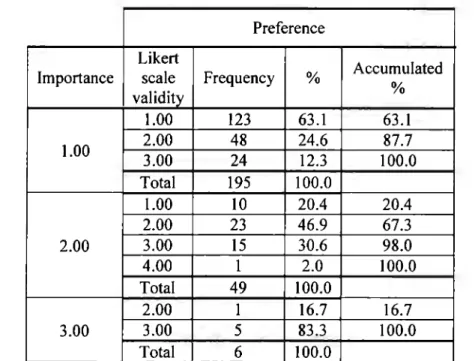
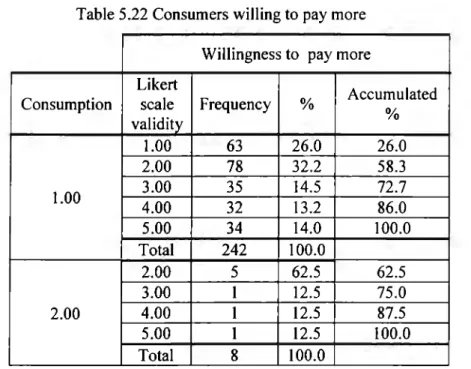
(7) Table 5.19b Descriptive statistics per variable ................................................................... 106 Table 5.20 Consumer preference for socially responsible Firms ....................................... 114 Table 5.21 Preference for socially responsible firms and importance of CSR ................... 115 Table 5.22 Consumers willing to pay more ........................................................................ 116 Table 5.23 Willingness to pay more and importance of CSR ............................................ 117 Table 5.24 Consumers' perception of added value ............................................................ 118 Table 5.25 Perception of added value and importance ofCSR .......................................... 119 Table 5.26 Stakeholder satisfaction and awareness ............................................................ 123 Table 5.27 Perception of commitment with society and awareness ................................... 124 Table 5.28 Importance of CSR and stakeholder satisfaction .............................................. 126 Table 5.29 Preference for socially responsible firms and stakeholder satisfaction ............ 127 Table 5.30 Perception of added value and stakeholder satisfaction .................................. 128 Table 5.31 Willingness to pay more and stakeholder satisfaction ..................................... 130 Table 5.32 Perception of commitment and stakeholder satisfaction .................................. 131 Table 5.33 Perception of reputation based on communication via Twitter ........................ 134 Table 5.34 Perception of reputation based on communication via Facebook .................... 136 Table 5.35 Consumer satisfaction ...................................................................................... 139 Table 5.36 Switching behavior based on satisfaction ........................................................ 140 Table 5.37 Satisfaction based on communication via Facebook ........................................ 141 Table 5.38 Satisfaction based on communication via Twitter ........................................... 142 Table 5.39 Twitter communication and frequency of use .................................................. 145 Table 5.40 Facebook communication and frequency ofuse .............................................. 146 Table 5.41 Consumption related to positive word-of-mouth via Facebook ....................... 148 Table 5.42 Consumption related to positive word-of-mouth vía Twitter ........................... 149 Table 5.43 Preference related to positive word-of-mouth vía Facebook ........................... 151 Table 5.44 Preference related to positive word-of-mouth via Twitter ............................... 153 Table 5.45 Willingness to pay more related to positive word-of-mouth via Facebook ..... 155 Table 5.46 Willingness to pay more related to positive word-of-mouth via Twitter ......... 158 Table 5.47 Perception of added value related to positive word-of-mouth via Facebook ... 160 Table 5.48 Perception of added value related to positive word-of-mouth via Twitter ....... 162 Table 5.49 Consumption related to negative word-of-mouth via Facebook ...................... 164 Page 16.
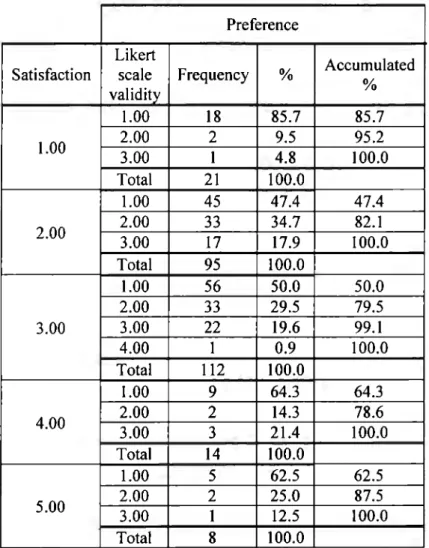
(8) Table 5.50 Consumption related to negative word-of-mouth via Twitter .......................... 165 Table 5.51 Preference related to negative word-of-mouth via Facebook .......................... 167 Table 5.52 Preference related to negative word-of-mouth via Twitter .............................. 169 Table 5.53 Willingness to pay more related to negative word-of-mouth via Facebook .... 171 Table 5.54 Willingness to pay more related to negative word-of-mouth via Twitter ........ 174 Table 5.55 Perception of added value related to negative word-of-mouth via Facebook .. 177 Table 5.56 Perception of added value related to negative word-of-mouth via Twitter ..... 179 Table 5.57 Regression Coefficients .................................................................................... 181 Table 5 .5 8 Correlation of attributes [n=250] ..................................................................... 190 Table 5.59 Firms' level of compliance ............................................................................... 191 Table 5.60 Firms' percentage of compliance ..................................................................... 192 Table 5.61 Analyzed firms' standing on MDGs ................................................................. 196 Table 5.62 Analyzed firms' status regarding the UN Global Compact.. ............................ 196 Table 5.63 Analyzed firms' alignment with the MDGs and Global Compact's principies 197 Table 6.1 Summary of hypotheses ..................................................................................... 21 O. Page 17.
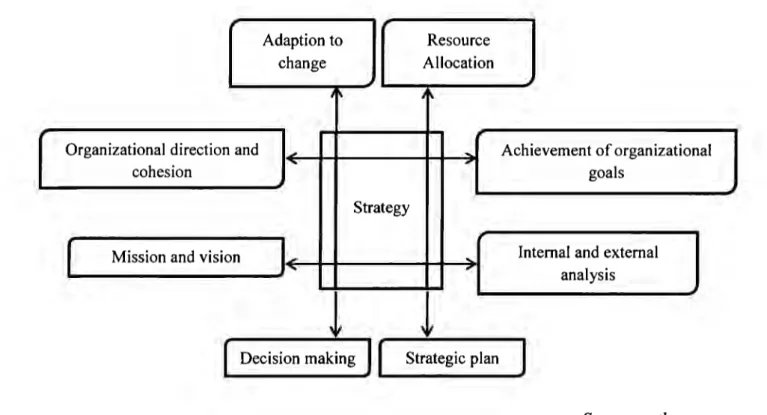
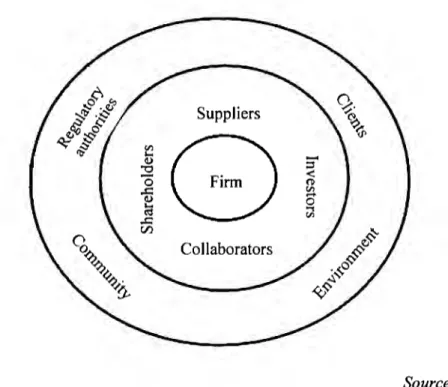
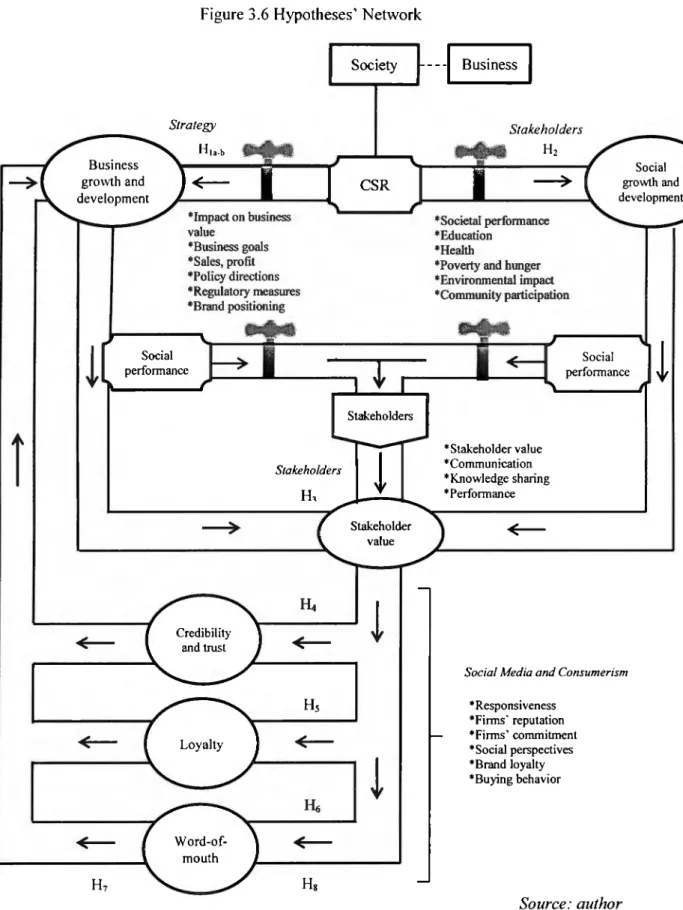
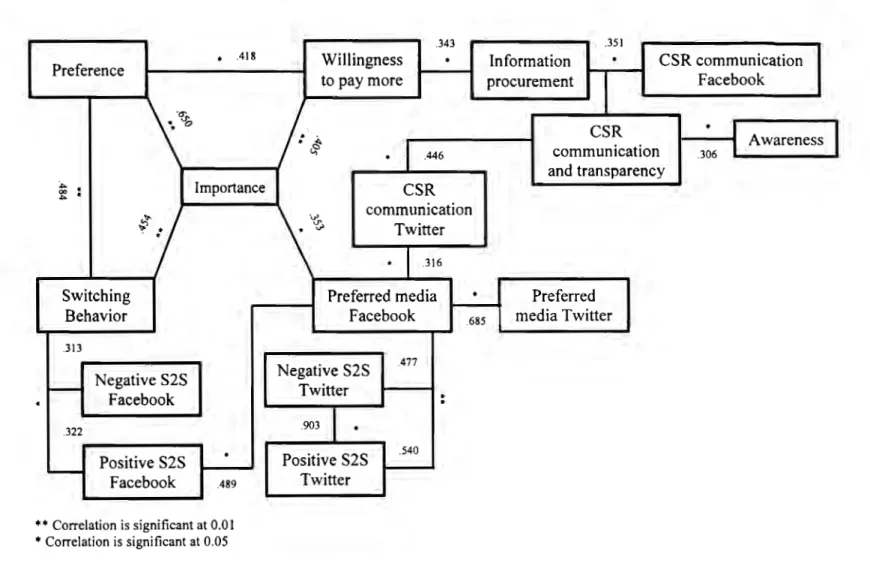
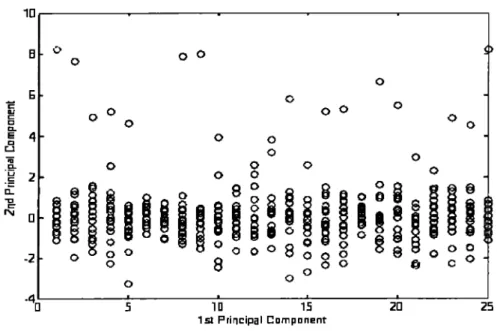
(9) Figures Figure 2.1 Contribution to previous research ...................................................................... .42 Figure 3.1 Eight basic approaches to the use ofstrategy .................................................... .44 Figure 3.2 Churning CSR implications: Review of previous studies .................................. .48 Figure 3.3 Commonly recognized stakeholders ................................................................... 50 Figure 3.4 Potential post impact on stakeholders' perspectives ........................................... 59 Figure 3.5 Potential post impact of stakeholders' perspectives on firms ............................. 60 Figure 3.6 Hypotheses' Network .......................................................................................... 67 Figure 4.1 Pilot test's correlation of attributes ..................................................................... 83 Figure 4.2 Principal Component Analysis ............................................................................ 84 Figure 4.3 Respondents by sex and gender .......................................................................... 85 Figure 4.4 Total respondents by age range ........................................................................... 86 Figure 5.1 Dendrogram ofhighly correlated variables ...................................................... 184 Figure 5.2 Correlation ofattributes for hypothesis one (H 1) •••••••••••••••••••••••••••••••••••••••••••••• 185 Figure 5.3 Correlation of attributes for hypothesis two (H 2) •••••..•.•••••.••..••••.••..•.....••.••.•....• 185 Figure 5.4 Correlation of attributes for hypothesis three (H 3) ••••....•.••.•..••.••..•..•..•..••....••.... 186 Figure 5 .5 Correlation of attributes for hypothesis four (H4 ) •••••••••••••••••••.••••••••••••••••••••••••• 186 Figure 5.6 Correlation of attributes for hypothesis five (H 5). •••••••••••••••••••••••••••••••••••••••••••••. 187. Figure 5. 7 Correlation of attributes for hypothesis six (H 6) ••••••••••••••••••••••••••••••••••••••••••••••• 188 Figure 5.8 Correlation ofattributes for hypothesis seven (H 7). •••••••••••••••••••••••••••••••.••••••••••. 188. Figure 5.9 Correlation of attributes for hypothesis eight (H 8) •••••••••••••••••••••••••••••••••••••••••••• 189 Figure 5 .1 O Cluster analysis results .................................................................................... 193 Figure 5.11 Potential collateral effects on society .............................................................. 195 Figure 6.1 Cyclical process of corporate social responsibility ........................................... 199 Figure 6.2 Relationship between CSR and business growth .............................................. 200 Figure 6.3 Collateral effects of CSR on business and society ............................................ 203 Figure 6.4 Impact of word-of-mouth on business growth .................................................. 206. Page. 18.
(10) Appendices Appendix 1 Metropolitan Area ofthe Valley ofMexico (Greater Mexico City) .............. 237 Appendix 2 Focus Group Instrument ................................................................................. 238 Appendix 3 Survey Instrument ........................................................................................... 240 Appendix 4 Principal Component Analysis' results ........................................................... 244 Appendix 5 Descriptive statistics per variable ................................................................... 245. Page 19.
(11) Executive Summary Theorists and organizational leaders have been concerned with their responsibility pertaining society for at least half a century. Corporate social responsibility (CSR) is in itself a strategy, as organizations display efforts to take part in the social sphere as conscientious parties. Corporate social responsibility is a concept that has been transforrned throughout decades, being impacted by each decade's advancements and crises; it has been considered to be a source to better stakeholders' satisfaction, improve corporate image, and has now been mostly related to the enhancement of social benefits. In arder to effectively create positive collateral effects on business and society, organizations should converge corporate social responsibility strategies with business growth strategies. Organizations stem from and are surrounded by society; therefore, there is an undeniable symbiotic relationship that takes place with their emergence. It is clear that firrns may not survive without the active and continuous participation of society in their operations, the same way that society has become accustomed to the fulfillment of needs offered by said firrns. Hence, business and society are interconnected. Businesses that take on part of the responsibility of social issues, at least in the community surrounding said firrns, do so through the implementation of what we have come to know as corporate social responsibility. Firms, today, should maintain a strong connection with current and potential stakeholders to be able to ensure long-terrn survival, which includes transparent communication of their CSR efforts. The context of the society in which a firm operates is an important factor when it comes to the implementation of corporate social responsibility practices. Meaning that, societies with healthy democracies and/or with basic needs being met will most likely have an active civil society prepared to enforce firm accountability. And vice versa, societies with poor democracies and/or a lack of basic needs being received are likely to have less than active civil societies. As such, the Mexican society is somewhat placed in the middle, where civil society is taking its first steps in exhorting firrns to do the right thing, to actively and proactively engage in corporate social responsibility.. Pagel 10.
(12) Socially responsible firms appeal to current and potential stakeholders' values, and overall moral compass. Therefore, corporate social responsibility has the potential to improve stakeholder satisfaction and value, and positively impact the firm's market share, as their attitude towards the firm improves. Thus, the communication of a firm's engagement in corporate social responsibility is essential to stakeholders' perspectives. The foremost benefit of social networks is the number of users, which are, largely, potential stakeholders; therefore, as firms position themselves on social networks, they are able to transmit their corporate social responsibility efforts to various stakeholders and utilize such platforms as a means to promote the effective execution of their strategies. The word-of-mouth occurring on social networking sites, then, has the potential to impact stakeholders' perspectives regarding a brand and/or a firm. The study is intended to explore the collateral effects and implications of the convergence of corporate social responsibility and business growth on business and society. Therefore, a deductive approach has been selected in order to describe three particular points of view; first, from the stakeholders' perspective, second, business practices and, third, social media and consumerism. The overall methodological approach is mixed, that is, quantitative with qualitative methods. Questionnaires were administered in the Metropolitan Area of the Valley of Mexico (Greater Mexico City) with a Mexican company placed at the center of the study due to its dynamic engagement in corporate social responsibility. Two hundred and fifty semi-structured surveys, from a purposively selected sample size, were administered with women and men in order to obtain stakeholders' perspectives. And, two hundred and twenty six organizations operating in Mexico were analyzed to evaluate their dynamism in corporate social responsibility and derive collateral effects on business and society. A general objective and four specific objectives outline the purpose of the research, and a total of eight hypotheses were framed to evaluate the effects of the convergence of CSR with business growth as well as the collateral effects on business and society. Seven of the eight hypotheses have been successfully established offering substantial findings to support the study's objectives. Findings suggest that current and potential stakeholders are considerably knowledgeable of the essentials of corporate social responsibility. Corporate Page. 111.
(13) social responsibility is not only an important trait that adds value to stakeholders, but it also has the potential to alter purchase decision making, switching behavior, and is a strong motivator for stakeholder word-of-mouth via social networking sites. In reference to firm dynamics in corporate social responsibility, firms operating in Mexico have not fully immersed in the essentials and practices of corporate social responsibility. Such firrns have, therefore, not yet obtained full-fledged benefits from their engagement in corporate social responsibility. Thus, it has become clear that firms have a long way to go to effectively tackle the social issues surrounding them whilst tending to their core responsibilities. However, corporate social responsibility is a strong, solid, strategy that enables firms to be agents of change, by which a sustained growth and development for both business and society may be attained.. Page 112.
(14) Acknowledgements The process I experienced to begin and complete this research has well proven that it takes a village. 1 am extremely fortunate to have had such an outstanding support team that encouraged, consoled and uplifted me, and advocated for me. They have enriched the entire process and outcome ofthis research. First and foremost I would like to express my deepest gratitude to Dr. Rajagopal, who expertly guided me throughout my doctoral endeavors. The joy and passion he has for research is undeniably inspirational, one might even say contagious as I strive for those moments of curiosity and accomplishment met with research. lt has truly been an honor to be Professor Rajagopal's student and research scholar. 1 thank him for every lesson taught, the time and effort dedicated, his unparalleled contributions, and insatiable enthusiasm and thirst for knowledge. Dr. Rajagopal provided a panoramic view in which success is a given provided hard work is offered. He always believed in me and championed me; for ali of the above and many more qualities, I am sincerely grateful. I gratefully acknowledge the members of my committee. 1 thank Dr. Connie Atristain Suárez for her contributions as they have significantly and positively impacted the outcome of this research. I would like to thank Dr. Ricardo Mansilla who provided invaluable lessons and contributions to my research, as well as continuous support, and for his genuine kindness. His contribution began when I was his student; Professor Mansilla gave me something much more significant and powerful, he showed me that I could do what for so many years 1 had repeatedly heard was unachievable, as such, I am very grateful. Surely and without hesitation, this research could not have been fulfilled without the unconditional and continuous support from the most important people in my life. They have believed in me from the very beginning; their unconditional lave and support have helped me conquer ali obstacles, they are the building blocks of this research, they are my parents. Their courage, self-sacrifice, determination, virtue, and magnanimity are indisputably worthy of utmost respect and admiration. Thank you Ana Josefina Femández. Pagel 13.
(15) Isla and Federico López Flores for showing me what living on the moon means, you are truly the best mentors anyone could ask for. I thank my beloved siblings Renée Valentina López-Femández and Jacques Emiliano López Andalco for their love and support, and for believing in me, their words of wisdom, sincerity and, especially, their infectious happiness. Although I remain in the middle, 1 will always look up to them both, they are champions, and they are ali that is good in this world. 1 would like to thank Erika Elena Andalco Hernández for her constant support, her genuine kindness, and encouragement. I wholeheartedly express my gratitude to Dr. Adriela Femández Isla and Dr. Thomas W. Hertel who I deeply admire and from afar made me feel as they were next to me. Their unconditional support and love have certainly transcended in this work. 1 would like to express my utmost gratitude to those that accompanied me through the process, taking each step with me. They lent an ear when writer's block threatened to prevail, a shoulder to lean on when fatigue struck, and words of encouragement when strength to continue was most needed. 1 am etemally grateful to: my accomplice Víctor Manuel. Enguilo Solís, and my dearest friends Carla Patricia Sánchez Berna!, Tzeythel Ofelia Gómez Urtuzuaztegui, Karla Eugenia De la Garza Galnares ami, Azriel Alonso Hernández García. I thank the director and staff of the doctoral department at the EGADE Business School for providing support and cooperation during the process of dissertation. Finally, 1 would like to thank ali those people that along the way told me that it was not possible. They have surely helped me further prove that "Education is the most powerful weapon which you can use to change the world" (Nelson Mandela, 1993).. Pagel 14.
(16) Chapter 1 Introduction. . -··-··-··-··-··-·. Pagel 15.
(17) 1.1 Background Theorists and organizational leaders have been concemed with their responsibility pertaining society for at least half a century. Corporate social responsibility (CSR) is a concept that has been transfonned throughout decades, being impacted by each decade's advancements and crises. Corporate social responsibility has been considered to be a source to better stakeholders' satisfaction, improve corporate image, and has now mostly been related to the enhancement of social benefits. There are certain salient events that have certainly impacted the evolution of corporate social responsibility, both in its definition as a concept as well as in its implementation; such social, political, economic, environmental, and business dynamics may be visualized by decade. The beginning of the Korean War, Apartheid in South A frica, the development of the first color TV and car seat belts, first organ transplant, discovery of DNA, and the Warsaw pact being signed, stunned everyone during the 1950s. Further, Rosa Parks, the first lady of civil rights, refused to give up her seat on a bus, Disney land opened, McDonald's was founded, the Hungarian revolution was instigated, the European Economic Community was established, NASA was founded, Fidel Castro became Cuba's dictator, and the peace symbol was created. Meanwhile, the notion of responsible business practices was presented in 1949 by Bemard Dempsey (Dempsey, 1949). In 1951, Frank Abrams stated that management's responsibilities went beyond the fostering of profit, and added that special attention should be made to stakeholders, including consumers, collaborators and society (Abrams, 1951 ); and it was Howard Bowen who coined the tenn corporate social responsibility in 1953 (Bowen, 1953). These scholars provided the fundamentals ofwhat corporate social responsibility is today; furthennore, they instigated a longstanding conversation among scholars and practitioners aimed to detennine the nature of corporate social responsibility, its effects, benefits, and its ultimate need. The 1960s was a decade that marked history by tremendous events and movements that were instrumental in social changes. Chile was hit by the most powerful earthquake ever recorded, Bay of Pigs was invaded, and the Berlín Wall was built. The Peace Corps was founded, the Vietnam War continued, the Cuban Missile Crises was instigated, Soviets launched the first man into space, Neil Annstrong was the first man to walk on the moon, Pagel 16.
(18) and Valentina Vladimirovna Tereshkova the first woman in space. Dr. Martin Luther King Jr. delivered his "I have a dream" speech, Nelson Mandela was sentenced to life in prison, John F. Kennedy and Ernesto "Che" Guevara were assassinated, and Yasser Arafat became the PLO's leader. Meanwhile, Keith Davis posited that social responsibility implied that managerial decisions made were, at least, somewhat focused on actions that differed frorn the firm' s economic and/or technical interests (Da vis, 1960). Further, Williarn Frederick stated that a firm's resources should be utilized both for business and for the achievement of social objectives (Frederick, 1960). The first Super Bowl was held in Los Angeles, the Tlatelolco Massacre occurred in the midst of the Olympic Games in Mexico and Woodstock epitomized musical greatness and freedom of speech. Moreover, the first Wal-Mart opened, ARPANET (Internet's precursor) was created, Sesarne Street premiered, and the audio cassette, artificial heart, A TM, and bar-code scanner were invented. Meanwhile, George Goyder proposed the notion that stakeholders could challenge and influence organizations through social audits (Goyder, 1961 ), and Joseph McGuire articulated that firms that are socially responsible should engage in actions that go beyond the economic and legal duties and focus on society (McGuire, 1963). Therefore, this decade, among other things, clearly illustrates the power of civil society and civil disobedience and, as such, stakeholders begin to be placed at the center of business dynarnics. The l 970s comprised events such as the Watergate scandal, Carnbodian genocide, Lebanon's civil war, abortion legalization in the United States, and Margaret Thatcher became the first woman Prime Minister of Great Britain. Moreover, the pocket calculator, Walkman, and cell phone were invented, Microsoft was founded, Star Wars was released, and the first test-tube baby was born. During such period, the concept of sustainable development was being debated seeking to solve environmental issues, and corporate responsibility was centered in the discussion of managerial practices as corporate social responsiveness and corporate ethics. Robert Ackerman posited that the importance of social responsibility lay in that businesses were ultimately responding to social needs (Ackerman, 1973). Further, social responsibility was being referred to as the intention to solve social issues that could be caused by a firm (Fitch, 1976), which suggests that an organization's Page 117.
(19) actions have been prejudicial to one or more interested parties; hence, this decade brought the notion of firm accountability. The l 980s brought a series of technological advancements such as disposable cameras, MS-DOS, the first IBM PC, CD-ROM, Apple Macintosh, and Windows. The human growth hormone was genetically engineered, the term virtual reality was coined by Jaron Lanier, and Prozac, the Doppler radar, and high-definition televisions were invented. The first woman was appointed to the U.S. Supreme Court, AIDS was identified as a new plague, and a hole in the ozone )ayer was discovered. "We are the world" was released simultaneously in 25 countries in response to famine in Ethiopia, stock markets crashed on "Black Monday", and the Berlin Wall fell. Meanwhile, Thomas Jones stated that corporate social responsibility constituted an obligation that ought to be performed on a voluntary basis and should tend to all parties interested, that is beyond shareholders (Jones, 1980). Throughout the l 980s, stakeholder theory was developed (Freeman, 1984), healthcare ethics were emphasized, business began to be present in the community, corporate social responsibility became part of management theory, and transparency issues arose due to ethical dilemmas such as bribes, illegal contracting, deceptive advertisement and financia) fraud. And, in 1987, the United Nations General Assembly, in the Report of the World Commission on Environment and Development, stated that sustainable development suggests achieving the present generation's needs without compromising those of future generations (United Nations, 1987). Further, Edwin Epstein argued that corporate social responsibility implied the achievement of organizational objectives with the minimal adverse results possible; he coined the term corporate social policy process that incorporated social responsibility, responsiveness, and business ethics (Epstein, 1987). The l 990s brought with it the launch of the Hubble telescope into space, the collapse of the Soviet Union, operation Desert Storm, the end of the Cold War, and the Rwanda genocide. South Africa repealed apartheid laws, Nelson Mandela was freed and elected President of South Africa, Princess Diana died, NA TO attacked Serbia, and the Euro became the European currency. The Internet became a challenge for cultural boundaries, and the World Wide Web (WWW), Internet protocol (HTTP), and WWW language (HTML) were created. The smart pill, Pentium processor, HIV protease inhibitor, Page j 18.
(20) DVD, Web TV and gas-powered fuel cell were invented, and the first sheep, Dolly, was cloned. The Earth Summit and the World Conference on Human Rights were held in Rio de Janeiro and Vienna respectively, the Kyoto Protocol was established, and the Millennium Bug (Y2K) caused panic. Business and society became active interested parties in global health issues, and ethical dilemmas regarding child labor, working conditions, financia) mismanagement and fraud were placed as priorities. As environmental management and corporate social performance became more relevant, firms participated for the first time in the UN Conference on Environment and Development, and business leaders associated with the World Business Council for Sustainable Development (WBCSD). UN Secretary General, Kofi Annan, exhorted business leaders to join the Global Compact in the World Economic Forum. Moreover, CSR Europe was established, the Financia! Times published a report on Responsible Business for the first time, and the Global Reporting Initiative was launched. Meanwhile, John Elkington coined the phrase "Triple Bottom Line" stating that environmental, social and financia) aspects should be included in business dynamics (Elkington, 1997). And, Sophia Muirhead argued that corporate social responsibility could provide substantial benefits for society, including education, culture, health, the community at large and selected partners (Muirhead, 1999). The turn ofthe millennium has offered an immense amount of advancements which have been accompanied by sever crises. Technological advancements include the artificial heart and liver, the fue! cell bicycle, smart phones, iPods, iTunes, iPads, the braille glove, birth control patch, rape drug spotter, virtual keyboard, hybrid car, translucent concrete, YouTube, Wikipedia, Facebook, and Twitter. Further, Anke Domaske introduced fabrics made from milk, smart watches and cloths, mobile X-rays, 30 printing, Instagram, Siri, and Pinterest were developed. The complete Human Genome's draft was published, a stem-cell assisted vein transplant was developed for the first time, Mars Odyssey was launched, the l OOth Space Shuttle mission (STS-92) flew, and images of the dwarf planet, Eris, were taken. Meanwhile, Bryan Husted proposed that corporate social performance is a function that is determined by the existing social issues and the business strategies implemented (Husted, 2000). Pagel 19.
(21) Natural disasters, massacres, nuclear device testing, airplane crashes, activists, protestors and riots, flash mobs, suicide bombers, and chemical weapons, have tainted the past decade. Meanwhile, the Patent Law Treaty (PLT) was signed, activists protested against the World Economic Forum, the Rizal Day Bombings took place, Sila Calderón became the first female Govemor of Puerto Rico, and French Taubira law recognized the Atlantic slave trade and slavery as crimes against humanity. The Red Cross announced that famine stroke Tajikistan, US President George W. Bush declared War on Terrorism following 9-11, the People's Republic ofChinajoined the World Trade Organization, Sierra Leone's Civil War was declared over, Spain adopted the Euro, Russia and the United States signed the Moscow Treaty, and the Intemational Criminal Court was established. Switzerland joined the UN, the Cartagena Protocol on Biosafety entered into effect, Ellen Johnson-Sirleaf became Africa's first female president, and Hezbollah initiated Operation True Promise. Kosovo declared independence from Serbia, Fidel Castro retired as Cuba's President, Barack Obama became the first African-American US President, the Arab Spring Revolution began, and the world population reached 7 billion. Windows XP and Mozilla Firefox became available and the beginning of the end of the dot-com boom rose. Bill Gates stepped down as chief executive, "old style" Volkswagen Beetle production was terrninated in Mexico, Enron, Chrysler, Polaroid Corporation, Kmart Corp, and Telecom filed for bankruptcy protection, and Hong Kong Disneyland opened. The largest protest in Intemet's history Stop Online Piracy Act took place, Mastercard and Visa announced a massive security breach, Apple lost its patent dispute with Samsung, and gmail became the world's most popular email service. Additionally, the Eight Millennium Development Goals (MDGs) were established and United Nations' members as well as intemational organizations committed to their achievement, while natural disasters around the globe led businesses, govemments and the media to place special attention on converging social issues with business strategy (UNDP, 2013). The United Nations Human Rights Council stated that corporations have a responsibility to respect human rights, Polly Higgins proposed a legal definition of Ecocide to the UN in an attempt to push it as the fifth intemational crime against peace, and the. Pagel 20.
(22) Intemational Organization for Standardization (ISO) launched ISO 26000 addressing corporate responsibility (ISO, 2013). Considering the forgoing evolution of social, econornic, political, and business crises and progress, the business rnodel has changed, it has been redefined. Social issues such as education, health, poverty, security, the environrnent, and overall wellbeing are being rethought by business leaders. Michael E. Porter and Mark R. Krarner state that successfully perfonning organizations and social wellbeing are interdependent (Porter and Krarner, 2006), while Mary-Ellen Boyle and Janet Boguslaw argue that organizational profit rnay be derived frorn the same activities airned to reduce poverty (Boyle and Boguslaw, 2007). Therefore, the convergence of corporate social responsibility and business growth rnay ultirnately lead to beneficia! collateral effects for both business and society. Globalization has, then, brought with it the liberation of cornrnerce as well as the elirnination of cornrnunication barriers; that is, sirnultaneous cornrnunication which enables knowledge transfer regarding social issues. The latter has expanded throughout the globe and has had rnassive reach, including organizations, institutions, govemrnents, and businesses alike. This, in tum, has increased current and potential stakeholders' inquiries and dernands related to businesses' operations, backstage practices (López-Femández and Rajagopal, 2013), and their irnpact on society and the environrnent. Hence, business strategies solely related to profit enhancing objectives will no longer suffice for today's generation, as well as those to follow.. 1.2 Corporate social responsibility's context Corporate social responsibility (CSR) is in itself a strategy, as organizations display efforts to take part in the social sphere as conscientious parties. There are nurnerous intemational organizations dedicated to the prornotion of social responsibility. The World Business Council for Sustainable Developrnent, for example, partners over one hundred and eighty rnernbers comrnitted to sustainable developrnent (WBCSD, 2013). The Organization for Econornic Co-operation and Developrnent has developed guidelines on corporate social responsibility (OECD, 2011), which are addressed by over forty countries and their organizations. The United Nations Global Cornpact unites businesses that are Page 121.
(23) committed to align their operational strategies with social issues' strategies (UN Global Compact, 2013). And, the Intemational Organization for Standardization (ISO) has developed ISO 14001, addressing environmental management and ISO 26000 related to social responsibility (ISO, 2013). The numerous intemational institutions and organizations focused on the implementation of corporate social responsibility have increased the synergy between businesses and society around the world. Corporate social responsibility blossomed in Latin America during the 90s as an intricate part of business management (Correa, Flynn, and Amit, 2004). Founded in 1997, the Forum Empresa, Company Forum, has become a common vehicle for the promotion of responsible business practices. It holds members from the United States to Chile and has, therefore, become an important organization for businesses across Latin America (Forum Empresa, 2013). Latin American organizations have gradually increased their engagement in corporate social responsibility; for instance, countries such as Brazil have shown a significant advancement with hundreds of firms transparently communicating corporate social responsibility practices through formal reports (Correa, Flynn, and Amit, 2004). Furthermore, severa! firms in the region have committed to the United Nations Global Compact (UN Global Compact, 2013), and to the organizations focused on corporate social responsibility in their respective countries. However, corporate social responsibility continues to be largely based on the socioeconomic and political conditions of countries in Latin America (De Oliveira, 2006). Corporate social responsibility agendas, in Latin America and the Caribbean, have been more focused on social issues than the environment (Schmidheiny, 2006), which in ali likelihood is due to the region's grueling social, economic and political history. As such, many multinational firms are motivated to work alongside society, that is, the communities surrounding them (Casanova and Dumas, 2010). Further, there is a difficult relationship between firms and stakeholders, such as consumers, due to a lack of trust (Niello, 2006), that is, consumers tend to distrust organizations dueto such region's history of restrictions and abuse. Therefore, firms will not easily receive approval from stakeholders merely by stating that they are socially responsible, rather, firms now have to strive to transparently Page 122.
(24) communicate their active and proactive engagement in corporate social responsibility with current and potential stakeholders. Mexico is still taking its first steps when it comes to CSR, both from the practitioner and scholar points of view, as there is relatively little literature; yet, corporate social responsibility is not a new practice in Mexico (Logsdon, Thomas, and Van Buren III, 2006). The Centro Mexicano para la Filantropía (Cemefi), Mexican center for philanthropy, is a civil association that was founded in 1988 which offers recognitions to socially responsible organizations (Cemefi, 2013). CSR is mainly accomplished by large firms, non-profit organizations, and/or foreign companies, thus, there is little recognition of CSR involvement by society and other firms (Rosas, 201 O). Furtherrnore, since a significant number of Mexican organizations are small and medium, they tend to allocate their resources to other interna! issues; however, they present a good foundation to propel corporate social responsibility efforts in an attempt to enhance business growth and alleviate social issues. Therefore, the apparent delay may be a significant factor in the lack of achievement of societal growth and development, and the implementation of CSR could successfully service such firrns and society. The reasons why a delay can be appreciated include: first, organizational leaders still consider profitability to be their sole responsibility. Second, not ali organizations (i.e. small and medium) are required to confine to regulations in reference to corporate social responsibility. Third, as an emerging market, organizational leaders consider that certain interna! and externa! elements should be top priority, this is, CSR is not construed as a high priority. Forth, although this point is changing at a higher velocity, there is a significant lack of empathy on behalf of civil society to pressure organizations to do the right thing. There is a need for civil society's cooperation for the impact of corporate social responsibility initiatives to be greater (Weyzig, 2007), as civil society will be able to properly promote said initiatives and further motivate firms' efforts.. 1.3 Significan ce of the study Successful, high perforrning organizations are those that rapidly adapt to a changing environment (Utting, 2005), and are responsive to ali stakeholders' needs and wants (Dee, 201 O). Therefore, the degree with which strategies are designed and executed and their Pagel 23.
(25) effectiveness will most likely increase an organization's survival rate and enable sustainability overtime. Business growth is generated, in general, by an increase in profit, age and/or size; yet, according to Ghoshal, Hahn and Moran ( 1999) business growth is largely due to management's competence to oversee activity expansion and the possibility to achieve such success. Therefore, organizations will achieve sustained growth when management effectively takes into account interna! and externa! factors when designing and developing strategies. Furtherrnore, the execution of the strategies in question is also vital for the achievement of objectives, goals, and overall performance, thus, desired productivity. Sustainability has been a matter of concern for decades, where the International Community has exhorted nations, institutions, and organizations to provide more sustainable processes. In 1987, the United Nations General Assembly, in the Report of the World Commission on Environment and Development, stated that sustainable development suggests achieving the present generation's needs without compromising those of future generations (United Nations, 1987). According to Dee (201 O), business sustainability implies the management of economic, social and environmental optimization. As such, from a business point of view, being socially responsible includes sustainability. Therefore, sustainability should not be addressed as a separate issue from corporate social responsibility; rather sustainability is a practice within CSR efforts. Corporate sustainability, then, is an ideal by which firrns create value for both business and society (Wheeler, Colbert, and Freeman, 2003). Thus far, corporate social responsibility is a key strategy that organizations should carryout in order to survive and lean towards sustainability. However, organizations are yet to be considered liable, accountable for their past, present, and future decisions and actions. Utting (2005) argues that corporate accountability requires implementing corporate social responsibility in an integral manner, rather than focusing on selected aspects. Therefore, if organizations ensure an effective convergence of corporate social responsibility actions with corporate and business strategies, they will be able to achieve business growth whilst appealing to its and society's needs and wants.. Pagel 24.
(26) Corporate social responsibility has been considered as a set of actions that aim to maximize positive impacts and minimize the negative impacts (Nicolae and Sabina, 201 O) on society; therefore, organizations are responsible when actions follow a path that is beneficia! (or less harmful) for ali interested parties, stakeholders. CSR, then, involves a certain degree of social creativity {López-Femández and Rajagopal, 2014) to create solutions for ongoing environmental and societal challenges (Casanova and Dumas, 201 O) that communities surrounding organizations are facing. Approximately 1.4 billion people in our planet, today, live in extreme poverty (Global Poverty Project, 2013), which reflects appalling conditions related to education, health, safety,. labor,. inequality, and. empowerment, among others. Businesses are also recognized as global citizens; hence, their overall goals and objectives, and strategies and tactics should be reflective of such stance (Casanova and Dumas, 201 O). Further, organizations should be able to properly measure the potential collateral effects of their engagement in corporate social responsibility associated to business growth and development. And, therefore, firms engaging in corporate social responsibility should ultimately be receiving full-fledged benefits from their practices and results. Consequently, this study addresses a long procrastinated issue related to proactive, socially creative, corporate social responsibility and its convergence with business growth and development.. 1.4 Research problem Stakeholders' concerns regarding social issues have significantly increased and, as such, firms should tend to them. In order to properly address the social issues that society faces, firms must leam that to do well they must do good (Drucker, 1984). lt is clear that, today, both developed societies and those in development are facing social challenges, thus, this principal is outstandingly important and current. lnterests regarding corporate accountability have gradually increased (Sandberg, 2005) as stakeholders display concem for financia! and social performance. Hence, the tendency requires an effective convergence of CSR with corporate strategies to achieve both business growth and beneficia! effects on society.. Pagel 25.
(27) Organizational effectiveness can be measured with both financial and operational performance indicators. Furthermore, successful organizations, today, are those that balance stakeholders' needs and wants (Werther Jr. and Chandler, 2011), whilst tending to their profit enhancing requirements. Corporate social responsibility practices are only viable when businesses respond accurately to their sustainability, meaning that they should be profit enhancing. Therefore, in order for firms to be able to engage in corporate social responsibility practices, they should address their foremost responsibility, creating profit (Drucker, 1984). According to Misani (2009) firms should attempt to combine business interest with social wellbeing, which implies integrating profit enhancing objectives with social development objectives. Thus, there should be a convergence of corporate social responsibility strategies and business strategies in order to achieve sustained growth and development. Porter and Kramer (2006) argue that moral obligation, sustainability, license to operate, and reputation, ali having collateral effects on both the business and society, are the arguments commonly utilized to implement corporate social responsibility. Moral appeal is concemed with "doing the right thing" which must be accompanied by the achievement of profitable success. Sustainability refers to "environmental and community stewardship", which takes future generations' needs into consideration. License to operate denotes the "tacit or explicit permission from govemments, communities, and numerous other stakeholders to do business." And reputation means that it will "improve a company's image, strengthen its brand, enliven moral and even raise the value of its stock." Thus, neither business growth nor social and environmental issues should be compromised, but should be widely considered in the design, development and execution of corporate and business strategies. Finns, today, should maintain a strong connection with ali stakeholders (Crittenden, Crittenden, Pinney, and Pitt, 2011; Post, Preston, and Sachs, 2002) to be able to ensure long-tenn survival. The context of the society in which a firm operates is an important factor when it comes to the implementation of corporate social responsibility practices. Meaning that, societies with healthy democracies and/or with basic needs being met will most likely have an active civil society prepared to enforce firm accountability. And vice Pagel 26.
(28) versa, societies with poor democracies and/or a lack of basic needs being received are likely to have less than active civil societies. According to The World Bank, civil society is a:. "Wide array of non-governmental and not-for-profit organizations that have a presence in public life, expressing the interests and values of their members or others, based on ethical, cultural, political, scientific, religious or philanthropic considerations. Civil Society Organizations (CSOs) therefore refer to a wide of array of organizations: community groups,. non-governmental. organizations. (NGOs),. labor. unions,. indigenous groups, charitable organizations, faith-based organizations, professional associations, andfoundations" (Fhe World Bank, 2010). Therefore, an active civil society will promptly seek organizations that do good and do. well, and will vigorously and publically point out those that do the opposite. Stakeholders, both current and potential, are part of civil society and, thus, should be accounted for when considering the potential to exhort, and in sorne cases demand, beneficial outcomes. Moreover, corporate social responsibility, by appealing to ali interested parties' needs and wants, has a direct effect on business and societal growth and development. Therefore, corporate social responsibility requires special attention and management, as well as active and knowledgeable participation by stakeholders for it to have fruitful effects. Social issues may be alleviated by the convergence of CSR and business growth as integrated action is taken by key actors, such as firms, civil society, and govemments (Casanova and Dumas, 2010; Schmidheiny, 2006). A holistic approach to corporate social responsibility, therefore, is required in order to match business and society's sustainability, with business and society's growth and development; said match will provide positive collateral effects based on sustained business and societal growth and development. For such matter, corporate social responsibility should be analyzed from two standpoints: social factors and economic factors and their respective domains or areas of interest (Femández and Rajagopal, 2014). Hence, today and tomorrow's successful, high performing, business models have an integral mindset which. Page 127.
(29) eventually improve business through current and potential stakeholders' growing satisfaction and approval.. 1.5 Definition ofTerms The following section includes the specific terms that are utilized within the present study. The definitions of such terms that have been interpreted far the analysis are included in Table l. l. Table 1.1 Definition of terms Term. Definition Adopted Definition: "Corporate social responsibility is the subset of a firm's responsibilities that are aimed at directly benefiting society. These firm activities are typically voluntary or discretionary (e.g., community involvement, philanthropy, volunteerism)" (Mackey and Mackey, 2013).. CSR. Stakeholder Stakeholder value. Firms' reputation. The inductive definition, which has been revised in view of the research objective, is as follows: "Corporate social responsibility encompasses a series of strategic actions carried out by a firm with stakeholders' awareness and active participation aimed to maximize positive outcomes far both business and society, in spite of the products and/or services provided. lt implies achieving competitive posture by aligning societies' interests with organizational performance by engaging m activities indirectly associated with firms' core business operations" (López-Femández and Rajagopal, 2014). "A stakeholder is any group or individual who can affect or is affected by the achievement of the organization's social and financia) objectives" (Freeman, 1984; López-Femández and Rajagopal, 2013). "Pragmatic approach to meet the laudable goal of satisfying legitimate stakeholder claims while at the same time creating competitive advantage and shareholder value" (Husted and Allen, 2007). "Corporate reputation refers to collective perceptions and beliefs held in a given social collective - stakeholder group, organizational field or society at large - about specific firm attributes, or the firm's general ability to create value far diverse stakeholders across multiple dimensions of performance" (Rindova, 2013). Continues. Pagel 28.
(30) Conlinues. Term. Business growth. Social Performance. Social growth and development. Credibility and trust. Brand loyalty. Willingness to pay more. Switching behavior. Definition Adopted Definition: "Factors such as age, size, location, legal form, and industry are related to business growth rates (Davidsson, Kirchhoff, Hatemi-J, and Gustavsson, 2002). The inductive definition, which has been revised in view of the research objective, is as follows: Business growth is achieved by an increase in age and/or size, profitability, market share and by being positioned as a competitive actor in the firm's respective industry (López-Femández and Rajagopal, 2013). Social performance "describes the legitimacy of the firm's behavior towards its stakeholders by the standards of its institutional context at a particular moment in time. A firm is understood to behave legitimately when its actions are congruent with society's expectations ... determined by institutional context: norms, values, beliefs and social definitions" (De Quevedo-Puente, De la Fuente-Sabaté, and Delgado-García, 2007) "Processes of change that lead to improvements in human well-being, social relations and social institutions, and that are equitable, sustainable, and compatible with principies of democratic govemance and social justice" (UNRISD (United Nations Research Institute far Social Development), 2011 ). "Credibility is dependent on the trust between the organization and its publics, which is highly correlated with both reputation and relationship" (Stacks and Watson, 2006). Trust is "the expectation of ethical, fair, and non-threatening behavior, and concems far the rights of others" (Carnevale, 1992). "Trust is an expectancy of positive (or nonnegative) outcomes that one can receive based on the expected action of another party in an interaction characterized by uncertainty" (Bhattacharya, Devinney, and Pillutla, 1998) "A deeply held commitment to rebuy or re-patronize a preferred product/service consistently in the future; thereby causing repetitive same-brand or same brand-set purchasing despite situational influences and marketing efforts having the potential to cause switching behavior" (Oliver, 1999). The willingness to pay more far a product and/or service is given by specific ethical features of said goods (Auger, Burke, Devinney, and Louviere, 2003), and depends on the "strength of consumer demand far ethically certified and other cause-related products" (Hainmueller, Hiscox, and Sequeira, 2011 ). "Switching behavior can be enunciated as the process of being loyal to one service and switching to another service, due to dissatisfaction or any other problems. Even if a consumer is loyal to a particular brand, if the brand does not satisfy his/her needs, the consumers switch to a competitor brand" (Sathish, Kumar, Naveen, and Jeevanantham, 2011). Pagel 29.
(31) Continues. Tenn. Definition "Process of communicating accurate infonnation regarding realistic expectations of the exchange or relationship, as well as accurate Stakeholder descriptions of actual perfonnance and, providing actual perfonnance, Satisfaction which equals or exceeds expected perfonnance. Attribute satisfaction and infonnation satisfaction combine to influence overall satisfaction" (Strong, Ringer, and Taylor, 2001 ). The perception of finns' commitment is related to corporate citizenship, and the perception of the latter is dependent on organizational Perception of commitment (Peterson, 2004). Stakeholders' feedbacks "are dependent firms' on either congruence or gaps that stakeholders perceive between a commitment company commitment, as revealed by its Social Report, and stakeholder values, preferences and lifestyles" (Calabrese, Costa, Menichini, and Rosati, 2012). "Provides shareholders and other stakeholders with a more holistic view of an enterprise's activities and performance. This serves the goal of ali corporate reporting, which 1s to increase our understanding of a Communication company's perfonnance, and the quality of its management. Such and corporate transparency facilitates investment decisions, and more transparency broadly, allows governments and other stakeholders to assess an enterprise's contribution to social and economic development" (UNCTAD, 2008). "Web-based services that allow individuals to (1) construct a public or semi-public profile within a bounded system, (2) articulate a list of other Social users with whom they share a connection, and (3) view and traverse their list of connections and those made by others within the system. The networking nature and nomenclature of these connections may vary from site to site" (Boyd and Ellison, 2007). "Word ofmouth is the act of someone sharing something interesting with someone else. Effective word-of-mouth is credible, respectful, social, Word-of-mouth measurable, and repeatable. Types of word of mouth include, yet are not limited to, viral, buzz, community, influencer, and cause, among others" (WOMMA, 2014). "Stakeholder word of mouth may be carried out by individuals with little recognize stake in the organization, but whose influence is significant. Social stakeholders may not be organizationally bound or defined, and Stakeholder word-of-mouth their stake may be tied to their own credibility within online or offiine communities rather than on their connection with the organization" (Smith, 2013).. Pagel 30.
(32) 1.6 Organization of the thesis The present thesis is sectioned in as follows. Chapter one incorporates introductory remarks beginning with the background. The concept of corporate social responsibility has more than fifty years in the making. As each decade has brought social, political, economic, technological, and managerial advancements, they have also been accompanied by dismaying crises. For such matter, each decade is briefly addressed as to demonstrate the aforementioned advancements and crises' impact on the development of what is today known as corporate social responsibility. Further subsections include: the study's significance, research problem and objectives, justification and theoretical motivation, principal research questions and contribution to existing literature. Chapter two encompasses the study's objectives, including a general objective and four specific objectives for the study. Chapter three includes a literature review and hypotheses. Corporate social responsibility as a concept is revised chronologically, as to observe its evolution, and from two important perspectives: the social factors and economic factors involved in the development and implementation of corporate social responsibility. The factors' attributes and effects are also addressed in order to fully comprehend the holistic nature of corporate social responsibility. The working hypotheses are grouped according to the established research objectives; and a hypotheses framework has been developed in association with corresponding objectives and variables. Chapter four encompasses the study design which includes the following subsections: sample size, instrument design, pilot test instrument validity and results, data collection, construct of measurements, and non-parametric tests. Chapter five incorporates the nature of the data, variable relation to hypotheses, descriptive statistics, instrument analysis, hypothesis testing, and a general discussion. The hypothesis testing is accompanied by empírica! instances. That is, specific instances where variables incorporated in each hypothesis are associated to further demonstrate the validity of the hypotheses. Chapter six holds the study's conclusions; the subsections include: managerial implications, limitations of the study, and directions for future research. Finally, references and appendices are located at the end of the document.. Page 131.
(33) 1· . - .. - .. - .. - .. - .. l. :. !.. Chapter 2 Research Objectives. :. !.. .-··-··-··-··-··-·. Pagel 32.
(34) Organizations stem from and are surrounded by society; therefore, there is an undeniable symbiotic relationship that takes place with their emergence. It is clear that firms may not survive without the active and continuous participation of society in their operations, the same way that society has become accustomed to the fulfillment of needs offered by said firms. Hence, business and society are interconnected. Businesses that take on part of the responsibility for social issues do so through the implementation of what we have come to know as corporate social responsibility. Therefore, corporate social responsibility has become an intricate part of business dynamics (Gardiner, Rubbens, and Bonfiglioli, 2003) as organizational leaders have come to understand that doing well ultimately includes doing good (Kurucz, Colbert, and Wheeler, 2008).. 2.1 General objective (GO) The individual processes ofboth corporate social responsibility and business growth are nurtured with the active involvement of various factors. Thus, the abovementioned interconnectedness is indispensable when addressing corporate social responsibility and its convergence with business growth. Toe many factors, both interna! and externa! to the organization, that contribute to each process individually, are certainly intricate to the convergence and its overall effects; that said, there are many elements that must be analyzed in order to understand said convergence and to be able to properly influence its ultimate outcome. Hence, the general research objective of this study is framed to explore various factors associated with the dynamics of CSR leading to business growth ofthe firm and social development and growth (GO). However, the specific objectives ofthe study are established in the following section. Table 2.1 includes a summary ofthe objectives.. 2.2 Specific objectives (SO) The understood primary responsibility of a firm is to create value for ali parties involved, as such, there tends to be dissonance when addressing social issues along with the prosperity of a finn. The intention is not to displace profit as a main objective but to assimilate it as an integrative part of corporate social responsibility. Therefore, the first objective of the study is to analyze the relationship between corporate social responsibility and business growth of the firm (S0 1). This way, clarity regarding the impact on the adequate sustainability of organizations overtime, with the engagement of CSR might be Page J 33.
Figure
+7
Documento similar
To move over from a conception of economics under- stood as technology-of-choice to economics as theory of production-of-action helps us recognize the decisive role of
In the first case, for example, we can say that: most of the communication offices of local institutions update their corporate website and their different profiles on
Core CSR policies are economic, legal, ethical and philanthropic actions directly associated with the core business of the firm and expected to enhance financial
The proposed positive effects of legal, ethical, economic, philanthropic and environmental dimensions of CSR on consumers’ support for corporate reputation, the selection of
Thus, “the media should be given the responsibility inherent to their own social influence, since they are able to delay or stimulate the changes demanded by society itself”
The first goal is to examine the presence of the terms Communication / Social communication / Information (scientific field) and Audiovisual communication
The landscape of media and communication companies in Ecuador is little known, in terms of their corporate organisation, structure, human resources, and products and
In short, the identification and analysis of the social spaces of the selected brands through case studies, on the one hand, and the evaluation of their
