
Pressurized hot water extraction of polyphenols from agroindustrial by products : bioactivity assessment
178
0
0
Texto completo
(2) PONTIFICIA UNIVERSIDAD CATOLICA DE CHILE ESCUELA DE INGENIERIA. PRESSURIZED HOT WATER EXTRACTION OF POLYPHENOLS FROM AGROINDUSTRIAL BY-PRODUCTS: BIOACTIVITY ASSESSMENT. JOSÉ RODRIGO VERGARA SALINAS. Members of the Committee: RICARDO PÉREZ PAZ ROBERT JULIO ROMERO JOSÉ MANUEL DEL VALLE JOSEP LLUIS TORRES CRISTIAN VIAL Thesis submitted to the Office of Research and Graduate Studies in partial C fulfillment of the requirements for the Degree Doctor in Engineering CRISTIÁN VIAL Sciences Santiago de Chile, March, 2014. (PROFESOR INTEGRANTE) (PROFESOR INTEGRANTE).
(3) Dedicado a mi hija Rafaella y a la memoria de mi abuelo Jorge..
(4) ACKNOWLEDGMENTS. First, I would like to thank to my family and friends whose support and love make possible my professional growth. I would like to thank to my supervisor Professor Ricardo Pérez for his unconditional technical and emotional support and suitable advices. Also, I would like to thank Jara Pérez and Josep Torres and his research group for receiving me in his laboratory, for their cooperation and technical support, and especially for their friendship. Thanks to my friends and colleagues from the Department of Chemical and Bioprocesses Engineering who collaborated with my work in some way: Francisco Palma, José Cuevas, Diego Gonzalez, Franco De Lucca, María Carolina Zuñiga, Pedro Bulnes, Mauricio Vergara, Claudia Altamirano, Carmen Soto, Rodrigo Yunge, Sandro Bernasconi, Karina Rojas, Gladys Barraza and María Inés Valdebenito, as well as to all the people who somehow, knowingly or unknowingly, contributed to this work. Thanks to the institutions who gave their valuable economic support to this research: CONICYT and DIPEI-PUC for a Ph.D. grant and to VRAI-PUC for a visiting scholarship to CSIC-Barcelona. Finally, a special thanks to Katherine Rojas for their unconditional love, constant emotional support and wise words which guided me in this professional challenge..
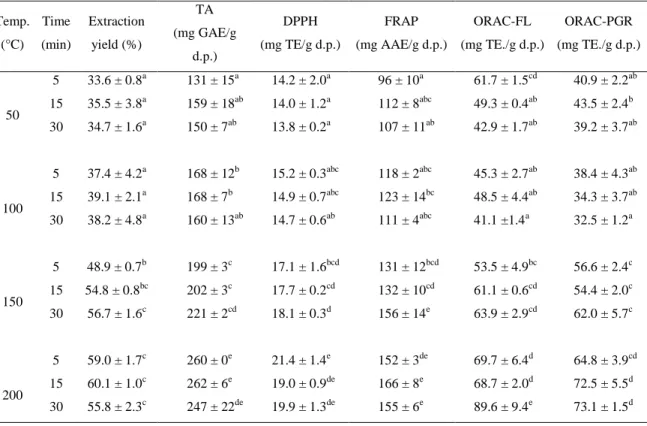
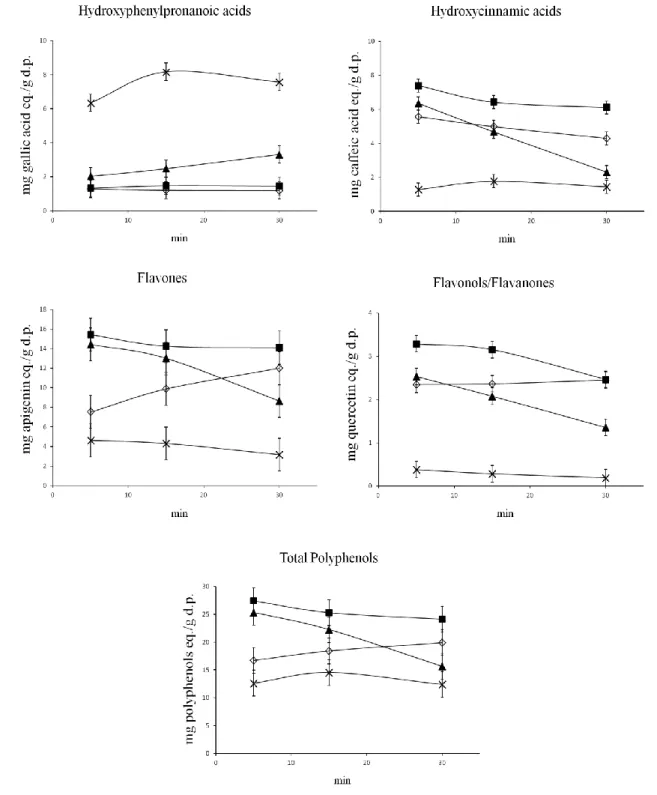
(5) TABLE OF CONTENTS. ACKNOWLEDGMENTS ................................................................................................ 3 TABLE OF CONTENTS .................................................................................................. 4 TABLE INDEX ................................................................................................................ 8 FIGURE INDEX ............................................................................................................. 10 1. INTRODUCCIÓN ................................................................................................. 18 1.1 Polyphenols: Key Bioactive Compounds...................................................... 19 1.2 Pressurized Hot Water Extraction ................................................................. 25 1.3 Pressurized Hot Water Extraction of Polyphenols ........................................ 30 1.3.1 Solubility of polyphenols in pressurized hot water ............................ 30 1.3.2 Key parameters for optimizing the PHWE of polyphenols ................ 33 1.3.3 Equipment and modes of operation in the PHWE of polyphenols ..... 38 1.3.4 PHWE of different polyphenols from plant sources........................... 40 1.4 PHWE of Polyphenols from Agro-industrial By-products (Deodorized Thyme and Grape Pomace): Bioactivity Assessment ................................... 49 References.............................................................................................................. 53. 2. EFFECTS OF TEMPERATURE AND TIME ON POLYPHENOLIC CONTENT AND ANTIOXIDANT ACTIVITY IN THE PRESSURIZED HOT WATER EXTRACTION OF DEODORISED THYME (THYMUS VULGARIS). ......................................................................................................... 71 2.1 Introduction ................................................................................................... 71 2.2 Materials and Methods .................................................................................. 72 2.2.1 Chemicals ........................................................................................... 72 2.2.2 Thyme origin and hydrodistillation treatment .................................... 73 2.2.3 PHWE ................................................................................................. 73 2.2.4 Determination of DPPH radical scavenging activity .......................... 74 2.2.5 Determination of ferric reducing antioxidant power (FRAP) ............. 74 4.
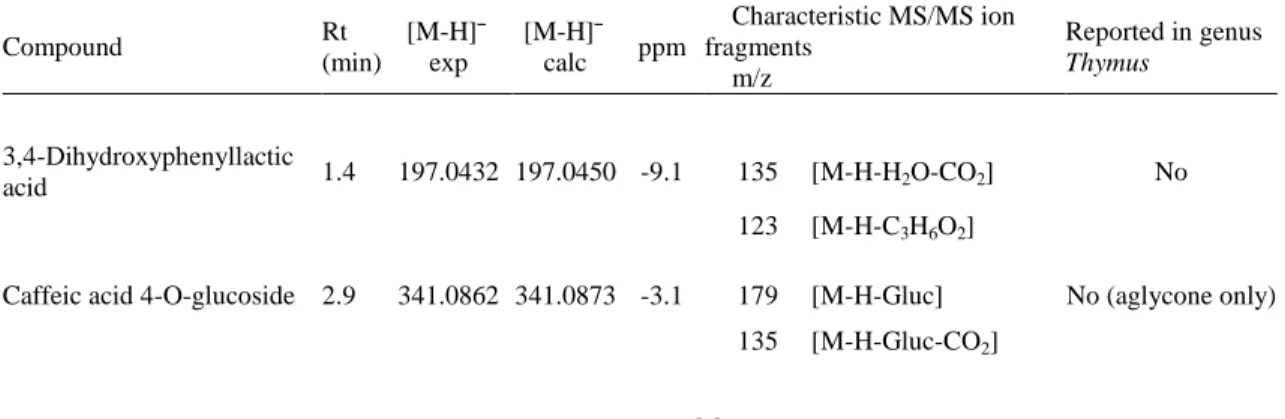
(6) 2.2.6 Determination of oxygen radical absorbance capacity (ORAC) ........ 75 2.2.7 Determination of total polyphenols (TA) by Folin assay ................... 76 2.2.8 Qualitative and quantitative polyphenol analysis by HPLC-ESIQ-TOF mass spectrometry .................................................................. 76 2.2.9 Statistical analysis ............................................................................... 77 2.3 Results and Discussion .................................................................................. 78 2.3.1 Effect of temperature and time on total extract yield ......................... 78 2.3.2 Effect of temperature and time on total antioxidants and antioxidant activity ............................................................................. 80 2.3.3 Polyphenol profile of extracts obtained under different extraction conditions ............................................................................................ 82 2.3.4 Effect of temperature and time on the extraction of polyphenol subclasses ............................................................................................ 87 2.3.5 Correlation between polyphenol subclasses, total antioxidants and antioxidant activity ............................................................................. 91 2.4 Conclusions ................................................................................................... 93 References.............................................................................................................. 94 3. EFFECT OF PRESSURIZED HOT WATER EXTRACTION ON ANTIOXIDANTS FROM GRAPE POMACE BEFORE AND AFTER FERMENTATION .............................................................................................. 100 3.1 Introduction ................................................................................................. 100 3.2 Materials and Methods ................................................................................ 102 3.2.1 Chemicals ......................................................................................... 102 3.2.2 Grape pomace ................................................................................... 102 3.2.3 PHWE ............................................................................................... 103 3.2.4 3.2.5 3.2.6 3.2.7 3.2.8. DPPH radical scavenging activity determination ............................. 103 FRAP determination ......................................................................... 104 Total antioxidant (TA) determination by Folin assay....................... 104 Polymeric pigments and tannin by Harbertson-Adams assay .......... 105 Qualitative proanthocyanidin analysis by Matrix-Assisted Laser Desorption/Ionization-Time of Flight (MALDI-TOF) mass spectrometry (MS) ............................................................................ 106 3.2.9 Statistical Analyses ........................................................................... 107 5.
(7) 3.3 Results and Discussion ................................................................................ 107 3.3.1 Effect of fermentation and extraction temperature and time on total antioxidant recovery and antioxidant activity........................... 107 3.3.2 Effect of fermentation, and extraction temperature and time on anthocyanin extraction ...................................................................... 110 3.3.3 Effect of fermentation, and extraction temperature and time on tannin extraction ............................................................................... 113 3.3.4 Proanthocyanidin profiles observed by MALDI-TOF analysis ........ 115 3.3.5 Effect of fermentation, temperature and time on polymeric pigments ............................................................................................ 118 3.3.6 Correlation between polyphenol subclasses, total antioxidants, and antioxidant activity..................................................................... 120 3.4 Conclusions ................................................................................................. 123 References............................................................................................................ 124 4. CHARACTERIZATION OF PRESSURIZED HOT WATER EXTRACTS OF GRAPE POMACE: CHEMICAL AND BIOLOGICAL ANTIOXIDANT ACTIVITY .......................................................................................................... 130 4.1 Introduction ................................................................................................. 130 4.2 Materials and Methods ................................................................................ 132 4.2.1 Chemicals and cell line ..................................................................... 132 4.2.2 Grape pomace ................................................................................... 132 4.2.3 Pressurized hot water extraction ....................................................... 133 4.2.4 Ferric-reducing antioxidant power determination ............................ 133 4.2.5 Total antioxidant determination by Folin assay................................ 134 4.2.6 Anthocyanins and tannin determination by Harbertson-Adams assay .................................................................................................. 134 4.2.7 Determination of Maillard reaction products (MRPs) by Absorbance measurement ................................................................. 134 4.2.8 Determination of Phenolic Compounds and Hydroxymethylfurfural content ........................................................ 135 4.2.9 Cell culture, growth conditions and treatments ................................ 135 4.2.10 Loss of mitochondrial membrane potential ...................................... 136 4.2.11 Statistical analysis ............................................................................. 136 6.
(8) 4.3 Results and Discussion ................................................................................ 137 4.3.1 Characterization of the extracts ........................................................ 137 4.3.2 Bioactivity of the grape pomace extracts .......................................... 141 4.4 Conclusions ................................................................................................. 147 References............................................................................................................ 147 5. FINAL CONCLUSIONS AND FUTURE DIRECTIONS ................................. 151. COMPLETE REFERENCES........................................................................................ 153. 7.
(9) TABLE INDEX. Table 1.1 Sources of polyphenols. Information was collected from Moure et al. (2001), Schieber et al. (2001) and Dimitrios (2006). ............................................ 20 Table 1.2 Main references on PHWE of polyphenols published during the last 15 years. ...................................................................................................................... 41 Table 2.1 Extraction yield and antioxidant activities obtained at the different extraction conditions of thymus vulgaris polyphenols with pressurized hot water. ..................................................................................................................... 79 Table 2.2 Pearson’ correlation coefficients between antioxidant activity assays and total antioxidants.................................................................................................... 81 Table 2.3 Polyphenols found by HPLC-ESI-Q-TOF in thymus vulgaris extracts obtained with pressurized hot water. ..................................................................... 83 Table 2.4 Polyphenols identified in extracts obtained at different extraction conditions of temperature and time, analyzed by HPLC-ESI-Q-TOF. ................. 86 Table 2.5 Polyphenol extraction yield in thymus vulgaris obtained with pressurized hot water analyzed by HPLC-ESI-Q-TOF ............................................................ 89 Table 2.6 Pearson’ correlation coefficients between extraction yield values of polyphenol subclasses determined by HPLC-ESI-Q-TOF and antioxidant activity assays ........................................................................................................ 92 Table 3.1 Proanthocyanidins in grape pomace extracts obtained with different pressurized hot water extraction (PHWE) conditions, as analyzed and identified by matrix-assisted laser desorption/ionization-time of flight mass spectrometry ........................................................................................................ 117. 8.
(10) Table 3.2 Pearson product-moment correlation coefficient between the different assays of antioxidants recovered during grape pomace PHWE. ......................... 121 Table 4.1 Characterization of the pressurized hot water extracts from grape pomacea ............................................................................................................... 138. 9.
(11) FIGURE INDEX. Figure 1.1 Main classes of polyphenols. ......................................................................... 23 Figure 1.2 Decrease of the dielectric constant, viscosity and surface tension of water with temperature (data obtained from Beaton et al. (1987))........................ 26 Figure 1.3 Typical system for PHWE processes. ............................................................ 28 Figure 1.4 Selective recovery of antioxidant compounds from rosemary by PHWE (data adapted from Ibañez et al. (2002)). ............................................................... 35 Figure 1.5 Relationship between the increase in the antioxidant activity (Trolox equivalent antioxidant capacity, TEAC) and the formation of hydroxymethylfurfural (HMF, a Maillard reaction product) in the pressurized hot water extraction of polyphenols from pomegranate (data adapted from He et al. (2012))........................................................................................................... 37 Figure 2.1 Extraction dynamics of polyphenol subclasses and total polyphenols. ......... 88 Figure 2.2 Extraction dynamics of rosmarinic acid, caffeic acid and 3,4hydroxyphenillactic acid. ....................................................................................... 91 Figure 3.1 Effects of fermentation and extraction conditions on recovered total antioxidants and antioxidant activity in pressurized hot water extraction (PHWE) grape pomace extracts........................................................................... 109 Figure 3.2 Effects of fermentation and extraction conditions on PHWE recovery of a) anthocyanins and b) condensed tannins from grape pomace. ......................... 112 Figure 3.3 Effects of fermentation and extraction conditions on PWHE recovery of a) small polymeric pigment (SPP), b) large polymeric pigment (LPP), and c) total polymeric pigment (TPP) from grape pomace. ........................................... 119 10.
(12) Figure 4.1 Evaluation of protective effect of Trolox on HL-60 cells growth (concentration of viable cells) under oxidative conditions. ................................. 141 Figure 4.2 Evaluation of protective effect of GPE100 at two concentrations on HL60 cells growth under oxidative conditions. ........................................................ 143 Figure 4.3 Evaluation of protective effect of GPE200 at two concentrations on HL60 cells growth under oxidative conditions. ........................................................ 144 Figure 4.4 Evaluation of protective effect of GPE100 and GPE200 at two concentrations on mitochondrial membrane potential (Δψm) of HL-60 cells under oxidative conditions compared with the protective effect of Trolox......... 145. 11.
(13) PONTIFICIA UNIVERSIDAD CATOLICA DE CHILE ESCUELA DE INGENIERIA. EXTRACCIÓN CON AGUA CALIENTE PRESURIZADA DE POLIFENOLES DE SUBPRODUCTOS AGROINDUSTRIALES: EVALUACIÓN DE LA BIOACTIVIDAD. Tesis enviada a la Dirección de Investigación y Postgrado en cumplimiento parcial de los requisitos para el grado de Doctor en Ciencias de la Ingeniería.. José Rodrigo Vergara Salinas. RESUMEN Suplementar la dieta humana con alimentos ricos en antioxidantes naturales previene el desarrollo de varias enfermedades relacionadas con la oxidación. El más abundante de los antioxidantes presentes en las plantas comestibles y no comestibles, así como en los residuos generados a partir de su procesamiento, son los polifenoles. Los compuestos fenólicos presentan actividades biológicas que los hacen atractivos para aplicaciones medicinales y nutracéuticas: previenen el daño celular por oxidación, actúan como antimutágenos, anticancerígenos y agentes antimicrobianos, y son potentes antioxidantes. Desde el punto de vista económico la recuperación de estos compuestos bioactivos a partir de subproductos agroindustriales mediante procesos limpios, inocuos y de bajo costo, es fundamental para el desarrollo y masificación de productos nutracéuticos. La extracción con agua a alta temperatura y presión ha surgido como una alternativa muy atractiva al uso de solventes orgánicos. Varias propiedades fisicoquímicas del agua, tales como la polaridad, la tensión superficial y la viscosidad pueden ser manipuladas a través del cambio en la temperatura (manteniendo el agua en estado líquido) con el fin de mejorar la solubilidad y difusión de compuestos de interés. 12.
(14) El proceso de extracción con agua caliente presurizada (EACP) brinda altos rendimientos y posibilita la obtención selectiva de compuestos en cortos tiempos de proceso. Sin embargo, las altas temperaturas también causan la degradación de compuestos termolábiles y la formación de nuevos compuestos antioxidantes, que en algunos casos pueden ser perjudiciales para la salud. En esta tesis se determinaron los efectos de los principales parámetros en el proceso de EACP (temperatura y tiempo) en el rendimiento de extracción de polifenoles y de antioxidantes totales de dos subproductos agro-industriales (tomillo desodorizado y orujo de uva). Luego, dos extractos de orujo de uva obtenidos a diferentes temperaturas (100 y 200 °C) fueron caracterizados en términos de actividad antioxidante biológica y química, así como su contenido de antioxidantes fenólicos y no fenólicos. En general, los flavonoides simples (flavonas, flavonoles, flavanonas y antocianinas) y ácidos fenólicos alcanzan un rendimiento de extracción máximo a los 100 °C. El uso de temperaturas más altas (por encima de 100 °C) y largos tiempos de extracción producen la degradación de estos compuestos. Mientras que los flavonoides poliméricos (taninos condensados) presentan un rendimiento de extracción máximo a los 150 °C evidenciando una alta estabilidad térmica (posiblemente atribuible a su estructura polimérica). Las altas temperaturas también favorecen la formación de antioxidantes no polifenólicos (productos de la reacción de Maillard), algunos de los cuales podrían ser tóxicos y mutagénicos. Por lo tanto, el uso de altas temperaturas (sobre 100 o 150 °C) resulta en un bajo rendimiento de extracción de polifenoles pero en una alta recuperación de antioxidantes totales. Es así como, el extracto de orujo de uva obtenido a 200 °C muestra una mayor actividad y contenido antioxidante, pero un menor contenido de polifenoles que el extracto obtenido a 100 °C. Ambos extractos protegieron similarmente el crecimiento de células mamíferas (HL-60) bajo condiciones oxidantes mostrando una actividad comparable a la exhibida por Trolox (antioxidante de referencia). Sin embargo, el extracto obtenido a 200 °C presentó una alta citotoxicidad en ausencia del oxidante, probablemente debido a su alto contenido de compuestos de. 13.
(15) Maillard. Estos resultados dejan en manifiesto la compleja y controvertida acción de los antioxidantes en los sistemas biológicos. En conclusión, diferentes condiciones de extracción resultan en diferentes rendimientos de extracción, perfiles de antioxidantes y bioactividad. Una alta cantidad de polifenoles puede ser obtenida a temperaturas moderadas de extracción (100°C), mientras que a mayores temperaturas se logra una alta recuperación de antioxidantes totales debido a la formación nuevos antioxidantes (algunos potencialmente nocivos). Por otro lado, el efecto bioprotector de los extractos parece estar relacionado con el contenido de antioxidantes tanto polifenólicos como no polifenólicos, mientras que el contenido de compuestos de Maillard determina su citotoxicidad. Es por esto que los extractos obtenidos en procesos de extracción a alta temperatura, posiblemente no se pueden utilizar sin un proceso previo de purificación. Finalmente, el conocimiento presentado en esta tesis, junto con el generado en futuras investigaciones relacionadas, es esencial para controlar el proceso de EACP, mejorar la calidad de los extractos y definir los requisitos para procesos de purificación posteriores.. Miembros de la Comisión de Tesis Doctoral. Ricardo Pérez Paz Robert Julio Romero José Manuel Del Valle Josep Lluis Torres Cristián Vial. Santiago, Marzo, 2014. Palabras Claves: Extracción con agua caliente presurizada, polifenoles, degradación térmica, productos de la reacción de Maillard, bioactividad. 14.
(16) PONTIFICIA UNIVERSIDAD CATOLICA DE CHILE ESCUELA DE INGENIERIA. PRESSURIZED HOT WATER EXTRACTION OF POLYPHENOLS FROM AGROINDUSTRIAL BY-PRODUCTS: BIOACTIVITY ASSESSMENT. Thesis submitted to the Office of Research and Graduate Studies in partial fulfillment of the requirements for the Degree of Doctor in Engineering Sciences by. José Rodrigo Vergara Salinas. ABSTRACT The supplementation of human diet with food rich in natural antioxidants prevents the development of several oxidation-related diseases. The most abundant antioxidants present in edible and non-edible plants as well as the waste generated from their processing are polyphenols. Phenolic compounds present biological activities that make them attractive for nutraceutical and medicinal applications: prevent the oxidative cell damage, act as antimutagens, anticarcinogens and antimicrobial agents, and are strong antioxidant compounds. From an economical point of view, recovering these bioactive phenolic compounds from agro-industrial by-products by clean, innocuous and inexpensive processes is crucial for the development and massification of nutraceutical products. The extraction with water at high temperature and pressure has arisen as a very attractive alternative to the use of organic solvents. Several physicochemical properties of water such as polarity, surface tension and viscosity can be manipulated through the change in temperature (maintaining water in its liquid state) to improve the solubility and diffusion rates of the target compounds. The pressurized hot water extraction (PHWE) process provides higher extraction yield and selectivities at shorter extraction times. However, the high temperatures also favour the degradation of thermolabile 15.
(17) compounds and the formation of new antioxidant compounds, which also could be harmful to health. In this thesis we determined the effects of the main PHWE parameters (temperature and time), on the extraction yield of several polyphenols classes and total antioxidants from two agro-industrial by-products (deodorized thyme and grape pomace). Then, we characterized two grape pomace extract obtained by PHWE at different temperatures (100 and 200 °C) in terms of chemical and biological antioxidant activity as well as their phenolic and non-phenolic antioxidant content. In general, simple flavonoids (flavones, flavonols, flavanones and anthocyanins) and phenolic acids reach a maximum extraction yield at 100 °C. Higher temperatures (above 100 °C) and longer exposure times produce the degradation of these compounds. Polymeric flavonoids (condensed tannins) are maximally extracted at 150 °C evidencing high thermal stability (attributable to their polymeric structure). Higher temperatures also would favour the formation of non-polyphenolic antioxidants (Maillard reaction products), some of which could be toxic and mutagenic. Therefore, increasing extraction temperature (above 100 or 150 °C) results in a low extraction yield of polyphenols but in high recovery of total antioxidants. Thereby, the grape pomace extract obtained at 200 °C show higher antioxidant activity and content but lower polyphenols content than the extracts obtained at 100 °C. Conversely, both extracts protect similarly the growth of mammalian cells (HL-60) under oxidative conditions, showing an activity comparable to that exhibited by Trolox (antioxidant of reference). The extract obtained at 200 °C however showed a high cytotoxicity in the absence of oxidant, probably due to its high content of Maillard compounds. These results evidence the complex and disputed action of antioxidant on biological systems. In conclusion, different extraction conditions result in different antioxidants recovery as well as antioxidants profile and bioactivity of the extracts. High polyphenols amount could be extracted at moderate extraction temperature (100 °C), whereas at high temperatures a high recovery of total antioxidant can be achieved due to the formation of new antioxidants (some of which are potentially harmful). The protective effect of the extracts on cell cultures under oxidative conditions appears to be 16.
(18) related to their content of both polyphenolic and non-polyphenolic antioxidants, whereas the Maillard compounds content determines their cytotoxicity. Consequently, the extracts obtained at high temperature processes such as PHWE possibly cannot be used without further purification processes. Therefore, to determine the contribution of the individual antioxidant compounds in the extract bioactivity is absolutely necessary to define the target compounds in further processes. Finally, the results presented in this thesis along with further related works could be useful to control the PHWE process, improve the quality of the extract and define the requirements for further purification processes.. Members of the Doctoral Thesis Committee: Ricardo Pérez Paz Robert Julio Romero José Manuel Del Valle Josep Lluis Torres Cristián Vial. Santiago, March, 2014. Key words: Pressurized hot water extraction, polyphenols, thermal degradation Maillard reaction products, bioactivity.. 17.
(19) 1. INTRODUCCIÓN. The growing concern for human wellbeing have generated an increase in the demand for polyphenols, secondary plant metabolites that exhibit antioxidant, radicalscavenging, antibacterial, antiviral, enzyme-inhibiting and antimutagenic properties (Quideau et al., 2011; Serrano et al., 2009). In fact, the demand for polyphenols (in terms of revenue) is expected to grow at a compound annual growth rate of 6.1% from 2012 to 2018, mainly due to the applications in functional foods and dietary supplements (Transparency Market Research, 2013). Hence, polyphenols are useful plant-derived compounds for the food and pharmaceutical industries, which are focused in generating bioactive natural products for human health and nutrition. Obtaining polyphenols from plant material for their application in the food and pharmaceutical industries involves the use of adequate extraction processes. Traditionally, the extraction of polyphenols (and phytochemicals in general) has been mainly based on the use of Soxhlet devices and organic solvents. The Soxhlet technique repeatedly brings fresh solvent into contact with the solid matrix, do not require a filtration procedure and it is simple to operate (Wang and Weller, 2006). Nevertheless, traditional extraction methods such as Soxhlet employ large amounts of questionable solvents, are time consuming and have low selectivity and/or low extraction yield (Herrero et al., 2006a; Ollanketo et al., 2002). Besides, extraction with organic solvents might generate unsafe and potentially hazardous products for human consumption and the environment. Therefore, the use of clean, innocuous, environmentally friendly and efficient processes to extract polyphenols from plant material becomes crucial. Waterbased extraction processes arise as a good option: water is non-flammable, non-toxic, readily available and an environmentally acceptable solvent. However, these processes are not widely used as an extraction method for plant materials because water is too polar to dissolve most organics, such as polyphenols (Ong et al., 2006). Indeed, given their nature and prevalence of non-ionic bonds in their structures, most typical 18.
(20) polyphenols present relatively low solubility in water at ambient conditions (Abou El Hassan et al., 2000; Boumendjel et al., 2003; Tommasini et al., 2004). Nonetheless, several physicochemical properties of water such as polarity, surface tension, viscosity and disassociation constant can be manipulated through the change in temperature to improve the effectiveness of the extraction process (Hawthorne et al., 2002; King et al., 2010). The pressurized hot water extraction (PHWE, also called superheated water extraction, subcritical water extraction, pressurized low polarity water extraction, hot compressed water extraction) process takes advantage of this feature, providing higher selectivities and shorter extraction times and avoiding the use of toxic organic solvents (King, 2000). Thus, PHWE appears as an attractive alternative to common organic extraction methods for obtaining polyphenols from plant materials.. 1.1. Polyphenols: Key Bioactive Compounds. Polyphenols can be defined as secondary metabolites of relatively high molecular weight and diverse structural complexity which are synthesized by plants exclusively from the shikimate-derived phenylpropanoid and/or the polyketide pathway(s) in response to different types of stress (hydric or saline) or aggressive factors (bacteria, fungi, virus, ultraviolet radiation, etc.) (Carrasco and Mizgier, 2013; Haslam, 1998; Quideau et al., 2011; Serrano et al., 2009). Polyphenols are widely distributed in the higher plant kingdom (Table 1.1); they are present in fruits, vegetables, herbs, spices, tea and wine (Djilas et al., 2009; Moure et al., 2001; Schieber et al., 2001).. 19.
(21) Table 1.1 Sources of polyphenols. Information was collected from Moure et al. (2001), Schieber et al. (2001) and Dimitrios (2006). Source. Polyphenols. Fruits Berries. Flavanols hydroxycinammic acids, hydroxybenzoic acids, anthocyanins. Cherries. Hydroxycinnamicacids, anthocyanins. Blackgrapes. Anthocyanins, flavonols. Citrus fruits. Flavanones, flavonols, phenolic acids. Plums, prunes, apples,. Hydroxycinnamic acids, catechins. pears, kiwi. Vegetables Aubergin. Anthocyanins, , hydroxycinnamic acids. Chicory, artichoke. Hydroxycinnamic acids. Parsley. Flavones. Rhubarb. Anthocyanins. Sweet potato leaves. Flavonols, flavones,. Yellow onion, curly. Flavonols. Parsley. Flavones. Beans. Flavanols. Spinach. Flavonoids, p-coumaric acid. Flours Oats, wheat, rice. Caffeic and ferulic acids. TEAS Black, green. Flava-3-ols, flavonols. 20.
(22) Source. Polyphenols. Alcoholic drinks Red wine. Flavan-3-ols, flavonols, anthocyanins. Cider. Hydroxycinnamic acids. Other drinks Orange juice. Flavanols. Coffee. Hydroxycinnamic acids. Chocolate. Flavanols. Herbs and spices Rosemary. Carnosic acid, carnosol, rosmarinic acid, rosmanol. Sage. Carnosol, Carnosic acid, lateolin, rosmanul, rosmarinic acid. Oregano. Rosmarinic acid, phenolic acids, flavonoids. Thyme. Thymol, carvacrol, flavonoids. Summer savory. Rosmarinic, carnosol, carvacrol, flavonoids. Ginger. Flavonoids and phenolic acids. By-products of fruit processing Apple pomace. Catechins, hydroxycinnamates, phloretin glycosides, quercetin glycosides, and procyanidins. Grape pomace. Anthocyanins, catechins, flavonol glycosides, phenolic acids and stilbenes. Citrus fruits pomace. Hesperidin, narirutin, naringin and eriocitrin 21.
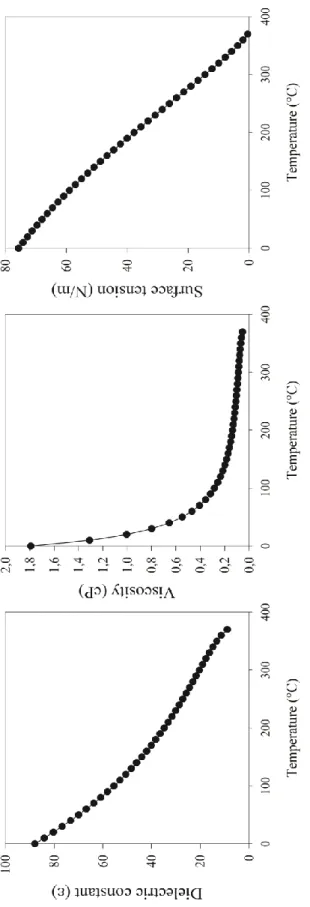
(23) Source Mango seed. Polyphenols Gallic and ellagic acids, gallates, gallotannins and condensed tannin. Banana bracts. Anthocyanidins (delphinidin, cyanidin, pelargonidin, peonidin, petunidin and malvidin). Kiwifruit pomace. Phenolic acids, flavanol monomers, dimers and oligomers, and flavonol glycosides. By-products of vegetable processing Onion residues. Quercetin glycosides. Olive residues. Hydroxytyrosol and derivatives. Red beet pomace. p-coumaric and ferulic acids. Potato peels. Phenolic acids (chlorogenic, gallic, protocatechuic and caffeic acids). Others Durum wheat bran. Phenolic acids (chlorogenic, syringic, protocatechuic, gentisic, p-coumaric and vanillic acids). Fraxinus ornus bark. Hydroxycoumarins. Corn bran hemicellulose. p-coumaric and ferulic acids. Oat hulls. Vanillic, p-coumaric and ferulic acids, catechol. Polyphenols show a great diversity of structures, ranging from rather simple molecules to polymers (Manach et al., 2004), with or without glycosylation and/or esterification. They may be classified in different groups as a function of the number of phenol rings that they contain and the structural elements that bind one ring to another. Four main groups can be distinguished (Fig. 1.1): (i) phenolic acids (hydroxybenzoic 22.
(24) acids, hydroxycinnamic acids, hydroxyphenylacetic acids, hydroyphenylpropanoic acids and. hydroxyphenylpentanoic. dihydrochalcones,. acids),. dihydroflavonols,. (ii). flavonoids. flavanols,. (anthocyanins,. flavanones,. flavones,. chalcones, flavonols,. isoflavonoids), (iii) stilbenes, (iv) lignans and other polyphenols (alkylmethoxyphenols, alkylphenols,. curcuminoids,. hydroxybenzoketones,. furanocoumarins,. hydroxybenzladehydes,. hydroxycinnamaldehydes,. hydroxycoumarins,. hydroxyphenylpropenes, methoxyphenols, naphtoquinones, tyrosols, phenolic terpenes and others) (Neveu et al., 2010).. Figure 1.1 Main classes of polyphenols.. Polyphenols have the ability to complex strongly with metal ions and macromolecules such as polysaccharides and proteins (Haslam, 1998). Because of this ability, polyphenols present biological activities that make them attractive for 23.
(25) nutraceutical and medicinal applications (Collins, 2005; Hooper et al., 2008; Jensen et al., 2008; Manach et al., 2005; Ramassamy, 2006; Scalbert et al., 2005) and therefore for the food and pharmaceutical industries. Particularly, polyphenols play a key role in the inhibition of enzymes related to cardiovascular and neurodegenerative diseases, as well as cancer and diabetes (Quideau et al., 2011). There is evidence that they prevent oxidation of LDL-lipoprotein (Frankel et al., 1993; Fuhrman et al., 1997; Landbo and Meyer, 2001), platelet aggregation (Guerrero et al., 2007; Nardini et al., 2007), and oxidative cell damage (Paiva-Martins et al., 2009; Spormann et al., 2008). Additionally, polyphenols act as antimutagens and anticarcinogens (Cardador-Martinez et al., 2002; Kuroda and Hara, 1999), and antimicrobial agents (Chung et al., 1998; Yoda et al., 2004). Also, phenolic acids and flavonoids are the focus of recent studies because of their antioxidant properties, which are stronger than those of other commonly used natural and synthetic antioxidants (Chen and Ho, 1997; Miura et al., 2002). Despite their demonstrated bioactive properties, the action of polyphenols on biological system is complex and disputed because it is affected by the bioavailability, metabolism and other biotransformations. The bioavailability is strictly related to their structures. The absorption and metabolism of these compounds depend on the degree of glycosylation and conjugation with other polyphenols. For example, non-glycosylated phenolic compounds may be absorbed directly into the small intestine (Manach et al., 2004). In turn, polyphenols present in the form of esters, glycosides, or polymers cannot be absorbed in the intestine. Polymers such as proanthocyanidins may have direct effects on the stomach (Pastene et al., 2009) and intestinal mucosa, protecting these tissues from oxidative stress or carcinogen action (Manach et al., 2005). To become absorbed in the intestine, esterified, glycosylated and polymeric polyphenols require to be hydrolyzed by enterocytes enzymes or through the action of colonic microbiote (Carrasco and Mizgier, 2013). The antioxidant activity of polyphenols is arguable: although studies in cell line cultures have shown that polyphenols are able to reduce oxidative stress and activate the antioxidant response of the cells, they also could decrease the cell viability and proliferation and induce the cell apoptosis by acting as prooxidants and generating free 24.
(26) radicals (Xia et al., 2010). The effects of the polyphenols in cell cultures (either protective antioxidant or prooxidant/cytotoxic) will depend on several factors such as their concentration, their ability to oxidize, their lipophilicity, the content of other antioxidants and metals, and the oxidative stress level of the cell culture (Fujii et al., 2006; Halliwell, 2008; Hou et al., 2004; Sergediene et al., 1999; Surh et al., 1999; Wei et al., 1995). Therefore, to safely use polyphenols as bioactive compounds it is necessary to carefully study aspects such as the dosage, the delivery vehicle, as well as the nutritional and health history and the microbiota characteristics of the target population (Manach et al., 2004).. 1.2. Pressurized Hot Water Extraction. As it was mentioned before, several physicochemical properties of water such as polarity, surface tension, viscosity, diffusivity and dissociation constant can be manipulated through the change in temperature. For instance, water polarity is dramatically reduced while increasing temperature due to the breakdown of the hydrogen bonds that form the water structure. The dielectric constant (ε, measure of polarity) of water at 25 °C is approximately 80 (extremely polar), but at 250 °C, the water in liquid state reach values of ε between 25 and 27, which are comparable to the values of methanol (ε = 33) and ethanol (ε = 24) at 25 °C (Ong et al., 2006; Teo et al., 2010). Also, the viscosity and surface tension of water decrease with the temperature (Hawthorne et al., 2002) (Fig. 1.2). On the contrary, high temperatures increase the diffusivity and dissociation constant of water (Bandura and Lvov, 2006; Holz et al., 2000).. 25.
(27) 26. Figure 1.2 Decrease of the dielectric constant, viscosity and surface tension of water with temperature (data obtained from Beaton et al. (1987))..
(28) Pressurized hot water extraction (PHWE) takes advantage of the features described before by raising the temperature to values within 100 °C and 374 °C, while applying sufficient pressure to maintain water in a liquid state. Both temperature and pressure play a significant role in the disruption of surface equilibrium decreasing the activation energy required for the desorption process (Clifford, 2005; Hawthorne et al., 2002; Ong et al., 2006; Smith, 2006). Besides, the decreases in viscosity and surface tension of water enhance solvent penetration and wetting of the matrix (Teo et al., 2010). In addition, higher diffusivities favor mass-transfer rates by disrupting intermolecular forces (i.e. van der Waals forces, hydrogen bonds and dipole attractions) (Herrero et al., 2013). Moreover, the changes in the dissociation constant of water would facilitate the release of interest compounds from vegetable matrices since pressurized hot water could act as an acid and/or base catalyst for reactions, such as hydrolysis of lignocellulosic material (Yu et al., 2007). Despite all the advantages of using PHWE, the target compounds may also be subjected to thermal decomposition and hydrolytic attack (Ju and Howard, 2005; Vergara-Salinas et al., 2013; Vergara-Salinas et al., 2012). Typically, PHWE processes are carried out in a system such as that showed in Fig. 1.3. In this system, the extraction cell containing the sample (e.g. the plant matrix) is filled with water, heated to the desired temperature and pressurized to maintain water as a liquid; then the extraction occurs (Raynie, 2006). A pump is used to pressurize and transport water from a container, a preheating coil brings the water up to the operating temperature before entering into the extraction cell, an oven maintains the temperature in the extraction cell, a valve or restrictor is used to generate the required back pressure and a trapping vial collects the extract. Optionally, the system can include a nitrogen circuit to purge the cell after the extraction and a coil to cool the water exiting the oven (Herrero et al., 2013; Teo et al., 2010). The extraction process is performed at pressures between 10 and 60 bar (typically 50 bar) and temperatures above the boiling point of water (up to 200-250°C).. 27.
(29) Figure 1.3 Typical system for PHWE processes. It consists of: (1) a water container; (2) a water pump; (3) an oven; (4) a preheating coil; (5) an extraction cell; (6) a restrictor or valve; (7) a trapping vial; and (8) a modifier pump or N2 container (optional) (adapted from Herrero et al. (2013)). The extraction mechanism of PHWE involve four sequential steps: (i) the desorption of solutes from the matrix; (ii) the diffusion of the extraction fluid into the matrix; (iii) the partition of the solutes from the matrix into the extraction fluid; and (iv) the elution of the solutes from the extraction cell to the collection vessel. Therefore, the process may be controlled by several phenomena such as solubility, sorption equilibria and diffusion, whose incidence depends on the extraction modes and conditions (Mustafa and Turner, 2011; Teo et al., 2010). The extraction can be performed in static or dynamic mode. In static mode, the most frequently used, the raw plant material is kept in the extraction cell with a given volume of water during a certain period of time at fixed conditions of pressure and temperature. The extraction efficiency strongly depends on the partition coefficient of the target compounds in the water/plant matrix system and 28.
(30) the solubility of these compounds in water (which is analyzed later on this chapter). Therefore, the extraction time and cycles of extraction (replacement of the solvent to deplete the matrix) must be carefully optimized. The extraction time must allow the saturation of water with the target compounds and minimize the exposure of the compounds to high temperature. Generally, in static PHWE, the equilibrium is quickly reached (5-30 min) (Mukhopadhyay and Panja, 2010). In dynamic extraction mode, the pressurized hot water passes continuously through the matrix kept in the extraction cell (it can be called a semi-continuous process). The phase equilibria might be displaced and the efficiency of the extraction process might be increased (Herrero et al., 2013). Besides extraction time, the flow rate of water (usually within the range of 1 to 1.5 mL/min) is another important parameter for the optimization of PHWE operating in a dynamic mode (Teo et al., 2010). If the flow rate is large enough, the diffusion of the solute within the matrix (internal mass transfer) controls the extraction rate, and therefore, further increase in the flow rate would have little effect on the extraction rate (Pronyk and Mazza, 2009). If the flow rate is low enough, the removal of the solute from the surface of the matrix decreases, and the extraction is controlled by external mass transfer from solid to the solvent. In this case, an increase in the flow rate would result in an increase of the extraction rate of the solute (Pronyk and Mazza, 2009). Despite its advantages, dynamic PHWE generates more diluted extracts than those obtained in static mode, increasing post-treatment costs (Herrero et al., 2013). PHWE has the advantages of being relatively inexpensive, minimizes or totally avoids the use of objectionable solvents, and provides a facile means for supplying a wide source of concentrated phytochemicals for use in food formulation, dietary supplements and phyto-pharmaceutical applications (King and Grabiel, 2007). Thus, several reviews articles (Herrero et al., 2013; Herrero et al., 2006a; Mendiola et al., 2007; Mukhopadhyay and Panja, 2010; Mustafa and Turner, 2011; Ong et al., 2006; Smith, 2002; Teo et al., 2010; Wiboonsirikul and Adachi, 2008), book sections (Cacace and Mazza, 2006a; Clifford, 2005; Srinivas and King, 2010) and patents (Hawthorne et 29.
(31) al., 2002; King and Grabiel, 2007) that cover or are completely dedicated to the PHWE of phytochemicals have been published. Even, articles about design, performance improvements and scaling up of extraction process of bioactive compounds at high temperature and pressure (Ibañez et al., 2009; King and Srinivas, 2009; Monrad et al., 2012; Pronyk and Mazza, 2009; Rodríguez-Meizoso et al., 2012; Srinivas et al., 2009) have been published recently demonstrating the increasing interest in the development of these green extraction processes. Additionally, pressurized hot water have been used for other different applications such as selective separation of organic compounds from liquids, selective separation of organic compounds using adsorbent phases, improvement of reactions controlling the dissociation constant, cleaning of waste water and oxidative degradation compounds for soil remediation (Coym and Dorsey, 2004; Fields et al., 2001; Hawthorne et al., 2000; Kuosmanen et al., 2002; Ong et al., 2006; Soltanali et al., 2009; Yang et al., 1995; Yesodharan, 2002).. 1.3. Pressurized Hot Water Extraction of Polyphenols. In this section, the key parameters for designing and optimizing the PHWE processes of polyphenols (e.g. aqueous solubility and temperature) and their effects on extraction yields and extracts activity and composition are analyzed. Also, operation modes and equipment for the PHWE of polyphenols are described. Finally, the application of PHWE to obtain different polyphenols from plant sources is discussed and compared to traditional solvent extraction methods.. 1.3.1. Solubility of polyphenols in pressurized hot water. As mentioned before, PHWE techniques enable the use of liquid water at temperatures above its atmospheric boiling point. This characteristic enhances the 30.
(32) aqueous solubility of polyphenols and therefore the efficiency of the extraction process. Thus, aqueous solubility is a key parameter for designing and optimizing PHWE processes. Particularly, aqueous solubility controls the first stage of the PHWE process, where the external mass transfer occurs. In this first stage, the solute (mainly present on the surface of the material being processed) is freely available to be removed as long as the maximum solubility of the solute within the solvent (in our case water) has not been reached (Pronyk and Mazza, 2009). High pressures used in PHWE have practically no effect on the aqueous solubility, since water in that conditions (as well as other liquids in subcritical conditions) is largely incompressible (Smith, 2002). Solubility in pressurized hot water is primarily regulated by temperature, which weakens the intermolecular hydrogen bonds within water and reduces its dielectric constant (and therefore its polarity). At ambient conditions, the dielectric constant of water is 80 and it can reach a value of 27 at 5 MPa and 250°C (Yang et al., 1995), which is close to those of organic solvents such as ethanol and methanol at 25°C. Hence, water becomes a solvent suitable to dissolve many hydrophobic compounds (aqueous solubility increases) as temperature increases above 100°C (at adequate high pressures) (Carr et al., 2010). Since polyphenols have a tendency to thermally degrade at high temperature, the measurement of their aqueous solubilities above the boiling point of water is difficult (Srinivas and King, 2010). Besides, solubility experiments can be unmanageable (i.e. time consuming and expensive) because it is extremely difficult to isolate the polyphenols at the levels of required purity. Usually, the polyphenol must first be extracted from plant tissues, then purified and isolated from other undesired compounds and finally, characterized in terms of its major molecular features. Although this entire procedure is widely covered in the literature (Ignat et al., 2011; Khoddami et al., 2013; Mueller-Harvey, 2001; Naczk and Shahidi, 2004; Santos-Buelga and Williamson, 2003; Serrano et al., 2009) until now no standard or completely satisfactory methodologies to obtain the pure polyphenols are available and their effectiveness strongly depends on their molecular complexity. For instance, extraction, purification and isolation of tannins 31.
(33) are quite dependent on their degree of polymerization (highly-polymerized tannins are difficult to analyze) (Serrano et al., 2009). Therefore, scarce data on the solubility of polyphenols in PHW can be found in the literature. For instance, Srinivas et al. (2010a, 2010b) measured the solubility of two phenolic acids (gallic acid hydrate and protocatechuic acid), a flavan-3-ol ((+)-catechin hydrate) and flavonols (quercetin and its dehydrate) in PHW using a dynamic flow apparatus coupled to a HPLC system designed to avoid thermal degradation of polyphenols. Results showed that the solubility of these polyphenols in PHW increase exponentially with temperature. Also, some data on the aqueous solubility of polyphenols (particularly those with simpler molecular structures) at atmospheric conditions can be found in literature. Noubigh et al. (2007b) and Queimada et al. (2009) have determined the aqueous solubility of two particular polyphenols (vanillin and tyrosol, respectively) at temperature ranges bellow the normal boiling point and atmospheric pressure using standard shake-flask methods coupled to UV spectrophotometry or HPLC methods. Furthermore, several authors have measured the aqueous solubility of different phenolic acids such as gallic (Daneshfar et al., 2008; Lu and Lu, 2007; Mota et al., 2008; Noubigh et al., 2008), vanillic, ferulic (Noubigh et al., 2007a), trans-cinnamic, caffeic (Mota et al., 2008), protocatechuic, syringic, ocoumaric, ellagic (Queimada et al., 2009) and salicylic acids (Matsuda et al., 2008; Nordström and Rasmuson, 2006; Shalmashi and Eliassi, 2007), using similar conditions and methods. In all these cases, solubility of polyphenols in water at atmospheric conditions also increases with temperature. Other methods can be found in literature to determine the experimental solubility of polyphenols at fixed conditions. For instance, Haslam (1996) compared the aqueous solubility of two similar tannins, castalagin and vescalagin, with that of the tannin β-1,2,3,4,6-penta-O-galloyl-D-glucose in terms of their octanol/water partition coefficient (K [octanol/water]) at 25°C and 1 atm. He found that castalagin and vescalagin were more water soluble, since they had a K [octanol/water] = 0.1, lower than the value for β-1, 2, 3, 4, 6-penta-O-galloyl-D-glucose (K [octanol/water] = 32). Tanaka et al. (2000) estimated the aqueous solubility of a polymeric tannin fraction extracted from Paeoniae Radix, an important crude drug in 32.
(34) Chinese traditional medicine. They found that the polymeric fraction was 25% less soluble in water than in a 50% methanol solution by comparing the peak areas obtained after a HPLC analysis at 28°C.. 1.3.2. Key parameters for optimizing the PHWE of polyphenols. In the PHWE of polyphenols, the temperature and extraction time mainly define the total extraction yield, polyphenol content and composition and antioxidant activity of the extracts, which are strictly related to the efficiency of the process. PHWE of phenolic compounds is a complex process where appears several phenomena such as thermal degradation, selective extraction of polyphenols and the formation of neoantioxidant and toxic compounds (Martins et al., 2000; Yilmaz and Toledo, 2005), which are highly dependent on extraction temperature and exposure time at that temperature (Duan et al., 2009; Plaza et al., 2010c, 2010d; Rodriguez-Meizoso et al., 2006; Srinivas et al., 2011). Since polyphenols are compounds sensitive to high temperatures, especially above 100 °C (Nakamura et al., 1998; Palma et al., 2001; Srinivas et al., 2011), the extraction yield of these specific compounds during PHWE will be determined by both their solubility and their degradation rate at the fixed operating temperature and time. Explaining it simply, the polyphenols solubility in water and then their extraction increases as the temperature and time increase up to certain range of conditions at which the thermal degradation becomes predominant. For instance, Kumar et al. (2011), reported that the highest extraction yield of quercetin-3-galactoside, kaempferol and isorhamnetin from seabuckthorn leaves was at 150 °C (temperature range of study from 50 to 200°C). Rangsriwong et al. (2009) studied the PHWE of gallic acid, ellagic acid, and corilagin from Terminalia chebula Retz fruits between 120 and 220°C. The extraction of gallic acid and ellagic acid increased with the extraction temperature up to a maximum at 180°C, whereas the highest amount of corilagin was recovered at 120°C. 33.
(35) In the PHWE of phenolics from red grape skin, Ju and Howard (2005) reported that increasing the temperature from 100 to 110°C produced an increase in the extraction of anthocyanins, although extraction temperatures above 110°C resulted in lower contents of individual and total anthocyanins. The extraction of anthocyanin-tannin polymeric pigments through PHWE increases with temperature, especially above 100°C. In the PHWE of tannins from grape seeds, increasing the extraction temperature caused an increase in the tannin extraction yield, peaking at 150°C (García-Marino et al., 2006). Although tannins are more thermo-stable than most of the other polyphenols, may be due to their polymeric structure (Larrauri et al., 1997), extraction temperatures above 150°C may cause their degradation (Gaugler and Grigsby, 2009). Due to the different polarities, polyphenols could be also extracted selectively by PHWE. Rodriguez-Meizoso and coworkers studied the selective PHWE of polyphenols from oregano leaves (Origanum vulgare L.) at several temperatures (Rodriguez-Meizoso et al., 2006). The extracts obtained at different temperatures were analyzed by HPLC-DAD. The identified compounds were from the flavanone and dihydroflavonol subclasses manly. Flavonols were also found in the form of quercetin and, in lesser amount, flavones. At the lowest temperature, the more polar compounds, flavanones and dihydroflavonols were preferentially extracted. Whereas, a temperature increase up to 200 °C favored the extraction of the less polar compounds by several orders of magnitude, resulting in such compounds being the major constituents of these extracts. Ibañez et al. (2002) also studied the selective recovery of antioxidants compounds from rosemary by PHWE. Results indicate high selectivity of PHW for the most active compounds of rosemary: carnosol, rosmanol, carnosic acid, methyl carnosate, cirsimaritin and genkwanin. Depending on the extraction temperature, the extracts showed different compound profiles (Fig. 1.4). Carnosol, rosmanol and genkwanin were preferentially extracted at 100°. At 200 °C, the extraction of carnosic acid, methyl carnosate and cirsimaritin was favored.. 34.
(36) Figure 1.4 Selective recovery of antioxidant compounds from rosemary by PHWE (data adapted from Ibañez et al. (2002)). Normalized areas were obtained by GC-MS analysis.. Other types of antioxidants compounds can also be found in the extracts obtained at high temperatures, particularly products from Maillard, thermoxidation and caramelization reactions. For instance, Plaza et al. (2010a) found that the formation of Maillard products (fluorescent advanced glycated end products) and browning products (e.g. melanoidins) are significantly favored at 200 °C compared to 100 °C. Kulkarni et al. (2008), who studied the PHWE of antioxidants from Eucaliptus grandis, found that the main antioxidant compounds obtained in the extracts were pyrogallol, 5hydroxymethyl-2-furaldehyde (HMF) and 4,4,6,6-tetramethyl-3,5-dioxo-cyclohex-1enecarboxylic acid, which are not originally present in the untreated plant. Apparently 35.
(37) these compounds were formed through degradation reactions generated by the high reactivity of water at high temperatures. In the PHWE of pomegranate, He et al. (2012) also studied the formation of Maillard reaction, particularly the content of HMF in the extracts. The results indicated that intermediate Maillard reaction products increased with temperature up to a maximum at 220 °C and decreased when temperature was higher than 240 °C. Whereas, the formation of final Maillard reaction products increased constantly with the extraction temperature. In particular, the HMF content in the extracts increased more than 10 times when the extraction temperature was elevated from 100 to 220 °C. At temperatures higher than 220 °C the HMF content decreased due to its degradation. Temperature and extraction time also affect the activity of the polyphenolic extracts obtained from plant matrices by PHWE. Specifically, both parameters have a strong effect on the antioxidant activity of the extracts. In general, antioxidant activity increases with the extraction temperature (Baek et al., 2008; Herrero et al., 2010; Kumar et al., 2011; Rodriguez-Meizoso et al., 2006), mainly because the solubility and diffusion rate of several polyphenols is enhanced. However, at high temperatures the formation of antioxidant compounds from Maillard, thermoxidation and caramelization reactions occurs. For instance, He et al. (2012) observed that the HMF behavior coincides with trend of antioxidant activity (Fig. 1.5), showing the significant contribution of the new antioxidant formed at high temperatures to the antioxidant activity of the extract. Additionally, products from the thermal decomposition of polyphenols (e.g. caffeic acid) and lignocellulose during the PHWE of various plant matrices have revealed high antioxidant activity (Chen and Ho, 1997; Guillot et al., 1996; Hendriks and Zeeman, 2009; Wahyudiono et al., 2008). Although Maillard reaction products strengthen the antioxidant activity of the extracts obtained by PHWE, they can also be toxic, mutagenic and carcinogenic (Husøy et al., 2008; Martins et al., 2000; Yilmaz and Toledo, 2005). Therefore, care should be taken when maximizing the antioxidant activity of plant extracts obtained through PHWE. Plaza et al. (2013) made an interesting study evaluating the effect of the temperature and time on the flavonols 36.
(38) recovery, antioxidant activity and formation of Maillard reaction products in the PHWE of apple by-products. By using the response surface methodology they determined the optimum condition for flavonols extraction (120 °C and 3 minutes) as well as the condition which maximizes the antioxidant activity and minimizes the formation of Maillard reaction products (125 °C and 3 minutes).. Figure 1.5 Relationship between the increase in the antioxidant activity (Trolox equivalent antioxidant capacity, TEAC) and the formation of hydroxymethylfurfural (HMF, a Maillard reaction product) in the pressurized hot water extraction of polyphenols from pomegranate (data adapted from He et al. (2012)). DW: dry extract.. Additionally, since increasing the extraction temperature also causes an increase in the capacity of water to solubilize and hydrolyze several components of plant 37.
(39) materials, a great amount of diverse compounds can be released during PHWE (Herrero et al., 2006b; Herrero et al., 2010; Ong et al., 2006; Plaza et al., 2010a). At temperatures of 160 °C and higher, pressurized hot water is able to solubilize hemicellulose (Ingram et al., 2009) and lignin (Liu and Wyman, 2003). Moreover, during a water-based thermal process, part of the hemicellulose is hydrolyzed and forms acids. These acids are assumed to catalyze hydrolysis of remaining hemicelluloses (Gregg and Saddler, 1996). The hydrolysis of lignocellulosic material in PHWE of polyphenol-rich materials, which is usually overlooked, may contribute to the release of phenolic cell wall-associated compounds (Pérez-Jiménez and Torres, 2011). Also, the lignocellulose hydrolysis contribute to obtain sugars, a raw material for several processes, e.g. conversion to biofuels (Yu et al., 2007).. 1.3.3. Equipment and modes of operation in the PHWE of polyphenols. The system described before in Fig. 1.3 has been widely applied for the PHWE of polyphenols from plant material using laboratory-scale equipment. For instance, homemade units have been used for the PHWE of flavonoids from aspen knotwood (Hartonen et al., 2007) and phenolic compounds from potato peels (Singh and Saldaña, 2011). However, most of the applications are based on commercially-available Accelerated Solvent Extractors (ASE) developed by Thermo Scientific Dionex (Salt Lake City, UT, USA), which have been used for obtaining phenolic extracts from agroindustrial by-products (Co et al., 2009; Herrero et al., 2011; Ko et al., 2011) and herbs (Dawidowicz et al., 2009; Kumar et al., 2011; Vergara-Salinas et al., 2012). Although PHWE is a straightforward scalable process from data gathered in small-scale experiments (Pronyk and Mazza, 2009), no applications were found in the literature for the pilot-scale and industrial-scale PHWE of polyphenols. However, apparatus designed for other industrial applications, such as those used for the remediation of contaminated soils (Lagadec et al., 2000) could be adapted and used for that purpose. Also, specialized 38.
(40) companies such as Thyssenkrupp-Uhde (Dortmund, Germany), Chematur Technologies (Karlskoga, Sweden), Flavourtech Pty. Ltd. (Griffith, Australia) and Critical Processes Ltd (North Yorkshire, UK) could modify their high pressure technologies or develop new ones for the industrial-scale PHWE of polyphenols. Particularly, an extraction pilot plant located at Critical Processes Ltd. and described in Clifford (2005) is an excellent approach to develop industrial PHWE processes. PHWE of polyphenols is mainly carried out in a static manner. If phase equilibria is reached in this mode (i.e. the polyphenol of interest is completely solubilized in water), the efficiency of the process will not increase beyond this point and the optimization of the extraction time becomes fundamental (Herrero et al., 2013). However, several batch extraction cycles with replacement of pressurized hot water can be used to surpass this drawback. Most of the works already cited in this chapter (which fundamentally uses laboratory-scale equipment) deals with this static extraction mode. For instance, Plaza et al. (2013) have extensively studied the static PHWE of several antioxidant polyphenols from apple by-products. Dynamic extraction mode has been also used for the PHWE of polyphenols, but to a lesser degree. For instance,Ho et al. (2008) analyzed the dynamic PHWE of lignans from flaxseed meal. They reported that internal mass transfer was the controlling factor in the process since changing the flow rate had no effect on the extraction rate. Rangsriwong et al. (2009), who studied the dynamic PHWE of polyphenols from Terminalia chebula Retz. fruits, demonstrated that the extraction rate of the target compounds was influenced by external mass transfer given that the extraction increased with an increase in the volumetric flow rate from 2 to 3 or 4 mL/min. One of the main advantages of using dynamic PHWE instead of the static mode would be related to the thermal stability of polyphenols: the continuous flow of water through the extraction cell of a dynamic system contributes to avoid the thermal degradation of polyphenols (Ibañez et al., 2012). Commercial laboratory-scale equipment commonly used for the PHWE of polyphenols (Dionex ASE) can only be operated in static (batch) mode. In turn, a homemade equipment can be used in a flexible manner to perform both dynamic and 39.
(41) static extractions (Ibañez et al., 2012). A good example of a homemade dynamic equipment is the semicontinuous system developed by Monrad et al. (2012) to extract several polyphenols from grape pomace. Unlike the typical system showed in Fig. 1.3, the extraction cell is placed outside the oven to avoid excessive exposure of the sample to high temperature and hence prevent its decomposition. Continuous PHWE processes for polyphenols are slightly covered in literature. For instance, Soto Ayala and Luque de Castro (2001) successfully developed a continuous PHWE system to isolate essential oils rich in phenolic terpenes from ground oregano leaves. Technologies from the aforementioned companies (Thyssenkrupp-Uhde, Chematur Technologies, Flavourtech Pty. Ltd. and Critical Processes Ltd.) can be adapted to develop a continuous PHWE process. For instance, the Integrated Extraction System (IES) from Flavourtech Pty. Ltd., which has been used to obtain flavors and extracts from tea leaves and coffee beans at normal conditions, is an interesting alternative. IES is an equipment of five modules (slurry preparation, flavor extraction, clarification, washing and concentration) that pretreats the raw plant material by milling and mixing it with water to generate a slurry, performs the extraction of volatile flavor compounds from the slurry using a countercurrent water flow, and clarifies and concentrates the flavor-stripped slurry to obtain the desired extract.. 1.3.4. PHWE of different polyphenols from plant sources. In the last years, there has been an increase in the studies on PHWE of phytochemicals from plants and fruits, especially polyphenols. Particularly, aromatic herbs and agro-industrial by-products have been extensively explored as sources of polyphenols (Table 1.2). PHWE of essential oils rich in phenolic terpenes, flavonoids, phenolic acids and condensed tannins are discussed in next sub-sections.. 40.
(42) Table 1.2 Main references on PHWE of polyphenols published during the last 15 years. Details about sources of extraction and their principal compounds (fundamentally polyphenols) are included. Source. Principal compounds. Reference. Clove buds (Syzygium aromaticum). Eugenol and eugenyl acetate. (Rovio et al., 1999). Hops samples (H. lupulus L.). Prenylflavonoids. (Gil-Ramírez et al., 2012). Gastrodia elata Blume. Gastrodin and vanillyl alcohol. (Teo et al., 2008). Licorice roots (Glycyrrhiza uralensis Fisch). Glycyrrhizin, glycyrrhetic acid and liquiritin. (Baek et al., 2008). Milk thistle (Silybum marianum). Taxifolin, silichristin, silidianin, silibinin, and isosilibinin. (Duan et al., 2009). Herbs, spices and shrubs. Oregano leaves Borneol, terpinen-4-ol and carvacrol (Origanum onites). (Ozel and Kaymaz, 2004). Oregano leaves (Origanum vulgare). Phenolic antioxidants flavanones, dihydroflavonols, favonols and flavones. (Rodriguez-Meizoso et al., 2006). Peppermint (Mentha piperita) and Savory (Satureja hortensis). Oxygenated and non-oxygenated flavour and fragrance compounds. (Kubátová et al., 2001). Rosemary leaves. Oxygenated fragrance and flavor compounds. (Basile et al., 1998). 41.
(43) Source (Rosmarinus officinalis). Principal compounds. Reference. Carnosol, rosmanol, carnosic acid, methyl carnosate, cirsimaritin and genkwanin. (Ibañez et al., 2002). Rosmarinic acid, carnosic acid, caffeic acid, and carnosol (among others). (Herrero et al., 2010). Total phenolic compounds Carbohydrates Proteins Maillard reaction products (melanoidins and advanced glycation end products). (Plaza et al., 2010a). Antioxidants. (Rodríguez-Meizoso et al., 2012). Sage (Salvia officinalis). Rosmarinic and carnosic acids, carnosol and methyl carnosate. (Ollanketo et al., 2002). Seabuckthorn leaves (Hippophae rhamnoides). Quercetin-3-galactoside, kaempferol, and isorhamnetin. (Kumar et al., 2011). Tea leaves (Camellia sinensis). Catechin and epicatechin. (Piñeiro et al., 2004). Thyme leaves (Thymus vulgaris) and Verbena (Verbena officinalis). Total phenolic compounds Carbohydrates Proteins Maillard reaction products (melanoidins and advanced glycation end products). (Plaza et al., 2010a). Fruits, seeds and vegetables Bitter melon fruits Catechin, gallic acid, gentisic acid and 42. (Budrat and.
(44) Source (Momordica charantia). Principal compounds chlorogenic acid. Reference Shotipruk, 2009). Defatted flaxseed meal (Linum usitatissimum). Lignans. (Ho et al., 2007). Defatted rice bran (Oryza sativa). Total phenolics compounds Carbohydrates Proteins Furfural. (Wiboonsirikul et al., 2007). Gallic acid, caffeic acid, p-coumaric acid and ferulic acid. (Fabian et al., 2010). Defatted soybean flakes. Isoflavones. (Li-Hsun et al., 2004). Flaxseeds (Linum usitatissimum). Lignans and other phenolics. (Cacace and Mazza, 2006b). Onion. Quercetin-3,4-O-diglucoside, (2) quercetin-3-glucoside and quercetin-4-Oglucoside. (Andersson et al., 2012). Soybean seeds. Isoflavones. (Luthria et al., 2007). Terminalia chebula Retz. fruits. Gallic acid, ellagic acid, and corilagin. (Rangsriwong et al., 2009). Polyphenols: 5-caffeoylquinic acid, hyperoside, isoquercitrin, reinutrin, phloridzin, avicularin, quercitrin and quercetin.. (Plaza et al., 2013). Agroindustrial byproducts Apple byproducts. Maillard reaction products (melanoidins, furfural, and hydroxymethylfurfural) 43.
(45) Source. Principal compounds. Reference. Aspen knotwood (Populus tremula). Naringenin, dihydrokaempferol, naringin and taxifolin. (Hartonen et al., 2007). Citrus peels (Citrus unshiu). Hesperidin and narirutin. (Cheigh et al., 2012). Citrus pomace (Citrus unshiu). Polymethoxylated flavones: sinensetin, nobiletin, and tangeretin. (Kim et al., 2009). Flooded gum leaves (Eucalyptus grandis). Pyrogallol, 5hydroxymethyl-2-furaldehyde, and 4,4,6,6-tetramethyl-3,5-dioxo-cyclohex1-enecarboxylic acid. (Kulkarni et al., 2008). Grape pomace (Vitis vinífera). Total phenolic compounds Total flavonoids. (Aliakbarian et al., 2012). Anthocyanins and procyanidins. (Monrad et al., 2012). Catechin and epicatechin. (Piñeiro et al., 2004). Catechins and proanthocyanidins. (García-Marino et al., 2006). Anthocyanins. (Ju and Howard, 2003). Anthocyanins, flavonols, hydroxycinnamates, phenolic acids. (Ju and Howard, 2005). 3-O-monoglucosides of delphinidin, cyanidin, petunidin, peonidin and malvidin. (Šťavíková et al., 2011). Grape seeds (Vitis vinifera). Grape skin (Vitis vinifera). Mango leaves (Mangifera indica). Mangiferin and quercetin 3-β-d-glucoside (Fernández-Ponce et al., 2012). 44.
(46) Source. Principal compounds. Reference. Olive leaves (Olea europaea). Secoiridoids, tyrosols, hydroxycinnamic acid derivatives and flavonoids. (Herrero et al., 2011). Onion skins. Quercetin, quercetin-4-O-glucoside kaempherol, isorahmnetin, and rutin. (Ko et al., 2011). Orange peel. Anilines, phenols and flavones. (Lamm and Yang, 2003). Pomegranate peels (Punica granatum). Punicalagin A and B (and their derivatives), ellagic acid (and their derivatives) and gallic acid Total phenolic and flavonoid content Condensed and hydrolyzable tannins. (Çam and Hışıl, 2010). Pomegranate seeds (Punica granatum). Polyphenols: Caffeic acid derivative, catechin and kaempferol 3-O-rutinoside (among others). (He et al., 2012). Maillard reaction products (browning and hydroxymethylfurfural) and reducing sugar and free amino acid content Potato peels. Gallic acid, chlorogenic acid, caffeic acid, protocatechuic acid, syringic acid, p-hydroxyl benzoic acid, ferulic acid, and coumaric acid. (Singh and Saldaña, 2011). White grapes (Viura variety). Gallic acid, p-hidroxibenzoic acid, aesculetin, ferulic acid, scopoletin, sinapic acid and veratric aldehyde. caftaric acid, cis and trans-coutaric acids. (Palma et al., 2002). Total phenolic compounds Carbohydrates Proteins Maillard reaction products (melanoidins and advanced glycation. (Plaza et al., 2010a). Marine sources Microalgae (Chlorella vulgaris) and algae (Sargassum. 45.
(47) Source vulgare, Porphyra spp., Cystoseira abies-marina, Sargassum muticum, Undaria pinnatifida, and Halopitys incurvus). Principal compounds end products). Reference. Microalgae (Haematococcus pluvialis). Phenolic compounds. (Rodriguez-Meizoso et al., 2010). 1.3.4.1 PHWE of essential oils. Several studies confirmed that many leafy spices and medicinal herbs, especially those belonging to the Lamiaceae family such as sage, rosemary, oregano and thyme, show strong antioxidant activity (Kahkonen et al., 1999; Ong et al., 2006). The main bioactive compounds of medicinal herbs may be divided in: i) essential oils, which contain a mixture of oxygenated compounds such as phenolic terpenes and hydrocarbons, and ii) non-volatile phenolic compounds such as flavonoids and phenolic acids (Ibañez et al., 2002; Zheng and Wang, 2001). In general, PHWE present several advantages over traditional extraction techniques for obtaining essential oils: low extraction times, higher quality of the extracts (mostly for essential oils), lower costs of the extracting agent, and environmentally friendly (Basile et al., 1998; Fernandez-Perez et al., 2000; Gámiz-Gracia and Luque de Castro, 2000; Herrero et al., 2006a; Kubátová et al., 2001; Soto Ayala and Luque de Castro, 2001). Basile et al. (1998) studied the principles involved in the PHWE process of essential oil from Rosmarinus officinalis (rosemary). The most water soluble compounds were removed rapidly and high temperatures increased the extraction rate. The extraction yields and costs were 46.
Figure



+7



Documento similar