Clinical Transplantation. 2018; 32(7): e13280
The international prevalence and variability of nonadherence to
the nonpharmacologic treatment regimen after heart
transplantation: findings from the cross
‐
sectional BRIGHT study
Remon Helmy
1, Nathalie Duerinckx
2,3, Sabina De Geest
1,2, Kris Denhaerynck
1, Lut
Berben
4, Cynthia L. Russell
5, Johan Van Cleemput
3, Maria G. Crespo
‐
Leiro
6, Fabienne
Dobbels
1,2, on behalf of the BRIGHT study team
1
Nursing Science, Department of Public Health, Faculty of Medicine, University of Basel, Basel, Switzerland
2
Academic Centre for Nursing and Midwifery, Department of Public Health and Primary Care, KU Leuven, Leuven, Belgium
3
Heart Transplant Program, University Hospitals of Leuven, Leuven, Belgium
4
University Hospital of Basel, University of Basel, Basel, Switzerland
5
School of Nursing and Health Studies, University of Missouri-Kansas City, Kansas City, MO, USA
6 Complexo Hospitalario Universitario A Coruña (CHUAC), CIBERCV, INIBIC, Universidade da Coruña (UDC), La
Coruña, Spain
Abstract
Introduction. Heart transplant (HTx) recipients need to follow a complex therapeutic regimen. We assessed the international prevalence and variability in nonadherence to six nonpharmacologic treatment components (physical activity, sun protection, diet, alcohol use, nonsmoking, and outpatient follow‐up visits).
Methods. We used self‐report data of 1397 adult HTx recipients from the 36‐HTx‐center, 11‐country, 4‐continent, cross‐sectional BRIGHT study (ClinicalTrials.gov ID: NCT01608477). The nonadherence definitions used were as follows: Physical activity: <3 times/wk 20 minutes’ vigorous activity, <5 times/wk 30 minutes’ moderate activity, or <5 times/wk a combination of either intensity; Sun protection: not “always” applying any sun protection; Diet: not “often” or “always” following recommended diet(s); Alcohol use: >1 alcoholic drink/d (women) or >2 drinks/d (men); Smoking: current smokers or stopped <1 year before; Follow‐up visits: missing ≥1 of the last 5 outpatient follow‐up visits. Overall prevalence figures were adjusted to avoid over‐ or underrepresentation of countries. Between‐country variability was assessed within each treatment component via chi‐square testing.
Results. The adjusted study‐wide nonadherence prevalence figures were as follows: 47.8% for physical activity (95% CI [45.2‐50.5]), 39.9% for sun protection (95% CI [37.3‐42.5]), 38.2% for diet recommendations (95% CI [35.1‐ 41.3]), 22.9% for alcohol consumption (95% CI [20.8‐25.1]), 7.4% for smoking cessation (95% CI [6.1‐8.7]), and 5.7% for follow‐up visits (95% CI [4.6‐6.9]). Significant variability was observed between countries in all treatment components except follow‐up visits.
Conclusion. Nonadherence to the post‐HTx nonpharmacologic treatment regimen is prevalent and shows significant variability internationally, suggesting a need for tailored adherence‐enhancing interventions.
Keywords
1 INTRODUCTION
Evidence shows that long‐term graft attrition rates after adult heart transplantation (HTx) have not changed markedly over time and that reduced mortality rates are almost exclusively attributable to survival gains in the early post‐HTx phase.1,2 Improving long‐term survival is therefore a priority in research and clinical practice. Nevertheless, immunosuppressant intake might hamper long‐term
survival.3 Indeed, long‐term immunosuppressant intake may trigger systemic and metabolic
complications and elevate the risk of cancer, augmenting the risk of graft injury and all‐cause mortality. According to the most recent registry data,4 at 5 years post‐HTx, 51.1% of HTx recipients have renal dysfunction, 35.5% have diabetes, 29.3% have cardiac allograft vasculopathy, and 15.9% have malignancy (all types combined).
To prevent or delay the incidence of these comorbidities, post‐HTx care guidelines5 recommend lifelong follow‐up to monitor graft function and lifestyle modifications including weight control, physical activity, diet (eg, low fat and sodium intake), abstinence from smoking or heavy alcohol intake, and use of sun protection. It remains unclear, however, to what extent HTx recipients are able to follow this complex therapeutic regimen. The bulk of evidence on post‐HTx behavior focuses on medication adherence; robust evidence on the prevalence of nonadherence to the post‐HTx nonpharmacologic therapeutic regimen is scarce.
A 2007 meta‐analysis6 showed nonadherence rates of 33.7 cases per 100 patient‐years for physical activity, 28.1 cases for following a diet, 8.5 cases for attending clinic appointments, 4.9 cases for alcohol use, and 3.2 cases for tobacco use in HTx recipients. However, these estimates were based on a small
number of available studies. Moreover, although meta‐analyses pool and summarize evidence,
nonadherence prevalence rates for each behavior might vary widely across studies due to methodological issues, for example, nonstandard measurement methods or sampling strategies. Since that 2007 meta‐ analysis, the few related studies published have most commonly used small samples or focused on a single behavior. Larger studies investigating multiple behaviors enrolled patients from one center only,6, 7 providing no evidence on variations in HTx recipients’ health behaviors between centers or countries. Physical inactivity in the general population, for instance, is far more prevalent in Belgium, Spain, and
the UK than in the Netherlands, Germany, or France,8 and tobacco smoking is more prevalent in Europe
than in the Americas.9 Generating and comparing regional nonadherence rates could help HTx centers prioritize lifestyle interventions and plan resources to remedy problems specific to their local populations. Therefore, the international HTx community would benefit from a single large study using a homogeneous methodological approach to investigate the prevalence of nonadherence to all post‐HTx nonpharmacologic treatment components.
2 PATIENTS AND METHODS
This study used data from the Building Research Initiative Group: Chronic Illness Management and Adherence in Transplantation (BRIGHT) study10,11 (ClinicalTrials.gov ID: NCT01608477), a cross‐ sectional study assessing healthcare providers’ practice patterns and the prevalence and variability of nonadherence to the post‐HTx treatment regimen in 36 HTx centers from 11 countries in Asia, Europe, North America, and South America.
2.1 Sampling and data collection
The BRIGHT study used a multistage sampling approach. Countries and HTx centers were included via convenience sampling, enrolling at least 2 centers per country. HTx centers were eligible to participate in the study if they met all of the following criteria:
1. Performance of at least 50 HTx over the 60 months prior to inclusion.
2. Location in Europe, North America, South America, or Australia.
3. Willingness to provide formal study support through the center's HTx director and responsible administrator.
4.
Using a stratified random sampling approach based on center size,10 HTx recipients were eligible to participate if they:
1. Were adults (≥18 years at time of enrollment);
2. Were transplanted and followed up for routine care at a participating HTx center; 3. Received their HTx as a single‐organ transplant;
4. Underwent a first‐time HTx (no retransplantation); 5. Were 1‐5 years post‐HTx;
6. Were able to read and understand one of the study languages; and
7. Were willing to provide written informed consent.
HTx recipients were excluded if they had participated in adherence intervention research or drug trials during the 6 months prior to inclusion or if they had received professional support for medication intake. Detailed information on the methodology of the BRIGHT study is reported elsewhere.10,11
The data were collected (once for each HTx recipient) between March 2012 and October 2015 after obtaining ethical approval from each participating center's institutional review board (IRB) or ethics committee.
2.2 Variables and measurement
To describe the sample, sociodemographic characteristics were collected via patient interviews during a scheduled clinic visit (ie, age, gender, marital status, ethnicity, educational level, and employment status). Clinical data (date of HTx and heart failure etiology) were captured based on chart reviews.
Table 1. Self‐report instruments used to measure the investigated health behaviors
No. times/wk 30 min of moderate PA: <1 time/wk/1‐ 2 times/wk/3‐4 times/wk/ ≥5 time/wk
Nonadherence: <3 times/wk vigorous PA OR <5 times/wk moderate PA OR <5 times/wk a combination of either PA intensities
Assessed against an accelerometer‐Criterion validity (10) (ĸ = 0.40, 95% CI = 0.12‐0.69)
‐Inter‐rater reliability (10) (ĸ = 0.53, 95% CI = 0.33‐
0.72)
Smoking status 1 item from the Swiss
Health Survey (13) 1 item 1 y
Currently smoking/Stopped smoking less than a year before/Stopped smoking more than a year
before/Never smoked
Nonadherent: currently smoking or stopped less than a year before
No. times drinking/wk: Daily/3‐4 times/wk/1‐ 2 times/mo/<1 time/mo/Never
Nonadherent = heavy drinker: >1 drink/d (women); >2 drinks/d (men)
No available information on psychometric properties
Sun protection Swiss study on health of people with cancer,
Using sunscreen, wearing protective clothing, staying in the shade, being sensitive to the time of the day: 5‐ point Likert scale ranging from “1 = never” to “5 = always”
Nonadherent: not always using at least 1 of these sun protection methods
Yes/No for advice to follow a specific diet (low salt, low calorie, low saturated fats, low sugar, or other diets) and, correspondingly, a 5‐point Likert scale ranging from “1 = never” to “5 = always” to evaluate adherence to each recommended diet
Nonadherent: score 1‐3 on any of the 5 diets
No. appointments missed: 6‐point scale ranging from “none” to “6 = all 5 appointments”
Nonadherent: missed ≥ 1 appointment
No available information on psychometric properties
2.3 Statistical analysis
Frequencies and percentages (for categorical variables) or measures of central tendency and dispersion (for continuous variables) are used to describe the sample. The data were aggregated on the country level and the level of the entire sample as appropriate. The prevalence of nonadherence to each of the
nonpharmacologic treatment components is presented as a percentage. To avoid over‐ or
underrepresentation of any country's HTx recipient population, the overall nonadherence prevalence for each treatment component was calculated as a weighted average. This was accomplished by multiplying each country's nonadherence rate by a weighting factor that corresponds to the ratio of the HTx recipient population in the corresponding country to that of all included countries in the time period corresponding to that of the study's data collection in the country.
Standard deviations and ranges are used to describe between‐country variability in nonadherence prevalence. Chi‐square testing was used to determine the significance of this variability. After applying the Bonferroni correction to the significance level of P < .05 to account for multiple testing, the significance level was set at 0.008.
With one exception—alcohol use—missing data affected fewer than 10% of the cases involving the variables used to calculate nonadherence to the investigated health behaviors. Accordingly, patients with completely missing data on a health behavior of interest were excluded only from the corresponding analysis (available‐case analysis). For alcohol use, missing data in the 2 variables, that is, number of drinks/week and weekly drinking frequency, were imputed using the R (version 3.4.2) programming language and the MICE (multivariate imputation by chained equations) package. For all other analyses, Stata® 15 (StataCorp LLC, College Station, TX, USA) was used.
3 RESULTS
3.1 Sample characteristics
Table 2. Number of heart transplant recipients with data on each of the investigated behaviors (per country and per health behavior)
Appointment keeping
Smoking cessation
Alcohol use
Diet
recommendations Sun protection
Physical activity
Belgium (n = 74) 74 74 74 48 70 74
France (n = 160) 157 157 160 110 150 146
Germany (n = 67) 65 64 67 19 62 65
Italy (n = 111) 111 110 111 64 110 105
Spain (n = 227) 224 221 227 218 220 222
Switzerland (n = 47) 46 46 47 14 44 46
United Kingdom
(n = 99) 99 99 98 28 98 96
Canada (n = 121) 116 115 120 88 116 116
USA (n = 340) 336 335 339 278 334 334
Australia (n = 51) 51 51 51 26 51 51
Brazil (n = 100) 97 97 100 71 94 85
Total sample
(N = 1397) 1376 1369 1394 964
a 1349 1340
Missing data 21 28 3 81 48 57
a 352 HTx recipients reported not having been recommended any diet.
3.2 Overall prevalence of nonadherence to the nonpharmacologic treatment regimen
Figure 1 shows the overall unadjusted and adjusted prevalence of nonadherence to the different nonpharmacologic treatment components. Based on the adjusted values, the highest prevalence of nonadherence was observed for physical activity: 47.8% (95% CI [45.2‐50.5]) of the sample were insufficiently physically active. Sun protection followed, with 39.9% (95% CI [37.3‐42.5]) not always protecting themselves as recommended. Of those who were advised to follow specific diets, 38.2% (95% CI [35.1‐41.3]) did not always or often follow recommendations. Heavy alcohol use was reported by 22.9% (95% CI [20.8‐25.1]); 7.4% (95% CI [6.1‐8.7]) were still smokers or had stopped less than 1 year prior to data collection. Appointment keeping had the lowest nonadherence prevalence, with 5.7% (95% CI [4.6‐6.9]) missing at least one of their prior five outpatient clinic appointments.
Figure 1 The adjusted and unadjusted overall prevalence of nonadherence to the nonpharmacologic treatment regimen
3.3 Between‐country variability in nonadherence prevalence
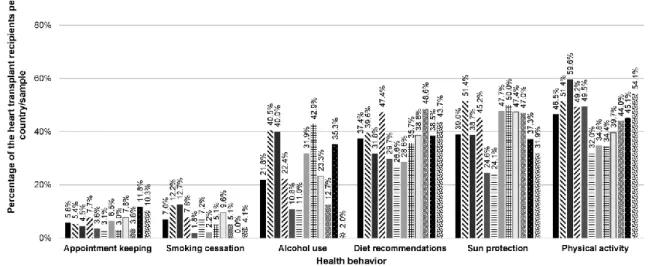
Figure 2 Behavior‐wise investigation of the variability in nonadherence prevalence between countries
Table 4. Chi‐square test results for the between‐country variability within each health behavior (showing nonadherence rates)
Appointment keeping Smoking cessation Alcohol use Diet recommendations Sun protection Physical activity
Adherent Not adherent Adherent Not adherent Adherent Not adherent Adherent Not adherent Adherent Not adherent Adherent Not adherent
Belgium 70 (94.6%) 4 (5.4%) 65 (87.8%) 9 (12.2%) 44 (59.5%) 30 (40.5%) 29 (60.4%) 19 (39.6%) 34 (48.6%) 36 (51.4%) 36 (48.6%) 38 (51.4%) France 150 (95.5%) 7 (4.5%) 137 (87.3%) 20 (12.7%) 96 (60%) 64 (40%) 75 (68.2%) 35 (31.8%) 92 (61.3%) 58 (38.7%) 59 (40.4%) 87 (59.6%)
Germany 60 (92.3%) 5 (7.7%) 59 (92.2%) 5 (7.8%) 52 (77.6%) 15 (22.4%) 10 (52.6%) 9 (47.4%) 34 (54.8%) 28 (45.2%) 33 (50.8%) 32 (49.2%) Italy 107 (96.4%) 4 (3.6%) 108 (98.2%) 2 (1.8%) 99 (89.2%) 12 (10.8%) 45 (70.3%) 19 (29.7%) 83 (75.5%) 27 (24.5%) 53 (50.5%) 52 (49.5%) Spain 217 (96.9%) 7 (3.1%) 205 (92.8%) 16 (7.2%) 202 (89%) 25 (11%) 160 (73.4%) 58 (26.6%) 167 (75.9%) 53 (24.1%) 151 (68%) 71 (32%) Switzerland 43 (93.5%) 3 (6.5%) 45 (97.8%) 1 (2.2%) 32 (68.1%) 15 (31.9%) 10 (71.4%) 4 (28.6%) 23 (52.3%) 21 (47.7%) 30 (65.2%) 16 (34.8%)
United Kingdom 96 (97%) 3 (3%) 94 (94.9%) 5 (5.1%) 56 (57.1%) 42 (42.9%) 18 (64.3%) 10 (35.7%) 49 (50%) 49 (50%) 63 (65.6%) 33 (34.4%) Canada 107 (92.2%) 9 (7.8%) 104 (90.4%) 11 (9.6%) 92 (76.7%) 28 (23.3%) 54 (61.4%) 34 (38.6%) 61 (52.6%) 55 (47.4%) 70 (60.3%) 46 (39.7%) USA 324 (96.4%) 12 (3.6%) 318 (94.9%) 17 (5.1%) 296 (87.3%) 43 (12.7%) 143 (51.4%) 135 (48.6%) 177 (53%) 157 (47%) 187 (56%) 147 (44%)
Australia 45 (88.2%) 6 (11.8%) 51 (100%) 0 (0%) 33 (64.7%) 18 (35.3%) 16 (61.5%) 10 (38.5%) 32 (62.7%) 19 (37.3%) 28 (54.9%) 23 (45.1%) Brazil 87 (89.7%) 10 (10.3%) 93 (95.9%) 4 (4.1%) 98 (98%) 2 (2%) 40 (56.3%) 31 (43.7%) 64 (68.1%) 30 (31.9%) 39 (45.9%) 46 (54.1%)
Chi‐square test results
χ2
(10, N = 1376) = 17.91,
P = .056
χ2
(10, N = 1369) = 27.11,
P = .003
χ2
(10, N = 1394) = 146.21,
P < .001
χ2
(10, N = 964) = 31.22,
P = .001
χ2
(10, N = 1349) = 56.24,
P < .001
χ2
(10, N = 1340) = 40.67,
P < .001
Figure 3 Country‐wise investigation of nonadherence prevalence
4 DISCUSSION
This study is the largest ever to investigate the prevalence of nonadherence to various nonpharmacologic components of the post‐HTx regimen in the same sample. Its multinational setup allows examination of intercountry variability in nonadherence prevalence.
The highest overall prevalence of nonadherence was noted for physical activity: 44.1% (observed/unadjusted rate)—more than double the prevalence in the general global adult population (23%).17 As insufficient activity is a major risk factor for several chronic diseases,17 including those that HTx recipients are at a higher risk of developing due to lifelong immunosuppressant intake, HTx recipients would benefit from interventions promoting physical activity. A meta‐analysis18 of 10 RCTs showed that cardiac rehabilitation programs could improve exercise capacity; however, most included studies focused on the immediate post‐transplant period and did not investigate the programs’ possible spin‐off effects, for example, higher physical activity levels in daily life. That is, physical activity is a poorly investigated domain in HTx.
Next, 39.5% of our sample did not always apply sun protection when needed. As the prevalence of skin cancer in adult HTx recipients is 9.5% and 18.4% at 5 and 10 years post‐HTx,19 respectively, strategies that boost sun protection use may help to prevent skin cancer. Unfortunately, research on such interventions within transplantation is still in its infancy.
Fourth, heavy alcohol use was observed in 21.1% of the participants. One might argue that we used a very stringent definition; however, we followed CDC guidelines,14 which state that exceeding the specified limit increases the risk for over 200 diseases and injuries, including liver disease, cardiovascular disease, and some forms of cancer.24 Unfortunately, alcohol‐related research in transplantation focuses predominantly on liver transplant patients: the HTx literature is sparse. It remains unclear whether heavy alcohol use after HTx will affect graft or patient survival.
Fifth, 6.6% of our sample smoked post‐transplant. While in line with previously reported numbers,7, 25 this prevalence is presumably underestimated, bearing in mind that we used self‐report to document smoking.26 Given that post‐transplant smoking significantly reduces graft and patient survival,27,28 we recommend that HTx programs regularly assess patients’ smoking status via more objective means, for
example, exhaled CO measurement, and should implement effective smoking cessation programs.28
Finally, appointment nonadherence was observed in 5.1% of the sample, which is similar to previously reported numbers.7,29 Although the prevalence is relatively low, missing scheduled clinic visits after HTx is a risk factor for poor medication adherence, which elevates the risk for late acute rejections.29 Therefore, transplant programs should do their best to reach out to HTx recipients who might miss or drop out of follow‐up care.
In addition, we observed significant intercountry variability in nonadherence prevalence. The reasons behind this are open to speculation. For example, alcohol use at social occasions might be more common and acceptable in some countries. Likewise, patients might wrongfully assume that sun protection is less important in countries with cooler temperatures or fewer hours of sunshine. Summarizing the evidence on possible factors of nonadherence prevalence variability between countries for each studied behavior is beyond the scope of this paper. Based on these examples, however, it is clear that not only individual patient characteristics, but also factors related to the patients’ communities, healthcare providers, healthcare settings or policies, or cultural aspects might contribute to the observed differences. Therefore, future studies should use a multilevel approach to understand variability,11 incorporating all potentially relevant correlates of each relevant health behavior at the patient‐, micro‐, meso‐, and macro‐levels into a single model.
4.1 Limitations and strengths of the study
First, nonadherence was measured through self‐report. Given the multitude of variables collected in the main study, the large sample size, and the multinational nature of the study, this was unavoidable. Second, the cutoff points used to categorize patients as adherent/nonadherent were chosen based on criteria that might not be clinically meaningful for the HTx recipient population. This was necessary in the absence of recommendations regarding appropriate levels of the investigated health behaviors for HTx recipients. Third, HTx recipients were recruited and data collected during follow‐up clinic visits. This might have skewed certain results, for example, regarding appointment nonadherence, due to the possibility of including more adherent participants. Fourth, centers participated on a voluntary basis and could only participate if they performed at least 10 procedures, on average, per year. Smaller centers might organize follow‐up care differently or might lack the experience or resources to monitor adherence or lifestyle factors, possibly resulting in higher nonadherence rates than those documented in the present paper. Finally, the design of the study was cross‐sectional, giving a static rather than a dynamic picture of nonadherence over time.30
Strengths include our large multinational sample. Moreover, studying all nonpharmacologic components of the post‐transplant regimen in the same patients is unique and allows a clear understanding of the corresponding adherence issues in HTx recipients. The use of random sampling at the patient level, applying the same nonadherence measures and operational definitions and our adjustment of prevalence rates to ensure appropriate representativeness of each country in relation to the entire sample (based on its HTx recipient population) further strengthens our belief that the numbers presented in this paper accurately depict the magnitude of the problem.
CONFLICT OF INTEREST
The authors have no conflict of interests to disclose. Dr. Crespo‐Leiro received grants from Novartis, Vifor Pharma, Medtronic, Servier, and Rovi and personal fees from Novartis, Astellas Pharma, and Mallinckrodt. The BRIGHT study was funded by research grants from the International Transplant Nurses Society (ITNS) in 2008, the International Society for Heart and Lung Transplantation (ISHLT) in 2012, the Swiss Academy of Medical Sciences (SAMW) in 2013, as well as by an unrestricted research grant from Astellas Pharma and cofinanced with the European Regional Development Funds (ERDF). None of the grants has a grant number. The funding organizations neither have access to the data nor were involved in the preparation of the manuscript.
APPENDIX :
The BRIGHT Study team consists of the following: Maria G. Crespo‐Leiro (Hospital Universitario À
Coruña, La Coruña, Spain); Sandra Cupples (U.S. Department of Veterans Affairs, Veterans Health Administration, Washington, DC, USA); Paolo De Simone (Azienda Ospedaliero‐Universitaria Pisana, Ospedale Cisanello, Pisa, Italy); Albert Groenewoud (Astellas Pharma Europe Ltd., UK); Christiane Kugler (Hannover Medical School, Hannover, Germany); Linda Ohler (George Washington University, Washington, DC, USA); Johan Van Cleemput (University Hospitals Leuven, Leuven, Belgium); Alain Jean Poncelet (Cliniques Universitaires Saint‐Luc, Brussels, Belgium); Laurent Sebbag (Hôpital Louis Pradel, Lyon, France); Magali Michel (Hôpital Nord Laennec, Nantes, France); Andrée Bernard (Hôpital Universitaire Pitié‐Salpêtrière, Paris, France); Andreas Doesch (University Hospital Heidelberg, Heidelberg, Germany); Ugolino Livi (University Hospital Udine, Udine, Italy); Valentina Manfredini (University of Bologna, Bologna, Italy); Vicens Brossa‐Loidi (Hospital de Sant Pau, Barcelona, Spain); Javier Segovia‐Cubero (Hospital Puerta de Hierro, Madrid, Spain); Luis Almenar‐Bonet (Hospital Universitari i Politècnic La Fe de Valencia, Valencia, Spain); Carmen Segura Saint‐Gerons (Hospital Univeritario Reina Sofia, Córdoba, Spain); Paul Mohacsi (University Hospital of Bern, Bern, Switzerland); Eva Horvath (University Hospital Zurich, Zurich, Switzerland); Cheryl Riotto (Papworth Hospital, Cambridge, UK); Gareth Parry (Freeman Hospital, Newcastle, UK); Ashi Firouzi (Royal Brompton & Harefield NHS Foundation Trust, London, UK); Stella Kozuszko (Toronto General Hospital, Toronto, Canada); Haissam Haddad (University of Ottawa Heart Institute, Ottawa, ON, Canada); Annemarie Kaan (St Paul's Hospital, Vancouver, BC, Canada); Grant Fisher (London Health Sciences Centre, London, ON, Canada); Tara Miller (Duke University Hospital, Durham, NC, USA); Maureen Flattery (Virginia Commonwealth University Health System, Richmond, VA, USA); Kristin Ludrosky (Cleveland Clinic, OH, USA); Nancy Albert (Cleveland Clinic, OH, USA); Bernice Coleman
(Cedars‐Sinai Medical Center, Los Angeles, CA, USA); Jacqueline Trammell (Kaiser Permanente Santa
Clara Medical Center, Santa Clara, CA, USA); Katherine St. Clair, Andrew Kao (St. Luke's Hospital, Kansas City, MO, USA); Maria Molina (Hospital of the University of Pennsylvania, Philadelphia, PA, USA); Karyn Ryan Canales (Ochsner Medical Center, New Orleans, LA, USA); Samira Scalso de Almeida (Hospital Israelita Albert Einstein, São Paulo, Brazil); Andrea Cotait Ayoub (Instituto Dante Pazzanese de Cardiologia, São Paulo, Brazil); Fernanda Barone (Instituto do Coração da Universidade de São Paulo, São Paulo Brazil); Michelle Harkess (St. Vincent's Hospital, Sydney, Australia); Joanne Maddicks‐Law (The Prince Charles Hospital, Brisbane, Australia).
REFERENCES
1. Lodhi SA, Lamb KE, Meier‐Kriesche HU. Solid organ allograft survival improvement in the United States: the long‐term does not mirror the dramatic short‐term success. Am J Transplant. 2011;11:1226‐1235.
2. Stehlik J, Edwards LB, Kucheryavaya AY, et al. The Registry of the International Society for Heart and Lung Transplantation: 29th official adult heart transplant report–2012. J Heart Lung Transplant. 2012;31:1052‐1064.
3. Soderlund C, Radegran G. Immunosuppressive therapies after heart transplantation–the balance between under‐ and over‐immunosuppression. Transplant Rev (Orlando). 2015;29:181‐189.
5. Costanzo MR, Dipchand A, Starling R, et al. The International Society of Heart and Lung Transplantation Guidelines for the care of heart transplant recipients. J Heart Lung Transplant. 2010;29:914‐956.
6. Dew MA, DiMartini AF, De Vito Dabbs A, et al. Rates and risk factors for nonadherence to the medical regimen after adult solid organ transplantation. Transplantation. 2007;83:858‐ 873.
7. Brocks Y, Zittermann A, Grisse D, et al. Adherence of heart transplant recipients to prescribed medication and recommended lifestyle habits. Prog Transplant. 2017;27:160‐ 166.
8. Jackson‐Leach R, Montague F, Tim L. Obesity Atlas for the European Union: 2017. London, UK: World Obesity Federation; 2016.
9. Organization WH. Prevalence of tobacco smoking. 2015;
http://www.who.int/gho/tobacco/use/en/. Accessed January 22, 2018.
10. Berben L, Denhaerynck K, Dobbels F, et al. Building research initiative group: chronic illness management and adherence in transplantation (BRIGHT) study: study protocol. J Adv Nurs. 2015;71:642‐654.
11. Denhaerynck K, Berben L, Dobbels F, et al. Multilevel factors are associated with immunosuppressant nonadherence in heart transplant recipients: the international BRIGHT study. Am J Transplant. 2018;18:1447‐1480.
12. Marshall AL, Smith BJ, Bauman AE, Kaur S. Reliability and validity of a brief physical activity assessment for use by family doctors. Br J Sports Med. 2005;39:294‐297. 13. Swiss Federal Statistical Office. 2017; http://www.bfs.admin.ch/bfs/portal/en/index.html.
Accessed December 23, 2017.
14. Frequently asked questions. 2017; https://www.cdc.gov/alcohol/faqs.htm. Accessed December 23, 2017.
15. Swiss study on the health of people with cancer, leukemia or tumor in child hood. Swiss Childhood Cancer Registry; 2008.
16. Haque Hussain SS, Todd PM, Chaudhry AN. Skin cancer in renal transplant patients. 2011. 17. Global status report on noncommunicable diseases 2010. Geneva, Switzerland: World
Health Organization; 2011.
18. Anderson L, Nguyen TT, Dall CH, Burgess L, Bridges C, Taylor RS. Exercise‐based cardiac rehabilitation in heart transplant recipients. Cochrane Database Syst Rev 2017;4:CD012264.
19. Adult Heart Transplantation Statistics. Registries ‐ Heart/Lung Registries > Slides. The International Society of Heart and Lung Transplantation; 2017.
20. Lim SS, Vos T, Flaxman AD, et al. A comparative risk assessment of burden of disease and injury attributable to 67 risk factors and risk factor clusters in 21 regions, 1990‐2010: a systematic analysis for the Global Burden of Disease Study 2010. Lancet. 2012;380:2224‐ 2260.
21. Nagendran J, Moore MD, Norris CM, et al. The varying effects of obesity and morbid obesity on outcomes following cardiac transplantation. Int J Obes (Lond). 2016;40:721‐724. 22. Beckmann S, Nikolic N, Denhaerynck K, et al. Evolution of body weight parameters up to
3 years after solid organ transplantation: the prospective Swiss Transplant Cohort Study. Clin Transplant. 2017;31:31.e.12896. https://doi.org/10.1111/ctr.12896.
23. Zeltzer SM, Taylor DO, Tang WH. Long‐term dietary habits and interventions in solid‐ organ transplantation. J Heart Lung Transplant. 2015;34:1357‐1365.
24. Shield KD, Parry C, Rehm J. Chronic diseases and conditions related to alcohol use. Alcohol Res. 2013;35:155‐173.
25. Corbett C, Armstrong MJ, Neuberger J. Tobacco smoking and solid organ transplantation. Transplantation. 2012;94:979‐987.
26. Stevens KR, Munoz LR. Cigarette smoking: evidence to guide measurement. Res Nurs Health. 2004;27:281‐292.
27. Duerinckx N, Burkhalter H, Engberg SJ, et al. Correlates and outcomes of posttransplant smoking in solid organ transplant recipients: a systematic literature review and meta‐ analysis. Transplantation. 2016;100:2252‐2263.
28. Qiu F, Fan P, Nie GD, et al. Effects of cigarette smoking on transplant survival: extending or shortening it? Front Immunol. 2017;8:127.
29. De Geest S, Dobbels F, Martin S, Willems K, Vanhaecke J. Clinical risk associated with appointment noncompliance in heart transplant recipients. Prog Transplant. 2000;10:162‐ 168.