RECRUITMENT OF CHILD DOMESTIC WORKERS PREFERENCE FOR CHILD DOMESTIC WORKERS SALARY AND PAYMENT IS DIRECT. Over six months (January-June 2009), a research team from the Center for Migration and Refugee Studies (CMRS) conducted an exploratory study on child domestic workers in Egypt.
DEFINITIONS AND CONCEPTS
CHILD DOMESTIC WORKERS
DOMESTIC WORK
In-depth interviews
Two adult domestic workers were referred as former children's home workers by former children's home workers. Twenty-four interviews were conducted with deployed families of child domestic workers in Fayoum and Minya governorates.
SAMPLE CHARACTERISTICS
EMPLOYERS
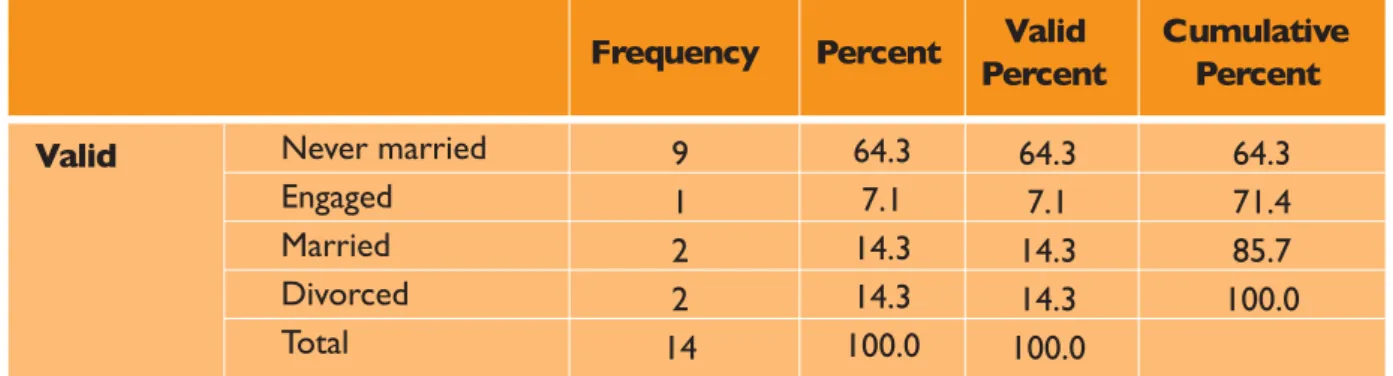
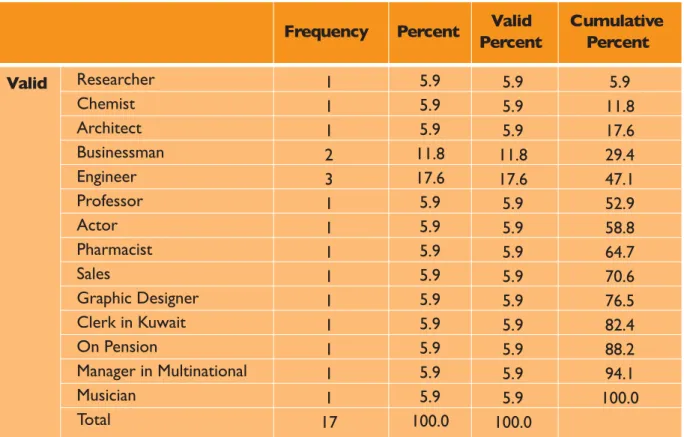
The occupations of the spouses (or ex-spouses) of the interviewees included musician, social researcher, chemist, architect, engineer and businessmen (see Table 2), with one retiree receiving a pension. The age of the first child ranged from 1 to 35 years, but the majority were younger than 10 years.
CURRENT CHILD DOMESTIC WORKERS
The starting age for children working in the household was from 6 to 15 years. The starting age for working as a child domestic helper was from 7 to 14 years.
SENDING FAMILIES
RESEARCH FINDINGS
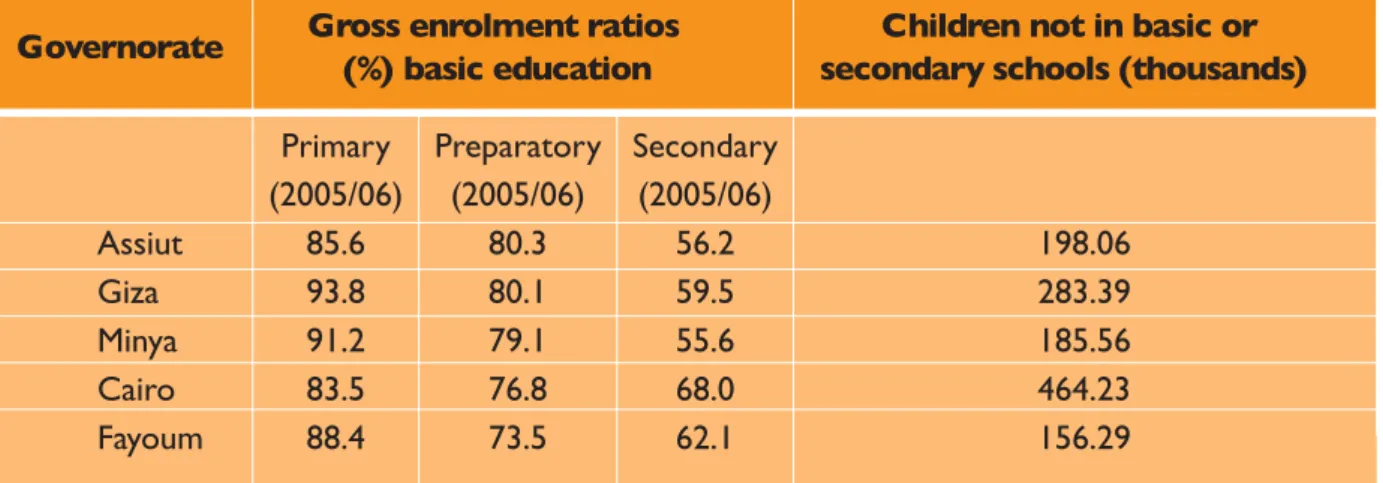
ESTIMATION OF THE NUMBER OF CHILD DOMESTIC WORKERS
RECRUITMENT OF CHILD DOMESTIC WORKERS
Entry Factors
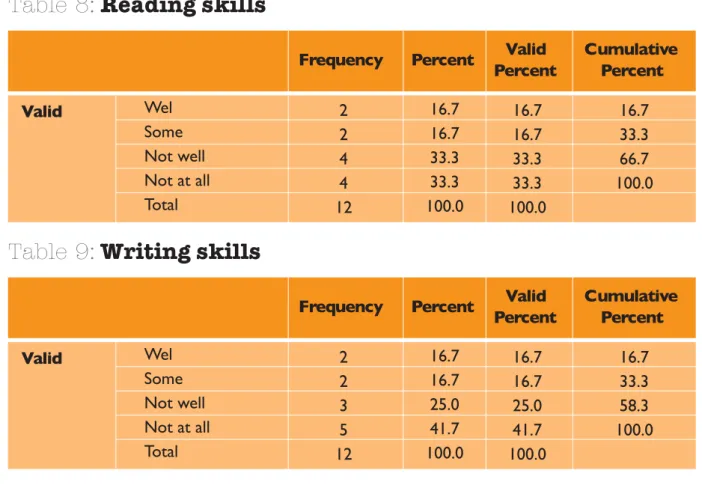
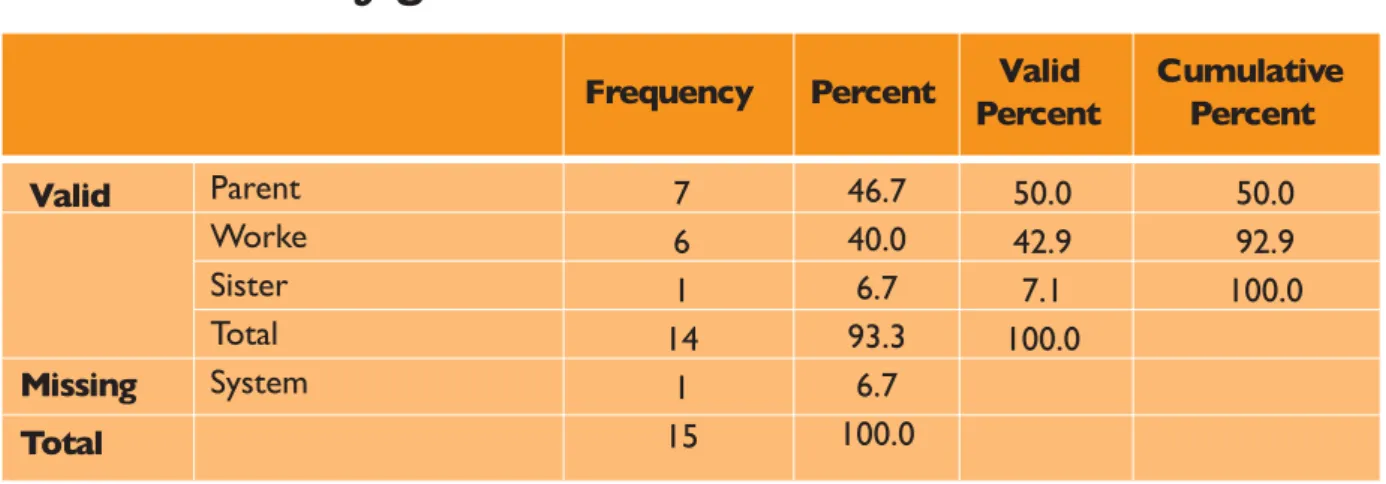
In the household sector, women and girls make up the vast majority of the workforce. As shown in the tables above, almost all of the employers we interviewed reported that they prefer to use their social networks as a means of recruiting domestic workers. Generally, the system of mekhademateya (female recruiter) involves her bringing the girl.
She said: An aunt is like a mother, would she not protect her and take care of her.
Child domestic workers’ and sending families’ means for seeking employment
Most of them sent their daughters to work through family, employers or friends who characterize them as In Kathmandu, orphanage workers are increasingly brought to work by parents and relatives, with the use of intermediaries decreasing since 2005 (Children-Women in Social Service and Human Rights, 2007). In addition, many mothers reported that they do not prefer to send their young daughters (under 11 years old) as they are too young to work.
For example, mothers said that some daughters do not like agricultural work because it is too hectic and want to work in the capital Cairo.
PREFERENCE FOR CHILD DOMESTIC WORKERS
In addition, employers described many characteristics that characterize child helpers that are not present with adult domestic helpers. It was often mentioned that child care workers in the home typically do not have influence and will not compete with you as older workers. Adult domestic helpers don't like taking orders and argue a lot, whereas child helpers won't argue with you.
Employers often described the general conditions of child domestic workers in terms of before and after class.
SALARY AND PAYMENT ISSUES
Salary and Incentives
With the exception of two, most of the current girls' home workers we interviewed received salaries directly from their employers. They often use this to claim that parents of child domestic workers are exploitative and sell their children for money. This helps them to construct a contrasting image, tinged with religious and moral discourses, of exploitative parents versus the benevolent employer, in order to rationalize the employment of children's home workers.
Furthermore, boys working in the household are more likely to report working because of previous negative educational experiences, but with the goal of learning a trade, while girls identified different aspirations, such as the desire to earn their own money or help financially the family (ECWR, 2008).
WORKING CONDITIONS
Working Hours per Day and Breaks
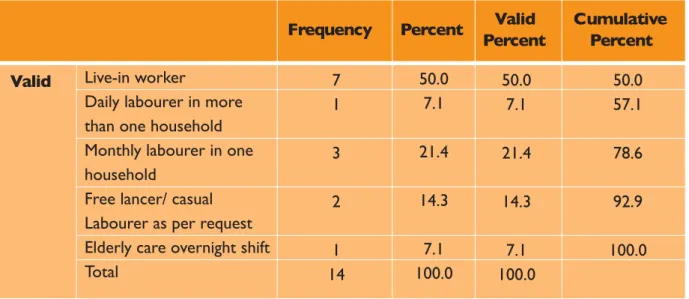
Those who live with their employers go on holiday every six months and, in one case, once a year during the holiday. Most former child domestic workers (8 out of 14) reported that they worked nine hours or more when they first started. Three former child domestic workers reported that they did not have regular breaks when they started working.
Ragaa', a 16-year-old former child domestic worker, worked overnight for an old woman when she was 14 years old.
Specific tasks assigned
However, girls in the home often emphasized the physical exertion of the tasks they performed, even when these were the same tasks reported by their employers. For example, running errands is a task reported by both employers and domestic workers. However, orphanage workers added another dimension by reporting that they had to go up and down several times a day to get something their employers wanted.
It is worth noting that most of the children and former domestic workers quit their jobs at least once due to the heavy tasks assigned to them and/or work overload.
ACCESS TO FOOD AND SHELTER
Access to Food
At lunch we (husband, wife, daughter and adult domestic worker) eat at the same table, unless we have guests, because here in Egypt some people don't like that. However, like Hoda, all employers said they would not allow child housekeepers to eat at the table when there were guests. Two said they only let the girls sit at the table when no men are present.
Those who did not allow their children who work in the household to sit at the same table said that they felt some discomfort and preferred to eat separately.
Access to Shelter and Adequate Sleep
ACCESS TO EDUCATION
Access to Formal Education
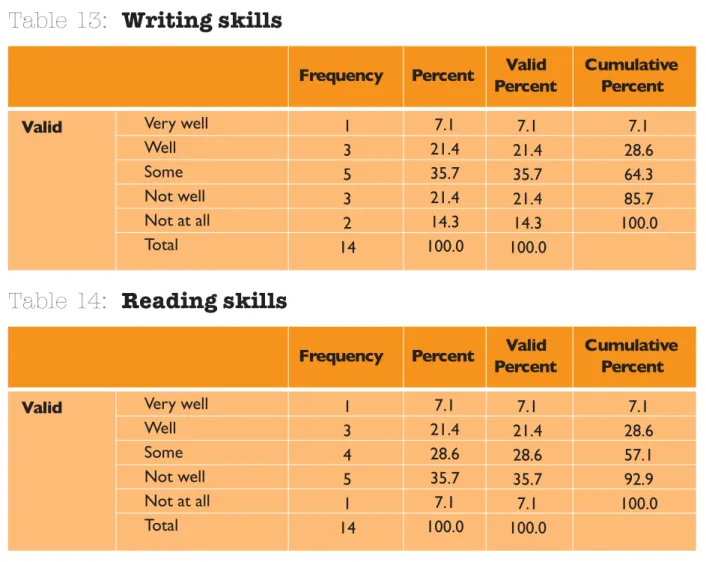
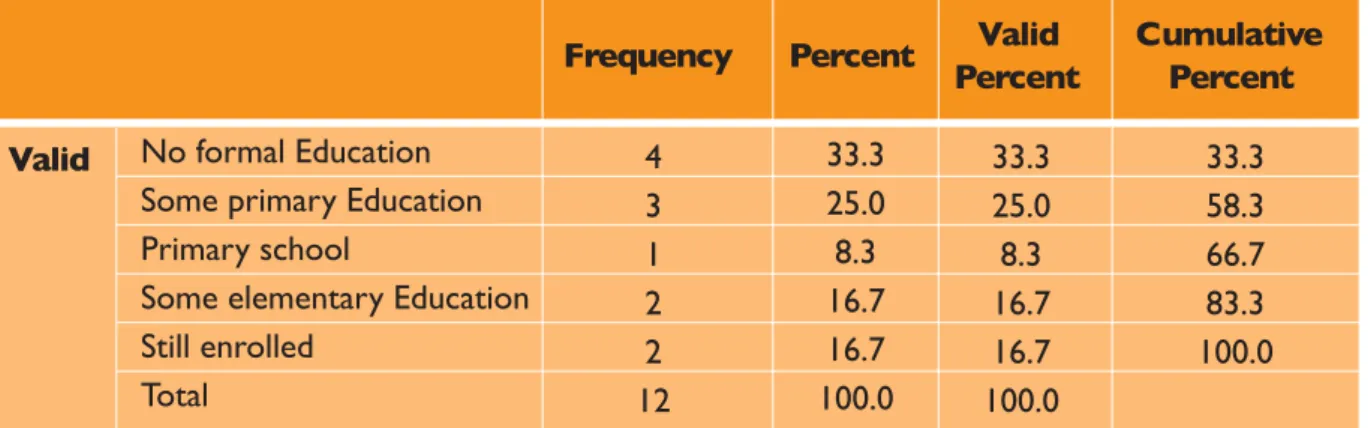
All the other domestic workers we interviewed dropped out due to parents' inability to pay school fees, repeated failures in school, and gender-based bias against girls' education. Based on our fieldwork, domestic child labor is neither a means for adolescent girls to achieve economic independence nor to cover school expenses. This is in stark contrast to findings in other countries where domestic child workers identified domestic work as a means of continuing their education (eg by having their employer pay their education fees or by earning money for school fees), although the nature of their work (long hours, physically draining) posed a barrier to continuing their education (Blagbrough, 2008; ILO-IPEC, 2004; Camacho, 1999; Children-Women In Social Service and Human Rights, 2007).
It is worth noting that the only case where the mother insisted that her daughter continue her education was a mother who had completed a two-year degree.
Access to Informal Education
They said they wanted me to stay away from my brother (Mohamed) because he beat me a lot. In fact, it is mostly a strategy for the families to obtain an income that will enable them to cover basic household expenses and sometimes their girls'. When we asked Amina about the future of her daughter, she insisted that she will let her quit her job next year so that she can focus on her education and have a better future.
My son tried to learn it and the sheikh who came to teach my son the Quran also tried but without hope.
Religious Education
Hygiene Habits
A typical hygiene story is to ask the child's housekeeper to shave their hair to get rid of the lice, and throw their clothes in the trash. I took all her clothes, put them in the trash and gave her new clothes. As the quote above shows, hygiene is often used by employers to accuse the parents of child domestic workers of being abusive and uncaring, leaving the employer the job of cleaning up.
It is worth noting that although hygiene-related habits can objectively be considered an essential life skill, they can be a traumatizing experience for the child in the home, as they often translate into practices, attitudes and behaviors that differentiate between "the employer's family " and the "domestic worker's family." This was noted in the narrative of former child households.
EMPOWERMENT AND OPPORTUNITIES
Families’ perceptions of empowerment/ opportunities
Employers’ perceptions of empowerment/ opportunities
Interestingly, Ne'amat knew nothing about the village her child came from, not even the name of the village.
Child domestic workers’ perceptions of empowerment/
Karima: I just like to be with them, wherever they go. I live with people who love me and I love them. Karima: I feel that my family is here [my employer's family]; I lived with them all my life. Similar to the cases of Fahima and Karima, there was a sense of identity confusion between the original class (the social class of the parents) and the assumed class (ie the class of the employer) among many other Egyptian child laborers.
The positive aspects identified by orphanage workers in our study are consistent with findings in other countries, such as positive interactions/relationships with employers (Blagbrough, 2008), exposure to urban life and the building up of cultural and social capital and possessions (Kippenberg , 2007). ).
SEXUALITY
Based on the three stories above, child care workers in the home do not have an adequate reporting system for sexual abuse. In response to the perceived sexuality of girl child domestic workers and the awareness of risks of sexual abuse, studies have found that employers (mainly female) resorted to strictly controlling the appearance of their adult female domestic workers (Constable, 1997), as in our case. by Hoda. In general, domestic child workers must manage interactions with male employers to prevent sexual abuse and jealousy-driven abuse (from female employers) (Blagbrough, 2008).
Employers in our study attempted to discipline or manage interactions between child domestic workers and other male members of the household.
CHILD PROTECTION
Zeinab is the mother of a domestic helper whom we met in Minbal, an area belonging to markaz Matay in Minya governorate. A number of studies and reports have also warned against demonizing or criminalizing all employers of children in the home (UNICEF International Child Development Centre, 1999; Blagbrough, 2008; Black, 2002). However, child helpers and child agricultural workers are explicitly excluded from labor laws designed to regulate child labour.
Egypt's labor laws regulating child labor increase child labor's risk of being exploited and abused (Azer et al., 2007).
PERCEPTIONS ON VULNERABILITY
CHILD TRAFFICKING
For example, Rasha is a 14-year-old domestic worker sent to her employer by 'Am Hassanein, a mekhadamaty (village domestic worker recruiter) who picks up child domestic workers from a village in Kafr al-Sheikh and brings them to the village. in a minibus to Cairo and distributes them to employers. Maha is another childcare worker we met in Minbal, a poor area in Markaz Matay, Minya Governorate. Most of the child housekeeper families in this area work as seasonal farmers on his land, and since Hag Ahmed is their main source of income, so they cannot say no when he asks for a daughter to work.
The case of Rasha, Maha and other child domestic workers' migration and work experiences reflect trafficking characteristics that involve complex or ambiguous interactions between family and intermediaries (Blagbrough, 2008; Jacquemin, 2006).
CONCLUSION
RECOMMENDATIONS
Governmental child protection bodies
Ministry of Education. Egyptian educational system
Adapt these services to the child's family restrictions (in terms of freedom of movement, working hours) and interests. Reaching children who work in households by providing them with services (such as art and literacy classes), which can be done in conjunction with family recruitment. Have a clear agreement with the children's family guardians, on the basis that such agreements would also help them preserve their rights.
This could contribute to a better understanding of the psychosocial circumstances of household children, and to improving respectful mutual relationships between both parties.
BIBLIOGRAPHY
Retrieved from Google Scholar, June 21, 2009, at http://www.hrw.org/sites/default/files/reports/indonesia0209_web.pdf. Retrieved from Google Scholar on June 21, 2009 at http://www.crin.org/docs/save_uk_cl_ind.pdf. Retrieved from Google Scholar, June 21, 2009, at http://www.njas.helsinki.fi/pdf-files/vol10num2/suda.pdf.
Retrieved from Google, June 28, 2009, from http://www.dol.gov/ilab/programs/ocft/PDF/2007OCFTreport.pdf.
Newspaper Clippings