UN-Habitat thanks all staff who reviewed drafts of the report. The promotion of public health and disease prevention has also become more widespread at the municipal level.5 The example of the city of Lucca and its focus on.
Reconfiguring Regions: The Need For More Sustainable and
Environmental systems
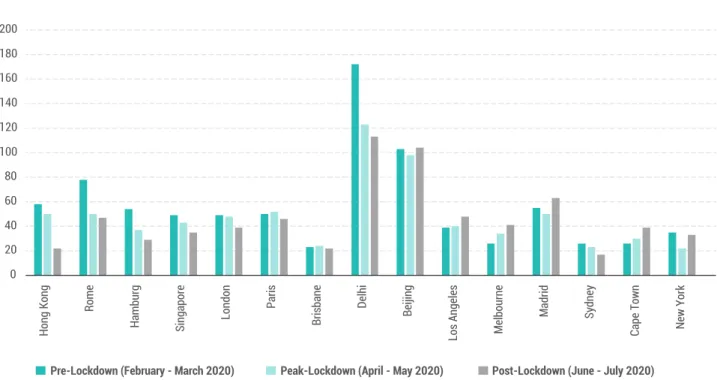
In a study by Instant Offices, a workspace provider, using data from the World Air Quality Index, air pollution saw an increase in six out of 15 global cities in the immediate months after coming out of lockdown. Animal habitats are a key factor in the rise of zoonotic diseases, with 50 percent of all zoonotic diseases estimated to have occurred since 1940, corresponding to a period of enormous forest loss and encroachment.
Connectivity, networks of cities and regional linkages
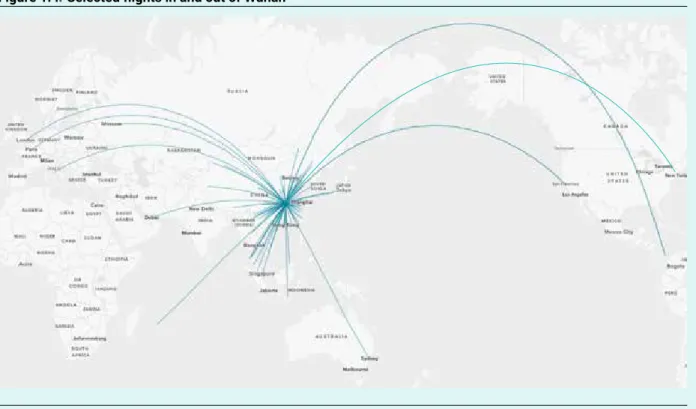
Large agglomerations played a role in the initial spread of the infection, but well-established networks of cities also helped facilitate a response to it. The emerging remote work trend of the past decade has accelerated dramatically in the wake of COVID-19.
Agriculture and food systems
Sub-national development strategies are also likely to respond better to the key trends of the 21st century regarding more circular production, more localized production of essentials. Sub-national development strategies are also likely to respond better to key 21st century trends of more circular production, more localized production of basic necessities, from a nutritional and medical perspective, and real-time local production that takes advantage of (4) Industrial Revolution technologies .
Cities in the Face of COVID-19: The Role of Population Size,
- Population size
- Density
- Weak spots
- Urban mobility
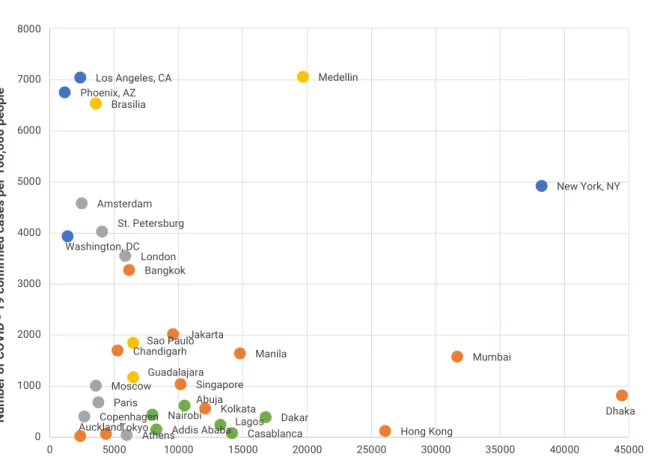
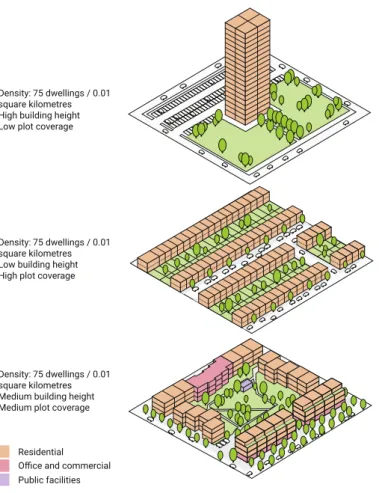
Density of cities was not the determining factor in increased infection or death rates from COVID-19. Change in demand for public transport due to the COVID-19 outbreak in selected cities in Latin America from March 2 to May 12, 2020.
Reimagining the Neighbourhood: The Renewed Importance
Public space
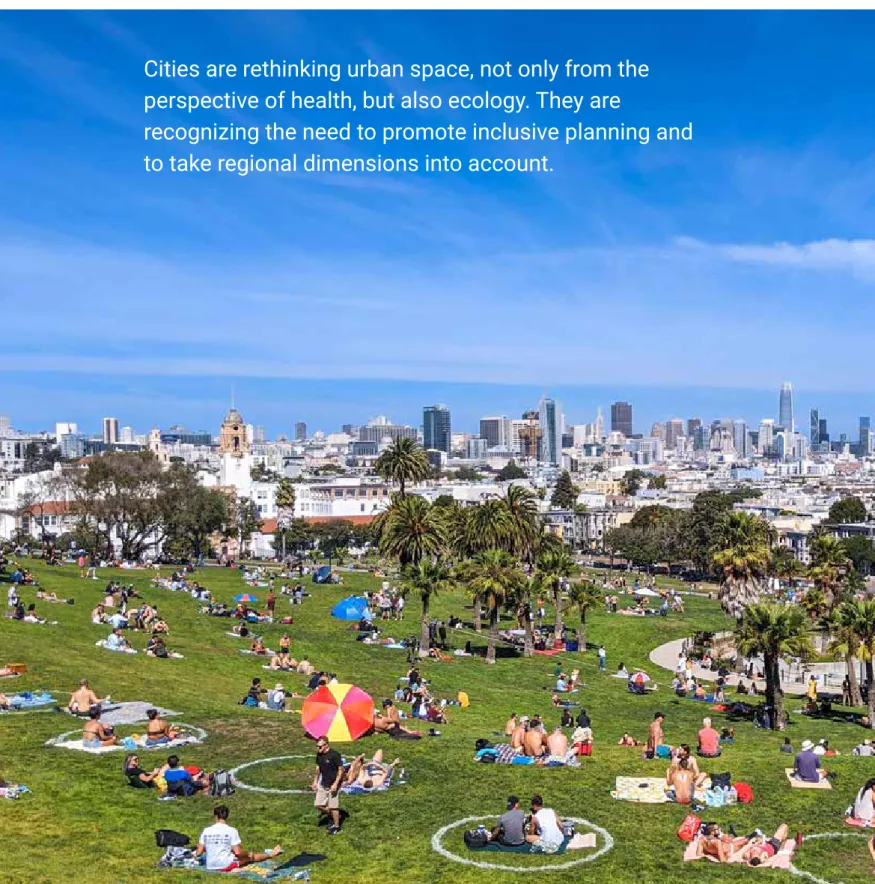
During COVID-19, repurposing public spaces also helped reduce the trade-off between public and economic health. Planners from UN-Habitat have proposed new designs to incorporate physical distancing, hand-washing stations and the introduction of temporary markets in public spaces to accommodate vendors.
Compact, mixed-use development
As a result, many suppliers have had to adapt quickly to new restrictions. In the medium to long term, a continued increase in remote working and the associated reduction in people's need to travel is likely to lead to a growing demand for local, easily accessible services and amenities. exercise and community cohesion.
Adapting Buildings to the Pandemic: Reducing Risk Through
Housing conditions
Although this may have been possible for a large number of people, housing design may not allow residents to adapt their daily routines to be carried out from home due to limited living space. Actions to incorporate some form of outdoor space have been shown to improve physical and mental health and have become even more urgent in the wake of COVID-19.
Flexible design
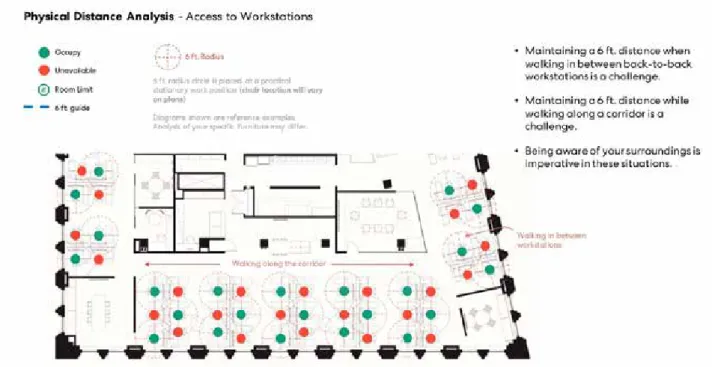
It was closed after a fire in February 2020, and was then converted by health authorities within weeks to accommodate COVID-19 patients. 99 For the hotel, like many other historic buildings that have been renovated in response to the public health crisis, this is the latest in a series of transformations in your life. The outbreaks were linked to the physical shape of the buildings themselves: their design would have to be rethought to avoid overcrowding, provide ventilation systems and minimize possible contact between different users.
Conclusion
Poverty reduction in reverse
In the more than two decades since the shock of the Asian financial crisis, the number of people living in extreme poverty has steadily and continuously reduced by about 1 billion – a trend that COVID-19 now appears to be reversing. For the first time since 1999, global poverty is expected to rise: The World Bank has estimated that between 119 and 124 million people were forced into extreme poverty during 2020 as a result of COVID-19 - including 31 million people who had been projected to to escape extreme poverty that year - with tens of millions more projected for 2021.5.
The impact of social inequality
In New York, for example, it soon became clear that the impact of COVID-19 was felt disproportionately along economic lines, with average death rates of 232 per 100,000 people in areas with poverty levels of at least 30 percent, compared to 100 per 100,000 people in areas where less than 10 percent of the population was poor.6.
Slums and informal settlements
One reason for this apparent disparity is the fact that a large proportion of COVID-19 infections and deaths in many informal settlements go unrecognized or unreported. Despite the limitations of the available data, these studies suggest that the living conditions of many slums and informal settlements may lead to disproportionately higher rates of COVID-19 infections and fatalities.

Health and environment
Healthcare services
The large numbers of older and more vulnerable people in care homes, combined with neglect and the inability to isolate, have dramatically worsened the risks of exposure to COVID-19. While addressing the specific challenges that COVID-19 has brought to cities around the world requires the immediate strengthening of
Water and sanitation
In Spain, for example, around 29,500 deaths are estimated to have occurred as a result of COVID-19 by mid-March 2021, amounting to more than 40 percent of all deaths attributed to the virus, with the proportion rising even higher in some. regions: in Castile and León, 1.5 percent of COVID-related deaths occurred in residential homes. whose needs are all too often overlooked.24. In Kenya, for example, a number of organizations have partnered to form the youth-led COVID-19 Emergency Response Coalition to help establish hygiene stations, isolation centers and education programs in informal settlements in towns and cities across the country.31 In summary, given that adequate water- and sanitation services are critical to preventing and stemming the spread of communicable diseases, each city's effort to control the spread of COVID-19 can only be as successful as the provision in the poorest neighborhoods.
Waste management
In a survey of women waste pickers during lockdown in Delhi, 68 percent of respondents reported that they were unable to carry out their normal work of sorting and selling recyclables due to shop closures, police patrols and a lack of protective equipment. The pandemic and the various restrictions imposed in cities to prevent its spread have not only disrupted urban waste management systems, but also threatened the livelihoods and health of waste pickers who play a crucial role in collection and recycling.
Housing
Overcrowding
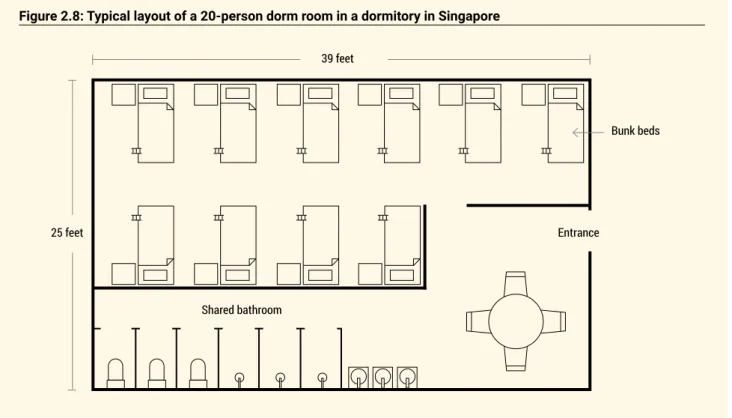
Poorly designed and overcrowded workers' homes and detention centers where migrant workers were confined after quarantine were a key factor in the high prevalence of infections. The UN-Habitat Guidelines on the Relief and Upgrading of IDP Settlements45 must focus on upgrading slums and informal settlements in long-term cities.
Tenure security and evictions
Ensuring that people are housed was a key priority in the emergency response for many governments in the first months of the crisis. At the end of the lockdown, cities can expect a crisis of evictions in the absence of more sustainable social protection measures.
Homelessness
It is encouraging that many cities quickly recognized and responded to these challenges in the early months of the pandemic, rehousing their homeless populations in safe, socially distanced accommodation. Disturbingly, however, many cities appear to have rolled back their emergency protections once the worst phase of the pandemic had passed at the time.
Connectivity
Accessible mobility
Many cities recognized that, despite the perceived risks of infection, public transportation was an essential infrastructure that needed to be maintained and improved during the pandemic as a lifeline for residents and a basis of economic stability. As discussed in Chapter 1, the evidence suggests that the incidence of infections Box 2.9: Making public transport safe COVID-19.
Communications and digital connectivity
To be truly effective, these changes must be accompanied by a broader shift in how cities and neighborhoods are planned and managed, an issue explored in more detail in Chapter 1. To overcome the digital divide, new infrastructure must be built to meet the growing demand of all groups in the aftermath of the pandemic.
Employment and social protection
Livelihoods
In Cambodia, for example, a temporary program was set up to support workers in the garment and tourism industries.88 The level of support is remarkable in many ways: in the OECD, by May 2020, around 50 million jobs supported various organizations. forms of job preservation schemes, including lay-off bans, short-time schemes and temporary wage subsidies in response to the pandemic, about 10 times more than during the global financial crisis of 2008/9. Expanding registries and social assistance to include more of the population, such as extending health insurance to those who have lost their jobs and expanding eligibility for employment programs to protect informal workers.
Welfare and social support
Social protection measures (including health care) are necessary to reduce poverty and improve access to adequate housing. Universal and unconditional social protection schemes are not only more inclusive and less likely to discriminate against people in need than targeted schemes, but they are also less likely to stigmatize beneficiaries and are easier to implement in administrative way.

A Call to Action for Cities
An opportunity for a new social contract
Long-term responses: Emergency measures to address the socio-economic barriers associated with COVID-19 in the short term were rapidly adopted in all sample cities. This type of feedback suggests a strong link between cities' financial capacity and medium- and long-term planning for socio-economic recovery.
A rights-based approach to recovery
These reforms are not only critical for the most marginalized groups in a society who suffer most from service disruptions and pandemics, but for a healthy, safe and peaceful society as a whole.101 Cities should also focus on expanding capabilities by empowered marginalized communities. Ensuring the meaningful participation of these marginalized communities is not only essential from a social justice perspective, but will also benefit cities in their recovery through local connections, knowledge and engagement.
Conclusion
OECD (2020b) 'What is the impact of the COVID-19 pandemic on immigrants and their children?', 19 October, https://www.oecd.org/coronavirus/. UNECA (2020) COVID-19 in African: Protecting Lives and Economies, UNECA, Addis Ababa UNEP (2020) Waste management during COVID-19.
The Need For a New Economic Framework
Markets impose their power on the state and sometimes try to replace it, resulting in friction over participation in the economy. When these three categories are examined in the urban spatial framework, the sustainability goals and the new urban agenda are at the center.
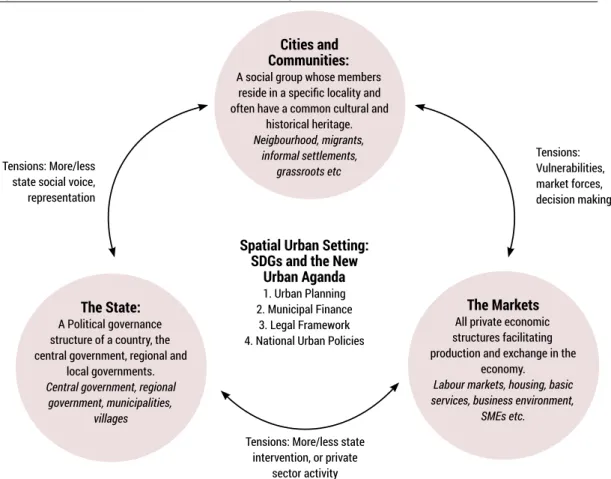
Assessing the Cost of COVID-19
Country and city responses
Notably, while some of the top expenditures as a percentage of GDP come from high-income countries — Japan (42.2 percent), the US (18.7 percent), Canada (16.4 percent), as well as many countries in Europe. According to the IMF, global government debt was about 98 percent of global GDP at the end of 2020, significantly higher than the projected 84 percent for the same period in October 2019 before the pandemic hit.18 Even in a relatively optimistic scenario of successful vaccine deployment, high-income countries are seeing some recovery, but probably not at a level that supports repayment.

The Impacts on Urban Economies
- Key productive sectors and labour markets
- Fiscal contexts at a subnational level
- Supply chains, digitalization and investment
- Supporting economic density
Consequently, the effects of the pandemic and the various restrictions put in place to contain it have been felt disproportionately among those whose livelihoods were already precarious. In the early stages of the pandemic, high density was considered a factor that promoted the rapid spread of the virus.

Conclusion: Moving Towards the ‘New Normal’
The role of subnational governments
Along with central governments and social security agencies, local and subnational governments have been at the forefront of the COVID-19 health crisis and its social and economic consequences. It is noteworthy that "the impact of the COVID-19 crisis can vary significantly not only across countries, but also across regions and municipalities within countries, both in terms of declared cases and related deaths."5 Bearing.
Multi-Level Governance: National, Subnational and
Vertical coordination: Cities in coordination with other tiers
Cities and Pandemics: Towards a Fairer, Greener and Healthier Future | 127 .. 93 US dollars) for all eligible households and an additional 2000 RD$ (37 US dollars) for households whose head is over 60 years old. Ecuador, the mayor of Quito coordinated with national-level authorities, such as the Criminalistics and Forensic Medicine Unit of the National Police and the Civil Registry, to immediately deal with the huge number of victims.18. This was the case of Mexico City, which began to work closely with the national government to coordinate hospital capacities in the region.19 In contrast, vertical coordination took place collectively through city connections: in Spain, the Union of Municipalities and Provinces play an important role in managing the pandemic and meet regularly with the national government to develop pandemic recovery agreements.
Horizontal coordination: Metropolitan, regional and territorial
In the Metropolitan Area of Guadalajara (Mexico) and Grenoble-Alpes Métropole (France), the adaptation of previous metropolitan policies linked to the rural areas such as land use plans or programs for the agricultural sector helped both metropolises to a better response to the pandemic. 22 In the USA, coordination between the governors of New York, New Jersey, Connecticut and Pennsylvania in the formulation of health policy led to the creation of a common set of guidelines on social distancing and restrictions on recreation that were also subsequently adopted. by other states.23 In Serbia, local governments established emergency task forces to enforce containment and other restrictive measures, as well as. In the US, coordination between the governors of New York, New Jersey, Connecticut and Pennsylvania in the formulation of health policy led to the creation of a common set of guidelines on social distancing and restrictions on recreation that were also later adopted by other states.
In isolation: Cities without support or in conflict with other
The Brazilian city of Paraty has been highlighted as one of the first developing country cities to integrate long-term recovery policies. It is important to highlight some overlaps in the multiple judgments delivered across various high courts and the Supreme Court of India, as well as some interference of the judiciary in the decisions taken by state governments.
Restructuring Powers and Responsibilities Between National and
Delegation
In Italy, a decree in the first weeks of the pandemic empowered regions to impose additional restrictions beyond those imposed at national level, to install customs health services at all points of entry. In unitary states in general – while power was often transferred from the national to subnational level or national to city level – devolution of powers from the subnational to city level was uncommon, probably a reflection of the regions' often limited levels of autonomy in the unitary states. states compared to the more extensive authority vested in subnational levels in federal states.107.
Recentralization
Although public hospitals in Norway are owned by the national government, they are usually run by regional healthcare companies with a considerable degree of autonomy. Accordingly, in both federal and unitary states, there has been a devolution of powers from higher to lower levels of government, as well as the assumption of powers by the national government.
City Governance Approaches to the Pandemic
Pre-existing governance mechanisms
Long institutional strength and an emphasis on welfare economics and social responsibility underpinned the country's management of the pandemic.123 Also, elsewhere, pre-existing governance instruments for disaster prevention and management were used effectively during the pandemic. Box 4.5: Applying lessons from previous health emergencies to COVID-19 in Vietnam Vietnam's response to the pandemic has been remarkably successful, as previous health emergencies experienced (SARS in 2003 and bird flu between 2004 and 2010) made the response to COVID-19 faster and easier for the country: it already had a well-developed public health system, as well as the infrastructures (such as emergency operations centers and surveillance systems) and experience to manage such a crisis, resulting in effective early detection and control. strategy.122 The answer consisted of a.
New governance mechanisms
In other countries too, task forces have been formed to address the wide-ranging and often interconnected impact of the pandemic. Third, digital tools have been deployed in the context of COVID-19 to support the provision of social services amid the disruption of the pandemic.
Conclusion
- Health crises, urbanization and the role of the state
- Narratives on COVID-19 and cities
- Pre-existing conditions and the deterioration of
- Fiscal shocks, cities and the “scissors effect”
C40 Knowledge (2020) 'Public transport after COVID-19: Rebuilding safe and connected cities', June, https://www.c40knowledgehub.org/s/article/. ICNL (undated), 'COVID-19 Civic Freedom Tracker', https://www.icnl.org/covid19tracker/?location=&i ssue=&date=&type.
Emerging Lessons and Opportunities
- The importance of the state, cities and multi-level
- Regional integration, economic rebalancing and
- Investing in social protection and livelihoods
- Fiscal stimulus packages as the seeds of
In many countries, the response to the pandemic involved dialogue between a number of local governments and networks of cities within a sub-region. But the scale and commitment of the immediate response to the pandemic opens up the possibility of such a trajectory.
Implications for Policy and Investment
- Harness the transformative potential of the pandemic
- Revitalize public sector capacities and engender
- Make cities inclusive, well-planned and regionally
- Establish a new social contract for collective
- Invest in sustainable infrastructure, digital
Once again, the pandemic has proven to be a testing ground, especially with the use of temporary basic incomes. The consequences of COVID-19 have prompted governments to mobilize unprecedented levels of public funding to respond to the health, social and economic difficulties of the pandemic.
Implications for Multilateralism
Inclusive multilateralism
They also include positioning urban economies within regional subnational planning processes, anticipating the implications of the pandemic and the need to shift production processes to reflect changing lifestyles, wider broadband access and new technologies. Given the unprecedented challenges created by the pandemic and the need for a collective response, these can extend beyond top-down policy frameworks to a direct engagement with citizens themselves.
Implementation of the New Urban Agenda