This allowed students to express their own ideas and complete the writing activities from the book block. To capture the differences in meaning, in the internal logic of the text, between the first and second versions of the text. Number of words in the texts, given the improvement in length in the second texts.
The subjects that the painting brings out are related to the writing activity included in the students' textbooks. As for the role of the teacher in the classroom, there are tasks that they must perform to help students write in a better way, especially when students are busy. In the top-down one, readers move from the general idea of the text to the specific details, guided by their prior knowledge (schema) and expectations.
She shows the painting and she asks students to say if they recognize who the people in the picture are. What is depicted in the painting was closely related to the unit covered in the learner's book. She then prompts the students to describe what they see in the painting and asks questions to encourage them to think critically about the artwork.
Then the teacher directs their attention to the adults in the picture who appear to be protecting the boy.
Results
TEXT 1
TEXT 2
TEXT 1
TEXT 2
TEXT 1
TEXT 2
TEXT 1
TEXT 2
TEXT 1
TEXT 2
TEXT 1
TEXT 2
TEXT 1
TEXT 2
TEXT 1
TEXT 2
TEXT 1
TEXT 2
TEXT 1
TEXT 2
After analyzing the above texts, we can say that texts number 2, which are longer than the first drafts, turn out to be more complete. Some of these include the students' personal experiences and also the experiences of their family members, as opposed to #1 texts which were mostly sentences about themselves, starting with "I". In addition, some of the writers specified the day they were referring to, namely Saturday or Sunday (students 3, 5, 6 and 10).
Including what other people in the family did last weekend, describing the weather, and being specific about the day they were writing about allowed students to improve their writing.
Text 1
Text 1
Text 2
Text 2
Text 1
Text 2
Text 1
Text 2
STUDENT 6 Text 1
Text 2
STUDENT 7 Text 1
Text 2
Text 1
Text 2
Text 2
Text 1
Text 2
Suggested activity in their course books: Look at the texts for the jobs presented in the unit, write a similar text for your friends to find the job.
Text 1
Text 1
When we analyzed the texts about a person's job, we could notice that in text number 2, the students tried to include time expressions, as well as expressions like "working long hours" or. Their second draft had a different purpose, writers had to provide more detail than in their first texts. Painting used before writing texts number 2: Dora Maar Au Chat by Pablo Picasso.
Text 1
Text 1
Text 1
Text 1
Text 1
Text 1
Text 1
Text 1
Text 1
Text 1
Text 1
Text 1
Text 1
Text 1
Text 1
Text 1
Text 1
Text 1
Specifically, when students wrote about the activities they do during the weekend, they included more information in the second text. Some other texts contain the quantifier "much" or the adverb "also", which also allowed writers to describe places more clearly. When we analyzed another version of these texts, we noticed that the students added useful information regarding the time of day the person works and if the person spends many hours at work.
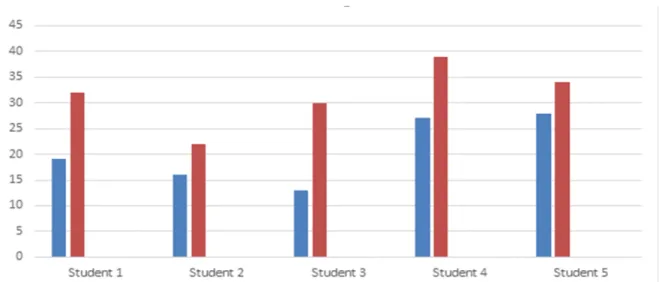
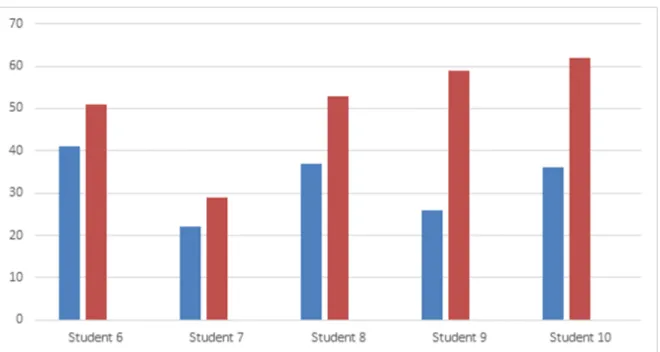
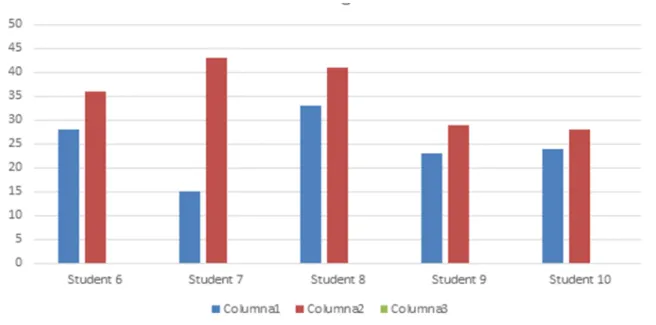
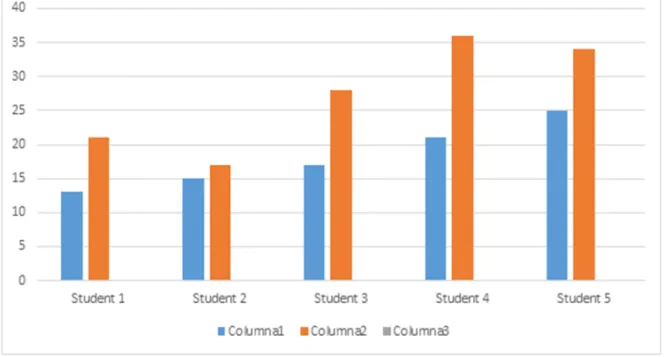
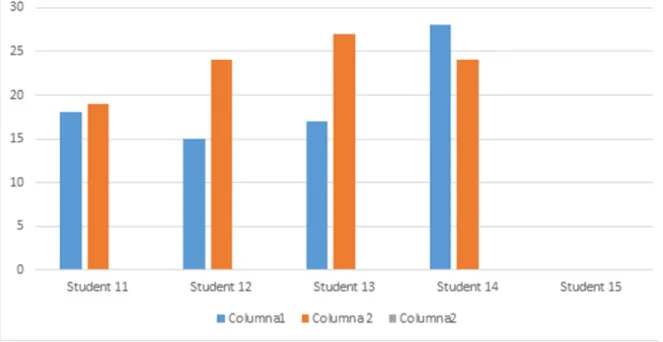
To illustrate this, there are two students who wrote about a police officer: one of the students said "he works long hours and helps people (..) He likes the job", and the other student. When we analyzed the texts about families, we noticed that in the graphs there is a significant increase of words in almost all the second texts written by students. In the first texts, we found that learners wrote about themselves, like a personal presentation, giving basic and precise information about their family.
In addition, in the following examples, students wrote not only about the family portrait, but also about what the family or family member inspired them. In general, a moderate increase in the number of words used in the texts is number 2. A word bank helps students recall words or structures from the book unit they are dealing with at the moment of the activity, or even words or structures that may be new to them or belong to previous units in the book .
Students use these words or phrases with confidence in most cases, as the activities involved in the presentation of the picture make them review their use in examples during the oral debate (the word bank is not previously set by the teacher; it is created during the presentation of the painting with the participation of students and teachers). In general, as the graph shows, in almost all cases the number of words used by students has increased. The picture presentation and the debate helped to guide the students to know what they could write about, in relation to the topic at hand.
For example, the actions in the past when students wrote on their weekends were better sequenced. Finally, students were able to use some specific vocabulary items they brought up during the presentation of the painting as they asked for words they needed. This could be clearly seen in the description of the city, and the texts about the families.