Derong Liu, Department of Electrical and Computer Engineering, University of Illinois at Chicago, Chicago, USA. Polycarpou, Department of Electrical and Computer Engineering, KIOS Research Center for Intelligent Systems and Networks, University of Cyprus, Nicosia, Cyprus.
About the Editors
He has presented and published more than 50 papers in IEEE and ACM national and international journals/conferences. He has also organized more than 50 national and international conferences and programs in association with ACM, Springer, IEEE to name a few in various countries including India, UK, Europe, USA, Canada, Thailand, Egypt and many more.
Contributors
Duong Nguyen Faculty of Computer Science and Engineering, Ho Chi Minh City University of Technology (HCMUT), Ho Chi Minh City, Vietnam;. Hai Vu Faculty of Computer Science and Engineering, Ho Chi Minh City University of Technology (HCMUT), Ho Chi Minh City, Vietnam;.
European Cultural Heritage: The Case of Cultural Gems
1 Introduction and Background
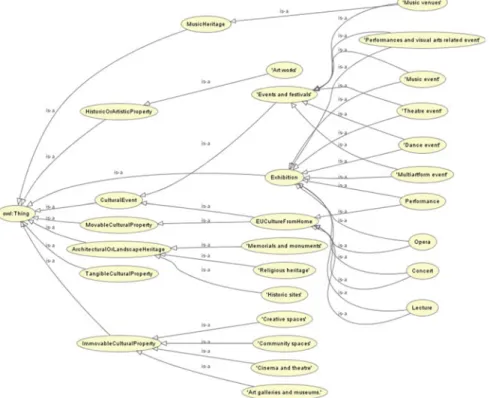
Works of Art—Class representing works of art in the public space that are created and displayed outside of the typical art gallery setting. Cultural gems data in the application is then mapped as individuals of the CG ontology by means of an ETL (Extract-Transform-Load) Python job that is run daily (nightly).
3 Interaction and Visualization of the Data
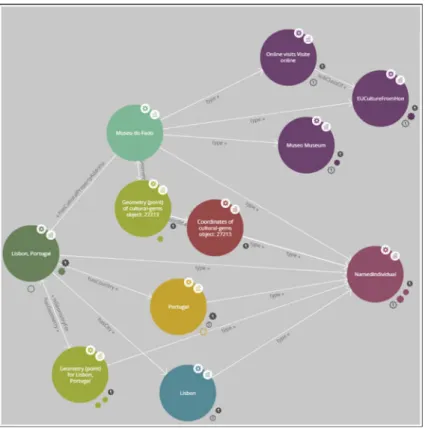
The second tool, LodLive, allows displaying the RDF data through an effective graphical representation, allowing navigation through the ontology resources. For example, the user can extend the relationships of a given ontology source in an automated way and explore the structure of the RDF data.
4 Conclusion
We plan to integrate further semantic services along with data content negotiation into the production application environment soon. 3 Visualization of Museu do Fado gem relationships with other data entities using LodLive.
LAA in the 5 GHz Frequency Band
1 Introduction
But LTE-License-Assisted Access (LTE-LAA) is on the way to introduce Wi-Fi-like coexistence capabilities. This study focuses on improving the throughput and reducing the coexistence time delay of Wi-Fi and LTE cellular communication via a simulation program.
2 Related Work
Wi-Fi used in the same preamble can result in better spectral usage for coexistence. However, this method has a dilemma arising in a fair NR-U backlog and Wi-Fi coexistence in the 6 GHz band.
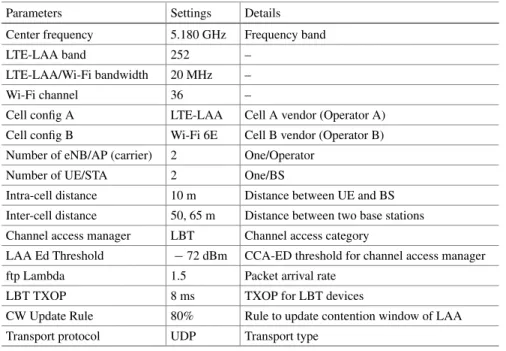
3 Simulation Setup
Data Collection
Simulation Design Procedures
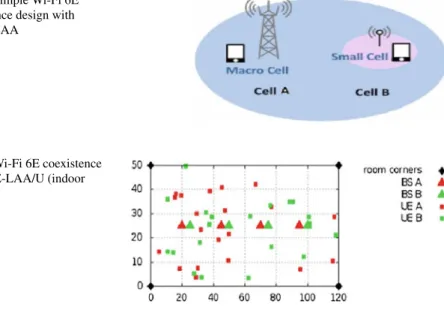
Second Design: Implement a dense deployment scenario between a Wi-Fi 6E network and LTE-LAA/U cellular networks in the 5 GHz band. Operator B has a Wi-Fi 6E infrastructure network that contains APs and STAs in the same coverage area as shown in Fig.
4 Simulation Results
- Wi-Fi 6E Coexistence with LTE-U
- Wi-Fi 6E Coexistence with LTE-LAA
- Wi-Fi 6E Coexistence with LTE-LAA Using UDP/TCP Protocol
- Wi-Fi 6E Coexistence with LTE-U Using FTP Protocol
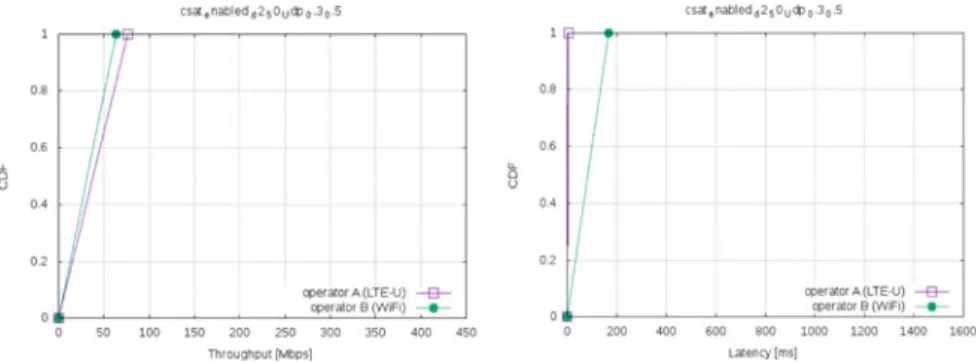
The diagram on the right shows the Wi-Fi operator has a lower latency than the LAA network. The diagram on the right shows that the Wi-Fi operator has about the same delay as the LTE-U network.
5 Discussion
Wi-Fi 6E Simple Coexistence Scenario with LTE-U/LAA
The coexistence result will get a higher performance for both networks when using LTE-U with FTP protocol in the indoor coexistence with the Wi-Fi networks.
Wi-Fi 6E Indoor Coexistence Scenario with LTE-LAA/
It contains 1000 TXOPs at the Wi-Fi layer, each with best-effort traffic and a PPDU consisting of aggregated MPDUs of up to 4 ms each. In addition, although LTE SINR distribution is not affected by decoding, Wi-Fi users' SINR distribution depends on preamble decoding.
6 Conclusion
Li Y et al (2016) Modeling and analysis of the coexistence of Wi-Fi and LTE in unlicensed spectrum. Zhang H et al (2015) Coexistence of Wi-Fi and heterogeneous small mobile networks sharing unlicensed spectrum.
Thus, this study assesses the effect of digital banking platforms on bank profitability. The factors contributing to banks' profitability through the use of digital banking platforms are examined.
2 Literature Review
Theoretical Foundation: IS Success Model
The findings of this research will help the relevant stakeholders in the banking sector to decide on the best approach to adapt to improve the customer experience when it comes to digital banking solutions. This will also help identify areas that will require further research in terms of digital banking platforms and their effectiveness.
Conceptual Model
- Digital Banking Platform Information Quality
- Digital Banking Platform System Quality
- Digital Banking Platform Service Quality
- Digital Banking Platform System Use (Usage)
- Digital Banking Platform User Satisfaction
- DBP Net Benefits
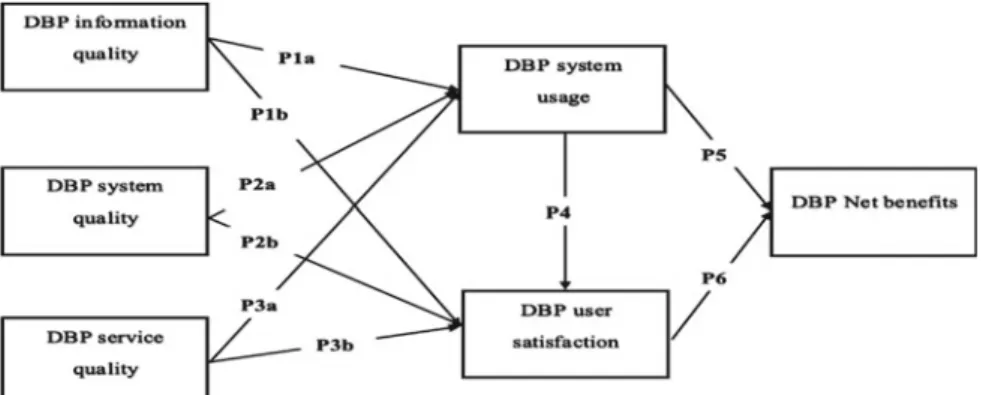
This comprehensive information is expected to lead to adoption of digital banking platforms as well as user satisfaction of a bank's customers. User satisfaction (USESAT) is defined as the extent to which the user believes that the digital banking platform meets his or her requirement [10, 11].
3 Research Methodology
Data Collection Method
4 Findings and Discussions
- Information Quality
- System Quality
- Service Quality
- System Use (Usage)
- User Satisfaction
- Net Benefits
Therefore, when the service quality of the system is good, it improves good use of the digital banking platform. All participants interviewed are satisfied with the overall performance of the digital banking platform.
5 Conclusion, Recommendations, and Limitations 5.1 Conclusion
- Implications for Research
- Implications for Policy
- Implications for Practice
- Limitations and Suggestions for Future Research
The use of the digital banking platforms positively impacts the ongoing user satisfaction of the system, leading to the realization of net benefits for the bank, thereby affecting the bank's profitability. Kreitstshtein A (2017) Digital transformation and its effects on the competency framework: a case study of digital banking.
Systems Usage During COVID-19 Pandemic
This study therefore aims to assess how online payment platforms assisted business transactions during the COVID-19 pandemic in Ghana. What are the benefits and challenges of using an online payment platform during the COVID-19 pandemic.
2 Literature Review 2.1 Theoretical Framework
Updated Information System Success Model
In practice, the study is very useful for organizations and institutions as the findings of this study can help them improve their online payment products and services. Additionally, this study is expected to raise awareness of online payment platforms and serve as a guide for developing countries with limited technological infrastructure to use similar systems in the future.
Conceptual Framework and Propositions
- Online Payment System Quality (OPS Quality)
- Online Payment System Security (OPS Security)
- Online Payment System Service Quality (OPS ServQual)
- Online Payment System Usage (OPS Usage)
- Net Benefits
It was found that trust and perceived security have a beneficial influence on the use of online payment system [19]. This is to help determine or measure the frequency with which people use online payment platforms in Ghana.
3 Methodology
- Data Analysis
- Did the COVID-19 Pandemic Influence Online Payment Platform Usage? (Research Question 1)
- Online Payment Platforms’ System Quality, Security Quality, and Service Quality Influence Their Usage
- The Benefits and Challenges of Using Online Payment Platforms During the COVID-19 Pandemic (Research
Well, I would say that when it comes to the quality of online payment platforms in Ghana in terms of responsiveness, navigation and efficiency, it's not bad. The above answers show that people benefit a lot from using online payment platforms.
5 Conclusions and Recommendations
Implications for Research
The present study broadened the understanding of how online payments were used during the outbreak of the COVID-19 pandemic through the lens of the updated DeLone and McLean IS success model. It thus enriched the IS literature in terms of online payments from a developing country context.
Implications for Practice
Limitations and Suggestions for Future Studies
Merritt C (2011) Mobile money transfer services: the next stage in the evolution of peer-to-peer payments. Kwadzo FA, Adroe RK, Asante M (2018) Analysis of electronic payment systems in Ghana - a case study of a mobile payment system.
Technologies to Drive Societal-Based Decarbonisation in the Transport Sector
Green Mobile Application
In the transport sector, more than 70% of GHG emissions occur in urban areas due to short journeys within and around cities [5, 10]. They also point to the possibility for the wider community to participate in the decarbonisation efforts of the transport sector through an appropriate incentive structure.
2 Theoretical Insights of Green Mobile Application
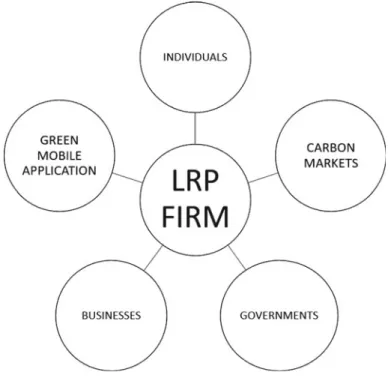
This paper aims to contribute to this gap by proposing a society-based decarbonization platform that considers a balance between environmental, social and governance (ESG) principles through the introduction of a mobile application called The last section presents our conclusions regarding the potential offered by the platform discussed in this paper.
Internet of Things and Goal Theory
The next section presents the theoretical and practical knowledge supporting the Green mobile application. The Green mobile application innovation presented in this paper is based on the health belief model (HBM) to propose a theoretical model that can explain the need for carbon tax rebates, carbon tax credits or other incentives or rewards.
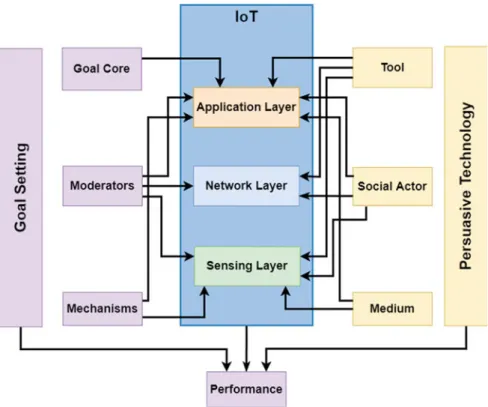
3 Green Mobile Application Development: Design Science Methodology
Problem Model
The application layer consists of the applications that will collect, process, and store data from the sensing layer and execute control over the sensing and network layers.
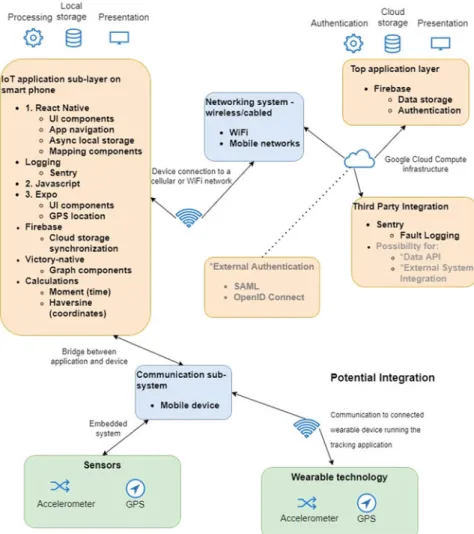
4 Development Results: Operationalising IoT and Goal Theory
5 Integrating Green Decarbonisation Innovation Within a Full-Service Loyalty Reward Programme
6 Conclusions
In addition, it can serve as a basis for other studies in carbon monitoring regarding the lifestyle choices that affect carbon emissions, decarbonized societies, transport behavior, etc. World Meteorological Organization (2019) WMO greenhouse gas bulletin: state of greenhouse gases in the atmosphere based on global observations through 2018.
Streetlight Monitoring System with Theft Detection Features
Purpose of the Study
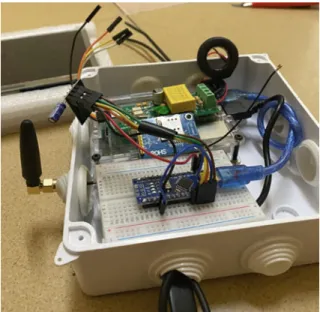
Specifically, the device must be able to identify the illegal activity of power cable theft and lamp theft. In addition, the iMoSSTIF must report illegal activities to the local authorities through text messages and other output mechanisms.
2 Related Works 2.1 Power Cable Theft
- Electricity Theft Detection
- Synthesis
- Conceive Phase
- Design Phase
- Implement Phase
Another critical input to the system is the actual load power (PA) of the street lamp being monitored. During this test, the researchers evaluate the iMoSSTIF's ability to detect power cable theft.
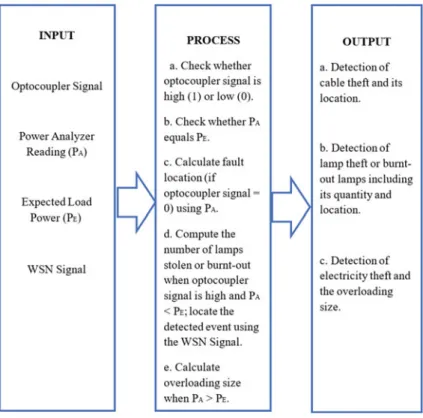
4 Results and Discussion
8 Sample output of the iMoSSTIF: (left) website containing the information of the detected event and (right) text message containing the event's information. The test results also conclude that the iMoSSTIF is intelligent enough to classify lamp theft from a burnt out lamp.
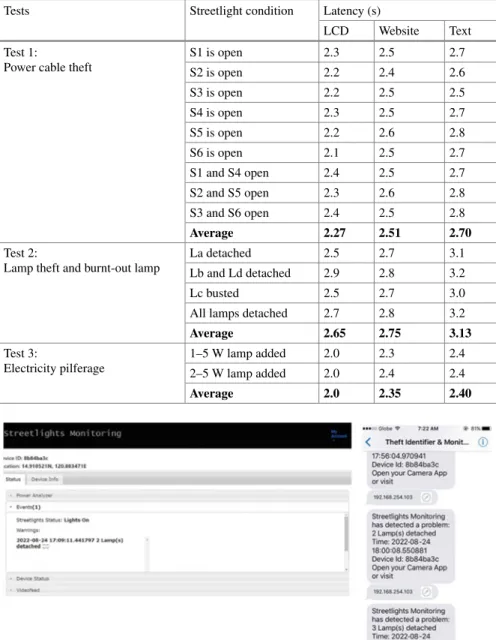
5 Conclusion
On the contrary, the delay of lamp theft and burning lamp detection is high. Also, the use of three optocouplers effectively classifies power cable theft cases from power outages and a powered down system.
6 Recommendations
In: 2020 IEEE 12th International Conference on Humanoid, Nanotechnology, Information Technology, Communication and Control, Environment and Management (HNICEM). In: 2017 IEEE 9th International Conference on Humanoid, Nanotechnology, Information Technology, Communication and Control, Environment and Management (HNICEM).
Amplifier for MEMS Microsensor Readout in Acetone Vapor Detection
Literature Survey
CMOS circuitry is a prime candidate for electronic stages because of its ability to integrate the sense transducer and circuitry on a single chip. The use of CMOS-MEMS technology offers key advantages such as mass production, miniaturization feasibility, and low power consumption [12].
2 Research Design and Methods
Microelectromechanical Device Model
In this sense, the aim of this work is to develop a circuit topology capable of detecting current variations in capacitive MEMS sensors in the femto-farad range, for further CMOS-MEMS integration. The direct voltage establishes the static equilibrium of the structure, while the alternating voltage drives it into stable oscillations.
Circuit Topology Simulation
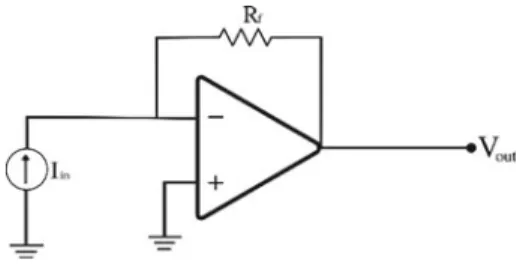
For this model, a voltage signal of 2.5 AC with a frequency of 20 kHz and a superimposed voltage of 5 DC is used. This analog circuit takes the detected current iin(t) and produces a voltage at the output of the amplifier vo(t) for subsequent stages.
3 Results and Discussion
4 Conclusions
Dennis JO, Rabih AA, Md Khir MH, Ahmed MG, Ahmed AY (2016) Modeling and simulation of finite element analysis of MEMS-based acetone vapor sensor for noninvasive diabetes screening. Rabih AA, Dennis JO, Ahmed AY, Khir MM, Ahmed MG, Idris A, Mian MU (2018) MEMS-based acetone vapor sensor for noninvasive diabetes screening.
Thus, in recent years, a number of technological advances have been made with regard to the design of new antenna types. In addition, they are antennas with low production costs and reduced dimensions with geometric shapes that allow for improved miniaturization [8].
2 Antenna Design
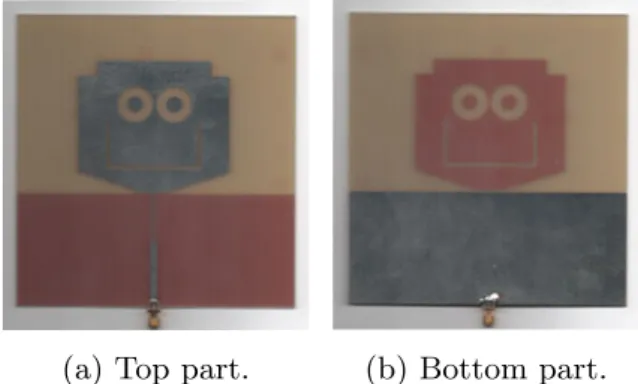
In addition, images of manufactured antennas and characterization results developed in our laboratory are included. Finally, the final iteration consists of an insertion of four circle shapes, which in addition to improving bandwidth, simulate antenna eyes.

3 Final Design
4 Measurements and Results
This is very important considering the type and quality of the material used for the manufacture of the antenna, as the resonance at certain frequencies can show variations in the results.
5 Conclusions
Benavides JB, Lituma RA, Chasi PA, Guerrero LF (2018) A new modified hexagonal fractal antenna with multiband notch characteristics for UWB applications. Manohar M, Kshetrimayum RS, Gogoi AK (2017) A compact dual-band notched circular ring-printed monopole antenna for super-broadband applications.
Learning for IoT Data Anomaly Detection
The second challenge is the efficiency of the anomaly detection system over time with new data arriving every second. Accuracy of anomaly detection models can deteriorate over time and is often referred to as model drift.
2 Anomaly Detection Brief Literature Review
To address these issues, the use of anomaly detection algorithms based on deep learning is becoming increasingly popular [8]. Anomaly detection algorithms suitable for time series are often based either on forecast errors or on reconstruction errors.
3 Distributed Learning
4 Model Drift and Model Retraining
The k-means clustering method was chosen for its simplicity, speed and scalability, as well as for its straightforward adaptation to new data and ability to identify non-linear structures in the data set. RNN and LSTM take the sequential information in the input data ie. dependence between the previous data points in the time series while predicting the future values.
5 Distributing Anomaly Detection Models 5.1 K-Means Clustering
RNN and LSTM
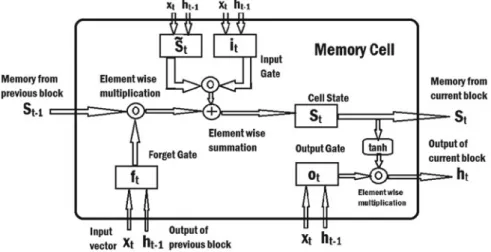
In sequential data, such as time series data, each point in the data depends on past history. A memory cell can maintain its state over time, consisting of explicit memory (also called the cell's state vector) and gates.
6 Distributed and Online Updated Model for IoT Data
Model Performance Degradation
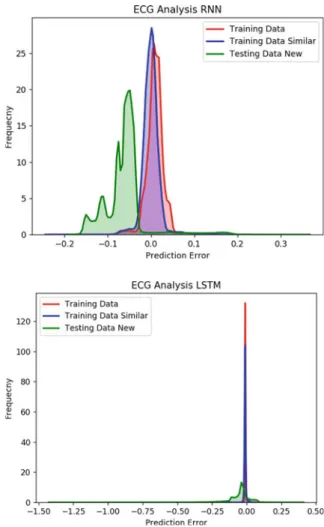
This difficulty arises because it is important to know whether the new data is normal (without any anomalies) or abnormal (with anomalies). To verify the novelty of new data, the distribution of prediction errors is calculated for the training data set; a new data set is similar to the training data and a new data set is different from the training data.
Model Retraining Framework
Data storage: We store new data and the size of the stored data is controlled. Model Retraining: Once model retraining is enabled, the saved data is sent to a worker station along with the existing model parameters.
7 Experiments and Results
Datasets Presentation
- Simulator Data
- Vehicle Data
- ECG Data
In the case of multiple workers, an algorithmic system must be determined to determine the required number of workers and to efficiently schedule jobs so that computing resources are maximized and model retraining can be completed in the shortest possible time. In order to improve the accuracy of data anomaly detection, as well as the use of computing resources and network exchanges, two parameters need to be optimized in this context: the threshold for model performance evaluation, which is required as a trigger for model retraining, and the batch size "n" for model retraining.
Distributed Model Training Experiments
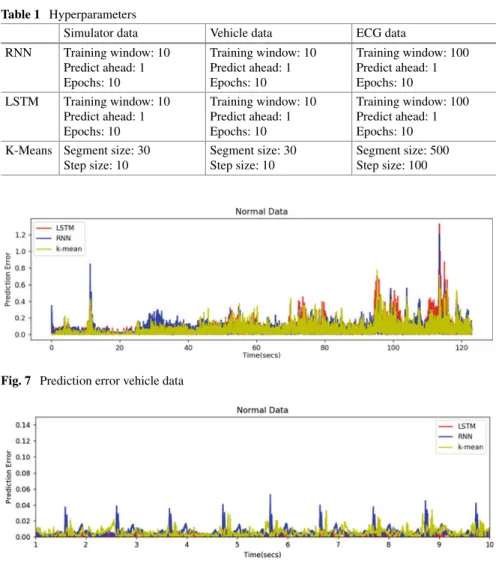
The third data set was electrocardiogram (ECG) data, which represents the cardiac activity of the heart in the form of electrical signals. The parameters and results described above are optimized for the data sets used, but will require further optimization depending on the specifications of available data, the model complexity and the data batch characteristics.
Datasets Distributions Comparison
Thus, an effective analytical way of cyclically splitting the data set for a seasonal LSTM modeling can improve air quality prediction with meteorological data. Contributions include the use of LSTM for time series forecasting with multivariate inputs in Macau and the observation of what the cyclical 2-split of a time series data set of air pollutants and meteorological conditions looks like.
2 The Contributions of This Research
In most urban cities such as Macau, the air quality index is released to the public for planning outdoor activities and monitoring networks are used. The air quality index (AQI) [2] will be defined as the highest sub-index among pollutants, i.e.
3 State of the Art
Literature Review Synthesis
Most time series data exhibit a cyclic behavior that can be considered to divide them into subsets. Accuracy can be greatly improved because the dispersion of air pollutants can be channeled or blocked by various weather phenomena [4].
In many reports, LSTM performs even better and the accuracy is very close to CNN-LSTM.
Air Pollutant Diffusions and Concentrations
4 Methodology
5 Cyclic Division of the Dataset
Data Sources
Dataset Division Factors
Analytical Division of Appropriate Cyclic Dataset
6 Modeling with 4 and 2-Seasons Datasets
7 Results and Evaluations
Result Metrics Discussion
In Table 2, in most cases, it was not positive that the model worked based on the distribution of the meteorological data set 4. It can be seen that in most cases the accuracy is improved, which allows the conclusion that if a good and appropriate cyclic partitioning of the data set is performed, it can significantly contribute to the
Two Yearly Cold/Warm Seasons Increasing Accuracy
8 Conclusion and Future Works
Guo J, Zhao M, Xue P, Liang X, Fan G, Ding B, Liu J, Liu J (2020) New indicators of air quality and pollutant distribution characteristics in China. Man Tam BC, Tang S-K, Cardoso A (2022) ANN evaluation using air quality tracking in a medium-sized subtropical urban city.
Cryptocurrency Adoption Model
This research will focus on understanding and examining the variables (factors) that may influence service providers' and customers' acceptance and use of a blockchain-based cryptocurrency as a payment method in Saudi Arabia. The scope of this research does not cover other contexts such as design aspects [2], usability dimensions [6], tourism-related issues [10] and banking perspectives [4].
2 Background and Context
Personal and economic factors such as knowledge and low transaction costs have been shown to be of strategic value by researchers examining the acceptance of cryptocurrency as a payment method [48, 55]. A thorough review of relevant studies has revealed that there are no empirical studies in Saudi Arabia that consider the impact of technical factors, namely decentralization, transparency and anonymity, or examine personal factors such as knowledge and culture in the context of deployment of cryptocurrency. as a payment method from the perspective of service providers, organizations and customers.
3 Technology Adoption Theories and Models
The main interest of this research is the intention to adopt blockchain-based cryptocurrency as a payment method. Previous studies have shown that the core constructs of TAM PU and PEoU offer a critical initial perspective for investigating the intention to adopt cryptocurrency as a payment method [16].
4 Conceptual Framework
Intermediate Variables
In this research, we consider PEoU as an intervening variable that directly affects the intention to adopt blockchain-based cryptocurrency as a means of payment. In this research, we consider PT as an intervening variable that has a direct influence on the intention to adopt blockchain-based cryptocurrency as a payment method.
Independent Variables
In this research, we consider AN as an independent variable that has no direct influence on the intention to adopt blockchain-based cryptocurrency as a means of payment. In this research, we consider PV as an independent variable that has no direct influence on the intention to adopt blockchain-based cryptocurrency as a payment method.
5 Proposed Methodology
Sas C, Irni EK (2017) Design for trust: an exploration of the challenges and opportunities of bitcoin users. McCloskey DW (2006) The importance of ease of use, usability and trust for online consumers: a study of the technology acceptance model among older customers.
Filters: Inductor ESR Compensation, Mutual Inductance Effect and Variable
The technique can also be extended to the variable inductor implementation for variable center frequency. Furthermore, we show the application of the proposed circuit technique to the variable inductor implementation, which can realize variable center frequency BPF and BEF.
2 Proposed Inductor ESR Compensation Method
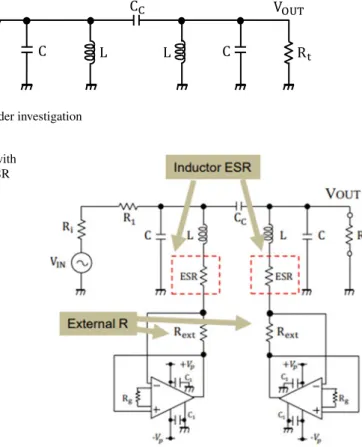
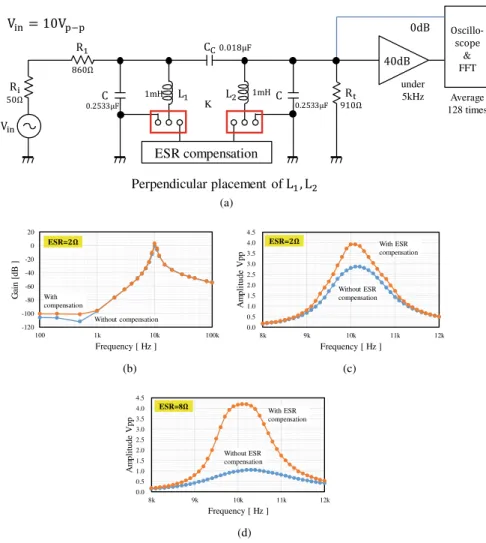
Analog BPF and BEF are important components for pure sine wave signal generation and total harmonic distortion measurement in analog/mixed signal IC test systems [1-4]. We describe here an inductor ESR compensation technique to enable the use of off-the-shelf inductors to realize LC BPF and BEF with good performance at low cost.
We have found in simulation and measurement that it is due to the effect of mutual inductance. On the other hand, L1, L2 are placed perpendicularly for their mutual inductance reduction, stopband attenuation is improved (Fig. 8) and Q is improved (Fig. 9).
5 Application to Variable Inductor Realization
Kobayashi H, Kuwana A, Wei J, Zhao Y, Katayama S, Tri TM, Hirai M, Nakatani T, Hatayama K, Sato K, Ishida T, Okamoto T, Ichikawa T (2020) Teknolohia ti Panagsubok ti Analog/Signal a Sirkuito dagiti teknolohia ti panagtimpla iti panawen ti IoT. Tri TM, Kuwana A, Kobayashi H (2021) Panagsukisok kadagiti kababalin dagiti pagsala ti Kerwin-Huelsman-Newcomb babaen ti panagusar kadagiti self-loop function Nichols graphs.
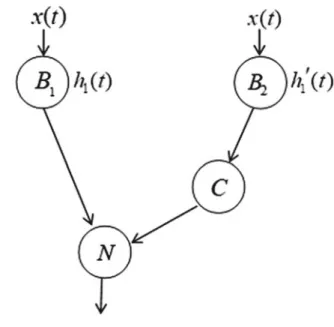
Second, the classification properties in the asymmetric and symmetric networks are analyzed, which are based on the independence of the network outputs. Thus, the orthogonal bases and subspaces generated in the bio-inspired asymmetric networks [4, 5] are shown to be useful for the detection and classification performance, showing an explainable design in the layered networks.
2 Bio-inspired Retinal Neural Networks
Structure of Bio-inspired Asymmetric Networks
This paper aims to clarify the classification performance of the bio-inspired asymmetric and symmetric networks. The determinants of output matrices for asymmetric and symmetric networks are calculated to evaluate the independence.
3 Behavior of Asymmetric Networks
Finally, the higher dimensional code is generated in the augmented layer for the classification, which is applied to the modified XOR problems. The orthogonal properties [5] in the second layer of the asymmetric networks make the tracking performance smooth compared to the symmetric networks.
4 Comparison of Classification Performance Between Asymmetric and Symmetric Networks
The determinant of the outputs of asymmetric networks, including Eq. 7) and [Z2] shows those with the extension of the cofactor ±1 over the third column in Eq. The first term, (±b)[Z1] in the determinant of asymmetric networks in Eq. 8), has an odd-order exponentiation of the variable b, while the second term (±1)[Z2] has an even-order exponentiation of the variable b.