Frontline homeworkers: A feminist duoethnographic investigation of mothering, teaching, and academia during the early stages of the COVID-19 pandemic. The challenges of being a mother and academic researcher during the COVID-19 pandemic in Brazil.
Spiraling
- Laura
- Laura
- Laura
- Laura
- Li and Laura
The last time Laura talked to her therapist—Was it really already a month ago?—she suggested finding community groups to meet with and discuss issues of grief. It was a surprise then when it took almost a year for her to hear who in the department had children.
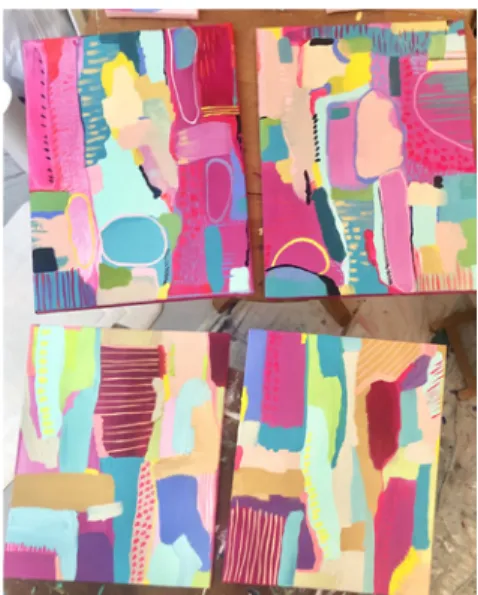
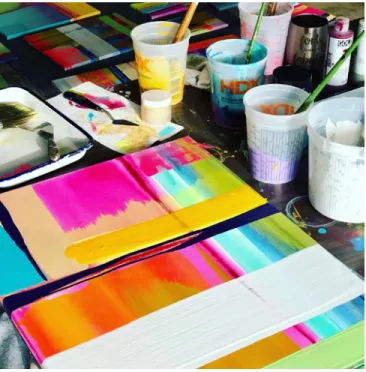
Merriam-Webster defines "color therapy" as "the use of color and colored lights to enhance or enhance physical or emotional well-being." Using different media and containers, I mixed colors as if they were elixirs of happiness (see Figure 22). The coronavirus pandemic is pushing America into a mental health crisis. ” The Washington Post, WP Company, 12 May 2020, www.washingtonpost.com/health mental-health-coronavirus/.
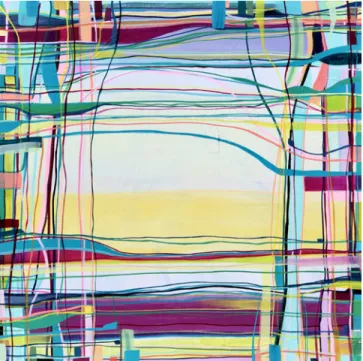
The Poetry of the Pandemic
The Poets
But ironically - in my own home - my mother constantly felt told to "find another place", "carve out time later" and "find moments somewhere else". This became our new normal - my new normal work day and her new normal preschool day.
Why Poetry?
Poetry as Methodology and Project
Let's stay up late and sleep in later. Let's take an evening walk. Let's order wine. Let's be grateful for the emotional bandwidth to stay flexible and not feel too overwhelmed.
Here's the communication I wish I'd read in an email from my bosses; instead, all I have is a found poem composed of the uplifting words found on the back of wine bottles delivered to my doorstep during a pandemic via friends, family, and monthly subscription services bundled together since March 2020. Lord, thank you for all the extra quality time you have allowed me to spend with my only son. Order his steps Lord and direct his path, protect him from all the racist people and their wrath.
Please let him remember all the conversations we've had over the years and many seasons. Poetic Inquiry: Poetry as/in/for Social Research." The Handbook of Arts-Based Research, edited by Patricia Leavy, Guilford Press, 2017, pp. Going Beyond the Demonstrable Range in Educational Scholarship: Exploring the Intersections of Poetry and Research." The qualitative report, vol.
Pregnancy and Pandemic
We then listened to our baby's heartbeat for the first time from the fetal doppler in the front seat of my car. In the early days and weeks of the coronavirus pandemic, there was still a lot of uncertainty about how one could be exposed to the virus. The role of a woman in the often male-dominated field of sculpture has and continues to expand in recent decades thanks to the various waves of the feminist movement and its effect in the workplace.
An article in The New York Times sheds light on this troubling topic and concludes that researchers reported strong evidence that the coronavirus can be transmitted from a pregnant woman to her fetus. What higher education and a career in academia will look like in the years after COVID-19. I've found that maintaining my art practice in the same capacity as pre-pregnancy has been nearly impossible, but I can attribute that primarily to the isolation of COVID-19 and secondly to growing a human for the past eight months.

Problematic Intersections: Dance, Motherhood, and the Pandemic
This article examines the effects of the COVID-19 pandemic on an already vulnerable group of Canadian dance artists and scholars. All are considered active in the dance sector, although 90 percent have lost part or most of their work during the pandemic. Much work in dance is unfunded or underfunded, a practice embedded in the contractual academic and artistic world.
There is also an overwhelming feeling in the performing arts that creation and performance, as we know them, might be over. It's a common situation to be in a rehearsal studio with six other artists and be the only parent in the room. Their own problem: single mothers, self-reliance and care in the time of the coronavirus.
A Problem of One’s Own: Single Mothering, Self- Reliance, and Care in the Time of the Coronavirus
In the absence of respite from others, which means "self-care" for single mothers during this time. To describe this paradox, Juffer notes that "Single mothers emerge as a respected identity group in the context of the neoliberal production of the self-regulating citizen-consumer subject.... And this time "down" will support the work I will later in the classroom will do come fall.
It would be easy at this turn in the essay to outline a series of strategies for academic parents to get through this time of the virus. Because here's the thing: at least in the near future, there will be no structural changes. By the end of the first day we are both exhausted, in the best way.
Reflections of a Chinese Academic Mom Struggling to Survive a Pandemic
Our campus is located in Brooklyn, New York, which has been one of the pandemic hotspots. They are all back to school this fall, and I am concerned about their exposure to COVID-19. This worries me a lot, but my husband says keeping COVID-19 rates under 1 percent is actually excellent.
Within the largest public university system in New York City, countless faculty, administrators, and students have died from COVID-19 (Valbrun). My daughter told me that one of the cases is a volleyball player and that the volleyball pod now has to be quarantined. This was the beginning of COVID-19 for our family, as news filtered in about a new virus that makes people extremely sick and unable to breathe.
Couldn’t Refuse
I want my students to understand the impact of childcare and how this pandemic, with its resulting school closures, has devastated working mothers in countless ways. Some days I worry that it will be some time before I can teach face-to-face like I did before this pandemic, and that scares me. I hope that university administrators will apply the existing research on academic mothers during this pandemic to create supportive institutional policies to address these disparities and provide a safety net for their faculty who are mothers.
Trump's 'Don't be afraid of Covid' exhortation is denounced by Democrats and disease experts. The New York Times, Oct. 5. Professor's death after collapsing in virtual class is a "sad reminder that the virus is real," friend says. The Washington Post, Sept. 9. Trying to Function in the Unfunctionable": Mothers and COVID-19." Journal of the Motherhood Initiative, vol.
Academic Single Mothering during a Pandemic
In the absence of research dedicated to single academic mothers during the pandemic, looking at an online support group for single mothers in academia provides a valuable case study of the many challenges single academic mothers face in the wake of COVID-19 as well as potential solutions . Since March 2020 and the shift to online teaching, members of the group have reported various additional obstacles that negatively impact single academic mothers' ability to do their jobs. So far, we've seen some of the ways the pandemic has crystallized and exacerbated pre-existing problems for academic mothers in the United States, especially single mothers.
A cross-cultural comparison of the social and academic support available to single mothers before and during the pandemic can thus help reshape the US, as most of the US see no prospect of a return to pre-Covid-19 Why higher. Ed needs to get rid of the gender gap for academic housekeeping.” Conversation, Sept. 28.
Identity and Connection as Working Mothers during the Pandemic: An Autoethnographic
The purpose of this study is to extend our previous study and allow for the struggles of working mothers to be highlighted as they specifically relate to identity and attachment during the pandemic. From our point of view, the listening guide provides a feminist relational approach to understanding and analyzing the participants' experiences. The listening guide consists of at least three listenings, with additional listenings carried out as needed.
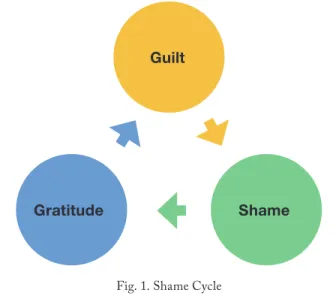
Feelings of guilt arose when we could not be emotionally present in moments with our children because of the heavy mental burden we carried with us. The themes of mental strain and exhaustion, conflicting identities, shame cycle, and connection and reflection were uncovered and analyzed through the listening guide. Listening as a Path to Psychological Discovery: An Introduction to the Listening Guide.” Perspectives on Medical Education, vol.
Frontline Workers from Home: A Feminist
Duoethnographic Inquiry of Mothering, Teaching, and Academia during the Initial Stages of the
Beginning in mid-March, mothers began to experience intensified housework and caregiving duties on the home front. My husband is a frontline responder, which meant many extended work shifts at the beginning of the pandemic. In the throes of the pandemic, we found ourselves adapting to new expectations * in ways we didn't think possible.
Our narratives also tell of the sexual challenges of motherhood in the midst of exhaustion, fear and uncertainty. Academically, I know that the pandemic has extended my time frame for my PhD studies. Embedded in our narratives are the common experiences of mothers in the early stages of the pandemic, such as increased household and caring responsibilities, emotional labor, role strain due to increased professional responsibilities, and the mental health strain that arose in the process.
Proving Our Maternal and Scholarly Worth
A Collaborative Autoethnographic Textual and Visual Storying of MotherScholar Identity Work
To do so, we embarked on a collaborative autoethnographic project to both textually and visually express our maternal and scientific experiences under the COVID-19 stay-in-place orders. To begin, we contextualize our examination of the COVID-19 MotherScholar identity within social constructionist approaches to identity and identity work. As mothers and scholars, we communicated our maternal and professional dignity to each other, to our colleagues, to our children, to our partners, and to each other as we both sought and granted MotherScholar legitimacy during the COVID-19 pandemic.
At the core of this study is the MotherScholar identity work we initiate and sustain through our communications, particularly about our MotherScholar COVID-19 experiences. After this and other iterations of this study, we are making available a curated collection of our MotherScholar's COVID-19 images on our blog (see conclusion for link). Interruptions to motherhood were coded in our data as events or descriptions of changes in how we mothered from before COVID-19 to the COVID-19 pandemic.
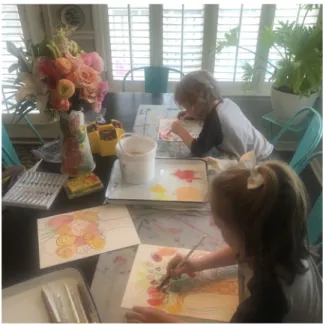
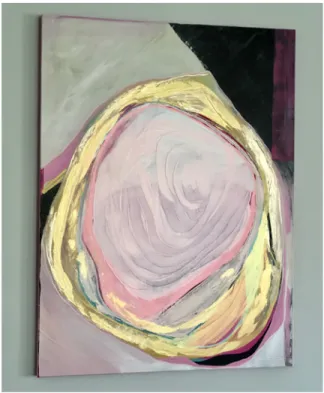
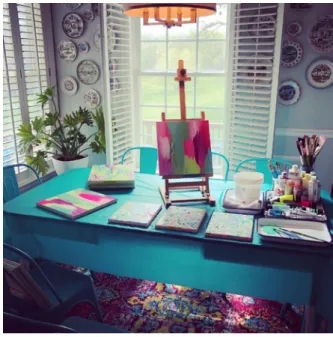
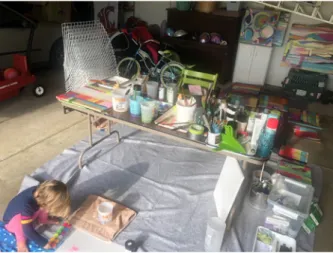
![Figure 5. Maribelle [3] Painting in Shared Studio Space, March 2020](https://thumb-us.123doks.com/thumbv2/9docorg/12442610.0/29.648.211.446.535.856/figure-maribelle-painting-shared-studio-space-march-2020.webp)
![Figure 6. Hazel Anne [6] Painting in Shared Studio Space, March 2020](https://thumb-us.123doks.com/thumbv2/9docorg/12442610.0/30.648.202.438.82.399/figure-hazel-anne-painting-shared-studio-space-march.webp)