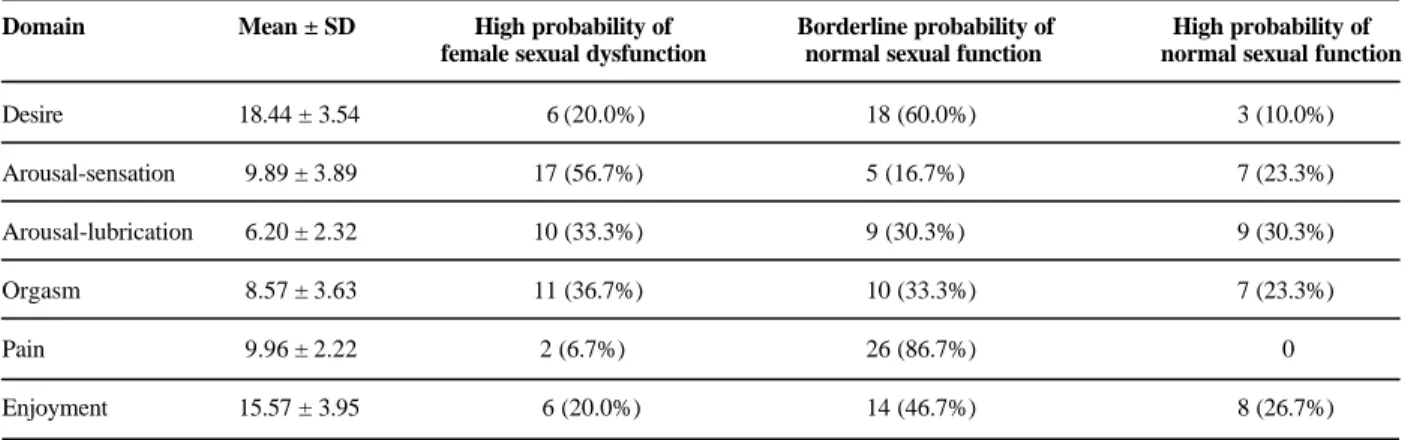
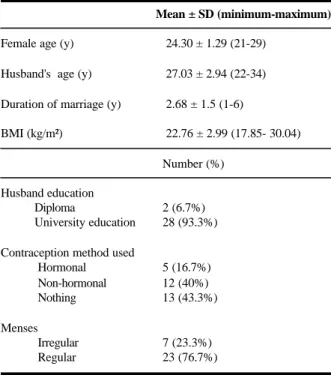
Discussion: In this study, the prevalence of Female Sexual Dysfunction (FSD) varies from 6.7% to 56.7% in subgroups of the disorder. Several measurements have recently been published and include the Female Sexual Function Index (FSFI) (9), the Female Sexual Questionnaire (SFQ) (6) and the Female Sexual Distress Scale (FSDS) (10). The FSFI was supported by Zonagen. , Inc.
Obstetric complications in children with Attention Deficit/Hyperactivity Disorder and Learning
Disability
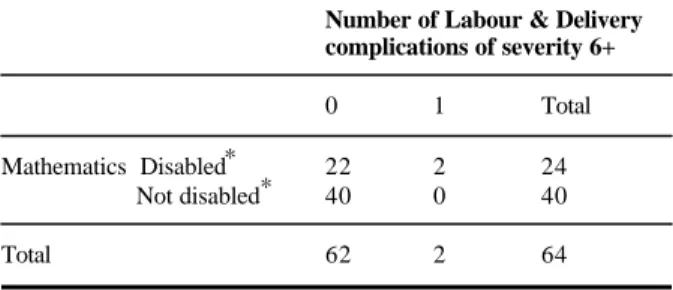
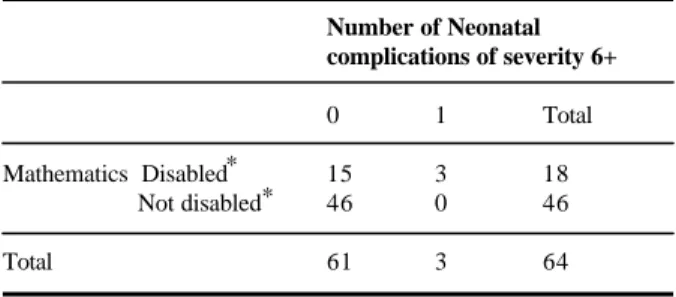
Neonatal complications of severity 6 in ADHD children with MD compared to ADHD children without MD. The results of the study showed that a history of neonatal complications is significantly more common in ADHD children with a learning disability.
Comparative DNA Flow Cytometric Study of Primary Intraocular and Central Nervous System
Lymphomas
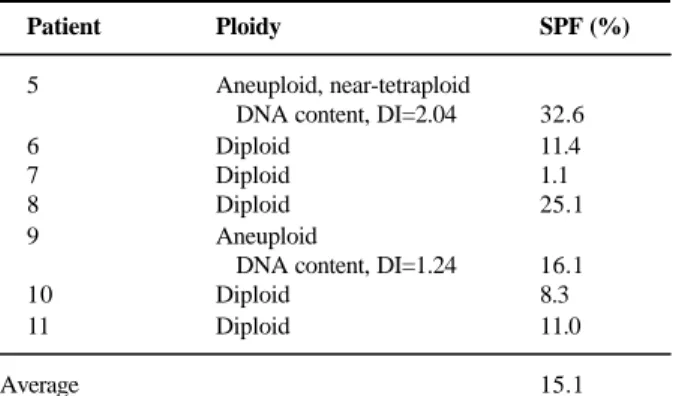
In AIDS patients, for example, the involvement of the EBV virus in primary CNS lymphoma has been reported (1). Of the latter, 1 patient reported systemic involvement of the bone marrow and the liver at the time of diagnosis.

Examining Medical Student Attitudes Towards Physician-Assisted Suicide
Survey instrument
This survey is part of a second-year bioethics research project on attitudes toward physician-assisted suicide. For the purposes of the survey, physician-assisted suicide occurs when a physician facilitates the death of a patient by providing the necessary means to enable the patient to perform the act that ends life. For each of the following statements, please circle whether you strongly agree, agree, disagree, or strongly disagree.
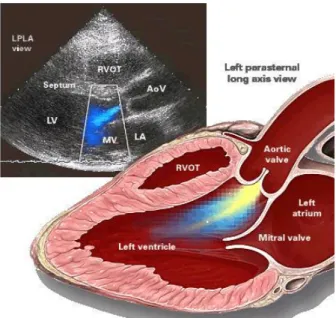
Please complete each of the following with the sentence that best represents your opinion. Upon discharge, the patient's condition worsened and he was again admitted to hospital with acute haemoptosis. He had a trileaflet non-stenotic aortic valve, torrential aortic valve regurgitation, mild mitral valve regurgitation with moderate dilatation, and global hypokinesis of the left ventricle.
Aortic Root Dilatation and Marfan’s Syndrome
To whom correspondence should be addressed: Sheraz Younas, The University Of Manchester, The Stopford Building, Oxford Road, Manchester, UK. A 43-year-old heavy-smoking gentleman was admitted to the hospital with shortness of breath at rest, difficulty sleeping, and a two-week history of a productive lower respiratory tract infection (LRTI). He had never suffered from serious illnesses and did not use regular medications.
He failed to complete the course because he had not slept well for three weeks and felt very weak. During his stay it became clear that his 11-year-old daughter showed Marfanoid features (her height, 1.80 meters and suffered from mild functional aortic regurgitation). A thorough family history revealed that his 40-year-old wife and his sisters (50 and 43 years old) were no taller than 6 feet tall.
An Alternative Diagosis
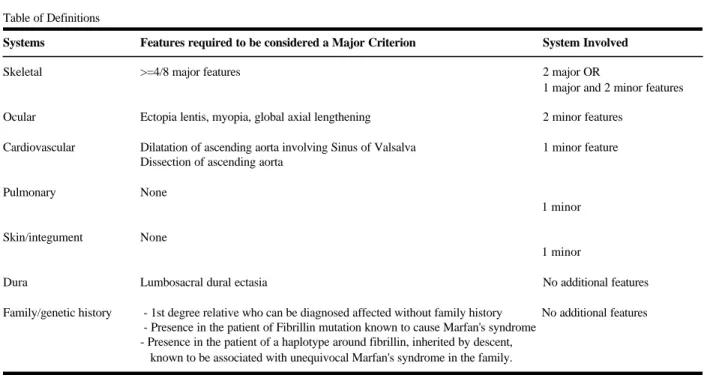
It involves the replacement of the sinuses, the aorta up to the innominate artery and node anastomosis of the coronary arteries. Measurement at the level of the tips of the valve leaflets is most accurate (Fig. 5). 34; The diagnosis of Marfan's syndrome must be made on the basis of the Ghent criteria.
34; Even if there is no clinical scoliosis, children should have an upright A-P plain X-ray film of the spine, ie 34; When there is no family history, examination by an ophthalmologist should form part of the initial clinical assessment of the patient. The nature of the injuries sustained by the patient indicates possible abdominal contamination.
Sepsis Following Laparotomy for Trauma - Don’t Watch and Wait
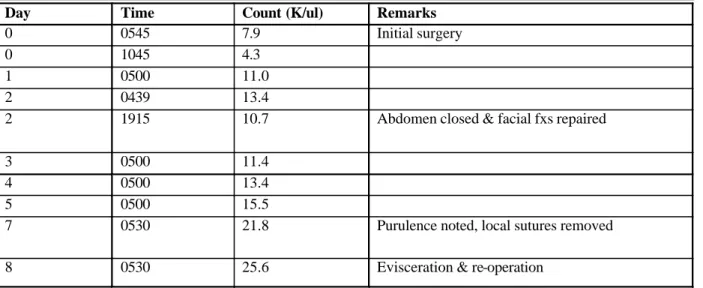
On day 8, a rupture occurred, and total fascial dehiscence with the appearance of necrotizing fasciitis was noted in the OR. A split-thickness skin graft was placed in the abdominal wound, and the patient was finally discharged from the hospital about 4 weeks later, to be reviewed for abdominal closure later in the year. These devices have been proven [1] to provide adequate medial traction of the abdominal layers to reduce elective ventral herniation rates, even in patients requiring multiple laparotomy.
Exploratory laparotomy is one of the most frequent surgical procedures performed in the trauma setting, usually in the context of emergency surgery when abdominal injury is demonstrated by the appearance of free fluid on imaging. These allegations were all recorded in the notes and appear to have been dismissed as they were only growing in small amounts. Tillou et al [5] found that 71% of patients, albeit in a small study (n=55), with fascial dehiscence had underlying intra-abdominal infection, and therefore essentially localized wound infection was likely to be the tip of the iceberg.
The Fall of Titans
The Need to Reassess COX-2 Inhibitors
Intuitively, COX-2 inhibitors would achieve the desired effects of traditional medications without their side effects. While ASA and other traditional NSAIDs inhibit both COX enzymes and thus both PGI2 and TXA2 production, the selective COX-2 inhibitors do not noticeably inhibit TXA2 production. If so, suppression of PGI2 formation by selective COX-2 inhibitors may predispose patients to thromboembolic events ( 12 ).
Depression of PGI2 formation by COX-2 inhibitors would increase their intrinsic risk of clinical cardiovascular events ( 23 ). Considering the anecdotal efficacy, higher costs, and proven cardiovascular risks, the public use of COX-2 inhibitors is controversial, to say the least. As the hype surrounding these wonder drugs turns to concern, the public should turn their backs on all COX-2 inhibitors.
Pregnancy and Its Effect on the Progression of Diabetic Retinopathy
Younger age at onset of diabetes is associated with increased incidence of retinopathy progression. Glycemic control · Rapid tightening of glycemic control during pregnancy is associated with a higher risk of retinopathy progression. Higher levels of glycosylated hemoglobin at conception are associated with higher rates of retinopathy progression.
Another important risk factor for the progression of retinopathy during pregnancy is the degree of retinopathy before conception. Because the risk of progression of retinopathy during pregnancy is higher in patients with inadequate glycemic control (8, 21) and also in patients with rapid tightening of their glycemic control (21), it is recommended that diabetic patients be closely monitored. glycemic control before conception (21). Recommendations for the treatment of pregnant patients with type I diabetes mellitus with the aim of reducing the risk of progression of diabetic retinopathy.

Future Legal Issues in Medical Research and Technology: The Obligations of Researchers in the
An important issue in recent medico-legal debates concerns the scope of the doctor-patient relationship and the scope of the doctor's duties in this relationship. That is, do patients have a right to their medical records based on the fiduciary relationship that exists between the physician and the patient? The boundaries of the doctor-patient relationship and the patient's right to access medical records were explored in the relatively recent Australian Supreme Court in the case of Breen-v-Williams.
In this article we focus on the scope of the doctor-patient relationship and the scope of the doctor's duties in this relationship. The boundaries of the medical relationship have raised a number of important ethical and legal issues. Our contention in this article is that the scope or limits of the fiduciary relationship duties owed to physicians will become even more important in light of recent developments in genetic testing.
Light of Recent Developments in Genetic Testing
The scope or limits of the fiduciary duties owed to medical practitioners will become even more significant given recent developments in genetic testing. In Breen-v-Williams, the Australian High Court also considered the extent of a doctor's fiduciary duty to his or her patient. However, aspects of the judgment of Dawson and Toohey JJ would tend to emphasize a broader conception of a doctor's fiduciary obligations to his or her patients.
It has been argued that a medical researcher's ethical and legal obligations should be higher than that of a treating physician because patient participation in research is voluntary and without immediate benefit to the patient. However, there is little treatment of the issue of consent to the commercialization of biological material. Lawyers' fiduciary duty is far-reaching, considerably more so compared to that of the medical profession.
Conscience and Compromise
Abortion and the Requirements of Justice in Medical Schools
Although not an employment option for the students, the principles at work in the Cecilia Moore case can be applied to providing abortion training in medical schools. In the case of optional offers, accommodation is made for students who refuse to learn the methods and procedures of abortion. The opposition to abortion rests firmly in one's most fundamental beliefs and convictions about human life, human dignity and human rights.
34;A doctor should not be forced to participate in the termination of a pregnancy.' Canadian Medical Association. When performed by trained medical professionals, abortion is one of the safest surgical procedures (2, 10). Although this statistic varies by Due to several factors, including race and marital status, abortion is one of the most commonly performed surgical procedures in the United States and Canada (1, 2).
Abortion in Medical School Curricula
Unintended pregnancies account for 40% of pregnancies in developing countries and 50 to 60% in the US and Eastern Europe (6). In Canada, the right to safe, legal abortion was recognized by the Canadian Supreme Court in 1988 in the Morgentaler decision (15). The effect of the decrease in the total number of abortion providers is related to a related trend: the decrease in the number of abortion services in hospitals.
Furthermore, abortions performed in clinics are not always covered by Medicaid in the US or Medicare in Canada (17, 18). Preliminary results from the MSFC's survey of the reproductive health content of preclinical medical education show that nearly 40% of more than 50 schools surveyed do not teach any aspect of abortion in the preclinical years (4). Anne Baker's “Abortion and Options Counseling: A Comprehensive Reference” and the American College of Obstetricians and Gynecologists' “Pregnancy Choices: Raising the Baby, Adoption and Abortion” are excellent resources for discussing pregnancy options in the classroom (40, 41).
The Psychopharmacological Fix
Will we really be better able to live more meaningful lives with a pill for every dilemma? The progress of science and the growth of research allowed the pharmaceutical industry to flourish. From the common cold to heartburn to the winter blues, there's something for every ailment that plagues the North American consumer.
The aches and pains that were once just a part of life are now seen as symptoms that need to be treated. There is no perfect solution and the advent of the antidepressant era has already raised some significant ethical issues. The ease with which these medications are dispensed is due in part to the destigmatization of mental illness (1).
The Suppression of Sadness and the Search for Meaning
Peter Kramer M.D., the author of one of the bestsellers of the last decade, Listening to Prozac, cites cases of mildly depressed patients who, after taking Prozac, underwent remarkable personality transformations (7). One of the reasons people become depressed in the first place is because they feel that their lives are not unique (3). Perhaps part of the problem is that living a fulfilling life is so completely dependent on a person's internal state (3).
Although the text is aimed at the senior resident or practicing physician, most chapters may still be useful to the medical student with an interest in neurology. Authors should clearly explain the importance of the chosen case and the learning points illustrated by it. During the first stage, the manuscript is evaluated individually by each member of the Editorial Board.
THERE IS ONLY ONE
Read the work of current and future medical scientists
Join the MJM today