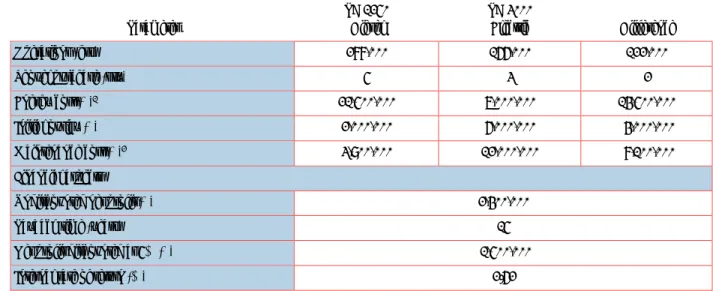
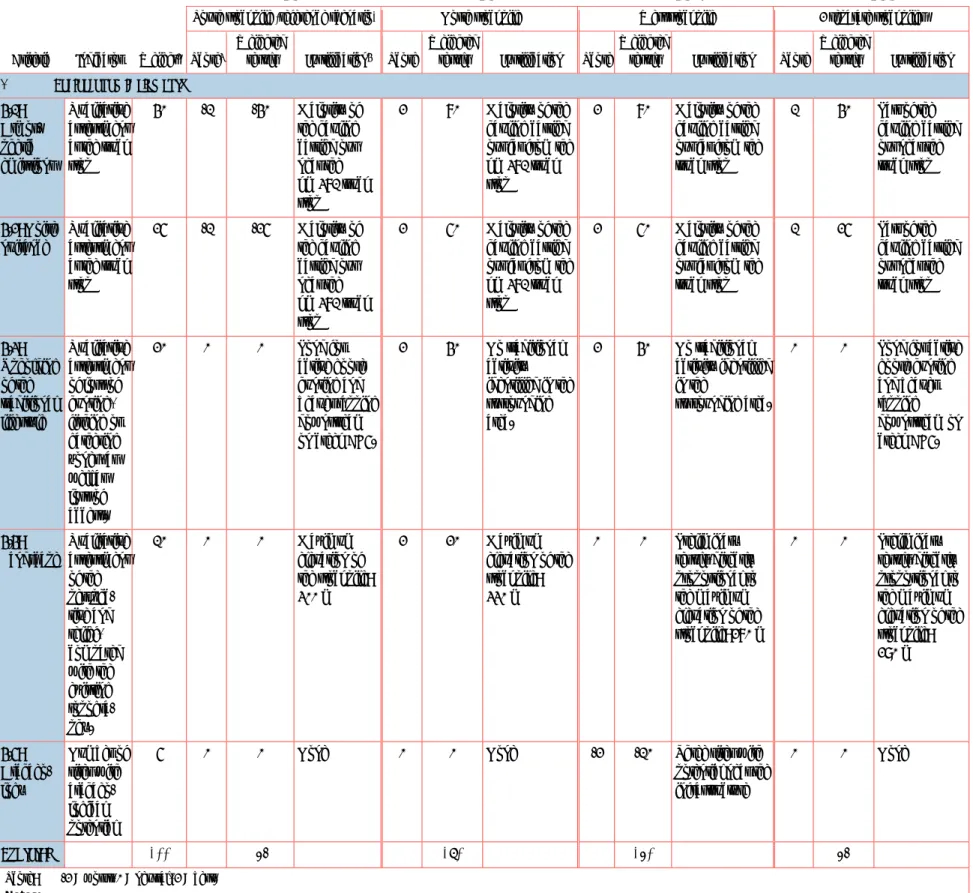
The stockpile is located south of the pit, near the Billy-Diamond Highway and the truck stop. The waste rock stockpile is located south of the pit, near the Billy-Diamond Highway and the truck stop. At the time of the preparation of the project description, the location of the stockpile was to the south of the well (Option 1).
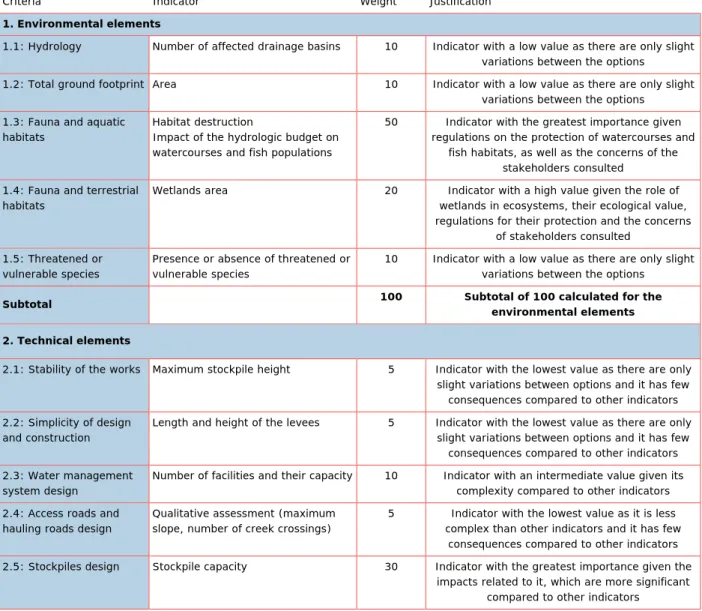
Specifically, the western portion of the basin was eliminated, and the stock was extended to the property's northern boundary. CE5 is home to the largest fish population of all the five watercourses detected. 1 - All of the waste rock/tailings and topsoil alternatives studied are located in areas with comparable surface deposits (peatland and sand).
2 - The "Weight" column contains a value determined according to the importance of the indicator. Length and height of embankments 5 The indicator with the lowest value, as there are only small and few differences between the options. This will reduce the volume of waste rock stockpile north of the mine.
LOCATION OF OVERBURDEN STOCKPILES
25 High value given the importance of the truck stop and given the number of people who visit it 4.3: Maintenance of the. As part of the project optimization exercise, the four waste rock stockpiles were placed close to the pit to reduce transport distances for excavated material. In addition, two tailings near the mine will be expanded into the pit once the mining of the area is complete.
It should be noted that the alternative analysis for the waste rock and tailings storage location has not been revised in its entirety, although it was requested by the Joint Assessment Committee in July 2020. However, after the engineering exercise, the geochemical characterization values of the materials to be stored and the hydrogeological characteristics of the storage areas were taken into account, in particular the hydraulic conductivity of the basic stratigraphic units, estimated from on-site essays and the direction of groundwater flow (see Sect. 4). Finally, waste rock stockpiles are now partially located within exclusion zones for blasting activities.
But since the traffic on the gray rock warehouses is not continuous on all 4 warehouses at once, it was decided to manage the presence on the warehouses via a specific procedure. Furthermore, the geochemical characteristics of the surface deposits were an indication that the latter did not leach metals and had no acid formation potential. The northern option called for a warehouse several meters in height close to the Billy-Diamond highway (which raised some concern about possible road visibility issues).
However, after an examination, it was determined that most of the stockpile material would be peat from the waste rock stockpile and topsoil that would be removed from the concentration area. As part of the optimization exercise, the decision was made to collect organic material and. The location of the OPSF was chosen taking into account the topography of the site in order to reduce the need for excavation and filling during construction.
Relocating the OPSF allowed the WRTSF to be moved closer to the well, thereby shortening waste rock transport distances and reducing GHG emissions. All water from the site is now directed to the main water management dam and then discharged into the final effluent in CE2 (see Section 3.3).
DOMESTIC WASTEWATER TREATMENT
- DESIGN CRITERIA
- TREATMENT TECHNOLOGIES CONSIDERED
- METHODOLOGY
- RESULTS
- EFFLUENT DISCHARGE LOCATION
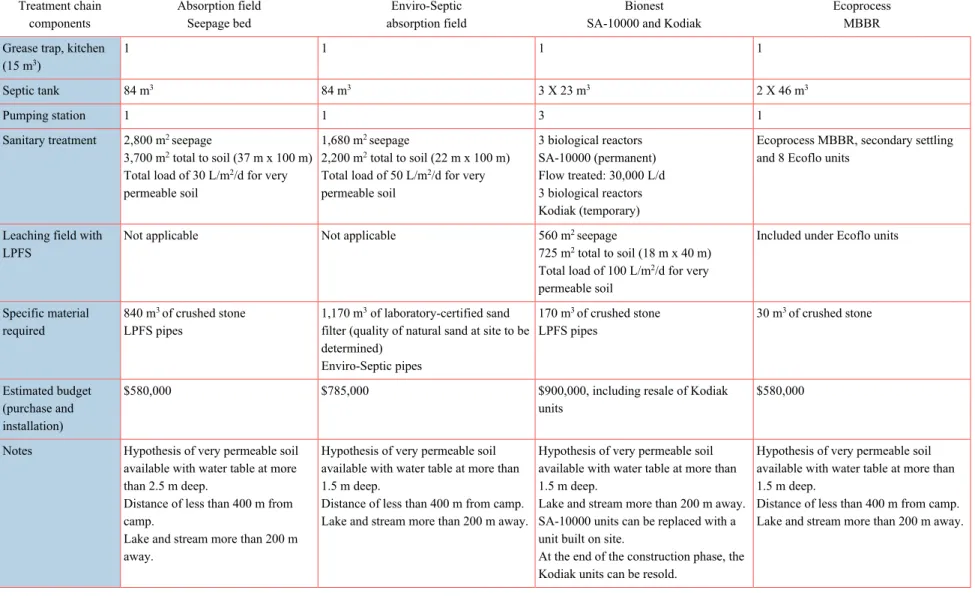
The first three technologies may or may not be combined with a holding basin, as described below, to reduce the scale of the selected treatment system. The field is divided into three separate zones, each supplied by a power outlet located at the outlet of the dosing station. This option requires a prior agreement between the mine and the owner of the sanitary treatment system.
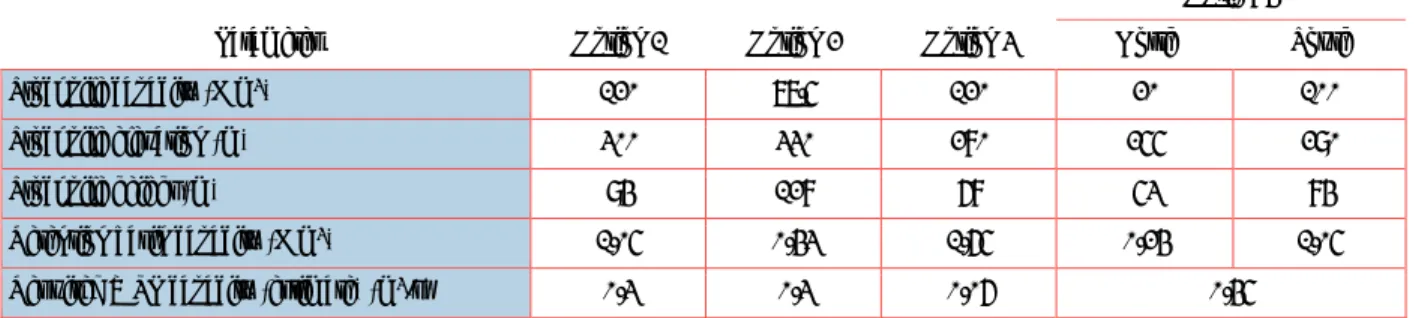
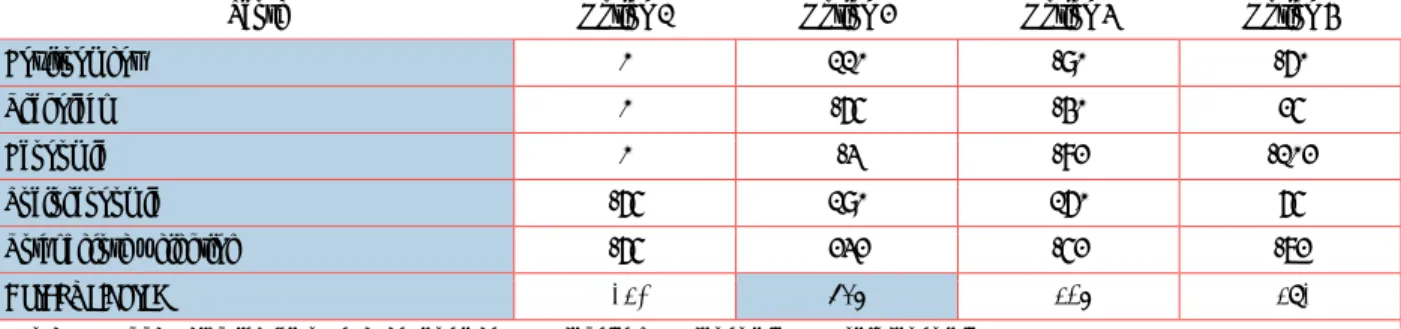
Tables 3-4 and 3-5 summarize the design criteria and characteristics of the various systems studied, depending on whether or not they will be combined with a detention basin. As such, there is no quantitative scale associated with these results, as options are ranked by their position relative to others. The rationale for these weights is related to: the significant difference in costs for the potential to ultimately achieve similar treatment outcomes; technical.
Environment: Equal and equally important attention should be paid to the impact on surface water and on groundwater. Technical: The usability criterion was considered the most important due to the high impact that a failure due to poor operation would have. Economic: The upfront purchase costs were considered very important because the system is essential from the very beginning of the project, in addition to all other costs of purchasing construction and equipment before production begins.
The environmental score is given a factor of 2, because the impact of the various options is the least significant. The economic score is given a factor of 5 because this is the score with the greatest variation between the options and with the greatest impact. The basin scenario, which involves adding a retention basin to each of the technologies studied, is not considered economically advantageous at this stage, as the costs of off-site transportation and water treatment must be taken into account.
Therefore, of the four alternatives studied in the scenario without a retention basin, the rotary biological contactor (Ecoprocess MBBR technology) appears to be the best choice, all criteria together. According to the results of the geotechnical surveys, the soil in place is not sufficient for the installation of such a system on the mine property. This system requires a service building (3 m x 4 m) to accommodate dosing pumps for phosphorus removal and the disinfection unit (UV lamp) at the exit of the Ecoflo.
In 2021, the sanitary effluent discharge location was positioned at CE4 to be closer to the new planned location for the workers' camp.
MINE WATER MANAGEMENT AND FINAL EFFLUENT DISCHARGE LOCATIONS
In 2018, the discharge location was planned in the CE3 stream, through the tailings stockpile sedimentation basin or directly into the watercourse. The final choice would be made after further work based on technical and environmental considerations (characterization results, site visits, requirement to submit Effluent Discharge Objectives [EDOs], etc.).
POWER SUPPLY AT THE MINE SITE
SOLAR AND WIND POWER
It is also important to consider that a wind farm can disrupt airport radars and require social acceptance by neighboring communities, especially because of its visual impact. Assuming a 35% solar to DC conversion efficiency (for polycrystalline solar panels) and then a 90% DC to AC conversion efficiency, the overall system efficiency would be 31.5% versus 35% or more for a generator . Additionally, capital costs are significantly higher for a solar system, almost CAD 2.5/W versus CAD 1/W for generators.
Currently, very few, if any, solar systems exist in northern First Nations communities precisely because of the mediocre economic feasibility of this type of project in the north.
LIQUIFIED NATURAL GAS AND PROPANE
As an alternative energy source to hydropower supplied by Hydro-Québec to meet fixed infrastructure demand at the mine site, propane was chosen due to its ease of supply compared to LNG. It should be used for heating buildings in the administrative and industrial sectors, which need 1.2 MW. The 2021 project foresees the use of only propane for heating the labor camp during the construction and operation phase.
POWER SUPPLY FOR MOBILE EQUIPMENT
- EQUIPMENT AVAILABILITY
- COMPARABLE PROJECTS
- COST-BENEFIT ANALYSIS
- RECOMMENDATION
After extensive investigation, the forklift, buses (2) and semi-trucks (9) are available in an electric version and will be purchased. Most of the electric mining equipment currently available is used in underground mines mainly because it helps reduce ventilation costs. The expected production of Lac-à-Paul is much higher than the production of the James Bay lithium mine, i.e. an average of 37 Mt of mined material per year (with peaks of 60 to 90 Mt) compared to 10 Mt for GLCI.
A high-level economic assessment was carried out, comparing the use of smaller electric shovels on the market (Komatsu PC t, 10-m3 shovel) with diesel shovels adapted to the size of the project. In this assessment, we estimate that 3 electric shovels and 5 diesel shovels will be needed for the duration of the mining operation. As a result, the initial outlay for an electric shovel, which has twice the capacity of a diesel shovel, corresponds to the purchase of the first shovel in the first three years of.
Two more electric shovels are needed to successfully complete the project ($3 million initially for one shovel + $12 million in maintenance for the two other shovels). Subsequently, 3.3 shovels are needed to continue the work until the end of the project, making a total of 5 shovels. Please note that the electric shovel has twice as much capacity as the diesel shovel, which explains why 1 electric shovel is needed in the initial period and 1.6 diesel shovels in the same period, depending on the volumes to be processed.
Depending on the shape and size of the GLCI depot, smaller trucks will be used. Assuming GLCI uses all electric mobility equipment currently available on the market that currently meets the needs of the project, this would reduce overall diesel consumption by 5.9%. Most of the electrical equipment available is for underground facilities due to savings on ventilation costs.
Smaller equipment is either no longer available on the market or is not recommended by suppliers due to the high cost compared to equivalent diesel equipment. Consequently, given the size of the James Bay lithium mine, most electrical equipment on the market today is not suitable for the project and is therefore not recommended.