Smart Payment Systems, the Digital Divide, and Transit Inequality: A Study of the Toronto Transit Commission's Implementation of PRESTO. Ride The Rocket,” by the Toronto Transit Commission (TTC), by bus, subway train or streetcar to and from the destination. This research is used to illuminate the pain points and flaws in the design of the PRESTO card system and its integration into the Toronto Transit Commission.
According to the United Nations, more than two-thirds of the world's population will live in cities by the year 2050 (United Nations Department of Economic and Social Affairs, 2018). This is because less memory is needed since most of the information is not stored on the card itself, which is the case for PRESTO. One of the most famous smart cards in the world is the Oyster Card.
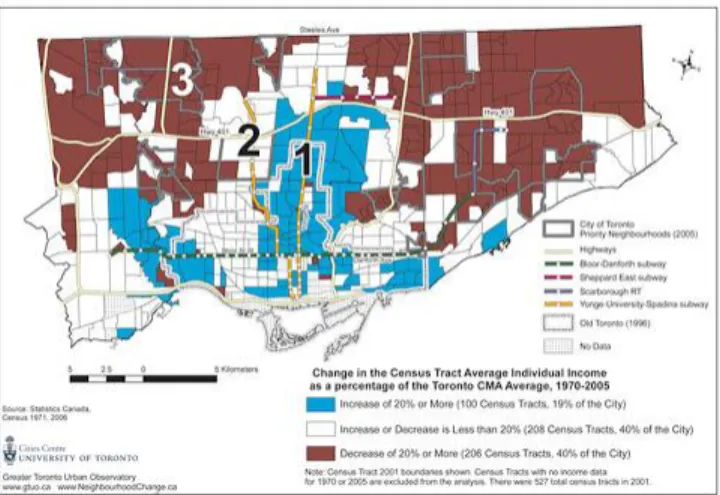
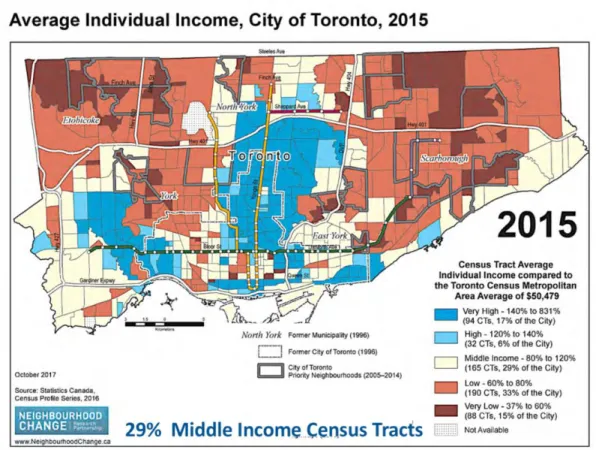
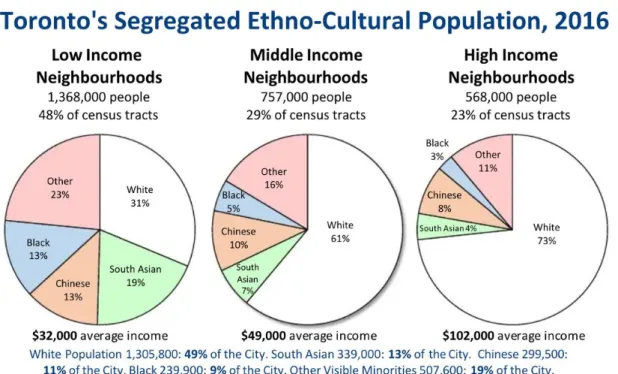
The implementation of PRESTO in the TTC system is part of the TTC's five-year corporate plan that began in 2013 to modernize all aspects of its operations (TTC, 2013). As a result of the station redesign model, the TTC will no longer require station collectors to manage assets and fare holders, resulting in the phasing out of booth collectors. Neighborhoods In the city of Toronto, there is a clear spatial disparity in income, with some of the poorest populations living on the outskirts of the city.
City three is concentrated in the outer parts of the city, the northeastern and northwestern parts of Toronto. Specifically, by comparing publicly available TTC data on ridership, bus route maps, policies and PRESTO data with existing data and research done by Hulchanski's The Three Cities Within Toronto: Income Polarization Among Toronto's Neighborhoods and Toronto Employment Data. The Fair Pass Program restrictions are also exclusive to those who may be low-income but are not currently enrolled in a social assistance program for various reasons.
The findings illustrate the effects of the smart card payment system and its integration into the TTC. 56% of out-of-service incidents raised for PRESTO vending machines on new streetcars due to 'stuffed coin box' during August 2019. This is especially true for low income and racialized minority concentrated areas of the city where other transport options are limited, or other distances must be travelled.
Those who live in the outer areas of the city and in the inner suburbs have longer commute times and cannot take advantage of the transfer window to the same extent as those who live in the inner city, closer to work, school and other common destinations. This creates a clear access problem, specifically in areas outside the city center where subway stations are not concentrated. The figures above illustrate longer travel times for Toronto residents outside the city centre.
With less variety in mode choice and longer distances traveled, those living in the outer regions of the city face longer TTC travel times than those in the city center.

COVID-19
A greater appreciation of the transit inequality prevalent in Toronto and investment in areas where low-income and precarious industrial or service work is concentrated would result in a more equitable transit system. As part of the agreement between Metrolinx and the TTC in 2012, an open payment system was eventually expected (Romeo-Beehler, 2019). Not only does this threaten the necessary further expansion of the system, particularly infrastructure for ticketing and customer service, specifically in underserved areas, it could result in the curtailment of existing infrastructure throughout the city.
If the current system is not expanded to include all populations in an equitable manner, an increase in the popularity of the open payment system could directly result in further transportation inequality. As part of the 'Future Ticketing Program', contactless payment was first introduced by the transport company in 2012 and complements the Oyster card, the smart card system used by the transport company (Transport for London, 2014). The purpose of a public transport system is to provide all members of the population with the opportunity to participate in employment, education, meeting daily needs and social interaction.
With the introduction of the new smart card system intended to improve and modernize the public transit experience, the TTC could have used this opportunity to address existing inequality. It creates confusion and mistrust and damages the TTC's reputation, which is bad for riders across the city, but especially harmful to many who rely on the TTC as their only option for transportation across the city. Through these recommendations, the TTC and PRESTO can confront the challenges of the existing and future challenges presented by the fare system.
More authorized customer service points for PRESTO should be allocated, especially in parts of the city where there are no metro stations. A review of the design and strategy of single-fare vending machines available on street cars should be conducted by the TTC and PRESTO. The current design of the machine switches off when the coin box is full and there is no indicator outside the coin box.
A three-hour transfer window would better serve those who live in the outer reaches of the city, face longer commute times, and are limited in options for public transportation and transit alternatives, especially when delays are very common on the TTC. When extending these systems, it is important to think about the needs of those who may rely on them. In 2009, a gradual rollout began to all participating "905" municipal transit agencies in the GTHA, including full implementation across the GO network.
2016 Metrolinx finalized an agreement to extend its contract with Accenture to ensure the continued stability, quality and advancement of the PRESTO system. April 2019 - the TTC Board approved an exchange policy that will allow customers to exchange their unused expired tickets within one year of the expiration date.