Monterrey, Nuevo León a 30 de abril de 2 0 0 8 .
INSTITUTO TECNOLÓGICO Y DE ESTUDIOS SUPERIORES DE MONTERREY
PRESENTE.-, en los sucesivo LA OBRAPRESENTE.-, en virtud de lo cual autorizo a el Instituto Tecnológico y de Estudios Superiores de Monterrey (EL INSTITUTO) para que efectúe la divulgación, publicación, comunicación pública, distribución, distribución pública y reproducción, así como la digitalización de la misma, con fines académicos o propios al objeto de EL INSTITUTO, dentro del círculo de la comunidad del Tecnológico de Monterrey.
El Instituto se compromete a respetar en todo momento mi autoría y a otorgarme el crédito correspondiente en todas las actividades mencionadas anteriormente de la obra.
De la misma manera, manifiesto que el contenido académico, literario, la edición y en general cualquier parte de LA OBRA son de mi entera responsabilidad, por lo que deslindo a EL INSTITUTO por cualquier violación a los derechos de autor y/o propiedad intelectual y/o cualquier responsabilidad relacionada con la OBRA que cometa el suscrito frente a terceros.
Nombre y Firma AUTOR (A)
Evaluation of Hydrogel Materials for Insulin Delivery in Closed
Loop Treatment of Diabetes Mellitus
Title Evaluation of Hydrogel Materials for Insulin Delivery in Closed Loop Treatment of Diabetes Mellitus
Abstract The recovery of diminished or lost regulatory functions of physiological systems drives important research efforts in biomaterials and modeling and control engineering. Special interest is paid to diabetes mellitus because of its epidemic dimensions. Hydrogels provide the multifunctionality of smart materials and the applicability to medical regulatory systems, which is evaluated in this dissertation. The polymeric matrix of a hydrogel experiences reversible changes in volume in response to the pH of the
environment, which depends on the presence of key metabolites in a physiological medium. The hydrogel swells due to internal repulsive electrostatic forces opening the matrix and releasing a preloaded drug. The contracted state of the hydrogel hinders the diffusion of the drug out of the polymer.
In this work, poly(methacrylic acid-graft-ethylene glycol), P(MAA-g-EG), hydrogel membranes that incorporate glucose oxidase are used for insulin delivery. These glucose sensitive membranes are characterized and modeled for the closed loop treatment of type I diabetes mellitus. A physiological compartmental model is extended to represent the treatment system of a diabetic patient. Physical parameters of the P(MAA-g-EG) hydrogel material are obtained from experimental characterization and used as a basis to describe anionic and cationic hydrogels. The performance of the system closed by a hydrogel-based device is explored and compared to the dynamic behavior of a conventional scheme with an explicit controller element.
controller produces a versatile insulin release profile in response to the variations of blood glucose concentration. Simulations demonstrate limitations in the range of swelling and contraction of hydrogels in a physiological environment due to factors such as the continuous presence of glucose in blood composition, the buffer characteristics of physiological fluids and the Donnan equilibrium effect. Results show that insulin loading efficiency is critical for the long term service of a hydrogel-based device, while delivery by a diffusion mechanism is convenient since it allows a basal insulin supply. The evaluation of hydrogel macrosystems prompts the consideration of the detected pros and contras in hydrogel microsystems, as well as in composite systems that may combine different materials and structures.
Discipline Ingeniería y Ciencias Aplicadas / Engineering & Applied Sciences
Item type Tesis
???pdf.cover.sheet .thesis.degree.nam e???
Programa de Graduados en Ingeniería
???pdf.cover.sheet .dc.contributor.adv isor???
Dr. Francisco ángel Bello
???pdf.cover.sheet .thesis.degree.disci pline???
Escuela de Ingeniería y Arquitectura
???pdf.cover.sheet .thesis.degree.prog ram???
Campus Monterrey
Rights Open Access
Downloaded 18-Jan-2017 06:43:00
INSTITUTO TECNOLÓGICO Y DE ESTUDIOS SUPERIORES DE MONTERREY
CAMPUS MONTERREY
DIVISIÓN DE INGENIERÍA Y ARQUITECTURA PROGRAMA DE GRADUADOS EN INGENIERÍA
E
VALUATION OFH
YDROGELM
ATERIALS FORI
NSULIND
ELIVERY INC
LOSEDL
OOPT
REATMENT OFD
IABETESM
ELLITUS
TESIS
PRESENTADA COMO REQUISITO PARCIAL PARA OBTENER EL GRADO ACADÉMICO DE:
DOCTORA EN CIENCIAS DE LA INGENIERÍA ESPECIALIDAD EN MECATRÓNICA
POR:
IRMA YOLANDA SÁNCHEZ CHÁVEZ
INSTITUTO TECNOLÓGICO Y DE ESTUDIOS SUPERIORES DE MONTERREY
CAMPUS MONTERREY
DIVISIÓN DE INGENIERÍA Y ARQUITECTURA PROGRAMA DE GRADUADOS EN INGENIERÍA
Los miembros del comité de tesis recomendamos que el presente proyecto de tesis presentado por Irma Yolanda Sánchez Chávez sea aceptado como requisito parcial para
obtener el grado académico de:
Doctora en Ciencias de la Ingeniería Especialidad en Mecatrónica
Comité de Tesis:
________________________________ ________________________________ Dr. Sergio Omar Martínez Chapa Dr. Nicholas A. Peppas
Departamento de Ingeniería Eléctrica y Departments of Biomedical and
Computacional Chemical Engineering
ITESM, Campus Monterrey The University of Texas at Austin
Supervisor Supervisor
________________________________ Dr. Hugo Alberto Barrera Saldaña
Departamento de Bioquímica y Medicina Molecular Facultad de Medicina de la UANL
Sinodal
________________________________ ________________________________ Dr. Blanca Hazalia Lapizco Encinas Dr. Rubén Morales Menéndez
Departamento de Biotecnología e Centro de Innovación en Diseño y Ingeniería de Alimentos Tecnología
ITESM, Campus Monterrey Departamento de Mecatrónica y
Sinodal Automatización
ITESM, Campus Monterrey
Sinodal
Aprobado:
_________________________________ Dr. Francisco Ángel Bello
A Dios,
por las personas que viven con diabetes, quienes son ejemplo ante la adversidad,
por mi esposo, Fernando, quien ha sido una muestra especial y generosa de amor divino en mi vida, y
Acknowledgements
I want to express my gratitude to Dr. Sergio Martínez for his advice and friendship during my doctoral studies. I recognize his support as leader of the BioMEMS group and committed professor at my university. I am also thankful to Dr. Nicholas Peppas for receiving me in his laboratory group, which he considers an extended family. I share with all his students the appreciation of his guidance and example.
I thank Dr. Hugo Barrera, Dr. Blanca Lapizco and Dr. Rubén Morales for their interest and constructive comments in the evaluation of the present dissertation. I appreciate the collaboration of Dr. Rubén Morales for the Monte Carlo simulation tests included in this work.
I am thankful for the opportunity to do my doctoral studies and continue my teaching labor at Tecnológico de Monterrey. I acknowledge the economic support from Tecnológico de Monterrey and Schlumberger Faculty for the Future Program during my doctoral formation.
I thank family, professors, workmates, classmates, labmates, students and friends who have given me company, encouragement, understanding and inspiration in this part of my life.
IRMA YOLANDA SÁNCHEZ CHÁVEZ
Abstract
The recovery of diminished or lost regulatory functions of physiological systems drives important research efforts in biomaterials and modeling and control engineering. Special interest is paid to diabetes mellitus because of its epidemic dimensions. Hydrogels provide the multifunctionality of smart materials and the applicability to medical regulatory systems, which is evaluated in this dissertation. The polymeric matrix of a hydrogel experiences reversible changes in volume in response to the pH of the environment, which depends on the presence of key metabolites in a physiological medium. The hydrogel swells due to internal repulsive electrostatic forces opening the matrix and releasing a preloaded drug. The contracted state of the hydrogel hinders the diffusion of the drug out of the polymer.
In this work, poly(methacrylic acid-graft-ethylene glycol), P(MAA-g-EG), hydrogel membranes that incorporate glucose oxidase are used for insulin delivery. These glucose sensitive membranes are characterized and modeled for the closed loop treatment of type I diabetes mellitus. A physiological compartmental model is extended to represent the treatment system of a diabetic patient. Physical parameters of the P(MAA-g-EG) hydrogel material are obtained from experimental characterization and used as a basis to describe anionic and cationic hydrogels. The performance of the system closed by a hydrogel-based device is explored and compared to the dynamic behavior of a conventional scheme with an explicit controller element.
A control algorithm for optimal insulin delivery in a type I diabetic patient is presented based on the linear quadratic control problem theory. The glucose-insulin dynamics is first represented by a linear modelwhose state variables are the glucose and the insulin concentrations in the blood. These variables allow the formulation of an appropriate cost function for a diabetes treatment in terms of the deviation from the normal glucose level and the dosage of exogenous insulin. The optimal control law is computed from this cost function under the servocontrol and regulatory approaches. Superior robustness of the regulatory control design is shown before random variations of the parameters of the linear physiological model. Further evaluation of the regulatory controller is realized with a high order nonlinear human glucose-insulin model. The control system performance can be improved by adjusting the weighting factors of the optimization problem according to the patients needs. The optimal controller produces a versatile insulin release profile in response to the variations of blood glucose concentration.
General Index
Index of Figures ………. xv
Index of Tables ……….. xviii
1. Introduction ………... 1
2. Background ………..………...…... 6
2.1. Biological basis of diabetes mellitus….………... 6
2.2. Therapeutic Avenues ………...……… 7
2.3. Glucose sensors ……….………. 9
2.4. Insulin delivery actuators ……… 11
2.5. Mathematical controllers ………. 12
2.6. Hydrogels……….… 14
2.7. Conclusions ……… 15
2.8. References ……….. 21
3. Objectives ……….……... 26
3.1. References ……… 28
4. Structure and Synthesis of Hydrogel-Based Systems ………... 29
4.1. Reagents ……….………. 29
4.2. Equipment……….….... 29
4.3. Procedures ……….………...………... 30
4.4. Polymerization kinetics ………... 31
4.5. Results ……….... 36
4.6. Discussion ………...……… 37
4.7. Conclusions ……….……… 38
4.8. References ……….……….. 41
Appendix A4.1. Reagents for synthesis and characterization of hydrogel- based systems ………..………... 42
Appendix A4.2. Polymer formulations ……….………. 45
Appendix A4.3. Protocol for synthesis of P(MAA-g-EG) films ……….. 47
5. Static Characterization ………...……….……… 50
5.1. Equilibrium pH responsive swelling …..……….…… 50
5.1.1. Fundamentals ………..……….. 50
5.1.2. Experimental procedure ………..…………... 51
5.1.3. Results and discussion ………..…………. 52
5.2. Porosimetry ……….……… 57
5.2.1. Fundamentals ………..…………...………… 57
5.2.2. Experimental procedure ……… 57
5.3. Equilibrium glucose responsive swelling ……… 63
5.3.1. Fundamentals ………. 63
5.3.1.1. Enzymatic reactions ………. 63
5.3.1.2. Reaction mechanism for enzymatic oxidation of glucose … 63 5.3.2. Experimental work ……….…... 64
5.3.3. Results and discussion ………...……….... 65
5.4. Conclusions ……….……… 65
5.5. References ……….……….. 70
Appendix 5.1. Volume measurement of hydrogel samples ……… 71
Appendix 5.2. Dimethyl glutaric acid buffers preparation ………. 72
Appendix 5.3. Equilibrium experiment protocol ……… 73
Appendix 5.4. Parameters for porosimetry analysis ………... 74
Appendix 5.5. Porosimetry tests protocol ……….. 76
Appendix 5.6. Michaelis-Menten constant ………. 78
Appendix 5.7. Mechanism of glucose enzymatic oxidation ……….. 81
Appendix 5.8. Mechanism of enzymatic decomposition of hydrogen peroxide 83 Appendix 5.9. Glucose responsiveness equilibrium experiments protocol …… 86
6. Dynamic Characterization ………..……. 87
6.1. Dynamic swelling experiments ………... 87
6.1.1. Fundamentals ………..…………... 87
6.1.2. Experimental work ………..….. 88
6.1.3. Results and discussion ……….………..… 89
6.2. Syneresis pore formation ………..……... 92
6.2.1. Fundamentals ……….………... 92
6.2.2. Experimental work ……….………... 93
6.2.3. Results and discussion ………..……. 93
6.3. Diffusion coefficient experiment ………. 95
6.3.1. Fundamentals ………..…………... 95
6.3.2. Experimental work ……….…... 96
6.3.3. Results and discussion ………..……. 97
6.4. Glucose responsive swelling ……….…... 99
6.4.1. Fundamentals ………..…………... 99
6.4.2. Experimental work ……….……... 100
6.4.3. Results and discussion ………..……. 100
6.5. Insulin release ………..………. 108
6.5.1. Fundamentals ………. 108
6.5.1.1. Controlled release mechanisms ……… 108
6.5.1.2. Effect of drug isoelectric point and hydrogel critical pH loading process ………. 109
6.5.1.3. Insulin structure ………... 109
6.5.2. Experimental work ……… 110
6.6. Conclusions ………..………...…….... 116
6.7. References ……… 117
Appendix 6.1. Oscillatory experiment protocol ………. 119
Appendix 6.2. Protocol of step experiments ………... 120
Appendix 6.3. Diffusion experiment protocol ……… 121
Appendix 6.4. Glucose responsiveness protocol ……… 123
Appendix 6.5. Insulin release experiment protocol ……… 125
7. Mechanical Modulus and Mechanochemical Compliance ……….. 126
7.1. Fundamentals ………... 126
7.1.1. Mechanical variables and parameters ……… 126
7.1.2. Boltzmann superposition principle ……… 127
7.1.3. Time-temperature superposition ……… 129
7.2. Experimental work .……….………...………. 131
7.3. Results and discussion ……….….... 131
7.4. Conclusions ……….………..…...………... 136
7.5. References ……….………... 146
Appendix 7.1. Numerical evaluation of the Boltzmann superposition principle 147 Appendix 7.2. Tensile experiments protocol ……….. 149
8. Mathematical Modeling of Physiological Process and Hydrogel System …. 150 8.1. Ackerman physiological model for glucose-insulin metabolism ………… 150
8.2. Sorensen physiologic model for glucose-insulin metabolism ………. 152
8.3. Coupled dynamics of the hydrogel and glucose-insulin physiologic Systems ……… 154
8.3.1. Stomach-hydrogel glucose compartment ……….. 154
8.3.2. Stomach-hydrogel insulin compartment ………... 156
8.3.3. Hydrogel subcompartment volume ……… 156
8.4. Simulation results and discussion ……… 157
8.5. Conclusions ………. 158
8.6. References ………... 167
Appendix 8.1. Sorensen model for glucose-insulin metabolism ……… 168
Appendix 8.2. Compensator function in the hydrogel volume closed loop model ……….. 176
9. Optimal Controller Design ……….……….. 178
9.1. State space representation of physiological model ……….. 178
9.2. Design of optimal controller ……… 179
9.2.1. Linear quadratic regulatory problem ………. 179
9.2.2. Servocontrol and regulatory design schemes ……… 180
9.2.2.1. Servocontrol design ……….. 181
9.2.2.2. Regulatory design ………. 182
9.3. Simulation of the controller closed loop system ………. 183
9.3.1. Closed loop with a linear process model ………... 184
9.3.2. Closed loop with a non-linear process model ………... 184
9.3.3. Discussion of results ………. 185
9.4. Conclusions ………. 186
9.5. References ………... 195
Appendix 9.1. Optimal control: linear quadratic problem ………. 196
Appendix 9.2. State observer design ……….. 200
10. Comparison of Hydrogel and Controller Based Feedback Systems ……... 203
10.1. Configuration of feedback systems ……….. 203
10.2. Simulation test ……….. 204
10.3. Comparison references ………. 204
10.4. Simulation results ………... 205
10.5. Conclusions ………... 207
10.6. References ………. 213
11. Conclusions ……….. 214
11.1. Fulfillment of objectives ……….. 214
11.2. Contributions ……… 216
11.3. Future work and final comments ……….. 216
11.4. References ……… 218
Bibliography ……….……….. 219
Index of Figures
Figure 1.1. Closed Loop Approaches for Diabetes Mellitus Treatment…... 4
Figure 2.1. Carbohydrate metabolic pathways………... 17
Figure 2.2. Membranes on a biosensor electrode………... 19
Figure 2.3. Enzymatic nanoelectrodes………... 19
Figure 2.4. Microcantilever sensor……… 19
Figure 2.5. Commercial Insulin Delivery Devices……….…... 20
Figure 2.6. Ionic Hydrogels………... 20
Figure 4.1. Polymerization Reaction for the Production of P(MAA-g-EG) Hydrogel……...………. 39
Figure a4.3.1. Inhibitor removal from MAA using a packed column………….. 47
Figure a4.3.2. Preparation of enzyme solution………. 48
Figure a4.3.3. UV polymerization……… 49
Figure 5.1.1. Equilibrium Volume Swelling Ratio……… 54
Figure 5.1.2. Equilibrium Solvent Volume Fraction………. 55
Figure 5.1.3. Hysteresis of Volume Swelling Ratio……….. 56
Figure 5.2.1. Scheme of the AutoPore III System………. 59
Figure 5.2.2. Low-Pressure Subsystem of Micromeritics Autopore III…………. 59
Figure 5.2.3. High Pressure Subsystem of Micromeritics Autopore III………… 60
Figure 5.2.4. Cumulative Intrusion with Respect to Diameter……….. 60
Figure 5.2.5. Cumulative Intrusion with Respect to Pressure……… 61
Figure 5.2.6. Incremental Intrusion with Respect to Diameter……….. 61
Figure 5.2.7. Cumulative Intrusion with Compensation of Compressibility of the Material………...……… 62
Figure 5.2.8. Incremental Intrusion with Compensation of Compressibility of the Material……...……… 62
Figure 5.3.1. Energy Diagram for Enzymatic Reaction…….……… 66
Figure 5.3.2. Structure of Glucose Oxidase………... 67
Figure 5.3.3. Structure of Catalase………. 68
Figure 5.3.4. Equilibrium Experiments in Glucose Solutions………... 69
Figure a5.1.1. Set Up for Weight Measurements in Liquid Environments……... 71
Figure a5.6.1. Initial velocity of reaction………... 78
Figure a5.7.1. Glucose Oxidation Mechanism in Presence of Glucose Oxidase and Oxygen………...……… 81
Figure a5.7.2. Structural Changes of FAD during Glucose Oxidation………….. 82
Figure a5.8.1. Heme prosthetic group of catalase……….. 83
Figure a5.8.2. Mechanism of Hydrogen Peroxide Decomposition in Presence of Catalase………...……….. 84
Figure 6.1.1. Oscillatory Experiment………. 90
Figure 6.1.2. Step Experiments……….. 91
Figure 6.2.1. Pore Formation by the Syneresis of the Hydrogel……… 94
Figure 6.2.2. Tests for Pore Formation in Different pH Ranges during Fast Contraction………...………. 94
Figure 6.3.1. Set Up of Diffusion experiment……… 98
Figure 6.3.2. Permeability and Diffusion Coefficient of Insulin through a P(MAA-g-EG) Membrane………...………. 98
Figure 6.4.1. Set of Reactions Inside the Glucose Sensitive Hydrogel…………. 103
Figure 6.4.2. Glucose Oscillatory Experiment………... 104
Figure 6.4.3. Donnan Equilibrium Effect……….. 104
Figure 6.4.4. Glucose Step and Oscillatory Experiments……….. 105
Figure 6.4.5. pH Response to a Glucose Step Input……….. 105
Figure 6.4.6. Consumption of Glucose in the Hydrogel System………... 106
Figure 6.4.7. Velocity of Glucose Oxidation Reaction in a Hydrogel System….. 106
Figure 6.4.8. Velocity of Glucose Oxidation with Respect to Glucose Substrate Concentration in the Medium of the Hydrogel System………. 107
Figure 6.5.1. Electrostatic Charges of Anionic Hydrogel System and Insulin at Different pH………...………... 112
Figure 6.5.2. Insulin Structure………... 113
Figure 6.5.3. Dissolution Apparatus for Insulin Release Experiments………….. 114
Figure 6.5.4. Effect of Loading pH……… 114
Figure 6.5.5. Effect of Crosslinking Agent in Drug Delivery……… 114
Figure 6.5.6. Effect of Glucose Presence in Delivery Medium………. 115
Figure 6.5.7. Insulin Release in Different Glucose Concentration Solutions…… 115
Figure 7.1. Time-Temperature Superposition Technique……….. 137
Figure 7.2. Scheme of Instron Instrument……….. 137
Figure 7.3. Bell shape……… 138
Figure 7.4. Tensile Experiment at pH 3.2……….. 139
Figure 7.5. Tensile Experiment at pH 4.4……….. 139
Figure 7.6. Tensile Experiment at pH 5.4……….. 140
Figure 7.7. Tensile Experiment at pH 6.6……….. 140
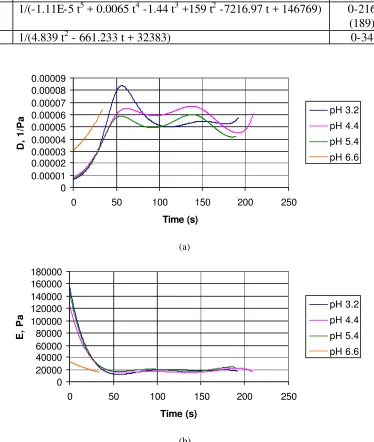
Figure 7.8. Sets of Curves for the Mechanical Compliance (a) and Modulus (b). 141
Figure 7.9. Mechanical Modulus Curve………. 142
Figure 7.10. Experiment and Determination of Chemical Modulus……….. 143
Figure 7.11. Set of Mechanochemical Compliance Curves………... 143
Figure 7.12. Master Curve of Mechanochemical Compliance at pH 7.2………... 144
Figure 7.13. Simulation of the Volume Swelling Ratio with the Master Function of the Mechanochemical Compliance………...…. 144
Figure 8.1. Ackerman Model for Glucose-Insulin Metabolism………. 160
Figure 8.2. The Sorensen Compartmental Model for the Glucose-Insulin Metabolism………. 160
Figure 8.3. Compartment of the Sorensen Model……….. 160
Figure 8.4. Modification of the Sorensen Model with a Hydrogel Compartment. 161
Figure 8.5. Volume Swelling Ratio Closed Loop Model……….. 161
Figure 8.6. Equilibrium Operation Points for Anionic and Cationic Hydrogels... 162
Figure 8.7. Simulation of Sorensen Model for the Diabetic and Normal Cases… 163
Figure 8.8. Simulation of Glucose Response with a Cationic Hydrogel………... 164
Figure 8.9. Simulation of Glucose Response with Cationic and Anionic Hydrogels………...…... 165
Figure 8.10. Simulation of Swelling Behavior of Cationic and Anionic Hydrogels………...………... 166
Figure a8.2.1. Volume Swelling Ratio Closed Loop Model……….. 176
Figure 9.1. Open Loop Response Using the Ackerman Linearized Model……... 188
Figure 9.2. Configuration of the Linear Closed Loop System………... 188
Figure 9.3. Servocontrol Results with a Linearized Model for Glucose-Insulin Metabolism………...………. 189
Figure 9.4. Regulatory Results with a Linearized Model for Glucose-Insulin Metabolism………...………. 190
Figure 9.5. Robustness Tests for the Linear System……….. 191
Figure 9.6. Open Loop Response Using the Sorensen Non-linear Model………. 191
Figure 9.7. Configuration of the Non-linear Closed Loop System……… 192
Figure 9.8. Regulatory Results with the Sorensen Non-linear Model…………... 192
Figure 9.9. Effect of Weighting Factors on Closed Loop Response……….. 193
Figure 10.1. Feedback Control Systems……… 208
Figure 10.2. Simulation test………... 208
Figure 10.3.Cationic Hydrogel and Open Loop Performances………. 209
Figure 10.4. Cationic Hydrogel, Controller and Open Loop Performances…….. 209
Figure 10.5. Volume Swelling Ratio and pH of Implanted Cationic Hydrogel Membrane System………...……….. 210
Figure 10.6. Anionic Hydrogel and Open Loop Performances………. 210
Figure 10.7. Anionic Hydrogel, Controller and Open Loop Performances……... 211
Figure 10.8. Comparison of Cationic and Anionic Hydrogel Based Systems…... 211
Index of Tables
Table 1.1. Quantifiable Costs of Diabetes Mellitus………... 4
Table 2.1. Insulin Products……… 18
Table 4.1. Parameters for the Estimation of the Mesh Size of Poly(MAA-g-
EG) Hydrogel Network…………...……….. 40 Table 4.2. Mesh Size of Hydrogel Membranes Synthesized with Procedure
Variations………...………... 40
Table 5.1.1. Synthesis Conditions of Materials Submitted to Equilibrium Tests.. 55 Table 5.1.2. Results of Equilibrium Swelling Experiments………... 56
Table 6.1.1. Parameters for Swelling Behavior Model of P(MAA-g-EG)
Hydrogel…………...………. 91 Table 6.3.1. Diffusion Coefficients in Water and Hydrodynamic Radius of
Glucose, Hydrogen Ions and Insulin…….…….……….. 98 Table 6.5.1. Estimation of Diffusion Coefficients from Release Experiments….. 115
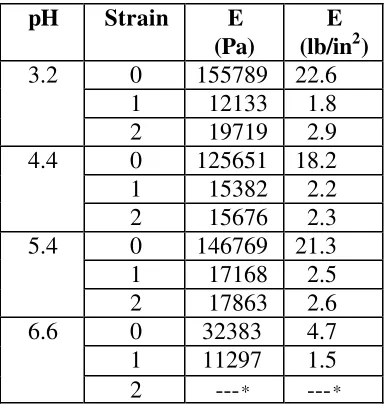
Table 7.1. Mechanical Modulus E at Different pH and Strain Values………….. 138 Table 7.2. Mechanical Compliance Functions D(t)………... 141 Table 7.3. Shifting Factors………. 142
Table 8.1. Model Parameters for Anionic and Cationic Hydrogels………... 163
1. Introduction
In Mexico, diabetes mellitus has gained importance during the transformation of the epidemiologic profile of the country in the last decades. Infectious diseases have decreased due to improvements in sanitation and hygiene. On the other hand, non-infectious illnesses are more noticeable as consequence of socio-demographic factors that include the aging of the population and unhealthy practices regarding exercise and nutrition. The prevalence and the evolution of the diabetes mellitus, characterized by the inability of the body to produce or to use insulin, are aggravated by such factors. Currently, diabetes mellitus is considered as the main non-transmissible illness. Diabetes mellitus passed from the eighth to the first cause of death in less than 20 years. National statistics show that 9% of adults were diabetic in 2005 and the morbidity for this cause increased at a rate of 3% per year from 2001 to 2005 [1].
The situation of diabetes mellitus in Mexico is a manifestation of a worldwide health problem. The International Diabetes Federation (IDF) reports 246 millions of adults (between 20 and 79 years old) with diabetes in 2007, corresponding to 6% of the adult population and 3.7% of the total population in the world. For the year 2025, the number of diabetic adults is estimated in 380 millions, which represents 7.3% and 4.8% of the expected adult and total population, respectively [2]. Nowadays, the United States, Europe and the Western Pacific region have the highest numbers of diabetes cases, while Arab countries have the highest proportion of the population with diabetes. The foreseen spread rate of the disease at 3% per year in adults will affect mainly the young and productive urban populations in developing countries. This tendency is explained by the transformation of the lifestyle with technological progress.
Latin American and Caribbean countries have serious deficiencies regarding prevention, diagnostics and treatment of diabetes, which are the basic strategies to control this epidemic. The access to the information about diabetes is limited. More than one-third of diabetics are undiagnosed, and 50% of the new cases detected present already advanced complications due to the lack of glycemic control. The quality of diabetes care is low as indicated indirectly by the statistics of diabetic patients who attend medical consultations to check their eye, heart, kidneys or feet health [3].
Diabetic mellitus cases are classified as insulin dependent or type 1 and insulin independent or type 2, regardless of the age of the patient. Other types of diabetes are related to different genetic syndromes, hormonal or receptor abnormalities and pancreatic diseases. The statistics mentioned above refer to the number of proportion of the population with any type of diabetes mellitus. Type 2 diabetes represents approximately the 90% of diabetes cases in developed countries [2] and a higher percentage in developing countries (97.5% in Latin America and Caribbean, for instance, in the year 2000 [4]).
Insulin therapy can transform diabetes from a fast mortal disease to a condition of life with all its possibilities in length and activities. Although the treatment of type 2 diabetes focuses on exercise and diet, the external infusion of insulin can be advantageous in approximately 5% of type 2 patients [4]. On the other hand, type 1 diabetes treatment is based on the supply of exogeneous insulin.
Diabetes treatment has evolved with technological and scientific advances. Traditional treatment is based in medical prescription of insulin injections based on glucose measurements performed manually with a certain low frequency. The development of glucose sensors and insulin delivery devices has helped to approach a more continuous and opportune insulin administration [6, 7]. Automatic continuous control systems offer the possibility of a precise blood glucose regulation in a diabetic patient [8].
Desirable portability, reliability and comfortability of closed loop systems impose implementation challenges. Different insulin delivery routes [9] and control algorithms [10] have been proposed for the closed loop treatment of diabetes. Practical implementation of some of these systems has been done in hospital installations [11], due to the volume, complexity and supervision requirements of the instrumentation involved. Integration of the functional elements of a control system in a single device is necessary for an efficient closed loop treatment.
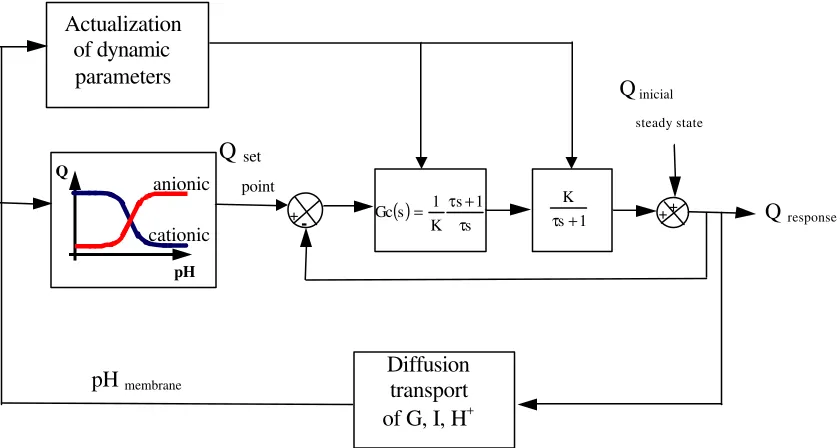
Smart materials can be designed to perform different functions for a particular application. Hydrogels are ionic polymers that expand or contract in response to the pH of the medium. The hydrophilicity of the polymer allows for the absorption of drugs in solution. The change of intra and intermolecular spaces affect the diffusion resistance of the hydrogel, which modulates the drug release. Hydrogels have been evaluated as a competitive alternative for open loop treatment of diabetes mellitus [12]. This work analyzes systems to provide insulin to diabetic patients based on two approaches: 1) the use of separate controller, actuator and sensor units, and 2) the use of glucose sensitive hydrogels as smart materials that integrate the functions of the previously mentioned units in a single device (Figure 1.1).
for the performance of hydrogel-based system. Hydrogels were analyzed from a functional and dynamic point of view, parting form their biocompatibility and stable biochemical components: enzymes and imbibed drug.
Table 1.1. Quantifiable Costs of Diabetes Mellitus. Direct and indirect costs reflect a combined effect of number of cases and quality of attention or treatment of the disease.
Mexico
(2000) [4] Latin America and Caribbean (2000) [4]
United States of America (2002) [5] Direct costs (billions of US dollars)
Medication 0.77 4.7
Consultation 0.34 2.5
Hospitalization 0.23 1
Care of complications 0.64 2.5 24.6
Total 1.97 10.7 92
Indirect costs ((billions of US dollars)
Mortality 0.6 3
Temporary disability 0.2 0.8
Permanent disability 12 50
Total 13 54 40
Figure 1.1. Closed Loop Approaches for Diabetes Mellitus Treatment. Separate controller, actuator and sensor elements can be proposed to close the glucose feedback control system. Alternatively, a multifunctional hydrogel based system can be used for the closed loop treatment of diabetes.
Insulin Controller
Glucose level
Hydrogel
Actuator Metabolism
References
1. Salud: México 2001-2005. http://evaluacion.salud.gob.mx/saludmex2005/sm2005.htm
(as seen on June 18, 2007).
2. Diabetes Atlas, third edition ©International Diabetes Federation 2006.
3. Barceló A, Vovides Y. The Pan American Health Organization and World Diabetes Day. Pan Am J Public Health. 2001;10(5):297-298.
4. Barceló A, Aedo C, Rajpathak S, Robles S. The cost of diabetes in Latin America and the Caribbean. Bulletin of the World Health Organization 2003;81(1):19-27.
5. American Diabetes Association. http://www.diabetes.org/diabetes-statistics.jsp (as seen on June 18, 2007).
6. Polla DL. BioMEMS applications in medicine. Proceedings of International Symposium on Micromechatronics and Human Science. 2001:13-15.
7. Staples M, Daniel K, Cima M, Langer R. Application of micro- and nano-electromechanical devices to drug delivery. Pharmaceut Res. 2006;23(5):847-863.
8. Heller A. Integrated medical feedback systems for drug delivery. AIChE J. 2005;51(4):1054-1066.
9. Peppas NA, Kavimandan NJ. Nanoscale analysis of protein and peptide absorption: Insulin absorption using complexation and pH-sensitive hydrogels as delivery vehicles. Eur J Pharm Sci. 2006;29:183–197.
10. Bequette BW. A critical assessment of algorithms and challenges in the development of closed-loop artificial pancreas. Diabetes Technology & Therapeutics. 2005;7(1):28-47.
11. Chee F, Fernando T, van Heeden P. Expert PID control system for blood glucose control in critically ill patients. IEEE T Info Technol B. 2003;7(4):419-425.
2. Background
2.1. Biological Basis of Diabetes Mellitus
Diabetes mellitus is a chronic disease that affects the ability of the body to produce insulin or to be sensitive to insulin. This results in elevated fasting and postprandial blood glucose levels. The insulin allows the absorption of glucose in the cells to be used as energy source. There are two major types of diabetes mellitus: juvenile-onset diabetes (type 1) and maturity-onset diabetes (type 2). In type 1 diabetes the cells of the pancreas that produce insulin are destroyed, which suggests a treatment based on administration of exogeneous insulin. Type 2 diabetes is usually related to obesity. In type 2 diabetes, tissues are less sensitive to insulin maybe because of insufficiency of insulin receptors on the surface membranes of the cells. Lose of weight may make medicaments unnecessary in adult diabetes. In both types of diabetes, important disabling complications such as retinopathy, nephropathy, neuropathy and lower extremity amputation may develop. Progress in the understanding of the pathophysiology of diabetes has been linked to the proposal of therapeutic avenues.
Carbohydrates are the primary exogenous source of glucose. The body homeostatic mechanisms maintain glucose levels within a narrow range in spite of fasting and food ingestion. Within the pancreas there are small encapsulated clusters of cells called islets of Langerhans. These cells are of three types: alpha, beta and delta [1]. When blood glucose levels are low, alpha cells secrete glucagon, which elevates blood glucose concentration. However, if blood glucose level is too high, beta cells release insulin helping body cells to increase their uptake of glucose. Delta cells produce the hormone somatostatin to inhibit the release of either glucagon or insulin.
Alterations in the carbohydrates metabolic pathways (shown in Figure 2.1) explain diabetes [2]. Ingested carbohydrates break into small compounds, that include glucose, sucrose and fructose, by the action of digestive enzymes (α- amylase, maltase and α -glucosidase). The produced glucose stimulates beta cells to secrete insulin. Insulin activates the glucose transporter GLUT-4, which is uniquely expressed in skeletal and cardiac muscles and in adipose tissues, to assist glucose utilization. The glucose-insulin metabolism performs as a natural closed loop system where the glucose level is detected and a corrective action is carried out by insulin production to promote glucose utilization.
accumulation of fat (due to increased fatty acids and triglycerides and decreased high density lipoprotein).
2.2. Therapeutic Avenues
Although hyperglycemia is considered as a risk factor for the progress of diabetic complications, these are also related to oxidative stress. Therefore, therapies have evolved to attack a variety of targets (metabolic and gene regulatory) by interfering with different mechanisms, in both types of diabetes. Synthetic medicines have been developed as α -glucosidase inhibitors to reduce glucose production from ingested carbohydrates, sulfonilureas and biguanides that influence the activation of glucose and insulin receptors, respectively, and aldose reductase inhibitors to prevent cataract formation and other diabetic complications. Phytochemicals aim at carbohydrate metabolic targets that participate in oxidative alteration mechanisms. The antioxidant and polyphenolic compound content of phytochemicals scavenges free radicals and, therefore, reduces TNF-α expression and oxidative stress. Phytochemicals have also shown therapeutic activity regarding carbohydrate digestion and absorption and insulin release. Transcription factors that intervene in glucose homeostasis represent a class of therapeutic targets. They are more difficult to manage because they are expressed in multiple tissues, they may regulate large number of genes and perform functions, which are not fully known [2].
Although alternative therapies research is leading to different resources for diabetes treatment, insulin continues to be the best way of controlling blood glucose even for type 2 diabetes. Some researchers affirm that the resistance of type 2 diabetic patients and physicians to use insulin is due to the following misconceptions: insulin autoinduced resistance (insulin treatment improves insulin sensitivity), increased cardiovascular risk (associated to insulin resistance, which is not developed by insulin administration), excessive weight gain (modest weight gain as a side effect of insulin use is of approximately 4 kg), severe hypoglycemia (hypoglycemic episodes that require assistance of another person are not common in type 2 diabetic patients) [3].
Diabetes therapy based on administration of insulin is essential for type 1, but also highly effective for type 2. This therapy has been improved by the introduction of insulin analogues (lispro and aspart), which have similar onset and duration of action than human insulin. Insulin therapy can preserve β-cell function in early stages of the disease and improve lipid metabolism [4]. For these reasons, insulin administration is also benefitial for the treatment of type 2 diabetes. The adverse effects of insulin therapies are hypoglycemia, weight gain and progression of retinopathy (when glycosylated hemoglobin, HbA1c, levels are higher than 7%).
intravenously. Intermediate acting insulins are used for basal administration, as well as long acting insulins, which are absorbed in crystalline or microprecipitated form (Table 2.1).
The combined use of different types of insulin is challenged by absorption variability. Physiological or intensive insulin regimens try to imitate normal insulin secretion by the proper combination of short or rapid acting insulin, as bolus insulin and suplements, and separate basal intermediate or long acting insulin, with a minimum of 4 to 6 injections per day [4]. Non-physiological treatments with less insulin injections and no separation of prandial and basal doses, can be managed but eliminating flexibility to schedule or skip meals. Physiological therapies reduce costs by decreasing complications with better glucose level control. Adjustments of insulin regimens are necessary according to the activity of the patient.
Treatments with physiological insulin replacement and continuous subcutaneous insulin infusion or pump therapy reached 200 000 type 1 diabetes patients in the year 2002 [5]. Continuous insulin infusion with insulin pump often leads to a reduction of the total amount of insulin dose. A basal dose is programmed in an external insulin pump, and bolus insulin is activated manually by the patient.
Self monitoring of glucose levels is important for a better control in diabetic patients [6] either for the adjustments in a traditional insulin injection treatment or for a continuous insulin administration. The treatment of diabetes nowadays emphasizes the control over HbA1c levels to reduce microvascular complications [4]. HbA1c and glucose levels are correlated, although they have different dynamics because hemoglobin is glycated by exposure to high glucose concentrations for long periods of time. Therefore, glucose measurement is particularly needed for the continuous determination of insulin supply.
Benefits of continuous insulin infusion can be enhanced by closed loop or automatic operation. A closed loop is formed through the feedback of blood glucose levels to a system that can adjust insulin administration accordingly. The essential functional elements of a closed loop treatment includes a glucose sensor to retrieve information from the physiological process, an insulin delivery actuator to modify the state of the physiological process, and a controller that determines how to operate the insulin actuator to achieve the required blood glucose concentration changes to reach normal levels. This scheme resembles the functions of a healthy pancreas more closely than the current insulin pump therapy due to the continuity of sensing, actuation and regulating functions.
material, that is, an environmental responsive physical element. In this work hydrogel-based systems are studied for blood glucose control.
2.3. Glucose Sensors
The following summary of glucose sensors technology is based on the review by Peura in 1991 [7] and complemented with literature about posterior significant developments.
The first glucose sensors were developed by Clark and Lyons in 1962. These sensors were based on the oxidation reaction of glucose catalyzed by glucose oxidase detected electrochemically. The first commercial sensor with this technique was manufactured by Yellow Springs Instrument Company and used in the “Biostator” control system fabricated by Thousands Laboratories. The in vitro application of the amperometric enzymatic sensors
has been successfully used in clinic laboratories and portable personal glucose meters. Nevertheless, its application in vivo is not reliable after days from its implantation because
they can be encapsulated by tissues or produce calcification [8]. The advantage of the principle of enzymatic oxidation is that glucose concentration can be correlated to different variables: partial pressure of oxygen, pH due to the generated gluconic acid [9], and concentration of produced hydrogen peroxide [10]. However, the main problem of these sensors is their long term stability due to the deterioration of the enzyme.
In the 1980s, electrocatalytic sensors based on the direct oxidation of glucose on a platinum electrode, without the presence of an enzyme, were investigated [11, 12]. This type of sensors takes advantage of the glucose selectivity of the metallic solid electrode. These sensors are more susceptible to interferences, but also more stable than electroenzymatic sensors.
By the time that electrocatalytic sensors were developed, different optical techniques were also applied on glucose detection and measurement. For instance, a pH color indicator exposed to the oxidation of glucose was monitored by light transmission changes between two optical fibers [13]. Detection by molecular affinity was also studied using fluorescent labeled glucose receptors.
The absorption spectroscopy in the infrared region is an important technique for the biological substance identification in aqueous solution. The application of this technique for glucose measurement was reported in reference [14]. Absorption spectroscopy allows for a direct and stable detection. Nevertheless, the glucose measurement in an aqueous solution, like the blood, by conventional methods of spectroscopy of IR absorption has difficulties due to the high background IR absorption of water and low analyte concentrations [63].
source of excitation and the peak IR absorption can be related to glucose concentration [64].
All the above mentioned technologies are supported by basic principles and have the potential for the fabrication of miniature and implantable sensors. Currently, microsytems technology and nanotechnology research are applied for the solution of issues regarding risk of implantation and comfort, speed and continuity of the measurement, easiness of operation and cost.
Electrochemical biosensors, with glucose oxidase particularly, continue being of interest in the monitoring and treatment of the diabetes because of its simple and economic configuration. At the beginning of the twenty fist century, glucose sensors represented 98% of the commercially available medical enzymatic biosensors [15]. Planar technologies form the electronic industry are based on the deposition, etching and removal of layers on a silicon substrate. These technologies have been modified to manufacture biosensors, by incorporating enzymes and additional layers to protect and enhance the selectivity of their response [16]. Figure 2.2 shows the three-layer configuration of a biosensor. Researchers have suggested microfabricated iridium oxide reference electrodes as an alternative to Ag/AgCl electrodes for continuous glucose monitoring [17]. Electrochemical enzymatic biosensors have also been fabricated based on carbon nanotubes (CNT) achieving a high electrocatalytic effect and a fast response or transfer of electrons [18, 19]. These nanoelectrodes have the potential to work without redox mediator nor membranes (Figure 2.3).
Responsive or smart materials have been used in the development of biosensors. A pH sensor suitable for biomedical applications has been constructed based on a microcantilever patterned with a hydrogel (Figure 2.4). The change in volume of the hydrogel causes a bending response of the microcantilever. The sensor response can be adjusted by modifying the polymeric network structure of the hydrogel [20].
Although implantable biosensors can be perceived as an ideal resource for continuous and precise glucose control, external applications solve other operative requirements. Research on human skin interface for extraction of molecules may solve continuous monitoring needs. Life time of implantable biosensors is limited by consumption of active components unless they can be regenerated in situ in the human body. Skin interface based
2.4. Insulin Delivery Actuators
A list of commercialized insulin delivery devices and their characteristics is presented by Stewart et al. (2004) [22]. A comparison among different types of insulin delivery devices is also discussed by DeWitt et al. (2003) [4]. These authors give an overview of the still most popular insulin delivery methods in our days. The next paragraphs synthesize information from these sources.
The main insulin delivery devices currently used are syringe, pen and pump (Figure 2.5). The syringe is the traditional and original delivery system from the first insulin administration to a patient in 1922. The concept of the continuous subcutaneous insulin infusion or insulin pump has existed from the 1960s, although it was not recommended by the American Diabetes Association until 1985. Insulin pens were introduced to the United States market in 1987 [22]. Pens and pumps include an insulin reservoir.
Compared to the use of syringes, insulin pens are easier to carry, simpler to operate, more precise and cause less pain. Insulin pens are easier to handle than separate syringe and insulin vial. The dose can be adjusted precisely with a dial that clicks with each increment (0.5, 1 or 2 units), as an additional indication to control the amount of insulin to administer. The use of short needles (5, 6 or 8 mm) with large gauge numbers (from 27 to 31) or smaller bores produce little or no pain during the injection. Insulin cartridges are available for specific insulin types. Insulin for pens is 30% more expensive than bottled insulin [4]. More insulin is wasted in pens because the needle should be previously primed. The patients that use insulin pens should prepare with a backup insulin delivery in case of malfunction.
The insulin pump is a small programmable device with an infusion set that minimizes needle punctures by the selection of a delivery site that is changed every 3 days and avoids the problem of variable injection site adsorption. Only fast acting insulin is used with a pump. Better glycemic control is achieved with insulin pumps thanks to a continuous delivery regimen. The patient requires training to use the insulin pump and should have a backup delivery system [22].
Other insulin administration methods are being investigated or already in the market. Jet injectors are also commercially available but at a very high price. These devices introduce insulin through the skin without needles by using pressure force. Research on implantable insulin pumps, topical insulin patches, artificial pancreas, inhaled insulin and oral insulin try to increase the comfort and efficiency of diabetes treatment [22].
Immunoisolation devices are polymer or silicon semipermeable capsules to isolate implanted islet cells from the biological environment, while allowing them to remain viable. In diabetes treatment, these cells would secrete insuline. Silicon capsules are produced with two silicon bound membranes with good mechanical strength and reproducible features [23].
Smart materials have also enriched the design of actuator devices. Micropumps and microvalves for microfluidic systems and drug delivery systems have been fabricated with shape memory alloys (SMA) [25, 26], magnetic [27] and piezoelectric [28] elements.
Drug delivery systems may consist of microparticles or microreservoirs that can be ingested or injected. The surface of microparticles can be decorated with biomolecules to target specific cells [29]. An array of silicon microreservoirs covered with individual gold membranes has been proposed. Each membrane is dissolved electrochemically by the application of voltage. Although the drug is released in pulses, these can be combined to control dosage with a different profile. Microreservoirs have also been fabricated with polymer caps to allow for drug release either by diffusion through the polymer membranes or by their degradation [30].
Injectable devices include microneedles and injectable micromodules. Microneedles are made out of silicon, glass or metal. They are used for drug delivery and for sensing applications. Microhypodermic needles have been fabricated as disposable arrays of microneedles and arrays of solid needles. The fist type of arrays can be coupled to a syringe, and the latter is used with patches to increase skin permeability. Injection of microdevices through large-gauge hypodermic needles, would simplify the implantation procedure by eliminating surgery [31].
2.5. Mathematical Controllers
Traditional diabetes medical treatment is based on the dosing of exogenous insulin, which is done frequently in a fixed prescribed amount without continuous monitoring or feedback information. A closed loop control system has the potential for a precise blood glucose regulation in a diabetic patient, constituting an artificial pancreas.
Insulin infusion for continuous blood glucose control can be done subcutaneously and intravenously. The subcutaneous route is easier and safer to manage, which is an advantage for closed systems implementation since it is the route used in traditional open loop diabetes treatment. The intravenous route avoids time delays to reach blood stream and to produce body response, which is convenient for continuous closed loop performance. Both insulin delivery types have been considered in closed loop treatment systems [32, 33]. Rapid acting insulins may combine the advantages of both routes because of their fast absorption after subcutaneous injection.
our days [35]. The study of pharmaceutical preparation and medical application of glucagon [36] is concerned about its side effects, short half life after injection and patient compliance, as debated in scientific reunions such as Diabetes Technology Meeting 2006.
An open loop treatment system may be seen as a partially closed loop system because medical prescription of insulin is based on home glucose monitoring among other information of the patient [32]. Decision support systems have been designed for diabetes management for this kind of therapy systems.
The design of mathematical controllers parts from the model of the process. Empirical models can be obtained from input-output data which are used to derive structure and parameters. The structure of the model can be defined a priori, as in the case of the Ackerman linearized model for glucose-insulin metabolism [37]. On the other hand, compartmental models give a detailed phenomenological description of the process. The number of compartments or level of detail can vary as illustrated by the models of Bergman [38] and Sorensen [39].
Controllers defined with proportional, integral and derivative terms of the difference between the desired and the actual process variable values (PID controllers) have been used for blood glucose control. Early developments such as the “Biostator” by Clemens [40] and algorithms by Steil and coworkers [41], explored PID type controllers. A PID based on a sliding scale approach, tested in patients in intensive care unit, was reported by Chee et al. [42]. A proportional-derivative or PD controller has been derived with a pole assignment strategy and tested in patients [32]. Sorensen [39] worked with the internal model control strategy, which produces PID structures. In this type of controllers, the definition of the integral action of a controller is particularly linked to the risk of hypoglycemia because of the characteristic oscillatory response that the integration of error produces [43].
Advanced control techniques have also been applied. Some researchers have considered the optimization of a performance function defined as the integral of square errors between the actual and the desired glucose levels. Errors are computed based on different sampling intervals [44] and using different insulin delivery techniques like the combination of infusion and injections [45]. The main disadvantage of these schemes was the occurrence of hypoglycemia caused by the manipulation or corrective action determined by the controllers. Additional conditions such as restricted manipulation and model parameter uncertainty have been considered in the application of H8 control for glucose regulation [46] with satisfactory simulation results, that is, with correction of hyperglycemia without induction of hypoglycemia.
Robustness of closed loop systems has been achieved by adaptive and predictive mechanisms to account for sparse glucose measurement [47] and time variations of the glucose-insulin process. The model predictive control algorithm implements a self-tuning controller that has been studied by simulation [48, 49] and tested in vivo [50].
normal glucose level before the increment caused by a meal or glucose ingestion [39, 44, 46, 48]. Although practical issues regarding noisy and non-continuous measurements and unmeasured variables have been considered, safety considerations regarding the operation of the sensor and the delivery device have not been incorporated in simulation scenarios.
2.6. Hydrogels
Ionic hydrogels are polymers that expand or contract in response to the pH of the medium [52]. The hydrophilicity of the polymer allows for the absorption of drugs in solution. The change of intra and intermolecular spaces affect the diffusion resistance of the hydrogel, which modulates the drug release. Hydrogels have been evaluated as a competitive alternative for open loop treatment of diabetes mellitus [53]. The multifunctionality of hydrogels as smart materials suggests their application for diabetes closed loop treatment.
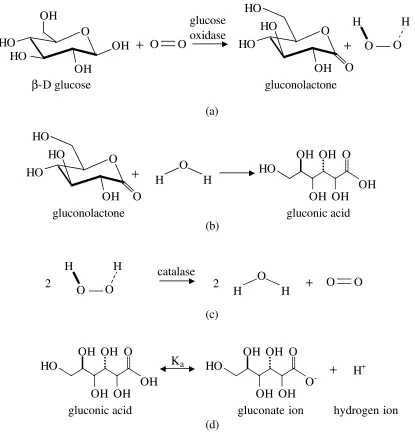
The pH sensitivity can be coupled to glucose concentration in hydrogel materials by the incorporation of glucose oxidase enzyme [54, 55]. Glucose oxidase catalyzes the oxidation of glucose, which produces gluconic acid altering the pH of the medium. The hydrogel structure serves as an insulin reservoir and delivery device by containing pre-absorbed insulin that is released according to glucose responsive volume or porosity changes.
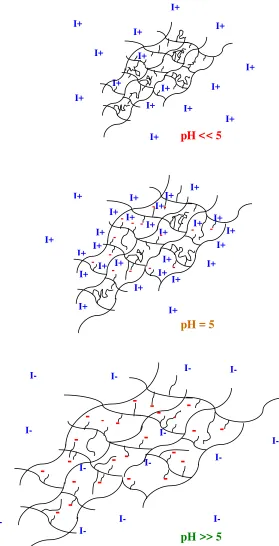
Catioinic hydrogels exhibit high volume at low pH, while anionic hydrogels contract as pH is reduced (Figure 2.6). The swelling behavior is affected by elastic-retractive forces as well as ionic interactions. In an anionic hydrogen, for example, the acid functional groups of the backbone of the polymer develop negative charges at a pH above the pKa. Electrostatic repulsive forces among the fixed charges cause the hydrogel to swell. Osmotic forces also develop as a result or exchange of free cations through the ionized gel. When the pH decreases, the electrostatic forces disappear and the hydrogel contracts. The volume changes depend on the viscoelasticity of the material.
Ionic polymers can perform as solvent activated delivery systems [56]. In general, polymers are capable of controlled drug release based on diffusion, chemical reaction or solvent activation. Diffusion controlled release takes place in systems that consist of a core of drug surrounded by a membrane or in membranes with a drug content uniformly distributed. Chemical controlled systems allow for drug release as the polymer either degrades or erodes. Solvent activated systems are osmotic-controlled or swelling-controlled.
The decoration of the hydrogel material with PEG tethers also affects the swelling behavior through a phenomenon of complexation resultant from the formation of entanglements and hydrogen bonds [58]. The largest volume changes in P(MAA-g-EG) have been observed in gels containing approximately equimolar amounts of methacrylic acid and ethylene glycol and the longest molecular weight PEG grafts [59].
Concerning drug delivery function, solute transport through P(MAA-g-EG) membranes has been shown to be dependent of the swelling using proxyphylline, vitamin B12 and FITC-dextran [60]. Oral insulin delivery systems have been proposed based on P(MAA-g-EG); these systems protect the insulin from the acid environment of the stomach and allow insulin release at the neutral pH of the upper part of the small intestine. The retention of this type of systems is achieved by PEG tethers that adhere to the mucosal layer [62]. These systems offer a convenient alternative to traditional insulin injections for open loop treatment. This work explores the potential of glucose sensitive hydrogels for closed loop treatment based.
2.7. Conclusions
In this chapter, the carbohydrate metabolism has served as a frame of reference to current and future therapeutic avenues for diabetes mellitus. Closed loop systems, as one of them, face important challenges regarding design and implementation.
Glucose oxidase has been used in different generations of glucose sensors, which can have a double implication. On one side the enzymatic sensing principle is effective and available in different structures. On the other hand, it can be a reference for the evaluation of new detection methods and devices. The continuous measurement remains as the main difficulty for a glucose biosensor due to the degradation of the enzyme.
The development of the insulin pump has solved the requirement of a continuous and versatile action of the dosifier for a feedback system for pancreatic functions replacement. However, the disadvantage of the insulin pump is the uncomfortable insertion of a needle, whose site must be changed every three weeks to prevent infection and excessive fibrosis with the consequent reduced absorption capability. As a matter of fact, this problem is present in the other two commercially available options, syringe and insulin pen.
In addition to the difficulties to achieve a targeted interaction of implants, there are other challenges for their therapeutic use. The main issues regarding implantable devices are the possible negative effects over the body (toxicity) as well as the fouling caused by body reactions (calcification or tissue encapsulation). Moreover, operation requirements such as replenishment of active components (drug in a delivery system or enzymes in a biosensor) may require invasive procedures.
closed loop treatment system must be a stable operation. Robustness has been emphasized by some authors [46]. Although advanced control strategies have produced good results, and computational power and speed are each time less restrictive, a robustness analysis and a cost-benefit balance would often lead to moderate levels of complexity.
Figure 2.1. Carbohydrate metabolic pathways. S-Glut-1: sodium-glucose cotransporter (glucose transport across the intestine); GIP: gastrointestinal peptide; VIP: vasoactive intestinal peptide; EIA: entero-insular axis; glu R: glucose receptor; IR: insulin receptor; IR-s: insulin receptor substrate; Tk: tyrosine kinase enzyme; PTP: protein phosphotyrosin phosphatase; TNF: tumor necrosis factor; Ald-red: aldose reductase (catalysis of reduction of glucose into sorbitol); Hk: hexokinase; LPL: lipoprotein lipase. Adapted from [2].
-IR, IR-s, lipolysis Glut-4, LPL Carbohydrate
Digestion αmaltase -amylase α-glucosidase glucose, fructose, sucrose Absorption GIP
-S-Glut-1
-Glut-5
-Glut-2
Blood Pancreas
VIP EIA
Activates
β-cells glu-R
Release
Insulin
IR activation
Tk IR IR-p
PTP-1β IR-p uptake
peripheral tissues Glut-4 glu utilization
Cells
Glut-6-P+CO2+ATP Metabolism sorbitol Oxidative stress
TNF-α Liver – IR -IR-s
Skeletal muscles Glut-4 -IR IR-s
Adipose tissues
Insulin resistance Fat accumulation
: brush border-basolateral membrane of intestinal epithelium
Ald- red
Table 2.1. Insulin Products. Different action characteristics (assuming 0.1-0.2 U/kg per injection) fit specific needs for a physiological therapy. Abbreviations: L, Lente; NPH, neutral protamine Hagedorn; NPL: neutral protamine lispro. Adapted from [4].
Insulin Onset Peak Duration, h
Rapid acting 5-15 min 30-90 min 5
Lispro (Humalog) Aspart (NovoLog)
Short acting 30-60 min 2-3 h 5-8
Regular U100 Regular U500
Buffered regular (Velosulin) Intermediate acting
Isophane insulin
(NPH, Humulin N/Novolin N)
2-4 h 4-10 h 10-16
Insulin zinc
(Lente, Humulin L/Novolin L) 2-4 h 4-12 h 12-18 Long acting
Insulin zinc extended (Ultralente, Humulin U)
6-10 h 10-16 h 18-24
Glargine (Lantus) 2-4 h No peak 20-24 Premixed
70% NPH/30% regular (Humulin 70/30)
30-60 min Dual 10-16
50% NPH/50% regular (Humulin 50/50)
30-60 min Dual 10-16
75% NPL/25% Lispro
(Humulin Mix 75/25) 5-15 min Dual 10-16 70% NP/30% aspart
(NovoLog Mix)
Figure 2.2. Membranes on a biosensor electrode. Microfabrication or planar technologies can produce layers to enhance the selectivity of the sensor. Adapted from [16].
Figure 2.3. Enzymatic nanoelectrodes. Carbon nano tubes (CNT) are functionalized to attach glucose oxidase (GOx) molecules covalently [18].
Figure 2.4. Microcantilever sensor. Volume changes of the hydrogel layer induce a displacement of the free end of the cantilever. Adapted from [20].
Electrode
Interior layer
Enzymatic layer
External layer
Glucose, oxygen
Interferences H2O2
Si C=O
HN-GOx
C=O HN-GOx
C=O HN-GOx
Cr
Epoxic layer CNT
hydrogel
silicon deflection
(a)
(b)
Figure 2.5. Commercial Insulin Delivery Devices. (a) Insulin pump (H-TRONplus by Disetronic (adapted from [62]). (b) Insulin pen.
Figure 2.6. Ionic Hydrogels. The anionic hydrogel swells and the cationic hydrogel contracts as pH increases.
pH Volume
or weight
cationic anionic
Display Cartridge
Needle Knob
Display
Piston rod
Drive
nut Plunger Cartridge Adapter Operating buttons
Electronics battery
Motor battery
Infusión set
References
1. Seely RR, Stephens TD, Tate P. Anatomy & physiology. St Louis: 1995. Seeley, R.R, Stephens, T.D., and Tate, P. (1995) Anatomy & physiology (3rd edition). St Louis: Mosby-Year Book, Inc.
2. Tiwari AK, Rao JM. Diabetes mellitus and multiple therapeutic approaches of phytochemicals: present status and future prospects. Current Science. 2002;83(1):30-38.
3. White JR, Campbell RK. Insulin in the treatment of type 2 diabetes mellitus. Am J Health-Syst Pharm. 2003;60:1145-1152.
4. DeWitt DE, Hirsch IB. Outpatient Insulin Therapy in Type 1 and Type 2 Diabetes Mellitus. JAMA. 2003;289(17):2254-2264.
5. Bode BW, Sabbah HT, Gross TM, Fredrickson LP, Davidson PC. Diabetes management in the new millennium using insulin pump therapy. Diabetes Metab Res Rev. 2002;18(1):14-20.
6. Franciosi M, Pellegrini F, De Berardis G. The impact of blood glucose self-monitoring on metabolic control and quality of life in type 2 diabetic patients. Diabetes Care. 2001;24:1870-1877.
7. Peura RA. Blood glucose biosensors - A review. IEEE Cast Studies in Medical Instrument Design. 1991:51 – 64.
8. Moussy, F. Implantable glucose sensor: progress and problems. Proceedings of IEEE Sensors. 2002;1:12-14.
9. Pereira C, Oliveira J, Silva R, Silva F. Amperometric glucose biosensor based on assited ion transfer through gel-supported microinterfaces. Anal. Chem. 2004;76:5547-5551.
10. Madou M, Morrison SR. Chemical Sensing with Solid State Devices. Academic Press, Inc. 1988.
11. Lewandowsky JJ. Amperometric glucose sensor: short-term, in-vivo test, Diabetes Care. 1982;5(3):238-244.
12. Yao SJ, Li VWT, Dokko Y, Krupper MA, Wolfson Jr SK. Electrochemical detection of glucose at low potentials. Proceeding IEEE/NSF Symposium on Biosensors. 1984:75-77.
14. Zeller H, Novak P, Landgraf R. Blood glucose Measurement by IR spectroscopy. Interntional Journal of Artificial Organs. 1989;12(2):129-134.
15. Harsanyi T, Santha H. Polytronics for biotronics: unique possibilities of polymers in biosensors and bioMEMS? Polymers and Adhesives in Microelectronics and Photonics. 2nd International IEEE Conference. 2002:211-215.
16. Gregory CM. Fabrication methods for integrated biosensors. IEE Colloquium on Advances in Sensors. 1995:10/1-10/5.
17. Yang H, Kang SK, Shin DH, Kim H, Kim YT. Microfabricated iridium oxide reference electrode for continuous glucose monitoring sensor. Transducers, Solid-State Sensors, Actuators and Microsystems. 12th Innational Conference. 2003;1:103–106.
18. Lin Y, Lu F, Tu Y, Ren Z. Glucose biosensors based on carbon nanotube nanoelectrode ensembles. Nano Letters. 2004;4(2):191-195.
19. Tu Y, Lin Y, Ren ZF. Nanoelectrode arrays based on low density aligned carbon nanotubes. Nano Letters. 2003;3(1):107-109.
20. Hilt JZ, Gupta AK, Bashir R, Peppas NA. A bioMEMS sensor platform based on a cantilever with a precisely patterned environmentally sensitive hydrogel. EMBS/BMES Conference Proceedings. 2002;2:1650–1651.
21. Connolly P, Cotton C, Morin F. Opportunities at the skin interface for continuous patient monitoring: a development model based on lactate and glucose. Proceedings of the IEEE-EMBS Special Topic Conference on Molecular, Cellular and Tissue Engineering. 2002:50 – 51.
22. Stewart KM, Wilson MF, Rider JM. Insulin delivery devices. J Pharm Pract. 2004;17(1):20-28.
23. Grayson ACR, Shawgo RS, Johnson AM, Flynn NT, Yawen LI, Cima MJ, Langer R. A BioMEMS review: MEMS technology for physiologically integrated devices. Proceedings of the IEEE. 2004;92(1):6-21.
24. Polla DL. BioMEMS applications in medicine. Proceedings of International Symposium on Micromechatronics and Human Science. 2001:13-15.
25. Reynaerts D, Peirs J, Van Brussel H. Design of a SMA-actuated implantable drug delivery system. Proceedings of the Sixth International Symposium on Micro Machine and Human Science. 1995:111.