Depresión y calidad de vida en pacientes con acné
HSPUPJPV`HSÄUHSKLS[YH[HTPLU[V
Resumen
OBJETIVO: +L[LYTPUHYLSNYHKVKLKLWYLZP}U`SHJHSPKHKKL]PKHHSPUPJPV`HSÄUHSPaHY LS[YH[HTPLU[VLUWHJPLU[LZJVUHJUt]\SNHYPUÅHTH[VYPV
MATERIAL Y MÉTODO: Estudio prospectivo, descriptivo, longitudinal, que incluyó
WHJPLU[LZLU[YL`H|VZKLLKHKJVUHJUtPUÅHTH[VYPVHSPUPJPV`HSÄUHSKLS
tratamiento, que acudieron a la consulta externa de Dermatología del Hospital General Regional 220 Toluca, Estado de México, durante 2015 y 2016. Se utili-zaron dos instrumentos de medición: el CADI (Cardiff Acne Disability Index) para calidad de vida en pacientes con acné y la escala de Hamilton para la medir el grado de depresión.
RESULTADOS: Se incluyeron 50 pacientes, 28 eran mujeres, 41 pacientes tenían acné moderado y 9 pacientes acné severo. Al inicio del tratamiento de los pacientes
JVUHJUtKL[PWVPUÅHTH[VYPVUV[LUxHKLWYLZP}UKLWYLZP}UTLUVY` KLWYLZP}UTVKLYHKH(SÄUHSKLS[YH[HTPLU[VZLLUJVU[Y}ZPUKLWYLZP}U`JVU KLWYLZP}UTLUVY
CONCLUSIÓN: :LVIZLY]}KPZTPU\JP}UKLSHKLWYLZP}UX\LWHZ}KLHKL WHJPLU[LZJVUHJUtKL[PWVPUÅHTH[VYPVX\LUV[\]PLYVUUPUNUNYHKVKLKLWYLZP}U HSÄUHSKLS[YH[HTPLU[V
PALABRAS CLAVE: Acné vulgar; depresión; calidad de vida. Abstract
OBJECTIVE: To determine the degree of depression and quality of life at the beginning HUKH[[OLLUKVM[YLH[TLU[PUWH[PLU[Z^P[OPUÅHTTH[VY`HJUL]\SNHYPZ
MATERIAL AND METHOD:A prospective, descriptive, longitudinal study was car-YPLKV\[PUJS\KPUNWH[PLU[Z^P[OPUÅHTTH[VY`HJULIL[^LLUHUK`LHYZVMHNL at the beginning and at the end of the treatment, who attended the outpatient clinic of Dermatology of the Regional General Hospital 220 Toluca, State of Mexico, in 2015-2016. Two measuring instruments, the CADI (Cardiff Acne Disability Index) for quality of life in patients with acne, and the Hamilton scale for measuring the degree of depression were used.
RESULTS: Fifty patients were included, 28 were women, 41 patients had moderate acne and 9 patients had severe acne. At the beginning of treatment, 28% of patients had no depression, 60% had minor depression and 12% had moderate depression. At the end of the treatment 64% were found without depression and 36% with a minor depression.
CONCLUSION: It was observed a diminishment of depression from 28% to 64% of WH[PLU[Z^P[OPUÅHTTH[VY`HJUL^OVOHKUV[HU`KLNYLLVMKLWYLZZPVUH[[OLLUKVM the treatment.
KEYWORDS: Acne vulgaris; Depression; Quality of life.
>ƵŝƐ&ƌĂŶĐŝƐĐŽWĂŶƚŽũĂͲsŝůůĂ͕ϭŝĂŶĂůŝnjĂďĞƚŚDĞĚŝŶĂͲĂƐƟůůŽ͕ϮDĂƌşĂŵŝůŝĂŶĂǀŝůĠƐͲ^ĄŶĐŚĞnjϭ
1 ƐƉĞĐŝĂůŝƐƚĂ ĞŶ DĞĚŝĐŝŶĂ &ĂŵŝůŝĂƌ͕ hŶŝĚĂĚĚĞDĞĚŝĐŝŶĂ&ĂŵŝůŝĂƌϮϮϬ͕/D^^͕ dŽůƵĐĂ͕ƐƚĂĚŽĚĞDĠdžŝĐŽ͕DĠdžŝĐŽ͘ ϮĞƌŵĂƚſůŽŐĂ͕ƉƌĄĐƟĐĂƉƌŝǀĂĚĂ͘
Correspondencia
>ƵŝƐ&ƌĂŶĐŝƐĐŽWĂŶƚŽũĂsŝůůĂ ĨͺƉĂŶƚŽũĂΛŚŽƚŵĂŝů͘ĐŽŵ
ƐƚĞĂƌơĐƵůŽĚĞďĞĐŝƚĂƌƐĞĐŽŵŽ
WĂŶƚŽũĂͲsŝůůĂ >&͕ DĞĚŝŶĂͲĂƐƟůůŽ ͕ ǀŝůĠƐͲ^ĄŶĐŚĞnjD͘ĞƉƌĞƐŝſŶLJĐĂůŝĚĂĚ ĚĞǀŝĚĂĞŶƉĂĐŝĞŶƚĞƐĐŽŶĂĐŶĠĂůŝŶŝĐŝŽ LJĂůĮŶĂůĚĞůƚƌĂƚĂŵŝĞŶƚŽ͘ĞƌŵĂƚŽůZĞǀ DĞdž͘ϮϬϭϵŵĂƌnjŽͲĂďƌŝů͖ϲϯ;ϮͿ͗ϭϮϯͲϭϰϯ͘
ZĞĐŝďŝĚŽ͗ũƵŶŝŽϮϬϭϴ
ĐĞƉƚĂĚŽ͗ĂŐŽƐƚŽϮϬϭϴ
ANTECEDENTES
El acné es una dermatosis muy frecuente en la consulta externa, no se considera una enferme-dad que ponga en peligro la vida; sin embargo, se ha asociado con carga emocional negativa,
HJ[P[\KKLZHÄHU[L`JVUK\J[HHNYLZP]HKLX\PLU
la padece, además, durante mucho tiempo se ha relacionado con depresión, ansiedad y frustra-ción. Esto trae como consecuencia mala calidad de vida si el paciente no tiene posibilidades de tratamiento en etapas tempranas de la misma.
La depresión es un síndrome que recoge la existencia de síntomas afectivos (tristeza pa-tológica, decaimiento, irritabilidad, sensación subjetiva de malestar e impotencia frente a las exigencias de la vida) y síntomas de tipo cognitivo, volitivo o incluso somático. Existen
KH[VZVIZLY]HJPVUHSLZWVJVLZWLJxÄJVZJVTV
deterioro en la apariencia y aspecto personal, lentitud en los movimientos, tono de voz bajo, facies de tristeza o poco expresiva, llanto fácil o espontáneo, escasa concentración, ideación pesimista, quejas hipocondriacas, alteraciones en el ritmo del sueño, y deben tomarse en con-sideración los antecedentes afectivos familiares y la situación social y económica del paciente. La depresión afecta a 350 millones de personas en el mundo, generalmente comienza en eda-des tempranas, se encuentra entre los primeros lugares de enfermedades incapacitantes y se ha convertido en un objetivo prioritario de atención en todo el mundo. La Encuesta Nacional de
Epi-KLTPVSVNxH7ZPX\Pm[YPJH,5,7ZL|HSHX\L
de los mexicanos sufrieron un trastorno afectivo en algún momento de su vida. Ocurre con más
MYLJ\LUJPHLU[YLSHZT\QLYLZX\LLU[YL SVZOVTIYLZ3H6YNHUPaHJP}U4\UKPHSKL
la Salud (OMS) prevé que en el año 2020 sea la segunda causa de discapacidad en el mundo.1-3
3H6YNHUPaHJP}U4\UKPHSKLSH:HS\KKLÄULHSH
calidad de vida como la “percepción del
indivi-BACKGROUND
Acne is a very common dermatosis which has been associated with negative emotional
JOHYNL H KLÄHU[ H[[P[\KL HUK HNNYLZZP]L IL
-havior of the sufferer, and for a long time it has been related to depression, anxiety and frustra-tion. This results in a poor quality of life if the patient does not have possibilities of treatment in early stages of it.
Depression is considered a syndrome with the presence of affective symptoms (pathological sadness, decay, irritability, subjective feeling of discomfort and impotence in front of the demands of life), and symptoms of cogni-tive, volitional, or even somatic type. There
HYL UVUZWLJPÄJ VIZLY]H[PVUHS KH[H Z\JO HZ
deterioration in appearance and personal ap-pearance, slow movements, low voice tone, facies of sadness or little expressive, easy or spontaneous crying, poor concentration, pes-simistic ideation, hypochondriacal complaints, alterations in the rhythm of the sleep, and must take into consideration the family affective background, their social and economic situa-tion of the patient. It affects 350 million people in the world, usually begins at an early age. The national survey of psychiatric epidemiology (ENEP) indicates that 9.2% of Mexicans suf-fered an affective disorder at some point in their lives. It occurs more frequently among women (10.4%) than among men (5.4%). The World Health Organization (WHO) foresees that in the year 2020 it will be the second cause of disability in the world.1-3
8\HSP[`VMSPML83PZKLÄULKI`>/6HZ[OL
duo de su posición en la vida en el contexto de la cultura y sistema de valores en los que vive y en relación con sus objetivos, expectativas, estándares y preocupaciones” (1994). Hoy día la calidad de vida relacionada con la salud puede entenderse como medición de resultado de salud, enfermedad y tratamiento; además de que es un proceso dinámico y cambiante que incluye interacciones continuas entre el paciente y su medio ambiente.4,5
Las mediciones de la calidad de vida relacionada con la salud mediante escalas ayudan al perso-nal de salud a conocer y medir el efecto de la enfermedad en las actividades de la vida diaria de los individuos, el efecto de los tratamientos y
SHPKLU[PÄJHJP}UKLWYVISLTHZ3HHWSPJHJP}UKL
los estudios de calidad de vida en dermatología es reciente. Sin embargo, tiene particular interés en este campo, porque las enfermedades de la piel generalmente ejercen un efecto fuerte en las relaciones sociales, el estado psicológico y las actividades de la vida diaria.6-8
El acné vulgar es una enfermedad crónica
PUÅHTH[VYPH KL SH \UPKHK WPSVZLImJLH LZ \UH
dermatosis mundial; en este contexto se estima
X\L KLSHWVISHJP}ULZHMLJ[HKHWVYLZ[H
enfermedad, los grupos con más incidencia son los adolescentes y adultos jóvenes, hasta la edad
KLH|VZH OHU[LUPKVHJUtHKLTmZ
constituye una de las causas más comunes de consulta con los dermatólogos. Lo padece
HWYV_PTHKHTLU[LKLHKVSLZJLU[LZ`HU
en la edad adulta sufren las consecuencias de esta enfermedad.
Los factores patogénicos implicados son el in-cremento en la producción de sebo por parte de las glándulas sebáceas, alteraciones en la queratinización, colonización por Propioni-bacterium acnes y activación de la inmunidad innata seguido del incremento de factores de
PUÅHTHJP}U
treatment; besides that it is a dynamic and chang-ing process that includes continuous interactions between the patient and his environment.4,5
Measurements of quality of life help health personnel to know and measure the impact of the disease on the activities of the daily life of individuals, the effect of treatments and the
PKLU[PÄJH[PVU VM WYVISLTZ 0U KLYTH[VSVN` P[ OHZHWHY[PJ\SHYPU[LYLZ[PU[OPZÄLSKZPUJLZRPU
diseases generally exert a strong impact on social relationships, the psychological state and the activities of daily life.6-8
(JUL]\SNHYPZPZHJOYVUPJPUÅHTTH[VY`KPZLHZL
of the pilo-sebaceous unit, it is a global derma-tosis and in this context it is estimated that there are 9.4% of the affected population, the groups with the highest incidence are adolescents and young adults, considering that 21 years 80-90% have had acne, also constitutes one of the most common causes of consultation with dermatolo-gists. It suffers approximately 85% of adolescents and even in adulthood suffer the consequences of this disease.
The pathogenic factors involved are the in-crease in the production of sebum by the sebaceous glands, alterations in keratinization, colonization by Cutibacterium acnes ( Propio-nibacterium acnes) and activation of innate
PTT\UP[` MVSSV^LK I` [OL PUJYLHZL VM PUÅHT
-matory factors.
*SPUPJHSS` [OL ZPNUZ VM UVUPUÅHTTH[VY` HJUL
include, seborrhea, closed and open-headed
JVTLKVULZ0UÅHTTH[VY`[`WLHJULOHZWHW\SHY
pustular and cystic lesions, this in turn is divided
PU[VKLNYLLZHJJVYKPUN[V[OL(JUL*SHZZPÄJH[PVU
of the Latin American Ibero Consensus published in 2014, which are mild moderate and severe.9-12
En términos clínicos, los signos de acné no
PUÅHTH[VYPVPUJS\`LU!ZLIVYYLHJVTLKVULZKL JHILaHJLYYHKH`HIPLY[H,SHJUtKL[PWVPUÅHTH -torio tiene lesiones de tipo papuloso, pustuloso y quísticas, éste, a su vez, se divide en grados
ZLNU SH *SHZPÄJHJP}U KL (JUt KLS *VUZLUZV
Iberolatinoamericano publicado en 2014, que son leve, moderado y severo.9-12
Los medicamentos tópicos son el pilar del tra-tamiento del acné leve a moderado, los más prescritos son los retinoides, como tretinoína, adapaleno y tazaroteno; se consideran facilita-dores de la penetración de otros medicamentos tópicos y disminuyen los ácidos grasos libres en los microcomedones. El peróxido de benzoilo tie-ne propiedades queratolíticas y antimicrobianas,
HKLTmZW\LKLHWSPJHYZLHSLZPVULZPUÅHTH[VYPHZ `UVPUÅHTH[VYPHZ`YLK\JLLSYPLZNVKLYLZPZ[LUJPH
a cepas de Propionibacterium acnes.13,14
Los retinoides sistémicos, como la isotretinoína,
[PLULUHJ[P]PKHKX\LYH[VSx[PJH`HU[PPUÅHTH[VYPH`
están contraindicados en el embarazo debido a su teratogenicidad. La duración del tratamiento habitualmente es de hasta 24 semanas, según la gravedad del acné o su relación con enferme-dades concomitantes, como en el caso de las mujeres, el síndrome de ovarios poliquísticos. El
HJUtPUÅHTH[VYPVQ\Z[PÄJHSHHKTPUPZ[YHJP}UKL
antibióticos sistémicos (doxiciclina, minociclina clindamicina, trimetoprima con sulfametoxazol o eritromicina) para reducir la colonización de Pro-pionibacterium acnes. Los anticonceptivos orales son parte del tratamiento del acné en mujeres mientras su prescripción no esté contraindicada.15
Las complicaciones del acné en el aspecto psicosocial se relacionan con el desempeño académico o vocacional, la autoestima y calidad de vida de los adolescentes. Hace poco algunas investigaciones dieron un peso mayor al estudio del efecto emocional y psicosocial del acné, a pesar del enorme trabajo que se realiza para
most used are retinoids such as tretinoin, adapalene and tazarotene; considered as facilitators of the penetration of other topi-cal medications; decrease free fatty acids in microcomedones. Benzoyl peroxide has both keratolytic and antimicrobial properties, can also be applied to inflammatory and non-inflammatory lesions and reduces the risk of resistance to strains of Cutibacterium acnes
(Propionibacterium acnes).13,14 Isotretinoin
has both keratolytic and anti-inflammatory activity and is contraindicated in pregnancy due to its teratogenicity. The duration of treat-ment is usually up to 24 weeks, depending on the severity of the acne or its relationship with concomitant diseases. Inflammatory acne justifies the use of systemic antibiot-ics (Doxycycline, clindamycin minocycline, trimethoprim with sulfamethoxazole or erythromycin) to reduce the colonization of Cutibacterium acnes (Propionibacterium acnes). Oral contraceptives is part of the treatment for acne in women as long as there is no contraindication.15
The complications of acne in the psychosocial aspect are related to the academic or vocational performance, self-esteem and quality of life of adolescents. Recently some research has given a greater weight to the study of the emotional and psychosocial impact of acne, despite the enormous work that is done to determine the pathophysiology, risk factors and treatment of acne.
The disability in terms of quality of life in acne is considered according to the clinical severity
VM[OLZHTLHUK[OLZWLJPÄJP[`HUKZLUZP[P]P[`
of the exams that explore quality of life and results in poor self-esteem, low self-esteem, isolation and restriction of activities. Low
self-LZ[LLTPZKLÄULKHZHMH]VYHISLVY\UMH]VYHISL
KL[LYTPUHYSHÄZPVWH[VSVNxHMHJ[VYLZKLYPLZNV
y tratamiento del acné.
En cuanto a calidad de vida, algunos autores comparan el acné con enfermedades crónicas, como el asma, epilepsia, diabetes, lumbalgia, artritis y enfermedad isquémica coronaria por su gran efecto psicológico en quienes lo padecen.
La discapacidad en cuanto a calidad de vida en acné se considera de acuerdo con la severidad
JSxUPJHKLSTPZTVSHLZWLJPÄJPKHK`ZLUZPIPSP -dad de los exámenes que exploran cali-dad de vida y resulta en baja autoestima, aislamiento y restricción de actividades.
La autoestima es la actitud favorable o desfa-vorable hacia uno mismo. En la actualidad la valoración de la autoestima es muy relevante en el contexto social, sobre todo para quienes viven de la apariencia y de la imagen corporal. En la adolescencia esta presión social de la aparien-cia física es muy intensa, por lo que viven para ser aceptados en los estándares que la misma sociedad ha dictado, ya sea con grupo escolar, de amigos, de redes sociales e incluso familiar.
El acné también se acompaña de sentimientos de vergüenza, depresión, actitud negativa de uno mismo o de su apariencia física y poca satisfac-ción en relasatisfac-ción con su imagen corporal.16 Un
estudio británico en el que reclutaron adultos
JVUHJUtLUJVU[Y}KLKH[VZJSxUPJVZZPNUP
-ÄJH[P]VZKLKLWYLZP}U`HUZPLKHKVJHZPVUHKHWVY
la dermatosis. Al prescribir isotretinoína, mejoró la autoestima de los pacientes, con lo que se concluyó en este estudio que el tratamiento del acné debe ser adecuado en tiempo y calidad para evitar complicaciones psicosociales.17
Por lo anterior se elaboró el Índice de Incapa-cidad por Acné de Cardiff (CADI,Cardiff Acne Disability Index), que tiene un lenguaje
com-social context, especially for those who live by appearance and body image. In adolescence this social pressure of "physical appearance" is very intense, which is why they live to be accepted in the standards that society itself has dictated, whether with a school group, friends or even family.
Acne is also accompanied by feelings of shame, depression, a negative attitude of oneself or of their physical appearance and little satisfac-tion in relasatisfac-tion to their body image.16 A British
study where they recruited adults with acne,
[OL`MV\UK^P[OZPNUPÄJHU[JSPUPJHSKH[H
of depression and anxiety caused by derma-tosis. When using isotretinoin, the self-esteem of these patients improved, which concludes in this study that the treatment of acne should be adequate in time and quality, to avoid com-plications at the psychosocial level.17
For all the above, Cardiff's Acne Disability Index (Cardiff Acne Disability Index) was developed, which has a comprehensible language and few points to assess, designed for the patient to an-swer with ease. Therefore, it is necessary to study the psychosocial impact and the quality of life in young people with acne, using validated and appropriate measures for age.18
MATERIAL AND METHOD
A descriptive, longitudinal, prospective clini-cal study was carried out on 50 patients from the dermatology clinic of the Regional General Hospital (HGR) # 220 of the Mexican Institute of Social Security (IMSS), through non-probabilistic
ZHTWSPUNM\SÄSSPUN[OLPUJS\ZPVUJYP[LYPH^OPJO
included assessment by dermatology, clinical
JSHZZPÄJH[PVUVM[OL[`WLVMHJULMVYHKTPZZPVU [V[OLZ[\K`^OPJOZOV\SKILPUÅHTTH[VY`[`WL
prensible y pocos puntos a valorar, diseñado para que el paciente lo conteste con facilidad. Es necesario estudiar el efecto psicosocial y la cali-dad de vida en gente joven con acné, utilizando medidas validadas y apropiadas para la edad.21
MATERIAL Y MÉTODO
Estudio clínico prospectivo, descriptivo, longi-tudinal, realizado con pacientes de la consulta de Dermatología del Hospital General Regional núm. 220 del Instituto Mexicano del Seguro Social (IMSS), por medio de un muestreo no probabilístico, cumpliendo los siguientes crite-rios de inclusión: valoración por dermatología,
JSHZPÄJHJP}UJSxUPJHKLS[PWVKLHJUtWHYHPUNYLZV HSLZ[\KPVX\LKLIxHZLYKL[PWVPUÅHTH[VYPV"ZL
hizo entrega de un consentimiento informado,
TPZTVX\LÄYTHYVUKLTHULYH]VS\U[HYPH
Una vez que los pacientes aceptaron
par-[PJPWHY LU LS LZ[\KPV SSLUHYVU \UH ÄJOH KL PKLU[PÄJHJP}UWLYZVUHS`ZLSLZHWSPJHYVUKVZ
cuestionarios: escala de valoración de Hamilton de depresión, que es una versión de 17 puntos, recomendada por organismos internaciona-les y utilizada en investigaciones nacionainternaciona-les (Anexo A), y el CADI para calidad de vida en pacientes con acné, que es una versión de cinco
WYLN\U[HZKPZL|HKVLZWLJxÄJHTLU[LWHYH\ZV
en adolescentes y adultos jóvenes con acné (Anexo B). Se les prescribió tratamiento tópico y sistémico contra acné según la evaluación clínica dermatológica.18-21
RESULTADOS
Se analizaron 50 pacientes de los que 28 eran mujeres con edad de 12 a 20 años y 22 hombres
JVULKHKKLHH|VZJVUHJUtPUÅHTH[VYPV JSHZPÄJHKV JVTV TVKLYHKV LU WHJPLU[LZ
(28 mujeres y 13 hombres) y acné severo en 9 pacientes, todos mayores de 17 años y del sexo masculino.
6UJL[OL`HJJLW[LK[OL`ÄSSLKV\[HWLYZVUHS PKLU[PÄJH[PVU MVYT HUK [OL` ^LYL NP]LU [^V
questionnaires: the Hamilton Rating Scale for Depression, which is a 17 point version, recom-mended by international organizations and used in national research (Annex A), and the CADI for quality of life in patients with acne, which is
H X\LZ[PVU ]LYZPVU KLZPNULK ZWLJPÄJHSS` MVY
use in adolescents and young adults with acne (Annex B). And they were issued topical and systemic acne treatment according to the clinical dermatological evaluation.18-21
RESULTS
Fifty patients were analyzed, of which 28 were women aged 12-20 years and 22 men aged
`LHYZ^P[OPUÅHTTH[VY`HJULJSHZZPÄLK
as moderate in 41 patients of whom 28 were women and 13 men and severe acne in 9 patients all over 17 years of age and male.
The treatments that were prescribed were topi-cal adapalene 0.01% gel (which was given to the patient as a medical sample) and benzoyl peroxide 5% gel.
Doxycycline 100 mg oral capsules for 2 months, only one female patient discontinued the treat-ment due to vaginal Candidiosis (clotrimazole cream was given for 10 days and the patient returned the case without complications) and in the 9 patients with severe acne, of the previous treatments for 2 months, we included isotretinoin at 1 mg/kg of weight for 6 months.
According to the degree of depression at the beginning of the treatment, the following were presented: 28% (n = 14) of patients without depression, 60% (n = 30) with minor depres-sion and 12% (n = 6) with moderate depresdepres-sion.
Los tratamientos que se prescribieron fueron
[}WPJVZ!HKHWHSLUVLUNLSX\LZLVIZL -quiaba al paciente en forma de muestra médica)
`WLY}_PKVKLILUaVPSVLUNLS
Doxiciclina 100 mg cápsulas vía oral por dos meses, sólo una paciente suspendió el trata-miento por padecer candidosis vaginal (se le dio tratamiento con clotrimazol crema durante 10 días y remitió el cuadro sin complicaciones) y en los 9 pacientes con acné severo, además de los tratamientos previos durante dos meses, incluimos isotretinoína a dosis de 1 mg/kg de peso durante seis meses.
De acuerdo con el grado de depresión al inicio
KLS [YH[HTPLU[V ZL VI[\]V! U $ KL SVZWHJPLU[LZZPUKLWYLZP}U"U$JVU KLWYLZP}UTLUVY`U$JVUKLWYLZP}U
moderada.
,UJ\HU[VHSHJHSPKHKKL]PKHHSPUPJPV!U$
20) de los pacientes mostraron buena calidad
KL]PKHU$YLN\SHYJHSPKHKKL]PKH` U$THSHJHSPKHKKL]PKH
+LHJ\LYKVJVULSNYHKVKLKLWYLZP}UHSÄUHSPaHY LS[YH[HTPLU[V!U$UV[\]PLYVUKLWYL
-ZP}UU$[\]PLYVUKLWYLZP}UTLUVY` KLWYLZP}UTVKLYHKH
,UJ\HU[VHSHJHSPKHKKL]PKHHSÄUHSPaHYLS[YH
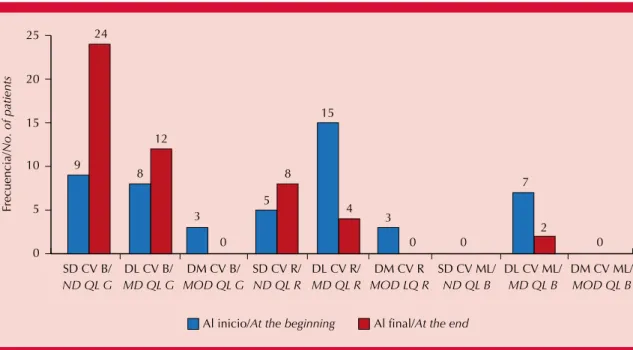
-[HTPLU[V!U$[\]PLYVUI\LUHJHSPKHK KL]PKHU$YLN\SHYJHSPKHKKL]PKH` U$THSHJHSPKHKKL]PKHFigura 1).
,SU$KLSVZWHJPLU[LZJVUHJUtKL [PWVPUÅHTH[VYPVM\LYVUKLSNtULYVMLTLUPUV` U$KLSTHZJ\SPUV
Referente al grado de depresión de acuerdo
JVULSNtULYVHSÄUHSPaHYLS[YH[HTPLU[VO\IV U$ KLWHJPLU[LZKLSZL_VMLTLUPUV `U$KLSTHZJ\SPUVZPUKLWYLZP}U
life, 46% (n = 23) with regular quality of life and 14% (n = 7) with poor quality of life.
According to the degree of depression at the end of the treatment: 64% (n = 32) without depres-sion, 36% (n = 18) had minor depression and 0% (n = 0) moderate depression.
Regarding the quality of life at the end of the treatment: 72% (n = 36) had good quality of life, 24% (n = 12) regular quality of life and 4% (n = 2) with poor quality of life (Figure 1).
About distribution by gender in patients with
HJULVMPUÅHTTH[VY`[`WLU$^LYL
female and 44% (n = 22) of the male gender.
Regarding the degree of depression according to the gender, 38% (n = 19) were female patients and 26% (n = 13) male without depression, with minor depression of 18% (n = 9) female and 18% (n = 9) male; and with moderate, severe and very severe depression no patient. That is, the percentage of minor depression in men and women was equal at the end of treatment with 18% (Figure 2).
Finally, in the index of quality of life according to gender, 38% (n = 19) of female patients and 34% (n = 17) of male patients with good quality of life were present at the end of treatment; with regular quality of life 14% (n = 7) female and 10% (N = 5) male; and with poor quality of life 4% (N = 2) female and 0% (N = 0) male. With which we observed very little difference in terms of the quality of regular life at the end of treat-ment between men and women (Figures 3-6).
DISCUSSION
Valdes-JVU KLWYLZP}U TLUVY U $ KLS ZL_V MLTLUPUV`U$ KLSTHZJ\SPUV`JVU
depresión moderada, severa y muy severa no hubo ningún paciente. Es decir, el porcentaje de depresión menor en hombres y mujeres
M\LPN\HSHSÄUHSPaHYLS[YH[HTPLU[VJVU
(Figura 2).
Por último, en el índice de calidad de vida
KL HJ\LYKV JVU LS NtULYV O\IV HS ÄUHSPaHY LS [YH[HTPLU[V U $ KL WHJPLU[LZ KLS ZL_V MLTLUPUV ` U $ KLS THZJ\SPUV
con calidad de vida buena; con calidad de vida
YLN\SHYU$KLSZL_VMLTLUPUV` U$KLSTHZJ\SPUV`JVUJHSPKHKKL]PKHTHSH U$KLSZL_VMLTLUPUV`UPUNUWHJPLU[L
del masculino. Con lo que observamos muy
Webster,21 since acne was more frequent in this
study males, where our results coincide with this study is that the perception of quality of life
^HZIL[[LYHUKZ[H[PZ[PJHSS`ZPNUPÄJHU[PUZ\IQLJ[Z
without acne compared with those of juvenile
PUÅHTTH[VY`HJUL[OL`OHKUVKPMMLYLUJLZPU[OL
perception of quality of life between patients with acne of different degrees of severity, and women had lower averages in the perception of quality of life. It should be mentioned that a defect of our study was not to make a comparison between healthy subjects and acne.22
In another study conducted in Malaysia with more than 400 patients found a higher preva-lence of acne in male patients, and our study in women. In this study they used the CADI, with Figura 1..YHKVKLKLWYLZP}UKLHJ\LYKVJVULSxUKPJLKLJHSPKHKKL]PKHHSPUPJPV`HSÄUHSPaHYLS[YH[HTPLU[V LUWHJPLU[LZJVUHJUtKL[PWVPUÅHTH[VYPVLU[YL`H|VZKLLKHK
SD: no deprimido; DL: depresión menor; DM: depresión moderada; CV: calidad de vida; B: buena; R: regular; ML: mala.
Figure 1. Degree of depression according to the quality of life index at the beginning and end of treatment in WH[PLU[Z^P[OPUÅHTTH[VY`[`WLHJULIL[^LLUHUK`LHYZVMHNL
ND: not depressed; MD: minor depression; MOD: moderate depression; QL: quality of life; G: good; R: regu-lar; B: bad.
0 5 10 15 20 25
9 24
8 12
3
5 8
15
4 3
0 0
0
7
2
0
Frecuencia/
No. of patients
Al final/At the end Al inicio/At the beginning
DM CV ML/ MOD QL B DL CV ML/
MD QL B SD CV ML/
ND QL B DM CV R
MOD LQ R DL CV R/
MD QL R SD CV R/
ND QL R DM CV B/
MOD QL G DL CV B/
MD QL G SD CV B/
poca diferencia en cuanto a la calidad de vida
YLN\SHYHSÄUHSPaHYLS[YH[HTPLU[VLU[YLOVTIYLZ
y mujeres (Figuras 3 a 6).
DISCUSIÓN
En este estudio, la mayoría de los pacientes
M\LYVU KLS NtULYV MLTLUPUV SV X\L UV
coincide con lo reportado por Santamaría-González y Valdés-Webster porque en ese estudio fue más frecuente el acné en los varones; sin embargo, ambos estudios coinciden en que la percepción de calidad de vida fue mejor y
LZ[HKxZ[PJHTLU[L ZPNUPÄJH[P]H ,U LZ[L S[PTV
estudio se compararon sujetos con y sin acné
PUÅHTH[VYPV`SHZT\QLYLZ[\]PLYVUWYVTLKPVZ
más bajos en la percepción de la calidad de vida. En nuestro estudio no comparamos sujetos sanos y enfermos con acné, sino pacientes con acné
PUÅHTH[VYPVHU[LZ`KLZW\tZKLS[YH[HTPLU[V21
Figura 2..YHKVKLKLWYLZP}UKLHJ\LYKVJVULSNtULYVLUWHJPLU[LZJVUHJUtKL[PWVPUÅHTH[VYPVHSPUPJPV` HSÄUHSKLS[YH[HTPLU[V
Figure 2.+LNYLLVMKLWYLZZPVUHJJVYKPUN[VNLUKLYPUWH[PLU[Z^P[OPUÅHTTH[VY`[`WLHJULH[[OLILNPUUPUN and end of treatment.
8 17
9
3
0 13
9
6
13
0 19
3
Frecuencia/
No. of patients
Depresión menor/Minor depression No deprimido/Not depressed
Inicio/At the beginning Final/At the end
Femenino/Female
Inicio/At the beginning Final/At the end
Masculino/Male
Depresión moderada/Moderate depression 20
18
16
14
12
10
8
6
4
2
0
the results similar to ours in terms of quality of life in acne, since they related the poor quality of life in patients with more severe acne.23
Regarding the depression in our results, we found that at the end of the treatment, 64% did not present any degree of depression and 36% a minor depression; which is related to what was cited by Dr. Rubio and collaborators, where they demonstrate that isotretinoin is not a cause of depression, on the contrary, initiate treatment improves self-esteem in adolescent patients.24
Figura 3..YHKVKLJHSPKHKKL]PKHKLHJ\LYKVJVULSNtULYVLUWHJPLU[LZJVUHJUtKL[PWVPUÅHTH[VYPVHS PUPJPV`HSÄUHSKLS[YH[HTPLU[V
Figure 3.+LNYLLVMX\HSP[`VMSPMLHJJVYKPUN[VNLUKLYPUWH[PLU[Z^P[OPUÅHTTH[VY`[`WLHJULH[[OLILNPUUPUN and end of treatment.
9 14
7
2
0 9
5 11
17
2 19
5
Frecuencia/
No. of patients
Regular calidad de vida/ Regular quality of life Buena calidad de vida/
Good quality of life
Inicio/At the beginning Final/At the end
Femenino/Female
Inicio/At the beginning Final/At the end
Masculino/Male
Mala calidad de vida/ Poor quality of life 20
18
16
14
12
10
8
6
4
2
0
En otro estudio realizado en Malasia con más de 400 pacientes encontraron mayor prevalencia de acné en pacientes varones y nuestro estudio en mujeres. En ese estudio utilizaron el CADI, con resultados similares a los nuestros en cuanto a calidad de vida en pacientes con acné, porque relacionaron la mala calidad de vida en pacien-tes con acné más severo.22
En cuanto a la depresión en este estudio
encon-[YHTVZX\LHSÄUHSPaHYLS[YH[HTPLU[VUV WHKLJxHUPUNUNYHKVKLKLWYLZP}U`KL -presión menor, lo que se relaciona con lo citado por Rubio y colaboradores, quienes demostraron que la isotretinoína no es causa de depresión, al contrario, iniciar tratamiento mejora la autoesti-ma en pacientes adolescentes.23
9LZWLJ[V H SH JHSPKHK KL ]PKH [\]PLYVU JHSPKHKKL]PKHI\LUHYLN\SHY`THSH
440 adolescents from two cities Belgrade and Uzice, with an average age of 16.4 years, ob-served a prevalence of acne of more than 50% affecting men more than women. Approxi-mately 40% had a family history of acne; as for the average CADI score in the sample, it was 2.87 ± 2.74, comparing their two samples and they observed that the students had aggressive behaviors and problems of social interaction in 3%. Some students expressed shame for having
HJUL\W[VHUKH^LYLHMÅPJ[LKHUK
with poor quality of life due to the cutaneous disease, practically in this area also our results are similar.25
In more recent reviews we found that in a Nigerian study 200 adolescents with acne were submitted 52% women and 48% men
[VL]HS\H[PVUZ[OLÄYZ[VUL^HZKLNYLLHUK
lo que coincide con lo publicado por Jelena y colaboradores en un estudio realizado en el Ins-tituto Dermatológico de Serbia donde estudiaron acné y calidad de vida en 440 adolescentes de dos ciudades (Belgrado y Uzice), con media de edad de 16.4 años, observaron prevalencia
KL HJUt KL TmZ KL HMLJ[HUKV TmZ H SVZ OVTIYLZX\LHSHZT\QLYLZ(SYLKLKVYKL
tenían antecedente familiar de acné, en cuanto al puntaje promedio del CADI en la muestra fue de 2.87 ± 2.74 comparando sus dos muestras y observaron que los alumnos tenían conductas agresivas y problemas de interacción social en
THUPMLZ[HIHWLUHWVY[LULYHJUt` LZ[HIHUHÅPNPKVZ`JVUTHSHJHSPKHKKL]PKHWVY
la enfermedad cutánea, en este rubro nuestros resultados son similares.24
En revisiones más recientes encontramos que en un estudio nigeriano 200 adolescentes con acné
T\QLYLZ ` OVTIYLZ ZL ZVTL[PLYVU
a cuatro evaluaciones; la primera fue grado y severidad clínica de acné, CADI, evaluación de autoestima RSES (Rosenberg self esteem scale) y destacaron en sus resultados que la calidad de vida se vio afectada generando sentimientos de vergüenza, frustración y una actitud agresiva o
de-ZHÄHU[LHS[LULYHJUt`THUJOHZOPWLYWPNTLU[HKHZ
como secuela del mismo; concluyeron que mien-tras más severo es el acné y las manchas residuales, peor es la calidad de vida de los adolescentes.25
Asimismo, en un estudio turco de casos y
contro-SLZ\[PSPaHYVULSZPZ[LTHNSVIHSWHYHLZ[YH[PÄJHY
el acné (global acne grading system), el índice de calidad de vida dermatológica para niños, el cuestionario de calidad de vida pediátrica (PedsQL, pediatric quality of life questionnaire)
`LSJ\LZ[PVUHYPVKLM\LYaH`KPÄJ\S[HKLZ:+8
:[YLUN[OHUK+PMÄJ\S[PLZ8\LZ[PVUUHPYL) en donde
sus resultados y conclusión fueron que el SQD
`7LK83M\LYVUZPNUPÄJH[P]HTLU[LIHQVZLULS NY\WVKLJHZVZUVO\IVJVYYLSHJP}UZPNUPÄJH[P]H
entre los géneros del grupo de casos y controles y
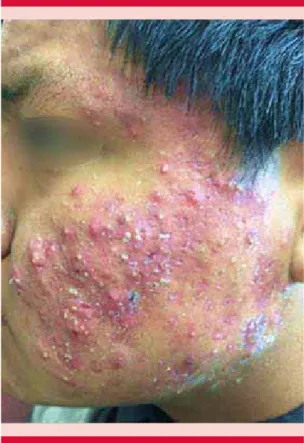
Figura 4.(JUtKL[PWVUVPUÅHTH[VYPV Figure 4.5VUPUÅHTTH[VY`HJUL
self-esteem RSES (Rosenberg self-esteem scale for its acronyms in English) and highlight in their results that the quality of life was affected generating feelings of shame, frustration and
HUHNNYLZZP]LVYKLÄHU[H[[P[\KL[VOH]LHJUL
and hyperpigmented spots as a sequel to it; conclude that the more severe acne and re-sidual stains, the worse the quality of life of adolescents.25
tampoco encontraron diferencias notables entre la severidad del acné y los cambios psicosocia-les. Los autores concluyeron que en este grupo
KLLKHKZxLZZPNUPÄJH[P]V[LULYHJUtLPUÅ\`L
en la calidad de vida.26
En cuanto a la prescripción de tratamiento contra esta enfermedad, otros autores realizaron un estu-dio transversal cualitativo con pacientes italianos, británicos y alemanes y trataron de analizar la calidad de vida y las características de calidad del tratamiento tópico que los pacientes recibían; 34 adolescentes y 16 adultos con acné moderado a severo recibieron tratamiento tópico y se les apli-có el cuestionario de calidad de vida relacionada con la salud (HRQL, health related quality of life) en el que se valoraron siete áreas que se afectan
Figura 5.(JUtKL[PWVPUÅHTH[VYPV Figure 5.0UÅHTTH[VY`HJUL
The PedsQL quality of life questionnaire (pedi-atric quality of life Questionnaire) and the SDQ
Z[YLUN[OHUKKPMÄJ\S[PLZX\LZ[PVUUHPYL:[YLUN[O HUK+PMÄJ\S[PLZ8\LZ[PVUUHPYLMVYP[ZHJYVU`TPU
English) where the results and conclusion were
[OH[[OL:8+HUK7LK83^LYLZPNUPÄJHU[S`SV^
PU[OLJHZLNYV\W[OLYL^HZUVZPNUPÄJHU[JVY
-relation between the genders of the case and
JVU[YVSNYV\WHUK[OL`KPKUV[ÄUKHU`UV[HISL
differences between the severity of the acne and the psychosocial changes. They conclude that
PU[OPZHNLNYV\WP[PZZPNUPÄJHU[[VOH]LHJUL HUKP[PUÅ\LUJLZ[OLX\HSP[`VMSPMLHUKZVJPHS
impact.27
en el acné: funcionamiento emocional, social, relaciones interpersonales, actividades de ocio o pasatiempos, actividades cotidianas, sueño, des-empeño escolar, laboral o ambos. Concluyeron que el acné tiene gran efecto en la calidad de vida relacionada con la salud de adolescentes y en adultos y estos pacientes consideran muy importante la efectividad del tratamiento contra el acné y si éste es tópico, que tenga mecanismo de acción rápido, no irritante y que no manche, de aquí la similitud con nuestro estudio en el que valoramos depresión antes y después del
[YH[HTPLU[V KL HJUt PUÅHTH[VYPV ` X\L HYYVQ}
resultados positivos para iniciar el tratamiento lo mejor y más pronto posible de acuerdo con las guías de tratamiento existente contra acné, evitando otro tipo de comorbilidades, como la depresión y mejorar la calidad de vida.27
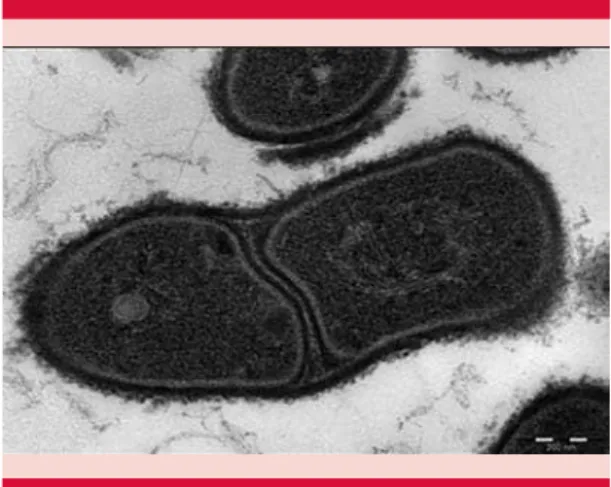
Figura 6. Cutibacterium acnes. Figure 6. Cutibacterium acnes.
CONCLUSIONS
The orderly study of the psychic repercussion of acne and other cutaneous diseases, in people who suffer from it, is recent and is carried out through questionnaires that try to measure the repercussion that it produces in the quality of life of the patient.
Acne is a very frequent disease in our daily practice, where we are faced with skin mani-festation, but also with the psychic repercussion that this has on each patient and teaches us that we have to be correct in terms of treat-ment, as our study shows where we observed that depression improved from 28% to 64% of
WH[PLU[Z^P[OPUÅHTTH[VY`[`WLHJUL^OVKPK
not show any degree of depression at the end of treatment.
Depression and quality of life in acne have a relationship directly proportional to the adminis-tration of timely and effective treatment.
CONCLUSIONES
El estudio ordenado de la repercusión psíquica
KLSHJUtþ`V[YHZLUMLYTLKHKLZJ\[mULHZLUSHZ
personas que lo padecen es reciente y se realiza mediante cuestionarios que tratan de medir la repercusión que tiene en la calidad de vida del paciente.
El acné es una enfermedad muy frecuente en nuestra práctica diaria, donde nos enfrentamos con la manifestación cutánea, pero también con la repercusión psíquica que éste tiene en cada paciente y nos enseña que debemos ser acertados en cuanto al tratamiento, como lo muestra nuestro estudio en el que observamos que la depresión
[\]VHSP]PVWHZHUKVKLHKLWHJPLU[LZJVU HJUtKL[PWVPUÅHTH[VYPVX\LUV[\]PLYVUUPUNU NYHKVKLKLWYLZP}UHSÄUHSKLS[YH[HTPLU[V
La depresión y la calidad de vida en pacientes con acné tienen relación directamente propor-cional con la administración de un tratamiento oportuno y efectivo.
,ZWLJxÄJHTLU[LZLJVUJS\`LX\LLULZ[LNY\WV KLWHJPLU[LZJVUHJUtKL[PWVPUÅHTH[VYPVSH
depresión y la calidad de vida se ven afectadas directamente por la enfermedad de base, por lo que con estas herramientas clínicas los médi-cos de atención primaria pueden proporcionar al paciente un manejo integral al promover prácticas saludables, la prevención primaria y la derivación oportuna al servicio de dermato-logía en casos severos o con mala respuesta al tratamiento.
REFERENCIAS/REFERENCES
ϭ͘ ^ŚŽƐŚĂŶĂ ͕DĂƌşĂ>͕ZĞďĞĐĂZ͕DĂƌşĂD͘ĞƉƌĞƐŝſŶ͗ ĞƐƚĂĚŽĚĞůĐŽŶŽĐŝŵŝĞŶƚŽLJůĂŶĞĐĞƐŝĚĂĚĚĞƉŽůşƟĐĂƐƉƷ
-ďůŝĐĂƐ LJ ƉůĂŶĞƐ ĚĞ ĂĐĐŝſŶ ĞŶ DĠdžŝĐŽ͘ ^ĂůƵĚ WƷďůŝĐĂ DĞdž ϮϬϭϯ͖ϱϱ͗ϳϰͲϴϬ͘
Ϯ͘ ŝƌŵĂŚĞƌ͕ZLJĂŶE͕ƌĞŶƚ͕<ĂƵĨŵĂŶ:͕ĂŚůZ͕ĞƚĂů.
ŚŝůĚŚŽŽĚ ĂŶĚ ĂĚŽůĞƐĐĞŶƚ ĚĞƉƌĞƐƐŝŽŶ͗ ƌĞǀŝĞǁ ŽĨ ƚŚĞ
ƉĂƐƚ ƚĞŶ LJĞĂƌƐ͘ WĂƌƚ ϭ͘ : ŵ ŚŝůĚ ĚŽůĞƐĐ WƐLJĐŚŝĂƚƌLJ͘ ϭϵϵϲ͖ϯϱ͗ϭϰϮϳͲϭϰϯϵ͘
ϯ͘ 'ĂƌĐşĂͲ,ĞƌƌĞƌĂW͕EŽŐƵĞƌĂƐD͕DƵŹŽnj͘'ƵşĂĚĞƉƌĄĐƟĐĂ ĐůşŶŝĐĂƉĂƌĂĞůƚƌĂƚĂŵŝĞŶƚŽĚĞůĂĚĞƉƌĞƐŝſŶĞŶĂƚĞŶĐŝſŶƉƌŝ
-ŵĂƌŝĂ͘ŝƐƚƌŝƚŽ^ĂŶŝƚĂƌŝŽDĄůĂŐĂh'^ĂůƵĚDĞŶƚĂů,ŽƐƉŝƚĂů ZĞŐŝŽŶĂůhŶŝǀĞƌƐŝƚĂƌŝŽ͞ĂƌůŽƐ,ĂLJĂ͟DĄůĂŐĂϮϬϭϭ͖ϰϳͲϰϵ͘
ϰ͘ ZŽŵĞƌŽͲDĄƌƋƵĞnjZ͕ZŽŵĞƌŽͲĞƉĞĚĂ,͘ZĞŇĞdžŝŽŶĞƐƐŽďƌĞ ůĂĐĂůŝĚĂĚĚĞǀŝĚĂƌĞůĂĐŝŽŶĂĚĂĐŽŶůĂƐĂůƵĚ͘ZĞǀDĞĚ/ŶƐƚ DĞdž^ĞŐƵƌŽ^ŽĐϮϬϭϬ͖ϰϴ;ϭͿ͗ϵϭͲϭϬϮ͘
ϱ͘ ^ĐŚǁĂƌƚnjŵĂŶŶ>͘ĂůŝĚĂĚĚĞǀŝĚĂƌĞůĂĐŝŽŶĂĚĂĐŽŶůĂƐĂůƵĚ͗ ĂƐƉĞĐƚŽƐ ĐŽŶĐĞƉƚƵĂůĞƐ͘ ŝĞŶĐŝĂ LJ ŶĨĞƌŵĞƌşĂ ;DĠdžŝĐŽͿ ϮϬϬϯ͖Ϯ͗ϵͲϮϭ͘
ϲ͘ YƵŝŶƚĞƌŽ ͕ >ƵŐŽ >͕ 'Ăƌкà ,͕ ^ĄŶĐŚĞnj ͘ ǀĂůŝĚĂĐŝſŶ ĚĞů ĐƵĞƐƟŽŶĂƌŝŽ</^ZEϮϳĚĞĐĂůŝĚĂĚĚĞǀŝĚĂƌĞůĂĐŝŽŶĂĚĂ ĐŽŶůĂƐĂůƵĚĞŶŶŝŹŽƐLJĂĚŽůĞƐĐĞŶƚĞƐĚĞDĞĚĞůůşŶ͕ŽůŽŵďŝĂ͘ ZĞǀŝƐƚĂŽůŽŵďŝĂŶĂĚĞWƐŝƋƵŝĂƚƌşĂϮϬϭϭ͖ϰϬ;ϯͿ͗ϰϳϬͲϰϴϳ͘
ϳ͘ ,ĂůŝŽƵĂ͕ĞĂƵŵŽŶƚD'͕>ƵŶĞů&͘YƵĂůŝƚLJŽĨůŝĨĞŝŶĚĞƌŵĂ
-ƚŽůŽŐLJ͘/Ŷƚ:ĞƌŵĂƚŽůϮϬϬϬ͖ϯϵ͗ϴϬϭͲϴϬϲ͘
ϴ͘ ĂƐĂƐ>͘ĂůŝĚĂĚĚĞǀŝĚĂĞŶĂĚŽůĞƐĐĞŶƚĞ͘ZĞǀŝƐƚĂƵďĂŶĂ ĚĞWĞĚŝĂƚƌşĂϮϬϭϬ͖ϴϮ;ϰͿ͗ϭϭϮͲϲ͘
ϵ͘ ƌŐŽƚĞ͕DŽƌĂK͕'ŽŶnjĄůĞnj>͕ĂƉĂƚĂ:͕hƌŝďĞ͘ƐƉĞĐƚŽƐ ĨŝƐŝŽƉĂƚŽůſŐŝĐŽƐ ĚĞů ĂĐŶĠ͘ ZĞǀ ƐŽĐ ŽůŽŵď ĞƌŵĂƚŽů ϮϬϭϰ͖ϮϮ͗ϮϬϬͲϮϬϴ͘
ϭϬ͘ dŚŽŵƉƐŽŶ͘ĐŶĠ͘:DϮϬϭϮ͖ϯϭϯ;ϲͿ͗ϲϰϬͲϲϰϭ͘
ϭϭ͘ ŚĂŵďƌŝ^͕ĞůZŽƐƐŽ:Y͕ŚĂŵďƌŝ͘WĂƚŚŽŐĞŶĞƐŝƐŽĨĂĐŶĞ ǀƵůŐĂƌŝƐ͗ZĞĐĞŶƚĂĚǀĂŶĐĞƐ͘:ƌƵŐƐĞƌŵĂƚŽůϮϬϬϵ͖ϴ͗ϲϭϱͲ ϲϭϴ͘
ϭϮ͘ <ĂŵŝŶƐŬLJ͕&ůŽƌĞnjͲtŚŝƚĞD͕ƌŝĂƐD/͕ĂŐĂƟŶ͘//͘ůĂƐŝ -ĮĐĂĐŝſŶĚĞůĂĐŶĠ͗ŽŶƐĞŶƐŽ/ďĞƌŽͲ>ĂƟŶŽĂŵĞƌŝĐĂŶŽ͕ϮϬϭϰ͘ DĞĚƵƚĂŶ/ďĞƌ>ĂƚŵϮϬϭϱ͖ϰϯ;ϭͿ͗ϭϴͲϮϯ͘
ϭϯ͘ KƌŽnjĐŽ͕ĂŵƉŽD͕ŶĂLJĂ>͕ĞƚĂů͘'ƵşĂƐĐŽůŽŵďŝĂŶĂƐ ƉĂƌĂĞůŵĂŶĞũŽĚĞůĂĐŶĠ͗ƵŶĂƌĞǀŝƐŝſŶďĂƐĂĚĂĞŶůĂĞǀŝĚĞŶ -ĐŝĂƉŽƌĞů'ƌƵƉŽŽůŽŵďŝĂŶŽĚĞƐƚƵĚŝŽĞŶĐŶĠ͘ZĞǀƐŽĐ ŽůŽŵďĞƌŵĂƚŽůϮϬϭϭ͖ϭϵ͗ϭϮϵͲϭϱϴ͘
ϭϰ͘ KƌƟnj^͕dŽůĞĚŽD͕ĂŵƵĚŝŽs:͘'ƵşĂĚĞƉƌĄĐƟĐĂĐůşŶŝĐĂ͘ ZĞƐƵŵĞŶĚĞĞǀŝĚĞŶĐŝĂƐLJƌĞĐŽŵĞŶĚĂĐŝŽŶĞƐ͗ŝĂŐŶſƐƟĐŽ LJ ƚƌĂƚĂŵŝĞŶƚŽ ĚĞů ĂĐŶĠ͘ ŝƵĚĂĚ ĚĞ DĠdžŝĐŽ ^^ͲϮϮϰͲϬϵ͗ ϮϬϬϵ͖ϯϰͲϯϱ͘
ϭϱ͘ ĞůZŽƐƐŽ:Y͕>ĞLJĚĞŶ::͘^ƚĂƚƵƐƌĞƉŽƌƚŽŶĂŶƟďŝŽƟĐƌĞƐŝƐ
-ƚĂŶĐĞ͗/ŵƉůŝĐĂƟŽŶƐĨŽƌƚŚĞĚĞƌŵĂƚŽůŽŐŝƐƚ͘ĞƌŵĂƚŽůůŝŶ ϮϬϬϳ͖Ϯϱ͗ϭϮϳͲϯϮ͘
ϭϲ͘ <ĂŵĞƌĂŶ,͕ŝůĂůD͘YƵĂůŝƚLJŽĨůŝĨĞŝŶƉĂƟĞŶƚƐǁŝƚŚĂĐŶĞŝŶ ƌďŝůĐŝƚLJ͘,ĞĂůƚŚĂŶĚYƵĂůŝƚLJŽĨůŝĨĞKƵƚĐŽŵĞƐϮϬϭϮ͖ϭϬ͗ϭͲϰ͘
ϭϳ͘ <ĞůůĞƚ^͕'ĂǁŬƌŽĚŐĞƌ:͘dŚĞƉƐLJĐŚŽůŽŐŝĐĂůĂŶĚĞŵŽƟŽŶĂů ŝŵƉĂĐƚŽĨĂĐŶĞĂŶĚƚŚĞĞīĞĐƚŽĨƚƌĞĂƚŵĞŶƚǁŝƚŚŝƐŽƚƌĞƟ -ŶŽşŶĂ͘ƌ:ĞƌŵĂƚŽůϭϵϵϵ͖ϭϰϬ͗ϮϳϯͲϮϴϮ͘
ϭϴ͘ WƵƌƌŝŹŽƐ D͖ ƐĐĂůĂ ĚĞ ,ĂŵŝůƚŽŶ͘ ,ĂŵŝůƚŽŶ ĞƉƌĞƐƐŝŽŶ ZĂƟŶŐ^ĐĂůĞ;,Z^Ϳ͘^ĞƌǀŝnjŽĚĞƉŝĚĞŵŝŽůŽdžŝĂ͘ŝƌĞĐĐŝſŶ yĞƌĂůĚĞ^ĂƷĚĞWƷďůŝĐĂ͘^ĞĚĞtĞďŝƐƉŽŶŝďůĞĞŶ͗ŚƩƉ͗ͬͬ ǁǁǁ͘ŵĞŝŐĂ͘ŝŶĨŽͬƐĐĂůĂƐͬĞƉƌĞƐŝŽŶͲƐĐĂůĂͲ,ĂŵŝůƚŽŶ͘ƉĚĨ ƌĞǀŝƐĂĚŽϭϬĚĞũƵŶŝŽϮϬϭϳ
ǀĂůŽƌĂĐŝſŶĚĞ,ĂŵŝůƚŽŶƉĂƌĂůĂĞǀĂůƵĂĐŝſŶĚĞůĂĚĞƉƌĞƐŝſŶ͘ DĞĚůŝŶ;ĂƌĐͿϮϬϬϯ͖ϭϮϬ;ϭϴͿ͗ϲϵϯͲϳϬϬ͘
ϮϬ͘ ZĂŵŽƐͲƌŝĞǀĂ :͕ ŽƌĚĞƌŽ sŝůůĂĨĂĮůĂ ͘ sĂůŝĚĂĐŝſŶ ĚĞ ůĂ ǀĞƌƐŝſŶĐĂƐƚĞůůĂŶĂĚĞůĂĞƐĐĂůĂ,ĂŵŝůƚŽŶƉĂƌĂůĂĚĞƉƌĞƐŝſŶ͘ ĐƚĂƐ>ƵƐŽͲƐƉEĞƵƌŽůWƐŝƋƵŝĂƚƌϭϵϴϲ͖ϭϰ͗ϯϮϰͲϯϯϰ͘
Ϯϭ͘ ^ĂŶƚĂŵĂƌşĂͲ'ŽŶnjĄůĞnjs͕sĂůĚĠƐͲtĞďƐƚĞƌZ>͘ĐŶĠũƵǀĞŶŝů ŝŶŇĂŵĂƚŽƌŝŽ͘ǀĂůƵĂĐŝſŶĚĞůĂĐĂůŝĚĂĚĚĞǀŝĚĂĐŽŶůĂĞŶ -ĐƵĞƐƚĂ͘ZĞǀĞŶƚĞƌŵĂƚŽůWĂƐĐƵĂϮϬϬϳ͖ϭϲ͗ϳͲϭϯ͘
ϮϮ͘ ƌƐŚĂĚ,͕<ŚĂŝƌĂŶŝK͕^ŚĂŵƐƵů͘WƌĞǀĂůĞŶĐĞŽĨĂĐŶĞĂŶĚ ŝƚƐŝŵƉĂĐƚŽŶƚŚĞƋƵĂůŝƚLJŽĨůŝĨĞŝŶƐĐŚŽŽůͲĂŐĞĚĂĚŽůĞƐĐĞŶƚƐ ŝŶDĂůĂLJƐŝĂ͘:Wƌŝŵ,ĞĂůƚŚĂƌĞϮϬϬϵ͖ϭ͗ϮϬͲϮϱ͘
Ϯϯ͘ ZƵďŝŽͲ'Ăƌкà >͕ WƵůŝĚŽͲşĂnj E͕ :şŵĞŶĞnjͲ>ſƉĞnj :>͘ /ƐŽ
-ƚƌĞƟŶŽşŶĂ LJ ƐşŶƚŽŵĂƐ ĚĞ ĚĞƉƌĞƐŝſŶ ĞŶ ƉĂĐŝĞŶƚĞƐ ĐŽŶ ĂĐŶĠƐĞǀĞƌŽLJƌĞĐƵƌƌĞŶƚĞ͘ZĞǀDĠĚ/ŶƐƚDĞdž^ĞŐƵƌŽ^ŽĐ ϮϬϭϱ͖ϱϯ͗ϱϰͲϱϵ͘
Ϯϰ͘ :ĞůĞŶĂW͕EĂƚĂƐĂD͕:ĂŶŬŽ:͕ĞƚĂů͘WƌĞǀĂůĞŶĐĞĂŶĚƋƵĂůŝƚLJŽĨ ůŝĨĞŝŶŚŝŐŚƐĐŚŽŽůƉƵƉŝůƐǁŝƚŚĂĐŶĞŝŶ^ĞƌďŝĂ͘sŽũŶŽƐĂŶŝƚĞƚƐŬŝ WƌĞŐůĞĚϮϬϭϯ͖ϳϬ;ϭϬͿ͗ϵϯϱͲϵϯϵ͘
Ϯϱ͘ KůĂĚĂLJŽ͕/ĨĞĂŶLJŝK͕KůĂƚƵŶĚĞK&͕DƵƉŚLJKD͕WĞƚĞƌ KK͕ĞƚĂů͘dŚĞŝŵƉĂĐƚŽĨĂĐŶĞĂŶĨĂĐŝĂůƉŽƐƚͲŝŶŇĂŵŵĂƚŽƌLJ ŚLJƉĞƌƉŝŐŵĞŶƚĂƟŽŶ ŽŶ ƋƵĂůŝƚLJ ŽĨ ůŝĨĞ ĂŶĚ ƐĞůĨͲĞƐƚĞĞŵ ŽĨ ŶĞǁůLJ ĂĚŵŝƩĞĚ EŝŐĞƌŝĂŶ ƵŶĚĞƌŐƌĂĚƵĂƚĞƐ͘ ůŝŶ ŽƐŵĞƟĐ /ŶǀĞƐƟŐĂƚĞƌŵĂƚŽůϮϬϭϴ͖ϭϭ͗ϮϰϱͲϮϱϮ͘
Ϯϲ͘ LJƺďŽŐůƵD͕<ĂůĂLJ/͕LJƺďŽŐůƵ͘ǀĂůƵĂƟŽŶŽĨĂĚŽůĞƐĐĞŶƚƐ ĚŝĂŐŶŽƐĞĚǁŝƚŚĂĐŶĞǀƵůŐĂƌŝƐĨŽƌƋƵĂůŝƚLJŽĨůŝĨĞĂŶĚƉƐLJĐŚŽ -ƐŽĐŝĂůĐŚĂůůĞŶŐĞƐ͘/ŶĚŝĂŶ:ĞƌŵĂƚŽůϮϬϭϴ͖ϲϯ͗ϭϯϭͲϭϯϱ͘
Ϯϳ͘ &ĂďďƌŽĐŝŶŝ'͕ĂĐĐŝĂƉƵŽƟ^͕DŽŶĨƌĞĐŽůĂ'͘YƵĂůŝƚĂƟǀĞ /ŶǀĞƐƟŐĂƟŽŶ ŽĨ ƚŚĞ /ŵƉĂĐƚ ŽĨ ĐŶĞ ŽŶ ,ĞĂůƚŚͲZĞůĂƚĞĚ YƵĂůŝƚLJŽĨ>ŝĨĞ;,ZY>Ϳ͗ĞǀĞůŽƉŵĞŶƚŽĨŽŶĐĞƉƚƵĂůDŽĚĞů͘ ĞƌŵĂƚŽůdŚĞƌ;,ĞŝĚĞůďͿϮϬϭϴ͖ϴ͗ϴϱͲϵϵ͘
ANEXOS/ANNEXES
Anexo A. Hamilton Depression Rating Scale (HDRS)
Humor depresivo (tristeza, desesperanza, desamparo, sentimiento de inutilidad)
Ausente 0
Estas sensaciones las expresa solamente si le preguntan cómo se siente 1
Estas sensaciones las relata espontáneamente 2
Sensaciones no comunicadas verbalmente (expresión facial, postura, voz, tendencia al llanto) 3
4HUPÄLZ[HLZ[HZZLUZHJPVULZLUZ\JVT\UPJHJP}U]LYIHS`UV]LYIHSLUMVYTHLZWVU[mULH 4
Sentimientos de culpa
Ausente 0
Se culpa a sí mismo, cree haber decepcionado a la gente 1
Tiene ideas de culpabilidad o medita sobre errores pasados o malas acciones 2
Siente que la enfermedad actual es un castigo 3
Oye voces acusatorias o de denuncia o experimenta alucinaciones visuales de amenaza (o ambas) 4
Suicidio
Le parece que la vida no vale la pena ser vivida 1
Desearía estar muerto o tiene pensamientos sobre la posibilidad de morirse 2
Ideas de suicidio o amenazas 3
Intentos de suicidio (cualquier intento serio) 4
Insomnio temprano
5V[PLULKPÄJ\S[HK 0
+PÄJ\S[HKVJHZPVUHSWHYHKVYTPYWVYLQLTWSV[HYKHTmZKLTLKPHOVYHWHYHJVUJPSPHYLSZ\L|V 1
+PÄJ\S[HKWHYHKVYTPYJHKHUVJOL 2
Insomnio intermedio
5V[PLULKPÄJ\S[HK 0
Está desvelado e inquieto o se despierta varias veces durante la noche 1
,Z[mKLZWPLY[VK\YHU[LSHUVJOLJ\HSX\PLYVJHZP}UKLSL]HU[HYZLKLSHJHTHZLJSHZPÄJHLUL_JLW[VWVYTV[P]VZ
de evacuar) 2
Insomnio tardío
5V[PLULKPÄJ\S[HK 0
Se despierta a primeras horas de la madrugada, pero se vuelve a dormir 1
No puede volver a dormirse si se levanta de la cama 2
Trabajo y actividades
5VOH`KPÄJ\S[HK 0
Ideas y sentimientos de incapacidad, fatiga o debilidad (trabajos, pasatiempos) 1
Pérdida de interés en su actividad (disminución de la atención, indecisión y vacilación) 2
Disminución del tiempo actual dedicado a actividades o disminución de la productividad 3
Dejó de trabajar por la enfermedad actual. Sólo se compromete en las pequeñas tareas o no puede realizar éstas
sin ayuda 4
Inhibición psicomotora (lentitud de pensamiento y lenguaje, facultad de concentración disminuida, disminución de la actividad motora)
Palabra y pensamientos normales 0
Ligero retraso en el habla 1
Evidente retraso en el habla 2
+PÄJ\S[HKWHYHL_WYLZHYZL 3
Incapacidad para expresarse 4
Agitación psicomotora
Ninguna 0
Juega con sus dedos 1
Juega con sus manos, cabello, etc. 2
No puede quedarse quieto ni permanecer sentado 3
Retuerce las manos, se muerde las uñas, se tira de los cabellos, se muerde los labios 4
Ansiedad psíquica
Tensión subjetiva e irritabilidad 1
Preocupación por pequeñas cosas 2
Actitud aprensiva en la expresión o en el habla 3
Expresa sus miedos sin que se le pregunte 4
Ansiedad somática (signos físicos de ansiedad: gastrointestinales: sequedad de boca, diarrea, eructos, indigestión, etc.; cardiovasculares: palpitaciones, cefaleas; respiratorios: hiperventilación, suspiros; frecuencia de micción incrementada; transpiración)
Ausente 0
Ligera 1
Moderada 2
Severa 3
Incapacitante 4
Síntomas somáticos gastrointestinales
Ninguno 0
Pérdida del apetito pero come sin necesidad de que lo estimulen. Sensación de pesadez en el abdomen 1
+PÄJ\S[HKLUJVTLYZPUVZLSLPUZPZ[L:VSPJP[HSH_HU[LZVTLKPJHJP}UPU[LZ[PUHSWHYHLSHSP]PVKLZ\ZZxU[VTHZ
gastrointestinales 2
Síntomas somáticos generales
Ninguno 0
Pesadez en las extremidades, espalda o cabeza. Dorsalgias, cefaleas, algias musculares 1
7tYKPKHKLLULYNxH`MH[PNHIPSPKHK*\HSX\PLYZxU[VTHIPLUKLÄUPKVZLJSHZPÄJHLU 2
Síntomas genitales, como disminución de la libido y trastornos menstruales
Ausente 0
Débil 1
Grave 2
Hipocondría
Ausente 0
Preocupado de sí mismo (corporalmente) 1
Preocupado por su salud 2
Se lamenta constantemente, solicita ayuda 3
Pérdida de peso
Pérdida de peso inferior a 500 g en una semana 0
Pérdida de más de 500 g en una semana 1
Pérdida de más de 1 kg en una semana 2
Introspección (insight)
Se da cuenta que está deprimido y enfermo 0
Se da cuenta de su enfermedad, pero la atribuye a la mala alimentación, clima, exceso de trabajo, virus,
necesi-dad de descanso, etc. 1
No se da cuenta de que está enfermo 2
Anexo B. Cardiff Acne Disability Index(CADI)
1. ¿Como resultado de tener acné, durante el último mes ha estado agresivo, frustrado o avergonzado?
(a) Mucho de hecho
(b) Mucho
(c) Un poco
(d) De ningún modo
2. ¿Cree usted que tener acné durante el último mes ha interferido con su vida social cotidiana, eventos socia-les o relaciones con miembros del sexo opuesto?
(a) Severamente, que afecta a todas las actividades
(b) Moderadamente, en la mayor parte de las actividades
(c) Ocasionalmente o sólo en algunas actividades
(d) De ningún modo
3. ¿Durante el último mes ha evitado vestidores públi-cos o vestir trajes de baño a causa de su acné?
(a) Todo el tiempo
(b) La mayor parte del tiempo
(c) Ocasionalmente
(d) De ningún modo
4. ¿Cómo describiría sus sentimientos acerca de la apariencia de su piel en el último mes?
(a) Muy deprimido y miserable
(b) Usualmente preocupado
(c) Ocasionalmente preocupado
(d) No molesta
5. Por favor, indique lo malo que usted piensa que es su acné ahora:
(a) Lo peor que podría ser
(b) Un problema importante
(c) Un problema menor
(d) No es un problema
Annex A. Hamilton depression rating scale (HDRS).
Depressive mood (sadness, hopelessness, helplessness, feeling of uselessness)
Absent 0
These sensations express them alone if they ask how it feels 1
These sensations are related spontaneously 2
Sensations not verbally communicated (facial expression, posture, voice, crying tendency) 3 Manifests these sensations in his verbal and nonverbal communication spontaneously 4 Feelings of guilt
Absent 0
He blames himself, believes he has disappointed people 1
Have ideas of guilt or meditate on past mistakes or bad actions 2
Feel that the current illness is a punishment 3
Hear accusatory or denunciation voices and/or experience visual hallucinations of threat 4 Suicide
Absent 0
It seems to him that life is not worth living 1
I wish I was dead or have thoughts about the possibility of dying 2
Suicide ideas or threats 3
Attempts to commit suicide (any serious attempt) 4
Early insomnia
;OLYLPZUVKPMÄJ\S[` 0
6JJHZPVUHSKPMÄJ\S[`ZSLLWPUNMVYL_HTWSLTVYL[OHUOHSMHUOV\Y[VMHSSHZSLLW 1
+PMÄJ\S[`ZSLLWPUNL]LY`UPNO[ 2
Intermediate insomnia
;OLYLPZUVKPMÄJ\S[` 0
This sleepless and restless or wakes up several times during the night 1 0ZH^HRLK\YPUN[OLUPNO[HU`JOHUJLVMNL[[PUNV\[VMILKPZJSHZZPÄLKHZL_JLW[MVYYLHZVUZ[VL]HJ\H[L 2 Late insomnia
;OLYLPZUVKPMÄJ\S[` 0
He wakes up in the early hours of the morning, but goes back to sleep 1
He can not go back to sleep if you get out of bed 2
Work and activities
;OLYLPZUVKPMÄJ\S[` 0
Ideas and feelings of disability, fatigue or weakness (jobs, hobbies) 1 Loss of interest in your activity (decrease in attention, indecision and hesitation) 2 Decrease in current time dedicated to activities or decrease in productivity 3 He stopped working for the present disease. Only commits to small tasks, or can not perform these without help 4 Psychomotor inhibition (slowness of thought and language, faculty of decreased concentration, decreased motor activity)
Normal word and thoughts 0
Slight delay in speech 1
Evident recess in speech 2
+PMÄJ\S[`L_WYLZZPUN`V\YZLSM 3
Inability to express oneself 4
None 0
7SH`^P[O`V\YÄUNLYZ 1
Play with your hands, hair, etc. 2
He can not stay still or sit still 3
She twists her hands, bites her nails, pulls her hair, bites her lips 4 Psychic anxiety
;OLYLPZUVKPMÄJ\S[` 0
Subjective tension and irritability 1
Worry about little things 2
Repressive attitude in the expression or speech 3
Express his fears without being asked 4
Somatic anxiety (physical signs of anxiety: gastrointestinal: dry mouth, diarrhea, belching, indigestion, etc.; cardiovascular: palpitations, headaches; respiratory: hyperventilation, sighs, increased frequency of urination, perspiration)
Absent 0
Light 1
Moderate 2
Severe 3
Incapacitating 4
Gastrointestinal somatic symptoms
None 0
Loss of appetite but he eats without needing to be stimulated. Feeling of heaviness in the abdomen 1 +PMÄJ\S[`PULH[PUNPM`V\KVUV[PUZPZ[9LX\LZ[SH_H[P]LZVYPU[LZ[PUHSTLKPJH[PVUMVYYLSPL]PUNNHZ[YVPU[LZ[PUHSZ`TW[VTZ 2 General somatic symptoms
None 0
Heaviness in the extremities, back or head, dorsalgia, headaches, muscle aches 1 3VZZVMLULYN`HUKMH[PNHIPSP[`(U`^LSSKLÄULKZ`TW[VTPZJSHZZPÄLKHZ 2 Genital symptoms, such as: decreased libido and menstrual disorders
Absent 0
Weak 1
Severe 2
Hypochondria
Absent 0
Worried about himself (bodily) 1
Worried about his health 2
He complains constantly, asks for help 3
Weight loss
Weight loss less than 500 g in a week 0
Loss of more than 500 g in a week 1
Loss of more than 1 kg in a week 2
Introspection
He realizes that he is depressed and ill 0
He notices his illness but attributes the cause to poor diet, weather, excessive work, virus, need for rest, etc. 1
He does not realize that he is sick 2
Annex B.Cardiff Acne Disability Index(CADI)
1. As a result of having acne, during the last month have you been aggressive, frustrated or embarrassed?
(a) A lot of fact
(b) A lot
(c) A little
(d) Nowise
2. Do you think having acne during the last month has interfered with your daily social life, social events or relationships with members of the opposite sex?
(a) Severely, which affects all activities
(b) Moderately in most activities
(c) Occasionally or in just a few activities
(d) Nowise
3. During the last month have you avoided public chan-ging rooms or wearing swimsuits because of your acne?
(a) All the time
(b) Most of the time
(c) Occasionally
(d) Nowise
4. How would you describe your feelings about the appearance of your skin in the last month?
(a) Very depressed and miserable
(b) Usually worried
(c) Ocassionally worried
(d) It does not bother
5. Please, indicate how badly you think your acne is now
(a) The worst that could be
(b) A major problem
(c) A minor problem
(d) It is no problem