
Young adult learners’ self assessment of their own vocabulary: How does it influence their oral fluency?
94
0
0
Texto completo
(2) 0 Running Head: YOUNG ADULT LEARNERS’ VOCABULARY SELF-ASSESSMENT. Young Adult Learners’ Self-Assessment of Their Own Vocabulary: How does It Influence Their Oral Fluency?. Adriana DUQUE MICÁN. Research Report submitted in partial fulfillment of the requirements for the degree of Master in English Language Teaching –Autonomous Learning Environments. Directed by Yady GONZALES and Liliana CUESTA Department of Foreign Languages and Cultures Universidad de La Sabana Chía, Colombia May, 2014.
(3) i YOUNG ADULT LEARNERS’ VOCABULARY SELF-ASSESSMENT. Declaration. I hereby declare that my research report entitled: Young Adult Learners’ Self-Assessment of Their Own Vocabulary: How does It Influence Their Oral Fluency? . is the result of my own work and includes nothing which is the outcome of work done in collaboration except as declared and specified in the text;. . is neither substantially the same as nor contains substantial portions of any similar work submitted or that is being concurrently submitted for any degree or diploma or other qualification at the Universidad de La Sabana or any other university or similar institution except as declared and specified in the text;. . complies with the word limits and other requirements stipulated by the Research Subcommittee of the Department of Foreign Languages and Cultures;. . has been submitted by or on the required submission date.. Date: May 4th, 2014 Full Name:. Signature:. Lady Adriana Duque Micán.
(4) ii YOUNG ADULT LEARNERS’ VOCABULARY SELF-ASSESSMENT. Acknowledgements I would like to thank Dr. Liliana Cuesta, Professor Yady Gonzales, the anonymous readers and all those who, at different points of the process, believed in this study and contributed to make it possible. Your inspiring insights were a source of motivation..
(5) iii YOUNG ADULT LEARNERS’ VOCABULARY SELF-ASSESSMENT. Abstract This mixed-method study explores the influence of self-assessment of vocabulary on a group of students’ oral fluency. Students’ disposition to share their insights suggested that the use of self-assessment as a strategy could foster fluency development. Twenty-four A2 young adult learners agreed to participate in this process and engaged in activities that promoted their oral skills and vocabulary development. Self-assessment was mainly examined through the analysis of students’ learning logs in which participants displayed their insights regarding their learning processes. By contrasting and analyzing data sources and the results obtained from pre and post-speaking tasks, it was found that when students self-assess their processes, they are able to acknowledge their learning drawbacks and strengths. This tack enabled students to set learning commitments, and use learning strategies that also allow them to raise awareness about their learning processes by self-monitoring them. Consequently, initial improvements in students’ oral fluency development were evinced; moreover, further longitudinal studies may well support the long lasting effects of this strategy in similar educational contexts.. Keywords: self-assessment, vocabulary learning, oral fluency, monitoring, young adult learners..
(6) iv YOUNG ADULT LEARNERS’ VOCABULARY SELF-ASSESSMENT. Resumen Este estudio de metodología mixta explora la influencia de la autoevaluación de vocabulario sobre la fluidez oral de un grupo de estudiantes. El análisis de las percepciones de los estudiantes sugirió el uso de la autoevaluación como una estrategia que podría fomentar el desarrollo de su fluidez. Veinticuatro adultos jóvenes aceptaron cooperar en este proceso y participaron en diferentes actividades que promovían el desarrollo de sus habilidades de habla y su vocabulario. La autoevaluación fue incluida a través de diarios de aprendizaje en los cuales los participantes plasmaban sus ideas acerca de su proceso. Después de contrastar y analizar las fuentes de datos, al igual que los resultados obtenidos de un pre- y post test de habla, se encontró que cuando los estudiantes autoevalúan su procesos, son capaces de reconocer sus debilidades y fortalezas de aprendizaje, proponer objetivos y usar estrategias que les permiten ser más conscientes acerca de sus procesos a la vez que son capaces de auto-monitorearlo. En consecuencia, algunas mejoras en el desarrollo de la fluidez oral de los estudiantes fueron inicialmente halladas. Aun así, se hace necesario la implementación de estudios longitudinales para apoyar los efectos duraderos que pueda tener esta estrategia en contextos educativos similares.. Palabras claves: autoevaluación, aprendizaje de vocabulario, fluidez oral, monitoreo, estudiantes adultos jóvenes..
(7) v YOUNG ADULT LEARNERS’ VOCABULARY SELF-ASSESSMENT. Table of Contents Acknowledgements ............................................................................................................. ii Abstract .............................................................................................................................. iii Resumen ............................................................................................................................. iv Table of Figures ............................................................................................................... viii Table of Tables................................................................................................................... ix Chapter One: Introduction................................................................................................... 1 Problem Statement .......................................................................................................... 4 Rationale ......................................................................................................................... 6 Chapter Two: Theoretical Framework ................................................................................ 8 Self-assessment ............................................................................................................... 8 Vocabulary in language learning .................................................................................. 13 Fluency in oral production ............................................................................................ 18 Chapter Three: Research Design ....................................................................................... 21 Type of study................................................................................................................. 21 Researcher’s role ........................................................................................................... 22 Context .......................................................................................................................... 22 Participants .................................................................................................................... 22 Data collection instruments ........................................................................................... 23 Learning logs ............................................................................................................. 23.
(8) vi YOUNG ADULT LEARNERS’ VOCABULARY SELF-ASSESSMENT Students’ artifacts: Recordings ................................................................................. 24 Survey ....................................................................................................................... 24 Data Collection Procedures ........................................................................................... 25 Pre-implementation ................................................................................................... 25 While-implementation............................................................................................... 26 Post-implementation ................................................................................................. 26 Design and validation.................................................................................................... 26 Ethical considerations ................................................................................................... 27 Chapter Four: Pedagogical Intervention and Implementation .......................................... 28 Vision of Language ....................................................................................................... 28 Vision of Learning ........................................................................................................ 28 Vision of Curriculum .................................................................................................... 29 Instructional Design ...................................................................................................... 29 Pre-implementation ................................................................................................... 30 While-implementation............................................................................................... 31 Post-implementation ................................................................................................. 32 Materials........................................................................................................................ 32 Chapter Five: Results and Data Analysis .......................................................................... 33 Data Analysis Method ................................................................................................... 33.
(9) vii YOUNG ADULT LEARNERS’ VOCABULARY SELF-ASSESSMENT. Procedures of Data Collection ...................................................................................... 33 Data Management ......................................................................................................... 34 Data reduction ............................................................................................................... 35 Core category ................................................................................................................ 36 Examining learning weaknesses and strengths in relation to vocabulary and fluency competences .......................................................................................................................... 38 Creating personal commitments involving vocabulary learning and oral practice ... 42 Using strategies and evincing initial improvements in vocabulary and oral fluency 45 Chapter Six: Conclusions and Pedagogical Implications.................................................. 52 Conclusions ................................................................................................................... 52 Pedagogical Implications .............................................................................................. 56 Limitations .................................................................................................................... 56 Further research............................................................................................................. 57 References ......................................................................................................................... 59 Appendix A ....................................................................................................................... 70 Appendix B ....................................................................................................................... 71 Appendix C ....................................................................................................................... 72 Appendix D ....................................................................................................................... 73 Appendix E........................................................................................................................ 74 Appendix F ........................................................................................................................ 75.
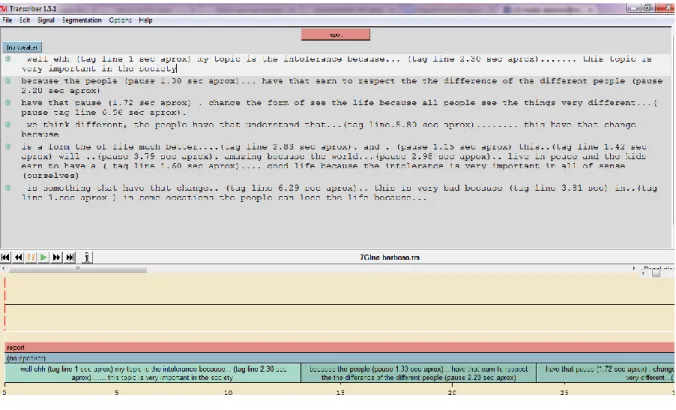
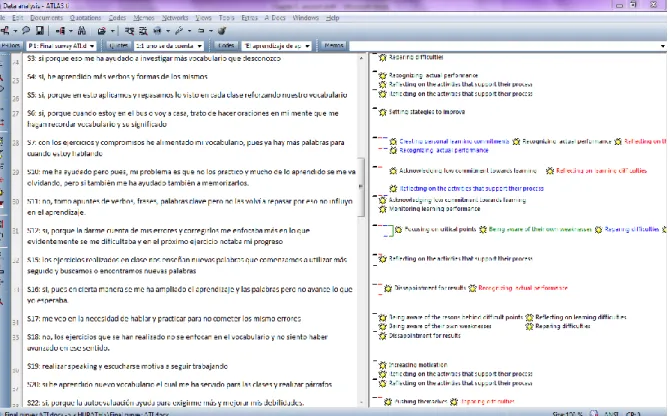
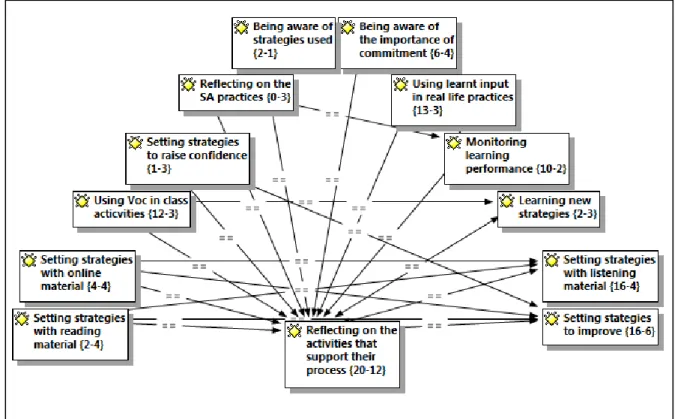
(10) viii YOUNG ADULT LEARNERS’ VOCABULARY SELF-ASSESSMENT. Appendix G ....................................................................................................................... 76 Appendix H ....................................................................................................................... 77 Appendix I......................................................................................................................... 78 Appendix J ........................................................................................................................ 79 Appendix K ....................................................................................................................... 80 Appendix L........................................................................................................................ 82 Appendix M ...................................................................................................................... 83. Table of Figures. Figure 1. Research question and objectives. ....................................................................... 5 Figure 2. Data reduction process. ...................................................................................... 37 Figure 3. Total speaking time per minute measured in seconds. ...................................... 48 Figure 4. Total words attempted per minute. .................................................................... 49 Figure 5. Speech rate inclusive per minute. ...................................................................... 50 Figure 6. Sample of speaking task transcriptions.............................................................. 77 Figure 7. ATLAS.ti screenshot sample. ............................................................................ 79 Figure 8. Sample of codes obtained by means of open coding in ATLAS.ti. ................... 82 Figure 9. Axial coding by means of ATLAS.ti family tool. ............................................. 83.
(11) ix YOUNG ADULT LEARNERS’ VOCABULARY SELF-ASSESSMENT. Table of Tables Table 1. Data collection procedures. ................................................................................. 25 Table 2. Instructional design. ............................................................................................ 30.
(12) 1 YOUNG ADULT LEARNERS’ VOCABULARY SELF-ASSESSMENT. Chapter One: Introduction The study aims at determining the influence that the implementation of students’ vocabulary self-assessment has on the development of oral fluency in a group of young adult learners. This, taking into account that self-assessment has been included in numerous stakeholders’ educational research agendas worldwide, and that it is closely related to learners’ autonomy development. According to Benson (2001), autonomous learners have the capacity to take control over their own learning processes by judging their language competence and reflecting on their learning results. In this view, autonomy can be shaped in various forms according to the context or the cultural situations in which learners are found (Benson & Voller, 1997). Thus, the concept of self-assessment, viewed as a modality of learner autonomy, should be interpreted based on the context in which it is developed. Furthermore, one factor from within the autonomy field common for all type of contexts is the importance of granting students a central role through which they monitor and regulate their learning experience (Sánchez, 2012; Liu & Carless, 2006; Race, 2001). Monitoring involves judging difficulties, setting learning objectives, finding strategies, and evaluating one’s own progress in search of improvement. If learners were able to appraise their own work in this form, meaningful and lasting learning might also be achieved. Keeping this is mind, self-assessment has been increasingly used in the ELT classrooms as it offers alternatives for engaging students in the enhancement of their own learning (Taras, 2010). Consequently, learners who self-assess their processes are encouraged, and also intrinsically motivated, to reflect upon goals already achieved and to acknowledge their limitations. However, self-assessment “does not stand alone as the answer to the problems” (Baldwin, 2000, p. 451); it works as a tool for empowering students to reflect.
(13) 2 YOUNG ADULT LEARNERS’ VOCABULARY SELF-ASSESSMENT. about their performance. From that perspective, it is clear that assessing one’s learning processes is not limited to reflective development. Rather, it implies examining aspects such as tasks conditions, engagement with the course or personal stimulus for learning to further analyze the ways actions can be modified for the development of learner autonomy. In the ELT field, self-assessment has been used for assessing and enriching students writing and, to a lesser extent, to examine how speaking abilities evolve (Janulevičienė & Kavaliauskienė, 2007). De Saint Léger’s study (2009) found that selfassessment encourages oral participation in class by promoting “independent learning and personal goal-setting” (p. 159). Results suggested that self-assessment may have positively affected students’ self-perceptions after the implementation as they felt more capable of expressing themselves in different ways. This is because the reflective practices undertaken permitted learners to gain confidence about their learning and this reliance was effectively reflected in their own evaluation of speaking abilities. Recent studies on selfassessment (Bourke & Mentis, 2013; Panadero & Romero, 2014) have focused on strategy usage and learners’ inclusion because personal identities and social contexts are seen as interconnected factors playing important roles in learning. In Colombia, Ariza (2003), Rodríguez (2007), Sánchez (2012) and Areiza (2013) are included among the few authors who have worked on self-assessment for English language learning. These studies used this type of evaluation and provided evidence that self-assessment may be beneficial for raising students’ consciousness regarding their processes as they became interested in their language learning. Recently, Sanchez (2013), Barragan (2013), and Morales, Trujillo, and Zamudio (2013) explored the benefits of selfdirected learning, self-monitoring and self-efficacy with regards to oral production in terms of vocabulary and fluency development. These authors reported positive results using the aforesaid strategies which are also metacognitive strategies within self-.
(14) 3 YOUNG ADULT LEARNERS’ VOCABULARY SELF-ASSESSMENT. assessment. However, no published studies have been identified, to date, which examine vocabulary learning for fluency development. Consequently, this study explores the implementation of self-assessment in an area where little exploration has been conducted thus far. Here the focus specifically addresses the implementation of self-assessment practices for learners’ fluency development taking into account vocabulary learning as a tool that might improve oral production among the participants of this study. The aforementioned research aim was based on observations conducted during the needs analysis stage which suggested that students faced difficulties in expressing themselves within oral communicative tasks. Although it had been observed that learners were always open to reflect upon their learning process, there was neither observable evidence of a defined reflection nor of specific courses of action taken by the learners involved. Based on these results, it was decided that the students might benefit from learning self-assessment strategies as these would encourage them to “take stock of their learning” (Race, 2001, p. 7). Other outcomes suggested that, when required to think about their performance, students were able to uncover their strengths and difficulties to make fair judgments, and, in few cases, to propose further action. Bearing in mind that self-assessment had had positive initial results, this study thought of its implementation for supporting students’ oral performances. Recalling De Saint Léger (2009), self-assessment is a “dynamic tool for reflecting concurrently on past and possible learning behavior” (p. 160). Thus, students who are engaged in selfassessment are likely to set their own learning goals and to self-regulate their actions towards those aims. Such behaviors were expected in the participants of this study and they would be enhanced by fostering autonomous learning conditions that provide students with life-long lasting skills to be used in different areas of their lives..
(15) 4 YOUNG ADULT LEARNERS’ VOCABULARY SELF-ASSESSMENT. Problem Statement The need to involve students in their learning by fostering personal reflection actions has been widely explored. For instance, self-assessment benefits language learners by “providing opportunities to assess and provide feedback on [their] attributes” (Willey & Gadner, 2010, p. 341). Thus, learners are able to examine their performance and respond to special needs evinced from such examination. In a related area, Langan et al. (2008) and Spies (2012) studied the effectiveness of peer assessment in the promotion of oral competence; their interventions permitted students to become aware of their weaknesses in their speaking practices through both their own evaluation and that made by their peers. This study was no exception, as it aimed at determining the impact of self-assessment on its participants’ oral competence development as a way to reach effectiveness. Initially, the researcher observed that students’ major flaws were in speaking. This was important since significant impediments were not in evidence in their written work. However, learners were very anxious when they were required to perform orally in target classroom tasks. Students attributed their difficulties to elements such as cohesion, pronunciation, and lack of vocabulary. Nevertheless, since the learners’ responses were so varied, further inquiry was needed. Therefore, the second phase of the needs analysis revealed a necessity for students to improve their speaking skills since they also claimed having trouble when selecting vocabulary for speaking. This happened because students were unable to draw on appropriate lexicon that permitted them to speak their minds in English as openly as in their mother tongue; additionally, students’ vocabulary was quite limited and for that reason they recognized that they were unable to deal with unfamiliar topics. This situation exposed students’ short speech production and their revealed frustration..
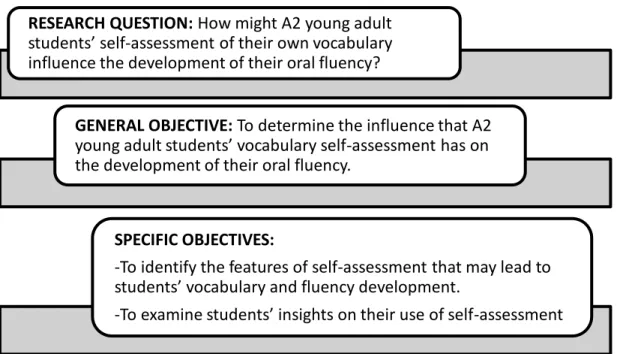
(16) 5 YOUNG ADULT LEARNERS’ VOCABULARY SELF-ASSESSMENT. Based on Willey and Gadner (2010), who consider that self-assessment provides students spaces for “testing their own knowledge to first identify then rectify gaps in their learning” (p. 431) and given that personal reflection was found to be useful for the participants to express their individual learning needs, this study attempted to draw on students’ judgment about their own performance. Consequently, the following research question was set: how might A2 young adult students’ self-assessment of their own vocabulary influence the development of their oral fluency? Correspondingly, its main objective was to determine the influence that students vocabulary self-assessment had on the development of their oral fluency; specifically, the study aimed at identifying the features of self-assessment that might lead to students’ vocabulary and fluency development and to examine students’ insights on their use of self-assessment. The research question and objectives are summarized in Figure 1. Figure 1. Research question and objectives. RESEARCH QUESTION: How might A2 young adult students’ self-assessment of their own vocabulary influence the development of their oral fluency? GENERAL OBJECTIVE: To determine the influence that A2 young adult students’ vocabulary self-assessment has on the development of their oral fluency.. SPECIFIC OBJECTIVES: -To identify the features of self-assessment that may lead to students’ vocabulary and fluency development. -To examine students’ insights on their use of self-assessment.
(17) 6 YOUNG ADULT LEARNERS’ VOCABULARY SELF-ASSESSMENT. Rationale When students self-assess, they participate in a process of reflection that allows them to evaluate their individual performance, think deeply about possible constraints, and take a course of action in order to improve (Liu & Carless, 2006). For this reason, selfassessment for learning is advised and its incorporation into the academic context responds to the fact that in this setting students are “already self and peer-assessing their partners quite naturally” (Race, 2001, p. 7). As part of their spontaneous interaction in the classroom, learners usually compare their work with other samples and draw conclusions for their own learning process. From the self-regulated learning perspective, this comparative exercise becomes an opportunity for students to reflect on their weaknesses and strengths and facilitates the selection and usage of possible strategies in overcoming their language difficulties. Similarly, students who are involved in an assessment culture may gain longlasting skills useful in several areas of their lives (Sánchez, 2012). In higher educational contexts this is especially true since students are often given the opportunity to identify learning standards and be aware of the ways to approach the attainment of outcomes. In the case of the participants of this study, self-assessment was relevant because its implementation allowed learners to evaluate their performance more closely rather than rely exclusively on the instructor’s evaluation. As this class counted with twenty-four students, they might benefit more from both judging their work in advance and sharing their insights with the instructor; at the same time, they could optimize effort, time, and self-control. In doing so, students would be able to assess their reflections and establish a learning path to make positive decisions regarding their current and future progress. Another important reason to introduce self-assessment in the setting of this study was the lack of clarity in the evaluation procedures of students’ oral performance..
(18) 7 YOUNG ADULT LEARNERS’ VOCABULARY SELF-ASSESSMENT. Generally, the instructor graded learners’ speaking skill based on individual evaluation methodology. Unfortunately, formative assessment that involved students’ evaluations throughout their learning processes was not among the most preferred methodologies in the institution. Hence, a major reason to select self-assessment in this study was the premise that this type of formative assessment positively acknowledges learners’ individualities as it allows them to be the center of their own learning. The aforementioned arguments were considered significant reasons in response to the evaluation weaknesses found in the institution..
(19) 8 YOUNG ADULT LEARNERS’ VOCABULARY SELF-ASSESSMENT. Chapter Two: Theoretical Framework Fluency in language learning is related to the speaker’s ability to integrate previously met language into purposeful communication (Nation, 1989). However, students can rarely accomplish this integration without formal guiding. In the present study, self-assessment is seen an alternative for which students can reflect about the way they may become better speakers, initially by improving their vocabulary development and subsequently, by raising their fluency levels. Self-assessment Self-assessment has been traditionally associated with the field of formative assessment as they both aim to involve students in understanding their own learning processes (Brown, 2004; Taras, 2010; Walser, 2009). The attention is focused on learning development rather than on production. Thus, the instructor’s feedback is addressed to support the student’s progressive growth by scaffolding their performance throughout the process. Self-assessment has also been related to the development of autonomy in learners, and it is precisely this link which provides the strongest argument for its contemplation in the present study. Different authors (Blanche & Merino, 1989; Brown, 2004; Gardner, 2000; Janulevičienė & Kavaliauskienė, 2007; Race, 2001; Tamjid & Birjandi, 2011; Torres, 2009) argue that the procedures followed in this type of assessment, may well encourage learners to become more aware about their own process by self-regulating their own learning and consequently being more responsible as well. In Colombia, Sánchez (2012) found that the implementation of self-assessment not only benefits the development of autonomy but it also calls for a more learner-centered classroom where teachers and students share equal responsibility for the learning processes. Hence, this strategy reconsiders the notion of the teacher being the only person in charge of the assessment procedure and rather, students’ needs, wants, and thoughts are.
(20) 9 YOUNG ADULT LEARNERS’ VOCABULARY SELF-ASSESSMENT. evinced in the assessment process making the assessment procedure and the learning processes in general more personalized (Brown, 2004; Sánchez, 2012). In fact, Cardenas (2010) also highlights this point in Colombia; he argues that by means of self-assessment students let their voice be heard by unveiling their inner insights and, in this way, discover tools to improve directing their learning processes. Self-assessment has also been widely studied based on the premise that it promotes successful results in learning a second language (Black & William, 1998; Blanche & Merino, 1989; Tamjid & Birjandi, 2011; Willey & Gardner, 2010). Research has reported that self-assessment is effective in enhancing the development of specific language skills, including writing and speaking; however, it also encourages language learning as a whole. For instance, Janulevičienė and Kavaliauskienė (2007) argue that self-assessment stands as one of the most effective alternatives to assess language skills since; it involves students in reflecting on their outcomes and then, raising awareness and responsibility. This present study complements these authors’ view by indicating that rather than on the results, the efficacy of self-assessment relies on the permanent monitoring carried out on students’ progression from the moment they start using this type of strategy. In this respect, Baldwin (2000) claims that self-assessment by itself fails to produce any changes in language acquisition; instead, it is a facilitator for reflective learning that may eventually convey improvement in students’ performance. Baldwin’s (2000) perspective (see also Andrade & Valtcheva, 2009; Gardner, 2000) is important for this study as it clarifies the scope that the implementation of self-assessment is expected to reach in this study; its results depend mostly on the reflective abilities that learners are able to develop and how that reflection is effectively involved into their learning processes..
(21) 10 YOUNG ADULT LEARNERS’ VOCABULARY SELF-ASSESSMENT. Furthermore, the present study perceives self-assessment as a process that facilitates learning. From this perspective, self-assessment should be beneficial for students because it promotes a low-anxiety atmosphere. De Saint Léger (2009) and Ariza (2003) argue that throughout the process of selfassessment, students take ownership of their learning generating a more confident environment. The close relationship that students build with their own performance is highly influenced by the personal goals they set and the self-regulation that they accomplish in order to achieve those aims. Consequently, learners are more intrinsically motivated to share the responsibility for most of their results. Other Colombian studies (Picón, 2012; Rodríguez, 2001; Torres, 2009) highlight that self-assessment might support students’ critical thinking because learners strengthen their abilities to make fair judgments about their role as learners, the responsibilities that such a role conveys, and the benefits of being committed to the whole process. Particularly, students engaged in self-assessment practices develop the ability to understand how language learning can take place according to their own capacities, personal effort, and the authenticity of their commitments (Race, 2001). In this study, selfassessment might support learners understanding of the implications of using varied lexicon while speaking. However, the instructor should be aware of which assessment modality may be used by having a defined purpose in mind. The Literature in the field of self-assessment categorizes this strategy according to its aims. For instance, Taras (2010) classifies self-assessment modalities as weak and strong. Through weak forms (named general scales and teacher prepared assessment by Underhill, 1987 and Gardner, 2000) students are required to grade their performance based on the teacher’s criteria. Here, the learner is able to rate his language skills by means of a “can do” scale that presents the learner different options of acceptable performance in the.
(22) 11 YOUNG ADULT LEARNERS’ VOCABULARY SELF-ASSESSMENT. target language. Brown (2004) calls this modality: assessment of a specific performance but it differed from Underhill’s idea of assessment in that, through this approach, learners are able to use different recording techniques including diaries or journals. Nonetheless, the purpose is always assessing specific language performance rather than global processes. On the other hand, strong models of self-assessment (Taras, 2010) involve learners in setting the standards for evaluation, receiving feedback from others and then, permitting students to reflect upon the whole process. The author calls this “completing the cycle of learning” (p. 206), based on the principles of the social construction of knowledge. However, Tara’s strong model of self-assessment is not always suitable. Recently, Spies (2012) suggested that including peer feedback into the evaluation process may be a challenging task since not all learners are willing to provide it because they may feel unprepared to do so. In addition, when including other’s than the teacher’s and learner’s judgments into the self-assessment process, there should be complete eagerness and agreement on the part of the participants to undertake that task. Even without the participation of peers, the strong model of self-assessment proposed by Taras (2010) seems to compile most of the features presented by other authors regarding learners’ assessment of general abilities. For instance, Brown (2004) describes two types of self-assessment in which the process, instead of a specific performance, is addressed. One type is called indirect assessment of a general competence; it is conducted with the objective of evaluating language competence in a broad sense by means of students’ reflective entries. An example of this type of self-assessment is the exploration done by Coronado (2008) in which self-assessment focused on broad areas of learning such as the topics studied, the procedures followed in class, and the learner’s study routines. Coronado is aware that his study failed to impact a specific learners’.
(23) 12 YOUNG ADULT LEARNERS’ VOCABULARY SELF-ASSESSMENT. performance because the intervention was not addressed to such a purpose. At this point, the second process-focused assessment described by Brown (2004) becomes relevant for this study: this is labelled metacognitive assessment and it seems to have a strong emphasis on the goal-setting task carried out by the learners after self-reflection has been completed; its relevance and implications for this study are discussed below. Research in the field of self-assessment has recently reported an increasing focus on goal-setting to enhance self-regulated learning (De Saint Léger, 2009; Janulevičienė & Kavaliauskienė, 2007; Walser, 2009). This is because goal-setting permits learners to keep track of their achievements at the same time that the global process of learning is being analyzed. Schunk (2003) argues that personal goal-setting may raise students’ selfefficacy by directing their attention (observing, judging, and reacting) to their learning and performance. Castrillón, Jaramillo, and Lopez (2013), whose study focused on the smart goal-setting in a similar context to this study, reaffirmed Schunk’s view. Effective outcomes provide students with a sense of realization; in other words, if their efforts have been worthy for their learning, they are willing to commit themselves to continue assessing their general performance making the process more authentic at every new stage. Chamot and Robins (2006) also highlight the value of goal-setting to enhance students’ self-directed learning. Their argument is justified by the development of intrinsic motivation. When students work towards achieving their selected objectives, not only those dictated by the teacher, real learning occurs as their initiative is authentic. Moreover, the authors insist in offering continuous guidance to learners as they become skilled in setting appropriate and realistic goals Strategy-setting is also part of the self-assessment process that students undertake when reflecting and judging on their performance. Oxford (2003) defined learning strategies as “specific behaviors or thought processes that students use to enhance their.
(24) 13 YOUNG ADULT LEARNERS’ VOCABULARY SELF-ASSESSMENT. own L2 learning” (p. 8). Such steps, according to the same author, become effective conditional on the context they are used; strategies should respond to students’ learning styles, task demands and their interrelation with other approaches. In self-assessment, learning strategies are selected by learners under tutor’s advice based on the language elements which are to be tackled. Altogether, the use of self-assessment in this study is seen as a means for students to reflect about their entire language learning process, their efforts for improving, and the form in which they may become better learners, initially by improving their vocabulary development. Vocabulary in language learning The role of vocabulary knowledge in language learning has recently been the focus of various studies; for instance, Amiryousefi and Ketabi (2011), Mokhtar et al., (2009), Oya, Manalo, and Greenwood (2009). The rising interest in this language element has been mediated in part, by the positive findings reported by authors such as those named above; they have claimed a strong influence of vocabulary learning on successful language performance, especially for writing and speaking. In fact, different studies have found a positive relationship between vocabulary knowledge and speaking skills (Janulevičienė & Kavaliauskienė, 2007; Schmitt, 2000; Alemi & Tayebi, 2011) suggesting that the wider the vocabulary, the more proficient is the person expected to become. Furthermore, depending on the emphasis place on enriching learners’ vocabulary, there will be elements in the speaking competence that will be better reinforced. For instance, Spies (2012) reported that by expanding students’ lexical variety in terms of connectors, learners were able to improve their cohesion in oral tasks. On the other hand, if students learn sufficient words to maintain a conversation or contribution, they can improve their fluency (Oya et al., 2009). Thus, these findings suggest that, even when.
(25) 14 YOUNG ADULT LEARNERS’ VOCABULARY SELF-ASSESSMENT. speaking involves different competences that are difficult to enhance for no more than the sake of vocabulary knowledge, the focus given by the researcher will determine the outcomes; in this study, oral fluency turns to be the target. Nation (1993) and McCarten (2007) proposed a number of words required to reach full oral competence in everyday conversation. However, the reality is that not even a target of one thousand words could be productively reached if the only source of learning comes from the instructor. Consequently, it is imperative that students adopt a “selfsufficient learner” posture (McCarten, 2007, p. 2) in which they extend their vocabulary learning out of the classroom. In this way, they personalize their process by keeping track of their own learning and by testing it in other situations. Thus, vocabulary learning is not only the teacher’s responsibility but is also related to learners’ efforts; however, teachers are called to promote the importance of learning new words. In this regard, Smith (2000) argues that when teaching vocabulary the emphasis should be on the words that are already familiar to students. This statement seems to have an underlying coherent rationale, given that learners should be trained to internalize new words and not only to recognize items. Thus, focusing on the lexicon that has been already studied might be an opportunity for students to increase their encounters with certain given words. Similarly, Mokhtar et al. (2009) and Gu (2003), indicated that vocabulary learning should be a dual-purpose task in which learning a new word requires students as to recall the word as to apply it to a determined situation. Hence, as found by Morales (2012), recycling vocabulary, using appropriate material which addresses students’ learning styles, and setting meaningful context in which vocabulary is embedded, are strategies to foster students’ vocabulary development. Correspondingly, instructors should be aware of the required information to really know a word. Janulevičienė and Kavaliauskienė (2007) indicated some of the features in a.
(26) 15 YOUNG ADULT LEARNERS’ VOCABULARY SELF-ASSESSMENT. word which should be managed by learners which are, “propositional meaning, register, metaphorical meaning, connotational meaning, and the representation of meaning such as definition, relationships” (p. 11). In this respect, Nation (2005) argues that one of the biggest drawbacks in vocabulary learning is that not all the information implying word knowledge can be taught through direct instructions, which he also believed can be alleviated when independent study is carried out by learners. Schmitt (2000), for his part, argues that spelling and meaning may be enough for a learner to start learning vocabulary. Unfortunately, the real problem at this point is not how many items are required for learners to know a word but the fact that students are usually not even aware of these features (Dóczi, 2011; Jiménez & Terrazas, 2005). Thus, vocabulary development, especially when taught to adult learners, should also involve meta-language instruction aimed at helping learners to understand the variety of elements surrounding word knowledge. All things considered, what most of the authors discussed above agree on is that vocabulary learning is a cumulative process and, for that reason, frequent exposure to the target lexicon should be given for authentic learning. Consequently, the emerging inquiry is how students are able to know a varied number of words and still be able to identify at least two basic characteristics (spelling and meaning) to successfully use those words in real contexts, such as the classroom setting. In response to this question, Alemi and Tayebi (2011) studied three popular modalities of vocabulary learning: incidental learning, explicit instruction and strategy training. The first of these has been largely explored, for instance in Mohamed (2009), who argue that the unconscious process in which vocabulary acquisition occurs is due to the repetitive encounter that students have with that lexicon by means of selected readings. The core idea is that the more students are exposed to a word, the better they will know that word. Nevertheless, Nation (2005) argues that there is no.
(27) 16 YOUNG ADULT LEARNERS’ VOCABULARY SELF-ASSESSMENT. evidence to affirm that learners can better know a word by incidental learning than through direct instruction. As explained before, explicit instruction should be supported by the students’ ability to take charge of their own learning (McCarten, 2007). One of the best ways to approach such demand is by instructing learners in strategy use. This is, actually, the third modality of vocabulary learning cited by Alemi and Tayebi (2011) and that which, together with direct instruction, have proved to yield the most effective results in learners’ performance. A large number of authors of whom the most relevant are Oxford (2003), Chamot and Robins (2006), and Nation (2005) have sought to understand how learning strategies function, as well as their influence on different contexts and areas of language. Of these, Oxford (2003) has provided a generally accepted definition of strategy as the actions taken by students in order to enhance their own learning. She argued that learning strategies foster in students autonomous connection to their learning process which is critical for developing an effective communicative competence. By the same token, Amiryousefi and Ketabi (2011) claimed that strategy use for vocabulary learning provide students with sufficient tools to understand the meaning of a word and strengthen its use in different contexts. Thus, strategy training clearly promotes students’ self-initiated vocabulary development by means of their own efforts which they then see as a more meaningful process. At this point it is worth returning to the definition of strategy provided by Oxford (2003), the actions taken by students can be as varied as their nature. In this respect Alemi and Tayebi (2011) suggest two specific categories related to vocabulary learning strategies which are relevant for this study, as they represent the focus of the exploration: cognitive and metacognitive strategies. On the one hand, cognitive strategies demand the.
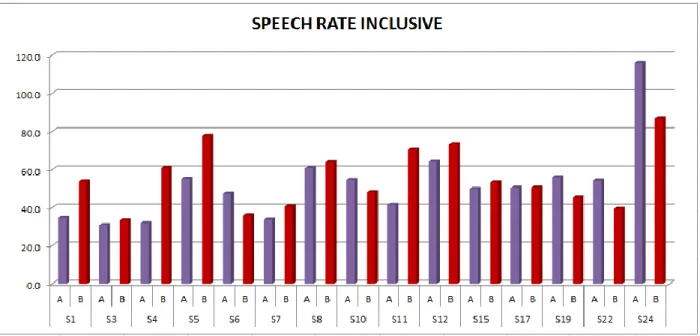
(28) 17 YOUNG ADULT LEARNERS’ VOCABULARY SELF-ASSESSMENT. manipulation of information at a basic level as in the exercise of writing a vocabulary notebook (McCarten, 2007); among the most common strategies in this category are memorization strategies, inferencing strategy, repetition strategies, association strategies, key word method, dictionary use, semantic grid strategies, word lists (Alemi & Tayebi, 2011). Several of these strategies were also validated in this study by using a pre-designed vocabulary notebook in which students registered new words according to their relevance. On the other hand, metacognitive strategies are related to planning, monitoring and evaluating steps followed by learners in which self-reflection is always included (Chamot & Robins, 2006). Hence, self-assessment of vocabulary learning, including that encouraged in the present study, may be thoroughly examined and typified as a metacognitive strategy for vocabulary learning. Strategy training needs to ensure that students are acquainted with different possibilities to recall and manage new words, and it should also help students to become more aware of using these strategies on their own initiative (Chamot & Robins, 2006). When learners are able to use strategies by themselves, they are more likely to become more self-directed learners who will manage the course of their own learning. Medani (1988) reported that learners who apply their own strategies (good learners) are more successful than those who are provided the content by their teachers (poor learners). This study sees self-assessment as the means for students to regulate and monitor their vocabulary learning since they are encouraged to assess their specific difficulties, fostered to think about possible strategies to set study goals and re-evaluate their whole performance in order to know if based on the results the approach followed should be modified or not. All these actions take place with the purpose of enhancing students’ oral fluency in order to express their opinions about a given topic..
(29) 18 YOUNG ADULT LEARNERS’ VOCABULARY SELF-ASSESSMENT. Fluency in oral production The speaking ability is probably one of the most intricate skills when it comes to language learning. This perception has been shared by various authors including Thornbury (2005) who claims that learner’s drawbacks with the speaking competence are mainly due to the ineffective instruction on part of the teachers. Prieto Castillo (2007) argues that speaking implies much more than simply articulating correctly or constructing coherent sentences. She considers that different competences —grammatical, strategic, socio-linguistic, and discourse—which are interrelated at all stages of the speaking process, are required in order to achieve speaking proficiency. Thus, speaking is also related to the capacity that learners develop for making successful transaction of meaning with others, to understand the messages from their peers properly, and to use the correct words according to the functional purpose of a given conversation, among others. The ideas above are also shared by Gutiérrez (2005), who affirmed that oral communication should be treated as a medium for “social interaction” (p. 84). This statement summarizes the scope speaking may reach as well as its importance and helps the reader understand how oral development can be dependent on many alternative factors other than simply grammar or pronunciation. However, Bygate (1987) argued that for students to learn a language, a certain amount of grammar and vocabulary should be included so that they go beyond the simple fact of recognizing that code and actually being able to use the language. Furthermore, accuracy is not the only element involved in oral production, another component that also plays an important role is fluency. Fluency by itself would fail to guarantee optimal language command; however, it is an important measurement of what learners are expected to reach in terms of speaking proficiency. It is therefore necessary to know what fluency is and how it is seen in the language learning field. Thornbury (2000) argues that fluency is not only about conveying.
(30) 19 YOUNG ADULT LEARNERS’ VOCABULARY SELF-ASSESSMENT. message but about a balance between “the demands of real-time processing [and] the need to be reasonably accurate” (p. 4); this view had previously been presented by Nation (1989) who related fluency in language learning with the speaker’s ability to integrate previously met language into purposeful communication. In this sense, fluency is tied not only to how fast speech is but also to retrieving appropriate language in order to successfully speak one’s mind. Fluency has been related to various factors, from the task-related (Derwing, Rossiter, Munro, & Thomson, 2004) to the cognitive (Dewaele, 2002). Nevertheless, fluency remains a complex concept to define and this is possibly because, as claimed by Lennon (1990), in contrast to other language elements, fluency is not precisely about linguistic knowledge but more about performance. In other words, fluency in language learning may be seen as the physical representation of the mental process that occurs when speech planning and production are taking place. Consequently, this definition is also to be taken into account when defining the measures for which fluency can be gauged. Riggenbach (1991) argues that fluency should be measured by taking into account as temporal variables (pauses, hesitations, speech rate, to name a few) as non-temporal variables (accent, vocabulary, grammar, confidence). In this regards, Lennon (2000) and Jong and Hulstijn (2009) claim that the role of pauses in fluency is an important factor to contemplate as it suggests that fluent speech is that which presents fewer pauses and more speediness. Nevertheless, Chambers (1997), Oliveira (2002), Packhomov (2012), and Schilperoord (2002) argue that pauses are natural evidence of speech processing in the speaker’s mind. In the case of language learners, it is likely that students pause because multiple connections are being made in order to include previously studied items into their message..
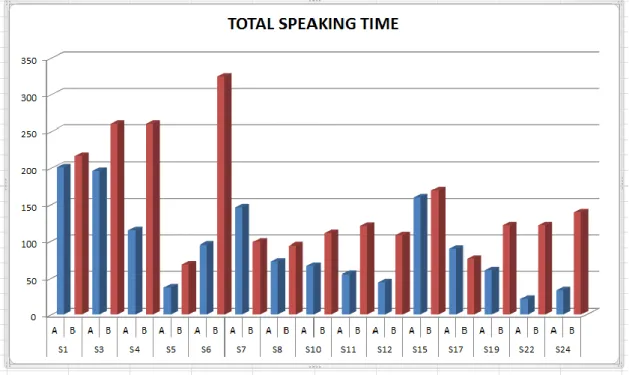
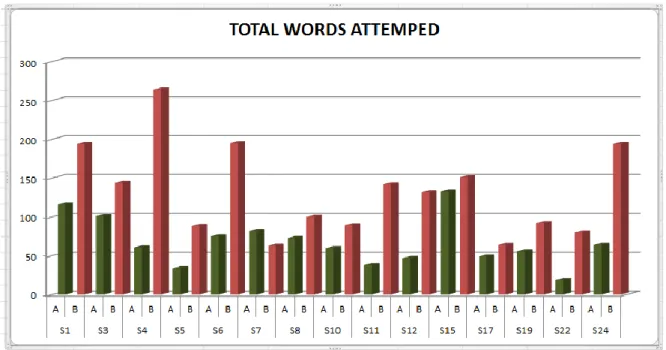
(31) 20 YOUNG ADULT LEARNERS’ VOCABULARY SELF-ASSESSMENT. This present study expected that fluency would be reflected in the participants’ ability to use more and varied vocabulary to express their ideas regarding a given topic. Pauses and other factors above mentioned were not necessarily related to this vision of fluency, and consequently, three variables were contemplated based on García-Amaya (2009) and Rossiter (2009): students’ total speaking time (TST), the number of words attempted during their speech (TWA) (excluding diffluent words like fillers, false starts and repetitions), and students’ inclusive speech rate (ISR) (which was calculated by dividing the TWA into the TST and multiplied by 60 —bearing in mind that students failed to speak for a similar amount of time in both samples.).
(32) 21 YOUNG ADULT LEARNERS’ VOCABULARY SELF-ASSESSMENT. Chapter Three: Research Design Reflective teaching is nowadays a more dominant exercise in language classrooms and Action research permits teachers to formalize this reflective practice by setting the route to solve educational inquiries. In this path, various elements, including the researcher, context, and participants’ roles in the study are contemplated in order to define the tools for data collection and the procedures to follow. Type of study Cohen, Manion, and Morrison (2007) characterize action research as “motivated by a quest to improve and understand the world by changing it and learning how to improve it from the effects of the changes made” (p. 298). Therefore, teachers undertaking action research often depart from defining an inquiry to plan a course of action for improvement. Once an action has been carried out, there is a process of observation and evaluation that relies on the teacher’s capacity to reflect on the results obtained to interpret the reality. Generally, valid and reliable outcomes from this process are referred by other researchers in order to deepen their comprehension regarding to similar phenomena (Burns, 2010). The present study is an exploratory mixed method action research study (Creswell, 2007). On one hand, it aims not at studying individuals in isolation but considers them as active and always-changing elements of a whole. On the other hand, quantitative data in this study supports qualitative findings, providing a more complete scenario to understand the research problem under study. Bearing in mind that this project intends to determine the influence of vocabulary self-assessment practices (qualitatively) on students’ oral fluency (quantitatively), a mixed method action research study appears to be a suitable approach in order to explore how this relationship evolves and how the possible outcomes obtained from it may convey further changes in the educational setting of this study..
(33) 22 YOUNG ADULT LEARNERS’ VOCABULARY SELF-ASSESSMENT. Researcher’s role Teachers conducting action research are not only observers or explorers of the situation but become active participants in the investigation (Burns, 2010). In this study, the researcher’s role as participant-observer conveyed different functions: guiding and monitoring students’ process as they were trained to become effective self-assessors; instructing learners in using different vocabulary learning strategies by providing various techniques during the initial session and the piloting stage; and being an “insider” (Whitehead & McNiff, 2006, p. 15) who reported on the participant’s insights regarding the phenomena under study by presenting them from a different perspective. Context This research project took place in a Colombian private institution which provides training on various occupational fields at a technical level. Particularly, the Proficiency in English program is divided into four levels according to the CEFR (Council of Europe, 2001) namely: basic, pre-intermediate, intermediate, and advanced. Unfortunately, the program objectives mainly addressed grammatical development and thus there was no clear institutional strategy for dealing with other skills. Since evaluation procedures involving formative assessment were missing, the course book, New American inside out (2009), served the purposes of syllabus and evaluation criteria guide. Hence, learners were assessed according to the book standards or based on the teacher’s viewpoint. Participants Twenty-four pre-intermediate young adult learners agreed to participate in this intervention. Most of the students had previously had contact with the language through their jobs, schools or through formal training in other institutions; however, for other students enrolling the program represented the first encounter with the target language..
(34) 23 YOUNG ADULT LEARNERS’ VOCABULARY SELF-ASSESSMENT. Participants’ learning styles were predominantly visual and kinesthetic; they enjoyed activities in which realia were used, but they especially liked interaction activities. A particular feature among students was their friendliness which aided to establish a close rapport with each other. They also shared similar backgrounds which reinforced their willingness to participate and cooperate with peers. Most of the students enrolled the class because they were eager to obtain better jobs in the future or simply because they were interested in achieving improved performance in the target language. In terms of their linguistic needs, students writing skills were coherent with their level; however, most needed reinforcement in listening and speaking skills. In addition, finding appropriate vocabulary to express their thoughts orally, joining their ideas and translating common expressions from their first language to English were among their limitations. Participants’ affective needs included reducing anxiety when speaking and gaining confidence about their progress since they often underestimated their abilities in the target language. Data collection instruments In order to collect data, this study drew on learning logs filled in by students, students’ artifacts in the form of recordings, and a final survey used to collect learners’ insights regarding the assessment process. Learning logs Learning logs can be both, assessment and research tools (Friesner & Hart, 2005). Their use provides opportunities to gain understanding about students’ experiences as they enhance reflection (Alvarez, 2013). Learning logs can be structured according to the purpose of the research and data obtained from them should be interpreted based on the learning situation in which they are written. Friesner and Hart (2005) argue for the section of learning logs as data collection instruments due to their advantages, including:.
(35) 24 YOUNG ADULT LEARNERS’ VOCABULARY SELF-ASSESSMENT. . Data are collected directly from participants. There are no filters in the way and, thus, the information obtained from logs provides validity to the study.. . Data collected from learning logs originate from students’ experience, learning and reflection.. . Logs consider the inclusion of goals for students to monitor their learning process. For this reason, learning logs are usually written weekly.. . Learning logs have immersed action plans raised from students’ reflection about the achievement of objectives. In this study, a log was designed to be filled out by students every week (Appendix. A). This instrument contained questions regarding student’s experiences during the lesson, strategies used and learning goals set. Students’ artifacts: Recordings As a pedagogical tool, audio recordings can help learners in improving their speaking abilities (Ariza, 2013; Lince, 2012) because students are able to identify those aspects in their speech that are hindering effective communication or those which simply need reinforcement. Cohen et al. (2007) argue that audio recording is a powerful tool for collecting data since it may reduce the influence of previous interpretations made on the material analyzed by providing the researcher with clearer and more authentic perceptions of the information obtained. In this study, two audio recordings were accomplished by learners in order to provide themselves and the researcher with an overall view of their fluency development before and after the implementation. Survey Surveys are aimed at gathering qualitative data directly from the subjects studied. Marshall and Rossman (1999) highlight numerous advantages of surveys including “their.
(36) 25 YOUNG ADULT LEARNERS’ VOCABULARY SELF-ASSESSMENT. accuracy, generalizability, and convenience” (p. 130). Surveys are easy to administer and allow the researcher to drawn on generalizations from the participants’ insights. In this study, it was expected participants would be able to supply qualitative data about their feelings in relation to the self-assessment implementations through a survey designed by the researcher. Specifically, the purpose of this survey (Appendix B) was to capture learners’ perceptions about the role that self-assessment had had in their vocabulary, fluency and language development. Data Collection Procedures The procedures carried out in order collect data (Table 1) took place over an eleven-week period divided into three stages: pre, while, and post-implementation. Table 1. Data collection procedures.. Implementation Stage . Weeks Allotted Four. Pre-. Procedures Training on VLS First Recording. . While-. Six. Learning logs implementation. Post-. One. Second recording Survey. Pre-implementation At this stage, which lasted four weeks, students signed letters of consent (Appendix C) agreeing to participate in the study. They also had input in vocabulary learning strategies and recorded their first speaking task, which was transcribed and filed..
(37) 26 YOUNG ADULT LEARNERS’ VOCABULARY SELF-ASSESSMENT. While-implementation This stage took place over six weeks and there were two sessions each week. Sessions were organized as follows: firstly, participants were exposed to relevant vocabulary and suggested to make use of vocabulary learning strategies; secondly, students were engaged in production activities involving the vocabulary studied; and thirdly, participants filled in their learning logs in order to assess their general performance during the week. Post-implementation Students recorded a final speaking task on the same topic as in the first recording. A checklist for learners to self-assess their performance was provided to students (however, it was not contemplated in order to gather data since it was filled in under different circumstances by each student). For both speaking tasks, learners were advised to prepare by taking notes of key words to avoid reading while recording. At this stage, students’ overall insights were also collected by means of the survey. Since not all participants were able to present both speaking tasks, only those surveys of learners who had gone through the whole process were taken into account. Design and validation In this study, social validity (Whitehead and McNiff, 2006) took the form of peerexamination where other researchers provided a disinterested look at the research design in order to discover any procedural inconsistency and piloted some of the instruments to be used (Cohen, Manion, & Morrison, 2007). Additionally, an experienced researcher evaluated the instruments and suggested modifications to avoid faulty items that could mislead participants..
(38) 27 YOUNG ADULT LEARNERS’ VOCABULARY SELF-ASSESSMENT. Ethical considerations As suggested by Whitehead and McNiff (2006), ethical considerations were undertaken in order to validate the information presented in this study. From the beginning of the intervention, students were informed of the rationale behind the study, the possible constrains for them as participants, and the benefits that this research project could convey. Thus, only data from students who agreed to participate by signing a letter of consent were contemplated. Participants’ anonymity was maintained at all stages of the project.. The research design of this study permitted the researcher to structure a path for learning about the effects of self-assessment in students’ vocabulary development. Learnings logs, a survey and students’ artifacts were contemplated in order to gather significant data to evince how students in the particular context of this study dealt with self-assessment..
(39) 28 YOUNG ADULT LEARNERS’ VOCABULARY SELF-ASSESSMENT. Chapter Four: Pedagogical Intervention and Implementation In this study, language learning is grounded in vocabulary development and sees self-assessment as a strategy to provide participants with meaningful and long-lasting vocabulary learning. However, for vocabulary self-assessment to produce the expected results, a clear picture of the pedagogical procedures framing the study was required. Vision of Language This study sees language as comprising a double purpose. On one hand, language is a medium for learners to convey meaning about their reflective practices. On the other hand, language facilitates communication among learners. As students improve their oral skills, they might extend their abilities to exchange authentic information with others through oral interaction. Various linguists (Nation, 2005; Schmitt, 2001; Wilkins, 1972) have emphasized the importance of vocabulary knowledge for successful communication. They argue that, while grammar structures are important to communicate, even in the absence of grammatical knowledge communication could still be accomplished if enough vocabulary exists. Thus, in this study language is also seen as having its bases in vocabulary development. For this reason, learners are expected to enrich their vocabulary in order to improve their communication with others. Vision of Learning Andragogy, which studies adult learning and the procedures they follow in order to facilitate such learning (Merriam, 2001), focuses on the relationship that exists between adult learning and self-directed learning. This association indicates that adult learners are characterized by an internal motivation towards learning, solving problems, relating their learning to their experiences and needs, and having a developed control over their process. Thus, in this study learning is also seen as a set of procedures that allows participants to gain lifelong skills applied to different areas of their lives inside and outside classrooms..
(40) 29 YOUNG ADULT LEARNERS’ VOCABULARY SELF-ASSESSMENT. Vision of Curriculum Harrison, Blakemore, and Buck (2001) define curriculum as a "sequence of formal instruction" (p. 1); it is usually carefully planned to reflect the beliefs and principles of a given educational context and transferred to students by means of the teacher. In the setting of this study, the curriculum objectives were intended to provide learners with proper grammatical knowledge in order to develop other skills. However, from a deeper view, the program was constructed to respond to the CEFR requirements (Council of Europe, 2001); thus, the content was adjusted to such requirements and presented through a communicative syllabus by the instructor. The methodology of the program, based on institutional policies, was named Inductive-active method and provided students with progressive guidance until they were able to perform on their own. In terms of evaluation, the program was undertaking the construction of solid evaluation criteria. Hence, the responsibility for this task had been transferred to the tutor who set the criteria in alignment with the syllabus of the course and the learners’ needs. Instructional Design The cycles pertaining this study included thirty hours of pedagogical intervention. However, the instruction was designed to cope with the three stages described in the instructional design which were: pre, while, and post-implementation (Table 2)..
(41) 30 YOUNG ADULT LEARNERS’ VOCABULARY SELF-ASSESSMENT. Table 2. Instructional design. Implementation. Time. Activities. Stage. allotted. Pre-. Four. Input on vocabulary learning strategies. weeks. (inferring from the context, using a. Research design procedure. vocabulary notebook, and using the. VLS training. First recording.. dictionary.) While-. Six. Meaning-focused input/output.. Learning logs. weeks. Language-focused learning.. implementation.. Fluency development. Post-. One. Reporting overall insights.. week. Second recording. Survey. Pre-implementation The pre-implementation stage took four weeks and was intended to engage learners in using three vocabulary learning strategies: inferring from the context, using vocabulary notebooks, and using dictionaries. In addition, students were required to prepare a speaking task and record their oral production; the gathered data were evaluated based on specific criteria (Appendix D) and used as the departing point regarding students’ spoken abilities. With reference to the vocabulary notebook, its design allowed learners to apply various popular vocabulary strategies: the word meaning or a corresponding key word in Spanish, a related word in English which could have been a synonym or an antonym, information about prefixes or suffixes, family roots or collocations. The format also.
(42) 31 YOUNG ADULT LEARNERS’ VOCABULARY SELF-ASSESSMENT. contained two additional spaces for creating a sentence and drawing a picture related to any of the items already mentioned (Appendix F). While-implementation Every lesson at this stage included three parts: warm up, practice and wrap up. In the warm up students’ schemata was activated by presenting them with a picture, video, short reading or question that allowed them to predict the context of the lesson. During the practice, Nation’s four strands on providing opportunities for learning vocabulary (2008) were included through four activities. Namely, meaning-focused input, meaning-focused output, language-focused learning and fluency development were taken into account when planning the lessons (Appendix E). For instance, at the practice stage, a typical lesson included activities that allowed the learners to learn new vocabulary and relate it with their previous knowledge while stimulating their receptive skills; information gap activities or information transfer activities based on a piece of listening or reading provided meaning-focused input. Similarly, problem solving activities, role plays, re-telling stories, reporting and talking about anecdotes were useful for providing meaning-focused output where learners made use of the vocabulary learned. Deliberated learning is the key aspect in language-focused learning, given that students are instructed on vocabulary knowledge and the attention is focused on elements such as meaning and form (Nation, 2008); strategy training also took place during this stage by means of using the dictionary, providing explicit feedback or filling up in the vocabulary notebook. Other activities focused on fluency development, where learners had the opportunity to develop proficiency at using the vocabulary already learned. These activities addressed communication based on familiar topics; they also included some pressure that required learners to perform faster than usual. In spoken fluency, the 4/3/2.
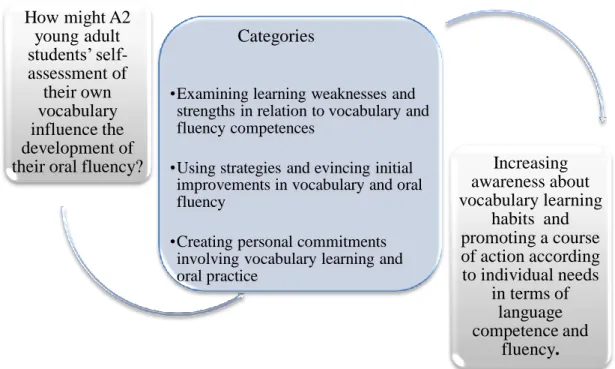
(43) 32 YOUNG ADULT LEARNERS’ VOCABULARY SELF-ASSESSMENT. technique (Nation, 2008) is one of the best-known activities for developing fluency, however; other activities were also adapted. Criteria for evaluating several of these activities were set by students based on the teachers’ guidance. At the wrap- up stage students reflected about their performance during the lesson, their possible problems, and their learning goals. This activity was completed by means of self-assessment and the tool used to register it was a learning log. Taking into account Brown’s (2004) and Taras’ insights (2010), the self-assessment carried out by students at this stage was that which reflected on their performance during the class and their efforts at learning new vocabulary, on how they used strategies for making vocabulary learning an independent task, and on setting new goals that allowed them to develop their vocabulary. Post-implementation Students were engaged in a spoken task similar to that proposed in the preimplementation stage. The topic of the task and the length of time spent for this activity were similar to the topic and length of the initial recording. A survey intended to capture learners’ insights about the self-assessment process was also administered. Materials The course book New American inside out (2009) and additional material from Summit 2 (2006), New cutting edge (2005), and Internet, including puzzles, readings, and videos, were used in order to support the implementation of this study.. This pedagogical intervention presented various challenges to the participants of this study, starting with a more evident focus on their role as young adult learners. Before the implementation, no formal lessons had been taught in their course requiring students to reflect on their actions at every stage of the lesson and even out of the classroom setting, which was interestingly evinced in the collected data..
Figure
+6

Documento similar
to what extent they employ the vocabulary, style and compositional patterns typical of their field of knowledge, the ones used by and expected by the discursive community they
The objectives of this study were, first, to develop a questionnaire allowing, first, to assess the kind of messages through which students self-regulate their learning on the
Figure 7 presents the forest plot for the 27 effect sizes of self-assessment interventions for self-efficacy. These results support the positive effect of self-assessment
The current study adds to this body of research by examining the number and type of self-assessment strategies and criteria among higher education students in a ran- domized
The aim of this research is to determine how significant the effect of each marketing mix instrument and their combinations are, in relation to the image of
In relation to language knowledge of L1/vehicular language (The teacher has knowledge of the L1/vehicular language in terms of fluency, accuracy, lexicon and
The article analyzes perception of students in the Major of Physical Education Teachers (1 st and 2 nd ), regarding the self-assessment process lived during this pedagogical
In higher education, when the self-assessed task counted toward final grades, rubrics (a) enhanced performance, (b) reduced performance and avoidance goals, (c) were preferred by
