
Allergy, living and learning : diagnosis and treatment of allergic disease in Europe
12
0
0
Texto completo
(2) 169. T Chivato, et al. Los pacientes contestaron preguntas confirmando su conocimiento, experiencia y percepción de su condición y su tratamiento. Los resultados se analizaron de forma descriptiva. Resultados: Las enfermedades alérgicas más prevalentes fueron la rinitis alérgica (66%) y asma (26%), y la media de duración de los síntomas de la enfermedad alérgica respiratoria fue de 14.5 años. Más del 30% de los pacientes fueron diagnosticados sin haberse realizado una prueba diagnóstica específica de alergia. Alrededor del 80% de los pacientes utilizaban medicamentos para su enfermedad alérgica, y un 10% no recibía tratamiento aunque presentaban síntomas severos. Un tercio de los pacientes no estaba satisfecho con su tratamiento, y dos tercios presentaban restricciones en sus actividades diarias. Los fármacos más frecuentemente utilizados eran los comprimidos y los aerosoles nasales. La inmunoterapia específica fue utilizada solo en 16% de los pacientes. El conocimiento en general de la inmunoterapia resultó bajo y variaba ampliamente por países: 30% de los pacientes (rango por países, 10%-52%) nunca habían oído esta opción terapéutica. Conclusiones: Un importante número de pacientes con enfermedad alérgica respiratoria en Europa están infradiagnosticados, infratratados e insatisfechos con su tratamiento. Valorando adecuadamente estos datos se podría ayudar a optimizar el tratamiento de las enfermedades alérgicas respiratorias y la calidad de vida de los pacientes. Palabras clave: Diagnóstico alergológico. Rinitis alérgica. Asma. Tratamiento farmacológico. Tratamiento alergológico. Inmunoterapia específica con alérgenos.. Introduction Respiratory allergies pose significant health issues, which have a considerable impact on quality of life [1]. Allergic rhinitis impairs health-related quality of life, affecting work, outdoor activities, sleep, social life, and emotional wellbeing [1,2]. Furthermore, low performance has been observed among schoolchildren and teenagers with this disease [3,4]. One recent study indicated that the quality of life of allergic patients is affected to the same extent as that of patients suffering from conditions such as cardiovascular disease and diabetes [1,5]. Allergy also generates a considerable economic burden, both directly (management of symptoms and disease) and indirectly (lost productivity at work). In fact, there is evidence that the cost of lost productivity due to allergic rhinitis is higher than that due to high stress, migraine, and diabetes [6]. Knowledge of diagnostic and therapeutic practices and patients’ understanding and perception of the disease and its treatment is limited. In some European countries, allergology is not recognized or has been discontinued as a separate medical specialty, and allergic patients are often treated by other specialists. This difference in the availability of allergologists could result in significant differences in both diagnostic and treatment practices. The Allergy Living and Learning (ALL) project was initiated to address the issue of limited knowledge in the area of respiratory allergy and to evaluate consistency in treatment and diagnostic practices across Europe. ALL surveyed over 7000 Europeans with self-reported respiratory allergies in order to generate nationally balanced prevalence estimates and gather information on diagnosis, treatment, and patient perceptions [7]. The project was the first transnational initiative to address these issues through a direct survey of patients with respiratory allergy and revealed an overall European prevalence of respiratory allergy of 24%, although this percentage varied significantly between countries, from 12% in Spain to 34% in Italy [8]. We report the findings of ALL on diagnosis and treatment of respiratory allergy and the impact of the disease on daily life. The study. J Investig Allergol Clin Immunol 2012; Vol. 22(3): 168-179. also compared clinical practice and medical treatment across Europe.. Methods The ALL study was based on a trans-European survey of the prevalence, diagnosis, treatment, and patient perception of respiratory allergy. It was initiated, coordinated, and supervised by the European Advisory Board (EAB), which consisted of physicians, scientists, and representatives from European patient organizations, including the European Federation of Allergy and Airways Diseases Patients’ Associations (EFA). The study was conducted in accordance with the Code of Conduct of the European Standards of Market Analysis and Research (ESOMAR). The full design of the ALL study, including questionnaire development, is described in detail elsewhere [7]. In short, the EAB developed a questionnaire and procedure for telephone interviewing based on the findings of focus group interviews with allergic patients in 7 European countries [7]. The questionnaire was then piloted in 50 telephone interviews in Denmark before being revised, translated into 10 European languages, and validated for linguistic correction [7]. Target Population The target population for the ALL study comprised adults aged 16-60 years who reported allergy to pollen, house dust mites, molds, or animal dander and had symptoms consistent with those of respiratory allergy. The population was identified by screening of a random national representative sample of telephone numbers in 10 European countries (Austria, Denmark, Finland, Germany, Italy, The Netherlands, Norway, Spain, Sweden, and the UK). To avoid bias in patient selection, the telephone interviewer asked to speak with the household member whose birthday was next to come around, and respondents were not informed about the purpose and scope of the interview when completing the screening phase.. © 2012 Esmon Publicidad.
(3) 170. © 2012 Esmon Publicidad. 14 3 6 14 14 22 13 21 32 Question: Are you allergic to any of the following?. a. 14 Other animals (ie, not cat or dog). 19. 18. 30 20. 10 13. 18 28. 13 17. 32 41. 22 14. 33 38. 34 32. 45 40 26. 29. 9 10 4 13 5 11 7 15 16. 40 49 55 38 34 48 34 36 30. 79 68 86 76 65 72 76. United Kingdom The Netherlands n=994 Austria n=496 n=540 Finland n=508 Sweden n=497. 76. 15. Question: How long have you been suffering from allergy?. Cat. a. <3 years: 8% (5-12%) 3-5 years: 17% (10-24%) 6-10 years: 23% (18-27%) 11-15 years: 15% (9-20%) ≥16 years: 37% (23-48%). Dog. Duration of allergy (range across countries)a. 10. 10% 28% 27% 18% 17%. 9. Age, y 16-19 years 20-29 years: 30-39 years: 40-49 years: 50-60 years:. Moulds. 48% male; 52% female. 33. Gender. 26. Percentage. House dust mites. Characteristic. 82. Table 1. Patient Demographics (n=7004). Table 2. Distribution of Allergies to Specific Allergens Across Europea. Overall, 75 343 telephone numbers were selected for screening, and 8268 patients with respiratory allergy were identified via telephone interview. A total of 7065 patients subsequently agreed to participate in the full survey between March and May 1999. Sixty-one patients were excluded from. Norway n=503. Population Selection. Denmark n=502. Results. Allergen Type. Patients With Allergy to Specific Allergens, %. Germany n=1001. Spain n=1002. Data were obtained in 3 steps: telephone interview, selfadministered questionnaire, and a second telephone interview to collect the questionnaire answers. In the initial interview, eligible patients were asked specific factual questions regarding their age, gender, allergy symptoms, diagnosis, treatment, and restrictions on daily life. After the telephone survey, patients were sent a short selfadministered questionnaire that required them to rate a series of complex statements relating to their allergic condition and quality of life. The answers to this questionnaire were collected by telephone at a later date. The overall survey results were collated for all respondents, as well as by country. Weighting was adjusted to differences in national populations, thereby ensuring that the true national values could be restored from the dataset [7]. The results presented here apply to the subset of questions from the survey regarding patients’ general characteristics, their diagnosis and treatment, and their experience of restrictions on daily life caused by their allergy. All analyses are descriptive.. 68. Data Collection: Telephone Interview and Questionnaire. Pollen (eg, trees, grass, and weeds). Italy n=961. Total n=7004. Respondents who were identified as eligible for inclusion during the screening phase (ie, individuals aged 16-60 years with respiratory allergy symptoms) were then asked whether they wished to participate in the ALL survey, which would require them to anonymously complete a telephone-based questionnaire and a self-administered questionnaire.. 76. Allergic Respiratory Diseases in Europe. J Investig Allergol Clin Immunol 2012; Vol. 22(3): 168-179.
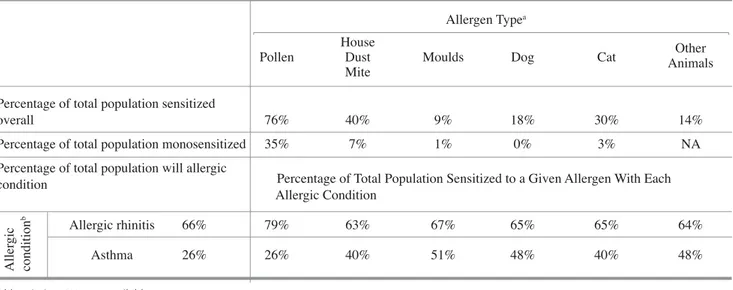
(4) T Chivato, et al. 171. the analysis owing to inconsistent responses during the survey, leaving 7004 patients in the full analysis set. The distribution of patients between countries was 7% each for Austria, Denmark, Norway, Sweden, and Finland, 8% for The Netherlands, and 14% each for Germany, Spain, Italy, and the UK.. physician, specialist, or both) in 16% of cases, a figure reaching over 20% in some countries (Denmark, Finland, and the UK) (Figure 1). No diagnostic tests (blood test, skin test, provocation test, or other test) had been performed in 33% of patients, although this measure varied widely between countries, ranging from 15% in Germany (the only country with a value less than 20%) to 40% in Denmark and 68% in the UK (Figure 2). Of the 33% of patients who had no specific diagnostic test performed, 43% had never been diagnosed by a doctor, 48% had been diagnosed by a family physician, and only 7% had been diagnosed by a specialist (or both a specialist and a family physician). More frequently, patients diagnosed by specialists had undergone skin prick tests and provocation tests.. Allergy Characteristics Approximately half of the patients had experienced allergy symptoms for more than 10 years, and the average duration of symptoms in the study population was 14.5 years. Population demographics are shown in Table 1. Most respondents (96.4%) suffered from nasal/ocular symptoms characteristic of allergic rhinitis, and over half (58.4%) suffered from the breathingrelated symptoms characteristic of allergic asthma. Both types of symptoms were recorded in 76.5% of patients. Fifty-six percent of patients were experiencing symptoms at the time of the survey. The prevalence of specific allergic conditions was as follows: allergic rhinitis, 66%; asthma, 26%; skin allergy, 22%; and food allergy, 14%. Table 2 shows the distribution of allergies to various allergen types across Europe. Allergy to pollen was the most common (76%; country range, 65%-86%), followed by allergy to house dust mites (40%; 26%-55%). Of the total respiratory allergy population surveyed, 35% were sensitized to pollen only (47% of pollen-allergic patients), and 7% were sensitized to house dust mite only (19% of house dust mite–allergic patients). These self-reported specific sensitizations were also stratified according to the patient’s allergic condition (Table 3). More patients with perennial allergies (house dust mite, molds, and cat and dog dander) experience asthma than those who are allergic to pollen (40%-51% vs 26% of the total population).. Allergy Treatment In total, 5626 patients (80%) used allergy medication. Of the 20% who did not use allergy medication, 10% described their allergy symptoms as heavy. Within the group who did take medication, some or all of the medication was prescribed by doctors in 83% of cases. Values varied by country (Figure 3). Nonprescription medication only was used by 16% of patients (ranging from 9% in Germany and Italy to 30% in the UK). Approximately half of the patients with respiratory allergy took medication in the form of symptomatic tablets and nasal sprays/drops (ie, oral/nasal antihistamines and decongestants, nasal corticosteroids) (Figure 4). Among the study population, 16% reported that they had been or were being treated with allergy-specific immunotherapy (also referred to as allergy vaccination), and 7% reported that they had received or were receiving systemic depot corticosteroid treatment. Frequency of use varied by country and by diagnosing physician (Figure 5). Denmark and Finland had the highest prevalence of depot injection use (12% and 13%, respectively). In contrast, only 3% of patients in Finland used or had used allergy specific. Allergy Diagnosis Respiratory allergy was not diagnosed by a doctor (family. Table 3. Percentage of Patients (n=7004) With Allergic Conditions and the Types of Allergen to Which They Are Allergic Allergen Typea Pollen. House Dust Mite. Moulds. Dog. Cat. Other Animals. Percentage of total population sensitized overall. 76%. 40%. 9%. 18%. 30%. 14%. Percentage of total population monosensitized. 35%. 7%. 1%. 0%. 3%. NA. Allergic conditionb. Percentage of total population will allergic condition. Percentage of Total Population Sensitized to a Given Allergen With Each Allergic Condition. Allergic rhinitis. 66%. 79%. 63%. 67%. 65%. 65%. 64%. Asthma. 26%. 26%. 40%. 51%. 48%. 40%. 48%. Abbreviation: NA, not available. Question: Are you allergic to any of the following? b Question: Do you suffer from any of the following? a. J Investig Allergol Clin Immunol 2012; Vol. 22(3): 168-179. © 2012 Esmon Publicidad.
(5) 172. Allergic Respiratory Diseases in Europe. 60 50. Patients, %. 40 30 20 10 0. General Practitioner Denmark (n=502) Norway (n=503) Sweden (n=497). Specialist Finland (n=508) Austria (n=496). Both. The Netherlands (n=540) UK (n=994). None Germany (n=1001) Spain (n=1002). Italy (n=961) Total (n=7004). Figure 1. Percentage of patients (n=7004) with a clinical diagnosis, by physician type and country (Question: Was your allergy diagnosed by a doctor?). 80 70 60. Patients, %. 50 40 30 20 10 0 Blood Test Denmark (n=502) Norway (n=503) Sweden (n=497). Skin Test Finland (n=508) Austria (n=496). Provocation Test. Other Test. The Netherlands (n=540) UK (n=994). Germany (n=1001) Spain (n=1002). No Test Italy (n=961) Total (n=7004). Figure 2. Percentage of patients (n=7004) having had a diagnostic test, by test type and country (Question: Have you had any allergy tests?). immunotherapy, with low rates also observed in Sweden, Norway, and The Netherlands (5%) and in the UK (7%). Use of allergy-specific immunotherapy was highest in Spain (38%) and Italy (25%). Family physicians more often prescribed depot medication (25%) than allergy-specific immunotherapy (16%), whereas the opposite was true for specialists (45% specific immunotherapy vs 34% depot medication).. © 2012 Esmon Publicidad. On average, patients had taken symptomatic allergy medication for 10.8 years, with 11% continuing on symptomatic medication for more than 20 years. Regarding their treatment pattern, most treated patients stated that they used allergy medication as required to treat symptoms during the season (80%; country range, 72%-87%). A smaller proportion took medication continuously to prevent. J Investig Allergol Clin Immunol 2012; Vol. 22(3): 168-179.
(6) T Chivato, et al. 173. 90 80 70. Patients, %. 60 50 40 30 20 10 0 Some Prescription Medication Denmark (n=398) Norway (n=425) Sweden (n=425). Prescription Medication Only. Nonprescription Medication Only. UK (n=813). Finland (n=390) Austria (n=336) The Netherlands (n=375). Germany (n=825) Spain (n=846). Italy (n=792) Total (n=5626). Figure 3. Percentage of patients (n=5626) receiving medication, by medication source and country (Question: Is your medication prescribed by a doctor?). 100 90 80. Patients, %. 70 60 50 40 30 20 10 0 Medication. Eye Drops. Nasal Spray Drops. Symptomatic Tablets/Pills. Inhaler. AllergyDepot Alternative Specific Medication Therapy Immunotherapy. Figure 4. Frequency of use of allergy medication (n=7004) (Question: Which of the following do you use to prevent or control the symptoms of your allergy?). J Investig Allergol Clin Immunol 2012; Vol. 22(3): 168-179. © 2012 Esmon Publicidad.
(7) Allergic Respiratory Diseases in Europe. 50. 174. Allergy-Specific Immunotherapy Depot Medication. 45 40. Patients, %. 35 30 25 20 15 10 5 0 Denmark Norway Sweden Finland Austria The UK Germany Spain Italy Total GP Specialist Both No Don’t (n=502) (n=503) (n=497) (n=508) (n=496) Netherlands (n=994) (n=1001) (n=1002) (n=961) (n=7004) (n=2273) (n=2111) (n=1423) Diagnosis Know (n=540) (n=1138) if Allergy Diagnosed (n=59). By Country. By Diagnosing Physician. Figure 5. Percentage of patients (n=7004) receiving specific immunotherapy and depot corticosteroid medication, by country and diagnosing physician (Question: Which of the following do you use to prevent or control your symptoms? [Subset of patients responding with specific immunotherapy and depot corticosteroid medication]). symptoms: 14% of the total population (n=7004), which corresponds to 17% of those taking any kind of medication (n=5626) (Table 4). A larger proportion of patients with asthma tended to take their medication continuously as compared with those with allergic rhinitis (30% vs 15%). In general, 40% (country range, 26%-50%) of patients receiving medication took it when they felt symptoms were about to occur, while 28% (country range, 14%-40%) waited for symptoms to occur before taking medication, and 14% (country range, 4%-31%) only took medication when symptoms were severe. Most treated patients (59%) said that they always took their allergy medication as prescribed or recommended, while 25%. sometimes forgot to take their medication, and 10% preferred not to take their medication. Perception and Knowledge of Treatment Overall, 70% of treated patients found the symptom relief provided by their allergy medication to be satisfactory or very satisfactory. Furthermore, 83% generally had a positive perception of their medication. The most common reasons for this positive perception were the effectiveness (74%) and ease of use (38%). In contrast, the most frequent factors contributing to a negative perception were having to see a doctor to obtain. Table 4. Treatment Patterns by Different Patient Populationsa. Treatment Pattern and Patient Response. Continuously to prevent symptoms As soon as feel symptoms about to occur Once symptoms have occurred Only when symptoms are severe Don’t know. Total Population (n=7004). 14% 32% 22% 11% 1%. Population Taking Any Kind of Medication (n=5626). Population Taking Any Kind of Medication Who Reported Allergic Rhinitis (n=3978). Population Taking Any Kind of Medication Who Reported Asthma (n=1679). 17% 40% 28% 14% 2%. 15% 42% 28% 13% 2%. 30% 38% 22% 9% 1%. a. Question: Which of the following best describes your general use of allergy medication?. © 2012 Esmon Publicidad. J Investig Allergol Clin Immunol 2012; Vol. 22(3): 168-179.
(8) T Chivato, et al. 175. Table 5. Percentage of Patients (n=6236)a Experiencing Restrictions on Daily Life as a Result of Their Allergy None of the Time. A Little of the Time. Some of the Time. Most of the Time. All the Time. Don’t Know/ No Answer. Poor concentration. 53%. 21%. 17%. 6%. 2%. 0%. Tiredness. 36%. 22%. 23%. 12%. 6%. 0%. Patients suffer fromb. Trouble sleeping through the night 47%. 20%. 20%. 9%. 4%. 0%. Not at All Restricted. A Little Restricted. Somewhat Restricted. Very Restricted. Extremely Restricted. Not Relevant. 51%. 19%. 13%. 6%. 3%. 8%. Restrictions inc Carrying heavy loads Exercising. 29%. 24%. 18%. 9%. 4%. 15%. Gardening. 32%. 15%. 13%. 9%. 7%. 24%. Housework. 54%. 20%. 11%. 5%. 2%. 8%. Running up stairs. 42%. 21%. 14%. 8%. 4%. 11%. Spending time outdoors or in countryside. 36%. 21%. 17%. 12%. 9%. 5%. Visiting friends and relatives. 62%. 19%. 11%. 4%. 2% 2%. 56%. 15%. 7%. 3%. 1%. 18%. Disagree Completely. Disagree. Agree. Agree Completely. Not Relevant. Don’t Know/ No Answer. Feel ill. 38%. 39%. 17%. 3%. 3%. 0%. Sometimes feel frustrated or angry because of the condition. 29%. 28%. 31%. 9%. 3%. 0%. Sometimes feel embarrassed about symptoms (runny nose, watery eyes). 31%. 30%. 27%. 8%. 4%. 0%. Sometimes do not feel very attractive because of the condition. 29%. 28%. 30%. 9%. 4%. 0%. Convinced people are bothered by the attacks. 36%. 40%. 13%. 3%. 8%. 0%. Condition has negative impact on sex life. 41%. 36%. 11%. 2%. 10%. 0%. Condition affects ability to exercise. 23%. 31%. 29%. 7%. 10%. 0%. Condition makes it hard to be spontaneous. 36%. 38%. 18%. 3%. 5%. 0%. Do not mind taking medication when around other people. 7%. 12%. 39%. 25%. 17%. 0%. Playing with children. Agreement with the followingd. a. Patients completing the second self-reporting questionnaire Question: Thinking about the last time you suffered from allergy, how much of the time did you experience the following symptoms? c Question: Please indicate for each of the activities listed below how restricted you felt by your allergy the last time you experienced symptoms. d Question: Please indicate for each of the statements below to what extent you agree or disagree. b. J Investig Allergol Clin Immunol 2012; Vol. 22(3): 168-179. © 2012 Esmon Publicidad.
(9) Allergic Respiratory Diseases in Europe. the medication (19%), lack of effectiveness (14%), and expense (13%). No gender differences were observed in this perception analysis, but there appeared to be a trend towards a perception of more negative effects with increasing age, with the lowest rate of negative perception in 16 to 19-year-olds (25%), and the highest rate in 55 to 60-year-olds (34%). Furthermore, the type of respiratory allergy experienced did not appear to affect satisfaction: 70% of patients with allergic rhinitis and 73% of those with asthma were satisfied or very satisfied with their allergy treatment. As mentioned earlier, 16% of patients reported that they received or had received allergy-specific immunotherapy to prevent or control their allergy symptoms. However, this figure may be a very high estimate, since, when patients were asked about their knowledge of allergy-specific immunotherapy, 30% had never heard of it, less than half (47%) knew something or a little about it, and only 23% knew it well or really well. These values varied widely across Europe, with 52% of patients in Sweden knowing nothing about allergy-specific immunotherapy as compared with 10% of patients in Italy. Only 7% of patients in the UK knew this treatment well or really well, as compared with 44% in Germany. However, the general level of interest in immunotherapy was more consistent between countries, with 30% of patients stating that they were interested or very interested in this type of treatment. Quality of Life and Restrictions on Daily Activity When patients were asked to what extent allergy restricted their daily life, although 31% were not restricted at all, over half (58%) responded that their allergy was a little or somewhat restricting, and 11% found their allergy very or severely restricting. Patients felt restricted in a variety of their daily activities, such as running up stairs (47%), exercising (55%), gardening (44%), doing housework (38%), spending time outdoors or in the countryside (59%), and visiting friends and relatives (36%). In addition, more than half reported trouble sleeping: 13% were affected most or all of the time, while 40% were affected a little or some of the time (Table 5). More than 35% sometimes felt embarrassed or unattractive due to their symptoms, and 19% disagreed with the statement that they do not mind taking their medication in front of other people (Table 5). A range of measures (other than taking medication) were also used by those surveyed to try to minimize their symptoms, such as having special bedding (17%), special or no carpets in the home (15%), cleaning more often (28%), keeping the windows closed (22%), avoiding outdoor activities (18%), avoiding contact with pets (25%), giving up pets (9%), and avoiding visits to the homes of some friends or relatives (10%).. Discussion Respiratory allergies such as allergic rhinitis and allergic asthma constitute a significant health problem, as shown by the ALL project, which identified a prevalence of respiratory allergy of 24% across Europe [8].. © 2012 Esmon Publicidad. 176. The aims of this article were to evaluate clinical practice relating to specific diagnosis and treatment for patients with respiratory allergy with the aim of comparing disease management and outcomes between the countries included in the survey. Patient perception of treatment outcome is a product of knowledge of the disease and possible outcomes, diagnosis, treatment, individual goals and expectations for treatment, and lifestyle. As such, we also investigated the level of restriction in daily activities felt by the patients, as well as their satisfaction with and knowledge of specific treatment options. According to the ALL survey, a notable proportion of patients (16%) had not been diagnosed by a doctor. Moreover, approximately one-third had never been diagnosed using a specific allergy test (eg, blood test and skin-prick test); nearly half of these had been seen by their family physician and had still not undergone specific testing, indicating that a large proportion of patients pass through the family physician’s office without being offered a specific diagnosis or without referral to a specialist. Less than 10% of those who had no specific test performed had been seen by a specialist. Therefore, it appears that diagnosis of respiratory allergy is suboptimally managed in a large proportion of people with allergy. Diagnostic practice also seemed to vary considerably between countries, and the number of patients not receiving a specific diagnostic test ranged from 15% in Germany to 68% in the UK. These findings are highly relevant, because without an appropriate and specific diagnosis of the allergic condition, optimal treatment is not possible. Moreover, avoidance of the culprit allergen(s)–an approach to allergy management recognized by many guidelines (WHO, ARIA, GINA, EAACI)–is not feasible without a specific diagnosis [9-12]. These diagnostic shortcomings are reflected in the ALL survey, which shows that 20% of patients with respiratory allergy did not receive treatment. Of the 80% who did take some form of medication (n=5626), the average duration of treatment was 10.8 years, thus supporting the fact that allergy is a chronic illness requiring long-term treatment. Medication (all or some) was prescribed by doctors in approximately 80% of cases, although large country variations were observed, with exclusive use of nonprescription medication being highest in the UK (30%). Regarding medication type, approximately half of the patients surveyed used or had used symptomatic therapies such as oral and nasal antihistamines and decongestants, as well as nasal corticosteroids. These treatments have well-documented efficacy in relieving the symptoms of respiratory allergy, and are recommended by treatment guidelines [10-12]. However, their efficacy and suitability do vary between different symptoms and situations, and between individuals. For example, oral antihistamines have a rapid effect against the symptoms of allergic rhinitis, such as rhinorrhea, sneezing, nasal itching, and ocular symptoms, but are only moderately effective against nasal congestion [10,13]. Conversely, nasal decongestants offer prompt relief of congestion in allergic rhinitis, but are ineffective against other symptoms and are suitable for short-term use only [10,12,14]. Topical corticosteroids are slower-acting, but their anti-inflammatory action is effective against a wide range of symptoms in allergic rhinitis and asthma, and they are suitable for long-term use. J Investig Allergol Clin Immunol 2012; Vol. 22(3): 168-179.
(10) 177. T Chivato, et al. [12,15-20]. Consequently, treatment guidelines recommend a tailored approach [10]. Compared with symptomatic medication usage, markedly fewer patients in the survey had received allergy-specific immunotherapy (16%), which has also been shown to be clinically effective for the treatment of certain types of allergic rhinitis and asthma [21-28], and is recommended for use in symptomatic treatment-resistant allergic rhinitis [10]. In contrast, depot corticosteroid treatment was administered or had been administered to 7% of those surveyed, despite numerous guidelines clearly discouraging its use, except as a last resort [10,12,29,30]. In fact, it was prescribed by family physicians more frequently than allergy-specific immunotherapy (25% vs 16% of patients treated by their family physician). The opposite situation was observed with specialists, who prescribed immunotherapy in 45% of patients compared with depot corticosteroid medication in 34%. Although the treatment mechanisms and outcomes with depot corticosteroids and specific immunotherapy are not comparable, it is still of interest to compare their treatment patterns, as they are both considered for use in respiratory allergy that is inadequately controlled by other drugs. In light of the guidelines and the discrepancies in treatment pattern seen between family physicians and specialists in this study, raising awareness among physicians–particularly family physicians–of alternatives to depot corticosteroids should be recommended. In addition to differences associated with the diagnosing physician, the types of medication received also varied considerably between countries. The variation in reported usage of allergy-specific immunotherapy was particularly interesting, as it ranged from 3% in Finland to 38% in Spain. Levels of knowledge of allergy-specific immunotherapy in patients with allergy followed a similar pattern to that of treatment usage. Low usage and knowledge in some countries could potentially be attributed to limited patient access to the specialist physicians likely to prescribe (and provide information on) this treatment. Furthermore, availability of specific immunotherapy in certain countries may also play a role. Thus, the survey results highlight differences in diagnostic and treatment practices and in level of patient knowledge between European countries. In turn, this raises questions about the impact of these differences on overall treatment outcomes. For example, failing to offer eligible patients specific immunotherapy could mean that a potentially effective treatment option is overlooked. The survey also highlights the need for greater emphasis on education of family physicians in the field of allergy and the possibility of referrals to specialists, although this may prove difficult in countries where the trend is for allergy to no longer be a specialty in its own right, and where only very few allergists are available. An extremely high percentage of patients (69%) in the survey experienced some kind of restriction in their daily life due to allergy, and the underdiagnosis and suboptimal treatment observed may influence this quality-of-life effect. However, the selection and success of allergy treatment is also strongly influenced by patients’ subjective assessment of symptoms and adherence to treatment regimens. Among the 80% of patients taking medication for respiratory allergy in this survey, the. J Investig Allergol Clin Immunol 2012; Vol. 22(3): 168-179. compliance rate was low (59%), thus highlighting the need for education about the condition and its treatment [10,11,31]. Approximately one-third of treated patients are not satisfied with their treatment. This level of satisfaction was largely unaffected by respiratory allergy type (allergic rhinitis or asthma). Effectiveness, ease of use, and costs were important factors in generating an overall positive versus negative perception. In conclusion, the ALL study provides evidence for the inadequate diagnosis and inconsistent treatment of respiratory allergy in a notable percentage of cases across Europe. These limitations affect patients’ quality of life. Addressing these shortcomings, as well as improving awareness, knowledge, and implementation of appropriate/best treatments, would further improve the treatment of respiratory allergic diseases.. Acknowledgments This manuscript has not been presented previously in abstract or poster format. Data from the ALL project and accompanying methodology have been presented (See Ref. 7). We thank the European Federation of Allergy and Airways Diseases Patients’ Associations (EFA) for its involvement in this project. In particular, Kerstin Hejdenberg, former president of the EFA, should be acknowledged for her significant contributions before her much too early passing. We thank Karl-Christian Bergmann, Anne Holm-Hansen, Reinhardt Jarisch, Edith Mohácsi, Sabina Rak, Sverre Slørdal, and Vaclav Spicak for participation in the study. Additionally, we thank Jo Vibe Tolshave, Bodil Rene Munch, and Jørgen Nedergaard Larsen for providing help with the study. The study was conducted by a market research company (The AC Nielsen Company). Editorial assistance with manuscript preparation was provided by Cambridge Medical Communication Ltd. The study was supported by a grant from ALK-Abelló A/S, Hørsholm, Denmark. Conflicts of interest Tomás Chivato was a member of the advisory board for the study ‘Allergy Living and Learning’. Dr Chivato does not have any other conflicts of interest in relation to this manuscript. Erkka Valovirta was a member of the advisory board for the study ‘Allergy Living and Learning’. Dr Valovirta has given talks at symposia sponsored by Merck, ALK-Abelló, and GSK. He is a member of the Advisory Boards of Merck, ALK-Abelló, Nycomed, and ACO-Pharma. He holds no shares in pharmaceutical companies. Ronald Dahl was a member of the advisory board for the study ‘Allergy Living and Learning’ and has performed several studies on sublingual and subcutaneous immunotherapy. Jan de Monchy was a member of the advisory board for the study ‘Allergy Living and Learning’ and has received research grants from ALK-Abelló. Anne Bloch Thomsen is a former employee of ALKAbelló. Susanna Palkonen represented the Finnish Allergy and. © 2012 Esmon Publicidad.
(11) Allergic Respiratory Diseases in Europe. Asthma Federation in the ‘Allergy Living and Learning’ study. She is an EFA employee. In 2010, the EFA received corporate partnership fees from Novartis, GSK, Boehringer Ingelheim, Chiesi, Merck, and ALK-Abelló and additional funding from Merck, GSK, Boehringer Ingelheim, and Chiesi. Mrs Palkonen is a member of the GSK Health Advisory Board. Lars Jacobsen is a consultant for the European Allergen Manufacturers Group (EAMG).. References 1. Petersen KD, Kronborg C, Gyrd-Hansen D, Dahl R, Larsen JN, Løwenstein H. Quality of life in rhinoconjunctivitis assessed with generic and disease-specific questionnaires. Allergy. 2008;63:284-91. 2. Valovirta E, Myrseth SE, Palkonen S. The voice of the patients: allergic rhinitis is not a trivial disease. Curr Opin Allergy Clin Immunol. 2008;8:1-9. 3. Walker S, Khan-Wasti S, Fletcher M, Cullinan P, Harris J, Sheikh A. Seasonal allergic rhinitis is associated with a detrimental effect on examination performance in United Kingdom teenagers: case-control study. J Allergy Clin Immunol. 2007;120:381-7. 4. Vuurman EF, van Veggel LM, Uiterwijk MM, Leutner D, O’Hanlon JF. Seasonal allergic rhinitis and antihistamine effects on children’s learning. Ann Allergy. 1993;71:121-6. 5. Petersen KD. Impact of allergy and asthma on quality of life and comparison with other diseases. Drugs Today (Barc). 2008;44(Suppl B):17-8. 6. Lamb CE, Ratner PH, Johnson CE, Ambegaonkar AJ, Joshi AV, Day D, Sampson N, Eng B. Economic impact of workplace productivity losses due to allergic rhinitis compared with select medical conditions in the United States from an employer perspective. Curr Med Res Opin. 2006;22:1203-10. 7. de Monchy J, Andersen PS, Bergmann KC, Chivato T, HolmHansen A, Jarisch R, Mohácsi EF, Rak S, Slørdal S, Spicak V, Valovirta E, Dahl R. Living & learning with allergy: a European perception study on respiratory allergic disorders. Respir Med. 2004;98:404-12. 8. Dahl R, Andersen PS, Chivato T, Valovirta E, de Monchy J. National prevalence of respiratory allergic disorders. Respir Med. 2004;98:398-403. 9. Bousquet J, Van Cauwenberge P, Khaltaev N; Aria Workshop Group; World Health Organization. Allergic rhinitis and its impact on asthma. J Allergy Clin Immunol. 2001;108(5 Suppl):S147-S334. 10. Bousquet J, Khaltaev N, Cruz AA, Denburg J, Fokkens WJ, Togias A, Zuberbier T, Baena-Cagnani CE, Canonica GW, van Weel C, Agache I, Aït-Khaled N, Bachert C, Blaiss MS, Bonini S, Boulet LP, Bousquet PJ, Camargos P, Carlsen KH, Chen Y, Custovic A, Dahl R, Demoly P, Douagui H, Durham SR, van Wijk RG, Kalayci O, Kaliner MA, Kim YY, Kowalski ML, Kuna P, Le LT, Lemiere C, Li J, Lockey RF, Mavale-Manuel S, Meltzer EO, Mohammad Y, Mullol J, Naclerio R, O’Hehir RE, Ohta K, Ouedraogo S, Palkonen S, Papadopoulos N, Passalacqua G, Pawankar R, Popov TA, Rabe KF, Rosado-Pinto J, Scadding GK, Simons FE, Toskala E, Valovirta E, van Cauwenberge P, Wang DY, Wickman M, Yawn BP, Yorgancioglu A, Yusuf OM, Zar H, Annesi-Maesano I, Bateman ED, Ben Kheder A, Boakye DA, Bouchard J, Burney P,. © 2012 Esmon Publicidad. 11.. 12.. 13. 14. 15.. 16.. 17.. 18.. 19.. 20.. 21.. 22. 23.. 24.. 178. Busse WW, Chan-Yeung M, Chavannes NH, Chuchalin A, Dolen WK, Emuzyte R, Grouse L, Humbert M, Jackson C, Johnston SL, Keith PK, Kemp JP, Klossek JM, Larenas-Linnemann D, Lipworth B, Malo JL, Marshall GD, Naspitz C, Nekam K, Niggemann B, Nizankowska-Mogilnicka E, Okamoto Y, Orru MP, Potter P, Price D, Stoloff SW, Vandenplas O, Viegi G, Williams D; World Health Organization; GA(2)LEN. Allergic Rhinitis and its Impact on Asthma (ARIA) 2008 update (in collaboration with the World Health Organization, GA2LEN and AllerGen). Allergy. 2008;63(Suppl 86):8-160. Global Initiative for Asthma (GINA). Global Strategy for Asthma Management and Prevention, 2008. http://www.ginasthma. org. van Cauwenberge P, Bachert C, Passalacqua G, Bousquet J, Canonica GW, Durham SR, Fokkens WJ, Howarth PH, Lund V, Malling HJ, Mygind N, Passali D, Scadding GK, Wang DY. Consensus statement on the treatment of allergic rhinitis. European Academy of Allergology and Clinical Immunology. Allergy. 2000;55:116-34. Simons FE. Advances in H1-antihistamines. N Engl J Med. 2004;351:2203-17. Johnson DA, Hricik JG. The pharmacology of alpha-adrenergic decongestants. Pharmacotherapy. 1993;13:110S-5S. DeWester J, Philpot EE, Westlund RE, Cook CK, Rickard KA. The efficacy of intranasal fluticasone propionate in the relief of ocular symptoms associated with seasonal allergic rhinitis. Allergy Asthma Proc. 2003;24:331-7. Holm AF, Fokkens WJ, Godthelp T, Mulder PG, Vroom TM, Rijntjes E. A 1-year placebo-controlled study of intranasal fluticasone propionate aqueous nasal spray in patients with perennial allergic rhinitis: a safety and biopsy study. Clin Otolaryngol. 1998;23:69-73. Juniper EF, Kline PA, Vanzieleghem MA, Ramsdale EH, O’Byrne PM, Hargreave FE. Effect of long-term treatment with an inhaled corticosteroid (budesonide) on airway hyperresponsiveness and clinical asthma in nonsteroid-dependent asthmatics. Am Rev Respir Dis. 1990;142(4):832-6. Meltzer EO, Orgel HA, Bronsky EA, Furukawa CT, Grossman J, LaForce CF, Lemanske RF Jr, Paull BD, Pearlman DS, Ratner PH, et al. A dose-ranging study of fluticasone propionate aqueous nasal spray for seasonal allergic rhinitis assessed by symptoms, rhinomanometry and nasal cytology. J Allergy Clin Immunol. 1990;86:221-30. Schenkel E. Features of mometasone furoate nasal spray and its utility in the management of allergic rhinitis. Expert Opin Pharmacother. 2003;4:1579-91. Selner JC, Weber RW, Richmond GW, Stricker WE, Norton JD. Onset of action of aqueous beclomethasone dipropionate nasal spray in seasonal allergic rhinitis. Clin Ther 1995;17:1099-109. Abramson MJ, Puy RM, Weiner JM. Is allergen immunotherapy effective in asthma? A meta-analysis of randomized controlled trials. Am J Respir Crit Care Med. 1995;151:969-74. Abramson M, Puy R, Weiner J. Immunotherapy in asthma: an updated systematic review. Allergy. 1999;54:1022-41. Wilson DR, Torres Lima M, Durham SR. Sublingual immunotherapy for allergic rhinitis: systematic review and meta-analysis. Allergy. 2005;60:4-12. Frew AJ, Powell RJ, Corrigan CJ. Efficacy and safety of specific immunotherapy with SQ allergen extract in treatment-resistant. J Investig Allergol Clin Immunol 2012; Vol. 22(3): 168-179.
(12) 179. 25.. 26.. 27.. 28.. 29.. T Chivato, et al. seasonal allergic rhinoconjunctivitis. J Allergy Clin Immunol. 2006;117:319-25. Durham SR, Yang WH, Pedersen MR, Johansen N, Rak S. Sublingual immunotherapy with once-daily grass allergen tablets: a randomised controlled trial in seasonal allergic rhinoconjunctivitis. J Allergy Clin Immunol. 2006;117:802-9. Dahl R, Kapp A, Colombo G, de Monchy JGR, Rak S, Emminger W, Rivas MF, Ribel M, Durham SR. Efficacy and safety of sublingual immunotherapy with grass allergen tablet for seasonal allergic rhinoconjunctivitis. J Allergy Clin Immunol. 2006;118:434-40. Dahl R, Kapp A, Colombo G, de Monchy JG, Rak S, Emminger W, Riis B, Grønager PM, Durham SR. Sublingual grass allergen tablet immunotherapy provides sustained clinical benefit with progressive immunologic changes over 2 years. J Allergy Clin Immunol. 2008;121:512-8. Durham SR, Emminger W, Kapp A, Colombo G, de Monchy JGR, Rak S, Scadding GK, Andersen JS, Riis B, Dahl R. Long-term clinical efficacy in grass pollen-induced rhinoconjunctivitis after treatment with SQ-standardized grass allergy immunotherapy tablet. J Allergy Clin Immunol. 2010;125 (1):131-8. Plaut M, Valentine MD. Clinical practice. Allergic rhinitis. N Engl J Med 2005;353:1934-44.. J Investig Allergol Clin Immunol 2012; Vol. 22(3): 168-179. 30. Bousquet J. Primum non nocere (Editorial). Prim Care Respir J. 2005;14:122-3. 31. Dykewicz MS, Fineman S, Nicklas R, Lee R, Blessing-Moore J, Li JT, Bernstein IL, Berger W, Spector S, Schuller D. Joint task force algorithm and annotations for diagnosis and management of rhinitis. Ann Allergy Asthma Immunol. 1998;81:469-73.. Manuscript received August 17, 2011; accepted for publication November 25, 2011.. Tomás Chivato Facultad de Medicina Universidad CEU San Pablo Campus Montepríncipe Boadilla del Monte 28668 Madrid E-mail: [email protected]. © 2012 Esmon Publicidad.
(13)
Figure



+3


Documento similar
At the same time, however, it would also be misleading and simplistic to assume that such Aikido habituses were attained merely through abstracted thought
A reduction in the number of endoscopies patients underwent before the one that achieved an EoE diagnosis, and the use of allergy testing as part of the diagnostic workout of EoE,
Since such powers frequently exist outside the institutional framework, and/or exercise their influence through channels exempt (or simply out of reach) from any political
Of special concern for this work are outbreaks formed by the benthic dinoflagellate Ostreopsis (Schmidt), including several species producers of palytoxin (PLTX)-like compounds,
Objective: We examined physician perception of blood pressure control and treatment behavior in patients with previous cardiovascular disease and uncontrolled hypertension as defined
Figure 1 Levels of evidence for the pharmacogenetic testing and application of clinical recommendations for drugs used in the treatment of coronavirus disease 2019 and percentage
The draft amendments do not operate any more a distinction between different states of emergency; they repeal articles 120, 121and 122 and make it possible for the President to
H I is the incident wave height, T z is the mean wave period, Ir is the Iribarren number or surf similarity parameter, h is the water depth at the toe of the structure, Ru is the
