I follow an Incan prophecy that says when the sacred stone of the Incas is damaged, the "pachacuti of light" will be reborn. I come from the Andes to the city to spread the teachings of my masters, which I have learned since I was seven years old... The word "priest" means eternity: someone is born for this, for this he was chosen; there is no other path I could take.
Abstracts
Summary
Zusammenfassung
Resumen
Acknowledgments
My special thanks also to Marina García Burgos, Paola Patiño, Gricel Salazar-Lewis, César Sifuentes and Karen Via y Rada, who enthusiastically shared their projects, materials and ideas with me and brought new insights to my research inquiries. This research was made possible through financial support from the International Federation of University Women (IFUW), the Doctoral Research Grant of the University of Vienna and the International Communication Program of the Austrian Society Research Fund (ÖFG).
List of Tables
List of Abbreviations
Instituto para iti Depensa ti Salip ken Intelektual a Sanikua INMETRA Nailian nga Instituto ti Tradisional a Medisina; Nailian nga Instituto ti Salun-at. INS Nailian nga Instituto ti Salun-at; Nailian nga Instituto ti Salun-at ti Publiko MINSA Ministro ti Salun-at; Ministro ti Salun-at ti Peru.
Introduction
I start Chapter 1 by dealing with considerations about the relevance of this research to the scientific community. In chapter 5, I present the empirical results of the study and the most important conclusions as a research summary.
1 Methodology
Relevance of the Study
Theories about the anthropology of health began to emerge in peripheral disciplines as a response to earlier work on illness and therapy in the American and European research tradition. In the mid-1990s, anthropologists called for a microanalytical approach to complement the macroanalysis of public health and economics.
Methodology and Research Contexts
- Methods
- Bibliographic Research
- Problem-Centred Interviews
- Participant Observation and Ethnographic Accounts
- Electronic Interviews and Questionnaires
- Informal Conversations
- Documentary Research
- Photographic Register
- Research Contexts
- First Field Research
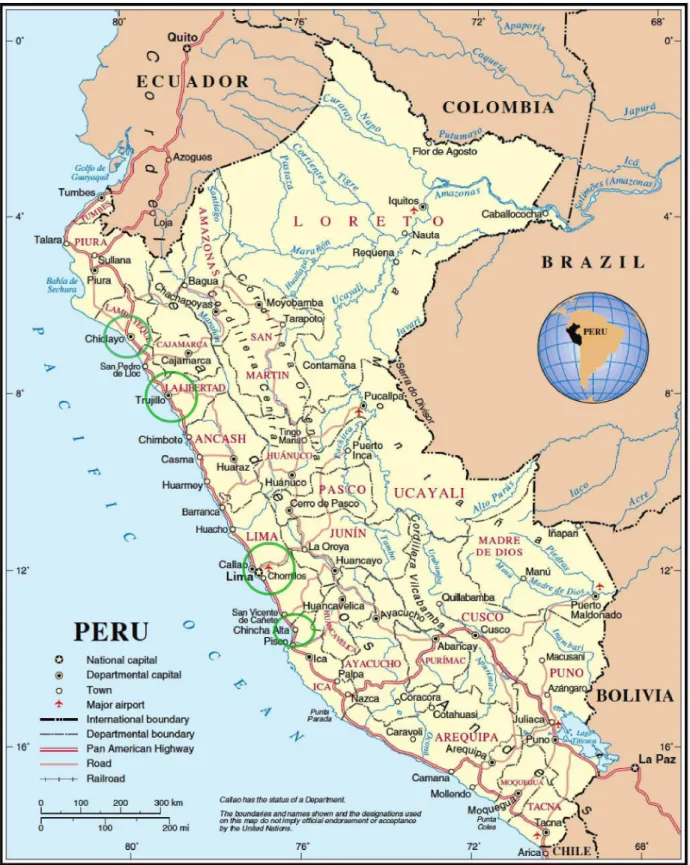
- Second Field Research
These pueblos jóvenes, or slums, are poor semi-urban areas on the periphery of the city. Between January and April 2010, I made a second data evaluation of the field material accumulated in the first research period.
Qualitative Content Analysis
- Choosing the Empirical Data
- Analysis of the Interview Situation
- Processing the Data
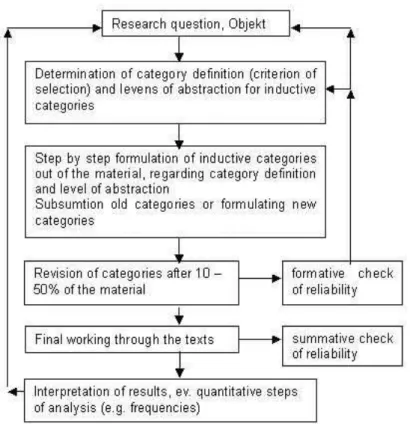
- Inductive Category Development
- Coding Process
- Determination of Category Definitions
- Formulation of Inductive Categories
- Theoretical Knowledge
- List of Codes
This is reflected, among other things, in the repositioning of the subject in public and academic discussions. Nevertheless, this trend is not reflected in a specific amount of scientific production and government financial investment in this field. The qualitative analysis of the data obtained during both fieldwork periods is presented and discussed in the next chapter.
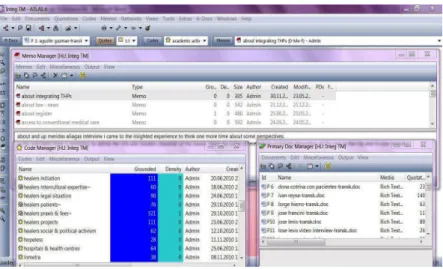
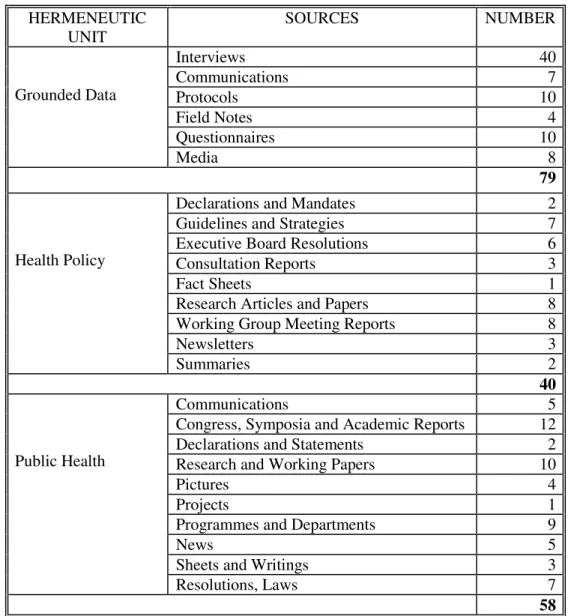
Therefore, the primary data sources that were selected for the qualitative analysis were thematically and methodologically divided into three hermeneutic units36 after the conceptual studies presented in the study's main questions and objectives. For the content analysis and results included in Chapter 5, and in accordance with the research objectives, I present the results of the Grounded Data Hermeneutic Unit. This affected the informants' attitude to the interview situation, to the subject being asked and to sharing information to a certain extent.
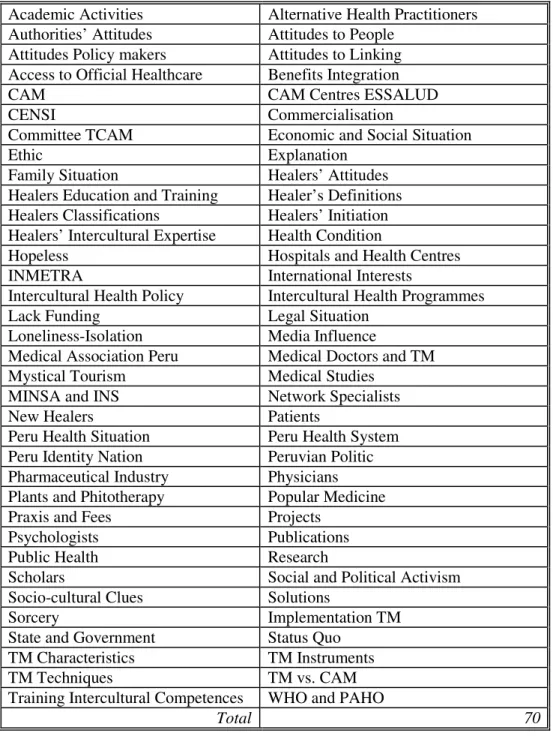
Therefore, the categories that emerged from the initial analysis of the field data provided indicators about the next steps in the analysis process. The original coding process resulted in 603 codes in the first phase of analyzing the data.
2 Integrating Traditional Medicine into Healthcare Systems
Concepts about Traditional Medicine and Traditional Health Practitioners Practitioners
- From the Andean Medicine to the Popular Medical Practices
Like many scholars, Delgado places the date of birth of the Peruvian TM before the arrival of the Spanish. Accordingly, some authors have assessed the appropriateness of the term “traditional” when referring to theoretical constructs related to TM and popular health practices. This leads us to an abstracted homogenization of the contexts, ignoring the particulars; accumulate and.
If one does not understand the cosmology of the indigenous peoples, one cannot understand the disease of the people. The author argues that for the Andean man, everything must be kept well (Allilla kay), be perfect (Allilla kakuy) and carried out without disturbance and change (Allinlla), so that every thing or product can be good, useful and pleasant. can be used (Alli) to ensure the quality of well-being (Alli kay) of the people. It is used in the peripheral neighborhoods of the city and on the rural coast, and it is the only form of curanderismo for the sole purpose of personal gain.
This is the recipe of the grandmother, or the prescription of the old aunt; such kind of maneuvers as are used in the known context” (1998:1). Self-attention and social participation form the basis of social life in traditional and contemporary local communities in Latin America.
International Health Policies and Primary Healthcare
- Policy Development
Biomedicine is thus structured according to the requirements of positivist science in the natural sciences. This initiative was then presented to the Governing Bodies of the Organization and approved by the 37th Governing Council through resolution CD37.R5 (PAHO 1993b). The latter program sets four main objectives, in line with those of the WHO medicine strategy: (1) to integrate relevant aspects of traditional medicine within national health care systems by framing national traditional medicine policies and implementing programs; (b) promote the safety, efficacy and quality of traditional medicine practices by providing guidance on regulatory and quality assurance standards; (c) to increase access and affordability of traditional medicine; and (d) promote the rational use of traditional medicine (WHO 2003:3).
WHO's permanent interest in the pharmaceutical benefits of the production and commercialization of herbal medicines confirmed this assumption. A resolution submitted in the late 1960s highlighted the importance of medicinal plants in the policy of medical systems in developing countries (WHO 1969). In the mentioned document, only one point refers to the strengthening of access to health services for indigenous peoples and the implementation of policies (WHO 2012a:8), which clearly shows a growing focus on the social determinants instead of the cultural ones.
Always in view of the shortage of health professionals working in rural areas, it has emphasized: The cronista Guamán Poma de Ayala and the Bolivian researcher Oblitas Poblete (1963) found references to the important medical and ritual functions that the Kallawayas54 performed at the court of the Incas in Cusco55.
Regional context
- Ecuador
- Bolivia
XXVI. meeting of the Ministers of Health and Social Protection of the Andean Region held in Santiago de Chile in March 2005. Indeed, a report by the WHO Region of the Americas (WHO 2005a) found that there were considerable differences between the policies and regulations that existed in the region regarding TM. Yachaqs, parterres and fregadores65 were available for the care of patients by indigenous specialists, and cleaning with a guinea pig was also part of the center's weekly performances (Droz.
In a mostly PH-oriented evaluation of the center, Knipper also expresses his concern about the inclusion of care services for tourists in the center in recent years, such as e.g. In any case, Bolivia is one of the first countries to provide specific legislation regarding the issue of TM in the region (Ramírez dating back from 198767. Analyzing the case of intercultural health policies in Bolivia, Ramírez argues that in most of the cases, the term "interculturality".
The integration with TM implies a way of directing the medical practice of the atacameños to biomedicine and the inclusion of TM in the biomedical hierarchical and bureaucratic format. The research carried out by Allué et al. 2006) represents a critical vision in relation to the application of social science methodology by clinicians (MDs, nurses) in the region within intercultural health policies.
3 Peruvian Healthcare System
Peru: Country and People
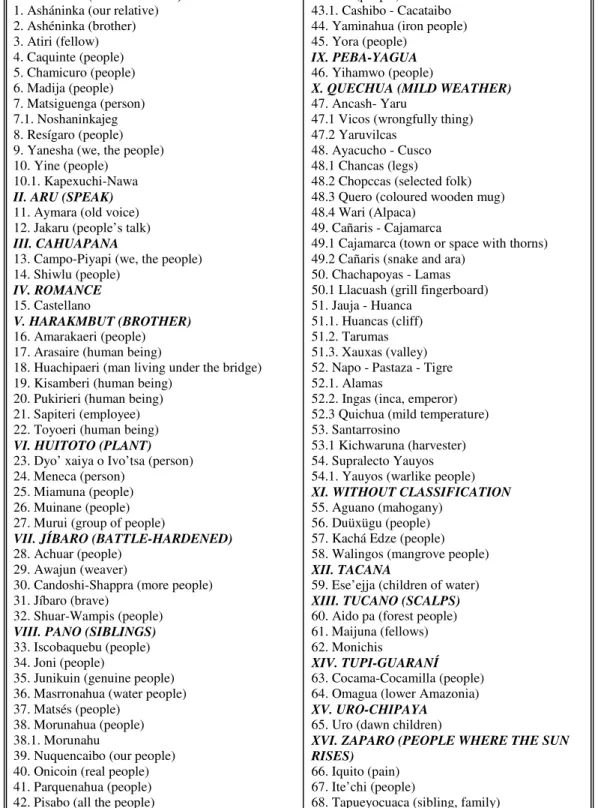
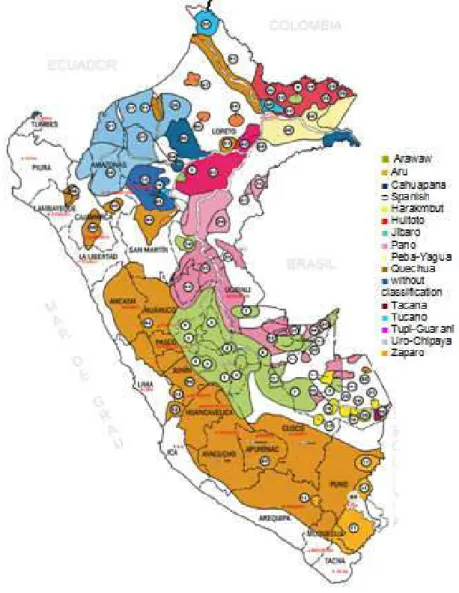
The republican period began in 1821 with the official declaration of the country's independence until today. A long process of decentralization of the country was officially completed in 2002 after several failed attempts. For the outline of the map, INDEPA made a classification of the indigenous groups according to language families.
Also among the Quechua language family the distribution is not categorical, with the exception of Vico belonging to the Ancash-Yaru language. In the case of the Amazon basin, about 1,786 ethnic groups are organized, for the most part, into indigenous communities that are linked to national society in. 80 See an analysis of the Instituto Lingüístico de Verano (Summer Institute of Linguistics) a non-profit.
Within this group, the majority of the indigenous population has Quechua as their mother tongue (83%), followed by Aymara (11%). According to UNDP, Afro-Peruvians82 are about 3% of the entire population (Diaz and Madalengoitia 2012:18).
Health System: Structure and Organisation
- Health Situation
- Structure, Functions, and Organisation
- Health Reforms and Community Participation
A significant part of the population still does not have regular and permanent access to these levels. According to the author, the main limitation of this model lies in the very limited growth of the formal. The National Health Council is the national consultation and coordination body of SNDS.
The General Health Act states: "Public health is the primary responsibility of the state." It also establishes the Shared Management Program (CAP) and the Local Health Program (PSL) as instruments of the model. Fernández Ibarguén says that ZONADIS is a positive factor for connecting academic and traditional medicine.
This amount represents approximately 33% of all primary care facilities. According to Mérida Aliaga, coordinator of the Mesa de Medicina Tradicional (Traditional Medicine Committee) of FOROSALUD, the association constitutes a social movement for health rights respecting human rights, gender and intercultural issues, seeking to support national development with equality and justice social. (Aliaga 2006).

Intercultural Health Policies
- The Ministry of Health – MINSA
- The National Institute of Traditional Medicine - INMETRA
- The National Centre for Intercultural Health - CENSI
- Complementary and Alternative Medical Centres of MINSA
- The Peruvian Health Social Insurance – ESSALUD
- The National Programme on Traditional, Complementary and Alternative Medicine Alternative Medicine
- Programmes and Strategies
- The National Health Strategy for Indigenous Peoples
- The Indigenous Health Programme of AIDESEP
Peru's health minister declined the invitation to attend the event's opening ceremonies. Peruvian Highlands and Altiplano; Additional publications by INMETRA also included THSs from the Peruvian Amazon region. For this reason, it is necessary to communicate with the agents of the traditional medical system.
This is the main point of contact to realize the articulation of the two systems. In order to carry out the pilot training program, INMETRA set some basic conditions (Fernández Ibarguén. The National Center for Intercultural Health (CENSI) was established on January 28, 2002 as an organic line of the National Institute of Health (INS) based on the function assigned to INMETRA.
CENSI is responsible for the development of the national herbarium and the pharmacopoeia of medicinal plants, as well as the promotion of supplements. The center is located in the city of Iquitos, the capital of the department of Loreto, in Western Amazonia.