Eduardo Durazo-Watanabe and Veronica Rojas-Mendizabal 13 The impact of the application of ethical values in. In the latter, it is the inherent power of economic events that has led us to the relationship between ethics and economics.
Overview of Book Contents
The last four chapters of the book refer to the relationship between entrepreneurship and ethics, where Chaps. Chapter 13, Impact of the Application of Ethical Values on the Dimension of Entrepreneurship and Change/Innovation, by Moreno and Mercader, identifies variables.
Conclusions
The authors state: “The successful identification of a very high and positive correlation between entrepreneurship and change/innovation (…) is an achievement of great importance and confirms the interrelationship between both dimensions” and on the other hand “the correlation obtained as a result the application of the 28 ethical values or variables (…) shows that there is a correlation between ethics and the dimensions examined, although the correlation is quite strong.”. The new resources, new technologies and economic growth in developed countries and the ideas implemented within the framework of European social democracy have led to a cultural evolution that is changing.
In varying ways, several of the chapters of this book, which we presented above, explore multiple directions in which business ethics – or sometimes the lack of ethics –. The transaction cost economics project: The theory and practice of contractual relationship governance.
Firms as Moral Agents in the COVID-19 Era: Ethical Principles That Shall Guide
Stakeholders
Introduction
One of the points where strategy, business ethics and social responsibility meet is the commitment to create value (Porter and Kramer 2006). To achieve the objectives of this study, we first present a theoretical reflection of the reasons that allow us to establish that the company is a moral agent.
Theoretical Framework
- Why Are Firms Moral Agents?
- The Firm Executes Rational Actions
- The Firm Wants Good Things
- The Firm Has Its Own Freedom
- The Firm Is a Moral Agent by Order of Society
- Elements of the Moral Agent Present in the Firm
Second, after recognizing the moral agency of firms, we present the ethical principles that will guide the firm's relationship with its stakeholders. The final argument in favor of the firm as a moral agent is based on the principle that society has the legitimacy to set rules and missions.

Ethical Principles that Shall Guide Firms in Their Relationship with Their Stakeholders
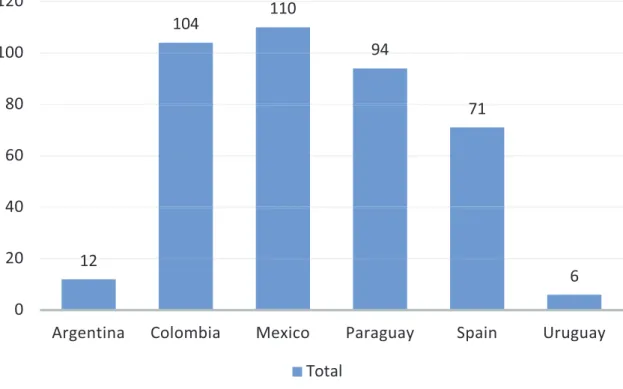
- Participants
- Perception of the Participants
- Application of Text Mining
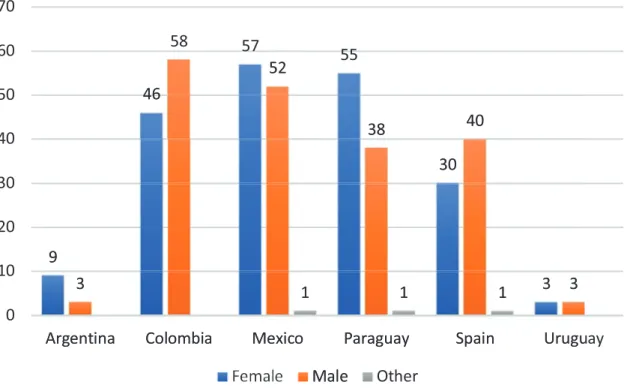
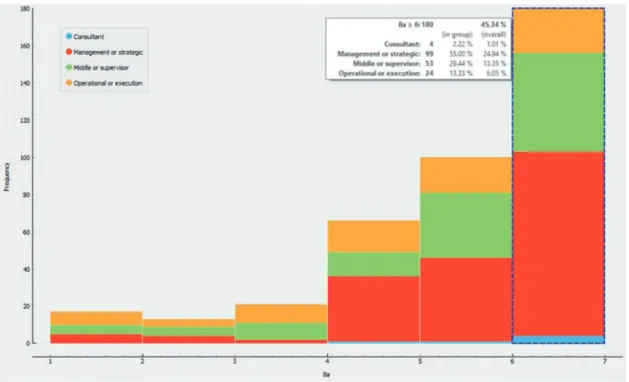
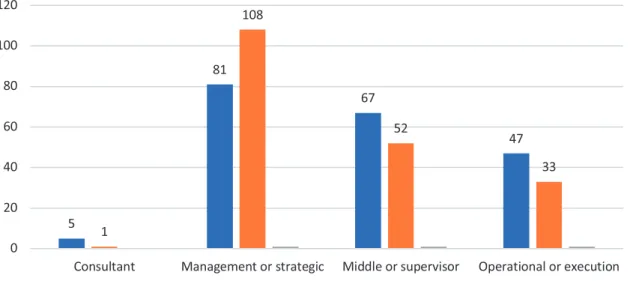
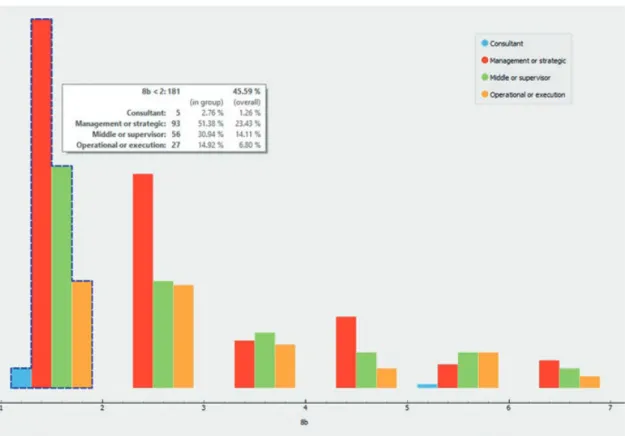
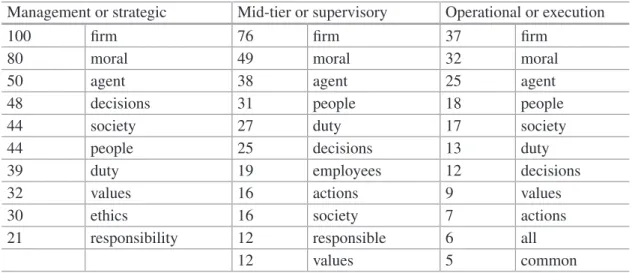
In the obtained sample, there were fewer women in leadership or strategic positions, which is consistent with the reality of Ibero-American countries. Regarding the question, what do you think the effects of COVID-19 might be on corporate ethics.
Discussion
The different areas and levels of ignorance in which the company acts often exceed the responsibility of the moral actor. Ultimately, trust, truth and pursuing the common good were the most important ethical principles for survey respondents.
Conclusions
Regarding the company's relationship with stakeholders, we can conclude from the results that relationships should be built on trust, truth and the pursuit of the common good. Advances in employee-focused micro-level research on corporate social responsibility: Situating new contributions within the current state of the literature.
Does CSR Limit Our Understanding of Business Ethics?
- Introduction
- The Early CSR Debate in the United States
- CSR—Losing Its Ethical Roots
- CSR—Processing Responsibility by Standardised Checklists
- CSR—The Logic of Governance
- CSR—The Symbolic Adoption of Responsibility
- Discussion—What Went Wrong with CSR?
- Conclusion—Replacing Responsibility by Strategy?
With the adoption of the CSR concept in management theory, CSR has lost its ethical roots. We have no doubt that the intention of most practical efforts in the field of CSR is to promote ethical behavior in and in companies.
Corporate Social Responsibility,
Management and Solution to Unethical Environments in Sports
- Introduction
- The Evolution of the Concept of Corporate Social Responsibility
- Corporate Social Responsibility in Sport
- CSR as a Solution to Unethical Environments in Sports
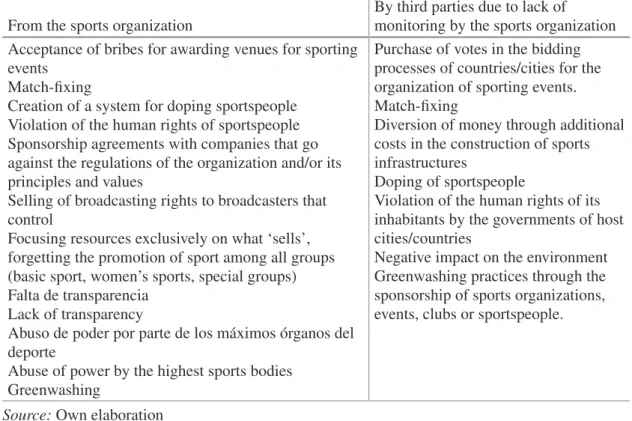
The CSR concept originated in the middle of the last century with the expansion of large multinational companies with a focus on their behavior. One of the most important studies in the development of the stakeholder theory is that by R. In addition, the policies must be aligned with the general strategy of the organization, as well as that the stakeholders have been involved in the drafting process.
Violation of the human rights of its residents by the governments of host cities/countries.
Corporate Social Responsibility. State of the Question in Ecuador
- Introduction
- Literature Review
- Methodology
- Results
- Background
- Legal and Normative Framework
- Main Initiatives
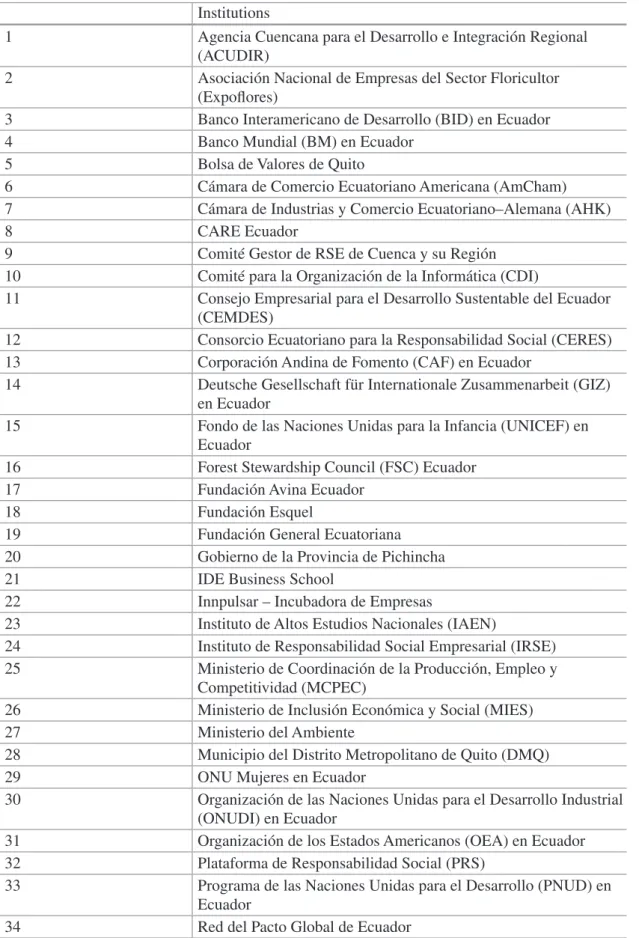
- Social Responsibility Organizations in Ecuador
- Conclusions
Next, the method used is presented, and in the fourth section, the status of the issue of CSR in Ecuador is raised at different levels. This model is the basis of the model developed later by Carroll (1979), where the third circle of CED consists of all the discretionary activities proposed by Carroll, so that these parts focus on the identification of forms of external assistance that include society in general (Carroll 1999) . The method used in this chapter is based on the development of a descriptive analysis of the status of the issue of CSR in Ecuador.
Small and medium-sized enterprises and corporate social responsibility: A systematic review of the literature.
Brand Social Responsibility and Consumer Behaviour: What Effect? An Analysis
- Introduction
- Literature Review
- Corporate Social Responsibility: A Prerequisite for Understanding BSR
- Effects of the BSR on Consumer Behaviour
- Research Design
- Data Collection Process
- The Results of the Study and Discussion
- The Results of the Exploratory Study: Perceptions of BSR by African Consumers
- Results of the Quantitative Study
- Discussion
- Conclusion
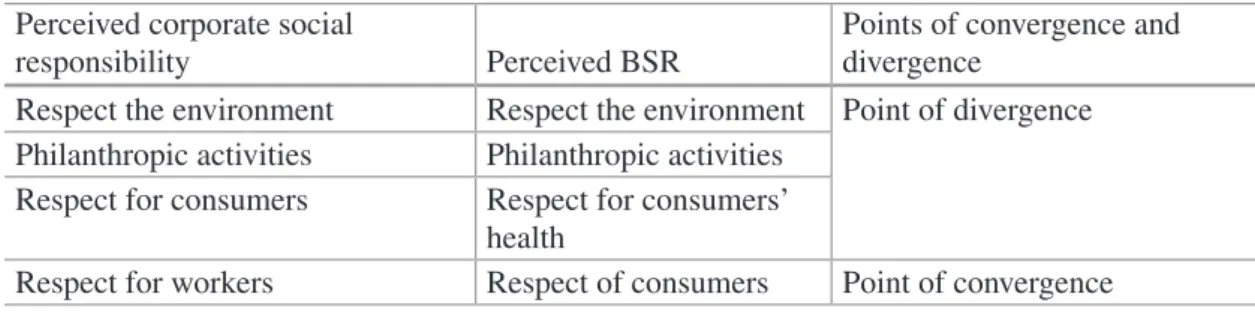
The analysis of the literature that lies in BSR requires that we first look at corporate social responsibility. The perceived social responsibility has made it possible to highlight the importance of consumer perceptions in the construction of the company's social and environmental policies. Finally, connections have been found between corporate social responsibility and consumer trust, the perceived quality of the product/brand (Swaen and Chumpitaz 2008) and commitment to the brand (Abid and Moulins 2014).
The dimensions of BSR are derived from a research study conducted with 30 consumers of socially responsible brands and reveal multidimensionality.
Annexes
Interview Guide
This analysis has shown that the BSR significantly and positively influences consumer confidence, their involvement in the socially responsible brand, their purchase intention and their loyalty to this brand. Moreover, a significant negative influence of BSR was observed from consumers' word-of-ear words. Cultural specificities and the peculiarities of the market are all elements that make this research a new research.
Your knowledge of socially responsible brands – Your consumption habits of this brand category Meaning of BSR.
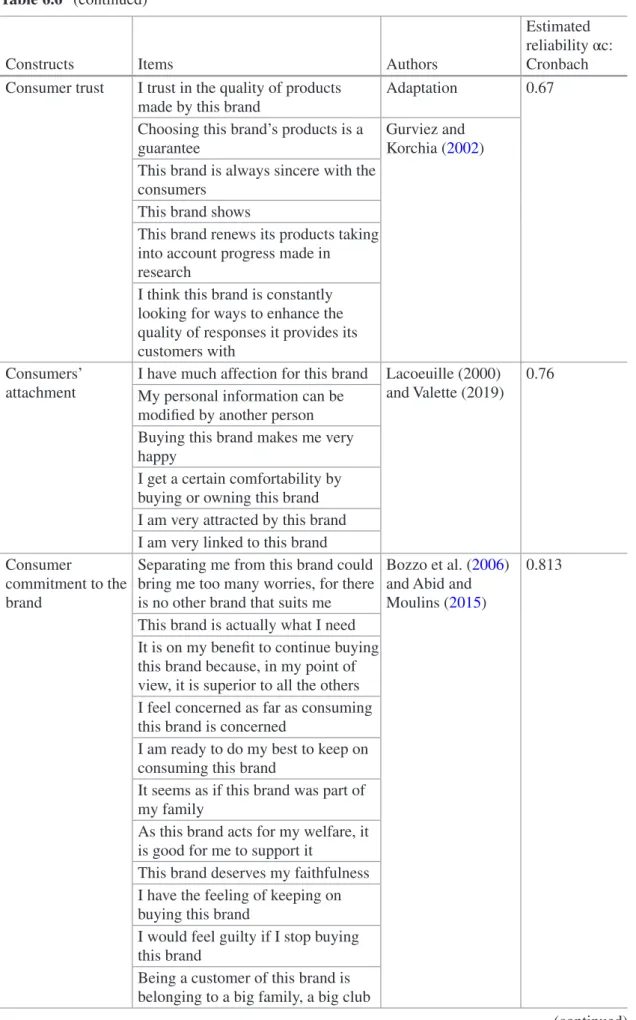
Table 6.6)
I think this brand is constantly looking for ways to improve the quality of responses it offers to its customers. My personal information may be. adapted by someone else Buying this brand makes me very happy. Separating myself from this brand might cause me too many worries because there is no other brand that suits me.
Since this brand acts for my welfare, it is good for me to support it.
Neither Passive nor Powerless: Reframing Tourism Development in a Postcolonial,
- Introduction
- Tourism as a Tool to Alleviate Poverty?
- Current Practices
- Different Perspectives
- Hope and Fulfilment
- Tourism as the ‘Holy Grail’
- Tourism: A Matter of Perception
- Haiti and Its Tourism Industry. A Brief Overview
- The Hospitality Sector: An Allegory of the Tourism Industry and Political Context in Haiti
- Tourism and the Unconventional Behaviour .1 The Unconventionality of Tourism in LDCs
- The Undeserving of the Tourism Industry in Haiti
- From Deprivation to Power .1 Deprivation
- Conclusion
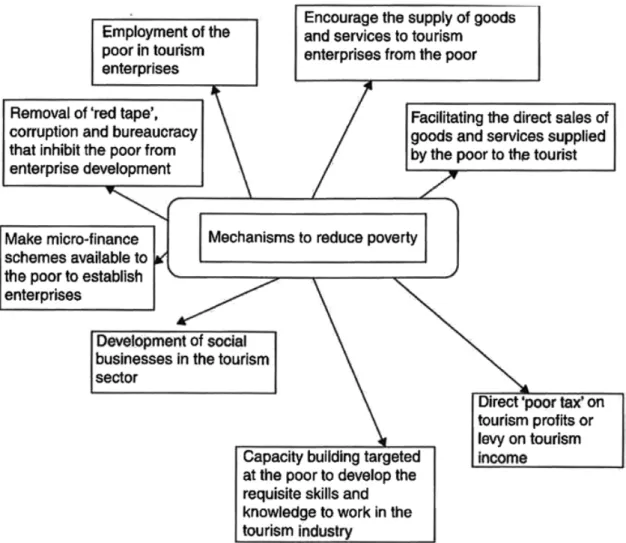
Other benefits of the tourism industry to the PCCDD include (but not limited to) foreign exchange earnings, contributions to the balance of payments,. In the society of the spectacle, catastrophes and risks are packaged and disseminated to a wide audience. The development of luxury products and services (defined here as products and services that can be afforded and accessed primarily by visitors) in the tourism industry in PCCD leads to disengagement and dissatisfaction among locals.
An integrative review of the role of the built environment discipline in developing community resilience to disasters.
Conscious Firms: A Disruptive Productivity Model with Human
Development at the Service of Stakeholders
Introduction
- Social Responsibility Today
- Research Question and Method
Social responsibility plays a strategic role in the integration of the various interests, needs, values and priorities of the business world. Corporate and financial scandals are one of the most well-known examples of this. Therefore, it is crucial to understand the company as a relational system (Uhl-Bien, 2011), possibly one of the highlights of human sociability.
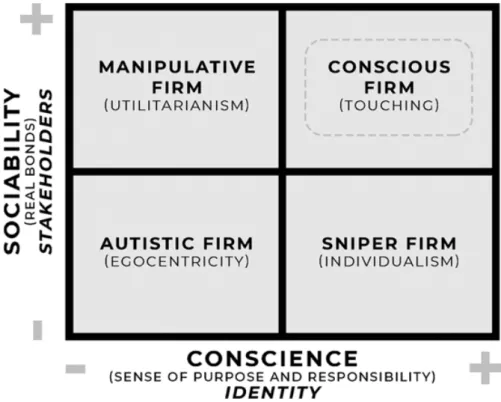
We conclude the research by presenting the case of a conscious firm based on a productivity model with human development, whose main priority is social responsibility.
Theoretical Framework: Human Sociability and Conscious Firms
- The Anthropological Radicals of Sociability
- A Masterpiece of Human Sociability
- Factors of the Conscious Firm
Loneliness is not a characteristic of humanity because it hinders survival and limits knowledge, understanding and the maximum development of man. Conscious companies, on the contrary, intend to fulfill the old vision of the company as a community of people coming together to achieve economic purposes. Kofman points out that there are four basic components of the enterprise: impersonal (tasks, functions and resources), interpersonal (human relationships based on trust, communication), personal (commitment, a sense of personal satisfaction and well-being) and transpersonal (the spiritual dimension , love, service and a sense of transcendence).
The ability to lead free people, to get the best results based on self-management, will be some of the most important competencies in the future.
Case Study: A Conscious Firm
- The Birth of a Disruptive Idea
- The Issue of Corporate Productivity
- The Core of the PMHD Model: Process Fusion
- PMHD Model Results
Since the model seeks to do more with less, one of the most important results is a tremendous reduction in waste. 78% of workers consider that their quality of life has generally improved with the implementation of the model. In addition to changing the corporate paradigm, the execution of the model generates a new belief: self-management drives productivity and quality of life.
In this sense, the model increases the level of confidence, enthusiasm and motivation of the workers.
Discussion
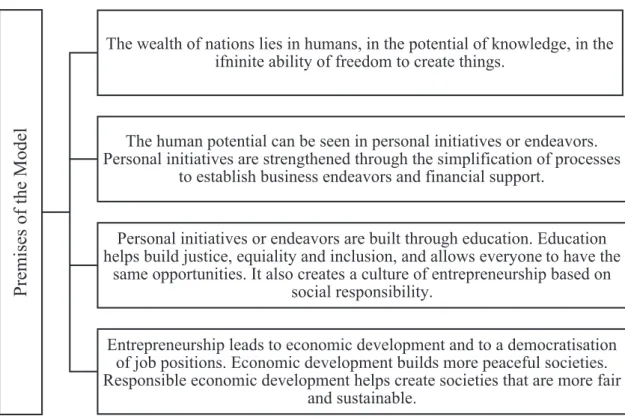
One of the most profound consequences of the implementation of this model is the change of paradigms it generates based on the empowerment of conscious leaders (Fig. 8.9). It develops the fusion of processes based on the acceptance of the needs of other people. The first model prioritizes control to avoid the possible abuse of freedom, and the second is based on the premise that the capital is better used and developed in the hands of the citizens.
We recognize that the PMHD presented here still needs to directly integrate the sustainability model in order to be a strategic ally of the circular economy.

Conclusions
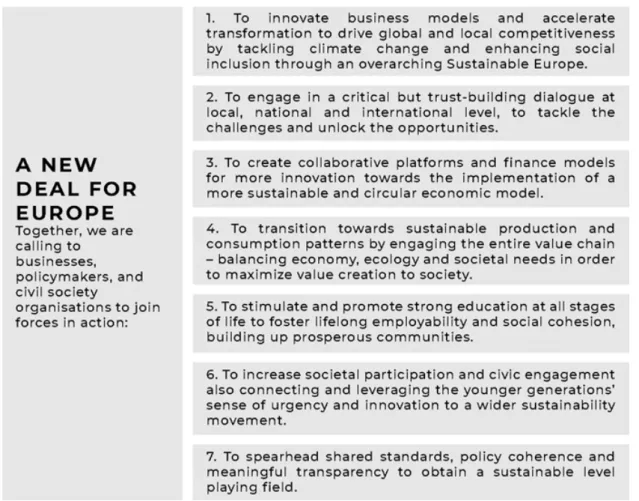
Why do the majority of governments not prefer this disruptive model, which is particularly convenient in times of crisis and uncertainty. Ending poverty remains the United Nations' number one goal, and socially responsible companies cannot ignore this call. It also needs a productivity model that achieves a more responsible link to social issues and a sustainable commitment to nature and the use of resources for productive activities, so that the company can participate in solving the sustainability issues of the planet.
Report of the Special Representative of the Secretary-General on the Issue of Human Rights and Transnational Corporations and Other Business Enterprises: Guiding Principles on Business and Human Rights: Implementation of the United Nations 'Protect, Respect and Restore' Framework.
Analysis of the Ethical Management- Stakeholder Relation, Appling SGE21
- Introduction
- Theoretical Framework
- CSR in the Perspective of Stakeholder Management
- Tools, Rules and Other CSR
- Tracking Methodology
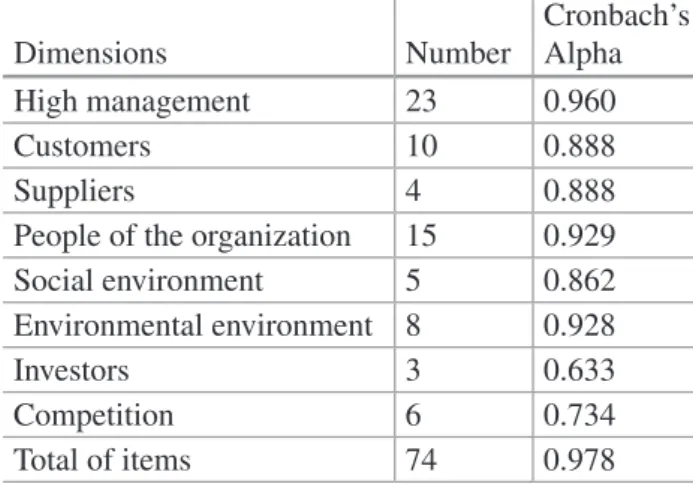
- Reliability of the Instrument
- Hypotheses
- Results and Discussion .1 Profile
- Descriptive Statistical Analysis
- Correlational Analysis
- Conclusions
Recent research in the field of social responsibility is based on the theoretical framework of stakeholder theory; therefore, it is believed that this theory is a fundamental pillar for the development of this research. A qualitative analysis is carried out based on the application of the methodology of the case. It should be noted that the only unused dimension of the SGE21 standard is the.
El impacto del carácter internacional de las empresas peruanas en los informes de sostenibilidad.
The Disclosure of Environmental
Information in Urban Public Transport Companies in Spain
- Introduction
- Literature Review
- Research Methodology
- Objectives Identification
- Sample Selection
- Definition and Coding of Variables
- Data Collection, Analysis, and Discussion of Results
- Research Results
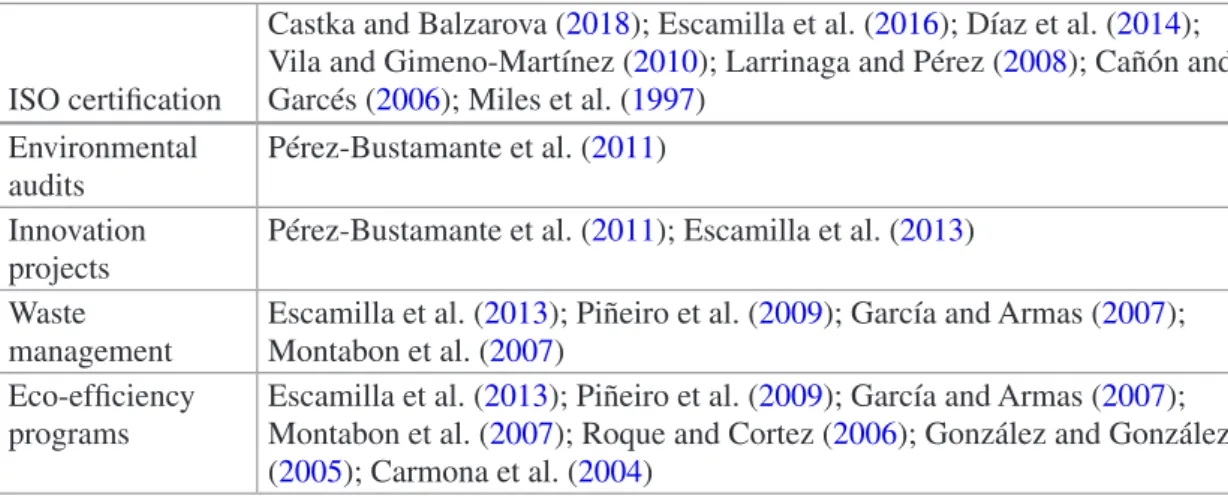
The position that the companies take must be proactive considering that it can affect competitiveness, legitimacy and reputation of the company (Hunt and Auster 1990; Piñeiro et al. 2009). Previous work by Larrinaga and Pérez (2008) continues to analyze whether there is any significance or association between the type of company (public or private) and environmental proactive attitude of the company and the level of disclosure of environmental information of the company (Conclusion and Seele 2013;. To carry out the research, we use content analysis of the websites of urban public transport companies.
In this research, the main objective of this work is to analyze the level of disclosure of environmental information of urban public transport companies in Spain mainly due to the importance that this information has and the importance of the consequences of the disclosure of this type of information. has, making a scale.