Relationship between physical fitness, body composition indicators and physical activity components in Spanish schoolchildren
DOCTORAL THESIS BY COMPENDIUM OF PUBLICATIONS
Yesenia García Alonso
April 2023
Supervisors:
Dr. Mikel Izquierdo, Ph.D Dra. Alicia Mª Alonso Martínez, Ph.D Dr. Antonio García Hermoso, Ph.D
https://doi.org/10.48035/Tesis/2454/45481 © Todos los derechos reservados
Relación entre la condición física, indicadores de composición corporal y componentes de la actividad física en escolares españoles
TESIS DOCTORAL POR COMPENDIO DE PUBLICACIONES
Yesenia García Alonso
Abril 2023
Directores:
Dr. Mikel Izquierdo, Ph.D Dra. Alicia Mª Alonso Martínez, Ph.D Dr. Antonio García Hermoso, Ph.D
© Todos los derechos reservados
“Our youth should also be educated with music and physical education”.
Aristotle
Relationship between physical fitness, body composition indicators and physical activity components in Spanish schoolchildren
4
Table of contents
Table of contents ... 4
Table index ... 5
Figure Index ... 6
List of Abbreviations ... 8
Declaration and list of publications ... 9
Agradecimientos ... 13
Summary ... 15
General introduction ... 23
Aims and layouts of the thesis ... 33
Chapter 1: Physical Activity, Sedentary Behavior, Sleep and Self-Regulation in Spanish Preschoolers during the COVID-19 Lockdown ... 35
Chapter 2: Relationship between parents' and children's objectively assessed movement behaviours prior to and during the COVID-19 pandemic ... 48
Chapter 3: Associations between physical fitness components with muscle ultrasound parameters in prepuberal children ... 64
Chapter 4: Reference Values for Muscle Ultrasound Parameters in Children... 85
General discussion ... 108
Conclusions ... 115
Appendix: Relevant papers ... 120
Yesenia García Alonso
5
Table index
General introduction
Table 1. Health Benefits Associated with Regular PA in Children and Adolescents……….27
Chapter 1
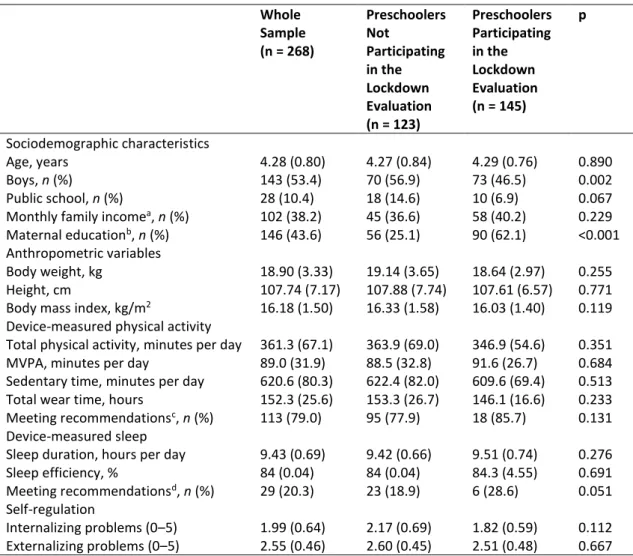
Table 1.1. Characteristics of the whole sample of preschoolers participating in the study before the lockdown, and differences in baseline characteristics between preschoolers that participated or not in the lockdown evaluation ... 40 Table 1.2. Changes in physical activity, sedentary time, sleep and psychosocial parameters before and during the coronavirus disease 2019 (COVID-19) lockdown in those preschoolers participating in the two evaluations. ... 41
Chapter 2
Table 2.1. Sample characteristics of children prior to and during the COVID-19 pandemic ... 53 Table 2.2. Comparison between physical activity, sedentary behavior, and sleep time in preschoolers and their parents on weekdays and weekends prior to and during the COVID-19 pandemic (after the lockdown). ... 54
Chapter 3
Table 3.1. Descriptive characteristics of full sample, boys and girls participating in the study. ... 72 Table 3.2. Associations between physical fitness components and muscle US parameters. ... 73
Chapter 4
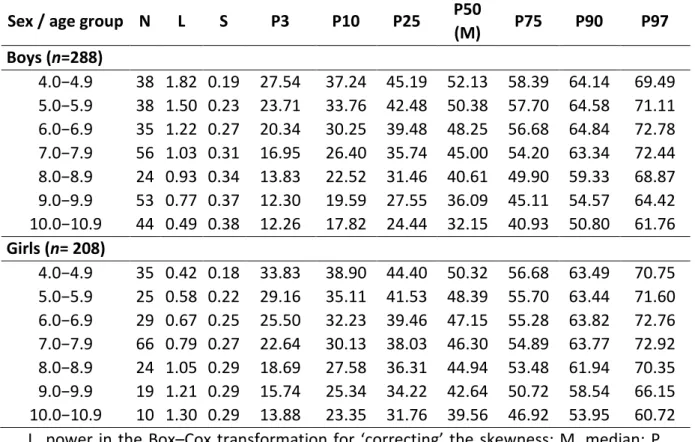
Table 4.1. Descriptive characteristics of full sample, boys and girls participating in the study ... 90
Relationship between physical fitness, body composition indicators and physical activity components in Spanish schoolchildren
6
Figure Index
General introduction
Figure 1. Trends in the number of children and adolescents with obesity and with moderate and severe underweight by region………23 Figure 2. Comorbidities observed in children and adolescents with obesity……….24
Chapter 2
Figure 2.1. Timeline and participants in the longitudinal study ... 51 Figure 2.2. Changes in MVPA, TPA, SB, and sleep time of mothers (left) and fathers (right) during this period and its associations with changes in their children's movement behaviour on weekdays ... 56 Figure 2.3. Changes in MVPA, TPA, SB, and sleep time of mothers (left) and fathers (right) during this period and its associations with changes in their children's movement behaviour on weekends ... 57
Chapter 3
Figure 3.1. Illustrative representation of the experimental model ... 70 Figure 3.2. Differences in muscle quality and fat fractions of echointensity uncorrected, echo-intensity corrected equation 1–2, IMAT, and SAT of VO2peak(laps)-fit vs.
VO2peak(laps)-unfit and relative HGS-fit vs. relative HGS-unfit prepuberal children .... 74 Figure 3.3. Differences in muscle quality and fat fractions of echointensity uncorrected, echo-intensity corrected equation 1–2, IMAT, and SAT of SLJ-fit vs. SBJ-unfit and speed- agility-fit vs. speed-agility-unfit prepuberal children. ... 75 Figure 3.4. Associations between overall physical fitness (z-score) with muscle quality parameters and SAT in prepuberal children. ... 76
Chapter 4
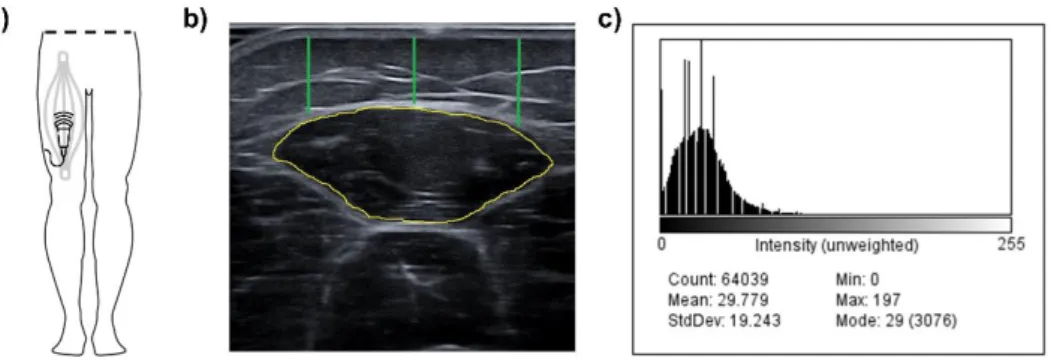
Figure 4.1. Illustrative representation of the experimental model. Figure 1a represents the area where the ultrasound is performed (rectus femoris of quadriceps). Figure 1b represents the selection of the area of interest (yellow) and SAT (green). Figure 1c represents the histogram. The EI was reported in arbitrary units (a.u.) ranging from 0 to 255…………89
Yesenia García Alonso
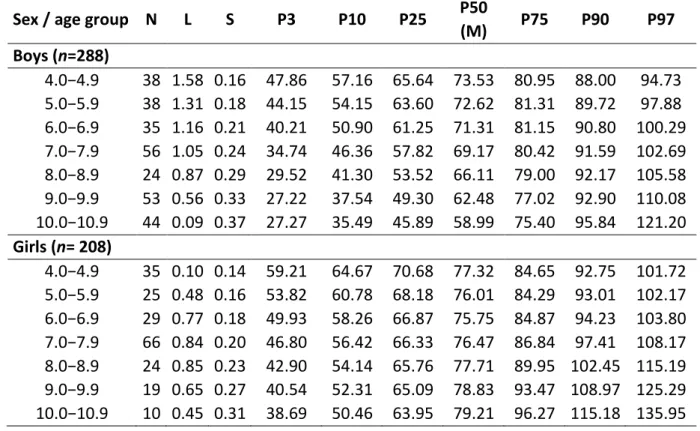
7 Figure 4.2. Centile’s age- and sex-specific of EI uncorrected (Panel A, B), echo intensity corrected equation 1 (Panel C, D), and echo intensity corrected equation 2 (Panel E, F) in boys and girls……….92 Figure 4.3. Centile’s age- and sex-specific of EI corrected equation 3 (Panel A, B), IMAT (Panel C, D) and SAT (Panel E, F) in boys and girls………93
Relationship between physical fitness, body composition indicators and physical activity components in Spanish schoolchildren
8
List of Abbreviations
AU Arbitrary Units
BMI Body Mass Index
CI Confidence Interval
CRF Cardiorespiratory fitness
CSBQ Children's Social Behavior Questionnaire
EI Echo-intensity
EQ Equation
HGS Handrip strength
IMAT Intramuscular Adipose Tissue
KG Kilograms
KGF Kilograms of force
MD Mean Difference
MVPA Moderate-to-Vigorous Physical Activity PA Physical Activity
RHGS Relative Handrip strength
SARS-Cov-2 Severe Acute Respiratory Coronavirus 2 SAT Subcutaneous Adipose Tissue
SB Sedentary Behaviour
SD Standard deviation
SE Standard Error
SES Socioeconomic status
SLJ Standing Long Jump
T Tertil
TPA Total Physical Activity
US Ultrasound
VIF Variance Inflation Factor WHO World Health Organization
Yesenia García Alonso
9
Declaration and list of publications
This doctoral thesis is a compendium of three articles that have been published in international peer-reviewed journals and one article that is under review for publication.
Yesenia García Alonso, as a PhD student is the author/main author of all the articles and, has been the main collaborator in the conception and design of the studies, acquisition, analysis and interpretation of the data, writing of the articles and final approval for publication.
List of publications
Alonso-Martínez AM, Ramírez-Vélez R, García-Alonso Y, Izquierdo M, García-Hermoso A. Physical Activity, Sedentary Behavior, Sleep and Self-Regulation in Spanish Preschoolers during the COVID-19 Lockdown. Int J Environ Res Public Health. 2021 Jan 15;18(2):693. Doi: http://doi.org/10.3390/ijerph18020693
García-Alonso Y, García-Hermoso A, Izquierdo M, Legarra-Gorgoñon G, Ramírez-Vélez R, Alonso-Martínez AM. Relationship between parents' and children's objectively assessed movement behaviours prior to and during the COVID-19 pandemic. Pediatr Obes. Doi:
http://doi.org/10.1111/ijpo.12923
García-Alonso Y, García-Hermoso A, Alonso-Martínez AM, Legarra-Gorgoñon G, Izquierdo M, Ramírez-Vélez R. Associations between physical fitness components with muscle ultrasound parameters in prepuberal children. Int J Obes (Lond). Doi:
http://doi.org/10.1038/s41366-022-01066-7
García-Alonso Y, Alonso-Martínez AM, García-Hermoso A, Legarra-Gorgoñon G, Izquierdo M, Ramírez-Vélez R. Reference Values for Muscle Ultrasound Parameters in Children. Under review in the journal: Frontiers in Nutrition, section Clinical Nutrition.
Relationship between physical fitness, body composition indicators and physical activity components in Spanish schoolchildren
10 Papers presented in congress
Poster:“Asociación entre los componentes de la condición física y la calidad muscular en niños españoles”, VII Simposio EXERNET, 22-23 October 2021, Cuenca, España.
Poster: “Actividad física, sedentarismo y sueño en preescolares antes y durante la pandemia COVID-19: el rol de las familias”, VII Simposio EXERNET, 22-23 October 2021, Cuenca, España.
Yesenia García Alonso
11
Declaración y lista de publicaciones
Esta tesis doctoral es un compendio de tres artículos que han sido publicados en revistas internacionales revisadas por pares y un artículo que está bajo revisión para su publicación.
Yesenia García Alonso, como estudiante de doctorado es la autora/autora principal de todos los artículos y ha sido el principal colaborador en la concepción y diseño de los estudios, adquisición, análisis e interpretación de los datos, redacción de los artículos y aprobación final para su publicación.
Listado de publicaciones
Alonso-Martínez AM, Ramírez-Vélez R, García-Alonso Y, Izquierdo M, García-Hermoso A. Physical Activity, Sedentary Behavior, Sleep and Self-Regulation in Spanish Preschoolers during the COVID-19 Lockdown. Int J Environ Res Public Health. 2021 Jan 15;18(2):693. Doi: http://doi.org/10.3390/ijerph18020693
García-Alonso Y, García-Hermoso A, Izquierdo M, Legarra-Gorgoñon G, Ramírez-Vélez R, Alonso-Martínez AM. Relationship between parents' and children's objectively assessed movement behaviours prior to and during the COVID-19 pandemic. Pediatr Obes. Doi:
http://doi.org/10.1111/ijpo.12923
García-Alonso Y, García-Hermoso A, Alonso-Martínez AM, Legarra-Gorgoñon G, Izquierdo M, Ramírez-Vélez R. Associations between physical fitness components with muscle ultrasound parameters in prepuberal children. Int J Obes (Lond). Doi:
http://doi.org/10.1038/s41366-022-01066-7
García-Alonso Y, Alonso-Martínez AM, García-Hermoso A, Legarra-Gorgoñon G, Izquierdo M, Ramírez-Vélez R. Reference Values for Muscle Ultrasound Parameters in Children. Bajo revision en la revista: Frontiers in Nutrition, section Clinical Nutrition.
Relationship between physical fitness, body composition indicators and physical activity components in Spanish schoolchildren
12 Comunicaciones presentadas a congresos
Poster:“Asociación entre los componentes de la condición física y la calidad muscular en niños españoles”, VII Simposio EXERNET, 22-23 octubre de 2021, Cuenca, España.
Poster: “Actividad física, sedentarismo y sueño en preescolares antes y durante la pandemia COVID-19: el rol de las familias”, VII Simposio EXERNET, 22-23 octubre de 2021, Cuenca, España.
Yesenia García Alonso
13
Agradecimientos
El desarrollo de esta tesis doctoral no hubiera sido posible sin la ayuda de varias personas e instituciones a las que me gustaría mostrar mis agradecimientos en este espacio.
A la Universidad Pública de Navarra, en concreto al departamento de Ciencias de la Salud y al centro de investigación biomédica Navarrabiomed; a todo su personal por darme espacio y cobertura durante estos tres últimos años. A los centros educativos, deportivos y centros de salud donde se ha llevado a cabo el trabajo de campo de esta tesis doctoral, así como a todos/as y cada uno/a de los niños/as y familias que han hecho que esta tesis doctoral sea posible.
A mis directores de tesis:
Al Catedrático Mikel Izquierdo, por confiar en mí desde el primer momento y por darme la oportunidad de trabajar en su grupo de investigación. Por sentirte cerca dentro de mi proceso de aprendizaje, por tu apoyo y por ser como eres. Ha sido un absoluto lujo desarrollar esta tesis al lado de un investigador de tu calibre y de una persona como tú.
¡Gracias jefe!
Al Doctor Antonio García-Hermoso, por tu acompañamiento y apoyo durante estos tres años. Por tu soporte bibliográfico y procedimental y sobre todo por tu sentido del humor que ha hecho muchísimo más fácil el día a día en el despacho.
A la Doctora Alicia Mª Alonso-Martínez, sin duda la persona más especial que me ha regalado esta tesis doctoral. Gracias por invitarme a colaborar en 2019 en el Observatorio de Actividad Física, confiar en mí y darme la oportunidad de formarme en el mundo de la investigación. Sin duda has sido la “culpable” de que esta tesis doctoral se haya desarrollado. Gracias por no soltarme de la mano y pese a no compartir despacho todos los días te he sentido muy cerca. Gracias por ser para mí un gran ejemplo como docente, investigadora y lo que es más importante como persona.
Al mismo nivel que mis directores se merece un agradecimiento especial el Doctor Robinson Ramírez-Vélez quien ha ejercido como mi cuarto director de tesis, apoyándome, formándome y dando luz científica en muchísimas ocasiones durante estos tres años.
A mis compañeros: Mikel López, Sergio Oscoz, Gaizka Legarra y Nora García; por las ciento de miles de horas compartidas, por proyectos conjuntos, por mirar siempre por
Relationship between physical fitness, body composition indicators and physical activity components in Spanish schoolchildren
14 el interés del grupo, por vuestra lealtad y compañerismo, por los marrones y coberturas compartidas, gracias y mil veces gracias; sois increíbles.
Y por último y no por ello menos importante, a mi familia.
A mis padres, por su amor, su educación y acompañamiento en esta vida. Por abogar siempre por la formación e inculcar en mí valores como la humildad, esfuerzo y compañerismo indispensables para la realización de esta tesis. A mi hermana, por ser mi mitad dentro y fuera del laboratorio y a mi pareja por ser serenidad, calma, comprensión y apoyo moral a lo largo de todo este tiempo.
A todos/as y cada uno/a de vosotros/as muchas gracias.
Yesenia García Alonso
15
Summary
This doctoral thesis is based on a longitudinal research project of the E-FIT group (Physical Exercise, health, and quality of life) called (in Spanish) "Observatorio de Actividad Física en población escolar https://observatorioactividadfisica.es". This project was financed by the Department of Education of the Government of Navarre (BDNS identification: 448415) and has been carried out from the Public University of Navarre and Navarrabiomed (Spain). The research seeks to know the relationship between the physical condition of the school population in the Early Childhood Education stage and some healthy habits. The objectives of the study were to promote healthy habits, reduce sedentarism, and to promote an increase in the quantity and quality of physical activity (PA) in the child population.
This Doctoral Thesis is composed on four studies that have been published in international scientific journals. The first study (Chapter 1) aimed to examine the effects of the COVID-19 lockdown on PA, sedentary time, sleep and self-regulation; and to determine whether PA and sleep are related to self-regulation problems during the lockdown. In the second study (Chapter 2), the main objective was to compare levels of PA, sedentary behaviour (SB), and sleep time in children prior to and during the COVID- 19 pandemic and to determine the association between changes in moderate-to- vigorous PA (MVPA), total PA (TPA), SB, and sleep time between parents with their children. In the third study (Chapter 3), the main purpose was to evaluate the association between physical fitness components with muscle US parameters in prepuberal children. In the last study (Chapter 4), the purpose was to establish age- specific normal ranges of muscle US parameters (i.e., Echo-intensity (EI) , Subcutaneous Adipose Tissue (SAT) and Intramuscular Adipose Tissue (IMAT) values in children aged between four and eleven years of age without underlying metabolic disease.
The most relevant methodology and results are summarized below:
Chapter 1: Physical Activity, Sedentary Behavior, Sleep and Self-Regulation in Spanish Preschoolers during the COVID-19 Lockdown
Background: A better understanding of the effects of the lockdown on lifestyle behaviors may help to guide the public health response to COVID-19 at a national level and to update the global strategy to respond COVID-19 pandemic.
Relationship between physical fitness, body composition indicators and physical activity components in Spanish schoolchildren
16 Objective: The aim of the study was to examine the effects of the COVID-19 lockdown on device-measured PA, sedentary time, sleep and self-regulation; and to determine whether PA and sleep are related to self-regulation problems during the lockdown.
Methods: PA, sedentary time and sleep were assessed using accelerometry in the week in which the Spanish national state of alarm was declared (n = 21). Parents reported preschooler’s self-regulation difficulties (internalizing and externalizing) before (n = 268) and during the lockdown (n = 157) by a validated questionnaire.
Results: Preschoolers showed a decrease in total PA (mean difference [MD] = - 43.3 min per day, 95% CI - 68.1 to - 18.5), sleep efficiency (MD = - 2.09%, 95% CI - 4.12 to - 0.05), an increase in sedentary time (MD = 50.2 min per day, 95% CI 17.1 to 83.3) internalizing (MD = 0.17, 95% CI 0.06 to 0.28) and externalizing (MD = 0.33, 95% CI 0.23 to 0.44) problems. Preschoolers who met the World Health Organization recommendations for PA had lower internalizing scores than non-active peers (MD = - 1.28, 95% CI - 2.53 to - 0.03).
Conclusions: Our findings highlight the importance of meeting PA recommendations to reduce psychosocial difficulties during a lockdown situation.
Chapter 2: Relationship between parents' and children's objectively assessed movement behaviours prior to and during the COVID-19 pandemic
Background: The coronavirus disease 2019 (COVID-19) pandemic could have provoked undesirable harmful effects on movement behaviours among children.
Objective: To compare levels of PA, SB, and sleep time in children prior to and during the COVID-19 pandemic (after the lockdown) and to determine the association between changes in moderate-to-vigorous PA (MVPA), total PA (TPA), SB, and sleep time between mothers and fathers with their children.
Methods: A total of 110 children (aged 4–7 years) and their parents (63 mothers and 52 fathers) wore GENEActiv accelerometers for 6 days (4 weekdays and 2 weekend days) prior to the pandemic and 1 year into the pandemic to assess SB, MVPA, TPA, and sleep time.
Results: Children performed more MVPA on weekdays (p = 0.002), had higher SB (p = 0.001), and slept fewer hours during the pandemic than before (p < 0.001). Likewise, children performed more weekend day MVPA and TPA (p < 0.001) during the pandemic and slept less than prior to the pandemic (p = 0.002). On weekdays, an increase in
Yesenia García Alonso
17 mother's MVPA and TPA (categorized as tertiles) was associated with higher increased on MVPA (p = 0.030) and TPA in their children (p = 0.023), respectively. On weekends, an increase in mother's MVPA was also associated with higher increases in MVPA (p = 0.011) in their children.
Conclusion: During the pandemic, children got more MVPA, more SB, and slept fewer hours than before. Changes in PA seem to be associated with mother's behaviours, especially during weekdays.
Chapter 3: Associations between physical fitness components with muscle ultrasound parameters in prepuberal children
Background: Muscle US is a convenient technique to visualize normal and pathological muscle tissue as it is non-invasive and real-time. This technique is related to several physical performance parameters and body composition components in adults;
however, this relationship remains unexplored in early aged.
Objective: We aimed to evaluate the association between physical fitness components with muscle US parameters in prepuberal children.
Methods: A sample of 282 prepuberal children aged 5–9 years (144 boys) participated in the study. A trained sonographer obtained six B-mode images from femoral rectus for muscle thickness, SAT and area of the muscle of interest, were captured, and muscle US parameters (EI: EI uncorrected, EI correct equations) and intramuscular adipose tissue (IMAT) were extracted. Lean muscle tissue has low EI, whereas intramuscular fat and connective tissue have high EI. Physical fitness components (cardiorespiratory fitness, upper and lower muscle strength, speed-agility, and overall fitness levels) were also evaluated. Children were categorized as fit or unfit for each specific fitness test.
Results: After adjustment for sex and age, higher physical fitness components and overall fitness (z-score) levels were negatively associated with EI, IMAT, and SAT (cardiorespiratory fitness β range = −0.264 to −0.298; upper-muscular strength β range
= −0.389 to −0.457; and lower-muscular strength β range = −0.202 to −0.279; and speed- agility β range = −0.257 to −0.302). Children categorized as fit according to four physical fitness components had lower EI uncorrected, EI correct equation 1–2, IMAT, and SAT than unfit children for each respective tests (all Ps < 0.001).
Conclusion: Physical fitness components are inversely associated with EI, IMAT, SAT after adjusting for potential confounders, including sex and age, in prepuberal children.
Relationship between physical fitness, body composition indicators and physical activity components in Spanish schoolchildren
18 The present study strengthens the idea that muscle and adiposity parameters is affected by physical fitness even from early childhood.
Chapter 4: Reference values for muscle ultrasound parameters in Spanish children Background: Quantitative musculoskeletal diagnostic US has been proposed as a clinically viable means of characterizing muscle structure.
Objective: This study aimed to define age-specific normal ranges of EI, subcutaneous adipose thickness (SAT) and IMAT values in typically developing children.
Methods: We recruited 497 children (288 boys and 209 girls) aged 4-11 years (mean age 7.39 years). Muscle US parameters (EI uncorrected, EI corrected equations 1-3, SAT and IMAT) from rectus femoris cross-sectional area by 2D B-mode US were measured.
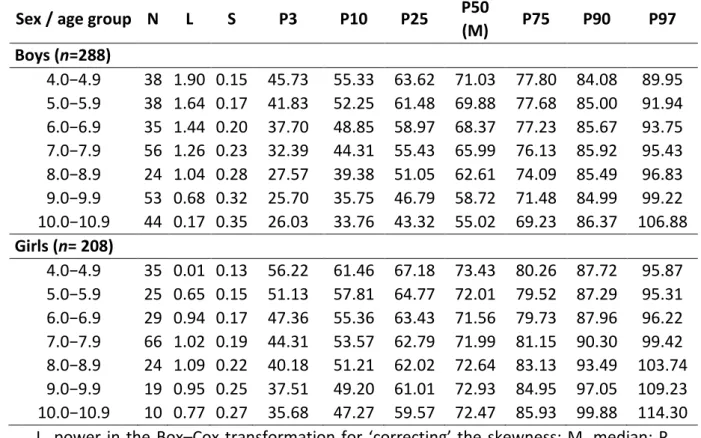
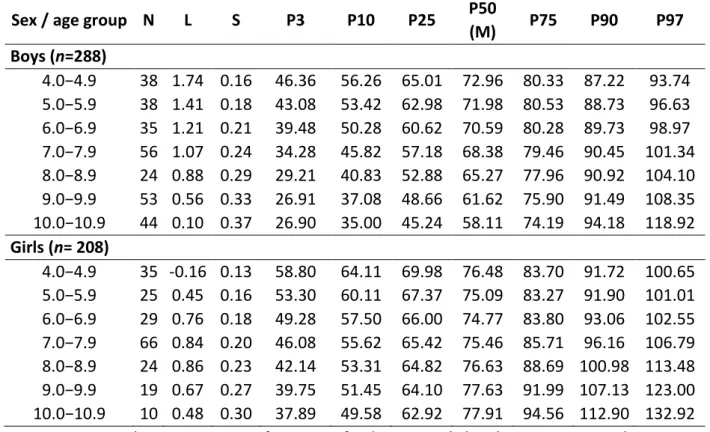
Percentile values and reference curves were computed for each parameter using the Lambda, Mu, and Sigma method (LMS). We then generated smoothed age-specific and sex-specific percentile and curves of EI, SAT and IMAT are expressed by sex and age from 4 to 11 year.
Results: Our results showed an increase in EI uncorrected, and EI corrected equations 1- 3 across ages. IMAT increased with age in both sexes, with girls showing a greater increase in this body compartment than boys. In contrast, SAT increases in both sexes, with a more pronounced increase observed in girls.
Conclusion: In summary, this study established the first muscle ultrasound parameters:
EI, EI corrected equation 1-3, SAT and IMAT reference curves for childhood and pre- pubescent growth. These curves can be used in association with functional measures to identify body composition abnormalities during growth. Future research should aim to validate these curves and determine their utility in clinical settings.
Yesenia García Alonso
19
Resumen
Esta Tesis Doctoral se basa en un proyecto de investigación longitudinal del grupo E-FIT (Ejercicio físico, salud y calidad de vida) denominado "Observatorio de Actividad Física en población escolar https://observatorioactividadfisica.es”. Este proyecto ha sido financiado por el Departamento de Educación del Gobierno de Navarra (BDNS identificación: 448415) y se ha llevado a cabo desde la Universidad Pública de Navarra y Navarrabiomed (España). La investigación busca conocer la relación entre la condición física de la población escolar en la etapa de Educación Infantil y algunos hábitos saludables. Los objetivos del estudio fueron promover hábitos saludables, reducir el sedentarismo y promover un aumento en la cantidad y calidad de la actividad física (AF) en la población infantil.
Esta Tesis Doctoral se compone de cuatro estudios publicados en revistas científicas internacionales. El primer estudio (Capítulo 1) tuvo como objetivo examinar los efectos del confinamiento por COVID-19 sobre la AF, el tiempo sedentario, el sueño y la autorregulación; y determinar si la AF y el sueño están relacionados con problemas de autorregulación durante el confinamiento. En el segundo estudio (Capítulo 2), el objetivo principal fue comparar los niveles de AF, comportamiento sedentario (CS) y tiempo de sueño en niños antes y durante la pandemia COVID-19 y determinar la asociación entre los cambios en la AF moderada- vigorosa (AFMV) y la AF total (AFT), CS, y el tiempo de sueño entre los padres y sus hijos. En el tercer estudio (Capítulo 3), el objetivo principal fue evaluar la asociación entre los componentes de la aptitud física con los parámetros de ultrasonido muscular en niños prepúberes. En el último estudio (Capítulo 4) el propósito fue establecer rangos normales específicos por edad de los valores de EI, TAS y TAI en niños de entre cuatro y once años sin enfermedad metabólica subyacente.
A continuación, se resume la metodología y los resultados más pertinentes:
Capítulo 1: Actividad física, comportamiento sedentario, sueño y autorregulación en preescolares españoles durante la pandemia del COVID-19
Antecedentes: Una mejor comprensión de los efectos del confinamiento en los estilos de vida puede ayudar a guiar la respuesta de salud pública sobre el COVID-19 a nivel nacional y actualizar la estrategia global para responder a la pandemia del COVID-19.
Objetivo: El objetivo del estudio fue examinar los efectos del confinamiento por COVID- 19 sobre la AF medida por dispositivo (AF), el tiempo sedentario, el sueño y la
Relationship between physical fitness, body composition indicators and physical activity components in Spanish schoolchildren
20 autorregulación; y determinar si la AF y el sueño están relacionados con problemas de autorregulación durante el confinamiento.
Métodos: AF, tiempo sedentario y sueño se evaluaron mediante acelerometría en la semana en que se declaró el estado de alarma nacional español (n = 21). Los padres reportaron dificultades de autorregulación de los preescolares (internalización y externalización) antes (n = 268) y durante el confinamiento (n = 157) mediante un cuestionario validado.
Resultados: Los preescolares mostraron una disminución de la AF total (diferencia media [DM] = - 43,3 min por día, IC del 95% - 68,1 a - 18,5), eficiencia del sueño (DM = - 2,09%, IC del 95% - 4,12 a - 0,05), un aumento de conducta sedentaria (DM = 50,2 min por día, IC del 95%: 17,1 a 83,3) (DM = 0,17, IC del 95%: 0,06 a 0,28) y problemas de externalización (DM = 0,33, IC del 95%: 0,23 a 0,44). Los preescolares que cumplieron con las recomendaciones de la Organización Mundial de la Salud para la AF tuvieron puntuaciones internalizantes más bajas que los compañeros no activos (MD = - 1.28, IC 95% - 2.53 a - 0.03).
Conclusiones: Nuestros hallazgos destacan la importancia de cumplir con las recomendaciones de la AF para reducir las dificultades psicosociales durante una situación de confinamiento.
Capítulo 2: Relación entre el comportamiento de los padres y el de los hijos en los movimientos evaluados objetivamente antes y durante la pandemia COVID-19
Antecedentes: La pandemia del coronavirus 2019 (COVID-19) podría haber provocado efectos nocivos indeseables en los comportamientos de movimiento de los niños.
Objetivo: Comparar niveles de AF, CS y tiempo de sueño en niños antes y durante la pandemia del COVID-19 (después del confinamiento) y determinar la asociación entre cambios en la AFMV, AFT, CS, y el tiempo de sueño entre madres y padres con sus hijos.
Métodos: Un total de 110 niños (de 4 a 7 años) y sus padres (63 madres y 52 padres) usaron acelerómetros GENEActiv durante 6 días (4 días entre semana y 2 días en fin de semana) antes de la pandemia y 1 año después de la pandemia para evaluar CS, AFMV, AFT y tiempo de sueño.
Resultados: Los niños realizaron más AFMV entre semana (p = 0,002), tuvieron mayor CS (p = 0,001) y durmieron menos horas durante la pandemia que antes (p < 0,001).
Asimismo, los niños realizaron más AFMV y AFT durante el fin de semana (p < 0,001) durante la pandemia, y durmieron menos que antes de la pandemia (p = 0,002). En días
Yesenia García Alonso
21 laborables, un aumento en la AFMV de la madre y la AFT (categorizado como terciles) se asoció con un mayor aumento en el AFMV (p = 0.030) y la AFT en sus hijos (p = 0.023), respectivamente. Los fines de semana, un aumento en el AFMV de la madre también se asoció con mayores aumentos en el AFMV (p = 0.011) en sus hijos.
Conclusión: Durante la pandemia, los niños tuvieron más AFMV, más CS y durmieron menos horas que antes. Los cambios en la AF parecen estar asociados con el comportamiento de la madre, especialmente durante los días laborables.
Capítulo 3:Asociaciones entre los componentes de la aptitud física con los parámetros de ultrasonido muscular en niños prepúberes
Antecedentes: El ultrasonido muscular es una técnica conveniente para visualizar el tejido muscular normal y patológico, ya que es no invasivo y en tiempo real. Esta técnica está relacionada con varios parámetros de rendimiento físico y componentes de la composición corporal en adultos; sin embargo, esta relación sigue siendo inexplorada a temprana edad.
Objetivo: Nuestro objetivo fue evaluar la asociación entre los componentes de la aptitud física con los parámetros de ultrasonido muscular en niños prepúberes.
Métodos: Participaron en el estudio 282 niños prepúberes de 5 a 9 años (144 niños). Un ecografista entrenado obtuvo seis imágenes en modo B del recto femoral para calcular el grosor muscular y el tejido adiposo subcutáneo (TAS). El área del músculo de interés fue capturada y se extrajeron los parámetros de ultrasonido muscular (intensidad de eco: eco-intensidad (EI) sin corregir, ecuaciones corregidas de EI y el tejido adiposo intramuscular (TAI). El tejido muscular magro tiene baja EI, mientras que la grasa intramuscular y el tejido conectivo tienen alta EI. También se evaluaron los componentes de la condición física (condición cardiorrespiratoria, fuerza muscular superior e inferior, velocidad-agilidad y niveles de condición física general). Los niños fueron clasificados como sanos o no sanos para cada prueba de condición física específica.
Resultados: Después del ajuste por sexo y edad, los componentes de condición física más altos y los niveles de aptitud general (puntuación-z) se asociaron negativamente con EI, TAS y TAI (rango de aptitud β cardiorrespiratoria = 0.264 a 0.298; rango de fuerza β superior = 0.389 a 0.457; y rango de fuerza β inferior = 0.202 a 0.279; y rango de velocidad-agilidad β = 0.257 a 0.302). Los niños clasificados como sanos de acuerdo con cuatro componentes de condición física tenían una IE inferior no corregida, ecuación
Relationship between physical fitness, body composition indicators and physical activity components in Spanish schoolchildren
22 corregida 1-2 EI, TAS y TAI que los niños no sanos para cada prueba respectiva (todos Ps
< 0.001).
Conclusión: Los componentes de la condición física se asocian inversamente con EI, TAI, TAS después de ajustar por posibles factores de confusión, incluyendo el sexo y la edad, en niños prepúberes. El presente estudio refuerza la idea de que los parámetros musculares y adiposos se ven afectados por la condición física incluso desde la primera infancia.
Capítulo 4: Valores de referencia para los parámetros de ultrasonido muscular en niños españoles
Antecedentes: La ecografía cuantitativa de diagnóstico musculoesquelético (US) se ha propuesto como un medio clínicamente viable para caracterizar la estructura muscular.
Objetivo: Este estudio tuvo como objetivo definir rangos normales específicos por edad de los valores de eco-intensidad (EI), tejido adiposo subcutáneo (TAS) y tejido adiposo intramuscular (TAI) en niños con desarrollo típico.
Métodos: Se reclutaron 497 niños (288 niños y 209 niñas) de 4 a 11 años (edad media 7,39 años). Se midieron los parámetros de US muscular (EI no corregido, ecuaciones EI corregidas 1-3, TAS y TAI) del área transversal del recto femoral por 2D modo-B US. Los valores de los percentiles y las curvas de referencia se calcularon para cada parámetro utilizando el método Lambda, Mu y Sigma (LMS). Después, generamos percentiles y curvas de EI, TAS y TAI específicos para cada edad y sexo, expresados de 4 a 11 años.
Resultados: Nuestros resultados mostraron un aumento en la EI sin corregir, y en la EI corregidas ecuaciones 1-3 en todas las edades. TAI aumentó con la edad en ambos sexos, mostrando en las niñas un mayor aumento en este parámetro que los niños. Por el contrario, el TAS aumenta en ambos sexos, con un aumento más pronunciado en las niñas.
Discusión: En resumen, este estudio estableció los primeros parámetros de US muscular:
EI ecuación corregida, EI 1-3, curvas de referencia de TAS y TAI para crecimiento infantil y prepúber. Estas curvas se pueden utilizar en asociación con medidas funcionales para identificar anormalidades de composición corporal durante el crecimiento. Futuras investigaciones deben tener como objetivo validar estas curvas y determinar su utilidad en entornos clínicos.
Yesenia García Alonso
23
General introduction
1. Obesity and body composition indicators
The global trend towards obesity has been increasing over the last 50 years[1] (Figure 1) and the prevalence of childhood obesity has increased considerably in the recent years [2]. Childhood obesity is an important public health problem, also in Spain. Data from the 2019 wave indicate that 23.3% of schoolchildren are overweight, and 17.3% are obese[3].
Figure 1. Trends in the number of children and adolescents with obesity and with moderate and severe underweight by region [1]
Obesity is currently considered a global epidemic and its implications in mortality and morbidity in a pediatric patient and in adulthood are increasingly important. Besides, obesity in children present many comorbidities like arterial hypertension, coronary heart disease, gastroesophageal reflux, left ventricle hypertrophy, metabolic syndrome, non-alcoholic hepatic steatosis, obstructive sleep apnea or polycystic ovary syndrome [4-6] (Figure 2).
Relationship between physical fitness, body composition indicators and physical activity components in Spanish schoolchildren
24 Figure 2. Comorbidities observed in children and adolescents with obesity [6]
There is a growing body of evidence showing that childhood obesity is a major health problem in children achieving epidemic proportion. Thus, these findings reinforce the importance of assessing anthropometric variables like examine the percentage of total body fat in children and adolescent [7].
Several types of specific adipose tissue depots such as subcutaneous, visceral abdominal and ectopic fat, which includes intramuscular, hepatic, and pancreatic fat fractions, undergo major changes in obesity [8]. Among these different types of adipose tissue, IMAT has a close relationship with increased cardiometabolic risk and type 2 diabetes in children and adolescents [9]. High IMAT levels also impair muscle functionality resulting in decreased muscle mass, function, power, and disability [10].
The presence of IMAT has been linked to impaired strength and physical function in a range of conditions, from injury to aging to metabolic disease [11]. Myosteatosis, which
Yesenia García Alonso
25 refers to the excessive deposition of fat within muscles, is a form of ectopic fat deposit that results from a positive energy balance and negatively impacts muscle quality [12].
High levels of myosteatosis have also been associated with reduced activation of quadriceps muscles in older adults [13]. This pathological phenomenon not only affects muscle strength and mobility, but also overall survival and prognosis related to underlying diseases [13].
Imaging modalities such as US can detect and analyze the changes in muscle mass associated with aging and the accompanying myosteatosis, which is an increase in IMAT.
US has several unique characteristics that are advantageous in routine clinical setting easy availability in the clinic, simultaneous evaluation of arms and legs, non-invasive nature, and no contraindications -and make this modality a promising diagnostic tool on muscle change before it becomes clinically apparent. In this context, EI is being increasingly implemented by investigators in the fields of exercise physiology and rehabilitation science as a measure of skeletal muscle composition or quality, which is assessed using the grayscale of US imaging. For instance, muscle EI can be useful in the clinical and sports context to identify metabolic disorders and to gauge training muscle performance [14]. The ability of EI to identify alterations in muscle composition across the lifespan provides an effective and practical means to assess age-related risks associated with reduced muscle quality [15].
In this context, muscle quality and body mass are important factors in clinical outcomes[16]. Muscle quality can be quantified through different muscle US parameters, including thickness, SAT, IMAT and EI. These parameters can provide insight into glucose metabolism, oxidative damage, protein metabolism, IMAT, capillary density, structural composition, contractility, and fatigability. Muscle quality has been reported to be significantly associated with metabolic health, [17-18] risk of cardiovascular events [19], and overall mortality [20]. Multiple factors, including composition, metabolism, fat infiltration, fibrosis, and neural activation, can influence muscle quality. Poor muscle strength, rather than low muscle mass, has been identified as a major determining factor for functional decline. Obesity and physical inactivity are independent risk factors for poor muscle strength [21]. Núñez et al. reported that a higher percentage of muscle mass and better muscle quality in quadriceps (i.e., lower EI values) are strongly associated with adverse clinical outcomes [21]. Thus, understanding the factors that influence muscle quality and assessing it using US parameters can have important implications for clinical outcomes in children. Given the rapidly growing population at risk in Spain [22] and the strong association between muscle US parameters and conditions such as sarcopenia or pediatric dynapenia [23]assessing muscle quality is critical for disease prevention [24].
Relationship between physical fitness, body composition indicators and physical activity components in Spanish schoolchildren
26 2. Physical Fitness
Other powerful marker of physical and mental health in children and adolescents is physical fitness. Evidence from meta-analyses suggest that high cardiorespiratory fitness (CRF) and muscular fitness levels during childhood and adolescence are associated with health benefits such as cognitive and motor development, skeletal health, and positive cardiometabolic and weight-related outcomes later in life [25-26].
Previous studies have reported associations between muscle strength and limb muscle EI in healthy young adults [27-28], and between adipose tissue depots with physical fitness components in youth [28-29] however, this relationship has not been studied in children. Muscle quality is commonly affected with aging by the accumulation of non- contractile tissues in muscle mass, and this condition is reflected on US images with increasing EI values and results in a decrease in physical function [30].
Figure 3. Heath benefits of PA [35].
Yesenia García Alonso
27 PF is a powerful health marker in children, particularly in relation to muscle strength and cardiorespiratory capacity. For example, Steffl et al. showed that weak handgrip strength (HGS) was associated with an increased metabolic risk profile in children [32]
and it has been linked to T2D and other cardiometabolic risk factors in older adults [33].
Likewise, in a systematic review and meta-analysis García-Hermoso et al. found changes in cardiorespiratory fitness (CRF) are negatively correlated with body mass index (BMI), skinfold thickness, and obesity later in life [34] . These findings reinforce the importance of assessing PF in children.
3. Physical activity components
For all the above, physical inactivity in children and adolescents is also highly prevalent [35]. World Health Organization (WHO) recommends in its PA and SB guidelines for children aged 3 and 4 years to practice at least 180 minutes of PA of which at least 60 are moderate or vigorous PA; no more than 60 minutes of screen time and 10 to 13 hours of quality sleep [36]. For children 5 years and older, it is recommended to practice at least 60 minutes of MVPA; reduce the screen time and sleep at least 6 hours of quality [36].
According to the Global Matrix 4.0, which highlighted that the global situation regarding the PA of children and adolescents, remains a serious public health concern, with only a small proportion (27%– 33%) meeting the recommended amount of MVPA required for ongoing health and well-being[37]. Conversely, the practice of PA from early ages has many health benefits. PA Guidelines for Americans (2nd edition) [31] [38] (Figure 3) and the WHO [39]concludes benefits in academic performance, muscular fitness, cardiometabolic health, bone strength, brain health, hearth and lung health and healthy weight. Therefore, it is very important to evaluate PA domains objectively.
Health Benefits Associated with Regular Physical Activity in Children and Adolescents
• Improved bone health (ages 3 through 17 years)
• Improved weight status (ages 3 through 17 years)
• Improved cardiorespiratory and muscular fitness (ages 6 through 17 years)
• Improved cardiometabolic health (ages 6 through 17 years)
• Improved cognition (ages 6 to 13 years)
• Reduced risk of depression (ages 6 to 13 years)
Table 1. Health Benefits Associated with Regular PA in Children and Adolescents (Adapted to Piercy KL et al.) [38]
Relationship between physical fitness, body composition indicators and physical activity components in Spanish schoolchildren
28 4. An exceptional situation: the COVID-19 pandemic
PA domains and physical fitness were seriously affected by the coronavirus 2 (SARS-CoV- 2, COVID-19) specially when the Government of Spain declared a national state of alarm and stablished a mandatory home “lockdown”. This situation and its subsequent "the new normal" resulted in mass destruction of civil life, relationships and opportunities for movement were greatly affected.
Several studies published about healthy lifestyles during confinement have shown adverse collateral effects of the COVID-19 lockdown on physical health [40] in children.
U.S. children performed less PA and engaged in more sedentary behavior during the early COVID-19 period as compared to before the pandemic [41] and several studies have reported serious changes in the mental health of children and adolescents during the COVID-19 quarantine [42]. For example, research carried out in China informed an increase in depressive, anxiety and stress symptoms during the COVID-19 lockdown [42,43].
Furthermore, the COVID-19 pandemic is related to changes in the quantity and nature of PA, SB, and sleep among children and youth [45]. Specifically, there is a growing body of evidence demonstrating the significant impact of the COVID-19 lockdown on these movement behaviours in Spanish preschoolers [45,46]. The COVID-19 pandemic has made children spend more time with their families, especially on weekdays, and the influence of parents on children's PA could be stronger than usual on weekends due to the above-mentioned restrictions. Along this line, several studies have looked for associations of PA between preschoolers and their parents, prior to the pandemic [47,48]. One study indicated that most mothers reported infrequent co-participation in PA with their children[48]. By contrast, Xu et al. [48] found that SB and PA levels of parents can strongly influence those of their preschool children, with maternal influence stronger during the weekdays and paternal influence stronger on the weekends.
Although this information is currently not available for the current pandemic, the aforementioned longitudinal survey by Okely et al.[50] highlights the important role parents play in supporting their children to participate in healthy levels of movement behaviours during the pandemic.
The present Doctoral Thesis has two aims. First, evaluate and develop normative values of muscle US parameters and its association with physical fitness. Second, evaluate the impact of COVID-19 on PA and self-regulation in Spanish preschoolers. We hypothesize that intramuscular and subcutaneous fat affects muscle quality and physical condition and the situation derived from the COVID-19 pandemic has negatively affected the diminutions of the PA of children.
Yesenia García Alonso
29 References
[1] Bentham J, di Cesare M, Bilano V, Bixby H, Zhou B, Stevens GA, et al. Worldwide trends in body-mass index, underweight, overweight, and obesity from 1975 to 2016: a pooled analysis of 2416 population-based measurement studies in 128·9 million children, adolescents, and adults. Lancet 2017;390:2627–42.
[2] Güngör NK. Overweight and obesity in children and adolescents. J Clin Res Pediatr Endocrinol 2014;6:129–43.
[3] López-Sobaler AM, Aparicio A, Salas-González MD, Loria Kohen V, Bermejo López LM.
[Childhood obesity in Spain and associated factors]. Nutr Hosp 2021;38:27–30.
[4] Alejandro DF, Pablo CL, Pilar HJ, Daniela AS. The obese child in the Intensive Care Unit.
Update. Arch Argent Pediatr 2016;114:258–67.
[5] Lang JE. Obesity and asthma in children: current and future therapeutic options.
Paediatr Drugs 2014;16:179–88.
[6] Morales Camacho WJ, Molina Díaz JM, Plata Ortiz S, Plata Ortiz JE, Morales Camacho MA, Calderón BP. Childhood obesity: Aetiology, comorbidities, and treatment. Diabetes Metab Res Rev 2019;35.
[7] A A, MH F, MB R, P S, K E, A L, et al. Health Effects of Overweight and Obesity in 195 Countries over 25 Years. N Engl J Med 2017;377:13–27.
[8] Gustafson B, Smith U. Regulation of white adipogenesis and its relation to ectopic fat accumulation and cardiovascular risk. Atherosclerosis 2015;241:27–35.
[9] Sinha R, Dufour S, Petersen KF, Lebon V, Enoksson S, Yong-Zhan M, et al. Assessment of skeletal muscle triglyceride content by (1)H nuclear magnetic resonance spectroscopy in lean and obese adolescents: relationships to insulin sensitivity, total body fat, and central adiposity.
Diabetes 2002;51:1022–7.
[10] Santilli V, Bernetti A, Mangone M, Paoloni M. Clinical definition of sarcopenia. Clinical Cases in Mineral and Bone Metabolism 2014;11:177–80.
[11] Biltz NK, Collins KH, Shen KC, Schwartz K, Harris CA, Meyer GA. Infiltration of intramuscular adipose tissue impairs skeletal muscle contraction. J Physiol 2020;598:2669–83.
[12] Ramírez-Vélez R, Ezzatvar Y, Izquierdo M, García-Hermoso A. Effect of exercise on myosteatosis in adults: A systematic review and meta-analysis. J Appl Physiol 2021;130:245–55.
[13] Winsley RJ, Armstrong N, Middlebrooke AR, Ramos-Ibanez N, Williams CA. Aerobic fitness and visceral adipose tissue in children. Acta Paediatr 2006;95:1435–8.
[14] Hermsdorff HHM, Monteiro JBR. revisão Gordura Visceral, Subcutânea ou Intramuscular: Onde Está o Problema? Arq Bras Endocrinol Metab 2004;48.
Relationship between physical fitness, body composition indicators and physical activity components in Spanish schoolchildren
30 [15] Stock MS, Brennan ·, Thompson J. Echo intensity as an indicator of skeletal muscle quality: applications, methodology, and future directions. Eur J Appl Physiol 2021;121:369–80.
[16] Newman AB, Kupelian V, Visser M, Simonsick EM, Goodpaster BH, Kritchevsky SB, et al.
Strength, but not muscle mass, is associated with mortality in the health, aging and body composition study cohort. J Gerontol A Biol Sci Med Sci 2006;61:72–7.
[17] Stock MS, Mota JA, Hernandez JM, Thompson BJ. Echo intensity and muscle thickness as predictors Of athleticism and isometric strength in middle-school boys. Muscle Nerve 2017;55:685–92.
[18] García JCG, Hernández-Hernández E. Influence of the Tertile of Birth on Anthropometric Variables, Anaerobic Parameters and Quantitative Muscle Ultrasound in School Children. Int J Environ Res Public Health 2021;18.
[19] Lee MR, Min Jung S, Sung Kim H, Bae Kim Y. Association of muscle strength with cardiovascular risk in Korean adults Findings from the Korea National Health and Nutrition Examination Survey (KNHANES) VI to VII (2014-2016). Medicine (United States) 2018;97.
[20] Gale CR, Martyn CN, Cooper C, Sayer AA. Grip strength, body composition, and mortality.
Int J Epidemiol 2007;36:228–35.
[21] Wall BT, Jensen TE, Dirks ML, Breen L, Morgan PT, Smeuninx B. Exploring the Impact of Obesity on Skeletal Muscle Function in Older Age 2020;7:569904.
[22] Fortuin-de Smidt MC, Sewe MO, Lassale C, Weiderpass E, Andersson J, Huerta JM, et al.
Physical activity attenuates but does not eliminate coronary heart disease risk amongst adults with risk factors: EPIC-CVD case-cohort study. Eur J Prev Cardiol 2022;29:1618–29.
[23] Mitchell WK, Williams J, Atherton P, Larvin M, Lund J, Narici M. Sarcopenia, Dynapenia, and the Impact of Advancing Age on Human Skeletal Muscle Size and Strength; a Quantitative Review. Front Physiol 2012;3.
[24] Faigenbaum AD, Rebullido TR, MacDonald JP. Pediatric Inactivity Triad: A Risky PIT. Curr Sports Med Rep 2018;17:45–7.
[25] García-Hermoso A, Ramírez-Campillo R, Izquierdo · Mikel. Is Muscular Fitness Associated with Future Health Benefits in Children and Adolescents? A Systematic Review and Meta- Analysis of Longitudinal Studies 2019;49:1079–94.
[26] Garciá-Hermoso A, Ramírez-Vélez R, Garciá-Alonso Y, Alonso-Martínez AM, Izquierdo M.
Association of Cardiorespiratory Fitness Levels During Youth With Health Risk Later in Life: A Systematic Review and Meta-analysis. JAMA Pediatr 2020;174:952–60.
[27] Stock MS, Brennan ·, Thompson J. Echo intensity as an indicator of skeletal muscle quality: applications, methodology, and future directions. Eur J Appl Physiol 2021;121:369–80.
Yesenia García Alonso
31 [28] Fukumoto Y, Ikezoe T, Yamada Y, Tsukagoshi R, Nakamura M, Mori N, et al. Skeletal muscle quality assessed from echo intensity is associated with muscle strength of middle-aged and elderly persons. Eur J Appl Physiol 2012;112:1519–25.
[29] Winsley RJ, Armstrong N, Middlebrooke AR, Ramos-Ibanez N, Williams CA. Aerobic fitness and visceral adipose tissue in children. Acta Paediatr 2006;95:1435–8.
[30] Ruiz-Cárdenas JD, Rodríguez-Juan JJ, Ríos-Díaz J. Relationship between jumping abilities and skeletal muscle architecture of lower limbs in humans: Systematic review and meta-analysis.
Hum Mov Sci 2018;58:10–20.
[31] Physical Activity Guidelines for Americans, 2nd edition - Healthy People 2030 | health.gov n.d. https://health.gov/healthypeople/tools-action/browse-evidence-based- resources/physical-activity-guidelines-americans-2nd-edition (accessed February 24, 2023).
[32] Cohen DD, Gómez-Arbeláez D, Camacho PA, Pinzon S, Hormiga C, Trejos-Suarez J, et al.
Low muscle strength is associated with metabolic risk factors in Colombian children: the ACFIES study.
[33] Peterson MD, McGrath R, Zhang P, Markides KS, al Snih S, Wong R. Muscle Weakness Is Associated With Diabetes in Older Mexicans: The Mexican Health and Aging Study. J Am Med Dir Assoc 2016;17:933–8.
[34] Garciá-Hermoso A, Ramírez-Vélez R, Garciá-Alonso Y, Alonso-Martínez AM, Izquierdo M.
Association of Cardiorespiratory Fitness Levels During Youth With Health Risk Later in Life: A Systematic Review and Meta-analysis. JAMA Pediatr 2020;174:952–60.
[35] Güngör NK. Overweight and obesity in children and adolescents. J Clin Res Pediatr Endocrinol 2014;6:129–43.
[36] WOLD HEALTH ORGANIZATION. Guidelines on physical activity, sedentary behaviour and sleep. World Health Organization 2019:4.
[37] Aubert S, Barnes JD, Demchenko I, Hawthorne M, Abdeta C, Nader PA, et al. Global Matrix 4.0 Physical Activity Report Card Grades for Children and Adolescents: Results and Analyses From 57 Countries. J Phys Act Health 2022;19:700–28.
[38] Piercy KL, Troiano RP, Ballard RM, Carlson SA, Fulton JE, Galuska DA, et al. The Physical Activity Guidelines for Americans. JAMA 2018;320:2020–8.
[39] Chaput JP, Willumsen J, Bull F, Chou R, Ekelund U, Firth J, et al. 2020 WHO guidelines on physical activity and sedentary behaviour for children and adolescents aged 5-17 years:
summary of the evidence. Int J Behav Nutr Phys Act 2020;17.
[40] Pietrobelli A, Pecoraro L, Ferruzzi A, Heo M, Faith M, Zoller T, et al. Effects of COVID-19 Lockdown on Lifestyle Behaviors in Children with Obesity Living in Verona, Italy: A Longitudinal Study. Obesity (Silver Spring) 2020;28:1382–5.
Relationship between physical fitness, body composition indicators and physical activity components in Spanish schoolchildren
32 [41] Dunton GF, Do B, Wang SD. Early effects of the COVID-19 pandemic on physical activity and sedentary behavior in children living in the U.S. BMC Public Health 2020;20.
[42] Brooks SK, Webster RK, Smith LE, Woodland L, Wessely S, Greenberg N, et al. The psychological impact of quarantine and how to reduce it: rapid review of the evidence. The Lancet 2020;395:912–20.
[43] Tang S, Xiang M, Cheung T, Xiang YT. Mental health and its correlates among children and adolescents during COVID-19 school closure: The importance of parent-child discussion. J Affect Disord 2021;279:353–60.
[44] Xie X, Xue Q, Zhou Y, Zhu K, Liu Q, Zhang J, et al. Mental Health Status Among Children in Home Confinement During the Coronavirus Disease 2019 Outbreak in Hubei Province, China.
JAMA Pediatr 2020;174:898–900.
[45] Paterson DC, Ramage K, Moore SA, Riazi N, Tremblay MS, Faulkner G. Exploring the impact of COVID-19 on the movement behaviors of children and youth: A scoping review of evidence after the first year. J Sport Health Sci 2021;10:675–89.
[46] López-Bueno R, López-Sánchez GF, Casajús JA, Calatayud J, Gil-Salmerón A, Grabovac I, et al. Health-Related Behaviors Among School-Aged Children and Adolescents During the Spanish Covid-19 Confinement. Front Pediatr 2020;8.
[47] Alonso-Martínez AM, Ramírez-Vélez R, García-Alonso Y, Izquierdo M, García-Hermoso A. Physical Activity, Sedentary Behavior, Sleep and Self-Regulation in Spanish Preschoolers during the COVID-19 Lockdown. Int J Environ Res Public Health 2021;18:1–8.
[48] Xu C, Quan M, Zhang H, Zhou C, Chen PJ. Impact of parents’ physical activity on preschool children’s physical activity: A cross-sectional study. PeerJ 2018;2018.
[49] Hnatiuk JA, Dedecker E, Hesketh KD, Cardon G. Maternal-child co-participation in physical activity-related behaviours: prevalence and cross-sectional associations with mothers and children’s objectively assessed physical activity levels. BMC Public Health 2017;17.
[50] Okely AD, Kariippanon KE, Guan H, Taylor EK, Suesse T, Cross PL, et al. Global effect of COVID-19 pandemic on physical activity, sedentary behaviour and sleep among 3- to 5-year-old children: a longitudinal study of 14 countries. BMC Public Health 2021;21:1–15.
Yesenia García Alonso
33
Aims and layouts of the thesis
Chapter 1: Physical Activity, Sedentary Behavior, Sleep and Self-Regulation in Spanish Preschoolers during the COVID-19 Lockdown
Research aim: The aim of the study was to examine the effects of the COVID-19 lockdown on device-measured PA, sedentary time, sleep and self-regulation; and to determine whether PA and sleep are related to self-regulation problems during the lockdown.
Hypothesis: We hypothesized that unfavorable changes in activity behaviors occurred in preschoolers during a non-school lockdown period.
Chapter 2: Relationship between parents' and children's objectively assessed movement behaviours prior to and during the COVID-19 pandemic
Research aim: To compare levels of PA, sedentary SB, and sleep time in children prior to and during the COVID-19 pandemic (after the lockdown) and to determine the association between changes in moderate-to-vigorous PA (MVPA), total PA (TPA), SB, and sleep time between mothers and fathers with their children.
Hypothesis: We hypothesized that children would have less PA and sleep time during the pandemic and that parents would influence their movement behaviour.
Chapter 3: Associations between physical fitness components with muscle ultrasound parameters in prepuberal children
Research aim: We aimed to evaluate the association between physical fitness components with muscle US parameters in prepuberal children.
Hypothesis: We hypothesized that muscle composition is directly related to physical fitness components, and that higher levels of physical fitness are associated with lower EI, IMAT, and SAT in prepuberal children.
Relationship between physical fitness, body composition indicators and physical activity components in Spanish schoolchildren
34 Chapter 4: Reference values for muscle ultrasound parameters in Spanish children Research aim: to establish age-specific normal ranges of EI, SAT and IMAT values in children aged between four and eleven years of age without underlying metabolic disease.
Yesenia García Alonso
35
Chapter 1
Physical Activity, Sedentary Behavior, Sleep and Self- Regulation in Spanish Preschoolers during
the COVID-19 Lockdown
Relationship between physical fitness, body composition indicators and physical activity components in Spanish schoolchildren
36 1. Introduction
The coronavirus 2 (SARS-CoV-2, COVID-19) is a severe acute respiratory syndrome that first emerged in late 2019. Countries have faced challenges with how to handle the crisis in different ways. Specifically, in March 2020, the Government of Spain declared a national state of alarm to curb the spread of the severe acute respiratory syndrome coronavirus 2 and established a mandatory home “lockdown” from 14 March to 26 April.
Accordingly, the coronavirus disease 2019 (COVID-19) pandemic disrupted life for all, with the closure of non-essential businesses and schools. For schoolchildren, this limited the opportunities for movement (i.e., children no longer had access to school-based physical activities such as physical education, recess, and walking to/from school) and social life, disrupting daily schedules and routines. Many children and adolescents were temporarily deprived of institutional, educational environments, social contact with peers and, possibly, adequate cognitive, affective and physical stimuli for their age.
Recent studies published about healthy lifestyles during confinement have shown adverse collateral effects of the COVID-19 lockdown on physical health [1] in children and adolescents. It has been shown that U.S. children performed less physical activity and engaged in more sedentary behavior during the early COVID-19 period as compared to before the pandemic [2]. Another study in Spanish children and adolescents (3 to 16 years old) also reported a reduction in physical activity levels and increased both screen exposure and sleep time [3]. Specifically, these authors suggested that preschoolers (i.e., 3 to 4 years old) reduced their total physical activity (92 min per day) and increased screen time exposure by 2.2 h per day. In contrast, another study showed that during the pandemic Swedish preschooler’s physical activity, time spent outside on weekdays and weekend days, and screen time significantly increased [4]. However, it should be noted that in Sweden, preschools, playgrounds, and parks remained open, and children’s organized sports and activities continued.
Several studies have reported serious changes in the mental health of children and adolescents during the COVID-19 quarantine [5]. For example, research carried out in China informed an increase in depressive, anxiety and stress symptoms during the COVID-19 lockdown [6, 7]. A recent narrative review analyzed the impact of COVID-19 and lockdown on the mental health of children and adolescents and suggested that young children show more clinginess, poor appetite, inattentiveness, and significant separation problems [8]. In another study published in Spain, when the families described the observed changes in the psychological well-being of children aged three years old, they mentioned greater difficulties in self-regulation [9]. Self-regulation refers to the ability to control one’s thoughts, behaviors, emotional reactions, and social
Yesenia García Alonso
37 interactions, even when impulses and urges run contrary to proximal or distal goals [10]
and is recognized as an indicator of positive child development [11].
Regarding sleep patterns, studies have shown inconclusive results in the youth population. Overall, the pandemic seems to significantly disturb normal sleep patterns and nightmares for children [8]. The above-mentioned study among Spanish youth reported different results according to age group, showing an increase of sleep time of 0.6 h per day among adolescents (13 to 16 years old) but a reduction of 0.4 h per day in preschoolers [3]. Pietrobelli et al. also showed an increase of 0.65 h per day of sleep time among obese Italian children [1].
A better understanding of the effects of the lockdown on physical activity, sleep and mental health may help to develop suitable strategies as part of the COVID-19 pandemic responses. In this regard, the compulsory movement restriction meant the prohibition of the movement of children outside their home for many weeks in a row, with no certainty about potentially damaging consequences on their health and well-being.
Therefore, the purpose of this study was two-fold: to examine the effects of the COVID- 19 lockdown on physical activity, sedentary time, sleep and self-regulation in Spanish preschoolers; and to determine whether device-measured PA and sleep are related to self-regulation difficulties during lockdown.
2. Materials and Methods 2.1. Design and Population Study
The present study was conducted in a cohort of preschoolers aged 4 to 6 years old from three schools in Pamplona (Spain). Data from baseline assessments (from September to December 2019) and from the second evaluation (from March to April 2020) were included in the study. The Ethics Committee of the Public University of Navarra approved the study protocol (PI-020/19). Before the enrollment in the study, all parents or legal guardians were informed about the purpose of the project and signed informed consent.
2.2. Procedures
2.2.1. Physical Activity, Sedentary Behavior and Sleep
Objectively measured physical activity, sedentary time, and sleep were collected using a wrist-worn GENEActiv tri-axial accelerometer attached to the preschooler’s non dominant wrist over six consecutive days [12]. Raw data were sampled at 87.5 Hz and then reintegrated into 1-s epochs using the GGIR package in R (version 1.10-7) (R
Relationship between physical fitness, body composition indicators and physical activity components in Spanish schoolchildren
38 Foundation for Statistical Computing, Vienna, Austria), which auto-calibrated the recorded accelerometer signals [13]. Total physical activity was defined as total recorded counts/wear time. The accelerometer counts for light, moderate and vigorous physical activity were coded using previously validated specific cut-points for preschool- aged children [14]. To meet the study inclusion criteria, preschoolers must have worn the monitor for 600 min during awake time and an average sleep time 200 min, each of the six days recorded. We used the World Health Organization (WHO) recommendations of physical activity (180 min per day of total physical activity including 60 min per day of moderate to vigorous physical activity) and sleep (10 to 13 h per day) [15] to determine its compliance.
In this study, the van Hees et al. [16] sleep algorithm was used to detect sleep and wake between self-reported bed time and get uptime. This method is based on the variability of the orientation of the accelerometer and classifies each five seconds epoch as either sleep or wake. For the purpose of this study, we used sleep duration (i.e., the difference between sleep onset and offset) and efficiency (i.e., the percent of minutes scored as sleep between onset and offset). This device has been shown to correlate well with polysomnography [16].
For the present purpose, we have used data from 21 children (57.1% boys) who wore the acce
![Figure 1. Trends in the number of children and adolescents with obesity and with moderate and severe underweight by region [1]](https://thumb-us.123doks.com/thumbv2/123dok_es/12592011.0/23.892.202.688.391.893/figure-trends-number-children-adolescents-obesity-moderate-underweight.webp)
![Figure 3. Heath benefits of PA [35].](https://thumb-us.123doks.com/thumbv2/123dok_es/12592011.0/26.892.241.649.508.1061/figure-3-heath-benefits-of-pa-35.webp)
![Table 1. Health Benefits Associated with Regular PA in Children and Adolescents (Adapted to Piercy KL et al.) [38]](https://thumb-us.123doks.com/thumbv2/123dok_es/12592011.0/27.892.147.767.851.1052/health-benefits-associated-regular-children-adolescents-adapted-piercy.webp)