1
Final report
Review of Ramsar Scientific and Technical
Guidance
Stephanie Mansourian and Veronica Lo
3 October 2014
2
Acknowledgements
We are very grateful to all those who provided us with their invaluable input and insights which enabled us to undertake this review. In particular we would like to thank all interviewees (listed in Annex 2) as well as those who took the time to reply to the online survey.
We would like to thank in particular Marcela Bonells from the Ramsar Secretariat for facilitating the entire process and proving to be an invaluable source of information, contacts and support.
The Senior Regional Advisers – Paul Ouédraogo, Maria Rivera, Tobias Salathé, Llewellyn Young - were an essential source of information and guidance for us. We would like to thank additional Ramsar Secretariat staff that provided either feedback or support, notably Anna Goodwin, Mireille Katz, Catherine Loetscher and Chris Perceval.
In addition, insights provided by Gil Cinton from the USFWS were very useful, as was a draft background document, “Changes in the ecological character of wetland sites” provided by Dave Pritchard.
Finally, we extend our thank you to Christopher Briggs, Secretary General of the Ramsar Convention Secretariat, and to the XI.16 Ramsar Review Committee set up for the purposes of this review, for having provided us with the opportunity to undertake this interesting work and for their support throughout the process.
Disclaimer:
3
Table of Contents
Executive Summary ... 5
Overview of Recommendations ... 7
Introduction ... 11
Background ... 11
Methodology ... 11
Framework ... 13
Section 1: Problem Statement: What are the needs for scientific and technical guidance? ... 14
Section 2: Challenges and Proposed Solutions ... 16
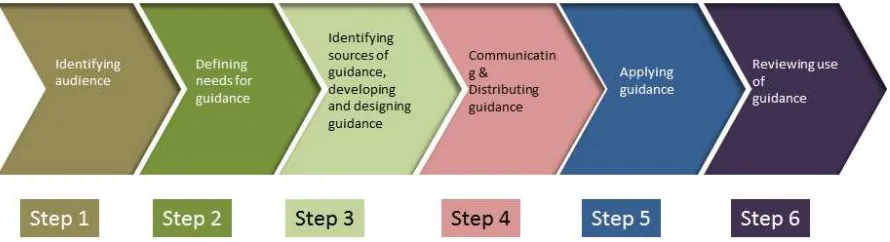
Step 1: Identifying audiences ... 16
Step 2: Defining needs for guidance ... 17
Step 3: Identifying sources of guidance, developing and designing guidance ... 18
Step 4: Communicating and distributing guidance ... 21
Step 5: Applying guidance ... 22
Step 6: Reviewing use of guidance ... 22
Section 3: A Way Forward... 23
3.1. Reviewing Roles of Ramsar Bodies and Processes ... 23
3.2. Establishing Strong Partnerships ... 27
3.3. A Regional Approach ... 28
3.4. Resources ... 28
Next steps ... 29
Annexes: ... 30
ANNEX 1: Executive Summaries, Reports 1 – 4 ... 31
ANNEX 2: List of all Interviewees, Reports 1 – 4 ... 42
ANNEX 3: Topics identified by interviewees for further guidance ... 44
ANNEX 4: Comparison of key issues raised in three previous reviews ... 46
4
Acronyms List
CBD Convention on Biological Diversity
CEPA Communication, Education, Participation and Awareness
CITES Convention on International Trade in Endangered Species of Wild Fauna and Flora CMS Convention on Migratory Species
COP Conference of the Parties
CST Committee on Science and Technology EC European Commission
GEF Global Environment Facility
IAC Interamerican-Convention for the Conservation and Protection of Sea Turtles ICOMOS International Council of Monuments and Sites
ICCROM International Centre for the Study of the Preservation and Restoration of Cultural Property IFI International Financial Institution
IGO Inter-Governmental Organization IOP International Organization Partner
IPCC Inter-governmental Panel on Climate Change IUCN International Union for Conservation of Nature MEA Multilateral Environmental Agreement
NFP National Focal Point
NGO Non-governmental Organization RFP Regional Focal Point
SBSTA Subsidiary Body on Scientific and Technological Advice
SBSTTA Subsidiary Body on Scientific, Technical and Technological Advice SPAW Specially Protected Areas and Wildlife
SPREP Secretariat of the Pacific Regional Environment Programme SRA Senior Regional Adviser
STAC Scientific and Technical Committee STRP Scientific and Technical Review Panel
5
Executive Summary
In 2012, Ramsar Contracting Parties adopted Resolution XI.16 to “ensure efficient delivery of scientific and technical advice and support to the Convention” in which they approved “a review of the delivery, uptake and implementation of scientific and technical advice and guidance to the Convention”. The review was conducted by two independent consultants in collaboration with a Review Committee set up for this purpose. The methodology used consisted of: a) desk top reviews, b) interviews (52 in total), and c) an online survey (conducted through Survey Monkey) which was completed by 45 Ramsar stakeholders. Interviews were held in English, French and Spanish, and the survey was also available in all three languages. The review was divided into five components, of which this is the final and overarching one.
A strong message emerging from this review is that Ramsar scientific and technical guidance is well appreciated and fills a niche. Yet, at the same time, it is not reaching all of its intended audiences. Equally, the guidance does not respond to the needs of all Ramsar stakeholders.
Through this review a number of challenges to improve and optimise Ramsar scientific and technical guidance have been identified.
Challenge 1: Reaching out and understanding audiences - Ramsar’s first challenge is to clearly identify and understand the audiences whom the scientific and technical guidance is intended to reach.
Challenge 2: Responding to the audiences’ needs - The Ramsar Convention as a whole is currently not responding in a balanced manner to the needs for scientific and technical guidance of its four categories of key target audience (policy-makers, practitioners (including wetland managers), scientists and users of wetlands).
Challenge 3: Ensuring local relevance - Guidance should be targeted at the right level so as to be understood and applied by the target audience: general guidance may prove of moderate utility to a large number of stakeholders, while site-specific guidance may be of greater value to a smaller number of stakeholders.
Challenge 4: Identifying guidance that already exists - Much wetland-related guidance already exists, especially in different regions and languages, including guidance stemming from indigenous or traditional knowledge. However, much of this guidance remains to be identified, collected and widely promoted.
Challenge 5: Ensuring content, format and design of guidance are suited to the audience - Content, format and design of guidance need to be given due consideration to effectively reach the intended audience.
6
Challenge 7: Diversifying and simplifying language used - Today, as in 20081, the language of existing guidance remains a challenge: both in its complexity and in the near exclusive use of English.
Challenge 8: Improving distribution channels - Guidance that is available is frequently difficult to find and appropriate distribution mechanisms – adapted to the audience - are needed.
Challenge 9: Following up and monitoring of guidance uptake - Producing guidance is not sufficient; follow up is frequently needed to ensure that it reaches its intended audience and is used optimally.
Challenge 10: Learning from the process - Monitoring and lesson learning are needed to support direct improvements to the guidance content and process.
A Way Forward
Today, Ramsar scientific and technical guidance predominantly falls under the responsibility of the STRP. Yet, there are several bodies and processes within Ramsar that could and should play a stronger role if Ramsar wishes to strengthen its approach to the provision, use and uptake of scientific and technical guidance. There is a need to significantly review the roles of at least four bodies/functions: the STRP, the STRP National Focal Points (NFPs), the COP and the Secretariat.
Partnerships should also be strengthened to support the identification of available guidance, to advise on the type of guidance, to promote capacity building, to ensure guidance delivery and to assist in monitoring and evaluating uptake and effectiveness of guidance.
Regionalisation of the scientific and technical guidance process would serve to promote a more balanced approach to reach all key target audiences and to engage effectively with a wider range of partners.
Allocating realistic human and financial resources is a key lesson emerging from this review.
Finally, improving understanding of the value of wetlands, notably in the framework of global priorities such as the post-2015 development agenda, may also help to increase resources and enhance collaboration in wetland conservation.
Next steps
The recommendations above imply a number of fundamental changes:
1. a re-allocation of responsibility for the “guidance chain”, and in particular reducing the overall burden on the STRP, while increasing that on the COP and on the Secretariat.
2. a complete change in the current “STRP National Focal Point” format. Three options can be considered: a) the roles and commitment of current STRP NFPs are changed so that they are empowered to act as liaison between their national wetland practitioners and Ramsar’s scientific body, b) they are removed and replaced by Ramsar NFPs who could take on some of their key responsibilities, notably the liaison role, or c) they are replaced by Regional (or
1 See: van Boven, G. (2008?). An Evaluation of the Use & Utility of Ramsar Guidance. A report to Ramsar Scientific
7
regional) Focal Points (RFPs) that would be empowered to act as an important link for the region, to build and nurture regional partnerships, to relay needs to the Secretariat and to bring guidance products back to the region.
3. stronger partnerships at the regional level that would support dissemination of guidance and capacity building in the appropriate language.
4. stronger international partnerships that would enable Ramsar scientific information on wetlands to be directly connected to the work of other multilateral environmental agreements (MEAs) and relevant organizations.
5. a re-design of the STRP, to divide the global, higher level wetland-related scientific work that caters to both other scientists and other MEAs, from the regional level work that caters to a more regional and national level group of practitioners and policy-makers directly engaged with the Ramsar Convention.
6. commitment of requisite resources (both human and financial). Some external funding could be raised via other sources (e.g. GEF, EC etc.) Equally, closer collaboration with a range of partners, notably at the regional level, could serve to leverage in-kind support from these institutions.
Overview of Recommendations
Recommendation 1: Ramsar needs to conduct a target group analysis prior to the development of guidance.
Recommendation 2: Ramsar needs to have a comprehensive contacts database so that it can better reach out to all of its audiences. Collaboration with relevant partners and governments can support this process.
Recommendation 3: Ramsar should undertake a needs assessment – in terms of guidance topics required by the target audience – (Annex 3 provides a starting point and has emerged from the review).
Recommendation 4: To better tailor guidance to the audience’s needs, Ramsar could consider three approaches: a) using the same scientific guidance as a source and using communications and capacity building expertise to adapt the source material into guidance for its four audiences, b) designing guidance from the start that responds to the specific needs of each target audience, c) having four individual bodies (or sub-bodies) each responsible for developing guidance for a specific audience.
Recommendation 5: When developing scientific and technical guidance, Ramsar needs to decide at which level it is worth investing: a more general level suited to a larger audience, or a more specific level, suited to a smaller audience. This decision has repercussions on the audience it is reaching, on the value of the guidance and on the overall investment.
Recommendation 6: An assessment or review of existing wetland-related scientific and technical guidance, particularly at the regional level, in different languages and from diverse sources, should be conducted (with regional partners) and the results made widely available to Ramsar stakeholders. The results of this assessment may also form the basis for translation and/or adaptation of some guidance.
8
subsequent development of each category of guidance, with the respective audience in mind. It is proposed to consider the following to differentiate between the two: “technical guidance” is methodological in nature, such as handbooks, manuals or fact sheets, aimed at practitioners (wetland managers), policy-makers and users of wetlands; “scientific guidance” is based on original research and helps to advance knowledge in the field, and is aimed at scientists, notably peers in the water and wetlands spheres of interest and from other multilateral conventions.
Recommendation 8: Recognising that some scientific and technical guidance produced by STRP might be targeting a narrow audience of scientists, the material should be (re-)written, (re-)designed or (re-)packaged by non-scientists to better target their respective key audiences, i.e. policy- and decision-makers, wetland managers, wetland users and other scientists. In particular, the topics, design and approach for delivery of the guidance may differ.
Recommendation 9: A typology of scientific and technical guidance tools should be developed and made clearly visible and accessible to target audiences. As a starting point, these tools could include: fact sheets, briefing notes, technical reports, scientific articles, manuals, technical guidelines and case studies.
Recommendation 10: A realistic list of tasks needs to be delineated for the work plan for each triennium. The workplan could take a modular approach with core activities being set by the COP and provided with adequate resources. It may be necessary to set a limit at five tasks to avoid the list continuously growing, unless additional funding can be obtained. A neutral facilitator may assist Ramsar’s scientific body in conjunction with COP, to prioritise the work load and turn it into a realistic workplan given real resources and timelines. Additional elements could then be added to a “wishlist” of activities that could be fed by different stakeholders (including the Secretariat, Ramsar partners, individual Parties, etc.) but only acted upon in second order priority and provided the necessary resources were available.
Recommendation 11: The STRP workplan that is ratified by the COP should contain actual names of responsible people that should be held accountable, as well as containing the timelines of delivery for implementing different activities; and if funding is needed, it should be committed by Parties for it to be included in the approved workplan.
Recommendation 12: To avoid any conflict of interest, STRP members either should not undertake any substantive technical work, or should not be involved in the definition of the prioritised workplan. Equally, members involved in any substantive work should not be involved in reviewing it. A “conflict of interest” clause should be signed by all members involved in the scientific body at each meeting.
Recommendation 13: Language of Ramsar guidance needs to be simpler and concise. Documents should be shortened and simplified thereby making them easier to understand and translate.
9
Recommendation 15: Ramsar’s scientific body should be able to operate in several languages so as to promote a broader range of scientific input. This may require funding for interpretation during face to face meetings, or it may require more representatives that are multi-lingual and can help each other. Another option could be to hire the services of a tri-lingual translator or interpreter for specific meetings or sessions.
Recommendation 16: Ramsar should consider using a number of different tools in order to reach its different audiences. These tools should consider the type of audience (i.e. scientists, policy-makers, practitioners or wetland users) and their ease of access to technology.
Recommendation 17: Ramsar should establish solid and practical partnerships with regional and/or national technical, research and implementing bodies with which it can develop and disseminate some of the guidance in such a way as to be more regionally-relevant and adapted to cultural mores.
Recommendation 18: Ramsar should design a programme of outreach to ensure that scientific and technical guidance effectively reaches its intended audiences. Such a programme would encompass Ramsar Secretariat regional team staff, regional (sub-regional) focal points, partners, as well as other key stakeholders and could include simple indicators of success, such as document downloads.
Recommendation 19: Monitoring use and application of guidance should be more widespread, using local partners when appropriate, as a way of promoting lesson learning and adaptive management in Ramsar’s approach to scientific and technical guidance.
Recommendation 20: Ramsar should consider whether it needs more than one body (and whether that should be subsidiary bodies or external partners) to fulfil the different guidance roles its audiences require. One option is for the STRP to be split into two bodies: one that maintains an outward-looking and future-scoping role to identify key and emerging issues in wetland conservation (for which it would commission work as and when necessary, and given sufficient funding) and another more inward-looking body that would focus on directly supporting practitioners and policy-makers to achieve the aims of the Convention.
Recommendation 21: Membership to the scientific body should ensure better representation in terms of regions, gender and disciplines, and should remain apolitical. This can be achieved by electing experts in their independent capacity and defining a given number of seats per criteria (e.g. related to themes, gender or regional representation). Members should rotate on a set timeframe (3 years) to ensure that different Parties can be accommodated, with some continuity provided by lagging the terms. Participation at meetings should be an obligation for all members so that it is not the same small group that takes all of the decisions.
Recommendation 22: The size of the scientific and technical group for Ramsar should be maintained at a reasonable number not exceeding 20 members.
10
simplified) so that they can better act as the key link between national interests in wetlands and the STRP/Ramsar Secretariat; c) finally, STRP NFPs could be removed and some of their key functions included in the role of the NFPs. In all scenarios, it would be important to provide the person with the resources to hold at least one meeting of key wetland stakeholders per year in their country/region and to link up effectively with STRP.
Recommendation 24: The role of the Secretariat in scientific and technical guidance should be strengthened. In particular there is a role for the Secretariat in all steps of the “guidance process”:
reaching out to Ramsar audience(s);
identifying and communicating (to the STRP) needs for scientific and technical guidance;
facilitating the design, communications and dissemination of scientific and technical guidance;
mediating and facilitating between the diverse audiences of the Ramsar Convention and the scientific body;
capacity building;
reviewing use of the guidance.
Recommendation 25: In the short term, Ramsar Contracting Parties, via the COP, should do a reality check in terms of funding and capacity associated with the priorities they adopt for scientific and technical work.
Recommendation 26: Ramsar should consider options for expanding partnerships particularly at the regional or national level to “outsource” identification and adaptation of already available guidance, development of new guidance, dissemination of guidance, capacity building and monitoring uptake and effectiveness of guidance.
Recommendation 27: Ramsar’s scientific work should re-focus around a regional approach which can serve to break down some of the real or perceived isolation currently surrounding the STRP work. In a first phase, it would require strengthening collaboration between the Senior Regional Advisers, regional partners (including Ramsar Regional Centres) and either regional (sub-regional) focal points or national focal points, to define regional priorities and needs.
Recommendation 28: All activities approved in the Ramsar workplan for scientific and technical guidance, should have commensurate funding and human resources.
Recommendation 29: Ramsar should seek additional funding, in-kind resources or partnerships with inter-governmental organizations to fund a clear workplan for effective functioning of all elements in the “guidance process” (as well as linkages between those elements).
11
Introduction
The core mission of the Ramsar Convention (1971) is “the conservation and wise use of all wetlands through local and national actions and international cooperation, as a contribution towards achieving sustainable development throughout the world”. Contracting Parties commit to three key issues which are: 1. Wise use of wetlands, 2. Listing (and effective management) of wetlands of international importance and 3. International cooperation (particularly as concerns transboundary wetlands).
Over the years, Ramsar has grown rapidly from 35 Parties and 300 Wetlands of International Importance (“Ramsar Sites”) in 1984, to 77 Parties and 610 Ramsar Sites in 1993, and 168 Contracting Parties and 2,187 Ramsar Sites today.
Since its third meeting of the Conference of the Parties (COP), Ramsar has formalised its approach to scientific and technical guidance: first via a working group on wise use (at COP 3), then through a working group on advising on the formulation and implementation of the Convention's wise use concept, and on elaborating criteria and guidelines for identification of wetlands of international importance (at COP 4), and finally by setting up a subsidiary body: the Scientific and Technical Review Panel (STRP) at COP 5 in 1993.
Rapid growth of the Convention has inevitably impacted on the roles of different bodies to the Convention, and notably on the scientific and technical function. A number of reviews of different issues surrounding scientific and technical guidance have been undertaken, notably in 2006, 2007 and 2008. The current review draws, where relevant, on the conclusions from these previous reviews.
Background
In July 2012, Ramsar Contracting Parties adopted Resolution XI.16 to “ensure efficient delivery of scientific and technical advice and support to the Convention” in which Contracting Parties approved “a review of the delivery, uptake and implementation of scientific and technical advice and guidance to the Convention”, the findings of which would be reported to the 12th meeting of the Conference of the Parties (COP12) in June 2015. The review was commissioned and undertaken in collaboration with the Review Committee set up at the 46th meeting of the Standing Committee (Decision SC46-14).
Methodology
Two independent consultants, Stephanie Mansourian and Veronica Lo, were contracted during the period of May-July 2014 to undertake this review, with input from the Secretariat and the Review Committee.
The methodology utilised consisted of: a) desk top reviews, b) interviews (a total of 52 stakeholders – see Annex 2), and c) an online survey (conducted through Survey Monkey) which was completed by 45 Ramsar stakeholders. Interviews were held in English, French and Spanish, and the survey was also available in all three languages.
12
1. Review of existing Ramsar scientific and technical guidance and processes, its utility, use, application, conversion into practical tools etc;
2. Review of the roles of relevant Ramsar bodies which provide scientific support and delivery to stakeholders;
3. Review of the scientific guidance and tools of other MEAs to identify useful lessons and best practices that could be emulated by Ramsar;
4. Review of the scientific guidance and tools of relevant non-MEAs to identify useful lessons and best practices that could be emulated by Ramsar; and
[image:12.612.157.456.311.501.2]5. Final report drawing on the above analyses, that summarizes major findings, lessons and recommendations for: 1.) Improving the way scientific guidance is developed, applied and converted into tools; and 2.) Improving scientific support and delivery by Ramsar bodies and processes.
Figure 1: Four pillars of the review
The present report is Component 5 of this process and is based on the findings of the first four reports.
For further details on a particular component, please see the associated report available online at
13
Framework
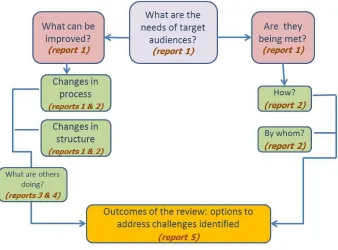
[image:13.612.139.477.146.396.2]For the overall review, the framework adopted is represented in Figure 2:
Figure 2: Framework for the Review
At the core of the framework is the question of identifying the needs of target audiences and whether those needs are met (see Report 1). Determining by which means those needs are currently addressed and by whom is central to Report 2. For identified gaps, both Reports 1 and 2 considered potential changes in processes and in structures.
14
Section 1: Problem Statement: What are the needs for scientific and
technical guidance?
Resolution XI.16 identifies the following audiences for Ramsar scientific and technical guidance: managers of individual wetland sites;
managers of networks of wetlands such as on migratory waterbird flyways; wetland policy makers;
those responsible for regulating use of and impacts on wetlands;
policy-makers in other sectors such as water, agriculture, health, urban development, and energy;
stakeholders and local communities who may depend upon wetlands and wetland ecosystem services;
educators and researchers; private sector organizations.
It is possible to re-group these audiences under the following categories:
1. Scientists – including scientists from other institutions, those from other MEAs, researchers and educators;
2. Policy-makers – including from the environment and water sectors, but also other related sectors;
3. Practitioners – in particular wetland managers, but also others from related fields such as protected area managers;
4. Users of wetlands – including communities and the private sector.
The fundamental problem posed for this review is that currently Ramsar scientific and technical guidance falls short of satisfying its broad and diverse stakeholder community.
15
16
Section 2: Challenges and Proposed Solutions
“I have been impressed by the quality of documents produced” (quote from an interviewee)
A strong message emerging from this review is that Ramsar scientific and technical guidance is well appreciated and fills a niche. The effectiveness of the key Ramsar body that develops scientific and technical guidance - the Scientific and Technical Review Panel (STRP) - in comparison to those of several other conventions, is generally considered superior. Outside stakeholders in particular, such as representatives of other multilateral environmental agreements (MEAs) and other scientists, are generally most appreciative of Ramsar guidance. Within the Ramsar community, opinions are more varied, with some feeling that they are obtaining what they need in terms of guidance, and others feeling that guidance is not at the right level. The picture also varies depending on the region with, for example, more policy-makers in Europe than in Asia or Latin America feeling that their needs are being addressed.
While there is a large amount of valuable guidance produced by Ramsar and its partners, it is not readily accessible or relevant to all Ramsar stakeholders.
This review identified a number of challenges to improve and optimise Ramsar scientific and technical guidance so that it better responds to the needs of Ramsar’s diverse audiences. These challenges are listed below in a concise form (more detail can be found in Reports 1-4 under this review). For each challenge, recommendations are proposed. This section draws significantly on the findings of the research phase and on the first four reports.
Step 1: Identifying audiences
Challenge 1: Reaching out and understanding audiences
Each category of stakeholder has different requirements in terms of scientific and technical guidance. Indeed a key lesson emerging from the review of other MEAs (see Report 3), is that guidance should be practical and relevant to the audience. Ramsar’s first challenge is to clearly identify and understand its audiences. At a basic level, it also needs to be able to reach out and contact them, something which requires the establishment of a comprehensive database of contacts.
Identifying and clearly catering for different audiences is something that most MEAs appear to struggle with. In some cases, e.g. the Secretariat of the Pacific Regional Environment Programme (SPREP), there is one main audience group (policy-makers from the South Pacific region) which simplifies the process. In other cases however, such as the Convention on Biological Diversity (CBD), audiences are diverse and as a result, different tools are needed to reach them (see Report 3 for more on this).
The great diversity of Ramsar’s constituency throughout the world creates additional challenges in terms of designing tools (i.e. printed matter, versus more modern online solutions) and languages.
17
Recommendation 2: Ramsar needs to have a comprehensive contacts database so that it can better reach out to all of its audiences. Collaboration with relevant partners and governments can support this process.
Step 2: Defining needs for guidance
Challenge 2: Responding to the audiences’ needs
While the STRP produces sound scientific guidance, the Ramsar Convention as a whole is currently not responding in a balanced manner to the needs for scientific and technical guidance of its four categories of target audience. Currently, there is a bias towards addressing the needs of the scientific audience over and above policy-makers, practitioners and wetland users. The technical content, length, format and language of the guidance is a limiting factor.
Wetland managers also may have diverse needs that are quite specific (related to the type of wetland, local environmental conditions, local regulations etc.) which adds to the complexity and uniqueness of their needs.
Recommendation 3: Ramsar should undertake a needs assessment – in terms of guidance topics required by the target audience – (Annex 3 provides a starting point and has emerged from the review).
Recommendation 4: To better tailor guidance to the audience’s needs, Ramsar could consider three approaches: a) using the same scientific guidance as a source and using communications and capacity building expertise to adapt the source material into guidance for its four audiences, b) designing guidance from the start that responds to the specific needs of each target audience, c) having four individual bodies (or sub-bodies) each responsible for developing guidance for a specific audience.
Challenge 3: Ensuring local relevance
18
Figure 4: Targeting the right level of scientific and technical guidance
Recommendation 5: When developing scientific and technical guidance, Ramsar needs to decide at which level it is worth investing: a more general level suited to a larger audience, or a more specific level, suited to a smaller audience. This decision has repercussions on the audience it is reaching, on the value of the guidance and on the overall investment.
Step 3: Identifying sources of guidance, developing and designing guidance
Challenge 4: Identifying guidance that already exists
Much wetland-related guidance already exists, especially in different regions and languages, including guidance stemming from indigenous or traditional knowledge. It would be valuable to tap into the various sources of guidance and promote and/or adapt them to Ramsar’s audiences.
An assessment can help to better understand what guidance exists and where it can be found, as well as identifying gaps. Some specific gaps in terms of topics already highlighted by stakeholders and Ramsar bodies in reports 2 and 3 have been collated in Annex 3.
Recommendation 6: An assessment or review of existing wetland-related scientific and technical guidance, particularly at the regional level, in different languages and from diverse sources, should be conducted (with regional partners) and the results made widely available to Ramsar stakeholders. The results of this assessment may also form the basis for translation and/or adaptation of some guidance.
19
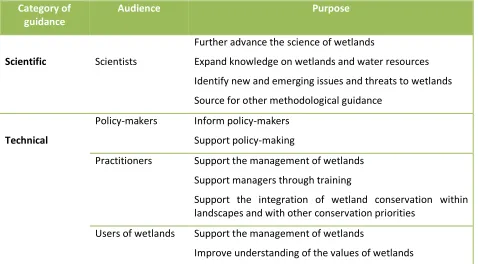
While the research phase of this review did not find any particular distinction between scientific and technical guidance, some conclusions can be drawn that are of relevance to Ramsar. Firstly, most other conventions seem to consider scientific and technical as two sides of the same coin. In many instances, it was clear that technical guidance relied on solid scientific information. Some conventions produce a number of technical documents – some for practitioners, others for policy-makers - out of the same original scientific guidance. Technical guidance may also be best termed “methodological” guidance, such as handbooks, aimed at practitioners. Scientific guidance is based on original research and helps to advance knowledge in the field, and is produced, for example, in the form of peer-reviewed journal articles. It is frequently the foundation for several forms of guidance and for decision-making.
Distinguishing between scientific and technical guidance is useful for Ramsar in light of its main audiences. Thus, scientific guidance would underpin (or be the basis for) technical guidance, while also responding to the needs of the scientific audience. In turn, technical guidance, would respond to specific methodological needs of both policy-makers and practitioners, with each receiving a different type of technical guidance (see Table 1). For example, fact sheets may be more suited to policy-makers, while manuals might be more valuable to wetland managers. Through this review, there was also an overwhelming call for more case studies as a means of concretely illustrating issues and solutions.
Category of guidance
Audience Purpose
Scientific Scientists
Further advance the science of wetlands
Expand knowledge on wetlands and water resources Identify new and emerging issues and threats to wetlands Source for other methodological guidance
Technical
Policy-makers Inform policy-makers Support policy-making
Practitioners Support the management of wetlands Support managers through training
Support the integration of wetland conservation within landscapes and with other conservation priorities
Users of wetlands Support the management of wetlands
[image:19.612.67.545.318.582.2]Improve understanding of the values of wetlands
Table 1: Examples of intended purposes of the guidance by audience
20
General guidance may need to be massaged into more specific types of guidance. The expertise of a communications officer and/or a capacity-building expert, who may be situated either within the STRP, or more usefully within the Secretariat, would be required. The roles of national and the international CEPA officers may need to be enhanced and further resourced.
Recommendation 7: The distinction between scientific and technical guidance will facilitate the subsequent development of each category of guidance, with the respective audience in mind. It is proposed to consider the following to differentiate between the two: “technical guidance” is methodological in nature, such as handbooks, manuals or fact sheets, aimed at practitioners (wetland managers), policy-makers and users of wetlands; “scientific guidance” is based on original research and helps to advance knowledge in the field, and is aimed at scientists, notably peers in the water and wetlands spheres of interest and from other multilateral conventions.
Recommendation 8: Recognising that some scientific and technical guidance produced by STRP might be targeting a narrow audience of scientists, the material should be (re-)written, (re-)designed or (re-)packaged by non-scientists to better target their respective key audiences, i.e. policy- and decision-makers, wetland managers, wetland users and other scientists. In particular, the topics, design and approach for delivery of the guidance may differ.
Recommendation 9: A typology of scientific and technical guidance tools should be developed and made clearly visible and accessible to target audiences. As a starting point, these tools could include: fact sheets, briefing notes, technical reports, scientific articles, manuals, technical guidelines and case studies.
Challenge 6: Reducing complexity of the STRP workplan and modus operandi
The STRP functions on a triennium basis, but the delay between approval of the workplan and delivery of draft products is generally tight. The workplan is unrealistically long, with elements regularly being carried over from one triennium to the next. The process, as outlined in DOC. SC46-16, is lengthy. While COP approves the workplan, much is left to STRP to define independently which also raises conflict of interest issues as some of the work is also directly undertaken by STRP members.
The modus operandi detailing the functioning of the STRP is equally lengthy and complex, and few people are aware of its modalities.
21
partners, individual Parties, etc.) but only acted upon in second order priority and provided the necessary resources were available.
Recommendation 11: The STRP workplan that is ratified by the COP should contain actual names of responsible people that should be held accountable, as well as containing the timelines of delivery for implementing different activities; and if funding is needed, it should be committed by Parties for it to be included in the approved workplan.
Recommendation 12: To avoid any conflict of interest, STRP members either should not undertake any substantive technical work, or should not be involved in the definition of the prioritised workplan. Equally, members involved in any substantive work should not be involved in reviewing it. A “conflict of interest” clause should be signed by all members involved in the scientific body at each meeting.
Step 4: Communicating and distributing guidance
Challenge 7: Diversifying and simplifying language used
Today, as in 2008 (see Van Boven and Annex 4 that compares the key issues raised in three previous reviews), the language of existing guidance remains a challenge. The level of technical content, and the fact that the majority of the guidance is in English - even though a vast number of users of the guidance do not speak English - signify that much of the guidance cannot be used. Furthermore, because the language of the guidance is too technical, translation proves difficult.
Limiting the working language of STRP to English, is also a major shortcoming of Ramsar’s scientific body.
Recommendation 13: Language of Ramsar guidance needs to be simpler and concise. Documents should be shortened and simplified thereby making them easier to understand and translate.
Recommendation 14: All guidance documents should be provided at a minimum in the three languages of the Convention: English, French and Spanish.
Recommendation 15:Ramsar’s scientific body should be able to operate in several languages so as to promote a broader range of scientific input. This may require funding for interpretation during face to face meetings, or it may require more representatives that are multi-lingual and can help each other. Another option could be to hire the services of a tri-lingual translator or interpreter for specific meetings or sessions.
Challenge 8: Improving distribution channels
22
guidance will necessarily seek it out on the web. Alternative and more proactive means of disseminating the guidance will be necessary (Report 4 lists a number of tools used by other organizations to disseminate guidance).
Recommendation 16: Ramsar should consider using a number of different tools in order to reach its different audiences. These tools should consider the type of audience (i.e. scientists, policy-makers, practitioners or wetland users) and their ease of access to technology.
Recommendation 17: Ramsar should establish solid and practical partnerships with regional and/or national technical, research and implementing bodies with which it can develop and disseminate some of the guidance in such a way as to be more regionally-relevant and adapted to cultural mores.
Step 5: Applying guidance
The main responsibility for applying guidance falls outside of the immediate realm of influence of Ramsar. Nevertheless, it is within Ramsar’s control to actively promote the use of guidance, to determine whether the guidance is being used and to assess its utility.
Challenge 9: Following up and monitoring of guidance uptake
One lesson emerging from the review of other MEAs and other organizations and processes (see Reports 3 and 4) is that producing guidance is only the tip of the iceberg, following up on guidance is of critical importance. Ensuring guidance is used and applied may be done by actively distributing the guidance, via webinars, outreach workshops and capacity building. Quick metrics for distribution success include monitoring the number of website visits and document downloads.
Recommendation 18: Ramsar should design a programme of outreach to ensure that scientific and technical guidance effectively reaches its intended audiences. Such a programme would encompass Ramsar Secretariat regional team staff, regional (sub-regional) focal points, partners, as well as other key stakeholders and could include simple indicators of success, such as document downloads.
Step 6: Reviewing use of guidance
Challenge 10: Learning from the process
Monitoring uptake, reviewing the use of guidance and learning from the process are all useful means of improving future guidance. Regularly assessing whether guidance is being used allows lessons and feedback to input into the next cycle of guidance development. In this respect, Report 4 outlines different evaluation methods applied by different organizations.
23
Section 3: A Way Forward
What do the recommendations imply?
Today, Ramsar scientific and technical guidance predominantly falls under the responsibility of the STRP. Yet, there are several bodies and processes within Ramsar that could and should play a stronger role if Ramsar wishes to strengthen its approach to the provision, use and uptake of scientific and technical guidance. A more detailed description of roles and responsibilities of Ramsar bodies and processes, as they pertain to guidance provisioning, is outlined in Report 2.
3.1. Reviewing Roles of Ramsar Bodies and Processes
Role of Scientific and Technical Review Panel
The STRP is a body made up essentially of natural scientists working voluntarily. While membership is balanced in terms of both regional and gender representatives, those that tend to be most active are generally men from developed countries.
A review of other MEAs and organizations, demonstrates that in the more successful cases, either terms of reference are very focused, for example those of the two scientific committees of CITES (the Convention on International Trade in Endangered Species of Wild Fauna and Flora), or there are several bodies dealing with scientific and technical guidance, for example the World Heritage Convention (WHC) relies on three external organizations plus its own World Heritage Committee and Secretariat to provide scientific guidance. Equally, smaller advisory bodies appear to be more effective than larger ones. More on this can be found in Report 3.
Recommendation 20: Ramsar should consider whether it needs more than one body (and whether that should be subsidiary bodies or external partners) to fulfil the different guidance roles its audiences require. One option is for the STRP to be split into two bodies: one that maintains an outward-looking and future-scoping role to identify key and emerging issues in wetland conservation (for which it would commission work as and when necessary, and given sufficient funding) and another more inward-looking body that would focus on directly supporting practitioners and policy-makers to achieve the aims of the Convention.
24
Recommendation 22: The size of the scientific and technical group for Ramsar should be maintained at a reasonable number not exceeding 20 members.
Role of STRP National Focal Points
The role of STRP NFPs was intended essentially to provide input and support to the implementation of the workplan of the STRP. In order to do this, STRP NFPs are expected to be in regular contact and communication with the other Ramsar NFPs (Administrative Authority and the CEPA Focal Points) in their country and, as much as possible, with other STRP NFPs in the region. They are also required to consult with and seek input from other experts, expert bodies and wetland centres in their country. While national differences exist, the overwhelming impression we obtained from this review is that STRP NFPs are not functioning effectively: very few participate at STRP meetings, very few are known in their respective countries by those involved in wetlands, and their role in linking national experts to the STRP is generally non-existent. This is to a large extent because of a lack of resources and limited empowerment.
Recommendation 23: The current role of STRP NFPs should change to be more effective. Three options can be envisaged: a) STRP NFPs could be replaced with a regional person (regional or sub-regional focal point - RFP) who would have as a main responsibility to channel sub-regional needs into the STRP and to take the STRP outputs back to the region. The RFP would also be a key link with regional partners, as well as with the senior regional advisers (SRAs); b) alternatively, STRP NFPs could remain but their terms of reference would be changed (and simplified) so that they can better act as the key link between national interests in wetlands and the STRP/Ramsar Secretariat; c) finally, STRP NFPs could be removed and some of their key functions included in the role of the NFPs. In all scenarios, it would be important to provide the person with the resources to hold at least one meeting of key wetland stakeholders per year in their country/region and to link up effectively with STRP.
Role of the Ramsar Secretariat
The Secretariat is at the core of Ramsar. In its official functions, the Secretariat plays at least four roles of relevance to scientific and technical guidance:
Assisting in convening and organizing the meetings of the STRP; Providing scientific, and technical support to Contracting Parties;
Making known the decisions, Resolutions, and Recommendations of the COP and the Standing Committee;
Providing secretariat functions for the Scientific and Technical Review Panel and maintaining the functionality of the Web-based STRP Platform.
25
Both of these roles relate to steps 3-4 in Figure 3 above. Yet, the Secretariat is currently not perceived as a central player in the delivery of scientific and technical guidance.
One finding of this review is that the Secretariat has a critical role to play in scientific and technical guidance, and should be empowered and strengthened to do so effectively. Arguments in favour of this are that the role of designing, distributing, disseminating and following up is time consuming and should fall on staff rather than on volunteer scientists. The Secretariat (via its Senior Regional Advisers) is also the one Ramsar body that communicates most regularly with both wetland managers and policy-makers, and therefore is able to assess the needs for guidance as well as communicate the guidance back to these audiences. At the same time, the Secretariat is also the face of Ramsar when it comes to collaboration with other organizations and conventions and therefore, can best establish and follow up on relevant partnerships.
Recommendation 24: The role of the Secretariat in scientific and technical guidance should be strengthened. In particular there is a role for the Secretariat in all steps of the “guidance process”:
reaching out to Ramsar audience(s);
identifying and communicating (to the STRP) needs for scientific and technical guidance; facilitating the design, communications and dissemination of scientific and technical
guidance;
mediating and facilitating between the diverse audiences of the Ramsar Convention and the scientific body;
capacity building;
reviewing use of the guidance.
Role of the Conference of the Parties
“The buck stops with COP” (quote from one interviewee)
The COP plays an essential role in providing the support (both political and financial) for the STRP and more broadly, for the effective development of scientific and technical guidance. Indeed, Ramsar Parties determine the terms of reference for the scientific body, they approve the workplan for scientific and technical work, they provide funding for it and they are recipients of much of the guidance. If they are not satisfied with the process, it is in their power to ensure that it is changed. Nevertheless, they should also ensure that they do not place overly ambitious targets without concomitant resources (human and financial).
Recommendation 25: In the short term, Ramsar Contracting Parties, via the COP, should do a reality check in terms of funding and capacity associated with the priorities they adopt for scientific and technical work.
26
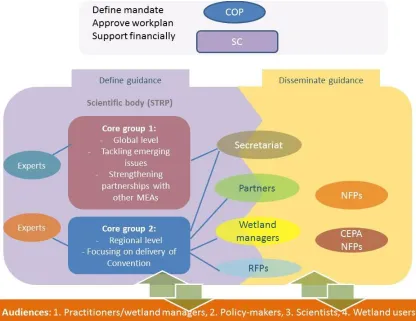
Figure 5: Possible structure for defining and delivering scientific and technical guidance within Ramsar
The scientific body would consist of two core groups: one for global, outward (broader wetland- and water- focused) and forward-looking issues, and one for inward (Ramsar-focused), regional and practical guidance. Core group 1 would include international experts, as well as representation from the Secretariat. Core group 2 would include regional and thematic experts, wetland managers , partners and regional/sub-regional focal points. Chairs of each core group would report to COP/SC.
27
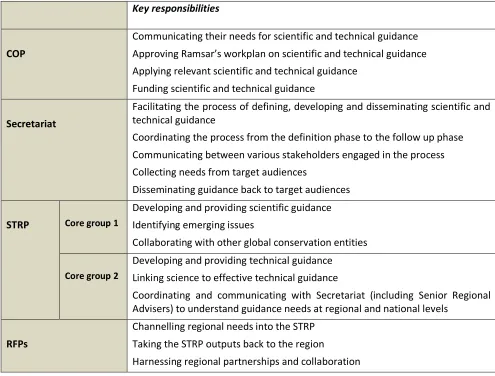
[image:27.612.71.566.127.503.2]Table 2 below begins to outline key responsibilities for each of the four groups.
Table 2: Key responsibilities for COP, STRP, RFPs and Secretariat
Key responsibilities
COP
Communicating their needs for scientific and technical guidance Approving Ramsar’s workplan on scientific and technical guidance Applying relevant scientific and technical guidance
Funding scientific and technical guidance
Secretariat
Facilitating the process of defining, developing and disseminating scientific and technical guidance
Coordinating the process from the definition phase to the follow up phase Communicating between various stakeholders engaged in the process Collecting needs from target audiences
Disseminating guidance back to target audiences
STRP Core group 1
Developing and providing scientific guidance Identifying emerging issues
Collaborating with other global conservation entities
Core group 2
Developing and providing technical guidance Linking science to effective technical guidance
Coordinating and communicating with Secretariat (including Senior Regional Advisers) to understand guidance needs at regional and national levels
RFPs
Channelling regional needs into the STRP Taking the STRP outputs back to the region
Harnessing regional partnerships and collaboration
3.2. Establishing Strong Partnerships
Partnerships in the context of Ramsar scientific and technical guidance have several values, including: 1. to support the identification of available guidance in different regions and eventually the
promotion and/or adaptation of this guidance;
2. to advise on the most effective modality of guidance for a particular target audience in a particular region;
3. to promote capacity building via local or regional institutions; 4. to ensure effective delivery of guidance in the relevant language;
28
Recommendation 26: Ramsar should consider options for expanding partnerships particularly at the regional or national level to “outsource” identification and adaptation of already available guidance, development of new guidance, dissemination of guidance, capacity building and monitoring uptake and effectiveness of guidance.
3.3. A Regional Approach
To date it is probably fair to say that Ramsar’s emphasis has been predominantly on developing general guidance that applies at a global level. At the same time, STRP NFPs are intended to operate at a national level. This creates a significant disconnect. A more balanced approach would be to strengthen the in-between level, namely the regional (or sub-regional) level, via regional advisers, regional (sub-regional) focal points, regional partners and regional training workshops. Existing Ramsar regional centres (RRCs) should be used and strengthened in this respect.
Recommendation 27: Ramsar’s scientific work should re-focus around a regional approach which can serve to break down some of the real or perceived isolation currently surrounding the STRP work. In a first phase, it would require strengthening collaboration between the Senior Regional Advisers, regional partners (including Ramsar Regional Centres) and either regional (sub-regional) focal points or national focal points, to define regional priorities and needs.
3.4. Resources
Ramsar’s main scientific body, the STRP, had CHF 150,000 at the time of approval of its 2013-2015 workplan, for a total estimated need of CHF 1,915,000. Parties need to decide to what extent they consider scientific and technical guidance a necessity and allocate sufficient resources to ensure that priority needs for guidance can be met. Indeed the importance of allocating realistic human and financial resources is a key lesson emerging from the review of other MEAs (see Report 3).
Not all funding will necessarily need to come from Ramsar Parties, with some possibly being raised (given fundraising capacity within Ramsar) independently from inter-governmental agencies, or other funds being provided “in-kind” from partner organizations (notably at the regional or national level). Marketing wetlands more generally may also require better framing of the value of wetlands in the context of global priorities such as the post-2015 development agenda, the sustainable development goals and the key roles of wetlands in providing ecosystem services.
Recommendation 28: All activities approved in the Ramsar workplan for scientific and technical guidance, should have commensurate funding and human resources.
29
Recommendation 30: A strong communications and marketing campaign on the importance of wetlands more generally would help to increase appreciation and funding (notably from the private sector) for scientific and technical guidance emerging from Ramsar.
Next steps
The recommendations above imply a number of fundamental changes:
1. A re-allocation of responsibility for the “guidance chain”, and in particular reducing the overall burden on the STRP, while increasing that on the COP and on the Secretariat.
2. A complete change in the current “STRP National Focal Point” format. Three options can be considered: a) the roles and commitment of current STRP NFPs are changed so that they are empowered to act as liaison between their national wetland practitioners and Ramsar’s scientific body, b) they are removed and replaced by the NFPs who could take on some of their key responsibilities, notably the liaison role, or c) they are replaced by Regional (or sub-regional) Focal Points (RFPs) that would be empowered to act as an important link for the region, to build and nurture regional partnerships, to relay needs to the Secretariat and to bring guidance products back to the region.
3. Stronger partnerships at the regional level (notably building on existing Ramsar Regional Centres) that would support dissemination of guidance and capacity building in the appropriate language.
4. Stronger international partnerships that would enable Ramsar scientific information on wetlands to be directly connected to the work of other MEAs and relevant organizations.
5. A re-design of the STRP, to divide the global, higher level wetland-related scientific work that caters to both other scientists and other MEAs, from the regional level work that caters to a more regional and national level group of practitioners and policy-makers directly engaged with the Ramsar Convention.
30
Annexes:
Annex 1: Executive summaries of Reports 1-4
Annex 2: Interviewee list
Annex 3: Draft list of topics for guidance
31
ANNEX 1: Executive Summaries, Reports 1 – 4
Report 1: Executive Summary
Review of existing Ramsar scientific and technical guidance and
processes, their utility, use, application and conversion into practical
tools
At Ramsar’s 2012 Conference of the Parties (COP), Resolution XI.16 was adopted to undertake “a review of the delivery, uptake and implementation of scientific and technical advice and guidance to the Convention.” The review is made up of five components and five reports, of which this is the first. This report specifically focuses on “reviewing the application and utility of Ramsar guidance and the full range of processes by which scientific and technical Convention implementation needs are identified, articulated, prioritized, and converted into tools and guidance for the range of implementation stakeholders, and the extent to which the tools and guidance are disseminated to, and taken up by, identified stakeholders”. It is based on the analysis of 15 interviews, 45 survey responses and a desk top review of key documents.
Findings
Audiences – Ramsar’s audience can be divided into four major categories, each requiring different guidance: 1. policy makers require guidance on turning Convention requirements into policy, reporting back on Convention requirements, policy implementation and strategic decision-making, 2. practitioners and wetland managers require concrete guidance on how best to manage wetland sites, 3. scientists require more in depth and rigorous studies on key and emerging issues related to wetlands, and 4. wetland users require information on the values of wetlands, general background information on wetlands etc.
Process to define guidance – Guidance needs are defined by Parties via the COP.
Communicating needs for guidance - Needs for guidance are communicated to the Scientific and Technical Review Panel (STRP) in part by the Ramsar Secretariat (whose Senior Regional Advisers collect requests from their respective regions), and in part by Parties.
Awareness and use of guidance - A significant proportion of respondents (both interviewees and survey respondents) were either not aware of Ramsar scientific and technical guidance, or either rarely or never used it.
Disseminating guidance - Published guidance is essentially disseminated via the website, webinars and workshops.
Responsiveness of guidance to needs - The majority of survey respondents (66%) felt that existing guidance addressed their needs while, in contrast, interviewees generally felt that the guidance that exists is too general.
32
Scientific versus technical guidance – Interviewees and survey respondents did not distinguish between scientific and technical guidance. A significant majority (68%) of survey respondents reported that they felt that the guidance was neither too scientific nor too technical.
Modus Operandi - A majority (53%) of survey respondents reported that they were familiar with the STRP modus operandi.
Challenges
Although Ramsar’s scientific and technical guidance, and particularly the work of the STRP and its value, are widely recognized, a number of key challenges were identified through the research phase. These are:
Disconnects – there are visible disconnects at different levels: a) between the practical needs of wetland managers and policy-makers and the scientific and technical products emerging from the STRP and Ramsar, b) between STRP National Focal Points and both wetland managers at one end and the STRP at the other. In terms of communicating guidance needs from the “ground-up”, there is no obvious mechanism to collect nationally-relevant (and/or regionally-relevant) requests for scientific and technical guidance related to wetlands and refer them back to the STRP. Equally, the dissemination of STRP products to target audiences is not as effective as it could be.
Audiences – Ramsar is faced with a diverse audience when it comes to scientific and technical guidance and this has not been sufficiently reflected in its processes and products.
Language – the technical nature of the language used in STRP guidance as well as the fact that English is the predominant language, have excluded a large number of interested parties from the STRP and its products.
Limited outreach to wetland managers – while there are over 2000 Ramsar sites and an even larger number of wetland managers, this group is not well engaged in the STRP.
Breadth of workplan versus resources – the workplan of the STRP is overly ambitious, and yet funding and human resources are extremely limited.
Representation on the STRP – The STRP does not adequately represent the full constituency of the Ramsar Convention. While it is praised for being apolitical, at the same time it may be too remote from its core constituency.
Addressing these challenges
There is a clear and identified need for scientific and technical guidance for implementation of the Ramsar Convention.
Redefining the niche and structure of the STRP - The STRP currently functions like a global technical working group of wetlands experts, with tangential links to the Ramsar Convention. There is an opportunity to establish more direct links between the guidance needs of the target audiences and the work undertaken by the STRP.
33
subregional scientific networks...” , a more regional approach would have the benefit of not only ensuring regional relevance and language, but also of tapping into other resources. Such an approach would require a shift from a centralised structure to a more regional and network-based one. At regional (and national) levels STRP could establish relevant partnerships that can help to ensure that: a) the work is complementary to theirs, b) other bodies can take on some of the locally-relevant research (and fund it in collaboration with Ramsar/STRP), c) the guidance is developed in the local language(s), d) the guidance is disseminated locally, and local and regional capacities are strengthened.
Categories of guidance and its presentation - Four categories of guidance can be highlighted: 1. reviewing draft scientific and technical materials for approval by the Parties, 2. guidance that is for Parties to better implement the requirements of the Convention, 3. maintaining sight of bigger picture and emerging issues, and 4. guidance that can support wetland managers in their day-to-day management of Ramsar wetlands. Each category of guidance should be pitched differently, even if it stems from one same source. Indeed, the same scientific and technical guidance can be “translated” into different content (notably, using different media) for different audiences. For example, case studies can be an effective and powerful medium to demonstrate key issues which can be of interest to both a policy and a practitioner audience.
Redefining STRP membership and engagement - The current membership of the STRP is composed of scientists. However, the voice of key Ramsar stakeholders such as wetland managers, is not effectively represented on the STRP.
Workplan and funding - The STRP is constrained by the fact that its members are volunteers, and the workplan is an extremely long and unrealistic “wishlist” of elements with no funding attached. A more realistic workplan should be designed which would only contain elements that have funding committed and/or real names of leaders (or groups of leaders) next to it. Only should new funding or partners come on board would any items in the “wishlist” be submitted as additional items to the workplan on an inter-sessional basis.
Expanding the role of the Secretariat - The Ramsar Secretariat should be given the mandate and resources to play a more important linking and facilitating role with respect to scientific and technical guidance. In particular it can help to reach out to key audiences, re-develop work produced by the STRP for target audiences, disseminating this work and build capacity (related to the application of the tools). It can also help to maintain momentum, particularly in between meetings.
34
Report 2: Executive Summary
Review of the Roles of Ramsar Bodies and Processes Providing Scientific
support and Delivery
At Ramsar’s 2012 Conference of the Parties (COP), Resolution XI.16 was adopted to undertake “a review of the delivery, uptake and implementation of scientific and technical advice and guidance to the Convention.” The review is made up of five components and five reports, of which this is the second. This report specifically focuses on reviewing the roles of relevant Ramsar bodies which provide scientific support and delivery to stakeholders.
The report includes three sections: 1. Reviewing the roles of relevant Ramsar bodies and processes; 2. A summary of findings from the interviews conducted with representatives of Ramsar bodies and processes; and 3. Key messages and lessons learnt.
A summary of key findings and key messages is provided below.
Key Findings
Views on uptake of Ramsar Guidance More technical guidance is needed
Wetland site managers and other target audiences need to be accessed Guidance should be delivered in several languages
Guidance should be clear and concise
Much guidance is already available, and needs to be disseminated
Some key issues and themes were identified as needing further guidance development Views on Roles for Providing Science and Technical Guidance
Several suggestions were made on strengthening the roles of various bodies, including the Standing Committee and the Secretariat, to ensure the needs of Parties are captured in the guidance developed
Resources and capacity needs were highlighted several times by interviewees, with concerns that the STRP and Secretariat operate on very limited budgets, affecting guidance development, translation and dissemination
Prioritization of tasks for the modus operandi is needed