National High Blood Pressure Education Program
Prevention,
Detection,
Evaluation, and
Treatment of
High Blood Pressure
The Seventh Report
of the Joint National
Committee on
JNC 7 Express
U . S . D E P A R T M E N T O F H E A LT H A N D H U M A N S E R V I C E S
National Institutes of Health
U . S . D E PA R T M E N T O F H E A LT H A N D H U M A N S E R V I C E S N a t i o n a l I n s t i t u t e s o f H e a l t h
N a t i o n a l H e a r t , L u n g , a n d B l o o d I n s t i t u t e N a t i o n a l H i g h B l o o d P r e s s u r e E d u c a t i o n P r o g r a m
N I H P u b l i c a t i o n N o . 0 3 - 5 2 3 3 D e c e m b e r 2 0 0 3
This work was supported entirely by the National Heart, Lung, and Blood Institute. The Executive Committee, writing teams, and reviewers served as volunteers without remuneration.
Prevention,
Detection,
Evaluation, and
Treatment of
High Blood Pressure
The Seventh Report
of the Joint National
Committee on
Chair
Aram V. Chobanian, M.D. (Boston University Medical Center, Boston, MA)
Executive Committee
George L. Bakris, M.D. (Rush Presbyterian-St. Luke’s Medical Center, Chicago, IL); Henry R. Black, M.D. (Rush Presbyterian-St. Luke’s Medical Center, Chicago, IL); William C. Cushman, M.D. (Veterans Affairs Medical Center, Memphis, TN); Lee A. Green, M.D., M.P.H. (University of Michigan, Ann Arbor, MI); Joseph L. Izzo, Jr., M.D. (State University of New York at Buffalo School of Medicine, Buffalo, NY); Daniel W. Jones, M.D. (University of Mississippi Medical Center, Jackson, MS); Barry J. Materson, M.D., M.B.A. (University of Miami, Miami, FL); Suzanne Oparil, M.D. (University of Alabama at Birmingham, Birmingham, AL); Jackson T. Wright, Jr., M.D., Ph.D. (Case Western Reserve University, Cleveland, OH)
Executive Secretary
Edward J. Roccella, Ph.D., M.P.H. (National Heart, Lung, and Blood Institute, Bethesda, MD)
National High Blood Pressure Education Program Coordinating Committee Participants
Claude Lenfant, M.D., Chair (National Heart, Lung, and Blood Institute, Bethesda, MD); George L. Bakris, M.D. (Rush Presbyterian-St. Luke’s Medical Center, Chicago, IL); Henry R. Black, M.D. (Rush Presbyterian-St. Luke’s Medical Center, Chicago, IL); Vicki Burt, Sc.M., R.N. (National Center for Health Statistics, Hyattsville, MD); Barry L. Carter, Pharm.D. (University of Iowa, Iowa City, IA); Jerome D. Cohen, M.D. (Saint Louis University School of Medicine, St. Louis, MO); Pamela J. Colman, D.P.M. (American Podiatric Medical Association, Bethesda, MD); William C. Cushman, M.D. (Veterans Affairs Medical Center, Memphis, TN); Mark J. Cziraky, Pharm.D., F.A.H.A. (Health Core, Inc., Newark, DE); John J. Davis, P.A.-C. (American Academy of Physician Assistants, Memphis, TN); Keith Copelin Ferdinand, M.D., F.A.C.C. (Heartbeats Life Center, New Orleans, LA); Ray W. Gifford, Jr., M.D., M.S. (Cleveland Clinic Foundation, Fountain Hills, AZ); Michael Glick, D.M.D. (UMDNJ—New Jersey Dental School, Newark, NJ); Lee A. Green, M.D., M.P.H. (University of Michigan, Ann Arbor, MI); Stephen Havas, M.D., M.P.H., M.S. (University of Maryland School of Medicine, Baltimore, MD); Thomas H. Hostetter, M.D. (National Institute of Diabetes and Digestive and Kidney Diseases, Bethesda, MD); Joseph L. Izzo, Jr., M.D. (State University of New York at Buffalo School of Medicine, Buffalo, NY); Daniel W. Jones, M.D. (University of Mississippi Medical Center, Jackson, MS); Lynn Kirby, R.N., N.P., C.O.H.N.-S. (Sanofi-Synthelabo Research, Malvern, PA); Kathryn M. Kolasa, Ph.D., R.D., L.D.N.
(Brody School of Medicine at East Carolina University, Greenville, NC); Stuart Linas, M.D. (University of Colorado Health Sciences Center, Denver, CO); William M. Manger, M.D., Ph.D. (New York University Medical Center, New York, NY); Edwin C. Marshall, O.D., M.S., M.P.H. (Indiana University School of Optometry, Bloomington, IN); Barry J. Materson, M.D., M.B.A. (University of Miami, Miami, FL); Jay Merchant, M.H.A. (Centers for Medicare & Medicaid Services, Washington, DC); Nancy Houston Miller, R.N., B.S.N. (Stanford University School of Medicine, Palo Alto, CA); Marvin Moser, M.D. (Yale University School of Medicine, Scarsdale, NY); William A. Nickey, D.O. (Philadelphia College of Osteopathic Medicine, Philadelphia, PA); Suzanne Oparil, M.D. (University of Alabama at
Birmingham, Birmingham, AL); Otelio S. Randall, M.D., F.A.C.C. (Howard University Hospital, Washington, DC); James W. Reed, M.D., F.A.C.P., F.A.C.E. (Morehouse School of Medicine, Atlanta, GA); Edward J. Roccella, Ph.D., M.P.H. (National Heart, Lung, and Blood Institute, Bethesda, MD); Lee Shaughnessy (National Stroke Association, Englewood,CO);
Sheldon G. Sheps, M.D. (Mayo Clinic, Rochester, MN); David B. Snyder, R.Ph., D.D.S. (Health Resources and Services Administration, Rockville, MD); James R. Sowers, M.D. (SUNY Health Science Center at Brooklyn, Brooklyn, NY); Leonard M. Steiner, M.S., O.D. (Eye Group, Oakhurst, NJ); Ronald Stout, M.D., M.P.H. (Procter and Gamble, Mason, OH);
Rita D. Strickland, Ed.D., R.N. (New York Institute of Technology, Springfield Gardens, NY); Carlos Vallbona, M.D. (Baylor College of Medicine, Houston, TX); Howard S. Weiss, M.D., M.P.H. (Georgetown University Medical Center, Washington Hospital Center, Walter Reed Army Medical Center, Washington, DC); Jack P. Whisnant, M.D. (Mayo Clinic and Mayo Medical School, Rochester, MN); Laurie Willshire, M.P.H., R.N. (American Red Cross, Falls Church, VA); Gerald J. Wilson, M.A., M.B.A. (Citizens for Public Action on High Blood Pressure and Cholesterol, Inc., Potomac, MD); Mary Winston, Ed.D., R.D. (American Heart Association, Dallas, TX); Jackson T. Wright, Jr., M.D., Ph.D., F. A.C.P. (Case Western Reserve University, Cleveland, OH)
Reviewers
William B. Applegate, M.D., M.P.H. (Wake Forest University School of Medicine, Winston Salem, NC); Jan N. Basile, M.D., F.A.C.P. (Veterans Administration Hospital, Charleston, SC); Robert Carey, M.D., (University of Virginia Health System, Charlottesville, VA); Victor Dzau, M.D. (Brigham and Women’s Hospital, Boston, MA); Brent M. Egan, M.D. (Medical University of South Carolina, Charleston, SC); Bonita Falkner, M.D. (Jefferson Medical College, Philadelphia, PA); John M. Flack, M.D., M.P.H. (Wayne State University School of Medicine, Detroit, MI); Edward D. Frohlich, M.D. (Ochsner Clinic Foundation, New Orleans, LA); Haralambos Gavras, M.D. (Boston University School of Medicine, Boston, MA); Martin Grais, M.D. (Feinberg School of Medicine, Northwestern University, Chicago, IL); Willa A. Hsueh, M.D. (David Geffen School of Medicine, UCLA
Department of Medicine, Los Angeles, CA); Kenneth A. Jamerson, M.D. (University of Michigan Medical Center, Ann Arbor, MI); Norman M.
Kaplan, M.D. (University of Texas Southwestern Medical Center, Dallas, TX); Theodore A. Kotchen, M.D. (Medical College of Wisconsin, Milwaukee, WI); Daniel Levy, M.D. (National Heart, Lung, and Blood Institute, Framingham, MA); Michael A. Moore, M.D. (Dan River Region Cardiovascular Health Initiative Program, Danville, VA); Thomas J. Moore, M.D. (Boston University Medical Center, Boston, MA); Vasilios Papademetriou, M.D., F.A.C.P., F.A.C.C. (Veterans Affairs Medical Center, Washington, DC); Carl J. Pepine, M.D. (University of Florida, College of Medicine, Gainesville, FL); Robert A. Phillips, M.D., Ph.D. (New York University, Lenox Hill Hospital, New York, NY); Thomas G. Pickering, M.D., D.Phil. (Mount Sinai Medical Center, New York, NY); L. Michael Prisant, M.D., F.A.C.C., F.A.C.P. (Medical College of Georgia, Augusta, GA); C. Venkata S. Ram, M.D. (University of Texas Southwestern Medical Center and Texas Blood Pressure Institute, Dallas, TX); Elijah Saunders, M.D., F.A.C.C., F.A.C.P. (University of Maryland School of Medicine, Baltimore, MD); Stephen C. Textor, M.D. (Mayo Clinic, Rochester, MN); Donald G. Vidt, M.D. (Cleveland Clinic Foundation, Cleveland, OH); Myron H. Weinberger, M.D. (Indiana University School of Medicine, Indianapolis, IN); Paul K. Whelton, M.D., M.Sc. (Tulane University Health Sciences Center, New Orleans, LA)
Staff
Joanne Karimbakas, M.S., R.D. (Prospect Associates, Ltd., now part of American Institutes for Research Health Program, Silver Spring, MD)
We appreciate the assistance of Carol Creech, M.I.L.S. and Gabrielle Gessner (Prospect Associates, Ltd., now part of American Institutes for Research Health Program, Silver Spring, MD).
The National High Blood Pressure Education Program (NHBPEP) Coordinating Committee Member Organizations
American Academy of Family Physicians American Academy of Neurology American Academy of Ophthalmology American Academy of Physician Assistants
American Association of Occupational Health Nurses American College of Cardiology
American College of Chest Physicians
American College of Occupational and Environmental Medicine American College of Physicians-American Society of Internal Medicine American College of Preventive Medicine
American Dental Association American Diabetes Association American Dietetic Association American Heart Association American Hospital Association American Medical Association American Nurses Association American Optometric Association American Osteopathic Association American Pharmaceutical Association American Podiatric Medical Association American Public Health Association American Red Cross
American Society of Health-System Pharmacists American Society of Hypertension
American Society of Nephrology Association of Black Cardiologists
Citizens for Public Action on High Blood Pressure and Cholesterol, Inc. Hypertension Education Foundation, Inc.
International Society on Hypertension in Blacks National Black Nurses Association, Inc.
National Hypertension Association, Inc. National Kidney Foundation, Inc. National Medical Association National Optometric Association National Stroke Association
NHLBI Ad Hoc Committee on Minority Populations Society for Nutrition Education
The Society of Geriatric Cardiology
Federal Agencies:
Agency for Healthcare Research and Quality Centers for Medicare & Medicaid Services Department of Veterans Affairs
Health Resources and Services Administration National Center for Health Statistics
National Heart, Lung, and Blood Institute
National Institute of Diabetes and Digestive and Kidney Diseases
c o n t e n t s
Preface . . . .xi
Abstract . . . .xiii
Introduction . . . .1
Methodology . . . .1
Classification of Blood Pressure . . . .2
Cardiovascular Disease Risk . . . .2
Benefits of Lowering Blood Pressure . . . .3
Blood Pressure Control Rates . . . .4
Accurate Blood Pressure Measurement in the Office . . . .4
Ambulatory Blood Pressure Monitoring . . . .5
Self-Measurement of Blood Pressure . . . .5
Patient Evaluation . . . .5
Laboratory Tests and Other Diagnostic Procedures . . . .6
Treatment . . . .7
Goals of Therapy . . . .7
Lifestyle Modifications . . . .7
Pharmacologic Treatment . . . .7
Achieving Blood Pressure Control in Individual Patients . . . .13
Followup and Monitoring . . . .14
Special Considerations . . . .14
Compelling Indications . . . .14
Ischemic Heart Disease . . . .14
Heart Failure . . . .15
Diabetic Hypertension . . . .15
Chronic Kidney Disease . . . .16
Cerebrovascular Disease . . . .16
x
Other Special Situations . . . .16
Minorities . . . .16
Obesity and the metabolic syndrome . . . .16
Left ventricular hypertrophy . . . .17
Peripheral arterial disease . . . .17
Hypertension in older persons . . . .17
Postural hypotension . . . .17
Dementia . . . .17
Hypertension in women . . . .18
Hypertension in children and adolescents . . . .18
Hypertensive urgencies and emergencies . . . .18
Additional Considerations in Antihypertensive Drug Choices . . . .19
Potential favorable effects . . . .19
Potential unfavorable effects . . . .19
Improving Hypertension Control . . . .19
Adherence to Regimens . . . .19
Resistant Hypertension . . . .20
Public Health Challenges and Community Programs . . . .21
Evidence Classification . . . .23
Study Abbreviations . . . .25
xi
p r e f a c e
Since the “Sixth Report of the Joint National Committee on the Prevention, Detection, Evaluation, and Treatment of High Blood Pressure (JNC 6)” was released in 1997, new knowledge has come to light from a variety of sources. The National High Blood Pressure Education Program Coordinating
Committee (NHBPEP CC), which represents 46 professional, voluntary, and Federal organizations, has periodically reviewed the emerging findings during its biannual meetings. Eventually, a critical mass of information accumulated that generated much demand for a seventh report. My decision to appoint a JNC 7 Committee was predicated on four reasons: (1) publication of many new hyper-tension observational studies and clinical trials; (2) need for a new, clear, and concise guideline that would be useful for clinicians; (3) need to simplify the classification of blood pressure; and (4) clear recognition that the JNC reports were not being used to their maximum benefit.
Dr. Aram Chobanian was selected as the JNC 7 chair because, like his predeces-sors, he is well versed in hypertension, yet independent of these major studies. The JNC 7 Executive Committee and writing teams were selected entirely from the NHBPEP CC because they are recognized as experts in their disciplines by their peers. Dr. Chobanian and his colleagues set—and met—a goal of complet-ing and publishcomplet-ing this work in 5 months because of the urgency of applycomplet-ing the new information to improve hypertension prevention and treatment.
This has been a remarkable accomplishment, but the task of NHBPEP CC numbers is far from over. They and many others are now charged with dissemi-nating the JNC 7 report, because none of this—neither the research studies nor the recommendations—will matter, unless the JNC 7 is applied. To facilitate its application, the JNC 7 will be produced in two versions. A “JNC 7 Express” has been developed for busy clinicians. A longer version to be published later will provide for a broader and more detailed review of the recommendations. Additional professional and patient education tools will support implementation of the JNC 7 recommendations.
Dr. Chobanian has our deep appreciation for leading the JNC 7 Executive and Coordinating Committee members in developing this new report. I feel confi-dent that this represents a landmark document and that its application will greatly improve our ability to address a very important public health problem.
Claude Lenfant, M.D. Director
National Heart, Lung, and Blood Institute Chair
xiii
a b s t r a c t
The “Seventh Report of the Joint National Committee on Prevention, Detection, Evaluation, and Treatment of High Blood Pressure” provides a new guideline for hypertension prevention and management. The following are the report’s key messages:
• In persons older than 50 years, systolic blood pressure greater than 140 mmHg is a much more important cardiovascular disease (CVD) risk factor than diastolic blood pressure.
• The risk of CVD beginning at 115/75 mmHg doubles with each increment of 20/10 mmHg; individuals who are normotensive at age 55 have a 90 percent lifetime risk for developing hypertension.
• Individuals with a systolic blood pressure of 120–139 mmHg or a diastolic blood pressure of 80–89 mmHg should be considered as prehypertensive and require health-promoting lifestyle modifications to prevent CVD.
• Thiazide-type diuretics should be used in drug treatment for most patients with uncomplicated hypertension, either alone or combined with drugs from other classes. Certain high-risk conditions are compelling indications for the initial use of other antihypertensive drug classes (angiotensin converting enzyme inhibitors, angiotensin receptor blockers, beta-blockers, calcium channel blockers).
• Most patients with hypertension will require two or more antihypertensive medications to achieve goal blood pressure (<140/90 mmHg, or
<130/80 mmHg for patients with diabetes or chronic kidney disease).
• If blood pressure is >20/10 mmHg above goal blood pressure, consideration should be given to initiating therapy with two agents, one of which usually should be a thiazide-type diuretic.
• The most effective therapy prescribed by the most careful clinician will control hypertension only if patients are motivated. Motivation improves when patients have positive experiences with, and trust in, the clinician. Empathy builds trust and is a potent motivator.
i n t r o d u c t i o n
For more than three decades, the National Heart, Lung, and Blood Institute (NHLBI) has coordinated the National High Blood Pressure Education Program (NHBPEP), a coalition of 39 major professional, public, and voluntary organi-zations and seven Federal Agencies. One important function is to issue guide-lines and advisories designed to increase awareness, prevention, treatment, and control of hypertension (high blood pressure (BP)). Since the publication of the “Sixth Report of the Joint National Committee on the Prevention, Detection, Evaluation, and Treatment of High Blood Pressure (JNC 6)” released in 1997,1 many large-scale clinical trials have been published. The decision to appoint a JNC 7 committee was based on four factors: (1) publication of many new hypertension observational studies and clinical trials; (2) need for a new, clear, and concise guideline that would be useful for clinicians; (3) need to simplify the classification of blood pressure; and (4) clear recognition that the JNC reports were not being used to their maximum benefit. This JNC report is presented in two separate publications: a current, succinct, practical guide and a more com-prehensive report to be published separately, which will provide a broader dis-cussion and justification for the current recommendations. In presenting these guidelines, the committee recognizes that the responsible physician’s judgment is paramount in managing patients.
m e t h o d o l o g y
Since the publication of the JNC 6 report, the NHBPEP Coordinating
Committee (CC), chaired by the director of the NHLBI, has regularly reviewed and discussed the hypertension clinical trials at its biannual meetings. In many instances, the principal investigator of the larger studies has presented the information directly to the CC. The committee’s presentations and reviews are summarized and posted on the NHLBI Web site.2In agreeing to commission a new report, the Director requested that the CC members provide in writing a detailed rationale explaining the necessity to update the guidelines and to describe the critical issues and concepts to be considered for a new report. The JNC 7 chair was selected, plus a nine-member Executive Committee appointed entirely from the NHBPEP CC membership. The NHBPEP CC served as members of five writing teams, each of which was cochaired by two Executive Committee members. The concepts identified by the NHBPEP CC membership were used to develop the report outline. A timeline was devel-oped to complete and publish the work in 5 months. Based on the identified critical issues and concepts, the Executive Committee identified relevant Medical Subject Headings (MeSH) terms and keywords to further review the
scientific literature. These MeSH terms were used to generate MEDLINE searches that focused on English language peer-reviewed scientific literature from January 1997 through April 2003. Various systems of grading the evi-dence were considered, and the classification scheme used in the JNC 6 report and other NHBPEP clinical guidelines was selected3,4which classifies studies in a process adapted from Last and Abramson.5The Executive Committee met on six occasions, two of which included meetings with the entire NHBPEP CC. The writing teams also met by teleconference and used electronic com-munications to develop the report. Twenty-four drafts were created and reviewed in a reiterative fashion. At its meetings, the Executive Committee used a modified nominal group process to identify and resolve issues. The NHBPEP CC reviewed the penultimate draft and provided written comments to the Executive Committee. In addition, 33 national hypertension leaders reviewed and commented on the document. The NHBPEP CC approved the JNC 7 report.
c l a s s i f i c a t i o n o f b l o o d p r e s s u r e
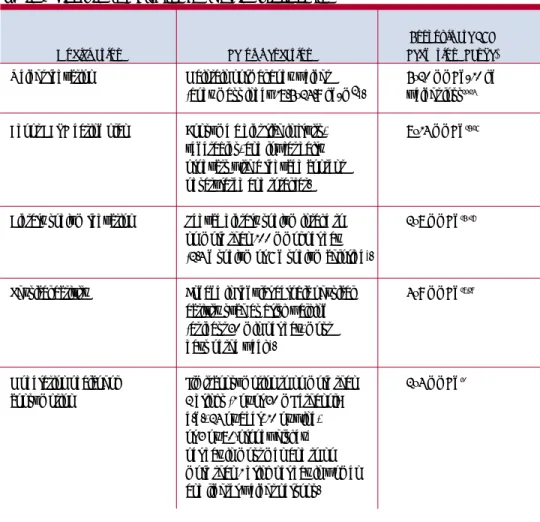
Table 1 provides a classification of BP for adults ages 18 and older. The classi-fication is based on the average of two or more properly measured, seated BP readings on each of two or more office visits. In contrast to the classification provided in the JNC 6 report, a new category designated prehypertension has been added, and stages 2 and 3 hypertension have been combined. Patients with prehypertension are at increased risk for progression to hypertension; those in the 130–139/80–89 mmHg BP range are at twice the risk to develop hypertension as those with lower values.6
c a r d i o v a s c u l a r d i s e a s e r i s k
Hypertension affects approximately 50 million individuals in the United States and approximately 1 billion worldwide. As the population ages, the prevalence of hypertension will increase even further unless broad and effective preventive measures are implemented. Recent data from the Framingham Heart Study suggest that individuals who are normotensive at age 55 have a 90 percent life-time risk for developing hypertension.7
als 40–70 years of age, each increment of 20 mmHg in systolic BP (SBP) or 10 mmHg in diastolic BP (DBP) doubles the risk of CVD across the entire BP range from 115/75 to 185/115 mmHg.8
The classification “prehypertension,” introduced in this report (table 1), recog-nizes this relationship and signals the need for increased education of health care professionals and the public to reduce BP levels and prevent the development of hypertension in the general population.9Hypertension prevention strategies are available to achieve this goal. (See “Lifestyle Modifications” section.)
b e n e f i t s o f l o w e r i n g b l o o d p r e s s u r e
In clinical trials, antihypertensive therapy has been associated with reductions in stroke incidence averaging 35–40 percent; myocardial infarction, 20–25 percent; and heart failure, more than 50 percent.10It is estimated that in patients with stage 1 hypertension (SBP 140–159 mmHg and/or DBP 90–99 mmHg) and additional cardiovascular risk factors, achieving a sus-tained 12 mmHg reduction in SBP over 10 years will prevent 1 death for every 11 patients treated. In the presence of CVD or target organ damage, only 9 patients would require such BP reduction to prevent a death.11
3
Table 1. Classification and management of blood pressure for adults*
SBP* mmHg BP Classification DBP* mmHg Lifestyle Modification Without Compelling Indication With Compelling Indications (See Table 8) Normal Prehypertension Stage 1 Hypertension Stage 2 Hypertension <120 120–139 140–159 ≥160
and <80 or 80–89 or 90–99 or ≥100 Encourage Yes Yes Yes No antihypertensive drug indicated. Thiazide-type diuretics for most. May consider ACEI, ARB, BB, CCB, or combination.
Two-drug combination for most†(usually thiazide-type diuretic and ACEI or ARB or BB or CCB).
Drug(s) for compelling indications.‡
Drug(s) for the com-pelling indications.‡ Other antihypertensive drugs (diuretics, ACEI, ARB, BB, CCB) as needed. Initial drug therapy
DBP, diastolic blood pressure; SBP, systolic blood pressure.
Drug abbreviations: ACEI, angiotensin converting enzyme inhibitor; ARB, angiotensin receptor blocker; BB, beta-blocker; CCB, calcium channel blocker.
* Treatment determined by highest BP category.
† Initial combined therapy should be used cautiously in those at risk for orthostatic hypotension.
b l o o d p r e s s u r e c o n t r o l r a t e s
Hypertension is the most common primary diagnosis in America (35 million office visits as the primary diagnosis).12Current control rates (SBP <140 mmHg and DBP <90 mmHg), though improved, are still far below the Healthy People 2010 goal of 50 percent; 30 percent are still unaware they have hypertension. (See table 2.) In the majority of patients, controlling systolic hypertension, which is a more important CVD risk factor than DBP except in patients younger than age 5013and occurs much more commonly in older persons, has been considerably more difficult than controlling diastolic hypertension. Recent clinical trials have demonstrated that effective BP control can be achieved in most patients who are hypertensive, but the majority will require two or more antihypertensive drugs.14,15When clinicians fail to pre-scribe lifestyle modifications, adequate antihypertensive drug doses, or appropriate drug combinations, inadequate BP control may result.
ac c u r at e b loo d p r e s s u r e m e a s u r e m e n t i n t h e o f f i c e
The auscultatory method of BP measurement with a properly calibrated and validated instrument should be used.16Persons should be seated quietly for at least 5 minutes in a chair (rather than on an exam table), with feet on the floor, and arm supported at heart level. Measurement of BP in the standing position is indicated periodically, especially in those at risk for postural hypoten-sion. An appropriate-sized cuff (cuff bladder encircling at least 80 percent of the arm) should be used to ensure accuracy. At least two measurements should be made. SBP is the point at which the first of two or more sounds is heard 4
Table 2. Trends in awareness, treatment, and control of high blood pressure in adults ages 18–74*
II (1976–80)
III (Phase 1 1988–91)
III (Phase 2
1991–94) 1999–2000
National Health and Nutrition Examination Survey, Percent
Awareness Treatment Control† 51 31 10 73 55 29 68 54 27 70 59 34
* High blood pressure is systolic blood pressure (SBP) ≥140 mmHg or diastolic blood pressure (DBP) ≥90 mmHg or taking antihypertensive medication.
† SBP<140 mmHg and DBP<90 mmHg.
(phase 1), and DBP is the point before the disappearance of sounds (phase 5). Clinicians should provide to patients, verbally and in writing, their specific BP numbers and BP goals.
a m b u l ato ry b lo o d p r e s s u r e m o n i to r i n g
Ambulatory blood pressure monitoring (ABPM)17provides information about BP during daily activities and sleep. ABPM is warranted for evaluation of “white-coat” hypertension in the absence of target organ injury. It is also helpful to assess patients with apparent drug resistance, hypotensive symptoms with antihypertensive medications, episodic hypertension, and autonomic dysfunction. The ambulatory BP values are usually lower than clinic readings. Awake, indi-viduals with hypertension have an average BP of more than 135/85 mmHg and during sleep, more than 120/75 mmHg. The level of BP measurement by using ABPM correlates better than office measurements with target organ injury.18 ABPM also provides a measure of the percentage of BP readings that are elevat-ed, the overall BP load, and the extent of BP reduction during sleep. In most individuals, BP decreases by 10 to 20 percent during the night; those in whom such reductions are not present are at increased risk for cardiovascular events.
s e l f - m e a s u r e m e n t o f b l o o d p r e s s u r e
BP self measurements may benefit patients by providing information on response to antihypertensive medication, improving patient adherence with therapy,19and in evaluating white-coat hypertension. Persons with an average BP more than 135/85 mmHg measured at home are generally considered to be hypertensive. Home measurement devices should be checked regularly for accuracy.
p a t i e n t e v a l u a t i o n
Evaluation of patients with documented hypertension has three objectives: (1) to assess lifestyle and identify other cardiovascular risk factors or con-comitant disorders that may affect prognosis and guide treatment (table 3); (2) to reveal identifiable causes of high BP (table 4); and (3) to assess the pres-ence or abspres-ence of target organ damage and CVD. The data needed are acquired through medical history, physical examination, routine laboratory tests, and other diagnostic procedures. The physical examination should
include an appropriate measurement of BP, with verification in the contralat-eral arm; examination of the optic fundi; calculation of body mass index (BMI) (measurement of waist circumference also may be useful); auscultation for carotid, abdominal, and femoral bruits; palpation of the thyroid gland; thorough examination of the heart and lungs; examination of the abdomen for enlarged kidneys, masses, and abnormal aortic pulsation; palpation of the lower extremities for edema and pulses; and neurological assessment.
Laboratory Tests and Other Diagnostic Procedures
Routine laboratory tests recommended before initiating therapy include an electrocardiogram; urinalysis; blood glucose and hematocrit; serum potassium, creatinine (or the corresponding estimated glomerular filtration rate [GFR]), and calcium;20and a lipid profile, after 9- to 12-hour fast, that includes high-density lipoprotein cholesterol and low-high-density lipoprotein cholesterol, and triglycerides. Optional tests include measurement of urinary albumin excre-tion or albumin/creatinine ratio. More extensive testing for identifiable causes is not indicated generally unless BP control is not achieved.
6
Table 4. Identifiable causes of hypertension
Sleep apnea
Drug-induced or related causes (see table 9) Chronic kidney disease
Primary aldosteronism Renovascular disease
Chronic steroid therapy and Cushing’s syndrome Pheochromocytoma
Coarctation of the aorta Thyroid or parathyroid disease
Table 3. Cardiovascular risk factors
Major Risk Factors
Target Organ Damage Hypertension*
Cigarette smoking
Obesity*(body mass index ≥30 kg/m2) Physical inactivity
Dyslipidemia*
Diabetes mellitus*
Microalbuminuria or estimated GFR <60 mL/min Age (older than 55 for men, 65 for women) Family history of premature cardiovascular disease
(men under age 55 or women under age 65)
GFR, glomerular filtration rate.
* Components of the metabolic syndrome. Heart
• Left ventricular hypertrophy • Angina or prior myocardial infarction • Prior coronary revascularization • Heart failure
Brain
• Stroke or transient ischemic attack Chronic kidney disease
Peripheral arterial disease
t r e a t m e n t
Goals of Therapy
The ultimate public health goal of antihypertensive therapy is the reduction of cardiovascular and renal morbidity and mortality. Since most persons with hypertension, especially those age >50 years, will reach the DBP goal once SBP is at goal, the primary focus should be on achieving the SBP goal. Treating SBP and DBP to targets that are <140/90 mmHg is associated with a decrease in CVD complications. In patients with hypertension and diabetes or renal disease, the BP goal is <130/80 mmHg.21,22
Lifestyle Modifications
Adoption of healthy lifestyles by all persons is critical for the prevention of high BP and is an indispensable part of the management of those with hyper-tension. Major lifestyle modifications shown to lower BP include weight reduction in those individuals who are overweight or obese,23,24adoption of the Dietary Approaches to Stop Hypertension (DASH) eating plan25which is rich in potassium and calcium,26dietary sodium reduction,25–27physical activi-ty,28,29and moderation of alcohol consumption. (See table 5.)30Lifestyle modifi-cations reduce BP, enhance antihypertensive drug efficacy, and decrease cardio-vascular risk. For example, a 1,600 mg sodium DASH eating plan has effects similar to single drug therapy.25Combinations of two (or more) lifestyle modi-fications can achieve even better results.
Pharmacologic Treatment
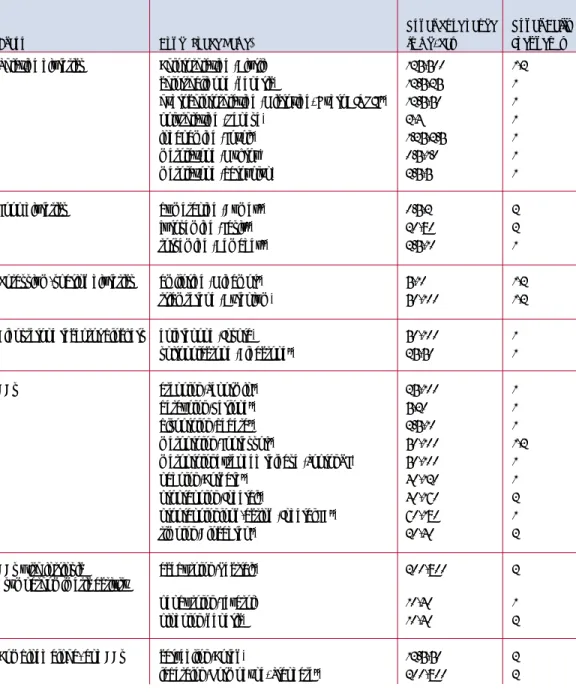
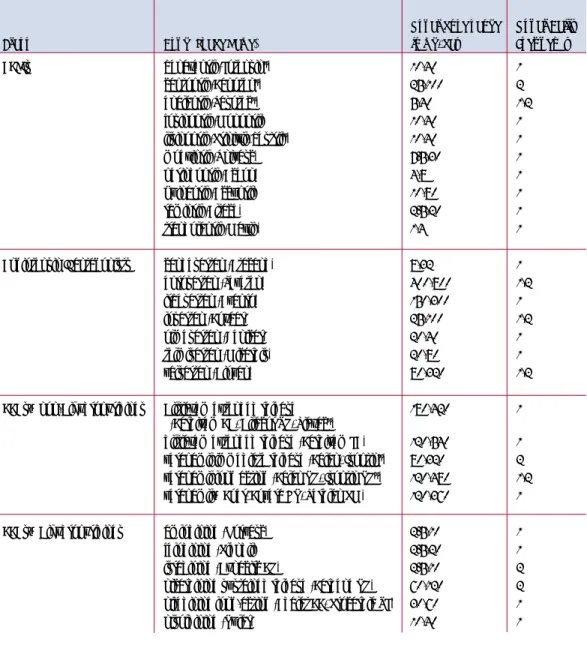
There are excellent clinical outcome trial data proving that lowering BP with several classes of drugs, including angiotensin converting enzyme inhibitors (ACEIs), angiotensin receptor blockers (ARBs), beta-blockers (BBs), calcium channel blockers (CCBs), and thiazide-type diuretics, will all reduce the com-plications of hypertension.10,31–37Tables 6 and 7 provide a list of commonly used antihypertensive agents.
Thiazide-type diuretics have been the basis of antihypertensive therapy in most outcome trials.37In these trials, including the recently published
Antihypertensive and Lipid Lowering Treatment to Prevent Heart Attack Trial (ALLHAT),33diuretics have been virtually unsurpassed in preventing the car-diovascular complications of hypertension. The exception is the Second Australian National Blood Pressure trial which reported slightly better out-comes in White men with a regimen that began with an ACEI compared to one starting with a diuretic.36Diuretics enhance the antihypertensive efficacy
of multidrug regimens, can be useful in achieving BP control, and are more affordable than other antihypertensive agents. Despite these findings, diuretics remain underutilized.39
Thiazide-type diuretics should be used as initial therapy for most patients with hypertension, either alone or in combination with one of the other classes (ACEIs, ARBs, BBs, CCBs) demonstrated to be beneficial in randomized con-trolled outcome trials. The list of compelling indications requiring the use of other antihypertensive drugs as initial therapy are listed in table 8. If a drug is not tolerated or is contraindicated, then one of the other classes proven to reduce cardiovascular events should be used instead.
8
Table 5. Lifestyle modifications to manage hypertension*†
Modification Recommendation
Approximate SBP Reduction (Range) Weight reduction Maintain normal body weight 5–20 mmHg/10 kg
(body mass index 18.5–24.9 kg/m2). weight loss23,24
Adopt DASH eating plan Consume a diet rich in fruits, 8–14 mmHg25,26 vegetables, and lowfat dairy
products with a reduced content of saturated and total fat.
Dietary sodium reduction Reduce dietary sodium intake to 2–8 mmHg25–27 no more than 100 mmol per day
(2.4 g sodium or 6 g sodium chloride).
Physical activity Engage in regular aerobic physical 4–9 mmHg28,29 activity such as brisk walking
(at least 30 min per day, most days of the week).
Moderation of alcohol Limit consumption to no more than 2–4 mmHg30 consumption 2 drinks (1 oz or 30 mL ethanol;
e.g., 24 oz beer, 10 oz wine, or 3 oz 80-proof whiskey) per day in most men and to no more than 1 drink per day in women and lighter weight persons.
DASH, Dietary Approaches to Stop Hypertension.
* For overall cardiovascular risk reduction, stop smoking.
9 Table 6. Oral antihypertensive drugs*
Class Drug (Trade Name)
Usual dose range in mg/day
Usual Daily
Frequency
Thiazide diuretics Chlorothiazide (Diuril) 125-500 1-2
chlorthalidone (generic) 12.5-25 1
hydrochlorothiazide (Microzide, HydroDIURIL†) 12.5-50 1
polythiazide (Renese) 2-4 1
indapamide (Lozol†) 1.25-2.5 1
metolazone (Mykrox) 0.5-1.0 1
metolazone (Zaroxolyn) 2.5-5 1
Loop diuretics bumetanide (Bumex†) 0.5-2 2
furosemide (Lasix†) 20-80 2
torsemide (Demadex†) 2.5-10 1
Potassium-sparing diuretics amiloride (Midamor†) 5-10 1-2
triamterene (Dyrenium) 50-100 1-2
Aldosterone receptor blockers eplerenone (Inspra) 50-100 1
spironolactone (Aldactone†) 25-50 1
BBs atenolol (Tenormin†) 25-100 1
betaxolol (Kerlone†) 5-20 1
bisoprolol (Zebeta†) 2.5-10 1
metoprolol (Lopressor†) 50-100 1-2
metoprolol extended release (Toprol XL) 50-100 1
nadolol (Corgard†) 40-120 1
propranolol (Inderal†) 40-160 2
propranolol long-acting (Inderal LA†) 60-180 1
timolol (Blocadren†) 20-40 2
BBs with intrinsic acebutolol (Sectral†) 200-800 2
sympathomimetic activity
penbutolol (Levatol) 10-40 1
pindolol (generic) 10-40 2
Combined alpha- and BBs carvedilol (Coreg) 12.5-50 2
10
Table 6. Oral antihypertensive drugs*(continued)
Class Drug (Trade Name)
ACEIs benazepril (Lotensin†) 10-40 1
captopril (Capoten†) 25-100 2
enalapril (Vasotec†) 5-40 1-2
fosinopril (Monopril) 10-40 1
lisinopril (Prinivil, Zestril†) 10-40 1
moexipril (Univasc) 7.5-30 1
perindopril (Aceon) 4-8 1
quinapril (Accupril) 10-80 1
ramipril (Altace) 2.5-20 1
trandolapril (Mavik) 1-4 1
Angiotensin II antagonists candesartan (Atacand) 8-32 1
eprosartan (Teveten) 400-800 1-2
irbesartan (Avapro) 150-300 1
losartan (Cozaar) 25-100 1-2
olmesartan (Benicar) 20-40 1
telmisartan (Micardis) 20-80 1
valsartan (Diovan) 80-320 1-2
CCBs—non-Dihydropyridines Diltiazem extended release 180-420 1 (Cardizem CD, Dilacor XR, Tiazac†)
diltiazem extended release (Cardizem LA) 120-540 1 verapamil immediate release (Calan, Isoptin†) 80-320 2
verapamil long acting (Calan SR, Isoptin SR†) 120-480 1-2
verapamil—Coer, Covera HS, Verelan PM) 120-360 1
CCBs—Dihydropyridines amlodipine (Norvasc) 2.5-10 1
felodipine (Plendil) 2.5-20 1
isradipine (Dynacirc CR) 2.5-10 2
nicardipine sustained release (Cardene SR) 60-120 2 nifedipine long-acting (Adalat CC, Procardia XL) 30-60 1
nisoldipine (Sular) 10-40 1
Usual dose range in mg/day
Usual Daily
11
* In some patients treated once daily, the antihypertensive effect may diminish toward the end of the dosing interval (trough effect). BP should be measured just prior to dosing to determine if satisfactory BP control is obtained. Accordingly, an increase in dosage or frequency may need to be considered. These dosages may vary from those listed in the “Physicians Desk Reference, 57th ed.”
† Available now or soon to become available in generic preparations.
Source: Physicians' Desk Reference. 57 ed. Montvale, NJ: Thomson PDR, 2003
Table 6. Oral antihypertensive drugs*(continued)
Class Drug (Trade Name)
Alpha-1 blockers doxazosin (Cardura) 1-16 1
prazosin (Minipress†) 2-20 2-3
terazosin (Hytrin) 1-20 1-2
Central alpha-2 agonists and clonidine (Catapres†) 0.1-0.8 2
other centrally acting drugs
clonidine patch (Catapres-TTS) 0.1-0.3 1 wkly
methyldopa (Aldomet†) 250-1,000 2
reserpine (generic) 0.1-0.25 1
guanfacine (Tenex†) 0.5-2 1
Direct vasodilators hydralazine (Apresoline†) 25-100 2
minoxidil (Loniten†) 2.5-80 1-2
Usual dose range in mg/day
Usual Daily
12
Table 7. Combination drugs for hypertension
Combination Type* Fixed-Dose Combination, mg† Trade Name
ACEIs and CCBs Amlodipine-benazepril hydrochloride (2.5/10, 5/10, 5/20, 10/20) Lotrel
Enalapril-felodipine (5/5) Lexxel
Trandolapril-verapamil (2/180, 1/240, 2/240, 4/240) Tarka
ACEIs and diuretics Benazepril-hydrochlorothiazide (5/6.25, 10/12.5, 20/12.5, 20/25) Lotensin HCT Captopril-hydrochlorothiazide (25/15, 25/25, 50/15, 50/25) Capozide Enalapril-hydrochlorothiazide (5/12.5, 10/25) Vaseretic Fosinopril-hydrochlorothiazide (10/12.5, 20/12.5) Monopril/HCT Lisinopril-hydrochlorothiazide (10/12.5, 20/12.5, 20/25) Prinzide, Zestoretic Moexipril-hydrochlorothiazide (7.5/12.5, 15/25) Uniretic
Quinapril-hydrochlorothiazide (10/12.5, 20/12.5, 20/25) Accuretic
ARBs and diuretics Candesartan-hydrochlorothiazide (16/12.5, 32/12.5) Atacand HCT Eprosartan-hydrochlorothiazide (600/12.5, 600/25) Teveten-HCT Irbesartan-hydrochlorothiazide (150/12.5, 300/12.5) Avalide Losartan-hydrochlorothiazide (50/12.5, 100/25) Hyzaar Olmesartan medoxomil-hydrochlorothiazide (20/12.5,40/12.5,40/25) Benicar HCT Telmisartan-hydrochlorothiazide (40/12.5, 80/12.5) Micardis-HCT Valsartan-hydrochlorothiazide (80/12.5, 160/12.5, 160/25) Diovan-HCT
BBs and diuretics Atenolol-chlorthalidone (50/25, 100/25) Tenoretic Bisoprolol-hydrochlorothiazide (2.5/6.25, 5/6.25, 10/6.25) Ziac
Metoprolol-hydrochlorothiazide (50/25, 100/25) Lopressor HCT Nadolol-bendroflumethiazide (40/5, 80/5) Corzide Propranolol LA-hydrochlorothiazide (40/25, 80/25) Inderide LA
Timolol-hydrochlorothiazide (10/25) Timolide
Centrally acting drug Methyldopa-hydrochlorothiazide (250/15, 250/25, 500/30, 500/50) Aldoril and diuretic
Reserpine-chlothalidone (0.125/25, 0.25/50) Demi-Regroton, Regroton Reserpine-chlorothiazide (0.125/250, 0.25/500) Diupres Reserpine-hydrochlorothiazide (0.125/25, 0.125/50) Hydropres
Diuretic and diuretic Amiloride-hydrochlorothiazide (5/50) Moduretic Spironolactone-hydrochlorothiazide (25/25, 50/50) Aldactazide Triamterene-hydrochlorothiazide (37.5/25, 75/50) Dyazide, Maxzide
* Drug abbreviations: BB, beta-blocker; ACEI, angiotensin converting enzyme inhibitor; ARB, angiotensin receptor blocker; CCB, calcium channel blocker.
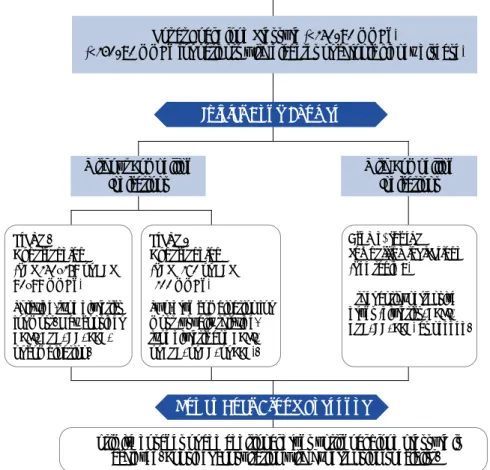
13 Figure 1. Algorithm for treatment of hypertension
Lifestyle Modifications
Not at Goal Blood Pressure (<140/90 mmHg)
(<130/80 mmHg for patients with diabetes or chronic kidney disease)
Initial Drug Choices
Without Compelling Indications
With Compelling Indications
Not at Goal Blood Pressure
Stage 1 Hypertension
(SBP 140–159 or DBP 90–99 mmHg)
Thiazide-type diuretics for most. May consider ACEI, ARB, BB, CCB, or combination.
Stage 2 Hypertension
(SBP ≥160 or DBP ≥100 mmHg)
Two-drug combination for most (usually thiazide-type diuretic and ACEI, or ARB, or BB, or CCB).
Drug(s) for the compelling indications
(See table 8)
Other antihypertensive drugs (diuretics, ACEI, ARB, BB, CCB) as needed.
Optimize dosages or add additional drugs until goal blood pressure is achieved. Consider consultation with hypertension specialist.
Achieving Blood Pressure Control in Individual Patients
Most patients who are hypertensive will require two or more antihypertensive medications to achieve their BP goals.14,15Addition of a second drug from a different class should be initiated when use of a single drug in adequate doses fails to achieve the BP goal. When BP is more than 20/10 mmHg above goal, consideration should be given to initiating therapy with two drugs, either as separate prescriptions or in fixed-dose combinations. (See figure 1.) The initia-tion of drug therapy with more than one agent may increase the likelihood of achieving the BP goal in a more timely fashion, but particular caution is advised in those at risk for orthostatic hypotension, such as patients with dia-betes, autonomic dysfunction, and some older persons. Use of generic drugs or combination drugs should be considered to reduce prescription costs.
DBP, diastolic blood pressure; SBP, systolic blood pressure.
14
Followup and Monitoring
Once antihypertensive drug therapy is initiated, most patients should return for followup and adjustment of medications at approximately monthly intervals until the BP goal is reached. More frequent visits will be necessary for patients with stage 2 hypertension or with complicating comorbid conditions. Serum potassium and creatinine should be monitored at least 1–2 times/year.60After BP is at goal and stable, followup visits can usually be at 3- to 6-month inter-vals. Comorbidities, such as heart failure, associated diseases such as diabetes, and the need for laboratory tests influence the frequency of visits. Other car-diovascular risk factors should be treated to their respective goals, and tobacco avoidance should be promoted vigorously. Low-dose aspirin therapy should be considered only when BP is controlled, because the risk of hemorrhagic stroke is increased in patients with uncontrolled hypertension.61
s p e c i a l c o n s i d e r a t i o n s
The patient with hypertension and certain comorbidities requires special attention and followup by the clinician.
Compelling Indications
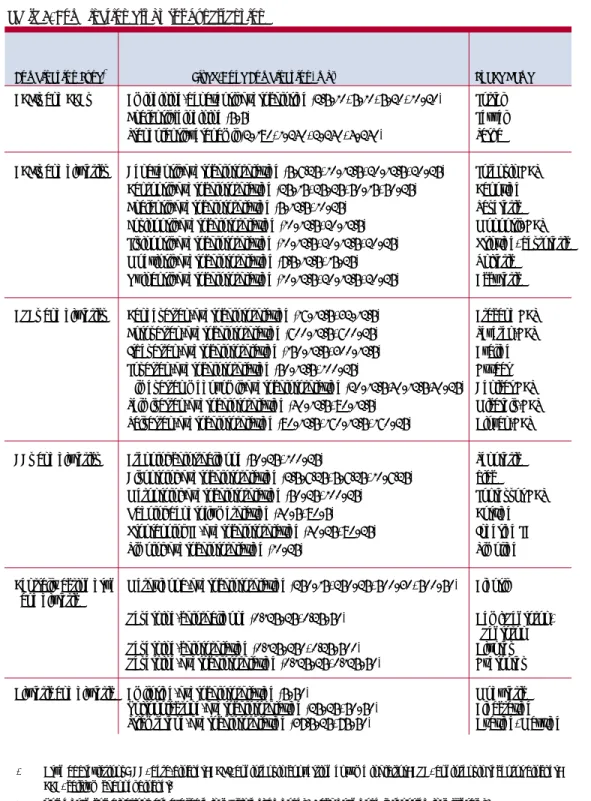
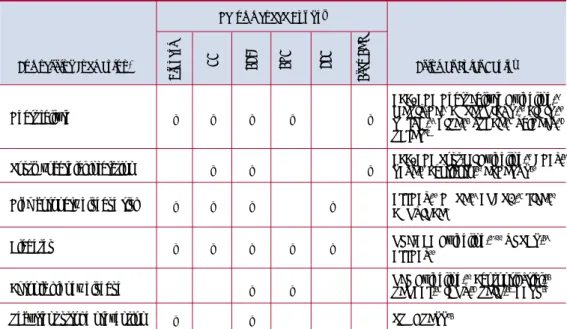
Table 8 describes compelling indications that require certain antihypertensive drug classes for high-risk conditions. The drug selections for these compelling indications are based on favorable outcome data from clinical trials. A combi-nation of agents may be required. Other management considerations include medications already in use, tolerability, and desired BP targets. In many cases, specialist consultation may be indicated.
Ischemic Heart Disease
15
Heart Failure
Heart failure (HF), in the form of systolic or diastolic ventricular dysfunction, results primarily from systolic hypertension and IHD. Fastidious BP and cho-lesterol control are the primary preventive measures for those at high risk for HF.40In asymptomatic individuals with demonstrable ventricular dysfunction, ACEIs and BBs are recommended.52,62For those with symptomatic ventricular dysfunction or end-stage heart disease, ACEIs, BBs, ARBs and aldosterone blockers are recommended along with loop diuretics.40–48
Diabetic Hypertension
Combinations of two or more drugs are usually needed to achieve the target goal of <130/80 mmHg.21,22Thiazide diuretics, BBs, ACEIs, ARBs, and CCBs are beneficial in reducing CVD and stroke incidence in patients with dia-betes.33,54,63ACEI- or ARB-based treatments favorably affect the progression of diabetic nephropathy and reduce albuminuria,55,56and ARBs have been shown to reduce progression to macroalbuminuria.56,57
ACC/AHA Heart Failure Guideline,40 MERIT-HF,41COPERNICUS,42CIBIS,43 SOLVD,44AIRE,45TRACE,46 ValHEFT,47 RALES48
ACC/AHA Post-MI Guideline,49BHAT,50 SAVE,51Capricorn,52EPHESUS53
ALLHAT,33HOPE,34ANBP2,36LIFE,32 CONVINCE31
NKF-ADA Guideline,21,22UKPDS,54 ALLHAT33
NFK Guideline,22Captopril Trial,55 RENAAL,56IDNT,57REIN,58AASK59
PROGRESS35
Table 8. Clinical trial and guideline basis for compelling indications for individual drug classes
Compelling Indication* Clinical Trial Basis‡
Recommended Drugs†
Heart failure
Postmyocardial infarction
High coronary disease risk
Diabetes
Chronic kidney disease
Recurrent stroke prevention • • • • • • • • • • • • • • • • • • • • •
* Compelling indications for antihypertensive drugs are based on benefits from outcome studies or existing clinical guidelines; the compelling indication is managed in parallel with the BP.
† Drug abbreviations: ACEI, angiotensin converting enzyme inhibitor; ARB, angiotensin receptor blocker; Aldo ANT, aldosterone antagonist; BB, beta-blocker; CCB, calcium channel blocker.
‡ Conditions for which clinical trials demonstrate benefit of specific classes of antihypertensive drugs.
16
Chronic Kidney Disease
In people with chronic kidney disease (CKD), as defined by either (1) reduced excretory function with an estimated GFR below 60 ml/min per 1.73 m2 (corresponding approximately to a creatinine of >1.5 mg/dL in men or >1.3 mg/dL in women),20or (2) the presence of albuminuria (>300 mg/day or 200 mg albumin/g creatinine), therapeutic goals are to slow deterioration of renal function and prevent CVD. Hypertension appears in the majority of these patients, and they should receive aggressive BP management, often with three or more drugs to reach target BP values of <130/80 mmHg.59,64ACEIs and ARBs have demonstrated favorable effects on the progression of diabetic and nondiabetic renal disease.55–59,64A limited rise in serum creatinine of as much as 35 percent above baseline with ACEIs or ARBs is acceptable and is not a reason to withhold treatment unless hyperkalemia develops.65With advanced renal disease (estimated GFR <30 ml/min 1.73 m2, corresponding to a serum creatinine of 2.5–3 mg/dL), increasing doses of loop diuretics are usu-ally needed in combination with other drug classes.
Cerebrovascular Disease
The risks and benefits of acute lowering of BP during an acute stroke are still unclear; control of BP at intermediate levels (approximately 160/100 mmHg) is appropriate until the condition has stabilized or improved. Recurrent stroke rates are lowered by the combination of an ACEI and thiazide-type diuretic.35
Other Special Situations
Minorities
BP control rates vary in minority populations and are lowest in Mexican Americans and Native Americans.1In general, the treatment of hypertension is similar for all demographic groups, but socioeconomic factors and lifestyle may be important barriers to BP control in some minority patients. The prevalence, severity, and impact of hypertension are increased in African Americans, who also demonstrate somewhat reduced BP responses to monotherapy with BBs, ACEIs, or ARBs compared to diuretics or CCBs. These differential responses are largely eliminated by drug combinations that include adequate doses of a diuretic. ACEI-induced angioedema occurs 2–4 times more frequently in African American patients with hypertension than in other groups.33
Obesity and the metabolic syndrome
17 for cholesterol management defines the metabolic syndrome as the presence of three or more of the following conditions: abdominal obesity (waist circum-ference >40 inches in men or >35 inches in women), glucose intolerance (fast-ing glucose >110 mg/dL), BP >130/85 mmHg, high triglycerides (>150 mg/dL), or low HDL (<40 mg/dL in men or <50 mg/dL in women).66 Intensive lifestyle modification should be pursued in all individuals with the metabolic syndrome, and appropriate drug therapy should be instituted for each of its components as indicated.
Left ventricular hypertrophy
Left ventricular hypertrophy (LVH) is an independent risk factor that increases the risk of subsequent CVD. Regression of LVH occurs with aggressive BP management, including weight loss, sodium restriction, and treatment with all classes of antihypertensive agents except the direct vasodilators hydralazine, and minoxidil.1,67
Peripheral arterial disease
Peripheral arterial disease (PAD) is equivalent in risk to IHD. Any class of antihypertensive drugs can be used in most PAD patients. Other risk factors should be managed aggressively, and aspirin should be used.
Hypertension in older persons
Hypertension occurs in more than two-thirds of individuals after age 65.1This is also the population with the lowest rates of BP control.68Treatment recom-mendations for older people with hypertension, including those who have iso-lated systolic hypertension, should follow the same principles outlined for the general care of hypertension. In many individuals, lower initial drug doses may be indicated to avoid symptoms; however, standard doses and multiple drugs are needed in the majority of older people to reach appropriate BP targets.
Postural hypotension
A decrease in standing SBP >10 mmHg, when associated with dizziness or faint-ing, is more frequent in older patients with systolic hypertension, diabetes, and those taking diuretics, venodilators (e.g., nitrates, alpha-blockers, and sildenafil-like drugs), and some psychotropic drugs. BP in these individuals should also be monitored in the upright position. Caution should be used to avoid volume depletion and excessively rapid dose titration of antihypertensive drugs.
Dementia
18
Hypertension in women
Oral contraceptives may increase BP, and the risk of hypertension increases with duration of use. Women taking oral contraceptives should have their BP checked regularly. Development of hypertension is a reason to consider other forms of contraception. In contrast, menopausal hormone therapy does not raise BP.71
Women with hypertension who become pregnant should be followed carefully because of increased risks to mother and fetus. Methyldopa, BBs, and vasodila-tors are preferred medications for the safety of the fetus.72ACEI and ARBs should not be used during pregnancy because of the potential for fetal defects and should be avoided in women who are likely to become pregnant. Preeclampsia, which occurs after the 20th week of pregnancy, is characterized by new-onset or worsening hypertension, albuminuria, and hyperuricemia, sometimes with coagulation abnormalities. In some patients, preeclampsia may develop into a hypertensive urgency or emergency and may require hospitaliza-tion, intensive monitoring, early fetal delivery, and parenteral antihypertensive and anticonvulsant therapy.72
Hypertension in children and adolescents
In children and adolescents, hypertension is defined as BP that is, on repeated measurement, at the 95th percentile or greater adjusted for age, height, and gender.73The fifth Korotkoff sound is used to define DBP. Clinicians should be alert to the possibility of identifiable causes of hypertension in younger children (i.e., kidney disease, coarctation of the aorta). Lifestyle interventions are strongly recommended, with pharmacologic therapy instituted for higher levels of BP or if there is insufficient response to lifestyle modifications.74 Choices of antihypertensive drugs are similar in children and adults, but effec-tive doses for children are often smaller and should be adjusted carefully. ACEIs and ARBs should not be used in pregnant or sexually active girls. Uncomplicated hypertension should not be a reason to restrict children from participating in physical activities, particularly because long-term exercise may lower BP. Use of anabolic steroids should be strongly discouraged. Vigorous interventions also should be conducted for other existing modifiable risk fac-tors (e.g., smoking).
Hypertensive urgencies and emergencies
19 antihypertensive therapy. They should be carefully evaluated and monitored for hypertension-induced heart and kidney damage and for identifiable causes of hypertension. (See table 4.)
Additional Considerations in Antihypertensive Drug Choices
Antihypertensive drugs can have favorable or unfavorable effects on other comorbidities.
Potential favorable effects
Thiazide-type diuretics are useful in slowing demineralization in osteoporosis. BBs can be useful in the treatment of atrial tachyarrhythmias/fibrillation, migraine, thyrotoxicosis (short term), essential tremor, or perioperative hyper-tension. CCBs may be useful in Raynaud’s syndrome and certain arrhythmias, and alpha-blockers may be useful in prostatism.
Potential unfavorable effects
Thiazide diuretics should be used cautiously in patients who have gout or who have a history of significant hyponatremia. BBs should generally be avoided in individuals who have asthma, reactive airways disease, or second or third degree heart block. ACEIs and ARBs should not be given to women likely to become pregnant and are contraindicated in those who are. ACEIs should not be used in individuals with a history of angioedema. Aldosterone antagonists and potassium-sparing diuretics can cause hyperkalemia and should generally be avoided in patients who have serum potassium values more than 5.0 mEq/L while not taking medications.
i m p r o v i n g h y p e r t e n s i o n c o n t r o l
Adherence to Regimens
Behavioral models suggest that the most effective therapy prescribed by the most careful clinician will control hypertension only if the patient is motivated to take the prescribed medication and to establish and maintain a health-promoting lifestyle. Motivation improves when patients have positive experiences with and trust in their clinicians. Empathy both builds trust and is a potent motivator.75
20
Failure to titrate or combine medications, despite knowing the patient is not at goal BP, represents clinical inertia and must be overcome.77Decision sup-port systems (i.e., electronic and paper), flow sheets, feedback reminders, and involvement of nurse clinicians and pharmacists can be helpful.78
The clinician and the patient must agree upon BP goals. A patient-centered strategy to achieve the goal and an estimation of the time needed to reach goal are important.79When BP is above goal, alterations in the plan should be documented. BP self-monitoring can also be useful.
Patients’ nonadherence to therapy is increased by misunderstanding of the condition or treatment, denial of illness because of lack of symptoms or per-ception of drugs as symbols of ill health, lack of patient involvement in the care plan, or unexpected adverse effects of medications. The patient should be made to feel comfortable in telling the clinician all concerns and fears of unexpected or disturbing drug reactions.
The cost of medications and the complexity of care (i.e., transportation, patient difficulty with polypharmacy, difficulty in scheduling appointments, and life’s competing demands) are additional barriers that must be overcome to achieve goal BP.
All members of the health care team (e.g., physicians, nurse case managers, and other nurses, physician assistants, pharmacists, dentists, registered dieti-tians, optometrists, and podiatrists) must work together to influence and rein-force instructions to improve patients’ lifestyles and BP control.80
Resistant Hypertension
21
p u b l i c h e a lt h c h a l l e n g e s a n d c o m m u n i t y p r o g r a m s
Public health approaches, such as reducing calories, saturated fat, and salt in processed foods and increasing community/school opportunities for physical activity, can achieve a downward shift in the distribution of a population’s BP, thus potentially reducing morbidity, mortality, and the lifetime risk of an indi-vidual’s becoming hypertensive. This becomes especially critical as the increase in BMI of Americans has reached epidemic levels. Now, 122 million adults are overweight or obese, which contributes to the rise in BP and related con-ditions.81The JNC 7 endorses the American Public Health Association resolu-tion that the food manufacturers and restaurants reduce sodium in the food supply by 50 percent over the next decade. When public health intervention strategies address the diversity of racial, ethnic, cultural, linguistic, religious, and social factors in the delivery of their services, the likelihood of their acceptance by the community increases. These public health approaches can provide an attractive opportunity to interrupt and prevent the continuing costly cycle of managing hypertension and its complications.
Drug-Induced or Other Causes
• Nonadherence • Inadequate doses • Inappropriate combinations
• Nonsteroidal anti-inflammatory drugs; cyclooxygenase 2 inhibitors • Cocaine, amphetamines, other illicit drugs
• Sympathomimetics (decongestants, anorectics) • Oral contraceptives
• Adrenal steroids
• Cyclosporine and tacrolimus • Erythropoietin
• Licorice (including some chewing tobacco)
• Selected over-the-counter dietary supplements and medicines (e.g., ephedra, ma haung, bitter orange)
Table 9. Causes of resisitant hypertension
Improper BP Measurement
Identifiable Causes of Hypertension. (See table 4.) Volume Overload and Pseudotolerance
• Excess sodium intake
• Volume retention from kidney disease • Inadequate diuretic therapy
Associated Conditions
• Obesity
23
e v i d e n c e c l a s s i f i c a t i o n
The studies that provided evidence supporting the recommendations of this report were classified and reviewed by the staff and the Executive Committee. The classification scheme is from the JNC 6 report.2
M Meta-analysis; use of statistical methods to combine the results from clinical trials
RA Randomized controlled trials; also known as experimental studies
RE Retrospective analyses; also known as case-control studies
F Prospective study; also known as cohort studies, including historical or prospective followup studies.
X Cross-sectional survey; also known as prevalence studies
PR Previous review or position statements
25
s t u d y a b b r e v i a t i o n s
AASK African American Study of Kidney Disease
and Hypertension
ACC/AHA American College of Cardiology/American Heart
Association
AIRE Acute Infarction Ramipril Efficacy
ALLHAT Antihypertensive and Lipid-Lowering Treatment To Prevent
Heart Attack Trial
ANBP2 Second Australian National Blood Pressure Study
BHAT β-Blocker Heart Attack Trial
CIBIS Cardiac Insufficiency Bisoprolol Study
CONVINCE Controlled Onset Verapamil Investigation of Cardiovascular End Points
COPERNICUS Carvedilol Prospective Randomized Cumulative Survival Study
EPHESUS Eplerenone Post-Acute Myocardial Infarction Heart Failure Efficacy and Survival Study
HOPE Heart Outcomes Prevention Evaluation Study
IDNT Irbesartan Diabetic Nephropathy Trial
LIFE Losartan Intervention For Endpoint Reduction
in Hypertension Study
MERIT-HF Metoprolol CR/XL Randomized Intervention Trial
in Congestive Heart Failure
NKF-ADA National Kidney Foundation-American Diabetes
Association
PROGRESS Perindopril Protection Against Recurrent Stroke Study
RALES Randomized Aldactone Evaluation Study
REIN Ramipril Efficacy in Nephropathy Study
RENAAL Reduction of Endpoints in Non Insulin Dependent
Diabetes Mellitus With the Angiotensin II Antagonist Losartan Study
SAVE Survival and Ventricular Enlargement Study
SOLVD Studies of Left Ventricular Dysfunction
TRACE Trandolapril Cardiac Evaluation Study
UKPDS United Kingdom Prospective Diabetes Study
27
r e f e r e n c e l i s t
1. National High Blood Pressure Education Program. The sixth report of the Joint National Committee on Prevention, Detection, Evaluation, and Treatment of High Blood Pressure.
Arch Intern Med. 1997;157:2413-46. PR
2. U.S. Department of Health and Human Services, National Heart, Lung, and Blood Institute. National High Blood Pressure Education Program. Available at:
http://www.nhlbi.nih.gov/about/nhbpep/index.htm. Accessed March 5, 2003.
3. Sheps SG, Roccella EJ. Reflections on the sixth report of the Joint National Committee on Prevention, Detection, Evaluation, and Treatment of High Blood Pressure. Curr Hypertens
Rep. 1999;1:342-5. PR
4. Roccella EJ, Kaplan NM. Interpretation and evaluation of clinical guidelines. In: Izzo JL Jr, Black HR, eds. Hypertension Primer. Dallas, TX: American Heart Association,
2003;126:126-7. PR
5. Last JM, Abramson JH, eds. A dictionary of epidemiology. 3rd ed. New York, NY: Oxford University Press, 1995.
6. Vasan RS, Larson MG, Leip EP, et al. Assessment of frequency of progression to hyperten-sion in nonhypertensive participants in the Framingham Heart Study:
A cohort study. Lancet. 2001;358:1682-6. F
7. Vasan RS, Beiser A, Seshadri S, et al. Residual lifetime risk for developing hypertension in middle-aged women and men: The Framingham Heart Study. JAMA. 2002;287:1003-10. F
8. Lewington S, Clarke R, Qizilbash N, et al. Age-specific relevance of usual blood pressure to vascular mortality: A meta-analysis of individual data for one million adults in 61 prospective studies. Lancet. 2002;360:1903-13. M
9. Whelton PK, He J, Appel LJ, et al. Primary prevention of hypertension: Clinical and public health advisory from The National High Blood Pressure Education Program. JAMA. 2002;288:1882-8. PR
11. Ogden LG, He J, Lydick E, Whelton PK. Long-term absolute benefit of lowering blood pressure in hypertensive patients according to the JNC VI risk stratification. Hypertension. 2000;35:539-43. X
12. Cherry DK, Woodwell DA. National Ambulatory Medical Care Survey: 2000 Summary.
Advance Data. 2002;328. PR
13. Izzo JL Jr, Levy D, Black HR. Clinical Advisory Statement. Importance of systolic blood pressure in older Americans. Hypertension. 2000;35:1021-4. PR
14. Cushman WC, Ford CE, Cutler JA, et al. Success and predictors of blood pressure control in diverse North American settings: The Antihypertensive and Lipid-Lowering Treatment to Prevent Heart Attack Trial (ALLHAT). J Clin Hypertens (Greenwich). 2002;4:393-404. RA
15. Black HR, Elliott WJ, Neaton JD, et al. Baseline characteristics and elderly blood pressure control in the CONVINCE trial. Hypertension. 2001;37:12-8. RA
16. World Hypertension League. Measuring your blood pressure. Available at: http://www.mco.edu/org/whl/bloodpre.html. Accessed April 1, 2003.
17. Pickering T. Recommendations for the use of home (self) and ambulatory blood pressure monitoring. American Society of Hypertension Ad Hoc Panel. Am J Hypertens.
1996;9:1-11. PR
18. Verdecchia P. Prognostic value of ambulatory blood pressure: current evidence and clinical implications. Hypertension. 2000;35:844-51. PR
19. American Heart Association. Home monitoring of high blood pressure. Available at: http://www.americanheart.org/presenter.jhtml?identifier=576. Accessed April 1, 2003.
20. GFR / 1.73 M2 by MDRD (± SUN and SAlb) Calculator. Available at: http://www.hdcn.com/calcf/gfr.htm. Accessed April 1, 2003.
21. American Diabetes Association. Treatment of hypertension in adults with diabetes.
Diabetes Care. 2003;26(suppl 1):S80-S82. PR
22. National Kidney Foundation Guideline. K/DOQI clinical practice guidelines for chronic kidney disease: Evaluation, classification, and stratification. Kidney Disease Outcome Quality Initiative. Am J Kidney Dis. 2002;39(suppl 2):S1-S246. PR
23. The Trials of Hypertension Prevention Collaborative Research Group. Effects of weight loss and sodium reduction intervention on blood pressure and hypertension incidence in overweight people with high-normal blood pressure. The Trials of Hypertension Prevention, phase II. Arch Intern Med. 1997;157:657-67. RA
24. He J, Whelton PK, Appel LJ, Charleston J, Klag MJ. Long-term effects of weight loss and dietary sodium reduction on incidence of hypertension. Hypertension. 2000;35:544-9. F
25. Sacks FM, Svetkey LP, Vollmer WM, et al. Effects on blood pressure of reduced dietary sodium and the Dietary Approaches to Stop Hypertension (DASH) diet. DASH-Sodium Collaborative Research Group. N Engl J Med. 2001;344:3-10. RA
26. Vollmer WM, Sacks FM, Ard J, et al. Effects of diet and sodium intake on blood pressure: Subgroup analysis of the DASH-sodium trial. Ann Intern Med. 2001;135:1019-28. RA
27. Chobanian AV, Hill M. National Heart, Lung, and Blood Institute Workshop on Sodium and Blood Pressure: A critical review of current scientific evidence. Hypertension. 2000;35:858-63. PR
28. Kelley GA, Kelley KS. Progressive resistance exercise and resting blood pressure: A meta-analysis of randomized controlled trials. Hypertension. 2000;35:838-43. M
29. Whelton SP, Chin A, Xin X, He J. Effect of aerobic exercise on blood pressure:
A meta-analysis of randomized, controlled trials. Ann Intern Med. 2002;136:493-503. M
30. Xin X, He J, Frontini MG, et al. Effects of alcohol reduction on blood pressure: A meta-analysis of randomized controlled trials. Hypertension. 2001;38:1112-7. M
31. Black HR, Elliott WJ, Grandits G, et al. Principal results of the Controlled ONset Verapamil INvestigation of Cardiovascular Endpoints (CONVINCE) trial. JAMA. 2003;289:2073-82. RA
32. Dahlof B, Devereux RB, Kjeldsen SE, et al. Cardiovascular morbidity and mortality in the Losartan Intervention For Endpoint reduction in hypertension study (LIFE): A randomised trial against atenolol. Lancet. 2002;359:995-1003. RA
33. The ALLHAT Officers and Coordinators for the ALLHAT Collaborative Research Group. Major outcomes in high-risk hypertensive patients randomized to angiotensin-converting enzyme inhibitor or calcium channel blocker vs diuretic: The Antihypertensive and Lipid-Lowering Treatment to Prevent Heart Attack Trial (ALLHAT). JAMA. 2002;288:2981-97. RA