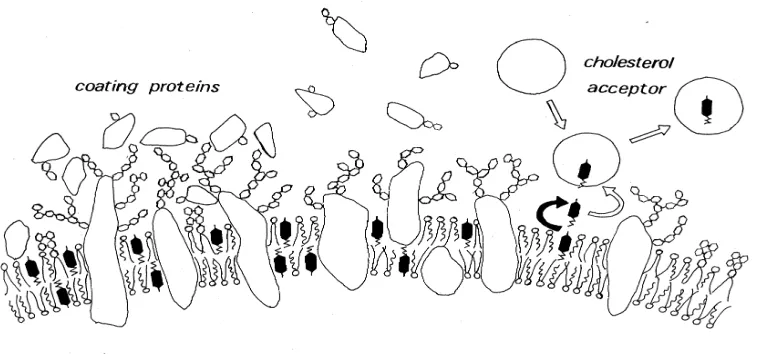
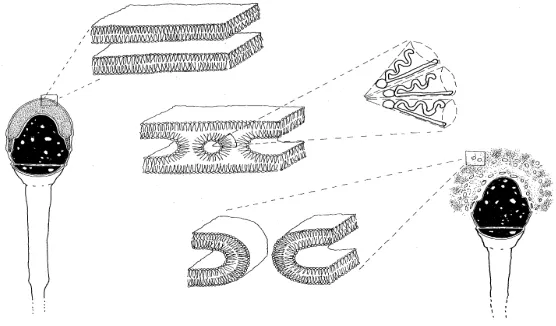
9.- Discussió: Part II.
9.1.- Determinació dels anticossos anti-endometri (AEA)
Existeixen diferents tècniques que ens permeten detectar la presència d'anticossos antiendometri (AEA) en fluids biològics, entre elles destaquem per ordre de menor a major sensibilitat l'hemoaglutinació pasiva176,209,210,211
, la immunofluorescència209,211,212,213,214
, el western blot215,216,217 o bé l'ELISA206,218,219
.
Nosaltres hem dissenyat un ELISA utilitzant dues linies d'adenocarcinoma d'endometri (linies RL95-2 (1671) i HEC-1-B (113), American Type Cell Culture, ATCC) tal com es descriu en l'article de Palacio et al206
. Aquest ELISA ens ofereix una sèrie d’avantatges que no tenim amb altres tècniques, entre d’altres:
- Els antígens de les linies cel.lulars d'endometri no difereixen al llarg del temps, són relativament estables i constants.
- Els resultats obtinguts amb ambdues linies es correlacionen bé amb els resultats obtinguts utilitzant cèl.lules provinents de biòpsia d'endometri en fase lútea.
- Podem preparar moltes plaques d'ELISA per l'anàlisi d'un gran nombre de mostres de manera simultània.
- Els resultats obtinguts, expressats com absorbància a 620nm, llegida pel lector d’ELISA, són objectius i quantificables. En altre tipus de tècnica, com la immunofluorescència, predomina la subjectivitat de l'analista que classifica la intensitat de la fluorescència observada al microscopi.
- Podem detectar anticossos específics d'antígens de membrana i també d'antígens intracel.lulars, segons el mètode de fixació i permeabilització emprats.
- La bona adherència d'aquestes cèl.lules endometrials al plàstic ens permet realitzar una fixació amb glutaraldehid molt suau (0.25%) a temps curts d'incubació (5-20 minuts) que permet evitar al màxim la modificació antigènica per efecte del fixador.
- És impossible detectar la presència d'anticossos anti-endometri específics d'antígens expressats a l'endometri normal però no a les linies cel.lulars. - El fet d'utilitzar aquestes linies cel.lulars, d'adenocarcinoma d'endometri,
provinents d'un epiteli glandular, no permet la detecció d'anticossos específics d'antígens expressats exclusivament a l'estroma. Encara que com Wild213
descriu, la majoria dels anticossos desenvolupats serien específics d'antigens presents a les glàndules endometrials.
- Permet la detecció dels autoanticossos, però no ens porporciona cap informació sobre els epítops o antígens diana reconeguts pels anticossos.
Aquest ELISA, desenvolupat al nostre laboratori206
, detecta fiablement la presència d'anticossos anti-endometri (AEA). En l'article de Iborra et al207, hem estudiat la presència dels AEA en relació al grau de severitat de l’endometriosi, resultats discutits en el proper apartat. També hem realitzat experiments on observem com els AEA s'uneixen millor, o en major nombre, després de sotmetre les cèl.lules endometrials a diferents tractaments capaços de generar un estrès oxidatiu, tal com mostrem en el manuscrit d’Iborra et al208.
La posta a punt de la tècnica d'ELISA va donar peu a un treball de mestratge en el nostre grup (José Ramón Palacio). Un primer manuscrit de l'article de Palacio et al206 va ser rebutjat en la revista American Journal of Reproductive Immunology per les següents causes:
- NO comparar els resultats obtinguts amb les linies cel.lulars amb cèl.lules provinents de biòpsies d'endometri.
- NO utilitzar sèrums control, difícils d'aconseguir, ja que no resulta molt étic practicar una laparoscòpia a una dóna fértil i sana, per descartar una endometriosi subclínica que invalidaria la seva participació en l'estudi.
- NO disposar d'un número elevat de mostres.
Totes aquestes deficiències varen ser subsanades. Es va comprovar que els resultats d'AEA eren similars utilitzant, com a font antigènica de l'ELISA, linies cel.lulars d'endometri o cèl.lules endometrials eutòpiques, provinents de biòpsies. Es varen incloure sèrums control, a partir de parelles estèrils amb diagnòstic de factor masculí i diagnòstic femení normal. Es van refer els experiments, es van ordenar les dades i es van reenviar per a la seva publicació en la mateixa revista. De manera paral.lela als nostres darrers experiments, Hatayama219
dir que aquesta publicació ens van sorpendre desagradablement ja que, describien l'assaig d'ELISA utilitzant la linia cel.lular per primera vegada, sense comparar els resultats obtinguts amb la linia cel.lular amb cèl.lules de biòpsia, sense utilitzar controls de dones fértils i sanes.
Els resultats d'Hatayama219
mostren una absorbància major en la linia RL-95-2 que en les cèl.lules Hela. Com les diferències que troba són significatives conclou que existeixen anticossos anti-endometri en dones amb anti-endometriosi. Experiments realitzats al nostre laboratori, utilitzant diferents linies cel.lulars d'origen no endometrial com a font antigènica del nostre ELISA (HeLa, Capan1, BK) mostren que una part dels anticossos presents als sèrums s'uneixen a totes elles, tot i que els resultats observats són sempre més alts en les linies cel.lulars d'endometri. El nostre sistema de detecció, estableix la positivitat d'un sèrum, per AEA, a partir dels resultats obtinguts en dues linies cel.lulars d'endometri de manera paral.lela el que ens evita trobar falsos positius.
9.2.- Autoanticossos i esterilitat: Endometriosi
En els articles presentats en aquesta part de la Tesi hem descrit la presència d'anticossos anti-endometri (AEA) en el sèrum de pacients amb obstruccions tubàriques o disfuncions ovàriques206
, o en pacients amb endometriosi207
. En els darrers anys s'ha comprovat l'existència dels AEA en pacients amb diferents diagnòstics, infertilitat de causa desconeguda220
, fracàs prematur ovàric221
, avortaments recurrents216,222,223
, fracàs reproductiu224,225
, o pacients amb diferents diagnòstics que es remeten a FIV226,227. Aquests i altres treballs recolcen la idea de que els autoanticossos poden bloquejar la capacitat reproductora, i per tant, causar una esterilitat immunològica. Fernández-Shaw214 descriu una idea coincident amb els resultats que hem obtingut en aquesta Tesi: els autoanticossos són conseqüència de la patologia, però no la seva causa. Això voldria dir que, per diferentes raons, algunes patologies del tracte reproductor femení podrien establir i desenvolupar-se. A conseqüència del desenvolupament d'una patologia concreta, es dóna un trencament de la tolerància cap a antígens de l'espermatozoide o antígens propis, amb l'aparició d'anticossos que podrien ser responsables del bloqueig de la capacitat reproductiva de la pacient.
Diferents autors han demostrat la presència d'autoanticossos en dones amb endometriosi. Chihal210
observa la presència d'AEA en un 74% de dones amb endometriosi, sense trobar-ne en dones fértils. El mateix autor mostra com el tractament amb Danazol fa disminuir el percentatge de dones AEA+ fins al 61%. Fernández-Shaw troba uns resultats similars en un altre treball214
seran reconeguts com estranys. Quan es tracta la pacient amb antiinflamatoris, antioxidants, o anàlegs de la progesterona, la inflamació desapareix temporalment, i per tant l'oxidació disminueix. Si disminueix la font de modificació antigènica, podriem explicar com el títol d'AEA pot disminuir després de medicar a la pacient.
Amb l'ELISA que hem emprat no podem determinar exactament quin tipus d'antígen diana es reconegut per els AEA. El fet de treballar amb linies cel.lulars endometrials, com a font antigènica de l'ELISA fa que la resposta que trobem sigui la suma de tots els antígens reconeguts (lípids i proteïnes). Així, quins antígens reconeixen? Geva, en un treball de revisió228,
mostra la presència d'autoanticossos específics de diferents antígens en pacients amb diagnòstic d'esterilitat. Molts autors troben anticossos antifosfolipid en pacients estérils. Rote229
afirma que els anticossos reconèixen diferents fosfolípids, però en concret, els fosfolípids amb càrrega negativa neta més elevada, que acostumen a ser més antigènics (fosfatidilserina, fosfatidiletanolamina, cardiolipina). Dones amb avortaments recurrents presenten un 7% d'anticossos anti-cardiolipina230,231,232. Aquest percentatge augmenta quan ens centrem amb dones amb altres diagnòstics, com infertilitat de causa desconeguda (30%)233,234, i fins i tot en endometriosi (50%)235. Existeixen dades contradictòries en el cas de l’endometriosi, ja que en un altre treball Kilpatrick236 conclou que dones amb endometriosi no presenten anticossos anti-cardiolipina.
També s'ha observat la presència d'anticossos antinuclears (ANA) en pacients amb diferents patologies. Blumefeld237
troba un 24% de dones ANA positives amb diagnostic de fracàs ovàric prematur. Els resultats de Cowchock238
mostren un 30% d'ANA en dones amb avortaments habituals no explicats. En canvi, Petri232
no troba diferències significatives en el nivell d'ANA en dones amb avortaments habituals respecte a dones sanes contradient el descrit per Cowchock238.
Mitjançant la tècnica del Western Blot, Badawy176 ha demostrat l'existència de dues bandes de 26 i 40 kDa específiques dels anticossos anti-endometri. En un altre treball, Mathur217 ha caracteritzat diferents antígens diana dels AEA, amb un pes molecular aproximat de 19, 31, 38, 42 kDa, reconegudes per anticossos presents en sèrums de dones amb endometriosi, i també detecta una proteïna de 26 i un altre de 34 kDa amb el sèrum de dones amb endometriosi i en el sèrum de dones fèrtils. El reconeixement inespecífic d'aquesta proteïna de 26kDa no està d'acord amb els resultats de Badawy176
. En Westerns realitzats al nostre laboratori, hem observat diferentes proteïnes detectades pels AEA de les nostres pacients, sense identificar un patró clar de proteïnes que correspongui a un determinat diagnòstic d’esterilitat. Tal com mostrem en un immunoblot en el treball d'Iborra208
elles, una proteïna que sembla ser reconeguda per varis sèrums ha estat una banda de 60-65 kDa. Per el pes molecular, i per la seva participació en altres malalties autoimmunitàries, sospitem que aquesta proteïna pugui tractar-se d’una chaperona, la heat shock protein 60 (hsp60).
Aquesta proteïna presenta una homologia molt elevada amb les hsp60 d'altres espècies de mamífer, així com amb les hsp60 presents en una gran varietat d'agents patògens, tal com mostra la Taula 3.
Taula 3. Percentatge d'homologia de la hsp60 humana amb la de diferents agents patògens
Patògen % homologia
Patògen % homologia
C. elegans 79.3 L. major 79.3 P. brasiliensis 70.3 B. abortus 68.1 P. falciparum 67.3 S. cerevisae 67.3 T. brucei 66.5 B. baciliformis 66.2 H. pilori 65.0 T. cruzi 64.9 T. vaginalis 64.7 Y. enterocolitica 64.5 N. gonorrhea 64.1
Ch. trachomatis 64.0 S. typhi 63.9 E. coli 63.7 B. pertusis 63.2 B. subtilis 62.7 P. aeroginosa 62.5 M. tuberculosis 62.0 B. burgdorferi 60.9 S. aureus 60.1 P. gingivalis 59.8 T. pallidum 59.4 Ehrlichia. sp. 56.6 G. intestinalis 49.2
Repetitius episodis d'infeccions subclíniques han desenvolupat una resposta contra la hsp60 bacteriana que pot reconèixer la hsp60 pròpia. Això voldria dir que, quan en l'endometri hi ha una agressió oxidativa i es sobreexpresa la hsp60 humana per protegir contra la desnaturalització de les proteïnes243
en un moment d'alta proteolisi intracel.lular, hi pot haver un reconeixement per mimetisme molecular de la hsp60 humana, bé perque estigui sobreexpresada, o bé perque estigui modificada i sigui reconeguda com la d'algun agent patògen.
En els resultats que mostrem en el treball d'Iborra208
, mostrem la sobreexpressió de la hsp60 humana davant l'estrés tèrmic, i a més, això ho correlacionem amb un augment de la resposta que ens donen els anticossos presents en els sèrums de les pacients. No és un fet nou que existeixin anticossos contra la hsp60 humana, ja que aquesta proteïna és un antígen diana de moltes malalties autoimmunitàries, amb una alta homologia amb d'altres proteïnes implicades en patologies, tal com s'observa a la Taula 4, extreta d'una revisió de Jones 244
.
En el treball realitzat en col.laboració amb la Dra. Ulcova-Gallova207, hem relacionat la presència d'AEA en sèrum, amb el grau de severitat de l’endometriosi. Així trobem un 45.5% de dones AEA+ amb un grau III d’endometriosi, respecte a un 7.14% d'AEA+ amb un grau I, o un 0% en dones control. Altres autors arriben a la conclusió que no es pot correlacionar el títol d'AEA amb la severitat de la patologia209,214, potser degut al fet d'utilitzar tècniques menys sensibles que l'ELISA, o bé a la manca d'una correcta classificació clínica de l’endometriosi.
Taula 4. Homologia de la hsp60 humana amb autoantígens coneguts.
hsp60 autoantigen autoantigen Malaltia
regió conegut regió %simil desencadenada 1-17 Myeloperoxidase 594-610 60 glomerulonephritis 7-21 Cytochrome p450 359-372 64 Chronic active hepatitis 7-21 17-a-hydroxylase 359-372 64 Addison's disease 12-32 Pyruvate dehydrogenase 18-36 62 Primary biliary cirrhosis 37-49 KU autoimmune antigen 81-93 63 Scleroderma
38-53 NADH dehydroreductase 45-63 62 Primary biliary cirrhosis 40-50 Cerebellar deg.asoc.prot. 93-103 60 Paraneoplastic cer.deg. 57-68 Cytochrome p450 402-412 59 Chronic active hepatitis 65-75 Thyroglobulin 393-403 58 Hashimoto's thyroiditis 86-100 Cardiac myosin (h.chain) 516-530 62 Coxsackie myocarditis 101-123 Cytokeratin 83-105 58 Rheumatoid arthritis
152-175 Neurofil. triplet M prot. 727-749 67 Multiple sclerosis 202-221 Laminin beta 2 chain 1354-1375 61 Basement membrane 290-300 21 Hydroxilase 61-71 53 Addison's disease 328-339 Myelin-associated protein 286-297 60 Multiple sclerosis 329-345 Cytokeratin 34-50 62 Rheumatoid arthritis 354-374 Laminin beta 2 chain 205-225 60 Good pasture's syndrome 384-396 Cardiac myosin heavy chain1 36-148 65 Coxsackie myocarditis 391-405 Glutamic acid decarboxylase 520-534 56 Insulin dependent diabetis 432-450 Dihydrolipoamide dehydrog. 70-88 57 Primary biliary cirrhosis 451-470 Cardiac myosin heavy chain 253-272 64 Coxsackie myocarditis 453-472 KU autoimmune antigen 192-212 60 Scleroderma
468-480 Acetylcholine receptor 133-145 63 Myasthenia gravis 492-502 KU autoimmune antigen 449-459 57 Scleroderma
552-572 heat shock protein 90 633-653 60 Systemic lupus erithematosus 562-571 Cytokeratin 545-554 81 Rheumatoid arthritis
Els resultats obtinguts en aquest treball de Tesi, ens permeten associar la presència d'AEA als diferents graus d’endometriosi. Aquests resultats no permeten la detecció dels AEA com a marcador no invasiu de l’endometriosi. Els AEA no detecten els casos més incipients de la patologia, ni es presenten en tots els casos d’endometriosi avançada. El resultat concloent que observem després de l’anàlisi de totes les dades és que la presència dels AEA sembla ser major quan més avançada és l’endometriosi. L'establiment i desenvolupament de la patologia en els seus estadis més lleus, deriva en una resposta inflamatòria crònica capaç de generar una alteració d'estructures pròpies per modificació oxidativa de lípids i proteïnes, o una mala glicosilació. Aquestes modificacions afavoririen el reconeixement d'estructures pròpies alterades com estranyes, i per tant, a partir d'un determinat estat de severitat de la patologia, es podria activar el sistema immunitari. De la mateixa manera que altres autors, creiem que el sistema immunitari activat estaria participant principalment de manera local, allà on té lloc l’implant ectòpic. Això vol dir que hauriem de trobar els AEA en el líquid peritoneal en major concentració que en el sèrum. Nosaltres no hem observat AEA en les poques mostres de líquid peritoneal que hem analitzat al laboratori fins al moment.
d’Hebró, el percentatge de dones AEA i ASA positives és molt reduït, mentres que en el treball realitzat amb la Dra. Ulcova-Gallova207 sembla que no existeix cap relació entre la presència d’anticossos anti-gàmetes o contra l’endometri. Això ho hem interpretat com que l'aparició dels autoanticossos contra l'endometri, o contra els gàmetes tenen unes causes completament diferents. Les dones amb endometriosi avançada presenten anticossos contra l'endometri, però aquests no reconèixen epitops presents als gametes.
9.3.- Anticossos anti-endometri i estrés oxidatiu
Les cèl.lules endometrials de les linies cel.lulars sotmeses a un estrés oxidatiu, mitjançant la incubació amb ionòfor de calci (A23187), amb lipopolisacàrid (LPS), o sotmeses a un estrés tèrmic mitjançant incubació a 42ºC, sense que s'afecti la supervivència cel.lular, són susceptibles d'experimentar una sèrie de canvis. Aquests canvis que hem pogut observar i mesurar es tradueixen en sobreexpressió de la hsp60, augment de expressió de malondialdehid producte d'una peroxidació lipídica, augment de la quantitat de ROS intracel.lular, sobreexpressió de molècules reguladores del complement (CD46, CD55, CD59), síntesi de noves molècules (IL1b, p40 de la IL12, iNOS).
Hem sotmés les cèl.lules endometrials a diferents tractaments que generen un estrés oxidatiu, control.lant que el tractament no afectés la vitalitat del cultiu. Hem detectat la presència d'anticossos anti-endometri mitjançant la tècnica d'ELISA. Els resultats que hem obtingut utilitzant cèl.lules estresades respecte als obtinguts utilitzant cèl.lules endometrials incubades en condicions no estresants han resultat d'especial interés. En tots els casos (estrés tèrmic, incubació amb LPS, incubació amb ionòfor A23187) hem observat un augment de l'absorbància a 620 nm que expliquem com que l'estrés oxidatiu generat ha estat capaç de modificar antígens presents a les cèl.lules, o bé de sobreexpressar alguns antígens propis. D'una manera o altre, observem com els anticossos presents al sèrum de la pacient, s'uneixen més i millor a la cèl.lula endometrial estresada. Aquestes dades donen suport a la nostra hipòtesi, el desenvolupament de la patologia ve lligat a la generació d'un estrés oxidatiu, que serà el detonant de l'aparició d'autoimmunitat. Aquesta idea però, no sorgeix exclusivament dels resultats que hem obtingut experimentalment. Dennis en un treball de revisió parla d'un augment de la proteolisi citosòlica en procesos de degradació cel.lular, fet que afavoreix una glicosilació anòmala de les proteïnes que podria contribuir a l'aparició de malalties, i a l'aparició d'autoimmunitat245
. Murphy182
oxidativa de lípids i proteïnes, que generarà nous epítops, en cèl.lules que no són eliminades correctament.
Voldria ressaltar com a molt importants, els treballs publicats recentment per Murphy182 i Shanti184
. En ambdos treballs es parla de la presència d'anticossos anti-endometri específics de la LDLoxidada. Aquestes dades recolcen la hipótesi de la modificació antigènica d'antígens propis per l'estrés oxidatiu. En un model completament alié a l’endometriosi, Chang246
en un treball recent de l'any passat mostra com anticossos monoclonals anti-LDLoxidada inhibeixen la fagocitosi de cèl.lules apoptòtiques. Aquestes tres publicacions, entre d’altres, són cabdals per encaminar l'actual recerca en l’endometriosi en el nostre grup a partir de tot el que ja sabem i hem observat.
La idea que totes les dones poden tenir episodis de menstruació retrògrada està actualment acceptada. Les cèl.lules que arribarien a la cavitat peritoneal serien cèl.lules pre-apoptòtiques que no sobreviurien, serien llisades i eliminades pels macròfags i cèl.lules NK. Determinades circumstàncies com episodis repetitius d'infeccions, traumatismes, anomalies congènites poden afavorir l'aparició d'una resposta inflamatòria crònica capaç de generar un estrés oxidatiu. Aquest estrés pot inhibir l'apoptosi de les cèl.lules endometrials que es dipositen per retromenstruació a la cavitat peritoneal, a partir d’on podrien implantar, pel fet de no acabar d'entrar en apoptosi. Els implants crèixen perque es permet el trencament de la matriu extracel.lular142,143,144, augmenta la capacitat angiogènica per irrigar l'implant147,148,150, i no són diana de la resposta de macròfags i cèl.lules NK que tenen la seva activitat minvada182. Pot arribar un moment en que l'implant sigui suficientment gran com per que el sistema immunitari generi una resposta, sintetitzant citoquines149
, o bé pot ser que reconegui estructures pròpies modificades, presents a la membrana de les cèl.lules i apareguin autoanticossos en els estadis més avançats de la malaltia, tal com hem descrit en el treball d'Iborra207
10.- Aportacions d'aquesta Tesi
Una reproducció exitosa és el resultat del correcte funcionament de diferents procesos biològics implicats. La principal aportació d'aquest treball de Tesi ha estat investigar molècules dels gàmetes i de l'endometri, que tenen un paper important en la interacció de l'espermatozoide amb l'oòcit, o bé en la implantació de l'embrió en l'úter matern.
Diferentes patologies o obstruccions del tracte genital masculí poden resultar en l'alliberament d'antígens segrestats. Aquest alliberament comporta l'activació del sistema immunitari amb l'aparició d'autoanticossos. Els autoanticossos també poden aparèixer en el tracte genital femení conseqüència del trencament dels mecanismes reguladors que permeten la tolerància de l'espermatozoide en la dona. Els anticossos anti-espermatozoide poden bloquejar la capacitat fecundant. Com? Una de les aportacions d'aquesta Tesi ha estat haver estudiat com proteïnes del plasma seminal (els antígens Ag-H25, Ag-SEM12, Ag-AWN-1), associades a la membrana plasmàtica de l'espermatozoide, es dissocien durant la capacitació i com participen en la iniciació de la reacció acrosòmica, en experiments realitzats in vitro. La importància de la dissociació d’aquest tipus de proteïnes és imprescindible ja que la incubació dels espermatozoides amb anticòs monoclonal, específic de l’antígen Ag-SEM12, inhibeix la reacció acrosòmica de l’espermatozoide, molt probablement per un bloqueig de la dissociació d’aquesta proteïna. En el model porcí ha estat possible l’estudi de la dissociació d’una d’aquestes proteïnes in vivo. La capacitació és un procés multifactorial. Hem estudiat diferents aspectes de la capacitació: estudi funcional de proteïnes del plasma seminal adherides a la membrana de l'espermatozoide, i la relació entre capacitació i sortida del colesterol de la membrana..
11.- Conclusions
Part I
1.- Hem detectat la dissociació de proteïnes de la membrana de l'espermatozoide humà durant el procés de la capacitació in vitro. L’anticòs monoclonal mAb-H25 detecta la progressiva dissociació de l’antígen Ag-H25 en el sobrenedant del medi de capacitació.
2.- La inducció d’anticossos monoclonals específics per l’espermadhesina porcina AWN-1, proteïna adherida a la membrana de l’espermatozoide, ha fet possible el seguiment de la dissociació d’aquesta proteïna in vivo. La proteïna AWN-1 es dissocia de l’espermatozoide al llarg de la capacitació i es captada per l’epiteli, en la regió utero-tubal del tracte genital femení.
3.- Algunes proteïnes es redistribueixen durant la capacitació de l'espermatozoide humà. Hem observat com l’antígen de 80-84 kDa Ag-SEM12, reconegut per l’anticòs monoclonal mAb-SEM12, passa de l'acrosoma a la regió equatorial. La unió del mAb-SEM12 a l'espermatozoide humà inhibeix la reacció acrosòmica.
4.- Hem observat, per primera vegada, que una sortida de colesterol de la membrana de l’espermatozoide provoca, per ella mateixa, la reacció acrosòmica en l'espermatozoide de boc.
5.- En espermatozoides de boc no capacitats, l'acceptor universal de colesterol, l’albúmina sèrica bovina, no és un eficient acceptor, segurament degut a la presència massiva de proteïnes associades a l'acrosoma de l'espermatozoide de boc que dificulten la captació del colesterol.
6.- La utilització d'una molècula petita, la β-ciclodextrina, provoca una eficient captura de colesterol en l'espermatozoide de boc no capacitat, independentment de la presència de proteïnes adherides a la membrana. La β-ciclodextrina és capaç de treure un 50-60% de colesterol en un periode curt de temps (10-30 minuts), mentre que la reacció acrosòmica requereix 60 minuts a partir de la sortida del colesterol.
Part II
8.- Hem demostrat l'existència d'autoanticossos anti-endometri (AEA) en el sèrum de dones amb diagnòstic d’obstruccions tubàriques. La principal causa d’aquesta patologia és la presència d’infeccions persistents que afavorèixen l’aparició d’una resposta autoimmunitària.
9.- En una patologia concreta, l'endometriosi, hem observat una relació directa entre la severitat de la patologia i la presència dels autoanticossos (AEA). La progressió de la malaltia és la responsable de l'aparició d’una resposta autoimmunitària.
10.- Hem demostrat la presència d’autoanticossos anti-endometri (AEA) de l’isotip IgG en sèrum de dones estèrils. La detecció d’aquests autoanticossos no tenen un valor preventiu, ni diagnòstic, ja que aparèixen en estadis avançats de la patologia quan l’endometri està alterat per la resposta inflamatòria crònica desenvolupada.
11.- Els antisèrums de dones estèrils, amb anticossos anti-endometri (AEA), tenen un millor reconeixement d’antígens en cèl.lules endometrials sotmeses a estrés (tèrmic o per lipopolisacàrid (LPS)) que en cèl.lules control.
12.- Hem observat com les cèl.lules endometrials, sotmeses a estrés en condicions in vitro, sobreexpresen proteïnes com la chaperona del xoc tèrmic 60 (hsp60) per a prevenir una desnaturalització massiva de les seves proteïnes.
12.- Annex 1
Resultat de la cerca bibliogràfica en Medline utilitzant les següents paraules clau:
HUMAN SPERM MONOCLONAL ANTIBODY
*Hamatani T, et al. A monoclonal antibody to human SP-10 inhibits In vitro the binding of human sperm to hamster oolemma but not to human zona pellucida. Biol Reprod. 2000 May;62(5):1201-8.
*Chladek D, et al. Use of human sperm protein monoclonal antibodies in the diagnosis of sperm pathology and selection of a suitable assisted reproduction method for fertilization. Ceska Gynekol. 2000 Jan;65(1):28-32.
*Diekman AB, et al. Anti-sperm antibodies from infertile patients and their cognate sperm antigens: a review. Identity between SAGA-1, the H6-3C4 antigen, and CD52. Am J Reprod Immunol. 2000 Mar;43(3):134-43.
*Markova MD, et al. EGF receptor-like determinants on human spermatozoa and their possible cytoskeletal association. Folia Biol (Praha). 1999;45(4):143-5.
* Capkova J, et al. Monoclonal antibody to human sperm acrosomal protein. Folia Biol (Praha). 2000;46(1):55-7
* Furlong LI, et al. Expression of human proacrosin in Escherichia coli and binding to zona pellucida. Biol Reprod. 2000 Mar;62(3):606-15.
* Sato Y, et al. The mouse sperm glycine receptor/chloride channel: cellular localization and involvement in the acrosome reaction initiated by glycine. J Androl. 2000 Jan-Feb;21(1):99-106.
*Govind CK, et al. Delineation of a conserved B cell epitope on bonnet monkey (Macaca radiata) and human zona pellucida glycoprotein-B by monoclonal antibodies demonstrating inhibition of sperm-egg binding. Biol Reprod. 2000 Jan;62(1):67-75.
* Naz RK, et al. Identification of insulin-like growth factor (IGF)-1 receptor in human sperm cell. Arch Androl. 1999 Sep-Oct;43(2):153-9.
* Herness EA, et al. Presence and tyrosine phosphorylation of c-met receptor in human sperm. J Androl. 1999 Sep-Oct;20(5):640-7.
* Diekman AB, et al. N-linked glycan of a sperm CD52 glycoform associated with human infertility. FASEB J. 1999 Aug;13(11):1303-13.
* Kuroda Y, et al. Are there inositol 1,4,5-triphosphate (IP3) receptors in human sperm? Life Sci. 1999;65(2):135-43.
* Lefevre A, et al. Cloning and characterization of SOB1, a new testis-specific cDNA encoding a human sperm protein probably involved in oocyte recognition. Biochem Biophys Res Commun. 1999 May 27;259(1):60-6.
* Jaiswal BS, et al. Detection of partial and complete acrosome reaction in human spermatozoa: which inducers and probes to use? Mol Hum Reprod. 1999 Mar;5(3):214-9.
* Naz RK. Involvement of protein serine and threonine phosphorylation in human sperm capacitation. Biol Reprod. 1999 Jun;60(6):1402-9.
* Gadella BM, et al. Glycolípids as potential binding sites for HIV: topology in the sperm plasma membrane in relation to the regulation of membrane fusion. J Reprod Immunol. 1998 Dec;41(1-2):233-53.
* Yakirevich E, et al. Characterization of a potent sperm-agglutinating monoclonal antibody and its cognate antigens. Fertil Steril. 1999 Mar;71(3):502-10.
* Focarelli R, et al. A sialoglycoprotein, gp20, of the human capacitated sperm surface is a homologue of the leukocyte CD52 antigen: analysis of the effect of anti-CD52 monoclonal antibody (CAMPATH-1) on capacitated spermatozoa. Mol Hum Reprod. 1999 Jan;5(1):46-51.
* Garcia MA, et al. Regulation of intracellular pH in capacitated human spermatozoa by a Na+/H+ exchanger. Mol Reprod Dev. 1999 Feb;52(2):189-95.
* O'Bryan MK, et al. Human sperm endothelial nitric oxide synthase expression: correlation with sperm motility.
Fertil Steril. 1998 Dec;70(6):1143-7.
* Naz RK. c-Abl proto-oncoprotein is expressed and tyrosine phosphorylated in human sperm cell. Mol Reprod Dev. 1998 Oct;51(2):210-7.
* Hancock RJ. From antibodies to sperm to antibodies in transplantation. Urology. 1998 May;51(5A Suppl):146-9.
* Fallat ME, et al. The presence of Mullerian inhibiting substance binding sites in human sperm. J Urol. 1998 Jun;159(6):2210-4.
* Tang S, et al. A panel of monoclonal antibodies against human sperm. J Androl. 1998 Mar-Apr;19(2):189-95.
*Lee CY, et al. Assessment of progesterone-induced acrosome reaction by biotinylated monoclonal antibody probes. Am J Reprod Immunol. 1998 Mar;39(3):164-71.
* Luconi M, et al. Identification and characterization of functional nongenomic progesterone receptors on human sperm membrane. J Clin Endocrinol Metab. 1998 Mar;83(3):877-85. Review.
* Martin Ruiz C, et al. SOB3, a human sperm protein involved in zona pellucida binding: physiological and biochemical analysis, purification. Mol Reprod Dev. 1998 Mar;49(3):286-97.
* Yoshiki T, et al. Molecular nature of a sperm acrosomal antigen recognized by HS-13 monoclonal antibody. J Reprod Immunol. 1997 Nov 30;36(1-2):61-75.
* Chen YL, et al. The terminal monosaccharide of antigenic determinant is involved in the binding of human sperm to specific monoclonal IgA antibody. Shih Yen Sheng Wu Hsueh Pao. 1996 Jun;29(2):101-7.
* Diekman AB, et al. Biochemical characterization of sperm agglutination antigen-1, a human sperm surface antigen implicated in gamete interactions. Biol Reprod. 1997 Nov;57(5):1136-44.
* Aravindan GR, et al. Susceptibility of human sperm to in situ DNA denaturation is strongly correlated with DNA strand breaks identified by single-cell electrophoresis. Exp Cell Res. 1997 Oct 10;236(1):231-7. * Komori S, et al. Characterization of fertilization-blocking monoclonal antibody 1G12 with human sperm-immobilizing activity. Clin Exp Immunol. 1997 Sep;109(3):547-54.
* Escalier D, et al. Immunochemical characterization of a human sperm fibrous sheath protein, its developmental expression pattern, and morphogenetic relationships with actin. J Histochem Cytochem. 1997 Jul;45(7):909-22.
* Lefevre A, et al. Characterization and isolation of SOB2, a human sperm protein with a potential role in oocyte membrane binding. Mol Hum Reprod. 1997 Jun;3(6):507-16.
* Dorjee S, et al. Monoclonal antibodies as direct probes for human sperm acrosome reaction. Am J Reprod Immunol. 1997 Apr;37(4):283-90.
* D'Cruz OJ, et al. Expression of CD15 (Lewisx) antigen on human sperm and its role in sperm-egg interaction. Am J Reprod Immunol. 1997 Feb;37(2):172-83.
* Castle PE, et al. Contraceptive effect of sperm-agglutinating monoclonal antibodies in rabbits. Biol Reprod. 1997 Jan;56(1):153-9.
* Colleu D, et al. Changes in protamine 1 distribution in human sperm nucleus during in vitro sperm-oocyte interaction: an immunoelectron microscopic study. Fertil Steril. 1997 Jan;67(1):123-8.
* Shibahara H, et al. Diversity of the blocking effects of antisperm antibodies on fertilization in human and mouse. Hum Reprod. 1996 Dec;11(12):2595-9.
* Mollova MV, et al. Monoclonal antibodies reacting against capacitated but not with freshly ejaculated boar spermatozoa. Am J Reprod Immunol. 1996 Dec;36(6):301-8.
* Yoshiki T, et al. Molecular characterizations of an intraacrosomal antigen defined by HS-33 monoclonal antibody. J Androl. 1996 Nov-Dec;17(6):666-73.
* McLaughlin PJ, et al. Soluble CD46 (membrane cofactor protein, MCP) in human reproductive tract fluids. J Reprod Immunol. 1996 Oct;31(3):209-19.
* Ambrose JD, et al. Anti-bull sperm monoclonal antibodies: I. Identification of major antigenic domains of bull sperm and manifestation of interspecies cross-reactivity. J Androl. 1996 Sep-Oct;17(5):567-78.
* Naz RK, Involvement of protein tyrosine phosphorylation of human sperm in capacitation/acrosome reaction and zona pellucida binding. Front Biosci. 1996 Aug 15;1:d206-13.
* Prigent Y, et al. Glutamylated tubulin as a marker of microtubule heterogeneity in the human sperm flagellum. Mol Hum Reprod. 1996 Aug;2(8):573-81.
* Iborra A, et al. Human sperm coating antigen from seminal plasma origin. Am J Reprod Immunol. 1996 Aug;36(2):118-25.
* D'Cruz OJ, et al. Antigenic cross-reactivity of human tracheal mucin with human sperm and trophoblasts correlates with the expression of mucin 8 gene messenger ribonucleic acid in reproductive tract tissues. Fertil Steril. 1996 Aug;66(2):316-26.
* Gagnon C, et al. The polyglutamylated lateral chain of alpha-tubulin plays a key role in flagellar motility. J Cell Sci. 1996 Jun;109 ( Pt 6):1545-53.
* Hutter H, et al. The monoclonal antibody GZS-1 detects a maturation-associated antigen of human spermatozoa that is also present on the surface of human mononuclear blood cells. J Reprod Immunol. 1996 May;30(2-3):115-32.
* Sabeur K, et al. Human sperm plasma membrane progesterone receptor(s) and the acrosome reaction. Biol Reprod. 1996 May;54(5):993-1001.
* Brogi A, et al. Interaction of human immunodeficiency virus type 1 envelope glycoprotein gp120 with a galactoglycerolipid associated with human sperm. AIDS Res Hum Retroviruses. 1996 Apr 10;12(6):483-9. * D'Cruz OJ, et al. Fluorescence-labeled fucolectins are superior markers for flow cytometric quantitation of the human sperm acrosome reaction. Fertil Steril. 1996 Apr;65(4):843-51.
* Cosson J, et al. Inhibition of flagellar beat frequency by a new anti-beta-tubulin antibody. Cell Motil Cytoskeleton. 1996;35(2):100-12.
* D'Cruz OJ, et al. Beta 2-integrin (CD11b/CD18) is the primary adhesive glycoprotein complex involved in neutrophil-mediated immune injury to human sperm. Biol Reprod. 1995 Nov;53(5):1118-30.
* Yoshiki T, et al. Purification and characterization of a sperm antigen recognized by HSA-5 monoclonal antibody. J Reprod Immunol. 1995 Oct;29(3):209-22.
* Yoshiki T, et al. Generation and characterization of monoclonal antibodies specific to surface antigens of human trophoblast cells. Am J Reprod Immunol. 1995 Sep;34(3):148-55.
* Fenichel P, et al. Expression and role of complement regulatory proteins on human gametes and pre-implantation embryos. Contracept Fertil Sex. 1995 Sep;23(9):576-80.
* Archibong AE, et al. Functional characterization of the primate sperm acrosomal antigen (PSA-63). J Androl. 1995 Jul-Aug;16(4):318-26.
* Kadam AL, et al. Fertilization antigen (FA-1) completely blocks human sperm binding to human zona pellucida: FA-1 antigen may be a sperm receptor for zona pellucida in humans. J Reprod Immunol. 1995 May;29(1):19-30.
* Ahmad K, et al. Thymosin alpha-1 and FA-1 monoclonal antibody affect fertilizing capacity of human sperm by modulating protein phosphorylation pattern. J Reprod Immunol. 1995 May;29(1):1-17.
* Esterhuizen AD, et al. The effect of alpha-amylase on the acrosomal membrane of human sperm. J Assist Reprod Genet. 1995 Apr;12(4):283-7.
* Boue F, et al. FLB1, a human protein of epididymal origin that is involved in the sperm-oocyte recognition process. Biol Reprod. 1995 Feb;52(2):267-78.
* Oehninger S, et al. Factors affecting fertilization: endometrial placental protein 14 reduces the capacity of human spermatozoa to bind to the human zona pellucida. Fertil Steril. 1995 Feb;63(2):377-83.
* Brucker C, et al. Spermatozoa antigen SAA-1 and co-precipitating molecules: regulation of human acrosome reaction. Gynakol Geburtshilfliche Rundsch. 1995;35 Suppl 1:57-62.
* Fusi FM, et al. Production of mouse monoclonal antibodies directed against the oolemma of human and hamster oocytes by intra-splenic injection of oocytes. Am J Reprod Immunol. 1995 Jan;33(1):122-30. * Paranko J, et al. Calicin in human sperm fertilizing zona-free hamster eggs in vitro. Reprod Fertil Dev. 1995;7(1):97-105.
* Naz RK, et al. Molecular identities of human sperm proteins that bind human zona pellucida: nature of sperm-zona interaction, tyrosine kinase activity, and involvement of FA-1. Mol Reprod Dev. 1994 Dec;39(4):397-408.
* Jimenez C, et al. Characterization of a monoclonal antibody to a human intra-acrosomal antigen that inhibits fertilization. Biol Reprod. 1994 Dec;51(6):1117-25.
* Kameda K, et al. The effects of patients' sera with sperm-immobilizing antibodies on sperm of the Japanese monkey. Asia Oceania J Obstet Gynaecol. 1994 Dec;20(4):433-9.
* Naz RK, et al. Antibodies to sperm-specific human FA-1 inhibit in vitro fertilization in rhesus monkeys: development of a simian model for testing of anti-FA-1 contraceptive vaccine. J Reprod Immunol. 1994 Oct;27(2):111-21.
* Brucker C, et al. Progesterone-induced acrosome reaction: potential role for sperm acrosome antigen-1 in fertilization. Hum Reprod. 1994 Oct;9(10):1897-902.
* Jassim A. AJ-FS9 monoclonal antibody detects masked antigens within the human sperm tail fibrous sheath. Hum Reprod. 1994 Oct;9(10):1836-44.
* Reddi PP, et al. Production in Escherichia coli, purification and immunogenicity of acrosomal protein SP-10, a candidate contraceptive vaccine. Gene. 1994 Sep 30;147(2):189-95.
* Garcia-Framis V, et al. Characterization of monoclonal antibodies specific for human sperm: effect of CRL-10 on acrosome reaction. Res Immunol. 1994 Sep;145(7):533-9.
* Jassim A, et al. AJ-FS1 monoclonal antibody detects a novel group of non-glycosylated antigens within the human sperm tail fibrous sheath. Hum Reprod. 1994 Aug;9(8):1459-65.
* D'Cruz OJ, et al. Preferential binding of cross-reactive group A streptococcal anti-DNA monoclonal antibodies to decondensed human sperm DNA. Immunol Invest. 1994 Aug;23(4-5):323-35.
* Garcia-Framis V, et al. Characterization and regional binding of human sperm monoclonal antibodies. Hybridoma. 1994 Aug;13(4):317-21.
* Jassim A, et al. The target antigen for GDA-J/F3 monoclonal antibody in the human sperm tail fibrous sheath is a non-collagenous asialo-glycoprotein: implications and significance. Hum Reprod. 1994 Aug;9(8):1452-8.
* Coonrod SA, et al. Monoclonal antibody to human fertilization antigen-1 (FA-1) inhibits bovine fertilization in vitro: application in immunocontraception. Biol Reprod. 1994 Jul;51(1):14-23.
* Fenichel P, et al. Expression of the complement regulatory protein CD59 on human spermatozoa: characterization and role in gametic interaction. Mol Reprod Dev. 1994 Jul;38(3):338-46.
* Wang LF, et al. Calpastatin gene in human testis. Biochem Mol Biol Int. 1994 May;33(2):245-51.
* Dubova-Mihailova M, et al. Identification and characterization of a 27 kDa acrosome protein of human sperm defined by a monoclonal antibody with fertilization-blocking effect. J Reprod Immunol. 1994 Mar;26(2):97-110.
* Garcia-Framis V, et al. Inhibition by anti-sperm monoclonal antibodies of the penetration of zona-free hamster oocytes by human spermatozoa. Immunol Cell Biol. 1994 Feb;72(1):1-6.
* Carver-Ward JA, et al. Pentoxifylline potentiates ionophore (A23187) mediated acrosome reaction in human sperm: flow cytometric analysis using CD46 antibody. Hum Reprod. 1994 Jan;9(1):71-6.
* Garcia Framis V, et al. Effect of anti-human sperm monoclonal antibodies on mouse in vitro fertilization. Immunol Invest. 1994 Jan;23(1):15-24.
* Gmachl M, et al. The human sperm protein PH-20 has hyaluronidase activity. FEBS Lett. 1993 Dec 28;336(3):545-8.
* Naz RK, et al. Characterization of a sperm-specific monoclonal antibody and isolation of 95-kilodalton fertilization antigen-2 from human sperm. Biol Reprod. 1993 Dec;49(6):1236-44.
* Lee CY, et al. Studies of a sperm/placenta cross-reacting antigen, STX-10. J Reprod Immunol. 1993 Dec;25(3):249-64.
* Shaha C, et al. Monoclonal antibody against a human sperm protein recognizes multiple epitopes on rabbit and human sperm and blocks sperm function. Hybridoma. 1993 Dec;12(6):709-18.
* Tao J, et al. Assessment of the acrosomal status and viability of human spermatozoa simultaneously using flow cytometry. Hum Reprod. 1993 Nov;8(11):1879-85.
* Anderson DJ, et al. The role of complement component C3b and its receptors in sperm-oocyte interaction. Proc Natl Acad Sci U S A. 1993 Nov 1;90(21):10051-5.
* Naz RK, et al. Antiidiotypic antibodies to sperm in sera of fertile women that neutralize antisperm antibodies. J Clin Invest. 1993 Nov;92(5):2331-8.
* Wistrom CA, et al. Evidence suggesting involvement of a unique human sperm steroid receptor/Cl- channel complex in the progesterone-initiated acrosome reaction. Dev Biol. 1993 Oct;159(2):679-90.
* Aitken RJ, et al. Analysis of the ability of three probes targeting the outer acrosomal membrane or acrosomal contents to detect the acrosome reaction in human spermatozoa. Hum Reprod. 1993 Oct;8(10):1663-9.
* Le Lannic G, et al. Production, characterization, and immunocytochemical applications of monoclonal antibodies to human sperm protamines. Mol Reprod Dev. 1993 Sep;36(1):106-12.
* Oehninger S, et al. The specificity of human spermatozoa/zona pellucida interaction under hemizona assay conditions. Mol Reprod Dev. 1993 May;35(1):57-61.
* Okada H, et al. A solid-phase assay for the detection of anti-sperm antibodies. Am J Reprod Immunol. 1993 May;29(4):241-6.
* Cao X, et al. Secretory monoclonal IgA antibody to human sperm produced by gastrointestinal immunization inhibits human sperm activity and mouse in vitro fertilization. J Reprod Immunol. 1993 May;24(1):13-28.
* Shen M, et al. Assay for recombinant and native human intraacrosomal antigen SP-10. Am J Reprod Immunol. 1993 May;29(4):231-40.
* Jassim A, et al. Impaired antibody diffusion within the cytoplasmic membrane-fibrous sheath interspace of the human sperm tail. J Reprod Immunol. 1993 Apr;23(3):297-303.
* Jassim A, et al. AJ-p90: a novel protein of the perinuclear theca in human sperm subacrosome. J Reprod Immunol. 1993 Mar;23(2):169-88.
* Wang YM, et al. The characteristics of monoclonal antibodies and their antigens associated with human sperm acrosome reaction. II. Effects of the monoclonal antibodies on sperm function, sperm antigen localization and immunoblotting. Shih Yen Sheng Wu Hsueh Pao. 1993 Mar;26(1):79-87.
* Wang YM, et al. The characteristics of monoclonal antibodies and their antigens associated with human sperm acrosome reaction. I. The induction of acrosome reaction and monoclonal antibody production. Shih Yen Sheng Wu Hsueh Pao. 1993 Mar;26(1):73-8.
* Sawai H, et al. Stable production of recombinant human sperm immobilizing antibody using cDNA expression vectors. Am J Reprod Immunol. 1993 Mar;29(2):100-8.
* Damjanov I, et al. Functional epidermal growth factor receptor localizes to the postacrosomal region of human spermatozoa. Biochem Biophys Res Commun. 1993 Feb 15;190(3):901-6.
* Beecher KL, et al. Evidence that 68-kilodalton and 54-51-kilodalton polypeptides are components of the human sperm fibrous sheath. Biol Reprod. 1993 Jan;48(1):154-64.
* Ravnik SE, et al. Purification and characterization of a human follicular fluid lipid transfer protein that stimulates human sperm capacitation. Biol Reprod. 1992 Dec;47(6):1126-33.
* Boue F, et al. Human sperm proteins from testicular and epididymal origin that participate in fertilization: modulation of sperm binding to zona-free hamster oocytes, using monoclonal antibodies. Mol Reprod Dev. 1992 Dec;33(4):470-80.
* Brucker C, et al. Monoclonal antibody AG7 inhibits fertilization post sperm-zona binding. Mol Reprod Dev. 1992 Dec;33(4):451-62.
* Tsuji Y, et al. Sperm immobilizing antibodies react to the 3-O-sulfated galactose residue of seminolipid on human sperm. J Reprod Immunol. 1992 Oct;22(3):225-36.
* Coddington CC, et al. Hemizona assay (HZA) demonstrates effects of characterized mouse antihuman sperm antibodies on sperm zona binding. Andrologia. 1992 Sep-Oct;24(5):271-7.
* D'Cruz OJ, et al. Flow cytometric quantitation of the expression of membrane cofactor protein as a marker for the human sperm acrosome reaction. Fertil Steril. 1992 Sep;58(3):633-6.
* Kaplan P, et al. The fertilization antigen-1 does not have proteolytic/acrosin activity, but its monoclonal antibody inhibits sperm capacitation and acrosome reaction. Fertil Steril. 1992 Aug;58(2):396-402.
* Okabe M, et al. Collection of acrosome-reacted human sperm using monoclonal antibody-coated paramagnetic beads. Mol Reprod Dev. 1992 Aug;32(4):389-93.
* Okabe M, et al. Homology of an acrosome-reacted sperm-specific antigen to CD46. J Pharmacobiodyn. 1992 Aug;15(8):455-9.
* Herr JC, et al. Purification and microsequencing of the intra-acrosomal protein SP-10. Evidence that SP-10 heterogeneity results from endoproteolytic processes. Biol Reprod. 1992 Jul;47(1):11-20.
* Naz RK, et al. Expression and function of ras proto-oncogene proteins in human sperm cells. J Cell Sci. 1992 Jul;102 ( Pt 3):487-94.
* Liu MS, et al. Molecular and developmental studies of a sperm acrosome antigen recognized by HS-63 monoclonal antibody. Biol Reprod. 1992 May;46(5):937-48.
* Miao SY, et al. Expression of a gene encoding a specific human sperm protein in Chinese hamster ovarian cells. Arch Androl. 1992 Mar-Apr;28(2):91-7.
* Fouquet JP, et al. Species-specific localization of actin in mammalian spermatozoa: fact or artifact? Microsc Res Tech. 1992 Feb 1;20(3):251-8.
* Jassim A, et al. Isolation and biochemical characterization of the human sperm tail fibrous sheath. Hum Reprod. 1992 Jan;7(1):86-94.
* Yan YC, et al. Gene expression of human sperm component related to A4 amyloid precursor protein. Arch Androl. 1992 Jan-Feb;28(1):1-6.
* Mahony MC, et al. Fucoidin inhibits the zona pellucida-induced acrosome reaction in human spermatozoa. Contraception. 1991 Dec;44(6):657-65.
* Braun J, et al. Evaluation of the acrosome reaction using monoclonal antibodies against different acrosomal antigens-comparison with the triple stain technique. Int J Androl. 1991 Dec;14(6):431-6.
* Koyama K, et al. Blocking of human sperm-zona interaction by monoclonal antibodies to a glycoprotein family (ZP4) of porcine zona pellucida. Biol Reprod. 1991 Nov;45(5):727-35.
* Jassim A, et al. Human sperm tail fibrous sheath undergoes phosphorylation during its development. Hum Reprod. 1991 Sep;6(8):1135-42.
* Kamada M, et al. Identification of IgG and Fc-binding proteins in human seminal plasma and sperm. Arch Androl. 1991 Jul-Aug;27(1):1-7.
* Fenichel P, et al. Dynamics of human sperm acrosome reaction: relation with in vitro fertilization. Fertil Steril. 1991 May;55(5):994-9.
* Fichorova R, et al. Use of sperm viability and acrosomal status assays in combination with immunofluorescence technique to ascertain surface expression of sperm antigens. J Reprod Immunol. 1991 May;20(1):1-13.
* Jassim A. AJ-p97: a novel antigen of the human sperm tail fibrous sheath detected by a neurofilament monoclonal antibody. J Reprod Immunol. 1991 May;20(1):15-26.
* Naz RK, et al. Presence and role of c-myc proto-oncogene product in mammalian sperm cell function. Biol Reprod. 1991 May;44(5):842-50.
* Kameda K, et al. Sperm immobilizing and fertilization-blocking monoclonal antibody 2C6 to human seminal plasma antigen and characterization of the antigen epitope corresponding to the monoclonal antibody. J Reprod Immunol. 1991 May;20(1):27-41.
* Fusi F, et al. Failure to detect integrins of the beta-2 subclass on the human sperm surface. Am J Reprod Immunol. 1991 May;25(4):143-5.
* Mahony MC, et al. Evaluation of human sperm-zona pellucida tight binding by presence of monoclonal antibodies to sperm antigens. J Reprod Immunol. 1991 Apr;19(3):269-85.
* Hegde UC, et al. Immunochemical localization and characterization of proteins from mouse cauda epididymis using human sperm specific monoclonal antibody. Hum Reprod. 1991 Feb;6(2):259-62.
* Koyama K, et al. Further characterization of the porcine zona pellucida antigen corresponding to monoclonal antibody 3A4-2G1 exclusively cross-reactive with porcine and human zonae pellucidae. J Reprod Immunol. 1991 Feb;19(2):131-48.
* Okabe M, et al. A human sperm antigen possibly involved in binding and/or fusion with zona-free hamster eggs. Fertil Steril. 1990 Dec;54(6):1121-6.
* Jassim A, et al. GDA-J/F3 monoclonal antibody as a novel probe for the human sperm tail fibrous sheath and its anomalies. Hum Reprod. 1990 Nov;5(8):990-6.
* Tesarik J, et al. Acrosin activation follows its surface exposure and precedes membrane fusion in human sperm acrosome reaction. Development. 1990 Oct;110(2):391-400.
* Fenichel P, et al. Localization and characterization of the acrosomal antigen recognized by GB24 on human spermatozoa. Mol Reprod Dev. 1990 Oct;27(2):173-8.
* Rotem R, et al. Protein kinase C is present in human sperm: possible role in flagellar motility. Proc Natl Acad Sci U S A. 1990 Sep;87(18):7305-8.
* Gupta SK, et al. Sperm preparation affects reactivity of monoclonal antibodies. J Reprod Immunol. 1990 Sep;18(2):187-97.
* Coddington CC, et al. Sperm bound to zona pellucida in hemizona assay demonstrate acrosome reaction when stained with T-6 antibody. Fertil Steril. 1990 Sep;54(3):504-8.
* Wang SX, et al. Preparation and characterization of monoclonal antibodies against sperm-specific lactate dehydrogenase C4. J Androl. 1990 Jul-Aug;11(4):319-24.
* Bronson RA, et al. Identification of an oolemmal IgG Fc receptor: its role in promoting binding of antibody-labelled human sperm to zona-free hamster eggs. Am J Reprod Immunol. 1990 Jul;23(3):87-92. * Gupta SK, et al. Characteristics of monoclonal antibodies reactive with human sperm and seminal plasma. Indian J Exp Biol. 1990 Jun;28(6):501-7.
* Yan YC, et al. Characterization of cDNA encoding a human sperm membrane protein related to A4 amyloid protein. Proc Natl Acad Sci U S A. 1990 Apr;87(7):2405-8.
* Gobert B, et al. CD4-like molecules in human sperm. FEBS Lett. 1990 Feb 26;261(2):339-42.
* Herr JC, et al. Identification of human acrosomal antigen SP-10 in primates and pigs. Biol Reprod. 1990 Feb;42(2):377-82.
* Herr JC, et al. Biochemical and morphological characterization of the intra-acrosomal antigen SP-10 from human sperm. Biol Reprod. 1990 Jan;42(1):181-93.
* Yang YZ, et al. Generation and partial characterization of monoclonal antibodies against solubilized membrane fraction of human spermatozoa. Proc Chin Acad Med Sci Peking Union Med Coll. 1990;5(2):64-8. * Ziegler A, et al. Monoclonal antibodies against antigens expressed by human sperm. Andrologia. 1990;22 Suppl 1:101-9.
* Liu MS, et al. Purification of an acrosomal antigen recognized by a monoclonal antibody and antifertility effects of isoimmune serum. Int J Androl. 1989 Dec;12(6):451-63.
* Shaha C, et al. Characterization of a monoclonal antibody against a 24KD antigen from rat testis important for fertility regulation. Hybridoma. 1989 Dec;8(6):647-60.
* Fenichel P, et al. Evaluation of the human sperm acrosome reaction using a monoclonal antibody, GB24, and fluorescence-activated cell sorter. J Reprod Fertil. 1989 Nov;87(2):699-706.
* Kyurkchiev SD, et al. Application of an immunological method to detect trace amounts of dried human semen. Forensic Sci Int. 1989 Sep;43(1):27-35.
* Glander HJ, et al. Expression of leukocyte antigens in human sperm. Hautarzt. 1989 Sep;40(9):573-6. * Anderson DJ, et al. Trophoblast/leukocyte-common antigen is expressed by human testicular germ cells and appears on the surface of acrosome-reacted sperm. Biol Reprod. 1989 Aug;41(2):285-93.
* Riedel HH, et al. Modification of the penetration rate of human spermatozoa in the zona pellucida free hamster oocyte system by the use of polyclonal and monoclonal antibodies to human sperm. Zentralbl Gynakol. 1989;111(21):1425-37.
* Byrd W, et al. Kinetics of spontaneous and induced acrosomal loss in human sperm incubated under capacitating and noncapacitating conditions. Gamete Res. 1989 Jan;22(1):109-22.
* Isojima S. Characterization of epitopes of seminal plasma antigen stimulating human monoclonal sperm-immobilizing antibodies: a personal review. Reprod Fertil Dev. 1989;1(3):193-201; discussion 201-4. * Hegde UC, et al. Production and characterization of monoclonal antibodies to human sperm specific antigens. Indian J Exp Biol. 1988 Dec;26(12):917-21.
* Aitken RJ, et al. Influence of antisperm antibodies on human sperm function. Br J Urol. 1988 Oct;62(4):367-73.
* Tsuji Y, et al. Human sperm carbohydrate antigens defined by an antisperm human monoclonal antibody derived from an infertile woman bearing antisperm antibodies in her serum. J Exp Med. 1988 Jul 1;168(1):343-56.
* Tesarik J, et al. Subcellular immunochemical localization of acrosin in human spermatozoa during the acrosome reaction and zona pellucida penetration. Fertil Steril. 1988 Jul;50(1):133-41.
* Flaherty SP, et al. Localization of actin in human, bull, rabbit, and hamster sperm by immunoelectron microscopy. Anat Rec. 1988 Jun;221(2):599-610.
* Sokol RZ, et al. Videomicrographic analysis of the effects of antihuman relaxin antibody on human sperm motility. Fertil Steril. 1988 Apr;49(4):729-31.
* Fenderson BA, et al. Identification of a protein in the fibrous sheath of the sperm flagellum. Biol Reprod. 1988 Mar;38(2):345-57.
* Komori S, et al. Production of heavy-chain class-switch variants of human monoclonal antibody by recombinant DNA technology. Clin Exp Immunol. 1988 Mar;71(3):508-16.
* Rodman TC, et al. Protamine-reactive natural IgM antibodies in human sera. Characterization of the epitope demonstrates specificity of antigenic recognition; occurrence indicates obscurity of origin and function. J Exp Med. 1988 Mar 1;167(3):1228-46.
* Salonen I, et al. Monoclonal antibody against human sperm acrosome inhibits sperm penetration of zona-free hamster eggs. Int J Androl. 1987 Dec;10(6):731-9.
* Kaufmann M, et al. Immunological approach to characterize proacrosin and various acrosin forms in boar and man by monoclonal antibodies. Gamete Res. 1987 Dec;18(4):349-61.
* Kurpisz M, et al. EBV transformation and microfusion as the potential source of human monoclonal antisperm antibodies. Am J Reprod Immunol Microbiol. 1987 Oct;15(2):61-5.
* Talwar GP, et al. Recent developments in immunocontraception. Am J Obstet Gynecol. 1987 Oct;157(4 Pt 2):1075-8.
* Haneji T, et al. Identification of antigen in rat spermatogenic cells interacting with an anti-human sperm monoclonal antibody. Biol Reprod. 1987 Sep;37(2):467-77.
* Yamasaki N, et al. Complementary DNA for a human subgroup IV immunoglobulin lambda-chain. Mol Immunol. 1987 Sep;24(9):981-5.
* Moore HD, et al. Monoclonal antibody against a sperm antigen Mr 95,000 inhibits attachment of human spermatozoa to the zona pellucida. J Reprod Immunol. 1987 Jul;11(3):157-66.
* Villarroya S, et al. Lateral diffusion of a human sperm-head antigen during incubation in a capacitation medium and induction of the acrosome reaction in vitro. J Reprod Fertil. 1987 Jul;80(2):545-62.
* Jassim A, et al. Immunological and morphological characterisation of nucleated cells other than sperm in semen of oligospermic donors. J Reprod Immunol. 1987 Jun;11(2):77-89.
* Ashida ER, et al. Lymphocyte major histocompatibility complex-encoded class II structures may act as sperm receptors. Proc Natl Acad Sci U S A. 1987 May;84(10):3395-9.
* Menge AC, et al. Characterization of monoclonal antibodies against human sperm antigens by immunoassays including sperm function assays and epitope evaluation. Am J Reprod Immunol Microbiol. 1987 Apr;13(4):108-14.
* Yan YC, et al. Properties of a monoclonal antibody interacting with human sperm. Arch Androl. 1987;18(3):245-54.
* Lee CY, et al. Inhibitory effects of monoclonal sperm antibodies on the fertilization of mouse oocytes in vitro and in vivo. J Reprod Immunol. 1986 Dec;9(4):261-74.
* Elce JS, et al. Monoclonal antibodies to bovine and human acrosin. Biochem Cell Biol. 1986 Dec;64(12):1242-8.
* Ochs D, et al. Intermediate filament proteins in human sperm heads. Exp Cell Res. 1986 Dec;167(2):495-504. * Flaherty SP, et al. Localization of actin in mammalian spermatozoa: a comparison of eight species. Anat Rec. 1986 Dec;216(4):504-15.
* Hill JA, et al. Clinical relevance of recent World Health Organization workshops on human sperm and trophoblast antigens. Fertil Steril. 1986 Nov;46(5):978-9.
* Leyton L, et al. Two satisfactory methods for purification of human acrosin. Biochem Cell Biol. 1986 Oct;64(10):1020-4.
* Primakoff P, et al. An antisperm monoclonal antibody inhibits sperm fusion with zona-free hamster eggs but not homologous eggs. Fertil Steril. 1986 Sep;46(3):489-93.
* Byrd W, et al. Acrosomal status in fresh and capacitated human ejaculated sperm. Biol Reprod. 1986 Jun;34(5):859-69.
* Kyurkchiev SD, et al. A human-mouse hybridoma producing monoclonal antibody against human sperm coating antigen. Immunology. 1986 Mar;57(3):489-92.
* Yan YC, et al. Characterization of sperm agglutinating monoclonal antibody and purification of the human sperm antigen. Int J Fertil. 1986 Mar-Apr;31(1):77-85.
* Kuhlmann D, et al. Absence of HLA class I and class II antigens as well as beta 2-microglobulin from normal and pathological human spermatozoa. Tissue Antigens. 1986 Mar;27(3):179-84.
* Haas GG Jr, et al. Failure to identify HLA ABC and Dr antigens on human sperm. Am J Reprod Immunol Microbiol. 1986 Feb;10(2):39-46.
* Dimitrova D, et al. Antigens of human sperm studied using monoclonal antibodies. Akush Ginekol (Sofiia). 1986;25(5):75-80.
* Villarroya S, et al. Comparison of conditions for immunodetection of antigens using monoclonal antibodies after electrotransfer on nitrocellulose membrane. Pathol Biol (Paris). 1985 Dec;33(10):981-6. * Lehmann D, et al. Blot-immunobinding test for the detection of anti-sperm antibodies. J Reprod Immunol. 1985 Dec;8(4):329-36.
* Piperno G, et al. Monoclonal antibodies specific for an acetylated form of alpha-tubulin recognize the antigen in cilia and flagella from a variety of organisms. J Cell Biol. 1985 Dec;101(6):2085-94.
* Mori T, et al. Production of monoclonal antibodies to porcine zona pellucida and their inhibition of sperm penetration through human zona pellucida in vitro. J Reprod Immunol. 1985 Aug;8(1):1-11.
* Hancock RJ, et al. Detection of anti-sperm activities of monoclonal antibodies to human sperm. J Reprod Immunol. 1985 May;7(3):215-23.
* Sarkar S. Motility, expression of surface antigen, and X and Y human sperm separation in in vitro fertilization medium. Fertil Steril. 1984 Dec;42(6):899-905.
* Yan YC, et al. Immunolocalization of a sperm membrane protein in human male reproductive organs. Fertil Steril. 1984 Oct;42(4):614-7.
* Kallajoki M, et al. An acrosomal antigen of human spermatozoa and spermatogenic cells characterized with a monoclonal antibody. Int J Androl. 1984 Aug;7(4):283-96.
* Naz RK, et al. Monoclonal antibody to a human germ cell membrane glycoprotein that inhibits fertilization. Science. 1984 Jul 20;225(4659):342-4.
* Lee CY, et al. Monoclonal antibodies to human sperm antigens--II. J Reprod Immunol. 1984 Jul;6(4):227-38. Isahakia M, et al. Interspecies cross-reactivity of monoclonal antibodies directed against human sperm antigens. Biol Reprod. 1984 May;30(4):1015-26.
* O'Rand MG, et al. Monoclonal antibodies to rabbit sperm autoantigens. II. Inhibition of human sperm penetration of zona-free hamster eggs. Biol Reprod. 1984 Apr;30(3):731-6.
* Naz RK, et al. Characterization of a membrane antigen from rabbit testis and sperm isolated by using monoclonal antibodies and effect of its antiserum on fertility. Proc Natl Acad Sci U S A. 1984 Feb;81(3):857-61.
* Hirschel MD, et al. Characterization of human sperm antigens using monoclonal antibodies. Ann N Y Acad Sci. 1984;438:508-11.
* Glassy MC, et al. Murine monoclonal antibodies that identify antigenically distinct subpopulations of human sperm. Hybridoma. 1984 Winter;3(4):363-71.
* Wolf DP, et al. Characterization of human sperm surface antigens with monoclonal antibodies. Biol Reprod. 1983 Oct;29(3):713-23.
* Prabhu G, et al. Use of monoclonal antibodies for the detection of HLA and DR antigens on spermatozoa of different species. Am J Reprod Immunol. 1982 Oct;2(5):243-5.
* Paul S, et al. Generation of monoclonal antibodies against human spermatozoa and seminal plasma constituents. Clin Reprod Fertil. 1982 Sep;1(3):235-40.
13.- Bibliografia
1 Cooper TG, Waites GMH, Nieschlag E. The epididymis and male fertility. A Simposium report. Int J Androl, 9: 81-90 (1986).
2 Eddy EM. The physiology of Reproduction. Chapter 2: The spermatozoon. Knobil E, Neill J editors. Raven Press, New York. (1988).
3 Martínez P, Morros A. Membrane lipid dynamics during human sperm capacitation. Frontiers in Bioscience. 1:103-117 (1996).
4 Stambaugh R, Buckley J. Comparative studies of the acrosomal enzymes of rabbit, rhesus monkey and human spermatozoa. Biol Reprod, 3:275-282 (1970).
5 Gonzales LW, Meizel S. Acid phosphatases of rabbit spermatozoa. II. Partial purification and biochemical characterization of the multiple forms of rabbit spermatozoan acid phosphatase. Biochim Biophys Acta, 320: 180-194 (1973).
6 Florke S, Phi-Van L, Müller-Esterl W, Scheuber HP, Engel W. Acrosin in the spermiohistogenesis of mammals. Differentiation, 24: 564-570 (1983).
7 Meizel S, Cotham J. Partial characterization of a new bull sperm arylaminidase. J Reprod Fertil, 28: 303-307 (1972).
8 Dudkiewicz AB. Purification of boar acrosomal arylsulfatase A and possible role in the penetration of cumulus cells. Biol Reprod, 30:1005-1014 (1984).
9 Bhalla VK, Tillman WL, Williams WL. Presence of b-aspartyl N-acetylglucosamine amido hydrolase in mammalian spermatozoa. J Reprod Fertil, 34:137-139 (1973).
10 Schollmeyer JE. Identification of calpain II in porcine sperm. Biol Reprod, 34:721-731 (1986).
11 Erikson RP, Martín SR. The relationship of mouse spermatozoal to mouse testicular cathepsins. Arch Biochem Biophys, 165:114-120 (1974).
12 Koren E, Milkovíc S. "Collagenase-like" peptidase in human, rat and bull spermatozoa. J Reprod Fertil, 32:349-356 (1973).
13 Bryan JHD, Unithan RR. Non-specific esterase activity in bovine acrosomes. Histochem J, 4:413-419 (1972).
14 Bhattacharyya AK, Zaneveld LJD. The sperm head. In: Biochemistry of mammalian reproduction, edited by Zaneveld LJD, Chatterton RT. Jhon Wiley & Sons, 119-152 (1982).
15 Brown CR. Distribution of hyaluronidase in the ram spermatozoa. J Reprod Fertil, 45:537-539 (1975).
16 Srivastava PN, Abou-Issa H. Purification and properties of rabbit spermatozoal acrosomal neuraminidase. Biochem J, 161:193-200 (1977).
17 Allison AC, Hartree EF. Lysosomal enzymes in the acrosome and their possible role in fertilization. J Reprod Fertil, 21:501-515 (1970).
18 Chang MC. Fertilizing capacity of spermatozoa deposited into the fallopian tubes. Nature, 168: 697-698 (1951).
20 Yanagimachi R, Noda YD. Physiological changes in the post-nuclear cap region of mammalian spermatozoa: a necessary preliminary to the membrane fusion between sperm and egg cells. Ultrastruct Res, 31: 486-493 (1970).
21 Cross NL. Human seminal plasma prevents sperm from becoming acrosomally responsive to the agonist progesterone:Cholesterol is the major inhibitor. Biol Reprod, 54: 138-145 (1996).
22 Venditti P, et al. Localisation and capacitation-dependent loss of buffalo sperm-coating antigens shared with rat sperm. Zygote, 2(1):5-13 (1994).
23 Manco G, et al. Detection of sperm-coating antigens immunologically related to a seminal protein in rat. Eur J Cell Biol, 47(2):270-4 (1988).
24 Dravland E, et al. Sperm-coating antigens secreted by the epididymis and seminal vesicle of the rat. Biol Reprod, 25(3): 649-658 (1981).
25 Hunter AG, et al.Characterization and isolation of a sperm-coating antigen from rabbit seminal plasma with capacity to block fertilization. J Reprod Fertil, 20: 419-427 (1969).
26 Weil AJ, et al. Spermatozoa-coating antigen (SCA): its persistence in the genital tract of female rabbits. Fertil Steril, 20(5): 689-692 (1969).
27 Weil AJ., et al. The spermatozoa-coating antigen (SCA) of the seminal vesicle. Ann N Y Acad Sci, 124(1): 267-269 (1965).
28 Aonuma S, et al. Studies on sperm capacitation. I. The relationship between a guinea-pig sperm-coating antigen and a sperm capacitation phenomenon. J Reprod Fertil, 35(3): 425-432 (1973).
29 Müller P, Erlemann KR, Müller K, Calvete JJ, Töpfer-Petersen E, Marienfeld K, Herrmann A. Biophysical characterization of the interaction of bovine seminal plasma protein PDC-109 with phospholipid vesicles. Eur Biophys J, 27: 33-41 (1998).
30 Moos J, et al. Purification and partial characterization of the 17 kDa sperm coating protein from boar seminal plasma. Mol Reprod Dev, 33(2): 165-171 (1992).
31 Töpfer-Petersen E, Romero A, Varela PF, Ekhlasi-Hundrieser M, Dostalova Z, Sanz L, Calvete JJ. Spermadhesins: a new protein family. Facts, hypotheses and perspectives. Andrologia, 30: 217-224 (1998).
32 Sanz L, Calvete JJ, Schäfer W, Mann K, Töpfer-Petersen E. Isolation and biochemical characterization of two isoforms of a boar sperm zona pellucida-binding protein. Biochim Biophys Acta, 1119: 127-132 (1992).
33 Dostalova Z, Calvete JJ, Sanz L, Töpfer-Petersen E. Quantitation of boar spermadhesins in accesory sex gland fluids and on the surface of epididymal, ejaculated and capacitated spermatozoa. Biochim Biophys Acta,25:48-54 (1994).
34 Koyama K, et al. Localization of human seminal plasma No. 7 antigen (Ferrisplan) in accessory glands of male genital tract and spermatozoa. J Reprod Immunol, 5(3): 135-143 (1983).
35 Saji F, et al. Identification and characterization of a human sperm antigen corresponding to sperm-immobilizing antibodies. Am J Reprod Immunol Microbiol, 17: 128-133 (1988).
36 Kameda K, et al. Sperm immobilizing and fertilization- blocking monoclonal antibody 2C6 to human seminal plasma antigen and characterization of the antigen epitope corresponding to the monoclonal antibody. J Reprod Immunol, 20(1): 27-41 (1991).
37 Vanage GR, et al. Passive immunization against prostatic 'inhibin' peptide as a male contraceptive. Int J Androl, 15(2): 114-126 (1992).
39 Sato I. Characterization of the 84-kDa protein with ABH activity in human seminal plasma.Nippon Hoigaku Zasshi, 49(5): 281-293 (1995).
40 Focarelli R, Giuffrida A, Capparelli S, Scibona M, Francavilla F, Francavilla S, Giovampaola CD, Rosati F. Specific localization in the equatorial region of gp20, a 20 kDa sialylglycoprotein of the capacitated human spermatozoon acquired during epididymal transit wich is necessary to penetrate zona-free hamster eggs. Mol Hum Reprod, 4: 119-125 (1998).
41 Hutter H, et al. The monoclonal antibody GZS-1 detects a maturation-associated antigen of human spermatozoa that is also present on the surface of human mononuclear blood cells. J Reprod Immunol, 30(2-3):115-132 (1996).
42 Iborra A, Morte C, Fuentes P, García-Framis V, Andolz P, Martínez P. Human sperm coating antigen from seminal plasma origin. Am J Reprod Immunol, 36:118-125 (1996).
43 Yeung CH, Cooper TG, Nieschlag E. Human epididymal secreted protein CD52 on ejaculated spermatozoa: correlations with semen characteristics and the effect of its antibody. Mol Hum Reprod, 3: 1045-1051 (1997).
44 Bergamo P, Balestrieri M, Cammarota G, Guardiola J, Abrescia P. CD4-mediated anchoring of the seminal antigen gp17 onto the spermatozoon surface. Hum Immunol, 58:30-41 (1997).
45 Komori S, et al. Characterization of fertilization-blocking monoclonal antibody 1G12 with human sperm-immobilizing activity. Clin Exp Immunol. 109(3): 547-454 (1997).
46 Dan JC. Studies on the acrosome. III. Effect of calcium defficiency. Biol Bull, 107: 335-349 (1954).
47 Bedford JM, Calvin HI, Cooper GW. The maturation of spermatozoa in the human epididymis. J Reprod Fertil, 18:199-213 (1973).
48 Vernon RB, Muller CH, Herr JC, Feuchter FA, Eddy EM. Epididymal secretion of a mouse sperm surface component recognized by a monoclonal antibody. Biol Reprod, 26:523-535 (1982).
49 Parks JE, Hammerstedt RH. Developmental changes occurring in the lípids of ram epididymal spermatozoa plasma membrane. Biol Reprod, 32: 653-668 (1985).
50 Yeagle PL. Cholesterol and the cell membrane. Biochim Biophys Acta, 822: 267-287 (1985)
51 Cheetham JJ, Chen RJB, Epand RM. Interaction of calcium and cholesterol sulphate imduces membrane destabilization and fusion: implications for the acrosome reaction. Biochim Biophys Acta, 1024: 367-372 (1990).
52 Davis BK, Byrne R, Bedigan K. Studies on the mechanism of capacitation: albumin mediated changes in plasma membrane lípids during in vitro incubation of rat cells. PNAS, 77: 1546-1550 (1980).
53 Ronkko S. Immunohistochemical localization of phospholipase A2 in the bovine seminal vesicle and on the surface of the ejaculated spermatozoa. Int J Biochem, 24: 869-876 (1992).
54 Roldán ERS, Fragio C. Diradylglycerols stimulate phospholipase A2 and subsequent exocytosis in ram spermatozoa. Evidence that the effect is not mediated via protein kinase C. Biochem J, 297:225-232 (1994).
55 Orgebin-Crist MC, Olson GE. Epididymal sperm maturation. In Courot M editor. The male in farm animal reproduction, Boston. Martinus Nijhoff publications: 80-100 (1984).
56 Schroeder F, Jefferson JR, Kier AB, Knuttel J, Scalle TJ, Wood WG, Hapala I. Membrane cholesterol dynamics: cholesterol domains and kinetic pools. Proc Soc Exp Biol Med, 196: 235-252 (1991).