PANDEMIC PREPAREDNESS AMONG SUDANESE MIGRANTS IN GREATER CAIRO
By Yasmine Ahmed and Rebecca Dibb
The Centre for Migration and Refugee Studies (Formerly FMRS)
Views and opinions expressed in this publication are those of the researchers and do not represent the official views of the International Organization of Migration (IOM).
All rights reserved. No part of this publication may be reproduced, stored in a retrieval system, or transmitted in any form or by any means, electronic, mechanical, photocopying,
recording, or otherwise without the prior written permission of the publisher.
Table of Contents List of Abbreviations and Terms 4
5 Acknowledgments
6 Executive Summary
Introduction 9
10 Definitions and Concepts
10 Migrants and Refugees
11 Avian Influenza and Human Avian Influenza
11 Epidemic and Pandemic
12 Pandemic Preparedness Plans
14 Background Information
14 Profile of Sudanese in Egypt
15 Access to Health Services
17 Methodology
18 Research Team
19 Limitations of the Study
20 Demographic Characteristics of the Sample
25 Literature Review
25 Health and Housing Situation of Sudanese Migrants in Greater Cairo
27 Pandemic and Pandemic Preparedness: International Approaches
28 Pandemic and Pandemic Preparedness: Egyptian Approaches
28 Communication Strategies for Pandemic Preparedness
31 Primary Research Findings
31 Egypt and Pandemic Preparedness: Stakeholders' Involvement and Viewpoints
32 The Status of Migrants in the NPPP of Egypt
33 Possible Impact of a Pandemic on Migrants
34 Knowledge, Attitudes, Practices and Behaviour (KAPB)
39 Gender and the Risk of Pandemic
39 Access to Public Services: Health-Seeking Behaviour and Perceptions of Health
40 Anticipated Actions of Sudanese Migrants during a Potential Pandemic Outbreak
41 Communication Strategies for Reaching the Sudanese Migrant Community
45 Conclusion
46 Recommendations
48 References
Appendixes
50 Appendix 1-Access to Services
52 Appendix 2- Access to Services by Residency Status
60 Appendix 3-Survey Questionnaire
72 Appendix 4-Focus Group Discussion Guide
75 Appendix 5-In-Depth Interview Semi-Structured Questionnaire
Tables and Figures
16 Table 1: Access to Health Care
20 Table 2: Geographical Distribution of Members of Households
21 Table 3: Distribution of Household Members by Relationship to Heads of Households
22 Table 4: Age of Household Members
23 Table 5: Highest Degree Obtained by Heads of Households
23 Table 6: Total Monthly Income of Household
24 Table 7: Index of Number of House facilities' Possession
33 Table 8: Participants’ Access to Water
34 Table 9: Participants’ Access to Sanitation
36 Table 10: Household Members at Risk by Governorate in Greater Cairo
24 Figure 1: Percentage of Possession of Household Facilities
37 Figure 2: Sources of Information
Abbreviations and Terms AHI: Human Avian Influenza
AI: Avian Influenza
AMERA African Middle East Refugee Assistance AUC: American University in Cairo
CBO: Community-Based Organization CCIP: Cairo Community Interpreter Project
CMRS (FMRS): Centre for Migration and Refugee Studies (formerly Forced Migration and Refugee Studies Centre)
FGD Focus Group Discussion
IFRC: International Federation of Red Cross and Red Crescent Societies IOM: International Organization for Migration
IEC: Information, Education and Communication Material KAPB: Knowledge, Attitude, Practices and Behaviour MOHP: Ministry of Health and Population
NPPP: National Pandemic Preparedness Plan PIC: Pandemic Influenza Contingency PP: Pandemic Preparedness
Raedat Rifiat: Rural Female Community Health Workers
Refuge Egypt Christian development organization that operates out of All Saints’
Cathedral Episcopal Church in Zamalek, Cairo SOP: Standard Operating Procedures
STAR: Student Action for Refugees
SUDIA: Sudanese Development Initiative Abroad TOT: Training of Trainers
UNHCR: United Nations High Commissioner for Refugees UNICEF: United Nations Children’s Fund
UNOCHA: UN Office for the Coordination of Humanitarian Affairs USCRI: US Committee for Refugees and Immigrants
WHO: World Health Organization
Acknowledgements
First and foremost the authors would like to thank all the research participants who dedicated time to participate in our survey and focus group discussions. We would also like to express our appreciation to representatives of international, local and community-based organizations who, despite their busy schedules, gave their time to participate in our research.
We would also like to acknowledge the tremendous effort of Edefe Ojomo of STAR, Amany Ahmed and Mariam Hashim of CCIP, Zakareya Yehya, the research assistant whose contribution to the study was invaluable, and our nine talented survey interviewers who advised us on how to reach and to deal with different sections of the Sudanese community in Greater Cairo.
Special thanks go to Dr. Philippe Fargues, who supervised this research; Dr. Ray Jureidini, who guided us on data entry; and Ms. Maysa Ayoub, who never ceased to support us along the way.
Last but not least, we are very grateful to Anita Davies of IOM Geneva for her inspiring guidance, particularly in the area of public health. We are also extremely thankful to Roberto Pitea and Siobhan Simojoki of IOM Cairo who tremendously supported us throughout the study. Their efforts were invaluable for this research. We see the collaboration between CMRS and IOM as one of the most inspiring and successful example for making academic research beneficial for the public.
Executive Summary
This study looked at the perceptions and vulnerabilities of Sudanese migrants to an influenza pandemic in Egypt. Migrants’ limited access to health and non-health public services in Egypt and the absence of a specific migrants’ component in the Egyptian National Pandemic Preparedness Plan provide indication of the vulnerability of migrants, both in terms of prevention and actual protection during a pandemic.
This research project, commissioned by the International Organization for Migration (IOM) and conducted by the Centre for Migration and Refugee Studies (CMRS) at the American University in Cairo, aimed to provide a situational analysis of pandemic preparedness among the Sudanese population in Greater Cairo. There is limited research and documentation of migrants’ particular needs in such events; therefore, exploring the vulnerability of Sudanese migrant populations to pandemics and learning about their individual and community-level resilience were invaluable steps to tackle pandemic preparedness from a community-based approach.
Structure of the Research
Survey and focus group participants in this research were migrants from different parts of Sudan currently living in Cairo. A survey that included 293 households, with a total of 1016 members, provided the baseline data for our study, which was complemented with five focus group discussions, with 46 Sudanese participants, and six in-depth interviews with national, international and community-level stakeholders.
Key Survey Findings
A knowledge, attitudes, practices and behaviour (KAPB) assessment showed that Sudanese heads of households and individuals in Egypt are vulnerable to a pandemic because they have limited access to information on a pandemic and its health and non- health consequences. Though the Sudanese in Cairo do not tend to rear poultry themselves, the majority do live in overcrowded neighbourhoods where poultry–
rearing is common. This is coupled with low awareness of prophylaxis related to AHI pandemic. Furthermore, the lack of a migrant component in the National Preparedness Plan of Egypt would exacerbate the high level of migrant vulnerability during a potential pandemic. Specific findings show:
• 72% of survey respondents said they had heard the word pandemic before (in Arabic ‘waba’ ‘alamy’). Out of this group, 61.8% reported some level of awareness about pandemic. However, when asked to provide examples, respondents often mentioned illnesses not classified as a pandemic.
• All research participants, survey and focus groups’ participants claimed that they do not rear or breed poultry at home whereas 75.4% of the survey respondents claimed that they still eat poultry and poultry products despite the potential threat.
• 91% of survey respondents reported TV to be the main media through which they had gained knowledge of AHI. Radio and newspapers followed at 39%
and 32.4% respectively.
• Asked for the places where they buy poultry, 57.7% of the survey respondents replied they buy it open markets (souks), 13.3% in supermarkets, 12.6% in traditional poultry stores, 8.2 % in restaurants. 3.1 % have no preferences and buy from all the above and 5.1 % buy from unspecified other places.
Interviews Key Findings
Stakeholder interviews noted the danger in not having a migrant component as part of the National Pandemic Preparedness Plan of Egypt and stated that including migrants within the plan could improve their level of protection and resilience in the event of a pandemic.
Stakeholders and focus group participants noted the particular risk factors for the Sudanese migrant community, such as overcrowded living conditions that could facilitate the spread of a pandemic.
Preparing migrant communities for a pandemic involves creating communication strategies which ensure that messages reach communities and individuals.
Stakeholders noted different means and channels of communication that would be useful but highlighted that the use of media must be combined with actions at the community level to ensure behavioural change.
Implications of the Study
The study was one part of an action-oriented research project designed: (i) to enhance overall understanding related to the KAPB of the community on pandemic; (ii) to inform the design of interventions and information, education and communication (IEC) material; and (iii) to advocate for greater inclusion of migrants in national preparedness plans.
Conclusion
While acknowledging the importance of including a migrants’ component to national pandemic preparedness plans, this study revealed that national actions must be accompanied by simultaneous communication activities at the community level. Only combined efforts can ensure that the Sudanese community develops an awareness level sufficient for behavioural change. The study demonstrated a significant communication gap on pandemic preparedness in this community. Therefore, improving and designing well-adapted communication strategies is essential for raising the awareness level.
Recommendations to the Government of Egypt
• Create a surveillance system for the target population living in areas at high risk, such as informal urban settlements, particularly in Cairo;
• Establish a network including national and government stakeholders involved in pandemic work and community based organisations (CBOs) engaged with migrant groups;
• Ensure that among the Sudanese migrant population a clear reporting system is in place for Avian Influenza or Human Avian Influenza cases in their neighbourhoods;
• Ensure that non-health interventions are included in pandemic preparedness work regarding migrants;
• Extract lessons learnt and best practices from plans applied with other migrant populations in similar conditions;
• Ensure communication channels for coordinated dissemination of clear and information to avoid confusion and panic.
Recommendations to International Organisations and Non-Governmental Organisations
• Design appropriate communication strategies that do not exacerbate stigmatization but take into account the linguistic and social specificities of the Sudanese community;
• Advocate in cooperation with CBOs for the expansion of the provision of migrant-sensitive health policies, including public and private health care services to Sudanese migrants;
• In coordination with the Government of Egypt and CBOs, increase the level of inclusion and trust of the Sudanese vis-à-vis national health system;
• Implement mobile activities (i.e. home visits / mobile health clinics) to suit what is often a very mobile lifestyle among migrants;
• Monitor and evaluate any communication material, as well as communication strategies used with Sudanese migrants and ensure that it is having a sustained behavioural impact;
• Continue advocacy work with relevant stakeholders and ensure they include a migrant focus in their activities.
Recommendations to Community Based Organisations
• Cooperate with international and national actors, including the Government of Egypt to spread awareness of the concept of pandemic among Sudanese migrants;
• Ensure that health providers working with Sudanese migrants mainstream pandemic preparedness as part of their health awareness programmes;
• Identify community leaders as well as other individuals from the Sudanese community and ensure that an efficient communication chain is established to be used during emergency circumstances, such as a pandemic outbreak;
• Monitor the community to identify particularly vulnerable people who do not seem to be receiving information as well as confusing, frightening or contradictory messages, and establish a reporting system to identify dissemination gaps.
Introduction
In April 2008, the International Organization for Migration (IOM) commissioned the Centre for Migration and Refugee Studies (CMRS) to undertake a situational study on pandemic preparedness among the Sudanese population in Greater Cairo. The chief aim of this study was to explore the vulnerability of the Sudanese migrant population to pandemics, with a special focus on Pandemic Influenza, as well as to learn about their individual and community-level resilience. Moreover, the study also provides baseline data on the knowledge, attitudes and practices among the Sudanese in Greater Cairo regarding pandemic diseases in general and avian influenza (AI) and pandemic influenza in particular. While timing, severity and exact virus strain of the next influenza pandemic remain unknown and may not be perceived as a priority at this point, IOM’s concern emerges from the fact that migrant populations in Egypt might very well be at risk because they are often excluded from national protection plans and have limited, if any, access to public health care and social services.
In addition, this study aims to contribute toward the expansion of health services as well as the development of national policies and guidelines to include migrants in response to crises.Furthermore, findings of this study will be used to mobilize efforts of national, international and civil society organizations to include migrants’ specific needs in pandemic preparedness activities wherever appropriate.
The authors would like to emphasise that this report does by no means imply that migrants are more susceptible to a pandemic, or that they represent the likely source of a pandemic outbreak. This group may, however, be more vulnerable to it than the local population due to the fact that they live in urban centres where bird rearing is common and suffer limited access to public services and exclusion from Egyptian national health and social care agendas. Although this report only deals with Sudanese migrants in Cairo, it will surely yield some indication useful to provide assistance to other migrant populations in the fight against influenza pandemic.
Definitions and Concepts
For the purpose of this report it is necessary to provide conceptual definitions of the terms extensively used in the study to avoid confusion and to ensure clarity of their usage.
Migrants and Refugees
There is a long history of migration between Sudan and Egypt, which includes marked periods of mass migration as individuals fled the war in Sudan. Today, there is a large population of Sudanese in Egypt who migrated for a variety of reasons, though these are not necessarily mutually exclusive. For example, some individuals from the target population who took part in this study fled due to the unstable political situation in their place of origin but, at the same time, came to Egypt seeking better economic opportunities. The majority of Sudanese hosted in Egypt comes from the Centre and the North of Sudan.
Refugees are a particularly vulnerable group of aliens as they are deprived of the protection of their national state. It is this particular vulnerability that compels their protection under international law. A “refugee” is a person who meets the eligibility criteria under the applicable refugee definition, as provided for in international or regional refugee instruments, under UNHCR’s mandate, and/or in national legislation. A refugee is a person, who “owing to well-founded fear of persecution for reasons of race, religion, nationality, membership of a particular social group or political opinions, is outside the country of his nationality and is unable or, owing to such fear, is unwilling to avail himself of the protection of that country” (Geneva Convention relating to the Status of Refugees, Art. 1A (2), 1951 as modified by the 1967 Protocol). In Africa, the refugee definition has been broadened to encompass persons compelled to leave their country not only as a result of persecution, but also “owing to external aggression, occupation, foreign domination or events seriously disturbing public order in either part or the whole of his country of origin or nationality.” (Art. 1(2) Organization of African Unity (OAU) Convention Governing the Specific Aspects of Refugee Problems in Africa, 1969)
The term migrants, is usually understood to cover all cases where the decision to migrate is taken freely by the individual concerned for reasons of ‘personal convenience’ and without intervention of an external, compelling factor. The term therefore applies to persons, and family members, moving to another country or region to better their material or social conditions and to improve the prospect for themselves or their family (Glossary on Migration, IOM, 2004). The United Nations offers a universal definition of an international migrant as “A person who moves to a country other than that of his or her usual residence for a period of at least a year (12 months), so that the country of destination effectively becomes his or her new country of usual residence.” (United Nations Economic and Social Council 1996, Demographic and Social Statistics: Demographic, Social and Migration Statistics, E/CN.3/1997/15/Add.1), regardless of the cause of migration.
From that point of view, refugees are a particular sub-category of international migrants.
For ease of reference and for the purpose of the present report, the term migrant is used to encompass all individuals across this divide. In this report persons are defined as migrants by virtue of the fact that they move from their own country to another, regardless of the reasons. Simultaneously, when adopting this definition it should not be assumed that migrants are a homogeneous group or that the specificities of refugee status can be dismissed or denied to them. During the fieldwork it was noted that Sudanese, regardless of their migration status, may be facing similar circumstances as refugees. Therefore it should be acknowledged that the Sudanese community in Egypt is a diverse group with a diversity of needs that may differ according to gender, age or other factors. Finally, although migration in itself is neither individually nor collectively a risk factor to health, it still can result in vulnerability to physical and mental health problems, depending on the conditions the persons are exposed to (Migrant Health for the Benefit of All, IOM, Geneva, 2004).
It’s important to point out that throughout the report, the term ‘refugee’ will be unavoidable as it was used by relevant stakeholders and in the literature reviewed.
Avian Influenza (AI) and Avian and Human Influenza (AHI)
This report will use the WHO definition of Avian Influenza (AI), or ’bird flu’ as it is most commonly and popularly known, and of Avian and Human Influenza (AHI).
Similarly in Arabic AI is known as influenza a-tuyur, which directly translated means
‘bird flu’.
AI is defined as ‘a contagious disease of animals caused by viruses that normally infect only birds and, less commonly, pigs. AI viruses are highly species-specific, but have, on rare occasions, crossed the species barrier to infect humans’ (WHO, 2005c).
AHI refers to ‘the risk avian influenza poses to humans when the virus transgresses the species barrier and causes severe illness.’ If the virus transforms itself and changes into a form that can lead to human to human transmission, this may result in a pandemic on a large scale (WHO, 2005c).
Epidemic and Pandemic
The distinction between epidemic and pandemic in English is clarified by the United States Department of Health and Human Sciences and WHO. The former defines an epidemic as: ‘a disease outbreak in which some or many people in a community or region become infected with the same disease’ whereas pandemic is ‘an epidemic that spreads throughout the world’ (HSS, 2008). A pandemic therefore happens at a larger scale than an epidemic and the WHO further states that ‘an influenza pandemic occurs when a new influenza virus appears against which the human population has no immunity, resulting in several, simultaneous epidemics worldwide with enormous numbers of deaths and illness’ (WHO, 2005d).
According to WHO, due to the constantly changing nature of influenza viruses, including the H5N1 virus currently responsible for AHI, the time and severity of the next pandemic is difficult to predict. The final step – improved transmissibility among humans – can take place via a reassortment event, in which genetic material is exchanged between human and avian viruses during co-infection or via a more gradual process of adaptive mutation (WHO, 2005d).
The erroneous use and interchange of the terms was common among the research participants, as will be shown later in this report. Epidemic is translated into Arabic as waba’ whereas pandemic has two translations: the first is ga’eha and the second is waba’ ‘alamy or waba’ motafashi. The former is used by expert circles working on pandemic prepardness, however completely unknown and unfamiliar to the public, even among physicians and public health specialists working with refugee groups.
The latter is more common and is employed by the Information and Decision Support Centre (IDSC), an agency that reports to the Cabinet of Ministers1. For the purpose of this research and after testing both translations during the pilot phase, the team agreed to use the Arabic term waba’ ‘alamy to refer to a pandemic for Arabic-speaking interviewees. However, as in the Arabic language both terms share the same name,
‘waba,’ however, when referring to pandemic, the adjectives ‘‘alamy’ or ‘motafachi’
are added to the term. For instance, the pandemic of AHI is referred to as ‘waba’ al- Influenza al-‘Alamy’ whereas the Cholera epidemic is referred to as ‘Waba’ al- Cholera.’ Due to their similarity, Arabic-speaking research participants may have confused the terms when asked about their knowledge on pandemic and questioned on the difference between the two.
Pandemic Preparedness Plans
Pandemic preparedness (PP) is the preparation of society and the strengthening of its capacity in view of a potential pandemic before the pandemic is declared. It includes the development of solid plans to ensure that both medical and non-medical sectors will be able to respond to a pandemic outbreak. The WHO, which is coordinating the surveillance of human cases of avian influenza and monitors the threat of an influenza pandemic, has put together both the WHO Pandemic Guidelines (2005c) and the International Health Regulations (2005b) which ‘provide a global framework to address these needs through a collective approach to prevention, detection and timely response to any public health emergency of international concern’. With these guidelines as a framework, each country should develop its own pandemic preparedness plans.
Due to the high number of cases of AI and AHI in Egypt, the government has put together the Integrated National Plan for Avian and Human Influenza (2007). The main objectives of Egypt’s plan are to:
a) Control the outbreak of AI in birds;
b) Prevent transmission of AI from birds to humans;
c) Minimize risk and consequences of a pandemic.
The United Nations Office for the Coordination of Humanitarian Affairs and its Pandemic Influenza Contingency (UNOCHA/PIC) suggest that a pandemic readiness framework needs to highlight all sectors at all levels and the coordination between essential services (PIC-OCHA 2008). The framework suggests the following principles to ensure (1) a whole-of-society approach, (2) preparedness at all levels, (3) attention to critical interdependencies, (4) severity-based response and (5) transparency’ (PIC – OCHA 2008, p. 1). It also highlights that pandemics do not only impact on the health sector but can have a bearing on areas such as ‘water, food, energy, telecom, transport, finance, public order, defence’ (p.1). Migrants are often excluded from national pandemic preparedness plans (NPPP) and therefore in the
1 See for instance: http://www.idsc.gov.eg/
event of an influenza pandemic, migrants will be a particularly vulnerable group. The exclusion of migrants from pandemic preparedness plans increases the risks faced by this group and its host society.
The plan does not specify a complete set of actions but rather outlines a general approach which covers many different sectors and activities. It is expected that more specific actions will emerge through the management and development of ministry- specific pandemic preparedness plans.
An Egyptian national pandemic preparedness plan exists in Arabic and an English version. Interviews with relevant stakeholders have indicated that the plan at its current stage needs to be shared more widely with stakeholders. The Information and Decision Support Centre (a government agency which reports to the Cabinet) has been delegated by the Egyptian government to ensure the different ministries are preparing their plans. They have been trusted with overseeing government planning, ensuring that other ministries which had focused on avian flu are now working toward pandemic preparedness as well. For example, the Ministry of Agriculture was very involved in working on avian influenza and its containment but was not as active in the field of pandemic. Stakeholders generally acknowledge that the development of different responses for avian influenza and pandemic will take time.
It should be stressed that neither the integrated plan nor the national pandemic preparedness plan of Egypt has included migrants as a group that needs to be mainstreamed into the government’s pandemic preparedness planning.
Background Information Profile of Sudanese in Egypt
Sudanese represent the biggest foreign population in Egypt although their exact number is unknown and is continuously disputed. Sudanese refugees and asylum seekers were estimated by the World Refugee Survey at 23,700 in 2008 and in 2007 at 24,700 (USCRI 2007, 2008). The UNHCR has estimated that Sudanese refugees and asylum seekers number 23,498 (UNHCR 2008). However, the Sudanese population at large is often estimated at a much larger number, even though population censuses do not corroborate these estimates. Grabska (2005) states ‘although it is difficult to estimate how many Sudanese live in Egypt, the numbers predominantly quoted by various sources range from 2.2 – 4 million, with only a very small portion of them having an official refugee status’ (p.17). This is the estimate usually quoted by the Ministry of Foreign Affairs in Egypt as well. It must be noted that this is not based on any kind of factual counting within the population itself and has therefore to be taken more an imagined than as a real figure.
The Sudanese population in Egypt is comprised of different groups who migrated to Egypt for a variety of reasons throughout history. 1955 saw the start of the civil war in Sudan and a wave of emigration continued into the mid 1980s due to another outbreak of civil war in Southern Sudan in 1983 and the overthrow of the government in 1989 (Grabska 2005). Recently, another wave has resulted from the ongoing civil war in Darfur. Beyond this, a continuous inflow has been observed throughout the years as thousands of Sudanese nationals migrate to Egypt due to the political situation in Sudan.
Historically, Sudan and Egypt have a history of reciprocal migration policies, manifested in the 1976 Wadi El-Nil Agreement (Nile Valley) which granted Sudanese nationals in Egypt rights on par with Egyptian nationals, including the right to enter and exit the country without visa requirements and unrestricted access to education, employment, health-care and ownership of property (Azzam 2006). This agreement was revoked in 1995 after an assassination attempt on Hosni Mubarak blamed on Sudanese Islamist extremists in Ethiopia. The sudden change in the law caused a number of Sudanese migrants, previously residing lawfully in Egypt, to find themselves within a very short space of time in an irregular situation. Freedoms previously granted to them were progressively restricted. A recognised refugee in Egypt now has a more stable situation than his or her fellow Sudanese migrant in Egypt. Likewise the recognized refugee has easier access to public services and some humanitarian and religious-based services. Our study revealed that refugees and asylum seekers were more likely to report that they have access to health, psychosocial and legal services than migrants.2
However, in 2004, Egypt signed the Four Freedoms Agreement with Sudan. The bilateral Agreement ‘promised a partial return to the Wadi El-Nil Agreement of 1976’
(Azzam 2006 p.10) and supports reciprocal treatment and rights of each other’s nationals regarding the (1) freedom of movement, (2) residence, (3) work and (4) ownership of property. However, it is not yet clear how this agreement will be
2 See Appendix 2.
implemented and, accordingly, the Sudanese continue to experience the problems in Egypt which the agreement set out to solve, including those related to the freedom of residence and movement. Azzam (2006) notes that it is not yet clear how the agreement will impact on asylum seekers and refugees and states that ‘many worried that its effect on them would be negative’ (Azzam 2006 p.10).
With the absence of a national asylum system in Egypt (UNHCR 2008), UNHCR has been granted responsibility for the administration of the Refugee Status Determination (RSD) process and currently runs one of the world’s largest resettlement operations in Cairo. This has been a motivating factor for many asylum-seekers, including Sudanese, who come to Egypt in hope of resettling in the West. In reality only approximately a quarter have actually been resettled. Since the ceasefire between the government of Sudan and the Sudan People’s Liberation Army (SPLA) in 2004, the UNHCR stopped its Refugee Status Determination (RSD) procedures for all Sudanese asylum seekers regardless of their place of origin in Sudan. Though the peace agreement paved the way for return and reintegration, it undermined the claims for refugee status in Egypt and, therefore, all asylum seekers from Sudan were offered a yellow card which grants temporary protection against refoulement. The UNHCR decision was a difficult blow for Sudanese asylum seekers ‘as it put a heavy damper on their hopes for resettlement and relegated them to longer waiting periods under difficult conditions in Egypt’ (Azzam 2006, p. 10).
Access to Health Services
Egypt is a party to and therefore bound upon various treaties, including the International Covenant on Economic, Social and Cultural Rights (ICESCR) of 1966 and the International Convention on the Protection of the Rights of All Migrant Workers and Members of Their Families (ICRMW) of 1990.
Of particular interest to this report is article 12 of the ICESCR. It states that the States Parties to the Covenant recognize the right of everyone to the enjoyment of the highest attainable standard of physical and mental health. The Committee that vigilantes the implementation of this treaty, whilst enumerating the specific legal obligations the state parties have, highlights that “States are under the obligation to respect the right to health by, inter alia, refraining from denying or limiting equal access for all persons, including prisoners or detainees, minorities, asylum seekers and illegal immigrants, to preventive, curative and palliative health services (…)”.
Additionally, article 28 of the ICRMW recognizes the right to medical emergency treatment for all migrant workers and members of their families regardless of whether their stay or employment is irregular. Emergency health care represents, nevertheless, a minimum standard for those migrants in an irregular situation. Further, the Convention provides for the right to equal treatment regarding access to social and health services among regular migrant workers (article 43) and members of their family (article 45) and nationals.
Depending on their legal status, Sudanese migrants in Cairo have different options in terms of accessing health services. Public primary and preventative health-care can be accessed by all foreigners in Egypt after the Ministry of Health decree in 2005.
Recognised refugees would pay domestic fees and could only access free services in
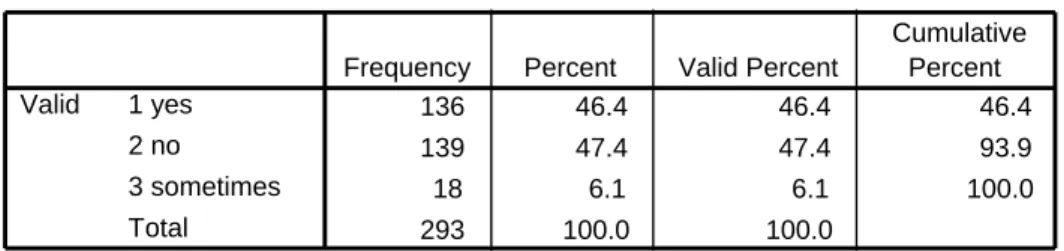
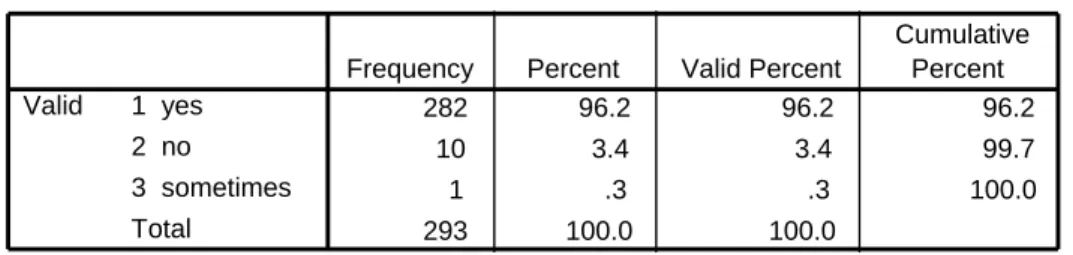
emergency circumstances (USCRI 2007).3 Outside the public health system, Sudanese irrespective of their residency status could access the health programmes at Refuge Egypt at All Saint’s Cathedral. Recognised refugees could access the UNHCR subsidised services at Caritas. In addition to these, there are other religious- and community-based services that may offer basic health care services in the neighbourhoods of Sudanese migrants. It is important to highlight that these services are frequently overstretched. According to our survey covering 293 households, 46.4% of households have regular access to a health care provider, 47.4% do not have regular access to health care and 6.1 % sometimes have access to health care (See Table 1 below). 61.7% claimed that they would seek health care in religious-based institutions such as Refuge Egypt.
Table 1: Access to Health Care
136 46.4 46.4 46.4
139 47.4 47.4 93.9
18 6.1 6.1 100.0
293 100.0 100.0
1 yes 2 no 3 sometimes Total Valid
Frequency Percent Valid Percent
Cumulative Percent
It is noteworthy that although Sudanese migrants may have access to the Egyptian public health system, various factors lead to discriminatory treatment that may discourage or prevent them from accessing medical services. However, this is not to say that exclusion of migrants from services has been deliberately institutionalized in the Egyptian health system. Rather, the quality of service can be influenced by the fact that the national health system is significantly overburdened and stretched in its capacities, making it difficult to treat the sizeable Sudanese community whilst struggling to meet the needs of the local population. Moreover other factors, such as communication across cultures and previous incidences of mistreatment, may deter Sudanese from accessing public health services.
3 The concept of what constitutes an emergency in a health-care situation is discussed further in the literature review where it is highlighted how complex the term emergency is when applied to the migrant context in Egypt.
Methodology
This research took a multidisciplinary participatory approach using quantitative and qualitative methods of data collection. With regard to the quantitative component, an English standardized questionnaire was administered to 293 Sudanese households, which included 1016 individuals. The survey was implemented in various neighbourhoods of Cairo with high concentration of Sudanese migrants such as Hadayek al-Maadi, al-Haganna, Arbaa' wa Nos, ‘Ain Shams, 6th of October, al- Agouza as well as other parts of Cairo, Helwan and Giza governorates. The research started by gathering applications of Sudanese candidates to the STAR Program at AUC.4 Then, applications were clustered according to place of origin in Sudan, namely Southern Sudan, Darfur and the rest of Sudan. Individuals were randomly selected using systematic sampling from these lists. The selected households were contacted by the research team and interviews were carried out with the heads of households. In order to ensure validity and reliability of the survey questionnaire, a training of interviewers was conducted in order to avoid misunderstandings and/or misinterpretation of questions and/or concepts. Then, a test survey was carried out with a small sample of 30 households. Based on this test, the survey was edited according to the gaps identified and a pre-established coding scheme was assigned to closed questions. Then, a snowball referral technique was adopted to widen the sample of the study.5 After the completed questionnaires were received from the field, data was validated and the data sets cleaned and organised according to household and individuals.
As for the qualitative component, field visits, in-depth interviews and focus group discussions with the targeted population were conducted simultaneously with the quantitative part. Three field visits were undertaken to al-Haganna informal urban settlement, a very densely populated area with severe poverty. The purpose of these visits was to gain a first-hand understanding of the living situation there.
Five focus group discussions were conducted with different migrant groups prior to, during and after administering the survey. A total number of 46 individuals participated in the focus group discussions, with an average number of eight to ten participants in each discussion. Participants of the focus groups were recruited by distributing flyers in various locations where Sudanese migrants are concentrated such as schools, churches, neighbourhoods, community associations as well as through classes at the Cairo Community Interpreter Project (CCIP). This exercise enabled the research team to collect data on knowledge, attitudes and practices (KAP) of the target group with respect to pandemic preparedness, with particular emphasis on the relationships between migration, development and health as well as the effect of variables such as gender, area of residence, legal status and social class. Focus group discussions undertaken prior to the survey proved useful in designing the questionnaire. Moreover, focus group discussions conducted after the completion of
4 STAR, the Student Action for Refugees is a student-run program at CMRS of AUC. It was
established in 2001 to raise awareness about refugee issues and offer students the opportunity to work with refugees in practical ways through volunteering and education (FMRS Report of Activities 2006- 2007).
5 Snowball sampling is a “non-probability sampling procedure that involves using members of the group of interest to identify other members of the group” (Adler and Clark 2003:130).
the survey allowed for more in-depth discussion about patterns that emerged from the survey findings and increased understanding of community-level interaction with respect to access to health care and pandemic influenza.
Six in-depth interviews were carried out with representatives of three international organizations (the World Health Organization, Save the Children-USA, the Egyptian Red Crescent Society), two non-governmental organizations (AMERA and SUDIA), and one religious- and community-based service provider (Refuge Egypt based in All Saints Cathedral). Organizations and interviewees were selected in close consultation with IOM.
Interviews with the international organizations provided insight into their particular experience in working on health communication as well as an insight into their ongoing and future work on pandemic preparedness in Egypt and how they view the position of migrants in this work. The interviews with the NGOs and service providers offered a particular understanding of the Sudanese community because they are in direct contact with the target group and supplied information on how this population may be at risk and how they may react in case of pandemic.
Both focus group discussions and in-depth interviews gave an opportunity to recruit potential participants from the target group as well as representatives from the organizations interviewed for the training of trainers, which took place upon the completion of this study.
In order to ensure confidentiality, names of the survey and focus group participants were replaced by pseudonyms.
Research Team
Data for this report was collected for over a period of two months, starting from April 13 to June 13th, 2008, by the CMRS at the American University in Cairo and in close collaboration with IOM’s Cairo office. The research team was headed by two principal investigators: Dr. Philippe Fargues, Director of the CMRS and Dr. Ray Jureidini, Associate Director. Yasmine Ahmed and Rebecca Dibb were hired to coordinate the research and to complete the final report. Zakareya Yehya, a research assistant/gatekeeper and member of the Sudanese population was recruited to assist the research team. Researchers Carolyn Bancroft, Nohieir Nashaat, and Gehan Shaheen also contributed to the project on a task basis. Nine certified interpreters from the CCIP, representing different ethnic/linguistic backgrounds, were hired to carry out the survey. The research team decided to select certified community interpreters to ensure that the survey questions and responses were translated correctly from English to the local language and vice versa. Below is the list of interviewers and their native local languages.
Name Local Language spoken
1- Abdelrahman Sidig Zaghawa
2- Abdelmageed al-Tahir Sudanese Arabic Dialect 3- James Mayak Dinka
4- Francis Pitia Bari and Dinka 5- Agot Ayuel Deng Dinka
6- Elizabeth Gwang Laa Dinka
7- Atif Ismail Sudanese Arabic dialect
8- Musa Eisa Fur
9- El-Sadig Goma'a Nubian
Interpreters participated in extensive trainings on interview and survey methods prior to their entry to the field. Moreover, weekly follow-up sessions took place to ensure the survey was carried out as intended.
Limitations of the Study
Several limitations were encountered during the field work and drafting of the report.
Like other research projects, the geographical scope of this research is on Sudanese migrant population in Greater Cairo and thus, it is not representative of the Sudanese population in Egypt.
The over-representation of literate people in the survey may reflect the fact that STAR database was used and most people contact STAR for English language which means the person is likely to have some degree of literacy in the first place. In addition, as the initial list mainly consisted of refugees, the Sudanese population who perceive themselves as refugees rather than migrants were over-represented in the sample. This is a cluster effect due to the fact that the initial list mainly consisted of refugees.
Some of the survey questions, particularly those related to income, remittances and residency status, are sensitive questions. As many respondents might have been reluctant to discuss these issues, the answers were at times difficult to capture in one visit through few survey questions. Thus, it would have been interesting to supplement the survey with in-depth interviews with selected households on this issue. Moreover, field visits were conducted in one geographical area. It would have been beneficial to expand field visits to other areas.
The confusion of the pandemic and epidemic concepts in the Arabic translation made it difficult for the research team to fully capture the KAP of the research participants.
As there is not a clear linguistic distinction between epidemic and the translation used for pandemic, it is hard to gauge the attitudes of the respondents and their awareness of the specific risk of a pandemic.
Finally, time constraints restricted the number of interviews conducted with organizations. It would have been beneficial to interview more organizations that work with Sudanese migrants at grassroots level.
Demographic Characteristics of the Sample
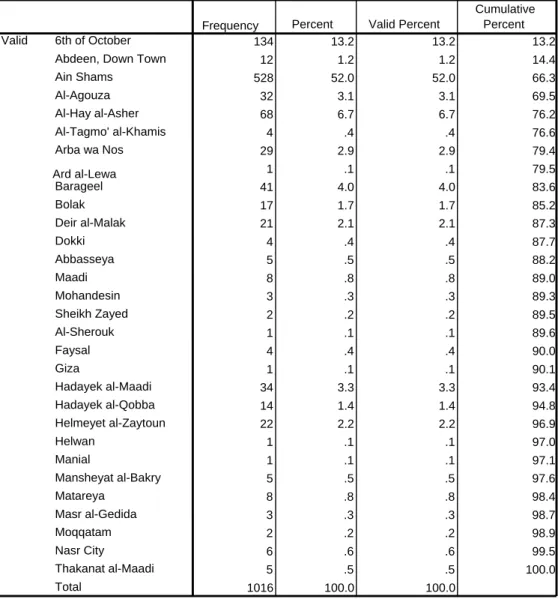
For the purpose of the study, the unit of analysis was the household.6 All households selected for the survey were located in urban areas, namely Cairo, Giza, 6th of October and Helwan Governorates. Interviews were conducted with heads of households, keeping in mind gender, age, place of residence, duration of stay and ethnic background as influential factors. The sample reflected a high concentration of Sudanese migrants in Ain Shams, 6th of October City, al-Hay al-Asher, as well as al- Barageel, Arba' wa Nos, al-Maadi and al-Agouza (detailed provided in Table 2).
Table 2: Geographical Distribution of Members of Households
134 13.2 13.2 13.2
12 1.2 1.2 14.4
528 52.0 52.0 66.3
32 3.1 3.1 69.5
68 6.7 6.7 76.2
4 .4 .4 76.6
29 2.9 2.9 79.4
1 .1 .1 79.5
41 4.0 4.0 83.6
17 1.7 1.7 85.2
21 2.1 2.1 87.3
4 .4 .4 87.7
5 .5 .5 88.2
8 .8 .8 89.0
3 .3 .3 89.3
2 .2 .2 89.5
1 .1 .1 89.6
4 .4 .4 90.0
1 .1 .1 90.1
34 3.3 3.3 93.4
14 1.4 1.4 94.8
22 2.2 2.2 96.9
1 .1 .1 97.0
1 .1 .1 97.1
5 .5 .5 97.6
8 .8 .8 98.4
3 .3 .3 98.7
2 .2 .2 98.9
6 .6 .6 99.5
5 .5 .5 100.0
1016 100.0 100.0 6th of October
Abdeen, Down Town Ain Shams
Al-Agouza Al-Hay al-Asher Al-Tagmo' al-Khamis Arba wa Nos Ard al-Lewa
Barageel Bolak Deir al-Malak Dokki Abbasseya Maadi Mohandesin Sheikh Zayed Al-Sherouk Faysal Giza
Hadayek al-Maadi Hadayek al-Qobba Helmeyet al-Zaytoun Helwan
Manial
Mansheyat al-Bakry Matareya
Masr al-Gedida Moqqatam Nasr City Thakanat al-Maadi Total
Valid
Frequency Percent Valid Percent
Cumulative Percent
As for the type of accommodation, the majority of respondents (76.8%) lived as one family in rented apartments with their nuclear family, whereas the remaining either lived in shared (also rented) apartments with other family members such as aunts,
6 We follow other researchers such as Grabska (2005) in conceptualizing the survival of individual migrants in the wider context of household.
uncles, nephews, nieces, etc (17.4 %) or with other Sudanese fellows and/or group of friends in collective accommodation (almost 8%). All apartments were rented by the participants. As for the relationship with the head of household, 31% were identified as heads of households, 14.5% s husbands or wives, 43% were either sons or daughters, 0.7% sons of husbands or daughters, 11% were grandsons or granddaughters, 2.9% were brothers or sisters, 3.1% other relatives, 3.2% other non- relatives, 0.3% were either mothers or fathers, 0.2% were either mothers in law or fathers in law (Table 3).
Table 3: Distribution of Household Members by Relationship to Heads of Households
315 31.0 31.0 31.0
147 14.5 14.5 45.5
437 43.0 43.0 88.5
7 .7 .7 89.2
11 1.1 1.1 90.3
3 .3 .3 90.6
2 .2 .2 90.7
29 2.9 2.9 93.6
32 3.1 3.1 96.8
33 3.2 3.2 100.0
1016 100.0 100.0
1 head of household 2 husband or wife 3 son or daughter 4 child of husband or wife
5 grandson or grand daughter
6 mother or father 7 mother in law or father in law 8 brother or sister 10 other relatives 11 other non-relatives Total
Valid
Frequency Percent Valid Percent
Cumulative Percent
All household members were Sudanese and did not hold another citizenship, with the exception of two wives of heads of households: one Egyptian and one Moroccan.
Household members represented a wide range of ethnic groups and came from different parts in Sudan, with 51.7% from Khartoum, 17.1% from Darfur, 10.4% from Central Sudan, and the rest from Nuba Mountains and Southern Sudan. Household members came from more than 50 tribes and ethnic groups. The largest ethnic group interviewed were Dinka (30.6%), followed by Fur, Falata, Massalit, and Nuba. The majority of household members were Muslims (94%), the remaining were either Christian (4.9%) or other (1.1%). As for the ethnic composition within the Sudanese households, the majority of respondents (almost 80.5%) include only one ethnic group whereas only 17.1% of the total percentage of survey respondents consists of two different ethnic groups and 0.7% of the total percentage of respondents lives in households with more than two ethnic groups. These findings reveal that the households of Sudanese migrants are characterized by homogeneity with regard to nationality; they hardly mix with Egyptians or other migrant population. Moreover, those who live in the same household are more likely to belong to the same ethnic group/tribe and thus enjoy intra-household homogeneity with regard to ethnicity.
As for the residency status in Egypt, the majority of respondents identified themselves as either refugees or asylum seekers (80%), with a small number of economic and labour migrants and students. This over-representation of refugees and asylum seekers in the sample is a cluster effect due to the fact that the original list from which households were selected was from STAR, a refugee-based service provider.
However, only 60 % of the household members were registered with the UNHCR.
They left Sudan in different time periods, starting from 1986 till 2008. The peak years fell between 2002 and 2006. Almost 48% of the respondents reported that they were internally displaced in different parts of Sudan, mostly to Khartoum before fleeing across international borders.
The gender composition in the households was balanced, as 51.8% were males and 48.2% were females. This reflects a number of characteristics of the Sudanese migration to Egypt. First, it is an ancient movement and gender balance is partly the result of a population reproducing itself locally. As we stated earlier, for decades Sudanese migrants enjoyed freedom of movement and property rights in Egypt.
Second, Sudanese males, like other economic migrants, are joined later on by their families. Third, Sudanese refugees, like most refugees, are moving across border with their families. Three quarters of the heads of household were male, one quarter female.
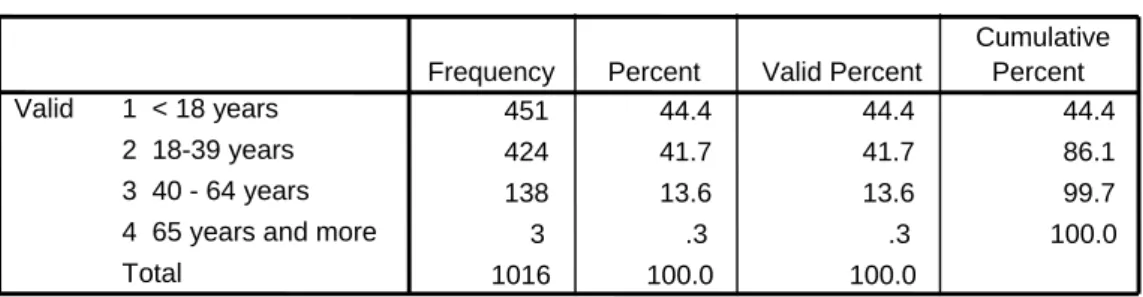
As for the age distribution of the respondents, almost 44.4% were between 0 and 18 years old, 41.7% between 19 and 39 years, 13.6% between 40 and 64 years and only three members (0.3%) were 65 years or older (Table 3).
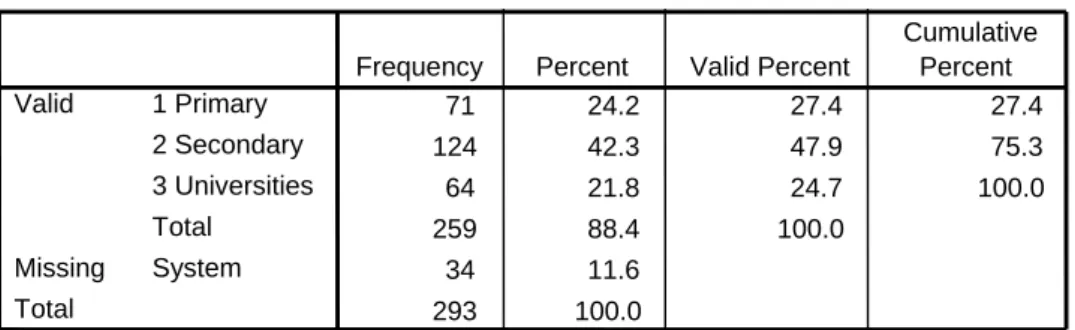
Concerning the highest level of education attained, it was reported that respondents aged 15 years and above, 18.9 % of household members completed their university education, 36.6 % completed their secondary education, while the 33.1% completed their primary education. With regard to the heads of households only, the majority completed their secondary education (42.3%) whereas 24.2% completed their primary education and 21.8% completed their university education (table 4). Moreover, the gender of head of household did not affect the level of education attained.
Most of the heads of households and their spouses reported that they were employed or seeking work. The majority were either self-employed or employed in the private sector. Domestic work, including cleaning, cooking and babysitting as well as other
Table 4: Age of Household Members
451 44.4 44.4 44.4
424 41.7 41.7 86.1
138 13.6 13.6 99.7
3 .3 .3 100.0
1016 100.0 100.0
1 < 18 years 2 18-39 years 3 40 - 64 years 4 65 years and more Total
Valid
Frequency Percent Valid Percent
Cumulative Percent
Table 5: Highest Degree Obtained by Heads of Households
71 24.2 27.4 27.4
124 42.3 47.9 75.3
64 21.8 24.7 100.0
259 88.4 100.0
34 11.6
293 100.0
1 Primary 2 Secondary 3 Universities Total
Valid
System Missing
Total
Frequency Percent Valid Percent
Cumulative Percent
low-skilled jobs in private companies, including positions as drivers and security guards, are a common occupation among the Sudanese population. Some of the participants reported that they were self-employed in the handicraft and hospitality fields.
As for the total household income generated from employment, the majority of respondents reported a total monthly income between 250 and 500 EGP (1 EGP = 0.18 USD), the remaining were divided into different income categories as indicated in Table 6 below. It should be noted that this figure excludes remittances, which are considered a main source of income for the sample selected. Remittances were sent mostly from siblings, children and non-relatives in Australia, Canada, Germany, Israel, Korea, Libya, Sudan, US, and the UK. Remittances were mostly sent through money transfer agents.
Table 6: Total Monthly Income of Household (L.E.)
29 2.9 2.9 2.9
733 72.1 72.1 75.0
116 11.4 11.4 86.4
125 12.3 12.3 98.7
11 1.1 1.1 99.8
2 .2 .2 100.0
1016 100.0 100.0
1 <250 2 250<500 3 500<1000 4 1000<2000 5 2000<4000 6 <4000 Total Valid
Frequency Percent Valid Percent
Cumulative Percent
With regards to school enrolment of Sudanese migrant children, it was reported that 41% of children under 16 of the households were enrolled in schools, with the majority in faith -based institutions such as al-Sakakini Church School. The survey showed a correlation between economic hardship and school non-attendance in that most of the household members at school age who did not attend school, were facing economic hardship. This was also supported in focus group discussions.
With regard to the items possessed by the household, it was reported, as shown in Table 6, that most households possess between 4 and 6 items (mean = 4.97). This means that most of them possess the necessary household appliances in Egypt. It should be noted that most of the basic house appliances were owned by the landlord and that the only devices owned by household members were usually mobile phones, personal computers, Internet connections and cars. As for the percentage of possession by household item, the survey demonstrated that most of the households have gas stoves (93%), refrigerators (85.7%), mobile phones (84.3%), followed by other items as indicated in Figure 1 below. The majority of households have access to housing, water, electricity, sanitation and food. On the other hand, a large number of households did not have access to education, health care, psychosocial care and legal assistance. Details are attached in Appendix 1.
Table 7: Index of Number of House Facilities' Possession
No. of house facility
Number %
0 item 0.72
1 item
11 3.8
2 items
14 4.8
3 items
33 11.3
4 items
49 16.7
5 items
72 24.6
6 items
57 19.5
7 items
30 10.2
8 items
15 5.1
9 items 3.19
10 items 0.31
Total 100.0293
Mean number of house facility 4.97
Figure 1: Percentage of Possession of Household Facility Percentage of House Facility
85.7 93.2 53.6
67.6 43.3
7.5
40.3 14
6.8
84.3 1
0 20 40 60 80 100
Refrig Gas TV washmac WatSan VIDVD Tel PC Intercon Mobile Car
Literature Review
The literature review did not focus on medical aspects of pandemics or preparedness plans but rather on non-medical literature which dealt with the social and public health concerns related to a pandemic. Literature was sought from international organizations such as the United Nations (UN) and its specialized agency World Health Organization (WHO) created, within the terms of article 57 of the Charter of the UN, for the purpose of co-operation to promote and protect the health of all peoples. Academic sources and regional and national literature on the issue were also considered. Of the available literature on refugees in Cairo, much has been written about the Sudanese refugees (see Azzam 2006 and Grabska 2005, 2006). It was necessary to consult this literature to establish an understanding of their position in Egyptian society in terms of public services, in particular health, so that pandemic and pandemic preparedness plans / guidelines can be viewed within the context which is unique to their living situation in Cairo. However, it is important to note that most of (if not all of) the literature produced about Sudanese in Egypt was written about a purely refugee perspective and therefore represents only a small fraction of all mobility patterns experienced by the Sudanese community. Little work has been done to understand the experiences of the Sudanese population in Egypt as a whole.
Moreover, literature focused on the Egyptian context has neither analyzed the rights of non-Egyptian nationals nor on the obligations of the state towards those who are not recognized refugees and do not fall within the refugee protection regime.
Health and Housing Situation of Sudanese Migrants in Greater Cairo
Migrants’ access to public services in Egypt has been scrutinized in the literature available on refugees in Cairo, in particular their access to health services (see for example Eidenier 2006 and Grabska 2005, 2006).
The bilateral agreement of 2005, the Ministry of Health granted all foreigners in Egypt access to public primary and preventative health-care services. In spite of the stipulation that recognized refugees pay domestic fees only, it was noted that refugees thought they received better care at NGOs such as CARITAS than within public health services (Grabska 2006). It is frequently noted in the literature that there is a lot of mistrust of the public health services in Egypt among the Sudanese (Eidenier 2006 and Grabska 2005) and migrants and refugees. Statements are quoted about ‘poor quality, disrespect and lack of proper attention to medical problems’ (FMRS 2007 p.
14). The reviewed sources describe racism as part of everyday life in Cairo and deem racist attitudes are often perceived as institutionalized in areas such as healthcare and housing. Consequently Sudanese would assume they will not get the optimum service (Azzam 2006 and Grabska 2005, 2006). Eidenier (2006) argues that in many cases the often frustrated relationship between doctor and patient arises from communication problems and that ‘though it seems that refugees are not experiencing positive relationships with their health providers, specific examples suggest that in some cases this has less to do with any sort of discriminatory intent on the part of the doctor, and far more to do with cultural differences in conceiving of proper treatment for specific ailments’ (p 18). Grabska (2006) argues that when such mistrust occurs, it can be addressed by establishing mechanisms for mitigating mistrust between migrant
patients and their Egyptian health care providers. Mutual training and health care provision could, in fact, represent increased opportunities for cooperation.
Migrants (including rejected asylum-seekers) do not receive any subsidized medical treatment in Egypt and therefore usually visit local neighbourhood clinics or charities (such as Refuge Egypt at All Saints Cathedral) where the fee is very low and the refugee status is not of concern (Grabska 2005). As mentioned earlier in the report, the issue of the right of access to pro bono emergency healthcare is a contested concept that IOM discusses in its publication ‘Migration and the Right to Health: A Review of European Community Law and Council of Europe Instruments’ (2007). It states that what constitutes an emergency is not always straightforward and that there may be illnesses which are life threatening but fall outside the traditional understanding of what constitutes an emergency. Although a pandemic is an emergency issue, there has not been any work advocating the inclusion of migrants in pandemic preparedness plans as an obligation of host countries.
Moreover, housing is a key issue in the context of the containment of a pandemic. A pandemic will more easily spread in an overcrowded environment where hygiene is difficult to maintain. For most Sudanese in Cairo, housing presents a big problem and because most of them ‘do not have a stable income, they are forced into overcrowded living quarters, which results in poor sanitation, minimal personal security, and a stressful home environment’ (Azzam 2006 p. 15). Coupled with poor housing standards, Sudanese (especially those without residency status in Egypt) are vulnerable to unfair treatment, which can lead to random evictions and the lack of a permanent house address (Azzam 2006). This compounds destitution, creating additional risk factors in case of a pandemic outbreak.
The reviewed literature needs to be viewed within the international legal framework, as briefly analysed before in this report. Several international treaties outline the obligations of state parties vis-à-vis non-nationals in terms of healthcare and health services, adequate housing and other public services. The abovementioned ICESCR establishes that states shall respect, protect and fulfil the rights of all individuals – regardless of legal status – to the enjoyment of the highest attainable standard of physical and mental health and other economic, social and cultural rights. However, developing countries can derogate from some of the obligations; as established in Article 2(3) of the ICESCR, Egypt is allowed, ‘with due regard to human rights and their national economy’, to ‘determine to what extent they would guarantee the economic rights recognized in the [ICESCR] to non-nationals’. This exception may be made only with respect to economic rights and not to social and cultural rights (OHCHR, 1966). However, Weissbrodt (2007) argues that such exceptions ‘must be narrowly construed so as to maintain the overall thrust of the human rights protections’ (p. 224).
While migrants in Egypt have some form of access to health care, albeit insufficient and from various sources, issues relating to emergency treatment remain complex and contested. Moreover, while primary health provision can be provided by a wide range of governmental and non-governmental actors, emergency care is provided by the public health system. The ‘International Convention on the Protection of the Rights of All Migrant Workers and Members of Their Families’ guarantees the right to necessary medical emergency treatment to all migrant workers and members of their