Benzene is one of the most studied volatile organic compounds (VOCs) in the literature due to its carcinogenic effects at very low concentrations [1]. Kim et al., Micro gas chromatograph prototype for respiratory biomarkers of respiratory disease, in: Proceedings of the Transducers'09, Denver, Colorado, USA, June.
Current trends in microfabricated pre-concentrators for gas phase
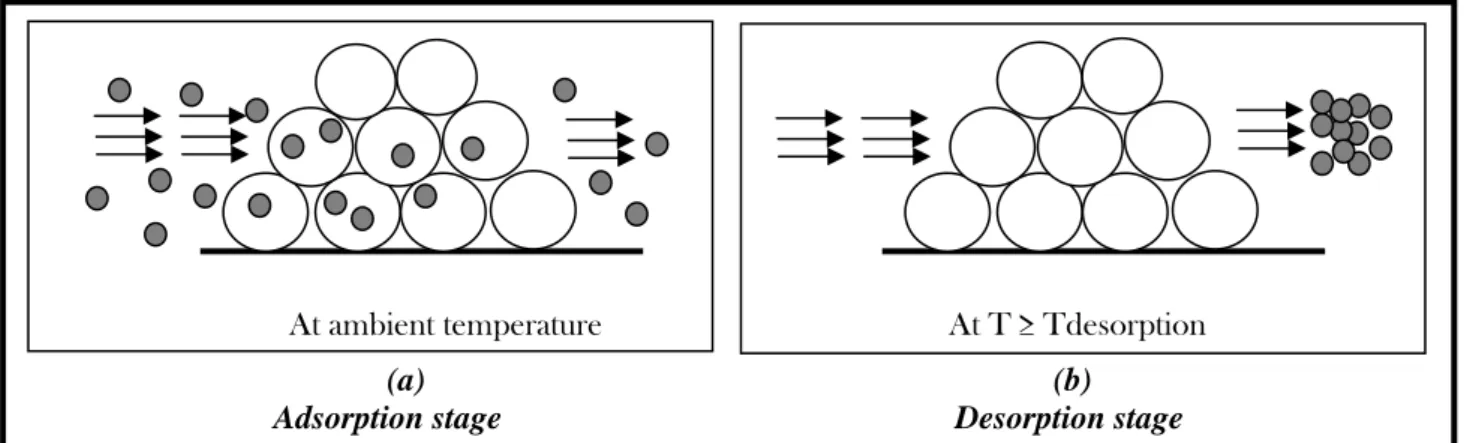
Gas micro-concentrators role in micro-detection devices
- Micro-concentrators as sampler/injector
- Micro-concentrators as gas separator
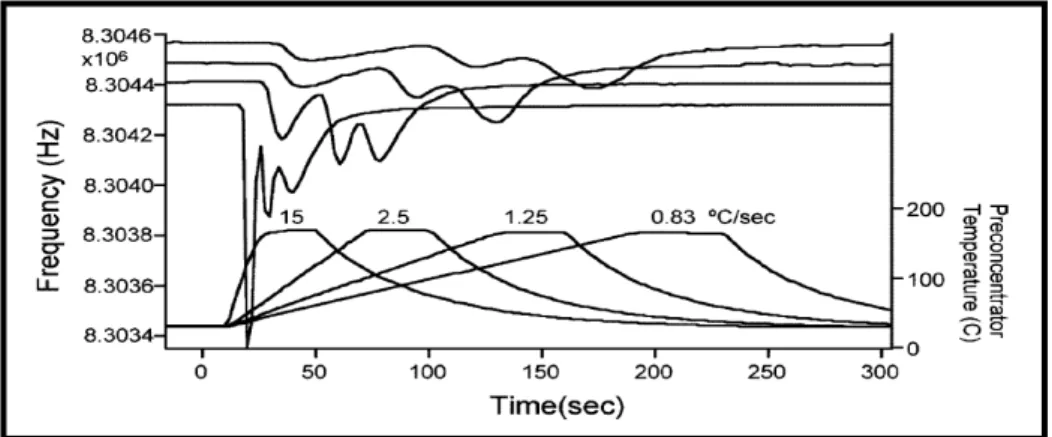
In each of these studies, the reported temporal resolution was described by only a single thermal ramp rate, which was very fast in the case of Shaffer et al. Consequently, the influence of thermal ramp rate on the partial separation of vapor mixtures is a factor in the design of an advanced preconcentration/multivariate detector/chemometric instrument.
Current advances in pre-concentrator microfabrication technology
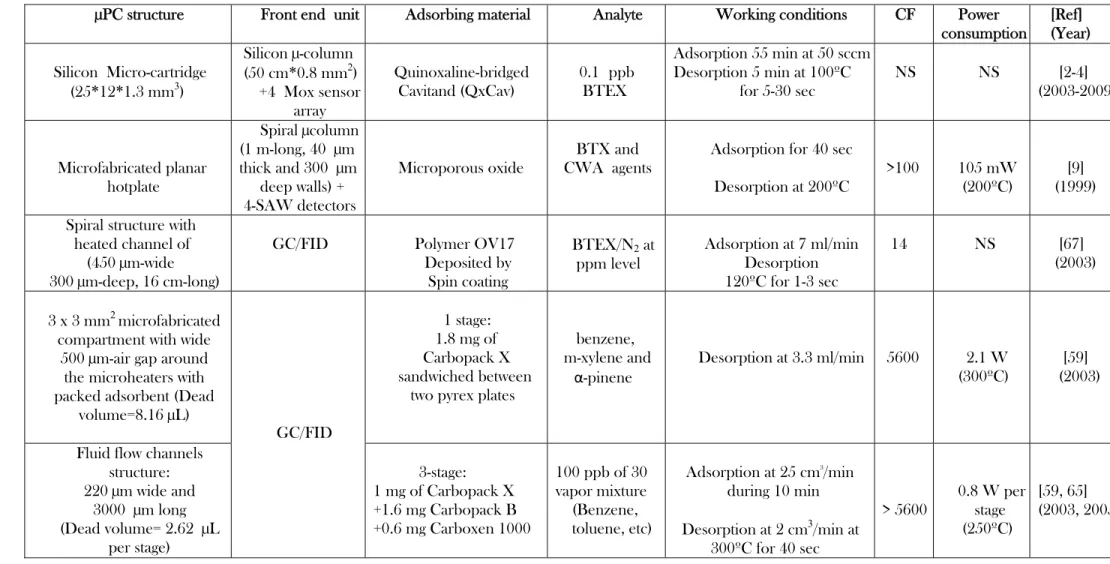
This demonstrated the preconcentration ability of the bare polyimide structure even in the absence of the adsorbent layer. In general, the 3D preconcentrator allows to hold a larger amount of material compared to the planar structure, which makes it possible to slow down the breakthrough of the preconcentrator.
![Figure 2: A sectional view of a planar preconcentrator designed by Sandia National Labs [5]](https://thumb-us.123doks.com/thumbv2/123dok_es/5787976.5474180/34.892.304.584.775.918/figure-sectional-planar-preconcentrator-designed-sandia-national-labs.webp)
Micro-pre-concentration of benzene
The breakthrough volume can also be affected by the gas velocity during sampling. Therefore, the following section will be limited to reviewing the adsorption properties of activated carbon and carbon nanotubes for benzene.
Conclusion
Davis et al., Improved detection of m-xylene using a preconcentrator with a chemiresistive sensor, sensors and actuators B. Tian et al., Microfabricated preconcentrator focusers for a microscale gas chromatograph, Journal of Microelectromechanical Systems. Saridara et al., Preconcentration of volatile organic compounds on self-assembled carbon nanotubes in microtraps, Analytical Chemistry.
Hussain et al., Modification of the sorption properties of multi-walled carbon nanotubes via covalent functionalization, analyst.
Adsorbent deposition technique and adsorption capacity
Mass spectrometry characterization
- Experimental Set-up
- Characterization steps
- Evaluation and quantification of pre-concentrator response
- Optimization of pre-concentration conditions
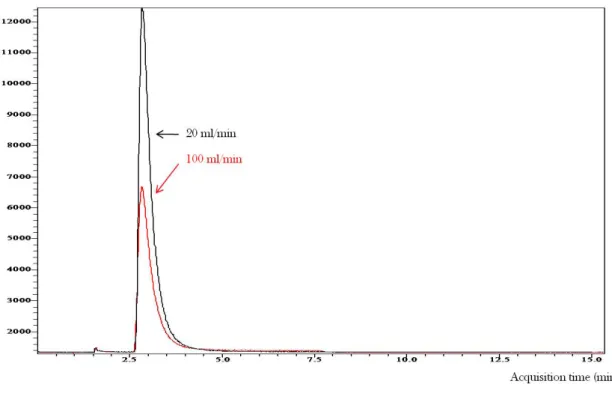
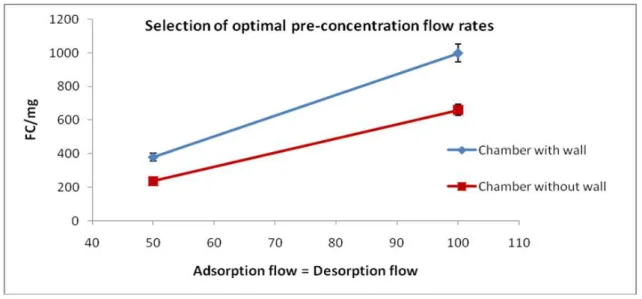
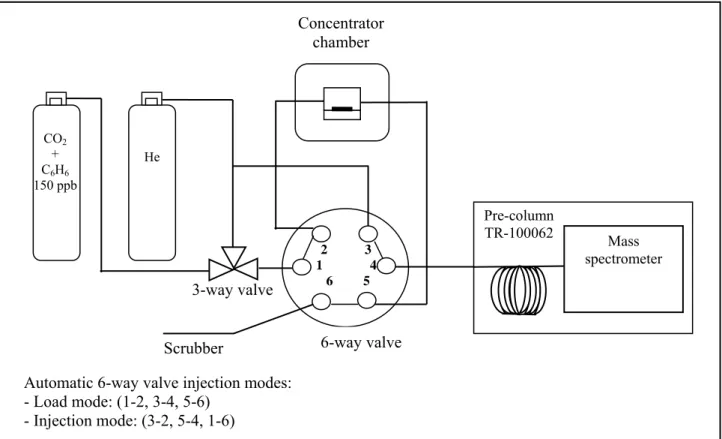
The pre-concentration capacity of the pre-concentrator is estimated in our case based on a. In this case, only a fraction of the analyte coming from the preconcentrator is injected into the column, the remaining portion is evacuated by a purge fan. These experiments are made using the two configurations of the preconcentrator chamber, presented in Appendix I.
The best results are then achieved with another configuration of the preconcentrator chamber (with a wall) [3].
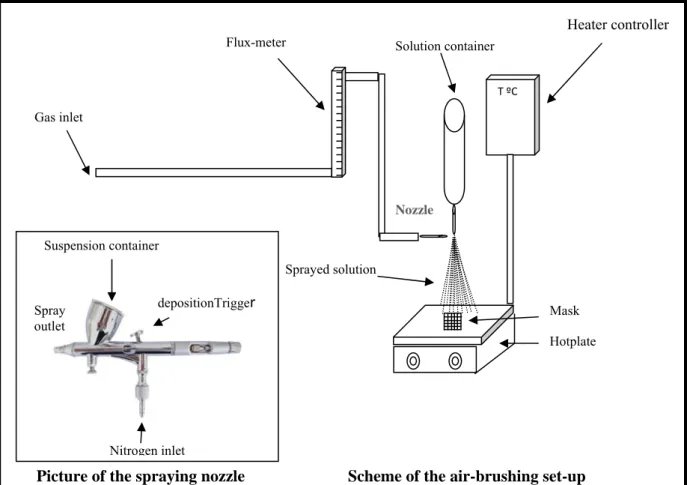
Adsorbent deposition and adsorption capacity
- Activated carbon
- Carbon nanotubes
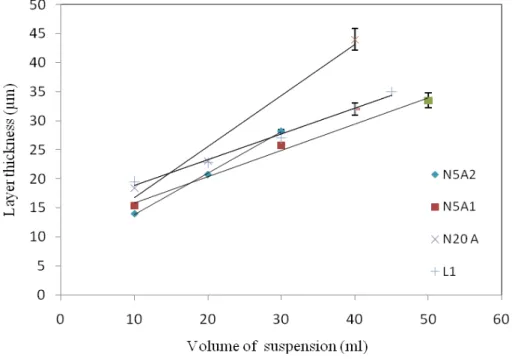
The reproducibility of the method is tested by preparing three substrates in the same conditions. In addition, to check a possible effect of the solvent on the adsorbent performances, some tests are performed. Thus, in the following, the discussion of the effect of experimental preparation conditions on the pre-concentrator performances is based on the adsorbent samples exhibiting the highest layer thickness.
The experimental results obtained here suggested that the adsorption capacity of the CNTs to benzene is very weak (concentration factors too low).
Conclusion
Blanco et al., Fabrication and characterization of microporous activated carbon-based preconcentrators for benzene vapor sensors and actuators B. Kim et al., Effect of gas adsorption on the emission mechanism of carbon nanotubes. Zhou et al., Surface wettability changes of amorphous carbon films, Colloids and Surfaces A: Physicochemical and Engineering Aspects.
Zhang et al., The Impacts of Aggregation and Surface Chemistry of Carbon Nanotubes on the Adsorption of Synthetic Organic Compounds, Environmental Science & Technology.
Experimental characterization set-up
- Analysis of benzene in presence of toluene
- Analysis of benzene in presence of moisture
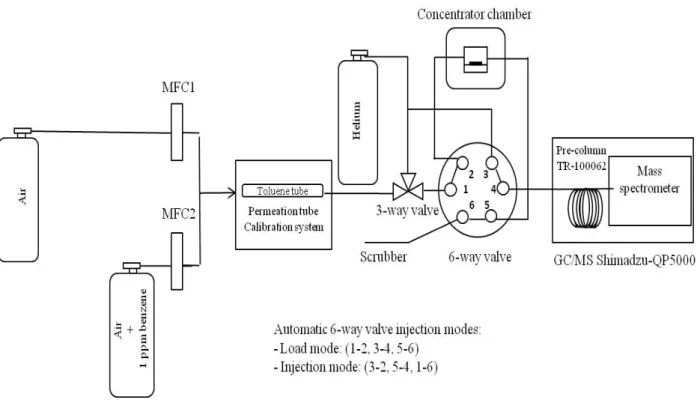
Study of the performance of the preconcentrator against benzene in the presence of interfering species using mass. The effect of humidity on benzene adsorption is also considered by using a gas sensor instead of the mass spectrometer. Subsequently, the adsorption of one vapor was studied in the presence of a fixed concentration of 150 ppb of the other.
This value was chosen to evaluate the maximum effect of interference from one vapor in the presence of the other.
Analysis of benzene in presence of toluene using the mass spectrometer
- Study of the adsorption interference between benzene and toluene
- Study of thermal programmed selective desorption of benzene in presence of
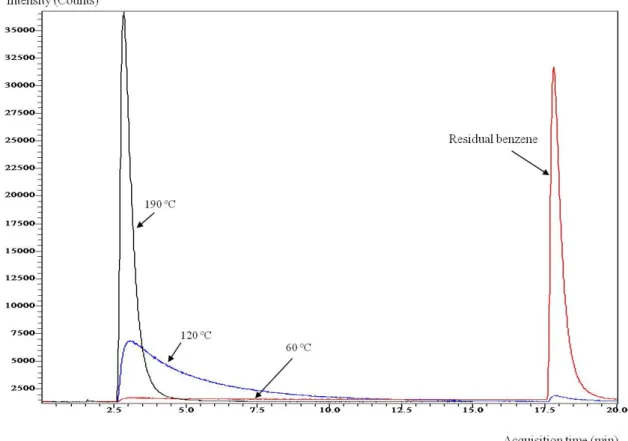
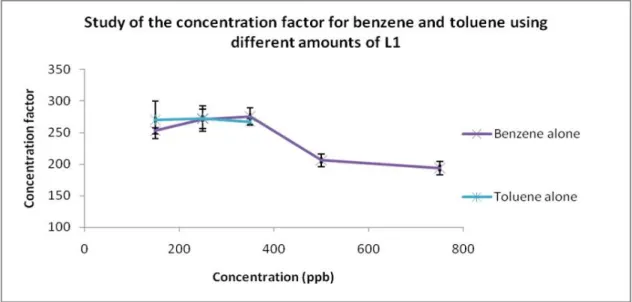
Then, in the case of benzene, a slight decrease in the concentration factor is observed, indicating the progress of the adsorbent. The change in the concentration factor of toluene in the mixture is negligible for concentrations below 250 ppb. No separation of analytes was observed in the TIC peak even at 15ºC/min (Fig. 6).
This problem could probably be due to an inhomogeneous temperature distribution in the alumina heating zone.
Study of humidity effect on benzene preconcentration
Conclusion
Tamon et al., Influence of acidic surface oxides of activated carbon on gas adsorption properties. Cosnier et al., Influence of water on the dynamic adsorption of chlorinated VOCs on activated carbon: relative humidity in the gas phase versus pre-adsorbed water. Veksha et al., The influence of porosity and surface oxygen groups of peat-based activated carbons on benzene adsorption from dry and humid air.
Study of the preconcentrator coupled with a MOx gas sensor for a sensitive and selective analysis of benzene.
Study of the preconcentrator coupled to a MOx gas sensor for a
Direct coupling of the preconcentrator with a gas microsensor
- Experimental characterization set-up
- Optimization of the sensor working conditions
The response of the sensor to the desorbed analyte is then corrected by clipping the response due to the desorption temperature effect. Improvement factor (IF)", which represents the improvement of the sensor response due to the preconcentration step. It should be pointed out that the response of the sensor to the effect of the desorption temperature (Fig. 2) is less than 4% and was cut off from the sensor response with the preconcentration in each coincidence.
From Figure 3, it could be clearly seen that the response of the sensor to the desorbed vapor increases as much as the desorption current increases.
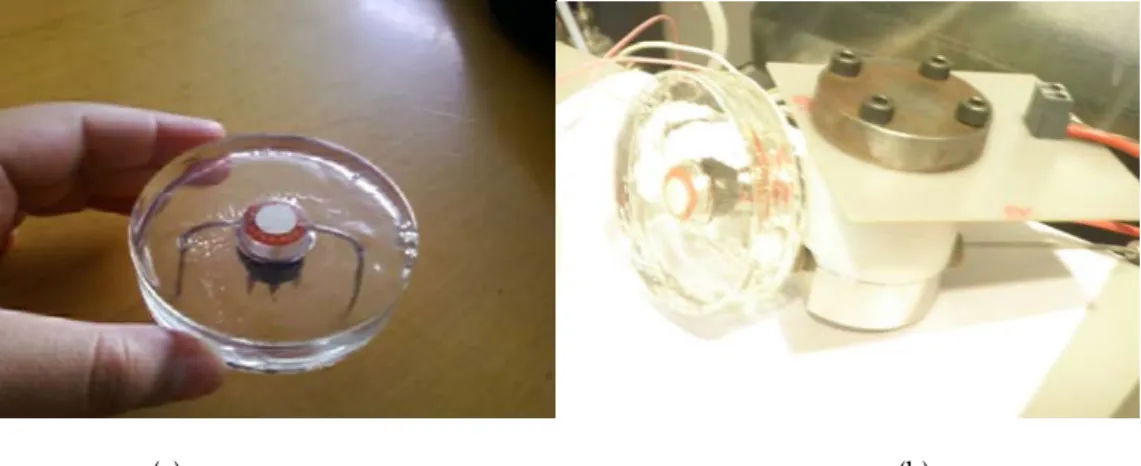
Study of the preconcentrator in front of a gas chromatograhic detection system
- Step 1: Preconcentrator characterization with classical GC/FID
- Step 2: Preconcentrator characterization with a classical GC and gas
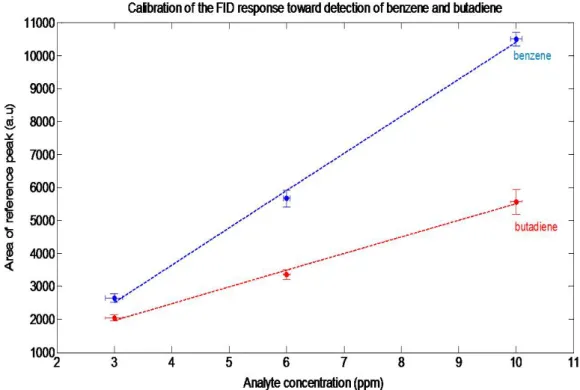
The characterization of the pre-concentrator performance towards benzene and 1,3 butadiene separately was carried out to adjust the optimal desorption conditions (temperature and time). The following study deals with the replacement of the FID detector by a metal oxide based gas sensor (TGS). And again, to check the reproducibility of the results, each experiment was repeated 3 times.
Then, in the following study, the temperature of the TGS sensor will be maintained at 400ºC.
Conclusion
Romain et al., Using a simple array of tin oxide sensors to identify five field-collected malodors, Sensors Actuators B. Camara et al., Preconcentration modeling for the optimization of a micro gas preconcentrator applied in environmental monitoring, Procedia Chemistry. Lahlou, et al., Preparation and characterization of a planar preconcentrator for benzene based on different airbrush-deposited activated carbon materials, Sensors and Actuators B.
Sanchez et al., Use of a chromatographic column to improve the selectivity of the SnO2 gas sensors: first approach to a miniaturized device and selective with hydrogen fluoride vapors, sensors and actuators B.
Development of the silicon microhotplate based pre-concentrator
Adsorbent deposition
- First deposition trials by airbrushing
- Deposition by drop coating
- Preconcentration performance towards benzene and toluene
- Selective desorption of benzene in presence of toluene
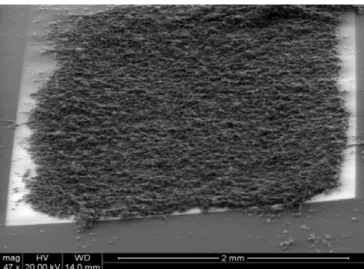
When this amount is exceeded, the adhesion of the material to the membrane begins to be compromised. However, during airbrushing, a mechanical lift-off of the suspended membrane from the silicon substrate occurred. The adsorption capacity of the fabricated preconcentrator was first tested on benzene and then in the presence of toluene using the same characterization procedure as described in chapter 3.
In contrast, the concentration factor of the microconcentrator increases linearly without visible saturation of the adsorbent due to the higher amount of adsorbent deposited (0.25 mg).
Selective detection of benzene in presence of 1,3-butadiene using the gas micro-
- Analysis of single vapors
- Selective detection of benzene in presence of butadiene
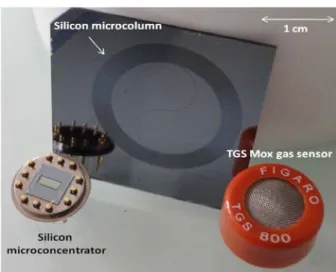
- Performance of the future GC microsystem
By analyzing butadiene under the same conditions, no reaction of the system to reference butadiene was observed. The influence of inlet column pressure on the separation of each analyte is shown in Figure 14. This pressure is then recorded for the analysis of the mixture of both analytes at different concentrations in equal ratio.
However, the final detection limit of the system will be related to the initial detection limit of the selected microsensor.
Conclusion
Also, the introduction of the preconcentrator before the microcolumn did not change the good functioning of the latter. The performance of the preconcentrator and microcolumn in such systems will vary depending on the sensor to be used in the future. Good operation of the final system will also require a good choice of gas microsensor.
However, it has been shown that the improvement of the sensor response depends on the configuration of the gas inlet to the sensor.
Materials: Adsorbents, Substrates and Preconcentrating chambers
Adsorbent preparation and characterization
- Activated carbon
- Carbon nanotubes
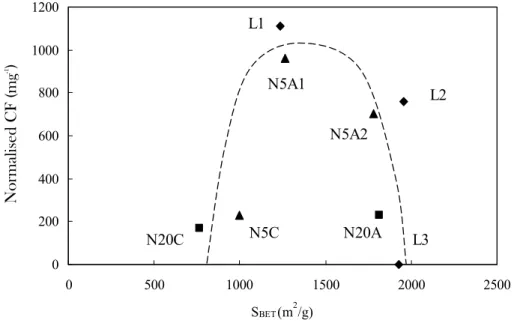
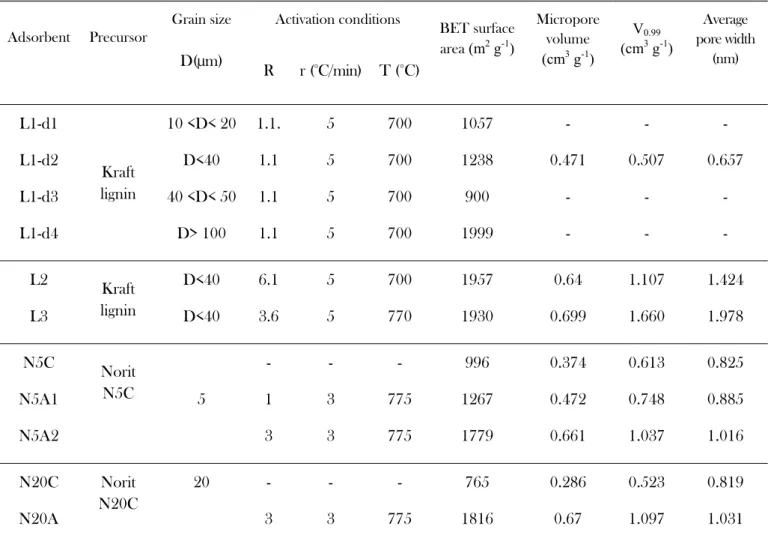
Provided its microporosity is sufficiently developed, L1 can be assumed to lead to the best pre-concentrators, since it is AC that presents the narrowest pores, as suggested by its low value of L0. Treatment using CF4 is expected to graft fluorine groups onto CNTs [11] making their surface hydrophobic in order to increase their affinity for benzene adsorption. The survey spectrum shows the F1s peak at the binding energy of 686.7 eV, in addition to the C1s peak at 284.6 eV and the KLL fluorine disorder transition near 830 eV.
The reported primary binding energy BE shifts in the C 1s level of CFn groups (n=1–3) correspond to the following ranges of eV, according to the number of fluorine atoms bound to the carbon in question, i.e. one, two or three , respectively [12].
Pre-concentrator fabrication
- Alumina Substrate
- Microhotplate membrane
Ro: heater resistance at room temperature To, measured by applying 0.1 V to the heater resistor;. TCR was calculated as the ratio of the slope of the "heater resistance versus oven temperature curve" divided by Ro. The active layer of the membrane was heated by applying a fixed voltage pulse to the pads of the heating resistor through the pin contacts of the TO8 package.
Whereas Figure 12 shows the graph of the temperature reached by the heater after applying voltage for 1 minute versus the applied voltage under the same conditions.
Design and fabrication of the silicon microcolumns
Structure design and fabrication
Stationnary phase insertion
Correig, Improving the Gas Preconcentrator Characterization Procedure Using Mass Spectrometry, Workshop 'Graduate Student Meeting on Electronic Engineering', Tarragona (Spain), Poster, June 2008. Correction, Fabrication and Characterization of a Planar Preconcentrator Based on Air-brushed Activated carbon for benzene, Eurosensors XXII, Dresden (Germany), Poster, September 2008. Correig, Fabrication and characterization of a planar preconcentrator based on air-brushed activated carbon for benzene, Rooi Ibernam, Tarragona (Spain), Poster, November 2008.
Correig, Fabrication and mass spectrometry characterization of a planar pre-concentrator for benzeen based on different airbrushed active carbon materials, Eurosensors XXIII, Lausanne (Zwitserland), Poster, september 2009.
![Figure 4: Design of a polyimide based stack of microfabricated preconcentrator plates [48]](https://thumb-us.123doks.com/thumbv2/123dok_es/5787976.5474180/36.892.237.653.339.562/figure-design-polyimide-based-stack-microfabricated-preconcentrator-plates.webp)
![Figure 5: 3D microchannel packed structure (a) side view schematic design (b) Top view image of the device (c) Bottom view [28]](https://thumb-us.123doks.com/thumbv2/123dok_es/5787976.5474180/38.892.135.755.210.508/figure-microchannel-packed-structure-schematic-design-image-device.webp)
![Figure 9: SEM micrograph showing the structure of the μPC. Inset shows the uniformity of the inkjet coating of Tenax TA [78]](https://thumb-us.123doks.com/thumbv2/123dok_es/5787976.5474180/42.892.246.646.631.886/figure-micrograph-showing-structure-inset-uniformity-inkjet-coating.webp)