La prueba de aula fue elaborada por personal académico de la Coordinación Nacional de Inglés de la Dirección General de Desarrollo Curricular, dependiente de la Subsecretaría de Educación Básica de la Secretaría de Educación Pública. Para implementar las diversas acciones que permitan la articulación de la enseñanza del inglés, el Ministerio de Educación Pública lanzó el Programa Nacional de Inglés en Educación Básica (PNIEB o NEPBE: Programa Nacional de Inglés en Educación Básica), del cual se derivan los programas de estudio. para los tres niveles de Educación Básica ampliados a partir del alineamiento y homologación de estándares nacionales e internacionales.
Modalidades de trabajo y simbología utilizada en esta Guía de trabajo
Lineamientos y características del PNIEB
Lineamientos normativos del PNIEB
Analiza y define las normas de conducta que consideres pertinente establecer en el aula para promover el respeto a la diversidad, el rechazo a la violencia y el empoderamiento. En la práctica, este tipo de reglas requieren el compromiso y acuerdo de los estudiantes.
Características generales
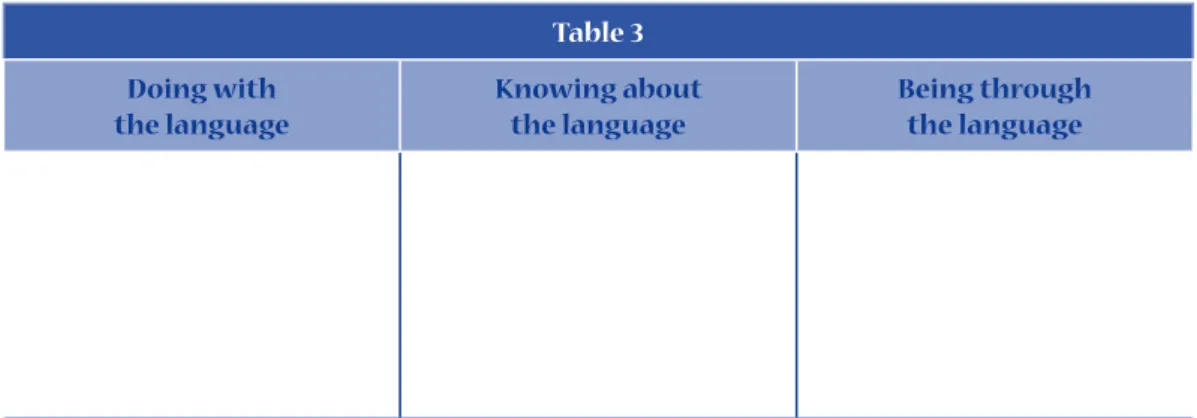
Elige un contenido del hacer, otro del ser y un tercero del saber, en función de la competencia concreta que hayas elegido. Asegurarse de que los contenidos del ser y del saber sean los indicados para abordar los contenidos del hacer.
Elige las prácticas de lenguaje social con las que se puede utilizar cada una de las TIC mostradas en las imágenes y cópialas en el lugar indicado. Explique por qué, a diferencia del segundo, el perfil del primer caso no cumple con los objetivos establecidos en el PNIEB.
Para concluir
Propósitos y objeto de estudio del PNIEB
Propósito general del pnieb
Objeto de estudio del pnieb
Lo importante en las prácticas sociales del lenguaje son las actitudes y el conocimiento del lenguaje. Actitudes, habilidades y conocimientos son los componentes que conforman las prácticas sociales del lenguaje.
Las prácticas sociales del lenguaje
Lea y analice la información presentada en la primera columna del cuadro para el grado que ha elegido. Reflexione sobre la siguiente definición de aprendizaje, que corresponde a uno de los pasajes de texto destacados que abren esta unidad, y comparta sus intereses. pretaciones.
Características de la propuesta curricular del PNIEB
Busque y lea la sección "Organización de contenidos" en los programas de la clase de la escuela que le interese y responda verbalmente que sí. Destaca la dimensión semántica y comunicativa y se centra –más que en elementos gramaticales– en la especificación y organización del contenido didáctico a través de categorías de significado y función.
Evaluación
Propuesta y concepción de evaluación para el Ciclo 4
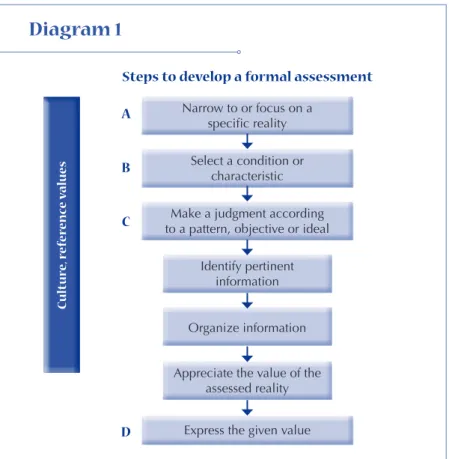
Lea la siguiente información sobre la evaluación del aprendizaje y subraye las ideas que cree que respaldan sus respuestas a las preguntas anteriores. Con base en la información del texto anterior, analiza tus respuestas a las preguntas que iniciaron esta unidad y lleva a cabo las siguientes acciones:.
Instrumentos de evaluación
Comenta qué información consideras necesaria para evaluar el aprendizaje de contenidos y complétala con la Tabla 1. Conocimientos y habilidades de los alumnos sobre:. Discute y analiza las técnicas que consideres más efectivas, válidas y relevantes. Lee la información de la tabla del anexo de esta guía, coméntala y elige las técnicas que creas más adecuadas para evaluar la participación y el desempeño de los estudiantes en las tareas que expresan el contenido de la competencia específica que han elegido. Discuta qué instrumentos considera apropiados para evaluar la participación y el desempeño de los estudiantes en estas tareas.
La función de los docentes en el PNIEB
Características del docente de Inglés en el PNIEB
Poner entre paréntesis las letras de la columna de la derecha, que indica los conocimientos y habilidades requeridas en cada caso. Subraya cuál de las siguientes opciones corresponde a la dirección de escritura de los nombres con los que estás trabajando. Revisa nuevamente la secuencia didáctica “Comentarios en lugares públicos”, que leíste al inicio de la unidad, el caso real presentado en la tabla 1 y pro.

Consideraciones didácticas
Leer y analizar el contenido de la siguiente tabla, que resume el trabajo realizado por esta unidad. Reconocer cuáles y con qué profundidad deben abordarse todas las cuestiones de la práctica social del lenguaje. Analizar la importancia de reconocer el tiempo, el espacio y el material como componentes de la planificación.
Factores que intervienen en la planeación del trabajo en el aula
Los materiales educativos
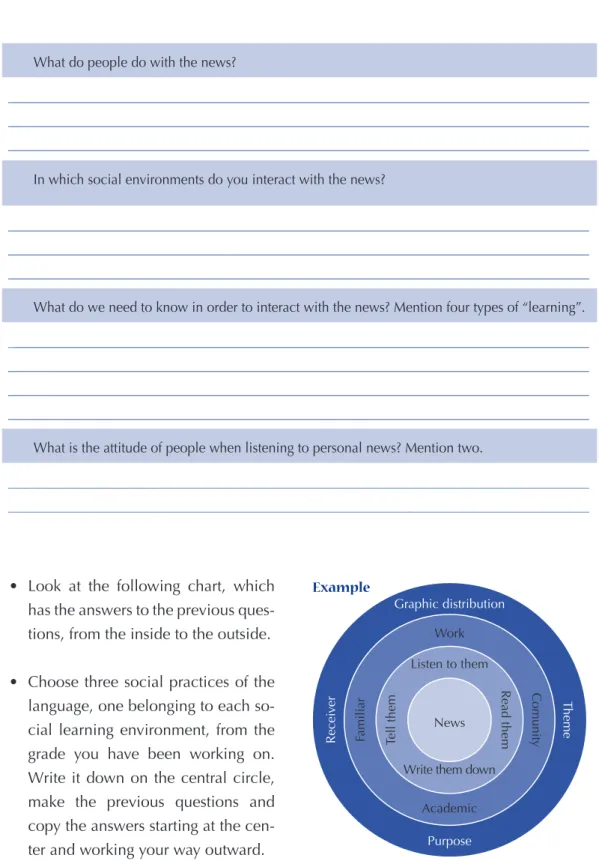
De los personajes del ciclo 4, elige el que te interese, para que los equipos trabajen solo con uno de ellos. Los materiales deben informar sobre los temas que se tratarán, interpretar la realidad y ser modelos de lenguaje. La distribución y organización de las habitaciones y el mobiliario de la sala son factores capaces o no de crear un ambiente de respeto y cercanía entre los estudiantes, así como promover oportunidades para compartir el aprendizaje que allí se produce.
Organización y distribución del espacio y el tiempo en el aula
Aspectos a considerar a la hora de organizar y asignar el tiempo a la hora de planificar el trabajo en el aula. El grado de dificultad para los estudiantes del contenido de la práctica social de la lengua y la capacidad de aprendizaje esperada. La energía que tienen los estudiantes, dependiendo de la ubicación del mes en el año escolar (al inicio del año, cerca de días festivos, al final del año, etc.).
Bibliografía
Anexo
National English Program
Working Guide Cycle 4
Prosedu also determined that "the criteria for quality improvement in education must be applied to teacher training, the updating of curricula.
Presentation
In order to carry out the actions that enable the articulation of English education, the Secretariat of Public Education implemented the National English Program in Basic Education (NEPBE or PNIEB: Programa Nacional de Inglés en Educación Básica) from which syllabi for the three levels of Basic Education is diverted. Such curricula are designed based on the alignment and standardization of national and international standards, the selection of criteria for teacher training, the establishment of guidelines for the design and evaluation of educational materials, as well as the certification of English language proficiency. One of the above actions is to organize national academic meetings to strengthen English teachers, in order to provide them with information and technical pedagogical instructions, aimed at contributing to the needs.
Introduction
Work modes and symbology
Guidelines and characteristics of the NEPBE
Guidelines of the NEPBE
Example: 1st year of high school, unit 2, educational and academic environment What does the curriculum state What happened in the classroom Common commitment Write instructions for using bilingual language. What does the syllabus state What happened in the classroom Shared commitment Read classic fairy tales and write a short one. What does the curriculum say What happened in the classroom Common commitment Write down different points of view.
1 st grade
Secondary school
2 nd grade Secondary school
3 rd grade
Identify in the cycle 4 syllabuses work strategies that promote learning opportunities for all students and write two examples on the lines below. Comment on the similarities and differences you find in each and write them in the table below. Compare the answers you gave to the previous exercises with the goals and achievements in the cycle 4 syllabuses.
To conclude
Explain the reasons why the profile for the first case, as opposed to the second case, does not meet the purposes stated in the NEPBE.
Purposes and subject of study of the NEPBE
What is the difference between the overall objective of the NEPBE and the objectives in the previous table. The overall objective of the NEPBE takes into account both formal and functional features of the English language. In the right column, write what you think the following specific purposes of Cycle 4 of the NEPBE mean.
The subject of study of the NEPBE
Basic language skills (listening, speaking, reading and writing) are the components that make up the social practices of language. Language attitudes and knowledge are what are important in the social practices of language. Attitudes, skills and knowledge are the components that make up the social practices of language.
Social practices of the language and the curricular proposal of the NEPBE
Social practices of the language
Read and discuss the information in the first column of the table that co . corresponds to the number you selected. If you chose “Expert,” record in the space provided how you became one. If you consider this relevant, read through the content of the specific competence you have chosen in the syllabi.
Characteristics of the NEPBE curricular proposal
Conception of language in the approaches: structuralist, functional and oriented towards the practice of language. Focuses on the processes by which social practices of language are constructed in everyday life, through interactive exchanges and the discussion (negotiation) of meaning within different contexts. Focuses on the processes by which social practices of language are built in everyday life through interactive exchanges and the discussion (negotiation) of meaning in different contexts.
Assessment
Concept and proposal of assessment for Cycle 4
Based on the information in the previous text, analyze the answers you gave to the questions at the beginning of this block and complete the following tasks: Circle the letters next to the questions whose affirmative answer corresponds to the opinion of the authors in the previous text. a) b) c) d) e) f) g) h). Comment on the aspects (global, continuous and formative) that characterize the assessment according to the syllabi and write a definition of assessment based on them, covering them in the first box of the following table of contents.
Assessment instruments
Discuss and choose the ways that, in your opinion, are most appropriate for assessing students' participation and performance in the tasks that make up the content of the specific competence you have chosen. Discuss which instruments you consider appropriate to assess students' participation and performance in the mentioned tasks. Choose one of the settings of the unit you worked with for the assessment instruments.
The function of English language teachers in the NEPBE
Characteristics of a NEPBE English language teacher
Get into groups with some of your colleagues and read the real-life example that appears in the left column of the table. Adriana, her friend and Lola do not understand the meaning of the words they copied and correspond to the things they want to buy. They begin to recognize names when they observe the same sequence of characters on product box drawings.

Didactic considerations
Based on the content of the last dialogue and reading the presentation, the pur. Recognizes what subject and to what depth each topic from the social practices of the language should be treated. When explicitly formulate the knowledge of the language system and the sources of the oral and written texts in English.
Factors that take part in the planning of classroom work
Educational materials
Read the following dialogues by students and, based on what they say, choose one of the two conclusions presented for each case. Check the "Educational guidelines" section in the syllabuses for cycle 4. determine that you have selected the correct pieces of the puzzle. The material must take into account the students' individual characteristics, as well as those of the ________ in general.
Read the following information, compare it with the contents of your list and analyze whether the number of hours that you allocated in the last table remains the same. Elements to consider in the organization and distribution of time in the planning of class work. Organization, distribution and availability of space in the classroom, as well as the type of materials or resources involved in the practice of the language.
Bibliography
Appendix