
Artseduca, núm 24 (2019)
144
0
0
Texto completo
(2) dirección. ArtsEduca. 24. Dª. Ana M. Vernia Carrasco Universitat Jaume I de Castelló. secretaría Dr. Diego Calderón Garrido Universidad Internacional de La Rioja. CONSEJO ASESOR CIENTÍFICO Dra. Ma Isabel Agut Font. Dra. Andrea Giráldez. Dra. Beatriz C. Montes. Cons. Superior de Música de Castelló. Universidad de Valladolid. Cons. Superior de Música de Salamanca. Dra. Patricia Ayala García. Dr. José Gustems Carnicer. Dra. Inés María Monreal Guerrero. Universidad de Colima (México). Universidad de Barcelona. Universidad de Valladolid. Dª. Gloria Baena Soria. Dª. Pilar Jovanna Holguín Tovar. Dra. Paloma Palau Pellicer. Universidad Autónoma de Barcelona. Presidente PyscMuse. Universitat Jaume I de Castelló. Dª. Verónica Cannarozzo. Univ. Pedagógica y Tecnológica, Colombia. Dra. Ma del Carmen Pellicer. Cát. Libre Musicoterapia. Univ. Nacional de La Plata. D. Ricard Huerta. Universitat Jaume I de Castelló. Universitat de València. Dra. Amparo Porta Navarro. Dra. Caterina Calderón Garrido. Dra. Ma Esperanza Jambrina. Universitat Jaume I de Castelló. Universidad de Barcelona. Universidad de Extremadura. Dr. Antonio Ripollés Mansilla. Dr. Román de la Calle. Dr. Alfonso López Ruiz. Universitat Jaume I de Castelló. Universitat de València. Universidad de Murcia. Dª. Paula de Solminihac. Dª. Liliana Alicia Chacón Solís. Dr. David López Ruiz. Universidad Católica de Chile. Universidad de Costa Rica. Universidad de Murcia. Dra. Victoria Tischler. D. Javier Chávez Velásquez. Dª. Margarita Lorenzo de Reizábal. University of West London. Dep. Composición y Dirección. Musikene. Dª. Ana M. Vernia Carrasco. Dr. Vicente Galbis López. Dr. Manuel Martí Puig. Universitat Jaume I de Castelló. Universitat de València. Universitat Jaume I de Castelló. Dra. Ma del Carmen Giménez Morte. Dª. Ma Eugenia Moliner Ferrer. Cons. Superior de Danza de Valencia. Universidad Roosevelt de Chicago, EEUU. Universidad del Desarrollo, Chile. COLABORADORES. CONSEJO DE REDACCIÓN D. Francisco J. Bodí Martínez. Dª. Estel Marín Cos. Cons. Prof. de Danza José Espadero de Alicante. Universidad Autónoma de Barcelona. Dr. Diego Calderón Garrido Universidad Internacional de La Rioja. Dr. Marco Antonio de la Ossa Martínez. Margarita Lorenzo de Reizábal Josep Gustems Carnicer. C. P. Duque de Riánsares de Tarancón (Cuenca). Neil Roma. Cons. Mestre Montserrat de Vilanova i la Geltrú. Dª. Mª Isabel Rocafull Baixuli. Silvia Tripiana-Muñoz. Dª. Vicenta Gisbert Caudeli. Dra. Victoria Tischler. María Vidagañ Murgui. Universidad de La Laguna, Tenerife. University of West London. D. Alejandro Macharowski. D. Luis Vallés Grau. Marco Antonio de la Ossa. Escuela Superior de Arte y Tecnología (ESAT). Cons. Prof. de Música de La Vall d’Uixó (Castellón). D. Daniel Gil Gimeno. Universitat Jaume I de Castelló. Andrés Torres Carceller Júlia Castell Villanueva Sandra Soler Campo. maquetación Joan Milián Yeste. fotografía Franciso M. Cuevas. Martín Caeiro.
(3) editorial. ISSN // 2254-0709 DOI ArtsEduca // http://dx.doi.org/10.6035/Artseduca DOI ArtsEduca nº24 // http://dx.doi.org/10.6035/Artseduca.2019.24 © De esta edición: Publicacions de la Universitat Jaume I, 2019 © Del texto: las autoras y los autores, 2019. 24. Desde la antigüedad el arte ha sembrado sus frutos en la vida de las personas. Han ido cambiando los tiempos, las necesidades, las inquietudes, pero el arte ha seguido acompañando a la Humanidad, comportándose a veces como cronista de la Historia, otras veces como entretenimiento, pero siempre como bienestar necesario para sobrevivir a las adversidades de la vida. Ya en el siglo XXI, la revolución tecnológica nos obliga a vivir, prácticamente en todos los lugares del mundo, a una velocidad de vértigo, donde las relaciones humanas se pierden en la era de máxima conexión, y los valores no llegan a consolidarse, prevaleciendo los “likes” sobre las emociones reales. En cambio, el arte sigue con la misma esencia humanística, capaz de unir en las situaciones más complicadas, en los pensamientos más alejados y en las posiciones más controvertidas. Porque el arte es el alma de la Humanidad. En el número 24 de ARTSEDUCA, hacemos un breve recorrido por investigaciones, históricas, pedagógicas, pasamos por experiencias educativas y entrevistas a quienes entiende el arte y la cultura en general y la música en especial, como la herramienta capaz de mejorar la vida de las personas.. Since ancient times, art has sown its fruits in the lives of people. Times have changed, needs, concerns, but art has continued to accompany humanity, sometimes behaving as a chronicler of history, sometimes as entertainment, but always as well-being necessary to survive the adversities of life. Already in the 21st century, the technological revolution forces us to live, practically in all parts of the world, at a vertigo speed, where human relationships are lost in the era of maximum connection, and values do not come to consolidate, prevailing “likes” about real emotions. On the other hand, art continues with the same humanistic essence, capable of uniting in the most complicated situations, in the most distant thoughts and in the most controversial positions. Because art is the soul of Humanity. In number 24 of ARTSEDUCA, we make a brief tour of research, historical, pedagogical, we went through educational experiences and interviews to those who understand art and culture in general and music in particular, as the tool capable of improving the life of the people.. ana m. vernia Editor-in-Chief ARTSEDUCA [email protected]. Reconeixement-CompartirIgual CC BY-SA Aquest text està subjecte a una llicència Reconeixement-CompartirIgual de Creative Commons, que permet copiar, distribuir i comunicar públicament l’obra sempre que s’especifique l’autoria i el nom de la publicació fins i tot amb objectius comercials i també permet crear obres derivades, sempre que siguen distribuïdes amb aquesta mateixa llicència. http://creativecommons.org/licenses/by-sa/3.0/legalcode.
(4) suma. EDUCACIÓN Y PEDAGOGÍA. 5. ANÁLISIS PARA DIRECTORES. DE LA PARTITURA A LOS GESTOS ANALYSIS FOR CONDUCTORS: FROM SCORE TO GESTURES. Margarita Lorenzo de Reizábal. 15. AUTOESTIMA EN ALUMNAT DE PRIMÀRIA, A PARTIR DE LA PRÀCTICA DE CONJUNT INSTRUMENTAL SELF-ESTIMATE IN PRIMARY STUDENTS, FROM THE PRACTICE OF THE INSTRUMENTAL ENSEMBLE. Mercè Navarro Calafell - Josep Gustems Carnicer. 25. EL GRADO DE PEDAGOGÍA EN LOS CONSERVATORIOS Y ESCUELAS SUPERIORES DE CATALUÑA. ANÁLISIS EXPLORATORIO. THE DEGREE OF PEDAGOGY IN THE CONSERVATOIRES AND MUSIC SCHOOLS OF CATALONIA. EXPLORATORY ANALYSIS. Neil Roma. 41. INFLUENCIA DEL ENTORNO EN EL APRENDIZAJE INSTRUMENTAL. ESTRATEGIAS Y PAUTAS DE INTERVENCIÓN MOTIVACIONAL. INFLUENCE OF SURROUNDINGS ON THE INSTRUMENTAL LEARNING PROCESS. STRATEGIES AND GUIDELINES FOR MOTIVATIONAL INTERVENTION. Silvia Tripiana Muñoz. 55. REFLEXIONES SOBRE LA EDUCACIÓN ARTÍSTICA DESDE LA PRÁCTICA DEL MUSEO DE ARTE CONTEMPORÁNEO. EL CASO DE LOS MUSEOS DE LISBOA REFLECTIONS ON ART EDUCATION FROM THE PRACTICE OF THE CONTEMPORARY ART MUSEUM. THE CASE OF THE MUSEUMS IN LISBON. María Vidagañ Murgui. 65. RECREANDO LA TAXONOMÍA DE BLOOM PARA NIÑOS ARTISTAS. HACIA UNA EDUCACIÓN ARTÍSTICA METACOGNITIVA, METAEMOTIVA Y METAAFECTIVA. RECREATING BLOOM’S TAXONOMY FOT CHILD ARTISTS. TOWARD A METACOGNITIVE, METAEMOTIVE, AND METAAFFECTIVE ART ECUCATION.. Martín Caeiro. historia. 85. BARBARA STROZZI. 400 AÑOS DEL NACIMIENTO DE LA CÉLEBRE COMPOSITORA E INTÉRPRETE VENECIANA BARBARA STROZZI. 400 YEARS OF THE BIRTH OF THE CELEBRA COMPOSER AND VENETIAN INTERPRETER. Sandra Soler Campo. 2/S.
(5) ario ENTREVISTAs. 97. Peter Edward by Ana M. Vernia. EXPERIENCIAS EDUCATIVAS. 101. NUEVAS FORMAS DE EDUCAR ARTÍSTICAMENTE DESDE Y PARA EL MUSEO. EL DESCUBRIMIENTO ESPACIAL DE LO HABITADO COMO ELEMENTO POTENCIALMENTE TRANSFORMADO NEW WAYS TO EDUCATE ARTISTICALLY FROM AND FOR THE MUSEUM. THE SPATIAL DISCOVERY OF THE DWELL AS POTENTIALLY TRANSFORMING ELEMENT. Andrés Torres Carceller, Júlia Castell Villanueva. 117. PRODUCCIÓN E INTERPRETACIÓN MUSICAL. MENCIÓN EN LENGUAJES CREATIVOS, ESTRUCTURA Y PROYECTO TÍTERES EN LA FACULTAD DE EDUCACIÓN DE CUENCA (UCLM) PRODUCTION AND MUSICAL INTERPRETATION. MENTION IN CREATIVE LANGUAGES, STRUCTURE AND PROJECT PUPPETS IN THE FACULTY OF EDUCATION OF CUENCA (UCLM). Marco Antonio de la Ossa Martínez. información y noticias. 139 ArtsEduca 24 / 1.
(6) EDUCACIÓN Y PEDAGOGÍA. 2/S. “ANÁLISIS PARA DIRECTORES. DE LA PARTITURA A LOS GESTOS”. Margarita Lorenzo de Reizábal. Centro Superior de Música del País Vasco - MUSIKENE. ANALYSIS FOR CONDUCTORS: FROM SCORE TO GESTURES Photo by Kym McLeod from FreeImages.
(7) RECIBIDO: 06/02/2019 ACEPTADO: 06/02/2019. ABSTRACT In this article the whys, the hows, and the whens of the analysis applied to orchestral and choral conducting are described. To further deepen into didactics of the analysis applied to conducting, I present firstly the pairing of technique-performance from the conductor’s point of view, with special mention to the analysis-gesture relationship. Secondly, three types of gestural functions related to three different models of analysis are described: to) descriptive function and catalyst of the indications of the musical text; (b) preventive function - anticipation of the changes-; and (c) interpretive function. Thirdly, different analytical methods that can provide the information needed to conduct a piece competently, including textual analysis, process analysis, aural analysis with its multiple layers, and psycho-perceptive and phenomenological analysis, among others, are described. All these analytical methods can be related in the process of understanding music and both technique (gestures) and interpretation are based on their results. In order to illustrate the complexity of the task, an approach to the analysis of the score and its sequencing process is provided, together with a list of complementary analytical tools especially useful for conductors. Finally, a methodological model is given as a guidance to tackle the analysis of the score from the conductor’s perspective, at different stages of its activity (study, rehearsals and performance).. kEYWORDS Analytical Methods, Analysis-gesture Relationship, Gestural Functions, Phenomenological Analysis. RESUMEN En este artículo se describen los por qués, cómos y cuándos del análisis aplicado a la dirección coral e instrumental. Para profundizar en la didáctica del análisis aplicado a la dirección, presento en primer lugar el binomio técnica-interpretación desde el punto de vista del director, con una mención especial a la relación análisis-gesto. En segundo lugar, se describen tres tipos de funciones gestuales relacionadas con tres modelos diferentes de análisis: a) función descriptiva y catalizadora de las indicaciones del texto musical; (b) función preventiva - anticipación de los cambios-; y (c) función interpretativa. En tercer lugar, se describen diferentes métodos analíticos que proporcionan la información necesaria para dirigir una pieza musical de manera competente, incluidos el análisis textual, el análisis de procesos, el análisis auditivo con sus múltiples capas, el análisis psico-perceptivo y fenomenológico, entre otros. Todos estos métodos analíticos pueden relacionarse en el proceso de comprensión de la música y tanto la técnica (gestos) como la interpretación se basan en sus resultados. Con el fin de ilustrar la complejidad de la tarea, se proporciona un enfoque práctico para el análisis de la partitura y su proceso de secuenciación, junto con un listado de herramientas analíticas complementarias especialmente útiles en dirección. Finalmente, se proporciona un modelo metodológico como guía para abordar el análisis de la partitura desde la perspectiva del director/a, en diferentes etapas de su actividad (estudio, ensayos y concierto).. PALABRAS CLAVE Métodos Analíticos, Relación Análisis-gesto, Funciones del Gesto, Análisis Fenomenológico. ArtsEduca 24 / 6. ArtsEduca, 24, septiembre 2019 | DOI - http://dx.doi.org/10.6035/Artseduca.2019.24.1 | ISSN: 2254-0709 | pp. 5-13.
(8) ANALYSIS FOR CONDUCTORS FROM SCORE TO GESTURES Margarita Lorenzo de Reizábal Universidad del País Vasco. INTRODUCTION Conducting is musical interpretation which is communicated through gestures to a group of musicians who materialize the sound. If we accept that a conductor is an interpreter before any other consideration, it seems appropriate to believe that musical analysis constitutes a research tool equal in importance and use for any interpreter, either instrumental or vocal (Author, 2008).. mer and the one who is responsible for a broader group of individuals.. Part of the charisma and magical halo surrounding conductors arises from the “power” they have which, to a great extent, is due to managing musical events from a global perspective. The conductors’ score has all of the musical data whereas an individual member of an orchestra, band or choir only has If musical analysis is the cornerstone for every mu- the portion of the text covering his/her individual sician to base his/her performance decisions, the performance. It is the responsibility of the conductor same applies to the conductor but with the addi- to know the musical piece from all possible angles tional responsibility of needing to coordinate diffe- and to decide the performance guidelines to follow. rent instruments/voices which implies an exhaustive Only a comprehensive analysis of the text will allow knowledge not only of one part or role, but of all the conductor to make musical decisions and plan of the components in the score. This holistic view of technical strategies in order to conduct the work music, which surpasses the partial view an instru- with any guarantee. Thus, the key to transmitting mentalist has from his/her particella, is undoubtedly his/her directions to the musicians is literally in his/ the great difference between an individual perfor- her hands.. Technique and performance: music conducting specialty binomial One of the greatest challenges for anyone who aspires to conduct is to manage to communicate using body language- musical messages that can be incredibly distinct, from the general suggestion of a sound atmosphere to how short a staccato sound must be. This capacity to communicate musical messages by using gestures requires training through conducting techniques. There are many conducting techniques and many ways of addressing their study, but all of them have one thing in common, the use of body language and more specifically the use of hands to communicate and coordinate sound events within a music performance. In this sense, it would be logical to believe that the acquisition of a good gesturing techniques must be a priority in the training a conductor, and so it is. 7 / Educación y Pedagogía. ANÁLISIS PARA DIRECTORES. DE LA PARTITURA A LOS GESTOS Margarita Lorenzo de Reizábal. The problems appear when all of the learner’s attention is centered on the technique, and the need to transmit a musical idea is pushed into the background (sometimes even left behind as a token idea). In other words, the learner must show ability in the techniques but - once they have been learned- the real challenge that lies from an artistic and professional point of view is how to interpret music and how to coordinate and communicate this through gestures. It is precisely in this area where the greatest problem in the academic world of conducting lies. The greater part of students end up by becoming skilled in given gestures agreed upon with their teachers as a consequence of work carried out on determined musical pieces during their studies; other carry out perfect imitations –many ti-.
(9) mes so out of context that they become grotesque caricatures of prominent conductors. A great majority of learners practice gestures in front of a mirror (without music or what is even worse – moving to the tune of a recording) which result in a deaf dance where the music is in the background or even not present.. or interpretation of the music. There is no reason for gestures if they do not communicate musical criteria. And this is where analysis, as an essential work tool, comes into play for the learner during his/her training and obviously, the rest of his/her professional life.. Gestures must always be at the service of music and The great problem in musical conducting training never the other way around. When the gesture is is that developing gesture skills exclusively does not separate from the music there is no interpretative guarantee success in conducting nor does it provide action and on the other hand, when the conductor self-sufficiency once the training period is conclu- interprets music but is unable to transmit this, there ded. The most important and essential idea in con- is no clear message to the musician. Both of these ducting training is to understand what the conductor situations is equally bad. When conducting, interwants to obtain from the musicians in order for the pretation and technique go hand in hand and may final sound product to coincide with his/her vision not be separate.. Analysis – Gesture relationship One could say that the job of the conductor is to translate the analysis of the musical piece into gestures. Gestures should portray both the musical parameters in the sheet music as well as their interpretative analysis in a communicative and fluid manner. Body language used in conducting may be classified in three large blocks: a) Descriptive and Catalytic functions of specific instructions in the text A great part of the gestures used in conducting are a collection of translations or descriptions of basic analytical parameters taken straight from the musical text. Therefore, when conducting, a great number of movements are used to describe (using hands or baton) syntactic and morphological elements in the score: rhythm, tempo, phrasing, dynamics, agogic changes… It seems obvious that if the score indicates piano, the conductor will use an attitude that indicates that nuance (generally with smaller gestures) but we ask ourselves if this is interpreting the score because with said gesture the conductor is only emphasizing what is written in the score, which the musicians have in their sheet music anyway and therefore there is no need for a reminder. In these cases, the gestures by the conductor are mere reminders and descriptors of what appears in the text. Even in these cases, the conductor acts as catalyst for the sound construct: the musician has piano written in his/her particella but does not know in which context (syntactic, stylistic, tone, etc.) and it is the context which the conductor must interpret, value, measure and communicate with his/her gesture. b) Gesture anticipation: pre-emptive purpose in musical events The role of gestures described so far actually never happens in real time because the conductor must anticipate his/her gestures in order to pre-empt the musicians of all the changes with enough time in order to obtain a precise and unanimous response at the correct time. This continuous preemption forces conducting to constantly think of what is immediately subsequent and requires a twofold auditory attitude: listening to the music in real time and anticipating the subsequent music with gestures. This is perhaps the most complex of the conductors’ tasks. ArtsEduca 24 / 8. ArtsEduca, 24, septiembre 2019 | DOI - http://dx.doi.org/10.6035/Artseduca.2019.24.1 | ISSN: 2254-0709 | pp. 5-14.
(10) For example: one is conducting a passage in legato and pp, tracing a long phrasing, with a light instrumental texture, the melody in charge of the woodwind higher section based on a harmonic rhythm long and sustained in the string section. All this passage has a progressive accelerando and a rhythmic crescendo, together with an increase of the instrumental texture (organic crescendo), dynamic crescendo and harmonic rhythm increasingly complex while the melodic line dissolves, deconstructed by passing through different orchestral sections, ending in a chord for tutti in ff and resting finally on a dramatic pause.. To conduct a passage of these characteristics implies the conductor must be aware of the final moment in order to direct the previous music and graduate all of the changes that take place in a logical and coherent manner. The conductors’ gestures must precisely pre-empt the changes in an anticipatory and gradual manner. The conductor must listen to the sounds being produced with each change and adapt his/her gesture to the needs that follow so as to reach the final passage and obtain the sound reference in mind. Let us say that there are three types of sound models the conductor must keep in mind: what he/she is hearing at each moment and what he/she wants to hear immediately afterwards which is in itself related to the desired sound map at the end of the road.. c) Interpretative role The conductor, as an interpreter, puts all of his body at the service of the music so as to transmit a whole range of aspects and details related to his/her personal and artistic vision of the music. This interpretation, or reconstruction if one prefers this term, depends directly on the score analysis. It is not only transmitting the information in the text with gestures, we are talking about matters that are not found in the text but have been derived from the in-depth study of the work from different angles: analysis of the melody, the harmony, the rhythm, the metrics, historical, stylistic, aesthetic, sociological and auditory context in conjunction with procedural, hermeneutic, phenomenological, historicist, psycho-perceptive…. Very important and defining matters arise from the analysis such as the choice of tempi, maintenance of understandable syntax, hierarchizing sound planes, architectural view of the work, formal coherence, type of articulations, character of the music, level of emphasis of the different parameters, quality and quantity of sound, etc. This type of analysis leading to a series of well based interpretative criteria is previous to the task of technical preparation because interpretative decisions condition the gestures to be used. In other words, the technique employed to conduct every musical part of a work depends on the previous analysis.. the group (amateurs, professionals, students), the stage, acoustics, type of auditorium, motivation, mood, are only some of the variables that can affect the performance. The conductor must be sensitive to these aspects and flexible in adapting his/her previous analysis to the circumstance of the moment itself.. From all of the above it is also understood that conducting means adapting the imagined sound to the circumstances and specific context of each performance. The conductors’ gestures, if predetermined without taking into account the sounds that are actually produced when the gestures are made, would represent gestures that are not adapted to Despite the previous assertion, it is very likely that the the needs of each moment. This is why one cannot analytical conclusions reached during the study and rehearse a predetermined gesture, nor its expanse, preparation of the score may be subject to change nor sequence in time in a preempted and taken out in the actual moment of conducting. It is common of context manner. Similarly, it is understood that for a conductor to mark the score with certain ins- rehearsing with another conductors gestures is not tructions to use with the group only to find that in useful. To conduct is to continuously change our practice some sound variables make them useless. own premises according to what we are hearing. The time of performance, the type of musicians in 9 / Educación y Pedagogía. ANÁLISIS PARA DIRECTORES. DE LA PARTITURA A LOS GESTOS Margarita Lorenzo de Reizábal.
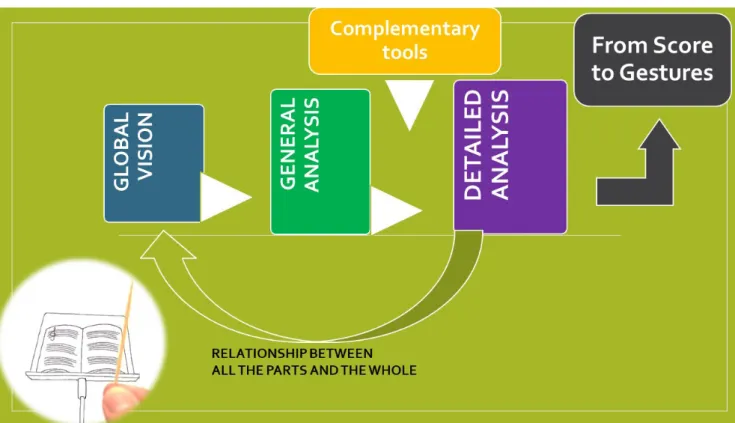
(11) DIFFERENT ANALYTICAL METHODS APPLIED TO CONDUCTING Musical performance, due to its own nature, is not something tangible and measurable. Any attempt to objectify it by using a sole parameter leading to a universal interpretation, would be very difficult. What can be done is to come closer to its nature through the object of its analysis, which could be the score, the sound performance, the sound performance for the composer when creating the piece, the conductor of a certain performance, or the experience of a listener. Any of these points of view is equally valid and adequate to analyze any work. The only thing that seems evident is that there is no one valid or definitive analysis. All of the perspectives contribute to the enrichment of music and the conductor uses all of them to make artistic and technical decisions.. 1. TEXT ANALYSIS. The result is the explanation and determination of the morphological and syntactical elements that form the work, how they combine together and their function within the ensemble. The processes used in this analysis are normally empirical and systematic (recount of recurring parameters and their variables, segmentation, reduction, combination, etc.) For this type of text analysis one can resort to different types of analysis: formal and functional, schenkerian, neo-schenkerian, semiotics, musical style or others. The final objective is to understand the internal coherence in the construction of a work by means of the inter-relationship between all of its elements.. 2. PROCEDURAL ANALYSIS. In this type of analysis the work is conceived as a dynamic object which is built along its historical occurrence, that is to say, as a process and not as a fixed text for all performances. From this perspective, analysis centers on the performance, the reception by the listener and the contextual setting of both. This type of hermeneutical analysis pursues the meaning of the work through its history: music is kept alive through its performance and as long as it continues to be performed, it continues being built and completed. Currently there is a tendency to reject analyses based exclusively on a positivist idea of the work of music: the idea of the score as something autonomous, closed and complete has changed to be considered as a process that undergoes continuous change that is transformed and completed with each performance. This idea allows the interpreter to bring personal perspective to the musical creation which become part of the historical body of the work and which serve as reference for future performances. ArtsEduca 24 / 10. ArtsEduca, 24, septiembre 2019 | DOI - http://dx.doi.org/10.6035/Artseduca.2019.24.1 | ISSN: 2254-0709 | pp. 5-14.
(12) 3. AUDITORY ANALYSIS. This auditory analysis takes place live and may differ from the sound perception (internal listening) that the conductor had imagined internally during preparations. Therefore, this listening analysis uses the imaginary “virtual” sound created in the conductor’s mind as the reference. The comparison between what he/ she hears when conducting and the preconceived idea will give rise to many deviations and coincidences. If deviations arise, they require immediate reaction in order to bring back the performance to the planned path.. 4. PSYCHO-PERCEPTIVE ANALYSIS. 5. PHENOMENOLOGICAL ANALYSIS. Psycho-perceptive analysis concentrates more on how the music is perceived by the listener than on the text, because music doesn´t exist if you cannot hear it. Moreover, in the specific case of conducting, there are many auditory perceptions: that of the conductor, that of each of the musicians of the orchestra he is directing, and in the last instance, but the most important of all, the public who the music is being played for. Each of these receptors process the sound in a specific way, but the element which should rule in the psycho-perceptive analysis for the conductor is the communication of a musical message which must work well and be understandable especially to the audience.. References to the phenomenological analysis are common with regards to conducting, especially concerning the maestro Celibidache. It must first be made clear that the phenomenological analysis, as understood from a Husserlian point of view, is a type of “science of experience” (Lambert, 2006). Celibidache uses the same Husserlian term “phenomenology” to refer to his way of seeing, or seeing what is there (Zelle, 1996). Celibidache rejects the idea of the conductor as interpreter because in his opinion, he does not interpret anything, but actually faces the musical reality in its ultimate essence, and assumes it. His is the search of the transcendental truth, more than the provocation of sensations (beauty of sound, elegance, color, grace…). This is why, in his opinion, the conductor will only feel fully satisfied if someone, upon hearing the interpretation, says “this is”, in other words, he or she has felt the presence of truth.. Besides Celibidache’s personal thoughts, and from a strictly musical point of view, the object of the phenomenological study is not the score, but the sensitive experience of music in the listener’s consciousness. In this sense the phenomenological attitude applied to music is a mode of analysis related to psycho perception, with some subtle nuances. The phenomenological analysis is centered on factors such as time and space from the viewpoint of perception. The phenomenological description of musical events is based on the subjective experience of the listener, hence is distanced from the search of objectivity of other types of analysis. 11 / Educación y Pedagogía. ANÁLISIS PARA DIRECTORES. DE LA PARTITURA A LOS GESTOS Margarita Lorenzo de Reizábal.
(13) AN APPROXIMATION TO SCORE ANALYSIS FROM THE CONDUCTOR’S PERSPECTIVE The score is our first object of analysis and the only objective element we have in order to establish our interpretative premises and consequently, our technical performance. Score analysis is the epicenter of the entire process of studying and preparing required for conducting (Author, 2008). We will describe the score analysis and its sequences from the moment it falls into the conductor’s hands (See figure 1). 1. Global vision The first thing is to look through the entire work. This is the first approach to the score. This seemingly innocent act gives out important details such as the general format, number of movements (if more than one), instrumentation and number of musicians, total length, tempo, general dynamics, overall technical difficulty, cadenzas/solos, end of the composition or approximate duration. After this first contact, we revise global aspects such as: • • • • • • • • •. Tempo. Metronomic indication Beginning rhythm. Metric changes Beginning tone. Key signature changes General instrumentation Number of movements; character, tempo, beat and tone for each Changes in instrumentation Instrumental solos, chamber music and tutti passages Technically difficult or complex passages from the textural point of view in the different sections Range of dynamics. Figure 1.. Steps of the score analysis from the conductor’s perspective. Own elaboration. ArtsEduca 24 / 12. ArtsEduca, 24, septiembre 2019 | DOI - http://dx.doi.org/10.6035/Artseduca.2019.24.1 | ISSN: 2254-0709 | pp. 5-14.
(14) 2. General analysis • Formal general and individual movement analysis: macroscopic analysis of the work and of each of its movements • Structural analysis of the sections and their purpose • General rhythmic and metric structure. Main rhythm motifs. Relevant metric rhythm changes. Crescendos and diminuendos. Tension and relaxation points. Polyrhythms, iso-rhythms, contrasts, sections with free rhythms etc. • Harmonic analysis. Modulation. Cadences. Harmonic rhythm • Melodic analysis. Main intervallic. Melodic inflexions. Main and secondary themes. Melodic conducting. Highlight. Structure. Melodic texture. Iso-melos. 3. Detailed analysis • • • • • • •. Phraseological analysis: phrases and semi-phrases Phrasing, repose and breathing Articulation Dynamic range and sequencing Agogic changes Timbre texture Relevant entries due to complexity or musical content. 4. Relationship between all the parts and the whole Integration of all the previous data for the service of performance. Some aspects that should be used as reference are as follows: • • • • •. Music direction Characteristics of the piece and contrasts within. Establishment of the general tempo and graduation of the agogical changes related to it. Dynamic graduation of the sections related to the whole. Formal cohesion elements: leitmotivs, repetition of motifs and ideas, constructive symmetry or asymmetry, guiding themes (melodic, rhythmic, harmonic, timbre, etc.) • Hierarchizing of structures according to their function within the work. • Assembly of the timbre combinations to define the color of the music and its variations. • Relationship between the music and the stylistic and aesthetic context.. OTHER COMPLEMENTARY ANALYTICAL TOOLS • Written references: regarding the style, aesthetics, context (historical, political, geographical, etc.) of the composer and the work itself. • Literary references: in works related to literary texts involving a script or libretto. • Plastics arts references: in the case of works composed with extra-musical budgets: a painting, an artist, a sculpture, a color, a geometric structure, a mathematical concept, etc. • Visual references: which allow the immersion in a certain atmosphere or which encourage an approach to the music budget of the work, (e.g. in the case of music for cinema, incidental music, etc.) • Musical references: from other work by the same composer, of the same period of time, similar or different organic characteristics, different genres… • Cross references from other composers: analysis of works within the same genre by different composers in different periods of time. 13 / Educación y Pedagogía. ANÁLISIS PARA DIRECTORES. DE LA PARTITURA A LOS GESTOS Margarita Lorenzo de Reizábal.
(15) • Sound registries: interesting especially for procedural analysis of the work to be conducted to have access to different recordings of the same work so as to make a comparative analysis. What is never recommended is to “conduct” these recordings. The generic recommendation is to listen to different versions once the score has been analyzed. Never Before. • Videos: of different performances of the same work. • Piano reduction: this is a valuable aid in analyzing and sounding concrete passages, melodies, harmonic links and, in general, everything we cannot listen to in a fluid manner. • Score markings: it is common for conductors to mark scores with brief notes that allow them to rapidly visualize the most relevant aspect in each sheet, from the conducting point of view. This task requires a previously set hierarchy of the important matters that need to be translated into gestures.. METHODOLOGY PROPOSAL FOR CONDUCTORS Prior to the first rehearsal 1. 2. 3. 4. 5. 6. 7.. Score analysis Score marking Piano reduction Contextualize Listening of recordings and comparative study Review and analysis of additional information Decision taking about technical aspects. During rehearsals and concerts • Continuous auditory analysis • Control of gestures in their catalyzing, preemptive and interpretative • During rehearsals, phenomenological, auditory and psycho-perceptive analysis of the sound and its possible impact on the listener • During the concert, flexibility in adapting and changing any previously set technical aspects to the actual sound reality references Lorenzo de Reizabal, M. (2008). En el podio: manual de dirección de orquesta, banda, coro y otras agrupaciones. Barcelona: Boileau. Lambert, C. (2006). Edmund Husserl: la idea de la fenomenología. Teología y Vida, Vol. XLVII, 517 – 529. https://scielo.conicyt.cl/scielo.php?script=sci_arttext&pid=S0049-34492006000300008 Zelle, T. (1996). Sergiu Celibidache: analytical approaches to his teachings on phenomenology and music. Dissertation, Arizona State University. En https://scholar.google.com/scholar?hl=en&lr=&q=Sergiu%20Celibidache+author%3AZelle ArtsEduca 24 / 14. ArtsEduca, 24, septiembre 2019 | DOI - http://dx.doi.org/10.6035/Artseduca.2019.24.1 | ISSN: 2254-0709 | pp. 5-14.
(16) EDUCACIÓN Y PEDAGOGÍA. “Autoestima en Alumnat de Primària, a partir de la Pràctica de Conjunt Instrumental” Mercè Navarro Calafell Josep Gustems Carnicer Universitat de Barcelona. Photo by Enric S. from FreeImages.
(17) RECIBIDO: 26/03/2019 ACEPTADO: 10/05/2019. resum La experiència musical permet el desenvolupament de competències que van més enllà de l’art sonor, com és el cas de l’autoestima, un concepte àmpliament tractat en psicologia i educació i que està íntimament vinculat amb la pròpia percepció de vàlua. La pràctica musical col·lectiva, com és el cas del conjunt instrumental escolar és un recurs educatiu que ens permet valorar el seu impacte en la formació de l’autoestima de les persones. En aquest treball avaluem els nivells d’autoestima en una mostra d’alumnes de 6è curs d’educació primària que tenen la possibilitat d’una pràctica musical intensificada dins el seu horari escolar. Se’ls ha aplicat l’Escala d’Autoestima de Rosenberg i una Escala creada ad hoc que permet valorar la influència del conjunt instrumental en l’autoestima. Els resultats indiquen nivells alts d’autoestima en ambdues escales, i especialment en noies, per la qual cosa creiem que la pràctica musical col·lectiva pot ser una poderosa eina per tal de fomentar aquesta competència personal tan necessària en els joves i els infants.. paraules clau Autoestima, Educació Musical, Conjunt instrumental, Educació Primària. abstract The musical experience allows the development of skills that go beyond sound art, such as the case of self-esteem, a concept widely treated in psychology and education, and that is intimately linked to the own perception of value. Collective musical practice, such as music ensemble, is an educational resource that allows us to assess its impact on the formation of people’s self-esteem. In this work we evaluate the levels of self-esteem in a sample of students of 6th year of primary education, who have the possibility of a musical practice intensified during their school hours. Rosenberg Self-esteem Scale and ad hoc created Scale have been applied to assess the influence of the music ensemble on self-esteem. The results indicate high levels of self-esteem on both scales, and especially in girls, so we believe that music ensemble practice can be a powerful tool in order to promote this much-needed personal competence in young people and children.. keywords Self-esteem, Music Education, Music Ensemble, Primary Education. ArtsEduca 24 / 16. ArtsEduca, 24, septiembre 2019 | DOI - http://dx.doi.org/10.6035/Artseduca.2019.24.2 | ISSN: 2254-0709 | pp. 15-24.
(18) Autoestima en Alumnat de Primària, a partir de la Pràctica de Conjunt Instrumental Mercè Navarro Calafell Josep Gustems Carnicer Universitat de Barcelona. INTRODUCCIÓ i OBJECTIUS Els docent i especialistes de música en centres d’educació infantil i primària, sovint s’adonen de la influència de l’àrea musical en la resta del currículum escolar. Si, a més es té la oportunitat d’experimentar una intensificació de la educació musical mitjançant la pràctica instrumental a l’aula, és lògic aprofitar aquest context per a reflexionar i fer-nos algunes preguntes de recerca al voltant del que representa l’ús de la música a l’escola. En el nostre cas, la coincidència de diverses circumstàncies ens ha menat a preguntar-nos sobre els efectes de. naventura Bogotá, Colombia) reconeix la disciplina, el control de la impulsivitat, la concentració i sobretot, l’autoestima com a beneficis de la música per al desenvolupament de processos de formació en el nen.. La música, també millora la motivació quan el mestre tria un repertori adequat i basat en els interessos de l’alumne. Quan s’incentiva positivament, creix la motivació vers l’aprenentatge musical. La música és una de les activitats més motivadores de l’actual currículum escolar. l’autoestima en els alumnes d’educació primària, a partir de l’aprenentatge musical i la pràctica en un Com a resultat d’aquestes observacions, ens planconjunt instrumental. tegem si les millores en aquesta aptitud gràcies a la En el marc de la fonamentació teòrica, pel que fa música, es poden també transferir vers l’autoestima a la música, el seu valor formatiu rau en que és un personal de cada alumne/a. element clau per al desenvolupament integral de Pel que fa al context d’aplicació de la recerca, un l’infant, tal i com avalen nombroses recerques i pudels principals motius que justifiquen aquesta tesi és blicacions científiques des de fa dècades. El procés que el marc d’investigació i actuació es dur a terme d’ensenyament/aprenentatge d’aquesta àrea comen la praxis educativa d’un centre escolar al que es porta que els infants progressin en el desenvolupaté accés, el CEIP Turó de Can Mates, de S. Cugat ment harmònic de la persona en les seves diverses del Vallès. vessants: psicomotriu, emocional i cognitiva. En aquesta escola, el plantejament de la música en El pedagog i músic del S.XX, Edgar Willems emfael Projecte Escolar del Centre es defineix al voltant sitzà el valor psicològic de la música i parla d’una d’un eix artístic en el qual la música i les arts plàstieducació musical de doble valor, com activitat en ques tenen un paper fonamental. Així doncs, l’orgaella mateixa i com a preparació per a la vida. Des nització curricular en l’àrea de música ha compord’aquest punt de vista, la música afavoreix altres tat un treball continuat de tres hores setmanals per facultats humanes internes, com la voluntat, sensialumne, una intensificació de l’educació musical a bilitat, intel·ligència i imaginació creadora, i és per l’educació primària enlloc de les hores actualment això que l’educació musical ha d’estar fonamentaprescriptives (1 o 1:30 setmanals aproximadament) da i organitzada per les corrents psicològiques. les quals em permeten fer recerca. Pel que fa a altres recerques específiques en relació Des dels inicis, el departament de música de l’esa l’objectiu sobre els efectes de la música en l’autocola ha comptat amb un projecte basat en la creaestima, el Dr. German Pilioneta, del Equipo Cisne, tivitat i composició musical que ha anat creixent i (Desarrollo Pedagógico, Investigación, Aprendizaje evolucionant al llarg dels cursos fins l’actualitat. y Gestión Organizacional, Universidad de San Bue17 / Educación y Pedagogía. AUTOESTIMA EN ALUMNAT DE PRIMÀRIA, A PARTIR DE LA PRÀCTICA DE CONJUNT INSTRUMENTAL Mercè Navarro Calafell - Josep Gustems Carnicer.
(19) “Sentim i Creem Música Junts” és un projecte d’innovació i formació docent i que forma part dels projectes Ara Art del Departament d’Ensenyament. Es tracta d’un projecte de col·laboració entre l’escola i les escoles artístiques de l’entorn, en el nostre cas, amb l’Escola de Música Victòria dels Àngels de Sant Cugat del Vallès. Un dels aspectes més rellevants d’aquesta col·laboració és que es dóna l’oportunitat d’ensenyar un instrument als alumnes del centre durant la seva escolaritat. L’escola proporciona tres instruments: piano, violoncel i flabiol i tamborí que els alumnes inicien a 3r curs i que mantenen fins al final de l’etapa; a 6è, i amb el que formaran el conjunt instrumental. Per dur a terme aquest projecte escolar ha estat clau l’ampliació d’hores i d’especialistes de música, així com també una organització de l’espai i dels alumnes que permetin l’agrupament reduït a la meitat dels alumnes de l’aula. Per tal de que siguin factibles aquests desdoblaments l’escola disposa de dues aules de música pròpies i d’una altra aula (d’educació plàstica) per a l’ensenyament del violoncel. Aquest projecte musical ha estat la raó per la qual s’ha realitzat la present recerca; els efectes de l’autoestima en els alumnes de 6è d’educació primària, a partir de l’aprenentatge musical i la pràctica en un conjunt instrumental. Sorgeix de la necessitat d’estudiar la transcendència de l’aprenentatge d’un instrument musical en l’àmbit personal i emocional: en la seva autoestima. No obstant, aquesta formació instrumental no només contribueix en l’adquisició de coneixements musicals, sinó que va més enllà, en la participació en un conjunt instrumental. En les classes de conjunt instrumental, els alumnes. aprenen més enllà de la mecànica de la música. A partir del treball cooperatiu, aprenen habilitats d’interacció, a escoltar-se els uns als altres i, en conseqüència, a interpretar una obra musical adequadament, ja que com diu J. Ayats, la música és una activitat necessàriament social, que pren la seva raó de ser a partir de la relació entre persones. Així doncs, el pas de l’aprenentatge instrumental individual al social ens porta a preguntar-nos sobre si el fet de formar part d’un grup augmenta les seves competències emocionals i per conseqüència, la seva autoestima. En efecte, el projecte “Sentim i Creem Música Junts” va molt més enllà de l’expressió artística; és un projecte de creixement personal, d’adquisició de valors, de desenvolupament d’habilitats comunicatives i socials, ja que en totes les activitats que fan els infants se senten escoltats, ajudats i reforçats positivament. Adquireixen eines que els serviran la resta de la vida: aprenen a escoltar, a treballar en equip, a respectar els altres, a compartir, a saber com se senten... En definitiva, aprenen a gestionar les emocions. Finalment, aquesta recerca no pretén comprendre la dimensió global dels efectes que té la música en el camp de l’aprenentatge escolar però sí que pot aportar quelcom en el marc d’investigació de recerques sobre la música i l’autoestima. És gratificant poder-la aplicar dins del context escolar per aplicar els coneixements teòrics a la pràctica docent, observar l’evolució del procés d’investigació seguit al llarg de les classes i també per contribuir a la comunicació i extensió dels resultats entre el professorat, tant a nivell intern –del propi centre- com extern –professorat d’altres centres escolar.. OBJECTIUS PLANTEJATS: De mode general ens plantegem els següents objectius:. • Mesurar el grau de l’autoestima en els alumnes de 6è d’educació primària, a partir de l’aprenentatge musical i la pràctica en un conjunt instrumental, endegat en el projecte “Sentim i Creem Música Junts”, del centre Turó de Can Mates. • Mesurar el grau de l’autoestima personal en els alumnes de 6è a partir de l’Escala de Rosenberg.. ArtsEduca 24 / 18. ArtsEduca, 24, septiembre 2019 | DOI - http://dx.doi.org/10.6035/Artseduca.2019.24.2 | ISSN: 2254-0709 | pp. 15-24.
(20) marc teòric Des de la implantació de la LOE al maig del 2006, i amb la concreció a Catalunya amb el Decret 143/2007 de 26 de juny del 2006, es defineix l’ordenació dels ensenyaments a l’Educació Primària prioritzant vuit competències bàsiques que haurien de ser aplicades transversalment en totes les assignatures del currículum. Una de les competències que ha d’haver assolit l’alumnat després de finalitzar l’etapa és la vuitena: Competència d’autonomia, iniciativa personal i emprenedoria. Dins aquesta, es fa referència a l’autoestima com un element clau per a la millora personal.. Núñez et al., 1998, 2000; Zimmerman, Bandura i Martínez-Pons, 1992). En aquest cas, s’afirma que les experiències d’èxit acadèmic són les que determinaran l’autoconcepte (Chapman i Lambourne, 1990). Altres investigacions demostren una bidireccionalitat en aquestes variables, assenyalant que, a més rendiment acadèmic, millor autoconcepte, i a la inversa (Salanova et al., 2005).. Un estudi l’any 1965, Rosenthal i Jacobson, conegut com l’efecte Pigmalió, va mesurar el nivell de la intel·ligència dels alumnes d’una escola pública i van donar els resultats al seu professorat indicant És l’adquisició de la consciència i l’aplicació d’un conquins eren els estudiants que havien sobresortit més junt de valors i actituds personals interrelacionades, al test. No obstant això, no va ser real, ja que la com la responsabilitat, la perseverança, el coneixeselecció d’aquests alumnes “excel·lents” va ser feta ment de si mateix i l’autoestima, la creativitat, l’autocría l’atzar. Al cap d’un any van tornar a l’escola i tica, el control emocional, la capacitat d’elegir, d’ima‘aquests alumnes seleccionats eren els que més miginar projectes i de convertir les idees en les accions, d’aprendre de les errades, d’assumir riscos i de treballores presentaven respecte a altres companys. Amb llar en equip (Departament d’Ensenyament, 2015). aquest estudi els autors van demostrar que les expectatives que tenien els mestres sobre les capaciSi fem una aproximació teòrica al concepte d’autats dels seus alumnes influïen críticament envers el toestima observem diversitat d’estudis i de variables rendiment acadèmic d’aquests. associades. Trobem investigacions que es refereixen a l’autoestima i a la seva evolució, en què s’entén En efecte, quan s’etiqueta a un alumne com “dèl’autoestima com un element força estable en la bil o conflictiu” augmenten de forma molt clara les vida d’una persona. Tot i així, es reconeix la presèn- possibilitats que el nostre tracte cap a ell provoqui cia de variables que afecten sobre aquesta (Markus que les nostres expectatives negatives es facin reai Kunda, 1986). litat, i viceversa. L’etiquetatge contribueix de forma crítica a la construcció del seu autoconcepte i autoHi ha múltiples recerques que assenyalen la imestima (Portero i Carballo, 2018). portància de sentir-se auto competent per implicar-se d’una manera més activa en el propi procés d’aprenentatge (Miller, Behrens i Greene, 1993;. . Aproximació teòrica: concepte d’autoestima. L’autoestima no és un concepte abstracte, allunyat de la quotidianitat de les persones. Es manifesta permanentment, a través de les nostres conductes, apreciacions i fins i tot la nostra postura corporal i actitudinal. Així doncs, el nivell d’autoestima d’un ésser humà té una enorme incidència en la “qualitat de vida” de les persones. Quan una persona adquireix un bon nivell d’autoestima s’alegra de ser qui és. El respecte per un mateix es fonamenta en dues conviccions: “sóc digne que m’estimin” i “sóc valuós/a.”. sobre algú”, al mateix temps. Branden (1994) la defineix des de l’angle de la competència i les aptituds, i no en el pla de l’ésser humà. Parla de la confiança en la nostra aptitud per pensar, la confiança en la nostra habilitat per respondre als desafiaments fonamentals de la vida. Seguidament, destaca la importància que cal concedir a la pròpia vàlua, però descrita sempre en termes d’èxit personal. Des del mateix punt de vista, parla de la confiança en triomfar i de ser feliç, el sentiment de vàlua personal, la capacitat d’afirmar les nostres necessitats i voluntats, la possibilitat de fer realitat Etimològicament, el terme autoestima, prové del els nostres valors i de gaudir del fruit dels nostres llatí “aestimare” (estimar) “avaluar”, amb un doble esforços. significat: “determinar el valor” i “tenir una opinió 19 / Educación y Pedagogía. AUTOESTIMA EN ALUMNAT DE PRIMÀRIA, A PARTIR DE LA PRÀCTICA DE CONJUNT INSTRUMENTAL Mercè Navarro Calafell - Josep Gustems Carnicer.
(21) L’autoestima és la confiança en la nostra capacitat de pensar, d’enfrontar-nos als desafiaments bàsics de la nostra vida, per una banda, i de la confiança del nostre dret a triomfar i a ser feliços, per un altra. Una altra definició que aclareix el significat de l’autoestima és la que va proposar la Comissió de l’Estat de Califòrnia, l’any 1984, amb motiu d’institucionalitzar el seu ensenyament a les escoles primàries i secundàries. Aquesta comissió la va definir com l’apreciació de la pròpia vàlua i importància i l’assumpció per l’individu de la seva responsabilitat cap a sí mateix i cap a les seves relacions intra e interpersonals.. física o corporal. Bermúdez (2000), a més, parla de l’àrea moral-ètica, on la persona s’avalua en funció de si la seva conducta respon o no a les normes establertes socialment. Allò que li han imposat socialment que està bé o està malament.. En el nostre estudi ens centrarem en les dues primeres àrees: l’àrea global, considerada com la valoració general que l’individu té de si mateix. Es basa en la valoració de la resta d’àrees i té menys repercussió quant al nombre d’àrees afectades. I l’àrea escolar o acadèmica, on l’individu s’avalua en funció dels resultats acadèmics i en funció de les comparacions que va establint entre el que ha L’autoestima es forma a partir de la percepció d’un de ser i el que fa. No és només una valoració de mateix i l’ideal d’un mateix. Per tant, quan la per- l’aptitud o dels resultats acadèmics, sinó la valoracepció d’un mateix i l’ideal s’equiparen, l’autoes- ció que ell en fa de si és o no prou bo. En la nostra tima és positiva. Una gran discrepància produeix recerca, l’alumne s’autoavalua en el seu aprenengeneralment una baixa autoestima, mentre que tatge de l’instrument propi (piano, violoncel i flabiol habitualment una escassa discrepància és indicatiu i tamborí) i la seva participació en el conjunt instrud’una alta autoestima (Pope, McHale i Craighead, mental. 1988). Quan l’autoestima d’hom és positiva, permet actuar amb eficàcia, sentir-se a gust amb sí En relació a l’avaluació de l’autoestima, estudiar mateix, enfrontar-se a les dificultats de l’existència. els pensaments i els sentiments més íntims d’un nen Però quan és negativa, engendra nombrosos pati- resulta difícil per a la seva avaluació i es recomana ments i molèsties que pertorben la nostra quotidia- fer-la de manera àmplia i recollir la informació del màxim de fonts possibles (Pope, MacHale i Crainitat. ghead, 1998). Tenir confiança en un mateix, estar segur o content... els termes i les expressions utilitzades en llen- Segons Cardenal (1999) les tècniques autodesguatge corrent per designar l’autoestima són molts. criptives, les tècniques d’inferència o d’observació i André, Christopher i Lelord, 1999, doten a l’auto- les tècniques projectives són tres formes fonamenestima de tres “ingredients”: la confiança, la visió i tals de mesurar l’autoconcepte. Bermúdez (2000) apunta que les tècniques més idònies per avaluar l’amor a sí mateix. l’autoestima són les tècniques d’autoinformes, les D’altra banda, pel que fa a les dimensions de l’au- tècniques d’observació, d’auto observació o d’obtoestima, una de les distincions que s’han fet de servació de terceres persones i l’entrevista amb l’inles diferents àrees on l’infant anirà configurant la dividu o a tercers. I Pope, MacHale i Craighead seva autoestima són (Amar i Hernández, 2005; (1988) apunten la rellevància dels tests per mesurar Pope, McHale i Craighead, 1988): l’àrea global, l’autoestima. En el cas d’usar un test, cal assegul’escolar o acadèmica, la social, la familiar i l’àrea rar-se de la fiabilitat de les respostes.. Música i autoestima La música es troba molt relacionada amb l’ésser humà des de pràcticament el seu origen. Es mou a través de la cultura, les relacions i tota la nostra vida social. Però també existeix una relació amb les nostres emocions i la nostra personalitat; indirectament, està unida a l’autoestima. Així doncs, el fet d’exposar-nos a músiques que tenen lletres negatives, amb un to depressiu o melancòlic, reforcen aquests sentiments en les persones. Pel contrari, la música amb missatges positius i es-. perançadors ajuda a reduir la tensió nerviosa, ens dona un estat d’ànim millor, redueix l’ansietat i la sensació de dolor, i, en conseqüència, ens proporciona una autoestima més gran. Diversos estudis científics demostren que la música influeix en el ritme respiratori, la pressió arterial, les contraccions estomacals i els nivells hormonals. Els ritmes cardíacs s’acceleren o, pel contrari, es tornen més lents, sincronitzant-se amb els ritmes musicals. Gràcies a la neurociència sabem que la música pot ArtsEduca 24 / 20. ArtsEduca, 24, septiembre 2019 | DOI - http://dx.doi.org/10.6035/Artseduca.2019.24.2 | ISSN: 2254-0709 | pp. 15-24.
(22) alterar els ritmes elèctrics del nostre cervell (Salimpoor et al. 2009).. Creem Música Junts”, és viure la música a través del cos, la veu i la manipulació dels instruments. A partir del 4rt curs d’educació primària, els alumnes s’inicien en l’aprenentatge d’un instrument propi, incrementant el número d’hores lectives de música.. La musicoteràpia sustenta que el hom escolta pot afectar a la salut de manera positiva o negativa; i és que el so pot esdevenir un element terapèutic curatiu, disminuint el dolor, millorar la memòria i Com s’ha explicat anteriorment, les activitats mureduir l’estrès (Gustems i Calderón, 2005). sicals transcendeixen favorablement en l’autoestima. Es per aquest motiu que ens plantegem esbriEn efecte, la música, i en conseqüència, les activitats nar quin grau d’autoestima tenen els alumnes de musicals repercuteixen positivament en l’autoesti- 6è del meu centre, en la mesura en què participen ma. Amb l’aprenentatge musical el nen/a coneix un d’aquest projecte. I també, si el fet de participar nou llenguatge d’expressió. La pràctica de la músi- en el procés de l’aprenentatge musical i la pràctica ca reforça l’autoconfiança, afavoreix l’expressió de en un conjunt instrumental, augmenta o no la seva les emocions, la comunicació, el desenvolupament autoestima. de l’empatia i l’escolta activa. També promou la integració social i la cohesió grupal, afavorint bones Etimològicament, el terme autoestima, prové del relacions a l’aula. llatí “aestimare” (estimar) “avaluar”, amb un doble significat: “determinar el valor” i “tenir una opinió En relació a l’objectiu d’aquest estudi, un objectiu fonamental del projecte de l’escola “Sentim i. METODOLOGIA •. Disseny: Es tracta d’un estudi quantitatiu no experimental ex post facto, centrat en l’avaluació de l’au-. toestima en els alumnes de 6è que participen en un projecte d’aprenentatge d’un instrument propi; piano, violoncel i flabiol i tamborí, i la seva participació en un conjunt instrumental. •. Subjectes: La mostra està formada per 48 alumnes de 6è d’educació primària de l’escola pública. Turó de can Mates, de Sant Cugat del Vallès. L’escola té dues línies; • 6A: format per 24 alumnes: 8 nens i 16 nenes, • 6B: format per 24 alumnes: 11 nens i 13 nenes. •. Instruments: Les dades s’obtindrien mitjançant els següents instruments: •. Escala d’Autoestima de Rosenberg (RSES) (Rosenberg, 1989). L’escala d’autoestima de Rosenberg és una prova breu i amb bones propietats psicomètriques. És l’instrument més utilitzat. per a l’avaluació de l’autoestima en la pràctica clínica i en la investigació científica. Consta de 10 ítems, la meitat de les preguntes estan formulades de forma positiva i les altres cinc fan referència a opinions negatives. Cada ítem es puntua del 1 al 4. El 1 correspon a “estar molt en desacord” i el 4 a “estar totalment d’acord”. Les puntuacions globals estan en una franja de 10 a 40 punts; 10 indicaria l’autoestima més baixa i 40 la més alta (30-40 autoestima alta; 26-29 mitja; <26 baixa). •. Test dels efectes de l’autoestima en els alumnes de 6è, a partir de l’aprenentatge d’un instrument propi (piano, violoncel i flabiol i tamborí) i la pràctica en un conjunt instrumental.. Seguint la mateixa estructura que el test de Rosenberg, s’ha elaborat ad hoc un test que mesura el grau d’autoestima dels alumnes en el seu procés d’aprenentatge i participació en el conjunt instrumental. Consta de tres preguntes plantejades en positiu i negatiu i que són puntuades del 1 al 4. Partint de la puntuació màxima que són 12 punts i de la mínima que són 3, s’han classificat els resultats en tres categories seguint el mateix model de Rosenberg; autoestima alta (10-12), mitja (8-9), i baixa (<8).. 21 / Educación y Pedagogía. AUTOESTIMA EN ALUMNAT DE PRIMÀRIA, A PARTIR DE LA PRÀCTICA DE CONJUNT INSTRUMENTAL Mercè Navarro Calafell - Josep Gustems Carnicer.
(23) RESULTATS I DISCUSSIÓ Els resultats obtinguts pels dos tests es presenten a les Taules 1 i 2 i a les Figures 1 a 4 de l’Annex. Com es pot observar els nivells d’autoestima obtinguts en ambdós casos són elevats. Taula 1. Puntuacions globals obtingudes, pels alumnes de 6è, al test de Rosenberg i al test sobre autoestima i conjunt instrumental.. Test Rosenberg Test Conjunt Instrumental. Alumnes de 6è A. Alumnes de 6è B. Total 6è (A+B). Alta: 35%. Alta: 25%. Alta: 60%. Mitja: 6% Baixa: 8%. Mitja: 19% Baixa: 6% Alta:16%. Mitja: 48% Baixa: 14%. Alta: 25%. Mitja: 19% Baixa: 6%. Mitja: 23%. Alta: 41% Mitja: 41%. Baixa: 10%. Baixa: 16%. Taula 2. Puntuacions globals obtingudes, segons sexes, pels alumnes al test de Rosenberg i al test sobre autoestima i conjunt instrumental.. Test Rosenberg Test Conjunt Instrumental. Nois. Noies. Alta: 20%. Alta: 40%. Mitja: 16% Baixa: 2% Alta: 10%. Mitja: 32% Baixa: 12%. Mitja: 25%. Mitja: 16% Baixa: 12%. Baixa: 4%. Alta: 31%. Com podem observar, els nivells d’autoestima dels alumnes de 6è del centre Turó de can Mates, que han viscut l’experiència de intensificació de fer música mitjançant la pràctica de conjunt instrumental, són alts, i estan en consonància amb el que s’havia obtingut en d’altres investigacions anteriors. En el nostre cas, hem trobat algunes diferències en el gènere i en els graus d’aprenentatge dels diferents grups A i B de 6è. • Respecte al sexe, tant en els resultats obtinguts de l’autoestima del test de Rosenberg com en els resultats de l’aprenentatge d’un instrument i participació en el conjunt instrumental, hi ha un percentatge més elevat en l’autoestima alta en les noies que en els nois.. • Respecte als graus d’aprenentatge dels diferents grups A i B de 6è, tant en els resultats obtinguts de l’autoestima del test de Rosenberg com en l’aprenentatge d’un instrument i participació en el conjunt instrumental, hi ha més alumnes amb autoestima alta en els alumnes de 6è A que en els de 6è B, coincidint amb menys alumnes amb trastorns d’aprenentatge diagnosticats1.. La pràctica musical col·lectiva és una activitat clarament motivadora i que repercuteix positivament en la imatge que els joves tenen de si mateixos, tal i com han demostrat diverses recerques publicades en els últims anys (Hinshaw, Clift, Hulbert i Camic, 2015; Kokotsaki i Hallam, 2007; Mellor, 2013). En aquest sentit, Oriola, Gustems i Filella (2018) presenten resultats similars obtinguts en una mostra adolescent de 600 músics amateurs practicants de cant coral a Catalunya o bandes a València, coincidint parcialment amb els resultats obtinguts per Calderón (2015) i publicats a la mateixa revista, d’una mostra de 234 participants en colònies musicals a diferents llocs de l’estat espanyol. 1. Concretament, el grup B presenta més alumnes amb dificultats d’aprenentatge respecte al grup A. El grup A té 1 alumne/a diagnosticat de dislèxia, mentre que el grup B té 4 alumnes dislèxics, 2 diagnosticats amb TELL -trastorn del llenguatge-, 1 alumne amb trastorn de l’espectre autista (TEA) i 1 alumne/a amb trastorn de dèficit d’atenció hiperactiu (TDAH) i conducta desafiant.. ArtsEduca 24 / 22. ArtsEduca, 24, septiembre 2019 | DOI - http://dx.doi.org/10.6035/Artseduca.2019.24.2 | ISSN: 2254-0709 | pp. 15-24.
(24) Com a prospectiva, es proposa la conveniència d’augmentar el nombre de participants per a poder subdividir el grup per tal de considerar variables internes que puguin afectar els resultats, tals com l’instrument musical o el rendiment acadèmic. També caldria estudiar les correlacions entre variables per saber si l’augment (intensificació) del temps dedicat a la música i l’aprenentatge d’un instrument musical esdevé un factor dinamitzador de l’autoestima en els alumnes de 6è d’educació primària.. bibliografia. André, Ch. i Lelord, F. (1999). La autoestima. Gustarse a sí mismo para mejor vivir con los demás. Barcelona: Kairós. Bermúdez, M. P. (2000). Déficit de autoestima. Evaluación, tratamiento y prevención en la infancia y adolescencia. Madrid: Pirámide. Calderón, D., Gustems, J. i Calderón, C. (2015). Las competencias personales y sociales en las colonias musicales. Revista Electrónica Complutense de Investigación en Educación Musical, 12, 52-71. Departament d’Ensenyament. (2006). Currículum Educació Primària. Barcelona: Departament d’Ensenyament, Generalitat de Catalunya. Departament d’Ensenyament. (2015). Currículum educació primària. Decret 119/2015, de 23 de juny, d’ordenació dels ensenyaments de l’educació primària. Gustems, J. i Calderón, C. (2005). No t’emocionis... Escolta! L’ús de la música en l’educació emocional. Revista Catalana de Pedagogia, 3, 331-347. Hinshaw, T., Clift, S., Hulbert, S. i Camic, P. M. (2015). Group singing and young people’s psychological well-being. International Journal of Mental Health Promotion, 17(1), 46-63. 23 / Educación y Pedagogía. AUTOESTIMA EN ALUMNAT DE PRIMÀRIA, A PARTIR DE LA PRÀCTICA DE CONJUNT INSTRUMENTAL Mercè Navarro Calafell - Josep Gustems Carnicer.
(25) Kokotsaki, D. i Hallam, S. (2007). Higher education music students’ perceptions of the benefits of participative music making. Music Education Research, 9(1), 93-109. Mellor, L. (2013). An Investigation of Singing, Health and Well-being as a Group Process. British Journal of Music Education, 30(2), 177-205. Oriola, S., Gustems, J. i Filella, G. (2018). Las bandas y corales juveniles como recurso para el desarrollo integral de los adolescentes. Revista Electrónica Complutense de Investigación en Educación Musical, 15, 153-173. Pope, A. W., McHale, S. M. i Craighead, W. E. (1996). Mejora de la autoestima: Técnicas para niños y adolescentes. Barcelona: Martínez Roca. Portero, M. i Carballo, A. (2018). 10 Ideas Clave: Neurociencia y educacion: aportaciones para el aula. Barcelona: Graó 2018. Salimpoor, V.N., Benovoy, M., Longo, G., Cooperstock, J.R. i Zatorre, R.J. (2009). The Rewarding Aspects of Music Listening Are Related to Degree of Emotional Arousal. Plos One, 4(10), e7487.. ArtsEduca 24 / 21.
(26) EDUCACIÓN Y PEDAGOGÍA. “El Grado de. Pedagogía en los Conservatorios y Escuelas Superiores de Cataluña.. análisis exploratorio” Neil Roma Universitat de Barcelona. The Degree of Pedagogy in the Conservatoires and Music Schools of Catalonia: Exploratory Analysis Photo by Andrei Ghergar from FreeImages.
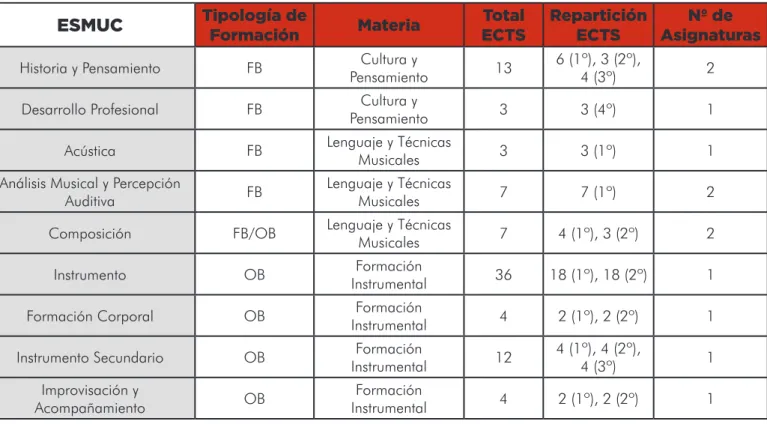
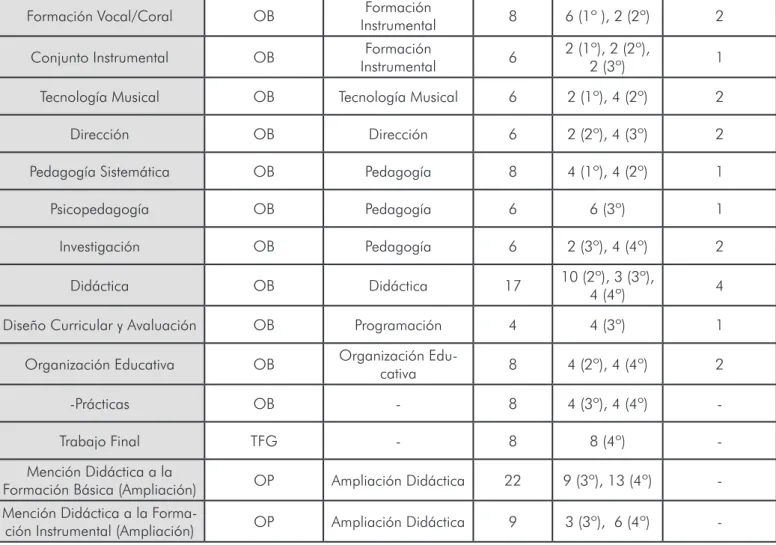
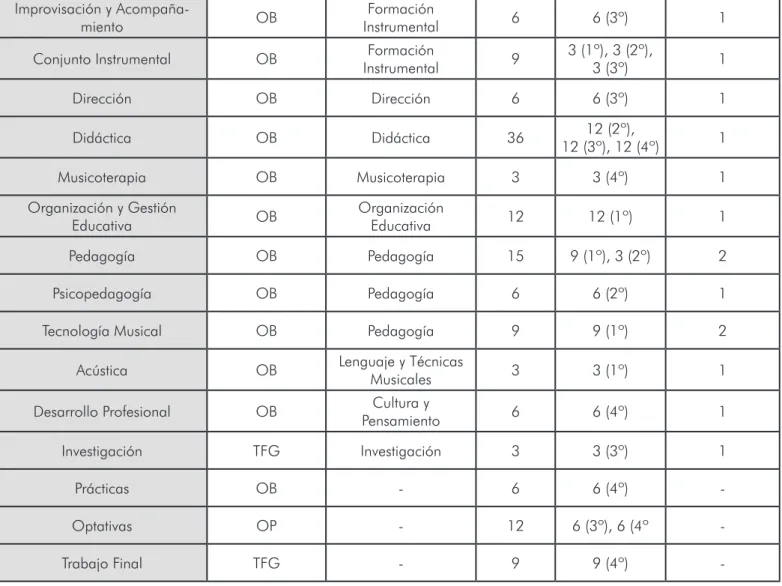
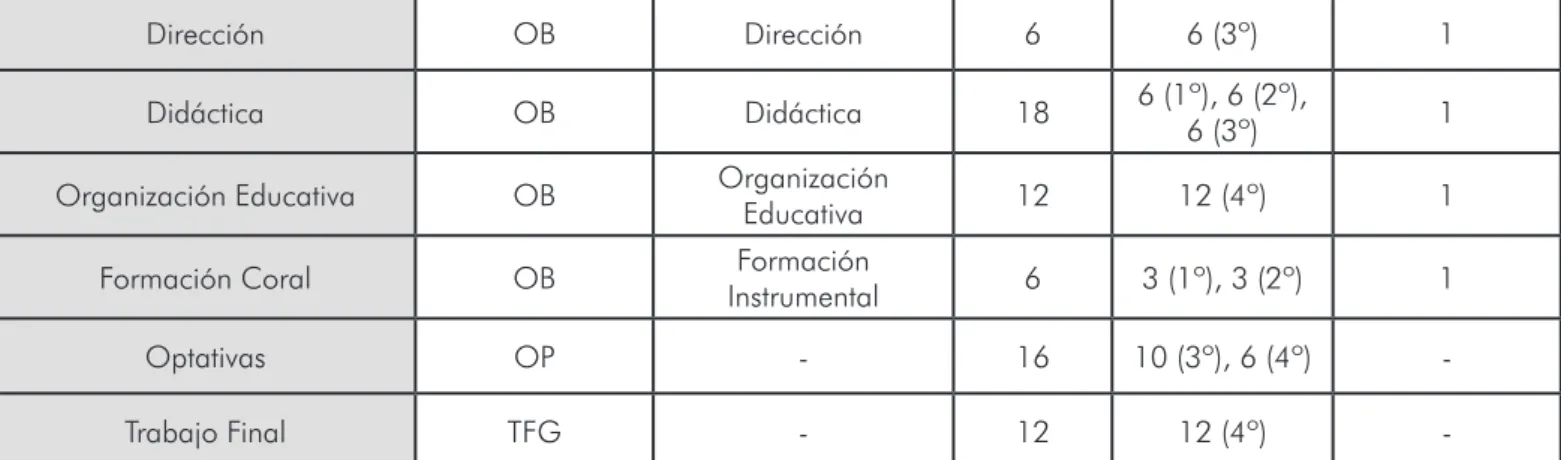
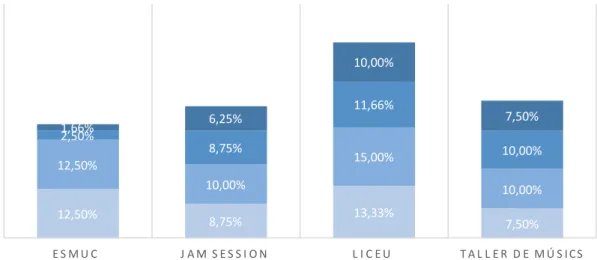
(27) RECIBIDO: 08/02/2019 ACEPTADO: 10/06/2019. resumen La especialidad de Pedagogía se ofrece a día de hoy en los cuatro centros de enseñanzas superiores en música que existen en Cataluña y, aunque es creciente el interés por la práctica docente en los círculos académicos de esta disciplina artística, existen diversas referencias que exponen la, aún presente, falta de conocimiento de esta área por parte de profesorado y alumnado. Con la finalidad de analizar las diferencias existentes entre las distintas versiones del grado según el lugar de impartición, se ha realizado una investigación de carácter descriptivo-exploratorio. Los resultados del análisis muestran diferencias notables entre los distintos conservatorios y escuelas superiores en cuanto a especificación y oferta formativa, lo cual corrobora el demérito y la ausencia de formación docente específica en los planes de estudios de algunos conservatorios y escuelas de música, y abre las puertas a un proceso de análisis crítico y mejora de la calidad formativa de cada versión existente del grado.. paralabras clave Grado Superior, Pedagogía Musical, Planes de Estudios, Formación Docente. abstract The speciality of Pedagogy is offered nowadays in the four centres of higher educations in music that exist in Catalonia and, although the interest is increasing for the educational practice in the academic circles of this artistic discipline, diverse references exist that expose it remains a lacking in knowledge of this area by both teachers and students. With the purpose of analysing the existing differences between the different versions of the degree according to the place of imparting, there has been realized an investigation of descriptive - exploratory character. The results of the analysis show notable differences between the four conservatoires and high schools on specification level and formative offer, which indicates demerit and absence of educational specific formation in the educational plans of some conservatoires and schools of music, and opens the door for a process of critical analysis and improvement of the formative quality of every existing version of the degree.. keywords Degree, Musical Pedagogy, Educational Plans, Educational Formation. ArtsEduca 24 / 26 ArtsEduca, 24, septiembre 2019 | DOI - http://dx.doi.org/10.6035/Artseduca.2019.24.3 | ISSN: 2254-0709 | pp. 25-40.
Figure
+7


Outline
Discusión de Resultados
Estrategias implementadas al inicio de las actividades de aprendizaje
Estrategias a usar en la relación profesorado-alumnado
Crear en la nueva taxonomía: una acción o habilidad que necesita un modelo propio
Conclusiones: educar y aprender con niños artistas
La ópera en la República Veneciana del siglo
Mujeres músico
Aprendizaje basado en proyectos (ABP)
Aproximación a la asignatura
DEL MONTAJE DE TEATRO DE TÍTERES
Documento similar
Fuente de emisión secundaria que afecta a la estación: Combustión en sector residencial y comercial Distancia a la primera vía de tráfico: 3 metros (15 m de ancho)..
La campaña ha consistido en la revisión del etiquetado e instrucciones de uso de todos los ter- mómetros digitales comunicados, así como de la documentación técnica adicional de
Products Management Services (PMS) - Implementation of International Organization for Standardization (ISO) standards for the identification of medicinal products (IDMP) in
This section provides guidance with examples on encoding medicinal product packaging information, together with the relationship between Pack Size, Package Item (container)
Abstract: This paper reviews the dialogue and controversies between the paratexts of a corpus of collections of short novels –and romances– publi- shed from 1624 to 1637:
Y tendiendo ellos la vista vieron cuanto en el mundo había y dieron las gracias al Criador diciendo: Repetidas gracias os damos porque nos habéis criado hombres, nos
o Si dispone en su establecimiento de alguna silla de ruedas Jazz S50 o 708D cuyo nº de serie figura en el anexo 1 de esta nota informativa, consulte la nota de aviso de la
Colaboradores Teresa Castilla Mesa y Servicio de Orientación de Ciencias de la Educación Destinatarios Alumnos/as de todos los grados. Lugar Facultad de Ciencias de
